
Thursday · 1 hr 12 min
Florida Cannabis: Who’s Winning and What Comes Next? Starring Emily Paxhia
- Transcript

Higher Exchanges
Higher Exchanges is the number one independent cannabis investing show. Hosted by Jesse Redmond and Morgan Paxhia, the show features candid conversations with top CEOs, operators, and capital allocators shaping the future of cannabis. We break down complex cannabis markets into clear insights you can actually use.
Higher Exchanges is powered by Flowhub and features original intro music by Chris Otchy.
Emily Paxhia joins Jesse Redmond and Morgan Paxhia to break down one of the largest and most competitive cannabis markets in the country. They discuss what’s changed in Florida, who’s winning and why, evolving consumer behavior, retail and promotion strategy, vertical integration, consolidation, and where the next leg of growth may come from. The conversation also covers what DEA registration does and does not mean for operators, and how companies should think about adult-use optionality. Higher Exchanges is powered by Flowhub.

Jesse Redmond and Morgan Paxhia are joined by Scott Grossman to discuss Cannabis 3.0 and the different architectures emerging across the industry. Scott breaks down the role of intellectual, financial, and human capital, and how cannabis companies are increasingly pursuing very different strategies for the next phase of the market. The conversation looks at Curaleaf, Glass House, and other operators to explore which models may be best positioned as the industry evolves. Higher Exchanges is powered by Flowhub.

Dan Ahrens, Managing Director and Chief Investment Officer at AdvisorShares, joins Higher Exchanges for a look inside the world’s largest cannabis ETF. Dan explains how he evaluates cannabis companies, builds positions across the MSOS and YOLO ETFs, and decides when a declining stock represents opportunity versus a broken investment thesis. The conversation also covers the financial metrics that matter most, how management quality and capital allocation influence stock selection, why major holdings carry different portfolio weights, and how Dan manages concentration and downside risk. We also get into swaps, custody, counterparty risk, liquidity, and how uplisting could change the investable universe. Higher Exchanges is hosted by Jesse Redmond and Morgan Paxhia. Powered by Flowhub, book a demo today!

What really happened inside the DEA’s cannabis rescheduling hearings? This week, Jesse Redmond and Morgan Paxhia are joined by Christian Bax, Senior Attorney at The Lockwood Law Firm, who attended the hearings from start to finish. Christian provides a firsthand look at the arguments presented by both supporters and opponents of Schedule III, what stood out inside the hearing room, and where the rescheduling process goes from here. The conversation also explores what the hearings mean for cannabis operators, investors, and the broader industry as regulatory uncertainty continues. Topics include: • Why the DEA hearings were held and what they were meant to accomplish • The strongest arguments from both sides • Key moments and surprises from inside the hearing room • What happens next in the rescheduling process • What operators and investors should be watching going forward Powered by Flowhub.
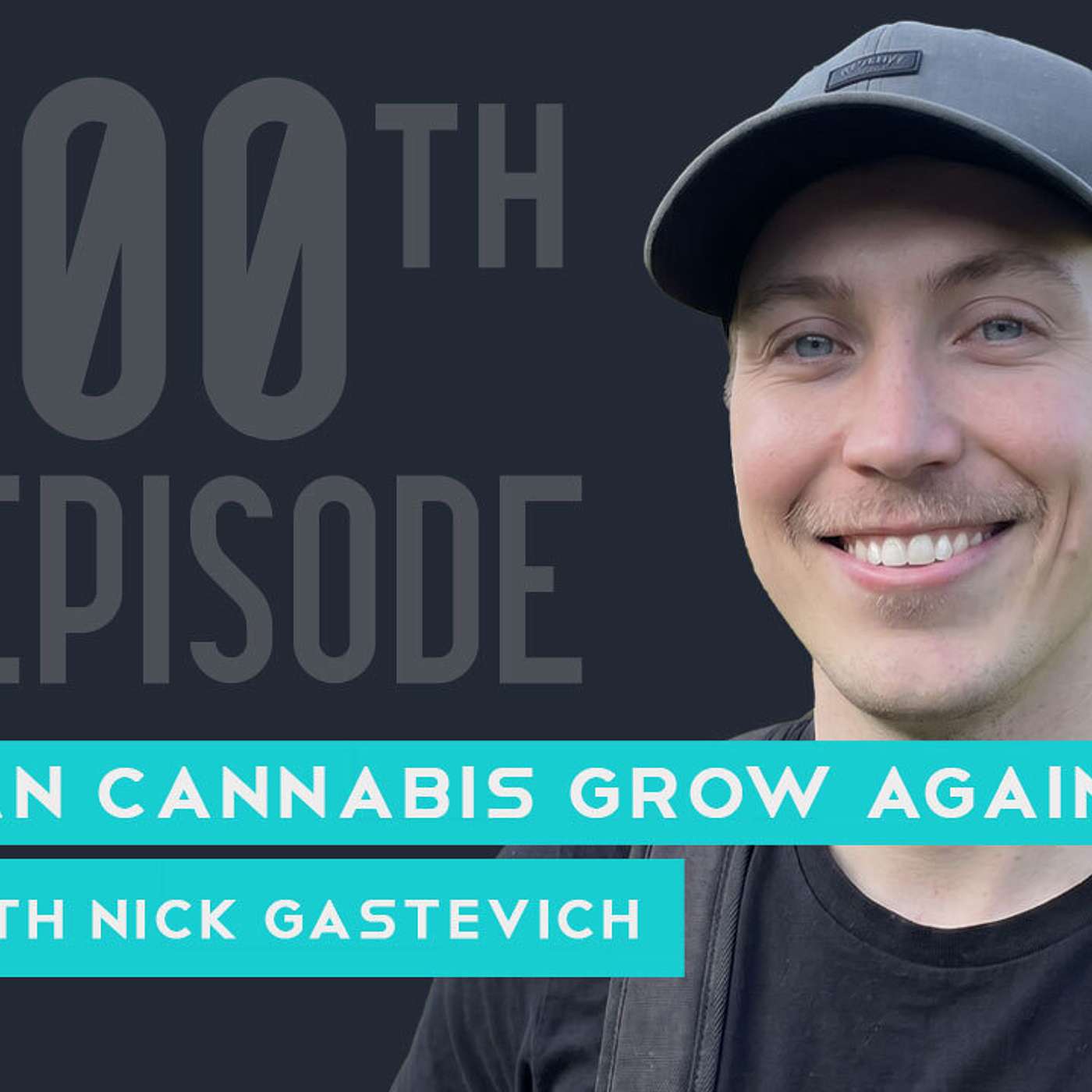
Higher Exchanges celebrates its 100th episode with special guest Nick Gastevich to tackle one of the biggest questions facing the cannabis industry: Can cannabis grow again? After several challenging years for operators and investors, we examine what could drive the industry’s next chapter. From new state markets and same-store sales to hemp regulation, M&A, capital markets, and interstate commerce, we discuss the catalysts that could reshape cannabis over the next five years. In this episode: Celebrating 100 episodes of Higher Exchanges Nick’s biggest surprises and lessons from the past year Where future cannabis growth will come from The outlook for new state launches and same-store sales The impact of intoxicating hemp regulation Whether M&A and industry consolidation are finally accelerating Which companies are best positioned to be long-term winners How capital markets, uplistings, and institutional investors could change the industry What needs to happen for cannabis to become an attractive investment sector again Follow Higher Exchanges for weekly conversations with the leaders shaping the future of cannabis investing. Higher Exchanges is powered by Flowhub.
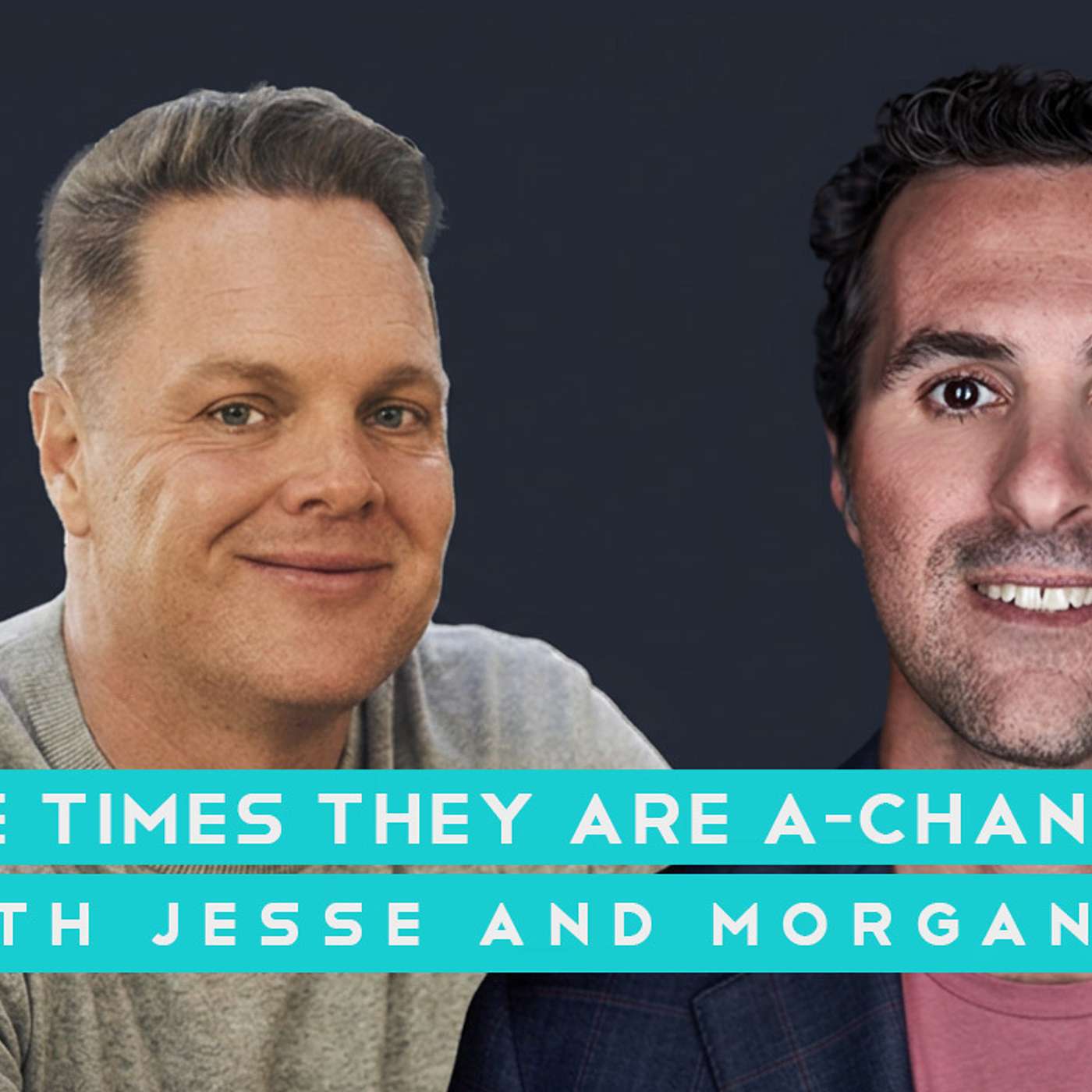
The cannabis industry may be entering a very different chapter. In this episode of Higher Exchanges, Jesse Redmond and Morgan Paxhia break down their biggest takeaways from the Benzinga Cannabis Capital Conference in Chicago and discuss why the industry’s long-term outlook may be improving—even as public cannabis stocks continue to struggle. They cover: Why this year’s conference felt different Why an uplisting isn’t a magic bullet for valuations How DEA manufacturing registrations could accelerate interstate commerce and international exports Why exports may arrive sooner than many investors expect Virginia’s path toward adult-use legalization Vermont’s interstate commerce legislation Why low-cost production and scale could become major competitive advantages Whether you’re an investor, operator, or simply following the evolution of the cannabis industry, this episode provides practical insights into the trends that could shape the next phase of growth. Higher Exchanges is powered by Flowhub.

Cannabis rescheduling is officially here. Now what? This week, Jesse Redmond and Morgan Paxhia welcome back Hirsh Jain to discuss what Schedule III means for the industry, how states are responding, and what comes next. We cover the upcoming adult-use hearings, interstate commerce, export opportunities, Virginia's latest legalization setback, Pennsylvania's outlook, and which operators stand to benefit most from the next phase of cannabis reform. Topics: • Schedule III implementation • Interstate commerce • Export opportunities • Virginia adult-use • Pennsylvania legalization • MSO winners and losers • Cannabis investing in 2026 Higher Exchanges is powered by Flowhub.

On this episode of Higher Exchanges, Jesse Redmond and Morgan Paxhia sit down with Steven Ernest, Head of Originations at Chicago Atlantic, to discuss how cannabis lending and private credit markets are evolving heading into a potential Schedule III world. Steven gives an update on Chicago Atlantic’s platform today, how cannabis credit has changed over the last 12–18 months, and why periods of industry stress can create compelling opportunities for disciplined lenders. The conversation also explores private credit valuation concerns, collateral structures, institutional capital flows, and what separates stronger operators from the rest of the market. The group dives deep into the potential impact of Schedule III rescheduling, including whether the biggest benefit is tax relief, improved fundamentals, or the psychological shift that could bring new institutional investors into the space. Topics include: - The state of cannabis lending in 2026 - Private credit risk and valuation trends - Real estate collateral vs. cash-flow underwriting - Schedule III and institutional capital - Why cannabis remains a structurally inefficient lending market - The future of banking and commercial credit in cannabis - What the market still misunderstands about cannabis credit A timely conversation with one of the most experienced lenders in the industry. Higher Exchanges is powered by Flowhub.

In this Higher Exchanges deep dive, we break down the cannabis sector at a critical moment following 4/20 and renewed momentum around federal rescheduling. Jesse Redmond is joined by Morgan Paxhia and Sammy J to focus on what’s actually changing — and what investors should be paying attention to. Topics Covered: Federal cannabis rescheduling: what just happened and what comes next 4/20 recap and what it says about consumer demand Green Thumb Industries (GTI): best-in-class or fully valued? Vireo Growth: the roll-up strategy and integration risk C21 Investments: a quiet operator worth revisiting Where the real long-term opportunity in cannabis lies Sponsored by Flowhub The all-in-one platform powering dispensaries with POS, inventory, compliance, and ecommerce. If you’re investing in cannabis or tracking the evolution of the industry, this is a clear, focused breakdown of where things stand today.

Where can investors actually find value in cannabis today — and how should they be thinking about the space going forward? In this episode of Higher Exchanges, Jesse Redmond and Morgan Paxhia are joined by Jerry Derevyanny, Partner at Bengal Capital, for a wide-ranging conversation on capital allocation, alternative investment strategies, and what separates real operators from the rest. We cover: • Where value is emerging today — concentrated vs. broad exposure and where alpha is coming from • Alternative ways to invest — debt, preferred equity, and real estate vs. traditional equities • What real brand building looks like in cannabis — and how to separate true consumer demand from distribution advantages • Why “Nasdaq isn’t magic” — and what it actually takes to become institutional-quality As the industry evolves, the opportunity set is shifting. This conversation breaks down how experienced investors are approaching cannabis today. Powered by Flowhub.

On this episode of Higher Exchanges, we’re joined by Micah Anderson, CEO of LEEF Brands, to break down the company’s fourth quarter and full year 2025 results and what they signal about the next phase of growth. We cover LEEF’s evolution, including the addition of Salisbury Canyon Ranch, and how vertical integration is driving margin expansion, improved consistency, and stronger cash flow. Q4 marked a clear inflection point, with revenue up nearly 40% year-over-year, gross margins reaching 45.5%, and the business generating positive operating and free cash flow. We also unpack the transition from H1 to H2, where margins expanded significantly as LEEF shifted toward internally sourced biomass, and discuss what it means to build a large-scale cultivation asset inside a public company. Finally, we look ahead to what’s next, including expansion plans at Salisbury Canyon Ranch, the recent Mindset Capital investment, and the growing optionality across CBD, interstate commerce, exports, and M&A, along with listener questions on market share and unit economics. Higher Exchanges is powered by Flowhub.

On today’s episode of Higher Exchanges, Jesse Redmond and Morgan Paxhia sit down with Boris Jordan, Chairman and CEO of Curaleaf, the largest cannabis company in the world. We discuss what may be the most important policy and capital markets moment the industry has seen in years. Boris shares Curaleaf’s perspective on federal rescheduling, what it could change for operators, when it may become final, and whether additional catalysts like SAFER banking, uplisting, or even descheduling could follow. We also explore Curaleaf’s evolving strategy around hemp-derived THC. After entering the category in 2018, exiting in 2023, reentering in 2024, and now stepping away again, Boris explains what changed in the regulatory landscape and what conditions could bring Curaleaf back to hemp in the future. The conversation then turns to capital markets and consolidation across the cannabis industry. Following Curaleaf’s recent $500M refinancing, we discuss the improving tone in financing markets, whether deal activity is returning, and where industry consolidation may emerge. Finally, we dive into Curaleaf’s fundamentals, including the balance between U.S. and international growth, sustaining margins through years of price compression, and what investors may be missing when evaluating the largest operator in cannabis. A thoughtful discussion on policy catalysts, industry structure, and the next phase of growth for cannabis. Higher Exchanges is powered by Flowhub. Topics Discussed • Federal cannabis rescheduling and policy outlook • SAFER banking, uplisting, and future catalysts • The future of hemp-derived THC • Cannabis capital markets and financing conditions • Industry consolidation and M&A • Curaleaf’s international growth strategy • Margins and price compression in U.S. cannabis • Curaleaf’s “Built for Growth” strategy

On this episode of Higher Exchanges, Jesse Redmond and Morgan Paxhia are joined by Bill Morachnick, CEO of Charlotte’s Web, to explore whether the CBD category is entering a true restart or simply experiencing another policy-driven moment. The conversation covers the evolution of CBD since the 2018–2019 boom, the emerging Medicare/CMMI reimbursement channel, and how regulatory momentum could reshape access, adoption, and total addressable market — particularly among senior consumers. Bill shares how Charlotte’s Web is positioning for a more medical and regulated future, including advantages in compliance, formulation, distribution, and brand trust, as well as the company’s botanical drug development strategy and long-term optionality. We also discuss minor cannabinoids, capital markets implications, the role of BAT’s investment, lessons from the last CBD cycle, and what a durable path forward for the category could look like. Higher is exchanges is presented by Flowhub.

In today’s episode of Higher Exchanges, Jesse Redmond and Morgan Paxhia tackle five of the toughest questions shaping the next phase of the cannabis industry. Will Schedule III trigger a lasting cannabis bull market? Will federal hemp restrictions remain in place through November 2026? Will two of Pennsylvania, Virginia, and Florida legalize adult use and restart growth? Will three of today’s Tier One operators still be the top five cannabis companies in ten years? And will a U.S. plant-touching MSO uplist to NASDAQ or NYSE by year's end? This is a focused discussion on regulation, capital markets, state expansion, consolidation, and long-term leadership in cannabis. If you’re investing in marijuana stocks or following U.S. cannabis reform, this episode breaks down the structural forces shaping where capital flows next. Higher Exchanges is powered by Flowhub, check 'em out at flowhub.com

On this episode of Higher Exchanges, hosts Jesse Redmond and Morgan Paxhia are joined by Jason Wild and Ziad Ghanem of TerrAscend for a timely conversation on where cannabis investing goes next. As federal reform approaches and capital markets begin to reawaken, the group explores how operators and investors are positioning for the industry’s next phase. We discuss: Whether this catalyst cycle is truly different TerrAscend’s perspective on rescheduling and what changes post-reform What may come next: SAFER Banking, uplisting, and interstate commerce Recent Supreme Court developments and their broader impact Shifts in capital markets and consolidation activity M&A trends and how TerrAscend is thinking about growth and portfolio optimization Q3 fundamentals, margin improvement, and navigating price compression Capital allocation, balance sheet strength, and how TSND would approach financing if markets reopen We close with a simple but important question for investors: why buy today? 🎙️ Higher Exchanges is powered by Flowhub.

Higher Exchanges is presented by Flowhub. Following the federal Executive Order to move cannabis from Schedule I to Schedule III, the cannabis industry may be entering the early stages of a new M&A cycle. In this episode of Higher Exchanges, Jesse Redmond and Morgan Paxhia are joined by Dai Trong, Managing Director at Arlington Capital Partners, to discuss how rescheduling could accelerate consolidation, unlock capital, and reshape strategic behavior across the sector. After years of contraction, oversupply, margin pressure, and 280E tax burdens, cannabis M&A is beginning to re-emerge—starting with distressed and opportunistic deals by better-capitalized operators. We cover: What Schedule III changes most for cannabis M&A Where we are in the current consolidation cycle Why some operators are moving now while others remain cautious Recent real-world deal activity across California and beyond What still needs to happen for larger strategics and capital to re-engage Finally, we close with Dai offering M&A tips to both operators and investors!

This is a line-in-the-sand moment for legal cannabis. In this episode of Higher Exchanges, Jesse Redmond and Morgan Paxhia break down the Schedule III announcement alongside policy expert Hirsh Jain and capital markets veteran Scott Grossman. We unpack what just happened, why it matters, and what could come next for cannabis policy and markets. We cover: • A clear overview of the Schedule III news and first reactions • What changes on the policy side — including CBD and Medicare implications, and potential state and federal follow-ons • What this means for capital markets — institutions, uplisting potential, lending rates, and what makes a rally sustainable • A forward-looking close: what each of us is most excited about heading into 2026 This is the most significant policy development for cannabis since Colorado legali

We’re fresh back from MJBiz and breaking down everything: the people we saw, the energy on the floor, standout moments, and yes—Jesse’s run-in with the “Angry” hot chicken. Each of us shares the surprises that caught our attention this year, along with our biggest learnings from the conference. From there, we shift into a forward-looking conversation about 2026: what to expect, how the hemp ban reshapes TAM, why Curaleaf exiting the hemp category matters, and which opportunities emerge (like CBD + Medicare) as others fade. We explore what the market might be missing—especially around enforcement, potential stays, capital flows, pricing, and state-level catalysts—and close with a conversation about what still excites us about working in this industry.

Today on Higher Exchanges, Jesse and Morgan sit down with Whitt Steineker, Partner at Bradley Arant Boult Cummings LLP, to break down the major regulatory shifts impacting hemp, cannabis, and the broader U.S. market. We cover: What just happened to the U.S. hemp market — why it happened, what it means, and when enforcement may hit. How new hemp rules affect state-licensed cannabis — potential opportunities, risks, and implications for federal reform. The future of industrial hemp — genetics, farming incentives, infrastructure needs, and whether this resets the narrative around American hemp production. The divide in D.C. between intoxicating hemp and legal cannabis, why it exists, and how these sectors might align to drive federal change. Whitt also shares how Bradley is advising clients through this moment — and what he expects to see in both cannabis and hemp policy over the next 12 months.

In this episode, we sit down with Micah Anderson, CEO of LEEF Brands (CSE: LEEF | OTCQB: LEEEF), to break down the company’s Q3 2025 financial results and what’s driving its turnaround story. LEEF delivered a standout quarter with revenue up 24% year-over-year to $8.4M, gross margins doubling to 45%, and the company generating positive adjusted EBITDA and free cash flow for the first time. We discuss the key drivers behind that performance — from the first successful harvests at Salisbury Canyon Ranch in California to the rapid launch of LEEF’s extraction lab in New York. Topics we cover: • The execution behind Salisbury Canyon Ranch and New York — LEEF’s two 2025 strategic goals — and how they are reshaping cost structure and margins. • The operational levers behind a 23-point margin expansion: how much came from vertical integration vs. new market mix. • How LEEF is maintaining cost discipline with operating expenses down 12% YoY while growing topline performance. • The company’s approach to managing 280E taxes and its stance on accruing vs. paying UTP. • Why LEEF added Bitcoin to its corporate treasury, and how Micah views Bitcoin allocation versus other growth investments like expansion or scaling SCR. • Plans for the next phase: expanding cultivation at Salisbury Canyon Ranch to 187 acres, scaling production in New York, and evaluating new state entries every 12–24 months. After Micah joins, we broaden the discussion with a look at the Q3 earnings season across cannabis, including Verano and Jushi. We dig into trends like margin compression, limited catalysts until 2026+ in key states, and how efficiency and vertical integration are separating strong operators from those treading water. A grounded, data-driven discussion on execution, cost control, and strategy in a tough market — plus a look at where real growth may come next.