Skip to content
Artwork for Here & Now Anytime

Here & Now Anytime

NPR

The news you need to know today — and the stories that will stick with you tomorrow. Plus, special series and behind-the-scenes extras from Here & Now hosts Robin Young and Scott Tong with help from Producer Chris Bentley and the team at NPR and WBUR.

Play
  • 28 episodes
  • daily
  • Avg 22 min
  • English

Support the show

Goes straight to the publisher. podnod takes nothing.

Counted on this page — what you have heard stays on this device, so it is not something the list can be paged by.
  • August 5 · 23 min

    Feds backtrack on border wall water after public outcry

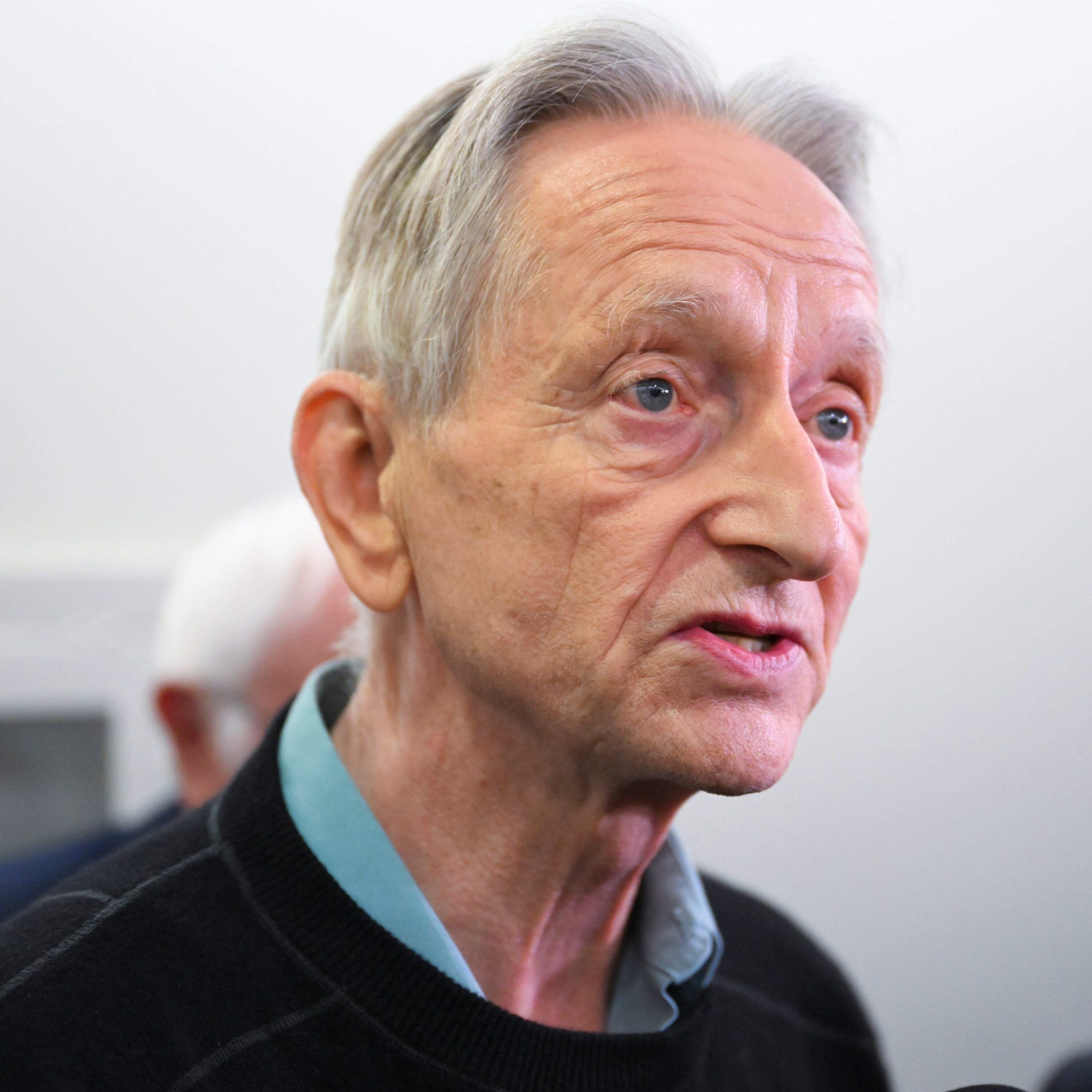
    U.S. Customs and Border Protection has told contractors building the border wall in New Mexico to stop drilling new wells for groundwater. We get the latest from Here & Now's Peter O'Dowd, who reported on the unpermitted wells when drilling started in July. Then, we speak with a family in Spokane, Washington, who evacuated less than half an hour before their home caught fire. And, one reason there isn't a severe global energy crisis is that China has significantly cut oil imports since the war in Iran began. How it's done this and why is a bit of a mystery. Rory Johnston, oil market analyst and Commodity Context creator, explains what's going on with China and how long it might keep doing it. See pcm.adswizz.com for information about our collection and use of personal data for sponsorship and to manage your podcast sponsorship preferences. NPR Privacy Policy

  • August 4 · 23 min

    What history says about a split Democratic Party

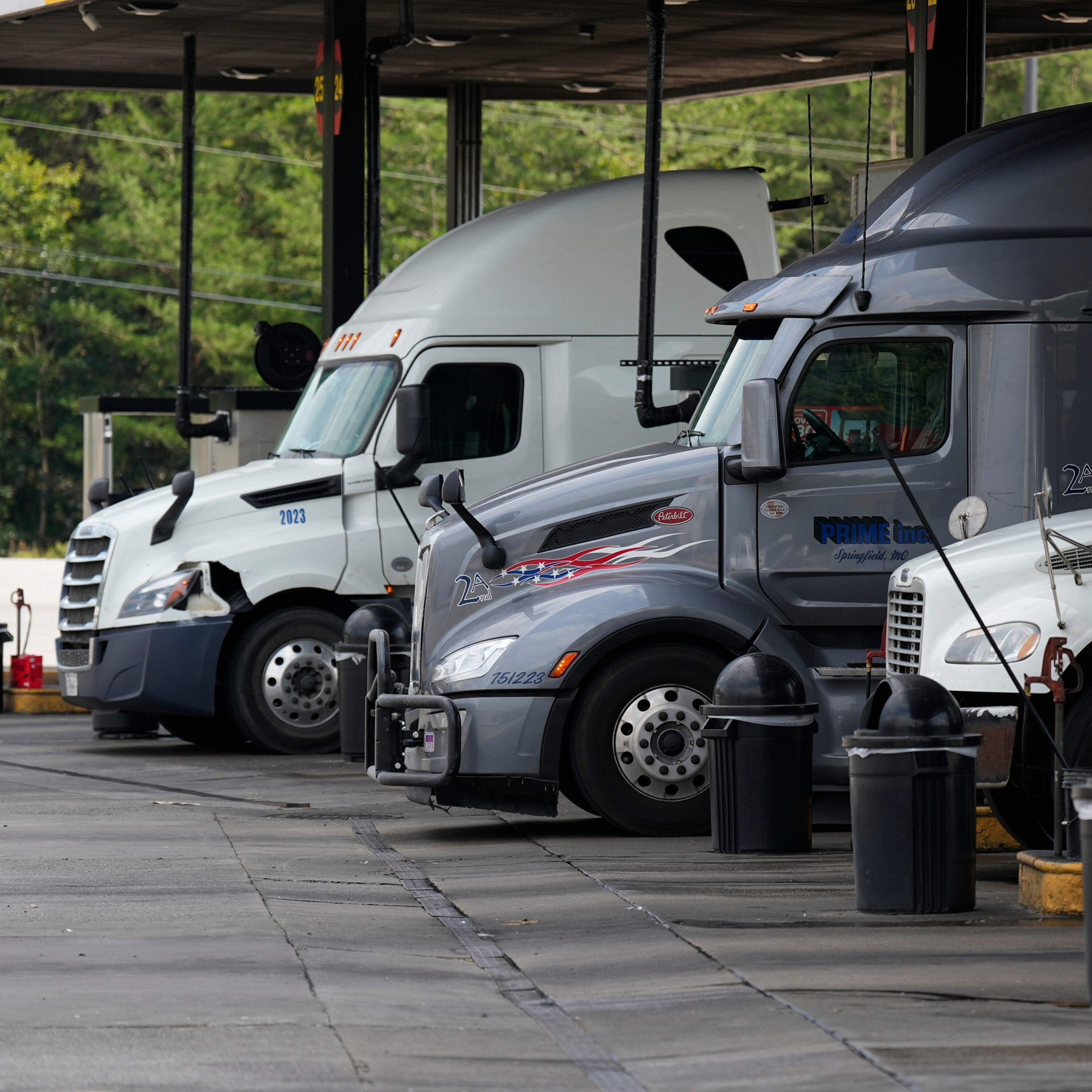
    This primary season has left many Democrats wondering which way the party will go: moderate or progressive. But Princeton University historian Julian Zelizer explains why that’s the wrong question to ask. And, President Trump’s second term has been drastically different from his first. New York Times reporter and “Regime Change” author Maggie Haberman shares what she found about the inner workings of an unchecked administration operating largely on instinct alone. See pcm.adswizz.com for information about our collection and use of personal data for sponsorship and to manage your podcast sponsorship preferences. NPR Privacy Policy
  • August 3 · 17 min

    Historic wildfires burn through Washington State

    As wildfires continue to burn in northeast Washington near Spokane, Gov. Bob Ferguson tells us how the state is managing the disaster. Then, Attorney General nominee Todd Blanche has won the support of two Republican holdouts after he agreed in writing to rescind a controversial plan to create a fund that would compensate President Trump's allies. The Wall Street Journal's Sadie Gurman tells us more. And, is the future of artificial intelligence in the U.S. or China? Axios' Ina Fried weighs in. See pcm.adswizz.com for information about our collection and use of personal data for sponsorship and to manage your podcast sponsorship preferences. NPR Privacy Policy

  • July 31 · 29 min

    What ospreys can tell us about climate change

    Osprey populations are falling across the East Coast. In the past year, the number of chicks documented is at its lowest since 2014. One cause is overfishing, meaning less food for the birds to eat. Miley Bull and Matt Joyce from the Connecticut Audubon Society share more of their concerns. Then, like many artists, James Cook focuses his work around portraits of notable people, iconic landscapes and busy cityscapes. But what sets him apart are the tools he uses to create his pieces. Cook joins us to explain how he uses nearly 100 vintage typewriters to make these detailed, unique pieces of art. And, people who have synesthesia can see time, hear colors or even taste words. Cognitive psychologist Dr. Mary Spiller explains more about the neurological phenomenon that means “union of the senses.” See pcm.adswizz.com for information about our collection and use of personal data for sponsorship and to manage your podcast sponsorship preferences. NPR Privacy Policy

  • July 30 · 22 min

    States vs. federal government in prediction market battle

    A majority of states are demanding more regulation of the billion-dollar prediction market industry, while federal regulators have sided with the companies in their lawsuits against state regulation laws. MS NOW's Ali Velshi shares the latest. Then, men are more scarce in HEAL careers, short for health care, education, administration, and literacy, than women are in STEM. Darby Saxbe argues that the best way to improve prestige and pay for the women in these fields is to get more men into them, and she points to the history of computing as an example. And, cannabis has become a popular sleep aid, but while THC — one of its main active ingredients — has been shown to induce drowsiness and sleep, research shows cannabis may actually make sleep quality worse. University of Calgary neuroscientist Matthew Hill tells us about the interaction between cannabinoids, sleep and stress. See pcm.adswizz.com for information about our collection and use of personal data for sponsorship and to manage your podcast sponsorship preferences. NPR Privacy Policy

  • July 29 · 24 min

    Fauci remains silent as senators grill him on COVID-19 origins

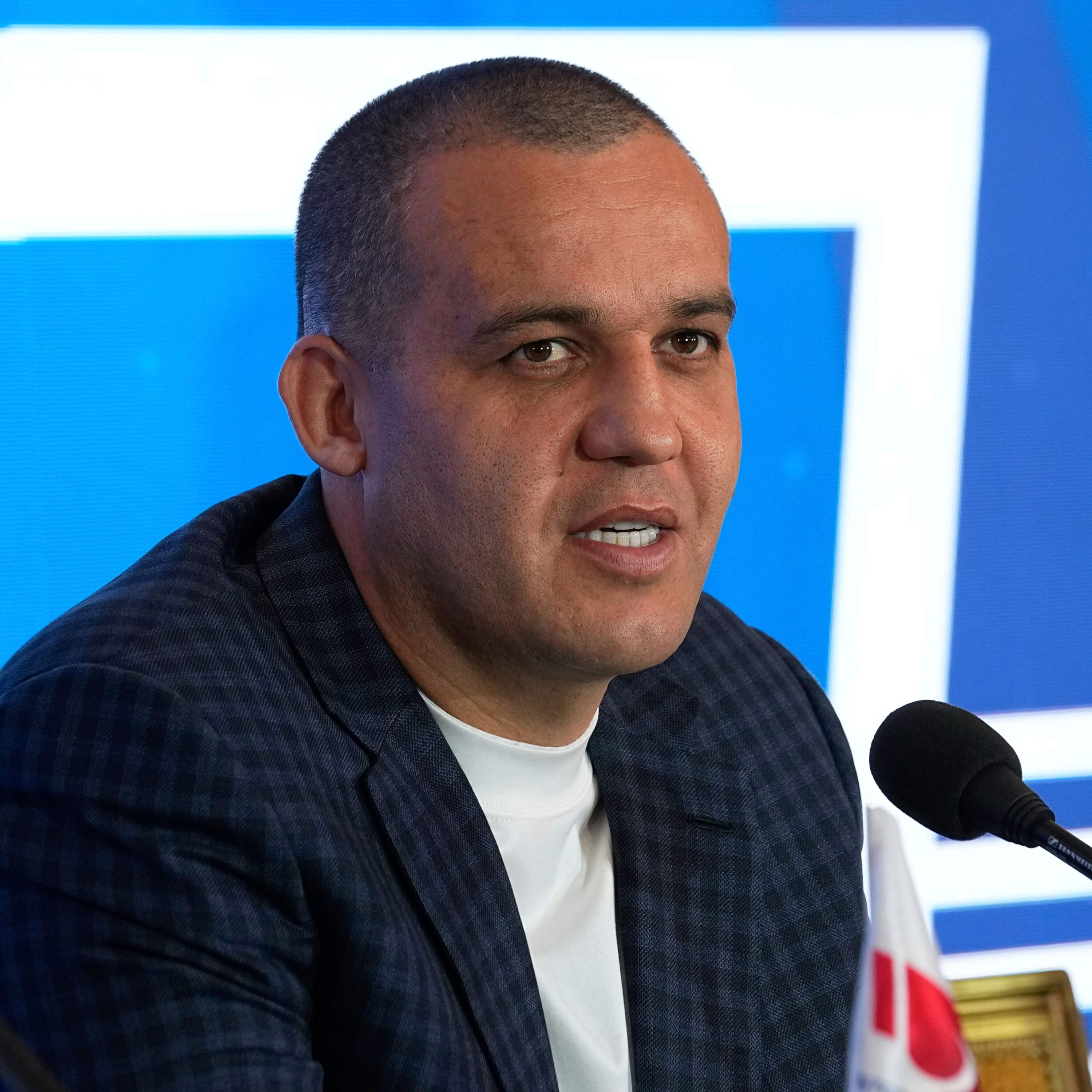
    Senators are questioning Dr. Anthony Fauci, the top infectious disease expert for decades, about how he handled the response to the COVID-19 pandemic. Atlantic staff writer Katherine J. Wu unpacks the hearing, including Fauci’s repeated invocation of the Fifth Amendment. Then, the Department of Homeland Security’s top lawyer is publicly condemning district court judges at a time when threats against them are rising. New Jersey District Judge Esther Salas, whose son was killed in a politically-motivated attack in 2020, shares her concerns over violence directed at judges and the dangers of federal officials denouncing them by name. And, the Department of Health and Human Services has recommended medical schools teach 40 hours of nutrition and suggested 71 new competencies. Only some are backed by dieticians. STAT’s Lauren Chan explains how schools are navigating new recommendations. See pcm.adswizz.com for information about our collection and use of personal data for sponsorship and to manage your podcast sponsorship preferences. NPR Privacy Policy
  • July 28 · 24 min

    Haitians are losing immigration protection. Many fear what comes next

    Immigration and customs enforcement agents could begin deportations at any time as Temporary Protected Status ends for Haitians and Syrians. We get the latest from CBS News' Camilo Montoya-Galvez. Then, a new rule proposed by the White House would give political appointees veto power over scientific research. ProPublica's Lisa Song tells us more. And, despite President Trump's resolve to repeal the Biden administration's Inflation Reduction Act, a new report finds that the clean energy transition is still largely following the trajectory laid out in the IRA. We speak with the author of the report, Lily Bermel. See pcm.adswizz.com for information about our collection and use of personal data for sponsorship and to manage your podcast sponsorship preferences. NPR Privacy Policy

  • July 27 · 24 min

    Michigan's Midterm moment

    In Michigan, two races are getting national attention. One is for governor, and the other is for U.S. Senate. Host Scott Tong reports from Michigan on the two Democrats competing in the primary for Senate and the gubernatorial candidate endorsed by President Trump. Then, AJ Jones, a reporter with WCMU in Mount Pleasant, Michigan, breaks down what swing voters are thinking ahead of midterm elections. And, Detroit's historic Eastern Market is one of the oldest, continuously running markets in the country. Scott takes a walk among the vendors selling produce, meats, prepared foods and more with journalist Paul Eisenstein to learn the market’s history. See pcm.adswizz.com for information about our collection and use of personal data for sponsorship and to manage your podcast sponsorship preferences. NPR Privacy Policy

Showing 21–28 of 28 episodes