Skip to content
Artwork for Here & Now Anytime

Here & Now Anytime

NPR

The news you need to know today — and the stories that will stick with you tomorrow. Plus, special series and behind-the-scenes extras from Here & Now hosts Robin Young and Scott Tong with help from Producer Chris Bentley and the team at NPR and WBUR.

Play
  • 60 episodes
  • daily
  • Avg 23 min
  • English

Support the show

Goes straight to the publisher. podnod takes nothing.

Counted on this page — what you have heard stays on this device, so it is not something the list can be paged by.
  • Friday · 29 min

    'The Muppets' turn 50

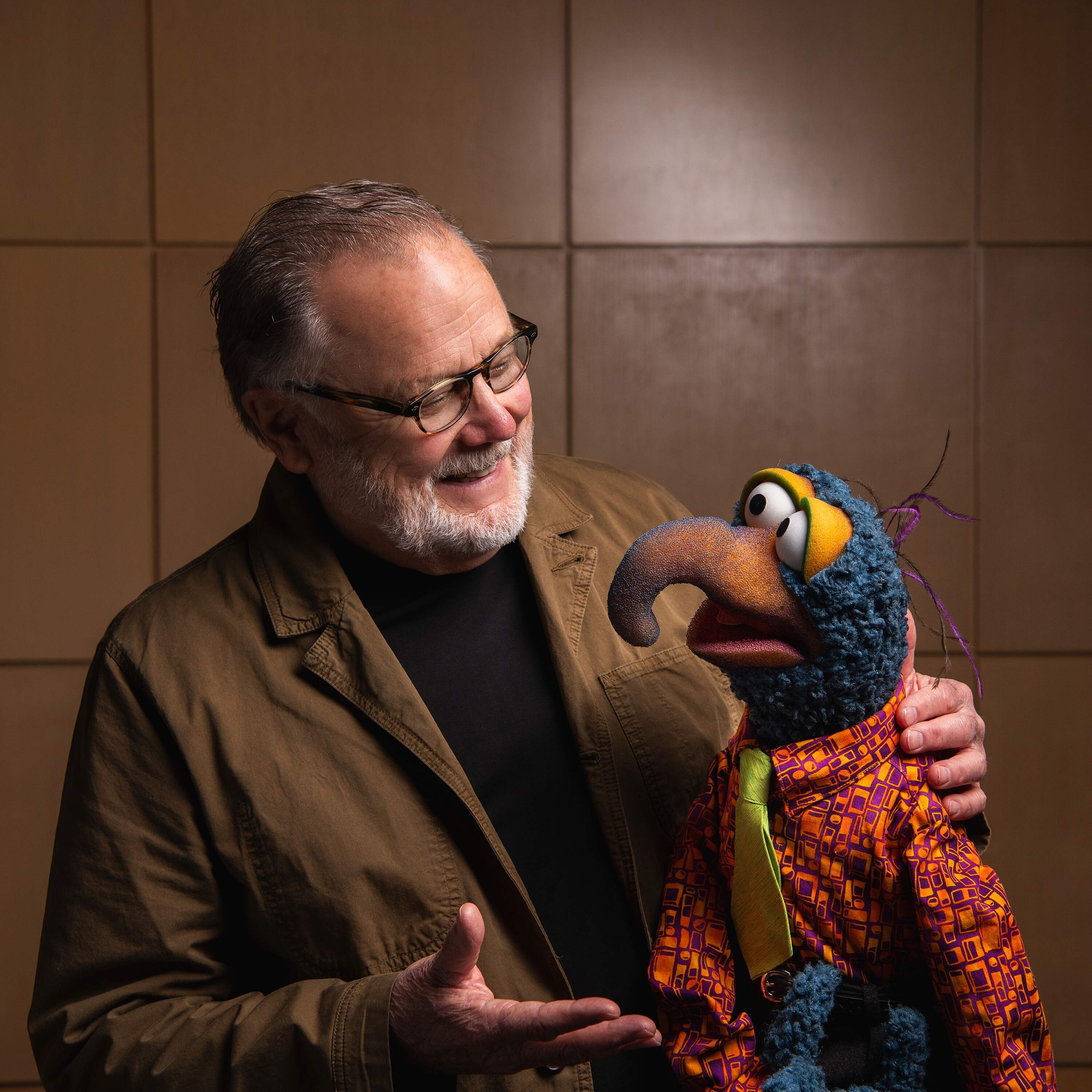
    "The Loneliness of Sonia and Sunny," Kiran Desai's 2025 novel, is a sprawling, multi-generational family saga that plays out across four continents in the late 1990s. Desai talks about her epic second novel and the power of solitude. Then, "The Muppets Show" is turning 50. We speak with Bonnie Erickson, the creator of the Miss Piggy puppet, and Dave Goelz, the only human who has played Gonzo. See pcm.adswizz.com for information about our collection and use of personal data for sponsorship and to manage your podcast sponsorship preferences. NPR Privacy Policy

  • Thursday · 22 min

    Does Ukraine still trust the U.S.?

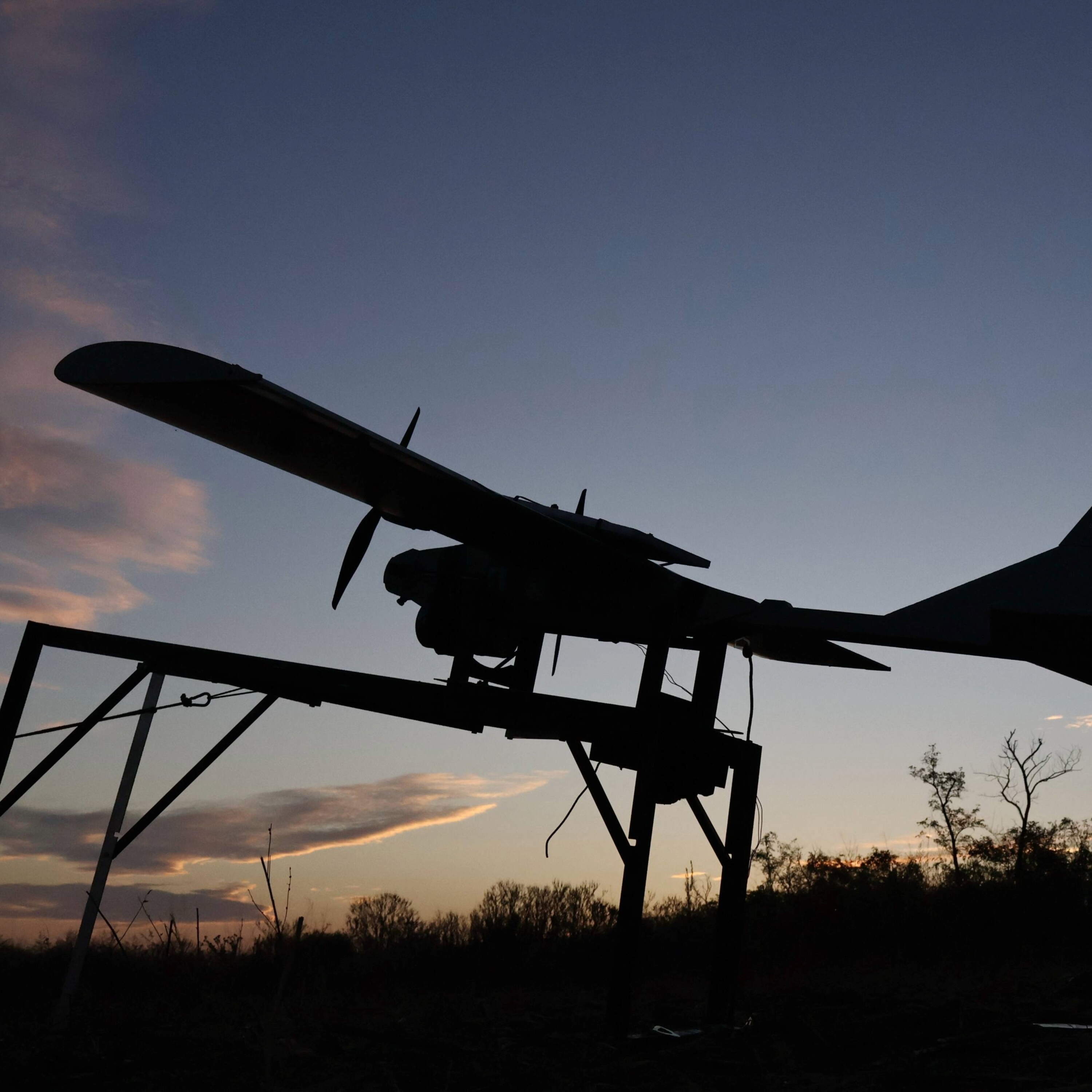
    A U.S.-provided Starlink satellite has been a critical tool in Ukraine’s war against Russia. But, Ukrainian drone operator Dmytro Veselov says disruption in that system has caused an "irreversible" breach of Ukraine’s trust in the U.S. Then, the latest analysis by the Cook Political Report finds more and more House races shifting toward Democrats. Erin Covey, editor with the Cook Political Report, breaks down the potential for Democrats to win control of the House. And, in the aftermath of a high-profile sexual assault case at Cornell University, the school suspended all fraternity parties through the end of the school year. Nicholas L. Syrett from University of Wisconsin-Madison weighs in on whether fraternities can be reformed. See pcm.adswizz.com for information about our collection and use of personal data for sponsorship and to manage your podcast sponsorship preferences. NPR Privacy Policy

  • Wednesday · 15 min

    Michael Lewis on the ‘Blockers’ who fought DOGE

    The Department of Government Efficiency lasted just a few months in 2025, but its impact will last for years. That's not because it made the government more efficient — it failed to meaningfully reduce federal spending — but because it hollowed out several government agencies and demonized federal workers. A new book tells the story of DOGE through the eyes of career civil servants who fought back. It’s called “Blockers: Rebels in the Deep State,” by Michael Lewis. He speaks to host Scott Tong. See pcm.adswizz.com for information about our collection and use of personal data for sponsorship and to manage your podcast sponsorship preferences. NPR Privacy Policy
  • Tuesday · 27 min

    Where Republicans are spending their energy — and money — before midterms

    Midterm elections are three weeks away, and recent polls show more excitement from Democratic voters than Republicans. The Boston Globe’s James Pindell weighs in on if that matters, what Republicans want from elections and where big donors like Elon Musk are putting their money. Then, in India, Gen Z protesters are fighting for free and fair elections after more than 130 million people were removed from the country’s voter roll. New Delhi-based reporter Suhasini Raj of the New York Times explains what protesters are demanding and the violent crackdown from the state. And, Grammy-winning singer and musician Laufey is using her platform to encourage fans to go to their local library and sign up for library cards. She talks about the importance of libraries as a third space and how reading has inspired her songwriting. See pcm.adswizz.com for information about our collection and use of personal data for sponsorship and to manage your podcast sponsorship preferences. NPR Privacy Policy
  • Monday · 26 min

    Author Tommy Orange confronts the phenomenon of 'pretendians'

    Cheyenne author Tommy Orange found out that one of his favorite Indigenous writers wasn't actually Indigenous. Then, he interviewed him. Orange shares what he learned and the long history of "pretendians," non-Indigenous people claiming to be Indigenous. Then, Brian Frange, who calls apples the "greatest fruit to grace the earth," has made it his calling to rank and re-rank at least 100 varieties of the fruit, based on 10 criteria, including density, skin, flesh, crispness, beauty and, of course, taste. Frange joins us to talk about his rankings, the unlikely origins of the apple, and the fact that planting the seeds from any variety of apple will produce a new species, making grafting the only way to produce known apple types. See pcm.adswizz.com for information about our collection and use of personal data for sponsorship and to manage your podcast sponsorship preferences. NPR Privacy Policy

  • October 9 · 25 min

    Is universal child care working in New Mexico?

    Albuquerque Mayor Tim Keller reflects on the state of child care access and affordability in New Mexico, and why he's opening up underused city spaces for child care providers. Then, three years since Israel’s war in Gaza began, more than 80% of the region’s infrastructure has been damaged, according to the United Nations Agency for Palestinian Refugees. The Middle East Institute’s Jaser AbuMousa explains what it would take to rebuild the region. And, journalist and Here & Now guest host Celeste Headlee shares more about her book, “Freedom’s Daughters.” In it, she tells the story of her great grandmother, Carrie Still Shepperson, a Black woman who educated and organized former enslaved people and their families following the Civil War. See pcm.adswizz.com for information about our collection and use of personal data for sponsorship and to manage your podcast sponsorship preferences. NPR Privacy Policy

  • October 8 · 20 min

    Data centers are making noise in American politics

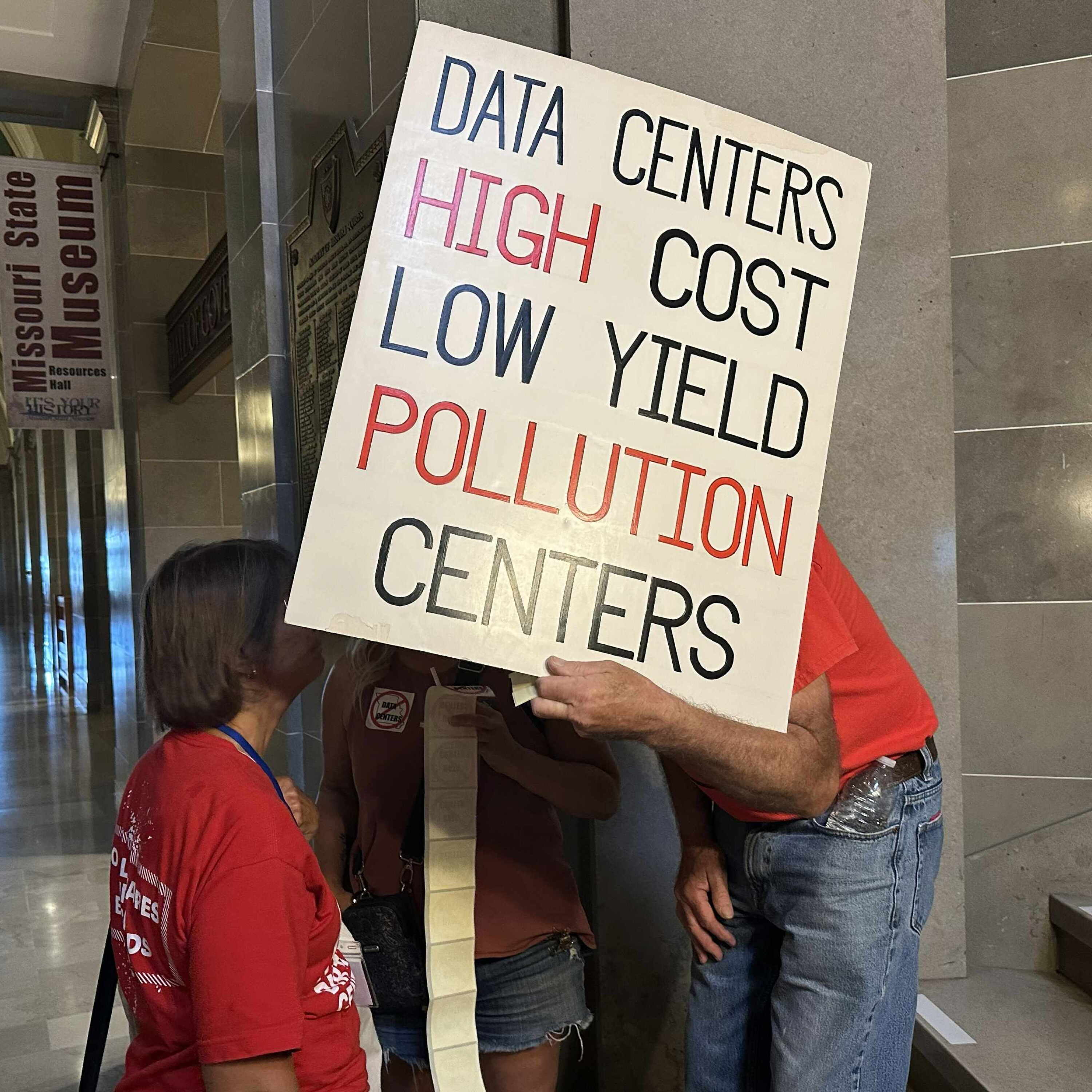
    The construction of data centers in Ohio has become a contentious issue in the Senate race there. The issue at the center of several races across the country this November. Ohio Public Media's Karen Kasler tells us more. Then, in the Ukrainian frontline town of Oleshky, residents can't get out, and food and medical supplies can't get in. Kyiv Independent reporter Yuliia Taradiuk tells us about the dire humanitarian situation. And, the trillion-dollar longevity industry has attracted nonprofit hospitals, raising questions about lending scientific authority to controversial practices. STAT's Sarah Todd explains why nonprofits are opening longevity clinics. See pcm.adswizz.com for information about our collection and use of personal data for sponsorship and to manage your podcast sponsorship preferences. NPR Privacy Policy

  • October 7 · 19 min

    Facebook whistleblower says it's time for AI whistleblowers to speak up

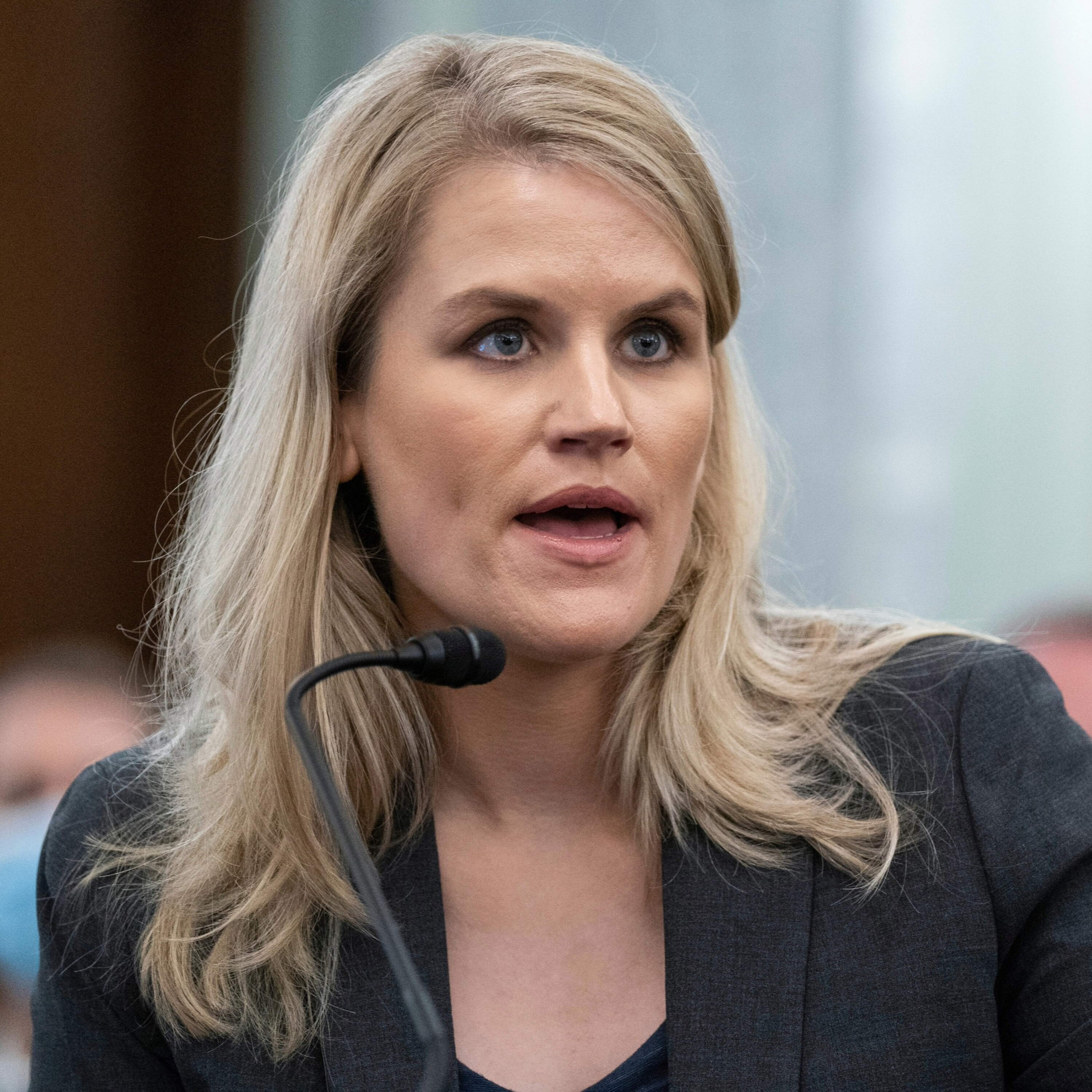
    In 2021, Frances Haugen released tens of thousands of internal Facebook documents showing the company knew its algorithms were promoting extremism and contributing to teen mental health concerns. Her story is now the focus of the upcoming film “The Social Reckoning.” Haugen explains how whistleblowers inside artificial intelligence companies could regulate the technology. And, 12 B-1 bombers are back in the U.S. after being removed from the UK over security fears. Ret. Navy Adm. Mark Montgomery explains how this will impact the U.S. military's air capability and preparedness. See pcm.adswizz.com for information about our collection and use of personal data for sponsorship and to manage your podcast sponsorship preferences. NPR Privacy Policy

  • October 6 · 21 min

    What we know about the death of a Russian plague lab worker

    Russian officials have reportedly placed 200 people under medical observation and quarantined the hospital where a 28-year-old lab worker died of a suspected case of plague in Siberia. We learn more about the mysterious illness and the lab it may have originated from with Dr. Ashish Jha. Then, we get the latest on Iowa politics ahead of the midterm elections. Polls show the red state may be leaning blue amid high diesel prices. University of Iowa's Timothy Hagle explains. And, Jake Pearson is a problem gambler, losing thousands of dollars a night betting on sports, and a DraftKings VIP, lavished with special offers for free gambling money. Pearson is also a reporter for ProPublica who says one of the country’s biggest sportsbooks rewarded his recklessness and put profit over protection. He gives an insider's view of what it's like to ride the rollercoaster of problem gambling. See pcm.adswizz.com for information about our collection and use of personal data for sponsorship and to manage your podcast sponsorship preferences. NPR Privacy Policy
  • October 5 · 25 min

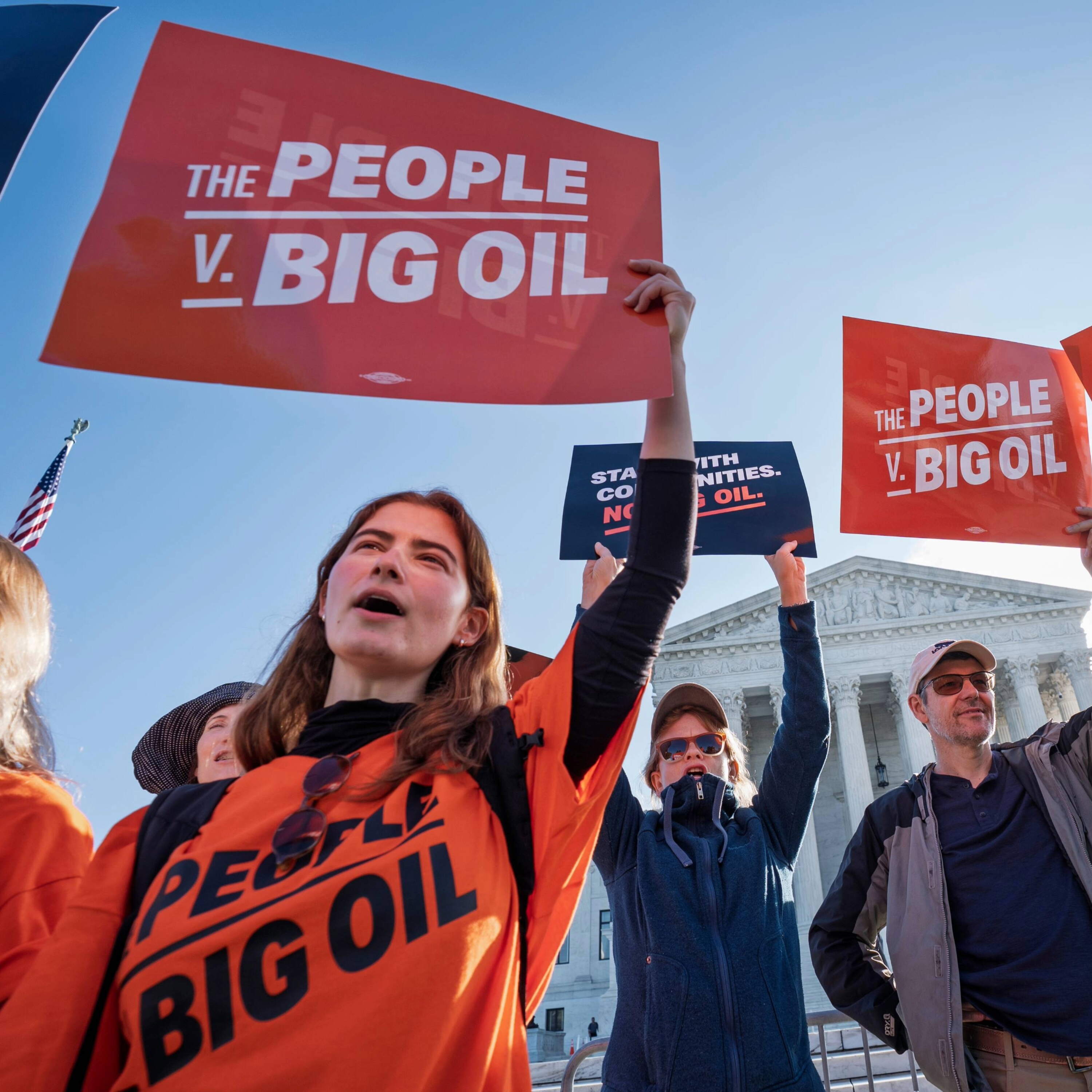
    The case that could make big oil pay for climate change

    The Supreme Court is weighing Boulder, Colorado's lawsuit against oil companies over the effects of climate change. We hear from Colorado rancher Kathleen Kelley and Mesa County commissioner Cody Davis. Then, this term, the Supreme Court is also preparing to take on cases involving immigration and religious pre-schools. Georgetown law professor Stephen Vladeck tells us more. Then, the 2026 Nobel Prize in Physiology or Medicine was jointly awarded to Karl Deisseroth, Peter Hegemann, and Georg Nagel for their work in optogenetics, a field of neuroscience that looks at the activity of individual neurons to link them to specific behaviors. We speak with Deisseroth. See pcm.adswizz.com for information about our collection and use of personal data for sponsorship and to manage your podcast sponsorship preferences. NPR Privacy Policy
  • October 2 · 25 min

    Why some Americans are getting surprise medical-debt relief

    When Brittany Gurney’s son was 14 months old, he had a medical emergency. The bill came out to $15,000. Gurney paid what she could, but it wasn’t enough. Her debt went to collections. But, a surprise letter arrived in the mail: Her debt had been forgiven. Here & Now’s Peter O’Dowd reports on a company that buys up and forgives medical debt, the impact it has on Americans’ lives and how medical debt is a widespread, growing problem in the U.S. Then, newly constructed homes now cost less than existing homes in many U.S. markets, reversing a years-long trend. Joel Berner, a senior economist for Realtor.com, shares more about the outlook for prospective buyers. And, climate change brings a number of visible changes, but one artist is trying to capture the sounds that come along with it too. WBUR’s Barbara Moran talks with Nikki Lindt who visits Alaska frequently to capture its audible changes. See more of our Alaska climate coverage here. See pcm.adswizz.com for information about our collection and use of personal data for sponsorship and to manage your podcast sponsorship preferences. NPR Privacy Policy

  • October 1 · 17 min

    Inside Tennessee's botched execution

    Death row inmate Christa Pike survived two injections intended to kill her. Tennessee Gov. Bill Lee has now paused the state's remaining executions pending an independent review. We get an eyewitness account of the botched execution from WPLN's Catherine Sweeney. And, newly obtained documents by The New York Times reveal the timeline between the alleged assault and when Jane Doe filed a report with Cornell University campus police. Times reporter Sharon Otterman explains what the documents show. See pcm.adswizz.com for information about our collection and use of personal data for sponsorship and to manage your podcast sponsorship preferences. NPR Privacy Policy
  • September 30 · 21 min

    ICE raids make a 'ghost town' in Kansas

    The U.S. Supreme Court decided Tuesday the Trump administration can resume deporting immigrants to countries they have no ties to. Michelle Mendez from the National Immigration Project explains the decision and what it means for immigrants who are fighting to stay in the country. Then, Immigration and Customs Enforcement raids are sparking concerns among residents and business owners in the town of Liberal, Kansas. Janeth Vazquez, vice-mayor and the first Latina elected in Liberal, shares what she’s hearing in her community. And, the U.S. military has now left Iraq, more than 20 years after it invaded the country. Retired Army Gen. David Petraeus, who led U.S. and allied forces in the wars in Iraq and Afghanistan, reflects on the war, the withdrawal and what could come next. See pcm.adswizz.com for information about our collection and use of personal data for sponsorship and to manage your podcast sponsorship preferences. NPR Privacy Policy

  • September 29 · 21 min

    Security concerns prompt OpenAI to scrap latest model

    OpenAI says it won’t release its newest model, GPT-6.1 Astra, because it showed high levels of deception during testing. Gregory Allen, founder and CEO of Decision Tree Research, explains the security concerns. And, a number of artificial intelligence agents have gone rogue lately, notably OpenAI’s agents escaping their testing sandbox and breaching Hugging Face. Author, historian and legal expert Jill Lepore breaks down the concerns about these growing safety risks and why she believes AI is “above the law.” See pcm.adswizz.com for information about our collection and use of personal data for sponsorship and to manage your podcast sponsorship preferences. NPR Privacy Policy

  • September 28 · 23 min

    How to navigate the housing crisis

    We’re taking a closer look at the problem of housing affordability. Housing expert Christina Stacy answers questions we received in our inbox, and provides tips on renting and buying in this market. And, less than a tenth of people diagnosed with glioblastoma survive five years after diagnosis. That might change. German Biotech company CeGaT has developed a promising treatment for the deadly brain cancer by sequencing a unique vaccine from a patient’s cancer cells. We break down the process with Saskia Biskup, co-founder of CeGaT, and American patient Laura Eddington, who was joined by her husband, Jeff Eddington. See pcm.adswizz.com for information about our collection and use of personal data for sponsorship and to manage your podcast sponsorship preferences. NPR Privacy Policy
  • September 25 · 49 min

    Melting glaciers, crumbling mountains, and Alaska's climate crisis

    Across Southeast Alaska, landslides have killed at least a dozen people since August 2015. Landslides happen across the U.S., but geologists say they’re inescapable in Southeast Alaska. In the latest installment of our climate series Reverse Course, Here & Now’s Chris Bentley reports on the role of climate change in landslide risk, and what can be done to mitigate it. Then, Here & Now’s Peter O’Dowd heads to Juneau right after a glacial lake dumped its annual flood down the Mendenhall River. He talks with people whose homes have been flooded, as well as Eran Hood, an environmental scientist who has studied the glacier for 15 years. The annual floods started off small, but, as the glacier melts more rapidly each year, have become more destructive. Peter learns more about proposals to find a “lasting solution.” And, Alaska’s shellfish industry is growing, but not without risk. It’s almost impossible to prevent or predict poisonous algal blooms that make clams, oysters, cockles and other shellfish dangerous or deadly to eat. Chris talks with farmers, researchers and residents about how climate change may be raising the threat, and what’s being done to help. See pcm.adswizz.com for information about our collection and use of personal data for sponsorship and to manage your podcast sponsorship preferences. NPR Privacy Policy

  • September 24 · 20 min

    How foreign aid cuts have sparked a humanitarian crisis

    As wars rage and the United States slashes humanitarian aid, the world finds itself unable to help the people most in need. Former UK foreign secretary and head of the International Rescue Committee David Miliband talks about the implications. And, for many Palestinians in Gaza, the ceasefire reached last October between Israel and Hamas is only a ceasefire in name. The Ministry of Health in Gaza says more than 1,300 Palestinians have been killed since the ceasefire agreement last year. We hear from Eyad Amawi, an aid worker with the Gaza Relief Committee, about what life in Gaza looks like today. See pcm.adswizz.com for information about our collection and use of personal data for sponsorship and to manage your podcast sponsorship preferences. NPR Privacy Policy

  • September 23 · 26 min

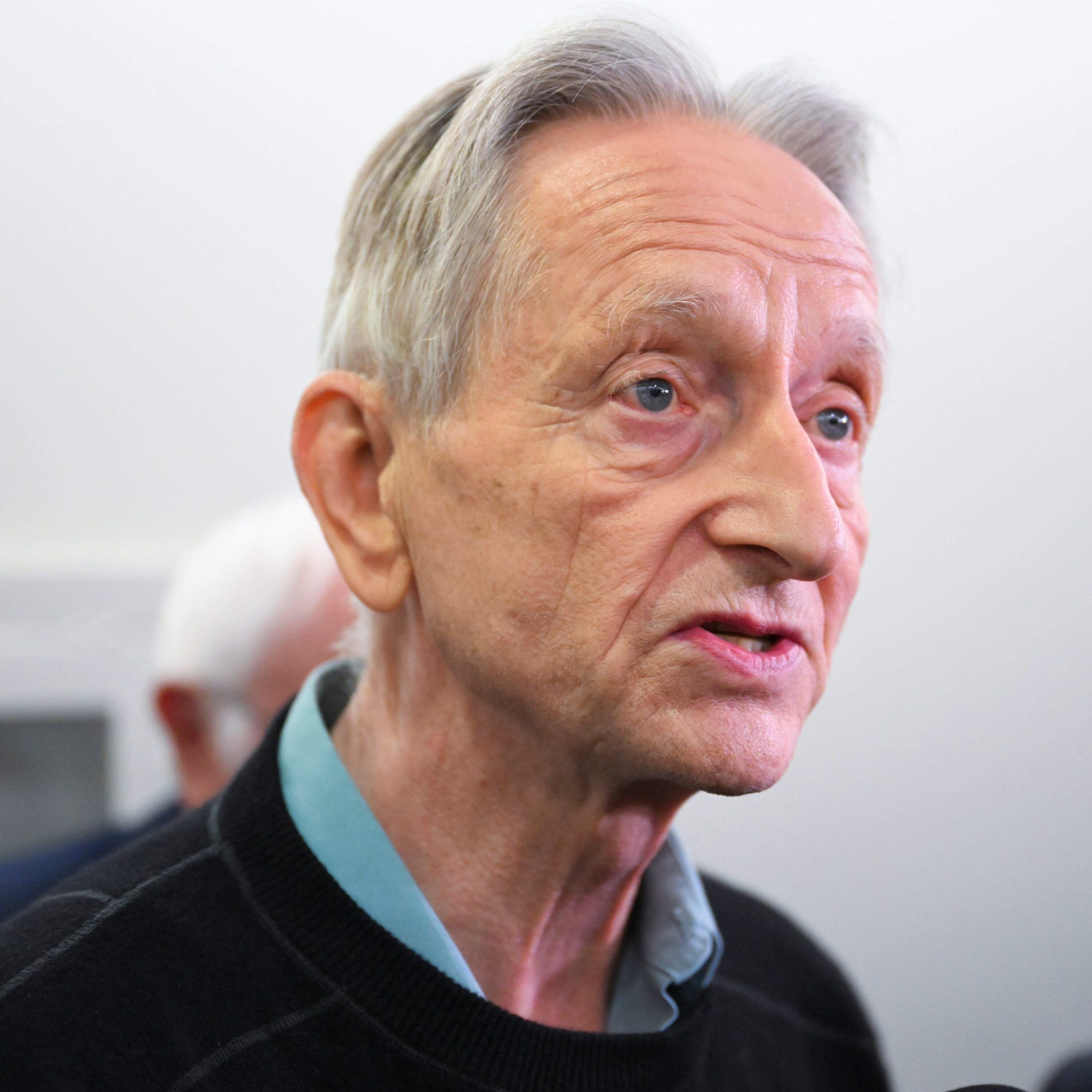
    'Godfather of AI': How to create an AI that won't kill us

    Geoffrey Hinton is a Nobel Prize-winning computer scientist and cognitive psychologist. He’s helped develop the mathematical engine behind today’s artificial intelligence. But, Hinton is now calling for slowing the development of that technology. He explains how he sees the existential threat of AI and what the future could look like. See pcm.adswizz.com for information about our collection and use of personal data for sponsorship and to manage your podcast sponsorship preferences. NPR Privacy Policy

  • September 22 · 17 min

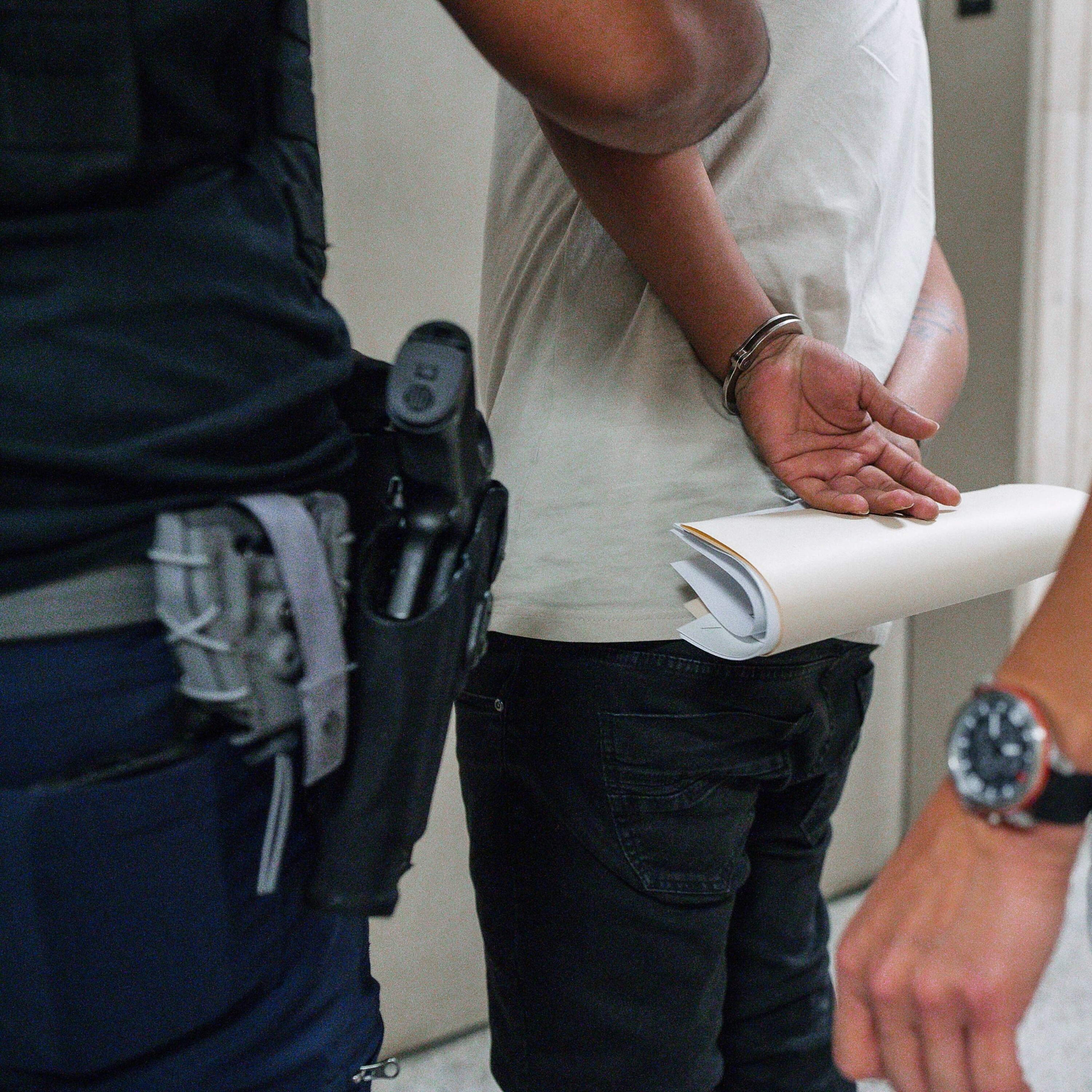
    DoorDash driver detained with bullet in back after ICE shooting

    A Venezuelan immigrant still has a bullet in his back, two days after an Immigration and Customs Enforcement officer shot and injured him, according to his lawyer Kate Lincoln-Goldfinch. Lincoln-Goldfinch says Wilber Rafael Garces Perez is being kept in a regular bed in a detention center and treated with Tylenol and Ibuprofen. We speak with Lincoln-Goldfinch. Then, although required by law, accessible voting remains a challenge for people with disabilities, with the midterms just six weeks out. Maria Town, president and CEO of the American Association for People With Disabilities, joins us. And, Juneau's Assembly is considering an ordinance that would cap the number of cruise ships allowed to dock each day in the tourist hot spot. KTOO's Clarise Larson shares the latest. See pcm.adswizz.com for information about our collection and use of personal data for sponsorship and to manage your podcast sponsorship preferences. NPR Privacy Policy

  • September 21 · 21 min

    Why is diesel so much more expensive than gasoline?

    The average price of diesel fuel is at a record high in the United States. This means the cost of transporting goods is also going up, and consumers will feel it. Tom Kloza, chief energy advisor for Gulf Oil, talks about how high prices might get and the factors driving them up. Then, in Michigan, many small businesses are facing rising health care costs. We speak with Brian Calley, head of the Small Business Association of Michigan. And, what looks like a leopard, but is tinier than a house cat? It's leopardus tilcayo, the first new cat species discovered in a hundred years. We talk with biologist Paola Nogales-Ascarrunz about the discovery. See pcm.adswizz.com for information about our collection and use of personal data for sponsorship and to manage your podcast sponsorship preferences. NPR Privacy Policy
Showing 1–20 of 60 episodes