Skip to content
Artwork for From A Dog's Eye View
Kids & FamilyPets & AnimalsEducation

From A Dog's Eye View

Susan Coleman

A space to embrace your dog and understand their behavior. Bi-weekly episodes exploring all things positive reinforcement training + effectively communicating with your dog. Because dogs are simple, when their owners have the right information.

canineconcierge.substack.com
Play
  • 23 episodes
  • monthly
  • Avg 43 min
  • English
Counted on this page — what you have heard stays on this device, so it is not something the list can be paged by.
  • Aug 26, 2025 · 32 min

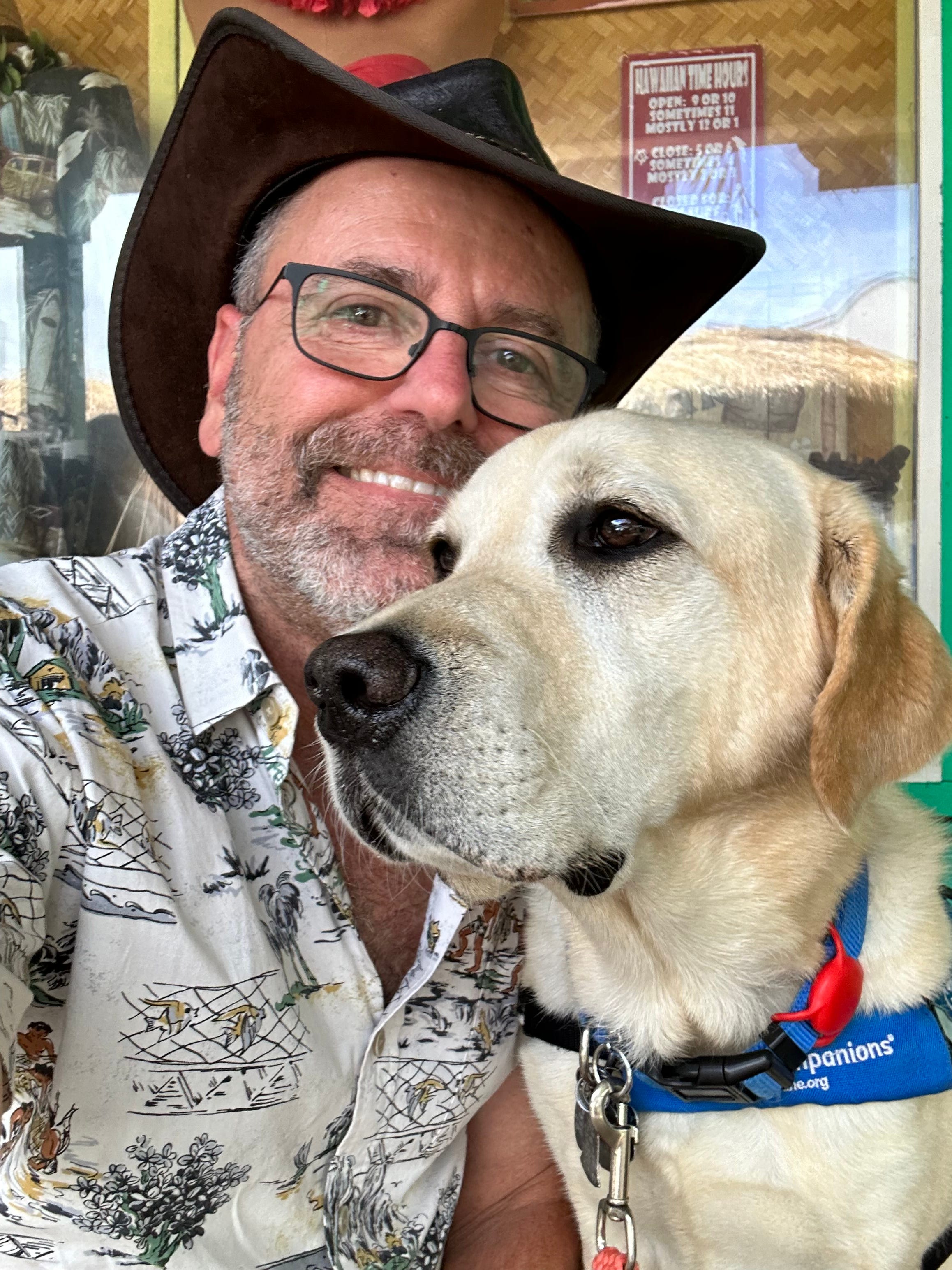
    Meet Koogle, Jim Turner's Service Dog

    Canine Companions is one of the premier service dog organizations in the United States. They provide dogs to people with disabilities free of charge. One of the clients who applied for a Canine Companions service dog is Jim Turner. Jim has a hearing dog named Koogle, who helps him navigate his daily life with confidence and independence. I had the privilege of talking to Jim with Koogle by his side, and saw first hand how Koogle assists Jim as his link to the world of sound. Jim was diagnosed with bilateral neurosensory hearing loss during a company physical exam when he was in his forties. His wife, Kathleen, thought he had selective hearing and was sometimes ignoring her. It is a hereditary condition which worsens over time. Since then, he has been wearing hearing aids. Jim’s hearing challenges are defined by the limitations of not being able to hear the upper half of the frequency range that humans normally hear. Smoke detectors, doorbells, microwave alarms are all very challenging for Jim because even his hearing aids do not pick up that frequency. Also, when Jim is in a crowd of people, it is difficult to hear, especially when his name is being called amongst all that background noise. Jim and Kathleen were familiar with Canine Companions because they were already puppy raisers for the organization. Volunteers like Jim and his wife, agree to raise the puppies provided to them by selected breeders from 8 weeks to 16-18 months old until they go on to professional training. (Please refer to my previous post with Staicey Sholtz dated 8/5/25 for more details about puppy raisers). Jim was being encouraged by his close friends in the Canine Companions community to get a service dog. He didn’t feel that his hearing loss was that bad to warrant one. He wanted the service dogs to be reserved for people who were deaf. An event in his life changed his mind. One day, his wife was working in the kitchen and hurt herself. She was bleeding and calling Jim for help. Jim was only 10 feet away in another room and had no clue he was being called. He didn’t hear her pleas for help. That day he applied for a service dog. Jim filled out an application online at Canine Companions’ website: canine.org. Applicants are prompted to describe their disability and how they could benefit from a service dog. The organization then reaches out to them for an initial interview. There is a space to write about your lifestyle - what your interests are, if you are an active or sedentary person. In Jim’s case, he had to provide a medical recommendation from his audiologist about hearing limitations. Canine Companions wants to ensure that the request is not only warranted, but also to match up the right dog with each applicant. This entire process can take up to two years. Jim is a retired geologist. He had an illustrious career in the oil and gas industry and was part of a team who located oil and gas under ground. The first day of Jim’s retirement, at age 63, was the day he started his team training with Koogle. It was meant to be! Part of the process of getting a service dog from Canine Companions is to go to one of their training facilities to be matched up with your personal service dog. At the time, Jim and Kathleen were living in Houston, Texas. The closest training facility was located in Oceanside, California. This is where he completed his two week team training, referred to as “rotations”. There were 7 applicants and 8 dogs. All of the applicants practiced handling each one of the dogs. The professional trainers who spend 6 months with these dogs make their observations and match up the best dog for each applicant. The “extra” dog remains at the training facility and is the first one in the next rotation to be matched up with the next group of applicants. After several days, Jim was matched with Koogle. Jim said it was like magic how accurately the teams were put together so perfectly. Koogle is a six year old Labrador Retriever Cross. His mother is 50% Lab/50% Golden Retriever and his father is 100% Lab. Canine Companions select breeders who must meet certain standards. Koogle’s breeder was the caretaker of Koogle’s mother and had the privilege of naming one of the puppies in the litter. Canine Companions have restrictions for naming the puppies so that the names are appropriate and not repetitive. Koogle’s breeder/caretaker’s maiden name was Koogle. What a great way to honor her late father. During Jim’s two week stay at the training facility, he learned many cues that were taught to Koogle. The trainers tailored certain cues according to Jim’s hearing loss needs. He learned protocols for socializing Koogle such as making sure Koogle wears his Canine Companions vest and what he should do when approached by people who want to greet Koogle. The first six months, Jim was to be the only person to give Koogle food. He was instructed to notify close friends and relatives about how important the first six months were and to abide by Jim’s rules so as to not disrupt any training Koogle had received up to this point. Canine Companions wants to assure that the bonding between their client and the dog remains intact. The Americans With Disabilities Act does not require any labeling or vests for service dogs. Canine Companions require their dogs to wear a vest which you will see in some of the pictures below. Wearing a vest helps Jim notify the public that Koogle is a service dog. He found it useful to have “Please Ask To Pet” sewn on to it. Like most dogs, Koogle loves people and would love to greet everybody he meets. However, every time he says hello to people, he is no longer working for Jim during that interaction. It is out of respect for the handler of any dog, let alone a service dog, that they be asked first to greet their dog. Koogle was trained to perform many different tasks to assist Jim in his everyday life. When he hears an alarm, a doorbell, or Jim’s name being called, he is to find Jim, nudge him with his nose, Jim tells him, “Good, Koogle what?”and Koogle takes him to where the sound is. However, if it is a smoke alarm, Koogle will still nudge Jim, but instead of taking him to the noise, he lays down. So, whenever Jim sees Koogle lay down after being nudged, he knows to get out of the building they are in. Koogle was also trained to do standard service dog tasks such as turning on and off lights and opening and closing drawers. He can even jump up and push the accessibility button to open doors in public places. One intangible benefit that Jim did not expect to experience with a hearing dog was the acceptance of having a hearing disability. For example, Koogle gives Jim the confidence he needs when trying to have a conversation with someone in a crowded environment. Background noise impedes the ability to hear well. He is more apt to tell a stranger to repeat themselves because he has a hearing disability when Koogle is by his side. Jim’s wife was very excited to have a hearing dog in the house so she didn’t feel she always had to be Jim’s ears. Koogle relieves her of knowing that when she is not with Jim, the dog can alert him, if needed. Even something as simple as dropping his keys and not hearing that sound, Koogle can stop Jim by nudging him and taking him to where he heard the keys drop. This gives his wife a lot of reassurance that he will manage well when going out of the house. Jim believes there are two aspects to being a service dog. One is the ability to perform the tasks they were trained to do as demonstrated in the video above. That’s the easy part! The other part is that the dogs need to be calm and manageable in public. This is attributed to the puppy raisers who properly socialize them while they are in their care. The other part of being calm is the temperament of the dog. This speaks to the breeding of these dogs. For example, if a dog is too hyper or has a high prey drive, Canine Companions breeders will not breed that dog. In both podcast videos of Staicey Sholtz and Jim Turner, their dogs remained laying down until they were called to do a task. Although the dogs look like they are sleeping, they always have an ear out for noises that change in their environment or that could possibly harm them. This auditory instinct allows them to differentiate between familiar voices and changes in the intensity of those voices which will wake them up in case they need to act on them. Their dogs are trained to be ready for action as soon as they hear their name being called. Jim meets people out in public who either have service dogs they paid a lot of money for, or who tried to train their own dog only to find out that it didn’t work out for numerous reasons. Sadly, there is plenty of fraud in the service dog field. Organizations will claim they can train your dog to become a service dog, but are not qualified to do so. They also do not have the standards required to be an effective service dog. Canine Companions is a well known and trusted service dog organization yielding qualified dogs and plenty of satisfied clients. There is so much that goes into training service dogs above and beyond just training the standard tasks. If a dog is fearful or even mildly aggressive with certain triggers, this can present problems. Professional trainers can work on these issues with the dogs, but it can slow down the timeline required to place these dogs with applicants. My dog, Ebi, could make a great service dog, but she is too big and too hairy! Also, I have come across some people who are afraid to meet her because of her size, or they are cautious because they don’t know what breed she is. Labs are a great size and can fit under tables at restaurants or places of business. They don’t drool, and have a very inviting look. They are famous for being friendly dogs. They do shed but their fur is not long and fluffy like a Golden Retriever’s. Since service dogs are allowed anywhere that humans are except in sterile environments, this is very important. Koogle is 6 years old and will work for Jim until he retires around 10 years old. Canine Companions requests their clients to make out a retirement plan for their dogs when they reach 8 years old. If the dog is showing signs of slowing down or having difficulty with performing their tasks, it may be time for retiring the dog. However, there are some clients who have their dog work almost right up to the day they pass. As long as the quality of life remains intact and the dog is happy performing their tasks, this can be an option. Since it can take up to two years to apply for and get a dog from Canine Companions, it is recommended to submit the application for a “successor dog” two years prior to retirement. Jim plans to apply for his next dog when Koogle turns 8 years old. This way, by the time he gets him/her, Koogle will be 10 and can enjoy his senior years just being a dog. It will be strange for Jim having a new hearing dog while knowing that Koogle is still with him. Currently, Jim and his wife are raising a puppy for Canine Companions named 50. This name was chosen to commemorate 50 years of providing dogs to those in need. They also have another dog that was a professional dog training school dropout with the organization named Alex Seven. All three dogs live harmoniously in the same house and provide lots of playtime and companionship during Koogle’s free time. September is National Service Dog month, Jim and Koogle are big Cleveland Guardians fans. On September 8, 2025, the Guardians will host “Bark in the Park”. Canine Companions has made arrangements with other MLB teams to participate in events to raise awareness and funds. I know you will want more information about Canine Companions, so please visit their website: canine.org. Thanks for reading From A Dog’s Eye View! Subscribe for free to receive new posts and support my work. This is a public episode. If you would like to discuss this with other subscribers or get access to bonus episodes, visit canineconcierge.substack.com

  • Aug 12, 2025 · 1 hr 2 min

    Canine Companions

    Canine Companions, formerly Canine Companions for Independence, is the oldest and largest service dog organization in the United States. It was formed in 1975 and is credited with starting the concept of the modern service dog that we are familiar with today. They attend to over 65 different types of physical and cognitive disabilities including autism, hearing loss, PTSD, Parkinson’s disease, POTS, Multiple Sclerosis, Muscular Dystrophy, and debilitating arthritis. They do not train dogs for the blind or for people who need to be alerted for medical conditions such as seizures and low blood sugar levels. Canine Companions provides their own breeders, puppy raisers and professional trainers with the end goal of placing the right dog with the right person in need. Since Canine Companions’ inception, 8,000 dogs have been placed nationwide. Currently, approximately 400 dogs are placed annually, of which 50 are in Ohio. The need for these highly trained dogs far exceeds the supply. Canine Companions’ longterm goal is to decrease the current two year waiting list by increasing the amount of puppies born as well as volunteer puppy raisers. There are many ways that distinguish Canine Companions from other service dog organizations, but the main feature is that these highly trained dogs are provided at no cost to the person in need. Canine Companions exists solely on donations. Please access their website: canine.org to read the stories of the celebrities who have generously donated their time and money to the organization. You can also read many heartwarming personal stories about how these dogs have helped people live their daily lives more independently. One very generous donor was Charles Schultz, the late cartoonist and the creator of the comic strip Peanuts, featuring Charlie Brown and Snoopy. Shultz was instrumental in getting Canine Companions off the ground. He donated money to help fund the national campus and current headquarters in Santa Rosa, CA, where he resided the last 30 years of his life. Since he passed away in 2000, his wife and family continue to support the organization. Canine Companions was founded by Bonnie Bergen. She is credited with inventing the concept of the service dog. Up until then, there were only guide dogs for the visually impaired. While Bonnie was traveling overseas, she saw donkeys assisting people with mobility issues. Her special education background motivated her to help her own students by experimenting with training dogs to assist them. She started with shelter dogs and began training them to pick up things. It was highly successful and rewarding to discover that this could actually be a way to help people with disabilities. Because of her innovative idea and determination, Canine Companions has grown into the thriving service dog organization it is today. Service dogs are different from therapy dogs in that service dogs are trained to perform specific tasks for physically and cognitively challenged individuals. They are paired with an individual in need and live with them in order to assist them to manage their day to day lives with more independence. Service dogs have access rights under the Americans with Disabilities Act (ADA). This permits public access anywhere that humans are allowed to go, except where they may compromise a sterile environment. Most importantly, they serve one person only. Therapy dogs are not trained to perform specific tasks. They are considered a family pet just as service dogs are, but they do not have public access rights. They are able to go to venues that are dog friendly. They are trained and tested to have good manners and are there to provide emotional comfort wherever they go with their handler. Please refer to my June 17 podcast regarding therapy dog training for further details. My guest on this podcast is Staicey Scholtz. Staicey is a Northern Ohio Leadership Team member and a 15-time volunteer puppy raiser. After the female dogs (referred to as dams) give birth at a Canine Companions approved breeder’s home, the puppies are transferred to volunteer puppy raiser’s homes for 16 to 18 months. Currently, Staicey has a 16 month old Lab/Golden mix, named Rocco the 5th, who hopefully will be ready to go to his professional trainer on August 8, 2025. If he qualifies, he will be trained on specific tasks and hopefully placed with a person in need. Staicey also has a 5 month Lab/Golden named Hammond the 3rd. Staicey’s motivation for volunteering as a puppy raiser grew out of the desire to help raise future service dogs. She wanted to help those in need live more independently. According to Staicey, service dogs are life changing. Raising the puppies has had a tremendous impact on her. The experience has made her look at her own life and feel blessed that she does not have a disability that would require a service dog. She views what she does as a puppy raiser as a gift to someone in need. When Staicey is out in public, she sometimes gets comments from people who don’t understand how she can give a dog up after living and caring for them for a year and a half. They think of it as comparable to a death of a pet. Staicey doesn’t view what she does in the same way. The clients who get these dogs love them just as much as she and the professional trainers do. The dogs want to work and are happy doing the jobs they were trained to do. However, she does admit that getting another puppy to fill the gap definitely helps in getting over missing the dog who has finished their stay with her. Hammond will be filling that gap very soon! The journey of a Canine Companions dog begins and ends as follows: * Breeder - from birth to 8 weeks old * Puppy raiser - from 8 weeks old to up to 18 months old * Professional trainer - from 18 to 24 months * Forever handler - from 24 months to end of life Breeding Program Canine Companions has a state of the art Research and Science Team who discovered that the ideal breed for service dogs involves a combination of Labrador and Golden Retriever. All of the males in the breeding program are 100% Lab. The females can be Lab/Golden crosses and have varied percentages of each in them. They decide which dogs will be best suited for breeding by the time they are old enough to move onto their professional trainers. If a dog is not marked for breeding, it is either spayed or neutered. They are very careful to breed out any physical and medical defects, so that the failure rate of service dogs due to medical reasons is very low. For example, if a dog’s bite doesn’t align quite right, that dog may not be suitable to carry things in their mouth to their handler. A dog like this will most likely be deemed to be a therapy dog, which will be discussed later. Volunteer breeders sign up to take care of either the sire (male) or the dam (female). Litters are born in the homes of these volunteers located in California. If a volunteer has a sire, they will get called to meet up with the dam in heat and travel to that location. They drop them off and give them several days to do their magic and then get picked back up again once the dam is no longer in the receptive period of her heat. Caretakers of dams have the option to whelp (assist in the birthing process) the litter in their own home, but are not obliged to do so. If they choose to experience this, there is a Canine Health and Wellness Center near by to assist them with the birthing process or to just support the breeder during this stressful yet exciting event. When puppies are born in the caretaker’s home, they will be named by a letter of the alphabet which is assigned by headquarters. The breeders will submit 50 names which will be reviewed to make sure there are no other working dogs with the same name. There is a possibility for a donor of $15-$20K to submit a name for a future service dog. In fact, Staicey’s dog Rocco the 5th was named after the owner of Fahrenheit Restaurant in Cleveland - Rocco Whelan. Puppy Raisers Once the puppies are named, they will be designated to volunteer puppy raisers in one of the six regions of the United States. Ohio is in the North Central region and includes states from western Pennsylvania to North Dakota. The puppy raiser will go to the nearest training center to pick up their puppy. The closest one in Ohio is located in the Columbus suburb of New Albany. This is also the same location where the puppy will return for professional training once they have reached 15 to 18 months. Puppy raisers sign a contract stating that they will be responsible to care for the puppy for the next 15 to 18 months, including veterinary care, food, and spaying or neutering if they aren’t marked for breeding. They are obligated to attend at least two obedience training classes each month which follow the LIMA training philosophy, or as most people are familiar with, the positive reinforcement technique. The LIMA training philosophy stands for Least Intrusive Minimally Aversive, and prioritizes the dog’s well being. They are to avoid any methods causing fear, pain or distress. As soon as the puppy comes home, they are introduced to the preferred walking tool by Canine Companions known as the Gentle Leader. In the picture above, Hammond is wearing a Gentle Leader. In order to establish positive association with the Gentle Leader, the puppy will wear it while they eat as soon as they arrive at the puppy raiser’s home. Since puppies eat three times a day, this is a frequent opportunity for them to get used to it. The Gentle Leader is a tool that requires some conditioning since it encompasses their nose and mouth. Typically dogs do not like it at first and need to gradually get used to it. However, it can be a great tool to guide the dog in different directions and teach a nice heel position. The designated client is under no obligation to use the Gentle Leader, but it is highly recommended. The Gentle Leader is not a muzzle. When puppy raisers socialize their puppies in public, many people stop to ask why the dog is wearing a muzzle. It works very similar to a horse’s bridle. It redirects the dog when it pulls on the walk. For some dogs, it can have a calming effect due to the pressure points being activated around the nose and ears. Puppy raisers are representing Canine Companions and how service dogs should behave while in public. Part of that responsibility is making sure they are in control of their dog at all times. It is vital for a service dog to follow their handler’s pace. The handler may be in a wheel chair and cannot be pulled at all. The Gentle Leader is a great tool to accomplish that. Your average dog owner typically does not have the time and patience required for the necessary conditioning that must take place in order for it to be an effective walking tool. Staicey socializes her puppies frequently with other Canine Companions puppy raisers in the local chapter. They enjoy going to venues such as stores, restaurants, West Side Market, The Rock and Roll Hall of Fame, and the Cleveland Aquarium. Each place exposes the dogs to different sights, sounds, and smells which teaches them to be comfortable in all types of locations. Remember, when they are paired up with their forever handler, the handler can take them everywhere humans can go except where their fur is not welcome in a sterile environment! Therefore, service dogs in training cannot be so fearful or excited that they cannot focus on their job of doing tasks for their handler. When a service dog is in public with their handler, they should not greet other people because they are working and need to be focused on taking commands from their handler at all times. While the puppy raisers and their dogs are out and about, they primarily work on ignoring people. However, they do want to train the dogs to be friendly with strangers so that they aren’t afraid or excited around them. It is also a great opportunity to share with the public why they are training their dogs and what Canine Companions is all about. If someone asks to pet their dog, the puppy raiser may elect to release the puppy to greet them. All they ask is that you please ask them first! Puppy Raising Prison Program In addition to puppy raisers like Staicey, Canine Companions is using inmates from various prisons around the United States to raise puppies. There are currently 25 facilities participating in this program. These puppies are in prison for a few months with their handler until they are ready to socialize. At that time, the puppy will go for an outing with a volunteer puppy raiser to expose them to the outside world since inmates cannot leave prison until their release. This program is so impactful for the inmates that the recidivism rate for these volunteers is almost non-existent. At a recent conference to celebrate Canine Companions’ 50th anniversary, there were two inmates who spoke about their time raising puppies and how it impacted their lives. One inmate said that this experience was the first time she felt she was not just a number. It gave her purpose, someone to love and someone who accepted her for who she was, not for what she did to land her in prison. The volunteer inmates train the puppies the same skills that volunteer puppy raisers do. like the basic “Sit”, “Down”, “Stay”, “Come”. and to walk nicely on leash. Besides the basic obedience commands, Staicey says they learn about 30 cues, including grooming skills such as getting their teeth brushed and fur combed. Some of these cues are the foundation for the professional training that follows. For example, there is an “Up” command. The dog is to put his two front legs resting on an object, but is not allowed to jump onto it. This is useful for when the handler needs the dog to give a store clerk a credit card and needs to get “Up” on the counter. Rocco is in the “Up” position on Staicey in the picture above. Professional Training Once the puppy raiser has completed their job and the puppy is between 16 and 18 months old, it is time to take them to the closest training facility. There are 6 nationwide. The closest one in Ohio is located in New Albany. This is where puppies are dropped off to start their professional training if they meet the qualifications of being a service dog. The client applicants will spend two weeks in New Albany with the dog chosen for them by the staff at Canine Companions. The professional trainers have a lot of weight in this decision since they spend every day for 6 months training the dogs. They know the temperament of each dog so they can ideally match them up with the client’s needs and lifestyle. The client applicants learn all of the commands the dog has been taught and also has time to bond with their new dog. They also have an opportunity to express to the trainers particular tasks they would like the dog to learn. The professional trainers will teach the dogs approximately 45 tasks including, but not limited to, picking up dropped items, turning on and off lights, closing doors and drawers, tugging laundry baskets and opening and closing refrigerator doors. There is also a “Do Nothing” command which is almost identical to the “Place” command a lot of dog trainers teach. The “Do Nothing” is very useful for service or facility dogs who have to be content with laying down until they are released. This could be hours depending on the scenario. During this podcast, Rocco was demonstrating the “Do Nothing” command until Staicey released him. He actually fell asleep and started snoring but he woke up when Staicey commanded him to work! There is a high demand for service dogs for veterans who have PTSD. Dogs can be trained to wake them up and disrupt a nightmare, they can turn on lights and pull back the covers on the bed. A lot of veterans have social anxiety in public. Their service dog knows commands “Front” and “Back” which means the dog positions itself in front or behind the person to block them from other people in a crowd. The dog can take the vet back to the their comfort place when experiencing mounting anxiety due to certain triggers in their environment. The dog gives a veteran a reason to get out and the security to be in public when they wouldn’t have done so on their own. Staicey finds raising puppies for Canine Companions very rewarding because she is able to meet the client her dog will serve. Four times a year, there is a graduation ceremony for the dogs that have completed their 6 month professional training. Staicey is able to have lunch with her dog’s client and shows them pictures of when the dog she spent 16-18 months with was a puppy. They typically share contact information, but it is up to the client if they want to reach out to her in the future. Staicey has been fortunate that almost all of her 15 puppies she has raised have gone on to graduate and become service dogs. Facility Dogs Facility dogs are as well trained as service dogs, but do not work for someone with a disability. They are assigned to a professional in the medical, judicial, educational, or physical/occupational therapy fields. The biggest difference between a facility dog and a service dog is that facility dogs do not have public access because their handler does not have a disability. They are allowed to go to work with their handler and help so many people in various ways. Examples of facility dogs are: * Judicial - a children’s lawyer can bring their dog to the courthouse to provide comfort to children in forensic interviews and support them in court. * Rehabilitation - a physical therapist may bring their dog to help clients with their physical therapy goals and offer comfort while enduring painful exercises. They can also grab equipment for the patient. * Educational - a speech therapist can bring their dog to help children undergoing speech therapy. Children will talk and feel more at ease with a dog versus a human. If you are interested in having a facility dog at your place of employment, please access the Canine Companions website at canine.org and fill out the application stating your desire. Therapy Dog Program For dogs that do not meet the standards of a service or facility dog due to temperament or medical issues, these highly trained dogs are released to enter the therapy dog program. Canine Companions started their own therapy program because they wanted them to continue to represent the organization. Therapy dogs typically do not have any task training. However, sometimes dogs have to be released from professional training due to a medical issue that has arisen, such as an allergy to something environmental. These dogs are already trained and can continue to do the tasks they have learned for the handler at home, but are not expected to do tasks for the people they comfort. Since 2008, September has been recognized as National Service Dog Month. The life and job of a service dog with their handler is beyond amazing that an entire month is dedicated to them. The Northern Ohio chapter of Canine Companions is celebrating their 50th anniversary by hosting an event open to the public called “Stride for Service Dogs” this September 13, in Medina, Ohio. They are hoping to get at least 50 people to each walk one mile collectively with others at the event to total to 50 miles and 1,000 people to donate $50 each to hit the $50,000 amount to help celebrate 50 years of being in existence. For more information or to donate to the Stride for Service Dogs event, please click on the link below: https://secure.qgiv.com/event/dogfestnorthcentral2025/account/2036487/ As I write this post, I am happy to announce that Staicey and Rocco matriculated on August 8 and Rocco will be moving on to his professional training program! I look forward to hearing who Rocco will be matched up with and what tasks he will be taught to help his new handler live more independently. If you have a disability and would like to apply for a service dog, facility dog or if you would like to apply for any of the volunteer positions available within Canine Companions, please access their website at canine.org. You can also follow them on Facebook by searching for the Canine Companions name and logo above. Thanks for reading Canine Concierge! Subscribe for free to receive new posts and support my work. This is a public episode. If you would like to discuss this with other subscribers or get access to bonus episodes, visit canineconcierge.substack.com

  • Jul 29, 2025 · 25 min

    The Walk

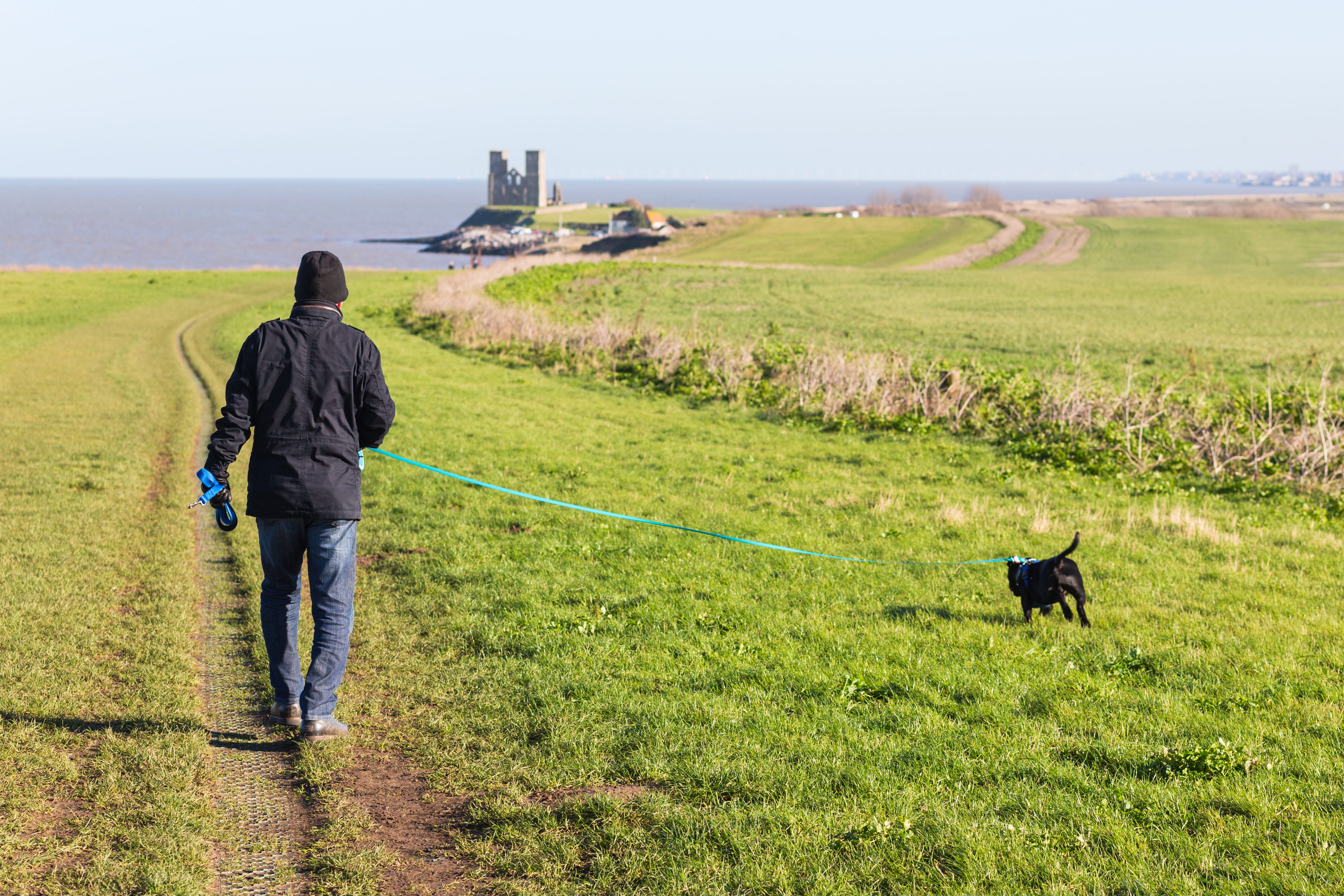
     In order to have a well-balanced dog, 60% of a dog's day should be filled with exercise, 20% discipline, and the other 20% affection, and in that order. This is according to Cesar Millan, a well known dog behaviorist. I agree with that, but I break that down a little bit more by saying that within that 60% exercise, 40% of it should be structured exercise. This refers to walking your dog in a structured way - more specifically, in a heel position. The dog should not be in front of you, behind you, or allowed to go wherever they want. Another form of structured exercise is playing fetch or tug of war with your dog, but there has to be rules. When playing fetch, the dog must sit before you throw the ball. When the dog brings back the toy, you tell them to drop it, and then step in front of the toy to show that it belongs to you. This demonstrates you are the leader, making the rules of the game you are both engaged in. This also avoids the dog lunging at the toy at the same time as you, possibly avoiding an unintentional bite. After the dog retrieves the toy, you either engage in playing more fetch or you end the game. If playing tug of war, the dog should be trained to release the toy on command. It is important to note that when you are playing tug of war with your dog, you are both competing for the same toy. They will see you as an equal until you set some rules from a position of leadership. Some dogs get over-the-top excited when playing this game, especially the terrier breeds, who are known to hold on at all costs! In order to teach the dog to drop the toy, start with a light game of tug and trade the toy with a treat. At the same time the dog releases the toy from their mouth, say either “Release” or “Drop It”. They need to know what “Release” or “Drop It” means before escalating further with stronger tugging. This takes hundreds of repetitions. If you feel that your dog starts to get into a more aggressive state of mind, please contact me or a certified dog trainer for guidance. The other 20% of a dog’s daily exercise can be unstructured exercise. This includes having free time in a fenced-in yard to wander around or to play with other dogs. Playing with another dog can totally exhaust a dog because there is the physical part of playing, but also the mental part of navigating how to communicate with the other dog. As dogs play with each other, they are communicating through their body language and movements. I always recommend that playtime be supervised in case any disagreements arise between the dogs. Throughout the day, 20% of it should include discipline. This does not mean we are telling the dog “No!” every time they misbehave. It means that we are telling the dog where they can and cannot go. We are enforcing the rules of the house: what to do when guests arrive, if they are allowed on the furniture, or where they are allowed to sleep at night. This is where your basic obedience skills come in to play. For example, you may want the dog to sit and stay while you prepare his breakfast or dinner, or the dog must be in a down stay while your child or grandchild eats at the table. The last 20% of a balanced dog’s day should be affection. The problem most of us have is that we give too much affection to our dogs at the wrong time. We unknowingly pet our dogs lovingly when the dog is in an excited or fearful state of mind. Remember, petting our dogs is a reward in the dog’s mind. You are rewarding the state of mind the dog is in at that moment. The best time to pet our dogs is when they are calm and submissive. We can be fooled by our dogs too. We may think they are calm because they are laying down. However, their brain may be in a tizzy still because they just finished playing and they haven’t calmed down yet. So, if you go to pet your dog and they get up and start getting excited all over again, then they aren’t totally calm and submissive. Just wait a few minutes for the brain to adjust to a calmer state and try again. I believe that our dogs want us to be the leader and make decisions for them. Even in our human family, the parents should be enforcing the rules of the house. Otherwise, the children will feel they have to make their own decisions and they simply do not have the skillset to do so until they have matured into adolescence. Dogs are no different. Remember, they have the intelligence and insight of a 2 to 3 year old toddler. Dogs thrive when they know where to go and what to do in every situation, especially new scenarios. They need their leader to tell them. I have found over the years working with clients, this 60% exercise, 20% discipline and 20% affection is lopsided. People are giving too much affection to their dogs, not enough discipline, and not enough exercise. Some people actually do exercise their dogs quite a bit, but it is mostly unstructured exercise. All of this can lead to unbalanced dogs who end up with various issues that get in the way of living harmoniously with their human family. It is very challenging to keep up with our dogs. They have way more energy than we do. However, by keeping this 60-20-20 lifestyle with our dogs in the forefront of our minds, we are on our way to having a more balanced dog. There are two different types of walks. One is a structured walk in the heel position and the other is a nature walk on a long leash, sometimes referred to as a “Sniffari”-a sniffing safari. The structured walk is what I recommend and teach all of my clients. This involves teaching the dog not to pull on the leash. It involves a mentality that the human is the leader and the dog is the follower. I am not opposed to a sniffari type of walk. Just make sure you are giving the dog permission to be at the end of the long leash instead of the dog making that decision. In fact, a sniffari type of walk can exhaust a dog due to the brain power expended from processing all of the scents on the walk. However, your everyday walks should include a structured walk to maintain a healthy leader-follower relationship. Structured walks in the heel position require a lot of training and patience to accomplish. It doesn’t happen overnight. I haven’t met one person yet who enjoys being pulled on the leash by their dog. However, since it takes months and hundreds of repetitions to achieve a walk with no pulling, people tend to rush the process. So many people abandon walking their dog because of the danger of being pulled. Even those clients who do contact me for this reason, still won’t take the time necessary to teach the dog how to heel, and therefore still deal with being pulled on the leash. The way I have had success in teaching a dog to heel is first finding the best walking tool for that dog. I go in to this in detail in my episode “Harnesses, Leashes and Collars, Oh My!”. After deciding on the right tool for the dog, choose which side you will predominantly walk your dog. It really doesn’t matter if the dog walks on the right or left hand side, unless you have plans to make your dog a show dog, a therapy dog, an AKC Canine Good Citizen, or enter competitive handling competitions. In these cases, it is highly recommended and even mandatory that the dog be walked on the left hand side. As a trainer working with a pack of dogs, it is easier when everybody walks their dog on the left hand side. Some people may have physical limitations which may require the dog to be walked on the right hand side. However, as long as the dog is in the heel position, I can still manage the pack for certain obedience exercises. After determining the right walking tool and the side the dog will walk on, next is teaching the dog to stay next to you by using treats. As far as where the heel position is, I tell clients to think of the dog’s ears lining up with your thigh. When dealing with medium to large dogs, this position is even more important. It helps arrange the dog’s shoulders and chest to be a little behind you. Should the dog lunge, you will have much more control from this posture as opposed to the dog already being in front of you and possibly making you fall down as you try to hold on. Fun fact: The “heel” position originated in the military. Guns were drawn from the right and dogs were handled on the left. When training your dog to walk in the heel position on the left hand side, it is best to hold the leash in your right hand and treat the dog with your left hand. If your left arm hangs straight down with your hand open and palm facing the dog’s mouth, that is the heel position. Treat the dog only when the leash is loose. Later, add the “Heel” command and always use your voice to confirm this by saying, “Good Heel”. I taught my dog Ebi this way. She doesn’t know how to walk way in front of me. A Leonberger in front of their handler would be sending a message to the dog to protect the handler. That is not a scenario I want to intentionally create. I wish more people asked me how often they should walk their dog. Before I knew how beneficial it was to the dog, I would walk my Corgi, Hank, whenever it fit into my schedule. When I had to get a professional dog trainer to manage Hank’s aggression, it was brought to my attention how beneficial exercise was to his well being. I was advised to walk Hank twice a day for at least one to two miles. This is what I advise my clients. Hopefully, one time in the morning and another time in the afternoon to early evening. If you can get another walk in, that is great. We all have busy days, but we have to remember the exercise requirement of our dogs. One walk is better than no walks. No exceptions for holidays. Obviously, as the dogs age, adjust the schedule according to what they can manage. If you can’t physically walk your dog, think of hiring a dog walker. I can recommend a few! When you are walking your dog, it is very important that you don’t stop every 10-15 feet to let the dog sniff. This interrupts the instinctual feeling you and your dog get when walking in a pack, even if the pack is just you and your dog. You should be the one deciding when and where to stop to let your dog eliminate or just take a break, not the dog. For a one mile walk, it’s okay to stop 2-3 times for a break. Any more than that, the dog is marking his or her territory and changing the dynamic of the leader-follower relationship. It is worth mentioning that female dogs mark too. Your responsibility while walking your dog is to look out for any potential triggers. Each dog has their own set of triggers. It may be squirrels, deer, birds, dogs, or people. You may have a dog that is just so excited to be out that they want see and experience everything. Then, your responsibility is to teach the dog they can't go after everything they want to unless you have given them the permission to do so. If you keep giving into the dog, all of a sudden the dog is directing how the walk is going, and you're no longer the leader. They are. You become the follower. The Top 10 Reasons to Walk Your Dog * It fosters the relationship of leader - follower between you and your dog. Positioning in a dog’s world is very important. The heel position reminds the dog every time who is in charge. A well behaved dog is one who has no doubt who their leader is and that leader is you. This promotes the development of a secure dog. * It releases pent up energy. The best time to walk your dog is in the morning after your dog has slept for eight to 10 hours. They need to get out there and walk to release pent up energy. That's what they would do in the wild. They get up and start walking with the pack, searching for food. You may find that changing the time of your walk to first thing in the morning sets a better mood for the rest of the day. This is even more important if you will be gone all day. Sleeping all night, then doing nothing all day can lead to destructive and over excited energy when you do arrive home. * It keeps your dog safe. When your dog is by your side, you have more control of your dog in case they lunge at something in their environment. If your dog is out in front of you and an unfriendly dog approaches you, it may be too late to reel them in to avoid conflict. Also, a fearful dog out in front of their handler does not want to be making the decision whether or not stimuli is a threat. This should be there responsibility of the handler. * It is a time to practice obedience skills. Turn the walk in to a '“working walk” by getting your dog to sit and stay as you scoop up their poop. Have the dog sit by your side and stay as you wait to cross the street. Randomly, stop and put them in a down until you release them. * It gives you the opportunity to have your dog check in with you. Train your dog to look at you on your command. This helps when the dog gets distracted for whatever reason, It avoids the dog locking in and intensely focusing on something in their environment, You can diffuse explosive reactions this way. We want the dog to believe that you are more important than that other thing they are looking at. * It familiarizes the dog with your neighborhood. In the event your dog gets away from you and you don’t have a reliable recall, hopefully they will find their way back to you. This is a frightening experience that I hear about too often. Besides working diligently on the recall in all types of situations, I recommend walking a two mile radius from your house. There will be repeated smells and sounds that can help them find their way back home. If this should happen to you, one little tip is to put an article of your clothing at the point where you lost them, and then that scent will hopefully guide them home. * It exposes the dog to the environment. Socializing your dog to new places, people, and things will make them more adaptable and comfortable exploring. It also exhausts them mentally because they have to process what they are experiencing. If they have you as their leader to prevent conflicts or danger, or safely and respectfully introduce them to new things, they will learn to respect you. Remember, dogs have 4 different ways to process things in their environment: fight, flight, ignore, or avoid. It is our responsibility as their handler and leader to confront issues in a safe and respectful way. * It keeps you and your dog in good physical shape. Exercise we all know is good for us too, so we benefit from walking our dog. It's good for our emotional and mental state of mind. We release endorphins when we walk and so do the dogs. It is good. That's why dogs are usually happy when they're out there walking. * It helps maintain a healthy digestive system. Beneficial bacteria outside leads to a healthier digestive tract. This applies to humans and animals. So many dogs have digestive issues. Getting outside can help regulate the digestive tract. Also, exercise can help ease constipation. * It fulfills the instinct in all dogs to walk. You will notice your dog’s instinct to walk with you when their stride is regimented, their head is held lower, their tongue is hanging out, and their rhythm is in sync with yours. This touches the core of their being. It is rewarding to the humans when you experience this. You won’t feel this if you are constantly stopping at your dog’s whim. I will never forget the first time I experienced this with my Corgi, Hank. It is an awesome experience and one that still is repeated with my current dog, Ebi. Look into attending a pack walk. I hold mine on Sunday mornings from 10-11am in different parks in the Cleveland area, predominantly on the west side. Please contact me at the number below if you are interested. The best result from walking …. a tired dog is a good dog! You want your dog coming home from their walk panting and laying down. This is the dog that is going to be more compliant. This is the dog that isn’t going to bark as much. They will be a happy and fulfilled dog! If you need any guidance on walking your dog so that it is more enjoyable, please contact me at the phone number below my logo. Also, please leave a comment and tell us how walking your dog benefits both of you! Thanks for reading From A Dog’s Eye View! Subscribe for free to receive new posts and support my work. This is a public episode. If you would like to discuss this with other subscribers or get access to bonus episodes, visit canineconcierge.substack.com

Showing 21–23 of 23 episodes