Potty Training
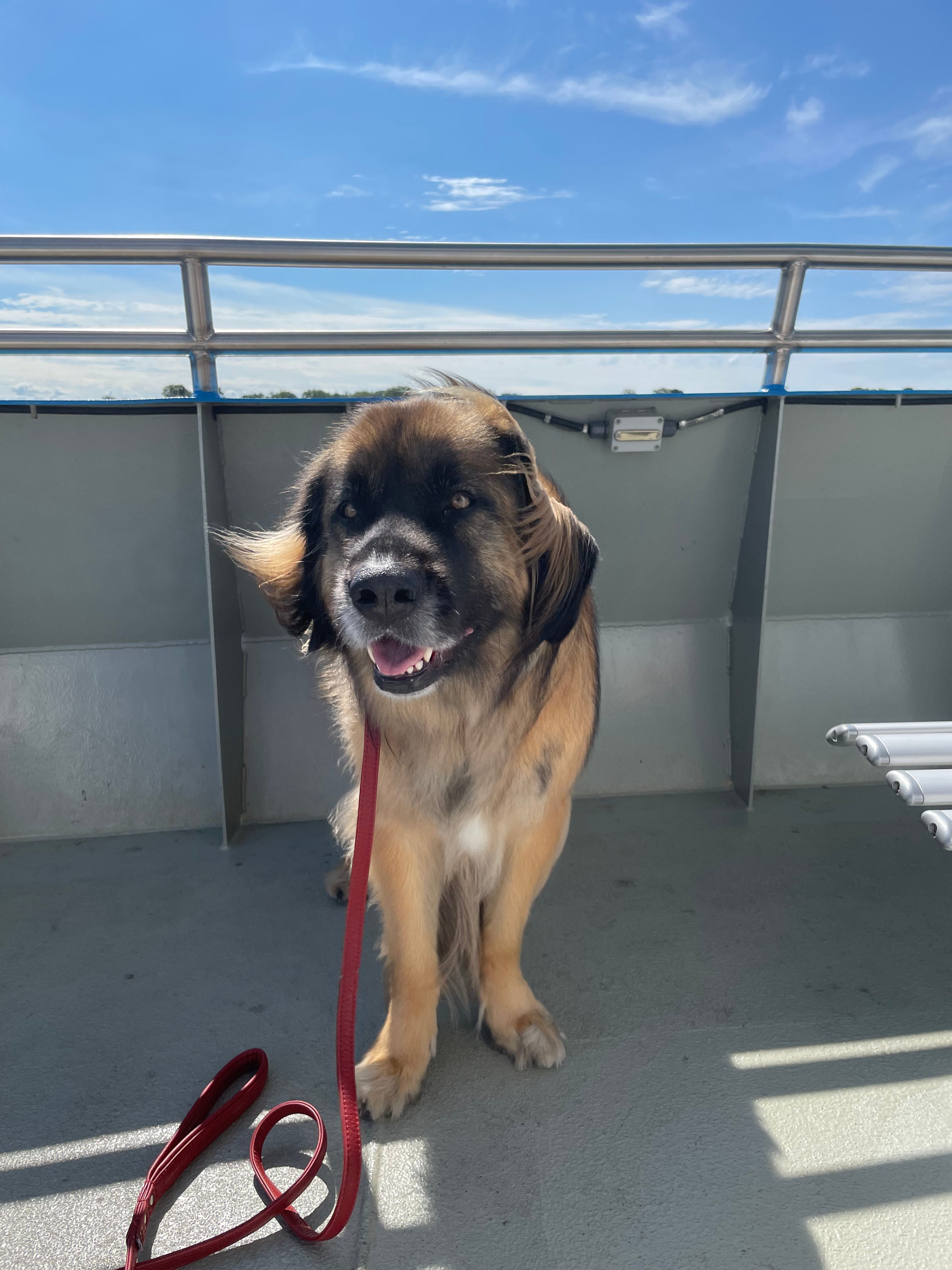
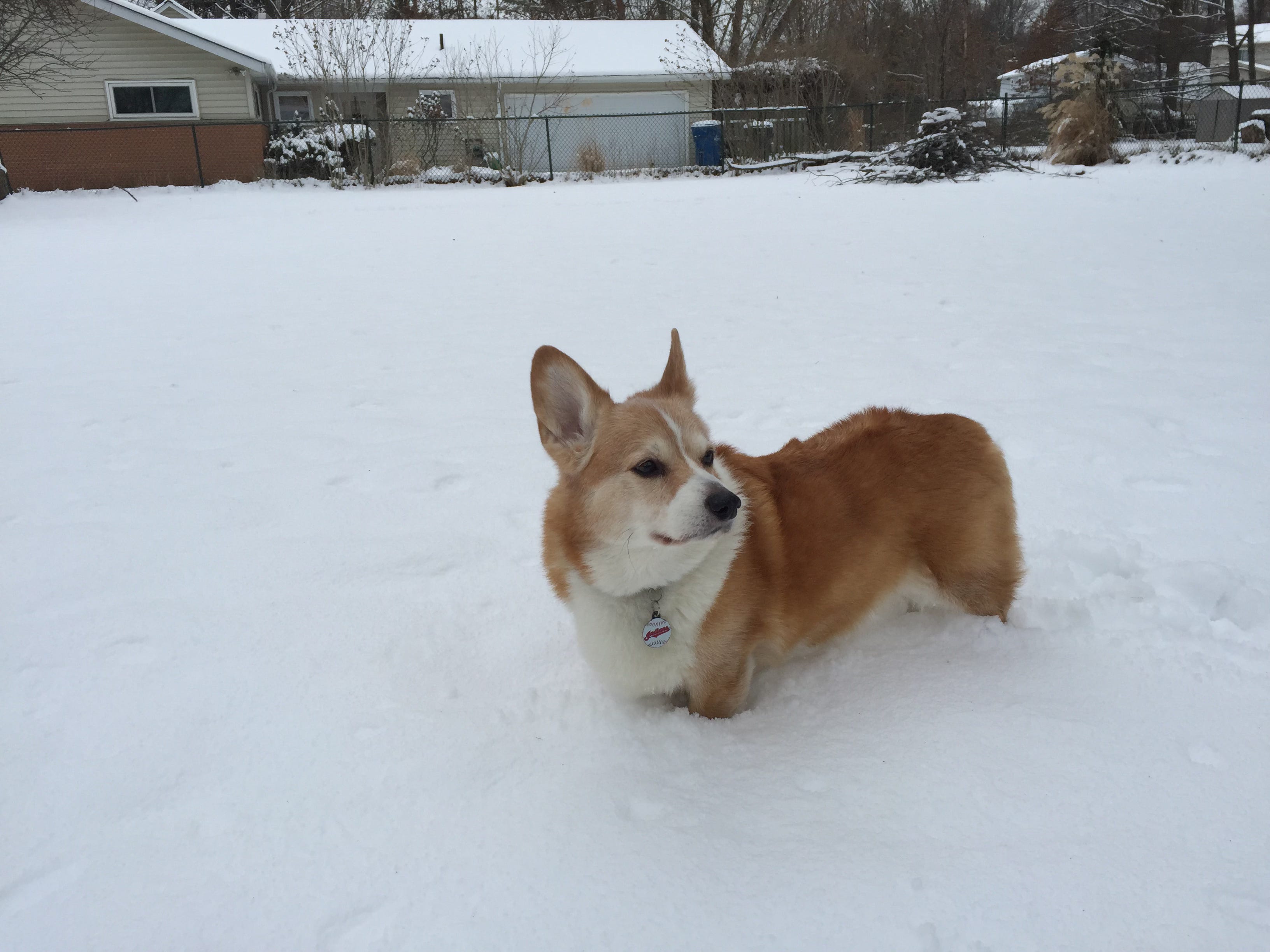
Upon bringing home a puppy or rescue dog, two important issues to focus on the first few weeks are building a bond with your new dog and establishing good potty training habits. I always advocate starting your relationship off as a leader who sets the rules of the house. This role as a leader includes teaching your pup where to eliminate. I hope to simplify the whole process in this episode by listing several suggestions to make it the least stressful possible on you and your dog. I also would like to share some memorable stories of clients who sought out my help to potty train their dogs. Over the years, I have found that people will tolerate ALOT when it comes to potty training. Either they have poor information to begin with, or they are okay with ‘accidents’ in the house. Many times, I start helping clients after potty training has become a problem. Their dog just doesn’t seem to get the concept. They want their dogs to only eliminate outside, but they unknowingly have been sending them mixed signals. Pet parents have to be willing to change what they have currently been doing. What they have been doing hasn’t worked, so most clients are usually open to trying different tactics. I have had a lot of success with my suggestions and this is what I would like to pass on to you. As I tell my clients, even with rehabbing certain behavioral issues such as jumping or nipping, if plan A doesn’t work, try plan B. If plan B doesn’t work, go to plan C, and so on. This strategy works for potty training too. Remember, initially, dog training involves teaching the humans how to communicate effectively with their dog first and then training the dogs. Many people successfully potty train their dogs without any assistance. It is what comes naturally and logically to them and they have a cooperative dog. I know this because I ask every client if there are any issues with potty training. I don’t stop there. I ask more questions to find out if that is really true. Sometimes, the client tells me that potty training is not an issue, but then the dog has an accident right in front of me. This can be a touchy subject when this “occasional accident” has been happening for over a year. Other clients tolerate accidents for so long hoping that the dog will figure it out as they get older. This never has led to success. Whether the dog is large or small, I have been to homes where the dog has had “accidents” in the same places on and off for many months, that turn into years, and then for the rest of the dog’s life (which means the humans have given up and just accepted their dog’s indoor potty habits). Story #1 One client had two dogs, but was focused on potty training the puppy. When I arrived, the puppy was in a crate. The older dog was loose in the house and greeted me very happily, but was jumping on me. I thought this would be an easy appointment - show the client how to have her dog greet people without jumping and give some suggestions for potty training the puppy. After all, half of the job was done because she was already using the crate! She was just using it for some other purpose unbeknownst to me. The client let the puppy out and put her in a pen she had set up with pee pads. The puppy immediately peed and was excited to meet me. So much for the easy appointment. I gave this client all the tips I have listed below, but she didn’t like how I used the crate for potty training. Needless to say, I never got a call back for further advice! Exceptions to potty training outdoors Potty training outdoors is the most desirable place for dogs to eliminate. However, there are exceptions where pee pads or diaper wraps are necessary. For example, pee pads will help if the dog has had surgery and has very limited mobility. There are also dogs that are in their last stage of life and do not have control of their bladder and bowels. There are options for these cases, such as diaper wraps and confining the dog to a certain part of the house that makes clean up easier. However, confining a potty trained older dog after they have had full rein of the house can be very challenging. I also make an obvious exception with newborn puppies. They cannot control their bowels and urine the first several weeks of their life. Their Mom will lick them to stimulate to go and will ingest what is excreted. Yick! When they are 6-8 weeks, they can be taught to start going outside. Some breeders take it upon themselves to start that process before they are placed in their forever home. This can be a tremendous help, but the pet parent still has to figure out how to do what the breeder did, in their own home. Herein lies the challenge. Using fake grass outside I have had clients whose dogs were trained to eliminate on fake grass on a deck right outside of their house or apartment. Sometimes this is necessary because the dog is so small and the temperature is extremely cold for them. I do not envy people who have to potty train their dogs in the winter. We all have experienced how long it can take for their dog to finally eliminate. They get outside and get so distracted that eliminating is the furthest thing on their minds! So, placing the fake grass close to the house and even taking the puppy out on a leash and guiding them to that specific area can work. When the puppy is bigger and the temperature is warmer, you can still take them out on leash in the front or backyard. The “Poop Arena” In the winter time, when there is snow on the ground, I recommend shoveling out a “poop arena”. Sometimes the snow can be deeper than the height of the dog. We did this for our Corgi. Story #2 Another example of how fake grass can help potty train a puppy is one of my clients had to place fake grass on her balcony because she lived in a high rise apartment. The puppy was way too big to carry and it took too long to walk him down the long hallway and get in the elevator without having an accident. As soon as the puppy could hold it longer, she was able to walk him to the elevator to get to the place where there was an area for dogs to eliminate. Story #3 Another client adopted a Shih Tzu named Princess who spent her first 3 years in a crate. She never experienced any other daily life but the inside of a crate. This meant she defecated, urinated, and ate in one that was most likely stacked on top of others. Many dogs were rescued from this particular hoarding situation, where they were living in substandard conditions. Knowing this, Princess’ pet parent vowed to never put her in a crate again. After talking to the vet, Princess’ pet parent decided to potty train her outside instead of using pee pads indoors. She was small enough to carry downstairs and in the elevator to help speed up that process. She had gastrointestinal issues throughout her life due to the poor diet from the neglect and abuse she experienced. This made potty training challenging at times. It was necessary to learn her bowel habits to avoid accidents. The great news is that Princess was able to be successfully potty trained outdoors even while living on the 30th floor of an apartment building! Princess passed away this year but taught everyone who met her that dogs can overcome the most horrendous conditions and have a fulfilled life. She was very fortunate to find her forever pet parent. Potty Training My Dog Ebi I like to recount the story of potty training my Leonberger, Ebi. I knew she was going to be a big dog and there was no way I was going to put up with huge puddles of urine or big piles of poop! So, express potty training was a necessity! It was 8 years ago, but from what I remember, I bet she had less than 10 accidents until the day I considered her fully potty trained. My husband and I blocked off our house with gates so that Ebi only had access to the front hallway and kitchen. We had a chair i… This is a public episode. If you would like to discuss this with other subscribers or get access to bonus episodes, visit canineconcierge.substack.com
- Transcript