Skip to content
Artwork for Focus on Flowers
LeisureHobbies

Focus on Flowers

Indiana Public Media

Focus on Flowers is a weekly podcast and public radio program about flower gardening hosted by master gardener Moya Andews.

Play
  • 21 episodes
  • weekly
  • Avg 2 min
  • English
Counted on this page — what you have heard stays on this device, so it is not something the list can be paged by.
  • Thursday · 2 min

    Helianthus annuus

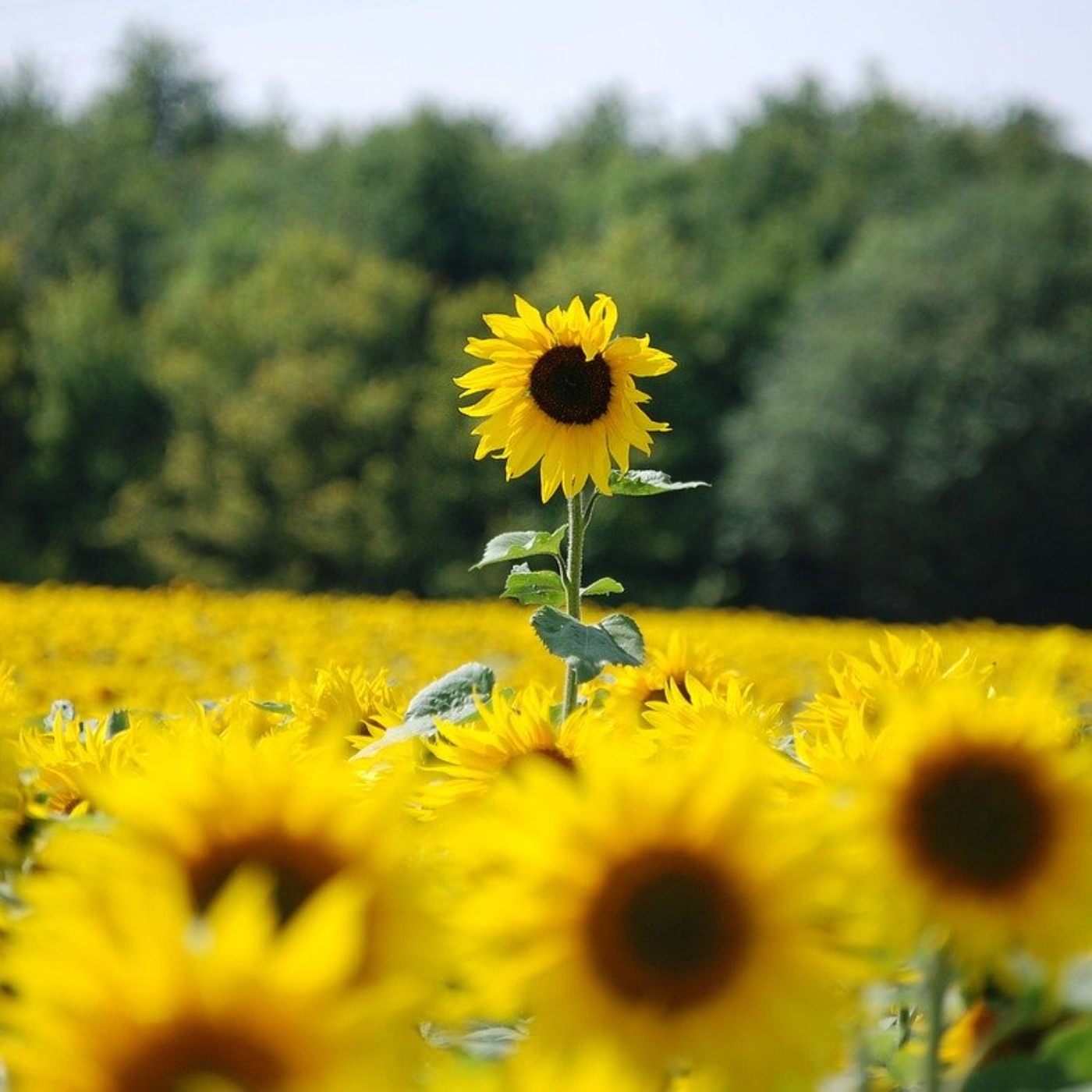
    The common sunflower goes by the botanical name of Helianthus annus. Extensive breeding has resulted in a great number of cultivars with yellow, orange, red, cream, white, and bi-color blooms, in many different sizes and flower shapes. The plants can grow 3-10 feet tall and so some need support. They are not temperamental plants, and most are native to Northern Mexico, Canada, and the United States. They are deer resistant and easy to grow and the seeds can be harvested for sowing in subsequent years. Plants are both annual and perennial, but all must have full sun and well-drained soil. Since their heads are mostly heavy, they prefer a sheltered location or un-staked plants can be easily blown over. Plant seeds 1 inch deep and 12-18 inches apart if they are annuals. Perennial varieties spread by rhizomes so need to be spaced 2-3 feet apart. Fertilizing at planting time helps the roots grow strong, which protects the plants from blowing over. Some gardeners plant annual sunflowers at two-week intervals from spring to early summer to ensure a succession of blooms. Mulch well to retain moisture and deter weeds. Do not fertilize much, because if the heads get too big, they are likely to break their stems. Divide perennial plants every three years. Since there are over 70 species, there are many types to choose from and experiment with. “Heli” means sun and “anthus” means flower.

  • August 20 · 2 min

    No Deadheading

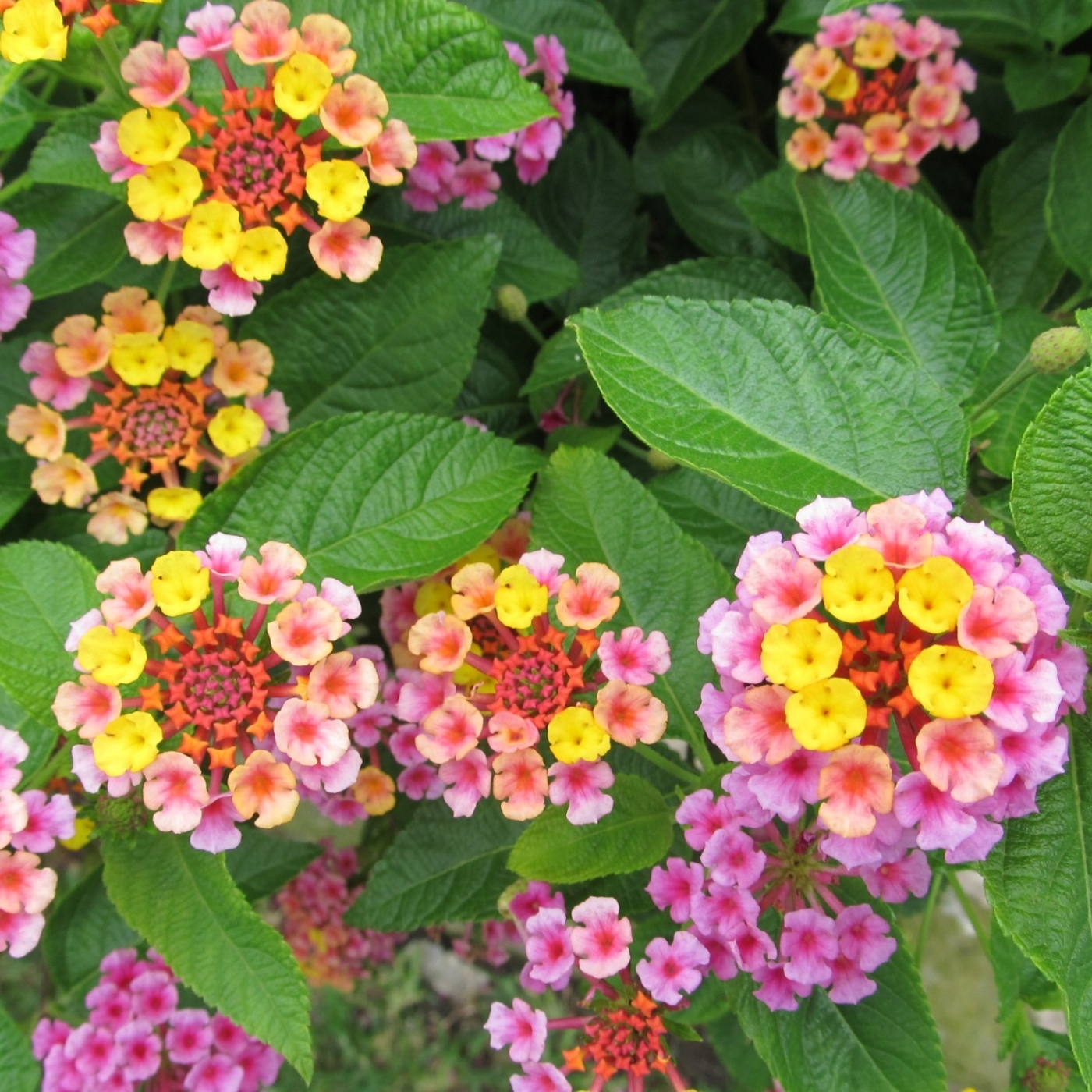
    Many annuals need to be deadheaded to keep blooming all season. While snipping off the spent blossoms can hardly be described as hard work, it is easier not to have to remember to do this chore. For that reason, many of us try to buy annuals that do not need deadheading in order to re-bloom all season long and right into fall. One such plant is lantana, which is great in regions with cold winters where it can’t winter over and so doesn’t get aggressive. While I would never grow it in my native Australia where it is a terrible invasive, I do plant it in the Midwest garden where the deer leave it severely alone. Once established it flourishes with no help from me. I also love angelonias. The tall ones make good cut flowers and the shorter ones look pretty anywhere in the garden or in pots, and they also are deer resistant. They grow in full or part sun and come in pinks, whites, blues, and purples. And, how would we manage nowadays without begonias? They come with both green and dark-colored leaves, like both sun and shade, and are perfect in pots, boxes, hanging baskets, and beds, and stand up well in hot weather with less water than many annuals. My favorite is Dragon’s Wing Begonia, but most available varieties perform beautifully and require minimal attention. I also love the dark red coleus ‘Redhead’ for pots, and cuttings root easily in water, so one can have a great many. Any kind of coleus, as well as any annual salvia, is trouble-free and require no daily deadheading.

  • August 13 · 2 min

    Shakespeare’s Plants

    William Shakespeare included so many botanical references in his plays that there are about 175 mentions of flowers, fruits, grains, grasses, seeds, weeds, trees, spices, herbs, and vegetables in his works. There are also lots of comments about how to care for various items so he must have been knowledgeable in this area. Here are just a few examples you may recognize. Acorns, Garlic, and Figs As You Like It: Celia says, “I found him under a tree, like a dropped acorn.” A Midsummer Night’s Dream: Puck says, “All their elves for fear, creep into acorn-cups and hide them there.” Bottom advises, “Most dear actors, eat no onions or garlicke, for we are to utter sweet breath.” Titania suggests, “Feed him with apricots and dew berries, with purple grapes, green figs and mulberries.” Roses Henry VI: Somerset says, “Here in my scabbard meditating, that shall dye your white roses in a bloody red.” Violets Hamlet: Ophelia says, “I would give you some violets but they withered when my father died.” A Midsummer’s Night’s Dream: Oberon notes, “Where oxslips and the nodding violet grows…” The Tragedie of Cymbeline: Queen Cymbeline mentions, “The violets, cowslips and the primroses...” [Reference: Botanical Shakespeare by Gerit Quealy, illustrated by Sumie Hasegawa-Collins, (Harper Collins, 2017)]

  • August 6 · 2 min

    Hot & Dry

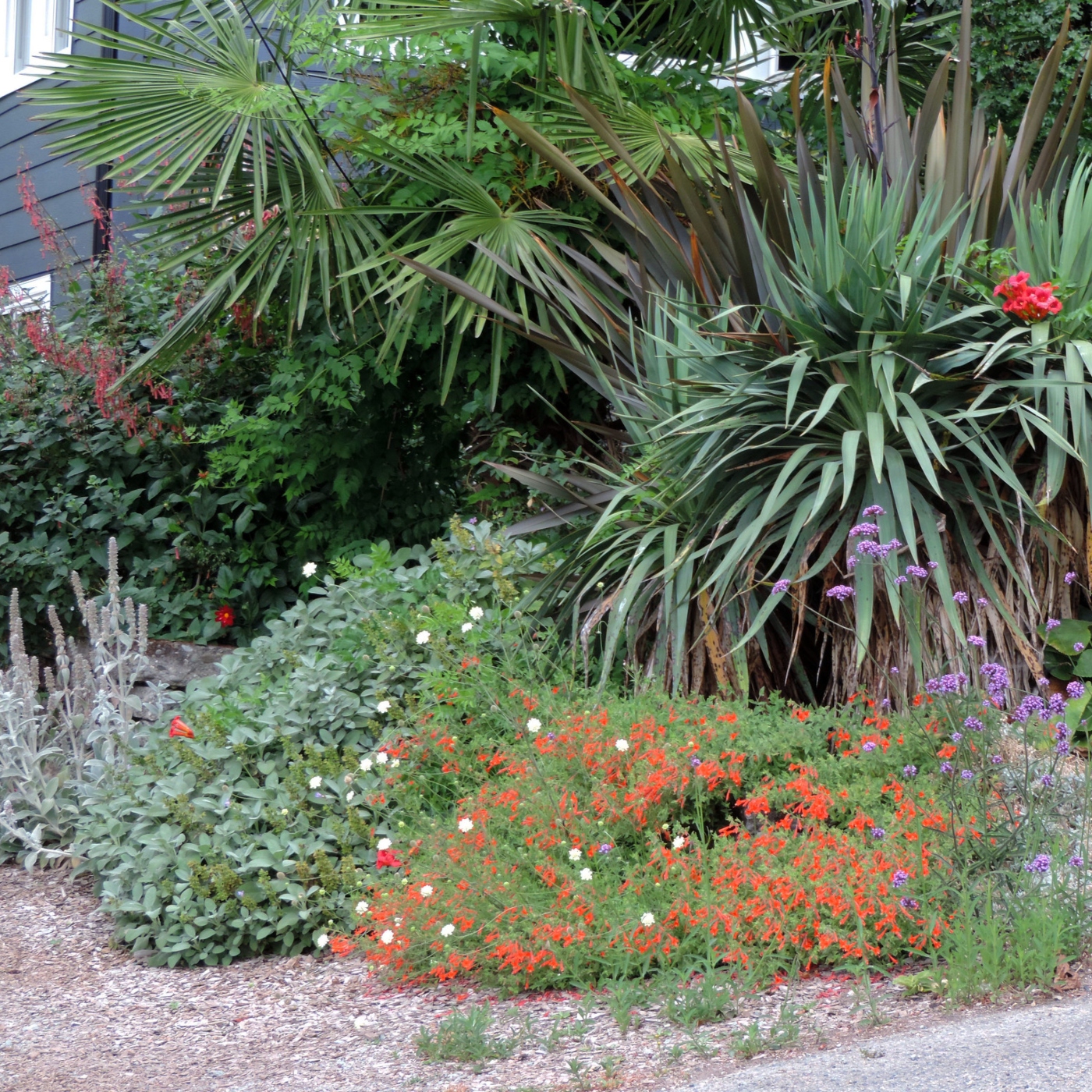
    I don’t have a watering system, so I get tired of watering when there are long periods of hot, dry summer weather. Here in the Midwest when it is over 90F, potted plants need watering twice a day and beds on slopes do too. It is a chore that makes me wish I had more drought tolerant plantings. A drought tolerant landscape does not mean zero watering, but it requires plants that can tolerate low amounts of water, even in extreme heat. Xeriscape plantings (“Xero” is the Greek root meaning dry) still need some watering during extended dry periods, but less than other plantings. While plants are getting established, they need deep watering to ensure good root growth. This is essential if you have sloping beds, as I do, and hillside plantings where water runs off. Sedums, lavenders, euphorbias, yuccas, yarrows, alliums, lilyturfs, salvias, oenotheras, santolinas, lobelias, gauras, coneflowers, and coreopsis are not big drinkers. Remember, too, that small plants need less water than tall plants, so grow lower varieties or keep plants pruned back when it is hot. Afternoon shade is also helpful.

  • July 30 · 2 min

    Big & Showy Hibiscus

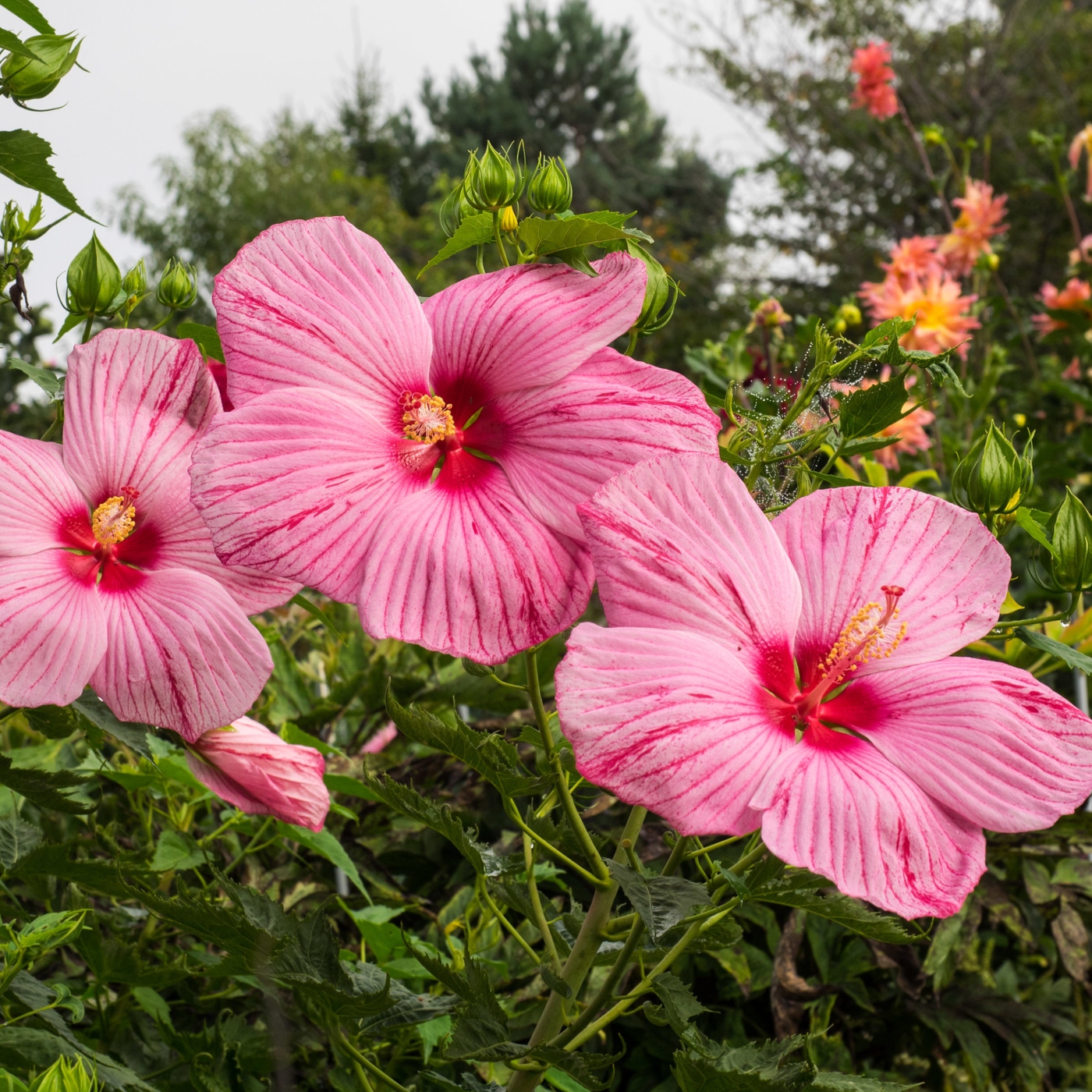
    There are over 200 species of hibiscus, and they are beloved because of their big showy flowers and green, clean-looking foliage. They fall into three different major categories: tropical, perennial and hardy. The tropical hibiscus is native to Hawaii and comes in beautiful colors, and we often see them in photos tucked behind the ear of a beautiful model. The perennial varieties go dormant in winter and come back the following spring, but they often do not survive cold snaps. Hardy hibiscus come just in three colors—white, pink and maroon—and can be grown from seeds. Their blooms are large and showy and grow on small shrubs about 3-4 feet tall. A popular one in Midwest gardens is 'Blue Bird' and it is as lovely as its name. Rose of Sharon shrubs that grow up to 15 feet tall are old-fashioned members of the Hibiscus family, too, and they reliably bloom in late summer/early fall, year after year, in purple, white, and violet shades. While the older varieties self-seed everywhere, modern ones do not. So, try 'Cherry Cheesecake' with pink flowers with maroon centers, which grows 4-5 feet in full sun and also part shade. But before you buy any hibiscus, check to be sure it is hardy in your zone.

  • July 23 · 2 min

    Woodland Poppy

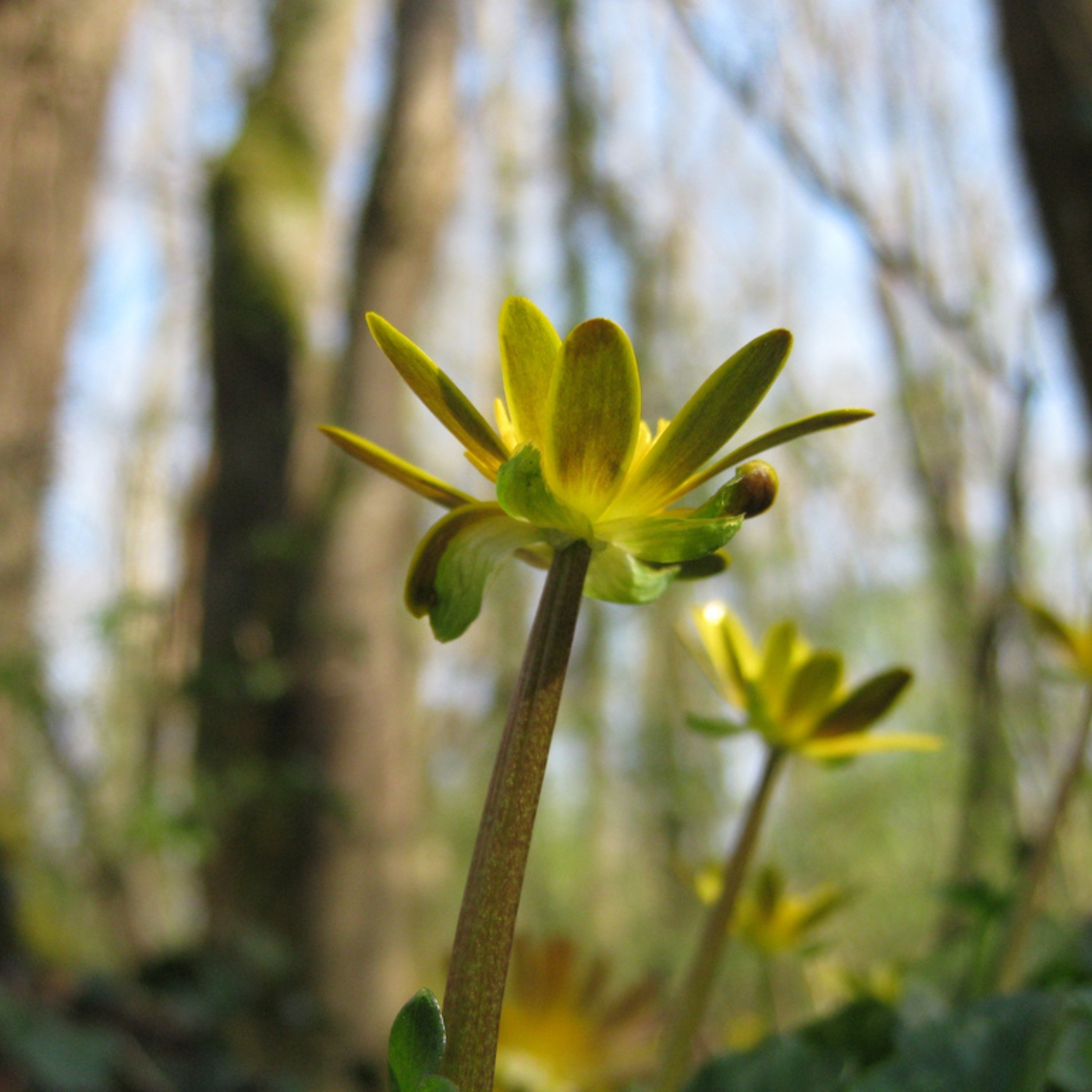
    Stylophorum diphyllum is our native celandine poppy that grows well in dappled shade in woodland conditions. It has cheerful yellow flowers and hairy seed pods. There are also two other woodland poppies that are native to China. All three species prefer moist soil and self-sow. They bloom in spring and intermittently into summer. Wordsworth even wrote a poem about this unassuming charmer: "Long as there’s a sun that sets, Primroses will have their glory; Long as there are violets, They will have a place in story: There’s a flower that shall be mine ‘Tis the little celandine. Comfort have thou of thy merit, Kindly, unassuming spirit! Careless of thy neighborhood, Thou dost show thy pleasant face On the moor, and in the wood, And in the lane; there’s not a place However mean it be, But ‘tis good enough for thee." Wordsworth obviously was as impressed with this versatile plant as we still are today. It is wonderful in shade gardens with companions such as forget-me-not, pulmonaria, ferns, bleeding heart, Virginia bluebells and other wild flowers.

  • July 16 · 2 min

    Nurture the Birds

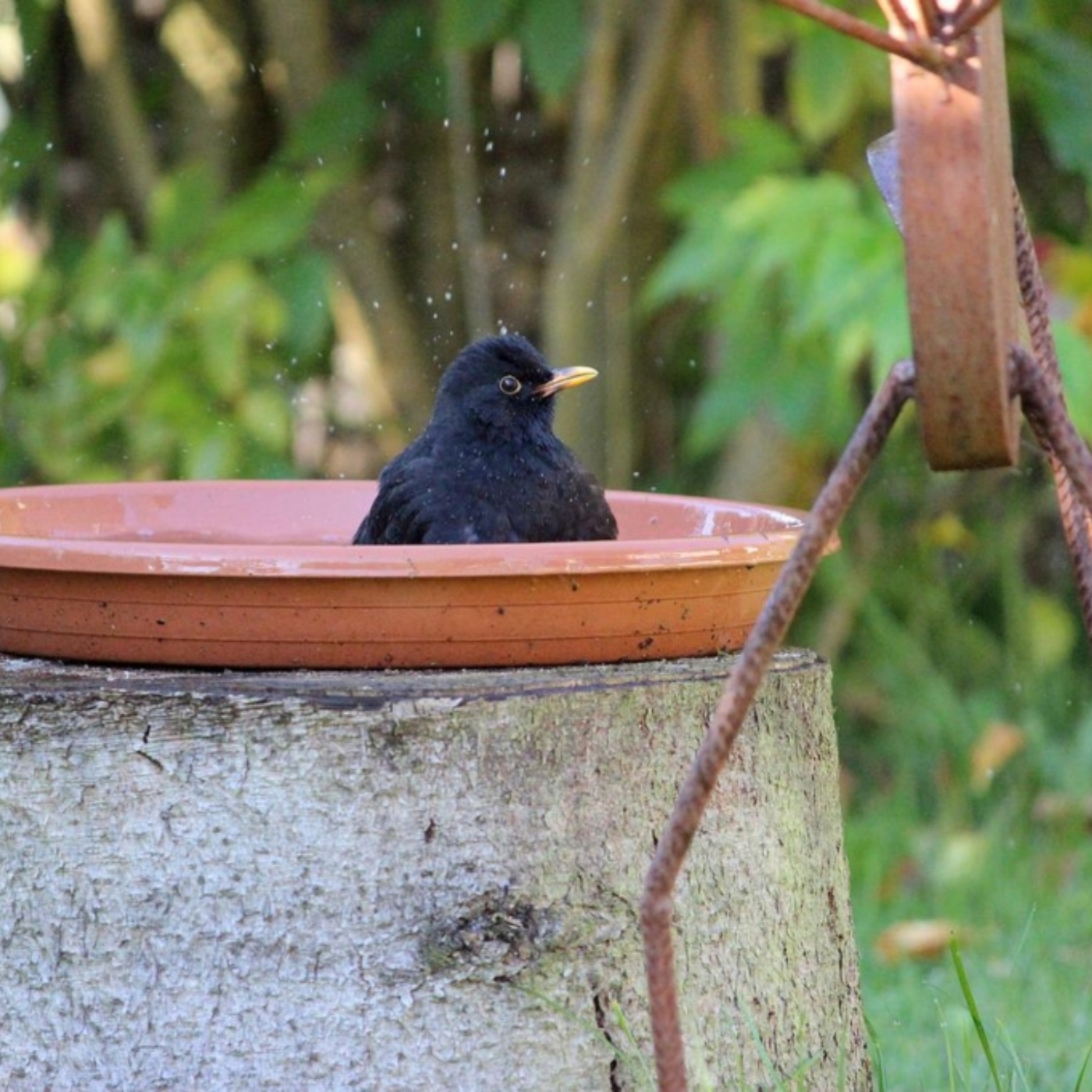
    If you welcome birds into your garden you probably know that during the summer, water sources are very important to them. Place your birdbaths in the shade and clean them regularly to keep the water fresh. Have a few birdbaths in different parts of your yard, maybe one where you can see it through a window. Some types of birds prefer ground level water sources also, so even a plant pot saucer can serve during hot days. You don't need feeders during the summer, but water is crucial in times of drought. Also, some debris in a yard gives birds places to search for insects and grubs. Grow shrubs that produce seeds and fruit that will appeal to your feathered friends and plant a variety of natives that the birds enjoy during different times. For example, native viburnums such as those that attract birds as well as pollinators. They are host plants for the larvae of spring azure butterflies and hummingbird clearwing moths. The Serviceberry arborea has flowers to attract insects and small fruits late spring early summer that are eagerly consumed by cedar waxwings, bluebirds, and catbirds. They also have fall color, attract butterflies, and are deer resistant.

  • July 9 · 2 min

    Cannas

    Canna comes from the Greek word spelled "kanna," which means "reed," though the canna plant does not have narrow reed-like leaves. There are about 10 species in the genus, which has showy flowering plants that grow from tender rhizomes that can only be left in the ground over winter in zones 7-10. In other zones they must be dug and stored over the winter. Canna plants enjoy moist but well-drained soils in full sun. Plant the rhizomes 4-6 inches deep and space them 18-24 inches apart for best results. They can also be grown in large pots and stored in the pots in areas where the winter temperatures remain above 40F degrees. If dug for storage, do this after the first frost and store the rhizomes in vermiculite. The rhizomes can then be divided and replanted in the spring. If they shrivel during winter storage, spray lightly with water occasionally. Plants can be grouped and used to provide height and dramatic effect, in beds and borders, or used to conceal a fence or shed. When bloom is finished, cut the flower stalk right down. If you grow and enjoy these bold, showy plants, you will soon have a lot, as the rhizomes increase quickly. The original bright reds, yellows, and oranges, as well as the newer shades, pack quite a punch in the garden in high summer.

  • July 2 · 2 min

    Oenothera

    The common evening primrose is native to Virginia and was sent to England in the early 1600s, feeling quite at home there and has naturalized in several parts of Britain. The Missouri primrose was identified first in 1811. The evening primrose has both roots and leaves that are edible. The roots are sometimes eaten in France and some herbalists believed that the plant can be used medicinally for asthma and whooping cough. The botanical name for evening primrose, Oenothera, is from the Greek, which is interesting since all members of this plant family are natives of the New World. Oenothera fruticosa is hardy zones 3-8 and blooms in late spring, and its common name is sundrops. The nectar attracts butterflies and hummingbirds, and it grows 12-24 inches high. The pink evening primrose is Oenothera speciosa, and the flowers open in the evening and close in the morning. The white form is called 'Alba'. The Missouri evening primrose 'Missouriensis' has lemon yellow flowers on low red stems. It blooms from May through August and enjoys a dry soil. Divide these plants in spring or fall. Sometimes these primroses are aggressive growers, especially the pink ones, but they also often die out after a while. They are popular pass-a-long plants and easy to grow and are fun.

  • June 25 · 2 min

    Billy Goat Weed

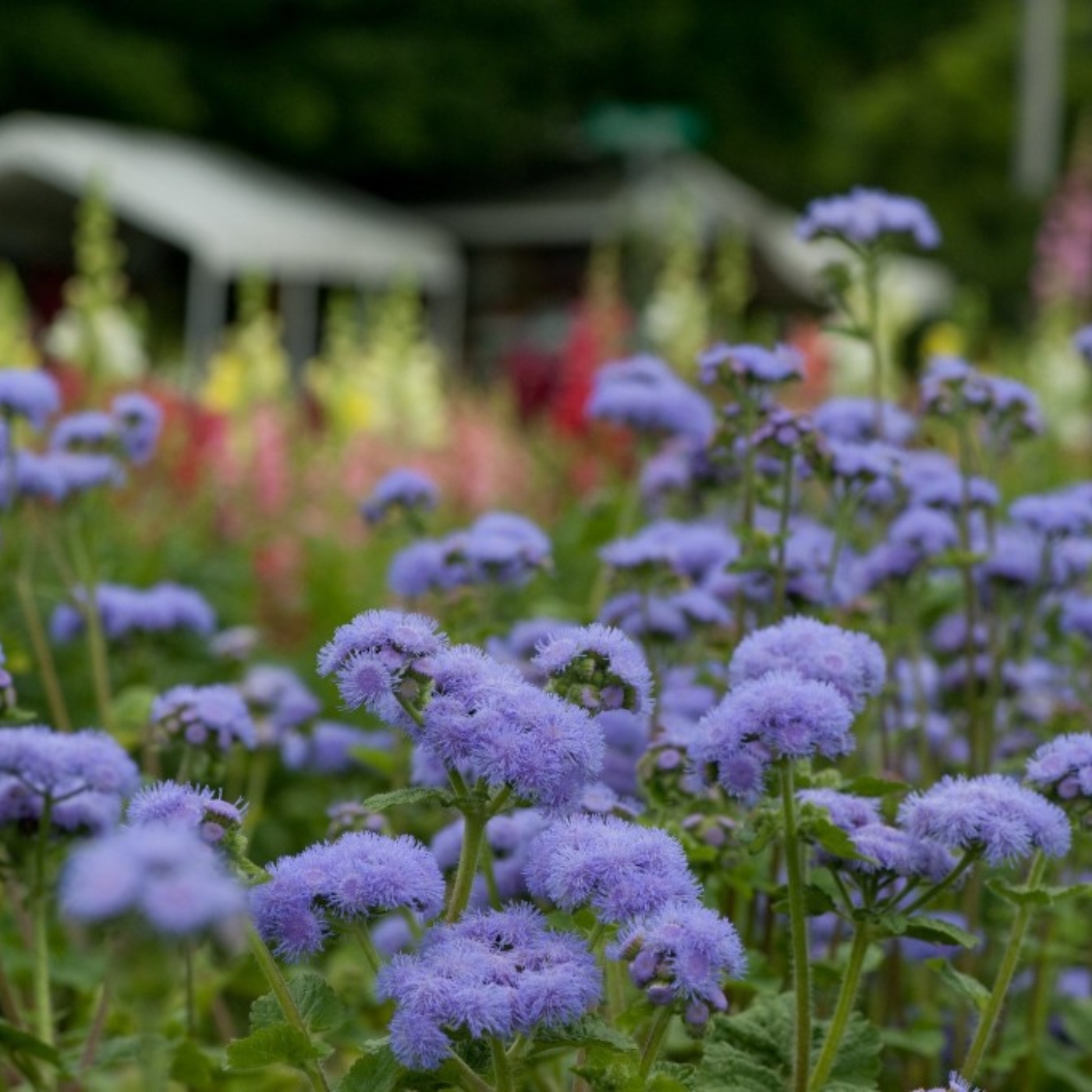
    Many of us are familiar with ageratum, the low-growing annual with fuzzy flowers that are blue/lavender color. It is a member of the Ageratum genus that includes 43 species of annuals and perennials, most of which are native to warmer regions of the American continents. They have felted oval or heart-shaped leaves and clustered flower heads. They like full sun and moist well-drained soil, and a common name is floss flower. Another common name is billy goat weed, which suggest perhaps that goats may like them. I am guessing about that, as I have never seen a goat eating ageratum in my garden. Of course, I do not have any goats in my garden, even though I do have ageratum, as it pairs well with just about any other plant of any color. I also grow tall varieties ‘Bavaria’ and ‘Blue Horizon’, which are 18-20 inches tall and produce good cut flowers that dry well. Some species of ageratum can be pink and white as well as blue. Some even grow in light shade—for example, Ageratum altissima, which gets quite tall and has fluffy white blossoms. Some native varieties of ageratum winter over in our zone 6 and may become a pest as they self-sow prolifically. As long as you just grow varieties of this plant that are annual in our cold climate, however, it is well behaved. Otherwise, you may need to get some goats!

  • June 18 · 2 min

    Baptisia australis

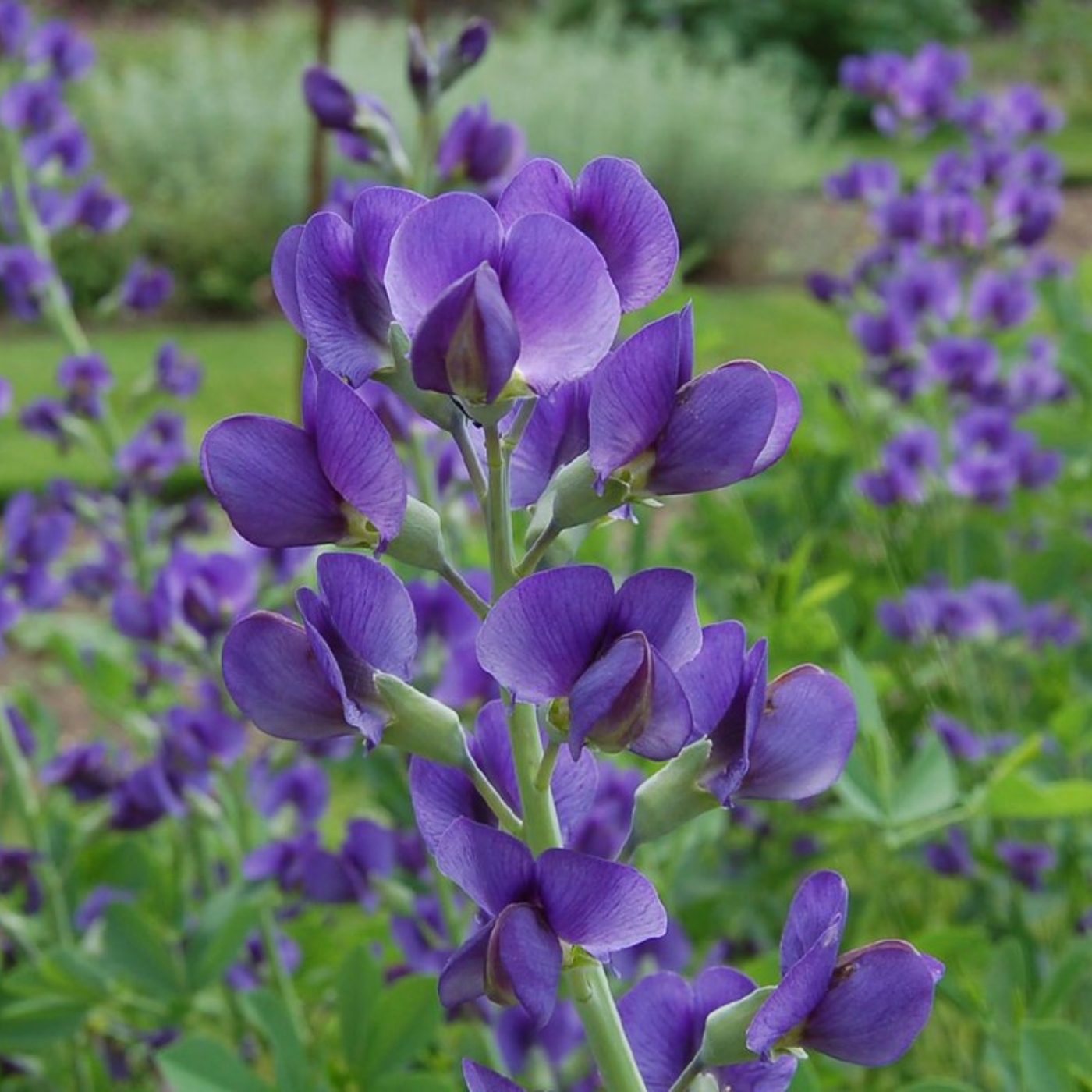
    Blue false indigo, with the botanical name Baptisia australis, is a lovely shrub that blooms in the late spring in zones 3-9 in full sun or part shade. It grows about 4 feet tall and as wide and is drought tolerant and deer resistant and has blue/green foliage and blue flowers that resemble lupins. It was used by pioneers to dye cloth and is called 'false indigo' because its color is not as deep as true indigo. It has a big root system that cannot be divided. However, it grows easily from seeds. Gather the dark-colored seed pods in the fall and start new plants any time. This plant has been hybridized so that there are now white, purple, and yellow flowering varieties available and some that are smaller. They prefer full sun and good drainage to bloom well and can be planted as a hedge or as a background plant. The foliage stays grey/green and crisp and neat until late fall when it can be cut to the ground. I have mine in the front of a large flower bed, but if I was planting it now, I would place it at the back of a bed, as its flowering period is short, and it tends to self sow. However, the foliage always looks cool even on the hottest day of summer.

  • June 11 · 2 min

    Dahlias

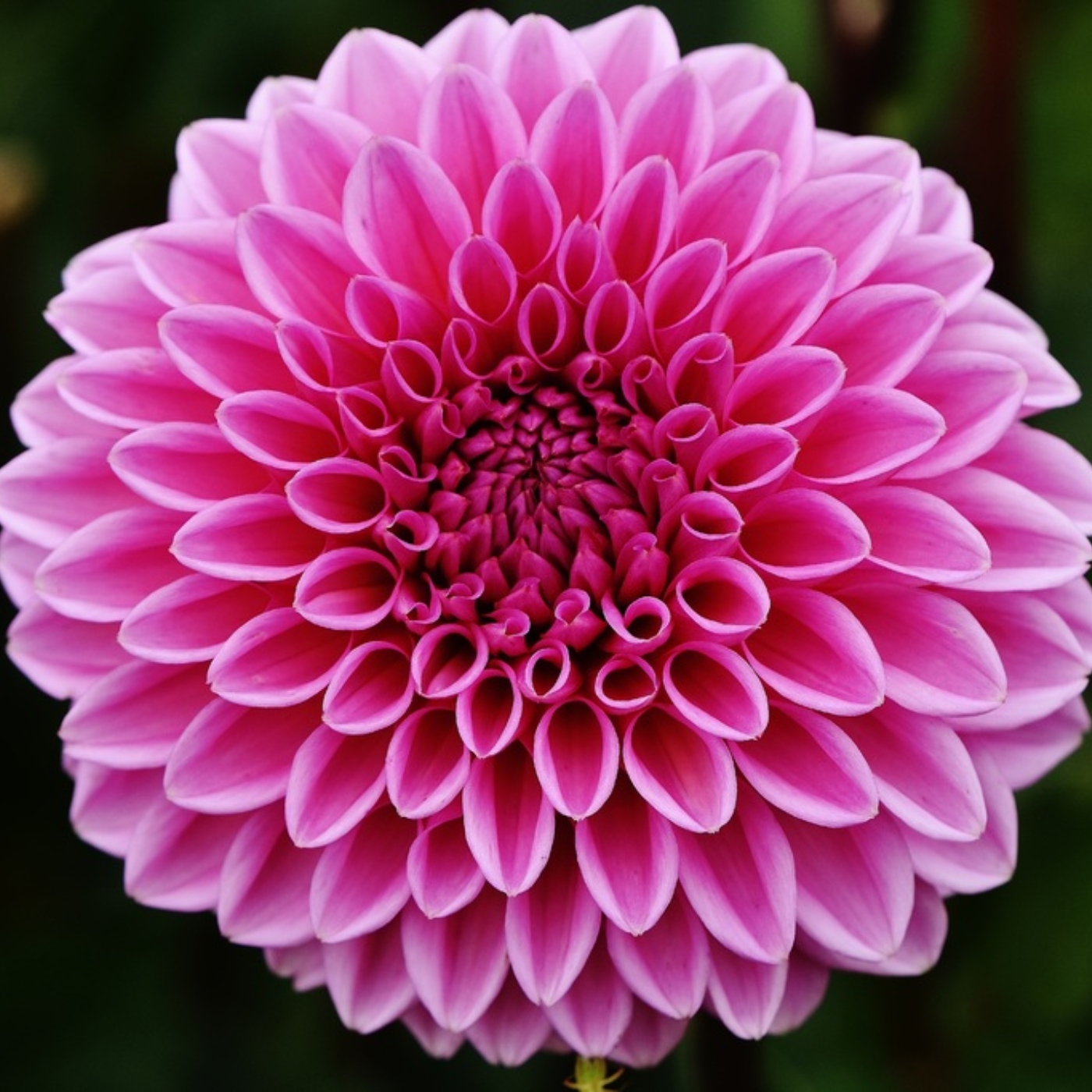
    Native to Mexico, dahlias probably grew in Aztec gardens as they were already in cultivation when the Spaniards arrived. Francisco Hernandez, a botanist and physician to King Phillip of Spain, described them in a book published in 1651. But dahlias were not introduced to Europe until 1789 when seeds were sent from Mexico to the Royal Gardens in Madrid. The flower was named in honor of Dr. Dahl a Swedish botanist and pupil of Linnaeus. They were sent to Kew Gardens in England in 1798 by the wife of the British Ambassador to Madrid. By 1835, John Wedgewood, the founder of the British Horticultural Society, grew over 200 different varieties of dahlias. They were popular cut flowers with blooms of many sizes and colors. If a tuber has a sprout of more than 2" long, clip it off before you plant the tuber. Dig a hole 4-6 inches deep and place the tuber on its side and cover it with soil. Fertilizer is needed every 3-4 weeks and must be low in nitrogen. Do not water until sprouts are visible above the ground and then water deeply 3 times a week. Full sun is best, but plant in part shade if your temperatures go over 100F degrees. Dahlias bloom about 3 months after planting. Cut blooms that are 2/3 open and place the stems in hot (but not boiling) water in a plastic container and leave them in it until the water cools.

  • June 4 · 2 min

    Torch Lilies

    Red Hot Pokers belong to the genus Kniphofia (Kniphofia uvaria) and are also known as tritoma or torch lilies. Some dwarf varieties are 'mango popsicle', 'pineapple popsicle', and 'red hot popsicle'. They are orange, yellow, and red with grassy foliage. They spread by rhizomes and can become invasive. Native to South Africa, they like full sun and well-drained soil and do well in zones 6 through 9, as they tolerate heat and drought and dislike boggy soil. Flowers fade first at the bottoms of the torch-shaped blooms, but the striking blooms last a long time on the plants. After the blooming is over, do not cut down the foliage until it yellows and dies back in the fall. These are not flowering plants to put in pots or urns, as they look best in clumps and swathes in garden beds. Their vertical shape and vibrant orange, red, and yellow blooms make a strong statement. Give them room to spread and do not combine them with small plants that they will overwhelm. They are interesting perennials that have become popular on both sides of the Atlantic. While they do not combine well with cottage garden plants, they do create a modern looking presence and are perfect near a mid-century modern home.

  • May 28 · 2 min

    Sweet Dianthus

    Dianthus are well-behaved in our gardens. The flowers are fragrant, and the plants can be perennial, biennial, or annual. The common name "pinks” does not refer to the color but to the fringed edging of the petals that makes them look as if they had been cut with pinking shears. They like full sun but can manage some shade and a variety of soils. However, they do best in well-drained soil with good air circulation, as they are susceptible to root rot and fungal diseases. Rabbits eat the narrow grey/green leaves, but thankfully deer leave these plants alone. There are over 27,000 registered cultivar names, so there are plenty to choose from. Colors can be pink, lilac, purple, white, and combinations with picotee edging on the petals. They originated in Eurasian countries and are grown worldwide in home gardens because they are easy care and don't mind periods of dry weather. Dead heading keeps them looking attractive and the plants stay low. The flowers make sweet little arrangements and even just a few, in a small bottle, look pretty. I would not be without these plants in my Midwestern garden. Most varieties are not especially long lived, however, but that is okay as then one can always be tempted to try new varieties that come on the market. Common names are cheddar pinks, clove pinks, maiden pinks, and gillyflowers.

  • May 21 · 2 min

    May is the Month of White Flowers

    In the lower Midwest, May is the month when we see lots of white flowers. For example, Spirea ‘Bridal Wreath’ shrubs completely cover themselves with lacy white blossoms so that they do, in fact, resemble brides in traditional wedding gowns. The low-growing perennial iberis, commonly known as candytuft, also has lacy white flowers, and there are white lilacs and dogwoods in abundance too. Dogwood trees are positively dazzling when they are in full bloom. There is even a rare white double flowered dogwood Cornus Florida ‘plena.’ Other white flowering trees include Bradford pears, serviceberries, and star magnolias. The kalmia shrubs, our native mountain laurels, have some whites, and the miniature white variety ‘Elf’ is especially lovely. The mock oranges are fragrant as well as white, and Philadelphus ‘Virginal” has luscious double blossoms. A dainty white flowering groundcover is sweet woodruff (gallium odoratum), and it has a scent like vanilla and has been traditionally used as a May Day centerpiece for celebrations. If you want to use this shade lover as a centerpiece, dig up several small clumps of it in bud and pop them into a basket lined with foil. They will happily bloom indoors and then can be replanted back into the garden. Lily-of- the-Valley is usually in bloom in the lower Mid-West on Kentucky Derby day and so make perfect centerpieces for Derby Parties. They smell wonderfully fragrant and partner well with mint juleps.

  • May 14 · 2 min

    Calendula officinalis

    The common European marigold, (like the Mexican variety), is justly popular because it is easy to grow, and pests don't like it. It was first mentioned by the old-time herbalists in 1578, quote, "It has pleasant and bright shining yellow and orange single-petal flowers." It was used by herbalists during the times of ancient plagues, and the petals of the flowers were dried and sold for use in making broth in the winter. The flowers have also been used to add yellow color to cheese in times past. Native to southern Europe, the seeds can be sown directly into the soil and germinate easily in sun or part sun. Plants begin to flower in June and continue till frost. Gather seeds when they ripen in August and September. Some people use the flowers to treat the stings of wasps and bees and also to treat warts. Large flowering marigolds (those that originated in Mexico) are usually yellow or orange, and French marigolds are smaller and orange/brown in color. All types of marigolds last well as cut flowers, but it is best to remove all of the leaves below the water line in a vase as they otherwise develop an unpleasant odor. Marigolds are excellent plants for children to grow when they begin gardening as they are likely to grow well even with sporadic watering. Note: The European variety (about 20 species) is daisy-like in appearance, and the botanical name is Calendula officinalis with the common name of Pot marigold or English marigold. The name calendula comes from the same root as the word "calendar," signifying that it blooms almost all year in zones 6-10. The Mexican variety is larger and many petaled, and its botanical name is Tagetes, and they are unrelated to the European varieties.

  • May 7 · 2 min

    Larkspur

    Larkspur is a member of the Delphinium family and though native to Europe, it grows well in North America. The plant is poisonous if eaten by cattle but fortunately only mildly toxic to domestic pets and people. Its colors are shades of blue/purple, white, and pink, and its tall upright habit and ferny, lacy foliage is good in combination with other garden plants. Larkspur likes well drained soil in full sun and is a good cut flower. In my midwestern garden I cannot grow perennial delphiniums or perennial larkspur. So, I buy packets of annual larkspur seeds and just sprinkle them in my beds (unmulched, as mulch often has a seed germination deterrent) in early spring. I am rewarded with pretty flowers that meld well with many of my perennials. For example, I have a bed of white iris, and the larkspur grows up and blooms before the iris have finished their show. Larkspur also blend nicely with daylilies because of their height. Larkspur seeds germinate best between 40-50F in zones 4-7. I would not be without my annual larkspur, which I have enjoyed year after year and some often self-seed and return, but in order to be sure, I always buy some seeds. I don't want to risk a year without it! Note: Larkspur grows well in zones 4-7 but needs protection to self-sow below zone 5. Field larkspur grows wild in cornfields throughout Europe.

  • April 30 · 2 min

    Magnolia x soulangiana

    The most commonly grown deciduous magnolia in the Lower Midwest is Magnolia x soulangiana, usually referred to as the saucer magnolia. Hardy in zones 4-9, it may be a shrub but usually is a tree about 20-25 feet tall with a rounded crown. It usually develops a number of trunks and may over time even grow 30 feet tall and as wide. It blooms before it leafs out, and the pale pink blossoms look striking against the rough grey bark. However, about one in three years the late spring frosts ruin the bloom and the flowers turn brown. I am told there is a hybrid called ‘Forrest's Pink’ that will make new buds if the old ones are ruined. I think ‘Spectrum’ and ‘Galaxy’ bloom a little later also, which provides more reliable bloom. There are actually a large number of more modern hybrid cultivars now available and some produce flowers in other shades such as white, rose, magenta, burgundy, and purple. The genus name honors Pierre Magnol, a French botanist (1638-1715). Since it is a long- lived tree, think carefully before you decide where to plant it as it needs space for its branches, which cast a lot of shade when it matures. This allows for a large shade garden beneath it. I have a tree that is 83 years old and underneath its sheltering arms I grow winter aconite, Virginia bluebells, perennial geraniums, ferns, hellebores, bleeding heart, wildflowers, epimediums, and for-get-me-nots. The birds love to perch above.

  • April 23 · 2 min

    Gardening Trends

    Horticulturalists at the University of Florida’s Institute of Food and Agricultural Sciences are predicting some strong trends based on their feedback from their County Extension Offices. They report that more and more gardeners are seeking information about sustainability. Specific questions about native plants have increased significantly, as well as wildlife-friendly landscapes, dwarf hybrids, succulents, novel edible greens, and landscaping to mitigate natural disasters. Modern gardeners want plants that do not require much water or fertilizer and resist insects and disease. In short, plants that are good for the environment and not hard to maintain. Gardeners also want to do less pruning, so prefer smaller shrubs that can be left natural in shape, as well as fruit-bearing shrubs that can provide food as well as attract birds to the garden. Modern gardeners also like to layer shrubs of varied heights in their gardens to provide shelter for wildlife. They also prefer trees that will survive storms since storms are more unpredictable than they used to be. Another trend is a preference for decorative foliage in addition to flowers in gardens. For example, dark foliage plants with red, purple, or black leaves year-round, in addition to plants with fall foliage colors. Foliage can provide contrast and year-round interest and can also be used in bouquets.

  • April 16 · 2 min

    Perennial Challenges

    A novice gardener once told me that she was only going to plant perennials, as they did not need any care. If only that was true! On the contrary, I have found that it seems easiest for new gardeners to start with annuals and then to move on to perennials. Annuals only last one year, but once they are planted they stay in one place, don’t reproduce, and just need water and fertilizer. They are less complicated for an inexperienced gardener. Perennials seem preferable because they live from year to year, but their habits vary greatly and they are more unpredictable. Many are easy and stay where you put them. Others hop around the garden, some quite aggressively, and some die out after a year or two. Perennial plants are quite different from each other in terms of their needs and performance. So it is more complicated, though great fun, to design and maintain a perennial garden. And, of course, some won’t grow in the zone the gardener wants them to…Have you ever tried to grow delphiniums in the Midwest? Thugs, like bishops weed, look innocent but are very invasive. But, as a group, perennials fascinate us despite all of their quirks. Beginners need to be aware of pass-along plants, like loosestrife, as they are the ones that usually have over-run an owner’s garden. One can learn more about the perennials that grow best locally by joining a garden club or taking a master gardener course, as they can become a life-long challenge.

Showing 1–20 of 21 episodes