Skip to content
Artwork for Everyday Wellness: Midlife Hormones, Menopause, and Science for Women 35+
Health & FitnessAlternative HealthNutritionScienceLife Sciences

Everyday Wellness: Midlife Hormones, Menopause, and Science for Women 35+

Everyday Wellness™

Looking for the latest strategies for dealing with menopause, hormones and midlife health issues? You're in the right place!

Cynthia Thurlow is a nurse practitioner, host of the Everyday Wellness podcast, author and international speaker, with over 15 million views for her second TEDx talk (Intermittent Fasting: Transformational Technique).

With over 25 years experience in health and wellness, Cynthia is a globally recognized expert in perimenopause/menopause and intermittent fasting, and has been featured on ABC, FOX5, KTLA, CW, Medium, Entrepreneur, and The Megyn Kelly Show. Her mission is to help empower women to live their most optimal lives in perimenopause and beyond.

Play
  • 24 episodes
  • a few times a week
  • Avg 57 min
  • English
Counted on this page — what you have heard stays on this device, so it is not something the list can be paged by.
  • Thursday · 14 min

    Ep. 629 The Gut's Role in Hormones, Metabolism, and Immunity | Menopause, Perimenopause, Gut Health

    Welcome to the latest summer version of the Midlife Minute. In this episode, we’re focusing on the gut. Even though I’ve written a book about the gut microbiome changes that occur in perimenopause and menopause, I’m often asked whether the gut is truly central to midlife. So today, I provide direct answers to the many questions I received on this topic. IN THIS EPISODE, YOU WILL LEARN: How the gut microbiome and estrogen work together, and the importance of supporting both How the estrobolome helps recycle estrogen, and why its function could decline during menopause How poor sleep, blood sugar instability, histamine issues, and dysbiosis tend to be interconnected The value of practitioner-guided microbiome testing when investigating histamine intolerance, dysbiosis, and weight loss resistance Various factors that could contribute to weight loss resistance How my approach to stool testing has evolved as newer microbiome testing technology has become available Essential lifestyle habits for supporting gut health Connect with Cynthia Thurlow Follow on X, Instagram & LinkedIn Check out Cynthia’s website. Submit your questions to support@cynthiathurlow.com Join other like-minded women in a supportive, nurturing community: The Midlife Pause/Cynthia Thurlow. Purchase Cynthia’s book, The Menopause Gut. Cynthia’s Intermittent Fasting Transformation Book The Midlife Pause Supplement Line

  • Wednesday · 1 hr

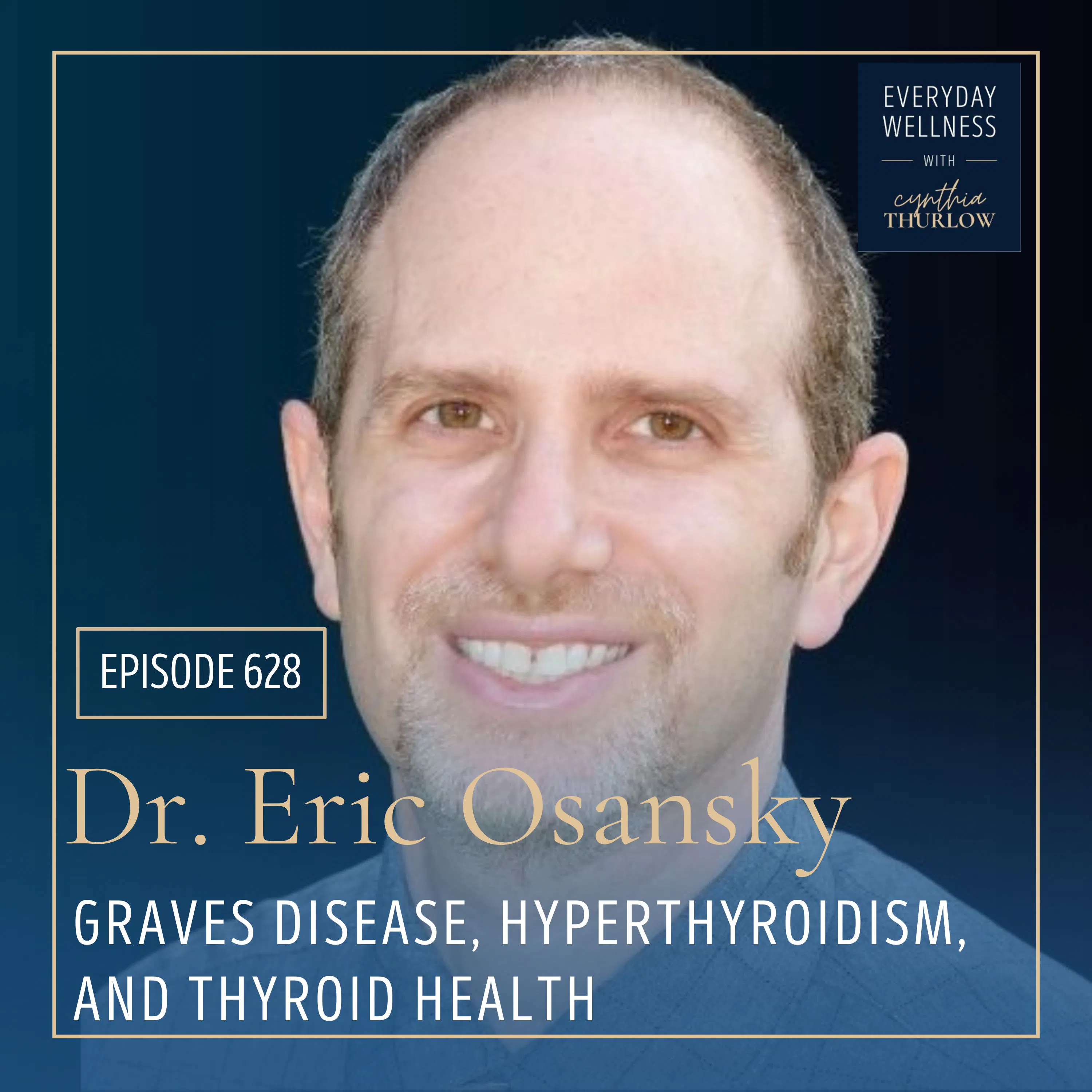
    Ep. 628 Graves Disease, Hyperthyroidism, and Thyroid Health with Dr. Eric Osansky | Menopause, Perimenopause, Thyroid Health

    I am honored to connect with Dr. Eric Osansky today. He is a chiropractic physician, clinical nutritionist, and functional medicine provider. He is also an author who loves to write about hyperthyroidism and a lifestyle-focused approach to it. In today’s conversation, Dr. Osansky unpacks his own Graves diagnosis in 2008 and highlights the typical symptoms of hyperthyroidism, the unique physiology of thyroid dysfunction, and specific risk factors. We explore traditional treatment pathways, the influence of low-dose naltrexone and other immunomodulatory supplements, and the gut-thyroid axis. We also discuss how most of our immune system is located in the gut, the influence of leaky gut and autoimmune disease, perimenopause as a trigger window for symptoms, and how these often overlap with thyroid health. Stay tuned for an interesting and insightful conversation on thyroid health, Graves' disease, hyperthyroidism, and more. IN THIS EPISODE, YOU WILL LEARN: What Graves' disease is, and how it differs from other causes of hyperthyroidism The first symptom of Graves' disease that Dr. Osansky experienced, and other common symptoms of Graves’ disease Genetics, environmental triggers, and other factors that could contribute to autoimmune thyroid disease Conventional treatment options that are available for Graves’ disease, how they work, and why treatment decisions should be individualized Why Dr. Osansky recommends continuing to support immune and gut health after radioactive iodine or thyroid surgery How low-dose naltrexone may help some people with Graves’ disease modulate their immune systems Foods, lifestyle measures, and supplements that can support immune regulation alongside appropriate medical care The relationship between the gut microbiome, intestinal permeability ("leaky gut"), and autoimmunity How thyroid symptoms and hormone changes during midlife can overlap, and why laboratory testing is important when symptoms overlap Bio: Eric Osansky Dr. Eric Osansky is a chiropractor, clinical nutritionist, and certified functional medicine practitioner who has been helping people with hyperthyroidism and Hashimoto's since 2009. He is the author of the books "Natural Treatment Solutions for Hyperthyroidism and Graves' Disease", "The Hyperthyroid Healing Diet", and "Hashimoto's Triggers", and is the host of the Save My Thyroid podcast. Dr. Osansky was personally diagnosed with Graves’ disease in 2008 and was able to restore his health through a natural approach, and since then has helped others reverse their hyperthyroidism through his SAVED Thyroid framework. Connect with Cynthia Thurlow Follow on X, Instagram & LinkedIn Check out Cynthia’s website. Submit your questions to support@cynthiathurlow.com Join other like-minded women in a supportive, nurturing community: The Midlife Pause/Cynthia Thurlow. Purchase Cynthia’s book, The Menopause Gut. Cynthia’s Intermittent Fasting Transformation Book The Midlife Pause Supplement Line Connect with Dr. Eric Osansky Website Save My Thyroid Project Substack Newsletter Dr. Osansky’s books, Natural Treatment Solutions for Hyperthyroidism and Graves' Disease, The Hyperthyroid Healing Diet, and Hashimoto’s Triggers, are available on Amazon.

  • Monday · 1 hr 16 min

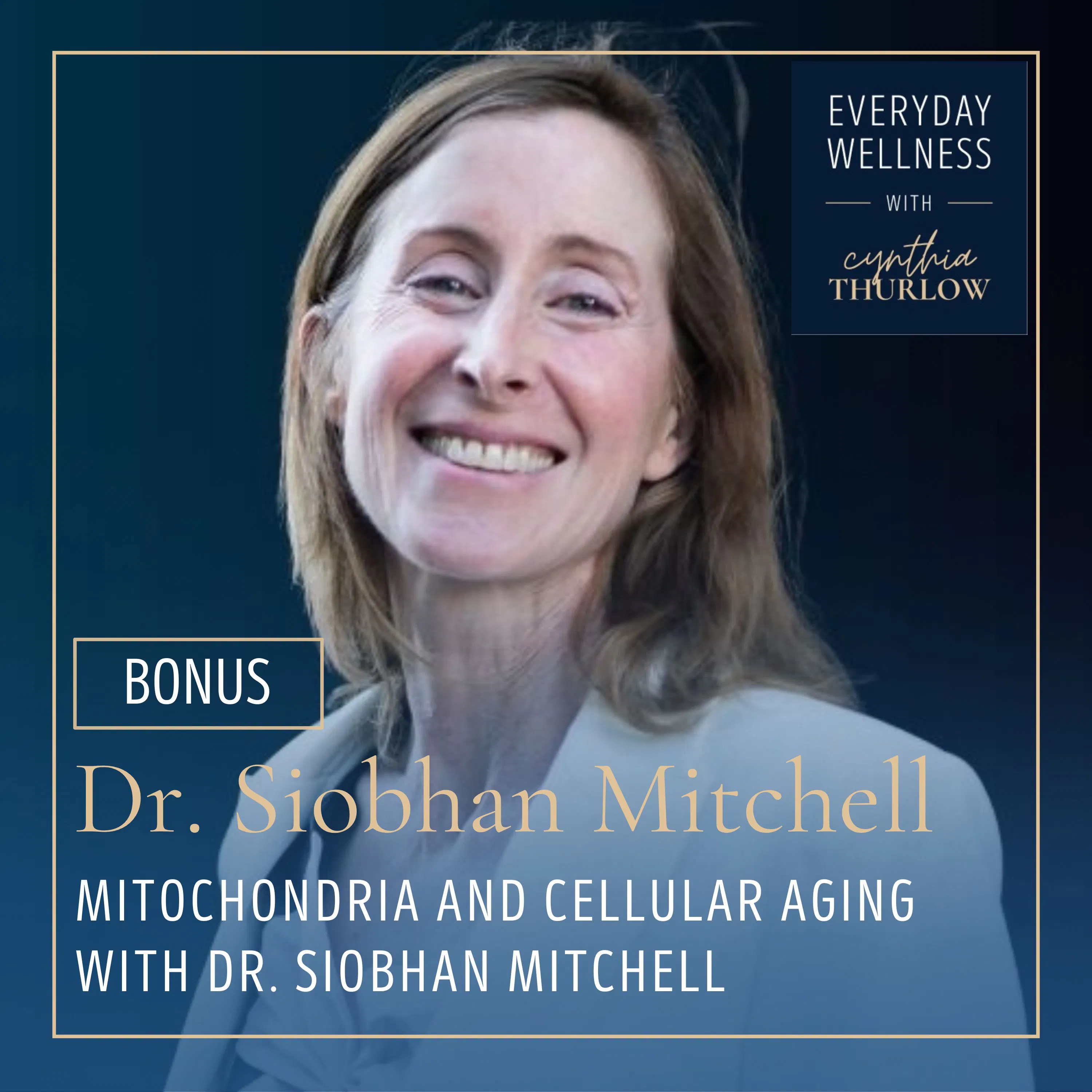
    BONUS: Mitochondria and Cellular Aging with Dr. Siobhan Mitchell | Menopause, Perimenopause, Mitochondrial Health

    In this episode, we’re featuring MitoQ, a company whose research around antioxidant support for mitochondrial function has been of particular interest to me. I’m thrilled to welcome Dr. Siobhan Mitchell, the Chief Scientific Officer at MitoQ. Dr. Mitchell completed her PhD at SUNY Albany and a postdoctoral fellowship on brain aging at the University of Washington. She has held roles at multinational food companies, leading research on brain nutrition, metabolism, cardiovascular health, and weight loss. She has published clinical research demonstrating the effects of stress on women’s heart health and the importance of nutrients such as polyphenols, omega-3s, probiotics, and amino acids for brain health, authored dozens of clinical studies and more than 80 papers, and given talks on nutritional neuroscience at conferences worldwide. She also holds eight patents for products related to aging, cognition, and mood. In today’s conversation, Dr. Mitchell and I discuss mitochondrial physiology, energy, and dysfunction, exploring the impact of MitoQ and supplementation for supporting health. We examine research on menopause, how estrogen influences mitochondria, the roles of oxidative stress, antioxidants, and zombie cells, highlighting how mitochondria impact our cardiovascular health, the value of MitoQ in supporting vascular function in females, the importance of polyphenols and spices, and signs of mitochondrial dysfunction. This is a truly invaluable conversation- one you’ll likely want to revisit. Stay tuned for today’s informative discussion on supporting our mitochondria and reducing oxidative stress with MitoQ. IN THIS EPISODE, YOU WILL LEARN: How our mitochondrial function changes as we get older, and what those changes might look like How antioxidants protect the mitochondria from free radicals and oxidative stress The early signs of mitochondrial dysfunction How women who have damaged their mitochondria earlier in life can proactively support their mitochondria Why some oxidative stress may be beneficial and when it could become problematic How mitochondrial dysfunction impacts heart function, blood glucose regulation, insulin resistance, and metabolic syndrome What Dr. Mitchell recommends for women learning about mitochondrial support for the first time Dr. Mitchell shares the daily practices she uses to support her brain and metabolic health. How long you may need to take MitoQ before noticing improvements, and what those improvements might look like Bio: Dr. Siobhan Mitchell Siobhan Mitchell is the chief scientific officer of MitoQ. She completed her PhD at SUNY Albany and a post-doctoral fellowship on brain aging at the University of Washington. Siobhan has held roles at multinational food companies leading research on brain nutrition, metabolism, cardiovascular health and weight loss. Siobhan has published clinical research showing the effects of stress on women's heart health, and the importance of nutrients such as polyphenols, omega-3 oils, probiotics and amino acids for brain health. She has authored over a dozen clinical studies on best practices for weight management and prevention of chronic diseases during her time as senior director for Noom. Siobhan is passionate about the intersection of nutrition and lifestyle factors, such as exercise, sleep, and mental well-being, to extend health span. Siobhan has given talks on nutritional neuroscience at conferences all over the world. She's authored over 80 papers and holds eight patents for aging, cognition, and mood products. Connect with Cynthia Thurlow Follow on X, Instagram & LinkedIn Check out Cynthia’s website. Submit your questions to support@cynthiathurlow.com Join other like-minded women in a supportive, nurturing community: The Midlife Pause/Cynthia Thurlow. Purchase Cynthia’s book, The Menopause Gut. Cynthia’s Intermittent Fasting Transformation Book The Midlife Pause Supplement Line Connect with Dr. Siobhan Mitchell MitoQ The Mitochondrial Collaborative Research Programme (MCRP) Email Dr. Siobhan Mitchell: s.mitchell@mitoq.com

  • August 8 · 1 hr 2 min

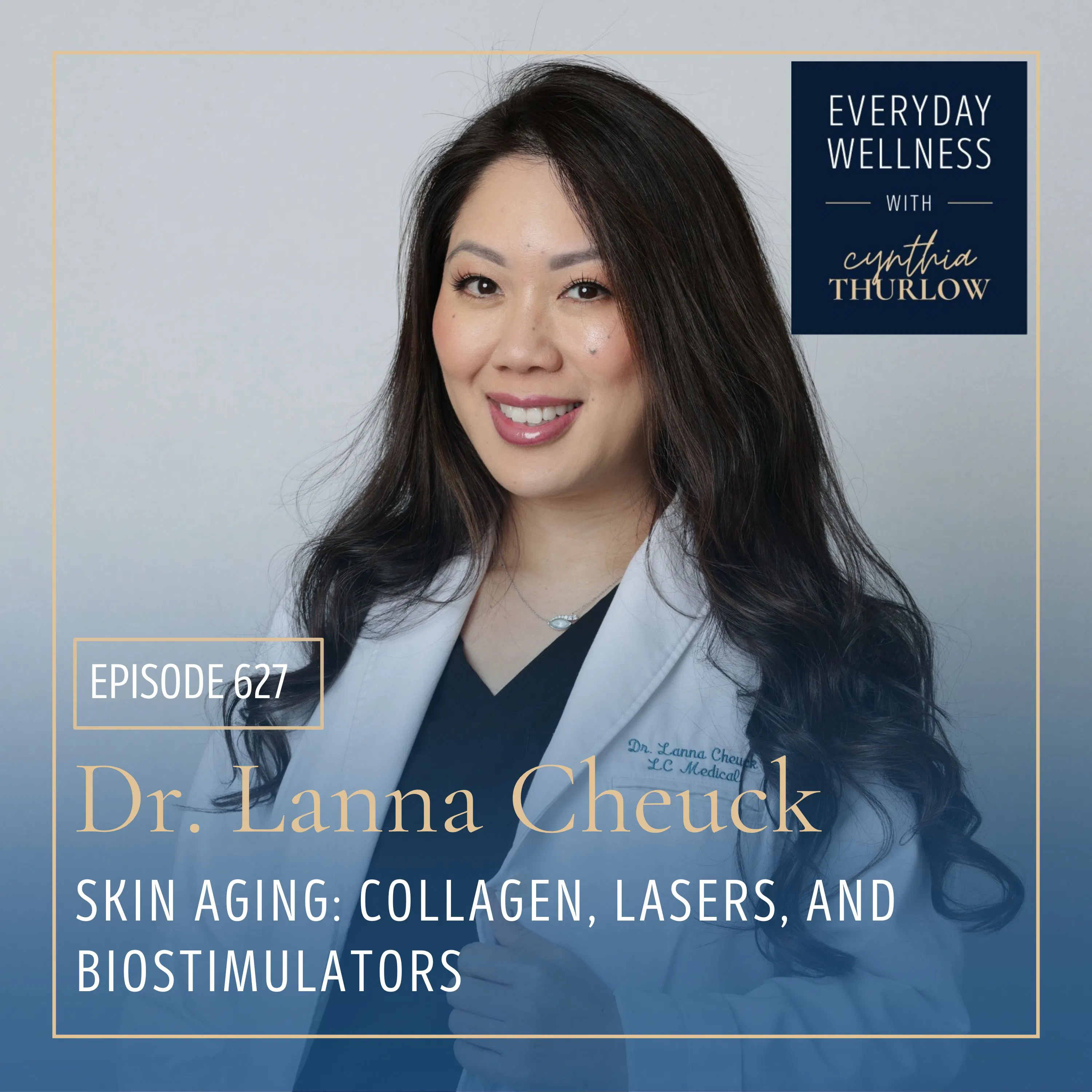
    Ep. 627 Skin Aging: Collagen, Lasers, and Biostimulators with Dr. Lanna Cheuck | Menopause, Perimenopause, Skin Health

    I’m delighted to connect with Dr. Lanna Cheuck today. She’s a board-certified urologic surgeon who transitioned from academic medicine into a distinctive career in medical esthetics. In today’s conversation, Dr. Lanna shares her inspiring origin story, and we explore the influence of sexual health and genitourinary syndrome of menopause, common symptoms women experience, and why so few women receive treatment despite how common the condition is. Dr. Lanna explains non-surgical treatment options that improve blood flow, increase orgasms, and improve pelvic floor health, and discusses the influence of senescent cells, the celebrity non-surgical facelift, and how GLP-1 medications influence facial aging. She also shares interesting insights on Korean skincare benefits versus a concierge U.S.-based system, clarifies what biostimulators are and how they stimulate collagen production over time, and explains the influence of PDGF growth factors, cadaver fat transfers, energy devices, and estrogen used on our faces. Stay tuned for a fascinating conversation filled with practical insights into women’s health, medical esthetics, and healthy aging. IN THIS EPISODE, YOU WILL LEARN: How the continuum of symptoms associated with genitourinary syndrome of menopause is often dismissed as something women simply have to live with The value of vaginal estrogen, and how many women are still denied that treatment due to outdated concerns following the WHI study Non-surgical procedures that can improve blood flow, collagen, elastin, lubrication, sensitivity, orgasms, and pelvic floor health, and why Dr. Lanna considers them regenerative sexual health rather than cosmetic procedures Why it’s essential to seek practitioners with extensive training for intimate procedures Dr. Lanna’s celebrity non-surgical facelift combines multiple approaches to address every layer of facial aging. How rapid weight loss associated with GLP-1 medications can accelerate facial aging The advantages and limitations of Korean esthetics, and how it differs from a concierge U.S.-based approach What biostimulators are, and how they stimulate collagen production Why Dr. Lanna introduces energy-based devices according to skin quality rather than age alone Dr. Lanna shares her perspective on using topical estriol or estradiol for facial skin Bio: Dr. Lanna Cheuck, DO, FACS, is the CEO, Founder, and Medical Director of LC Medical PLLC with multiple locations and her flagship in the heart of midtown Manhattan. She is a board-certified, Ivy League-trained surgeon and self-taught businesswoman who built her brand into multi-million dollar companies in less than five years. She is the CEO and Founder of FACE Med-Spa Training, where she has over 30K injectors in her community. She is also the CEO and Co-Founder of FACE Med Store, a seven-figure online shop specializing in the distribution of medical supplies, equipment, and skincare. Connect with Cynthia Thurlow Follow on X, Instagram & LinkedIn Check out Cynthia’s website. Submit your questions to support@cynthiathurlow.com Join other like-minded women in a supportive, nurturing community: The Midlife Pause/Cynthia Thurlow. Purchase Cynthia’s book, The Menopause Gut. Cynthia’s Intermittent Fasting Transformation Book The Midlife Pause Supplement Line Connect with Dr. Lanna Cheuck On her website Instagram

  • August 5 · 58 min

    Ep. 626 Why Indoor Air Quality Matters for Long-Term Health with Michael Rubino | Menopause, Perimenopause, Mold Exposure

    I am delighted to connect with Michael Rubino today. Michael is the founder and CEO of Home Cleanse and the chair of Change the Air Foundation, a nonprofit dedicated to improving indoor environments and public health. He is widely recognized as the leading authority on mold remediation and indoor air quality. In our conversation, we explore the connection between indoor air quality, gut permeability, and systemic inflammation. Michael explains how modern building practices, energy efficiency measures, and newer building materials may be contributing to health challenges. We discuss the types of tests he uses in his business, the symptoms he often sees in middle-aged women, considerations for frequent travelers, and why a bio-individual, data-driven approach matters for remediation. We also examine the role of genetics; the link between poor indoor air quality, leaky gut, and inflammation; practical interventions; the influence of social media; and what to look out for when contemplating a home addition or renovation. Mold exposure is, in my view, one of the most commonly overlooked contributors to chronic health issues in functional medicine. Its effects on the gut impact the health of the microbiome, increasing susceptibility to leaky gut, which can fuel neuroinflammation, and impair detoxification pathways. Stay tuned for a truly insightful discussion on indoor air quality, mold exposure, and the hidden environmental factors that may be influencing your health. IN THIS EPISODE, YOU WILL LEARN: How energy-efficient building practices may be contributing to indoor air quality concerns Why traditional air sampling may not provide a complete picture of mold exposure Testing options for evaluating mold and mycotoxin exposure Symptoms associated with mold and indoor environmental exposures How to reduce the likelihood of mold exposure while traveling Factors to consider when developing a remediation plan How poor indoor air quality can contribute to gut dysbiosis, leaky gut, and inflammation How genetics can influence susceptibility to mold and environmental exposures Why recommendations such as dehumidification and opening windows can only be helpful when applied appropriately Practical ways to improve indoor air quality and reduce mold exposure Bio: Michael Rubino Michael Rubino is an air quality expert and environmental wellness advocate. He is the founder of HomeCleanse, a company specializing in science-based remediation of toxic indoor environments, and chair & co-founder of the Change the Air Foundation, a nonprofit dedicated to education and policy advancement around indoor air health. Michael hosts the podcast Never Been Sicker and is a published author and sought-after speaker on mold and environmental wellness. Connect with Cynthia Thurlow Follow on X, Instagram & LinkedIn Check out Cynthia’s website. Submit your questions to support@cynthiathurlow.com Join other like-minded women in a supportive, nurturing community: The Midlife Pause/Cynthia Thurlow. Purchase Cynthia’s book, The Menopause Gut. Cynthia’s Intermittent Fasting Transformation Book The Midlife Pause Supplement Line Connect with Michael Rubino HomeCleanse The Dust Test Change The Air Foundation

  • August 3 · 55 min

    BONUS: How Cold Laser Rebuilds Collagen Without Skin Damage with Lucy Goff | Menopause, Perimenopause, Skin Health

    Today’s episode is another in our podcast series featuring companies I genuinely feel aligned with. Today, I’m delighted to welcome Lucy Goff, the founder of Lyma, a pioneering wellness brand transforming beauty and health through science-backed innovation. Before launching Lyma, Lucy built a successful career as a journalist and luxury-sector publicist, during which she honed her expertise in brand storytelling and consumer engagement. I’ve been using the Lyma laser for several months now, and I’ve noticed significant improvements in my neck, jawline, and even my knees. Today’s conversation centers around Lucy’s near-death experience and the origins of Lyma. We explore the differences between cold and hot laser technology, the influence of sirtuins and longevity pathways, what constitutes a clinical-grade device, and the FDA approval process. Lucy explains how skin ages differently during perimenopause and menopause, why the Lyma laser is safe for all skin types, and how it requires no protective goggles and is completely pain-free. We also discuss gut health, HRT, and hormones, the influence of IDO2, and the role of probiotic fibers. Lucy highlights how simplifying can enhance your health in midlife, how using GLP-1 drugs can lead to weight loss and reduce skin laxity, and how the Lyma device can help improve skin quality. I know you will enjoy today’s enlightening discussion with Lucy Goff as much as I did while recording it. IN THIS EPISODE, YOU WILL LEARN: How Lucy's near-death experience led to the creation of Lyma How cold laser technology differs from heat-based skin treatments Why LED, red light therapy, and laser technology should not be grouped, and how LED and laser differ in their biological effects and gene expression Lucy explains the extensive testing required for FDA clearance How women’s skin changes during perimenopause and menopause The role of the gut microbiome during perimenopause and menopause What inspired the development of Lyma's IDO2 formulation Why Lucy encourages a simpler approach to supporting your health in midlife How the Lyma laser can help improve skin laxity following rapid weight loss with GLP-1 medications Connect with Cynthia Thurlow Follow on X, Instagram & LinkedIn Check out Cynthia’s website. Submit your questions to support@cynthiathurlow.com Join other like-minded women in a supportive, nurturing community: The Midlife Pause/Cynthia Thurlow. Purchase Cynthia’s book, The Menopause Gut. Cynthia’s Intermittent Fasting Transformation Book The Midlife Pause Supplement Line Connect with Lucy Goff Lyma - Use the code CYNTHIA 10 for a 10% discount on the Lyma device and products on the Lyma website

  • August 1 · 1 hr 6 min

    Ep. 625 Breast Cancer Risk, Screening, and Treatment with Dr. Elisa Port | Menopause, Perimenopause, Breast Health

    Today, I am delighted to connect with Dr. Elisa Port, a talented breast surgeon with a passion for helping women better understand breast cancer, breast health, and the science behind screening, diagnosis, and treatment. She’s the chief of breast surgery for Mount Sinai Health System in New York, a professor of surgery at Mount Sinai's Icahn School of Medicine, and the author of The Breast Advice. In our conversation, we explore breast cancer risk factors, various screening mechanisms and their impact on dense breasts, and the role of diagnosis and pathology, including DCIS. We also discuss menopause symptom management, anti-hormone and targeted treatments, immunotherapy, de-escalation, and why a personalized approach to breast cancer treatment is so important. Stay tuned for a truly informative conversation with Dr. Port. With her infectious optimism, she has a wonderful way of translating the science and the research in her book, making it accessible and putting the statistics into context so the information feels far less scary than it otherwise might. IN THIS EPISODE, YOU WILL LEARN: How 90% of women diagnosed with breast cancer have no family cancer history How body weight and alcohol can influence breast cancer risk Why Dr. Port recommends annual mammograms beginning at age 40 for most women Dr. Port may disagree with recommendations against breast self-exams Why women with dense breasts may benefit from supplemental ultrasound or MRI in addition to mammography Unvalidated breast screening tests may lead to false positives, unnecessary testing, procedures, anxiety, and expense. What DCIS is, and how it influences treatment decisions Why an individualized approach is essential when using SERMs, SERDs, and aromatase inhibitors How Oncotype testing helps to identify women who may safely avoid chemotherapy Bio: Dr Elisa Port Dr. Elisa Port, MD, is chief of breast surgery at Mount Sinai Health System, which encompasses seven different breast centers. Her team performs over a thousand breast surgical procedures each year. She is also the director of the Dubin Breast Center, a state-of-the-art breast center in Manhattan that opened in April 2011. She personally consults with thousands of patients and performs hundreds of operations each year. Dr. Port is a trusted voice in the media and a sought-after speaker. She has been featured in The New York Times, NPR, CBS, Today, Mornings with Maria, and Pix11. In addition to her media presence, Dr. Port regularly speaks at public events and is invited to present at conferences and panels across the country. She lives in Manhattan with her husband and two dogs. Connect with Cynthia Thurlow Follow on X, Instagram & LinkedIn Check out Cynthia’s website. Submit your questions to support@cynthiathurlow.com Join other like-minded women in a supportive, nurturing community: The Midlife Pause/Cynthia Thurlow. Purchase Cynthia’s book, The Menopause Gut. Cynthia’s Intermittent Fasting Transformation Book The Midlife Pause Supplement Line Connect with Dr. Elisa Port On her website On her personal Instagram Breast Advice MD on Instagram The Breast Advice Substack

  • July 30 · 27 min

    Ep. 624 Hormone Replacement Therapy: Timing, Safety, and Treatment | Menopause, Perimenopause, Hormone Replacement Therapy

    Welcome to this week’s Midlife Minute. This episode is dedicated to the overwhelming number of HRT-related questions I’ve received from my community in 2026. Hormone replacement therapy has generated more questions than almost any other midlife topic, especially regarding timing, progesterone, testing, and special situations. IN THIS EPISODE, YOU WILL LEARN: Women can still benefit from HRT later in menopause. The importance of working with a knowledgeable prescriber when making hormone replacement therapy decisions How progesterone tolerance can vary from one woman to another Why your blood work should be timed according to when you apply your estradiol patch, and why I prefer to focus on estradiol rather than routinely monitoring progesterone levels How the synthetic hormones used in oral contraceptives differ from the bioidentical hormones used in HRT How your medical history can influence your hormone replacement therapy plan Fear and outdated information may continue to create confusion about hormone replacement therapy. Connect with Cynthia Thurlow Follow on X, Instagram & LinkedIn Check out Cynthia’s website. Submit your questions to support@cynthiathurlow.com Join other like-minded women in a supportive, nurturing community: The Midlife Pause/Cynthia Thurlow. Purchase Cynthia’s book, The Menopause Gut. Cynthia’s Intermittent Fasting Transformation Book The Midlife Pause Supplement Line

  • July 29 · 1 hr 27 min

    Ep. 623 How Your Nervous System Shapes Hormones and Healing with Dr. Tabatha Barber | Menopause, Perimenopause, Hormones

    Today, I’m delighted to reconnect with Dr. Tabatha Barber, also known as The Gutsy Gynecologist. She is a triple board-certified OB-GYN specializing in perimenopause, menopause, and functional medicine. In today’s discussion, we explore why supporting your hormones involves much more than simply replacing them. Dr. Barber explains how our nervous system, internal dialogue, cellular health, stress response, and lifestyle work together to influence our hormones, energy, and overall health during midlife. We also discuss why addressing root causes is essential for lasting improvements, the role of mitochondrial health, and practical ways to better support your nervous system. If you're looking for a more comprehensive approach to navigating perimenopause and menopause, you will not want to miss today’s insightful conversation with Dr. Tabatha Barber. IN THIS EPISODE, YOU WILL LEARN: Why regulating your nervous system is essential for lasting hormone and health improvements Why the conversations you have with yourself matter more than external circumstances Why Dr. Barber prefers to focus on identifying the root causes of health issues instead of repeatedly treating downstream symptoms How sympathetic dominance and unresolved stress patterns can influence hormone function Other factors, apart from HRT, that are essential for improving women’s health during midlife How oxidative stress, lack of sunlight, and disrupted circadian rhythms can contribute to fatigue and reduced cellular energy How hormone changes in midlife often coincide with greater self-awareness, stronger boundaries, and less people-pleasing How faith, prayer, and gratitude can support nervous system regulation Practical ways to support and regulate your nervous system Bio: Tabatha Barber Dr. Tabatha Barber is a triple board-certified physician — and one of the most distinctive voices in faith-based women's health today. Her story begins where most would have stopped. A teenage mother and high school dropout, she rebuilt her life through faith and perseverance — earning her doctorate and certifications before realizing the very system she trained in was missing the whole point. Today, as owner and medical director of Her Higher Health, creator of the Fast to Faith Coaching Academy, 40 Day program, supplement line, and international bestselling book Fast to Faith, Dr. Tabatha brings one message to every stage and microphone: your body is not broken — your approach is. She is known for doing what no one else does: mapping Scripture directly with how the body works — showing women that Romans 12:2 is the original neuroplasticity protocol, that Genesis 2:7 describes the gut-brain connection, and that God designed healing to happen in community. Connect with Cynthia Thurlow Follow on X, Instagram & LinkedIn Check out Cynthia’s website. Submit your questions to support@cynthiathurlow.com Join other like-minded women in a supportive, nurturing community: The Midlife Pause/Cynthia Thurlow. Purchase Cynthia’s book, The Menopause Gut. Cynthia’s Intermittent Fasting Transformation Book The Midlife Pause Supplement Line Connect with Dr. Tabatha Barber Fast To Faith On Instagram

  • July 27 · 53 min

    BONUS: AMA: Creatine's Impact on Metabolic Health and Wellness with Dr. Darren Candow

    Today, I am delighted to reconnect with Dr. Darren Candow. Dr. Candow is a distinguished professor and an internationally renowned researcher on creatine monohydrate, nutrition, and physical activity who joined me before on Episode 301, where we spoke about creatine. We are doing an AMA session today, delving into various themes surrounding creatine, from debunking outdated RDA recommendations to exploring the combined effects of strength training and creatine efficacy. We look into the cognitive benefits of creatine, exploring how it interacts with caffeine and its implications for bone health, hydration, anabolic resistance, and metabolic health. I trust you will find today's AMA session as enlightening and enriching as I did while recording it. IN THIS EPISODE YOU WILL LEARN: The safety and efficacy of creatine as a supplement How creatine increases muscle mass and reduces protein catabolism Benefits of combining creatine with protein Is it better to take creatine before or after a workout? How creatine supplementation may improve brain performance and mental clarity Why exercise is essential for those who want to experience the benefits of creatine for maintaining their bone health Resistance-band workouts for post-menopausal women Are there any age-related limits for creatine supplementation? Bio: Dr. Darren Candow Dr. Darren Candow, PhD, CSEP-CEP, is Professor and Director of the Aging Muscle and Bone Health Laboratory in the Faculty of Kinesiology and Health Studies at the University of Regina, Canada. The overall objectives of Dr. Candow’s research program are to develop effective lifestyle interventions involving nutrition (primarily creatine monohydrate) and physical activity (resistance training) that are clinically and practically relevant for improving musculoskeletal aging and reducing the risk of falls and fractures. Dr. Candow has published over 120 peer-reviewed journal manuscripts, supervised over 20 MSc and PhD students, and received research funding from the Canadian Institutes of Health Research, Canada Foundation for Innovation, the Saskatchewan Health Research Foundation, the National Institute of Health, and the Nutricia Research Foundation. In addition, Dr. Candow serves on the editorial review boards for the Journal of the International Society of Sports Nutrition, Nutrients, and Frontiers. Connect with Cynthia Thurlow Follow on X, Instagram & LinkedIn Check out Cynthia’s website. Submit your questions to support@cynthiathurlow.com Join other like-minded women in a supportive, nurturing community: The Midlife Pause/Cynthia Thurlow. Purchase Cynthia’s book, The Menopause Gut. Cynthia’s Intermittent Fasting Transformation Book The Midlife Pause Supplement Line Connect with Dr. Darren Candow On⁠ Instagram⁠ X Previous Episode Mentioned: ⁠Ep. 301 Creatine: The Best Supplement for Better Bones & Brain Health with Darren Candow, PhD, CSEP-CEP⁠

  • July 25 · 1 hr

    Ep. 622 Brain Fog, Cognitive Reserve, and Dementia Prevention with Dr. Tommy Wood | Menopause, Perimenopause, Brain Health

    Today, I’m honored to reconnect with Dr. Tommy Wood. He is a neuroscientist, a performance coach, and an elite-level professional nerd. He's also currently an associate professor of pediatrics and neuroscience at the University of Washington. He received his bachelor's in biochemistry from the University of Cambridge, a medical degree from the University of Oxford, and a PhD in physiology and neuroscience from the University of Oslo. In our conversation, we discuss his new book, The Stimulated Mind, and he explains how dementia is a confluence of factors that accumulate over decades, important contributors to dementia, and ways we can help prevent it. We explore the concept of headroom, specific risk factors for neurocognitive decline, brain fog in midlife, the 10-year HRT timing window, and the evidence supporting these concepts. Dr. Tommy shares what we can learn from his work with elite-level athletes, along with some of the biggest misconceptions in the brain health space, and his 3s model of stimulation, sleep, and nutrient supply. He also explains why nutritional status matters for neurocognitive function. Stay tuned for today’s insightful conversation with Dr. Tommy Wood. I loved his new book, The Stimulated Mind, and it will definitely be part of my must-reads for 2026! IN THIS EPISODE, YOU WILL LEARN: Why dementia is not one single disease but a clinical outcome with multiple causes How sleep, oral health, nutritional status, and chronic inflammation may all influence dementia risk What headroom is, and the factors that help maintain it and protect cognitive function How the disease processes leading to dementia often begin decades before symptoms appear What the research suggests about the best time to start hormone therapy for brain health How Formula One drivers and elite athletes tend to prioritize sleep, nutrition, recovery, and focused work over chasing perfection How frequent notifications and interruptions train the brain to expect distraction, making sustained concentration more difficult How both overeating and chronic under-fueling can impair brain health How lifestyle changes can reduce dementia risk, even in people with APOE4 Connect with Cynthia Thurlow Follow on X, Instagram & LinkedIn Check out Cynthia’s website. Submit your questions to support@cynthiathurlow.com Join other like-minded women in a supportive, nurturing community: The Midlife Pause/Cynthia Thurlow. Purchase Cynthia’s book, The Menopause Gut. Cynthia’s Intermittent Fasting Transformation Book The Midlife Pause Supplement Line Connect with Dr. Tommy Wood On his website On Instagram The Stimulated Mind Substack

  • July 22 · 52 min

    Ep. 621 Cortisol, Belly Fat, and the Fasting Mistake Most Women Make with Ben Azadi, FDN-P | Menopause, Perimenopause, Keto

    I’m delighted to reconnect with my dear friend Ben Azadi today, in honor of his newly revised book, Keto Flex. Ben is a leading authority on metabolic health, an international Keystone speaker, and the New York Times best-selling author of Metabolic Freedom. In today’s conversation, we discuss why women fail on keto. We examine how women’s menstrual cycles and various life stages influence both the ketogenic diet and intermittent fasting, and the importance of coming out of ketosis and incorporating feast days. We explain what the Randall cycle is, why we need to be finely tuned to it, how to support healthy cortisol regulation, particularly the HPA axis, and tools to determine whether we are balanced within the autonomic nervous system, including heart rate variability, sleep, and whether our glucose and ketones are within range. We also explore the effects of anti-nutrients and elimination diets, and Ben shares his approach for women who feel keto hasn't worked for them, explaining why keto should be viewed as a process rather than a diet. This is, as always, a truly invaluable conversation with my dear friend Ben Azadi. Stay tuned, as we will also be offering giveaways to listeners of Ben's new book, Keto Flex. IN THIS EPISODE, YOU WILL LEARN: Various factors that could influence how women respond to a ketogenic diet How women need to adjust keto and fasting according to their menstrual cycle, perimenopause, and postmenopausal years, rather than continuously following the same approach Why Ben encourages women to have intentional feast days instead of remaining in ketosis indefinitely What a feast day looks like, and how it differs from a cheat day Why fasting should be adapted to how well your body tolerates stress Factors that can help to determine whether fasting is working for you Why you should adjust your training intensity and focus more on recovery as you get older How a temporary carnivore elimination diet can help identify foods your body doesn't tolerate Why Ben views keto as a metabolic process rather than a diet, and why he prioritizes lifestyle before medication Bio: Ben Azadi Ben Azadi, FDN-P, is a leading authority on metabolic health, an international keynote speaker, and the New York Times bestselling author of Metabolic Freedom. After facing his own health challenges, Ben transformed his life in 2008—losing 80 pounds and stepping into metabolic freedom. That turning point sparked a global mission: to help 1 billion people break free from physical and mental obesity through education, not medication. With 18+ years in the health and wellness space, Ben is now leading a bold 10-year initiative to naturally reverse type 2 diabetes in 1 million people. Through his work, Ben has reached millions worldwide and personally coached thousands to reclaim their health. His audience includes nearly 3M+ on digital platforms, more than 1M YouTube subscribers with over 100M views, and his top-ranked podcast, The Ben Azadi Show, which has surpassed 100 million downloads. Connect with Cynthia Thurlow Follow on X, Instagram & LinkedIn Check out Cynthia’s website. Submit your questions to support@cynthiathurlow.com Join other like-minded women in a supportive, nurturing community: The Midlife Pause/Cynthia Thurlow. Purchase Cynthia’s book, The Menopause Gut. Cynthia’s Intermittent Fasting Transformation Book The Midlife Pause Supplement Line Connect with Ben Azadi On his website Pre-order a revised-version copy of Keto Flex and claim your bonuses

  • July 20 · 1 hr 12 min

    BONUS: A Fresh Perspective on Aging: Dr. Youn's Expert Insights

    I am thrilled to connect with my friend and colleague, Dr. Anthony Youn today. Dr. Youn is a nationally recognized board-certified plastic surgeon and the author of many best-selling books. He has a massive social media presence and hosts the widely acclaimed podcast The Holistic Plastic Surgery Show. In our conversation today, we dive into Dr. Youn’s new book, Younger for Life, and he offers valuable insights on skin health and overall well-being. We explore the aging process and address oxidative-free radical damage, chronic inflammation, autophagy, and the impact of processed foods. We also get into helpful supplements for skin support, examine the concept of greenwashing, and discuss sunscreen, exfoliation, in-office treatments, breast implant illness, and the power of lifestyle choices. Stay tuned for more! IN THIS EPISODE YOU WILL LEARN: How to avoid aging too quickly through nutrition and lifestyle changes How sugar and seed oils impact skin aging The benefits of collagen supplements for healthier skin Hormonal changes that affect the metabolism and skin health after menopause The importance of screening the ingredients in skincare products How chemical sunscreens differ from physical sunblocks Using Retinol for anti-aging and skin health Non-invasive fat reduction treatments and their potential risks Dr. Youn discusses breast implant illness What you need to look out for when using Botox Connect with Cynthia Thurlow Follow on X, Instagram & LinkedIn Check out Cynthia’s website. Submit your questions to support@cynthiathurlow.com Join other like-minded women in a supportive, nurturing community: The Midlife Pause/Cynthia Thurlow. Purchase Cynthia’s book, The Menopause Gut. Cynthia’s Intermittent Fasting Transformation Book The Midlife Pause Supplement Line Connect with Dr. Anthony Youn On his ⁠website⁠ ⁠Youn Beauty⁠ ⁠Instagram⁠ ⁠YouTube⁠ ⁠TikTok

  • July 18 · 1 hr 3 min

    Ep. 620 Menopause, Hormones, and the Body’s Terrain with Dr. Sharon Stills | Menopause, Perimenopause, Lymphatic Health

    I am honored to connect with Dr. Sharon Stills today. She is a graduate of naturopathic medical school with extensive training in European biological medicine, bioidentical hormone replacement, and anti-aging therapies. In our conversation today, we explore terrain-based medicine and strategies to support women in perimenopause and beyond. We talk extensively about gut health, the estroblome, the microbiome, how European biological medicine views these as terrain, disruptive factors, and why they matter for women in midlife. We also examine the influence of the lymphatic system and how castor oil packs support it, bioidentical hormones as a lifelong tool rather than a temporary fix, and why menopause is a sacred second act in women's lives. Dr. Stills is thoughtful, insightful, and grounded, and I know you will enjoy this conversation with her as much as I did recording it. IN THIS EPISODE, YOU WILL LEARN: How European biological medicine emphasizes the extracellular matrix (terrain) rather than focusing only on individual cells or mitochondria How declining hormones during menopause often expose longstanding yet previously hidden aspects of women’s health Dr. Stills shares what she did to prepare herself for menopause in the preceding years Dr. Stills encourages women to create meaningful challenges or experiences to mark their major life transitions How limiting beliefs about aging can influence how you experience midlife and beyond Factors that could influence the health of your terrain How supplements can play an important role, but work best alongside lifestyle habits, mindfulness, and supporting your body's natural healing processes Why Dr. Stills considers the lymphatic system an overlooked contributor to hormone balance, and some practical ways to support healthy lymphatic flow How simple daily habits often have a greater impact on your health than wellness gadgets The value of bioidentical hormones, and why hormone therapy should be individualized rather than one-size-fits-all Bio: Dr. Sharon Stills Dr. Sharon Stills, a licensed Naturopathic Medical Doctor and graduate of The Sonoran University (2001), has spent over two decades transforming women’s health, with a special focus on guiding women through perimenopause and menopause. Creator of the pioneering RED Hot Sexy Meno(pause) Program and host of the annual Mastering Your Meno(pause) Transition summit, she combines her expertise in European Biological Medicine, pro-aging therapies, and Bio-identical Hormone Replacement to help women rediscover vitality with natural methods. A respected voice in her field, Dr. Stills has lectured internationally at the Paracelsus Academy in Switzerland, contributed to Women’s Health Network, and served on the boards of the Bio-Regulatory Medicine Institute and UCLA’s Archive of Healing. She recently opened the Lasting Wellness Center in Scottsdale, AZ—alongside her son, Dr. Ben Stills—offering advanced diagnostic and therapeutic care for chronic illness and women’s health. Connect with Cynthia Thurlow Follow on X, Instagram & LinkedIn Check out Cynthia’s website. Submit your questions to support@cynthiathurlow.com Join other like-minded women in a supportive, nurturing community: The Midlife Pause/Cynthia Thurlow. Purchase Cynthia’s book, The Menopause Gut. Cynthia’s Intermittent Fasting Transformation Book The Midlife Pause Supplement Line Connect with Dr. Sharon Stills On her website

  • July 16 · 28 min

    Ep. 619 The Elimination Diet Myth! – Why Blanket Restriction Backfires in Perimenopause | Menopause, Perimenopause & Diet

    Welcome to the latest Midlife Minute episode. Today, we’re talking about elimination diets, iron, and ferritin. I share my personal experience with prolonged antibiotic and antifungal use, clarify what the research actually says about restrictive diets, nutrient deficiencies, fatigue, and brain fog, and highlight why it’s essential to understand your iron status during the menopausal transition. IN THIS EPISODE, YOU WILL LEARN: Why elimination diets can be helpful in specific situations, but may not be appropriate for the long term How removing major food groups without a replacement strategy can cause unintended nutrient deficiencies Why some women become more reactive to certain foods during the menopausal transition How women’s protein requirements increase during perimenopause and menopause How low ferritin is often overlooked in women, even when they are experiencing fatigue and brain fog Why women’s iron status fluctuates during the perimenopause to menopause transition How some women experience significant symptoms long before anemia appears in their standard lab work Connect with Cynthia Thurlow Follow on X, Instagram & LinkedIn Check out Cynthia’s website. Submit your questions to support@cynthiathurlow.com Join other like-minded women in a supportive, nurturing community: The Midlife Pause/Cynthia Thurlow. Purchase Cynthia’s book, The Menopause Gut. Cynthia’s Intermittent Fasting Transformation Book The Midlife Pause Supplement Line Links: 1. The Importance of Nutrition in Menopause and Perimenopause—A Review 2. Weight gain during the menopause transition: Evidence for a mechanism dependent on protein leverage 3. The gut microbiota in menopause: Is there a role for prebiotic and probiotic solutions? 4. Cognitive Performance in Relation to Systemic and Brain Iron at Perimenopause 5. Accelerated Increase in Ferritin Levels During Menopausal Transition as a Marker of Metabolic Health 6. Iron and Menopause: Does Increased Iron Affect the Health of Postmenopausal Women? 7. Iron deficiency in peri-menopausal women: Clinical considerations from an expert consensus 8. Cognitive Function in Peri- and Postmenopausal Women: Implications for Considering Iron Supplementation

  • July 15 · 1 hr 3 min

    Ep. 618 Preventing Heart Disease Through Better Metabolic Health with Dr. Philip Ovadia | Menopause, Perimenopause, Heart Health

    I’m delighted to reconnect with Dr. Philip Ovadia today. He is a board-certified cardiothoracic surgeon with over 20 years of experience in the operating room and the founder of Ovadia Heart Health, a telemedicine practice focused on preventing and treating metabolic and cardiovascular disease through dietary and lifestyle intervention. He has co-authored two books, including, most recently, Stay Off My Kitchen Table. Today we discuss key statistics on metabolic health, metabolic health challenges, and lifestyle interventions, including Dr. Ovadia’s three I's (insulin resistance, inflammation, and imaging), optimal lab values, vulnerable populations, and why prevention is key, especially for women and heart disease. We discuss the influence of gut and metabolic health, elimination diets, the reintroduction of food, and the positive influence of AI on medicine. We also cover the impact of GLP-1s and so much more. Stay tuned for an insightful conversation with Dr. Phil Ovadia on why improving metabolic health is one of the most important steps you can take to prevent cardiovascular disease. IN THIS EPISODE, YOU WILL LEARN: Why clinicians often fail to recognize the five metabolic syndrome criteria as signs of metabolic disease Dr. Ovadia introduces his "three I's”, and explains why they deserve far more attention when evaluating cardiovascular disease risk. How dietary and lifestyle interventions can improve metabolic health, reduce medication use, and help people feel more empowered Why blood work should always be interpreted as part of the bigger picture rather than focusing on a single value How metabolic changes during perimenopause and menopause can increase cardiovascular disease risk, and why prevention is particularly important How gut dysfunction can interfere with nutrient absorption and contribute to ongoing metabolic health challenges The value of using the carnivore diet as an elimination diet Dr. Ovadia explains why he is optimistic about AI in medicine How Dr. Ovadia’s perspective on GLP-1 medications has evolved, and how he now uses low-dose GLP-1s alongside dietary and lifestyle interventions for certain patients Some simple measures to help you better understand your current metabolic health Bio: Dr. Philip Ovadia Conducting over 3,000 heart surgeries taught Dr. Philip Ovadia that good health comes from lifestyle and nutrition, not surgery. Sadly, many of his patients considered their heart attacks “inevitable.” Having lost 100lbs to overcome lifelong obesity, Dr Ovadia is on a mission to help people stay off his operating table by teaching them how to never need a heart surgeon through his Telehealth practice, Ovadia Heart Health. Connect with Cynthia Thurlow Follow on X, Instagram & LinkedIn Check out Cynthia’s website. Submit your questions to support@cynthiathurlow.com Join other like-minded women in a supportive, nurturing community: The Midlife Pause/Cynthia Thurlow. Purchase Cynthia’s book, The Menopause Gut. Cynthia’s Intermittent Fasting Transformation Book The Midlife Pause Supplement Line Connect with Dr. Philip Ovadia On his website On social media: @ifixhearts Pre-order a copy of Stay Off My Kitchen Table

  • July 13 · 55 min

    BONUS: The Science of Skin Aging and Longevity with Dr. Carolina Reis Oliveira | Menopause, Perimenopause, Skin Health

    Today, we have a sponsored episode featuring One Skin, a super high-value company I’ve worked with over the past two years. I'm joined today by Dr. Carolina Reis Oliveira, one of the CEOs and co-founders of One Skin. Dr. Oliveira holds a PhD in stem cell biology and tissue engineering. She has co-invented five patents and co-authored numerous scientific publications. She and her team are disrupting the outdated anti-aging skincare industry with their cutting-edge research on skin and longevity. In our conversation, Dr. Reis Oliveira shares her journey from receiving her PhD to co-founding One Skin. We explore the impact of cellular senescence and immunosenescence and how estrogen receptors in the skin change during perimenopause and menopause, increasing the rate of senescent cell accumulation. We discuss skin as a longevity organ and the research behind the OS-01 peptide, including how it supports the microbiome and blood flow, its exceptional results for increasing hair thickness, and how to use this peptide in skin, body, or hair care. We also cover the effects of sun and environmental exposures on skin aging, and Dr. Reis Oliveira discusses her current research on the influence of GLP-1s on stem cells and skin health. Stay tuned for a truly interesting and insightful conversation on the science of skin, longevity, and the latest research behind One Skin. IN THIS EPISODE, YOU WILL LEARN: What led Dr. Reis Oliveira and her team to focus on cellular senescence and skin as a longevity organ? What cellular senescence is, and why it becomes increasingly important during perimenopause and menopause How maintaining a healthy skin barrier and good hydration helps the skin recover from various stressors One Skin's research and product development process How Dr. Reis Oliveira's team measures the epigenetic signature of the skin to determine biological skin age The importance of supporting the barrier function across the entire body, and not just the face How stress, hormonal changes, and aging increase senescent cells within hair follicles, and how to support hair density and thickness Why protecting your skin from UV exposure remains an important part of healthy aging Investigating whether the OS-01 peptide could help support skin quality in people using GLP-1 medications How long does it typically take to see results with One Skin face, body, eye, and hair products Bio: Dr. Carolina Reis Oliveira Dr. Carolina Reis Oliveira is the CEO and co-founder of One Skin. She holds a Ph.D. in stem cell biology and tissue engineering, is a co-inventor of 5 patents, and a co-author of numerous scientific publications. She relocated from Brazil to Silicon Valley in 2016 to found One Skin, a fast-growing longevity company developing products to promote skin age reversal by targeting a central driver of aging, the accumulation of senescent cells. Carolina and her team are disrupting the outdated anti-aging skincare industry with their groundbreaking research around skin and longevity. Connect with Cynthia Thurlow Follow on X, Instagram & LinkedIn Check out Cynthia’s website. Submit your questions to support@cynthiathurlow.com Join other like-minded women in a supportive, nurturing community: The Midlife Pause/Cynthia Thurlow. Purchase Cynthia’s book, The Menopause Gut. Cynthia’s Intermittent Fasting Transformation Book The Midlife Pause Supplement Line Connect with Dr. Carolina Reis Oliveira One Skin On TikTok Instagram

  • July 11 · 57 min

    Ep. 617 How Stress Influences Hormones and Metabolic Health with Dr. Carrie Jones | Menopause, Perimenopause, Metabolic Health

    I am honored to have Dr. Carrie Jones back on the podcast today. She’s a naturopathic physician and hormone expert with over 20 years of clinical experience in women's health and endocrinology. In today’s conversation, we unpack common social media myths about midlife, the influence of lifestyle choices in perimenopause, the role of cortisol and hormones, and current research on the parasympathetic nervous system. Dr. Jones explains vagal freeze, how our stress response can exacerbate it, and why stress has become so normalized. We also explore the influence of synthetic hormones, thyroid propaganda, immune system function, autoimmunity, lab reference values and ranges, and the timing hypothesis of hormone replacement therapy, and Dr. Jones shares her favorite new supplements. Stay tuned for another insightful conversation with one of my favorite voices in the hormone space. IN THIS EPISODE, YOU WILL LEARN: The importance of being thoughtful about information shared on social media regarding perimenopause and menopause How chronic stress becomes harder to tolerate and can cause an increase in inflammation during perimenopause Some simple strategies to help you feel safe, connected, and supported, and improve your vagal tone How actual stress, anticipated stress, and perceived stress all activate the same stress response How chronic stress affects every system within the body How certain women can tolerate synthetic hormones very well, while others develop various symptoms Why basic blood tests and reference ranges are not always optimal for everyone Factors that could influence thyroid function, and the benefits of a broader thyroid assessment than TSH alone Dr. Jones explains why she prefers to start hormone therapy early in perimenopause if appropriate The new supplements Dr. Jones uses to support mood, stress, and sleep Connect with Cynthia Thurlow Follow on X, Instagram & LinkedIn Check out Cynthia’s website. Submit your questions to support@cynthiathurlow.com Join other like-minded women in a supportive, nurturing community: The Midlife Pause/Cynthia Thurlow. Purchase Cynthia’s book, The Menopause Gut. Cynthia’s Intermittent Fasting Transformation Book The Midlife Pause Supplement Line Connect with Dr. Carrie Jones On her website Instagram YouTube Hello Hormones Podcast

  • July 8 · 1 hr 6 min

    Ep. 616 How the Nervous System Shapes Stress, Trauma, and Recovery with Dr. David Rabin | Menopause, Perimenopause, Nervous System

    I’m excited to welcome Dr. Dave Rabin today. Dr. Rabin is a translational neuroscientist and board-certified psychiatrist who specializes in treatment-resistant PTSD, addiction, vagus nerve activation, and HRV as a biomarker. He is also the author of A Simple Guide to Being Alive, a thoughtful and helpful guide to supporting our health, and one of my favorite books in the last several years. In this episode, we explore the habitat crisis and why we cannot bully our nervous system into safety. Dr. Rabin explains trauma and support, healing from within, the role of anhedonia, and why the absence of pleasure is a physiologic issue rather than a moral one. We also discuss wonder, awe, and play; the importance of touch, intimacy, eye contact, oxytocin, and co-regulation; the role of psychedelics, medication, and psychotherapy in trauma healing, and how kindness toward ourselves and others can help activate the vagus nerve. Stay tuned for an insightful discussion on supporting your nervous system, healing from within, and rethinking what it means to be truly alive. IN THIS EPISODE, YOU WILL LEARN: Why Dr. Rabin believes we are facing a habitat crisis rather than simply a mental health crisis What happens when you try to bully your nervous system into safety How the vagus nerve helps shift the body from chronic stress into recovery Being blamed or unsupported after hardship can reinforce a victim mindset. Why medicine, technology, practitioners, and other tools should help activate your own healing rather than become something you depend on Wonder, awe, play, and pleasure may support the body's natural healing response. How human connection, oxytocin, co-regulation, and shared experiences support nervous system regulation and recovery How psychedelic-assisted therapy fits into trauma healing How medication can help stabilize people while healing begins Why being kind to yourself is an essential part of healing Bio: Dr. Davis Rabin Dr. David M. L. Rabin, MD, PhD, is a translational neuroscientist, psychiatrist, entrepreneur & inventor on a mission to cure mental illness. He has been studying the impact of chronic stress in humans for over 20 years, focusing on trauma, addiction, and human performance. Dr. Rabin is a Senior Research Scientist at the Institute for Human and Machine Cognition, the Chief Medical Officer and co-founder at Apollo Neuroscience, the Executive Director of The Board of Medicine Nonprofit Medical Board, and the Medical Director of The Apollo Clinic. In addition to hosting The Psychedelic Report and Your Brain Explained podcasts, Dr. Rabin regularly serves as an expert for news outlets such as The New York Times, Vogue, CBS News, The Washington Post, and The Wall Street Journal. In his spare time, he enjoys cooking, dancing, playing volleyball, sailing, and hiking with his wife, Kathryn, and their son, Sammy. Connect with Cynthia Thurlow Follow on X, Instagram & LinkedIn Check out Cynthia’s website. Submit your questions to support@cynthiathurlow.com Join other like-minded women in a supportive, nurturing community: The Midlife Pause/Cynthia Thurlow. Purchase Cynthia’s book, The Menopause Gut. Cynthia’s Intermittent Fasting Transformation Book The Midlife Pause Supplement Line Connect with Dr. David Rabin On his website On social media: @DrDaveRabin The Psychedelic Report and Your Brain Explained Podcasts Dr. Rabin’s book: A Simple Guide to Being Alive

  • July 6 · 1 hr 4 min

    BONUS: Muscle Matters: Transforming Metabolic Health for Weight Control with Bronson Dant | Metabolic Health, Weight Control, Muscle Matters

    I am happy to connect with Coach Bronson Dant today. He has spent over a decade guiding and training people in health and fitness. He discovered the benefits of a whole-food, animal-based ketogenic diet for optimizing metabolic health and performance, and wrote The Ultimate Ketogenic Fitness Book. In our discussion today, we dive into the powerful story of Coach Bronson’s pain-to-purpose journey. We explore the value of mindset and look at how age-related changes affect muscle, inflammation, and metabolic flexibility. He shares his three pillars of muscle health related to nutrient density, bioavailability, and satiety, and we examine the importance of sleep, the impact of extremes in exercise, and the value of stress management. We also unravel the complexities of weight-loss resistance, and Coach Bronson discusses his research published in the Journal of Nutrition, Metabolism, and Health Science, sharing his perspective on macros and functional movement in menopausal women. IN THIS EPISODE YOU WILL LEARN: Coach Bronson shares his three pillars for nutrition The limitations of basing nutrition on calories alone How the hormone piece impacts effective weight management How to avoid physical deterioration through fitness and nutrition Why Coach Bronson advocates for living life to the fullest and dying quickly How does muscle mass impact metabolic health? The importance of taking a balanced approach to weight loss How sleep aids muscle recovery and growth Stress management, nutrition, and fitness for overall well-being How alcohol affects our health and fitness The benefits of combining functional movement training and proper nutrition for older adults Connect with Cynthia Thurlow Follow on X, Instagram & LinkedIn Check out Cynthia’s website. Submit your questions to support@cynthiathurlow.com Join other like-minded women in a supportive, nurturing community: The Midlife Pause/Cynthia Thurlow. Purchase Cynthia’s book, The Menopause Gut. Cynthia’s Intermittent Fasting Transformation Book The Midlife Pause Supplement Line Connect with Bronson Dant On his ⁠website⁠ ⁠YouTube⁠ and ⁠Instagram⁠ ⁠The Ultimate Ketogenic Fitness Bundle⁠

Showing 1–20 of 24 episodes