Skip to content
Artwork for ESICM Talk
ScienceHealth & FitnessBusinessNon-Profit

ESICM Talk

ESICM

The European Society of Intensive Medicine Podcasts (ESICM Talks) space brings you insightful discussions on the latest developments and key topics in intensive care medicine, carried out by our 15 sections.

Play
  • 21 episodes
  • Avg 25 min
  • English
Counted on this page — what you have heard stays on this device, so it is not something the list can be paged by.
  • S5 · E8
    Wednesday · 30 min

    Heatstroke

    Why should every ICU clinician be prepared to recognise heat stroke? In this podcast, we explore the importance of early recognition and treatment of heat stroke, from the emergency department to the ICU. Discover how rapid intervention can dramatically improve outcomes, with survival rates of up to 80% when treatment is initiated early. We also discuss the key clinical signs to look out for—including neurological symptoms such as ataxia—and the challenges of recognising multi-organ dysfunction and the overlap between heat stroke and sepsis. Listen to the podcast and discover the key messages every ICU clinician should know when managing this time-critical emergency.
  • S5 · E7
    July 6 · 25 min

    Is the curtain falling on pre-hospital whole blood?

    Whole blood has made a remarkable comeback in trauma care—but is it here to stay? In this thought-provoking podcast, leading experts unpack the latest evidence comparing whole blood with component therapy in the pre-hospital setting, challenge current practices, and explore what the future may hold. From military experience to civilian emergency care, discover how research is reshaping transfusion strategies and what it means for the care of critically injured patients. Do not miss this educational podcast; listen to our expert and learn from the best!

  • S5 · E6
    June 8 · 38 min

    Switching from controlled to assisted ventilation: evidence, risks, and opportunities in AHRF?

    What are the benefits of moving from controlled to assisted mechanical ventilation in patients with Acute Hypoxemic Respiratory Failure (AHRF)? In this podcast, experts discuss the physiological rationale behind this transition, the potential advantages for patient recovery, and the risks clinicians need to consider. Join us as we explore the latest evidence and practical approaches to optimising ventilatory support in critically ill patients.

  • S5 · E5
    May 27 · 25 min

    Biomarkers in Severe Infections and Sepsis - Moving from Trials to the Bedside

    Sepsis care is evolving fast. Are you keeping up? Don’t miss this podcast episode, where we explore the latest clinical trials reshaping antibiotic therapy for severe infections, from optimised treatment durations to precision-driven de-escalation strategies. What does this new evidence mean for your day-to-day decisions in the ICU? We then turn to one of the most exciting frontiers in intensive care: biomarkers, and how they are transforming the way clinicians diagnose, monitor, and guide therapy in sepsis. Tune in to gain key insights and practical knowledge to help you bring the science of today directly to the bedside.

  • S5 · E4
    May 13 · 43 min

    Advanced Practice in Nursing and Allied Health Professionals

    What does advanced practice really look like in the ICU? In this podcast episode, we are joined by two advanced intensive care practitioners who share their roles, career journeys, and impact within the multidisciplinary team. Through real-world perspectives, this episode highlights the growing influence of nursing and allied health professionals in intensive care and how their expertise enhances patient outcomes, collaboration, and innovation. Join us to discover how advanced practice professionals are shaping patient care and redefining teamwork in the ICU.

  • S5 · E3
    May 11 · 23 min

    Unmet Needs in PICS: Are We Measuring What Matters?

    What truly matters in recovery after critical illness? In this episode, we explore the unmet needs in Post-Intensive Care Syndrome (PICS) and question whether current approaches are capturing the outcomes that matter most to patients and families. Join us as we discuss the challenges of measuring physical, cognitive, and psychological recovery after ICU, the gaps that still exist in long-term follow-up, and how intensive care teams can move toward more patient-centred outcomes and meaningful recovery.

  • S5 · E2
    April 8 · 31 min

    Redefining Precision Nutrition: Where Science Meets the patient’s bedside

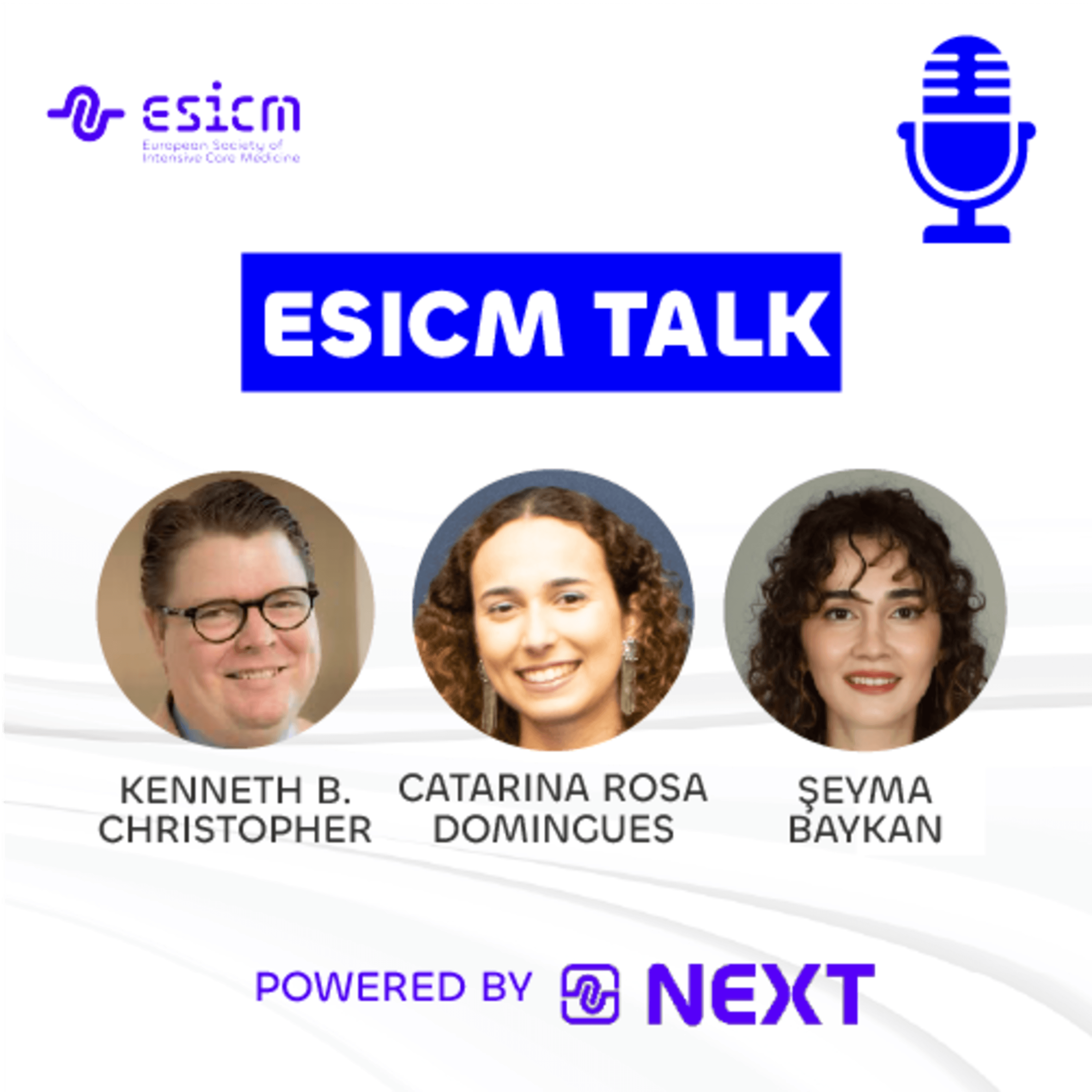
    In this episode of the educational podcast, we explore what precision nutrition truly means in intensive care. While the concept is widely discussed in research, many studies remain descriptive or rely mainly on adjusted data, raising important questions about their real clinical impact. Together with the Editor-in-Chief of the Journal of Parenteral and Enteral Nutrition, Prof. Kenneth B. Christopher, we examine how current research can move beyond theory and be translated into meaningful, practical approaches at the patient’s bedside.

  • S5 · E1
    March 18 · 24 min

    Why does renal recovery from AKI matter to us intensivists?

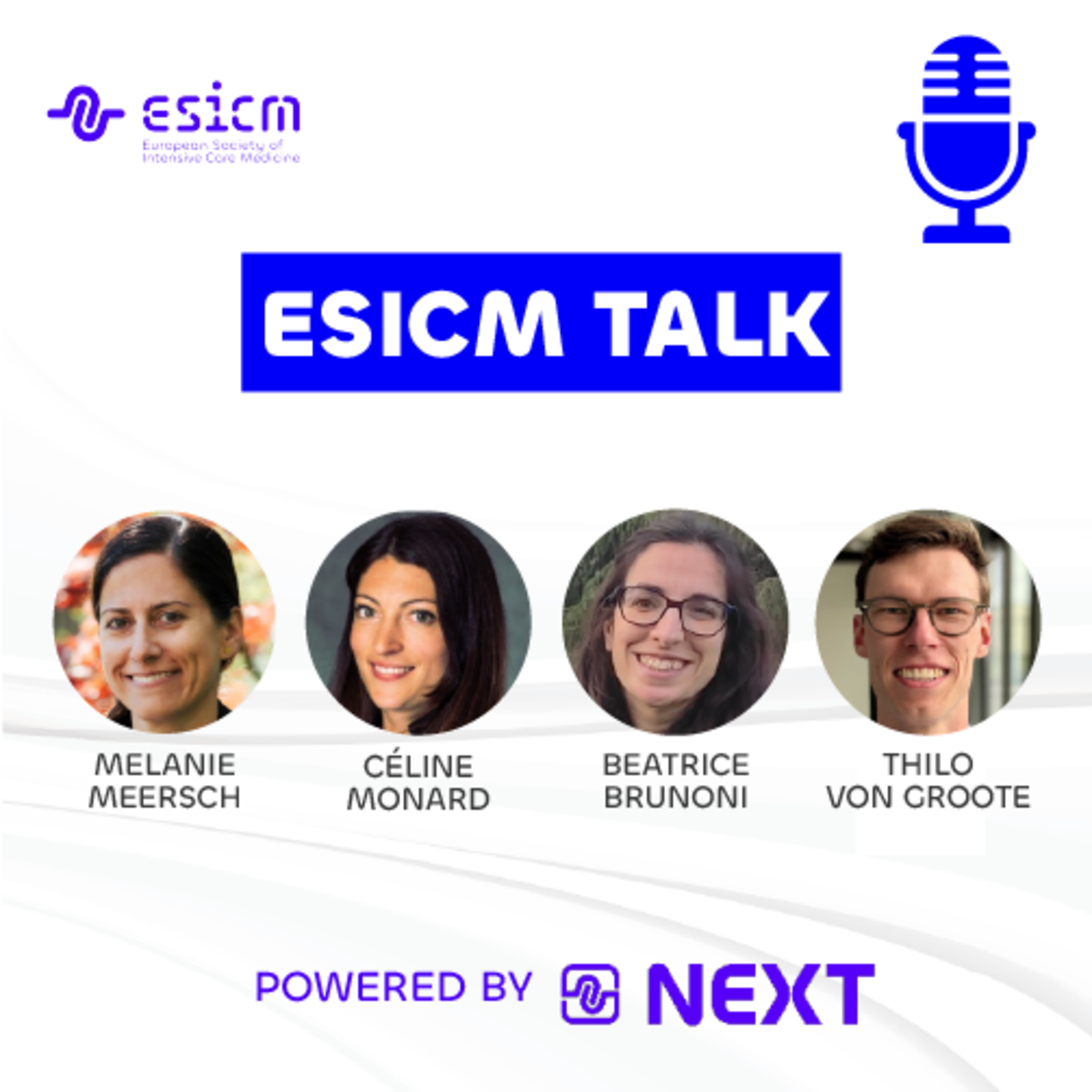
    Acute Kidney Injury (AKI) is a frequent complication in critically ill patients and is associated with significant morbidity and mortality. However, the clinical relevance of AKI extends well beyond the acute episode. Renal recovery plays a crucial role in determining long-term patient outcomes, including the risk of chronic kidney disease, long-term dialysis dependence, and overall quality of life after ICU discharge. In this podcast, we explore why renal recovery from AKI is particularly important for intensivists. The discussion addresses different patterns of renal recovery, key factors influencing recovery in critically ill patients, and how ICU management strategies may impact kidney outcomes. Join experts Melanie Meersch and Celine Monard, and hosts Beatrice Brunoni and Thilo von Groote, as they share their perspectives and insights on this important topic in intensive care.

  • S4 · E3
    Mar 26, 2025 · 24 min

    Prehabilitation in the ICU

    Did you know that preparing patients before an ICU stay can lead to better recovery after? Prehabilitation programmes focus on strengthening physical, cognitive, and metabolic health before critical illness, ensuring a smoother rehabilitation journey post-discharge. Our NEXT colleagues dive into this crucial topic with expert guests, exploring how early intervention can transform patient outcomes. Tune in now and join the conversation!

  • S4 · E2
    Mar 12, 2025 · 28 min

    Post ICU outcomes and follow up

    Post-Intensive Care Syndrome (PICS) refers to the prolonged impairment of physical, cognitive, and mental health that can occur after an intensive care stay. Its effects may last for over a decade after discharge. Our NEXT colleagues have explored this important topic in their podcast featuring Dr. Anne-Francoise Rousseau who addresses key questions and future strategies for managing PICS. Do not miss this opportunity —tune in now!

  • S3 · E40
    Dec 18, 2024 · 22 min

    A randomised controlled trial of a nurse facilitator to promote communication for family members of critically ill patients

    Admission to the intensive care unit (ICU) can be a challenging experience for patients and their families. Psychological burdens, including symptoms of anxiety, depression and post-traumatic stress, are among the most reported during the ICU stay. A recent study has been carried out as a joint project between France and the United States in which the experts have designed an intervention to improve outcomes for patients’ families. For this intervention, they evaluated the nurse facilitator to support, model and teach communication strategies that will help in securing care aligned with patients' goals at the ICU. To learn more about this intervention, we interviewed one of the main authors, Nancy Kentish Barnes. Listen to our podcast for deeper insights into this study!

  • S3 · E39
    Dec 11, 2024 · 7 min

    European Society of Intensive Care Medicine guidelines on end of life and palliative care in the intensive care unit

    The latest guidelines released from the European Society of Intensive Care Medicine (ESICM) are about end-of-life (EOL) and palliative care for critically ill adults! This comprehensive work, developed by an international, multi-disciplinary team of clinical experts, a methodologist, and patient and family representatives, is now accessible to all clinicians. We had the privilege of interviewing Prof. Kesecioglu, who led this remarkable project. Listen to this interview and explore the rationale and methodology behind the guidelines and hear the initial feedback following their release.

  • S3 · E38
    Dec 4, 2024 · 23 min

    Fluid management and mechanical ventilation strategies

    Mechanical ventilation (MV) can impair gas exchange, destabilise hemodynamics, and injure endothelial cells. Intravenous (IV) fluid therapy helps to restore hemodynamics and ensure adequate distal organ perfusion. However, the interplay between restrictive and liberal fluid strategies due to the complex physiological interaction between the heart and lungs may affect ventilation and risk organ damage in critically ill patients. Tune in to our next podcast and learn more about the fluids-MV interplay!

  • S3 · E37
    Nov 20, 2024 · 25 min

    When and how vasopressors in Sepsis?

    The early initiation of vasopressors, ideally within the first hour of diagnosing septic shock, is emerging as a preferred strategy. This approach offers a multimodal action with potential benefits, including reduced morbidity and mortality. Prompt vasopressor therapy is crucial for effective management in septic shock patients. To dive deeper into the timing and administration of vasopressors, join us for our next podcast! Michele Chew and Mathieu Jozwiak will guide us through the essentials—don’t miss it!

  • S3 · E36
    Nov 6, 2024 · 21 min

    Respiratory support in acute exacerbation in COPD

    Acute exacerbations of chronic obstructive pulmonary disease (AECOPD) represent sudden and severe declines in airway function and respiratory symptoms in COPD patients. The clinical presentation of AECOPD is diverse, demanding a treatment approach tailored to disease severity—beginning with antibiotic therapy and, in critical cases, advancing to mechanical ventilation for respiratory support. Tune into our next podcast to learn more!

  • S3 · E35
    Oct 30, 2024 · 19 min

    Multimodal approach to vascular failure in Sepsis

    Septic shock triggers a dangerous drop in blood pressure and restricts blood flow to vital organs, making rapid intervention essential to prevent organ failure. This podcast will explore the power of a multimodal treatment approach—combining tailored medications, precise dosing, and supportive therapies—to amplify the body’s response to vasopressors. Don’t miss this insightful discussion!

  • S3 · E34
    Oct 16, 2024 · 17 min

    Landiolol and Organ Failure in Patients With Septic Shock: The STRESS-L Randomized Clinical Trial

    Autonomic dysfunction and tachycardia are strongly linked to poor outcomes in septic shock, contributing to high mortality rates. In the upcoming podcast, we explore whether β-blockade with landiolol for up to 14 days can reduce organ failure, as measured by the Sequential Organ Failure Assessment (SOFA) score, in critically ill patients with tachycardia and septic shock who have been on high-dose norepinephrine for over 24 hours. Dr. Tony Whitehouse, interviewed by two NEXT representatives, discusses the key findings of the STRESS-L Randomized Clinical Trial.

Showing 1–20 of 21 episodes