
S0 · E0
September 9 · 26 min

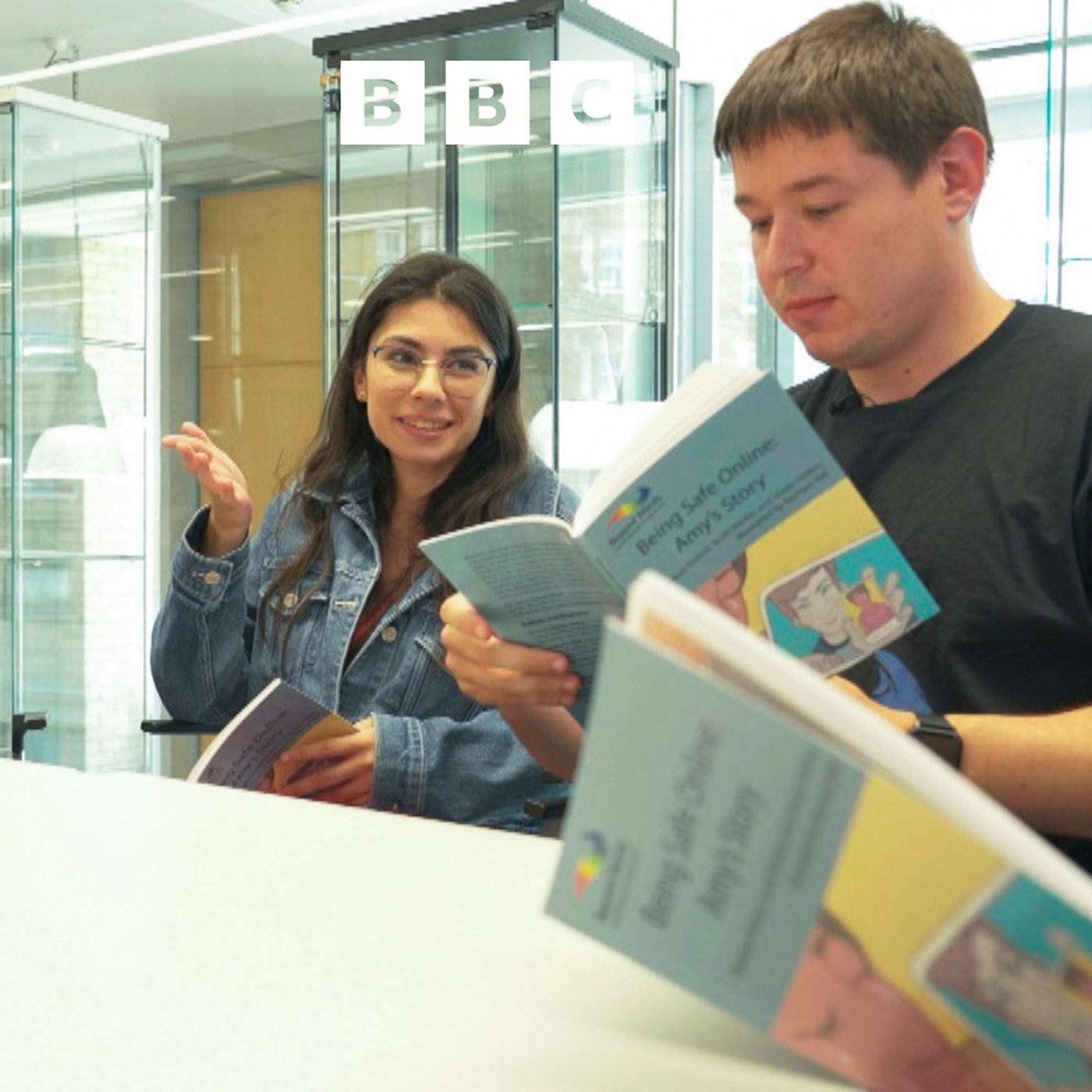
We look at two solutions that harness the power of pictures to help disabled people
Russian is the first language of millions of Ukrainians, including many of the country’s frontline troops. But it is also the language of their enemy. Its public use is increasingly restricted by law, with ever more measures to enforce communication in Ukrainian. Ukrainians are allowed to speak Russian in private conversations. But they can be fined for playing a Russian language song in the street, if the singer or composer is a Russian citizen. The state says Russian must be policed because Russia uses the language as a weapon to spread its influence. But in primarily Russian-speaking places such as Odesa, Ukraine’s third-largest city, many are unhappy about the language laws. Tim Whewell reports on the arguments dividing a city under constant Russian bombardment, as one side calls the Russian language a colonial hangover, while the other says cultural diversity is what Ukraine should be fighting for.

There is a general fear that artificial intelligence could make huge swathes of workers redundant, but are those fears unjustified? Rob Young asks what history can tell us about big technological leaps and how they changed the world of work at the time. How much of the rate of change comes down to customer preference - would you rather deal with a bot or a person?
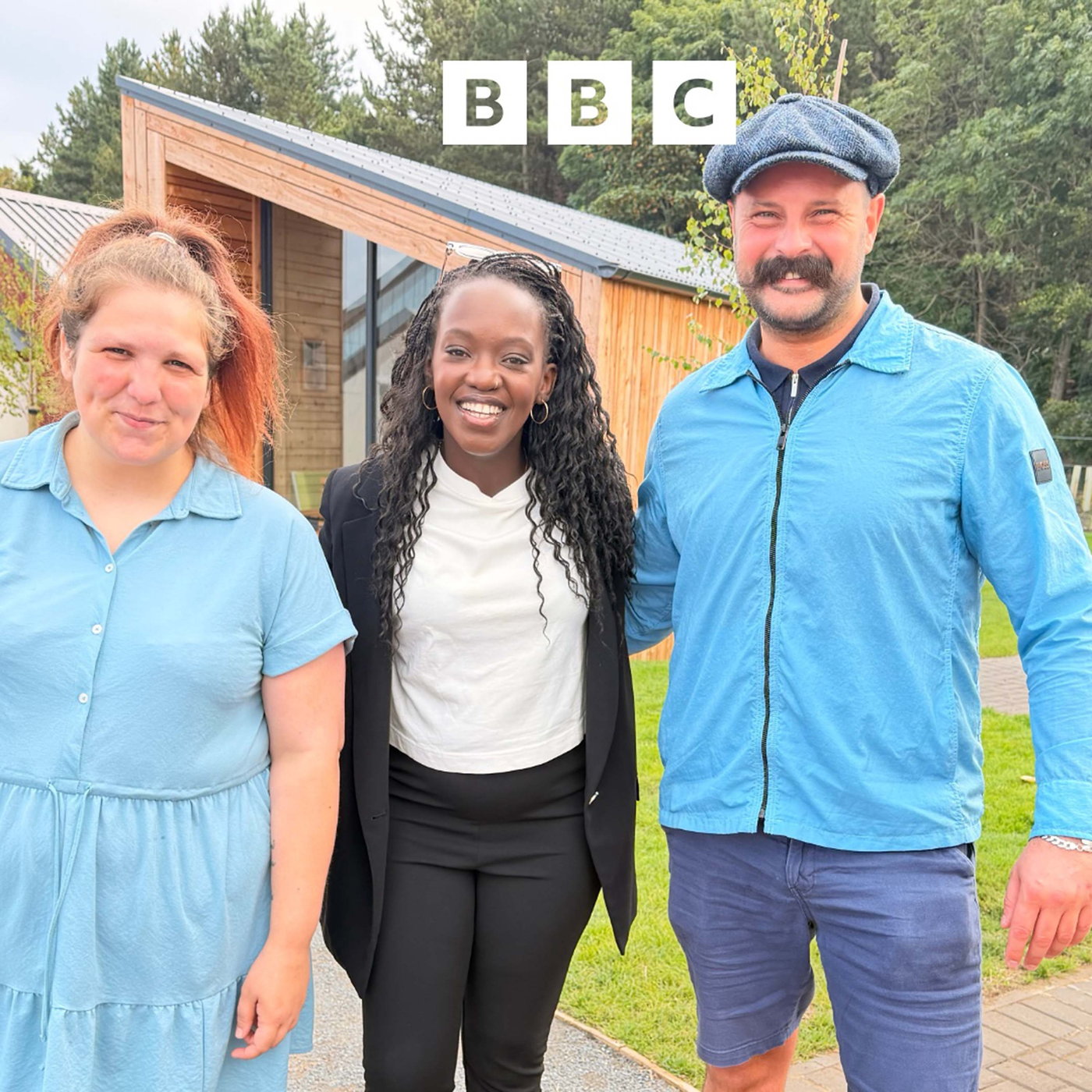
We visit two projects exploring practical responses to homelessness and housing insecurity. Presenter Myra Anubi travels to Edinburgh to see the work of Social Bite, a charity creating small communities of prefabricated homes on unused land, offering people a stable place to live and rebuild their lives. Meanwhile, in Nantes, western France, we meet the team behind Bureaux du Cœur, which partners with businesses to open up unused office space as safe overnight accommodation for people in need.
The rescuers who dodge drones and bombs to evacuate from frontline areas in Ukraine, known as the “kill zone”. More than four years after Russia’s full-scale invasion, thousands of civilians still live dangerously close to active combat zones. Getting them to safety requires powers of persuasion, knowledge of warfare, and nerves of steel. The Global Jigsaw explores how volunteer evacuation efforts of civilians in eastern Ukraine have evolved throughout the war, and how rescuers continue to adapt to an increasingly hostile and unpredictable battlefield. Find out more about BBC Monitoring on our website: https://monitoring.bbc.co.uk Contributors: Vitaly Shevchenko Producer: Kriszta Satori, Tim Bowler Presenter: Krassi Ivanova Twigg Music: Pete Cunningham

Survivors of the floods in Nepal share their experiences of escape from the torrent of water that swept through valleys in the Himalayas, killing at least 1.300 people. “For me that river valley was where I built my dreams,” Gaurav, who owned a café tells us. “Within a few minutes we lost everything, everything was swept away.” Gaurav is joined in conversation by his friend Sakil, who lost his family home in the floods. Extraordinary pictures of the first people to be rescued after nine days have been shared with the world. They were trapped in a hydro-electric power station tunnel with many others. But thousands, including foreign nationals from India, the UK, Australia and the US, are still missing. We bring together two families, hoping their loved ones will be found.

Fred Hammond is one of the biggest names in Gospel music, with 15 Grammy awards, and a career that spans over 40 years, from playing bass in The Winans to more recently his Tiny Desk Concert. His songs are loved by Christians around the world, and gospel fan and radio presenter Swarzy Shire wants to learn more about the man behind the music and how his faith has kept inspiring that music. Fred has faced ups and downs publicly from his divorce and the impact that has had on his family, to his physical suffering with multiple knee operations and a fall from stage just two years ago. He shares with Swarzy how his faith and music have helped him overcome the painful periods in his life.

Forty years ago, an iceberg broke away from the Antarctic ice shelf. But this was no ordinary iceberg. A colossal chunk of ice which covered an area twice the size of London, it was as deep as the Empire State building is high and it weighed a trillion tonnes. For nearly four decades A23a was the world’s largest iceberg. Glaciologist Dr. Catherine Walker tells the story of A23a from its origins, its ice being laid down deep in the Antarctic over millennia, through to its final chapter - shrinking, melting and feeding the ocean from which it came. Catherine talks to glaciologists who study the vast cracks which propagate across the Antarctic ice shelf and to scientists who have seen A23a up close and followed its journey and its impact as it released a trillion tonnes of fresh water and nutrients into the marine environment.
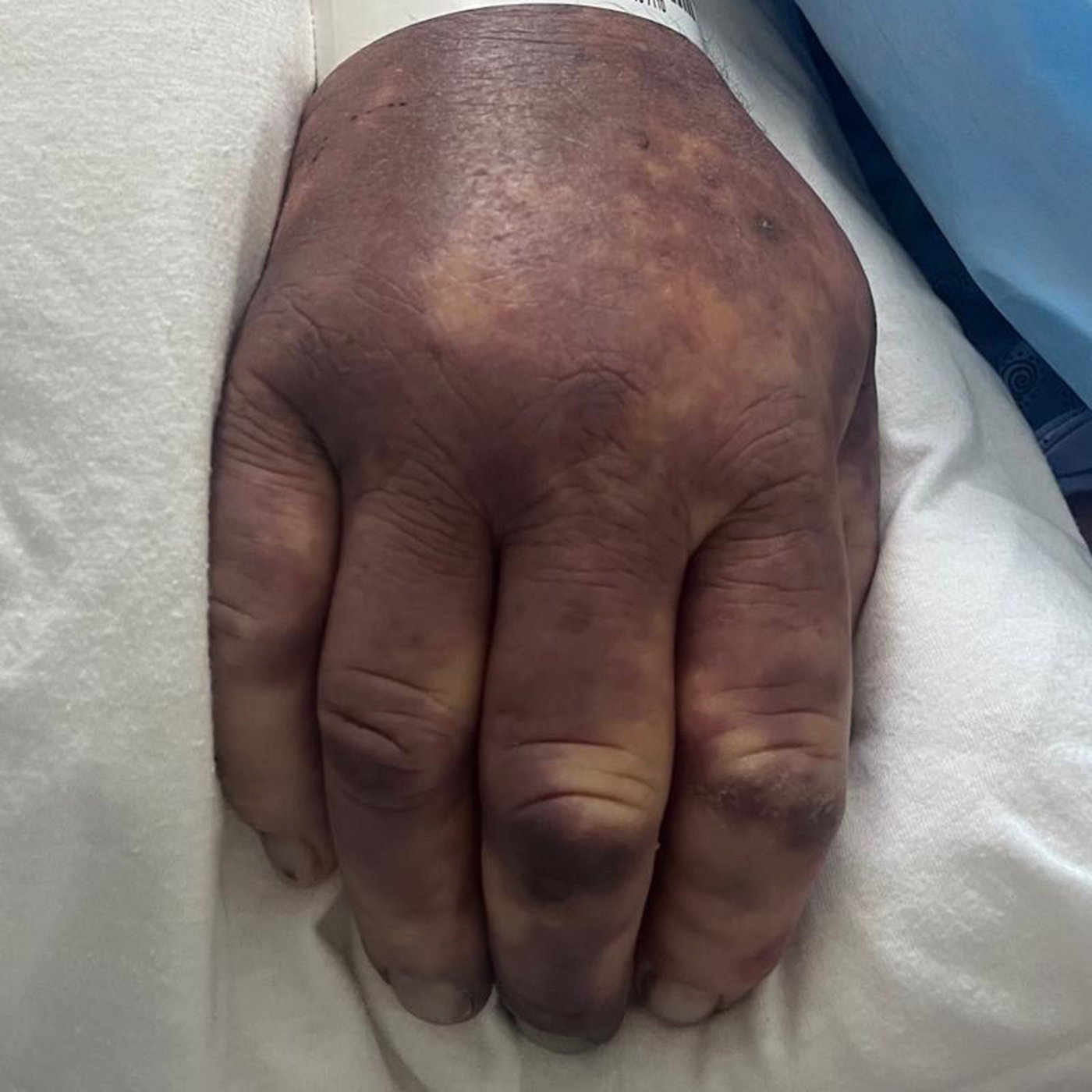
Presenter Becky Green lost one of her twins to sepsis in 2018. It is a condition that, according to the World Health Organization, is implicated in one in five deaths worldwide - more than bowel, prostate and lung cancer combined. Sepsis can begin as a simple infection and escalate within hours, overwhelming the body and causing organ failure. It is a race against time that too often goes unrecognised until it is too late. But around the world, that is starting to change. Becky speaks to Dr Kissoon of the Global Sepsis Alliance about how our understanding of sepsis has changed. In Malawi and Uganda, she meets the team behind the APT Sepsis programme. By educating healthcare workers on hand hygiene, infection prevention and early detection they have cut maternal deaths and severe infections from sepsis by 32%. In Madrid, Dr Rosa Mendez explains how a hospital-wide "sepsis code" - mirroring fast-track protocols for heart attacks and strokes - has brought sepsis mortality down from 24% to 17%. This episode of The Documentary, comes to you from People Fixing the World, looking at people and projects trying to make the world a better place.
AI cameras, drones, licence plate readers, sound detection, Flock - the United States is monitored through a growing, high-tech, and increasingly interconnected surveillance network. In some cities, like Houston, Texas, the true extent of this system is a secret. Law enforcement says this is all for public safety - to prevent crime and assist investigations. Critics think it is an invasion of privacy, open to misuse, and a sneaky tool aiding ICE in President Trump’s deportation drive. One company is bearing the brunt of the backlash: Flock Safety. Its network of AI-powered licence plate readers spans over 6000 communities, generating 20 billion vehicle scans a month. Vigilantes have been cutting down Flock devices. Social media is full of tips on how to obstruct or disable the cameras. Ellie House is in Houston, Texas, to investigate the surveillance network authorities do not want you to know about. She sees how Flock has been used by police to fight crime, gets inside the anti-surveillance techlash, and she sits down with Flock CEO Garrett Langley in his Atlanta HQ. This episode of The Documentary, comes to you from Assignment.
The Made in Turkey label found in so much of our clothing could disappear as the industry faces competition from countries like Egypt. Turkey is battling huge inflation and hundreds of clothing factories are going bankrupt leaving tens of thousands out of work. Emily Wither reports from Istanbul.
Colombia is reeling from the False Positive scandal. Incentivised by the government, soldiers abducted and killed over 7,000 innocent civilians, falsely presenting them as guerrilla fighters in an attempt to convince the nation they were winning a bloody civil conflict that had raged for over 50 years. We meet Blanca Monroy, the mother of a murdered young man, who battled the establishment to bring the scandal to national attention. We join forensic anthropologist, Cesar Medina as he hunts for the bodies of the missing. Jaime Trujillo is an ex-soldier, desperate to atone for his role in around 40 of the murders. Now he has turned whistleblower, providing detailed evidence to the Jurisdicción Especial para la Paz (JEP) – the special tribunal established under Colombia's peace agreement to investigate crimes committed during the conflict. But can an innovative system of justice bring those responsible to justice?
The spoken languages in Hong Kong and Taiwan differ, with Cantonese being spoken in Hong Kong and Mandarin preferred in Taiwan, but the two territories use traditional Chinese characters for reading and writing. This has created a strong bond between them in the field of book publishing, with many books which are published in Taiwan being sold in Hong Kong. This year, authorities in Hong Kong have cracked down on booksellers under national security laws. Hong Kong's government argues they are necessary steps to maintain stability in the territory, but critics say they're crushing dissent. Concern is now being felt in the publishing industry in Taiwan. Joyce Li from BBC Chinese is based in Taipei, and Abel U, also from BBC Chinese, is based in Hong Kong, and they join to share their insights. Since 2024, a neighborhood in the Moroccan capital of Rabat has been undergoing demolition and eviction operations carried out by Moroccan authorities. Residents have been left uncertain about their futures, and the lack of transparency has also left people questioning what the real reasons are, behind the demolition campaign. Hanan Razek from BBC Arabic, has been following the story and speaking to locals. The last day of exams is always a big deal. It's when you might blow off some steam and have some fun with your friends after some tough months of studying. For a recent pharmaceutical technology student in eastern Nigeria, he left his last exam and ended up going viral on social media due to a special gift that was waiting for him, a goat. Adesola Ikulajolu of BBC Pidgin reported on the story. The Fifth Floor is at the heart of global storytelling on the BBC World Service, bringing you the best stories from journalists in the BBC's 43 language services. We're here to help you make sense of the stories making headlines around the world; to excite your curiosity and to get to grips with the facts. Recent episodes have investigated Russia’s youth armies and how they make soldiers of Ukrainian children; featured the BBC team who were the first journalists to the site of the Nigerian school kidnappings and reflected the effects of internet blackouts in Iran, Uganda and India. If you want to know more about Venezuela’s acting president, Delcy Rodriguez, and the legacy of Hugo Chavez; or how Vladimir Putin’s network of deep cover spies operates; or why Donald Trump signed an executive order granting white South Africans asylum in the US, we have all those stories and more. This episode of The Documentary comes to you from The Fifth Floor, the show at the heart of global storytelling, with BBC journalists from all around the world. Presented by Faranak Amidi. Produced by Laura Thomas, Caroline Ferguson and Hannah Dean. (Photo: Faranak Amidi. Credit: Tricia Yourkevich.)
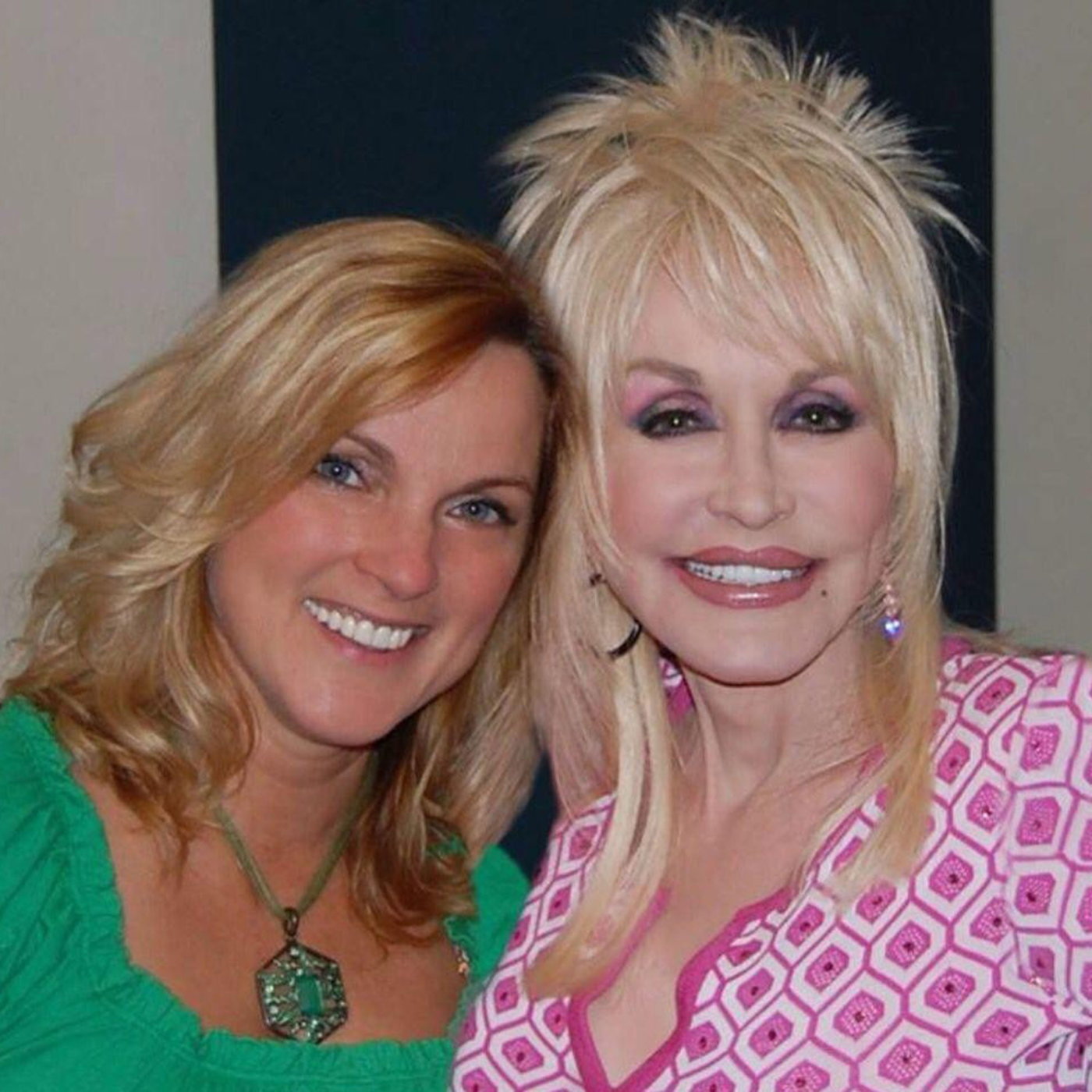
Flags are at half-mast across the United States following the death of Dolly Parton at the age of 80. Born in poverty in a log cabin in rural Tennessee, she went on to sell more than 100 million records and became one of the most influential figures in country music. Dolly Parton was also a highly successful entrepreneur and philanthropist and gave away millions to fund child literacy, conservation and healthcare. In our conversations, we bring together female country musicians – including Rhonda Vincent and Rissi Palmer - to share their memories of Dolly Parton and discuss her achievements. We also bring together people who worked with Dolly Parton to share their stories.
rk Franklin is one of the biggest names in Gospel music, with 20 Grammy awards, and a career that spans over 30 years. From classics like ‘Why we sing’ to the mainstream hit ‘Stomp’, so many of his songs are loved by Christians around the world. Gospel fan and radio presenter Swarzy Shire wants to learn more about the man behind the music and how his faith has kept inspiring that music. Despite many public ups and downs, Kirk reveals why his faith has been a constant source of support in his life. From being adopted as a young child to facing public criticism, he always returns to his faith in God and shares how he finds comfort in similar stories reflected in people’s lives from the Bible.

Throughout August, the Lives Less Ordinary podcast is sharing extraordinary love stories from around the world. To listen to the season, search ‘Lives Less Ordinary’ wherever you get your BBC podcasts. In this episode: in the 1970s, Mark arrived in the UK from the Bahamas and fell in love with a woman called Penny. For Penny, it felt like the beginning of everything- until, without warning, Mark broke things off and disappeared from her life. Devastated and searching for answers, Penny spent decades believing she was to blame, carrying that loss into the rest of her life and never quite finding the happiness she once imagined. Nearly forty years later, a message out of the blue from Mark brought them back into contact, and with it, revealed the sad truth about what drove them apart. This programme contains references to suicide. If you’ve been affected by any of the issues raised in this episode, you can find support at befrienders.org Lives Less Ordinary is a podcast from the BBC World Service that brings you the most incredible true stories from around the world. Each episode a guest shares their most dramatic, moving, personal story. Listen for unbelievable twists, mysteries uncovered, and inspiring journeys - spanning the entire human experience. Step into someone else’s life and expect the unexpected. For more episodes, just search 'Lives Less Ordinary' wherever you get your BBC Podcasts.
In the 30 years since its invention the ready-to-use therapeutic food Plumpy'nut has saved the lives of millions of children and protected countless others from the effects of malnutrition. Jewel Kiriungi explores its origins and ongoing legacy. The brainchild of two Frenchmen, Doctor Andre Briend and Michel Lescanne, a food processing engineer, they set out to put the power to feed children back into the hands of parents. With the help of organisations like Unicef they created a system of manufacture and distribution that would not only feed the hungry but benefit the economies of the countries where Plumpy'nut was needed.
The figures are startling - 2.1 million Brazilians have a clinical addiction to betting and 7.5 million are problem gamblers. Women now comprise 40% of all gamblers, having been 25% just a decade ago. Online sports and casino betting have exploded in Brazil to make it one of the largest gambling markets in the world. The self-help group Gamblers Anonymous says it is receiving thousands of calls each month and millions of Brazilians are estimated be suffering financial, emotional or relationship problems as a result of betting. Camilla Mota talks to football fans in Sao Paulo about why they are gambling on their team’s result. She speaks to a man who gambled away $75, 000 on a corporate credit card, a businesswoman who locked herself in the toilet of her family home in order to bet in secret and meets two psychiatrists offering treatment to addicts at a special clinic. What can be done to protect problem gamblers and avoid driving legal gambling underground?

Lucy Sparrow stitches life into everyday objects, creating vibrant felt worlds that look just like the real thing. Following the success of her hand-stitched felt fish and chip shop, she has recreated a Walmart convenience store from the 1980s, complete with TV dinners and a felt photo booth.
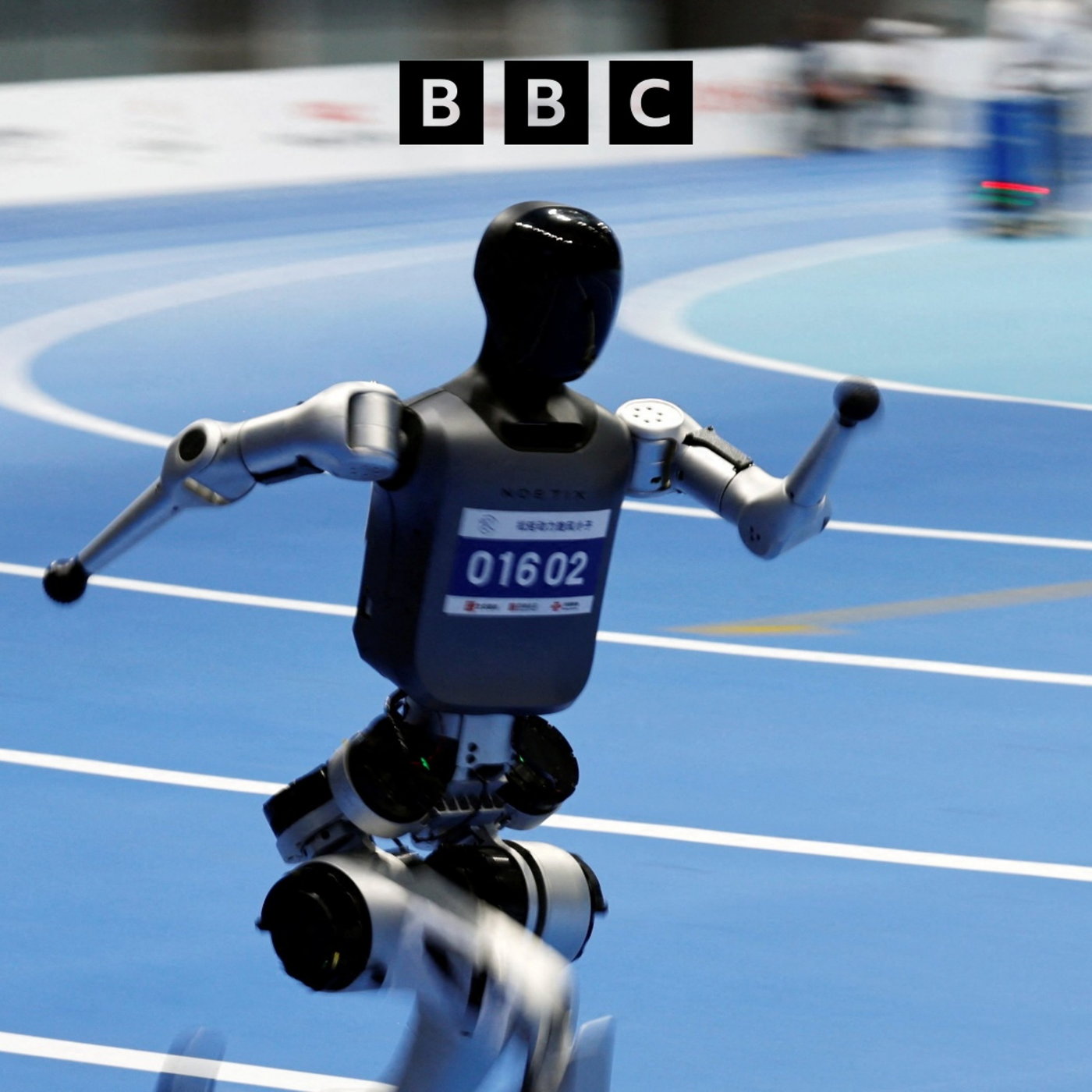
Roland Pease explores how decades of strategic investment and diligent educational reform have brought China to the brink of global scientific dominance. As the world’s other scientific superpowers seemingly retreat from their historical high ground, how has China achieved such remarkable progress, both in applied and fundamental sciences? And what might that mean for the rest of us? Image: A humanoid robot competes in the 1500m final at the inaugural World Humanoid Robot Games, at the National Speed Skating Oval in Beijing, China on 15 August 2025 (Credit: Tingshu Wan/Reuters)