Skip to content
Artwork for Documentaries
Education

Documentaries

BBC

An indepth look at stories and issues from around the world. This podcast offers you the chance to access landmark series from our archive.

  • 22 episodes
  • Updated Today

Episodes22

  • Today · 26 min

    Rapping behind bars in Cameroon

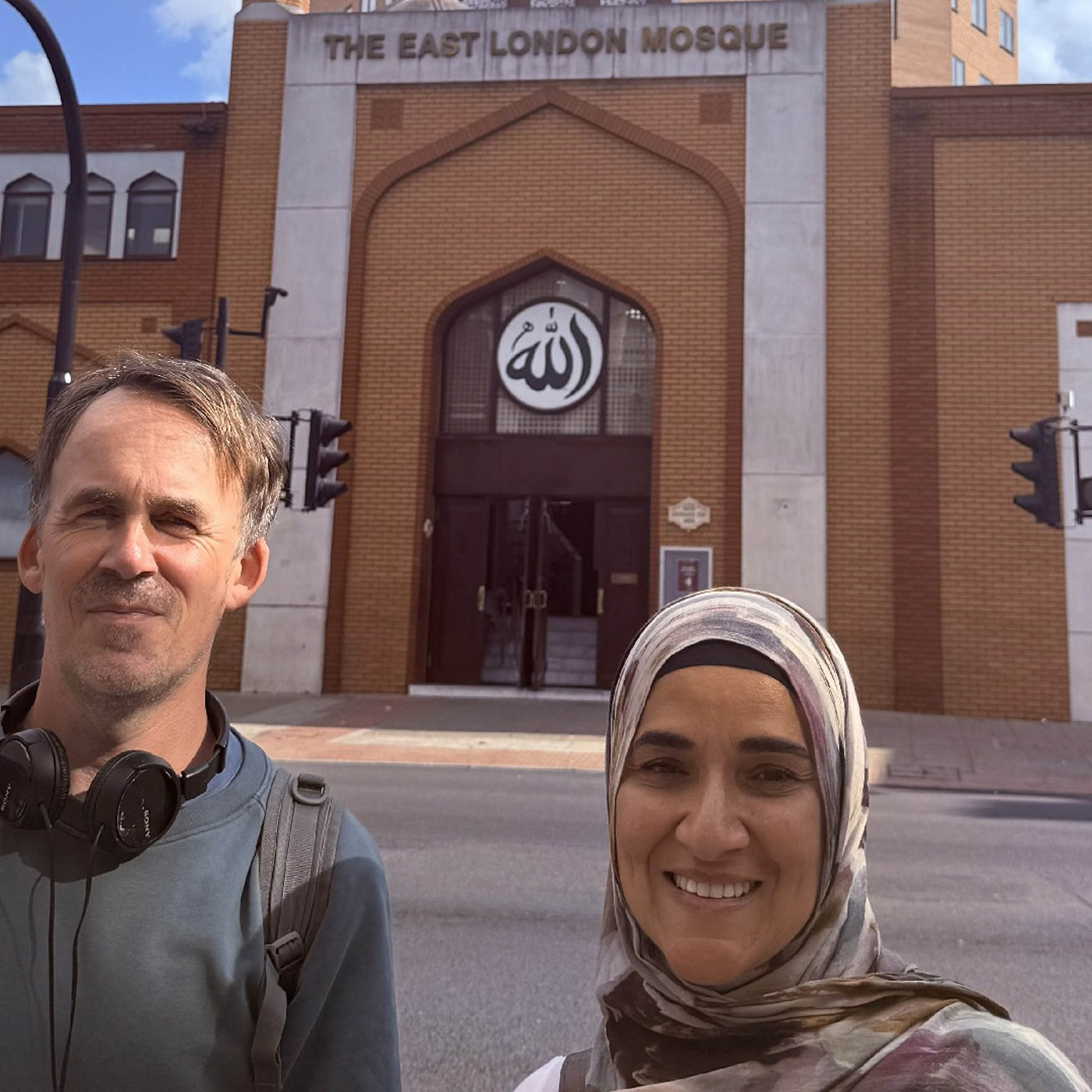
    New Bell Prison in Douala, Cameroon, operates a bit like a city within a city. The facility has its own "taxis" (inmates who hand deliver messages), its own law enforcement (prisoners who help police the facility) and a market. The jail is overcrowded and under-resourced, and the occupants of New Bell have sometimes adapted the jail's overstretched systems to work for them. An on-site music studio and label, Jail Time Records, has also sprung up and found an international audience. Wedaeli Chibelushi, journalist for BBC World Online, Africa, tells the stories of some of the inmates involved.  In Egypt, Christians are a substantial minority, making up 10 to 15% of the population, but they're not always represented fairly in employment and public life. This month, the case of 13-year-old Makary Younan, who despite his talent was initially passed over for selection by a major Egyptian football academy, has led to a public debate over anti-Christian discrimination. BBC Arabic's Ahmed Omar has the story.  Wang Jibing, a Chinese food delivery rider in his fifties, has found a huge online following with reflective poems capturing his daily life and routines. Now, he's won one of China's top literary prizes. After growing up poor and doing many different jobs, Wang became a food delivery rider 2019. He often scribbles poems on scraps of paper between deliveries, but the prize he's won is named after poet Lu Xun, seen by many as the father of Chinese literature. Koh Ewe from the BBC's Hong Kong Bureau explains why so many Chinese people have taken him to their hearts. This episode of The Documentary comes to you from The Fifth Floor, the show at the heart of global storytelling, with BBC journalists from all around the world. Presented by Faranak Amidi. Produced by Laura Thomas, Caroline Ferguson and Hannah Dean. (Photo: Faranak Amidi. Credit: Tricia Yourkevich.)

  • Today · 22 min

    Ariana Grande and the public scrutiny of women

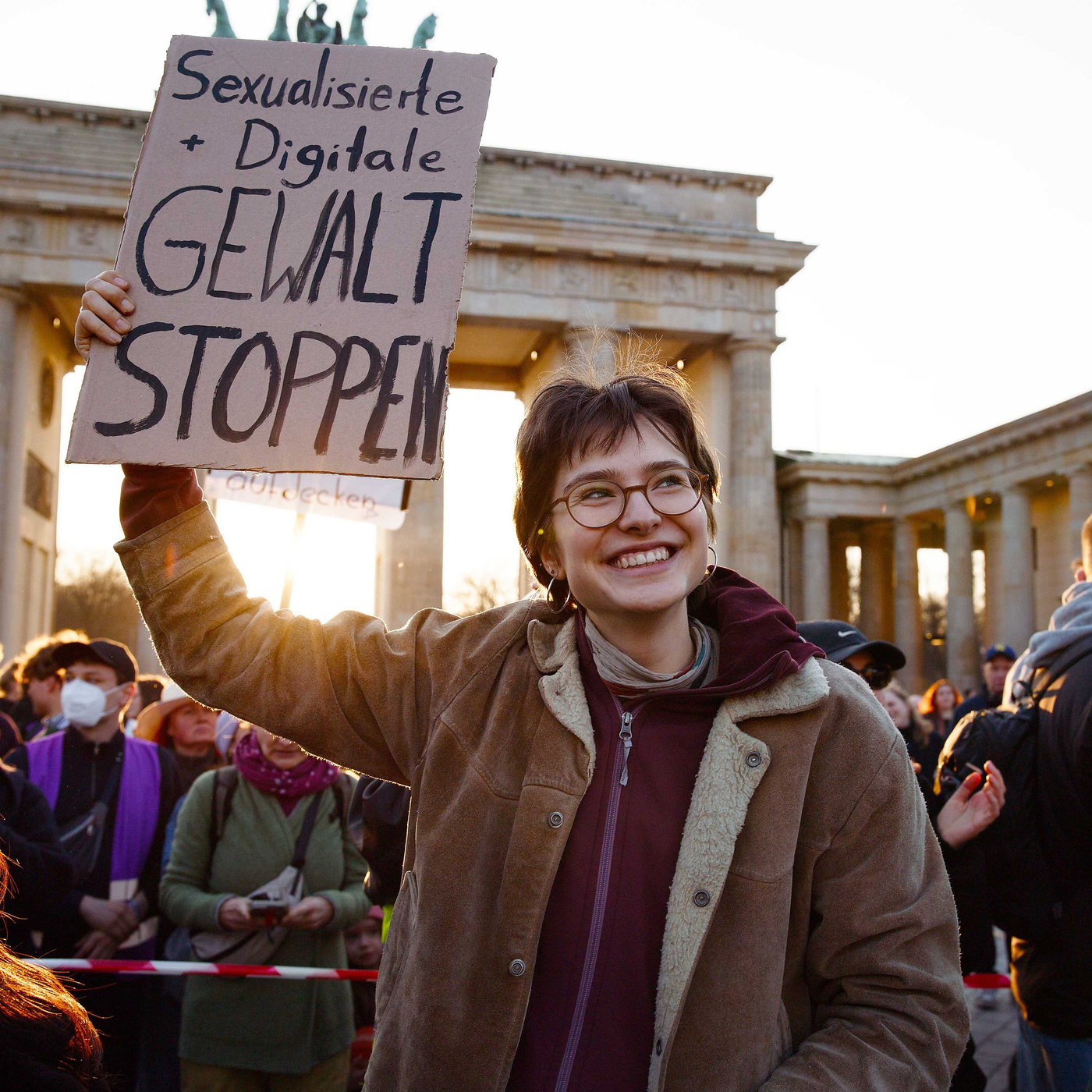
    Ariana Grande says she will be taking ‘a step back’ from public life. The reason, it seems, is the constant public commentary she faces – particularly surrounding her appearance. We bring together fans of the multi-award-winning singer and Oscar nominated actor to discuss the scrutiny facing women in the public eye. We also hear from women who have received abuse after posting on social media, including Ella, a high jump athlete from Finland. “I never imagined when I started doing sports as a little girl there would be a moment when I would receive messages that I should kill myself because I didn’t perform well or that I am the greatest embarrassment Finland has ever had” she says.

  • Yesterday · 28 min

    A singer’s search for peace

    In Lithuania, singer Rūgilė Daujotaitė was becoming a familiar face on television. She was performing at major music events, competing for a place at Eurovision, and building a life that, from the outside, appeared successful. But privately, she says she was struggling. Raised in a family shaped by New Age spirituality and occult beliefs, Rūgilė grew up searching for God through a mixture of traditions. As an adult, she moved to Amsterdam to study jazz, became involved in shamanic practices and Santo Daime ceremonies, and began taking ayahuasca - a powerful psychedelic brew used in some religious rituals. Colm Flynn travels to Vilnius to meet Rūgilė in the home where she first encountered many of the ideas that shaped her early life. She reflects on leading retreats, introducing others to practices she has since rejected, and the moment she began reading the Bible and questioning the world she had embraced. This episode of The Documentary, comes to you from Heart and Soul, exploring personal approaches to spirituality from around the world.

  • Thursday · 28 min

    The teenagers who wired Romania

    In the late '90s, in daring feats of DIY networking on rooftops across Romania’s capital, Bucharest, teenagers are stringing computer cables between tower blocks to share an internet connection. This guerilla infrastructure starts out scrappy, but it sprawls into an impressive improvised network that catches the attention of telecom giants. Told by those who built it, this is the extraordinary story of how a homemade system became the backbone of a city - a reflection of what the internet was meant to be and what it became.

  • Wednesday · 51 min

    The engineers: Flying at the edge

    Aviation is being reimagined for a changing planet: Vertical take-off passenger cars for city centres. Hydrogen powered planes for zero carbon travel. Hyper-sonic flights to take the London to Sydney journey to under two hours. Kelly Latimer, US Aerospace engineer, flight test pilot, and former Flight Test Director of Virgin Galactic; Rob Miller, Net-zero aviation pioneer and Director of the Whittle Lab at Cambridge University, UK and Daniel Moczydlower, president of the Brazilian future aircraft innovators, Embraer-X, join BBC presenter Caroline Steel on stage in London, to discuss their trailblazing work and answer questions from a live audience at the Royal Geographical Society, London.

  • Tuesday · 28 min

    Getting Gaza back online

    Amid the tents and the rubble Gaza is developing once again as an unlikely tech hub. Even before the 7 October 2023 attack and the subsequent war between Israel and Hamas, NGOs, with the backing of Google, had sought to develop tech start-ups in the Gaza strip. The digital economy was one of the few areas in which young Gazans in particular could seek to earn money for their families. During the two years of war they struggled for food and water. Forced to move from place to place, most of them lost their homes, their work, sometimes their laptops and plenty lost family members. Now 80% of Gazans are unemployed and have no income. Many of them live amid the rubble in tents. Stable electricity and internet are difficult to come by. And yet co-working hubs have begun to pop up, giving well educated graduates a chance to work remotely for foreign companies as coders, software engineers and app developers.. Yolande Knell reports on how its tech workers give a glimpse of a brighter, possible future, open to the world beyond Gaza’s borders. This episode of The Documentary, comes to you from Assignment.

  • Monday · 28 min

    Skatepark designers Nine Yards

    Nine Yards, the designers behind the Paris 2024 Olympic skatepark, get to work on their next big challenge: the rebuild of Olympiaplein, one of Amsterdam's oldest and most cherished skating spots. Sean Allsop joins designers Jesper Kuipers and Jeroen Van Eggermond in the Netherlands, as they work through sketches and plans before presenting their vision to local skaters for crucial feedback. Then the team head out onto the building site, with concrete trucks, tight deadlines, and one shot to get the surface smooth for skaters of all levels, before the gates open and a community gets to skate again. We explore how skating has evolved from an underground sport into an established movement, the community within skateparks, and the intricate detail that goes into every park.

  • Sunday · 29 min

    What is so-called 'Jihadi cool'?

    The extremist content quietly spreading on TikTok and Instagram, targeting unsuspecting young people. Through what is disguised as innocuous lifestyle content, supporters of jihadist groups like IS and al-Qaeda reach audiences outside their echo chamber. This is a recruitment drive that signals a move from direct operational instructions to “do-it-yourself jihad", with the aim of potentially inspiring lone wolf attacks. The Global Jigsaw explores the tactics used to obscure and evade detection, the challenges this poses for platforms, and how it has become a relentless game of whack-a-mole. Find out more about BBC Monitoring on our website: monitoring.bbc.co.uk Contributors: Mariam Soussi, Mina al-Lami Producer: Kriszta Satori, Elchin Suleymanov Presenter: Krassi Ivanova Twigg Music: Pete Cunningham

  • August 1 · 26 min

    A Chinese dissident's journey

    When Chinese policeman Dong Guangping wrote an article commemorating the 10th anniversary of the 1989 military crackdown on pro-democracy protesters in Beijing, it kicked off a chain of events that led to him serving jail time and losing his job. But it also sparked the beginning of a deep desire to live more freely. So Dong began planning how he might escape China. Just a few weeks ago, back in late May, he finally achieved his dream, having taken the huge risk of crossing China's Yellow Sea in a dinghy to reach South Korean waters. Phoebe Kong, based in the BBC's Hong Kong bureau, explained how rare Dong's achievement really is. Yemen has faced decades of economic hardship and war, but the khat industry is thriving. Khat is a plant, and when chewed it acts as a stimulant. It is estimated to consume one-third of Yemen's groundwater and occupy much of the country's agricultural land. Dalia Haidar of BBC Arabic has been looking into Yemen's relationship to khat and the problem it can cause. The Fifth Floor is at the heart of global storytelling on the BBC World Service, bringing you the best stories from journalists in the BBC's 43 language services. We're here to help you make sense of the stories making headlines around the world; to excite your curiosity and to get to grips with the facts. Recent episodes have investigated Russia’s youth armies and how they make soldiers of Ukrainian children; featured the BBC team who were the first journalists to the site of the Nigerian school kidnappings and reflected the effects of internet blackouts in Iran, Uganda and India. If you want to know more about Venezuela’s acting president, Delcy Rodriguez, and the legacy of Hugo Chavez; or how Vladimir Putin’s network of deep cover spies operates; or why Donald Trump signed an executive order granting white South Africans asylum in the US, we have all those stories and more. This episode of The Documentary comes to you from The Fifth Floor, the show at the heart of global storytelling, with BBC journalists from all around the world. Presented by Faranak Amidi. Produced by Laura Thomas and Caroline Ferguson (Photo: Faranak Amidi. Credit: Tricia Yourkevich.)

  • August 1 · 25 min

    Wildfires in Europe

    Wildfires continue to burn across the continent. Thousands of people have been evacuated on the Greek island of Crete, as well as in western France, Spain, Portugal and Turkey. A blaze in central Spain has burned almost 80,000 hectares over the last week and is now considered the largest recorded wildfire in Spanish history. With temperatures hitting more than 40 degrees Celsius in south-western France, firefighters, planes and helicopters have been battling fires there. Muriele in France and Julian in Spain share their experiences of escaping the flames. Robin – on holiday with his family – describes what it was like as the fire approached their French campsite. “The pool was getting filled up with ash, you could see all black pine needles, bits of bark that were burnt, it blocked out the sun,” Robin tells us. We also bring together volunteers in France, helping to provide food and shelter for people displaced from their homes.

  • July 31 · 28 min

    Rastafari and I

    What does it mean to inherit a faith that served as a fortress for your father, but feels like a contradiction to you? Throughout his childhood in Oxford, Silas Gray was surrounded by the sights, sounds, and symbols of his father’s Rastafarian identity. He was even named after the Rastafarian spiritual figurehead, Emperor Haile Selassie I. But this legacy weighs heavily. It anchors him to a complex world leader he’s not sure he’s aligned with. And he feels like an imposter carrying a name associated with a faith he doesn’t practise. Desperate to find a version of this legacy he can comfortably own, Silas decides to do what his father spent forty years dreaming of but never actually did: he books a flight to Ethiopia and travels to the Rastafarian spiritual motherland of Shashamane, the land granted to the global black diaspora by the Emperor himself. Silas encounters a living, breathing community where three generations of Rastafarians exist under one roof. This is a deeply personal pilgrimage about a son trying to see what his father sees, heal a generational disconnect, and finally make peace with his name.

  • July 30 · 34 min

    A battle that changed Ireland

    The 1st of July 1916 is still one of the deadliest days in the history of warfare. Nearly 20,000 men from the British Army and 6,000 German soldiers were killed on the first day of the Battle of the Somme. The World War One battle would last another four months and was one of the first examples of industrial warfare; three million men fought in it, over a-million soldiers were wounded, missing or killed. Jordan Dunbar investigates how, 110 years on, the battle still affects people and communities, and discovers new insights about its impact on his own family and on the history of Ireland.

  • July 29 · 20 min

    Sierra Leone: The cocaine trail

    Ed Butler investigates how one of Europe’s most wanted drug smugglers, Jos Leijdekkers, ended up in Sierra Leone while evading justice. He also explores reports linking Leijdekkers to the family of Sierra Leone’s president, including claims that he has married the president’s daughter. for more programmes like this search Business Daily wherever you get your BBC Podcasts Presenter/producer: Ed Butler

  • July 28 · 29 min

    The Kenyans taking on multinational chemical companies

    In Kenya, a young lawyer is bringing a legal case against the Kenyan government, regulator, and several multinational agrochemical companies. He’s working alongside activists and health practitioners, and they claim that hazardous pesticides and herbicides, designed to make farming for efficient, are damaging the health of farmers in Kenya. They are demanding changes to regulation, as well as increased education and compensation for people who they claim, have had their health severely affected by high exposure to these products. For Assignment, Josephine Casserly travels to Kenya to follow lawyers, health practitioners and scientists as they face the challenges of gathering evidence to support their case.

  • July 27 · 28 min

    James Turrell: Master Of Light

    The American artist James Turrell is famous for his Skyspaces. A Skyspace is chamber with an opening to the sky. Turrell bathes the roof with light that subtly changes colour, which affects our perception of the colour of the sky itself. Julian May travels to ARoS, the Art Museum in Aarhus, Denmark to meet James Turrell as he prepares his latest SkySpace, entitled As Seen Below – The Dome. It is a monumental work, which from the ground outside looks like tumulus, an ancient a grass covered burial mound. To experience the work Julian goes through an underground tunnel that brings him into the huge domed space flooded with changing coloured light. Through the opening the sky appears at once immensely deep, yet close. James Turrell tells Julian that while most artists depict light, light is his material; his work is light itself. He speaks about how flying (he gained a pilot’s licence at the age of sixteen), the changing colours of the sky and the disorientating experience of speeding between clouds and fog inspires him. How, too, his upbringing and life as a Quaker has a profound influence. This episode of The Documentary, comes to you from In the Studio, exploring the processes of the world’s most creative people.

  • July 26 · 51 min

    Driving across the divide

    Cars driven by Israeli volunteers wait at check points to give lifts to sick Palestinians to their hospital appointments - what the volunteers call “one hour of peace”. Since Hamas’s attacks on 7 October, it has become an increasingly rare space for Israelis and Palestinians to speak and build trust and connection amid the trauma of war. Most Palestinians from the occupied West Bank are prevented from travelling to Israel, among them patients in desperate need of specialised medical treatment. Some days there are more than 80 car rides, volunteer drivers, waiting at the checkpoint, by the separation barrier that divides Israel and the West Bank. Meanwhile in Gaza, patients who used to receive medical care in Israel are among around 20,000 patients on a long list awaiting medical evacuation. Jerusalem reporter Naomi Scherbel-Ball hears how they have survived more than two years of a devastating war, displaced from their homes and reliant on a health system all but destroyed by war. She also meets the Israeli volunteers, who had friends and family killed on 7 October. Despite the war, some have stayed in touch with the patients they used to drive from Gaza.

  • July 25 · 29 min

    Saving Nigeria's vultures

    When it comes to conservation, adorable and majestic animals often attract the most concern for their plight. It's not so easy to get the public's attention when it comes to animals that are perceived as weird or creepy or downright unpleasant. The vulture, traditionally associated with death and carrion, falls into this unlucky group. Globally, around 70% of vultures are now under threat of extinction and Nigeria's vultures are no exception. BBC West Africa journalist Makuochi Okafor has been investigating this story.  In Vietnam, The Last Empress, a new film inspired by the life of the final empress of the Nguyen Dynasty, appears to be provoking a strong reaction. Nam Phuong is a well-known historical figure in Vietnam, who along with her husband, Bao Dai, she was also seen as a puppet of the French colonial regime. Since the release of the trailer for The Last Empress, this long debate in Vietnam has bubbled back to life. Duc Ha from the BBC's Bangkok bureau has been exploring the human story behind all the politics and controversy. In a private party in a Russian town, Katya was about to blow out the candles on her 30th birthday cake when masked men burst into the nightclub that she had hired and began physically and verbally attacking her friends. The swoop was instigated by a vigilante group who want to accelerate President Vladimir Putin's promotion of what he sees as traditional Russian family values. As is sometimes the case in these raids, members of the town's police also joined them, shutting down the party and interrogating the guests. Amalia Zatari of BBC Russian has been looking into this vigilante group. The Fifth Floor is at the heart of global storytelling on the BBC World Service, bringing you the best stories from journalists in the BBC's 43 language services. We're here to help you make sense of the stories making headlines around the world; to excite your curiosity and to get to grips with the facts. Recent episodes have investigated Russia’s youth armies and how they make soldiers of Ukrainian children; featured the BBC team who were the first journalists to the site of the Nigerian school kidnappings and reflected the effects of internet blackouts in Iran, Uganda and India. If you want to know more about Venezuela’s acting president, Delcy Rodriguez, and the legacy of Hugo Chavez; or how Vladimir Putin’s network of deep cover spies operates; or why Donald Trump signed an executive order granting white South Africans asylum in the US, we have all those stories and more. This episode of The Documentary comes to you from The Fifth Floor, the show at the heart of global storytelling, with BBC journalists from all around the world. Presented by Faranak Amidi. Produced by Laura Thomas, Caroline Ferguson and Hannah Dean. (Photo: Faranak Amidi. Credit: Tricia Yourkevich.)

  • July 25 · 26 min

    The lifelong toll of surviving disaster

    It has been a month since the twin earthquakes in Venezuela, estimated to have killed more than five thousand people. But there have also been some remarkable stories of rescue with people being pulled alive from the rubble many days after the disaster. In our conversations, we bring together people who survived disasters to discuss the long-term impact the events have had on their lives. Marinel lived through Typhoon Haiyan, which hit the Philippines in 2013 and was one of the strongest typhoons in recorded history. Jeff was a pupil at the junior school in Aberfan in South Wales. In 1966, 116 children were killed when waste from coal mines crashed down the mountainside engulfing his school. “I did go to one counsellor and that counsellor said to me, when you review what you’ve been through, think of happy things like birthday parties,” Jeff tells us. “Well, the majority of people that would have come to my birthday party were now gone.” We also bring together rescue workers to hear what motivates them and how they cope with confronting death and destruction. This edition of The Documentary is from BBC Conversations where we bring people together to share their personal experiences of world events. Presenter: James Reynolds BBC producers: Ryan Keane, Lindsay Brown and Isabella Bull Boffin Media producer: Richard Hollingham Editors: Arja Haikonen and Harriet Oliver A Boffin Media production in partnership with the BBC World Service Outside Source team.

  • July 24 · 29 min

    Searching for my samurai mother

    When her mother dies, Rimi Tanaka regrets that she never truly got to know her. And so when her mother’s literary agent calls Rimi out of the blue, and asks her if she wants to write the book Akemi was writing when she died, Rimi seizes the opportunity. Akemi was researching her samurai ancestry, learning more about their philosophical code, and how it can teach us to live a fuller life today. Can completing her mother’s spiritual quest help Rimi finally come closer to someone she felt she never fully knew?

  • July 23 · 35 min

    The spirit of Tala: The rapid rise of Tala's netball team

    In 2014, Tonga had no national netball team, coach, squad, or training facilities. Determined to change that, former television news anchor Salote Sisifa became CEO of Tonga Netball and promised the board that within five years she would build a team capable of competing internationally and reaching the world’s top 10 by 2025. If she failed, she would resign. Alongside, Head Coach Jaqua Pori-Makea-Simpson, Salote propelled Tonga from 42nd to seveth in the world rankings navigating national disaster, the Covid-19 pandemic, and restricted resources along the way. This episode of The Documentary Podcast examines Tonga’s extraordinary journey and how they have become a formidable force on the international stage. Their next milestone is their Commonwealth Games debut in 2026.