Skip to content
Artwork for Digital Transformation Architect
TechnologyBusinessManagement

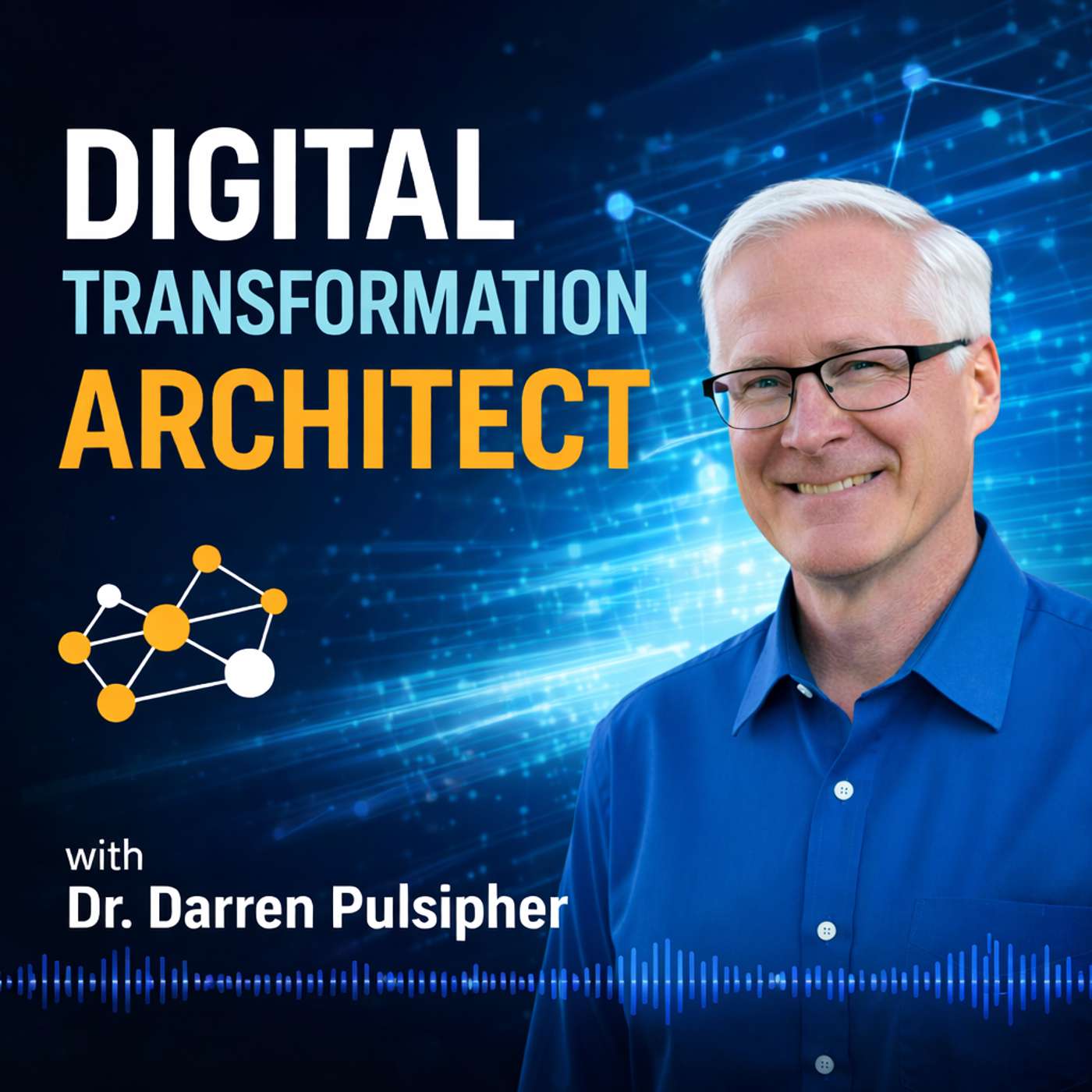
Digital Transformation Architect

Dr. Darren Pulsipher

Digital Transformation Architect is the canonical architecture podcast for leaders who need transformation decisions to last.

Hosted by Dr. Darren Pulsipher, the show applies the Open Digital Transformation Architecture (ODXA) to help organizations navigate digital change across people, process, and technology. Each episode focuses on architectural thinking—examining tradeoffs, dependencies, governance, and long-term impacts—so listeners can move beyond trends and tools toward durable outcomes.

Whether you’re a CIO, enterprise architect, policymaker, or transformation leader, Digital Transformation Architect provides a structured, domain-driven approach to designing transformation that aligns strategy, operations, and technology at scale.

Play
  • 20 episodes
  • Avg 18 min
  • English
  • #27
    Yesterday · 21 min

    Edge and Environment-Aware Architecture

    This lecture explores how edge and environment-aware architecture places computation closer to where work happens, enabling resilient, responsive systems that adapt to real-world conditions such as latency, connectivity, and local context.

  • #378
    August 20 · 32 min

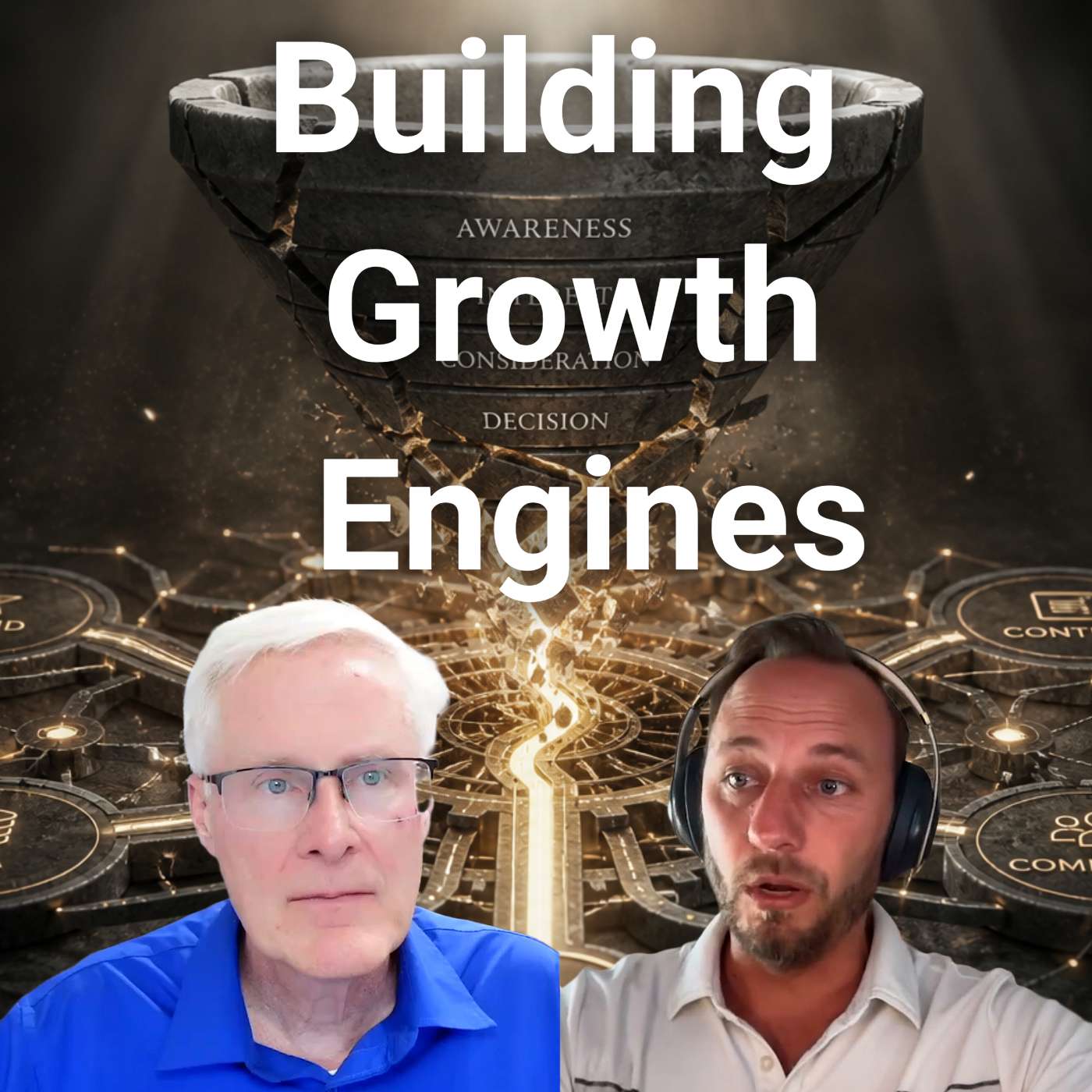
    #378 From SEO to AI Search: How Leaders Build a Growth Engine That Still Works

    Ryan Charles joins host Doctor Darren to unpack how AI search is reshaping growth strategy, from SEO and paid media to brand visibility and community activation. If your team still treats channels like separate silos, this conversation will help you rethink growth marketing, search-led strategy, and what it takes to stay discoverable in an AI-driven buyer journey. ## Key Takeaways - AI makes growth marketing faster, but it does not replace strategic judgment or subject matter expertise. - Holistic growth beats siloed channels: SEO, paid, social, PR, email, and community all influence one another. - AI search and answer engines are shifting discovery earlier in the buyer journey, making brand strength and structured content more important. - Brand mentions, reviews, forums, and third-party visibility now play a bigger role in being surfaced by AI tools. - Community development and in-person engagement can create trust, content, and sales opportunities that digital-only tactics miss. - Marketing mix modeling can help leaders estimate where to invest, test assumptions, and scale more confidently. ## Chapters - 00:00 Introduction: From SEO to AI Search - 01:18 Ryan Charles’ Background Story - 04:02 Why AI Makes Growth Easier and Harder - 07:10 Building a Holistic Growth Engine - 10:25 Using AI to Analyze Existing Channels - 14:05 Subject Matter Expertise vs. AI Tools - 18:00 Community Development and Human Connection - 22:10 The Difference Between SEO and AI Search - 26:00 Future-Proofing Visibility with Brand and Mentions - 30:05 Marketing Mix Modeling and Smarter Growth Planning - 34:40 Where to Learn More and Wrap-Up

  • #377
    August 18 · 27 min

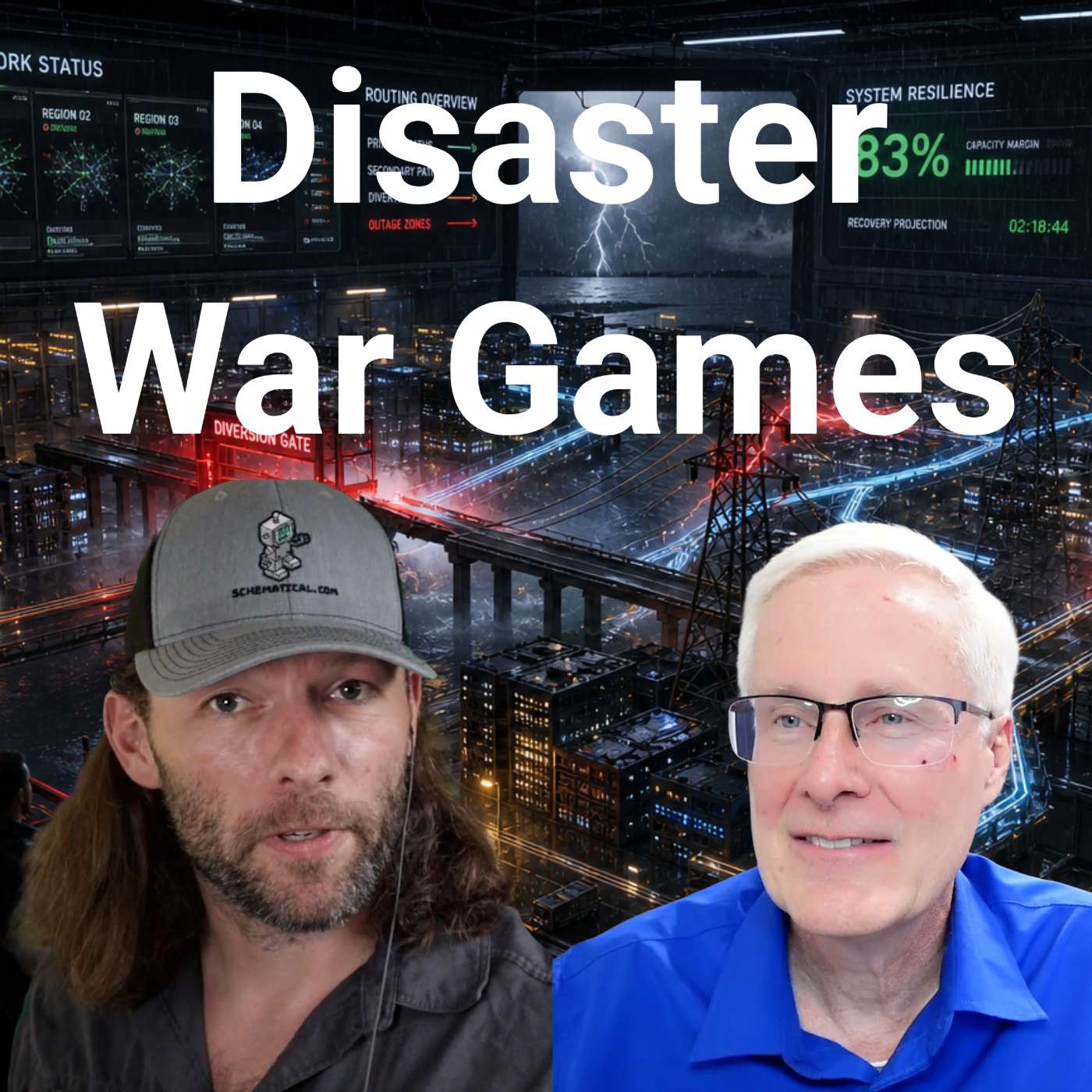
    #377 Cloud War Games for Executive Readiness

    Cloud outages, cybersecurity incidents, and high-pressure decision-making can make even experienced teams freeze. Dr. Darren welcomes Matt Lea, AWS consultant and creator of Cloud War Games, to explore how simulated outages, gamified cloud training, and scenario-based exercises help leaders build resilience, improve collaboration, and reduce risk before a real crisis hits. Tailoring these simulations to different organizational sizes and cloud setups ensures relevance and effectiveness for diverse teams. ## Key Takeaways - Passive training often fails to prepare teams for real-world outages; simulated pressure reveals how people actually respond, helping them feel more confident and supported in their readiness. - Cloud war games can help teams practice misconfigurations, ransomware attacks, and other outage scenarios in a controlled environment. - These exercises are useful not only for training, but also for hiring and assessing soft skills like communication, collaboration, and calm under pressure. - Cross-training is critical: if only one person knows how a system works, that creates a dangerous single point of failure. - Gamifying cloud and cybersecurity concepts can make learning more engaging, especially for non-technical audiences and future builders, encouraging enthusiasm and active participation. - Technical resilience is a leadership issue, not just an engineering one—teams should rehearse failure before it happens so that leaders can inspire confidence and preparedness. ## Chapters - 00:00 Opening story: outages and pressure - 01:10 Meet Matt and his AWS background - 03:00 From boring training to cloud war games - 05:10 Simulated outages and ransomware scenarios - 07:20 Team collaboration under stress - 09:10 Why interviewing through gameplay works - 10:40 Building the Tech Debt game on Steam - 13:10 Teaching cloud and security basics through play - 15:00 FinOps, leadership, and technical resilience - 16:40 The trucking factor and cross-training - 18:20 Final thoughts and where to find Matt

  • #376
    August 13 · 31 min

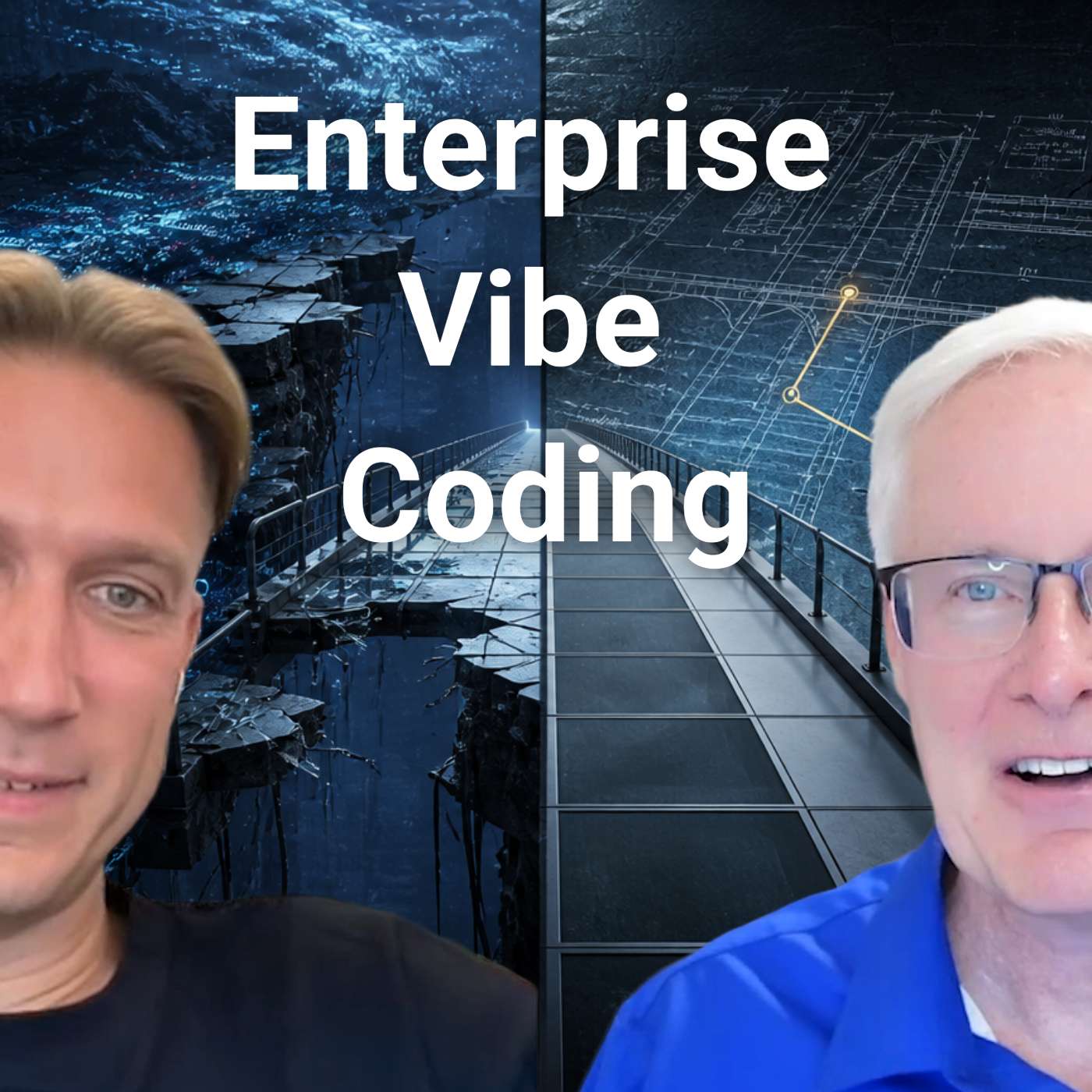
    #376 Vibe Coding Still Needs Architects

    AI can turn a rough idea into a working prototype fast—but can it make that prototype production-ready? Host Dr. Darren speaks with Konstantin Klyagin about why **vibe coding** is powerful for innovation, yet still needs **software architects, security, testing, and business logic** to become real-world software that enterprise teams can trust. ## Key Takeaways - **Vibe coding is great for prototypes**, especially when nontechnical teams want to validate an idea quickly. - **Production software still needs architecture**: security, maintainability, reliability, and clear system design can’t be skipped. - **AI-generated code often misses edge cases**, error handling, permissions, and dependency management unless you guide it carefully. - **Subject matter expertise matters more than ever**—AI can generate syntax, but humans must define requirements, tradeoffs, and release criteria. - **The role of developers is shifting** from writing every line of code to reviewing, governing, and productizing AI-assisted software. - **Testing and QA remain essential** before anything goes live, especially for customer-facing or business-critical systems. ## Chapters - **00:00** Vibe coding, prototypes, and production risk - **02:14** Konstantin's early programming background - **05:36** From self-taught coder to software agency founder - **08:10** Why vibe coding is a tool, not a replacement - **10:18** Bridging business teams and engineering with AI - **12:22** Turning customer prototypes into production software - **15:08** Why architects still matter in an AI-driven workflow - **18:03** Common vibe coding mistakes: security, edge cases, and tests - **21:14** How AI models inherit code quality from training data - **23:40** The future of software engineering and talent strategy - **26:10** QA, testing, and release readiness in the AI era - **28:05** Where to find Konstantin and learn more

  • #25
    July 16 · 16 min

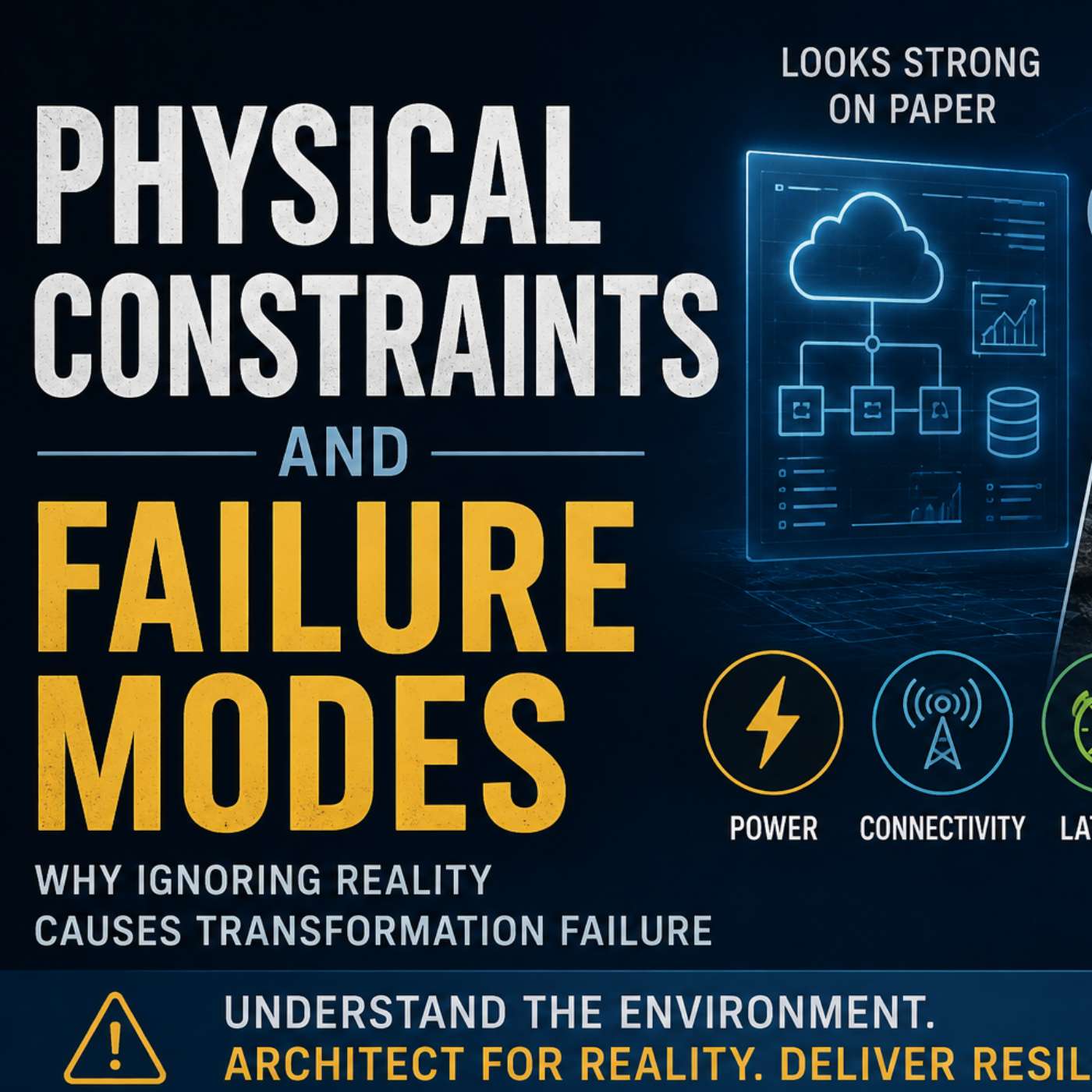
    What the Physical Domain Encompasses

    The Physical Domain is the part of O-DXA where transformation meets material reality, so it must be modeled as a core architectural domain rather than treated as a background operational concern.

  • #24
    July 15 · 14 min

    FORGE Practices for Digital Architecture

    Digital architecture only matters when it changes execution. In the Digital Domain, that means architecture has to be practiced — not merely described — and FORGE is the discipline that makes that practice repeatable.

  • #25
    July 15 · 16 min

    What the Physical Domain Encompasses

    The Physical Domain is the part of O-DXA where transformation meets material reality, so it must be modeled as a core architectural domain rather than treated as a background operational concern.

  • #23
    June 24 · 18 min

    Platforms and Data as Strategic Assets

    In this episode, we explore why platforms and data must be treated as strategic enterprise assets, not just technical infrastructure. The discussion highlights how strong governance, clear architectural boundaries, and shared capabilities create reuse, consistency, scale, and resilience across the organization. We also examine why fragmented platform sprawl creates duplication and complexity, why governed data is essential for trusted decision-making, and how AI depends on these foundations to deliver real value. Security is part of the architecture from the start, making this a practical conversation about building digital transformation on durable, enterprise-ready foundations.

  • #20
    June 3 · 18 min

    FORGE Practices in the Process Domain

    Most organizations do not fail at digital transformation because they lack ideas. They fail because the ideas do not survive contact with day-to-day work. A new capability is announced, a pilot begins, the diagram looks promising, and then reality gets in the way: handoffs are unclear, approvals are inconsistent, ownership is fuzzy, and the work that matters most is still done by habit rather than by design. That gap between intention and execution is the problem the FORGE practices are meant to address.

  • #18
    May 20 · 20 min

    Where Execution Breaks Down

    Execution breaks down when the Process Domain and Digital Domain drift apart, leaving technology to quietly reshape how work actually happens. This episode explores common failure points in process-to-technology mappings, including workflow, decision rights, evidence, data dependencies, exceptions, and feedback. It also explains how Governance and Risk Management make those mappings explicit, controlled, and resilient.

  • #15
    April 22 · 15 min

    Accountability as an architectural concern

    In the world of digital transformation, organizations often encounter challenges related to accountability. These challenges, if not addressed properly, can hinder the progress of transformation initiatives. In his lecture “Accountability as an Architectural Concern,” Dr. Darren discusses how accountability should be viewed not merely as a behavioral issue, but as a fundamental aspect of organizational architecture.

  • #13
    April 8 · 18 min

    Organizational Domain Layers of ODXA

    In the rapidly evolving landscape of digital transformation, organizations face a pressing challenge: understanding the structure and dynamics that govern their effectiveness. It's easy to leap toward technological solutions, yet the heart of transformation lies in the intricate web of human and structural interactions that define an organization. This article explores the *Organizational Domain*, which comprises seven interdependent layers — *Stakeholders*, *Personas*, *Communication Channels*, *Roles & Responsibilities*, *Skills & Competencies*, *Structure*, and *Culture & Values*. Each layer plays a decisive role in influencing how an organization functions, how decisions are made, and how effective transformation can be achieved.

  • #12
    March 25 · 11 min

    FORGEing Strategy: Mapping the Organization to the Strategic Domain

    Let's explore how organizations can align strategy with execution using the FORGE methodology—Find, Observe, Reconcile, Ground, and Enhance. The discussion highlights a critical challenge in digital transformation: the disconnect between strategic intent and operational reality. Rather than jumping into solutions or technology, FORGE emphasizes a breadth-first approach—capturing the full strategic landscape before diving into detail. This ensures that transformation efforts are grounded in the organization’s true mission, vision, and priorities, making leaders feel their strategic understanding is essential and appreciated. Listeners will learn how to identify hidden misalignments across strategic artifacts, uncover gaps between stated goals and actual behavior, and reconcile contradictions that often derail execution. By grounding strategy in current capabilities and constraints, leaders can establish stable guardrails that guide decision-making across the enterprise, making the FORGE methodology adaptable to organizations of various sizes and industries. Ultimately, this episode positions the Strategic Domain as the organization’s “North Star,” enabling coherent, traceable transformation that connects high-level intent to real-world outcomes.

Showing 1–20 of 20 episodes