Skip to content
Artwork for Digital Transformation Architect
Digital Transformation Architect · August 13 · 31 min

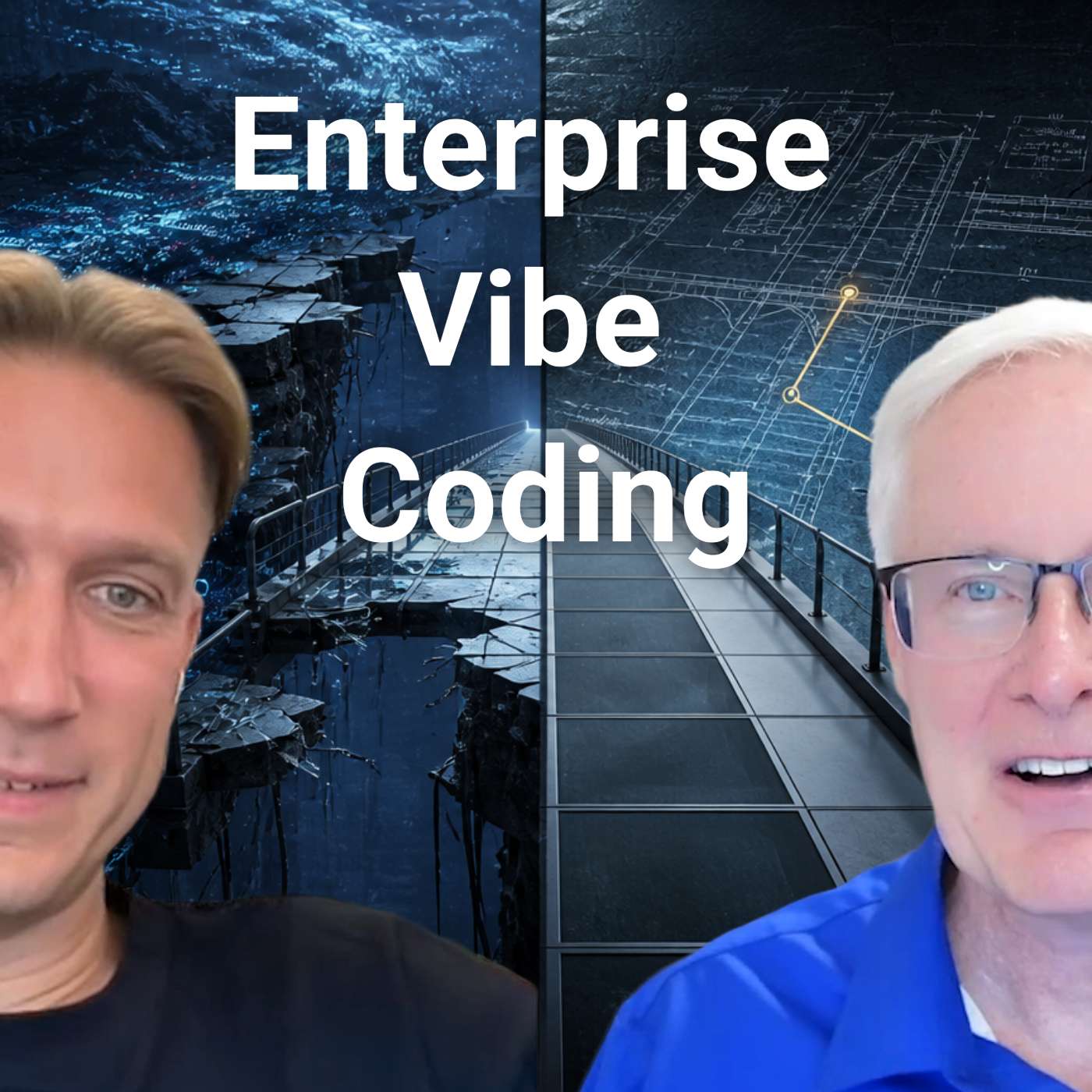
#376 Vibe Coding Still Needs Architects

AI can turn a rough idea into a working prototype fast—but can it make that prototype production-ready? Host Dr. Darren speaks with Konstantin Klyagin about why **vibe coding** is powerful for innovation, yet still needs **software architects, security, testing, and business logic** to become real-world software that enterprise teams can trust. ## Key Takeaways - **Vibe coding is great for prototypes**, especially when nontechnical teams want to validate an idea quickly. - **Production software still needs architecture**: security, maintainability, reliability, and clear system design can’t be skipped. - **AI-generated code often misses edge cases**, error handling, permissions, and dependency management unless you guide it carefully. - **Subject matter expertise matters more than ever**—AI can generate syntax, but humans must define requirements, tradeoffs, and release criteria. - **The role of developers is shifting** from writing every line of code to reviewing, governing, and productizing AI-assisted software. - **Testing and QA remain essential** before anything goes live, especially for customer-facing or business-critical systems. ## Chapters - **00:00** Vibe coding, prototypes, and production risk - **02:14** Konstantin's early programming background - **05:36** From self-taught coder to software agency founder - **08:10** Why vibe coding is a tool, not a replacement - **10:18** Bridging business teams and engineering with AI - **12:22** Turning customer prototypes into production software - **15:08** Why architects still matter in an AI-driven workflow - **18:03** Common vibe coding mistakes: security, edge cases, and tests - **21:14** How AI models inherit code quality from training data - **23:40** The future of software engineering and talent strategy - **26:10** QA, testing, and release readiness in the AI era - **28:05** Where to find Konstantin and learn more

0:00-31:21

transcript

No transcript — this publisher did not publish one.

show notes

AI can turn a rough idea into a working prototype fast—but can it make that prototype production-ready? Host Dr. Darren speaks with Konstantin Klyagin about why **vibe coding** is powerful for innovation, yet still needs **software architects, security, testing, and business logic** to become real-world software that enterprise teams can trust.

## Key Takeaways
- **Vibe coding is great for prototypes**, especially when nontechnical teams want to validate an idea quickly.
- **Production software still needs architecture**: security, maintainability, reliability, and clear system design can’t be skipped.
- **AI-generated code often misses edge cases**, error handling, permissions, and dependency management unless you guide it carefully.
- **Subject matter expertise matters more than ever**—AI can generate syntax, but humans must define requirements, tradeoffs, and release criteria.
- **The role of developers is shifting** from writing every line of code to reviewing, governing, and productizing AI-assisted software.
- **Testing and QA remain essential** before anything goes live, especially for customer-facing or business-critical systems.

## Chapters
- **00:00** Vibe coding, prototypes, and production risk
- **02:14** Konstantin's early programming background
- **05:36** From self-taught coder to software agency founder
- **08:10** Why vibe coding is a tool, not a replacement
- **10:18** Bridging business teams and engineering with AI
- **12:22** Turning customer prototypes into production software
- **15:08** Why architects still matter in an AI-driven workflow
- **18:03** Common vibe coding mistakes: security, edge cases, and tests
- **21:14** How AI models inherit code quality from training data
- **23:40** The future of software engineering and talent strategy
- **26:10** QA, testing, and release readiness in the AI era
- **28:05** Where to find Konstantin and learn more