Skip to content
Artwork for Dharma Lab
ScienceHealth & FitnessMental Health

Dharma Lab

Dharma Lab

Modern neuroscience meets ancient contemplative wisdom, with Dr. Richard Davidson and Dr. Cortland Dahl

www.dharmalab.co
Play
  • 23 episodes
  • fortnightly
  • Avg 37 min
  • English
Counted on this page — what you have heard stays on this device, so it is not something the list can be paged by.
  • January 27 · 58 min

    DL Ep. 23: David Yeager on Parenting Teens: What the Adolescent Brain Really Needs

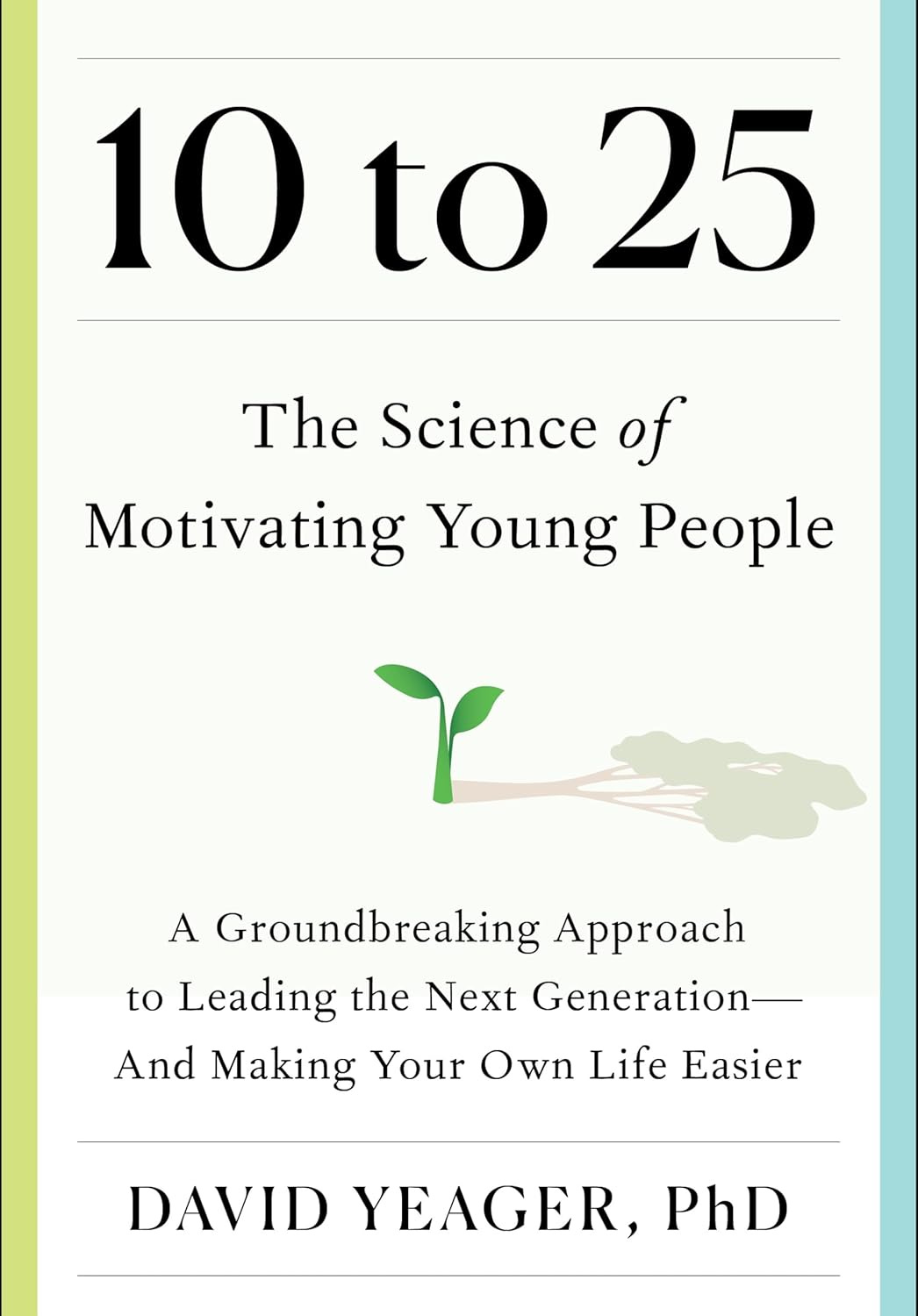
    Parenting teens is hard. We often fall into styles that feel protective but end up making things worse. In our latest Dharma Lab episode, Dr. David Yeager, a leading researcher on adolescent motivation and author of 10 to 25, talks with Richie and Cort about why this happens and how to change it. We also explore the neuroscience of adolescent brains, and how the parenting strategies discussed can mirror how we relate to our own inner experience. Key concepts from the episode: * Most parents default to one of two styles (and not the one we need to start embracing more called the “mentor”) * Enforcer: high demands, low support (“toughen up,” “no excuses”) * Protector: high empathy, low expectations (removing challenges to avoid distress)Both come from love, and both can unintentionally shut teens down. * What teens are actually wired to needAdolescents are especially driven by pride, dignity, and respect…and deeply averse to humiliation or shame. When they feel talked down to, they stop listening. * Why this stage is uniquely hard right nowPuberty is starting earlier than ever, while the brain systems that support emotional regulation won’t fully mature until the mid-20s. This widening gap makes misfires more likely for teens and parents. * The problem with “grownsplaining”When adults assume their experience makes them the unquestioned expert, teens hear disrespect; even when advice is well-intentioned. That dynamic fuels resistance rather than growth. * The mentor mindset offers a different pathHigh standards with real support. Less lecturing, more curiosity. Asking questions instead of delivering answers. Allowing discomfort without removing expectations. * Discomfort isn’t always a sign something is wrongAnxiety, frustration, and even tears can mean a young person is stretching toward something meaningful - not failing. What matters is whether distress comes with support or shame. * Small tools that make a big difference * Do-overs: repairing moments when we miss the mark without lowering standards * Reframing stress: helping kids interpret nerves as a sign of doing something important * Letting kids resolve conflicts: building independence instead of reflexively intervening * A surprising takeaway for parentsHow we relate to our children’s struggles often mirrors how we relate to our own inner discomfort. Learning to be a mentor to ourselves matters too. Some quotes from the discussion: “I, with a smart adult brain who has survived to at least right now, I must know what I’m doing. And therefore the contents of my logic and reasoning must be accurate and trustworthy... So now I’m just going to export the contents of my thoughts into your ill-formed brain.” - Dr. Yeager affectionately summarizes the prevailing parenting logic. “What we’re seeing today is really the first time in human history where there’s this really expanded gap between the onset of puberty and the onset of neural mechanisms that facilitate the regulation of emotion, the regulation of thought.” - Richie This Substack is reader-supported. To receive new posts and support our work, consider becoming a free or paid subscriber. David’s Book 10-25 Complimentary episodes from the archives: * Real change depends on context, support, and how we relate to difficulty…not sheer discipline: * What happens when the mind gets stuck, and how curiosity rather than suppression helps us regain agency: * A deeper look at reflection; not as rumination, but as a skill that helps people learn from experience: * Why insight changes us, and how it reshapes behavior more effectively than instruction: Podcast Chapter List: 00:00 – Intro: Why parenting teens affects our own wellbeingWhen things aren’t going well with young people, it deeply impacts parents and caregivers. 01:15 – “Grownsplaining”: why teens stop listeningHow adult certainty and lecturing can feel disrespectful — and shut kids down. 03:35 – Why parents feel stuck between bad optionsControl, lecturing, or stepping back — why none of these approaches really work. 05:45 – What teens are wired to need: dignity and respectWhy shame and being talked down to trigger resistance instead of growth. 08:40 – The puberty–brain gap (why this stage is harder than ever)Puberty is starting earlier, while emotion-regulation circuits mature much later. 11:00 – Parenting styles that backfire: enforcer vs protectorHigh demands with no support — or empathy with no expectations — and why both miss the mark. 13:05 – The mentor mindset: high standards with real supportWhat effective parents, teachers, and coaches do differently. 15:00 – Letting kids work through conflict (stop refereeing)Why solving problems for kids undermines independence and learning. 17:00 – The NBA shooting coach example: how real learning happensWhy elite coaches don’t over-instruct — and how asking “How did that feel?” builds internal guidance. 18:10 – Reframing stress: butterflies mean something mattersHelping teens reinterpret anxiety as readiness, not failure. 22:30 – Why suppressing emotions backfiresWhat kids learn when adults rush to stop tears, anger, or discomfort. 26:30 – Parenting teens mirrors how we treat our own discomfortHow enforcer and protector styles show up in our inner lives too. 30:10 – Mindset science: how meaning shapes motivationFrom growth mindset to stress reappraisal — why interpretation matters. 34:00 – Why teens remember respect (and forget lectures)How wise interventions actually stick over time. 39:45 – Changing the adults, not just the kidsWhy environments and expectations matter as much as individual mindset. 44:30 – Final reflections: mentorship as a lifelong practiceHelping teens grow — and learning to be mentors to ourselves. This is a public episode. If you'd like to discuss this with other subscribers or get access to bonus episodes, visit www.dharmalab.co/subscribe

  • January 20 · 43 min

    DL Ep.22: The Neuroscience of “Aha” Moments

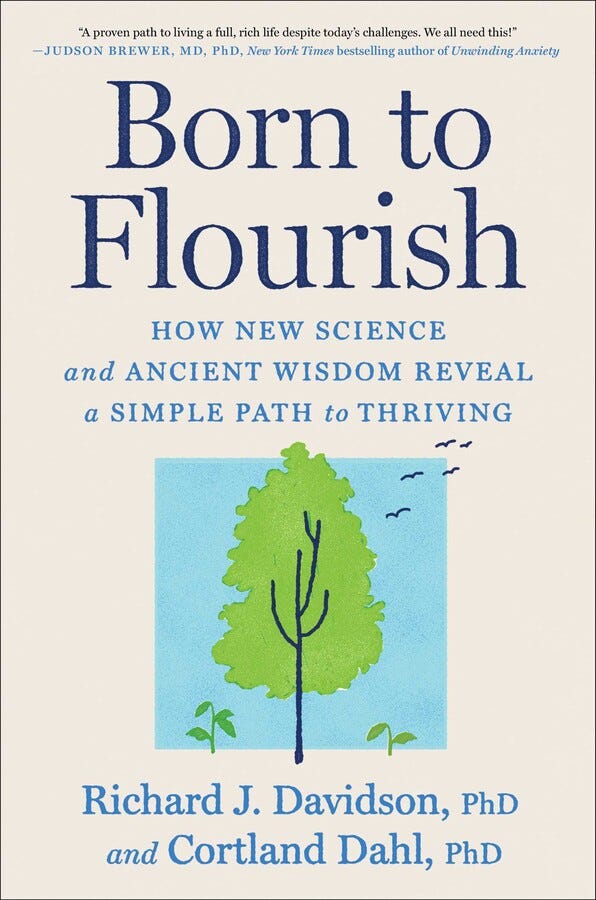
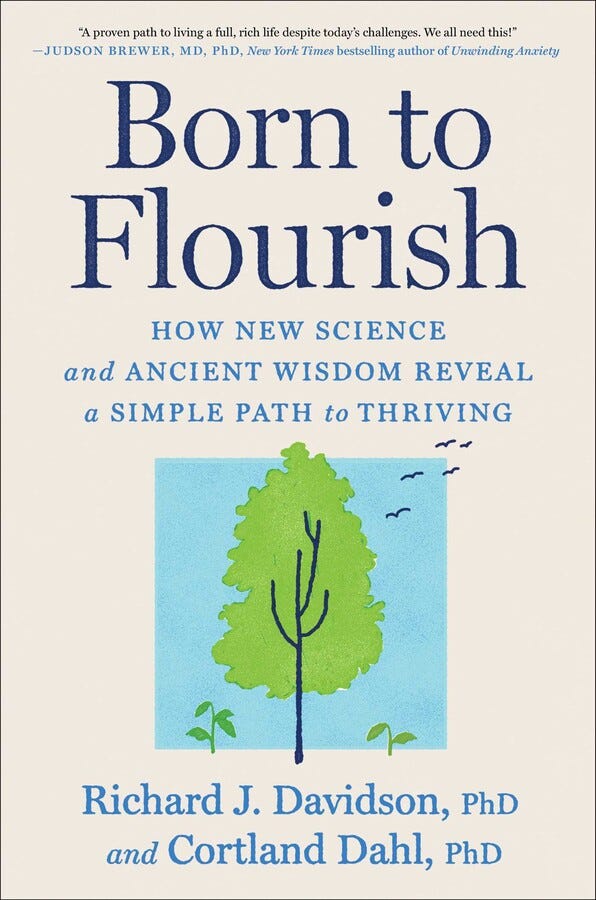
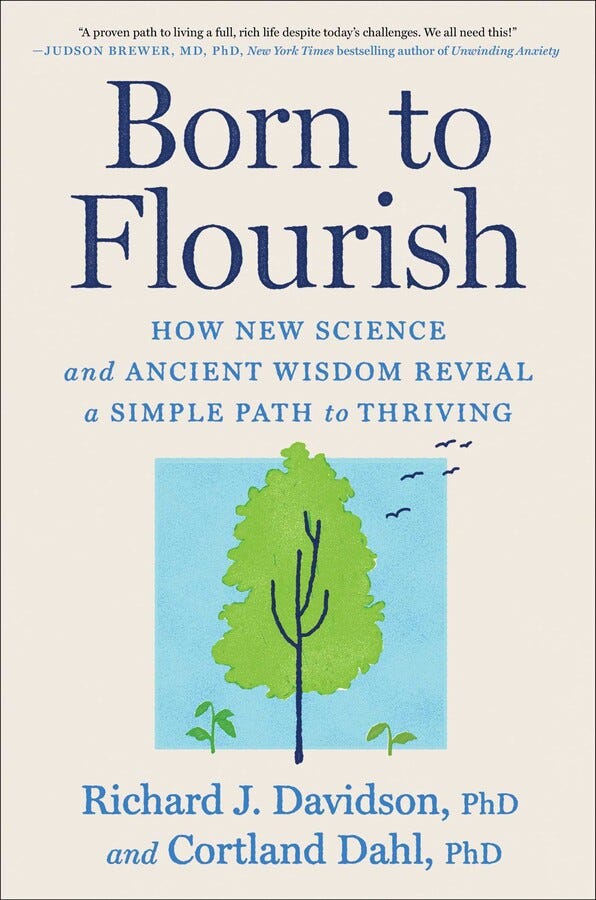
    We’ve all had moments when something suddenly clicks. A realization that doesn’t arrive gradually, but all at once. Cort remembers walking out of a movie theater on a humid summer night after seeing Schindler’s List, suddenly knowing what his life should be about. Richie recalls preparing for a talk that sparked an entirely new way of thinking about neuroplasticity and the social brain. In this episode, we explore what those “aha” moments really are, why they feel so emotionally charged, and how they can reshape the course of our lives. Drawing on a fascinating neuroscience study, we look at what happens in the brain when insight arises—and why these moments are remembered so vividly days later. We also reflect on how insight and wisdom once sat at the center of human flourishing—from Socrates, Plato, and Aristotle to Buddhist psychology—yet are largely absent from modern models of wellbeing. In fact, as Richie points out: “No current model of psychological well-being that is in the psychological research literature includes insight, except for the model that we’ve developed.” Dr. Richard Davidson, Dharma Lab Ep.22, speaking about The Healthy Minds Framework This leads to a deeper question we explore together: What if insight isn’t rare…but simply unnoticed, forgotten, or unsupported in daily life? Episode Highlights * Why what we feed our minds matters: the raw materials of insight come from the conversations we have, what we watch and read…but only if we create space to digest * How we likely have many insights each day but lose them in distraction; and how contemplative practice acts like a glass enclosure around a candle, helping us notice, remember, and stabilize insights before they flicker out * Why psychedelics are often effective at igniting insight, but not always at helping it become a durable way of seeing * Why insight is deeply emotional, not just intellectual * The difference between a fleeting epiphany and a lasting shift in how we experience life If you enjoy these topics, check out our new book Born to Flourish, available for pre-order (arrives March 2026). Related Posts From the Archives: Reference Notes: Becker, M., Sommer, T., & Cabeza, R. (2025). Insight predicts subsequent memory via cortical representational change and hippocampal activity. Nature Communications, 16, 4341. https://doi.org/10.1038/s41467-025-59355-4 The Healthy Minds framework Podcast Chapter List 00:00 – We Likely Have Many Insights but Don’t Remember ThemThe “candle in a hurricane” metaphor and why awareness matters 00:01 – A New Paper on Insight & WisdomWhy this study immediately caught our attention 01:25 – Cort’s Life-Changing Epiphany After Schindler’s ListCompassion, meaning, and a sudden shift in perspective 03:18 – What an “Aha” Moment Feels LikeSuddenness, emotion, and deep certainty 04:17 – Why Insight Is Deeply EmotionalWhat contemplative traditions have always known 05:01 – Richie’s Scientific Epiphany at UW–MadisonNeuroplasticity, sociology, and a radical shift in thinking 09:02 – Insight as an Energizing ForceWhy these moments feel alive and motivating 09:16 – Meditation & Non-Dual AwarenessThe flame that illuminates itself 10:50 – Why Insight Leaves Lasting MemoriesEmotion, memory, and meaning 11:30 – Insight in Ancient PhilosophySocrates, Plato, Aristotle—and what we’ve lost today 13:47 – The Blind Spot in Modern Wellbeing ModelsWhy insight is missing from psychology 15:13 – Why Insight Is Hard to Study ScientificallySuddenness, unpredictability, and experimental challenges 16:42 – The Mooney Images Experiment ExplainedHow scientists trigger “aha” moments in the lab 18:28 – Insight Predicts Memory Days LaterWhy recognizing meaning changes the brain 20:50 – The Brain During InsightAmygdala, hippocampus, and emotional salience 23:25 – Why We Remember What MattersEmotion as the gateway to memory 26:21 – Meditation, Memory Reconsolidation & InsightHow inner landscapes change 28:21 – Why Insights Usually FadeEpiphany vs. memory of epiphany 28:56 – The Glass Enclosure Around the CandleHow meditation helps insights last 30:21 – Psychedelics & InsightPowerful sparks, fragile integration 31:50 – Can Insight Become a Trait?From episodic moments to lasting change 33:03 – The Dog in the Mooney ImageWhy once you see it, you can’t unsee it 34:24 – Awe as a Trainable StateBeyond episodic wonder 36:16 – What We Feed the Mind MattersWhy insight depends on raw materials 38:01 – Creating Space to Digest ExperienceWhy insight arises when attention relaxes 39:03 – Why Most Insights Go UnnoticedReturning to the hurricane metaphor 40:09 – Curiosity as the Gateway to InsightBecoming a student of your own mind 41:41 – Using Simple Affordances to RememberThe finger counter as an insight cue This is a public episode. If you'd like to discuss this with other subscribers or get access to bonus episodes, visit www.dharmalab.co/subscribe
  • January 13 · 35 min

    DL Ep.21: The Neuroscience of Conscious Habits

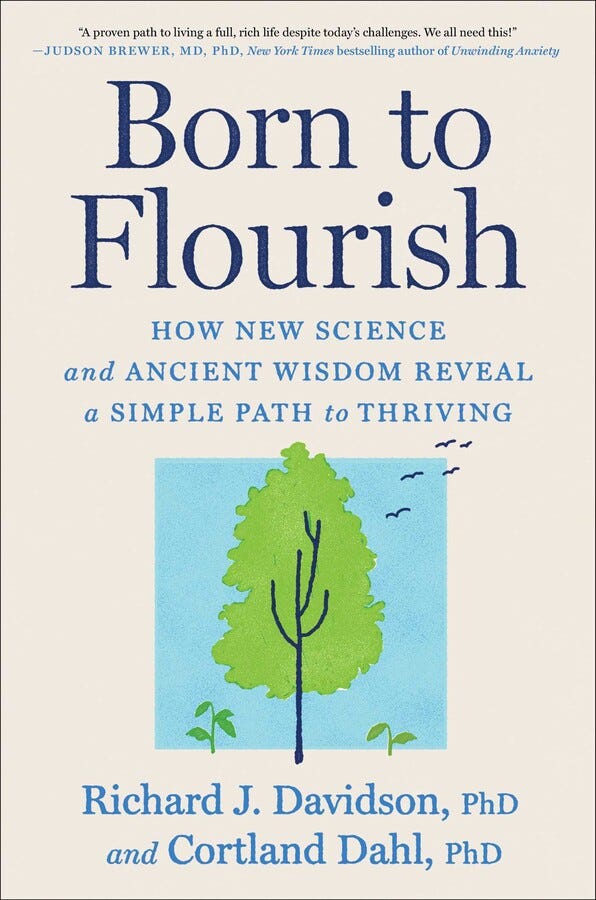
    On today’s episode of Dharma Lab, we take a closer look at the mechanics of healthy habit formation. Building on a framework we’ve outlined in previous posts—inspiration, intention, action, and repetition—we explore why each step matters from a scientific perspective, and how the process tends to break down in real life. Discussion Highlights: * How monks we encountered in Nepal had trained habits by way of intense practice * Why exceptional capacities are built through training and practice, not innate talent * How small, repeatable actions strengthen the executive network so we are “in the driver’s seat” of our mind, emotions, and impulses * The distinction between unconscious habits and consciously trained habits * A neuroscience-informed framework for habit formation: inspiration, intention, action, and repetition * Where habits most often break down, and how to use moments of everyday life as affordances for practice * Malcolm Gladwell’s framework for exceptional performance: Practice, Practice, Practice, and starting at small levels daily to achieve a compounding rate * How Flourishing is contagious If you enjoy this topic, there will a whole chapter devoted to it in our upcoming book Born to Flourish (available for pre-order now, arriving March 2026). We will deep dive into the 4 stages of developing conscious habits - inspiration, intention, action, repetition. A framework as a recipe to develop a conscious habit. Recent Posts: · From the Archives: Podcast Chapter List: 00:00 – Intro: The “Tomorrow” Trap of ProcrastinationWhy inspiration so often gets postponed — and how habits stall before they begin 02:20 – What Meditation Masters & Peak Performers Have in CommonPractice, not talent: how extraordinary people are trained, not born 04:55 – How Small Daily Practices Change the BrainNeuroscience shows even 5 minutes a day can create measurable change 06:10 – What Are “Conscious Habits”?The difference between automatic habits and habits built with awareness 08:45 – The Four Stages of Building HabitsInspiration → Intention → Action → Repetition (a science-backed framework) 10:20 – Inspiration: Finding the Spark That Sustains ChangeWhy inspiration must be renewed — not assumed 13:10 – Intention: Turning Vision Into a Clear PlanWhy vague goals fail and specificity matters for habit formation 16:00 – Action: Why Small Steps Beat Big PlansLetting go of grandiosity and taking one doable step now 18:50 – Repetition: How Habits Rewire the Brain“Neurons that fire together wire together” — the science of consistency 22:05 – Why Habits Often Collapse (Even When We Care)Busyness, breaks in routine, and the missing role of inspiration 24:40 – Using Everyday Life as an Affordance for PracticeHow brushing your teeth or doing chores can become training moments 27:10 – The Neuroscience of Flourishing as a SkillWhy wellbeing isn’t circumstantial — it’s trainable 30:00 – From Autopilot to the Driver’s Seat of the MindHow conscious habits strengthen emotional regulation and awareness 33:20 – Final Reflections: Practicing Wisely, Not Forcing ChangeWhy flourishing grows through patience, repetition, and care This is a public episode. If you'd like to discuss this with other subscribers or get access to bonus episodes, visit www.dharmalab.co/subscribe
Showing 21–23 of 23 episodes