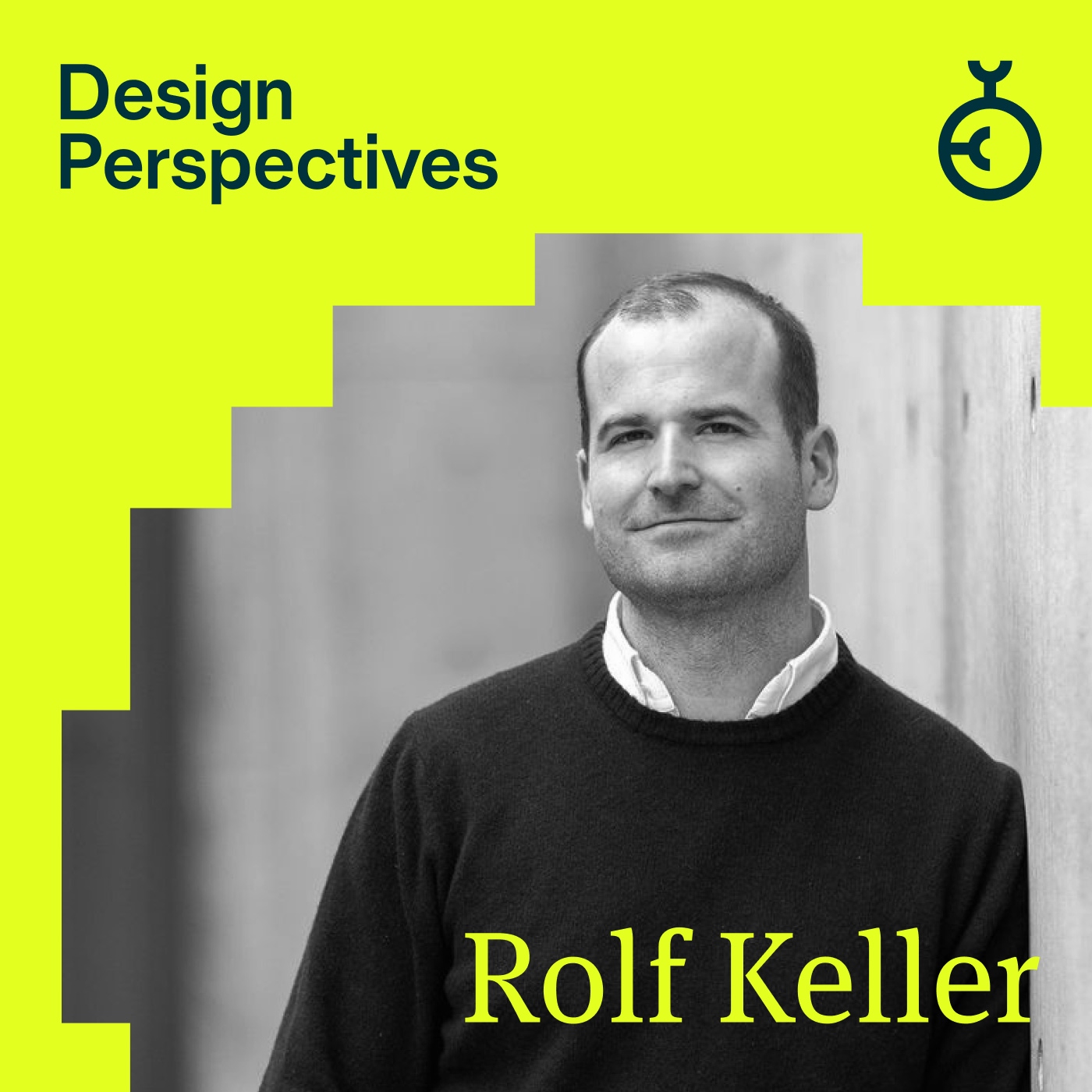
Rolf Keller: Wie hält Vitra Designmöbel im Kreislauf?
Wie hält Vitra Designmöbel im Kreislauf? In dieser Folge des Design Perspectives Podcasts sprechen wir mit Rolf Keller, Head of Circularity bei Vitra, darüber, wie aus Möbeln ein funktionierendes Kreislaufgeschäft wird. Am Beispiel des „Vitra Circle for Contract” geht es um Rücknahme, Aufarbeitung und den erneuten Einsatz gebrauchter Möbel. Und darum, wie Ressourcenschonung wirtschaftlich funktioniert und welche Erkenntnisse aus dem Refurbishment in die Produktentwicklung fließen. 👤 Rolf Keller – Head of Circularity bei Vitra (LinkedIn) 🎙️ Moritz Marder – Industriedesigner & Markenstratege (LinkedIn) 📌 Takeaways: Drei Schritte bilden das Geschäftsmodell: Vitra Circle for Contract umfasst den Einkauf gebrauchter Möbel, ihre Aufarbeitung und den Verkauf. Keller betont, dass der Betrieb sowohl zur Ressourcenschonung beitragen als auch wirtschaftlich tragfähig sein soll. Vitra prüft Rückkaufangebote einzeln: Eine Rücknahme muss sich unter anderem logistisch lohnen. Auch Mindestmengen, verfügbare Ersatzteile, die mögliche Aufarbeitung auf nahezu neuwertigen Zustand und die Marktchancen spielen laut Keller eine Rolle. Deshalb sagt Vitra manchen Angeboten ab. Refurbishment gibt Impulse für die Produktentwicklung: Keller sagt, dass viele Klassiker ursprünglich nicht auf eine einfache Aufarbeitung in großen Stückzahlen ausgelegt waren. Aus den Erfahrungen mit den Produkten ergeben sich Hinweise für Reparierbarkeit, Modularität, Gleichteile und die Kompatibilität von Produktgenerationen. Die CO_2-Einsparung hängt vom Produkt ab: Keller nennt im Schnitt 60 bis 90 Prozent Einsparung gegenüber dem jeweiligen Neuprodukt. Die Berechnung hängt von der Konfiguration ab und kann verwendete Ersatzteile sowie Transport berücksichtigen. Design Perspectives Der Podcast des German Design Council Wie können wir Design als Hebel für Transformation und wirtschaftlichen Erfolg nutzen? Darüber sprechen wir mit Persönlichkeiten aus Design, Markenführung und Architektur. Sie geben Einblicke, wie Transformation, Nachhaltigkeit und wirtschaftlicher Erfolg im Unternehmen Hand in Hand gehen können. Interessant, informativ, inspirierend. 📰 Design Perspectives lesen: https://www.german-design-council.de/design-perspectives ✉️ Unseren Newsletter abonnieren: https://www.german-design-council.de/design-perspectives/newsletter 🔗 Weiterführende Links: ● Vitra Circle Store](https://campus.vitracircle.com/?srsltid=AU7gw4XniIJpqMDfSwn4MdfGM9VSTBXmpKqWsIDCvvxd0ZHTP0vusUdY)) ● Vitra Circle for Contract](https://www.vitra.com/de-de/services/vitra-circle-for-contract?srsltid=AU7gw4WFVqgNbApTGEWLYZGLJ39IS1a-ZIIQLmACpMw6x5OErYPIAmWD)) ● Vitra Circle auf LinkedIn](https://de.linkedin.com/showcase/vitra-circle/)) ● V-Foam](https://www.vitra.com/de-de/magazine/details/v-foam?srsltid=AU7gw4Xuzt3TxIGnEdsvglm2QvfwllgDhwV2At2UD8lLilAAp6TVJBKA)) 🕐 Kapitel: 01:20 – Kreislaufwirtschaft zwischen ökologischer und ökonomischer Nachhaltigkeit 06:56 – Vitra Circle for Contract: die drei Säulen des Modells 08:14 – Gebrauchte Möbel zurückgewinnen: Beschaffung und Auswahl 13:14 – 2.500 Bürostühle: vom Rückkauf zur Wiederverwendung 15:12 – Was beim Refurbishment eines Stuhls passiert 18:59 – Wirtschaftlichkeit, Qualität und Garantie 27:06 – Kommunikation, Umweltaussagen und digitaler Produktpass 32:22 – CO_2-Einsparungen durch aufgearbeitete Möbel 34:17 – Was Refurbishment über gutes Produktdesign lehrt 42:33 – Tipps für Unternehmen: ausprobieren und vorhandene Ressourcen nutzen EN How Does Vitra Keep Its Furniture in Circulation? In this episode of the Design Perspectives podcast, we talk with Rolf Keller, Head of Circularity at Vitra, about how furniture can be transformed into a functioning circular business. Using the “Vitra Circle for Contract” as an example, we discuss the collection, refurbishment, and reuse of used furniture. We also explore how resource conservation works from an economic perspective and what insights from refurbishment are incorporated into product development. 👤 Rolf Keller – Head of Circularity at Vitra (LinkedIn) linkedin 🎙️ Moritz Marder – Industrial Designer & Brand Consultant (LinkedIn) 📌 Key takeaways: The business model has three steps: Vitra Circle for Contract involves sourcing used furniture, refurbishing it and selling it. Keller stresses that the operation should contribute to resource conservation while also being economically viable. Vitra assesses buy-back offers individually: A take-back needs to make logistical sense. According to Keller, minimum quantities, the availability of spare parts, whether a product can be refurbished to an almost-new condition, and its market prospects all play a role. That is why Vitra sometimes declines offers. Refurbishment informs product development: Keller says many of Vitra’s classics were not originally designed to be easily refurbished at scale. Experience with these products informs considerations such as repairability, modularity, shared components and compatibility between product generations. CO_2 savings depend on the product: Keller cites average savings of 60 to 90 per cent compared with the equivalent new product. The calculation depends on the configuration and can take replacement parts and transport into account. 🎧 Design Perspectives Podcast The podcast by the German Design Council How can we use design as a lever for transformation and economic success? We talk to personalities from design, brand management and architecture. They share insights into how transformation, sustainability and business success can go hand in hand. Interesting, informative, inspiring. 📰 Read Design Perspectives: https://www.german-design-council.de/en/design-perspectives ✉️ Subscribe to our newsletter: https://www.german-design-council.de/design-perspectives/newsletter 🔗 Further links: ● Vitra Circle Store](https://campus.vitracircle.com/?srsltid=AU7gw4XniIJpqMDfSwn4MdfGM9VSTBXmpKqWsIDCvvxd0ZHTP0vusUdY)) ● Vitra Circle for Contract](https://www.vitra.com/de-de/services/vitra-circle-for-contract?srsltid=AU7gw4WFVqgNbApTGEWLYZGLJ39IS1a-ZIIQLmACpMw6x5OErYPIAmWD)) ● Vitra Circle on LinkedIn](https://de.linkedin.com/showcase/vitra-circle/)) ● V-Foam](https://www.vitra.com/de-de/magazine/details/v-foam?srsltid=AU7gw4Xuzt3TxIGnEdsvglm2QvfwllgDhwV2At2UD8lLilAAp6TVJBKA)) 🕐 Chapters: 01:20 – Circularity: bringing ecological and economic sustainability together 06:56 – Vitra Circle for Contract: the three pillars of the model 08:14 – Sourcing used furniture: take-back and selection 13:14 – 2,500 office chairs: from take-back to reuse 15:12 – What happens during chair refurbishment 18:59 – Business viability, quality and warranties 27:06 – Communication, environmental claims and digital product passports 32:22 – CO_2 savings from refurbished furniture 34:17 – What refurbishment teaches us about good product design 42:33 – Advice for companies: experiment and use existing resources
- Transcript