Skip to content
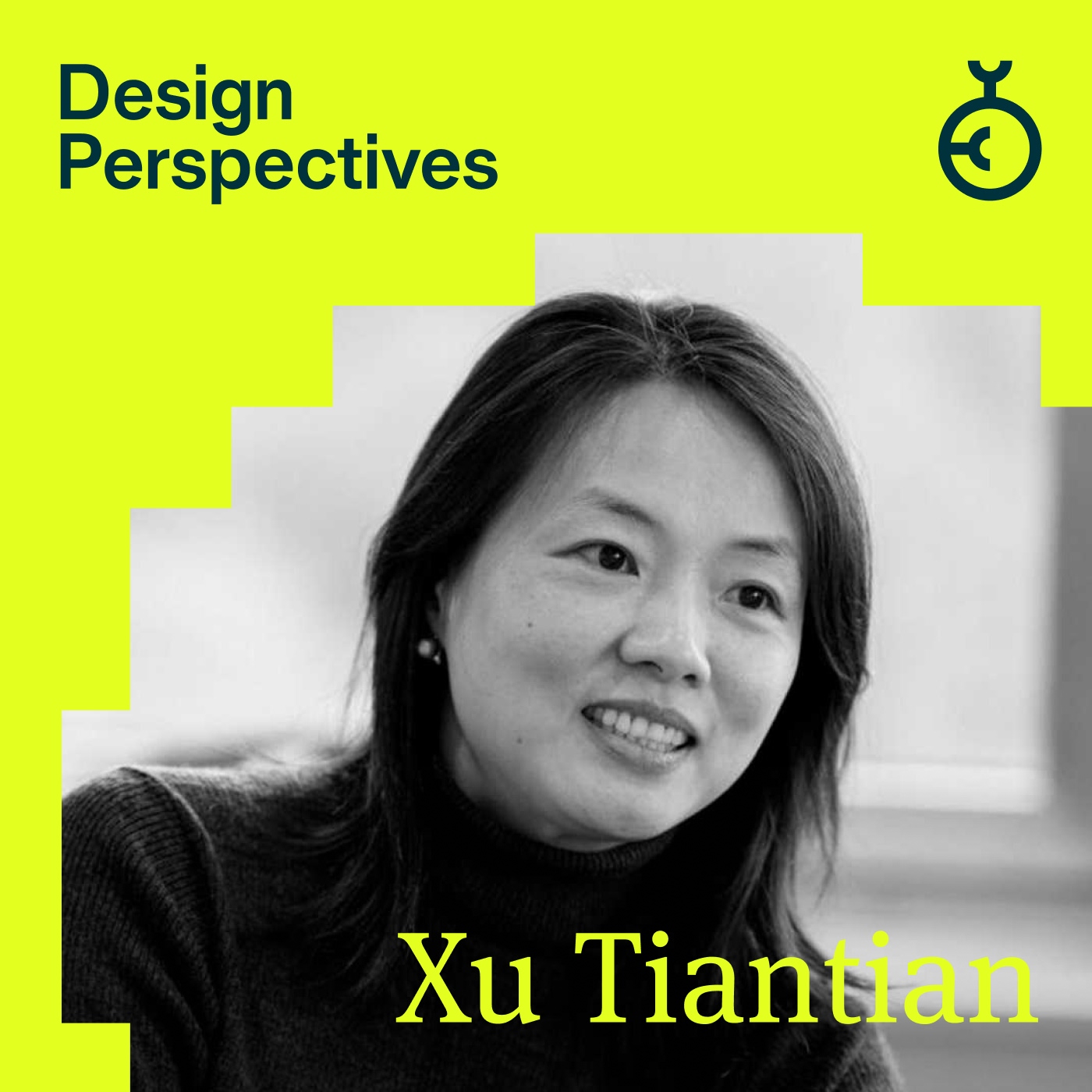
Artwork for Design Perspectives
Design Perspectives · Tuesday · 40 min

Xu Tiantian: How Can Small Architectural Interventions Create Big Changes?

In this episode of the Design Perspectives podcast, Xu Tiantian is our guest – an internationally acclaimed Chinese architect and founder of the Beijing-based architecture practice DnA_Design and Architecture. For her place-based approach and her work on the revitalisation of rural regions in China, she received the honorary award “Architects of the Year” at the ICONIC AWARDS 2026 together with her practice. Host Martin Pauli speaks with her about her approach of “architectural acupuncture” and the question of how architecture can respond to the specific conditions of a place and a community. Xu Tiantian describes a central turning point in her work: after initially working on larger public cultural buildings, she worked on small structures along the water as part of the Jinhua Architecture Park, initiated and curated by Ai Weiwei. More than ten female architects from around the world were involved in the park. Working with artists and on a smaller scale led Xu Tiantian towards a more precise, sensitive and contextual approach to architecture. Using the example of the Brown Sugar Factory, the architect explains how a village’s traditional sugar production led to the idea of a collectively organised factory. The conversation explores local resources, cultural identity, trust and collaboration with village communities and public authorities. Xu Tiantian also speaks about how her work in rural regions of China has changed her understanding of architecture and what she would like to pass on to young architects. Takeaways Architecture starts with the place Xu Tiantian develops her projects from the history, culture, way of life and local resources of each place. Because every village has its own conditions and identity, each project needs its own tailored programme. Architectural acupuncture connects architecture and everyday life For Xu Tiantian, “architectural acupuncture” is more than a small-scale intervention. Her understanding of it developed, among other things, through her work at the Jinhua Architecture Park, where Ai Weiwei brought together more than ten international architects for small structures along the water. The smaller scale enabled more precise and sensitive responses to the respective context and marked a turning point in Xu Tiantian’s work. Spaces should be connected with daily life and production activities, strengthen local identity and encourage social and economic circulation. The solution does not always have to be a building. The Brown Sugar Factory makes the approach concrete In a village known for brown sugar production, problems with fire, hygiene and sales became apparent. The idea emerged from the discussion on site to bring the individual family workshops together in a communal factory. It was to serve as a production site, a living museum, a place of learning and a space for cultural activities. Xu Tiantian reports that the price of brown sugar rose to four to five times its previous level after two to three years. Long-term impact comes from belonging According to Xu Tiantian, projects work in the long term when they are part of local life and belong to the community – not when they are built only for visitors. She focuses on practical solutions, low investment, local resources and collaboration with communities and public authorities. The podcast of the German Design Council Design Perspectives Podcast How can we use design as a lever for transformation and economic success? That is what we discuss with personalities from design, brand management and architecture. They offer insights into how transformation, sustainability and economic success can go hand in hand in business. Interesting, informative, inspiring.

0:00-40:23

transcript

No transcript — this publisher did not publish one.

show notes

In this episode of the Design Perspectives podcast, Xu Tiantian is our guest – an internationally acclaimed Chinese architect and founder of the Beijing-based architecture practice DnA_Design and Architecture. For her place-based approach and her work on the revitalisation of rural regions in China, she received the honorary award “Architects of the Year” at the ICONIC AWARDS 2026 together with her practice. Host Martin Pauli speaks with her about her approach of “architectural acupuncture” and the question of how architecture can respond to the specific conditions of a place and a community.

Xu Tiantian describes a central turning point in her work: after initially working on larger public cultural buildings, she worked on small structures along the water as part of the Jinhua Architecture Park, initiated and curated by Ai Weiwei. More than ten female architects from around the world were involved in the park. Working with artists and on a smaller scale led Xu Tiantian towards a more precise, sensitive and contextual approach to architecture. Using the example of the Brown Sugar Factory, the architect explains how a village’s traditional sugar production led to the idea of a collectively organised factory. The conversation explores local resources, cultural identity, trust and collaboration with village communities and public authorities. Xu Tiantian also speaks about how her work in rural regions of China has changed her understanding of architecture and what she would like to pass on to young architects.

Takeaways

Architecture starts with the place

Xu Tiantian develops her projects from the history, culture, way of life and local resources of each place. Because every village has its own conditions and identity, each project needs its own tailored programme.

Architectural acupuncture connects architecture and everyday life

For Xu Tiantian, “architectural acupuncture” is more than a small-scale intervention. Her understanding of it developed, among other things, through her work at the Jinhua Architecture Park, where Ai Weiwei brought together more than ten international architects for small structures along the water. The smaller scale enabled more precise and sensitive responses to the respective context and marked a turning point in Xu Tiantian’s work. Spaces should be connected with daily life and production activities, strengthen local identity and encourage social and economic circulation. The solution does not always have to be a building.

The Brown Sugar Factory makes the approach concrete

In a village known for brown sugar production, problems with fire, hygiene and sales became apparent. The idea emerged from the discussion on site to bring the individual family workshops together in a communal factory. It was to serve as a production site, a living museum, a place of learning and a space for cultural activities. Xu Tiantian reports that the price of brown sugar rose to four to five times its previous level after two to three years.

Long-term impact comes from belonging

According to Xu Tiantian, projects work in the long term when they are part of local life and belong to the community – not when they are built only for visitors. She focuses on practical solutions, low investment, local resources and collaboration with communities and public authorities.

The podcast of the German Design Council Design Perspectives Podcast

How can we use design as a lever for transformation and economic success? That is what we discuss with personalities from design, brand management and architecture. They offer insights into how transformation, sustainability and economic success can go hand in hand in business. Interesting, informative, inspiring.