Artwork for Daybreak
News

Daybreak

The Ken

Business news is complex and overwhelming. It doesn’t have to be. Every day of the week, from Monday to Friday, Daybreak tells one business story that’s significant, simple and powerful.

Hosted from The Ken’s newsroom by Snigdha Sharma and Rachel Varghese, Daybreak relies on years of original reporting and analysis by some of India’s most experienced and talented business journalists.

  • 804 episodes
  • Updated Yesterday

Episodes804

  • February 18 · 15 min

    The big AI players want India's data. But data sovereignty is a no go

    Anthropic just set up in Bangalore, announcing partnerships across health, education, and government. The "ethical AI" company is positioning itself as the responsible alternative to OpenAI. But the Wall Street Journal revealed the US military used Claude to help capture Venezuela's former president—violating Anthropic's own guidelines prohibiting violence and surveillance. Now the US government wants Anthropic to drop those restrictions entirely. The company is caught between its founding principles and its home government's demands, which brings up questions about data sovereignty into focus. Host Rachel Varghese digs in. *The host mistakenly says NCPI instead of NPCI Listen to my episode on Claude Cowork and the "SaaSpocalypse" here. Listen to Snigdha's episode on why ChatGPT is cheapest in India here. If you have any thoughts on this episode write to us at podcasts@the-ken.com with Daybreak in the subject line. You can also leave us a comment on our website or the YouTube channel here. Daybreak is produced from the newsroom of The Ken, India’s first subscriber-only business news platform. Subscribe for more exclusive, deeply-reported, and analytical business stories.
  • February 16 · 8 min

    Nothing's changed in your Blinkit order. Everything's changing behind it

    Over the past six months, Blinkit has been making a structural shift that most customers would never notice. For years, its fresh fruits and vegetables were sourced by Hyperpure, its own parent company Eternal’s business-to-business arm that also supplies restaurants. As Blinkit grew into Eternal’s primary revenue driver, Hyperpure grew with it. In FY25, more than 60% of Hyperpure’s revenue came from Blinkit. Then Blinkit decided to source its own inventory. Hyperpure’s revenue more than halved in two quarters. It is now separating its books and rebuilding around restaurants. What does the split mean? If you have any thoughts on this episode write to us at podcasts@the-ken.com with Daybreak in the subject line. You can also leave us a comment on our website or the YouTube channel here. Daybreak is produced from the newsroom of The Ken, India’s first subscriber-only business news platform. Subscribe for more exclusive, deeply-reported, and analytical business stories.
  • February 15 · 10 min

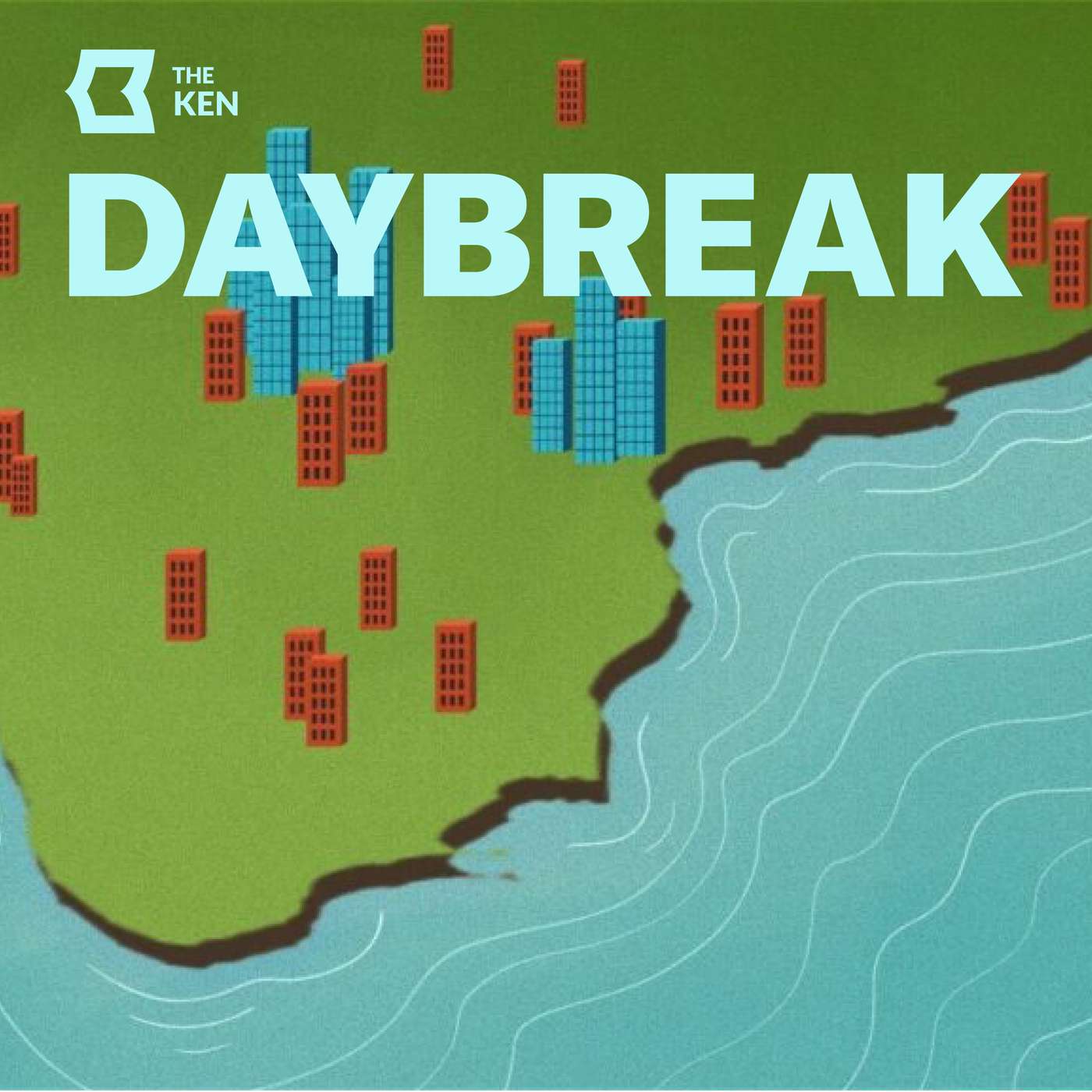
    Are SIPs always right? Nah, says a new study

    A mutual fund executive told our colleague something shocking: "SIPs are a problem." Part of the shock came from the fact that it was coming from someone in an industry that was basically built on "SIP sahi hai." Now a new research paper backs up that controversial take—and the findings contradict what millions of Indian investors have been told about systematic investment plans. Turns out the marketing narrative around SIPs has some serious gaps. The math tells a different story. And with small-cap SIP assets exploding 6.5x since 2019, the stakes have never been higher. So when are SIPs actually appropriate? Tune in. If you have any thoughts on this episode write to us at podcasts@the-ken.com with Daybreak in the subject line. You can also leave us a comment on our website or the YouTube channel here. Daybreak is produced from the newsroom of The Ken, India’s first subscriber-only business news platform. Subscribe for more exclusive, deeply-reported, and analytical business stories.
  • February 12 · 13 min

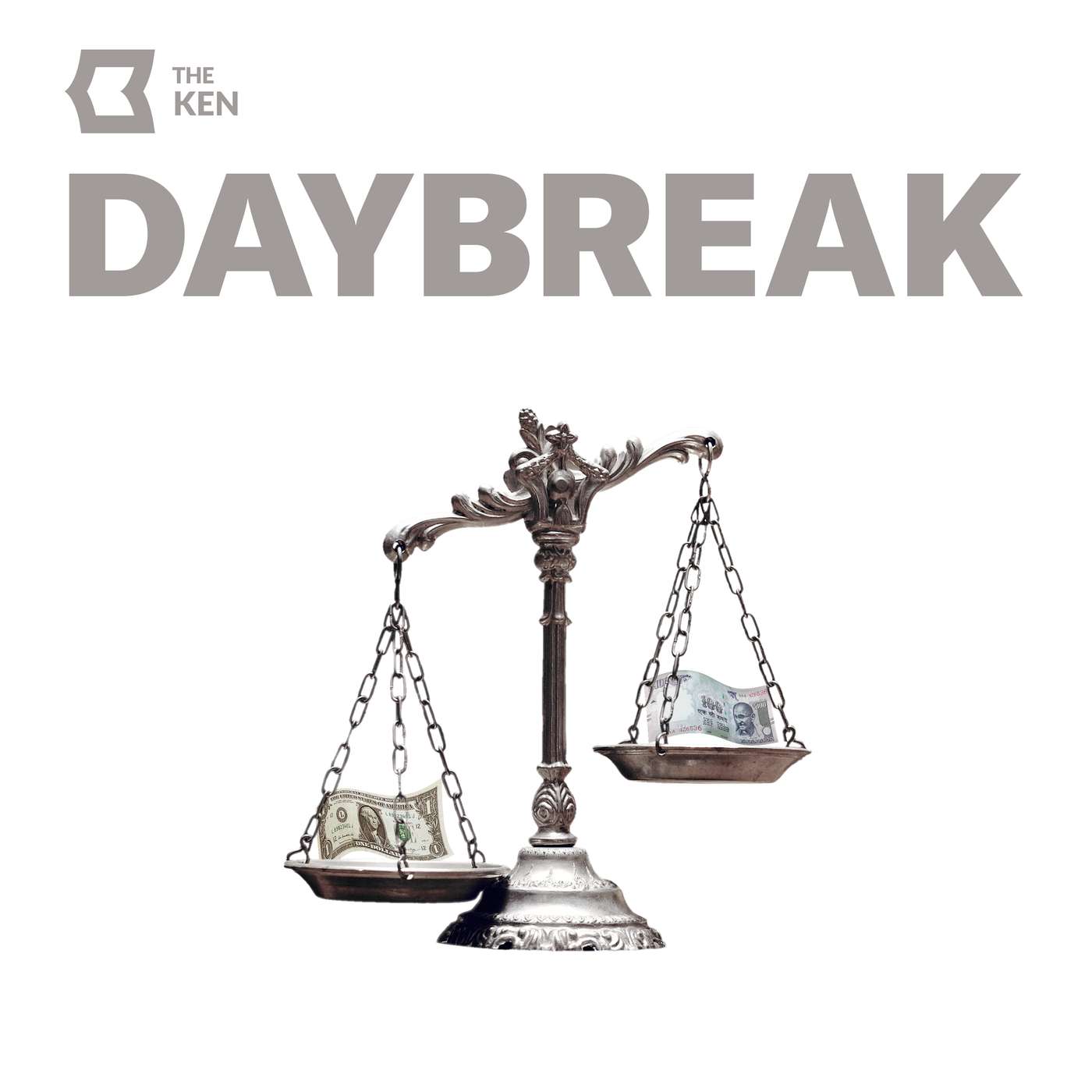
    Friday Roundup: Adani goes nuclear and AI's talent exit

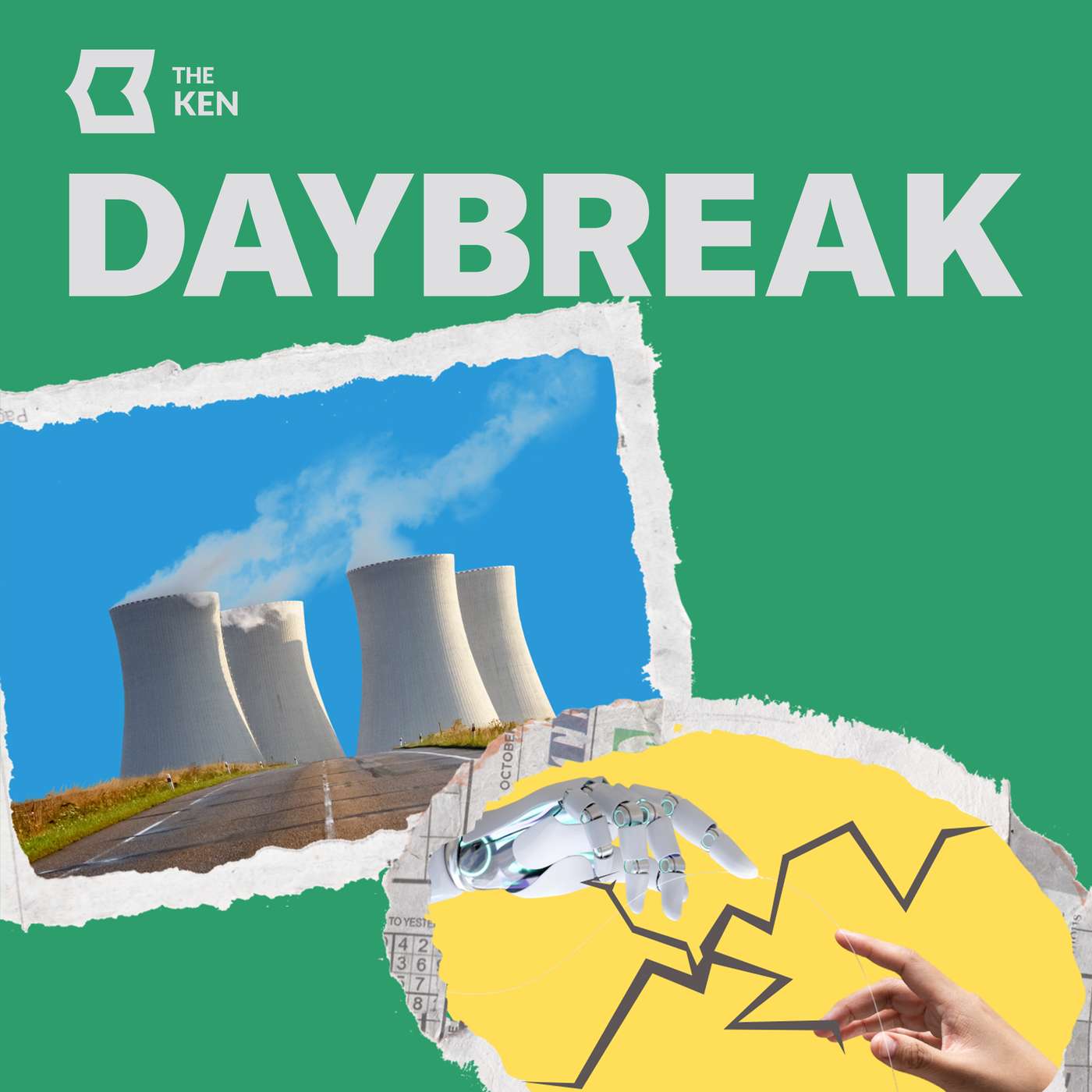
    On February 12, 2026, Adani Power formed Adani Atomic Energy Ltd, a new unit to generate, transmit, and distribute nuclear power. This follows the SHANTI Bill opening India's nuclear sector to private firms. Both Adani Power and Tata Power, coal giants with long-life thermal plants, now lead the shift. Coal powers 74% of India's grid today. These firms profit big from it. So what happens when they control nuclear's pace too? Snigdha explores the conflict. In other news, top AI researchers have been quitting the big AI labs. Anthropic's Mrinank Sharma left over value clashes (X letter) and OpenAI's Zoe Hitzig resigned through an NYT op-ed, warning ads exploit chatbot user confessions for manipulation. Rachel breaks down how firms chase cash to scale and skip safety guardrails. Listen to our episode on AI taking over jobs here. And, here's another one we did on the previous exodus of AI talent. Read Zoe Hitzig's opinion piece on NYT here. If you have any thoughts on this episode write to us at podcasts@the-ken.com with Daybreak in the subject line. You can also leave us a comment on our website or the YouTube channel here. Daybreak is produced from the newsroom of The Ken, India’s first subscriber-only business news platform. Subscribe for more exclusive, deeply-reported, and analytical business stories.
  • February 11 · 13 min

    If news doesn't pay enough, why do billionaires keep buying?

    On February 10, 2026, reports said nearly 100 NDTV employees were put on performance improvement plans, often seen as a prelude to layoffs. This comes after the Adani Group acquired NDTV in December 2022 for about ₹600 crore, followed by several high profile exits. A similar moment unfolded at Jeff Bezos-owned The Washington Post last week where hundreds were laid off and multiple sections and bureaus shut. Both Adani and Bezos run highly profitable core businesses. News is not one of them. So why invest heavily in an industry known for low margins? Host Snigdha Sharma explores. If you have any thoughts on this episode write to us at podcasts@the-ken.com with Daybreak in the subject line. You can also leave us a comment on our website or the YouTube channel here. Daybreak is produced from the newsroom of The Ken, India’s first subscriber-only business news platform. Subscribe for more exclusive, deeply-reported, and analytical business stories.
  • February 11 · 13 min

    Did Claude Cowork trigger a real “SaaSpocalypse” or is it overkill?

    In early February, Indian IT stocks crashed 6% in a single day—the worst selloff in six years. ₹2 lakh crore vanished. Wall Street lost $300 billion. The trigger? Anthropic launched Claude Cowork, an AI agent that can organize files, parse spreadsheets, and write reports autonomously. For the first time, AI doesn't just assist—it executes entire workflows with minimal supervision. Investors panicked, and experts coined the term "SaaSpocalypse." But is this really the end of software companies, or are we watching an overreaction? Today, host Rachel Varghese unpacks both sides. Tune in. Listen to our episode on Deloitte's AI blunder here. If you have any thoughts on this episode write to us at podcasts@the-ken.com with Daybreak in the subject line. You can also leave us a comment on our website or the YouTube channel here. Daybreak is produced from the newsroom of The Ken, India’s first subscriber-only business news platform. Subscribe for more exclusive, deeply-reported, and analytical business stories.
  • February 9 · 10 min

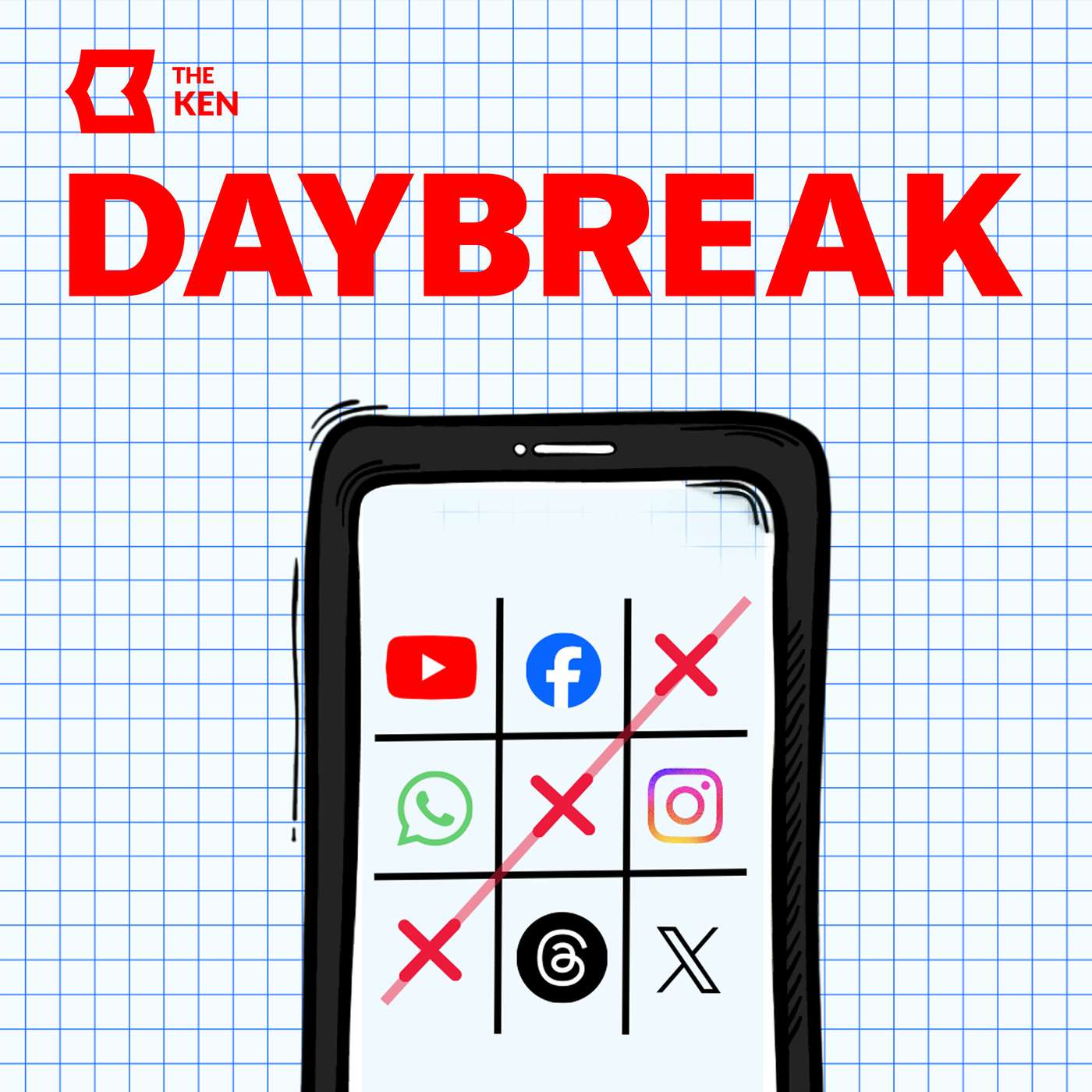
    Will Paytm still decide PhonePe’s IPO price?

    PhonePe is heading to the public markets as India’s largest UPI player. On 21 January, the company made its IPO papers public, setting up one of the most closely watched fintech listings in years. PhonePe dominates transaction volumes, but it is listing after Paytm, whose 2021 IPO reshaped how investors value payments companies. Since then, Paytm’s stock has fallen sharply from its debut even as its business has evolved. PhonePe is seeking a valuation premium while still reporting losses and facing pressure on some revenue streams. As investors weigh scale against profitability, one question looms. Will Paytm's market memory still decide PhonePe’s IPO price? Tune in. If you have any thoughts on this episode write to us at podcasts@the-ken.com with Daybreak in the subject line. You can also leave us a comment on our website or the YouTube channel here. Daybreak is produced from the newsroom of The Ken, India’s first subscriber-only business news platform. Subscribe for more exclusive, deeply-reported, and analytical business stories.
  • February 8 · 14 min

    Decathlon is testing if fashion can learn to move at grocery quick-commerce speed

    In November, Decathlon began piloting two-hour deliveries across 10 Indian cities. It's a surprising move for a company that just swung into losses—and it raises a question the rest of the sector is watching closely: can the economics of fashion quick-commerce actually work? More than 50 million dollars has flowed into the space in 18 months. At least one startup has already shut down. The problem isn't speed. It's frequency, inventory, and unit economics that refuse to close. Tune in. If you have any thoughts on this episode write to us at podcasts@the-ken.com with Daybreak in the subject line. You can also leave us a comment on our website or the YouTube channel here. Daybreak is produced from the newsroom of The Ken, India’s first subscriber-only business news platform. Subscribe for more exclusive, deeply-reported, and analytical business stories.
  • February 5 · 24 min

    What does it take to build a new tech city? Ask Karnataka’s neighbours

    Karnataka keeps talking about decentralizing tech beyond Bengaluru. Its neighbors are actually doing it. Tamil Nadu, Telangana, and Andhra Pradesh are building tech cities from scratch—tier-2 clusters with land banks, fast-track approvals, and statutory bodies with real power. Major companies are choosing Visakhapatnam and Tirupati over Bengaluru now. The difference? Decision-making authority. Karnataka's development body is stuck in a promotional role while other states hand their institutions the teeth to actually execute. One state makes announcements. The others are laying fiber, clearing land, and signing deals. Southern India's tech map is being redrawn. Just not by the state that started it all. If you have any thoughts on this episode write to us at podcasts@the-ken.com with Daybreak in the subject line. You can also leave us a comment on our website or the YouTube channel here. Daybreak is produced from the newsroom of The Ken, India’s first subscriber-only business news platform. Subscribe for more exclusive, deeply-reported, and analytical business stories.
  • February 4 · 12 min

    Why the ‘mother of all trade deals’ wasn’t enough against Trump's tariffs

    Two days ago, the United States said it would cut tariffs on Indian goods to 18%, down from levels that had gone as high as 50%. Markets reacted fast. Stocks rose. The rupee strengthened. The first feeling was relief. It sounded like the trade fight with Washington and Donald Trump was easing. Then more details emerged. U.S. officials said India would commit to buying over $500 billion worth of American goods. They also said U.S. tariffs would stay at 18%, while India would allow zero tariffs on some American products. That relief started to feel more layered. Just days earlier, India had signed the “mother of all trade deals” with Europe. So why did India still move on this U.S. deal, now and on these terms? Host Snigdha Sharma dives in. Listen to our previous episode on the India-EU trade deal here: The 'mother of all trade deals' promises cheaper imports. Prices are another story If you have any thoughts on this episode write to us at podcasts@the-ken.com with Daybreak in the subject line. You can also leave us a comment on our YouTube channel here. Daybreak is produced from the newsroom of The Ken, India’s first subscriber-only business news platform. Subscribe for more exclusive, deeply-reported, and analytical business stories.

  • February 4 · 14 min

    AI probably can't do your job yet. But it might get you fired anyway

    Amazon fired 16,000 workers last month. Oracle is set to cut up to 30,000 more. Tech layoffs have increasingly been attributed to AI. But Oxford Economics found something strange: there's no macroeconomic data showing AI is actually replacing jobs or boosting productivity. In fact, output per worker is slowing, not accelerating. So what's really happening? Host Rachel Varghese breaks it down. Daybreak is produced from the newsroom of The Ken, India’s first subscriber-only business news platform. Subscribe for more exclusive, deeply-reported, and analytical business stories.

  • February 2 · 12 min

    India wants to teach natural farming in a system built on chemicals

    In December, India’s top agricultural research body sent a letter to 74 universities with a clear message: natural farming is now a subject of national importance. Campuses are responding fast, planning new courses to train students for a sector under pressure. Export markets want cleaner food because consumers are paying closer attention to what they eat. In response, agri-input companies are adjusting their products. But Indian agriculture still runs largely on chemical inputs. Farmers face real risks during transition, research gaps remain, and jobs for graduates are still uncertain. Tune in. Daybreak is produced from the newsroom of The Ken, India’s first subscriber-only business news platform. Subscribe for more exclusive, deeply-reported, and analytical business stories.

  • February 2 · 12 min

    India’s AI still doesn’t speak India. Can it?

    ChatGPT butchers Punjabi with spelling errors and Bollywood-style Hindi bleeding through. Hindi bots trained on newspapers miss dialects like Awadhi and Bhojpuri entirely, while Tamil AI ignores the rich variations between Kongu and Madurai speech. Sure, Gurugram collected ₹200 crore in taxes using Hindi AI calls, but that's because Hindi dominates datasets. Most other languages remain stuck in translation hell. Private companies optimize for speed over nuance, government corpora like Bhashini sit underused, and multimodal data that captures tone and emotion is too expensive to build. The result? AI is flattening India's 780 languages into sanitized, standardized versions that erase the very dialects it claims to serve. Read the newsletter here. Find the Duolingo article here. Daybreak is produced from the newsroom of The Ken, India’s first subscriber-only business news platform. Subscribe for more exclusive, deeply-reported, and analytical business stories.

  • January 29 · 32 min

    Is banning social media for children a cure or a cop-out?

    This week, Goa said it is actively considering a ban on social media for children under 16, inspired by Australia’s new law. Andhra Pradesh has also set up a panel to examine whether similar restrictions could work there. The push reflects rising anxiety around teen mental health, cyberbullying, and exposure to harmful online content. Supporters argue platforms are unsafe by design and impossible to regulate through guardrails alone. Critics question whether bans can keep up with technology or address deeper social issues. In this episode, hosts Snigdha Sharma and Rachel Varghese step back from the rhetoric to ask what a ban would actually mean for children, parents, and platforms. Daybreak is produced from the newsroom of The Ken, India’s first subscriber-only business news platform. Subscribe for more exclusive, deeply-reported, and analytical business stories.

  • January 28 · 10 min

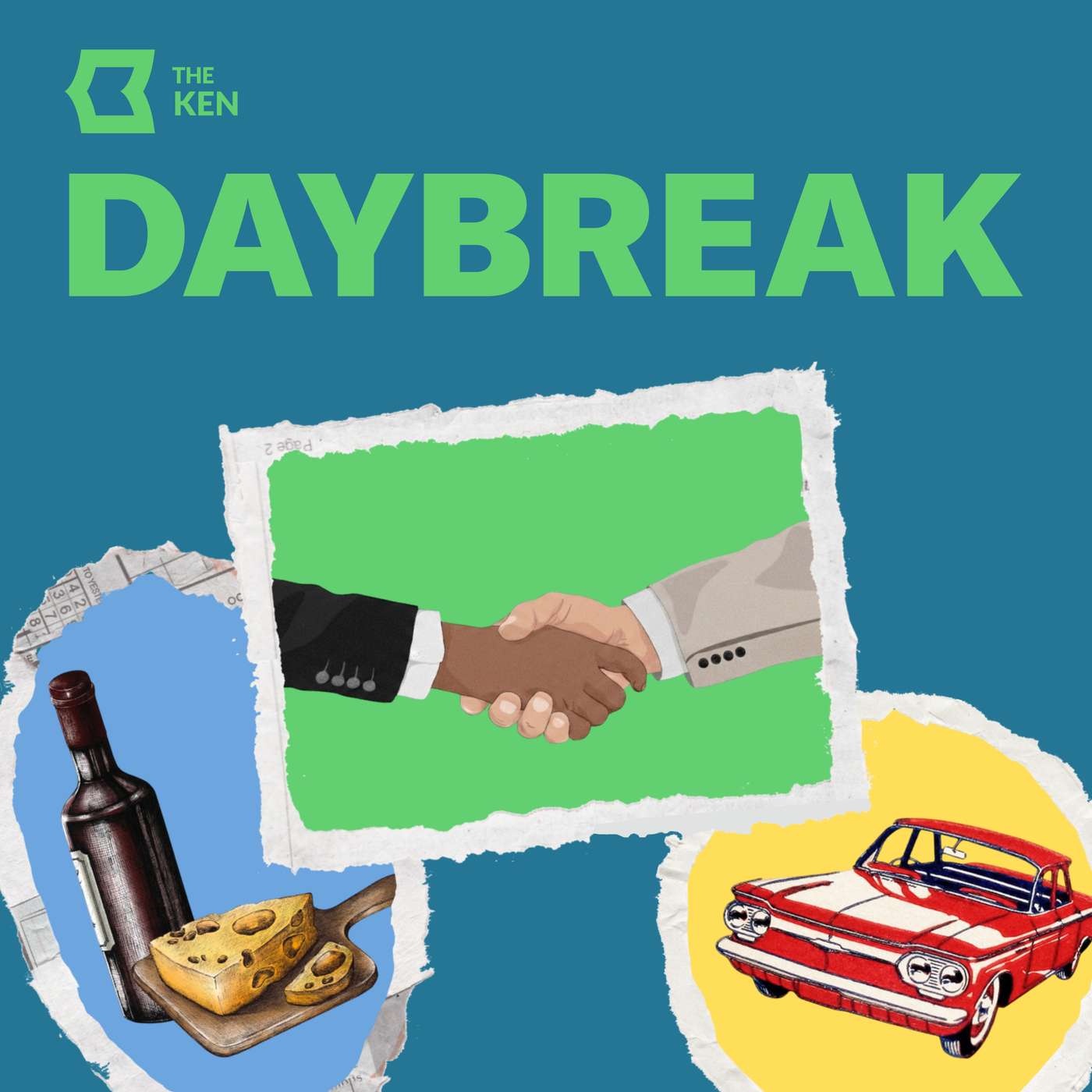
    The "mother of all trade deals" promises cheaper imports. Prices are another story

    This week, India and the European Union signed a sweeping trade deal that cuts or removes tariffs on over 90% of goods traded between them. The headlines quickly focused on what might get cheaper, from wine and cheese to cars and chocolates. But trade deals do not change prices overnight. Tariff cuts roll out over time and work their way through importers, distributors, taxes, and markets before they ever reach consumers. In this episode, host Snigdha Sharma looks at what past trade deals show about everything between a trade deal being signed and actual prices changing for a consumer. Tune in. Daybreak is produced from the newsroom of The Ken, India’s first subscriber-only business news platform. Subscribe for more exclusive, deeply-reported, and analytical business stories.

  • January 28 · 14 min

    Why Gita Gopinath says pollution hurts more than tariffs

    Every winter, Delhi chokes. Masks become mandatory, air purifiers work overtime, and life somehow goes on. But beyond the health crisis lies an economic catastrophe most people ignore—until now. Gita Gopinath's recent warning at Davos sparked controversy, but the numbers don't lie: pollution is costing India 1.67 million lives and nearly 3% of GDP annually. Meanwhile, China turned its pollution crisis around in just a few years with ruthless accountability. India has the knowledge and technology. What it lacks is political will. And every year of delay continues to put lives at risk and pushes the $5 trillion economy dream away. Host Rachel Varghese explores what exactly is at stake. Tune in. Daybreak is produced from the newsroom of The Ken, India’s first subscriber-only business news platform. Subscribe for more exclusive, deeply-reported, and analytical business stories.

  • January 26 · 12 min

    India’s data law is giving rise to a new consent economy for banks

    India’s new data protection law is reshaping how companies talk to customers on WhatsApp. Messages that once felt routine now carry legal weight and are tied to consent, security, and user rights. Since the Digital Personal Data Protection Act became operational, businesses have begun reworking how they collect and manage personal data. That shift has created a fast-growing market for compliance tools, drawing startups and established firms into the same space. As companies rush to avoid heavy penalties, disagreements are emerging over who should manage consent and how independent they need to be. The bigger question is how much control users will really have over their data. Tune in. Daybreak is produced from the newsroom of The Ken, India’s first subscriber-only business news platform. Subscribe for more exclusive, deeply-reported, and analytical business stories.

  • January 25 · 10 min

    The rivalry between hospitals and insurers will always be heated

    When your insurance card suddenly stops working, it is not just a glitch. It is the symptom of a deeper crisis in Indian healthcare. Hospitals say insurers have failed to update reimbursement rates despite medical inflation. Insurers say hospitals are inflating bills and resisting standardization. Millions of policyholders are caught between them, forced to pay out of pocket for care they thought was covered. How did India’s healthcare system end up in this deadlock. And who really decides what your treatment is worth? Tune in. *This episode was originally published on November 4th, 2025 Daybreak is produced from the newsroom of The Ken, India’s first subscriber-only business news platform. Subscribe for more exclusive, deeply-reported, and analytical business stories.

  • January 23 · 14 min

    Your E-Bus Will Be Fixed. Eventually. Probably.

    When a public electric bus breaks down in India, three agencies get notified. None of them can actually fix it. The buses don't belong to the cities that run them. The contracts sit with central agencies. The warranties belong to manufacturers. When a four-year-old bus stalls because its battery management system glitched, the city logs a complaint, calculates a fine for the manufacturers, and takes the bus off the route. Commuters are left slim pickings. And India's about to deploy thousands more using the same model. Daybreak is produced from the newsroom of The Ken, India’s first subscriber-only business news platform. Subscribe for more exclusive, deeply-reported, and analytical business stories.

  • January 22 · 12 min

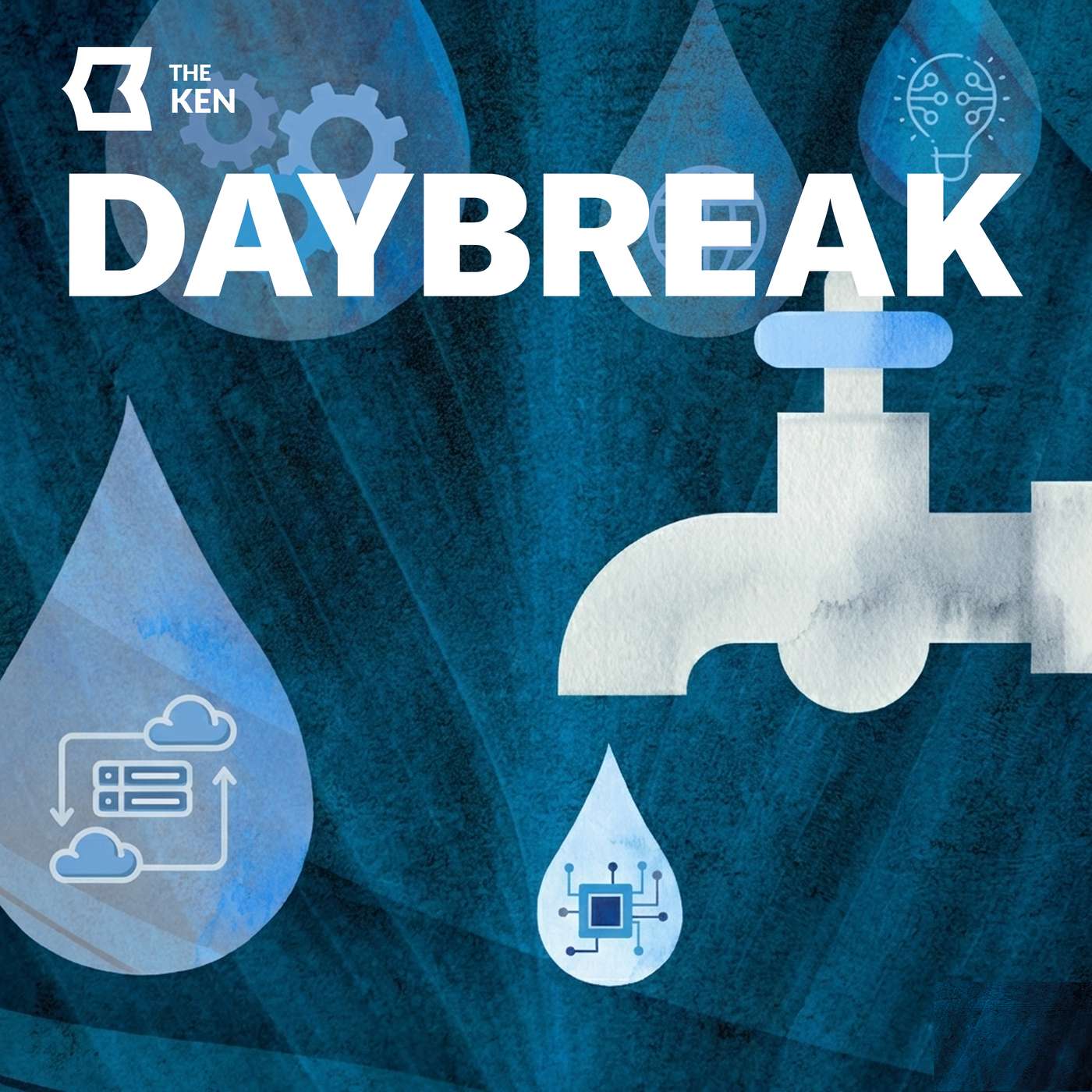
    Why India’s data centre boom is heading for water bankruptcy

    India is building data centres at unprecedented speed to support cloud services, AI, and digital growth. At the same time, cities across the country are struggling with water shortages and repeated contamination of drinking-water supplies. A new United Nations report describes this condition as water bankruptcy. It is the stage where water systems continue to function, but only by drawing down reserves that cannot recover fast enough. In this episode, host Snigdha Sharma looks at how India’s data centre push fits into that reality, drawing lessons from cities abroad where similar tensions have already surfaced. So as India builds for a digital future, the question is simple: who decides how much water that future can afford?