Artwork for Daybreak
News

Daybreak

The Ken

Business news is complex and overwhelming. It doesn’t have to be. Every day of the week, from Monday to Friday, Daybreak tells one business story that’s significant, simple and powerful.

Hosted from The Ken’s newsroom by Snigdha Sharma and Rachel Varghese, Daybreak relies on years of original reporting and analysis by some of India’s most experienced and talented business journalists.

  • 20 episodes
  • Updated Yesterday

Episodes20

  • Yesterday · 14 min

    Zepto beat Instamart. It still couldn't beat the market

    Zepto nearly doubled its revenue in a year, processes more orders than Swiggy Instamart, and has raised over 2.5 billion dollars from private investors. But when it filed to go public, India's largest mutual funds said they'd value it at less than half of what private investors had in it's last fundraise. The IPO is now delayed by two quarters. The cash reserves are falling. And six players are competing in a quick commerce market that analysts say can only sustain a few. Zepto's growth story has always worked in its favour but the public market is asking different questions. Read Suprita's stories here: Zepto wants Rs 8,100 crore—and investors to trust the numbers it won’t disclose Zepto to recruits from rivals: We give you ‘generational wealth’, you give us long hours Daybreak is produced from the newsroom of The Ken, India’s first subscriber-only business news platform. Subscribe for more exclusive, deeply-reported, and analytical business stories.
  • Monday · 12 min

    India's retirement crisis belongs to the young

    For generations, Indian families have shared the financial responsibility of ageing. Parents invested in their children through education, weddings and first homes, often expecting that support to come full circle in later life. But the economics behind that arrangement are changing. India is ageing rapidly but also living longer. The number of people over 60 expected to more than double by 2050 even as formal retirement coverage reaches only a fraction of the workforce. Meanwhile, it is taking longer for younger working Indians to become financially secure which in turn is affecting their savings. As these two trends collide, can India's oldest retirement model keep up? Tune in. Daybreak is produced from the newsroom of The Ken, India’s first subscriber-only business news platform. Subscribe for more exclusive, deeply-reported, and analytical business stories.
  • Sunday · 14 min

    India’s study-abroad lenders are forced to choose their plan B. It's India

    Amit was a computer science student who used to have a loan, a plan, and a flight to Canada. But then the college his visa depended on was derecognised. And an NBFC called Credila ended up with a Rs 20 lakh problem. Amit's story is becoming an industry pattern. Canada has cut active student volume by over 50%. The US and UK are tightening too. Study-abroad applications are down 25 to 30%, and the NBFCs that built their entire business on overseas education loans — with 80 to 92% of their books concentrated there — are quietly shelving IPO plans and pivoting to domestic lending. And the domestic market defaults at twenty times the rate. Tune in. Daybreak is produced from the newsroom of The Ken, India’s first subscriber-only business news platform. Subscribe for more exclusive, deeply-reported, and analytical business stories.
  • Thursday · 11 min

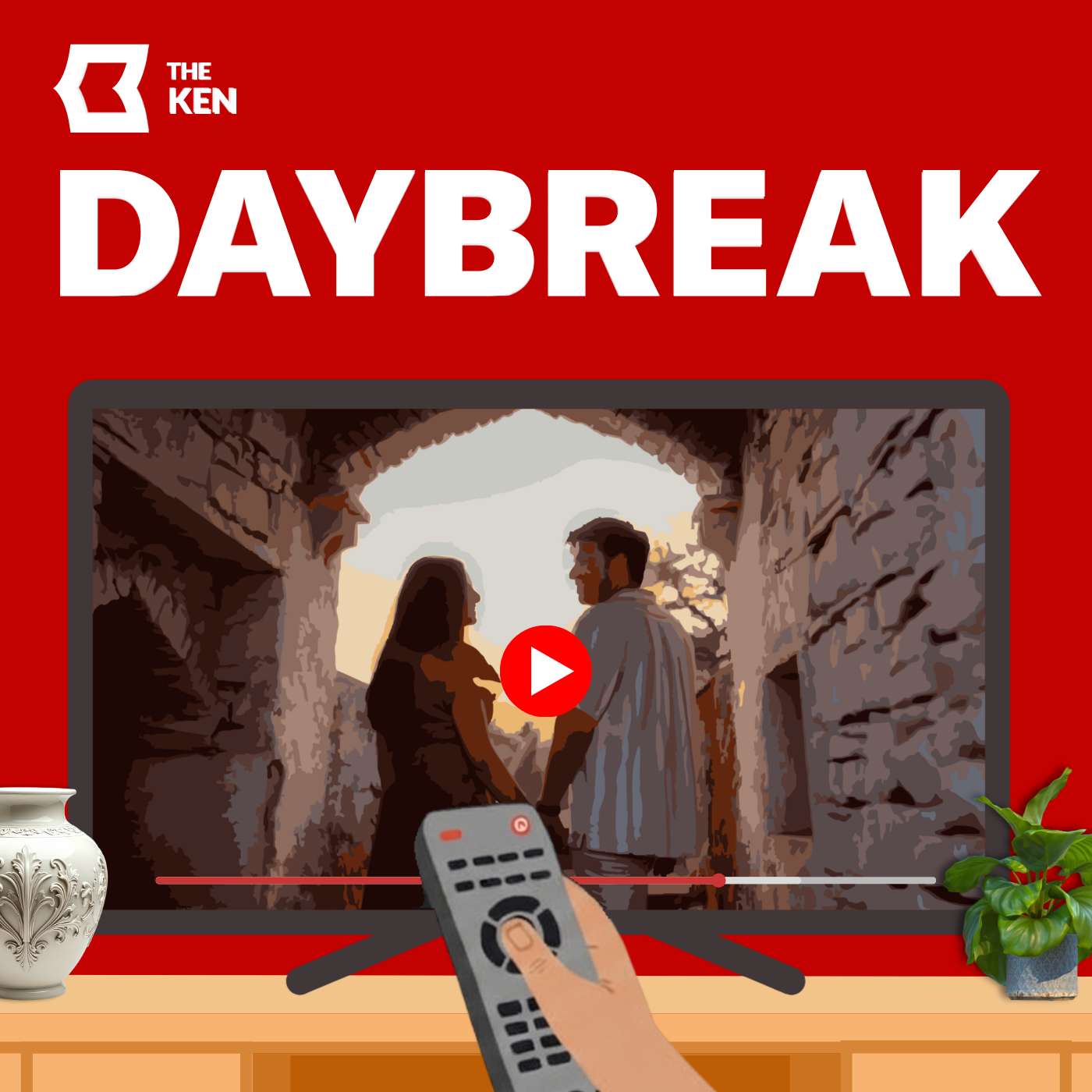
    India solved the wrong oil problem first

    India is the world's top sunflower oil buyer, and Black Sea attacks have sent it hunting across South America. Shipments from Russia and Ukraine are running weeks late, and prices are climbing. The substitutes are squeezed too. Indonesia is diverting more palm oil into biodiesel, and China's record soybean buying keeps the soy complex tight. A weak monsoon has thinned India's harvest. But the country has two oil problems, the crude it burns for fuel and the cooking oil it imports for the kitchen. It threw its capital at the fuel one first, reaching 20% ethanol blending years ahead of target. But feeding those distilleries takes land, and some of that land is coming from oilseeds. So the fix for one oil may gradually worsen the other. Tune in. Daybreak is produced from the newsroom of The Ken, India’s first subscriber-only business news platform. Subscribe for more exclusive, deeply-reported, and analytical business stories.
  • July 29 · 12 min

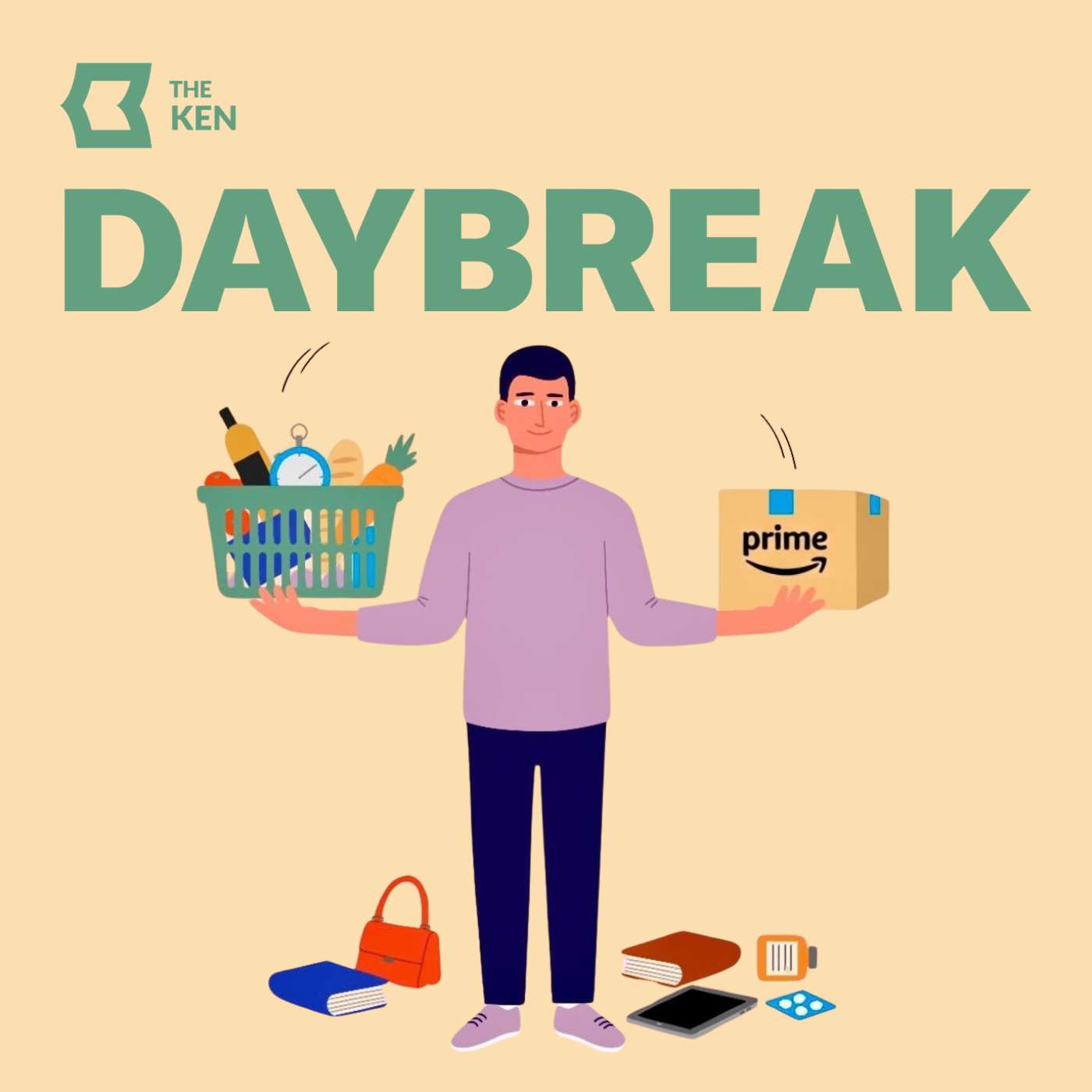
    Assam's tech dreams run on water that drowns it every year

    Assam is enduring some of its worst flooding in years, with the death toll inching to a hundred and lakhs affected. It is also happens to be the state that recently landed India's first chip assembly plant, a ₹27,000 crore Tata facility, and the centrepiece of Japan's growing push into the Northeast. The plant itself is light on water. But the deeper ecosystem Assam is chasing, chemicals and the rest of the chip supply chain, is thirsty, and the state is highlighting its abundant water as the draw. The trouble is those same rivers flood it almost every year and despite rising spending, Assam still goes under. Tune in. Daybreak is produced from the newsroom of The Ken, India’s first subscriber-only business news platform. Subscribe for more exclusive, deeply-reported, and analytical business stories.
  • July 28 · 17 min

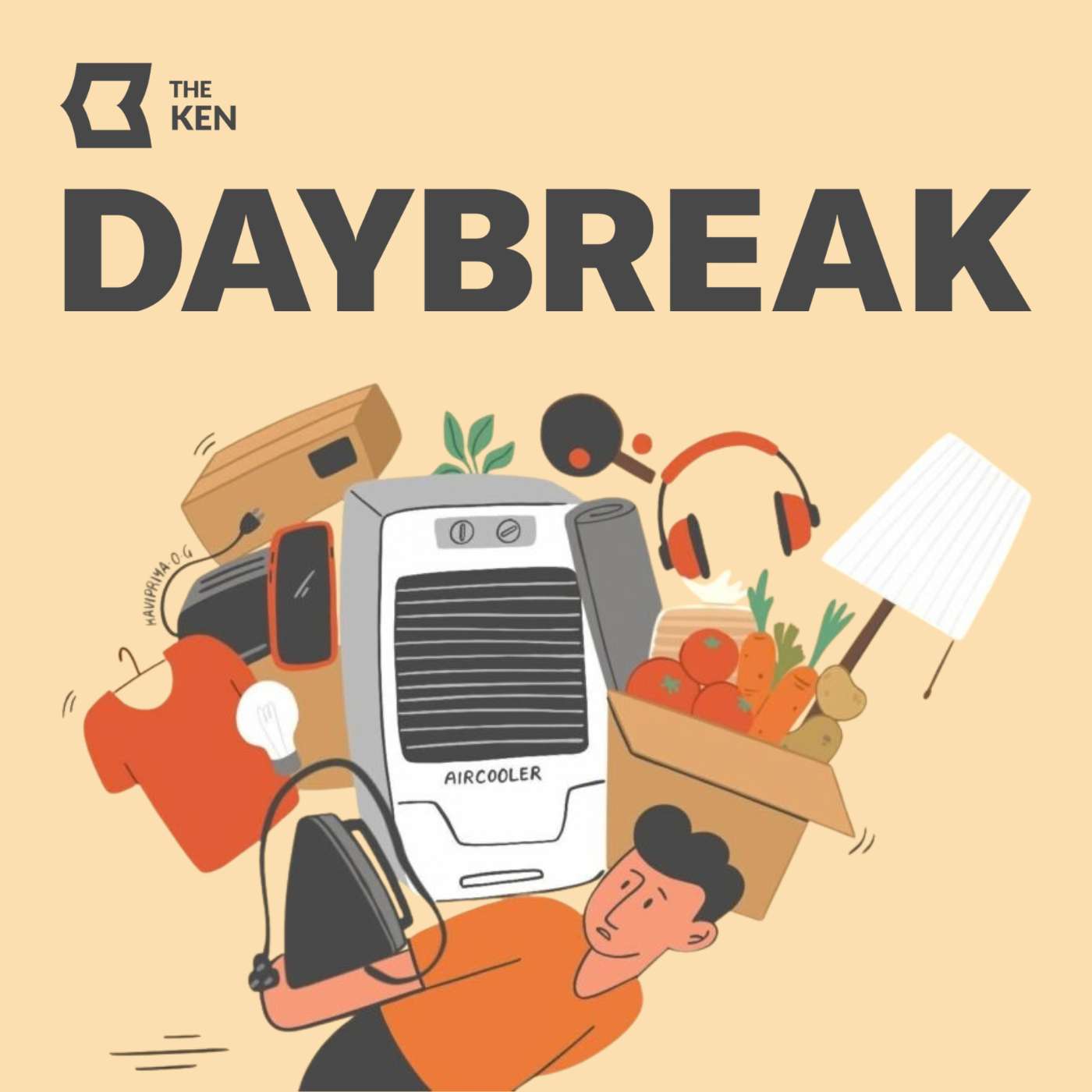
    Why Indian pharma isn't scared of a 100% tariff (yet)

    Last Tuesday, Trump announced 100% tariffs on generic medicines imported into the US. By Wednesday, Indian pharma stocks were already falling even though the tariff doesn't take effect for two years. Trump wants import companies to reshore their manufacturing to the US so that the country can secure life-saving medication in the event of global supply chain disruptions. India supplies nearly 50% of all generic medicines consumed in America — birth control, antidepressants, hypertension treatments. The companies most exposed say shifting manufacturing to the US in two years isn't realistic. Building a viable generics ecosystem there takes at least five. But someone has to absorb the cost. And Indian companies have already said that moving is not a realistic plan — for now. Which means the ones picking up the bill are not the ones Trump thinks. Tune in. Take the Daybreak listener survey here. Daybreak is produced from the newsroom of The Ken, India’s first subscriber-only business news platform. Subscribe for more exclusive, deeply-reported, and analytical business stories.
  • July 28 · 10 min

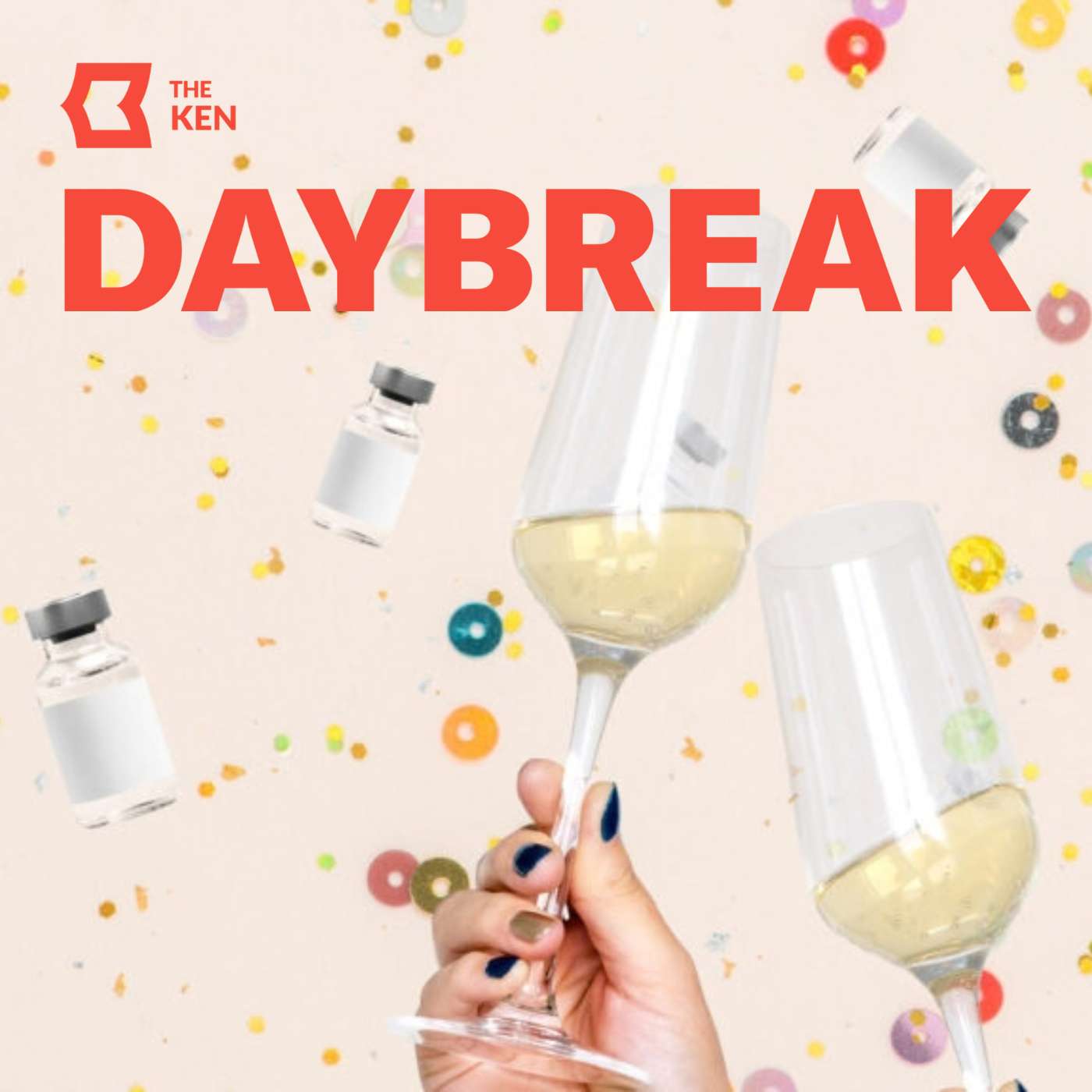
    Burger King India finally works but its stock still refuses to celebrate

    Burger King India is one of the country's better-run quick-service chains. Gross margins are at record highs, restaurant-level profits have doubled, and the burger chain has posted five straight quarters of same-store-sales growth. So why does its stock sit close to where it listed six years ago? Part of the answer is Indonesia, where an old acquisition keeps bleeding cash. The rest is the new owner. A pharma family has taken control of Restaurant Brands Asia, pouring in far more money than its expansion needs, much of it debt backed by pledged shares. Tune in. *This episode is based on a story by Anirudh Somani who is also an investor in the company Daybreak is produced from the newsroom of The Ken, India’s first subscriber-only business news platform. Subscribe for more exclusive, deeply-reported, and analytical business stories.
  • July 26 · 14 min

    IT jobs are being remade. Accenture and TCS are the first dominoes to fall

    When Accenture employees in Pune walked into their appraisal meetings in May, they expected the routine conversations. Instead, they found out things would be done differently this year. They did get their full salary hike. But not the way it was done up until now. Half went into the base salary. The other half arrived as a lump sum in June. On paper, nothing was lost. In practice, though, every future raise now compounds on a smaller number. And that's what affects gratuity, loan eligibility, and long-term salary growth. Even TCS has done something similar with bonuses. Both are a consequence how the IT sector has been doing. It's market value has fallen by nearly Rs 9 lakh crore in five years. Which means, its likely the restructuring has only just begun. Tune in. Daybreak is produced from the newsroom of The Ken, India’s first subscriber-only business news platform. Subscribe for more exclusive, deeply-reported, and analytical business stories.

  • July 23 · 19 min

    From Bengaluru to Mumbai to Pune, metro projects are colliding with India’s monsoons

    In September 2022, Bengaluru's worst urban floods in recent memory swallowed the Outer Ring Road, including areas like Bellandur, Marathahalli, Mahadevapura, while the metro's Blue Line was under active construction through the same corridor. Three years later, the metro corporation still wasn't in the room when the city held its monsoon preparedness meeting. It was never invited. Weeks after that meeting, a hailstorm hit. Eight people died in an accident. The flooded areas sat directly above the upcoming Pink Line. Mumbai. Pune. Bengaluru. Same story, different cities. India is spending over Rs 2 lakh crore building metros that keep flooding the cities they're meant to fix. But the gap lies between the agencies building the city's infrastructure and the ones meant to take care of its drainage. Tune in. *Apply to become The Ken’s Intermission Producer *Apply for an audio production internship Daybreak is produced from the newsroom of The Ken, India’s first subscriber-only business news platform. Subscribe for more exclusive, deeply-reported, and analytical business stories.

  • July 22 · 10 min

    Third Wave built a coffee brand. Now it's betting against it

    No coffee chain in India is clearly profitable. Third Wave Coffee, which lost 110 crore rupees in FY24 with nearly 70% of its stores in the red, is trying to change that with cake. Its new sub-brand, Third Rush, has put around 200 dessert items on the menu, with plans for 50 cafes by year-end. CEO Rajat Luthra, former head of KFC India, has already pared the losses. The dessert margins clear 50% and the chain badly needs the footfall. But customers walk into Third Wave for coffee not tres leches. Can desserts turn the business around without changing its identity? *Apply to become The Ken’s Intermission Producer *Apply for an audio production internship Daybreak is produced from the newsroom of The Ken, India’s first subscriber-only business news platform. Subscribe for more exclusive, deeply-reported, and analytical business stories.

  • July 22 · 16 min

    OpenAI's next product is a companion. Its own research says that's the problem

    OpenAI's own research found that its heaviest users were also its loneliest and most emotionally dependent. The top 10% kept triggering classifiers built to detect unhealthy attachment. The response was to build a screenless AI companion designed to live in your home, learn your habits, access your emails, and get harder to let go of over time. Meta, meanwhile, is selling AI glasses with Kylie Jenner's voice for an extra hundred dollars — and they sold out before the launch event ended. Both companies have documented the risks of AI dependency internally. Both are shipping anyway. Tune in. Daybreak is produced from the newsroom of The Ken, India’s first subscriber-only business news platform. Subscribe for more exclusive, deeply-reported, and analytical business stories.

  • July 20 · 13 min

    India's monopoly moment

    From airports to cricket broadcasts, India’s family conglomerates keep turning up everywhere. According to the 2024 Barclays-Hurun report, one family’s wealth alone equals nearly one-tenth of everything India produces in a year. India is running a version of the economic playbook that South Korea and Indonesia once ran — protect your conglomerates and let them do the building. South Korea came through it, at enormous political and economic cost. Indonesia’s economy contracted by 13% in a single year. India is somewhere earlier in that story. In this episode of Daybreak, host Snigdha Sharma asks which ending we are heading toward. **This episode was first published on 26 May, 2026 Daybreak is produced from the newsroom of The Ken, India’s first subscriber-only business news platform. Subscribe for more exclusive, deeply-reported, and analytical business stories.

  • July 19 · 15 min

    AI gets its health advice from hospitals. Hospitals get it from AI. Neither is right

    If you search "diabetes blood sugar level" on Google, the AI overview gives you a number. The number is wrong, the source is a hospital website, and the article on that website was written by AI. This is the loop: AI writes flawed medical content for hospital websites, AI search tools treat it as authoritative, and the final result is patients make health decisions based on it. An audit of nearly 500 articles across Apollo, Max, Fortis, Medanta, and Artemis found incorrect drug recommendations, outdated protocols, and Western benchmarks applied to Indian patients. Nobody is legally responsible. Nobody is fixing it. Tune in. Listen to the Zero Shot episode here. Daybreak is produced from the newsroom of The Ken, India’s first subscriber-only business news platform. Subscribe for more exclusive, deeply-reported, and analytical business stories.

  • July 16 · 11 min

    $15 billion in security deposits: India's tenants are their landlords' cheapest lenders

    Tenants across India's six biggest metros have handed landlords Rs 1.26 trillion in security deposits, a new NoBroker study estimates. Around $15 billion of tenant money, refundable in name, sits in landlords' accounts earning interest for people it does not belong to. In this episode, host Snigdha Sharma ask what a deposit actually costs a renter, and arrives at a number: nearly a month's rent, every year. The same tenant who pays 2 months' deposit in Mumbai is asked for 10 in Bengaluru, and in Delhi NCR, about 4 in 10 never got their full deposit back. Renting was meant to be a phase. But with home ownership drifting out of reach, tenants may be extending this loan for decades. Tune in. Recommendations: It sucks to be a tenant in Bengaluru right now *Take The Ken's audit here Daybreak is produced from the newsroom of The Ken, India’s first subscriber-only business news platform. Subscribe for more exclusive, deeply-reported, and analytical business stories.

  • July 15 · 10 min

    Cred’s first profitable quarter comes with a trade-off. No, not Kunal Shah

    Cred just reported its first profitable quarter. Meta invested 8,500 crore rupees. And Kunal Shah walked out the door. Eight years of questions about Cred's business model ended the moment it finally had answers. The design-first, exclusivity-obsessed fintech that rewarded creditworthy Indians with gold credit cards now makes most of its money from lending — the same way every other UPI app does. Shah left for WhatsApp. Meta needed someone who could monetise a billion Indian users without making regulators nervous. What that means for both companies is the more interesting question. Scripted by Snigdha Sharma based on the report by Suprita Anupam. Daybreak is produced from the newsroom of The Ken, India’s first subscriber-only business news platform. Subscribe for more exclusive, deeply-reported, and analytical business stories.

  • July 15 · 15 min

    Indian broadcasters are pouring money into reality TV. Netflix's collapsing second seasons show why

    Netflix built its empire on one idea: watch what you want, when you want, all at once. Now it's losing viewers to YouTube, struggling to bring audiences back for season two, and internally discussing always-on live channels and ad bundles you can't skip. Which is to say: it's considering becoming cable TV. The irony is that while Netflix is scrambling for answers in the US, India may already have one. A reality show that airs almost every night at 8pm just cracked Netflix's global top 10. The format that streaming was supposed to kill is doing just fine. And Netflix is finally realising why. Tune in. Daybreak is produced from the newsroom of The Ken, India’s first subscriber-only business news platform. Subscribe for more exclusive, deeply-reported, and analytical business stories.

  • July 13 · 9 min

    Adani made his billions from ports. His new bet is far from the shore

    In October last year, a ship owned by Adani Ports slowed to less than one knot near Malta. It held that position for over seven days, directly above the cables linking Malta to Sicily. It was no accident. India's largest private port operator has quietly built a fleet of more than a hundred vessels across 12 countries. Their job is servicing the world's offshore energy infrastructure. The business grew 134% in a single year. Ports made Adani rich. But there are only so many ports you can build. What the conglomerate does next may depend on waters far from any dock. Tune in. Daybreak is produced from the newsroom of The Ken, India’s first subscriber-only business news platform. Subscribe for more exclusive, deeply-reported, and analytical business stories.

  • July 12 · 11 min

    Inside India’s 90-day countdown for CBSE schools to embrace AI

    In April, India made AI education mandatory across 28,000 CBSE schools, giving them 90 days to comply. Most had already finalised their academic calendars for the year. Some schools were ready. Others scrambled. A few found that the harder problem wasn't the teachers — it was the students. At one Hyderabad school already using an AI learning tool, kids were From 2029, AI becomes a compulsory board exam subject and the government is betting that deadline will change everything. Tune in. Daybreak is produced from the newsroom of The Ken, India’s first subscriber-only business news platform. Subscribe for more exclusive, deeply-reported, and analytical business stories.

  • July 10 · 24 min

    Miss a smartphone EMI, and your lender can now wirelessly strip the ‘smart’ out of it

    Naresh drives for Rapido. When his phone died, so did his income — for seven days, until he could borrow enough to replace it. Until 2024, India's biggest consumer lenders had turned that exact vulnerability into a recovery tool. Miss an EMI, lose your phone. It worked so well that smartphone lending grew from 1% to nearly 40% of consumer borrowing in three years. Then the RBI banned it. Lending collapsed by 80%. Delinquencies rose. Rejection rates hit 50%. Now the tool is coming back. This time with guardrails. The question is whether they're enough. *We want to get to know you a little better. Tell us what you think about Daybreak here. Daybreak is produced from the newsroom of The Ken, India’s first subscriber-only business news platform. Subscribe for more exclusive, deeply-reported, and analytical business stories.

  • July 8 · 11 min

    For India's e-rickshaws, price decides what's safe and virality decides if anyone cares

    Last week, the government ordered Apple and Google to pull at least three battery management system or BMS apps that were being used to switch off e-rickshaws mid-road. If you've been on Instagram, you've seen the videos. A prankster opens the app, taps a switch, and a passing e-rickshaw just dies. It works because the cheap lithium batteries these vehicles run on often ship from China with their Bluetooth wide open, no password at all. The flaw was documented publicly years ago and nothing happened until it went viral. The batteries are still exposed. In this episode, host Snigdha Sharma asks what really governs safety in India's informal economy. Tune in. *We want to get to know you a little better. Tell us what you think about Daybreak here. Daybreak is produced from the newsroom of The Ken, India’s first subscriber-only business news platform. Subscribe for more exclusive, deeply-reported, and analytical business stories.