Skip to content
Artwork for Curious Equestrian
Kids & FamilyPets & Animals

Curious Equestrian

Produced by Theresa McCaffrey, hosted by Anna Louise Claydon

Ask why before how. Conversations with researchers, vets and trainers, for anyone who cares about horses. Each episode takes a real question about horse behaviour, training, care or welfare and asks what the evidence says. No gurus, just better questions. Hosted by Anna Louise Claydon, produced by Theresa McCaffrey. Follow for each new episode, if you it's useful, a rating helps other horse people find us.

Free newsletter: https://www.curiousequestrian.co.uk/#/portal/signup
Merch: https://curiousequestrian.teemill.com/
Bookshop (affiliate): https://uk.bookshop.org/shop/curiousequestrian

Play
  • 26 episodes
  • fortnightly
  • Avg 54 min
  • English
Counted on this page — what you have heard stays on this device, so it is not something the list can be paged by.
  • February 17 · 1 hr 5 min

    Wild Horse Behavior: What 20 Years of Research Reveals About Domestic Horses

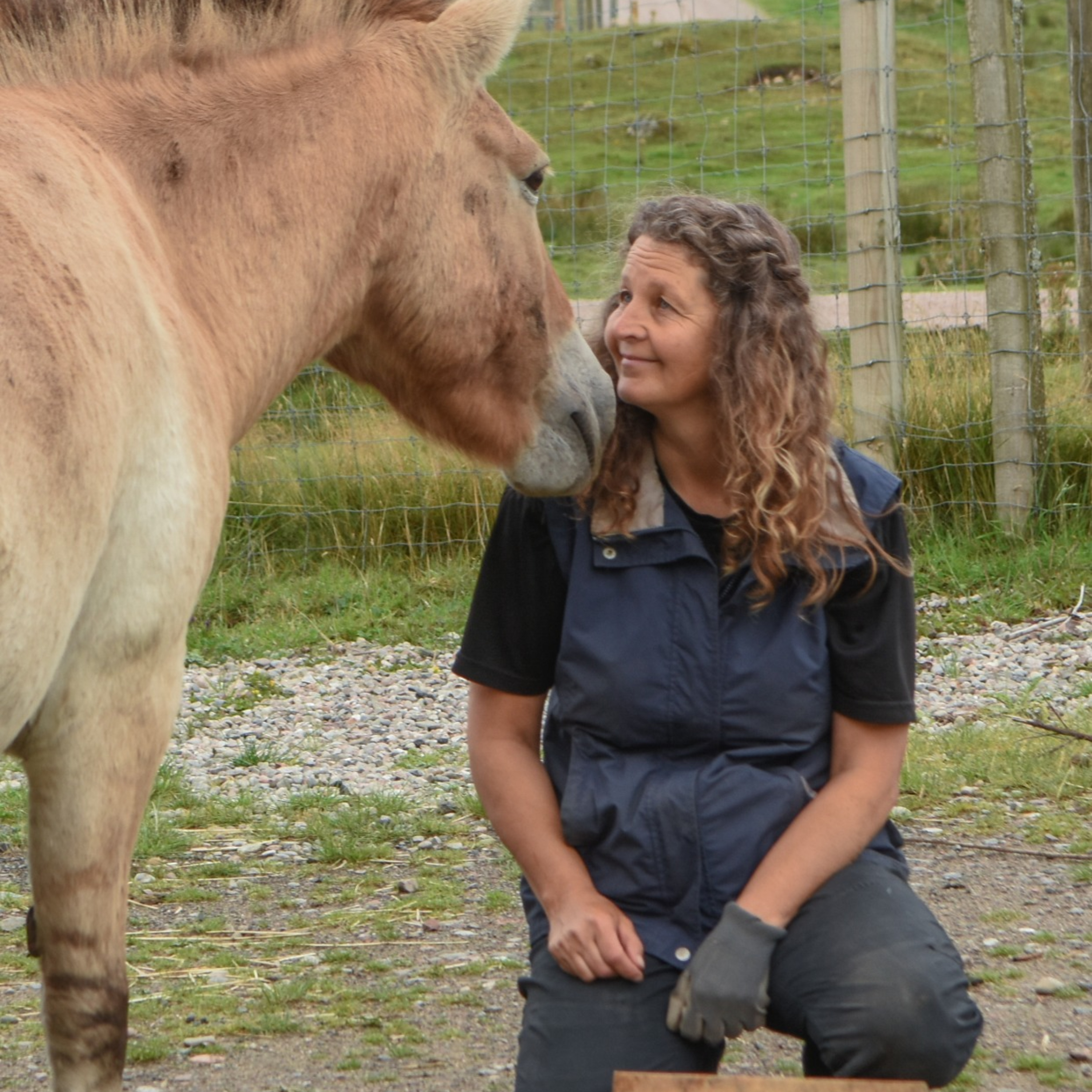
    Bonny Mealand - Equine Podiatrist, Touching Wild Academy In this episode: Bonny Mealand has spent 20 years studying wild horses, she talks about how horses' entire lives revolve around social relationships, and how watching wild horses changes the way we advocate for domestic horses.Key topics:- Why social relationships are horses' primary need (not hierarchy or survival)- The two-year commitment: not riding until her mare genuinely agreed- How wild horse behavior reveals what we're missing in domestic horse careGuest contact & resources:Intro Video Credit: Lizzie MacKenzie, Of The Wild - visit the Touching Wild Academy to watch in full. Intro Photo Credits: Jean Sinclair. Takhi in Mongolia Photo Credit Nancy Clarke.Support the podcast: Curious Equestrian challenges conventional wisdom in the horse world. We interview researchers, vets, and evidence-based trainers to ask uncomfortable questions about how we care for and train horses.🔔 New episodes every two weeksSubscribe to our newsletterBook shopMerch Additional Resources mentioned in this episode:Horses in Company by Lucy ReesHorses in Our Hands5 Domains of Horse Welfare

    • Transcript
  • January 29 · 56 min

    The Complete Winter Feeding Masterclass

    This is your comprehensive "Winter Survival Guide." In this deep-dive, Independent Equine Nutritionist Clare MacLeod (MSc) joins us to cover virtually every aspect of managing your horse through the colder months. From the anxiety of the Hay Crisis to the confusion around rugging and fasting windows, we leave no stone unturned. Clare provides the science-backed protocols you need to prevent colic, manage mud, and keep both "Good Doers" and "Hard Keepers" healthy until spring. In This Extensive Guide, We Cover: The Forage Crisis: Exact protocols for stretching hay and safely mixing forage types. Gut Health: The "7-Day Rule" for transitions and the truth about "Ad Lib" feeding. Medical Myths: Why the "4-Hour Fasting Window" is critical for ulcer prevention. Management: To rug or not to rug? A nutritionist's verdict on calories vs. cold. Winter Colic: The link between dehydration, impaction, and cold weather. Weight Watching: Using the winter slump to your advantage for "Good Doers." Guest Resources: Clare MacLeod’s Website: https://www.equinenutritionist.com/ Follow Clare on Facebook: https://www.facebook.com/ClareMacLeodEquineNutritionist

    • Transcript
  • January 21 · 58 min

    The native ponies we could lose

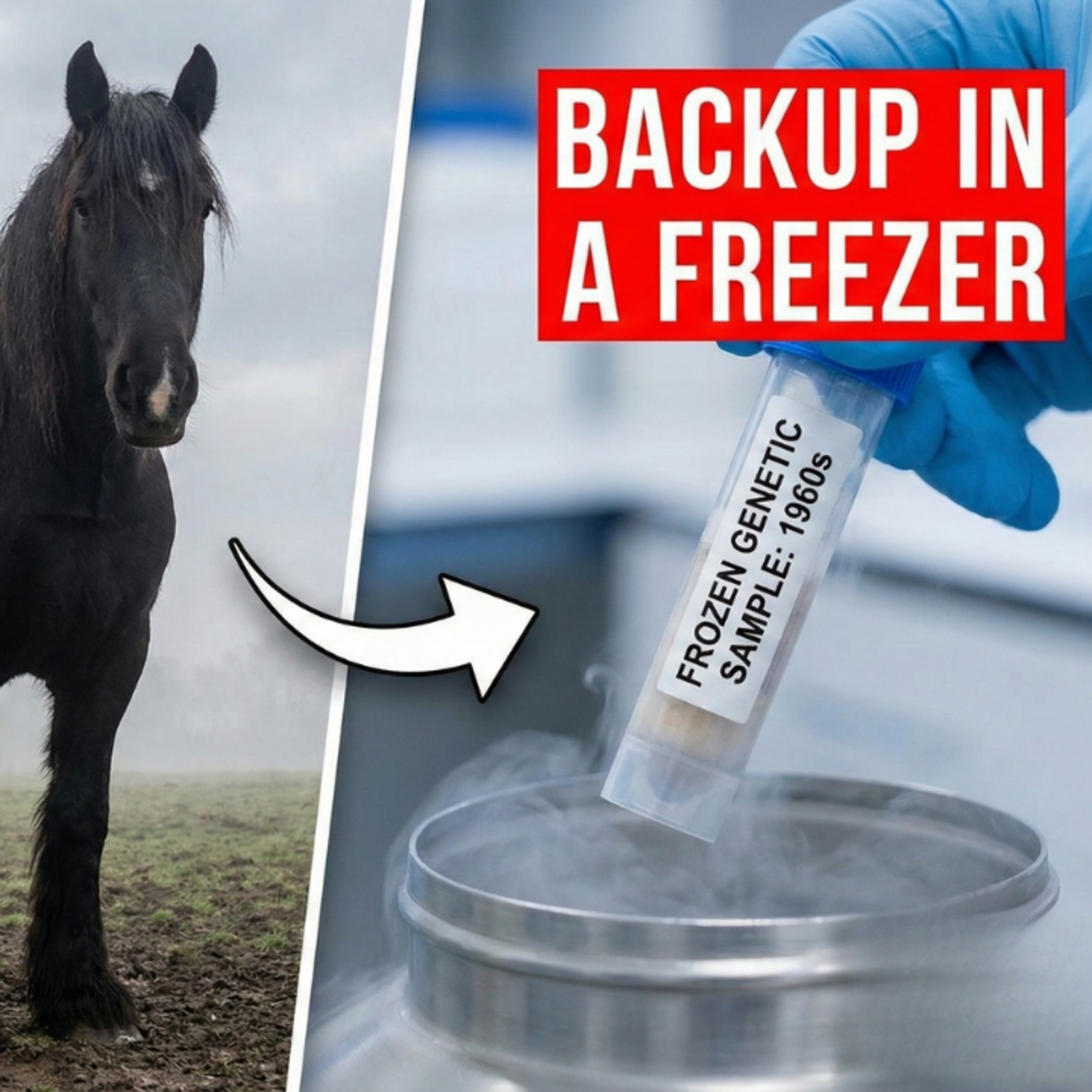
    We often think of the Shire horse as a staple of the county show. Huge, gentle, and safe. We assume they are doing fine. The data tells a different story. In this episode, Anna Louise sits down with Tracy Wathen-Jones from the Rare Breeds Survival Trust (RBST). We move past the nostalgia of the heavy horse to face the biological reality: we are losing our native breeds. We discuss: The extinction numbers: Why the Exmoor pony and Eriskay are now critically rare. The "frozen" insurance policy: Why we are relying on a gene bank of semen from the 1960s to save these breeds from total collapse. The lost language: Why handling a Shire requires a different skill set to a warmblood—and why losing the "old boys" means losing the horsemanship skills to keep the breed alive. Utility vs. Sport: Why "conservation grazing" might be the only job left for our native ponies. This is not just a history lesson. It is a conversation about whether the horse has a future if it doesn't have a job. Special thanks to the following photographers and societies for the images used in the video intro: Jennifer Feleris, John Green, Katrina Bell, Frances Ellis, Louise Blundell, Deborah White, El Dunlop, David Stewart, and the Eriskay Pony Breed Society.Learn more about our UK Native Horse Breeds on the Rare Breeds Survival Trust website: https://www.rbst.org.uk/pages/category/equine-watchlist The Inquisitive Herd (Membership):The conversation continued after the mics cut off. Members can listen to the After-Hours Tapes, where Tracy shares the specific reality of funding these projects and the "messy" truth of breed societies.

    • Transcript
  • January 12 · 56 min

    Horse Riding Accidents: A Paramedic’s Guide to Safe Hacking

    Have you ever thought through exactly what would happen if you fell off your horse while hacking? We often plan our routes, but do we have a plan for when it all goes wrong? In this vital episode of Curious Equestrian, we are joined by Mike Elkins, Lead Driving Education Manager at South Central Ambulance Service NHS Foundation Trust. Mike is the driving force behind Project Pacer, a campaign dedicated to reducing road incidents involving horses and improving rider safety awareness. Mike bridges the gap between the equestrian world and the emergency services, sharing eye-opening statistics and life-saving advice that every horse owner needs to hear. In this episode, we discuss: Project Pacer: Why reported incidents (over 3,000 a year) are just the tip of the iceberg. The 999 Call: What actually happens when you dial emergency services and how to help them find you in remote locations (including the truth about mobile signal). Immediate Action: Why deep breathing isn't just for calming down—it can physiologically slow down bleeding. Sirens & Lights: How ambulance drivers are trained to approach horses on the road and why wearing high-vis makes you three times more visible to them. First Aid Essentials: What you should carry in your saddlebag and why "just getting back on" isn't always the bravest choice. Whether you hack on busy roads or remote bridleways, this conversation will leave you better equipped, better prepared, and potentially ready to save a life. Links & Resources: Learn more about Project Pacer via The British Horse Society Check your phone for AML (Advanced Mobile Location) settings. Disclaimer: This episode discusses medical trauma and road accidents. Please listen with care.

    • Transcript
  • Dec 26, 2025 · 1 hr 16 min

    Give Them Choice. Why Track Systems Are The Future.

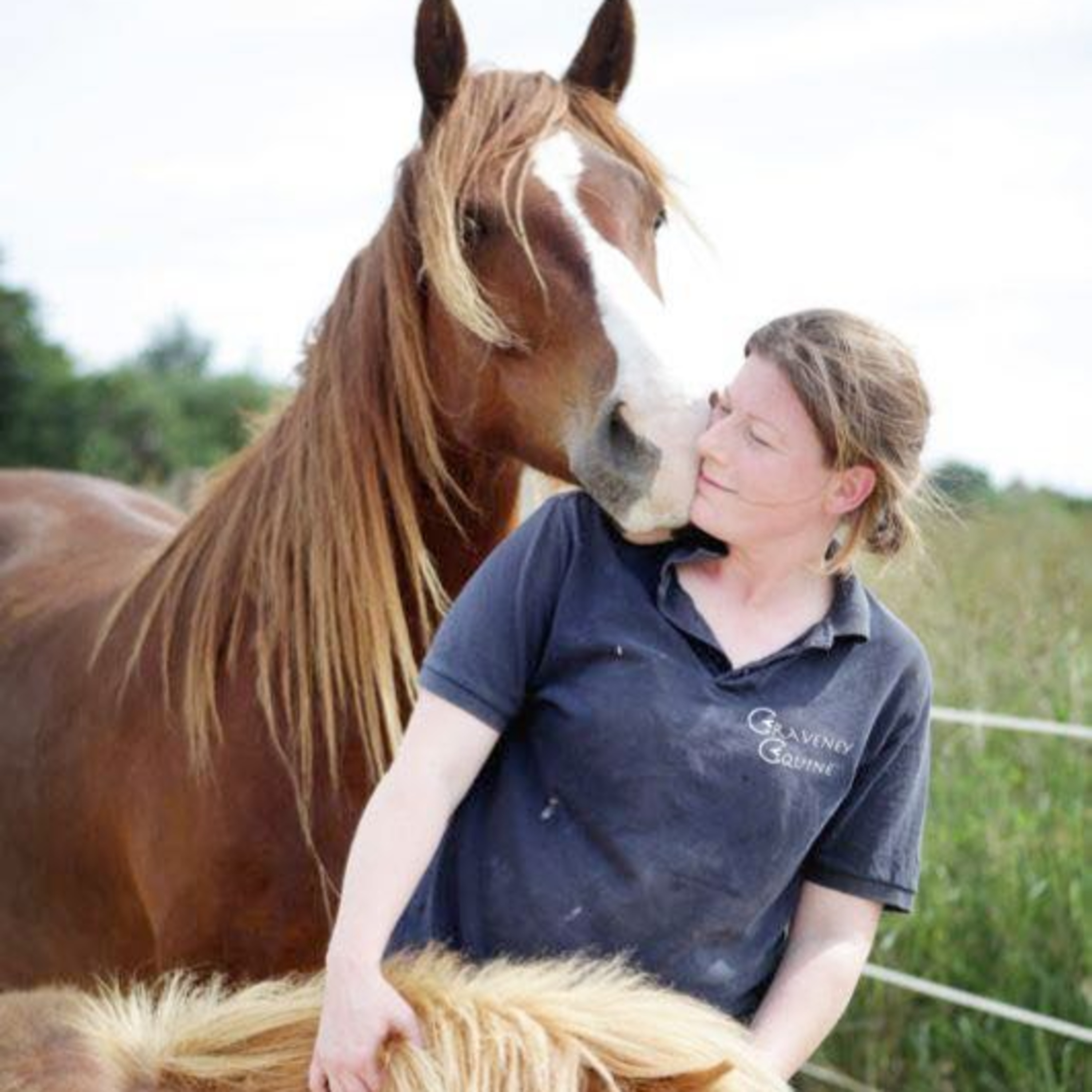
    We like to think that when our horse whinnies at us over the stable door, it's love. But what if it's actually desperation? In this interview, I’m talking to Lauren from Graveney Equine about why Track Systems (Paddock Paradise) are the future of horse care. We dig into the hard truth that haunts many owners: when you give a horse true autonomy on a track, they stop "needing" you in the same way. And for many of us, that triggers a massive identity crisis. Lauren also shares how she started her first track system for just £300 (approx $380 USD) and how it healed hoof issues that traditional farriery couldn't touch. If you are struggling with mud, laminitis, or just feel like traditional boarding/livery is failing your horse, this conversation is the alternative you’ve been looking for. In this video, we explore: The "Affection" Myth: Distinguishing between connection and learned dependence. Budget Barriers: How to build a functional track system on a shoestring budget The Health Turnaround: Healing toe cracks, abscesses, and EMS through movement. Winter Management: Handling mud and forage without spending a fortune on surfacing. nrwN4iftUQFviJqEAZCQ Featured Guest: Lauren from Graveney Equine (Founder of the Horse Track System FB Group) Resources Mentioned: https://www.facebook.com/graveneyequinenaturaltrack/ https://www.facebook.com/groups/808480805889892?locale=en_GB #HorseTrackSystem #PaddockParadise #NaturalHorseCare #EquineWelfare #BarefootHorses

    • Transcript
  • Dec 8, 2025 · 41 min

    Feeding 20 Horses Through the Hay Shortage: Track System Owner Shares Strategies

    The UK is facing its worst hay crisis in over a century. And for livery yard owners like Lauren Johnson, the reality became terrifying when her hay supplier called to say the field was on fire. This is Day Three of our three-day Hay Crisis Special. Meet Lauren Johnson—Faversham, Kent. Livery Yard of the Year 2024. Lauren runs Graveney Equine Horse Track System, a specialist livery designed to mimic how horses naturally live and eat. Her 20 horses rely almost entirely on hay distributed around the track—there's no grass safety net. When her regular hay supplier called to say the field had caught fire due to extreme heat and drought, Lauren's yearly hay bill jumped by £3,000. A field that normally yielded 500 large bales produced just 80. She scrambled to secure supply from a backup contractor she'd only just started talking to—pure luck that saved her season. 📌 IN THIS EPISODE, YOU WILL HEAR: The Phone Call: "The field is on fire." Lauren describes the panic of being told her hay supply literally went up in flames due to machinery sparks in bone-dry grass during the hottest summer on record. The £3,000 Increase: Lauren's hay bill jumped from £11,000-12,000 to over £15,000 for slightly less hay. She had no choice but to pass costs onto livery clients—who are already stretched thin by the cost of living crisis. Practical Strategies for Horse Owners: Lauren shares her community's survival plan: slow feeder nets to reduce waste, mixing straw up to 50% (gradually), using chaff and hay replacers, storing hay properly with specialist tarps, switching to haylage (with gut health warnings), and utilizing standing hay on pasture for horses that can tolerate it. The Gut Health Warning: Lauren explains why switching between hay and haylage can cause colic, laminitis, and hindgut acidosis—critical information many vets and feed merchants aren't sharing with desperate horse owners. The Livery Yard Crisis: Livery yards are closing across the UK. Land is being sold for housing. Yards are overstocking to survive financially. Winter turnout is disappearing under mud. And licensing requirements may eliminate the "cheap field rental" loophole many horse owners rely on. The Uncomfortable Future: Lauren predicts horse ownership is becoming elitist again—not by choice, but by economics. Fields that once rented for modest sums now command £500/month per acre. People are selling horses into a flooded market or making the heartbreaking decision to euthanize rather than risk unknown futures. And climate change means this isn't a one-off crisis—it's the new normal. This episode is raw, practical, and deeply informed. Lauren manages both sides of the equation: she's a livery yard owner and an arable farmer. She understands the pressures on hay suppliers, the financial impossibility facing yard owners, and the heartbreak of horse owners who can no longer afford the animals they committed to for life. RESOURCES: Graveney Equine on Facebook: Graveney EkwineHorse Track Systems Facebook Group (active community with hay crisis support) #HayCrisis #HorseWelfare #ClimateChange #HayShortage #TrackSystem #LiveryYard #CuriousEquestrian #Equestrian #HorseOwnership #UKHayCrisis

    • Transcript
Showing 21–26 of 26 episodes