Artwork for Curious Equestrian
Kids & Family

Curious Equestrian

Curious Equestrian, produced by Theresa McCaffrey, hosted by Anna Louise Claydon

Curious Equestrian: Where Conventional Wisdom Gets Bucked. The podcast for riders who question "because we've always done it that way."

We interview researchers, vets, and evidence-based trainers about horse care, training, welfare, and the messy realities of horse ownership. No gurus, just better questions.

New episodes every two weeks.

Support the Podcast
Newsletter: https://www.curiousequestrian.co.uk
Merch: https://curiousequestrian.teemill.com/
Book Shop: https://uk.bookshop.org/shop/curiousequestrian

  • 20 episodes
  • Updated July 24

Episodes20

  • July 24 · 1 hr 4 min

    She was taught to dominate horses. Her rescue horse said no | Shelby Dennis

    Shelby Dennis was taught to "get after" horses from the age of four, showing on the Arabian circuit and told not to worry: they're big animals, it doesn't hurt them. Then a rescue horse called Milo squared up to fight her when she escalated pressure the way she'd been taught, and everything she'd internalised started to come apart. That's where this conversation with the IAABC-certified equine behaviour consultant and author of Secrets of the Horse begins. There was another catalyst too: when her family went bankrupt and her horse moved from a show barn to a yard with herd turnout on 20 acres, his spooking and bolting stopped almost overnight, and nothing in his training had changed. Now she trains with positive reinforcement, on the principle that all behaviour is a symptom of an underlying feeling: a horse can't disrespect you, because respect is a human concept. From there, she and host Anna Louise Claydon take the same questions to the sport itself. Can equestrian competition ever be ethical? Shelby's answer is yes, but not under the current governing bodies. She points to the FEI's softened blood rule, the equipment still permitted at the top levels, and a study that found oral lesions in 87 to 88% of horses examined after an upper-level cross-country test (one event, as she's careful to say, and one that needs replicating). Her challenge to the industry is simple: if these things are truly harmless, prove it. The conversation also turns to the humans: trigger stacking, emotional regulation, and the permission not to ride today; and the connection between neurodivergent minds and horses, which Anna (freshly diagnosed with ADHD) and Shelby (diagnosed later in life) both speak to from experience. In this episode: - How being taught to dominate horses unravelled, one rescue horse at a time - How moving one horse to herd turnout on 20 acres did what training never had - Why positive reinforcement gives a horse a reason to enjoy the work, where pressure and release can only offer relief - Whether equestrian competition can ever be ethical, and why Shelby says not under the current governing bodies - The FEI blood rule, permitted equipment, and the cross-country oral lesion study - Trigger stacking, emotional regulation, and honouring your body around horses - Neurodivergence, masking, and why so many neurodivergent people are drawn to horses Find Shelby Dennis Book: Secrets of the Horse Paperback: https://uk.bookshop.org/a/4745/9781608689736 Audiobook: https://uk.bookshop.org/a/4745/9798349163685 Website: milestoneequestrian.ca (Publications tab) Instagram @sdequus | Facebook Milestone Equestrian | TikTok @sdequus (The Bookshop.org links are affiliate links: they support independent bookshops and Curious Equestrian at no extra cost to you.) Curious Equestrian Follow the show on Spotify so you never miss an episode, and join our free newsletter for listener Q&As with our guests, bonus content and behind-the-scenes: https://www.curiousequestrian.co.uk/#/portal/signup

  • July 11 · 59 min

    Horse's Hierarchy of Needs with Marcel Olivé

    What if your horse isn't being naughty at all, but telling you something you were never taught to hear? Horsemanship expert Marcel Olivé joins Curious Equestrian to challenge everything we assume about horse psychology, and why the words we reach for, stubborn, lazy, mischievous, moody, almost always miss what the horse is actually saying.Drawing on more than 15 years with horses and his book The Truth About Your Horse, Marcel argues that good horse psychology starts by dropping the idea that we're the boss. Horses aren't kings and queens who want luxury; they're animals with a hierarchy of needs, and until food, freedom, safety and social contact are met, no amount of training will build the partnership we're after.In this episode:→ Why "we treat horses like kings and queens" fundamentally misreads what a horse actually wants→ The Horse's Hierarchy of Needs explained, from food and freedom of movement to safety, socialisation, confidence and fulfilment→ Why most "bad" behaviour is hidden pain or fear rather than stubbornness, and what horse psychology asks you to look for instead→ How the release of pressure, not the pressure itself, is what actually teaches a horse anything→ Why "respect the no" matters, and how forcing a horse into a trailer or a headcollar tends to backfire→ What walking with your horse, and sometimes doing nothing at all, does for connection that riding never will→ Why Marcel says the human, not the horse, is almost always the thing that needs to changeAbout Marcel OlivéMarcel Olivé is a horsemanship expert, equine-assisted facilitator and performance coach who came to horses as an adult and has spent more than 15 years pruning traditional methods down to what actually holds up under scrutiny. He is the author of The Truth About Your Horse and the creator of The Horse's Hierarchy of Needs, a free infographic he wants on the wall of every yard, stable and training centre. His work covers horse psychology in all its forms: horse behaviour and communication, equine welfare, the horse's hierarchy of needs, pressure-and-release training, and why understanding a horse matters far more than controlling it. Marcel's books are available on Amazon, and more about his current projects can be found on his website. Resources & links→ https://www.marcelolive.com/original-horses-hierarchy-of-needs→ Marcel Olivé's website: https://www.marcelolive.com/ Subscribe & exploreSubscribe on YouTube: https://www.youtube.com/@curiousequestrian?sub_confirmation=1Newsletter: www.curiousequestrian.co.ukBookshop: https://uk.bookshop.org/shop/curiousequestrianMerch: https://curiousequestrian.teemill.com/If horse psychology, horse behaviour and equine welfare matter to you, subscribe so you never miss an episode.

  • June 24 · 1 hr 2 min

    She worked inside horse racing. This is what they don't show you

    She worked inside horse racing. Then she started saying the things most people in the sport won't.After multiple racehorse deaths at the 2026 Cheltenham Festival and Grand National, the outrage landed on race day. But Alex Fleming says the deaths you see are not horse racing's biggest welfare problem. The harder question is the ordinary life of the racehorse: stabled for most of the day, little or no turnout or herd life, hard feed in place of forage, and stomach ulcers so common they have come to be treated as normal. They are said to live like kings, she argues, when what they actually want is to live like horses.It's a candid, good-faith conversation about what needs to change in horse racing, and why Alex believes education, not blame, is what will change it. She points to yards proving that better welfare and real success go together, and explains why she isn't calling for a ban, but won't rule one out either.Alex Fleming got into racing after a trip to Cheltenham for her 18th birthday. She trained at the British Racing College, worked in racing yards and freelanced riding out, and now retrains and rehomes ex-racehorses. Her Facebook post calling for an overhaul of the sport went viral after the 2026 Grand National.In this episode:– Why the deaths on race day aren't horse racing's biggest welfare problem– What daily life is really like for a racehorse: turnout, forage and stomach ulcers– Why nearly every ex-racehorse comes home with ulcers, and what that tells us– How breeding for speed has raised the risk of injury– What happens to thoroughbreds when their racing days end– Why educating the owners who fund racing might be what finally changes itA note on this conversation: Alex speaks from her own experience and opinion, and deliberately does not name the yards she refers to. This is a public-interest discussion of horse welfare, not a criticism of any particular yard or individual, and it is general discussion rather than veterinary advice. If you have concerns about your own horse, speak to your vet.Join our free newsletter, The Inquisitive Herd, for the listener Q&A with Alex that carries on after the cameras stop, plus producer Theresa's take.Find Alex Fleming on Facebook (Alex Fleming) and at coaching4confidence.co.uk

  • June 11 · 1 hr

    Bullied and Burnt Out: The Hidden Truth About Being a Horse Groom, with Lucy Katan MBE

    Lucy Katan MBE spent more than eight years as a horse groom, including time at the top of international dressage. She loved the horses, but she was also bullied on the yard and, after a dangerous 24-hour drive home from the 2002 World Equestrian Games, decided enough was enough. She wrote one letter to the British Equestrian Federation, and it became the British Grooms Association. In this episode, Anna Louise and Lucy talk honestly about why so many grooms struggle: illegal hours, pay below the minimum wage, bullying that gets excused as "just the way it is with horses", and the 2017 survey in which 83% of grooms reported poor mental health and more than 70% reported bullying at work. Lucy also shares practical advice for anyone in a difficult yard, and where to find help. An honest conversation about welfare, work and worth in the equestrian industry. Find help and support:British Grooms Association: https://britishgrooms.org.ukGrooms Minds: https://britishgrooms.org.uk/member-services/grooms-minds/grooms-mindsEquestrian Employers Association: https://equestrianemployers.org.ukRiders Minds, 24/7 helpline: https://ridersminds.org

  • June 3 · 55 min

    Why This Equestrian Refuses to Show Her Face

    What does it mean to fight for horse welfare when being visible would cost you your livelihood? Riverstown Farm Stables — an anonymous Irish equestrian with over 37,000 followers and no public face (we've altered her voice to protect her identity) — joins Anna Louise at Curious Equestrian to talk honestly about the equine welfare conversations the industry keeps sweeping under the carpet. Drawing on years of working in professional yards across Europe, Riverstown argues that the equestrian world is still hiding from some basic truths: about turnout, about where horses end up when we sell them, and about what it actually takes to put the horse before the sport, the tradition, or the convenience. In this episode:→ Why a welfare campaigner with 37,000 followers chooses to stay anonymous→ What working at a stallion station in Germany taught Riverstown about horses living behind bars with no turnout and no social contact→ Why paddock gardens are a genuine step forward — but can also be abused to replace real turnout→ The uncomfortable reality of horse slaughter in the UK and Ireland, and the passport loopholes that make it invisible→ Why horses still don't have the same traceability system as cattle — and what it would take to change that→ What the bitless dressage movement signals about where equestrian sport could be heading→ How traditional farming families are starting to question practices they have accepted for generations About Riverstown Farm StablesAn anonymous welfare-first Facebook page with over 37,000 followers. Based in rural Ireland, the person behind the page is a riding instructor and equine welfare advocate who created the page to give horse people a space for honest, unfiltered discussion without the politics of personal identity.www.facebook.com/RiverstownStablesNorthTipp About Curious EquestrianA horse-first podcast about welfare, behaviour, and the messy realities of ownership. Subscribe to the free newsletter for after-hours Q&As and bonus content: www.curiousequestrian.co.uk

  • May 20 · 38 min

    What Happens When a Horse Stops Being Useful?

    👇 INSIDE THE EPISODE, WE DISCUSS:• Theresa Demarest's 5-year journey making the film and why she centered the horses' perspectives.• Katherine Gregory (CEO of Colorado Horse Rescue) on the hidden realities of the rescue economy.• The truth about "kill pens" and why buying horses from them often funds the next truckload.• Why there is currently no minimum standard of care for horses in the US. Note: Throwaway Horses won two Winnie Awards at the 2025 Equus Film and Arts Festival, including Best Director. 🔗 RESOURCES MENTIONED:• Watch the film / Book a screening: https://www.throwawayhorses.com (Streaming on Amazon Prime US & Vimeo worldwide)• Colorado Horse Rescue: https://chr.org 📣 JOIN THE HERD:Subscribe to our biweekly newsletter for horse owners who have started questioning the received wisdom: https://curiousequestrian.co.uk

  • May 15 · 46 min

    People Think Running a Horse Sanctuary Is a Dream. Here's the Reality

    "People have this romantic idea of animal rescue. It's not like that at all." Billy Thompson has been jailed, physically attacked and throttled unconscious saving animals. He'd do it again tomorrow. This is what running a horse rescue sanctuary actually looks like. At The Retreat Animal Sanctuary, over 30 horses, donkeys and more have each arrived broken in some way — dumped in fields, abandoned on village greens, rescued from roundups. Anna Louise spends a day with Billy and trustee Lil to find out what it really takes: financially, emotionally, and physically. Meet Octavia — a blind horse who lost both eyes to uveitis and now has a guide horse of her own. Andrew — a foal the size of a border collie, given 12 hours to live when he was found collapsed. Pip — 37 years old and proof that a rescued horse can have a long, calm life. And a family of donkeys Billy refuses to split up, no matter how hard it makes rehoming. This animal rescue documentary doesn't shy away from the difficult parts. Some horses don't make it. Some names Billy still can't say out loud. But the majority do recover — and that, he says, is what makes it possible to keep going. Learn more about the work of The Retreat Animal Sanctuary: https://www.retreatanimalrescue.org.uk/

  • April 29 · 51 min

    The riding school offering free lessons

    Horse riding has a cost problem the industry rarely addresses directly. Lessons most families can't afford. Schools closing at a rate that suggests something structural is breaking down. A sport quietly narrowing its own audience. Chloe is doing something the industry says isn't viable: offering riding lessons for free, funded by a social media following and a community that believes access matters. This episode is about how she built it, what it actually costs to run, and whether a free lessons model can survive long term. Anna Louise asks the questions that often get avoided: who is horse riding actually for? And if the traditional riding school model keeps failing, what comes next? Chloe is honest about the financial reality, clear-eyed about the pressures of daily content creation, and not interested in making it sound simpler than it is. 📧: info.chloeincornwall@gmail.comwww.paypal.me/Chloeincornwall www.youtube.com/@chloeincornwallSubscribe to the Curious Equestrian newsletter at https://www.curiousequestrian.co.uk

  • April 17 · 38 min

    Hay Prices Have Doubled. Here's What's Really Happening

    Hay prices have doubled. Some suppliers have nothing left. If you're a horse owner right now, this episode could save you time, money, and a lot of sleepless nights.Anna-Louise sits down with Nick from NP Nunn — a major hay, bedding, and feed supplier to stud farms and racing yards across the UK — to get an honest, ground-level view of the 2026 hay shortage crisis. Nick explains exactly why the shortage happened, how he's adapted his business to keep horses fed, and what horse owners can expect for the rest of the season.https://npnunn.co.uk/In this episode:Why the UK hay shortage started last June — and why it's still getting worse.How suppliers like NP Nunn are now importing hay from France, Belgium, Ireland and Scotland.The hidden nightmare of customs: one lorry held for 28 hours with correct paperwork.Why prices have doubled — and the extra 10% fuel surcharge now hitting buyers.The difference between French "crow hay" and UK meadow hay — and whether it's safe for your horse.What Nick predicts for the new hay crop and when supply might ease.How the war in the Middle East is affecting the wider equine supply chain.Whether you're a livery yard owner, a private horse keeper, or just trying to keep your horses fed this spring — this one is essential listening.🕒 Support the podcast: Shop our merch and browse our bookshop (links below)The Curious Equestrian challenges conventional wisdom in the horse world. We interview researchers, vets, and evidence-based trainers to ask uncomfortable questions about how we care for and train horses.🔔 New episodes every two weeksSubscribe to our newsletter: www.curiousequestrian.co.ukBook shop: https://uk.bookshop.org/shop/curiousequestrianMerch: https://curiousequestrian.teemill.com/

  • April 6 · 1 hr 13 min

    See Your Horse, Not Your Idea of Your Horse | Kate Sandel

    Horse trainer and author Kate Sandel invites you to rethink what it really means for a horse to be well – in body and in mind. If your horse isn’t mentally with you, she argues, you’re not truly training together, you’re just doing things to them. In this conversation, we explore how to see the horse in front of you more clearly, soften your expectations, and build a partnership that feels good for both of you. Drawing on French classical riding, horsemanship, and bodywork, Kate shares practical ways to centre the horse’s experience in everyday training choices. Why you can’t separate a horse’s physical soundness from their emotional state. How to notice who your horse actually is, instead of who you hoped they’d be. The truth behind so‑called “naughty” behaviour, and what it might be telling you. Why simple walking with your horse is one of the most underrated tools you have. What really makes a great teacher – for horses and for humans in the arena. How grassroots equestrians can nudge the wider horse world toward kinder training. Kate is a UK‑based horsemanship teacher, French classical riding practitioner (École de Légèreté trainee), equine sports massage therapist, and author of Riding In Release. From her base on Dartmoor, she runs Soft & Sound, offering lessons, clinics, and online support for more ethical horse–human partnerships. Links and resources Resources & After Hours Q&A (newsletter): https://www.curiousequestrian.co.uk/horse-human-partnership-right-question Soft & Sound: https://softandsound.org/ Riding In Release: https://uk.bookshop.org/a/4745/9781908809940 Newsletter: https://www.curiousequestrian.co.uk Bookshop: https://uk.bookshop.org/shop/curiousequestrian Merch: https://curiousequestrian.teemill.com/

  • March 22 · 25 min

    Caring for the Older Horse

    Do you care for a senior horse and want to ensure they are happy and healthy? Then you won't want to miss this episode written and narrated by Sue Palmer. Sue is an experienced equestrian physiotherapist with over 25 years in the industry. Sue has worked with inspiring owners and professionals during her career, and she's here to share her insights and expertise on caring for older horses. Sue's Free Horse Massage Mini MasterclassThe Inquisitive Herd — free newsletterEvery episode includes an after-hours conversation available only to subscribers. Subscribe free at www.curiousequestrian.co.ukBooks written by Sue PlamerHorse Massage for Horse Owners — Sue Palmer Harmonious Horsemanship — Sue Palmer and Sue Dyson Browse our bookshop: bookshop.org/shop/curiousequestrian

  • March 22 · 47 min

    Horse Massage: What a Physiotherapist Actually Wants You to Know

    Sue Palmer is a chartered physiotherapist who works with horses and riders every day. Her mission, which she has given herself until 2030 to achieve, is straightforward: she wants every equestrian to understand that pain and behaviour in horses are linked. That when a horse is called naughty, difficult, or lazy, the first question should be whether that horse is in pain. In this episode, Anna Louise sits down with Sue to talk through what horse massage means in practice - not as a luxury, but as a tool for listening. Free Horse Massage Mini Masterclassthehorsephysio.co.uk The Inquisitive Herd — free newsletter Every episode includes an after-hours conversation available only to subscribers. Subscribe free B ooks mentioned in this episode Horse Massage for Horse Owners — Sue PalmerHarmonious Horsemanship — Sue Palmer and Sue Dyson Browse our bookshop: bookshop.org/shop/curiousequestrian

  • March 5 · 1 hr 6 min

    Does Kinesiology Tape Work for Horses?

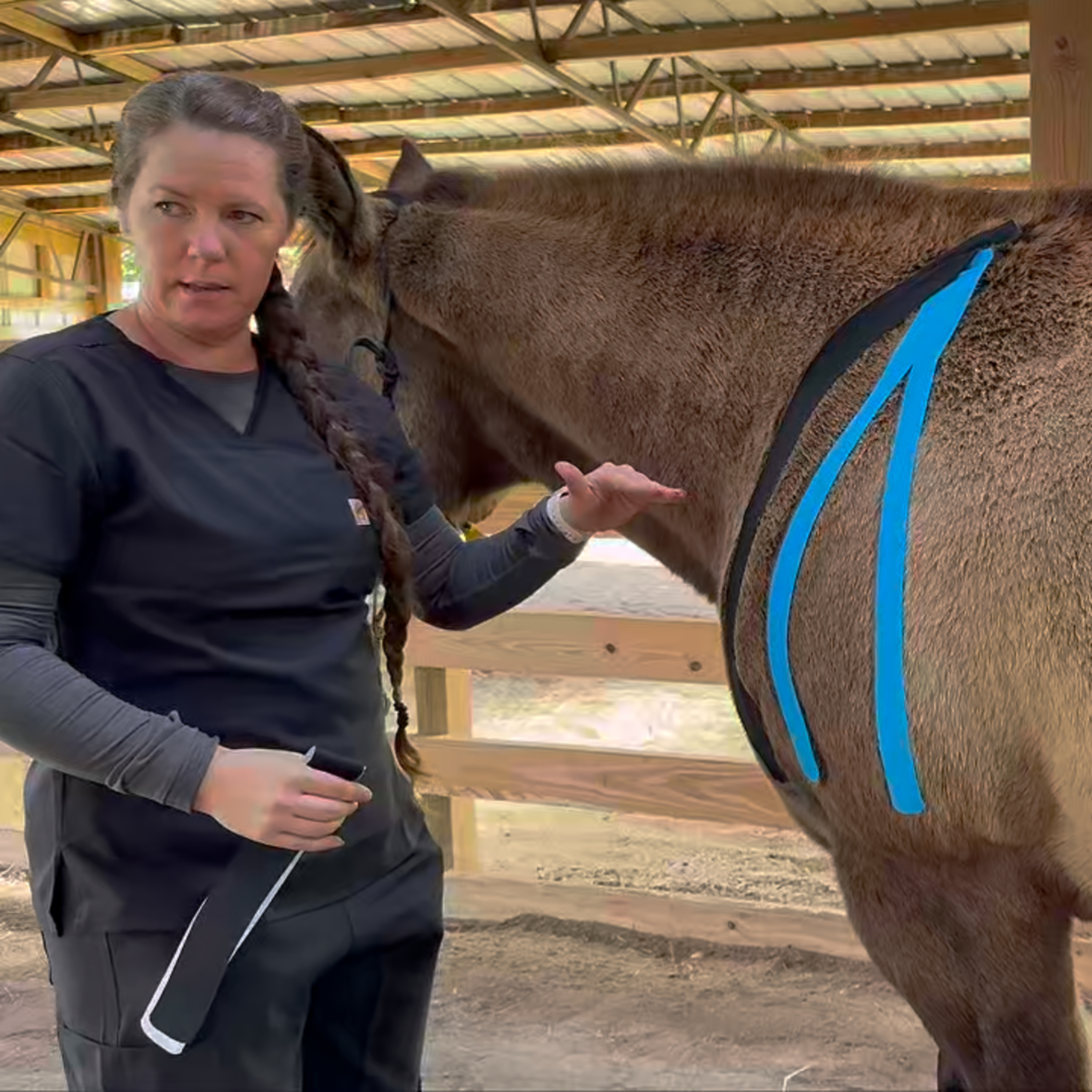
    A $13 roll of tape is showing up in equine rehabilitation yards. The question is whether the claims stand up. Rebecca Haddock has spent 30 years working at the edges of equine therapy. In this episode, she explains how kinesiology taping works in horses, why the equine version is built entirely differently from human tape, and how she's simplified the technique so that any horse owner can learn it. We also ask why she threw out the rulebook on who can access this training. Learn more about Rebecca's work at equitecs.com ***If this episode made you curious, the newsletter is where we pick the conversation back up. The questions we saved until the recording light went off. Free, no spam, unsubscribe anytime. 👇www.curiousequestrian.co.uk/p/384842a6-5d1f-475f-975d-8d675909007a*** Learn more about Rebecca's work: Website: https://www.equitecs.com/Instagram: https://www.instagram.com/equi_tecs/https://www.facebook.com/EquiTape **** Support the podcast: Shop our merch and browse our bookshop (links below)Subscribe to our newsletter: www.curiousequestrian.co.ukBook shop: https://uk.bookshop.org/shop/curiousequestrian Merch: https://curiousequestrian.teemill.com/ The views expressed are those of the guest. Nothing in this conversation constitutes veterinary advice. Always consult a qualified vet for the diagnosis and treatment of your horse.

  • February 17 · 1 hr 5 min

    Wild Horse Behavior: What 20 Years of Research Reveals About Domestic Horses

    Bonny Mealand - Equine Podiatrist, Touching Wild Academy In this episode: Bonny Mealand has spent 20 years studying wild horses, she talks about how horses' entire lives revolve around social relationships, and how watching wild horses changes the way we advocate for domestic horses.Key topics:- Why social relationships are horses' primary need (not hierarchy or survival)- The two-year commitment: not riding until her mare genuinely agreed- How wild horse behavior reveals what we're missing in domestic horse careGuest contact & resources:Intro Video Credit: Lizzie MacKenzie, Of The Wild - visit the Touching Wild Academy to watch in full. Intro Photo Credits: Jean Sinclair. Takhi in Mongolia Photo Credit Nancy Clarke.Support the podcast: Curious Equestrian challenges conventional wisdom in the horse world. We interview researchers, vets, and evidence-based trainers to ask uncomfortable questions about how we care for and train horses.🔔 New episodes every two weeksSubscribe to our newsletterBook shopMerch Additional Resources mentioned in this episode:Horses in Company by Lucy ReesHorses in Our Hands5 Domains of Horse Welfare

  • January 29 · 56 min

    The Complete Winter Feeding Masterclass

    This is your comprehensive "Winter Survival Guide." In this deep-dive, Independent Equine Nutritionist Clare MacLeod (MSc) joins us to cover virtually every aspect of managing your horse through the colder months. From the anxiety of the Hay Crisis to the confusion around rugging and fasting windows, we leave no stone unturned. Clare provides the science-backed protocols you need to prevent colic, manage mud, and keep both "Good Doers" and "Hard Keepers" healthy until spring. In This Extensive Guide, We Cover: The Forage Crisis: Exact protocols for stretching hay and safely mixing forage types. Gut Health: The "7-Day Rule" for transitions and the truth about "Ad Lib" feeding. Medical Myths: Why the "4-Hour Fasting Window" is critical for ulcer prevention. Management: To rug or not to rug? A nutritionist's verdict on calories vs. cold. Winter Colic: The link between dehydration, impaction, and cold weather. Weight Watching: Using the winter slump to your advantage for "Good Doers." Guest Resources: Clare MacLeod’s Website: https://www.equinenutritionist.com/ Follow Clare on Facebook: https://www.facebook.com/ClareMacLeodEquineNutritionist

  • January 21 · 58 min

    The native ponies we could lose

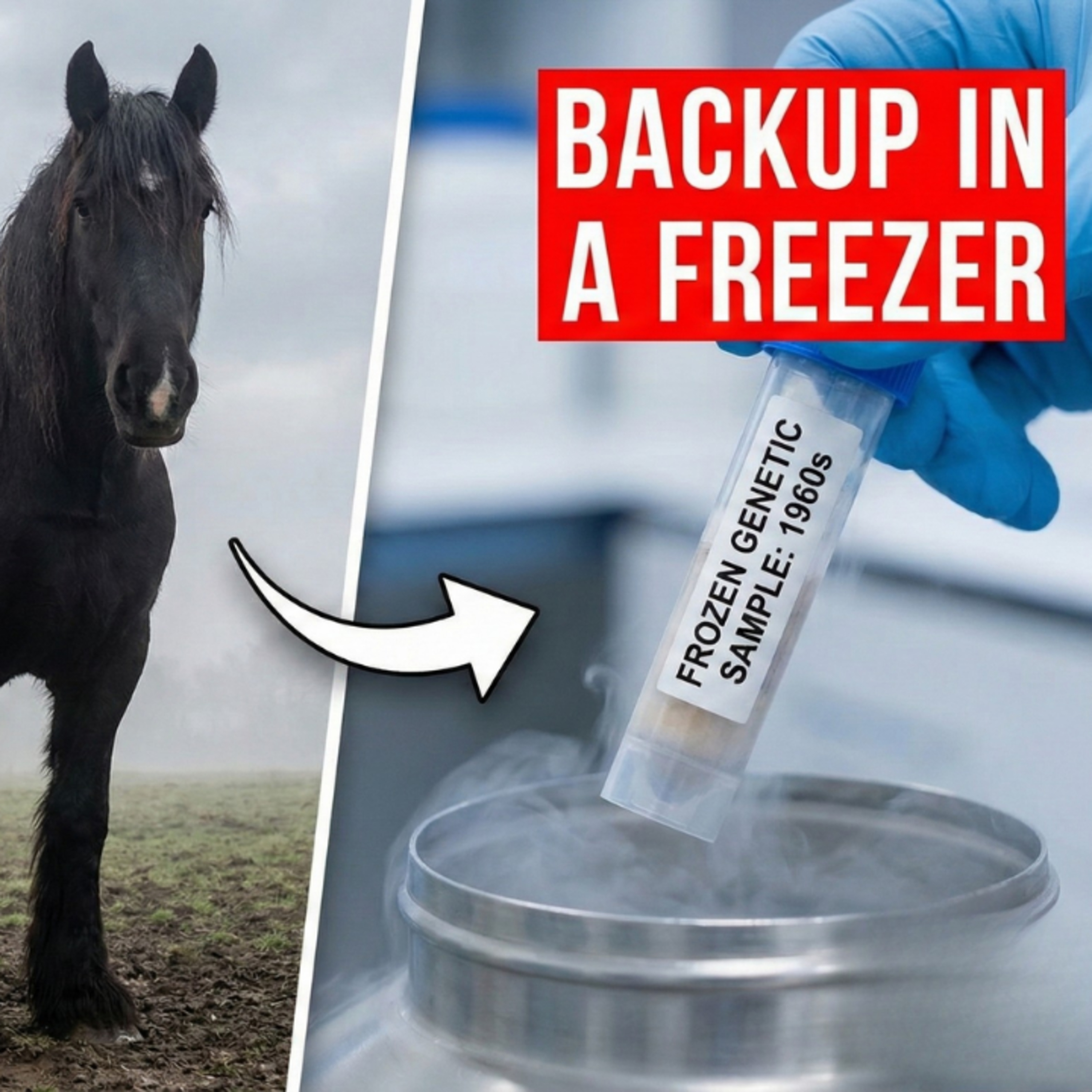
    We often think of the Shire horse as a staple of the county show. Huge, gentle, and safe. We assume they are doing fine. The data tells a different story. In this episode, Anna Louise sits down with Tracy Wathen-Jones from the Rare Breeds Survival Trust (RBST). We move past the nostalgia of the heavy horse to face the biological reality: we are losing our native breeds. We discuss: The extinction numbers: Why the Exmoor pony and Eriskay are now critically rare. The "frozen" insurance policy: Why we are relying on a gene bank of semen from the 1960s to save these breeds from total collapse. The lost language: Why handling a Shire requires a different skill set to a warmblood—and why losing the "old boys" means losing the horsemanship skills to keep the breed alive. Utility vs. Sport: Why "conservation grazing" might be the only job left for our native ponies. This is not just a history lesson. It is a conversation about whether the horse has a future if it doesn't have a job. Special thanks to the following photographers and societies for the images used in the video intro: Jennifer Feleris, John Green, Katrina Bell, Frances Ellis, Louise Blundell, Deborah White, El Dunlop, David Stewart, and the Eriskay Pony Breed Society.Learn more about our UK Native Horse Breeds on the Rare Breeds Survival Trust website: https://www.rbst.org.uk/pages/category/equine-watchlist The Inquisitive Herd (Membership):The conversation continued after the mics cut off. Members can listen to the After-Hours Tapes, where Tracy shares the specific reality of funding these projects and the "messy" truth of breed societies.

  • January 12 · 56 min

    Horse Riding Accidents: A Paramedic’s Guide to Safe Hacking

    Have you ever thought through exactly what would happen if you fell off your horse while hacking? We often plan our routes, but do we have a plan for when it all goes wrong? In this vital episode of Curious Equestrian, we are joined by Mike Elkins, Lead Driving Education Manager at South Central Ambulance Service NHS Foundation Trust. Mike is the driving force behind Project Pacer, a campaign dedicated to reducing road incidents involving horses and improving rider safety awareness. Mike bridges the gap between the equestrian world and the emergency services, sharing eye-opening statistics and life-saving advice that every horse owner needs to hear. In this episode, we discuss: Project Pacer: Why reported incidents (over 3,000 a year) are just the tip of the iceberg. The 999 Call: What actually happens when you dial emergency services and how to help them find you in remote locations (including the truth about mobile signal). Immediate Action: Why deep breathing isn't just for calming down—it can physiologically slow down bleeding. Sirens & Lights: How ambulance drivers are trained to approach horses on the road and why wearing high-vis makes you three times more visible to them. First Aid Essentials: What you should carry in your saddlebag and why "just getting back on" isn't always the bravest choice. Whether you hack on busy roads or remote bridleways, this conversation will leave you better equipped, better prepared, and potentially ready to save a life. Links & Resources: Learn more about Project Pacer via The British Horse Society Check your phone for AML (Advanced Mobile Location) settings. Disclaimer: This episode discusses medical trauma and road accidents. Please listen with care.

  • Dec 26, 2025 · 1 hr 16 min

    Give Them Choice. Why Track Systems Are The Future.

    We like to think that when our horse whinnies at us over the stable door, it's love. But what if it's actually desperation? In this interview, I’m talking to Lauren from Graveney Equine about why Track Systems (Paddock Paradise) are the future of horse care. We dig into the hard truth that haunts many owners: when you give a horse true autonomy on a track, they stop "needing" you in the same way. And for many of us, that triggers a massive identity crisis. Lauren also shares how she started her first track system for just £300 (approx $380 USD) and how it healed hoof issues that traditional farriery couldn't touch. If you are struggling with mud, laminitis, or just feel like traditional boarding/livery is failing your horse, this conversation is the alternative you’ve been looking for. In this video, we explore: The "Affection" Myth: Distinguishing between connection and learned dependence. Budget Barriers: How to build a functional track system on a shoestring budget The Health Turnaround: Healing toe cracks, abscesses, and EMS through movement. Winter Management: Handling mud and forage without spending a fortune on surfacing. nrwN4iftUQFviJqEAZCQ Featured Guest: Lauren from Graveney Equine (Founder of the Horse Track System FB Group) Resources Mentioned: https://www.facebook.com/graveneyequinenaturaltrack/ https://www.facebook.com/groups/808480805889892?locale=en_GB #HorseTrackSystem #PaddockParadise #NaturalHorseCare #EquineWelfare #BarefootHorses

  • Dec 8, 2025 · 41 min

    Feeding 20 Horses Through the Hay Shortage: Track System Owner Shares Strategies

    The UK is facing its worst hay crisis in over a century. And for livery yard owners like Lauren Johnson, the reality became terrifying when her hay supplier called to say the field was on fire. This is Day Three of our three-day Hay Crisis Special. Meet Lauren Johnson—Faversham, Kent. Livery Yard of the Year 2024. Lauren runs Graveney Equine Horse Track System, a specialist livery designed to mimic how horses naturally live and eat. Her 20 horses rely almost entirely on hay distributed around the track—there's no grass safety net. When her regular hay supplier called to say the field had caught fire due to extreme heat and drought, Lauren's yearly hay bill jumped by £3,000. A field that normally yielded 500 large bales produced just 80. She scrambled to secure supply from a backup contractor she'd only just started talking to—pure luck that saved her season. 📌 IN THIS EPISODE, YOU WILL HEAR: The Phone Call: "The field is on fire." Lauren describes the panic of being told her hay supply literally went up in flames due to machinery sparks in bone-dry grass during the hottest summer on record. The £3,000 Increase: Lauren's hay bill jumped from £11,000-12,000 to over £15,000 for slightly less hay. She had no choice but to pass costs onto livery clients—who are already stretched thin by the cost of living crisis. Practical Strategies for Horse Owners: Lauren shares her community's survival plan: slow feeder nets to reduce waste, mixing straw up to 50% (gradually), using chaff and hay replacers, storing hay properly with specialist tarps, switching to haylage (with gut health warnings), and utilizing standing hay on pasture for horses that can tolerate it. The Gut Health Warning: Lauren explains why switching between hay and haylage can cause colic, laminitis, and hindgut acidosis—critical information many vets and feed merchants aren't sharing with desperate horse owners. The Livery Yard Crisis: Livery yards are closing across the UK. Land is being sold for housing. Yards are overstocking to survive financially. Winter turnout is disappearing under mud. And licensing requirements may eliminate the "cheap field rental" loophole many horse owners rely on. The Uncomfortable Future: Lauren predicts horse ownership is becoming elitist again—not by choice, but by economics. Fields that once rented for modest sums now command £500/month per acre. People are selling horses into a flooded market or making the heartbreaking decision to euthanize rather than risk unknown futures. And climate change means this isn't a one-off crisis—it's the new normal. This episode is raw, practical, and deeply informed. Lauren manages both sides of the equation: she's a livery yard owner and an arable farmer. She understands the pressures on hay suppliers, the financial impossibility facing yard owners, and the heartbreak of horse owners who can no longer afford the animals they committed to for life. RESOURCES: Graveney Equine on Facebook: Graveney EkwineHorse Track Systems Facebook Group (active community with hay crisis support) #HayCrisis #HorseWelfare #ClimateChange #HayShortage #TrackSystem #LiveryYard #CuriousEquestrian #Equestrian #HorseOwnership #UKHayCrisis

  • Dec 7, 2025 · 35 min

    What Happens When We Run Out? The Harsh Reality of the UK Hay Shortage

    The UK is facing its worst hay crisis in over a century. Spring 2025 brought the driest conditions in 50 years for the UK, and England's driest spring in more than 100 years. Hay yields have dropped by 50-75% in some regions. Prices have doubled or tripled. And for horse owners like Katarina Marcus, the reality is stark: hand-grazing three horses in the dark with a head torch just to keep them fed. This is Day Two of our three-day Hay Crisis Special. Yesterday, we heard from the British Horse Society about expert strategies to reduce waste and stretch your supply. Today, we're hearing the lived reality from someone on the ground. Meet Katarina Marcus—Brighton, Sussex. Kat saw this crisis coming in July. She sectioned off winter grazing early, started hand-grazing her horses on the South Downs, and began rationing hard feed to compensate for hay she knew wouldn't arrive. Her hay prices have jumped from £5 to £7.50 per small bale—and she expects it to rise again. Her 5-foot round bales went from £35 to £50, soon to be £60. But the financial strain is only part of the story. Kat is also an author you can find her collection of novels here: https://www.katharinamarcus.com/ 📌 IN THIS EPISODE, YOU WILL HEAR: The Daily Reality: Kat gets up an hour earlier than usual to hand-graze her horses before work. In winter, she'll be out in the pitch black with a head torch because she's stopped riding entirely to focus on keeping them fed. The Herd Dynamic Crisis: Kat lost one of her four horses to colic in January. She's been looking for a fourth all summer to ease the "terrible number three" dynamic—but her Shetland budget is now her hay budget. The two mares are fighting. The older one, a grass sickness survivor, is losing condition. The Livery Yard Lifeline: Kat's yard has banded together to feed "little and often" throughout the day, with different owners coming at different times to give small portions. It's a beautiful example of community—but not everyone has that. The Career Sacrifice: This isn't Kat's first hay crisis. The last one forced her to leave her career as a freelance horse trainer and instructor because clients couldn't afford lessons. . The Uncomfortable Truth: Kat predicts we will run out of hay. Not just expensive hay—no hay. And unlike the last crisis, we can't import from France (Brexit, and Europe is facing the same shortage). She fears for urban horse owners with no access to grazing. She fears for stabled horses. And she fears we'll see a flood of cheap horses on the market as people are forced to sell. This episode is raw, honest, and deeply human. It's about the trade-offs we don't talk about—careers, Christmas plans, riding time, herd dynamics, and the fear of what happens when the supply runs out. ABOUT CURIOUS EQUESTRIAN: We explore the questions horse owners are afraid to ask. From mental health to practical horse care, we bring you the experts. This episode is made possible by our Inquisitive Herd members. Join for bonus Q&As, behind-the-scenes planning calls, and a community of thoughtful horse people: https://www.patreon.com/cw/CuriousEquestrian #HayCrisis #HorseWelfare #ClimateChange #HayShortage #HorseCare #CuriousEquestrian #Equestrian #DIYLivery #HorseOwnership