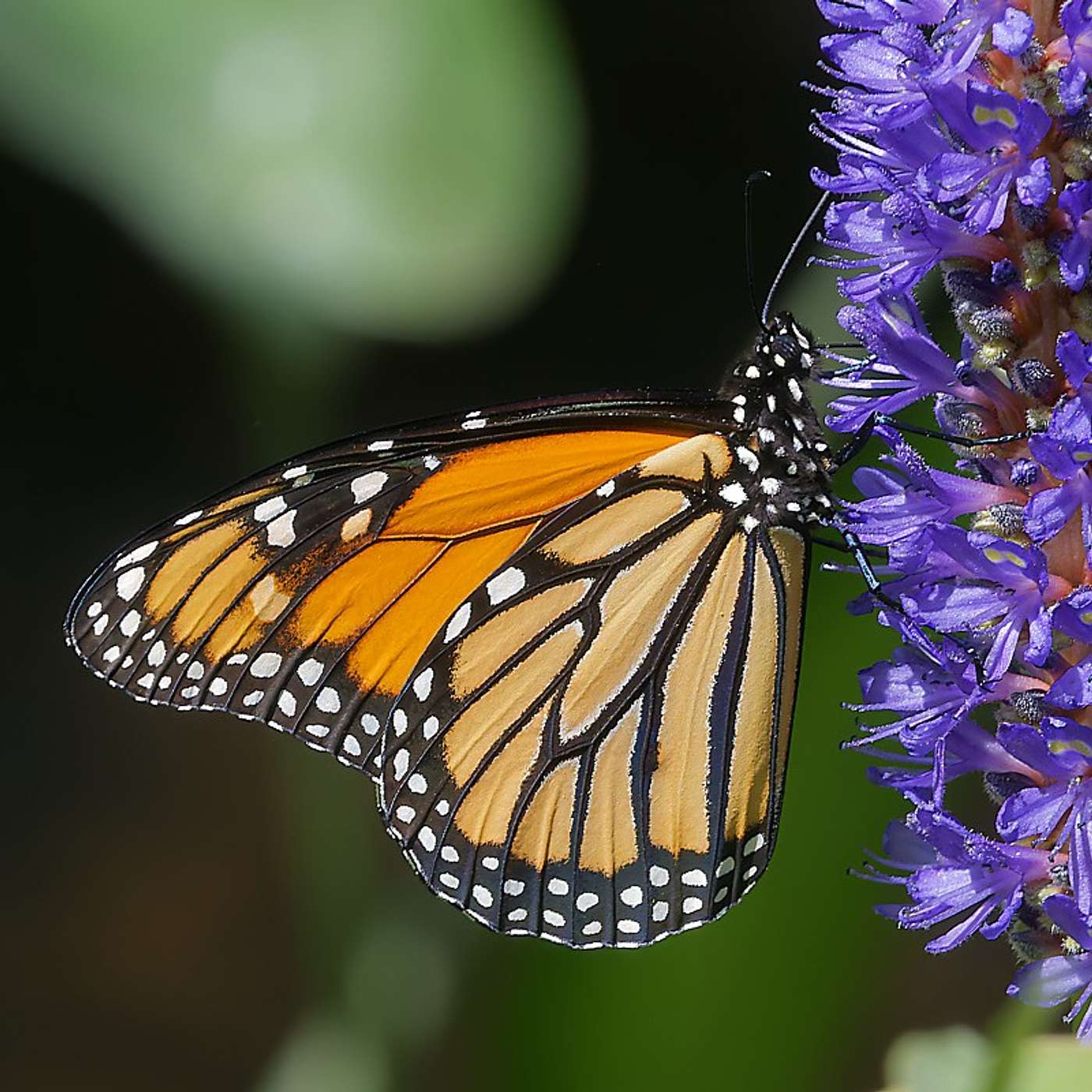
Capturing the Life of Insects: Using Photography to Inspire Conservation
Photography is a powerful tool to tell stories and change perspectives. This is especially true when it comes to insects and invertebrates—animals that are often overlooked and misunderstood. How can we use photography to share the story of these creatures we love and inspire others to save them? To share his experience and photography tips is Clay Bolt. Clay is the Manager of Pollinator Conservation and Great Plains Communications for the World Wildlife Fund. He is also an award-winning conservation and natural history photographer. Clay focuses on native bees and other overlooked species. His work has been featured in National Geographic, The New York Times, and National Wildlife Magazine. He is a Senior Fellow of the International League of Conservation Photographers, a Fellow of the Linnean Society of London, a past president of the North American Nature Photography Association, and a multi-time honoree in the Wildlife Photographer of the Year competition. Between 2015 and 2017, Clay played a notable role in the successful campaign to protect the rusty-patched bumble bee under the Endangered Species Act—the first native North American bee to receive federal protection. In 2019, Clay was part of the team that successfully went in search of the world’s largest bee, Wallace’s giant bee, which had only been recorded by a western scientist once since it was first described by Alfred Russell Wallace in 1858. --- Cover photo: © Clay Bolt Thank you for listening! For more information go to xerces.org/bugbanter.
- Transcript