Skip to content
Artwork for Beyond the Garden Basics
LeisureHome & GardenEducationHow To

Beyond the Garden Basics

Farmer Fred

Picking up where the Garden Basics podcast left off.

gardenbasics.substack.com
Play
  • 37 episodes
  • a few times a week
  • Avg 26 min
  • English
Counted on this page — what you have heard stays on this device, so it is not something the list can be paged by.
  • July 24 · 15 min

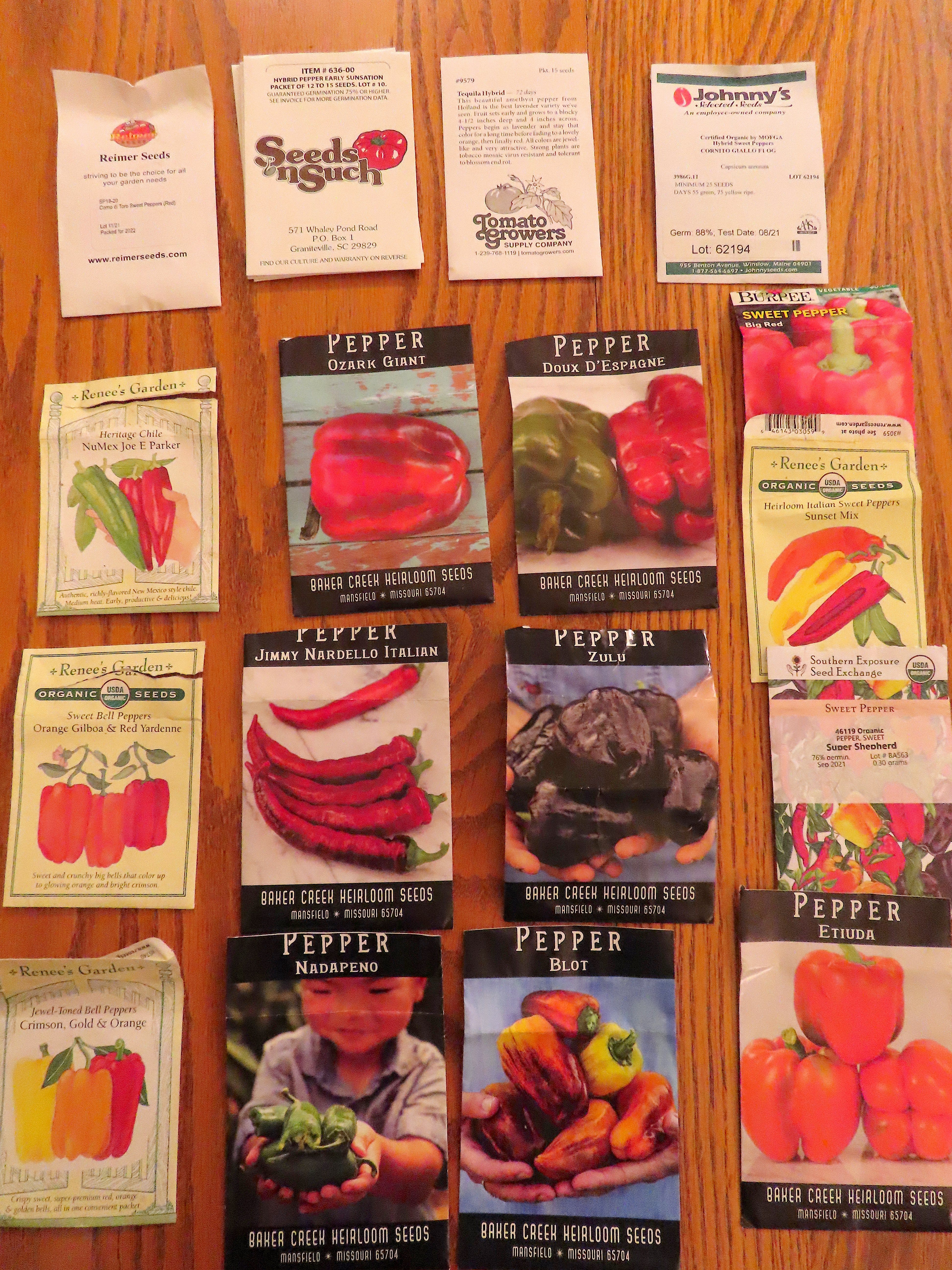
    Too Many Peppers? Try This Popular Sweet Pepper Relish Recipe

    In today’s podcast (above), we talk with renowned pepperhead Dave DeWitt, author of several hot pepper books. We talk hot pepper basics, and Dave adds advice on how to overwinter your hot pepper plants for a second year of growth (and heat!). We have a complete, human-corrected transcript of the podcast towards the bottom of today’s newsletter. Short of time? Here are the main points from today’s podcast: * Start from seed for variety, or order early from pepper catalogs. Super-hot varieties like Bhut Jolokia or Scorpion peppers may be difficult to find as transplants, so grow them from seed. * Don’t judge peppers by heat alone. Habaneros hit 80,000–200,000 Scoville units but have a fruity, apricot-like flavor, good for both heat and taste. Diluting them (e.g., one habanero in 4 cups of salsa) keeps flavor without overwhelming heat. * Skip water or beer for pepper burn. Capsaicin isn’t water-soluble, so the relief is temporary and heat returns. Use dairy instead: yogurt, sour cream, heavy cream, whole milk or ice cream (the casein protein strips capsaicin off your mouth). * Never let pepper roots sit in water-logged soil. Add perlite or pumice (not vermiculite) to potting soil/containers to keep roots well-drained and prevent root rot or Phytophthora fungal disease. * Give peppers 10–12 hours of full sun daily. They’re unaffected by day length until fall, and stop flowering once they hit their max fruit load. * Use moderate nitrogen fertilizer. Too much N (especially from urea) produces lots of foliage but few pods. Organic fertilizers (naturally low in salt, under 10% nitrogen) are a safer bet. * Get your soil tested annually (via a University extension service, e.g., Colorado State, UMass/Amherst, Texas A&M, or Utah St) to catch salt buildup, a common yield-killer from repeated watering/fertilizing in raised beds. If salts build up, flood-irrigate the bed heavily at season’s end to flush them out. * To overwinter a pepper plant, grow it in a container, bring it indoors (a south-facing window is enough) over winter, and move it back outside in spring. You’re just keeping it alive in the winter, not expecting fruit until summer returns. * Choose smaller-podded varieties (like pequins) for overwintering success. Pequins retain more vigor in year two, while larger-podded types (like New Mexico chilies) lose vigor and yield less after their first year. What To Do With All Those Peppers This is a public episode. If you'd like to discuss this with other subscribers or get access to bonus episodes, visit gardenbasics.substack.com/subscribe

  • July 21 · 43 min

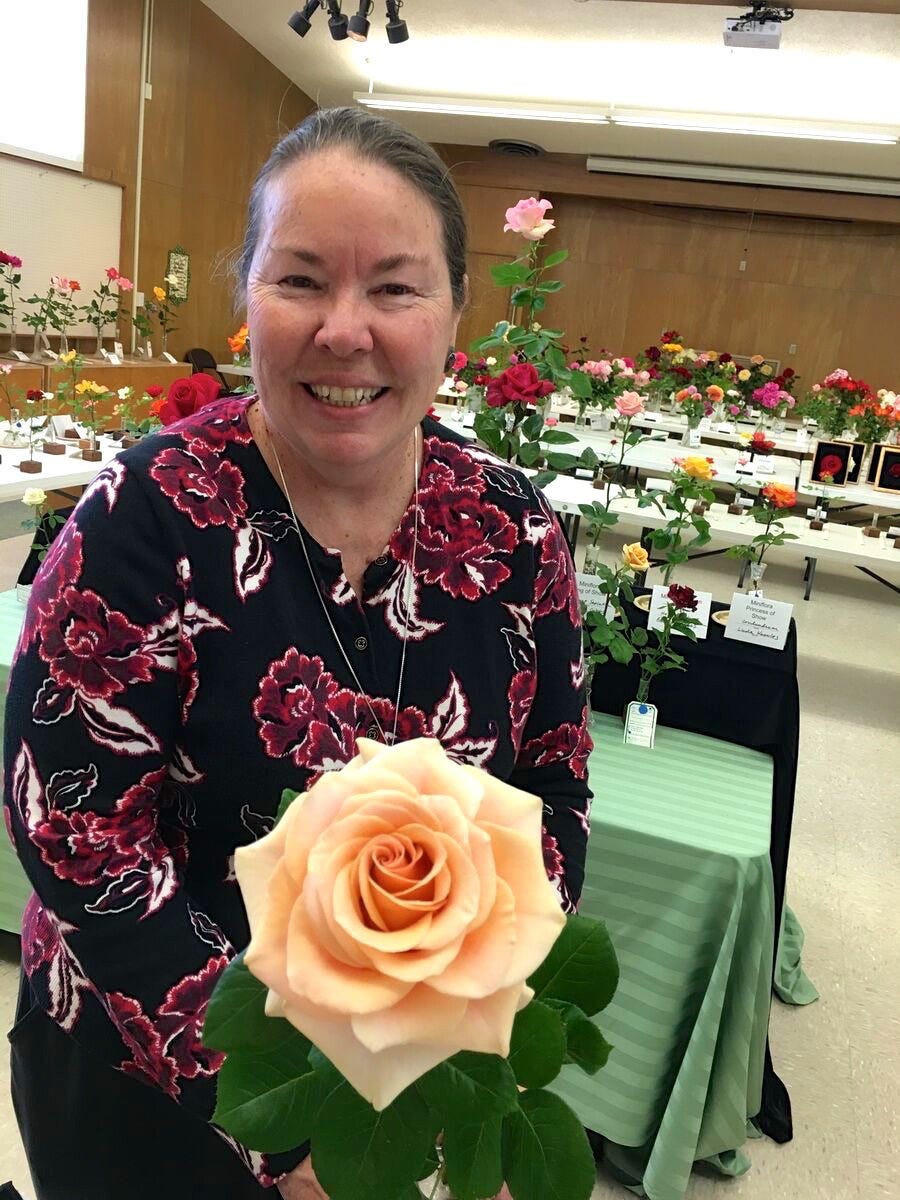
    The Best Roses For Cut Flowers

    Bullet Points from the Podcast, “The Best Roses for Cut Flowers” * Always cut long stems, not just the spent bloom. Snipping only 1-2 inches when deadheading causes the plant to push out short, crooked replacement growth; cutting deep into the cane produces another long stem. * Make cuts just above a five-leaflet leaf (not a three-leaflet one), and choose a node pointing outward from the bush’s center. This improves air circulation and keeps stems growing straight. * Recut stems underwater every couple of days, trimming about an inch off the bottom to remove air bubbles and keep water moving up the stem so buds continue to open. * Strip off any foliage that will sit below the waterline submerged leaves decay and foul the water. * Use flower food, or a sugar-water substitute like regular (non-diet) Sprite or 7Up, to keep water cleaner and nourish cut stems; tap water is otherwise fine. * For low-thorn, long-stemmed cutting roses, favor hybrid teas and grandifloras like Ring of Fire, Hot Princess, Olympiad, Veteran’s Honor, Gold Medal, and Strike It Rich. Many grandifloras have notably fewer prickles. * For reliably long-lasting vase life (opening slowly over about a week), pick Olympiad or Veteran’s Honor rather than Mr. Lincoln, which opens quickly once cut. * For fragrance, choose Mr. Lincoln, Double Delight, or Olivia (an Austin/English shrub rose). But note high-petal-count “cabbage” roses like Olivia and Tamora can shatter petals suddenly (”explode”) on the table. * For multi-bloom stems that fill a vase in one cut, use sprays/floribundas such as Sally Holmes, Julia Child, Betty Boop, and Daybreaker, or miniatures like Joy and Rainbow Sunblaze. * Build arrangements with the “thrill, fill, spill” formula: big roses as the focal thrill, small polyanthus/miniature blooms as fill, and trailing foliage (ferns, ivy, nandina) as the spill to soften the vase edge. * Add a sprig of citrus leaf or rose geranium to boost scent in bouquets from lower-fragrance roses. * To time blooms for a specific event (wedding, show), prune roses about 6-8 weeks in advance. That’s the typical bloom cycle after a hard cut. * Fertilize roughly monthly, especially after a deadheading push, and mulch to help with drought tolerance; if cutting back on water, cut back on fertilizer to avoid burning the plant. * Deadhead regularly and thoroughly; leaving spent blooms on the plant signals it to stop flowering and start forming rose hips instead. * Roses generally suit USDA zones 6-9, with best performance in low-humidity, low-rain, full-sun-but-not-scorching conditions (east-facing exposure helps colors last longer in hot climates). Beyond The Garden Basics is a reader-supported publication. To receive exclusive, new posts and support my work, consider becoming a paid subscriber. Thank You! This is a public episode. If you'd like to discuss this with other subscribers or get access to bonus episodes, visit gardenbasics.substack.com/subscribe
  • July 17 · 22 min

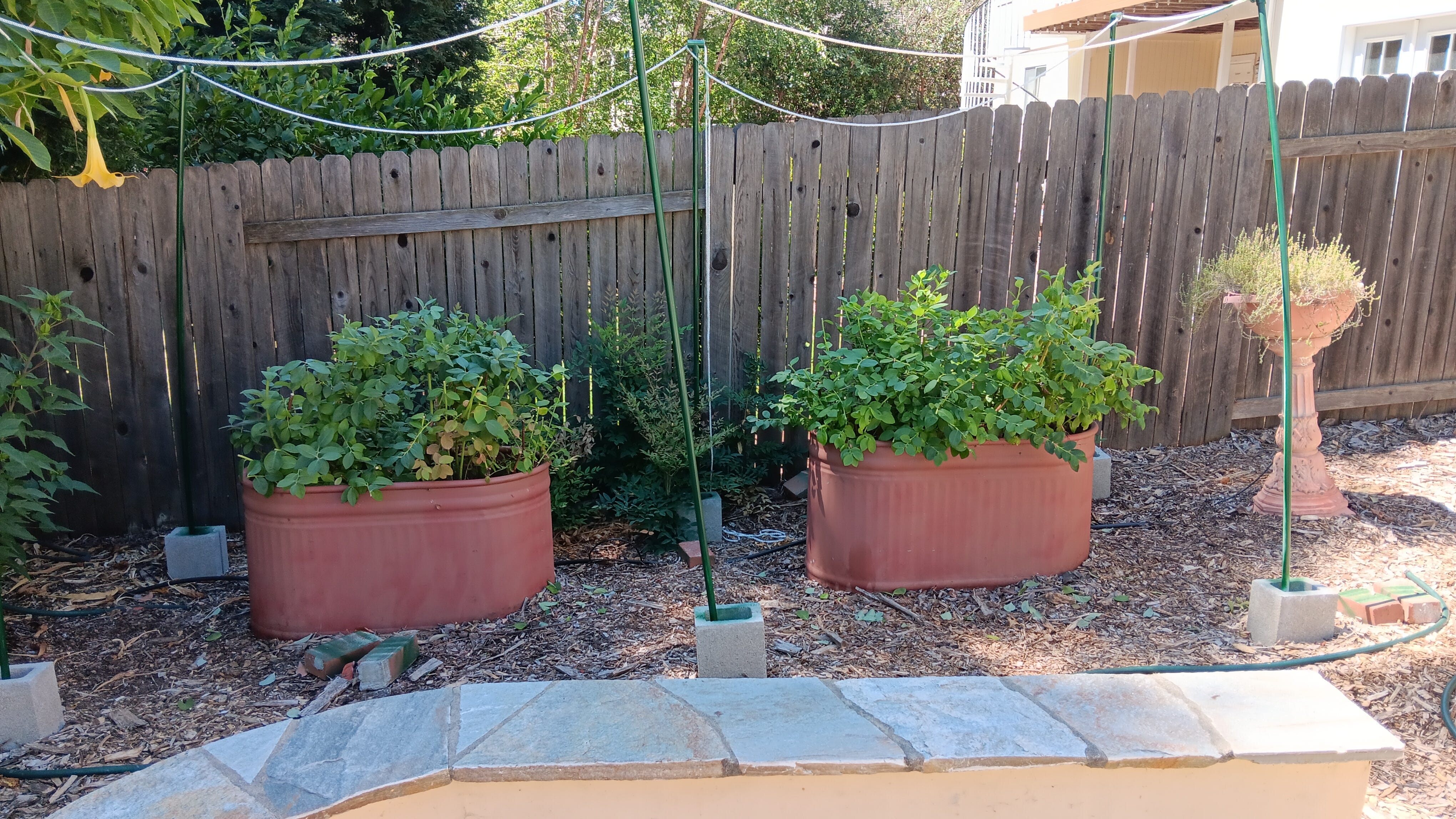
    When Should You Prune Your Blueberries?

    I just finished pruning my blueberry plants. In July. WHAT?!? Aren’t you supposed to prune them in the winter? It depends. It depends on where you live, the type of blueberry plant you are growing, and whoever’s advice you want to follow. For the sake of reliability, we concentrate on the advice from University Extension publications from throughout the country in our zone by zone breakdown, below. This is a public episode. If you'd like to discuss this with other subscribers or get access to bonus episodes, visit gardenbasics.substack.com/subscribe
  • July 10 · 47 min

    How to Plant and Care for a Shade Tree

    Beyond The Garden Basics is a reader-supported publication. To receive exclusive posts and complete access to past editions , consider becoming a paid subscriber. Today’s podcast interview focuses on consulting arborists and how they help property owners evaluate tree health. Gordon Mann explains that a consulting arborist provides independent inspections, identifies problems such as leaning, branch breakage, bark shedding, root issues, and recommends options for treatment or mitigation rather than only suggesting removal or trimming. But we talked about a lot more regarding shade trees. Among the topics discussed: * Call a consulting arborist (not a tree-care salesperson) every few years for an independent inspection, especially if you notice leaning, breaking branches, or unusual bark shedding. Find one via treesaregood.com (ISA) or asca-consultants.org. * Don’t over-water lawns and starve trees: if you cut lawn irrigation, add dedicated deep watering for trees instead (e.g., a spiral soaker hose or concentric drip rings under mulch) so roots don’t rely on turf runoff. * Water deeply and infrequently (weekly to bi-weekly in dry season), covering the entire root zone from trunk to drip line, not just one emitter at the trunk. * Mulch with wood chips or leaf litter (”duff”), replenished every few years, as a top dressing only, never buried under the tree. It moderates soil temperature/moisture, builds soil biology, and softens rain impact. * Before planting, remove the tree from its container and check for circling roots; prune or score the root ball on four sides (and the bottom) to redirect root growth. * Use the “pedestal method”: dig the planting hole to the height of the root ball (or 1 inch less), keep that pedestal of native, unexcavated soil undisturbed, but loosen a much wider area around it (2–5x the root ball diameter). * Plant slightly high - top of the root ball about 1 inch above grade - to account for settling, and never plant in compost or heavily amended soil that will settle and bury the trunk. * If amending soil, mix in only 8–10% organic matter across the whole dug area rather than replacing native soil entirely. * Space trees for mature canopy size, not instant privacy. Plant further from fences and from each other to avoid crowding, root conflicts, and future removals. * Plant a diverse mix of species (no more than two of the same species in a row) to avoid catastrophic losses from pests/disease like Dutch elm disease or emerald ash borer; include some native trees for a stronger ecological palette. * Learn correct pruning cuts: avoid “heading cuts” (topping/chopping), which cause weak, densely packed regrowth; favor selective, purposeful cuts instead. * Prune only for a specific reason (health, structural safety, or clearance needs). Remove no more than 5–20% of foliage annually, and retire the outdated idea of “thinning” a tree just for looks. * For dead, dying, diseased, or crossing branches, evaluate each case individually rather than removing wholesale. A partial dead branch can sometimes be left for habitat. * Choose the right tree for the right purpose and location up front, accounting for underground utilities and infrastructure, since trees take 15–20+ years to deliver full shade/canopy benefits. * Give young trees a light shake 12–30 inches above the ground; if the root ball shifts, the tree isn’t rooting well and needs root pruning, transplanting, or replanting. Today’s conversation with Consulting Arborist Gordon Mann reminded me of two of the 11 Farmer Fred Garden Rules: 7. EVERYTHING YOU KNOW IS WRONG. In the 1940’s & 50’s, DDT was available to home gardeners as a pesticide. Turns out, it caused cancer and killed birds. In the 1960’s-70’s, the Modesto Ash was considered the “perfect shade tree” for the Central Valley of California. Turns out, it is susceptible to anthracnose, mistletoe and is no longer recommended. In the first decade of the 21st century, the pesticides Diazinon and Dursban were taken off store shelves. Also proven ineffective, despite claims to the contrary: Vitamin B-1 for transplant shock, store-bought ladybugs, and tomato calcium spray to cure blossom end rot. In horticulture, research is always ongoing. 8. IF IT WORKS FOR YOU, FINE; BUT KEEP AN OPEN MIND. If you’re using safe gardening techniques that others frown upon - and those techniques are working…well, who are we to tell you to stop? Still, new research, techniques or equipment may make your chores a heck of a lot easier and satisfying. Today’s solution could become tomorrow’s problem. Be open to change. Even if you listened to the podcast, read the transcript. Gordon Mann had so many profound ideas about trees and tree care, you’ll learn a lot more with another read (or listen). Plus, links mentioned in the podcast for more information about trees and tree organizations can be found in the transcript. PODCAST TRANSCRIPT: HOW TO PLANT AND CARE FOR A SHADE TREE Farmer Fred: Do you have trees on your property? Well, trees are usually the largest and longest live natural features on your property. Plus, they’re worth a lot of money when you go to sell your home. So it pays to take care of the trees on your property. But do you know how? Well, if you don’t know how, that might be the time to call in a consulting arborist, especially if you think that there’s going to be problems if you see the tree leaning or maybe branches are starting to break or there is some unusual shedding of bark or something like that, you want to call in a consulting arborist. Well, what is a consulting arborist? Well, let’s check in with Gordon Mann. He happens to be a consulting arborist and he has a company called Mann-Made Resources serving Northern California for residences, businesses, agencies. He’s been doing it for more than three decades and he wants your trees to succeed. But the only way those trees can succeed is if you do the right thing and treat them right. And as I’ve been saying on this program for how many years now, it’s all about the soil. And that’s so true when it comes with trees as well. Gordon, a pleasure talking with you. And I hope we can shed some light for people to help them take better care of their trees. Gordon Mann: Thank you, Fred. I appreciate the opportunity to share some information with you. And actually, I’ve been doing this for about 45 years. And seven years ago, Handmade Resources shifted our consulting to California Tree and Landscape Consulting, CalTLC. And that’s where the consulting comes from. I also, in July, started the Institute for Soil Genomics for Healthy Community Forests. And the idea is to help people learn how to get our soils back to their natural form. Farmer Fred: And I bet right now people are wondering, well, wait a minute, what is a consulting arborist? So why don’t you explain the difference between a regular arborist and a consulting arborist? Gordon Mann: A consulting arborist should be someone with enough experience to come out and make an inspection on the property or the trees and figure out what any of the issues are that are, impacting the tree health or the tree condition. Usually, the consulting arborist is not part of a tree care company because most tree care salespeople show up to your property to sell tree work. There are several of them that will give some consulting out, but their job is to sell tree care. Otherwise, the company goes out of business. Nobody can just keep giving free information and stay in business for their careers. So we do charge for our independent, unbiased inspections of the trees. And the most scientific ways to help the trees grow and stay healthy. Or if the trees have some issues, how to treat the issues. And instead of just saying the trees have to be trimmed or have to be removed, we give options and mitigation options for any issues on the property. Farmer Fred: And just like you would visit a doctor regularly or a dentist regularly, if you have trees on your property, and especially if they’re full-grown trees that could be worth thousands of dollars when the time comes to sell your property, you might want to call in a consulting arborist every few years to just do a general survey of your urban forest. Gordon Mann: I agree with you. And I’m not just trying to sell our work. But any asset that we have requires some kind of preventative maintenance or regular maintenance. We think about all the things in our homes and our cars, and we do things to take care of them. No one drives their car until the engine seizes because they never change the oil. And trees being a very valuable asset to our property and part of the community canopy are very important and do need to be inspected occasionally and help the property owners learn how to manage their trees, structure, and health in an appropriate manner. Farmer Fred: And to find a consulting arborist near you, there are a couple of good resources out there that can help you pinpoint somebody locally who can help you out. I know there’s the International Society of Arboriculture with their website, treesaregood.com, where you can find a list of arborists and consulting arborists. But also there’s one specifically for consulting arborists, the American Society of Consulting Arborists. Gordon Mann: Both of those have arborists that are either certified or with ASCA registered consulting arborists that can help you inspect the site and give you the information you need to take better care of your trees. And hopefully the person that comes out is talking to you about growing better trees and keeping your trees healthy. And helping him understand what we can do to avoid unplanned failures as much as possible. None of us are able to look completely below the ground, but we can look at differences in the site conditions, the tree trunks, and sometimes the roots. And what we normally do is we make as much assessment as we can from what we can visually see from the ground. And then if we come up with some things that we need more information on, There’s called advanced assessments, where people might go up in the air and climb the tree to do an aerial inspection and look at what’s up in the branches close up or actually excavate the soil so, those of us without x-ray vision can actually see the roots. Also, we have things we can do like tomography or resistance drilling and find out what level of decay is in trunks that might have no apparent openings that we can see inside but sound hollow and we use a mallet to check the quality of the wood. Farmer Fred: The American Society of Consulting Arborists, their website is asca-consultants.org. And it will have a link to both the American Society of Consulting Arborists and the International Society of Arboriculture in today’s show notes as well. I know you’ve been going around giving presentations on tree health, and I’m amazed at the resiliency of trees, how even though to the naked eye they might appear to be healthy, they could be stressed because they were started poorly, and not the least of which is when they may have been planted when the housing development you live in was finally developed. Usually the landscape goes in as the very last thing after all the construction work, and that initial landscape is being installed on compacted soil and maybe very little topsoil just because of the construction process. Gordon Mann: Yes, Fred. It’s really sad how when we look at the difference in how trees have grown in our communities from 50 years ago to current, they used to build individual houses. They didn’t scrape the entire site, all the topsoil off and compact it so they can build the houses so they don’t settle. And then they come in with four inches of topsoil and try and get the trees to grow. I hope some of your listeners have actually had the opportunity to walk into wildland areas or forests. We have so many national forests in our area and county forests and things like that where we can actually see how trees grow naturally. And hopefully they walk across a duff layer that It is a tree’s natural fertilizer, a natural way to restore the soils, with the elements that it needs to function properly. So soils and soil genomics are very like the human gut. There’s so much more information now about the biomes and things going on in the human gut that help our bodies care for themselves. The soils are the exact same way. And there’s so many fungi and bacteria in the soil that help promote earthworms and other things that are happening in the soil that sometimes you need a microscope to look at. And when we scrape the organic matter off the top of the soil and we compact it, then it eliminates a lot of how those organisms can grow. It changes the soil porosity and permeability. It changes the soil aeration. And most people just think that tree roots need water, but roots need both air and water because they’re living cells and cells need oxygen. And most of the microbiomes in the soil are not anaerobic, so they also need oxygen and air. And so what we try to do at the institute is we do actual soil tests. Not the normal one that goes through the local cooperative extension agencies and some of the soil testing we do that just talks about the elements in fertilizer, nitrogen, phosphorus, and potassium, and pH. But we actually look at up to 120,000 microorganisms, both bacteria and fungi, and what’s missing. And it looks at what nutrients that are actually tied up in the soil and unavailable to the plant because the bacteria and fungi that help the roots extracted from the soil are damaged or missing. And the other thing humans do really well is we clean our soil. We rake in all the organic matter and all the leaves and any loose organic material off the soil. And it does two things. It protects the soil from the sun so what we have otherwise is baked soil that’s kind of like a brick so anytime we get water it usually runs off until the soil gets so saturated that it finally does soak in a little bit or, it does just run off and it never goes deep into the soil. And because the soil is baked, the organic matter and the fungi and bacteria that are in the shallow areas of the soil that normally replenish the soil, are actually either killed or lost. And we have very poor quality soils. Farmer Fred: Earlier on, you mentioned the word duff, and some people are probably thinking, why is he talking about a fictional beer from The Simpsons? Duff is another word for mulch, and it’s the fallen leaves, the small branches that basically can carpet a forest floor, which is their mulch. It’s an actual mulch, just like we’re always talking about the benefits of mulching your garden because it moderates soil temperature. It moderates soil moisture loss. It helps aerate the soil as it breaks down. It builds up the microbiology in the soil. And also when you get a heavy rainstorm, that layer of mulch can also help break up the impact of the water on the soil. Because on bare soil, when it rains really hard, it actually compacts the soil, removing the air. So that duff layer, that mulch layer, helps that water more slowly trickle into the soil so it penetrates deeper too. too. Besides, we don’t rake the forest. Maybe reconsider those leaves that are falling from your trees every fall. I’ve gotten into the habit of collecting the neighborhood oak leaves and grinding them up with either a mulching mower or my weed whacker and spreading it around my garden to help improve the soil during the winter if I’m not planting a cover crop. Gordon Mann: Yeah, Fred, you’ve got such a great method of the least expensive way to care for your soil. Most tree care companies, when they grind up the chips, we can still get them to drop them off at our house for almost for free without having to haul them away to the dump. And wood chips around trees are the best. And the natural organic matter of whether it’s a crop, a plant, or a bush or a tree is what those plants are used to growing in normal nature. And as humans, we think we’re doing the right thing by pulling them out. And we have this great behavior as humans of treating everything like they’re human. We do all these similes and things of how nature would act as a human is probably a better way to put that. And it’s not correct. And there’s also some new mulch products out there that people can use, such as nut husks and hazelnuts and maybe butternut. We don’t want to use walnut because they have some allelopathy to them, which can be a little bit aggressive to other competing plants. But the other ones are creating a nice mulch layer that we can put over the soil and actually do the breakdown of organic matter like you’re talking about. And unfortunately, when we add mulch, it’s not a one-time done. We have to add mulch again after it breaks down, but that’s what helps keep the soil in a well-functioning condition. Farmer Fred: You’ve been going around doing demonstrations and talks about the healthy soil for healthy trees, and you talk about the basic building blocks for cultivating a healthy tree life. What’s in that soil for a healthy tree? Water, oxygen, nitrogen, phosphorus, potassium, calcium, magnesium, sulfur, iron, manganese, zinc, copper, boron, molybdenum. All right. Gordon Mann: Yeah, there’s exopolysaccharides, ESPs, cider O4s. Farmer Fred: But what’s interesting is all of those soil elements can be accomplished with organic matter. Gordon Mann: Correct. Humans are so used to taking two tablets and call me in the morning and give me a pill to take care of what I’m doing. That we think that by fertilizing our trees, we’re helping with the exact same thing. Farmer Fred: Now, we’re not talking fruit trees here. We’re talking ornamental trees. Gordon Mann: Ornamental trees, right. And even fruit trees, there’s some fertilizers that are specific towards improving the fruit production. And that’s different than just trying to throw extra nitrogen and stuff in the soil to get it to grow faster. Farmer Fred: And we have talked about nitrogen on this program, about how it does spur new weak growth that’s very attractive to insect activity and not necessarily good insects either. And the same is true if you start adding fertilizer to a tree that doesn’t need fertilizer. If it’s got that layer of leaves on the ground, that’s enough to feed that tree, isn’t it? Gordon Mann: It usually is. And again, because we start with soil that was not natural, and then we’re changing it, that some of the things in the soil are not there. And trees typically only need two things. Water and organic matter. The organic matter will break down and improve the soils and help the roots do their job and help them break down what’s in the soil and free up the elements that they need to grow. And by creating enough organic matter, which builds up the bacteria and the fungi in the soil and the biodiversity helps the trees be more healthy. But typically the humans think we want something to turn around overnight, and so we don’t give the soil the chance to do the long-term development that it needs that’s going to eliminate the need to do all these shots of nutrients that we get from fertilizers. Farmer Fred: Let’s talk about your travels throughout Northern California and assessing especially backyard trees, residential trees. What are most of the problems you’re seeing associated with those trees? Gordon Mann: I guess the problem we saw was a result of the drought. The wonderful way the state of California manages its water. Instead of trying to help people and be educated and say, we all have to use less water, we all have to do these things properly and deep watering our trees and not so much throwing the shallow water on the turf and not relying on how much rain we get each year to how we are going to behave. Unfortunately, that’s what the state does. And so when people tell you you have to stop watering their grass, they also stop watering their trees. One of the things we designed was we called stealth tree watering, where we have people dig a 12-inch wide, excavation of their lawn and putting a soaker hose in that spiral excavation, covering it with mulch. And then very slowly turning on the water so it bleeds out very slowly and drips into the ground and actually does go into the soil without greening up the grass next to it. And the mulch helps cover it so no one can see it and they can keep their trees alive. Because as soon as people cut off the water to their lawns, they’re cutting off the water to their trees as well. And unfortunately, most of the trees have learned to rely on that water from the turf watering. Farmer Fred: And that tree may not even be in the turf. It may be adjacent to it, but a tree’s roots can travel a long way, and they’ll go a long way to find water. Gordon Mann: Correct. And one of the problems we have with most of our nursery stock is that they’re grown in containers, and more people are trying to use air pruning to stop the roots from circling. But as soon as we pull a tree out of a container, we can see all the roots that have circled. And if we’re fortunate and the people growing it, every time they moved it from a smaller container to the next larger one, they actually did root pruning to get rid of the circling roots. The only roots we have to deal with at planting are that last layer of circling roots where we have to either prune them or something because they don’t just go, I’m free, I’m out of the container. They stay right where they’re at, even after we pull them out. And the people that just stick it in the ground like a wine cork, the tree is going to continue to grow in a circle. And the first thing I do when I visit people’s property with young trees is I give the tree a little shake. I grab it anywhere from 12 to 30 inches above the ground and wiggle it. And if I can see the container size moving in the ground, the tree is not rooting well. And the choices we have then are we can root prune it right then. If it’s been really recent, we could pull it out and transplant it. Or we could try transplanting it as been for a while and root pruning it and replanting it with much more healthy structural root system. Farmer Fred: We’ll have link in the show notes today about the correct way to plant a tree. And you have to pay attention to the hole. I think the old saying is dig a $10 hole for a $5 tree or something along those lines. But basically, that hole should be wide, not necessarily deep, but wide. And when you plant that tree to maybe if those roots are going round and round in that root ball is to score the root ball with a sharp object on four sides and maybe across the bottom and try to spread the roots out so that they will go out and help fill in that space that you just dug out like a six foot diameter, maybe 10, 12 inches deep. It depends on the size of the container that you’re planting. And by the way, don’t plant your trees in containers. Take them out of the container first. Gordon Mann: Yes. And, you know, it’s really interesting. The Sacramento Tree Foundation has had this pedestal method of planting trees pretty much for the last 30 years. And when I brought that up at the industry standards meeting, my coworkers and my professionals around the country called it a boutique planting method, which kind of shocked me because our volunteers do that all the time with very little training. When you dig the hole too deep and put the soil back on it, we can’t compact it to the type of aerated density that it was before we excavated it. And so the tree will settle. And one of the number one ways to kill trees is to plant them too deep. So the pedestal method is we take the tree out of the container and, We measure what the depth of the root ball is. Then we dig where the tree is going to go to only that height or even that height less one inch. Gordon Mann: And then around that pedestal where that tree is going to sit, you can go as crazy as you want with your excavation. We usually recommend at least two times the root ball diameter, but you can go three, four, five times root diameter. And outside of the pedestal, you can dig deeper. And if you have a hard pan outside the pedestal, you could punch through the hard pan so the water can actually drain the planting hole and you can create a really wonderful environment for your tree to grow. And because we’re talking about organic matter and things, a lot of the soils we have don’t have organic matter and that’s where the mulch we’re putting on comes in. And then we water the tree. The only roots the tree has, whether it’s a ball and burlap or a container, is the roots that are moved on to the site. So we have to keep that root ball moist, and then we have to slowly expand the moisture outside the root ball so the roots can grow outside the root ball. And the more we loosen and break up the soil into digging those bigger holes, the better the air and water can actually flow in what was the original compacted soils in most developed neighborhoods or sites. Farmer Fred: Many people, when they’re planting a tree, They want to do the tree a favor, and they buy some really nice potting soil, potting mix, and don’t put the native soil back in there. Instead, they’ll just fill it with potting mix soil. That can be a negative, can’t it? Gordon Mann: Can be. The bigger the hole you dig and the more you mix in some of the potting soil, so you increase some of the organic matter in that really large site, the better off it is, because as the roots do grow with the soil genomics and biomes, they pull those things with them, and they keep moving them through the soil. But I wouldn’t replace it completely. I would just mix in some organic matter, maybe up to 8% or 10% at the maximum, into the soils, and I would do it over the entire area that I dig out really large, and that may help the tree establish a little faster. Farmer Fred: And you mentioned, too, that you add mulch, but that mulch is only a top dressing, correct? Gordon Mann: Correct. If you’re using topsoil, it usually is a combination of... A silt loam, which will have both clay and loam in it. It will have some organic matter as well, light. You don’t want heavy organic matter. You do want light organic matter. And then you add more to the surface and let it slowly get broken down and move through the soil. Farmer Fred: Yeah, we should point out too that if you’re adding compost to that hole, even if it’s just eight or 10 percent, compost tends to break down. So it’s going to settle. So you do not want to plant compost beneath the tree. You want that pedestal to be the native soil, I would think. Gordon Mann: Native unexcavated soil. You want that to be unbroken up because as soon as we loosen it up and put it back in the hole, it does settle. The people that do root grinding and all that, they take the wood and the dirt and they grind it up into pulverized and they usually mound it. And then with a couple of years, that mound is level because that stuff naturally settles. Farmer Fred: Which is exactly why you need to replace mulch every few years, because it’s really a living thing and it’s breaking down. It’s feeding the soil. So you’re really helping out your trees and your shrubs when you do use a natural mulch like chipped and shredded tree branches. Now, one good tip I know for planting that tree at the correct level where you want about one inch of the existing soil ball of the tree from the container above grade is to lay your shovel across the hole. And then when you place that tree soil ball on that pedestal, you want that top one inch of the existing soil ball to be just about a little bit higher than your shovel. Gordon Mann: Yes, and that and also once you take the tree out of the containers, sometimes the root ball starts to disintegrate. It’s just that’s what soil does. It falls apart. It’s not supposed to be packed together like a clay thing you make pottery out of. And so by having it higher, if you do get a little bit of the bottom to fall away, you still don’t plant the tree too deep. Farmer Fred: I guess we should get into one reason why people like to plant trees is for privacy. I remember years ago during a technical advisory committee meeting at the Sacramento Tree Foundation, there was just this rush to try to find tall growing, fast growing, narrow trees for compact backyards to give people the privacy they wanted. And usually as a result, and this has been going on for 30, 40 years, they tend to plant the trees too close together to try to get instant privacy. Gordon Mann: Yes, and even landscape architects, they’re taking a site that has nothing and trying to make it look attractive. They’re going to put the trees very close together just because you want to look nice. Otherwise, it looks like a desert with a couple trees on it. And so they do put things together. The only benefit about that is because they have so much irrigation, As the initial trees that we’re going to keep on the site over time grow, they already have irrigation in place because they have additional irrigation for trees that will probably be removed because they’re overplanted and they’re growing the canopies together. Farmer Fred: Causing all sorts of other problems, too, usually with fences because they tend to plant that row for a privacy screen way too close to a fence line. Gordon Mann: Yes. And again, we think about what we’re doing from our side of the fence and not the other side of the fence. And if you’re a property owner and your tree is going onto my property, I have the right to prune it back to the fence line as long as I don’t kill the tree and don’t do too aggressive pruning. And if you want to keep the tree with the kind of a balanced canopy or a balanced crown, it should be planted a little bit in from the edge of the fence. Plus then the roots are going to have less impact. And if I do have to do root pruning and put a barrier in. The earlier in the tree’s life I do that and the farther from the trunk I do that, the more natural root system I’m going to have with that tree as it grows bigger. The worst time to root prune is when the tree has got large woody roots because if we cut that root close to the tree, everything that extends outward from the point we cut is lost. Farmer Fred: Yeah, and those trees could be supporting each other. Gordon Mann: Yes, sometimes the roots do graft together. But the biggest thing is when we do work on our trees, we want to avoid unplanned failures. We can do things to improve the soil and do things to help improve the health of the tree. Sometimes we do add some fertilizers with our organic matter. But for the most part, we can try and keep these trees growing, especially with water and organic matter. But we can’t stop unplanned failures once we’ve taken away the structural support the tree has. And one way you can look at this with a great model is you can put a wine glass on a cocktail plate or a dinner plate and they take trees out of the field, field grown trees and fall the burlap. They’re basically taking the tree that was the cocktail plate and coming out with the wine glass or the champagne flute base. And when we start root pruning, if you chip away the base of a wine glass or a champagne flute, you’ll see how little you have to take off for that thing to fall over. The only difference between that model and a tree is the flute or wine glass fall in the direction of the chipping, and the tree falls away from the root pruning usually. Farmer Fred: Let’s take our pruning talk above the soil level and talk about what people are doing to their trees as far as pruning goes. A lot of people don’t know the difference between a heading cut and a thinning cut when it comes to pruning. And most people are just doing heading cuts, chopping a tree willy-nilly to get to the height they want with little regard for the health of the branch that’s left over. Which usually when you do that, you end up with many, many more branches coming out of that cut that are all more weakly attached. Gordon Mann: They’re more weakly attached and are growing so close together that they can’t grow to maturity without pushing on each other. One of the features of that is accluded bark where they grow and smash into each other. And then when those tree branches actually fail, you can examine the top and see there was no connection in the top anywhere from a quarter to half of the way those branches are touching each other. The best way to prune a tree is to allow it. And because we’re allowing our trees to grow mostly in open areas, they’re growing a little wider than they would and taller and skinnier than they would in the forest when they might be close together. And so what you really want to do is you want to take away the end weights on some of the branches that reduces the loading. When we get branch failures, it’s because the weight and loading of the branch is stronger than the attachment. So when we have those heavily over pruned trees that are basically the hard heading cuts and the branches sprout together and aren’t thinned out the attachment is not complete as i explained earlier and so at some point they do fail. Gordon Mann: Which is really unfortunate because when the branches break without pruning we lost all our pruning options we now have this sheared off branch we have to see if we can take away the shearing and still get the branch to grow and then once or If the new branches do sprout out and the shoots sprout out, we have to prune to manage them. And most nurseries, they grow trees like they take a baby tree and make it look like a mature tree. They strip up all the branches on the lower bark to a tuft on the top where they’ve topped the tree. When we get bigger, woody branches and we make these large heading cuts and topping cuts, the likelihood of decay is much greater because the trees don’t heal. They seal or cover and take so long for their wound wood and their callus to grow over those pruning wounds that they expose that open wood to decay, which they can get into the tree and cause structural problems over the life of the tree. Gordon Mann: The other thing I’d love to talk about is, you know, people have heard plant the right tree in the right place. That to me is a mantra from all the electric companies that have to prune to clear their wires as a way to avoid expending money pruning trees for their wire clearance. Gordon Mann: What really has to happen is trees are actually a wonderful community or an individual asset. What we want to do is we want to figure out why we’re growing the tree to begin with. Then we’re going to grow the right tree in the right place for the right purpose. Gordon Mann: So if we want the tree for shade or for screen or for flower or for fruit, they’ve done the iTree Studies, which is probably since 2003, we’ve been getting results from iTree. It’s a free computerized program that the Forest Service has sponsored with some of their research grants. And it’s shown us that from the first zero to seven years of a tree growing, we don’t get any benefits from the tree. We’re investing money and time. And because the canopy is so small, we don’t get any benefits back. The leaves are the worker bees on the trees, and the leaves are what do the photosynthesis and do the shade and do the air quality. And so if we can’t grow the tree to maturity, the tree from 7 to 15 years starts to break even on its return on investments. Then for 15 to 20 years, we’re starting to get a little bit. And 20 years to maturity is just pouring back the benefits with the crown size. And so if we can’t grow the tree to maturity, we’re never really achieving those benefits. So the idea is how do we locate the tree? So we move away the competing infrastructure and utilities. So if I have to fix a sidewalk or if I have to fix a curb or have to fix an underground line, whether it’s electrical, water, sewer, gas, communications. I can do those repairs without having to cut so many roots that I have to take the tree out. Then I can grow that tree to maturity and still take care of all my infrastructure. So the idea is that we figure out why we want to plant the tree, then we figure out what space we have, then we determine which potential trees we could plant in that space. Gordon Mann: Then we look at the characteristics of those trees, evergreen or deciduous, nice flowers, nice fall color, fruit if we’re doing it for crops. And then we pick those trees and we actually try and have some diversity so we don’t have rows and rows of the same trees. Because those of us that have heard of Dutch elm disease, chestnut blight, emerald ash borer, eucalyptus borers, and psyllids, they’re usually attracted to one species. So if we have a row of species, we just create a smorgasbord for either a current insect or an invasive insect. Gordon Mann: And if we look at the city of Milwaukee, who has some of the best records and best research from some great research professors in Wisconsin, when Milwaukee got hit with their Dutch elm disease in the 1970s, it took until about 2020, about 50 years for the canopy to restore itself. It was lost by the loss of all their elm trees. And if you look at the emerald ash borer cities in the Midwest, in the Northeast, and in Southern Canada, they’re going to be 30 to 50 years to restore their canopies that are lost from all the emerald ash borer damage to their ash canopies. And so what we really try to do is getting some diversity in place, maybe not have more than two like trees in a row, find trees that have similar canopies and crown shapes and fall color, and have a little bit of diversity in the species, but as similar a uniformity as humans seem to need. Farmer Fred: And don’t forget to maybe throw a few native trees into that mix as well. Gordon Mann: Yes, and native trees are a great thing to have, and we have a great history with them. But as soon as we take that site and scrape all the soil off and compact it, there’s no guarantee the native trees are going to do any better than any other tree. And if you look at the number of native trees we have in any ecosystem... If we only have two or three native trees, we can’t have diversity. If we have 10 or 12 native trees, then we have a great palette to work from, and we can share our native trees with a few introduced trees and have a wonderful, natural, and attractive landscape. Farmer Fred: And again, we will use the term hydrozone, where you want to match up the watering requirements for the plants that you are irrigating. Gordon Mann: Correct. And it’s not just the hydrozone, it’s the availability of water. In California, we get no natural rain typically from April til October. We might get an occasional rain. We’re getting more a little bit the last couple of years, but they’ve just been a spritzer. And the rest of the time and with the heat we get getting up into the 90s and the 100s and triple digits, that water evaporates out and the trees do evapotranspiration pretty quickly. And so most of the artificial and supplemental watering that we do has to be repeated on a weekly to a two-weekly basis. And that watering should be very slow and deep watering that goes deep into the soil and put on under the mulch. And then the mulch helps reduce the evapotranspiration and evaporation from the soils that you talked about earlier and helps to contribute longer between irrigation applications. Farmer Fred: And again, that spiral you mentioned is a great idea where you are laying down either a soaker hose or an inline drip irrigation tubing in a spiral that gets wider and wider as it goes out so that the whole drip line of the tree, if you will, which extends from the trunk to the outer leaves, has the availability of water. Putting one little drip emitter next to the trunk of the tree is not doing the tree any good. It’s like you mentioned earlier, that whole area needs equal amounts of water. Gordon Mann: Yeah. One of the designs we’ve used when we were working with landscape architects is you actually can do concentric rings of drip hose, as you talked about. Or you could use a bubbler and you create a basin so that bubbler fills the basin. And you start out with the basin right over the root ball so the root ball stays alive and slowly enlarge the basin as the tree grows, because it’s not a Popeil Showtime grill, set it and forget it. It’s a living thing that needs constant attention and maintenance. And hopefully if we do it right, we’re putting in small inputs and as the tree gets bigger and bigger, we get more and more benefits from it. Farmer Fred: Now, folks, you can take this conversation about trees and apply it to your children, by the way. The same rules apply. Gordon Mann: Absolutely, Fred. You know, we don’t just birth childs. We don’t just plant trees. We grow them and we raise them. And you’re 100% on that. Farmer Fred: Yes, exactly. You want your trees to help take care of you when you’re old. It’s like that. Is there anything we didn’t talk about that we want to talk about? Gordon Mann: Last thing I would say is that you mentioned the term thinning earlier about pruning and thinning cuts. Yeah. In 2017, we extracted the word thinning from the industry standards because humans have this thing that the trees need to be thinned. The leaves on the tree are the worker bees and they perform everything. And if we, since they’re worker bees, if we compare the trees to a corporation where we have workers and productivity, if we take away a third of the foliage, and we were General Motors or Dodge or Ford, we just got rid of our night shift. If we take away two-thirds of the foliage, we got rid of our night shift and our swing shift. Gordon Mann: And those cruel people that top the trees, we got rid of all our workers. Who’s going to build the cars? Who’s going to do the photosynthesis? The trees can’t go to the union hall and bring on new workers. The way they restore their leaves is they sprout from, usually buds and some are adventitious and some are their buds that are on the trunk and on the branches and they sprout from those and they’re trying to restore the number of workers that they lost and the attachments from the sprouts are usually weakly attached. Gordon Mann: Branches and trunks, the way they grow, and Dr. Alex Shigo showed us this back since 1977 or 78 that the trees, they overlap and their tissue overlaps from the trunk to the branches. And that’s what holds those branches on so tightly. And when we do the heading cuts or the topping cuts and we get these sprouts, the branches are only attached by one or two years into these buds. Gordon Mann: And it takes, if they grow really fast, that they’re trying to do to produce the foliage, they’re weakly attached and they can fail. So the idea is to get rid of the word thinning from our vocabulary and talk about only remove a branch for a specific reason, for either the health of the tree or the structural integrity of the tree, or one of our human important needs like clearance for fire damage on homes, for visibility of traffic signals and street signs, and for making sure that we’re not getting slapped in the face when we’re looking down at our cell phones while we walk. And figuring out a way to manage the way the trees grow and allow them to grow by only removing anywhere from 5% to 18% to 20% of the foliage at any annual pruning on the tree, unless it’s a really critical need. And trees that maybe haven’t been pruned in a long time have the risk of a branch falling. Because the branch falling takes away our pruning options, whereas pruning well and keeping the natural shape of the tree looking like a tree full of foliage and dense foliage is the best way to grow the trees. Farmer Fred: So what did we learn from Gordon Mann, consulting arborist today? Well, it’s Farmer Fred garden rule number seven: “Everything you know is wrong.” because just like in this little conversation here, what terms don’t lead to correct pruning work? Things that we’ve been saying for years like remove dying branches, remove diseased branches, remove crossing branches and thin your trees. Basically, hold on. And what Gordon is saying is only prune what is necessarily good to prune. Gordon Mann: You know, when we write the specs to say remove dead, dying, crossing, diseased branches. So if you have a dead branch, you may want to only prune it back a little bit and leave some habitat. Sometimes dead branches do that. Or you can remove the dead branch because it’s not going to impact the health of the tree. Gordon Mann: But a dying branch, say 10% of the branch is dying, you gave me permission to remove the whole branch, even though you had to remove the 10% of dead branches. Gordon Mann: Diseased branches, we have anthracnose and powdery mildew. And you have a diseased branch with those, and you gave me permission to go ahead and remove all those branches. And basically, you’re getting a topped tree when you thought you wanted a nicely pruned trees. Crossing branches are, depends on your perspective. You look at the tree from the top and every branch is crossing. It’s really crossing and rubbing branches. And you want to try and first reduce some of those loading weights that gets it to separate from the rubbing. Or if they’re crossing and their branches are covering the same area where we need the leaves to grow, maybe remove one or two of the one of the two branches or a pair of branches. But removing crossing branches, I can remove all of them or both of them. And then the last one would be, and thinning, thinning again, you’re just taking branches out of the tree and the tree is going to regrow those because it has to grow. Gordon Mann: And we used to say in the industry standards that you don’t remove more than 25% of the foliage and all the pruning specifications said remove up to 25% of the foliage. Really want to move anywhere up to 5% to 12% to 18% maximum, depending on the needs and the species of the tree. And we only want to remove the branches that have to for end weight loading or critical safety issues. And that’s a different approach than just go ahead and thin every tree of 25% and make it look like you got a haircut at the barber. One of the best analogies I can relate to is for those of us that have significant others, that one of us goes to the barber and the other goes to a hairstylist. Gordon Mann: I go to a barber, I come out, and first I point into a picture on the wall to make him cut all my hair off like the guy in the picture. And when I walk out of the barbershop, everybody knows I got a haircut. When my lovely wife walks out of the hairstylist, she’s probably paid 10 times what I pay. And she comes out, she goes, what do you think? I’m like, okay, what did they do? Your hair looks great. You know, which supermodel do you want to look like? They don’t look like an army sergeant that just came out of boot camp. They look like the nice head of hair with a beautiful style. And when my friends come out of hairstylists, their hair doesn’t look like it’s been cut. It just looks very attractive. And if we can kind of prune our trees that way, I think we’ll be way ahead. Farmer Fred: I hope you have a comfortable couch to sleep on. Gordon Mann: I know. Farmer Fred: We’ve been talking with Gordon Mann. He is a consulting arborist with the California Tree and Landscape Consulting Firm. He has a website called Mann with two N’s, mannandtrees.com. If you don’t know your trees, if you don’t know what kind they are, if you have questions about your trees, it pays to invest into a consulting arborist. Gordon Mann, thanks for setting us straight on trees today. Gordon Mann: Absolutely, Fred. I always enjoy your show and I really appreciate all you do to educate our public in the areas. I’m glad you share your podcast with whoever can go online and listen to them. Thanks for reading Beyond The Garden Basics! This post is public so feel free to share it. Thank you for also listening to the original Garden Basics with Farmer Fred podcast, with over 400 podcast episodes available for your listening pleasure. Find it wherever you get your podcasts. Fred Hoffman is also a University of California Cooperative Extension Master Gardener in Sacramento County. Promotional support comes from Smart Pots and Amazon. And he likes to ride his bike(s). Especially downhill. This is a public episode. If you'd like to discuss this with other subscribers or get access to bonus episodes, visit gardenbasics.substack.com/subscribe
  • July 3 · 28 min

    Home Weather Station Setup for Gardeners

    Today’s newsletter podcast is a special treat for readers and listeners of the Beyond the Garden Basics newsletter/podcast who might also be weather nerds…and what gardener isn’t? It’s an interview with climate scientist Daniel Swain, who, besides being a University of California Ag and Natural Resources employee at the California Institute for Water Resources, is well known on social media. Swain runs the Weather West website as well as his frequent presentations talking about extreme weather conditions in California and the west on YouTube, Bluesky, and other social media outlets. The interview focuses on how gardeners can measure weather conditions more accurately in their own yards. We discuss the limits of simple thermometers and the value of weather stations that measure temperature, humidity, wind, rainfall, soil temperature, and other variables, emphasizing that equipment placement is important for getting readings that reflect actual garden conditions. Swain explains that temperature measurements depend heavily on location. A thermometer in direct sun, near asphalt, dirt, or a house wall can read much hotter or colder than the standard shade temperature used by weather services. He says the official comparison temperature is usually taken about two meters (78 inches) above the ground, in shade, and that exposed thermometers can produce misleading highs and lows. The conversation then turns to frost protection in gardens and orchards. Swain says the relevant temperature depends on the plant and its height, because vertical microclimates can differ significantly within a few feet. He explains that cold air can settle near the ground, while higher air may be warmer, and that this matters for citrus, vineyards, tomatoes, and fruit trees. He also notes that irrigation and soil moisture can change daytime and nighttime temperatures. Discussing wind measurement, Swain says rooftop-mounted wind sensors often do not measure ambient wind well because the house creates turbulence and eddies. He explains that spinning-cup anemometers are vulnerable to dirt, rust, and wear, while sonic anemometers have fewer moving parts and can be more reliable. For wind, he recommends placing sensors away from tall obstacles and in open areas. Among the main points in the podcast: * Don’t rely on a thermometer mounted outside your kitchen window; it won’t reflect real conditions in your garden or orchard, which can differ by 6–8°F or more. * Test any temperature sensor in several yard locations before committing to a permanent spot; look for where it runs coldest and where it gets the most sun. * Keep thermometers out of direct sunlight and off dark, heat-absorbing surfaces (asphalt, concrete, bare dirt). These cause false highs by day and false lows at night. * For frost/freeze protection on citrus, hang the sensor at the height you’re actually trying to protect (e.g., ~2 feet, in the canopy shade), not high on a wall or pole. * Remember that a few feet of vertical height can matter more than many feet of horizontal distance, since cold air pools near the ground at night (temperature inversion). * If protecting a ground crop vs. a citrus tree, measure separately near the canopy top and under the canopy. Conditions differ significantly. * Use inexpensive multi-sensor stations (one indoor display, several remote probes) to monitor several yard zones at once rather than a single point. * Consider planting on gentle slopes or hillsides when possible. Cold air drains downhill, giving lower spots more frost risk and slopes a degree or two of protection. * Irrigated soil and plant tissue hold heat longer than dry soil, so damp areas will show a different (often milder) temperature swing than dry ones. Factor this into sensor placement and expectations. * Don’t mount wind gauges (anemometers) on the roofline. House edges create turbulent eddies that produce inaccurate, artificially chaotic wind readings. * For accurate wind data, mount the anemometer on a freestanding pole away from buildings, trees, and other obstacles, as high as practical. * If your station combines wind and temperature sensors in one unit, know that the ideal siting for each conflicts. Consider separating sensors and placing them independently. * Favor sonic anemometers over spinning-cup types if buying new. No moving parts means less error from dust, spiderwebs, or rust, and prices have dropped into the hundreds of dollars. * Clean and periodically recalibrate wind and temperature sensors. Even good instruments degrade and drift with age and grime. * Before designing a garden layout, spend a year observing your yard’s actual sun, shade, drainage, and temperature patterns month to month rather than guessing. Paid subscribers get extra editions of Beyond the Garden Basics, as well as access to over 300 previous editions of this podcast and newsletter. Home Weather Stations Podcast Transcript (originally aired on the Garden Basics with Farmer Fred podcast in May 2025) Farmer Fred: [0:00] If you’re a longtime gardener, well, you just might be a weather nerd. You may want to know what’s happening, especially around your garden area and greenhouse, about many things, such as what’s the high temperature, what’s the low temperature, what about humidity, wind, soil temperature, rainfall, evapotranspiration rate, chill hours, growing degree days, heat index, UV radiation, and a lot more that can be affecting you and your plants. And your meteorological equipment right now may be as simple as a thermometer hanging outside your kitchen window, which may not be the best idea. We’ll have more about that in a minute. Or it could be as complex as a really nifty weather station that set you back $1,000 or $2,000 that sends a myriad of data to your computer or phone or your in-house monitor. So if you’re considering upgrading your backyard weather equipment, you also need to consider the placement of those various devices in your yard to get more accurate readings about what is really happening in your garden area, especially near your food crops. Today, we’re going to get some answers to those questions from Daniel Swain. If that name sounds familiar, you may know him as the man behind weatherwest.com. He’s a climate scientist focused on the dynamics and impacts of extreme events, including droughts, floods, storms, and wildfires. Daniel holds joint appointments as a climate scientist within the California Institute for Water Resources, within the University of California Ag and Natural Resources, the Institute of the Environment and Sustainability at UCLA. And he’s a research fellow at the NSF National Center for Atmospheric Research. He’s an alumnus of Davis and Stanford, and he completed postdoctoral work at UCLA. And again, his Weather West blog is excellent reading wherever you might be on social media, especially Twitter, Blue Sky, and YouTube, where he does presentations all the time about upcoming weather events. I’ve been a fan of his for years. Daniel, I’m finally glad to be able to talk to you in person. Welcome to the Garden Basics podcast. Daniel Swain: [2:15] Yeah, so thanks for the invitation to be here today. It’s great to be on the show. Farmer Fred: [2:19] All right, let’s talk about, I’d be curious about your own home weather setup. What’s that like? Daniel Swain: [2:26] Yes. Well, you know, today where I live, I actually am based physically in Boulder, Colorado these days because of that NCAR appointment, despite the primary one with the University of California. So we don’t own a home here. So I’m somewhat limited when I can personally install on this side of the Rocky Mountains. But back in California, I actually, back when I was in high school, believe it or not, installed a weather station on my parents’ home in the North Bay. And that is something that I have maintained over the years on their roof. It’s still there. It still gets maintained. And I’m still trying to use, to the best extent possible, best practices for meteorological station siting on that one. Farmer Fred: [3:08] I understand completely. I think when I bought my first large parcel of land, I got myself a Davis Instruments weather station, which was at the time one of the best you could buy. And that let me know a lot of things like wind direction, the high temperature, the low temperature, rainfall amounts, things like that. But it has gotten so much better over the last 20 or 30 years. And the data is much easier to comprehend as well because of either in-house monitors or the data is shot straight to your phone or your computer. It makes it a lot easier. As they say in the computer world, garbage in, garbage out. So where you put that home station, no matter where, what kind it is, where you put it in your yard is very important, isn’t it? Daniel Swain: [3:55] Oh, it’s incredibly important. And this is actually something that I think is not always as obvious for a lot of folks as it might be to some meteorologists, although perhaps not even to all the meteorologists in the world who haven’t worked a lot with, actual physical instrumentation. And I think this is because, you know, as you say, exactly where you put these devices and where they are relative to other things that might be, in the immediate vicinity can make a huge difference into the numbers of the data you’re actually seeing in front of you. And, you know, as you mentioned, there’s any number of different ways. Companies that manufacture weather instrumentation or packages of weather stations. For my part, just as was the case with you, the one I installed was indeed, I think it was one of the Davis Vantage Pro stations, sort of the best consumer grade ones that they offered for many years. And it’s still there. It’s still chugging along. It’s been recalibrated a couple of times over 20 years at the factory. But it is still the same original hardware from 20 years ago, and it’s still going strong with that careful maintenance. But the bigger issue, I think, is indeed where we put it. And the main reason for this is think about what you’re actually measuring, for example, with something as simple as a thermometer. You’re measuring, technically, the temperature of a small increment of air immediately surrounding that thermometer device. Whatever the device is, if it’s an electronic one or an alcohol-based thermometer or a digital one, whatever the particular mechanism is, you’re measuring the immediate environment of that thermometer, right? So imagine two different scenarios, the same parcel of land, the same home, you know, two thermometers within, say, five feet of each other. So there’s not really a meaningful meteorological difference between the temperature across those five feet under normal circumstances. So the numbers should be the same. But imagine that one of those thermometers is just sitting out there in direct sunlight. You’ve mounted it on a pole above, say, a dirt field or a concrete or asphalt parking lot. That thermometer is going to read some awfully high values in the daytime and potentially some awfully low values in the nighttime. And that’s because, of course, you have the sun, when it’s sunny, is going to be directly shining on the thermometer, heating the thermometer itself because the sunlight is actually landing on the device itself. It’s also going to be warmer because you’ve put it in an environment that is itself a bit artificially warmer than it could be. You’ve got your own local heat island effect if you’re near that parking lot or that dirt field because that sun is also heating the ground there more than it would if it were, say, grass or some other. Daniel Swain: [7:01] Surface that weren’t so solar radiation absorptive. So that thermometer is going to read a very high value on a hot day, say, you might even get a value of 120, 130 degrees on that thermometer. And does that tell you that the ambient air temperature is actually 120, 130 degrees? Well, yes and no, because assuming the thermometer is correct, it is reading correctly the temperature of something in that environment. But as we define the surface temperature, for example, whether we’re talking about, the temperature at two meter height, so right around the top of my head, since I’m a little over six feet tall, that’s kind of a standard meteorological temperature measurement that’s used not just in science, but also for practical purposes and in agriculture and any number of applied purposes, that temperature is actually supposed to be a shade temperature. So the temperature of the air at about six feet off the ground where you don’t have any direct sunlight. Daniel Swain: [8:08] So if you’re measuring a temperature, you know, out in your dirt field or near the asphalt parking lot or in direct sun even, even if you’re over grass or something, what you’re measuring is something different than the number that you’re actually comparing to everyone else’s numbers. So when you go to the weather service website and get a temperature forecast or you look at observations from official weather service certified meteorological stations, the temperatures you’re actually seeing are the two meter or the six foot height shade temperature. And if you’ve put your thermometer in one of those settings we were just talking about, what you’re measuring is something else entirely. You’re measuring essentially however hot a thermometer gets if you put it in direct sunlight over a very absorptive surface. Likewise, at night, the opposite can happen where those places get a bit colder than the two-meter temperature correctly defined because they tend to radiate a lot of that energy back out to space if it’s a clear sky. And so you’re going to get a colder surface than one that has a little less variability day to night. So you might read a bit too hot or maybe a lot too hot in the daytime and potentially too cold at night. So your range is wider than the actual range of the temperature that we might define officially. And this is just for one specific, simple atmospheric variable, right? We’re just talking about the temperature. Things get even more complicated, and we start talking about things like precipitation or wind, and then things get just really, really complicated. We can dig into the details, but I just wanted to offer just how tricky it can be when we talk even about perhaps the simplest to measure atmospheric variable of temperature. And it’s why, for example, when you look at the temperature on your car thermometer, when you’re out on a hot, sunny day, or the bank thermometer, You might see it on the side of the road. Those will read values that might seem kind of patently ridiculous. And the reason is those are often thermometers that are sitting there in the direct sunlight on someone’s rooftop or in the case of your car thermometer, right on the hood of your car. And think about how uncomfortable it would be if you tried to put your hand on the hood of a car on a hot, sunny day in the Central Valley. It’s a lot hotter than the air, I’ll tell you that. Farmer Fred: [10:25] For gardeners who may have only invested in maybe a remote thermometer that they can read indoors, and those units are widely available even at the big box stores. They sell for $20, $30, $40 or so. A practical application that they’re looking for is, well, how cold is it under my citrus trees? Do I need to put a frost cloth over them? Do I need to protect them in some way from temperatures? And if all you have is a thermometer, as I use in the example, outside your kitchen window, you’re not getting an accurate temperature of what Farmer Fred: [10:56] is happening out where your citrus trees are. So to protect that sensor, that thermometer sensor that is in your yard, would one strategy be to hang it six feet up in a citrus tree? Daniel Swain: [11:10] Well, I think, you know, the key is it depends on what you’re trying to measure. If you are trying to do, for example, frost or freeze protection, then it really does matter what the temperature is at the level of the plant that you’re trying to protect. And the example of a citrus tree, it could be very different. The height of where you’re worried about frost on the leaves or blossoms or fruit of a tree, as opposed to, a ground crop or even something like vineyards, which are often below head height at their highest point, you get what’s known as a microclimate, especially in the vertical direction. So I mentioned that going, you know, five, five feet, six feet horizontally probably doesn’t affect things very much most of the time. But going five feet vertically actually can make a pretty big difference, particularly at night when you have what’s known as a temperature inversion, when temperatures actually increase, with height instead of decreasing as they normally do in the lowest layer of the atmosphere. Sometimes that inversion can be noticeably important even within the first few feet off the surface of the ground. And that can matter if you’re talking about the top of a tomato plant or the top of your grapevines versus the top of a fruit tree or a nut tree or something. So you’ve got to measure exactly what you need to know in that case. How high are you actually measuring? Is it under the canopy or is it on the top of the canopy? All of that can matter a lot for something as subtle as, you know, making sure you’re not falling below a particular temperature threshold. Might it be good enough if you only need to get within a couple of degrees for your purpose, you know, in any of these locations? That might be fine. But if you really care which side of 32 degrees Fahrenheit the temperature is at a particular height, you probably got to measure it as close to that height and location as you possibly can because you have these huge variations. In fact, a lot of the frost protection systems that are used, in larger-scale agricultural settings are really based on the knowledge that you do have these huge variations. Think about when people historically have used things as wild as helicopter downdraft, rotor downwash to sort of mix up the air during freeze events in orchards or fans or windmills that mix the air. Daniel Swain: [13:47] These aren’t hundreds of thousands of feet tall towers that are doing the mixing. A lot of them are just a few tens of feet tall, and yet mixing the air from 30, 40 feet up to the ground, can give you enough of a difference to prevent a freeze in a case where there’s a huge difference between the very cold air right at ground level and the slightly less cold air 10, 20 feet up. So sometimes, you know, frost protection is even... Leveraging the fact that these vertical microclimates exist it’s why you see vineyards for example on on steep slopes on some of the hills in in any place where you grow wine grapes part of that is because that cold air tends to kind of drain downhill into the the valley below or even the the culverts and the rivulets below it doesn’t even need to be a big valley so even just, planting on a slope that’s you know five ten fifteen feet above the lowest point on the land, gets you that extra degree or two of insulation. So a long way of saying that you got to measure what you actually want to measure. And if it’s something as sensitive as frost or freeze protection, you got to pinpoint exactly the height and the location where you’re trying to protect against that condition. Farmer Fred: [15:02] So if I’m a gardener listening to this, it sounds like, well, if I’m really concerned about frost protection for my citrus trees, I’d want to hang that sensor a little bit lower in the tree, maybe only two feet off the ground, but in the shade of the canopy. But at night, that’s not that big of a concern, the shade from the sun. But there sure is a big difference if all you have is a thermometer hanging on the wall of your house outside. And what may be happening 10, 20, 30, 40 feet or more away in your yard where that tree is growing. In my own amateur experimentation with that, I’ve seen as much as a six to an eight degree difference where it’s warmer on that thermometer near the house than it is actually out in the orchard. Daniel Swain: [15:47] Yeah, I can believe it. Part of that, you know, it’s, as we were talking about, there are genuine microclimates that can vary over that kind of distance. But it’s also because your house, for example, might actually be warmer. Presumably, if it’s a cold night, you have the heater on inside. And so some of that’s going to bleed outside a little bit near your house if you have it hanging on a wall or an eave somewhere. Even a tree, for example, is going to exert perhaps a bit of a warming effect. Because if you have the thermometer under the leaf canopy, for example, you are actually, that leaf canopy itself is going to be both absorbing and radiating some of its own infrared wavelength energy that is keeping things a little bit warmer than it would be if it were just out in a bare dirt or, an asphalt field with nothing above you, going out into the, clear, cold winter sky at night with less moisture around too. This is whether or not you’ve irrigated. Most people who are farmers or gardeners know that once you put water in the soil, once you put water on the plants, once you irrigate, you both, you kind of dampen the range of temperatures that you’re going to experience. So you have less hot afternoons because more of the sun’s energy is going into evaporating water or water transpiring through the plant’s leaves. But at night, even if you have less transpiration or evaporation, that water is still maintaining some thermal inertia in the tissues of the plant or in the soil because it has retained it from the daytime. And so it takes longer for damp soil, for example, to cool down than dry soil. So by having moisture in some places more than others, you’re also going to actively, in some cases, create a temperature differential that’s different than, you know, where you might be measuring at your house or out on the driveway or something else. Farmer Fred: [17:43] This is a tip we’ve passed along for years to people who are who have an orchard or citrus trees or whatever is basically. Test that sensor out in various locations to see where perhaps the coldest temperature might be. What’s nice is there are some inexpensive units that are available that will have multiple sensors that you can hook up to one indoor monitor that can tell you the various temperatures at various points in your yard. And that’s not a bad plan for any gardener before they plant anything is figure out, A, where most of the sun is if you really truly do need full sun, and also where the coldest parts is. So I always advise people, before you plant a garden, live with your house, live with your yard for a year and notice where the sun goes, where the shade goes and where the temperatures go on a month-to-month basis before you do anything. I’ve noticed with people who buy, we’ll say the mid-range weather stations that have temperature, rainfall and wind, a lot of these units, especially the wind part, is mounted on a rooftop. And I’ve often wondered, Well, is that really accurate or not? Daniel Swain: [18:54] Well, when it comes to wind, you know, the answer is unfortunately often going to be a pretty flat no. It’s not accurate. And there’s a number of reasons for this. One is that, first of all, commercial-grade wind sensors are very finicky. You know, there are different ways you can measure wind. Most familiar, you know, is probably the spinning cup anemometer. So all wind gauges are anemometers, by the way. That’s the technical term. But the spinning cup variety, you know, it’s exactly what it sounds like. It’s usually three plastic or metal cups that are sort of rotating along a vertical axis. And the stronger the wind, the faster the cups rotate. They’re sort of like mini ice cream scoops that sort of get caught by the wind and spin faster, the stronger it gets. And that gets converted into a wind speed based on the number of rotations per unit time. The tricky part with these is that, you know, they’re highly susceptible to getting dirty or to becoming degraded over time. So anything from spider webs to dust to bird droppings to just good old rust will really affect that kind of sensor, really bias its wind speed kind of probably low. So you’re estimating winds that are too low relative to real winds. And honestly, some of the ones, especially the lower to mid-range ones that come straight out of the manufacturers from the warehouse, they already aren’t doing so well. So there is a challenge here where it’s actually pretty difficult to measure wind correctly, even if you’ve sighted the instrumentation correctly, because of the inherent challenges with getting that kind of physical instrument to operate and be fully calibrated correctly. Sometimes at the higher end of the consumer grade, as you get into the professional grade instrumentation, there are other forms of anemometers, of wind gauges, things like sonic anemometers, and those are becoming more common. Those are a little bit more resilient to that particular problem of friction, essentially, with the spinning cups, because there are no moving parts in a sonic anemometer. It’s essentially the instrument is actively sending out sound waves between receivers, and it’s measuring the distortion of those sound waves between two relatively nearby points. So there are no moving parts. And if it’s calibrated correctly, that can be a decent option because it’s a little more impervious to things like, you know, you still got to clear the spiderweb off occasionally, but dust isn’t going to affect it as much rust, you know, and there’s no spinning wheel to spinning ball bearing situation that you have to worry about. So that can be, you know, an improved option, although it’s usually more expensive. That’s not what you’re getting on your typical consumer-grade station. But then there is the problem of sighting. Even the very best professional anemometer is going to be in error if you put it in the wrong place. And the wrong place, as you mentioned, it could be the roof line. Now, a lot of people put anemometers along the roof line because it’s really just the most convenient spot. And I get it. You know, sometimes you do the best that you can. But the problem with putting it along the roof line is that if you have a gusty wind, for example, and you’re measuring it along the edge of a surface, think about what happens if, you know, if you were standing up on the roof on a windy, stormy day, you probably don’t want to stand too close to the edge because you get buffeted by all of these gusts and these eddies, these swirling, turbulent features. Because if you think about it, if the wind is hitting the side of your house. Daniel Swain: [22:31] Hopefully it’s not going through your house unless you’re inside of a tornado or something. Instead of going through your house it’s hitting the side of the house and you know the, the air has mass and it has force and it has to go somewhere so where does it go but it goes up once it hits the side of your house it can’t go down to the ground it can’t go through your house unless you have all the windows open hopefully not so it’s going to go up, and so now all of a sudden you’ve artificially generated wind in a different direction than the ambient wind you You have upward force of that wind, and as it approaches the edge of your roof, now all of a sudden there’s no barrier anymore, and so it’s going to start to, move back in the direction that it wanted to go originally. It’s going to go back horizontally, but now you’re going from an upward wind to a 90-degree change to a horizontal wind again, and that induces rotation or swirls or random turbulent eddies. So what I’m getting at is that if you have an anemometer mounted on the side of your house, whether or not it’s a spinning cup or a sonic anemometer or something else, it’s going to be really measuring all the turbulent eddies that your house produced rather than the ambient wind speed. And so you’re going to be measuring, again, something other than what you actually want to measure. So ideally, what you’d do if you really want to know what the ambient winds are in a given location, is you’d essentially mount your wind gauge, your anemometer, on a stick, on a post somewhere that’s as far from vertical obstacles as you possibly can. So out ideally in an open field somewhere and far enough above the surface that you’re sort of getting away from the surface friction layer. Daniel Swain: [24:09] There’s actually formula based on the height of the nearby objects or vegetation you want it to sort of be above that but in general you know we often talk about two meter or ten meter winds ten meters is kind of tall that’s like a 30 plus foot, tower that is unrealistic for a lot of folks. But ideally, if you can mount it, you know, in an open field or, you know, even in an open lot, here there’s less sensitivity than temperature, for example. So it’s a little bit less of a problem if there’s, you know, a paved surface or a dirt surface or water nearby, because you’re not trying to measure the temperature necessarily, you’re trying to measure the wind. And here what you’re trying to optimize is the radius around the sensor where there’s no tall vertical obstacles that could induce artificial turbulence or either artificially enhance or reduce the ambient wind speed. So here, unlike thermometers where you’re trying to minimize the unwanted solar radiation exposure or the exposure to anomalously damp or heated or artificially cooled areas, here you’re trying to avoid proximity to tall objects that could cause eddies or reduce the speed of that wind. So the challenge is if you have one unit where these sensors are integrated into the same physical object, these can be kind of goals that are in opposition to each other. But ideally, what you might have are sensors that you can physically separate and potentially even put them in different locations, because it might be the optimizing for your most accurate sighting for your wind gauge is different than optimizing for your most accurate sighting for your thermometer, for example. Farmer Fred: [25:49] And for those gardeners with a nice chunk of land where they can accomplish that, probably their first thing they’ll do is go to Amazon and see what’s available. And there’s a lot of those sonic wind measurement devices available at fairly reasonable prices in the hundreds of dollars, not the thousands of dollars. And that sounds like a much more reliable way to measure the wind other than spinning cups. Daniel Swain: [26:13] Yeah, it certainly can be. It used to be the case that they were incredibly expensive, as you say, were the very cheapest ones from the thousands. But I think this is another place where technology has the technological curve mass adoption has made them a lot cheaper than they used to be. So they’re still not trivially inexpensive, but they’re also not nearly as financially out of reach as they once were, I think. So if I were, you know, if I were buying a new one right now, I would probably do just that and look for a sonic anemometer because they have, you know, in general, you can imagine fewer moving parts, fewer problems. Farmer Fred: [26:46] Exactly. And again, on YouTube, it is Weather West, just as it is on all your social media outlets that you use, which is wonderful. And you have become America’s meteorologist. Daniel Swain: [26:58] Well, you know, there may be some colleagues on the Weather Channel who would disagree with that one. Although I do occasionally, I sort of am a recurring guest on a Weather Channel segment called The Weather Geeks. And, you know, it’s kind of full circle for me in the sense that, you know, I was that weather geek. Like I, you know, when we would be traveling and, you know, we get the cable television and motels all around the West on road trips, I’d turn on the weather channel and watch it. And now I, you know, I get to have some conversations on air with some of those very same people that I was watching myself, you know, 30 plus years ago. So it’s kind of a fascinating experience to sort of be enmeshed in the weather world day to day in this moment in particular. And then to have the opportunity, you know, through my new role with UC ANR, which I’m really excited about, by the way, to expand the scope of these conversations even more. Farmer Fred: [27:53] And we’re glad you’re there. @WeatherWest is where you can find him on Blue Sky, on X or Twitter, as well as YouTube. He is now with the University of California Ag and Natural Resources as part of their California Institute for Water Resources. Daniel Swain, climate scientist. We’ve had a lot of great information today. And believe me, this is going to be very helpful for gardeners, especially when they start getting sunscald on their tomatoes and peppers this year. Daniel Swain: [28:22] Oh, yes. Well, hopefully it isn’t too bad. But, you know, it’s always best to be prepared. And so hopefully I can help folks out in that regard. Farmer Fred: [28:29] Daniel Swain, thank you so much. Daniel Swain: [28:31] Thanks again for having me. Thank you for also listening to the original Garden Basics with Farmer Fred podcast, with over 400 podcast episodes available for your listening pleasure. Find it wherever you get your podcasts. Fred Hoffman is also a University of California Cooperative Extension Master Gardener in Sacramento County. Promotional support comes from Smart Pots and Amazon. And he likes to ride his bike(s). Especially downhill. This is a public episode. If you'd like to discuss this with other subscribers or get access to bonus episodes, visit gardenbasics.substack.com/subscribe
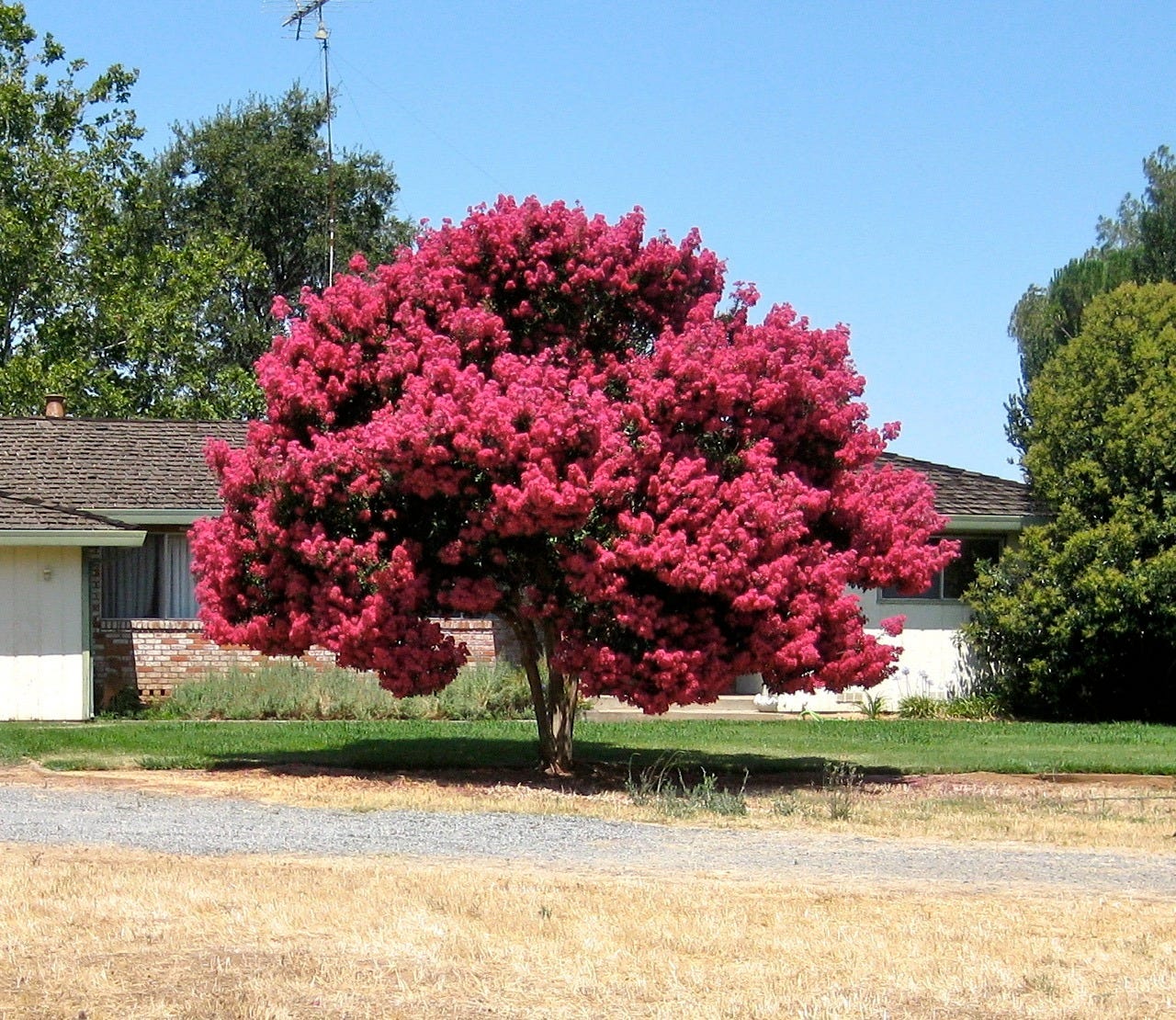
  • June 26 · 37 min

    More Heat-Beating Garden Tips

    You may recall a couple of weeks ago on June 12, the Beyond the Garden Basics podcast featured myself and America’s Favorite retired horticulture professor, Debbie Flower, talking about protecting your outdoor plants in containers from the searing summer heat. That conversation was recorded during a live presentation at the 2023 Harvest Day festivities, put on by the Sacramento County, California Master Gardeners at the Fair Oaks Horticulture Center. Today’s podcast is the rest of that live presentation, where we discuss tips for saving Time Money and Water in the garden. Meanwhile, in this week’s newsletter, we have more advice for dealing with extreme heat in the garden this summer. This is a public episode. If you'd like to discuss this with other subscribers or get access to bonus episodes, visit gardenbasics.substack.com/subscribe
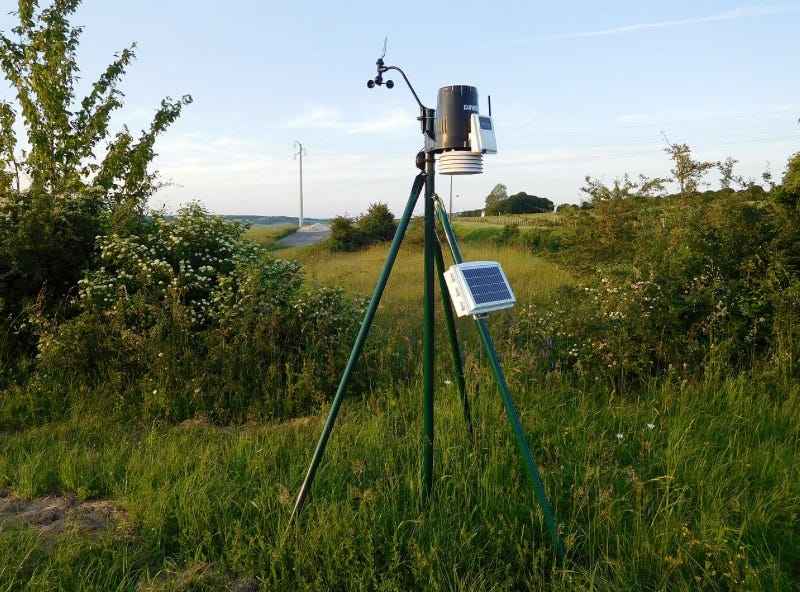
  • June 19 · 34 min

    Controlling Starthistle, Summer's Most Evil Weed*

    Today’s newsletter is all about starthistle, and all the ways you can control this summer weed…organically. If you want to read about chemical controls for starthistle, check out this University of California Ag and Natural Resources publication, “Yellow Starthistle”. In today’s podcast (above), America’s Favorite Retired College Horticulture Professor and I talk about the chemical side of weed control products, including all the different formulations of Roundup that are on the market, but they all have very different tasks; some can even sterilize your soil, making your garden unavailable for weeks, months, - or according to Flower - years. We offer tips for using herbicides, as well. We mention a University of Tennessee Institute of Agriculture publication about the different Roundup formulations entitled, “UPDATE ON ROUNDUP-BRANDED HERBICIDES FOR CONSUMERS” that can help you decide. One national database for insecticide/herbicide/miticide labels is the U.S. Environmental Protection Agency’s webpage, “Pesticide Product and Label System.” It’s not the easiest site to navigate, but be persistent. This is a public episode. If you'd like to discuss this with other subscribers or get access to bonus episodes, visit gardenbasics.substack.com/subscribe
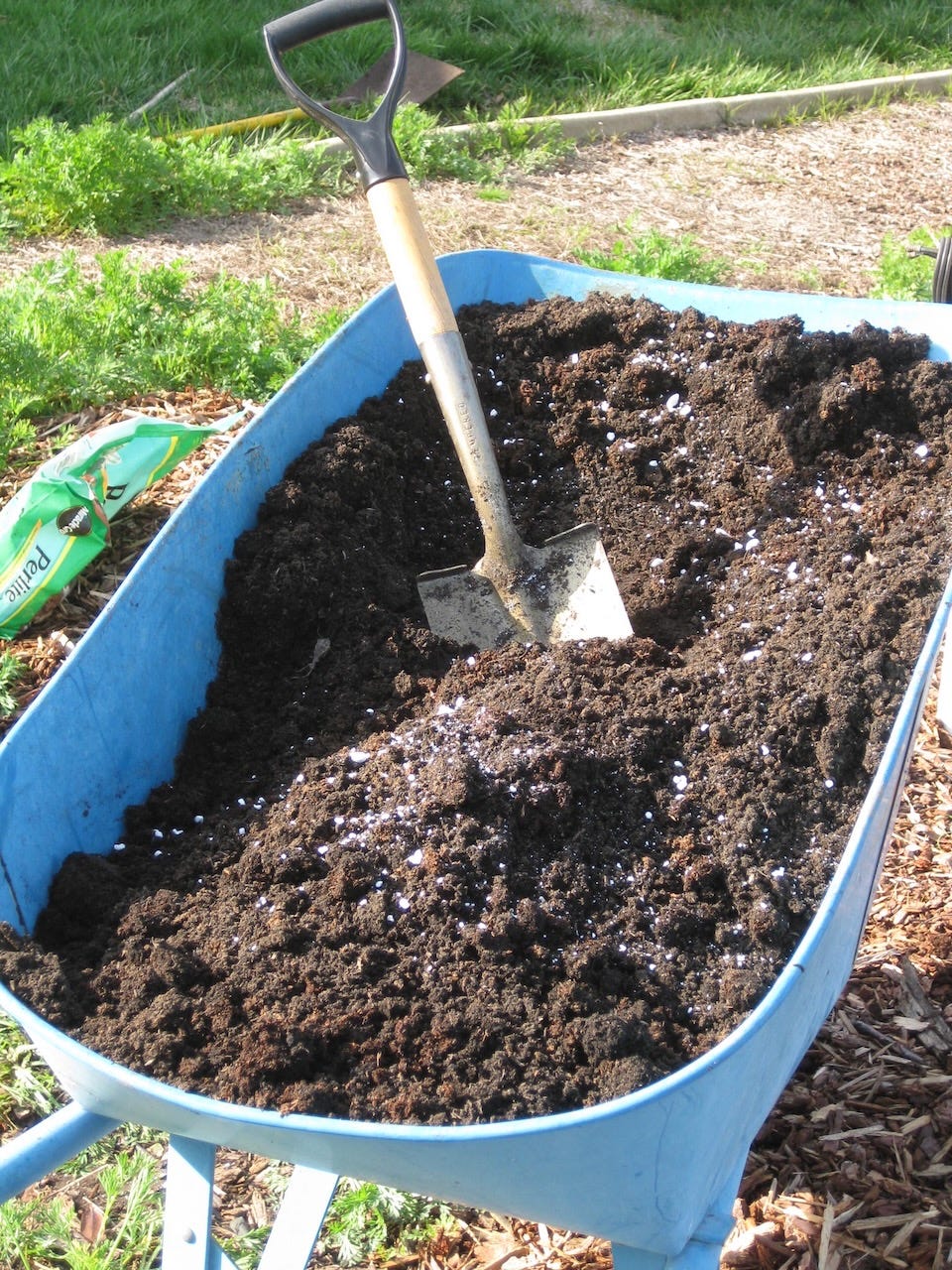
  • June 12 · 23 min

    Your Garden vs. Summer Heatwaves

    We tackle how to help your garden cope with the late spring and all-summer heat waves coming our way in today’s podcast and newsletter. In the first part of the podcast (above), America’s Favorite Retired College Horticulture Professor, Debbie Flower, and I, concentrate on helping your plants in containers stay cooler in the summer. The second part of today’s podcast features a September 2022 chat with Sacramento County Master Gardener Gail Pothour, who had specific tips for helping your vegetable plants manage the heat. This is a public episode. If you'd like to discuss this with other subscribers or get access to bonus episodes, visit gardenbasics.substack.com/subscribe
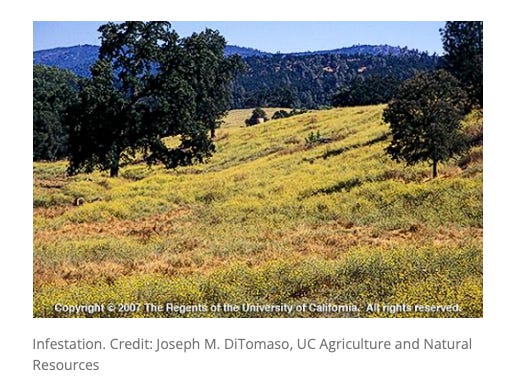
  • June 5 · 10 min

    Other Vegetables That Love the Heat

    Today’s podcast features Sacramento County Master Gardener and vegetable expert Gail Pothour, extolling the virtues of growing okra in the summer. Gail’s encyclopedic knowledge of this warm weather crop will amaze you. Perhaps it’s her South Carolina heritage that adds to her love of okra. Sometimes disdained for its mucilanginous flavor (aka “slimy”), okra is a plant of many uses, including its leaves and flowers. What? Plant in June or early July? Yes, indeed. Many popular home garden crops - melons, squash, sweet corn, popcorn, and okra - get off to a stronger start when the soil is very warm (70’s-80’s), and the same is true for June-purchased transplants of these vegetables. This is a public episode. If you'd like to discuss this with other subscribers or get access to bonus episodes, visit gardenbasics.substack.com/subscribe
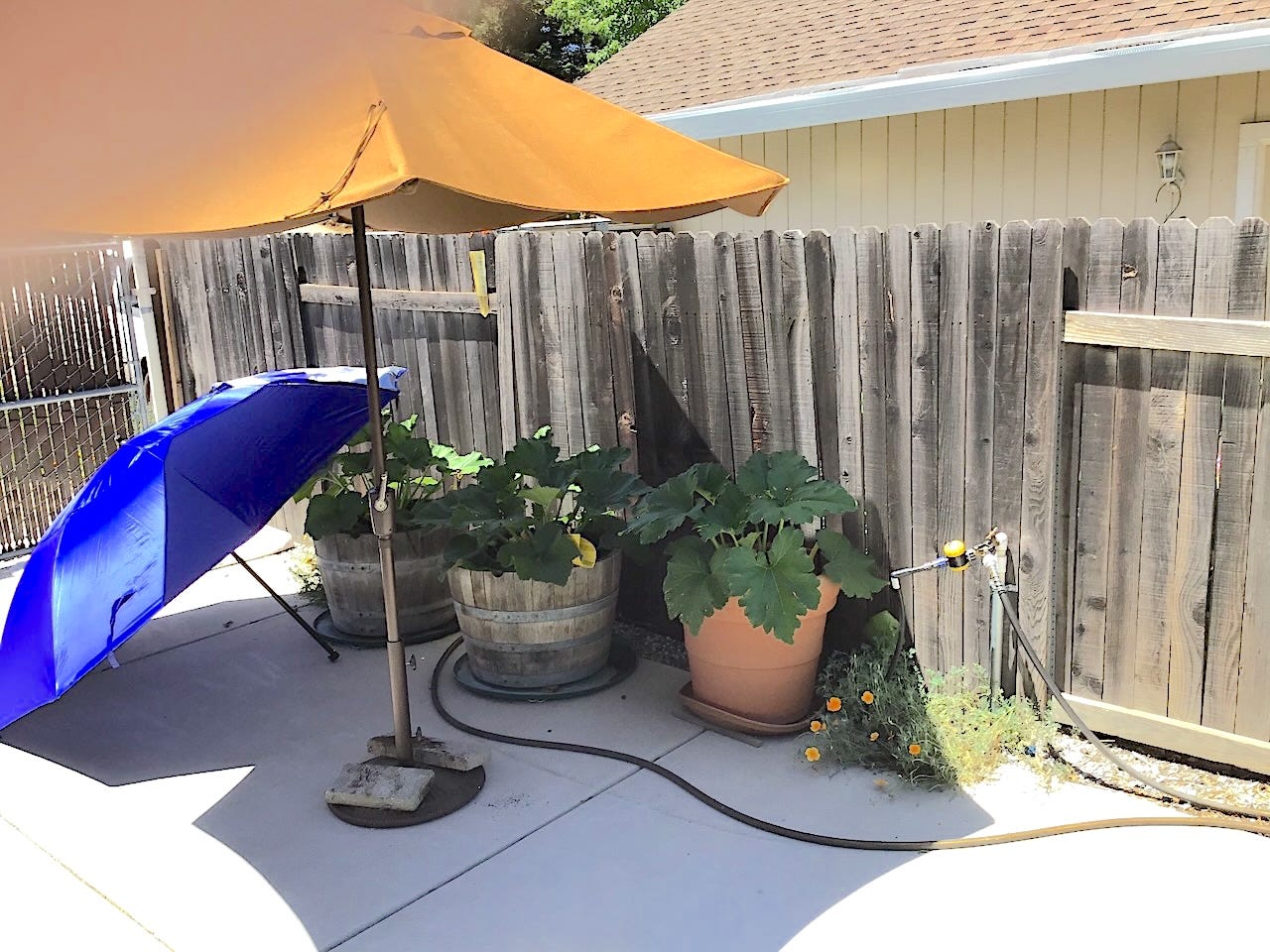
  • May 29 · 48 min

    A Deep Dive Into Citrus Containers

    Garden book author and citrus expert Lance Walheim, is a big proponent of growing citrus trees in containers. We discuss his techniques in today’s podcast, along with shameless plugs for his new book, “Citrus: A Gardeners’ & Fruit Lovers’ Guide.” For those of you in a hurry, here are some of the important points we touch on in the podcast: Choose compact citrus varieties for containers — Meyer lemon, kumquat, calamondin, and Bearss limes are ideal; avoid vigorous types like Lisbon lemon or grapefruit, which will quickly outgrow most pots. Upgrade container size gradually When repotting, go up only one size at a time (e.g., sleeve → 10-gallon → 15-gallon → half barrel). Transplanting immediately from the nursery pot to an oversized container can hold excess moisture around the roots and can cause rot. Prioritize drainage above everything else Check that your container has multiple drain holes (at least 4–5 for a half barrel, ½-inch diameter or larger), and drill additional side holes if needed. Raise your container off the ground Set pots on bricks, boards, or a furniture dolly to keep drain holes clear, prevent roots escaping into the native soil, and allow the bottom of the pot to dry properly. If setting pots in catch dishes, don’t let them hold standing water. Use quality commercial potting mix, not backyard soil Garden soil may compact easily, drain poorly, and can introduce pathogens. Consider amending potting mix with perlite, builder’s sand, or pumice for improved aeration, keeping in mind this will cause it to dry out faster. Avoid dark-colored pots in hot climates Black plastic containers in full sun can heat soil to 120–130°F on warm days, killing roots. Use fabric pots, light-colored containers, or nest a dark pot inside a larger one filled with mulch for insulation. Surrounding the citrus pot with other pots can help keep the citrus roots cooler. Fertilize consistently and at a diluted strength Use a liquid or water-soluble citrus fertilizer every two to four weeks. Make sure it contains not just nitrogen but also phosphorus, potassium, and micronutrients like iron, zinc, and manganese. Leach the soil every one to two months Run water slowly through the entire pot multiple times to flush out salt buildup. A white mineral ring around the pot is a sign salts have accumulated. Use a moisture meter to check watering needs Finger-testing the surface is unreliable in root-bound pots; a moisture meter tells you conditions 12 inches down where it matters. Mulch the top of the container A thin layer of bark chips or compost slows moisture loss and protects surface roots. Keep mulch away from the trunk. Transition plants indoors and outdoors gradually Over one to two weeks, move the pot into progressively shadier spots before bringing it inside, and reverse the process in spring. Expect some leaf drop indoors; a bloom cycle usually follows. Treat for pests before moving indoors Apply Neem oil or Spinosad before bringing the tree inside to prevent scale or whiteflies from establishing. Avoid applying oil when temperatures are above 85–90°F. Prune to maintain size and airflow Keep the tree’s center open for air circulation, remove crossing branches, and cut back vigorous shoots. Do major work (including root pruning, if necessary) in winter, the least stressful time. Look for Flying Dragon rootstock if you want a true dwarf This trifoliate orange rootstock keeps trees to 5–6 feet and is well-suited to long-term container growing, though it can be hard to find. Buy only from reputable nurseries Asian citrus psyllid and HLB disease have spread to all major citrus states. Purchasing certified trees (rather than propagating cuttings from friends) is the safest way to avoid bringing home an infestation. This is a public episode. If you'd like to discuss this with other subscribers or get access to bonus episodes, visit gardenbasics.substack.com/subscribe
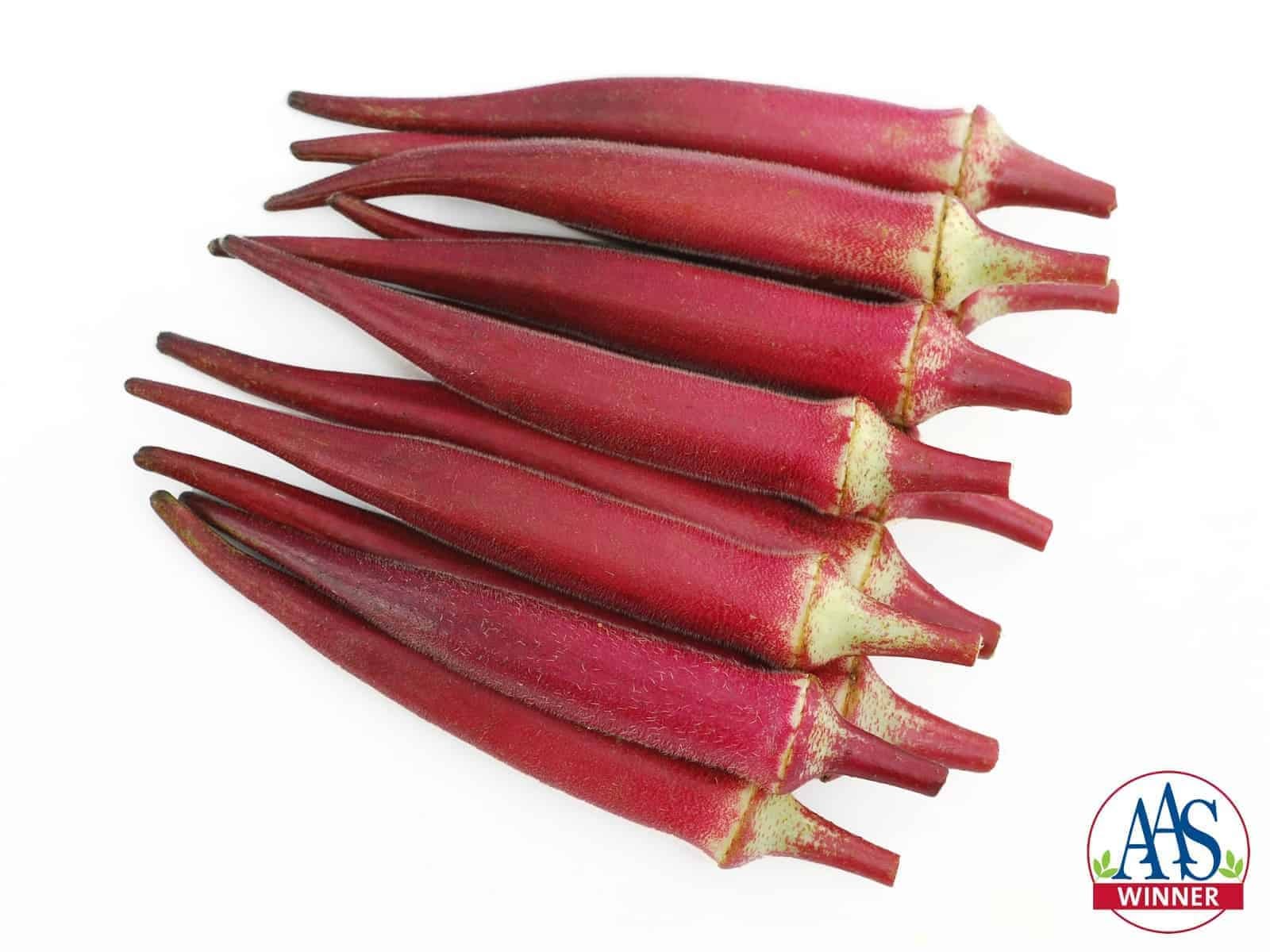
  • May 22 · 15 min

    Your 7 Favorite Beyond the Garden Basics Newsletter Editions

    The Beyond the Garden Basics newsletter and podcast has been around awhile, with over 450 editions since August of 2022. That’s a lot of gardening info! Checking out nearly four years of newsletters and podcasts to learn more about gardening can be a daunting task. So, to help ease the process a bit, here are the seven most clicked-on (and time spent with) editions. This is a public episode. If you'd like to discuss this with other subscribers or get access to bonus episodes, visit gardenbasics.substack.com/subscribe
  • May 15 · 15 min

    The No-Turn, Easy Compost Pile

    In case you need a refresher course, here are some points about the benefits of using compost in your garden, according to the UC Master Gardeners of Alameda County: • Improves Soil Structure (Tilth): Lightens heavy clay soils and adds structure to sandy soils. • Saves Water: Increases the water-holding capacity, reducing runoff and water usage. • Feeds Plants & Soil Life: Adds slow-release nutrients and boosts beneficial microorganisms and earthworms. • Balances pH: Helps to buffer and balance soil pH (acidity/alkalinity). • Reduces Needs: Lowers the need for commercial soil conditioners and chemical fertilizers. • Protects Plants: Encourages healthy root structure, helps control erosion, and acts as a mulch to reduce weeds and moderate soil temperature. How to Use Compost (UCANR Recommendations) • As a Soil Amendment: Mix 1–4 inches of compost into the top 6–10 inches of soil before planting. • For New Beds: Apply 3-4 inches of compost and turn into the soil. • As Top Dressing/Mulch: Apply 1-3 inches around established plants, trees, and shrubs (keeping it away from the stems). • For Lawns: Spread a 1/2 inch layer of compost over the lawn in the spring. • When to Apply: Fall is best for improving soil structure, but it can be applied in spring to prepare for planting. • Materials: Composting kitchen and yard waste helps prevent landfill waste and acts as a nutrient-rich fertilizer. For the Snarkies among you who answered, “And compost mulch provides a place for cats to poop.” Hey! Get your head out of the toilet. We covered how to thwart that in a previous newsletter. But if you think composting is a lot of work, what if I told you that you can make compost using just two ingredients, and you don’t have to turn the pile, ever! Now that I have your attention, here’s what Kellie Hallenbeck and Judy McClure had to say in a recent Sacramento County Master Gardener newsletter: “The average person in the U.S. consumes about three cups of coffee per day, with landfills receiving 75% of those spent coffee grounds. Deep in landfills, grounds are robbed of oxygen, so they cannot decompose aerobically like they do in a compost pile or worm bin. Instead, coffee grounds are subject to anaerobic decomposition that can produce large amounts of methane. Methane is a greenhouse gas contributing to global warming, 25 times more potent than carbon dioxide. Composting with coffee grounds is easy if you remember they are high in nitrogen and considered green for compost purposes. Just add a good supply of carbon-rich material, like dried leaves and shredded paper. Too much nitrogen can cause the release of ammonium gas and cause foul odors. At the same time, too little nitrogen will slow down the decomposition process. Follow your routine of food scraps and grass clippings by mixing 1 to 2 volumes of “browns” (dry, woody materials) to 1 volume of “greens” (moist, green materials, filters with grounds). Add water and turn the mixture to add air.” (Or, don’t turn. Read today’s podcast transcript interview further on in this newsletter (or listen to it, above) with Master Gardener and composting expert Susan Muckey to find out the why and how). “In 2022, the Compost team experimented using only coffee grounds as the “greens” and dried leaves as the “browns” to see how the final product compares with traditional methods. Too many coffee grounds were added, resulting in the pile being too wet. The Compost team is trying again with a bin made of a hog/chickenwire ring. The pile was demoed at the March 2026 Open Garden. During you next FOHC visit, stop by the Compost area to check on the process. How can you help to keep coffee grounds from entering the landfill? Take a bag (or 2 or 3) for your home garden during Open Garden Days. Small changes add up over time. Just think: by adding grounds to your compost, you will be reducing waste and protecting our environment, all the while having your coffee too.” A 4’×5’ sheet of 6-inch Concrete Reinforcement Wire (CRW) wrapped end-to-end forms a cylinder roughly 19 inches across and 4 feet tall — plenty of structure to hold a season’s worth of material while letting air reach the pile from every side. The wire ends along the seam can be secured with several zip ties through the opposing squares to lock it shut, so no special tools are needed (and you can pop it open to turn the pile, if necessary). The chicken-wire or 1/2” hardware-cloth liner goes on the inside of the Concrete Reinforcement Wire cylinder so it’s held in place by the pile’s outward pressure rather than fighting it. That fine inner layer keeps loose material from spilling through the big 6-inch openings while still letting the whole bin breathe. Inside, layers of browns (shredded leaves) and greens (coffee grounds) are alternated, a 3 or 5 gallon bucket of each at a time, until the bin is full. The 2-inch perforated pipe runs straight down the center of the bin, poking a few inches above the top of the pile and reaching all the way to the ground. Holes drilled in a staggered pattern along its full length to more easily water the middle of the pile with a garden hose. The holes also let oxygen drift into the middle of the heap — the spot that otherwise goes anaerobic and slows down the composting process. PVC, ABS, or even a length of corrugated drain pipe all work; just drill 1/4’-3/8” holes every couple of inches around the pipe and cap or screen the top so it doesn’t fill with debris. The No-Turn Compost Pile TRANSCRIPT We Talk with Sacramento County Master Gardener and compost expert Susan Muckey. Farmer Fred: [0:00] Did you know the average person in the United States consumes about three cups of coffee per day? Problem is, landfills are receiving about 75% of those spent coffee grounds. And those coffee grounds are buried deep into landfills, and then the grounds are robbed of oxygen so they can’t decompose. And what happens then, they become anaerobic and poof, they produce large amounts of methane. Methane is a greenhouse gas contributing to global warming, 25 times more potent than carbon dioxide. Did you know you could use those coffee grounds instead of sending it to a landfill? Put it in your compost pile. In fact, you could even make a compost pile using nothing but coffee grounds and leaves. Does that actually work? It just so happens they tested that here at the Fair Oaks Horticulture Center. We’re here at a workday where the Sacramento County Master Gardeners are hard at work, and we’re talking with Composter Supreme Susan Muckey, Master Gardener. And Susan, you did a little experiment back in 2022 on this. Susan Muckey: [1:08] Yes, we did. It was great. We took the tomato cages, which were pretty big tomato cages. They weren’t like the little skinny ones. And then we put chicken wire around them, and we started this in November. And actually, if I were to do this again, I would probably start it as early in the fall as I could, especially as soon as I have enough leaves to fill up a tomato cage. And then the hunt begins. You can go to Starbucks or some of the other places if you don’t drink coffee. And just use, I would say, 50-50 ratio of coffee grounds and leaves. And what happens is by six months, if it rains, and if it doesn’t rain, you’re probably going to have to water it a little bit. But if it rains, you’re going to have incredible compost. The most beautiful I have ever seen. Farmer Fred: [2:02] Let’s talk a little bit about the tomato cages you used. I think we’re standing next to one of them. That was probably a prime candidate for that project. And this is made out of concrete reinforcement wire. And those sheets are usually four by five or thereabouts, maybe four by six, and just formed into a circle. Sometimes they’re secured by zip ties. Sometimes people will bend the prongs together to secure it. But it gets you a tomato cage, six-inch mesh, that’s about five feet tall. and probably two feet wide. So that’s the size you want. And then you would wrap the outside of this with chicken wire. (FREDNOTE: others who have done this recommend putting the chicken wire or hardware cloth on the INSIDE of the tomato cage.) Susan Muckey: [2:40] Yes, because, well, I decided to do a beta test. And when we did it, and this is not in front of an audience, but we did it and we poured the leaves in. And guess what happened? All the leaves fell out. So then we said, oh, well, we probably need to put some chicken wire around it. And I find, too, that shredded leaves probably would work better than the regular leaves. And if you don’t have a leaf shredder, your lawnmower will work just as well. Farmer Fred: [3:13] I use my mulching mower for that. And I also use my weed whacker. And I’ll stick the leaves in the fall into a metal trash can. Remember 32-gallon metal trash cans? Well, they’re still around. And just put my string trimmer into that and cut them up, and it works fine. And in this day and age, you can save those leaves forever if you’ve got a big enough compost sack where you can just keep those leaves in until you need them. Susan Muckey: [3:47] Yesterday, I shredded five bags of leaves from last year and they were fine. The only problem is if you hadn’t shred them in the fall when you collected them, it’s very hard to shred them. They’re like a mass of muck. And so I could just take the top layer because those shredded just fine. But the bottom ones, because I think during the year, what happens is the moisture that’s in the leaves kind of goes down to the bottom, and now you’ve got all this moisture, even though the leaves were dry when I put them in the bag. Farmer Fred: [4:23] “Massive Muck” was the name of my band in high school, in case you didn’t know. The secret to a successful compost pile is a 50-50 mix of what are called greens and browns. Those fallen leaves, they’re browns. And I’m still trying to wrap my head around, how can coffee grounds be green? Susan Muckey: [4:40] Because they’re a source of nitrogen. And actually, once they’ve gone through the process of making coffee and brewing and whatnot, they are no longer extra acidic. Because that’s what people are afraid to use, coffee grounds, because they think they’re too acidic. But once you’ve processed them through the coffee-making process, I use instant coffee, so I don’t have that problem. But anyway, yeah, they will not be acidic. Farmer Fred: [5:08] How do you stack them when you’re adding green, when you’re adding brown? How big is each layer? Susan Muckey: [5:16] Okay, so what we did about a month ago, two months ago, is I did an interactive mini talk with my audience. And after I talked a little bit about compost and the components of compost, we went over to our trusty tomato cage and I had each one of them dump a bucket into it, of alternating leaves with coffee grounds. Farmer Fred: [5:40] Five-gallon bucket? Susan Muckey: [5:41] Well, some of them were five-gallon. I think the coffee ground buckets were smaller, like maybe the three-gallon ones from Lowe’s and Home Depot. And they all, one at a time, did it. And then we had somebody sitting there with the hose watering. It became their compost pile. And then we did a cheer when we finished it. Farmer Fred: [6:01] Now, of course, the secret to a successful compost pile is also air. So do you have to turn that pile? Susan Muckey: [6:08] No. That’s why it’s called a no-turn compost pile. And what happens is the materials you put together, they all start interacting with each other. And pretty soon, within about six months, you’re going to have compost. Farmer Fred: [6:22] Well, probably below what you can see on top. So the compost takes up how much of the bottom of the tomato cage? Susan Muckey: [6:28] Okay. So when we did the original experiment, I kept looking at the tomato cage and it still looked like nothing had happened, only that it had shrunk. It went to about half the size. And I said, okay, well, I’m tired of waiting. So we tipped it over and the outside was still the leaves because we didn’t turn it. But what came out of it was to die for. Even Farmer Fred would die for it. Farmer Fred: [7:00] Having a smart pot compost sack, I know that story well because I fill it with the shredded leaves and you look at the top and you go, nothing’s happening there. But then if you dump it out, all of a sudden there’s all this beautiful brown and black compost. Susan Muckey: [7:15] That’s right. That’s right. That’s exactly right. And I don’t remember because it was several years ago, four years ago, but I don’t remember if there was any worms in there. I can’t really remember if there were, but if there were worms in there, they probably would have aided in the decomposition process. Farmer Fred: [7:32] Now, obviously you’re using, if you’re using a three gallon bucket of coffee grounds, that’s probably more coffee than you’re going to make in a week, making your 10 cups (!) of coffee each day. So a lot of coffee shops will gladly give you a big bag or two. And that happens here at the Fair Oaks Horticulture Center. But is that just for Master Gardeners or anybody who shows up on an Open Garden day? Susan Muckey: [7:53] I think it’s for anybody. And actually, what I’ve done is if you give one of the coffee shops a five-gallon bucket, they’ll fill it for you. Farmer Fred: You just have to have a lid. Susan Muckey: Yeah, it should have a lid or a three-gallon if you can’t carry five gallons. But I find they don’t necessarily want to keep a lot of coffee grounds around. Now Starbucks, I know they’ll bag it up for you, you know if you’re really a true gardener you don’t want like just a little bag of coffee grounds you want a manly size bag of coffee grounds. they’ll say ‘Oh do you want us to put it in little bags?’ and i’ll say ‘No just give me a big bag.’ ‘Can you carry it?’ ‘Yes i can carry it.’ Farmer Fred: [8:38] How big is the big bag? Susan Muckey: [8:39] It’s a garbage bag oh okay it’s probably a good 30 pounds. Farmer Fred: [8:44] You can drag it to your car. Susan Muckey: [8:45] No i wouldn’t want to drag it to my car, leaving A trail of coffee grounds. Farmer Fred: [8:51] You know. Well, it’s in a garbage bag. Susan Muckey: [8:53] Yes, it’s in a garbage bag, but as you’re dragging it. And also, you do not want it in your car. You know, coffee grounds all over your car. Farmer Fred: [9:03] How do you get it home? Susan Muckey: [9:05] I do carry it in my car, but it doesn’t have a hole in the bag. All right. Farmer Fred: [9:10] Well, use two garbage bags, one inside the other. Susan Muckey: [9:14] Yes, yes, yes. And I do try to take it out as soon as possible because my husband always says, your car smells like a garden. Farmer Fred: [9:22] Well, that’s putting it politely. Susan Muckey: [9:24] I know. He says, between the compost and all the other stuff you put in here, he doesn’t ride with me very often. Okay. Farmer Fred: [9:31] Well, my car usually smells of chicken manure and things like that. All right. So if you’re working with a converted tomato cage that is like five feet wide by two feet wide, If you went to get enough coffee grounds to fill up, say, half of it, it would probably be, and if it’s a garbage bag full, you’d probably need about two or three of those garbage bags. Susan Muckey: [9:58] Yes, it’s quite a bit. And you have to realize, too, when you put the leaves in, it kind of fills in between the spaces in the leaves. And so you’re going to need more than you think. And it’s better to have more than less. All right. Farmer Fred: [10:11] So think about that. If you never starteded a compost pile and you don’t want to have to turn it, you don’t have to do much to this one, except maybe add water regularly. Susan Muckey: [10:19] Yes. If it doesn’t rain. Yeah. Farmer Fred: [10:21] How often do you wet it? Susan Muckey: [10:23] Well, when we did it, we didn’t do anything to it. You know, when we did it in 2022, it must have rained because we didn’t do anything. Susan Muckey: [10:31] We didn’t turn it. We didn’t do anything. Since we started one about two months ago, what I would probably do is I would put a PVC pipe in the middle of it so that when I watered it, because we don’t know how much it’s going to rain, when you water it, the holes in the PVC pipe would disperse the water throughout a little bit better. Farmer Fred: [10:52] What diameter pipe is this? Susan Muckey: [10:55] I would probably use, well, for us, we use whatever we have. We live on a farm, so we just use whatever we have. But if you have an inch, that’d probably work. Farmer Fred: [11:04] Yeah, inch minimum, I would think, just to be able to stick a hose in it. Susan Muckey: [11:07] Right, right, right, right, right. Farmer Fred: [11:09] And if you’ve got a drill, you’re set. Susan Muckey: [11:11] That’s right. That’s right. Farmer Fred: [11:12] How big were the holes? Susan Muckey: [11:14] I don’t think it matters. I mean, you know, the only problem with PVC pipe is it’s really hard to, especially if you get really hard PVC pipe, I would go with softer stuff that’s not so hard to drill. Farmer Fred: [11:30] Oh, okay. That’s a good point because there are some thick three inch lines you can buy. Oh, yeah. Susan Muckey: [11:35] Yeah. I did a worm tower where, you know, you put a huge drainage pipe in your soil. And man, drilling those holes was terrible. It was very, very hard to do. Farmer Fred: [11:49] Now, I know somebody who did that. They had one next to a tree, and I think he drilled a hole that was about six feet deep and stuck a pipe in and would only water it through that perforated pipe. It seems like that would only water one side of the tree. Susan Muckey: [12:03] Well, this was a worm tower. And the worm tower would mean you would build a worm bin basically inside of this worm tower that you submerge into your raised bed or whatever you’re going to put it. Oh, okay, yeah. Yeah, yeah. So, no, no, it’s not for watering. It’s for raising the little cuties, the little red wigglers. Farmer Fred: [12:27] It sounds like an African keyhole garden. Susan Muckey: [12:29] Pretty much, yeah, yeah. Okay. Farmer Fred: [12:31] All right. We have an article about that. I’ll have a link to it in today’s show notes about that article, where you can learn about submerging something into your yard for the worms. Susan Muckey: [12:43] In fact, I don’t know if we still have it here, but we used to have somebody put in a five-gallon bucket, and they were just throwing all their scraps in there. And I’m not sure if we still have it or not, but we did it for several years. Susan Muckey: [12:55] So anyway, it’s just another way. There’s always a way that suits your style of life. Farmer Fred: [13:02] Okay. Now I have a personal question. I tore out some chard that has turned rather bitter. That happens in May. I’ve got the plants out of the ground. I want to feed the worms, the chard. What’s the best way to chop that up? They’re big leaves. Susan Muckey: [13:21] Clippers. Farmer Fred: [13:21] Oh, thank you. Susan Muckey: [13:24] Actually, my daughter, we, you know, so it’s bitter right now. Because what we do with the chard, with the big leaves, is we cut out the stem, and my daughter sautés it. And then she cuts all the other stuff up and puts a bunch of seasoning in it. It’s delicious. Farmer Fred: [13:39] Can I have your daughter? Susan Muckey: [13:40] Yes, you can. She actually lives in Folsom, too. Farmer Fred: [13:45] Oh, great. Well, I still think I’ll feed the worms the chard. Susan Muckey: [13:47] Oh, they’ll enjoy it. Don’t put any onions in there. Farmer Fred: [13:51] No, no. Susan Muckey: [13:52] Or garlic. Farmer Fred: [13:52] Yeah, it’s just I’m going to have to spend an afternoon with scissors. Susan Muckey: [13:56] Yes, that’s right. All right. Or you could put it in your freezer and that will break it down and then you could feed it to the worms. Farmer Fred: Directly? Susan Muckey: Yes. (FREDNOTE: THAT WAS THE TIP OF THE DAY! TIP OF THE DAY!) Farmer Fred: [14:06] Oh, God bless you. Thank you for that. Okay. I don’t even have to cut the leaves in half? No. No. Susan Muckey: [14:12] Because, you know, when you put like strawberries or something in the freezer, what happens? they turn to mush. Yeah. Farmer Fred: [14:20] That’s all. And you’ve always said, every talk I’ve ever heard you give about vermicomposting is, worms love mush. Susan Muckey: [14:26] Oh, they do. The ickier, the better. If you look in the back of your refrigerator in the bottom drawer, that slime that you’ve accidentally forgotten about, they would go, yum, yum, yum, because they don’t have teeth and they’re going to suck it in to their body. That’s the only way they can access the food that we give them. Farmer Fred: [14:48] How long should I keep the chard in the freezer? Susan Muckey: [14:51] Until it gets frozen. Farmer Fred: [14:53] Well, that’s it. So like a few days? Yes. And it turns to mush that quick? Susan Muckey: [14:57] Of course. Farmer Fred: [14:59] Wow. All right. The stuff you learn when all you came to talk about was coffee grounds and leaves. But that’s how you do it. There’s an easy plan for you: the No-Turn, Easy Compost Pile. And we will have this article in today’s newsletter about how you can have your coffee, keep the grounds and reduce the methane and all the problems we have with climate change, I guess. It’s just basically small changes add up over time. And by adding grounds to your compost, you’ll be reducing waste and protecting our environment and still have your coffee as well. Susan Muckey, Sacramento County Master Gardener, who is always wearing a composting shirt, usually one with a worm on it. Susan Muckey: [15:40] Of course. Farmer Fred: [15:40] Of course. Thank you so much. Susan Muckey: [15:42] You’re welcome. Beyond The Garden Basics is a reader-supported publication. Please become a paid subscriber. Heck, today’s tip about freezing oversized, bitter, bolting leaves of greens before feeding it to your worms is worth the price! Fred Hoffman is also a University of California Cooperative Extension Master Gardener in Sacramento County. And he likes his bikes. This is a public episode. If you'd like to discuss this with other subscribers or get access to bonus episodes, visit gardenbasics.substack.com/subscribe
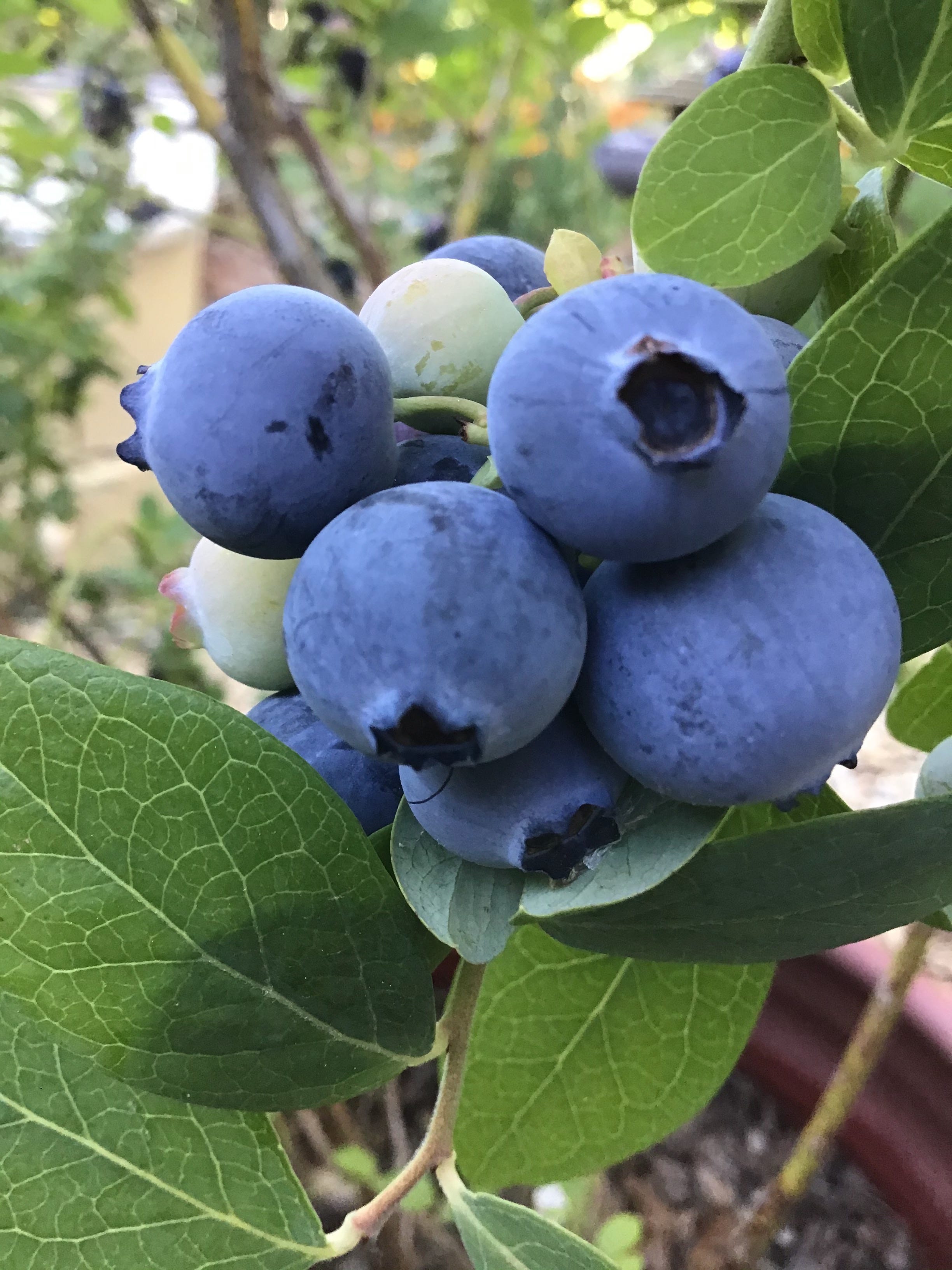
  • May 8 · 8 min

    Is This the Longest Lasting Cut Flower? Perhaps. But, Beware.

    Is there a better-looking, longer lasting, cut flower than the alstroemeria? Is there a more invasive, underground spreading plant than the alstroemeria? Sometimes, to get to heaven, you have to go through a little hell. Also known as the Peruvian Lily, Lily of the Incas, Parrot Lily, Princess Lily, and “How the Heck Did You Get Over to the Other Side of the Garden?”, alstroemerias can easily last two weeks as a cut flower. Longer, if you are conscientious about clean water and floral preservatives (more on that below). This is a public episode. If you'd like to discuss this with other subscribers or get access to bonus episodes, visit gardenbasics.substack.com/subscribe
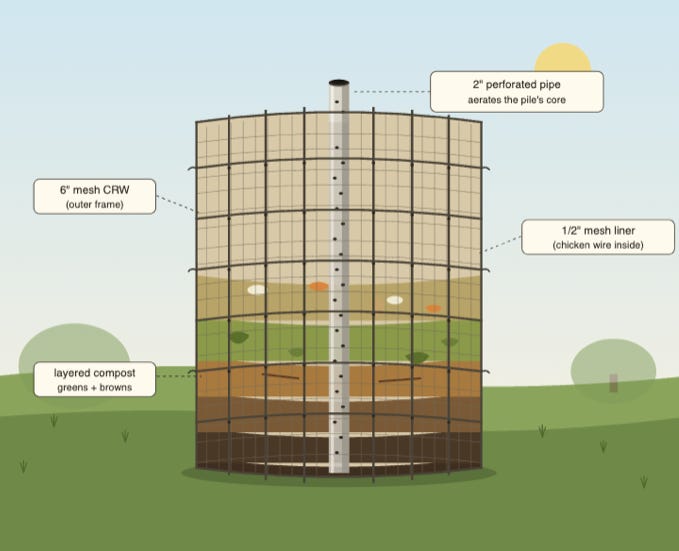
  • May 5 · 49 min

    Tips For Growing Blackberries

    If you’re looking for a superfood to grow, it’s hard to beat blackberries. They can be grown in just about every state in the United States. They’re highly adaptable, and they thrive in USDA zones from 4 all the way up through 10. Here in California, in USDA zone 9, they do quite well. They grow nearly anywhere that has enough sun. Today, we talk with Master Gardener and berry expert Jeff Smoker, who has tips for growing blackberries. Blackberries are considered a superfood. According to North Carolina State University, a superfood is so-called because it has a high ratio of nutrients to calories, and that is a perfect description of a blackberry. According to North Carolina State University, blackberries are low in fat and sodium. They make a very heart-healthy snack. They’re loaded with fiber, 7.6 grams per 100 per cup. Only 62 calories per cup. Carbohydrates, 13 or 14 grams. Less than 7 grams of sugar. Less than 1 gram of fat. And they even has 2 grams of protein. Plus, they are loaded with vitamin C, manganese, vitamin K, vitamin E, potassium. They’re high in antioxidants, which reduce free radicals, combat oxidative stress, and may protect against cancer, heart disease, and cognitive decline. This is a public episode. If you'd like to discuss this with other subscribers or get access to bonus episodes, visit gardenbasics.substack.com/subscribe
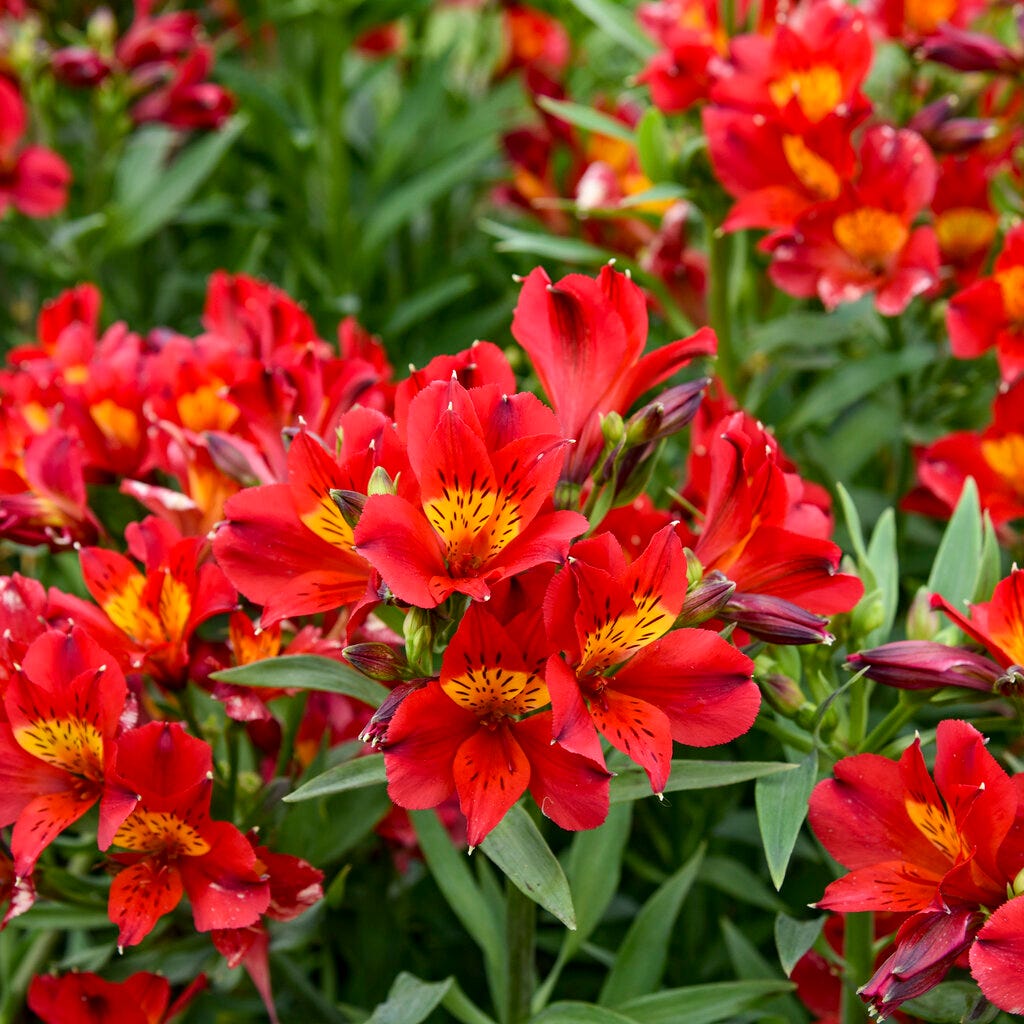
  • May 1 · 31 min

    All About Basil

    In this episode, we discuss the essentials of basil cultivation, highlighting the basil basics for home gardens. We cover basil soil preparation, planting, timing, and a few of the various flavorful basil varieties such as Sweet, Thai, and cinnamon basil. We include basil care tips such as watering, fertilization, and pest management. Special guest Rose Loveall-Sale from Morningsun Herb Farm shares her knowledge about basil’s cultural significance and culinary uses, as well as sharing her vast knowledge of even more basil varieties. Her audio was taken from her how-to basil video on YouTube , because this week she was busy getting ready for Morningsun Herb Farm’s annual open house day, on Saturday, May 2, an event that features speakers, vendors, crafts, demonstrations, and informational booths (including the Solano County Master Gardeners) at the nursery outside Vacaville, in the San Francisco Bay Area. More links and pictures about basil in today’s podcast transcript! ALL ABOUT BASIL - THE PODCAST TRANSCRIPT Farmer Fred: [0:00] If there’s one herb that practically begs to be grown at home, it has to be basil. The good news? It’s not fussy at all. It just wants what most of us really want. Warm weather, plenty of sunshine, and a good drink of water every now and then. Basil is happiest in fertile, well-drained soil that has lots of organic matter. Most garden soils, though, work just fine. But before you plant anything, it’s always worthwhile doing a quick soil test so you know exactly what you’re working with. Farmer Fred: [0:30] If the soil needs a nutrient boost, work your fertilizer into the top six inches. If you’re going the compost route, spread no more than one inch of well-composted material per 100 square feet. A little goes a long way here. The golden rule with basil is wait until after the last frost before planting. Cold soil is the enemy. If you’re starting from seed, basil germinates best when soil temps are between 75 and 85 degrees Fahrenheit, and you can expect the little sprouts to pop up in about 10 to 14 days. If you’re starting with transplants, we’ll give them about four to six weeks to size up and aim for a mid to late May planting. You want to sow seeds about one eighth of an inch deep. That’s barely covering the seed with perhaps some vermiculite. Cover it lightly and keep the soil consistently moist. Then, once your seedlings emerge, thin them to three to four inches apart. Then gradually work toward a final spacing of about 12 inches. Farmer Fred: [1:32] Hey, and don’t throw away what you thin out. Those little guys can be transplanted elsewhere or even tossed into your dinner salad. One tip worth remembering, basil grown in full sun develops more essential oils, and that means richer, more complex flavor. Shade-grown basil? It just isn’t the same, really. So the age-old question is, well, how much basil should I plant? Over a whole season, plan on 5 to 10 plants per person for fresh use, and maybe another 5 to 10 plants if you want to put some away for storage. That may seem like a lot, but believe me, you will go through it. The Master Gardeners of Sonoma County have suggestions for basil varieties worth trying. Farmer Fred: [2:15] Sweet basil is probably the most popular. It’s a large-leafed Mediterranean variety. It’s the primary culinary basil used in Italian cuisine, and it gets up to about two, two and a half feet tall. Purple or opal basil is similar to sweet basil, but it has dark bronze-purple leaves and pink flowers, and that’s a welcome color contrast in the garden and in dishes, although visually it’s really not very suitable for pesto. A somewhat more tender variety, purple basil grows to about the same height as sweet basil, about two and a half feet. Lemon or lime basil is a smaller plant, about 12 inches tall with white flowers, and a mild citrus aroma paired with many types of food. There’s also Greek or globe basil. That’s even smaller, about 6 to 12 inches tall, with tiny compact leaves, soft stems, and a very spicy character that’s useful in salads. Its compact size makes it a good container plant, too, and its hardiness allows it to thrive in poor conditions. Another one worth trying, cinnamon basil. That’s a spicy variety with a pronounced flavor, and it gets about 18 to 30 inches tall. Farmer Fred: [3:29] Thai basil. That can be recognized by its unusually serrated leaves and a spiciness that sort of resembles licorice. Used in Thai and Indian cooking, it grows about two to three feet tall. There are a few types of perennial basil, but all types for culinary use, those are annual basils. And for even more great basil varieties, watch the YouTube video mentioned on today’s podcast. It features Rose Loveall-Sale of Morningsun Herb Farm in Vacaville talking about a myriad of great-looking and great-tasting basil varieties. Farmer Fred: [4:04] How about watering basil? Well, you got to be careful here. Aim for about an inch and a half of water per week. Consistent watering keeps basil growing strong. If you let it wilt and you notice the plant starts to stress out, that’s going to slow growth and damage the roots. A drip irrigation system works beautifully for basil if you want to set it and mostly forget it. You may need to water, though, more frequently. But again, this warning, high temperatures combined with water stress will trigger the plant to flower and set seed. And when that happens, leaf production stops and the off flavors can develop. So you want to keep your basil plant happy and hydrated. Basil is a bit of a hungry plant, especially when you’re actively harvesting or growing it in a pot. Once it hits the harvestable stage, side dress with a liquid nitrogen fertilizer. About one to two tablespoons per gallon of water every two to three weeks per 10-foot row. One of my favorites is fish emulsion. Container plants appreciate a weekly feeding to help keep them thriving. Farmer Fred: [5:13] Your biggest headache with basil early on are probably going to be weeds. Basil really can’t compete with them when they’re young. So cultivate shallowly around those basil plants because you don’t want to prune out their roots. And consider laying down an organic mulch, like straw, leaf mulch, or even newspaper, to keep weeds at bay until the young plants get established. Farmer Fred: [5:36] For pests, grasshoppers and slugs and snails can chew up the leaves, but a row cover over young plants does a great job of keeping them off until they’re big enough to handle the damage from those pests. On the disease front, watch out for root rot and basal shoot blight. Both are fungal diseases, and the problem there is too much water. Good spacing, too, can help keep your plants about 12 inches apart and avoid overwatering them, and that can go a long way towards preventing any problems. Of course, the fun part of basil growing is harvesting. Once your plant has six to eight leaves, you’re ready to start harvesting. Use a sharp knife or scissors to cut leaf stems, leaving just two to four leaves on the plant. Alternate which plants you harvest from so you always have a steady supply coming in. Does Pinching Off Basil Flowers Make More Leaves Grow? The question arises, though, does pinching off the flowers make more leaves grow? Well, interestingly, according to Utah State’s horticultural extension services, not really. Pinching off flowers doesn’t actually stimulate new foliage. It can even cause flowers to form in the leaf axils, and that will reduce your overall yield. A better strategy is to stagger your planting every other week of the basil plants and keep the plants from getting stressed with proper water and proper light so that they’re less inclined to flower in the first place. Farmer Fred: [7:01] But I got to admit, basil flowers are pretty. And although deadheading any flowers may not help the basil plant redirect its energy to producing leaves, consider planting more basil plants than you plan to eat and let those extra basil plants begin to flower. Oh, the beneficial insects in your garden, especially the bees, will appreciate it. And your eyes and nose will appreciate it, too (and the flowers are edible!). How about for storing your basil? How do you go about it? For fresh basil for use in the kitchen, recut the stems and place them in a jar of water away from direct sunlight on the kitchen counter. Cover with a plastic bag and then for even longer life, refrigerate them for up to 7 to 10 days. Farmer Fred: [7:44] For dried basil, bundle the stems, hang them in a shady, well-ventilated spot, and they’ll be ready in 5 to 10 days. Pack the dried leaves in an airtight jar and they’ll stay good for about a year. You can also freeze basil leaves. They can be frozen, though they do get mushy when they thaw. For best results, freeze whole leaves in ice cube trays with water, or even better, make some pesto and freeze that into cubes. Use frozen basil within three to six months. And finally, let’s talk about the nutrition of basil. Beyond the flavor, basil is genuinely good for you. It’s rich in vitamin E, folate, and antioxidants, while being low in calories, sodium, and carbohydrates. Dried basil is even more concentrated with nutrients. So what’s not to like about this herb? It tastes great, it smells great, and it’s good for you. So plant some basil in May. For more information about even more basil varieties, including how to plant them and cook with them, here’s my friend Rose Loveall-Sale of MorningSun Herb Farm in Vacaville, California. BASIL TIPS FROM MORNINGSUN HERB FARM Rose Loveall-Sale: [9:02] There’s only one word that we think of in the herb business in April, basil. This is our favorite herb we grow it all the time. The botanical name, Ocimum basilica. Everyone knows the common basils, But what I’m hoping to do today is to talk to you about some of the other basils that you really need to grow in your garden During my college days a friend of mine cooked a meal for me and he said i’m making you pesto It’s the best thing you’ll ever have. Rose Loveall-Sale: [9:28] I’ve never eaten basil, and I’d never eaten pesto before. But one time, and I was hooked, using this beautiful little Genovese basil. I took it back to my parents, and my father, who was very dramatic, said, if I had a million dollars, I’d spend it all on basil. Well, over the next 25 years, he and my mom ate pesto every week. And in the wintertime, she had to freeze enough for him and take it on vacation, take it camping everywhere. So it’s been a favorite of mine for about 25 years. and now no garden in America is complete without a basil plant. Our most common basil, our Genovese basil, is grown for our pesto making and for fresh use. There’s lots of other kinds of basils though, so I want to talk about those today. First I want to start though a little history of basil because there’s always some funny stories in the herb world. Back in the 17th century it was believed that basil would actually make you go crazy. So people didn’t want to eat basil because they thought it would make them die and go crazy. Rose Loveall-Sale: [10:28] So basil leaves were not used until really the 20th century, except by the Italians and Greeks. Now, of course, it’s used in cuisines all over the world. It’s native to North Africa, to the Mediterranean, and all over Asia, both temperate and tropical climates. Here in California, it’s grown mostly as an annual plant. It really likes warm temperatures, and it does not like cold nighttime temperatures at all. There’s a lot of really fun stories about basil. Basil is considered now the herb of love. So if you have a little pot of basil sitting on your windowsill, that means, in Italy at least, that you’re ready for a suitor. Rose Loveall-Sale: [11:06] So keep that in mind if you’re going to be putting your basil out on a windowsill this spring. It may be calling a new love into your life. Rose Loveall-Sale: [11:19] So what are all the different kinds of basils? Why do we want to grow all these wonderful basils? Besides our beautiful Genovese basil and our Italian large leaf basil, right now in these little pots they look very similar, but they have a little bit different flavor. Rose Loveall-Sale: [11:33] One of them, the Genovese, is a little stronger and the Italian large leaf is a little bit milder. These are both going to get about two feet tall and they’re going to be green plants with white flowers. Genovese basil and Italian large leaf basils are our common standard basils that we grow in our garden. There’s a lot of other basils to grow. We’re going to talk about each of those and what their uses would be. So let’s talk about some of the other basils that you will want to grow in your garden. One of my favorites is called Basil Napolitano. It’s got a huge leaf. Even in a little three-inch pot, the leaves are giant, and in the ground, the leaves are going to get up to four to five inches wide and long. This basil is also used a lot for pesto making. It’s a little bit milder, so if you don’t like the flavor of lots of licorice in your basil, this is a much better basil to use. It’s a little more gentle as far as its sun needs, so sometimes we plant this in a little bit of shade. It’s wonderful to use fresh, so if you’re making a hamburger, and you instead of putting lettuce want to put something more interesting, a couple of leaves of this beautiful basil are really an incredible little addition. Also, if you’re making a grilled cheese sandwich, a little bit of basil on that grilled cheese is wonderful. It’s a lovely plant to grow in the garden too. Rose Loveall-Sale: [12:59] My favorite basil is lemon. And lemon basil is actually a different species. There are 62 different species of basil in the world. We really only grow two or three different species. This is Ocimum basilicum ‘citriadora’. So this is lemon basil, and I wish you could smell this. It’s a bright lemony scent. It’s just wonderful. Rose Loveall-Sale: [13:21] Oh, now this (lemon basil) is a great summertime herb, in particular because I can think of, countless different things to do with this plant. So besides making a pesto, which would be great with fresh fish or chicken, or with some sort of a pasta or maybe even vegetables like zucchini, it makes a great bar drink addition. If you’re making a little gin and tonic, or if you’re muddling up a little something extra for a martini, lemon basil is the thing to use. If you’re a teetotaler, it’s an amazing tea plant. Basil is a member of the mint family, And so like many of the other mints, it has the qualities of being a good digestive. So an after-dinner tea of a little bit of lemon basil would make a wonderful addition after a heavy meal barbecue where you’re trying to settle your stomach. It’s just terrific. Lemon basil sorbet, lemon basil stuffed into chicken, lemon basil ice cream, lemon basil lemonade. It’s just endless possibilities with lemon basil. It’s really an amazing plant. We don’t have to just have green basils though, we can have basils that have amazing colors. Rose Loveall-Sale: [14:30] Two of my favorites are the Red Rubin basil, all purple leaves, very lovely, and a new one for us called Persian basil. These are both Ocimum basilicums, and they’re wonderful additions to the garden. These are both excellent as salad additions. So we always think of basil having to be made into something, but it doesn’t have to be made into anything in particular. As a salad green, it’s terrific. This one here, we started to grow two years ago, the Persian basil. And at first I said, well, it’s pretty, but what else is so interesting about it? And then I tried it. And that’s the fun thing about these basils is to try the leaves before you actually cook with them. It’s amazing. Just a slight citrusy undertone to it, a little bit of clove, a little bit of cinnamon to it. It’s really wonderful. It makes a nice little pesto or added to a salsa. It’s wonderful in salads, super pretty, easy to grow. Rose Loveall-Sale: [15:34] And it gives you just a completely different look to your garden. The purple basils, again like the Red Rubin, are again lovely as a salad addition. They also can be used for a rustic pesto, so you wouldn’t want to over-process this basil. If you take this beautiful purple basil and you just chop it so that it’s still fairly rough in your pesto, you’ll keep that beautiful purple color. If you over-process it so that it’s very smooth, it becomes a bit of a muddy color. The flavor is still good, but it’s not quite as an appealing look to it. So make sure you just leave it very rustic looking. So there’s some lovely choices there with your purple basils. Now maybe you don’t have space for a big basil. All the basils we’ve talked about so far, these basils all get 18 inches, 2 feet tall. They’re pretty darn big. Sometimes you need something that’s a little smaller. And that’s where spicy bush basil comes in. Rose Loveall-Sale: [16:30] These are called piccolino basils, tiny little leaf, very small plant. It only gets 10 to 12 inches tall. This is the one in particular in Italy. They say you put a little bit of this on your windowsill, and that tells your shooters that it’s time to come calling. The great thing about these small basils is they may be small in size, but they’re really big in flavor. So why you grow this, even if you have room for a big basil, it’s the flavor. Super punchy, super strong. This basil will hold up to being... So rather than use the other basils in your sauces, you would use this beautiful little small-leafed basil because even when it’s cooked, even when it’s heated up in pizza or sauces, it maintains that wonderful basil flavor. There’s lots of small-leafed basils. This is called spicy bush basil. I really love it because it just keeps going and going all season long. You can really prune it back and it comes right back. The flavor is really amazing on this basil. Rose Loveall-Sale: [17:33] We do have a whole different class of basils, and these are called Tulsi, or sacred or holy basils. These really have a different purpose for us. It’s a whole different species. It’s called Ocimum tenuriflorum, or sanctum, and these basils are considered sacred for the Hindus. There’s many different varieties of them. We grow several. We grow a beautiful one called Kapoor. Kapoor basil takes on these beautiful greenish leaves, heavy clove flavor. It’s a wonderful medicinal. It’s also a great one to use for cooking if you’re doing Asian cuisine or curries. This one here is called Rama, and this is our most important medicinal basil. Rose Loveall-Sale: [18:17] So I mentioned that basils are good for digestion, but also this particular species of basil, the Ocimum tenuiflorum, this one is also excellent as an adaptogen, meaning this basil you can actually use every day as a tonic in a tea form or a tincture and it helps reduce stress. So we can all use a little bit of this in our life every day. So it’s a great stress reducer. It’s good for bringing our bodies back into balance. Really a wonderful herb. These basils here, those tulsis, the sacred basils, these are used often as a sacred plant that every Hindu family grows at their front door. They have it somewhere in their home. It’s part of their tradition. And so here in the United States, we do grow it for medicinal and we also grow it for cooking as well. Rose Loveall-Sale: [19:07] Also, we have Thai basil. And Thai basil is that classic basil that we use in Thai cuisine. Rose Loveall-Sale: [19:16] Super, super heavy licorice, clove scented, almost a little bit of spiciness to it. Very beautiful to look at. It’s a fairly small basil, and it goes to flower very quickly. So you’re always pinching it back to keep it from flowering too much. Rose Loveall-Sale: [19:33] You’d use this in really heavy cuisines and Thai cuisine. Rose Loveall-Sale: [19:41] All the basils I’ve shown you so far are annual basils that we grow from seed, but there are some amazing new basils out there that you should be growing in your garden. This one is called Pesto Perpetuo. It is so wonderful. Notice that variegated leaf? This is a basil that is a Genovese-style basil, so it’s perfect in your garden. To use for pesto making, but it has one particularly wonderful quality about it. It does not bloom, so you never have to pinch back the blooms on this basil. It’s wonderful in a container. It’s great in a pot. It’s a little more cold hardy, so it can actually take a little more cold temperatures. Usually here in California, it will stay in our gardens until November, and if you live somewhere like Santa Barbara, it will overwinter with no problem. This is a beautiful, beautiful specimen plant to have in a container. It’s lovely. Even if you don’t like basil for cooking, it is a wonderfully pretty plant to grow in the garden. Now, the opposite of that are basils that we actually want to flower in the garden. These kinds of basils are sterile hybrids. It’s my favorite. Rose Loveall-Sale: [20:54] Well, after lemon basil, this is my favorite. This basil is called Wild Magic, and notice it’s blooming. We let this basil bloom on purpose. It gives lots of nectar to honeybees, but it doesn’t produce any seed. So you can let it bloom. It doesn’t produce seed and die like your other annual basils do. It gets about 14 inches tall. It is amazing looking in the garden, just beautiful. Rose Loveall-Sale: [21:23] ‘Wild Magic’ tastes great. It has a wonderful basil flavor, perfect for pesto making, wonderful to cook with. It’s very cold hearty. Here in California, in Northern California, we actually grow this one out in the garden usually until Christmas time or even later. It’s lovely to have in the garden, and it’s a beautiful plant to include even just with your perennial bed. So it will bring in lots of wonderful pollinators. We also like small little basils that will bloom in the garden. This one’s called Red Ball. It’s a gorgeous little specimen plant. It only gets about 12 inches tall, has that great purpley look to it, and a pink flower later on. Again, this one is another sterile specimen, so you can let it bloom. It’ll bring wonderful pollinators into the garden. It doesn’t change the flavor, unlike the other annual basils I showed you earlier, that once they start to bloom, you really have to get rid of those flowers quickly. So again, gorgeous, gorgeous, maybe lining your bed. Instead of annual flowers, why not put in something that’s yummy and helpful to bring in pollinators into your garden? Very pretty specimen plant. One of our most popular ones is a basil called Magic Mountain. Rose Loveall-Sale: [22:43] So this basil (‘Magic Mountain’) looks very familiar to a basil that people are familiar with called African blue. The difference is that African blue tastes like camphor, which is not anyone’s favorite flavor usually, but this one, mild sweet basil flavor for this magic mountain basil. This is about a two-footer. Again, this one will bloom, but it’s sterile, so it never produces seed. We only grow it from cuttings. Isn’t that a lovely specimen plant? Rose Loveall-Sale: [23:12] Finally, we also grow one called Ajaka. This has a big pink flower, and this plant tastes very similar to our Thai basil. So this has a punch to it. This one, spicy, heavy clove. This one you want to use for all your Asian cuisine. It’s really delicious. Lovely in the garden. It can get about two feet tall. Again, it’s going to last until November. It’s a lot more cold hardy. So all of these basils that I’ve just shown you, These are wonderful to have in your garden just to give more color for one thing, to include in their garden that’s going to go into the fall. Some people do bring these indoors and use these indoors during the winter if they have enough light. And you can let them bloom, except for your ‘Pesto Perpetua’, which of course will never bloom. And so that’s its best quality is not having to pinch it back. Rose Loveall-Sale: [24:07] These are wonderful new basil additions that people are just becoming familiar with now and growing in their gardens. How to Plant a Basil Rose Loveall-Sale: [24:16] So now you’ve decided you have many more basils to choose from. How are you going to plant those basils? There’s a couple little tricks to planting basils so that you have a long harvest and so that your plants look good throughout the season. So we’re going to talk a little bit about how you’re going to grow your basil under the best conditions possible. So you’ve decided to plant all these different basils in your garden. What can you do to make sure that you have a success growing them? I’m showing you here how to grow basil in a raised bed. Now you can grow basil in a raised bed. There’s a benefit to that because you can raise it up if you have a bad soil, like a really heavy clay soil. It’s also a benefit because it warms the soil a little earlier in the season, so you can actually get root growth a little easier. And of course, it helps because it’s lifted up, so you don’t have to sit down so far. You don’t have to be on your knees to harvest. So if you have a raised bed, you wanna make sure you have soil that’s very usable and good. So here, we use a soil booster. Rose Loveall-Sale: [25:16] And we use a soil that we purchase in that has lots of organic matter, lots of earthworm castings, a little bit of bat guano. It also has some organic slow-release fertilizer. You can see it’s fairly light. It’s not really sandy, but it’s not this heavy clay. So you don’t want to use native soil if you’re in a raised bed. Now, if you’re just growing in the ground, then you would add this kind of a mix at a rate of about 30%. or if it’s a heavy clay, even up to 50%, you would mix into that top foot of soil where you’re going to be planting. This will give you really good drainage because basil doesn’t want to be really in a hard, heavy soil. So it wants very good, rich soil. So there’s a trick to basil also that you don’t really talk about with the rest of the herb. Basil likes water and it likes fertilizer. It’s incredibly different than rosemary or sage or lavender or any of those other herbs that we are so familiar with. So when you plant it, you want to add some fertilizer. I’m going to add some Sure Start. I like to use an organic fertilizer, and we only use organic fertilizers for our culinary plants. This particular one has some microbes in it that I really love to use. You don’t need to use much. We’re going to add in just about a teaspoon. Rose Loveall-Sale: [26:37] And so here we have our four-inch plant. I’m going to take where I’m going to plant it, and you notice I’ve spaced these out. Some of these plants are very close together because they’re small, and some of them, like the Genovese basil, I’ve moved way back because it’s going to be a much larger one. This is the Red Ball basil that we just talked about. It’s a small, short basil. We actually let it bloom. I’m going to mix in that fertilizer, and then I’m going to go ahead, pull it out of its pot. Rose Loveall-Sale: [27:06] The roots are pretty good. They don’t have to be pulled apart. They’re not overly close together here. You don’t need for the plant to be any deeper than the soil it came in, so you want to make sure it’s just even. Rose Loveall-Sale: [27:19] And there you’ve got your first plant in the ground. It’s got a little bit of fertilizer right up against the root system. Later on, and in the case of basal, later on means once a month, we’re going to be adding more fertilizer. You can add a slow-release fertilizer. You could add a liquid fertilizer, such as a fish emulsion, with a little bit of sea kelp in it. Either of these can be used on a monthly basis. If you’re growing in a little container, or you’d be fertilizing with this every two weeks. But in a raised bed or in the ground, once a month is enough. We’re also going to plant so that we can water this in. I’m not gonna water it now, but once I get my bed all planted in, we’re gonna water it heavily. And this is gonna be watered during a hot, sunny day, probably every other day or every third day. If this was planted with lavender and rosemary, we’d be watering once a week at the most. So very different watering techniques. Now if you don’t water and fertilize enough, you end up with a basil that looks something like this. So notice it’s kind of yellow, and this is a cinnamon basil here. Notice it’s actually getting ready to bloom. Right up here you can actually see that little blossom start. So people tend to take that blossom, and they might just pinch it off just like that, And that’s great. How to Keep a Basil Plant Young and Spry Rose Loveall-Sale: [28:41] Except that pinching off the basil flower is not going to really reprogram that plant back to being a juvenile. So the idea with basil is you want to keep it young and spry. And that’s why we fertilize and water it a lot. Go ahead and use that for your cooking unless it’s a little bit too bitter. The second these little basils start to put on seeds or flowers, they start to get bitter. You’re going to cut that much off that basil. And then you’re going to fertilize it with either liquid or the slow release, and you’re going to make sure it stays nice and moist. You can see as I pull it out of the pot here, This is a fairly dry plant right here. So when it dries down, it thinks, oh no, I don’t have enough food. Then it really thinks, oh no, I’m gonna die. I better have babies. So that’s why it sets flowers and seeds. Rose Loveall-Sale: [29:27] And in these kinds of basils, your main goal is to stop that from happening. Now remember some of these other basils we grow, like this one here, our Wild Magic. This one’s sterile. So you can let this one bloom. You don’t have to prune it. This one’s actually wonderful to allow it to bloom for pollinators, and it won’t change the flavor at all. If it does start to look a little tired looking though, you would actually just come in and actually pinch off. See if I can actually pinch it here. You would actually pinch off. You’d actually remove that much of the plant. Rose Loveall-Sale: [30:02] Fertilize it, water it, and that way you’ll get a nice full plant again. Very edible. And remember, if you have a culinary herb that you can eat the leaves, you can eat the flowers. So basil flowers are wonderful and you should eat them. So what do they taste like? They’re going to taste like basil, only a little fruitier and a little more rounded. Here’s a few in my hand here. Wonderful to add to a salad or if you’re doing even something simple like deviled eggs to put on top. A nice edible garnish. Very yummy. Kids love it. Super flowery flavor to it. So still basil, but sweet. So after about a month, make sure you come back in. You’re gonna fertilize heavily. You’re gonna add your fertilizer again. And then you’re gonna make sure you’re watering a bed like this about every other day. We have a few basils that we’ve been growing for a while. This is that beautiful ajaca. Rose Loveall-Sale: [30:58] So you can see how once it starts to fill in, it’s a gorgeous plant, not just for cooking, but in the garden as well. So maybe in another month, we’ll come back. Some things will be blooming happily. We’ll add a few tomatoes. And in the end, we’ll have this beautiful garden of basil that we can use for everything from cooking, medicine making. We can use it for crafting. We can use it for edible flowers, even nice bouquets we can use it for. And we can make a nice after-dinner cocktail or glass of tea. Beautiful. I love it. I love basil. Farmer Fred: [31:35] That was Rose Loveall-Sale of Morningsun Herb Farm in Vacaville. If you want more basil information and more info about all the herbs and the videos that Rose grows, visit their website, morningsunherbfarm.com. Beyond The Garden Basics is a reader-supported publication. To receive all the new posts and support my work, consider becoming a paid subscriber. Fred Hoffman is also a University of California Cooperative Extension Master Gardener in Sacramento County. And he likes to ride his bike(s). This is a public episode. If you'd like to discuss this with other subscribers or get access to bonus episodes, visit gardenbasics.substack.com/subscribe
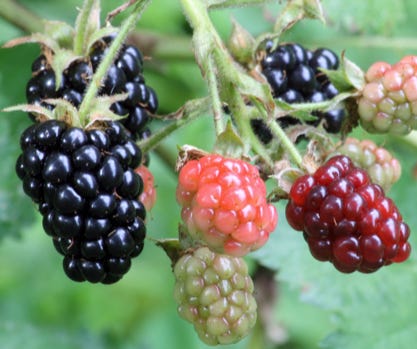
  • April 24 · 16 min

    Growing Sweet Potatoes

    Sweet potatoes are one of the most under-appreciated crops you can grow. But it will reward those gardeners who give sweet potatoes what they really need: heat. As you will hear in the podcast with Master Gardener and vegetable expert Gail Pothour, sweet potatoes have some very particular needs. A San Joaquin County (CA) listener wrote in asking how to alleviate the frustration of trying to sprout sweet potato slips from organic potatoes in a cold house in January. That’s the core problem right there — sweet potatoes are tropical plants, closer kin to morning glory than to the white potato, and they simply won’t cooperate without warmth. They’ll sit, sulk, and rot before they ever sprout. The good news is that our region of California is genuinely excellent sweet potato territory. Twenty percent of all commercially grown sweet potatoes in the U.S. come out of Merced County here in California, so conditions here are about as favorable as it gets. Timing is everything. Don’t rush them into the ground — mid-May is about right, once the soil has had a chance to warm up. Plant slips, not seeds — always buy certified disease-free slips from a reputable nursery or mail-order source. More about creating sweet potato slips, from the Santa Clara Master Gardeners * To grow your own slips: * Start in February or March. * Fill a shallow container that has drainage holes with moist potting soil. * Nestle in the sweet potato so it is half covered in the soil. Place in a waterproof tray. * Cover to retain humidity and keep it warm. * Remove covering when sprouts appear in 2–4 weeks. * When sprouts are 6 inches long, clip off 1 inch from potato (to prevent possible disease propagation from the mother potato) and plant directly in pots (or root in water then transplant into pots). The Santa Clara Master Gardeners have a video, as well, about creating your own sweet potato slips. Grow in raised beds or ridged rows, about 12 inches apart with three feet between rows. They need room to sprawl. Soil prep matters too. Work in some compost and a light dose of nitrogen before planting, and aim for something loose and sandy — sweet potatoes hate compacted ground. Water consistently for the first few weeks while the vines establish, then ease off. Once they’re growing vigorously, they don’t need much babying. For fertilizer, lean toward something a bit higher in phosphorus and potassium than nitrogen — a 3-4-4 or a 2-2-2 would be ideal. Harvest runs anywhere from 90 to 140 days after transplanting. Watch for the vines to start yellowing — that’s your signal. Don’t wait too long, though. Cold is the enemy at this stage too: roots can suffer damage if temperatures dip below 50 degrees, even briefly. If frost is coming, get them out of the ground and into boxes in a warm, slightly humid spot right away for curing. More about Sweet Potato Curing and Storage From “Growing Sweet Potatoes in the Sacramento Region”: Newly harvested sweet potatoes are not very sweet. They require 1 to 2 months of curing and/or storage before they will develop the sweet, moist taste we expect (part of the starch content turns to sugar). Freshly harvested sweet potatoes can, however, be candied or made into pies. This is a good use for roots that may have been damaged during harvest. Sweet potatoes need to be cured if they are to be stored for long periods. The curing process allows any bruises or blemishes on the thin skin to dry so that rotting in storage is reduced. If the sweet potatoes are not intended for long-term storage, curing is not essential; however, storing freshly-harvested sweet potatoes for several weeks will improve the flavor. After the roots are harvested and thoroughly dry, put them in a warm, humid place (80° to 90°F at 85% relative humidity, if possible), or carefully lay the roots out in a warm, dry, and well-ventilated area for 1 to 2 weeks to cure and until all skin wounds have healed. Commercial sweet potato growers have curing rooms with heaters, humidifiers, and evaporative coolers to maintain proper temperatures and humidity. Providing such curing conditions can be rather daunting for home gardeners, so listed below are some suggestions for curing sweet potatoes at home. Several of these suggestions are courtesy of the Santa Clara County Master Gardeners who conducted a sweet potato trial in 2006. Sweet potatoes need to be handled gently, so be careful when placing the roots into containers (avoid throwing or dropping them) so that they will not become bruised, which will keep them from storing well and can trigger them to start decaying. • Put sweet potato roots in a paper bag with a wet paper towel, close the bag, and cure them in a hot attic for 2 weeks. Then store them in a cool room at 60°F until ready to use. • Place sweet potatoes in a large plastic container with damp towels, keeping the damp towels from touching the sweet potatoes. Place the container in a sunny location for 10 to 14 days, rewetting the towels if they become dry. • Cure the roots in a warm, humid place (about 80°F) for 10 to 14 days. Then wrap each root in newspaper and store at 55° to 60°F, taking care not to injure the roots. • Place roots in a single layer in a container on the floor of a greenhouse where the temperature ranges from 80° to 90°F during the day and no lower than 50°F at night. Let them cure for 10 to 14 days. • Lay roots in a container placed near a furnace vent for warmth. If the temperature near the furnace vent is between 65° and 75°F, the curing period should last 2 to 3 weeks. To maintain high humidity, cover the container with paper or heavy cloth. The roots can also be packed in perforated plastic bags which will keep the humidity high, yet allow excess moisture to escape. • Place a heater in a pantry or small room and adjust the temperature to about 85°F; place a bucket of water in the pantry/room as well. Gently place the sweet potato roots in well-ventilated boxes and place the boxes on a small table or platform above the heater (several boxes can be stacked). A week of curing is sufficient with this method. Caution: be sure the heater is not near flammable items and that safety precautions are taken to avoid overheating of the heater, which can cause a fire. The heater should be placed on a non-flammable surface. STORING When the roots are cured, they can then be stored in a dry, dark, well-ventilated place at 55° to 60°F for several months. Sweet potato roots are very sensitive to chilling injury at temperatures below 50°F, so do not store them at lower temperatures or quality will deteriorate. Symptoms of chilling injury include fungal decay, internal pulp browning, and root shriveling. Storing them in an unheated garage or storage shed may be too cold during the winter months. Try wrapping cured sweet potatoes in newspaper and storing them indoors in a box beneath a bed, in a closet, or in an unheated room where room temperatures are slightly cool. Storing the roots in temperatures warmer than 65°F can cause the roots to sprout. Check stored roots periodically and remove any that begin to decay or show other signs of deterioration. SWEET POTATO VARIETIES Visual comparison of diverse sweet potatoes included in a trial conducted by UC Davis Plant Sciences entitled, Opportunities to Breed Diverse Sweetpotato Varieties for California Organic Production. These materials varied in root yield, size category distribution, color, and other characteristics. Many existing heirloom varieties and landraces, including purple-fleshed varieties, produce low yields and a low proportion of roots in the No. 1 size category, despite being favored for culinary traits, such as flavor and/or visual appearance. Contents of each crate are the harvested roots of a single plot (1.83 m × 0.762 m). Varieties shown are (a) Okinawa Purple; (b) Nancy Hall; (c) Murasaki; (d) L-15-39; (e) Shore Gold; (f) All Purple; (g) Nam Hai; (h) Porto Rico USDA; (i) Viola; (j) Kekori; (k) Seon-Mi; (l) Dingess Purple; (m) Camote Morado; (n) L19-53-P; (o) Beauregard [10]; (p) L-19-18; (q) Molokai; (r) Morado; (s) Carolina Ruby; (t) Diane; (u) Vermillion [13]; (v) Waimanalo; (w) L-19-42; (x) L19-56-P; (y) Red Japanese; (z) L-17-182; (aa) CA O’Henry; (bb) L-19-15; (cc) L-17-189; and (dd) Covington [12]. From the Study: Opportunities to Breed Diverse Sweet potato Varieties for California Organic Production. SWEET POTATO VARIETIES TRIALED AT THE FAIR OAKS HORTICULTURE CENTER, 2013 Results: A total of slightly over 51 pounds of sweet potatoes were harvested from the five plants. ‘Japanese’ was the winner with 15¼ pounds, followed by 10½ pounds each from ‘Bonita’ and ‘Covington’. ‘O’Henry’ had a yield of 9 pounds, and ‘Diane’ had a yield of 6 pounds. There were a variety of sizes and shapes of sweet potatoes that were harvested, with a 5-pounder from ‘Bonita’ and a 6-pound ‘Japanese’ sweet potato. SWEET POTATOES PODCAST - TRANSCRIPT Farmer Fred: As we are fond of saying on this program, the healthiest food you can eat is the food you grow yourself. And one of the healthiest foods that you can grow in your backyard are sweet potatoes. Sweet potatoes offer great immune system support.One sweet potato can provide over 100% of your daily vitamin A requirement, and that’s essential for immune function, skin health, and eye health. It’s a high fiber food too. Sweet potatoes, a single cup, contain about 6.6 grams of fiber that promotes gut health and provides a feeling of fullness and that helps you manage your weight. It’s an antioxidant powerhouse as well. Sweet potatoes have anti-inflammatory and cancer-preventative properties. It’s a heart healthy crop, too. Sweet potatoes are a solid source of potassium, critical for regulating blood pressure and maintaining optimum heart function. There are some tricks to growing sweet potatoes, though. And that’s what today’s Beyond the Garden Basics podcast is all about. We will be talking with Sacramento County Master Gardener and vegetable expert Gail Pothour, who has tips for planting, growing, harvest, curing and storing sweet potatoes. And it all started as a question from another California-based Master Gardener who wanted to know exactly how to plant a sweet potato. Farmer Fred: The listener writes: “Any experience you might have with sweet potato varieties or tips would be appreciated. It’s been very frustrating with a low success rate. As a San Joaquin Master Gardener in Lodi, I have access to resources to help with these crops. Any experience you might have with varieties or tips would be appreciated. Buying organic sweet potatoes and starting the slip-growing process in January has been frustrating with a low success rate. They are in my house, which isn’t very warm in winter. Well, when it comes to vegetables, we like to bring in our resident vegetable expert, Sacramento County Master Gardener Gail Pothour. And Gail, sweet potatoes, they really like the heat, don’t they? Gail Pothour: Oh, they do, and they’re warm. So you get them in too early and you’ll have problems. So you need to wait, get them in the ground when it’s like mid-May in the Sacramento Valley. Farmer Fred: In one regards, I understand this person’s frustration because at a lot of nurseries, sweet potatoes are available usually in late winter, and that’s not the time to be planting them. It’s a case of having to keep those sweet potatoes someplace cool and dry until the weather warms up. Gail Pothour: Right. Cool and dry, but not too cool because they are sensitive to temperatures below 50 degrees. So if you store them in your garage or in a shed during the winter, that could be too cold for them. One of the best ways to get these slips, and sweet potatoes are grown from slips, not the actual potato, is to get them from a disease-free certified mail-order place or a nursery. Sometimes local nurseries will carry the slips, but not often. Mail order catalogs will have them listed. But one of the main problems is most southern-grown slips cannot be shipped to California because there’s a quarantine for the sweet potato weevil. So it can be difficult to find slips that you can order, but you can also grow them yourself. If you have an organically grown sweet potato that you’ve been able to hold over during the winter, there is a process to grow out the slips yourself. Farmer Fred: Is there a chance of picking up a disease that way, though? Or should you actually buy the sweet potatoes, fresh seed potatoes, fresh every year? Gail Pothour: Well, there is a chance to have diseases that are passed along because the slips are grown vegetatively. You grow them from a slip that comes off of the sweet potato. It is possible to transfer diseases, particularly viruses and things like that. So I think if you’re careful, I mean, we always recommend you get them from a certified mail order, you know, a grower. But if you do it yourself, if you get an organically grown sweet potato at a farmer’s market, and there hasn’t been any kind of a sprout inhibitor put on it, then you can try it yourself. It can be a little bit of a challenge, but it’s kind of like the science experiment we did in high school. You know, there is a way that you can grow them. And we do have one of our Sacramento County Master Gardener publications does have information about growing slips yourself. Farmer Fred: It is. It’s a very handy publication called Growing Sweet Potatoes in the Sacramento Region. And you can do an Internet search for that just by using that phrase, “Growing Sweet Potatoes in the Sacramento Region”. If you add the letters “UCANR” after it, it’ll pop right up. UCANR stands for the University of California Agriculture and Natural Resources. And there’s a lot of great information there. And in the case of this particular person, I think they just started a little too early. Gail Pothour: Oh, I agree. They said that they had started them in January and that’s way too early because at least in our area, in order for the soil to be warm enough and the air temperature to be warm enough, we’ll plant them in the garden in May. So you would start the slips yourself two months before that, so March. So January is a little bit early. And this person also said that their home wasn’t very warm in the winter. And in order to grow out sweet potato slips, they need to be kept quite warm. So the way you would do it is to have small sweet potatoes, put them in a shallow container, cover them a couple of inches with sand or peat moss or some material, sawdust even, keep it moist and warm. So you would ideally put the container on, say, a propagation mat, a heating mat, to keep the medium warm, 75 to 80 degrees. So that’s what they need. If it’s too early and too cold, you won’t have very good success. Farmer Fred: But again, you have the conundrum of sweet potatoes being available at the nursery way too early, I mean, for planting. So you buy them in winter, but hold on to them and don’t start the slips until, like you said, when the weather warms up. Gail Pothour: Right. And unlike the regular potato, the russet, the Irish potato that we normally associate with growing in the ground, you put that potato in the ground and that’s what sprouts. Sweet potatoes, you don’t plant the sweet potato. You do need to get slips growing from that potato, and then you would snap those off and plant the slip in the ground. Farmer Fred: Okay, then what is the process for doing that? Gail Pothour: Well, as I mentioned, you would put the sweet potato in a shallow container, cover it medium, keep it warm. The slips would grow. And when they’re about eight inches long, you just snap those off and then just stick that in the ground. And then roots will form from that slip. Farmer Fred: Sweet potatoes have a large growing area. They can be grown in many areas of California and also around the country, too. They can be grown in many zones, and that would include, if you’re familiar with the National Sunset Zones, zones 26 through 33, and that includes Central and Interior Florida, the Lower Rio Grande Valley, the Gulf Coast, North Florida, the Atlantic Coast to Charleston, the Interior Plains of South Texas, Hill Country of Central Texas, the Interior Plains of the Gulf Coast and Coastal Southeast, the interior plains of the mid-Atlantic states, Chesapeake Bay, southeastern Pennsylvania, southern New Jersey, and the north-central Texas and Oklahoma area eastward, all the way to the Appalachian foothills. So sweet potatoes do have a very wide growing area where you can try this yourself. So what sort of fertilization and watering do sweet potatoes need? Gail Pothour: Well, they need to have a fertile soil. It needs to be pretty sandy and well-draining. They tend to not do real well in, say, a heavy clay soil because when you harvest the sweet potatoes, it can get scarred up and things like that. But as far as fertilization, you don’t want high nitrogen because then you’ll get a lot of foliage and not so much flowering and the little sweet potatoes. So what we like to do at the Fair Oaks Horticulture Center when we grow sweet potatoes is give them a monthly application of something like fish emulsion that’s been diluted. Nothing too high in nitrogen. Farmer Fred: When are sweet potatoes ready to harvest? Gail Pothour: Yeah, many varieties are available after 90 to 140 days. So depending on the variety that you’re growing, you would start checking in the soil around that time. So if you were growing a 100-day variety, after 100 days, kind of, check around and see what size the little sweet potatoes are. But generally, it’s going to be later in the summer, even early fall, because it is a long growing season. Farmer Fred: Will the vines turn yellow first before they’re ready? Gail Pothour: Generally, they will. That’s one of the signs that they’re getting ready to harvest is the sign they’ll start to yellow. So if the vines have not started to naturally turn yellow, but it’s starting to become cold weather - remember I said they’re sensitive to temperatures at 50 degrees or below - then you might want to just harvest them before the cold weather because the cold would really damage the sweet potatoes. Farmer Fred: All right. So pay attention to those nighttime temperatures. And when the forecast starts calling for nighttime temperatures or early morning temperatures to be below 50 degrees, get out your shovel or spading fork and start harvesting. Gail Pothour: Absolutely. Yeah, because they will be damaged. even in just a few hours at below 50 degrees. Farmer Fred: How do you store sweet potatoes? Gail Pothour: Good question. Sweet potatoes do need to be cured before they’re stored. Otherwise, they will decay in storage. And it’s kind of tricky of finding ways to cure sweet potatoes because commercially, the growers do have curing rooms with heaters and humidifiers and evaporative coolers to maintain all the proper temperature and humidity. Well, that isn’t something that home gardeners really have access to. So actually, in the publication that I mentioned earlier about growing sweet potatoes in Sacramento area, there is a list of ways that home gardeners can try to cure the sweet potatoes without having all that fancy equipment. The thing is, you want to keep it warm and humid. So it’s kind of hard, at least in our area, to have warm weather if it’s humid because we don’t have a lot of humidity here. But there are things like storing them in a warm area, a greenhouse or something with a pail of water and covering them with plastic to keep the humidity in. So things like that. But you do need to cure them for several weeks in order for them to store properly. And another way to cure sweet potatoes, as I say, it can be rather daunting to have the right equipment, is that you could set up a heater in a small room or in a pantry and have the temperature about 85 degrees and then have a bucket of water that you would place in that room to kind of keep the humidity up and put the sweet potato roots that you’ve harvested in boxes have them well ventilated So in a single layer and place that box on a table or something above the heater so that you have the warmth and the humidity and that would help with the curing process and it may take a week or so. Gail Pothour: However, just be careful if you’re using a heater around anything that’s flammable that you want to take precautions so that you don’t have the heater get overheated and could cause a fire. After you cure them you’d want to store them in a room that’s about 60 degrees and so you know what’s the coolest place in your house maybe wrap them in newspaper put them in a box under your bed kind of thing or in an unused closet but that’s kind of one of the challenges of growing sweet potatoes is the curing process and then storage process now if you don’t plan on storing the potatoes for very long. You could certainly eat them and that’s fine. But just be aware that newly harvested sweet potatoes aren’t going to be very sweet. They need that curing process or at least a storage time when the carbohydrates turns to sugar. So that makes the sweet potato a little bit more palatable. So you can certainly eat them right after they’re harvested, but they won’t have that real sweet flavor. That’s what we expect. Farmer Fred: Yeah, and I guess storing the roots in rooms that are warmer than 65 degrees could cause those roots to sprout. Gail Pothour: Right. So that’s another problem is if it’s too warm, then they can sprout. Gail Pothour: So it’s finding that optimum about 60 degrees in a dark place in a box under your bed, maybe. Farmer Fred: One thing we haven’t talked about in this discussion of sweet potato tips is, is a sweet potato the same thing as a yam? Gail Pothour: No, it is not. That’s a marketing ploy. Actually, the true yam is from Africa. It’s a completely different family, not related at all to the sweet potato. and they can get huge. They can get three feet long and weigh 30 and 40 pounds. So you don’t find two yams grown here in the U.S. I’ve never actually seen one. It was back in the mid 20th century that farmers in Louisiana decided they wanted to differentiate their orange flesh, sweet potatoes that are a little moister than some of the white ones that are a little drier. They wanted to differentiate them from those drier sweet potatoes. So they started calling them yams. So it was just simply a marketing tour. So in California, I don’t know about other states, but if it’s labeled as a yam, they have to also tell you it’s a sweet potato. So all sweet potatoes are sweet potatoes. There’s no true yam that’s grown here in the U.S. Also, I failed to mention that the leaves on sweet potatoes are edible as well. Farmer Fred: Well, you just did. Gail Pothour: But it’s that the sweet potato leaves can be used like spinach or chard. Farmer Fred: I would like to eat them raw. Can you eat the sweet potato leaves raw? Gail Pothour: So sweet potato leaves can be eaten raw, although they kind of have a slight bitterness, apparently, when they’re raw. When they’re cooked, they become a little more mild and delicate flavored. And I have not actually eaten sweet potato leaves raw myself. But according to one of the websites that I got on Specialty Produce, they were talking about it and said that it’s very similar in taste to spinach. It can be a little bitter when raw. So if you use it in a salad, it’s perfectly edible, but it might impart a little bitter flavor. Cooking it would spell all that out. Farmer Fred: We’ve learned a lot today about growing sweet potatoes. Gail Pothour, Sacramento County Master Gardener, thanks for your help on this. Gail Pothour: My pleasure, Fred. Thank you, paid subscribers, for your support! And thanks to the free subscribers for their growing interest. Fred Hoffman is also a University of California Cooperative Extension Master Gardener in Sacramento County. And he likes to ride his bike(s). This is a public episode. If you'd like to discuss this with other subscribers or get access to bonus episodes, visit gardenbasics.substack.com/subscribe
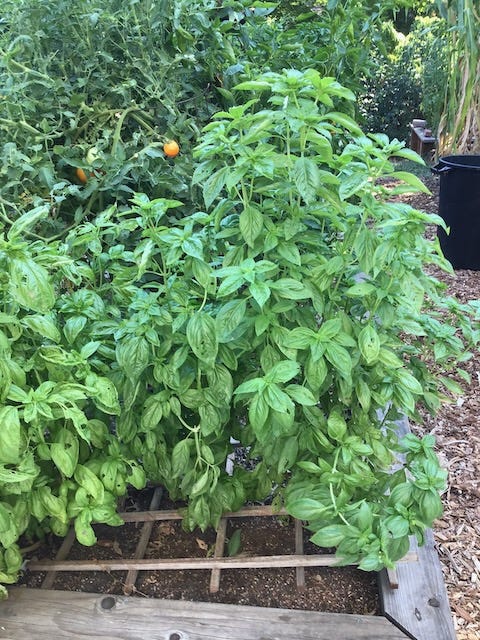
  • April 17 · 1 hr 23 min

    Mycorrhizal Activity and Your Plants' Health

    Soil mycorrhizae. What is it? If you’ve seen any of the “Avatar” movies, you would know that James Cameron probably has a good grasp of the subject…and you would have a basic understanding of what we are going to talk about today. Without mycorrhizal activity, there would be very little gardening. To return to the “Avatar” comparison, you know how in those movies, if anyone fell ill or was near death or they needed to call in the National Guard, they could stick a tree root in their ear and they’d get healthy or victorious, and then the movie could have a happy ending? To quote the “Avatar” Wiki: In Avatar, tree roots are critical, bioluminescent conduits for Eywa, Pandora's neural network, allowing Na'vi to connect to their deity and ancestors. Key structures include the Tree of Souls and Tree of Voices, featuring complex, willow-like root systems that facilitate tsaheylu (the bond) for communication and data transfer. Can you see mycorrhizae activity? Yes! If you have a microscope: (p.s. “Arbuscular”: Arbuscular mycorrhizal fungi (AMF) are soil fungi (subphylum Glomeromycotina) that form symbiotic relationships with roughly 80% of terrestrial plant species. They colonize plant roots, forming tree-like structures called "arbuscules" inside root cells that act as exchange sites. AMF improve plant uptake of phosphorus, nitrogen, and water, in exchange for plant carbon, increasing plant biomass and stress tolerance.) Aren’t you glad you asked? What about if you turn over the mulch that’s beneath your persimmon tree. Is that white stuff on the bottom of the mulch that’s in contact with the soil…is that mycorrhizae? Short answer: No. Long answer: That white stuff on the bottom of mulch is a decomposing fungi, saprophytic fungi. Saprophytes act as decomposers breaking down dead organic matter, while mycorrhizal fungi form symbiotic partnerships with living plant roots. Falling asleep yet? Here’s Ben Faber, a soil, water, and subtropical crops advisor for the Ventura/Santa Barbara UC Cooperative Extension, with his more astute look at mycorrhizae. This is from his newsletter, “Topics in Subtropics”: Mycorrhizae means fungus (myco) root (rhizae). These root-associated fungi predate the evolution of terrestrial plants, and the partnership with mycorrhizal fungi facilitated the establishment of plants on earth. Mycorrhizae form symbiotic associations with more than 70% of land plants across a broad range of terrestrial ecosystems. Plants supplies mycorrhizae with photo-assimilated carbon in exchange for nutrients and water. This is the definition of a perfect relationship whereby the two sides support each other and have a personal interest at maintaining their counterpart well-being for survival. Once mycorrhizae colonize the host plant, its mycelium can grow over large distances to neighboring plants connecting them together by a common network. This extension of the root network allows plants to acquire water and nutrients (especially nitrogen and phosphorus) far beyond its root zone, rendering plants more resilient to drought and nutrient deficiency. The ability of mycorrhizae to form this underground web also enables the connected plant to communicate with each other through chemical signals and exchange water and nutrients. For example, in forest ecosystems, saplings rely on nutrients and carbon supply from older trees sent through the mycorrhizal network. This underground mycorrhizal web has also great physical properties because they improve the soil structure by forming stable soil aggregates thereby limiting erosion and leaching of nutrients. Today’s podcast features two interviews. The first is with Sacramento County Master Gardener Pat Rosales. We discuss the chances of you buying living mycorrhizae that might be an alleged part of that bag of potting soil you’re coveting. Or even more doubtful, an ingredient in the fertilizer you’re reaching for. Science says: doubtful. Science also says: “You’ve got to be kidding me!” We do discuss ways to create your own soil mycorrhizae, as well as how to keep what mycorrhizae you already have in top shape. The second part of today’s podcast features Alaskan garden writer Jeff Lowenfels, author of the “Teaming with…” series of books about what’s in the soil below your feet, including microbes, fungi, bacteria, and nutrients. Lowenfels, besides talking about fungi, is a fun guy. He talks about his previous career (he’s a self-described “recovering lawyer”), and his short stint as a Congressional candidate, campaigning on the platform of, “don’t rake your leaves!” Joining us in the conversation is America’s Favorite Retired College Horticultural Professor, Debbie Flower, who thoroughly enjoyed geeking out with Jeff. Warning: this podcast runs nearly 90 minutes. You may want to change drivers frequently if you’re listening to it on a car trip, so no one will doze off at the wheel. On the other hand, THIS IS REALLY IMPORTANT STUFF AND IT’S WHY PLANTS GROW. Be advised: this material may appear on the Final. If you’re still reading this, you must be a curious gardener! Free or paid, either is welcome. However, I am praying for the eternal salvation of the souls of the paid subscribers. No pressure. Soil Mycorrhizae TRANSCRIPT Farmer Fred: Today on the Beyond the Garden Basics podcast, we’re talking mycorrhizae. No, don’t go away. Don’t go away. Please. Just listen for a minute or two, would you? Mycorrhizae is the reason you have successful plants. If we didn’t have mycorrhizae, you wouldn’t have a garden. So how can you make more mycorrhizae? Well, you can. You don’t have to buy it. We’ll tell you how. Pat Rosales is with us, Master Gardener in Sacramento County, who wrote an excellent article for the Sacramento Master Gardener newsletter in April, all about packaged mycorrhizae. Now, I think we have to establish something right off the bat. A lot of people think mycorrhizae are critters. But no, Mike and Cora don’t live in your soil. It is a relationship that’s called a mycorrhizal relationship. And it’s because it’s a mycorrhizal relationship is the reason a lot of these fungi, these various funguses, if you will, are called mycorrhizae because they’re involved in a mycorrhizal relationship. It’s basically a two-way street between the roots of your plants and the fungi in your soil taking care of each other, which makes your garden thrive. Farmer Fred: But there are things you could do to it that could destroy it. There are things you may not be even aware of, and you may not even realize you don’t have any mycorrhizae. There are certain conditions where you need to have some mycorrhizal relationships going on where none existed before. And we’ll tell you how. Farmer Fred: It’s mycorrhizae today on the Beyond the Garden Basics podcast. By the way, if you think this is daunting, stick around for part two of today’s podcast, where we talk to Jeff Lowenfels, the author of several books about soil microbes: Teaming with Microbes, Teaming with Fungi, Teaming with Bacteria, Teaming with Nutrients. Well, you get the idea, and Jeff will really give you the lowdown and delve deep into the science of mycorrhizal relationships and why they’re so important in your garden. Pat Rosales, French horn musician and Master Gardener, pleasure to have you with us again to talk mycorrhizae. And a lot of people think that, “okay, I’ve heard about the benefits of mycorrhizal relationships and mycorrhizae now for, oh, most of the 21st century. I guess I’ll go buy me some”. Well, before you do that, let’s talk about exactly what they are and what they do, Pat. What are they? What do they do? Pat Rosales: Well, mycorrhizae are collectively the mycelium of the fungus that lives in our soil. And they develop this, as you said, a very symbiotic relationship with your plants. And so the plants produce a carbohydrate because they photosynthesize from the sun. And they produce this carbohydrate, which they exude at the root tip. The mycorrhizae come along and they live near the root tip. And they use the carbon from the plant as nutrients. In exchange, the mycorrhizae provide nutrients, make nutrients available to the plant that they otherwise wouldn’t be able to use. Farmer Fred: It sounds like a fair exchange to me. One of the big ingredients that the mycorrhizal relationship can provide to the plant is phosphorus. And this is where a lot of gardeners might go askew because if you add your own phosphorus fertilizer, you inhibit the mycorrhizae, the beneficial fungi that are in there. It doesn’t necessarily kill the fungi, but it sidelines it because the plant says, “hey, I’ve got all this fertilizer falling down as a little blue powder. I’ll use that instead. You go play with yourself or something. Just leave us alone.” And the poor mycorrhizae basically just have nothing to do, so they do not thrive. Pat Rosales: And then the plant can’t really use the phosphorus in that form. Farmer Fred: That’s right. Somebody has to change it to something that they can use. Pat Rosales: That’s exactly what the mycorrhizae do. They make the phosphorus available to the plant. Farmer Fred: And that’s soluble phosphorus that we’re talking about. When you apply phosphorus via a fertilizer, that’s usually soluble phosphorus. And that, again, sidelines the mycorrhizae. Mycorrhizae, though, are very good at using insoluble phosphorus and converting that to something that the plant can use. So this is one of the reasons why mycorrhizae are so popular in agriculture. It’s cutting fertilizer costs for agriculture for those who are farming organically or farming sustainably or just want to cut their fertilizer costs by having a thriving soil with mycorrhizal relationships going on. There’s all the phosphorus you need so those ships can just keep circling in the Strait of Hormuz and your plants will just be as happy as ever. Pat Rosales: Absolutely. So there are things that you can do to promote the development of microorganisms in soil. For example, if you grow dill periodically or dig to any depth, what you’re doing is disturbing the soil and destroying the mycelium. So every time you do that, it has to build itself up again from scratch. So that’s detrimental. Another thing you can do is to create pathways so that you’re not compacting the soil because the mycelium, that contain the mycorrhizae, can’t live in a compacted soil. And also avoid chemical fertilizers and herbicides because they both kill mycorrhizae. And something we don’t think about a lot is to have something growing in your garden, even during the off season. For example, you might have one plot where you planted tomatoes and you pulled up the tomatoes and you just want to leave that fallow until the next season. But your mycorrhizae need the nourishment that comes from the roots of plants. And so if the tomatoes are gone, plant something else in its stead, something over the winter that can nourish the mycorrhizae. Farmer Fred: Sure, you can put in cover crops. And you can also, instead of yanking out that tomato plant, just cut it off at the base of the soil and let the roots remain in the soil to help the mycorrhizae thrive during the winter. Pat Rosales: Absolutely. Farmer Fred: So there’s a lot of ways that you can encourage mycorrhizal activity without too much work on your part. Cover crops are a great idea. It works well. Mulch too. If you’re using an organic mulch, be it compost or leaves, you’re also increasing the mycorrhizal activity as those leaves or that compost breaks down and, again, feeds the soil. We should also point out, too, that mycorrhizae aren’t just waiters and waitresses feeding plants. They also help to offer them some protection from certain pests and diseases, like nematodes, for example. Pat Rosales: Yes, actually, mycorrhizae will attack nematodes that are attacking your, for example, your tomato plants. Farmer Fred: There are some circumstances, though, where you may need to add commercial mycorrhizae. And a lot of people don’t think about this, but maybe right now you’re building some new raised beds because you’ve heard about how great it is to have a raised bed in your garden. So you call up the sand and gravel place and order five yards of their gardener’s blend, which in the case around here, it’s usually some river bottom soil, a bit of compost, and probably some sort of forest by-products or something like that. Farmer Fred: The problem is there’s probably no mycorrhizae in there because mycorrhizae only survive where there is plant material. So if there are no plant roots in that mix, chances are there’s no mycorrhizae. In that case, you may need to inoculate the soil with mycorrhizae. Now, the problem with going to the store and buying mycorrhizae is how do you know that stuff in that box or bag is alive? And the fact of the matter is, you don’t know if it’s alive or not, and chances are it’s dead. There have been studies done by scientists with their results published in peer-reviewed scientific journals, for instance, New Phytologist, which is a scientific journal, in volume 246. They talk about the viability of commercial mycorrhizae, and they say mycorrhizal colonization in the commercial products they tested was less than 10% in both the old study of 2004 and the newest study in 2024, indicating that even for viable products, they have low symbiotic potential that is not improving over time. And they’re looking for regulatory enforcement along with the cost of independent product assessments in order so that people know that when they’re buying something, they know that there really is mycorrhizal activity going on in that bag. But chances are, if that bag has been sitting out on a parking lot, it’s probably gone through some rather severe temperature extremes, in which case that mycorrhizal may have gotten, shall we say, fairly cooked. And again, you’re talking about mycorrhizal activity commercially purchased where you have a 10% chance of it being effective. Farmer Fred: Here’s a better idea. If you have an area in your yard where you have plant activity, where you’ve got plants growing. If you don’t have any soil problems, if you don’t have any things like verticillium wilt or fusarium wilt, nematodes, things like that, take some of that soil and put it around your plants that you just planted in that new raised bed because there’s mycorrhizal activity in that soil you bring over. And you can’t just put mycorrhizal activity fungi into a raised bed, a new raised bed, without plant material. Those critters need roots to feed on. So you plant the plants first, then you include the inoculant, the mycorrhizal-laden soil, if you will, from other parts of your yard. And it’ll live happily ever after and keep growing and thriving. And Pat, like you said. All you got to do really is just keep some food there for the mycorrhizal activity. In this case, it would be the roots of the plant and maybe add some compost and maybe add some mulch. But try to avoid rototilling as much as possible. Pat Rosales: Yep. Another thing that we don’t think of very often is an area where perhaps there was a shed and you removed the shed and it had a concrete foundation and you remove that and you think, well, you’re going to put a plant bed in there. There’s not going to be any mycorrhizal activity because it’s been crushed under—the soil has been too compacted. So that would be another instance where you would want to add some, as you said, inoculant from another part of your garden. Farmer Fred: Right. And when we usually talk about rototilling, we usually give you a pass as far as rototilling the first time. If you are dealing with a new situation like what you just described, you can till in some compost and some worm castings into an existing piece of dead soil that didn’t have plants growing in it, to help give it a head start. And then put your plants in right away. This is why it takes years to really get raised beds to function effectively the way you want. It’s a slow process, but it’s worth it. It’s worth the time. And by the way, a lot of people don’t realize that mycorrhizal activity also can help those plants stave off drought. Pat Rosales: That’s good information. Okay. I would like to add that some commercial potting soils will actually advertise that they contain mycorrhizae. And I would really question that if it’s been sitting out on a pallet in the hot sun, like you said, or it’s been driven across country in a 16-wheeler. You know, the heat is going to destroy that mycorrhizae. Farmer Fred: Which goes back to what I always say, “all gardening is local”, and that includes buying soil products too. Try to buy your soil products from somebody local where that trip isn’t so long. There are a lot of good soil manufacturers, if you will, potting soil companies within an easy one-hour, two-hour drive of probably wherever you live that can get it there quicker. And if you want to go one step further, go to your local nursery and say, hey, when are you going to get the next load of potting soil in that claims to have mycorrhizae in it? And if they say, yeah, it’s coming in Friday, well, go there Friday and pick it up. Chances are you have a 10% chance of being successful. Pat Rosales: Fred, let me ask you a question. What do you think of the mycorrhizal in the little foil packets? Farmer Fred: There are a lot of just mycorrhizal products sitting on the shelf inside the nursery. And it’s something like, what did I read? Like a $900 million industry now of mycorrhizal products that are out there. And you’re taking a chance. That’s all. You don’t know. As this study pointed out, there is no way for the consumer to figure out if there are living mycorrhizal activity going on inside that bag you buy or that pouch you buy or whatever you buy. Pat Rosales: So there’s no way to test it, huh? Farmer Fred: Well, there is because they do it commercially. They do have tests. And that’s one thing this study was arguing for is get these test kits out into the people’s hands so that they can test the bag to see if there is mycorrhizal relationships. And that’s not a bad thing for a retailer to do. If they get products that claim to have living mycorrhizal activity going on in them, the retailer should be able to check to make sure that what they’re buying is what they will be selling. There are some ways, though, that you can also create problems. And we should point out, too, that you only need, as Pat pointed out in her article, you only need to encourage the thriving of mycorrhizal activity through proper cultural practices. Pat, you talked about don’t disturb the soil by digging or rototilling and to create those pathways so you avoid compacting the soil. And also, I’m scared when I see these fertilizers that claim to have mycorrhizae in them because, well, it’s like... If they do, they’re either dead or very small in number, and it really depends on the amount of phosphorus in that fertilizer. Pat Rosales: Yep. Farmer Fred: And you have to stop using herbicides and fungicides if you spray it on your soil because a fungicide, I don’t think, can discriminate between good guys and bad guys in the fungus world. Pat Rosales: I think you could think of mycorrhizae as the beneficial insects of the plant world. Farmer Fred: Yeah, there you go. And basically have something growing in your garden year-round to sustain the mycorrhizae during the off-season. Don’t leave a bed bare in the wintertime. Like Pat said, have a cover crop in there. Have at least the old plant roots of whatever you cut out from there remaining in the soil. Add mulch on top. that’ll help feed the soil during the winter and keep encouraging the mycorrhizal activity. And again, you don’t need to add as much phosphorus fertilizer, if any, if you’re trying to encourage mycorrhizal activity. Most soils, if you get a real good soil test done, especially in our area, you will notice that there is a plethora of phosphorus in the soil and you need to get that phosphorus level down to a point where mycorrhizal activity can really start thriving. So go easy on the addition of phosphorus and that means looking at that middle number that you might see on a fertilizer bag. You’ll see three numbers on the bag of any fertilizer. The first is nitrogen, the second is phosphorus, and the third is potassium. You want to make sure that second number, the phosphorus, is non-existent, a zero, or really low. Now for instance, my go-to fertilizer, as you longtime listeners probably know, is fish emulsion, because that has a phosphorus content of one. It’s a 5% nitrogen, 1% phosphorus, 1% potassium. My plants are doing okay. Pat Rosales: I like to use fish meal. It’s a little easier to work with than fish emulsion, but it’s hard to find these days. I go to several different stores before I find it. Farmer Fred: Describe fish meal for us. Pat Rosales: Well, it’s ground up fish product. I imagine it’s the part that doesn’t go into the fish market and its dehydrated and ground up. So it’s got the bones and the guts and the head and everything. And it’s got the nutrient mix that you pretty much described with your fish emulsion, but it’s a powder, not a liquid. And so I can just sprinkle it on top of my bed before I plant. And fish emulsion is, well, it’s smelly and you have to mix it with water and I just don’t like it as much. Farmer Fred: All I have to do is shake the bottle and the cats come running. Pat Rosales: I bet. Farmer Fred: We’ll have a lot of links in the newsletter about what we’ve been talking about today, the studies the authorities who talk about how to increase the mycorrhizal activity in your soil. Pat Rosales: Good, especially Jeff’s book. Farmer Fred: Jeff Lowenfels. We’re going to have that chat on today’s podcast that you can listen to, and you’re going to learn a lot. And if you really want to delve into the subject of mycorrhizal activity, get his book, Teaming with Fungus, or is it Teaming with Fungi? I forget which. Pat Rosales: I’ve got it right in front of me. Teeming with Fungi. Fungi, plural version. Farmer Fred: Okay. Yep. So teaming with fungi, Jeff Lowenfels, it’s a great interview. Pat Rosales knows a lot about a lot of things, including E minor and C sharp and other things in the French horn world. Pat, thank you so much. And thanks for the great article about mycorrhizal activity in the Sacramento County Master Gardener newsletter. Pat Rosales: Okay. Farmer Fred: There. Was that confusing enough for people? Feel free to share this post with others that you want to torment. RESOURCES: • Mycorrhizae | Under the Solano Sun, UCANR Blog. Sept 17, 2019: https://ucanr.edu/blog/under-solano-sun/article/mycorrhizae • Fall 2018 CG final.pdf, “The Marketing 0f Mycorrhizae” by Trish Grenfell, Placer County Master Gardener: https://ucanr.edu/sites/default/files/2025-07/Fall%202018%20CG%20final.pdf • “Soil Health is Big Business But Some Research Show Fungal Products Don’t Work as Promised” - Nebraska Public Media: https://nebraskapublicmedia.org/en/news/news-articles/soil-health-is-big-business-but-some-research-shows-fungal-products-dont-work-as-promised/ • “Meta-analysis reveals globally sourced commercial mycorrhizal inoculants fall short” New Phytologist, volume 246: https://nph.onlinelibrary.wiley.com/doi/10.1111/nph.20278 • “The Truth About Phosphates and Mycorrhizal Fungi” https://www.lebanonturf.com/education-center/biological-plant-treatments/the-truth-about-phosphates-and-mycorrhizal-fungi “Mycorrhizae: What the Heck Are They, Anyway?” by Linda Chalker-Scott, WSU Science Editor https://s3.wp.wsu.edu/uploads/sites/403/2015/03/mycorrhizae.pdf Jeff Lowenfels Teaming with Bacteria TRANSCRIPT (originally aired in Garden Basics Ep. 238, Nov. 4, 2022) Farmer Fred You’re probably familiar with Farmer Fred’s 11 Garden Rules. And two of them are, “Everything you know is wrong”; and, “If it works for you, fine, but keep an open mind. And what you’re going to hear in this interview is going to blow your mind. It’s going to change the way you garden for the good. You’re going to save money. Debbie Flower is here as well. Debbie Flower, America’s favorite retired college horticultural professor. And we are talking with author Jeff Lowenfels. Jeff has written many, many books. I remember interviewing him on the old radio show back in, I think it was 2006. It was about one of your first books called “Teaming with Microbes”. More have come since then. In “Teaming with Microbes”, he revealed the fascinating facts around the soil food web, all the tiny organisms that live in the soil and aid a plant’s growth. Then, there was “Teaming with Nutrients,” exploring how those organisms ate and about the uptake of nutrients. “Teaming with Fungus”, where Jeff Lowenfels details the symbiotic relationship between plants and fungi, the most important organism living in the soil. And his latest book is, “Teaming with Bacteria.” And Jeff lives in Alaska. And you’re probably thinking, “oh, so he doesn’t garden?” Oh, no, no, no, he even writes a garden column. He’s had a garden column in the Anchorage newspaper for well over 40 years. Jeff Lowenfels, it’s a pleasure talking to you again, after a 15 year respite or so. Jeff Lowenfels Yeah. Wonderful Introduction you did there. I’m wondering who this guy is. Farmer Fred Oh, but wait, there’s more. You have a fabulous history, but one of my favorite parts about your life is the fact that you are a recovering lawyer. Jeff Lowenfels Yes. In fact, when I only had two books, I used to bill myself as, because they were both on soil, “America’s dirtiest lawyer”. Farmer Fred that’s appropriate. Jeff Lowenfels that was my moniker for a little while. But yeah, I’m a lawyer, when you can’t do anything else. That’s what you end up becoming. Farmer Fred But the fact that you had a garden column for over 40 years, Debbie Flower the longest running garden column in the United States, correct? Jeff Lowenfels Actually it is 47 years now. I’ve been told it’s the longest in the world, from a gardening column perspective, and maybe in terms of consecutive weeks. anyway, it’s a long time. And the reason why I do it is because when you’re not there, my particular newspaper puts your picture in the paper and says, “ this is XYZ columnist who is on vacation, and will return in two weeks”. If you write the column and you’re thinking about it, and you’re a lawyer, you’d begin to think that just sort of advertises “He’s not home”. Yeah, so I I always have a column and it just become a religion. Uh, you know, it’s like, Ty Cobb the baseball player. I I don’t want to miss a week and, and I don’t want anybody robbing my house. I always have the goal not to repeat yourself, which I don’t. Debbie Flower That would be tough over 47 years every week. Jeff Lowenfels There are only so many ways you can tell people to grow tomatoes. Farmer Fred A lot of people think, how can you garden in Alaska? But it’s probably not very different than living in a city in the mountains, like maybe Colorado Springs or here in California, in the Sierra, Truckee, California. It has a lot of altitude, and you have a growing season of a couple of months. you can grow anything that the people in the flatlands can grow. It’s just got to be a little quicker. That’s all. Jeff Lowenfels Well, yeah. And actually, it’s not as quick as you think because of our daylight situation. But yeah, one of our favorite phrases of gardeners in Alaska is, “How can you stand the weather Outside? That’s what we call where you live, we call it the Outside. Because we really have a season that starts by Memorial Day weekend. And then of course, we can continue sometimes right on through October 15. That’s a long season. Debbie Flower When I look at this at this gardening calendar, when to plant vegetables in Anchorage, Alaska by garden.org, the dates I see on this gardening calendar look very much like the ones I adhere to when I lived in New York and New Jersey, typically nothing before Mother’s Day, right? And then through the summer, and then frost comes in. It’s over. I’m amazed. Jeff Lowenfels That’s right. I mean, and there’s been a big change from when Fred and I first talked, it’s an even bigger change from when I got to Anchorage in 1975. We’ve added probably 20, maybe even 30 days on to our growing season. So those who are listening and don’t think that global warming, of course, I don’t have to convince anybody in the Sacramento area that Global warming doesn’t exist, you’re crazy, it does exist. And I’ll give a statistic that people always go nuts about. They used to keep records in Talkeetna, which is a little further north than Anchorage. What a wonderful name, Talkeetna, the town that has a cat as an honorary mayor and has for 20 years. But in any case, they keep records there and they kept those records. I think they started around 1875 or there abouts. And lo and behold, we’ve added well over 100 days to the growing season, that’s amazing. You know, it just smacks you in the face. And of course, we have another saying that gardeners in Alaska like to use that you might not appreciate. And that’s “global warming. It’s our turn now.” Debbie Flower Yeah, yeah. Jeff Lowenfels So you know what one of my friends grew a couple of years ago, maybe two years ago… okra. It’s the first okra I know to have grown in Anchorage, and probably all of Alaska. It’s very hard to grow okra. Grew okra. I couldn’t believe it. It was just a stunner. It’s always an interesting experience watching our climate change. it’s amazing, just completely different than it was when I first got here. So yes, we all garden. And the reason why we garden is because you go nuts during nine months of winter. And it’s not so much the cold as it is you can’t garden! It’s dark and the ground frozen. I try to convince my readers and anybody who gardens and has a warm season like like we do, in winter you should have lights, period. I mean, it’s just you spent all that time for two and a half months in the vegetable garden. You can be grown vegetables all winter long. Farmer Fred yeah, I would think stores would have plenty of grow light fixtures and little, inside greenhouses. Jeff Lowenfels Absolutely, absolutely. And of course, cannabis has been legal in Alaska since 1975, in the privacy of your home. And so the grow light business well developed in Alaska. There are two or three good grow stores, and it’s something everybody needs to do everywhere. But in a place like Alaska, Fairbanks just makes tremendous amounts of sense because it is such a long season. Nonetheless, the plants grow exactly the same way. So it’s the same kind of excitement, the same kind of satisfaction as you normally get when you go out and plant out in the garden. I would say there’s one other difference between the Alaskan gardener and maybe the gardeners where you are, and that’s that many people in Alaska have plants that they brought up from the lower 48 states. Those plants are Family, “this isn’t my grandmother’s Christmas cactus” or, “I took this clipping from my grandfather”, and they come up the highway with it in the back of the Volkswagen bus. And you don’t want that to die. So that gets people going in the wintertime. we got to keep those special heirloom plants alive. Debbie Flower Yes, I have several of those in my house that I take from place to place. And around here the local utility was, at least when I was teaching, they wanted us to teach how to grow in basically a metal box, an outdoor truck body or something like that, and have the lights on at night so that they could balance out power usage. Everybody’s using the power during the day, then everybody goes to bed, the power need goes down. And the utility wanted us to teach how to grow at night inside these enclosed environments so that that they could even out their power needs. Farmer Fred Wow. But are greenhouses, outdoor greenhouses, cost prohibitive in Alaska? Jeff Lowenfels no. if you’re a serious gardener, everybody has an outdoor greenhouse. whether it’s a little plastic hoop house, or whether it’s a permanent structure. we don’t necessarily use glass, there are a couple of those. But we’ve got the outdoor greenhouse for the tomatoes, because if the temperature drops below 55 degrees at night, you don’t get tomatoes. And tomatoes are the holy grail. Well, they were the holy grail of gardening in Alaska. And so, you know, people just everybody seems to have a little outdoor greenhouse, some bigger than others. And we grow cucumbers and tomatoes, and peppers. Debbie Flower You have a lot of white fly control information, then. Jeff Lowenfels We have a lot of white fly control information. We try not to get white flies. From my perspective, when you have an outdoor greenhouse, the white flies come from the nursery when you buy your plants, even if you have grown it yourself. Okay. Nothing is worse. Debbie Flower You’re right. Jeff Lowenfels It’s a difficult one. And particularly now, since I think we have fewer insects that might take them out. This year, I noticed we don’t have any mosquitoes in Anchorage anymore. Seriously. It was just dumbfounding to me. We have far fewer birds. But we don’t have any mosquitoes. Debbie Flower Are you drier than you’ve been? Jeff Lowenfels We had the driest spring and the first half of summer and then we literally had the wettest other half of the summer. So we’ve had both extremes, it is very interesting. We are again, I think the bellwether, so you should be keeping an eye on all this. We know we’re losing insect populations. But to me, it was it’s just dumbfounding the bird population differences. So some will want to be worried about them today. Farmer Fred so would any of this have a bearing on your congressional run that you attempted earlier this year for that open congressional seat? Jeff Lowenfels Well, I really left myself open for that one. And I have to say, it was one of these crazy experiences. For those who don’t know, we had a beloved longtime congressional representative, we only have one, and he died. And so there was a special election. And many of us, probably because of our stupor from COVID isolation, decide, “okay, I could do this job, and I could do a good job at this. I’m going to put my name in there and run for this office.” And then we discovered that there 50 other people running, including Sarah Palin, a guy who had been running against our representative for six months prior to that, who had a massive fortune, and a guy who had run for Senator a couple of years ago, who had $80 million left over from that. Anyway, it was one of these situations where because of the press rules, it’s not like gardening. You know, if a carrot doesn’t come up, another carrot does. You’ve got to be fair. And so there were no debates. How do you debate 51 people? There really weren’t any one to one interviews, because how do you do that? Unless it was public radio, and they had to do all 51. Farmer Fred Hey, Jeff, you work for a newspaper. Jeff Lowenfels I worked for a newspaper. And thank God the newspaper was gracious enough, I think, to sit back and say, “he’s gonna lose let’s not get rid of his streak.” Frankly, I sort of was the Garden Party candidate. I mean, I’ve got some name recognition. And it’s one of those situations where I was an attorney. I represented native corporations, I did mining law, environmental law, pipeline law, public utility, I did all the things, you know, and more important, I represented clients, which is what a congressional person does. And I dealt with the acts that ended up resulting in the formation of the legal system in which Alaska reacts to the federal government, called the Alaska Native Claims Settlement Act, which was passed in the 70s and 80s, when I was there. And in any case, I had the qualifications. So it was gonna be fun. And then it turned out not to be so fun. I have to say that I had one gardening moment, there was only one event, which allowed 14 of us to appear in front of a group at breakfast. And we each got a minute to say our piece, just one minute. And then they asked us five or six questions. We just got a minute to answer three or four questions. And then they had the panel thing. I’m sitting next to Sarah Palin, who’s a friend of mine, I don’t agree with her politics at all. But I know Sarah. Well, I just had written my column. And in my column, I always have been pointing out not to rake your leaves, because it is a waste of time it’s bad for your yard . It is a terrible thing to do. You know, those leaves decay, then they disappear.. Because I think it’s an it’s an interesting topic of conversation these days. That has to do with the soil food web. But anyway, Sarah is sitting next to me. And she begins, “I’m gonna go to my dad’s house in Wasilla and I’m gonna help him rake leaves”. I couldn’t help it. Because I am a wise guy. So, I just blurted out, “You’re not supposed to rake the leaves!” And of course, everybody knows who I am. I’m Jeff the gardener. I’m not Mr. Lowenfel,s a congressional candidate. And of course, it got a gigantic laugh, embarrassed the hell out of poor Sarah. It was the only little funny thing that happened during the entire campaign. Farmer Fred Don’t sell yourself short. You there were like 48 to 50 other candidates, and you finished eighth. Jeff Lowenfels And I think I was seventh. Actually. Debbie Flower Well, one guy dropped out. Farmer Fred One guy dropped out. But it was still worth almost 6000 votes. You made a good representation for yourself. Even though Santa Claus did beat you. Jeff Lowenfels Yes, he did. And, you know, I like to moan and groan about the son of a gun. People thought it was funny, you know? And I got to sit back and say, Wait a minute. But I have to say that the woman who won, and she called me after that vote came out. and the first thing out of her mouth was a really clever, cute gardening question. You watch her name is Mary Peltola. And she walks on water. I have never met a politician and I dare say any person, who’s more charismatic than this woman, and more sensible. It’s unbelievable and better yet, for a state like Alaska, to have a native who becomes a leader. So anyway, it was a terrific experience. I’ll never do it again. I thought writing a garden column was hard. I thought writing books about gardening was hard. No. Sitting around, wondering what you’re supposed to do when half the people have COVID, nobody’s answering doors, and there are no debates or public forums, and you’re running for Congress. Farmer Fred All right, let’s move on. Let’s sell some books here. “Teaming with Bacteria is your new book. The follow up to, “Teaming with Microbes” “Teaming with Fungi”, “Teaming with Nutrients”. Is bacteria the missing link in all of this? And according to your book, this is going to be the next hot thing. Are we going to be inoculating every seed we plant from now on? Jeff Lowenfels Not right away, but at some point in time, we’re going to certainly be thinking about it. Let me put this whole thing in context so that people know why I wrote this particular book. When we talked about Teaming with Microbes in 2006, it was an eye opener. it was Dr Elaine Ingham’s science and ability to be able to go out and talk about this stuff, and deal with the ridicule that people threw at her when she said, “Here’s how the system operates.” There’s photosynthetic energy, maybe 30-40% of it is used to produce exudates that drip out of the root system. She called them cookies and cakes, their carbon filled molecules, they attract bacteria and fungi that are in the soil to the rhizosphere, that little area right around the root system. And they’re happy, they need that carbon, because they don’t photosynthesize. Along come nematodes and protozoa and they go, “we’re hungry too”. And so they eat the bacteria and the fungi. And, they do so because they also need carbon, they’re not able to photosynthesize, you and I eat toast because we need carbon. They don’t need it all. And so they poop out the excess. And the excess that gets pooped out, basically is in plant usable form. We learned that from “Teaming with Nutrients,” the second book. The microbes, bacteria and fungi put the charge onto the nutrients so that they can get into the plant. So you have this production in the soil that then migrates to the plant. And then “Teaming with Nutrients” talks about how they get absorbed. And then what happens to them once they’re in there. Lot of studies on mycorrhizal fungi since then, but it was a paragraph in “Teaming with Microbes”. It was revised, I put a whole chapter in. And finally, it came to be that there was enough for an entire book on fungi, and so “Teaming with Fungi” added to the way plants get their nutrients and these mycorrhizal fungi that are in that area are attracted by the plant. It’s not the fungi going into the plant. They go in between plant cells, and they trade water and nutrients, and they they get the exudates. They have a nice symbiotic relationship. They never invade the cell, but they’re there. So everything’s happy and copacetic and then a friend of mine in about 2010 sends me a one word text: Rhizophagy. I had no idea what he was talking about. I looked it up. Rhizo, I know, means roots. Phagy means eat. okay, what the hell was he talking about? it didn’t make any sense. And he wasn’t the kind of guy that I call up on the telephone. lo and behold, there was a discovery in 2010 by an Australian team, led by a woman, with a hyphenated name that I always forget. Debbie Flower Doctor Paungfoo-Lonhienne. Jeff Lowenfels God, I wish I could just record that and push a button. And anyway, there was also another woman who I don’t think I gave enough credit to I think her name was Miller. But in any case, this team was funded and the funding ran out. But what they discovered using conical microscopies, special kind of microscope, they discovered that bacteria were all inside meristem roots cells, and they theorize that what was happening was that you were getting the meristem, which are very thin walled cells, very young. That’s where they started. As meristem opened up and let these bacteria in, and sort of ate them. They really weren’t sure exactly what was going on. That was the theory, the funding must have run out. And then it was picked up by a guy at Rutgers University in New Jersey, named Dr. James White. And Dr. James White has done some unbelievable work. Those bacteria that Dr. Elaine’s taught us were attracted to the rhizosphere, some of them are not eaten. And that’s where the rhizophagy story begins. Debbie Flower You know what, I read the book, I read the entire book, I loved it. I learned things. it open new worlds to me. And one of the things I really, really loved was, pretend you’re a bacterium. On page 109, it starts. And it’s like the Disney ride of the bacterium from the soil into the plant. What it does in the plant, and then it gets spit right back out. That was just, that was a hoot. Jeff Lowenfels Well, funny. You know, Dr. White, who I wrote Teaming with Microbes, basically with Dr. Elaine Ingham, she’s the guru of the soil foodweb. And this book doesn’t take anything away from her by any means. But I was talking with Dr. White and he loves that particular passage, by the way. But I said, how come everybody doesn’t know about this? Can’t get traction? And so I said I’ll write a book. And that’s, that’s where the book came. Debbie Flower Rutgers, by the way is my alumni. Jeff Lowenfels Yeah, if I could go back to school. Debbie Flower Yeah, right. I do it too. So much new stuff. Jeff Lowenfels Maybe they would take a 73 year old who would pay them. But in any case, let’s talk about this rhizophagy. Farmer Fred What is your consumer definition for Rhizophagy. Jeff Lowenfels Oh yeah. Okay, so here’s what happens. Let’s pretend you’re a bacteria. What happens is the bacteria form a slime, everybody knows about bacterial slime. The example, of course, is that’s what’s on your teeth every morning and right now, everybody is licking their teeth. But that bacterial slime contains lots of different kinds of bacteria in the soil and formed right up there on the meristem area. The very tip right right after those slough off cells, they begin to smell popcorn, buttered popcorn, and like anybody else in the world, they go, “I wonder if it’s free.” In fact, it smells like there’s a whole popcorn factory. They’re looking for bacteria and so they move through that bit that’s butyric acid, which is released by the plant and they move through the cell wall into what’s known as the periplasmic space. And they go, “What the hell happened there? Where’s the Popcorn?” while there is no popcorn, but when they move through there, there is a spray of super oxide, which is designed by the plant to strip off the cell wall of the bacteria. The cell wall gets stripped off, the bacteria goes, whoa, I don’t like that at all. And two or three things happen. The first is the bacteria says, I gotta weaken this stuff, or I’m dead. And so they produce nitrite, the nitrate is converted to nitrate. And both the cell wall and the nitrate are then continued through the membrane into the cytoplasm, where there are nutrients, up to 30% of the nutrients come from this nitrogen fixation inside the root. You could stop right there. And it would be eyeball dropping, but it continues. Now you got a bacteria in there that doesn’t have a cell wall. But it’s still alive. It’s called, L class. it doesn’t have a cell wall, and they divide every 20 minutes, it divides. And behold, it divides probably even quicker than 20 minutes, because you don’t have a cell wall in the way anymore. And at the same time is producing this nitrate to be an antioxidant to the superoxide, which, incidentally, the superoxide production to the plant goes, “I gotta make sure it’s not killing me, it’s gonna, it’s going to destroy my soul.” So it causes the plant itself to strengthen its own cell wall, heavy stuff, and it continues on through the life with a plant incidentally, then the circulation takes over. And these L Class, they circulate around the inside of the meristem cell. Now, you probably say, what does this look like? Picture a tofu container, that common white plastic tofu container with the water. And then it’s got the tofu on the inside. So the outside that white container, that’s the cell wall, they then move into that watery area, that’s the periplasmic space. And lo and behold, it cycles, and it goes around. Now, another thing is happening, the bacteria are producing one of their phytohormones. Because a lot of bacteria make phytohormones. This one, ethylene. Ethylene causes the meristem cell to grow to stretch. So you’ve got the nitrite, you’ve got the ethylene, you’ve got the cell wall, this L form circulating, multiplying, and they end up forming quads. They form these quads, sometimes six months, but mostly quads. And they circulate around, producing this ethylene, taking a little bit of carbon from the cell wall. And everything’s happy until they get too many. And they begin to back up against the cell wall. And when they back up against the cell wall, the ethylene stops circulating and instead causes a tube to grow in the meristem cell wall. And bingo, the tube is known to me and you as a root hair. Your stem cell is part of that cell, you know it’s not a separate cell. And it’s very thin walled, which is probably why it allows nutrients in there. But the real reason why it forms is because of this ethylene bacterial backup and engulf the bacteria. A low tidal wave creates a pressure and boom they pop out of the tip of the growing hair, and boom, it closes up and more of them come in and it grows and boom they go on. You can go four or five times you can open up and drop out or throw out or eject the wall-less quads of bacteria, and they in the soil, use the nutrients there to regrow the cell walls. And lo and behold, they multiply and… Debbie Flower they say that was fun. I’ll do it again. Jeff Lowenfels Right. and they go back in and they do the same thing again. Unbelievable. So when you don’t have the bacteria, you don’t have the root hairs. Who knew? Not me. Debbie Flower but you cited, I Don’t know if there were experiments or, or cases where people did grow plants without the bacteria. And the plants. Lo and behold had no root hairs. Jeff Lowenfels Right. They had no root hairs and their roots themselves were all deformed and grew the wrong way. Debbie Flower Yeah, that was pretty amazing grew in the wrong way. Jeff Lowenfels then what was even more amazing when you put the bacteria in, they were back the right way. Debbie Flower Correct me if I’m wrong, but my understanding from the book was that directional growth had to do with metals that were brought into the root by the bacteria that helped the plant Orient, to gravity. And without the bacteria bringing those metals in, there wasn’t that ability. Jeff Lowenfels I don’t know if I put that in the book. But it makes sense to me. A lot of sense. It might be. Debbie Flower There’s a lot of information in that book. Yes. Jeff Lowenfels I know. I just read it. It came out. September 27. yeah, I had to pick it up and read it. I mean, I literally it’s, and if we can interrupt just for a second, we’re talking bacteria, and people really need to understand bacteria. So let me do this. Google bacteria, a head of needle, head of pin. And you’ll see in the images that were too expensive for me to to buy. But there they are. And so we’re don’t think of one car in a driveway. don’t think of that as a bacterium. Think of the Hartsfield airport in Atlanta. You know, that’s bacteria. You know, they’re everywhere. That’s five second rule. Last week, and if you can find this on Google, it’s well worth getting. Also, Google bacteria and tongue cell. Debbie Flower Oh boy. Do I want to? Jeff Lowenfels a single tongue cells, from someone’s mouth. Farmer Fred The pictures I’m looking at look like Hostess Twinkies. Debbie Flower Rod shaped bacteria, Jeff Lowenfels gazillion bacteria on this one cell. I mean, did you start there? And why? And of course in America and everyplace else, we study dinosaurs. Yeah. Because they’re useless. You know, instead of studying bacteria and microbes, which are so important. So one of the problems in the book was I had to, you got a list of which ones do what they’re not, they’re not language that we’re familiar with, just like plant names. If people are not really familiar with them, they’re much more familiar with plant names. And we need to change that system. Stop studying dinosaurs. They’re useless. The oil and gas they produce is useless. We need to study bacteria, fungi, nematodes, protozoa, all that stuff. And we’re at the point now where the databases exist. Our phones will have applications where we can learn a lot of this stuff, but I digress. Look up bacteria. Think about the numbers, the sizes are so incredibly small, they have flagellum because they’re so small, that if they were if they tried to roll in water, they couldn’t get anywhere. The shapes that they create are because of the water. the movement situation. they’re absolutely spectacularly fascinating organisms. But the fact that they enter a plant and create root hairs and repeat doing it, changes the soil food web in a serious way. So yeah, 2006 version, plants were farmers, they threw out the nutrients and you know, the exudates, and they ended up farming what they got. And then they bought that stuff inside. Now we know that they are also ranchers, they’re taking in the sheep, shearing off the wool eating the occasional chop, and then putting the rest out into pasture again, so they can regrow the wool and come back in and have the process repeated. So they’re farmers and their managers. It’s really a very big change. Again, not to take away in any way whatsoever from Dr. Elaine Ingham. But Dr. James White and his students who really have come up with an unbelievable fascinating situation. Farmer Fred who would have thought. Jeff Lowenfels it’s only because new kinds of microscopes and the ability to be able to dye test the kinds of bacteria. Debbie Flower Yeah, technology advances. Your books. We’ve said the title “teaming,” but talk about how you spelled that word. Jeff Lowenfels All right, so I spell the word t e a m, you want a team, with microbes. And the reason why you want to do that is because you want them to do the work. Instead of you. Gardeners like to think that we’re in control. We are not the boss, we do this and do that. And, we only mess things up, basically. So if you team up with a microbes, and listen to them, you will end up with a wonderful yard, not just your garden, there’ll be any indoor plants too. For that matter. The system that works outdoors also works indoors. Farmer Fred Let me interrupt here just to remind you, you’re listening to the Garden Basics podcast, the episode entitled “geeking with the hort experts”, Debbie Flower. Jeff Lowenfels, the author of “Teaming with Bacteria” is here, the organic gardeners guide to endophytic bacteria and the Rhizophagy cycle or something like that. Explain Jeff, what endophytic bacteria means. Jeff Lowenfels Endophytic bacteria are bacteria that live in there. Incidentally, endophytic fungi that live at least part of their life inside a plant and they don’t do harm to the plant. So we’ve just described one kind. the rise of algae, bacteria, those are Endophytic bacteria, they spend part of their life inside and then they get they get the rest of their life in the soil. There are other bacteria that get into the plant in slightly a different way. They they sneak in through cracks when roots begin to branch. They come in through stomata, they come in through injury. Not quite as often because, who wants to injure plants? And they get into the plant and they live inside the plant? First of all, why would a bacteria want to live inside a plant and isn’t that basically becau is there’s less competition in there? Farmer Fred Well, it’s buttered popcorn in there too. Jeff Lowenfels Well, there certainly is down on the root system. I’m not quite sure there is up in the upper half of the plant. It isn’t only if you have too much of that butyric acid, it begins to smell like your stomach vomit. I know this because when I was in 10th grade, we had a biology teacher who decided he was going to show us osmosis. He went over by the window and he poured a tablespoon of butyric acid. But he slipped and it went into the vent system and they had to close down the school for days. Anyways very strong smelling stuff. a plant only needs to produce teeny little bit so they have bad food sources inside. You know, there’s sugar inside plants, some pretty good stuff in there. And basically there’s no competition and it’s just a nice situation for him. Why would the plant let them in there? that’s that’s more important question. Plants understand that bacteria are usually bad, but there seems to be this dance where they get sprayed, they create a situation inside the plant that strengthens the plants. So plants are able to take a biotic stress like heat, cold, wind and biotic stress , like a pathogen coming in. The other bacteria say No, Get out of here. This is our area. They take out the other pathogen, the plant gets helped by this and, and must recognize this. Debbie Flower It’s almost like an exercise. Jeff Lowenfels Yeah, it becomes important in many different ways in addition to just to the plant itself. So for example, with regard to tomatoes and cannabis have hairs, any plant has hairs. This was something that in the book was speculated on because the research hadn’t been done yet. You know, root hairs look an awful lot like the the trichomes on cannabis. Is there a connection there and there were certainly bacteria inside there. But now, it’s pretty well understood that there are bacteria inside the trichomes both on tomatoes and in any trichomes these bacteria gets sprayed by a soup with superoxide and other things in the plant cells. And in the case of cannabis, they get sprayed by cannabinoids so they help production of cannabinoids. Whoa. Debbie Flower So potentially we could influence what in the case of marijuana what cannabinoids are in the crop by choosing, selecting the bacteria that are in the plant. Jeff Lowenfels Exactly. And in fact, that’s already happening, isn’t it? I try not to use the word marijuana. so I try I use cannabis wherever I possibly can. Farmer Fred You could say hemp if you wanted to. Jeff Lowenfels Well, not really, Well, it is THC. hemp. Yeah. Yeah. Debbie Flower But we could do that with with tea or a camellia. They tend not to have trichomes, however. Jeff Lowenfels but it definitely has bacteria. Debbie Flower I guess we could influence the flavor of tea by choosing the bacteria that are in the plant. Pretty fascinating stuff. Jeff Lowenfels it’s so fascinating that in fact, if you went back, if you have 400 year old corn, and and kept not breeding and there are strains, we can go back, it has the same bacteria 400 years later that it did 400 years ago. Debbie Flower So if we were to change the bacteria that we allow these plants to have or not have, we could end up killing the plant Jeff Lowenfels precisely. And we can end up feeding the plants at the same time because you get nitrogen fixation. And so when you buy a Landry strain of cannabis, it is because of the bacteria in that cannabis seed, what happens is the end result of all of the endophytic activity is that these endophytes end up in the seed, they get into the flower zone, again, hark back on the pictures. It is a big resilient bacteria stand up inside that seed they get inside that seed coat, and just inside, and bingo, they’re carried on to the next generation. So if you’re a gardener or farmer, and you’re using coated seeds, you may be killing those guys, you may be replacing them with a fertilizer instead of letting them get into the soil where they’re needed to do the rhyzophagy cycle. Or, you know, if you sterilize that’s a bad thing, you know, and a lot of a lot of cannabis growers do that. A lot of tomato growers like to sterilize their soil and craziness. Gotta let nature do its thing. And now that we know about these, what these bacteria do , bacterium is single, it’s just all the more reason to be organic. Farmer Fred You out in your book, the fact that in the 1800s, there were farmers who were moving soil that they had grown legumes in, into new patches of soil and found that the legumes grew even better. Jeff Lowenfels right. And so so a lot of people discovered a long time ago, and, sort of Dr. Elaine’s thing, if you find a plant that’s doing incredibly well, you find that orange grove or all the plants are growing gangbusters, you get some of that soil up near the rhizosphere and use it on your plants. You know, that’s the way you do it. And if someday we’ll have a gigantic database, and so on, we sorted Is it the fungal bacterial ratio, etc, etc. But it certainly has something to do with the residence. Debbie Flower So does that throw the crop rotation idea out the window that we should rotate our crops to prevent buildup of disease? Jeff Lowenfels Yeah, you know, again, I think there’s there is this intersection between disease and practice. And if you’re a farmer, you know, the only thing you’re thinking about as your end result is money. you’re gonna make if you’re fully organic, you generally don’t get these right, but how do you get to be fully organic , without getting them and that’s the big thing. I certainly advise people who grow tomatoes, people grow cannabis, people who do container gardening, unless they know they have a root problem, to use the same soil and not to rototill it. Just put the seed in and let the seed grow, it’ll use a lot of the exudates that are still in the soil, it’ll go down through the roots themselves and use a lot of that organic matter. It’s centered, all the right bacteria in there, all the right fungi are in there. It’s just a beautiful system. And it’s not just the bacteria, I don’t want to give people the wrong idea. There are some endophytic fungi as well that they go through the rhyzophagy cycle. I understand yeast. It’s not the same thing with all these bacteria. It’s really an unbelievable discovery. Yeah, it is 30% of nitrogen. And it’s just one that needs to be told. I remember going to a garden Writers Conference in 1998 or 99, in the Seattle area and I was with Dr. Elaine Ingham. And I introduced her, and of course, we had fights at the garden writers over the years between organic and chemical to the point where literally there was one meeting in New York where I thought this would be the end of this organization, we had such an incredible fight between organic and the other side. and then she got up. and I asked the crowd, before she got up, I said how many people here know what a mycorrhizal fungi is? And we were talking to 750 people, the New York Times on down, not one person raised their hand. But you ask today a garden writer what a mycorrhizal fungi is, they know what mycorrhizal fungi is. And they know what the soil food web is, and they don’t write about using chemicals, unless they’ve been paid. Seems to me by somebody to do that. Farmer Fred you point out, too, in your book, going back to seeds, the fact that people tend to store their seeds a little too dry, that there should be some moisture associated with it. Jeff Lowenfels a lot of people take all the oxygen out of the container and keep it quite dry. It’s really the oxygen you got , to make sure that because there’s living bacteria, and those seeds actually breathe. Then standard practice, you know, to put them in a little film canister and freeze them up and get rid of all their stuff. Yeah, that’s crazy. Farmer Fred I like your recommendation about spraying your lawn with compost tea made from compost that was heavy on grasses taken from the lawn when you want to garden with endophytes. Jeff Lowenfels Well, yeah, it’s just not the compost tea, because a lot of people will point out that there is a dearth of studies that compost tea is really great. But but if you use compost itself, it’s just made from the same material, it just makes sense. Farmer Fred Which is better compost or worm castings? Jeff Lowenfels that’s a very interesting situation, because on some plants, worm castings are better. And for some plants, a thermal compost is better, they have a different bacterial base, each one was different. And I didn’t know that. I mean, I knew I sort of intuitively know once thermal and one goes through the body of the worm, but it’s very interesting that there’s research. if you’re growing strawberries, it may be that one’s better than the other. It is worth doing the experimentation to find out, particularly if you’re a commercial grower. But if you’re trying to grow that pumpkin for the fair, oh, my God, it makes sense to discover what’s best. And we’re getting to the point where there’ll be data, again, published, not databases, but published lists. And I’ve got a couple, we’ve got several listed in the book, there have been a lot a lot of research done, again, because of the use of the words, the bacterial numbers, it’s hard to get the general public’s attention about this stuff. If we can say, the rosy bacteria or the you know, the pink bacteria, you know, then people remember but it doesn’t work that way. Debbie Flower There’s a bunch of books designated as the science for gardener series. And you’re involved in that. Jeff Lowenfels I don’t know. Who am I? Debbie Flower well. Where did I read about it? I read that it was six books. Three of yours: teaming with nutrients, teaming with fungi, teaming with microbes. Jeff Lowenfels soon to be teaming with bacteria, I would hope as well. Debbie Flower I wrote bacteria question mark in my notes, because I didn’t see that that was included. Jeff Lowenfels Just came out two weeks ago. Oh, yeah. Debbie Flower So it needs some time to step up. Farmer Fred So are you saying you should get a lawyer? I know one. Jeff Lowenfels I need shows like this, to spread the word and not because not because of me or my writing, but because of the work Dr. White did, along with his students. I didn’t invent any of this stuff, just as I didn’t invent, teaming with microbes either. The scientists deserve Nobel Prizes. This is key stuff. And the reason is because we’re going to see a day when you’re going to be able to go to your nursery or go to your farm supply store, and buy specific bacterium that work and feed your plants. This is where nitrogen is going to be coming from, not from urea, and things that are causing climate problems, they’re going to be coming from bacteria that go into the plant and feed the plant and give the plant what it wants. Farmer Fred We hear a lot about mycorrhizal critters living in bags and boxes that you can buy at the nursery. Can those survive standing or sitting in a parking lot on hot asphalt? Jeff Lowenfels Yeah, I think mycorrhizal fungi can. I mean, obviously, they exist in Sacramento, in the middle of a sunny summer where it’s 108 degrees. And so I don’t think you got a problem there. But they have a shelf life. It’s certainly no longer than two years, that’s for sure. They tend to be ubiquitous after a while. I mean, in other words, if you’re using a myriad and you’re out there in your soil, so you would use them like we do in the in Anchorage, we do a lot of transplant stuff. So we want to set up a mycorrhizal situation as early as we can, we roll our seeds in it. But yeah, you gotta make sure you’re getting a good product, not one that’s four years old. Debbie Flower Do you think they’re able to go into their resting stage or spore stage for fungus? Jeff Lowenfels Oh, yeah. Fungi? Yeah. Yeah, my conversations with Dr. Mike Amaranth has indicated that, they’re there. It’s fascinating stuff too. But the bacteria are different because not every bacteria turns into an endospore, which is basically the form you want to have, to be able to have a good shelf life. Debbie Flower So they’re a little more fragile. Jeff Lowenfels Well, there’s, there’s one that you have, it’s got to be freeze dried, and you’ve got to get facilities that are able to handle them. But there’s some bacillus that work very well. And you can get, cannabis growers are beginning to use it, asiscorium is another one, there are a few that that are readily available. And you can use and need to experiment with depending on what your crop is. It’s the future that people are looking at. And if you follow, what I would consider to be, you know, some of the evil companies. They’re, beginning to merge to my thoughts. They’re producing and studying and researching bacteria to replace, I think, a lot of the chemicals that they currently sell. And the future definitely is going to be a situation where your wheat field is going to be fed by bacteria, mostly, and not by urea. Debbie Flower It’s common. That’s wonderful. That’s what we need. Jeff Lowenfels we have to have it. I mean, we have 60 some odd years left of soil, seasons left of soil. It is blowing away. All of these agro practices destroy soil structure. And by the way, soil structure starts with bacteria. Bacteria produce that slime, that slime sticks together particles of soil, those particles of soil become bigger aggregates on each other, and you get the fungi that weave them all, all even in the bigger aggregates. And once you destroy that either by rototilling or using a chemical, we end up with bad bad problems. And it’s not fair for big agro to ruin our world, because that’s what’s happening. Farmer Fred I love your definition of heirloom tomatoes. You call it a strain of plant adapted to its locale. That’s perfect. Jeff Lowenfels Yeah, yeah. And that strain is probably because of the bacteria that you’ve you’ve added to the system. Farmer Fred Yeah, and so people tried to grow Brandywine heirloom tomatoes in California. You don’t have Pennsylvania soil. It’s not going to work. Jeff Lowenfels Alright, well, it’ll be all right. No, it’s not brand new. Debbie Flower You got a tomato. Jeff Lowenfels Well, when you’re in Alaska, Debbie Flower you get as a surprise. Jeff Lowenfels Yeah, actually, you’re right though. Brandywine is one of those ones we always when you start growing tomatoes. You try it the first couple of years, you may get one good one but they’re not like your heirlooms. there’s a reason heirlooms were developed. Farmer Fred all gardening is local. And we found out that all bacteria is local, too. Jeff Lowenfels Again, not all of it, because you’re transporting it around in those seeds. So when I buy territorial seeds, and they ship them up to Alaska, I’m getting the bacteria that’s on that cosmos. is going to make that customers grow well. So that’s the beauty of being an organic grower or gardener. Your bacteria are being shipped right along with those seeds. You don’t have to roll anything in anything. Debbie Flower It doesn’t frighten you that we’re moving bacteria cross country and foreign countries? That that has me a little agitated. Jeff Lowenfels Yeah, you know, I mean, I think I think it’s happening anyway, if not by travelers, it’s happening by wind. I mean, these guys are ubiquitous. Farmer Fred By the way, kudos to your editors at the book, because they do a fabulous job of making it very accessible for the common gardener. Debbie Flower It’s a great book, I really enjoyed it. Jeff Lowenfels Well, I’ll tell you what I met, there’s a there’s one particular editor at Timber Press. Just, she’s a great editor. And she’s really, really fun to work with. And that’s what you gotta have. Writing a book is just not pleasant, you got to go down into a rabbit hole and spend some time down there. And you when your wife says come up for dinner, and you’re not ready to come up for dinner, you don’t come up for dinner, and she gets mad at you. And you’ve got everything laid out where it needs to be. And then I don’t care if the kid has a hockey game, I’m like, this is a real labor. You don’t make a lot of money on it. But in this particular instance, it’s so important that people understand that the soil food web is what makes life for us. This is a part of the soil food web that needs to be part of it. In fact, I’m telling people now, to start reading with teaming with microbes, then go to teaming with bacteria, then go with teaming with fungi, and then go to teaming with nutrients. Which was written because I was sitting at a restaurant, I think it’s called Pepys or something. it’s an Italian restaurant, chain restaurant. And there was a picture of five ladies eating bowls of spaghetti in front of me. And I kept saying to myself, how do plants get there food? What happened? How do they get the food inside? And I couldn’t figure it out. And so I had to read a book about it. I mean, my God, I gotta keep my eyes closed now. Farmer Fred So it’s your literary poop loop, so to speak. Jeff Lowenfels Yeah, exactly. You know, though, the thing is, is I’ve told the 100 people so far, I’m not writing another one. Debbie Flower Yeah, we’ll see if that lasts. Jeff Lowenfels You know, somebody said to me, Well, what if they discovered viruses are important, and they definitely do stuff. And, I had to cut off the bacteria at a certain point. I just couldn’t get into it. I mean, it was just one of those things, but it got me through COVID. Farmer Fred Yeah, there you go. All right. teaming with bacteria. Jeff Lowenfels is the author. from Timber Press. check his books out, you can find a link to it in today’s show notes. Here on the garden basics podcast, Debbie Flower had fun today. Debbie Flower I really did. Yeah, I’ve read, I’ve read teaming with microbes and teaming with bacteria. And I’ve got the other two and I’m gonna read them, fungi and then teaming with nutrients. Jeff Lowenfels You know, I learned so much from him. I mean, the point of these books is that, I’m not that smart, I had to dumb it down so I can understand it. Debbie Flower The amount of research you must have done, it boggles my mind. Jeff Lowenfels I do a lot of research. And I do it anyway. I mean, people, people should learn that Google is, or DuckDuckGo, or wherever you want to use, is your best gardening tool. And so for example, you put in “Lowenfels”. Once a week, my garden columns gonna show up at your front door, you put in rhizophagy. And whenever there’s something new about rhizophagy, you’re gonna get it. Debbie Flower But you have to know that what you’re getting is from a reliable source. Jeff Lowenfels Well, that’s right. You’ve got to have some smarts and you’ve got to learn. And that’s something we’re going to teach our kids yeah. But generally with obscure kinds of science like this, hopefully will not be for a long time. Debbie Flower I’m Rhyzophagy punk. Yeah, yeah. Farmer Fred And by the way, thank you to the audience for sticking with us if you made it through all of this. God bless you. Jeff Lowenfels See, you can hardly shut me up. Debbie Flower Well, and you do one other thing. I’m sure you do lots of other things that are wonderful, but talk about plant a row for the hungry. Jeff Lowenfels Yes. Oh, yes. Yeah, that again, that you know, and I’m not proud of the fact why it started but I really, I stiffed a guy. the coldest literally the coldest day Washington DC has ever had. And I was staying at the Willard Hotel on an expense account. and I’ve been there so many times, that when I stood there next to Henry Kissinger, they came up and took my bags, not his. Debbie Flower Oh my gosh. Jeff Lowenfels I mean, there wouldn’t be two candies on your pillow. There would be a box. and a bottle of wine and fruit. And I had my hand around money, and they emphasize, don’t give money to homeless people, We take care of them, do not give them money. And so I said, No to the guy. And I went into a restaurant and I had an expense account meal. Oh my god. I did not sleep well That night. I did not sleep well. When I went home. I was in first class. And I was having a steak and zucchini meal. And I thought, oh my god, you terrible person. And I thought about the zucchini and the joke about it in Sacramento: if your car is unlocked in Sacramento at night, you wake up the next morning, somoeone filled it up with zucchini. So anyway, I wrote a column because I had to submit a column that night as well. And I asked my readers to help my conscience and let’s all donate one row in our gardens to a place called Beans Cafe, which is our food kitchen in Anchorage. And then the garden writers came up and adopted it as a national program and it’s still going on, it is still important. And it’s spread. Oh, it’s so easy to do. And, and since you’re the one growing the food, you’re the one responsible for getting it to somebody that needs it. Nothing slips from the lip to the cup and administrative costs or any of that. It’s kind of wonderful program that can be adapted in so many ways. There’s no ownership to it, it’s just you know, go for it. Debbie Flower feed people. That’s wonderful. That’s wonderful. Jeff Lowenfels The old garden writers is now called Garden communicators, gardencomm and there’s a page now and in fact the directory is there, so if you’re wanting to talk to any people and they have a plant a row deal there, it tells you how to become a plant a row person and some ideas of things that you can be doing. so it’s well worth doing so easy and with this Ukrainian problem, fertilizer problems and just generally we have problems anyway, including 35 million people going to bed hungry at night. Farmer Fred Plant a Row for the Hungry. You can find it on the internet. Jeff Lowenfels thank you for spending a lot of time with us, talking about Teaming with Bacteria. Jeff Lowenfels You’re welcome. And thank you very much for doing that. And I hope Dr. James White becomes a little bit more famous, and Dr. Elaine Ingham does as well. Because the soil food web is it. Debbie Flower Yeah, it’s the basis for life. Thanks for Subscribing and Spreading the Word About the Beyond the Garden Basics with Farmer Fred newsletter, I appreciate your support. And thank you for checking out past episodes of my former podcast, Garden Basics with Farmer Fred. It’s still available wherever you get your podcasts. Sponsorship assistance include Smart Pots and Amazon. Fred Hoffman is also a University of California Cooperative Extension Master Gardener in Sacramento County. And he likes to ride his bike(s). This is a public episode. If you'd like to discuss this with other subscribers or get access to bonus episodes, visit gardenbasics.substack.com/subscribe
Showing 21–37 of 37 episodes