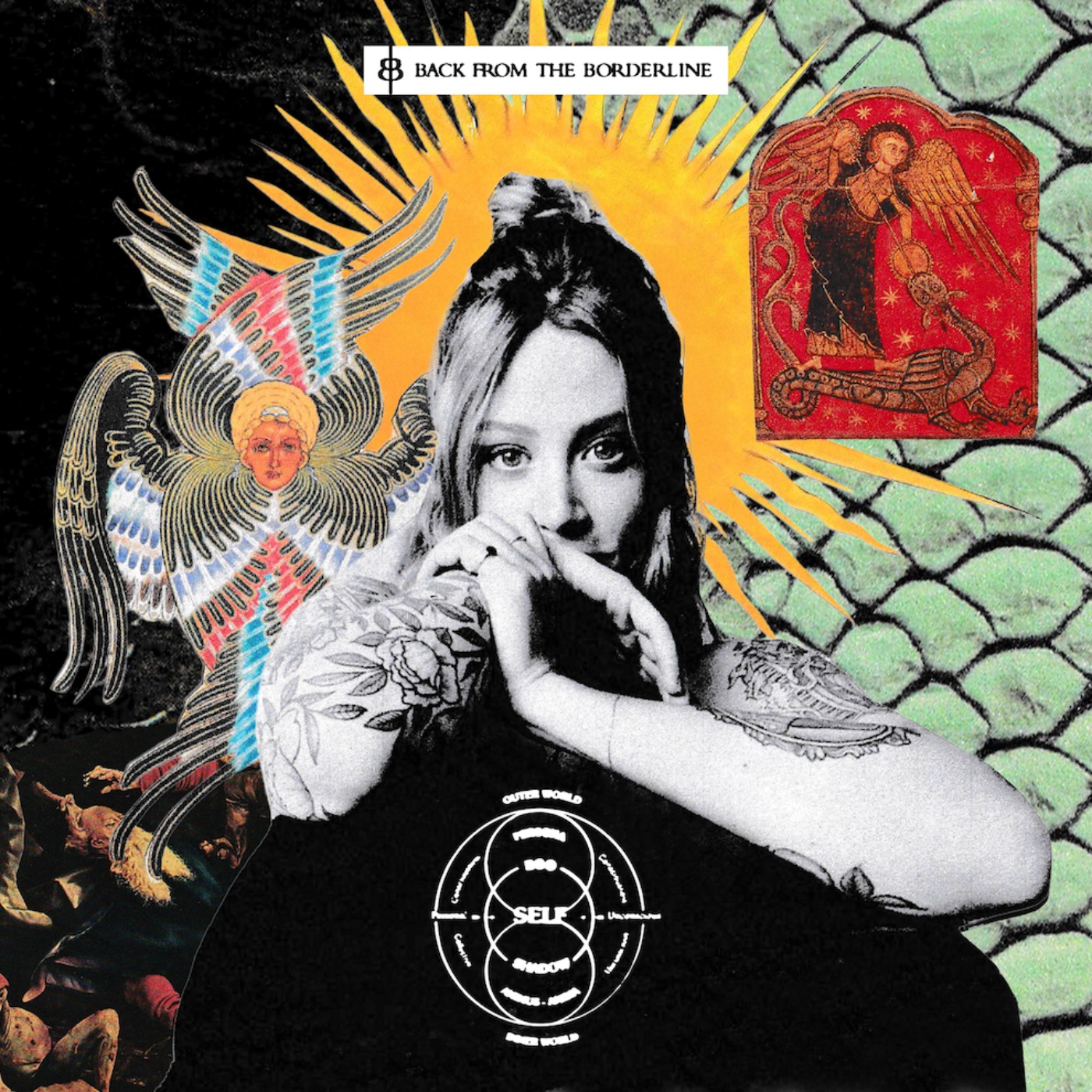
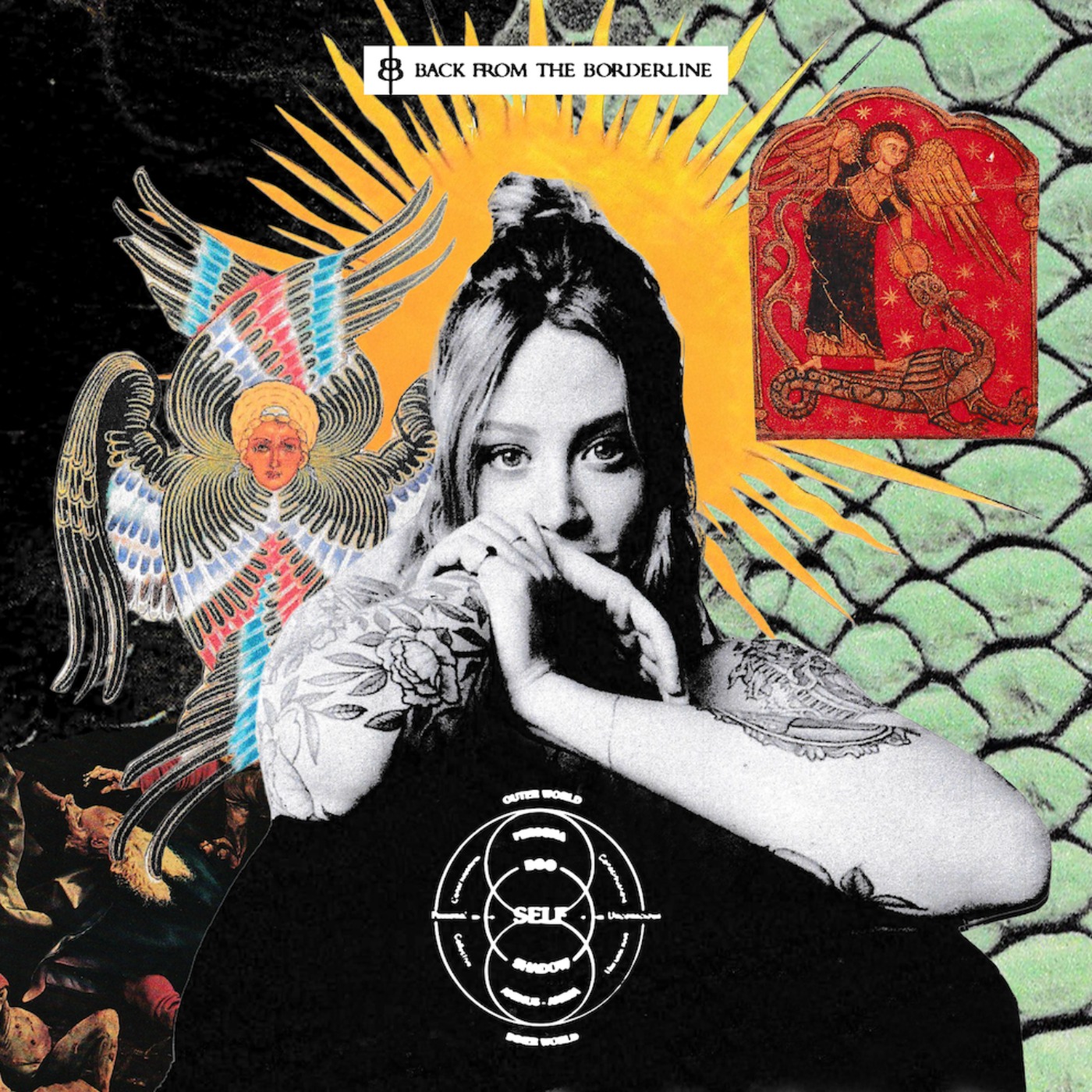
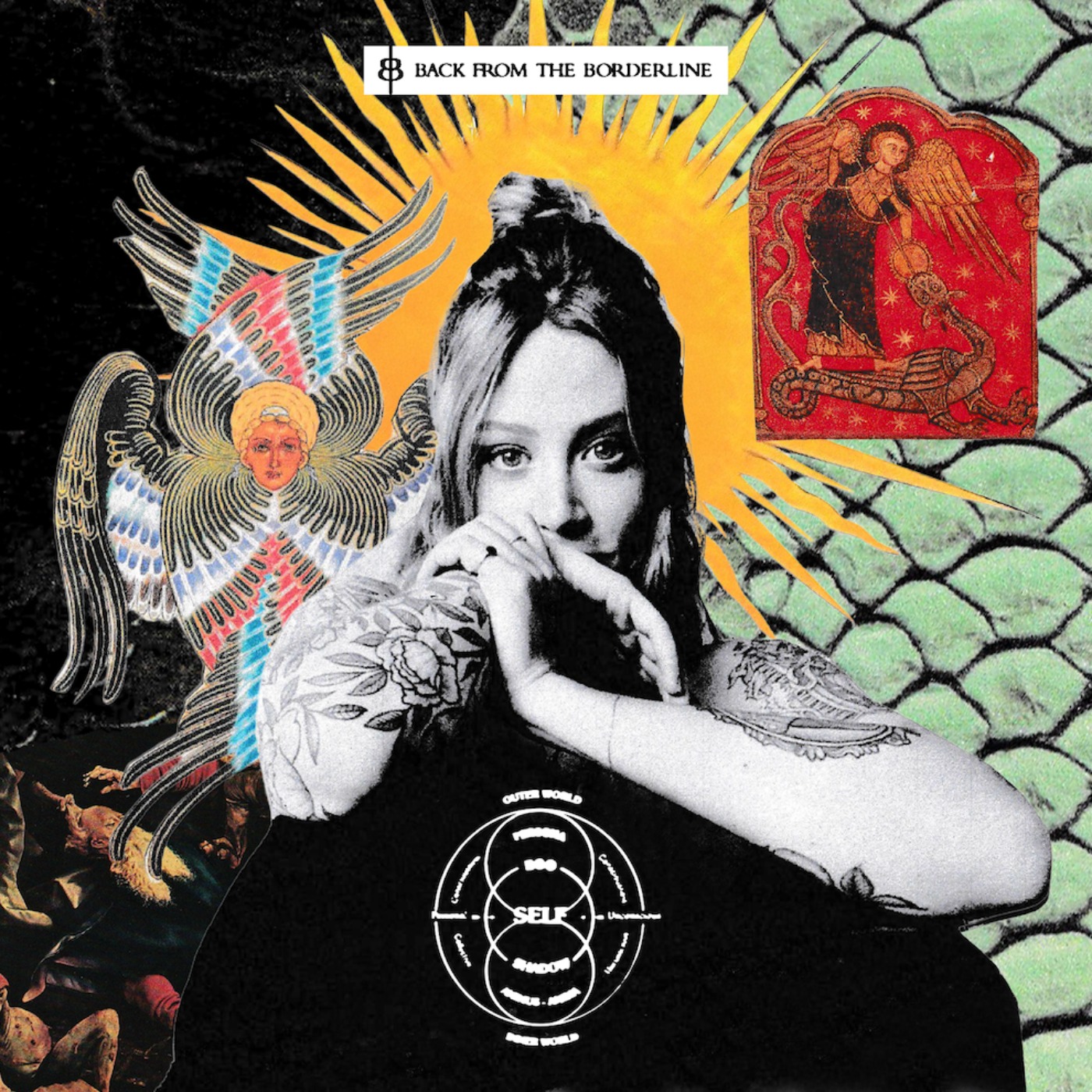
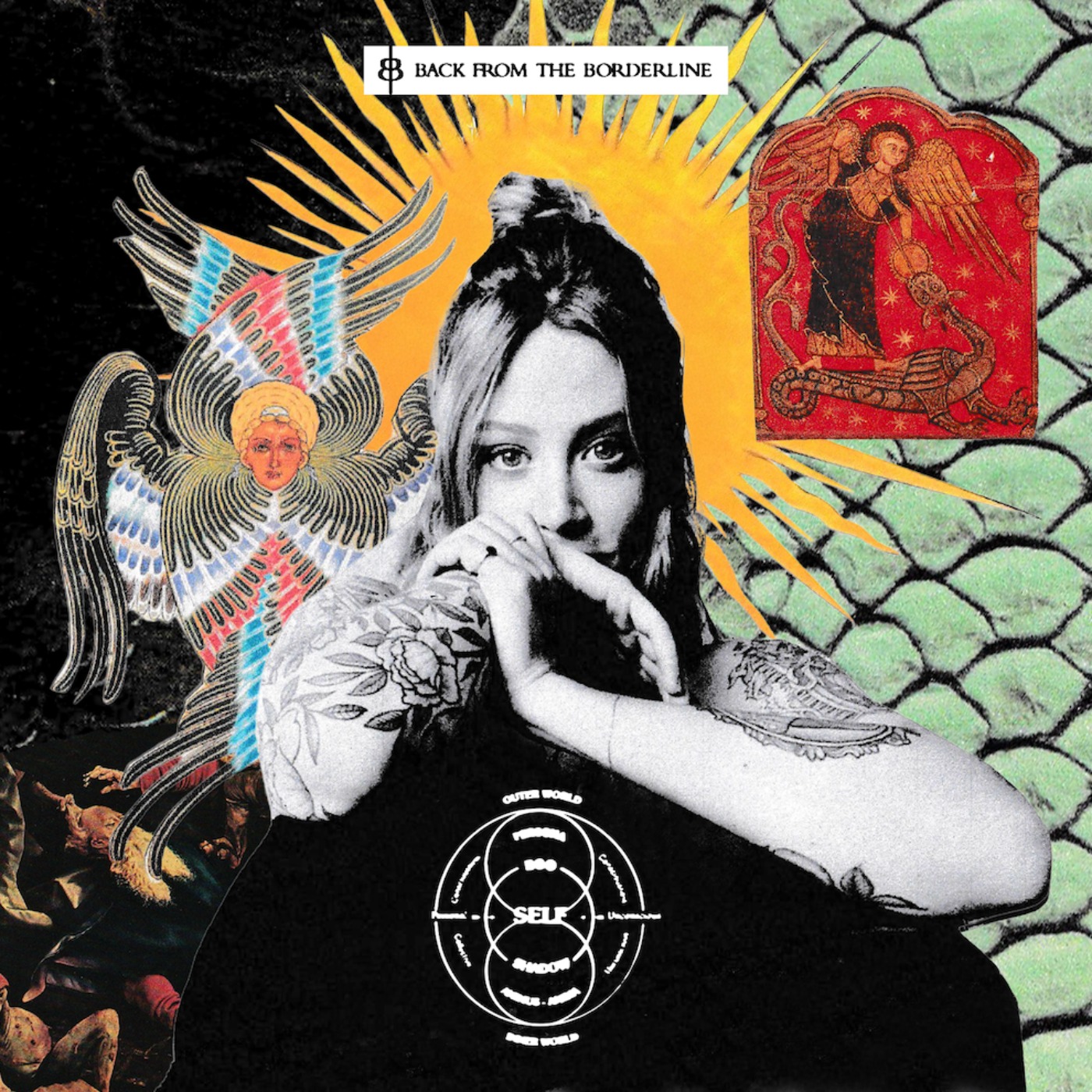
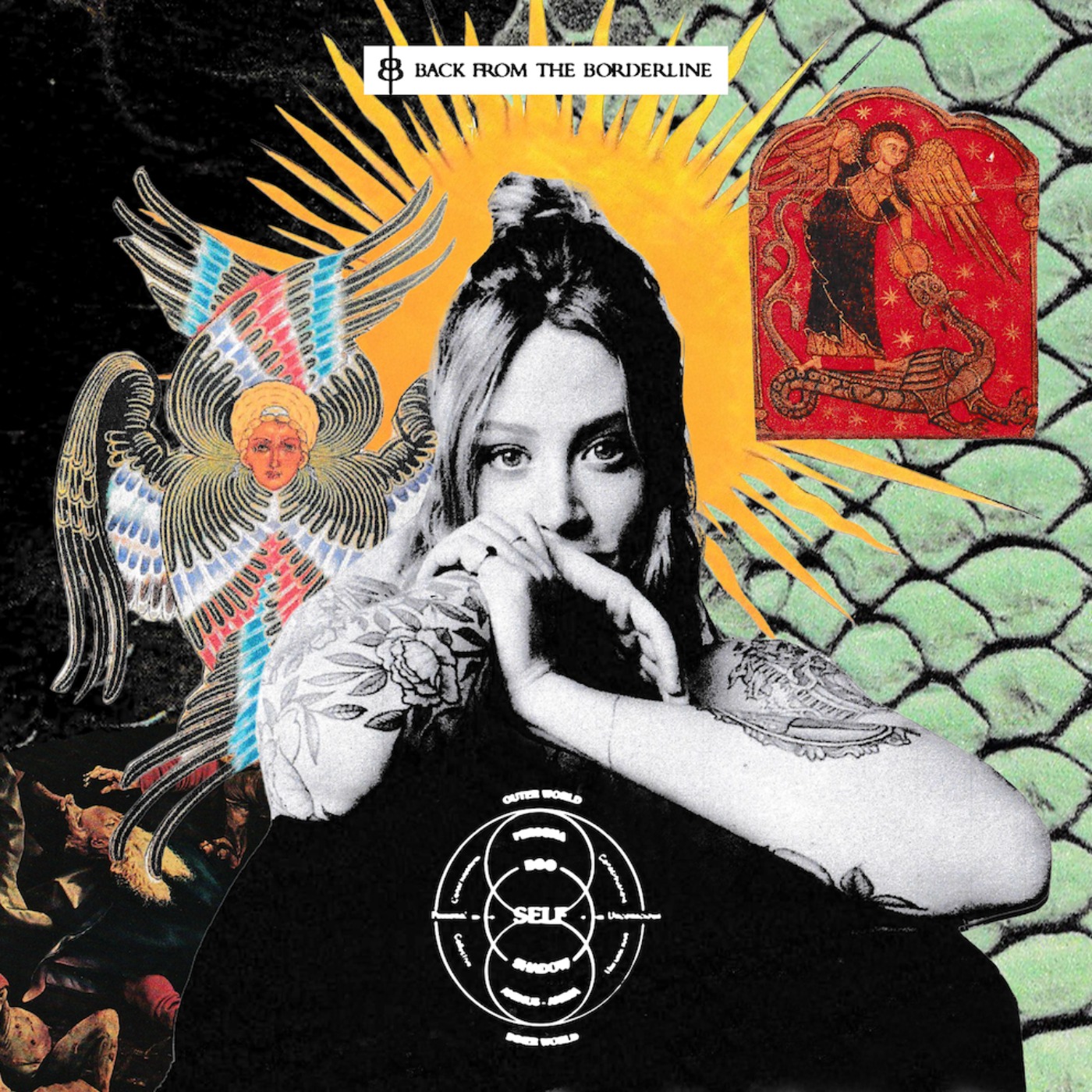
Artwork for Back from the Borderline
Religion & Spirituality

Back from the Borderline

mollie adler

Back From The Borderline is a podcast about depth psychology, symbolism, spirituality, consciousness, and the search for a more meaningful life.


I started this show years ago while trying to understand my own mind. Somewhere along the way, the questions became much bigger than me. They led into Carl Jung, mythology, Christian mysticism, dreams, tarot, philosophy, esotericism, religious history, artificial intelligence, and the symbolic patterns that quietly shape the way we see ourselves and the world around us.


The word borderline has taken on its own meaning over the years. It speaks to the edge almost all of us eventually reach. That place where our old explanations stop working and we’re asked to learn an entirely different way of seeing. That’s the space my work inhabits.


Some episodes are conversations with researchers, psychologists, philosophers, historians, and spiritual teachers. Others are long-form essays where I follow a question wherever it leads. Lately I’ve been especially interested in symbolic literacy, the way images, myths, dreams, and archetypes quietly organize human life, often long before we’re consciously aware of them.


I’m not very interested in being “certain” about anything. I care about learning to recognize patterns, hold complexity without rushing toward easy conclusions, and recover forms of wisdom that help us live with greater honesty, imagination, and responsibility.


If you’ve found yourself searching for Carl Jung, depth psychology, symbolism, archetypes, spirituality, mythology, Christian mysticism, tarot, dreams, consciousness, philosophy, or the Western esoteric tradition, I think you’ll feel at home here.


Alongside the public podcast, I also host House of Cards, an ongoing study of the Rider-Waite-Smith tarot through psychology, symbolism, mythology, and contemplative practice, as well as MOODS, an app I designed for dreamwork and deep inner inquiry. Both are extensions of the same project: learning to see more clearly.


You can explore everything, including new episodes, House of Cards, Patreon, and MOODS, at backfromtheborderline.com.


Hosted on Acast. See acast.com/privacy for more information.

  • 353 episodes
  • Updated Today
  • Explicit

Episodes353

  • Sep 20, 2022 · 1 hr 5 min

    from disorder to design: flipping the script on "mental health symptoms" with philosopher justin garson

    If you no longer viewed your symptoms as proof of being “disordered” but as a part of your brain’s natural, adaptive design, how would that reshape your self-understanding? How would it impact the hope you hold for your future? For millions, the prevailing belief is that symptoms of mental distress stem from chemical imbalances or genetic flaws—issues inherited and hardwired. But groundbreaking research by Dr. Joanna Moncrieff is challenging this very foundation, shaking up the psychiatric field and prompting us to question: What if our brains are simply doing their best to keep us safe? In today’s episode, I sit down with philosophy professor and author Justin Garson to explore this revolutionary perspective. Together, we’ll delve into how painful symptoms can be seen less as evidence of dysfunction, and more as deeply rooted responses that have adapted over time, especially through childhood. Our early experiences leave profound imprints, shaping how we perceive the world, relationships, and even ourselves. But what if recognizing these imprints as survival mechanisms could offer a path toward real change? Join us as we reframe the entire concept of mental health, shifting from labels of disorder to stories of resilience and adaptation. This episode invites you to see yourself in a radically new light—one where healing means understanding, rather than “fixing” who you are. Recommended resources: ■ Full article by Justin Garson - "Is Borderline Personality Disorder an Adaptation?" ■ Justin's website - https://www.justingarson.com/ ■ Research by Joanna Moncrieff et. al - "The serotonin theory of depression: a systematic umbrella review of the evidence" (July 2022) Craving more? Become a Premium Submarine. Join an exclusive community and unlock hundreds of hours of members-only content: full-length episodes, deep-dive series, guided meditations, and more—all for the cost of a couple of coffees a month. Start exploring at backfromtheborderline.com. The information contained in this podcast episode is for educational and entertainment purposes only and is not intended as a substitute for treatment or consultation with a licensed mental health professional. Hosted on Acast. See acast.com/privacy for more information.
  • Sep 13, 2022 · 1 hr

    are your caveman desires standing in the way of true happiness?

    For many who resonate with symptoms associated with various different mental health disorder/dysfunction labels, the journey to “getting better” often begins with therapy and learning skills through methods like CBT or DBT. But what happens when those skills still don’t seem to bring the sense of peace or fulfillment you’re looking for? You’ve done the research, tried the techniques, yet find yourself feeling perpetually empty or caught in cycles of boredom and dissatisfaction. In this episode, we dig deeper—under the surface of symptoms—to explore the “why” behind our suffering. We’ll take a closer look at the way our brains chase happiness, fueled by biology and a relentless search for the next dopamine fix. This constant chase keeps us in a loop, always seeking the next “desirable” thing or person. By examining what happiness really means and breaking down some common misconceptions about it, we can start to see our lives and relationships through a new lens. In this episode, we’ll cover: The concept of “Dukkha bias” and why we often feel like nothing is ever good enough The link between chronic boredom, emptiness, and high emotional sensitivity How our constant drive for desire can become a source of suffering—and what we can do about it Insights into human biology and how it perpetuates a cycle of never-ending needs A framework for defining happiness on your own terms, free from societal expectations Join me as we peel back the layers of what it means to seek happiness and enter a path toward true and lasting recovery that isn’t about quick fixes, but rather a deeper understanding of ourselves. Recommended resources: ■ Book - Designing the Mind: The Principles of Psychitecture by Ryan Bush ■ YouTube - Interview with the author of Designing the Mind on the Modern Wisdom Podcast Craving more? Become a Premium Submarine. Join an exclusive community and unlock hundreds of hours of members-only content: full-length episodes, deep-dive series, guided meditations, and more—all for the cost of a couple of coffees a month. Start exploring at backfromtheborderline.com. The information contained in this podcast episode is for educational and entertainment purposes only and is not intended as a substitute for treatment or consultation with a licensed mental health professional. Hosted on Acast. See acast.com/privacy for more information.
  • Sep 6, 2022 · 1 hr

    underrated recovery hacks to change the beliefs that are holding you back

    Most of us are well aware of the patterns we want to break—the cycles that keep us from experiencing true peace and intimacy. We can see the behaviors that sabotage our connections, but knowing isn’t the same as changing. One of the biggest lessons I’ve learned on my own journey is that transforming our beliefs is essential to transforming our actions. In this episode, we’ll explore some of the deeply held beliefs that might be holding you back, and I’ll share why a temporary break from social media might become a lasting one for me. We’ll dive into how major platforms are shifting from “social media” to “recommendation media” and the effect this can have on our emotional well-being. I’ll also address a recent review that questioned my stance on the BPD label and why I continue to challenge the potential harms of labels that can reinforce limiting beliefs about ourselves. Topics we’ll explore include: The impact of social media on emotional stability, particularly for those with high emotional sensitivity Whether mental health labels like “borderline personality disorder” are helpful or limiting How cognitive biases and “splitting” can affect our healing process The importance of adopting a “growth mindset” to improve communication and build healthier relationships Understanding and managing “obsessive” tendencies, such as constantly checking a partner’s social media Practical tips for navigating romantic relationships when intense emotions are part of the mix This episode is a deep dive into how shifting your beliefs can open the door to new patterns, healthier relationships, and a more grounded approach to self-discovery and growth. Recommended resources: ■ Article – “The End of Social Media and the Rise of Recommendation Media” by Michael Mignano ■ Article – The people who want to get rid of the term ‘personality disorder’ by Emily Reynolds for Dazed Digital ■ Book – Designing the Mind: The Principles of Psychitecture by Ryan Bush Craving more? Become a Premium Submarine. Join an exclusive community and unlock hundreds of hours of members-only content: full-length episodes, deep-dive series, guided meditations, and more—all for the cost of a couple of coffees a month. Start exploring at backfromtheborderline.com. The information contained in this podcast episode is for educational and entertainment purposes only and is not intended as a substitute for treatment or consultation with a licensed mental health professional. Hosted on Acast. See acast.com/privacy for more information.
  • Aug 30, 2022 · 1 hr 46 min

    manipulative love: narcissistic mothers, enmeshed parentified children, and emotional incest (reviewing jeanette mccurdy's book "i'm glad my mom died")

    Former Nickelodeon child-star Jennette McCurdy's provocatively titled memior “I’m Glad My Mom Died” became a near-instant New York Times bestseller after its release in August 2022. The Audible version of the book is narrated by Jeanette herself and details her struggles with disordered eating, alcohol addiction, OCD, unstable relationships and – most notably – her extremely complicated relationship with her codependent, overbearing, and abusive mother. In this episode, I discuss my reflections on the book. Through dissecting Jeannette’s experiences she so bravely shared in this memoir, we’ll dive into what we can learn about parentification, enmeshment (also known as “emotional incest”) and the devastating impact these kinds of toxic family dynamics can have on childhood development that carry on far into adulthood. Questions answered and topics explored in this episode: ■ The exploitation of children in the entertainment industry (the trauma faced by child actors) ■ The devastating impact of emotionally immature and “narcissistic” parents ■ Signs you may have suffered childhood emotional incest (also known as “covert incest”) ■ Signs you were a parentified child (the damage parentification can have on highly sensitive children) ■ “The narcissistic mother” (the long-term effects these traits have on their daughters) ■ How childhood trauma can lead to adult identity problems ■ How children of cancer patients can experience post-traumatic stress disorder (parental cancer and its psychosocial impact on children) Recommended resources: ■ I'm Glad My Mom Died by Jennette McCurdy ■ The Drama of the Gifted Child: The Search for the True Self by Alice Miller Craving more? Become a Premium Submarine. Join an exclusive community and unlock hundreds of hours of members-only content: full-length episodes, deep-dive series, guided meditations, and more—all for the cost of a couple of coffees a month. Start exploring at backfromtheborderline.com. The information contained in this podcast episode is for educational and entertainment purposes only and is not intended as a substitute for treatment or consultation with a licensed mental health professional. Hosted on Acast. See acast.com/privacy for more information.
  • Aug 23, 2022 · 1 hr 18 min

    can chronic porn use destroy your sex life? (billie eilish thinks so)

    In a recent interview with Howard Stern, 20-year-old singer-songwriter Billie Eilish revealed the devastating impact that having access to hardcore pornography from as early as age 11 had on her self-image and sexuality. In this episode, we delve into Billie's comments and explore the harmful effects of online porn on millennials and Gen-Z. Additionally, we discuss the potential increased risk of negative impact on individuals who experience symptoms of mental health disorder labels, including borderline personality disorder. Tune in to gain insight into the complex issue of easy access to porn and its effects on mental health and sexuality. Key timestamps in this conversation: 02:00 – Discussion of our “quote of the week” by Stoic philosopher Epictetus (exploring how those who identify with symptoms of BPD can learn to tackle our issues with control) 08:00 – Billie Eilish’s comments on porn and an in-depth exploration on sexuality and mental health disorder labels 50:00 – Preview of this week’s premium episode on “borderline abuse” Questions answered in this episode: ■ The impact easy access to porn has in our developmental years ■ The negative effects of porn on expectations of sex and body image ■ How the overuse of porn can negatively impact your mental health ■ The role mental health symptoms can play in your sex life and perception of intimacy ■ What is “borderline abuse” (“borderline abuse”) and is it a real thing? Enjoyed this episode? Explore more as a Premium Submarine. Dive deep into hundreds of hours of exclusive content on Patreon, including my original BPD recovery series, guided meditations, and much more. Click here to preview the premium collections you’ll unlock access to for as little as a couple of cups of coffee a month. Learn more and join at backfromtheborderline.com. The information contained in this podcast episode is for educational and entertainment purposes only and is not intended as a substitute for treatment or consultation with a licensed mental health professional. Hosted on Acast. See acast.com/privacy for more information.
  • Aug 16, 2022 · 33 min

    are you at rock bottom and questioning the point of life? (this one's for you)

    I received two listener emails this week that ripped my heart open. One was struggling with addiction, and the other was devastated by a recent heartbreak. These voicemails reminded me of why I started my podcast in the first place, so I decided to record this episode. It is a love letter to the person at rock bottom. The person who is so heartbroken, they feel like they can’t go on—the person questioning if they even want to be on this earth anymore. Through the words of authors who have inspired me and gotten me through my own dark times, it is my hope that this episode can be a light in the darkness. If it inspires just one person to keep fighting, it will have all been worth it. Authors quoted in the episode: ■ In the Realm of Hungry Ghosts: Close Encounters with Addiction by Gabor Maté ■ The Hero's Journey: Joseph Campbell on His Life & Work by Joseph Campbell ■ Ether: Into the Nemesis by L.J. Vanier Enjoyed this episode? Explore more as a Premium Submarine. Dive deep into hundreds of hours of exclusive content on Patreon, including my original BPD recovery series, guided meditations, and much more. Click here to preview the premium collections you’ll unlock access to for as little as a couple of cups of coffee a month. Learn more and join at backfromtheborderline.com. The information contained in this podcast episode is for educational and entertainment purposes only and is not intended as a substitute for treatment or consultation with a licensed mental health professional. Hosted on Acast. See acast.com/privacy for more information.
  • Jul 26, 2022 · 1 hr 5 min

    your symptoms of "mental illness" might be hidden spiritual gifts (ft. dr. lisa miller)

    Do people who identify with symptoms of what is known as borderline personality disorder have a unique ability to connect to the transcendent? Are chronic feelings of emptiness less about being “disordered” and more about being spiritually starved? My guest on this episode, Dr. Lisa Miller, seems to think so. Lisa Miller has devoted her career to scientific research proving that spirituality is a natural aspect of our humanity and that our brains become more resilient and robust because of it. We are each born with an innate desire to question the world around us in search of something more. A leading generational psychologist on the benefits of spirituality, Lisa graduated from Yale University and the University of Pennsylvania, earning her doctorate in psychology. She is currently a professor of psychology and education at Teachers College, Columbia University, and the Founder and Director of the Spirituality Mind Body Institute, the first Ivy League graduate program and research institute in spirituality and psychology. In her book The Awakened Brain, Dr. Miller uses science to show that spirituality (different from religious belief) is one of the strongest protective factors against psychological suffering. Her research clearly shows that our physiological development presents us with occasional moments of crisis at certain times in our lives. When we meet those moments of crisis and trauma from a spiritual perspective, we are more protected against psychological suffering in later life stages. Dr. Miller believes that healing from trauma requires bringing greater awareness to the signs and lessons that the universe has for us and bringing those lessons into the future without getting stuck in rumination over the past. Questions answered in this episode: ■ The unexpected gifts inside the traits of borderline personality disorder (BPD / EUPD) ■ BPD and the importance of spirituality ■ Benefits of spirituality in recovery from trauma ■ How our current “me-centered” culture in the West (particularly in the US) is keeping us stuck – and sick ■ Lisa’s view on the future of mental health and personality disorder diagnoses Recommended resources: Lisa’s website (where you can find links to her books and work) - https://www.lisamillerphd.com/ Craving more? Become a Premium Submarine. Join an exclusive community and unlock hundreds of hours of members-only content: full-length episodes, deep-dive series, guided meditations, and more—all for the cost of a couple of coffees a month. Start exploring at backfromtheborderline.com. The information contained in this podcast episode is for educational and entertainment purposes only and is not intended as a substitute for treatment or consultation with a licensed mental health professional. Hosted on Acast. See acast.com/privacy for more information.
  • Jul 12, 2022 · 1 hr 36 min

    pete davidson: understanding patterns of unstable relationships and self-harm

    In this episode, we take a closer look at comedian and actor Pete Davidson’s mental health journey, examining his openness about emotional struggles and trauma, and the journey that eventually led to his diagnosis of borderline personality disorder (BPD) in 2017. Known for his candidness, Pete has spoken about facing intense emotions, dissociation, explosive anger, depression, and challenges with substance use from a young age—experiences that have shaped both his personal life and public image. Through interviews and biographical pieces, we’ll explore how Pete’s story sheds light on the complexities of mental health and resilience in the spotlight. Topics covered include: Pete’s early experiences with trauma and loss, including the death of his father His history with inpatient treatment and rehab, and his journey through recovery How mental health struggles have influenced his career, including his time on SNL Insights into his relationship history and how emotional challenges have impacted his personal life The role of social media in his life and his decision to step away from it His experiences with tattoos and tattoo removal as forms of self-expression By analyzing Pete’s story, we’ll gain a broader perspective on the intersections of fame, mental health, and personal recovery, uncovering the resilience it takes to face these struggles openly. Join us for a reflective look at the ups and downs of Pete Davidson’s journey and the powerful message his story offers about mental health. Recommended resources: ■ Pete Davidson’s full interview with Charlamagne Tha God (YouTube) ■ The Tragic Real-Life Story of Pete Davidson (Full Grunge Article) Craving more? Become a Premium Submarine. Join an exclusive community and unlock hundreds of hours of members-only content: full-length episodes, deep-dive series, guided meditations, and more—all for the cost of a couple of coffees a month. Start exploring at backfromtheborderline.com. The information contained in this podcast episode is for educational and entertainment purposes only and is not intended as a substitute for treatment or consultation with a licensed mental health professional. Hosted on Acast. See acast.com/privacy for more information.
  • Jun 28, 2022 · 41 min

    the root cause of your deep fear of abandonment

    Abandonment fear runs deep in the human psyche—it’s a primal instinct, woven into the fabric of how we connect with others. For some, this fear is manageable, an underlying hum that shapes relationships in subtle ways. But for those who struggle with emotion dysregulation, abandonment fear can feel overwhelming and consuming, creating patterns of self-protection that lead to isolation and confusion in relationships. In this episode, we explore what it truly means to fear abandonment on a profound level. We’ll look at the difference between physical and emotional abandonment, how these fears develop, and the ways they can hijack our relationships if left unchecked. Many individuals who identify with certain mental health labels, such as borderline personality traits, often find that their most intense triggers stem from the terror of being left behind. Understanding this connection can be the first step toward breaking out of reactive, self-isolating cycles and finding healthier ways to relate to others. Topics we’ll explore together include: The real, lived experience of abandonment fear, beyond clinical definitions Common symptoms and root causes of abandonment fear How this fear intertwines with BPD traits and emotional reactivity What triggers abandonment anxiety, and how it shows up in real-life scenarios This episode offers a compassionate look at one of our most powerful fears and provides tools for navigating relationships in a way that fosters resilience and connection, rather than withdrawal. Join me as we unpack the layers of abandonment fear and explore ways to reclaim a sense of stability and self-trust. Craving more? Become a Premium Submarine. Join an exclusive community and unlock hundreds of hours of members-only content: full-length episodes, deep-dive series, guided meditations, and more—all for the cost of a couple of coffees a month. Start exploring at backfromtheborderline.com. The information contained in this podcast episode is for educational and entertainment purposes only and is not intended as a substitute for treatment or consultation with a licensed mental health professional. Hosted on Acast. See acast.com/privacy for more information.
  • Jun 20, 2022 · 48 min

    how to cope when you feel like you have no control over your explosive emotions

    If you’re a highly sensitive person who often feels overwhelmed by intense emotions, this episode is for you. We dive into the experience of having “big feelings”—emotions so strong they can feel all-encompassing and difficult to manage. Together, we’ll explore the concept of emotional permanence, the sensation that certain emotions feel unshakable in the moment, as well as emotional dysregulation, which can lead to intense, unpredictable reactions. We also discuss a challenging but important topic: how difficulties with emotion regulation can sometimes result in unintentional harm to loved ones. This episode sheds light on how to navigate these intense feelings with greater awareness and offers compassionate insights for fostering healthier, more balanced relationships. Join me as we unpack the complexities of big emotions and how we can learn to honor our sensitivity without allowing it to consume us or those we care about. Recommended resources: ■ Martha Beck podcast interview about how deciding to quit lying for a year changed her life ■ Book | The Way of Integrity: Finding Your Path to Your True Self by Martha Beck ■ YouTube video further describing issues with emotional permanence and BPD ■ Article on how to deal with emotional impermanence Craving more? Become a Premium Submarine. Join an exclusive community and unlock hundreds of hours of members-only content: full-length episodes, deep-dive series, guided meditations, and more—all for the cost of a couple of coffees a month. Start exploring at backfromtheborderline.com. The information contained in this podcast episode is for educational and entertainment purposes only and is not intended as a substitute for treatment or consultation with a licensed mental health professional. Hosted on Acast. See acast.com/privacy for more information.
  • May 30, 2022 · 1 hr 46 min

    using radically open dialectical behavior therapy (RO DBT) to overcome issues with overcontrol

    Are you known for always doing things “right,” following the rules, and keeping your emotions in check? If so, you may have what’s known as an Overcontrolled style of coping. People with this temperament are highly detail-oriented, vigilant to potential threats, and possess strong inhibitory control—the ability to hold back impulses and behaviors. On the outside, they often appear “high-functioning,” but beneath the surface, they may feel isolated, rigid, and unseen, with their struggles often going unnoticed. In today’s episode, I’m joined by Larry Dahmer, a psychological associate specializing in Radically Open Dialectical Behavioral Therapy (RO-DBT), a therapeutic approach designed to support individuals with Overcontrolled coping styles. Larry shares insights into this groundbreaking therapy, explaining how it differs from standard DBT and why it can be transformative for those who feel stuck in cycles of perfectionism and emotional restraint. We explore topics like: What RO-DBT is and how it helps those with emotional overcontrol The unique role of self-inquiry in RO-DBT and how it fosters flexibility and openness Why Western society often encourages emotional overcontrol, and how this can lead to loneliness and disconnection Embracing emotions like hopelessness and anxiety as teachers rather than enemies Inspiring stories of change from Larry’s RO-DBT clients If you or someone you know feels pressured to always “hold it together” but struggles to connect authentically with others, this episode offers a compassionate look at the Overcontrolled coping style and introduces tools for living with greater openness and fulfillment. Learn more about RO-DBT at https://www.radicallyopen.net/ Craving more? Become a Premium Submarine. Join an exclusive community and unlock hundreds of hours of members-only content: full-length episodes, deep-dive series, guided meditations, and more—all for the cost of a couple of coffees a month. Start exploring at backfromtheborderline.com. Disclaimer: The information contained in this podcast episode is for educational and entertainment purposes only and is not intended as a substitute for treatment or consultation with a licensed mental health professional. Hosted on Acast. See acast.com/privacy for more information.
  • May 23, 2022 · 1 hr 7 min

    how trauma throws you off balance (understanding your window of tolerance) [+ a discussion on asexuality]

    Have you ever felt completely out of control of your emotions—sudden waves of rage, paralyzing anxiety, or a numb disconnection from life? If so, you might be living outside your “window of tolerance,” the optimal state where you’re able to handle emotions, manage frustrations, and make clear-headed decisions. When we fall outside this window, we can find ourselves hijacked by intense reactions, feeling either overwhelmed or entirely shut down. In this episode, we explore the concept of the window of tolerance and how it relates to trauma recovery and emotional regulation. You’ll learn how our bodies respond to stress through fight, flight, or freeze mechanisms and why staying within this “optimal zone” can be key to living a grounded, emotionally resilient life. This episode is for anyone looking to better understand their emotional responses and develop tools to navigate life with greater stability and awareness. Note: The first half of this episode includes a discussion of a book passage on asexuality and responses to listener questions on intuition, relationships, and emotional dysregulation. If you want to skip directly to the window of tolerance discussion, jump to minute 39. Craving more? Become a Premium Submarine. Join an exclusive community and unlock hundreds of hours of members-only content: full-length episodes, deep-dive series, guided meditations, and more—all for the cost of a couple of coffees a month. Start exploring at backfromtheborderline.com. The information contained in this podcast episode is for educational and entertainment purposes only and is not intended as a substitute for treatment or consultation with a licensed mental health professional. Hosted on Acast. See acast.com/privacy for more information.
  • May 16, 2022 · 1 hr 4 min

    signs you lack personal boundaries (feeling used and drained by other people)

    Weak or nonexistent personal boundaries can leave us feeling drained, manipulated, and even resentful. In this episode, we’ll explore how to recognize if you’re struggling with boundary issues and the impact this can have on your sense of self-worth, emotional stability, and relationships. Many of us learn unhealthy boundary patterns early on, often tied to codependency and the need to please others, which can ultimately lead to feelings of worthlessness and passivity. If you want to skip straight to the boundaries discussion, jump to minute 16 after the listener Q&A. We’ll cover what personal boundaries truly are, why they matter, and how a lack of boundaries can affect your interactions with friends, family, and partners. We’ll also debunk common myths about setting boundaries and highlight the positive changes you can expect when you start asserting your needs. In the premium version of this episode, available for subscribers, we take an even deeper dive into boundary-setting: Understanding that you have the right to set boundaries and define your needs How to uncover your boundaries by exploring your personal needs Strategies for confidently saying “no” and recognizing when someone has overstepped How to stop overcommitting and reclaim your time and energy Sample conversation frameworks to help you set clear boundaries with loved ones and protect your emotional well-being This episode offers practical insights and tools to help you reclaim control over your life, develop a healthier sense of self, and foster more fulfilling relationships. Join us as we unpack the essentials of boundary-setting and create a path toward genuine self-respect and stability. Craving the full episode? Become a Premium Submarine. Join an exclusive community and unlock hundreds of hours of members-only content: full-length episodes, deep-dive series, guided meditations, and more—all for the cost of a couple of coffees a month. Start exploring at backfromtheborderline.com. The information contained in this podcast episode is for educational and entertainment purposes only and is not intended as a substitute for treatment or consultation with a licensed mental health professional. Hosted on Acast. See acast.com/privacy for more information.
  • May 9, 2022 · 47 min

    are you mentally ill or spiritually starved? (the problem with "disorder" and "dysfunction" labels)

    Is it possible that what we often call “mental illness” might actually be a form of spiritual starvation? In this episode, we explore the limitations of traditional psychiatric diagnoses and question the narratives that define certain behaviors as “disorders” or “dysfunctions.” Diving into the complexities of the medical model in mental health, we discuss why diagnoses like “personality disorder” are often controversial, considering how they can overlook social context and carry heavy stigmas. We also touch on how trauma-informed care and holistic approaches can offer a more compassionate, empowering framework for healing. From alchemical thought and symbolism to spirituality and myth, I’ll share how these elements have played a transformative role in my own recovery, helping me reconnect with a deeper sense of self beyond diagnostic labels. My journey has been guided by the motto “solve et coagula”—to break down and rebuild—a concept that embodies the heart of this episode. Join me as we question the over-pathologizing of human emotion, explore the powerful role spirituality can play in recovery, and consider how a more integrated approach can help us live beyond the limits of labels. Craving more? Become a Premium Submarine. Join an exclusive community and unlock hundreds of hours of members-only content: full-length episodes, deep-dive series, guided meditations, and more—all for the cost of a couple of coffees a month. Start exploring at backfromtheborderline.com. The information contained in this podcast episode is for educational and entertainment purposes only and is not intended as a substitute for treatment or consultation with a licensed mental health professional. Hosted on Acast. See acast.com/privacy for more information.
  • May 4, 2022 · 36 min

    no strings attached: the impact casual sex can have on our mental health

    In this mini bonus episode, I answer a voicemail question from listener Kelly, who asks how to move forward to the next phase of her recovery journey. Together, we explore what it means to deepen your healing, letting go of old patterns and stepping into new growth. To wrap up, I’m also giving you a sneak peek of a premium episode where I dive into the nuanced topic of using sex as a form of self-harm—a powerful exploration of how unhealed wounds can shape our relationship with intimacy. Craving the full version of this episode? Become a Premium Submarine to join an exclusive community and unlock hundreds of hours of members-only content, including ALL full-length episodes, deep-dive series, guided meditations, and more. For the cost of a couple of coffees a month, you can start exploring at backfromtheborderline.com. The information contained in this podcast episode is for educational and entertainment purposes only and is not intended as a substitute for treatment or consultation with a licensed mental health professional. Hosted on Acast. See acast.com/privacy for more information.
  • May 4, 2022 · 1 hr 30 min

    understanding hyper-sexuality: how a history of trauma leads to sex as self-harm

    In this episode, I dive into the complex and often unspoken ways that those of us with a history of complex trauma may turn to sex and intimacy as coping mechanisms—behaviors that, rather than healing, can lead to self-abandonment and re-traumatization. Through extensive research, I explore how compulsive sexual behavior and hyper-sexuality can emerge as responses to unprocessed trauma, often serving as temporary escapes that ultimately deepen feelings of disconnection. We’ll examine the nuances of what it means to use sex as a form of self-harm, from sexual masochism to other forms of intimacy that may feel more like self-sabotage than self-care. This episode also addresses the risks of engaging in sex work, such as sugar dating, OnlyFans, or prostitution, particularly for those who haven’t had the chance to fully process and heal from past trauma. By bringing these challenging topics to light, my hope is to encourage a more compassionate understanding of how trauma can impact our relationship with intimacy and to offer insights on recognizing and breaking free from cycles that may be keeping us disconnected from ourselves. Join me for an honest conversation that aims to shed light on the intersection of trauma, intimacy, and self-discovery. Click here to check out the full Contrapoints video I played in the beginning of this episode, you can do so. (It's worth it, trust me.) Craving more? Become a Premium Submarine. Join an exclusive community and unlock hundreds of hours of members-only content: full-length episodes, deep-dive series, guided meditations, and more—all for the cost of a couple of coffees a month. Start exploring at backfromtheborderline.com. The information contained in this podcast episode is for educational and entertainment purposes only and is not intended as a substitute for treatment or consultation with a licensed mental health professional. Hosted on Acast. See acast.com/privacy for more information.
  • May 2, 2022 · 42 min

    reclaiming your sexual agency after chronic objectification with dr. alexandra solomon

    In this episode, I sit down with Dr. Alexandra Solomon, a licensed clinical psychologist and expert on love, intimacy, and relationships, to discuss what it truly means to reconnect with our erotic selves and find grounding in genuine pleasure—whether we’re partnered or not. Together, we explore how cultural expectations, societal pressures, and internalized “scripts” can disconnect us from our own desires, leaving us feeling unfulfilled and even resentful toward intimacy. If you’ve ever felt a sense of “sexual blockage” or wondered if you were somehow disconnected from your erotic nature, this conversation is for you. Dr. Solomon and I discuss the experience of performing sexuality instead of enjoying it, the frustration of feeling like intimacy is something we do for others rather than for ourselves, and the harmful impact of constantly putting our own needs last. We also touch on topics that reveal just how pervasive these struggles are: Dissociating during sex and the emotional distance it creates The pressure to “perform” sexually as a means of attracting or keeping a partner Dr. Solomon’s perspective on “the OnlyFans phenomenon” and the idea of “sex as self-harm” The impact of hardcore pornography on sites like PornHub, reinforcing damaging gendered expectations in intimate relationships Whether you’ve felt disconnected from your body, struggled with resentment toward intimacy, or been wary of “divine feminine” programs that promise to heal you for a steep price, this episode offers a refreshing, honest exploration of what it means to reclaim pleasure and embrace your own erotic journey on your own terms. Join us for a candid conversation that challenges the scripts and empowers you to reconnect with yourself. RESOURCES MENTIONED IN THIS EPISODE: Book | Reclaiming Pleasure by Holly Richmond Book | Come As You Are by Emily Nagoski Podcast | Pleasure Mechanics CONNECT WITH ALEXANDRA: https://dralexandrasolomon.com/ Craving more? Become a Premium Submarine. Join an exclusive community and unlock hundreds of hours of members-only content: full-length episodes, deep-dive series, guided meditations, and more—all for the cost of a couple of coffees a month. Start exploring at backfromtheborderline.com. The information contained in this podcast episode is for educational and entertainment purposes only and is not intended as a substitute for treatment or consultation with a licensed mental health professional. Hosted on Acast. See acast.com/privacy for more information.
  • Apr 24, 2022 · 1 hr 1 min

    witches and borderline bitches: exploring the rampant sexism in psychiatry

    In this episode, we’re confronting the often-overlooked sexist and misogynistic roots of psychiatry, guided by insights from Dr. Jessica Taylor, author of Sexy But Psycho. Dr. Taylor reveals that, even today, simply being female is correlated with nearly every mental disorder listed in the DSM-V. Women are statistically more likely to receive diagnoses such as depression, anxiety, PTSD, BPD, and eating disorders, which raises crucial questions about gender bias in psychiatric practices. We’ll examine the historical context of “hysteria” and how early psychiatric labels were used to control and marginalize women. The discussion also covers the disproportionately high rates of BPD diagnoses among women and how feminist critics view this diagnosis as a reflection of societal attitudes toward women’s responses to trauma and oppression, rather than as an inherent disorder. Through this conversation, we aim to expose and challenge the ways gender discrimination continues to shape mental health diagnoses and explore alternative perspectives that validate women’s experiences and resilience. Recommended resources: Please Stop Using My Mental Illness to Fulfill Your Fantasy (Healthline article by Kyli Rodriguez-Cayro) Sexy But Psycho: How the Patriarchy Uses Women’s Trauma Against Them (book by Dr. Jessica Taylor) Craving more? Become a Premium Submarine. Join an exclusive community and unlock hundreds of hours of members-only content: full-length episodes, deep-dive series, guided meditations, and more—all for the cost of a couple of coffees a month. Start exploring at backfromtheborderline.com. The information contained in this podcast episode is for educational and entertainment purposes only and is not intended as a substitute for treatment or consultation with a licensed mental health professional. Hosted on Acast. See acast.com/privacy for more information.
  • Apr 19, 2022 · 44 min

    overcoming existential dread, death anxiety, and religious trauma

    In this episode, we explore the topic of existential dread, death anxiety, spirituality, and religious trauma, and offer strategies for coping with these challenging experiences. You'll join my dog Cody and me for a walk as we discuss insights on how to find meaning and purpose in life despite the inevitability of death, and how spirituality can provide a source of comfort and solace in times of crisis. We also delve into the topic of religious trauma, discussing how to navigate the pain and confusion that can arise from experiences of spiritual abuse or trauma. Join us as we offer practical tips and tools for managing existential dread, death anxiety, and religious trauma, and discover how to live a more fulfilling and purposeful life. Recommended resources: Movie: “A Ghost Story” (2017) Book on the tarot that jump-started my spirituality journey: “Fearless Tarot” by Elliot Adam Episode of the podcast where I interview Elliot Adam Inspiring talk on the 13th century poet & Sufi mystic Rumi Talk on St. Teresa of Avila’s Life & Teaching on Surrender Understanding the Dark Night of the Soul & Spiritual Desolation of St. John of the Cross Talk on The Centering Prayer Meditation from the Festival of Faiths The Noble Journey from Fear to Fearlessness with Pema Chödrön Ho'oponopono Mantra for Healing Everything with Dr. Kim D'eramo Craving more? Become a Premium Submarine. Join an exclusive community and unlock hundreds of hours of members-only content: full-length episodes, deep-dive series, guided meditations, and more—all for the cost of a couple of coffees a month. Start exploring at backfromtheborderline.com. The information contained in this podcast episode is for educational and entertainment purposes only and is not intended as a substitute for treatment or consultation with a licensed mental health professional. Hosted on Acast. See acast.com/privacy for more information.

  • Apr 14, 2022 · 36 min

    radical self-compassion: learning to love yourself (and finding your "touch tree")

    In this episode, you’ll join my dog Cody and me for a walk in the witchy woods while I break in my new Dr. Marten boots. On our walk, I’ll explain why a book about self-compassion made me incredibly furious this week. After that, I’ll tell you why my spirit mother archetype is a mixture of RuPaul and Grandmother Willow from the 1995 Pocahontas movie. Recommended resources: ■ Self-Compassion: The Proven Power of Being Kind to Yourself by Kristen Neff ■ The Life Coach School Podcast with Brooke Castillo ■ We Can Do Hard Things podcast with Glennon Doyle Enjoyed this episode? Explore more as a Premium Submarine. Dive deep into hundreds of hours of exclusive content on Patreon, including my original BPD recovery series, guided meditations, and much more. Click here to preview the premium collections you’ll unlock access to for as little as a couple of cups of coffee a month. Learn more and join at backfromtheborderline.com. The information contained in this podcast episode is for educational and entertainment purposes only and is not intended as a substitute for treatment or consultation with a licensed mental health professional. Hosted on Acast. See acast.com/privacy for more information.