Skip to content
Artwork for You Must Remember This
TV & FilmExplicit

You Must Remember This

Karina Longworth

#24 in TV & Film this week

You Must Remember This is a storytelling podcast exploring the secret and/or forgotten histories of Hollywood’s first century. It’s the brainchild and passion project of Karina Longworth (founder of Cinematical.com, former film critic for LA Weekly), who writes, narrates, records and edits each episode. It is a heavily-researched work of creative nonfiction: navigating through conflicting reports, mythology, and institutionalized spin, Karina tries to sort out what really happened behind the films, stars and scandals of the 20th century.

Play
  • 26 episodes
  • weekly
  • Avg 58 min
  • English
Counted on this page — what you have heard stays on this device, so it is not something the list can be paged by.
  • S21 · E253
    Tuesday · 1 hr 11 min

    Was Libby Holman the Real Norma Desmond? (The Bisexuals, Part 5)

    With Red River, Montgomery Clift becomes a new kind of movie star, projecting a new kind of sexuality – while still figuring out how he wants to express his own sexuality. Meanwhile, Libby becomes entangled with bisexual couple Jane and Paul Bowles, whose globetrotting becomes an inspiration to Libby’s teenage son, ending in tragedy. Plus: did Libby forbid Monty from starring in Sunset Boulevard because the story of a young man and a haunted older woman hit too close to home? (00:00) Affair with Nick Ray and Influence on Key Largo (09:42) Digging Deeper into Black Folk Music (14:32) Jane and Paul Bowles (25:00) The Tragedy of Libby’s Son, Topper (32:15) Montgomery Clift’s Bisexuality (40:34) Red River as Queer Melodrama (48:53) The Heiress and Monty Reconnects with Libby (57:48) Did Libby Bar Monty From Starring in Sunset Boulevard?
  • S21 · E252
    October 6 · 1 hr 8 min

    Integrating Music and Queering Hollywood (The Bisexuals, Part 4)

    Montgomery Clift enters the chat as a teenage acting prodigy who immediately attracts 34 year-old Libby’s attention. Through her sometime-lover Nicholas Ray, Libby starts exploring Black folk music, launching a new singing career in collaboration with guitarist Josh White (“One Meatball”). Plus Libby’s old friend Clifton Webb becomes a late-in-life, closeted movie star, and Tallulah – effectively banished from Hollywood a decade earlier due to her refusal to be discreet about her sexuality – triumphantly returns to the screen thanks to Alfred Hitchcock. (00:00) Libby and Monty “Under the Sheets” (03:51) Appreciation or Cultural Appropriation? (06:23) Nicholas Ray, Leadbelly, Josh White (13:24) No White Person Has Ever Sung Them in Public (22:02) Everybody is in Love With Monty (28:44) Tallulah Bankhead in Movie Jail (36:13) Lifeboat (40:20) Clifton Webb’s Queer Success Story (45:46) Libby Lashes Out at Older Women (51:08) The Black Widow and Josh White (58:45) Libby’s Only Movie

  • S21 · E251
    September 29 · 1 hr 21 min

    Starring Jean Harlow as Libby Holman (The Bisexuals, Part 3)

    While the racist, antisemitic Southern authorities try to indict a pregnant Libby for the murder of her husband, the national media effectively puts her on trial. When Libby gives birth to a new Reynolds heir, the circus only grows bigger. Meanwhile, Hollywood gets to work dramatizing the case with the aid of stars such as Claudette Colbert, Jean Harlow and Libby’s friend Franchot Tone. (00:00) A Pre-Code Anti-Heroine (04:53) A “Peculiar Opinion” of Jews (11:09) Libby Testifies (17:23) Indicted by Jury, Convicted by Media (29:09) Who Actually Killed Smith Reynolds? (34:19) Pre-Code Movies Inspired by Libby’s Story (42:50) A Career Tainted by Scandal (52:38) Jean Harlow as Libby Holman (01:02:02) An American Tragedy (01:09:11) Lupe Velez, Libby’s Nemesis

  • S21 · E250
    September 22 · 1 hr 6 min

    A Yankee Jewess in the Deep South (The Bisexuals, Part 2)

    While riding a crest of Broadway stardom – and in a serious romance with a woman – Libby is pursued by Zachary Smith Reynolds, the reckless, emotional teenage heir to the Camel tobacco fortune. Just months after their marriage, at the close of a drunken party, Reynolds is dead of a gunshot wound to the head. Was Libby responsible? Also: Tallulah Bankhead is brought to Hollywood to compete with bisexual icon Marlene Dietrich, while Libby, no stranger to blackface, wants to star in a film about Josephine Baker. (00:00) Libby’s Heiress Girlfriend (13:15) Libby’s Tobacco-Heir Boyfriend (19:25) Tallulah Bankhead & the Gary Cooper Threesome (37:16) Libby Tries to Play Josephine Baker in Movie (43:56) A Yankee Jewess on the Plantation (54:36) Who Shot Zachary Smith Reynolds?

  • S21 · E249
    September 15 · 1 hr 12 min

    Broadway Blackface & Harlem Sex Tourism (The Bisexuals, Part 1)

    Libby Holman, a Jewish girl from Cincinnati, arrives in Manhattan in 1925 and begins to make a name for herself as a torch singer, trading on her racially-ambiguous skin tone and deep voice at a time when white hipsters think the height of cool can be found in Harlem. Libby and friends like Tallulah Bankhead sojourned uptown not just to listen to Black music, but also to explore their bisexuality. Through mutual co-star Clifton Webb, Libby meets Jeanne Eagels – one of the greatest actresses of her generation, and a high-profile casualty of Roaring 20s debauchery. (00:00) Torch Singer, Accused Murderess, Bisexual (09:05) A Confederate Jew (17:53) Sex Appeal to Burn (25:59) “Coon Shouting” and Libby’s Racial Ambiguity (41:32) Blackface on Broadway with “Moanin’ Low” (49:10) Sex Tourism in Harlem (58:28) Jeanne Eagels

  • September 11 · 1 min

    Trailer: The Bisexuals

    Listen to a trailer for The Bisexuals, the new season of You Must Remember This, coming September 15. A sultry, racially-ambiguous singer who became a sensation on Broadway in the late 1920s and 30s, Libby Holman popularized a number of jazz and blues standards of the Great American Songbook. At the height of her fame, Holman shocked her mostly queer coterie by marrying the heir to the Camel cigarettes fortune. Within months, Libby’s husband was dead, and Libby was accused of his murder. The ensuing scandal marked the star as a “black widow,” and in the years to come, a number of friends and lovers who drifted into Libby’s web wound up dead. The most famous of these was Montgomery Clift, who like Libby was bisexual, struggled with substance abuse, and felt misunderstood within a pop culture that increasingly demonized anyone who didn’t fit neatly into the post-WWII American ideal. Over 8 episodes – with a cast of characters including Elizabeth Taylor, Josephine Baker, Tallulah Bankhead, Billie Holiday, Jane and Paul Bowles, Nicholas Ray and more – The Bisexuals will begin by describing Libby’s rise to stardom, and her sexually-fluid social life, in the New York theater scene of the 1920s. From there we’ll explore the murder scandal that transitioned her from fame to infamy in the 1930s. Then, we will skip to the 1940s and 50s, and a very different climate than the free-wheeling 1920s when Libby Holman thrived. The cultural pendulum had swung back the other way, and there was no possibility for a movie star like Monty Clift to be openly queer. By the time the social and sexual revolutions of the 60s began to be felt, both Libby and Monty were too deeply scarred by trauma, stigma and addiction to benefit.

  • May 28 · 59 min

    Your Next Listen: Talking Pictures

    If you're a fan of You Must Remember This, we think you'll also enjoy Talking Pictures, a podcast from TCM and HBO Max. On this episode, Oscar-nominated actress Rosie Perez sits down with host Ben Mankiewicz to discuss the films that shaped her career—Do the Right Thing and Fearless—as well as early favorites like Saturday Night Fever and Double Indemnity. She reflects on building a career in an industry that didn’t readily accept her for who she is, and speaks candidly about being raised in a strict Catholic home for girls. In the Super 8 segment, she tells Ben about an amazing boxing story she’d love to see on the big screen.Listen to Talking Pictures wherever you get your podcasts, or watch on HBO Max

  • May 23, 2025 · 40 min

    Presenting Cautionary Tales | Lights, Camera, Tax Break

    If you like You Must Remember This, you might also enjoy Cautionary Tales with Tim Harford, a podcast about stories of historic human error, catastrophes, and heists, and the lessons we can learn from such mishaps. In this episode of Cautionary Tales, Tim examines what happens when the bright lights of Hollywood collide with the far less glamorous world of tax evasion. When Ernest Borgnine was cast as the lead in the 1955 romantic drama, Marty, he thought it was his big break. But he soon discovered Marty was not exactly a dream gig. Listen to Cautionary Tales every Friday wherever you get your podcasts.

  • May 2, 2025 · 34 min

    Welcome to Hollywoodland: John Waters: Subversion, Shock, and the Ultimate Outsider

    If you’ve finished all episodes of The Old Man is Still Alive, I’ve got another treat for you from Jake Brennan at Hollywoodland. Have a listen to this episode of Hollywoodland about John Waters, from his beginnings in X-rated art films to cult classics like Hairspray and Crybaby, as he created and cultivated his own peculiar niche in film while nurturing a legendary troupe of players who became a family of outcasts.

  • S20 · E248
    Apr 24, 2025 · 53 min

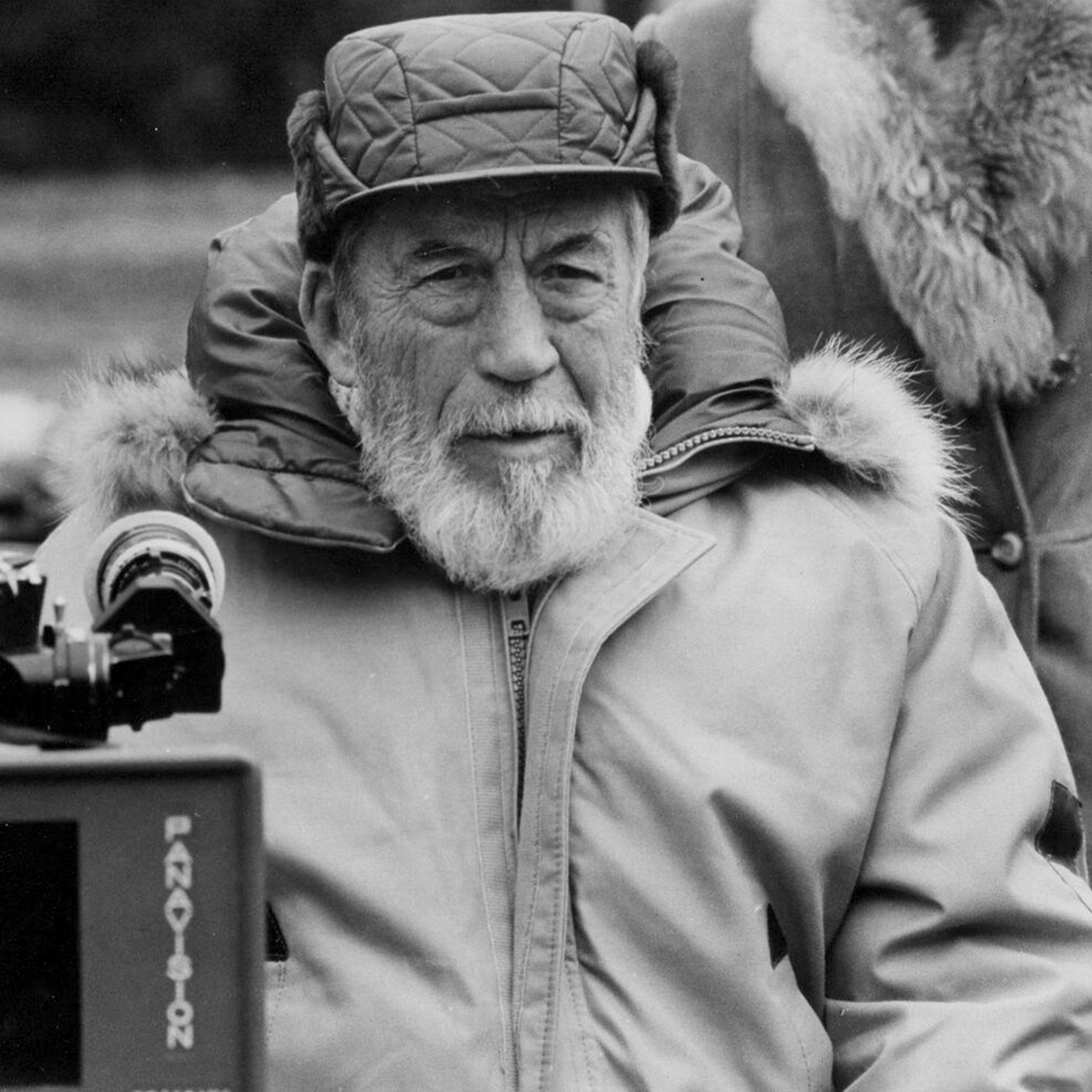
    John Huston, Part Two: 1975-1987 (The Old Man is Still Alive, Part 15)

    In part two of our season finale, we explore the final decade of John Huston’s life and career. As he was slowly dying of emphysema and undergoing massive turmoil in his personal life, Huston continued to work almost compulsively on both passion projects (The Man Who Would Be King, Wise Blood, Under the Volcano) and paycheck gigs (Annie). His career ended, fittingly, with two collaborations with the next generation of Hustons, Prizzi’s Honor and The Dead. (00:00) The Man Who Would Be King (10:20) Marital Strife and Relocating to Puerto Vallarta (16:37) Wise Blood (20:49) Annie (29:25) Under the Volcano (34:49) Prizzi’s Honor (42:42) The Dead and The Old Man is No Longer Still Alive

  • S20 · E247
    Apr 22, 2025 · 49 min

    John Huston, Part One: 1966-1974 (The Old Man is Still Alive, Part 14)

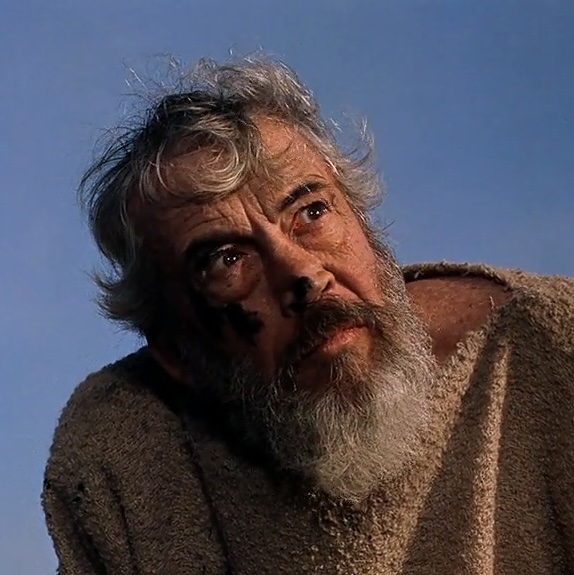
    This series began with the story of a director who wrote his autobiography to secure his place in history after his career had gone down the drain. It ends with the story of a man who wrote his autobiography as a “dead man walking”...and then continued to make movies for another half a decade, until the literal last breath left his body. Hollywood’s original “nepo baby” director, John Huston was never a conventional studio system stalwart, and in some respects he was able to go with the flow of changing times a lot better than some of his contemporaries. In part one of our two-part season finale we’ll talk about his flight from Hollywood to Ireland, literally playing God, Huston’s long fallow period in the late 60s, Anjelica Huston’s misbegotten film debut, Huston’s reinvention in the New Hollywood era and the health crisis that almost ended it all. (00:00) John Huston…In the Beginning (09:22) Huston in Exile (15:40) Playing God and Facing Mortality (24:01) Casting Anjelica and Working with Orson Welles (34:11) Fat City (41:43) Noah Cross and Chinatown

  • S20 · E246
    Apr 15, 2025 · 42 min

    Flashback: John Huston and Olivia de Havilland

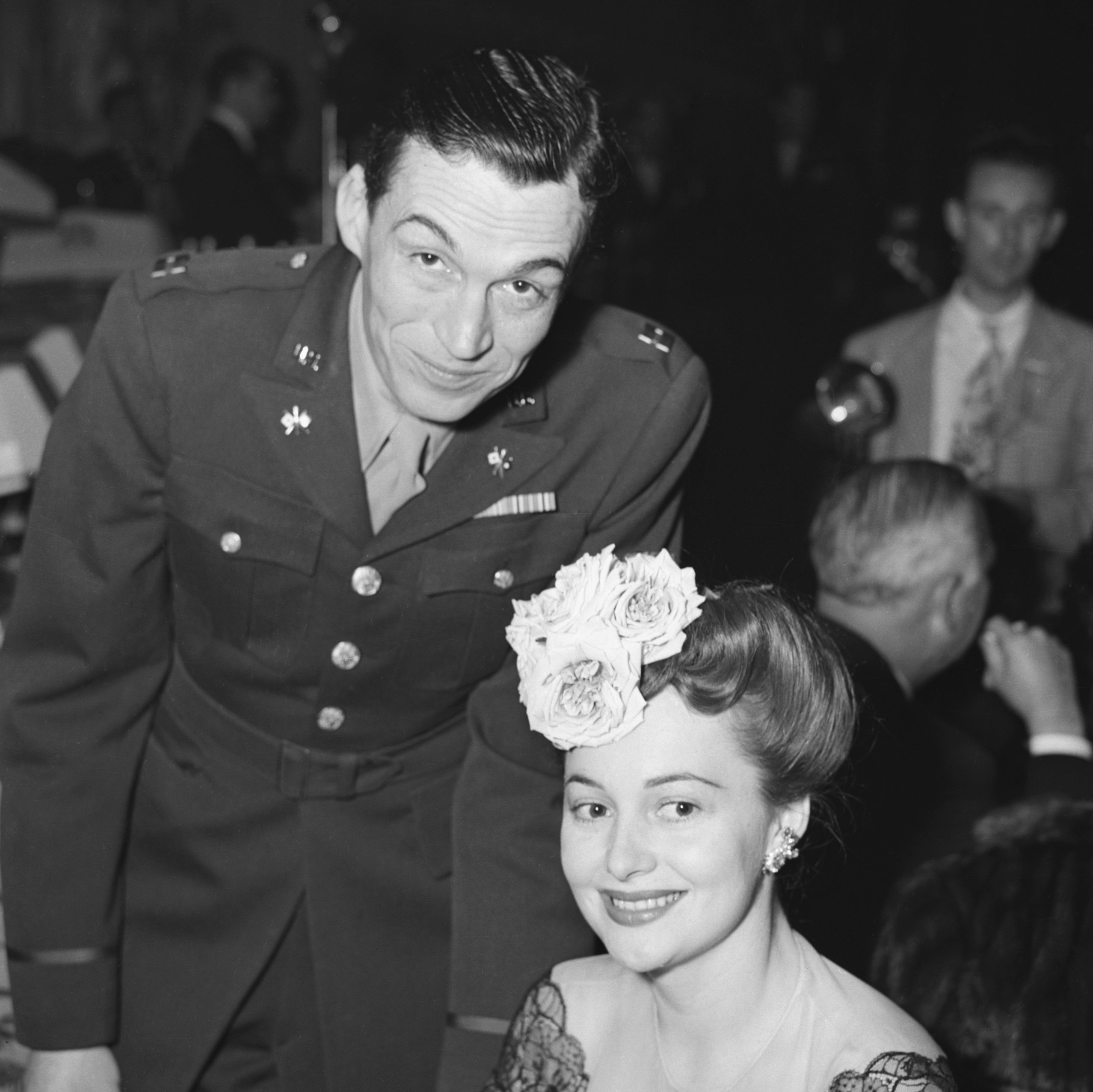
    This episode was originally released on March 3, 2015. Listen to help prep for the next episode of our new season, The Old Man is Still Alive. She was the raven-haired beauty whose lily-white persona was forged by her supporting roles in Gone With the Wind and several Errol Flynn swashbucklers. He was the real-life swashbuckler, the heroic lover/drinker/fighter whose directorial debut The Maltese Falcon, was an enormous success. They met when Huston directed de Havilland in his second film, In This Our Life, and began an affair which would continue, on and off, through the decade, as he joined the Army and made several controversial documentaries exposing dark aspects of the war experience, and as she waged a war of her own, taking Warner Brothers to court to challenge the indentured servitude of the star contract system. De Havilland’s lawsuit went all the way to the California Supreme Court, and had massive implications on the future of labor in Hollywood and beyond.

  • S20 · E245
    Apr 8, 2025 · 1 hr 15 min

    Stanley Donen 1967-1984 (The Old Man is Still Alive, Part 13)

    How does an artist once perceived to be ahead of his time fall behind the times? The choreographer/director of Golden Age classics like Singin’ the Rain and Funny Face left Hollywood for all the 60s and the first half of the 70s, perfecting a certain brand of sophisticated comedy/romance abroad with films like Charade, Bedazzled and Two for the Road. His rough Hollywood re-entry was marked by exercises in nostalgia for eras gone by (Lucky Lady, a movie about Prohibition Era gangsters starring Burt Reynolds and Liza Minnelli; the 1930s spoof Movie Movie) and attempts to give audiences of the 80s what it was assumed they wanted (the sci-fi debacle Saturn 3, the sex comedy Blame it on Rio). (00:00) What Makes Donen Fascinating (07:56) Charade (15:39) Two for the Road (26:19) Bedazzled — The Gold Standard Stoner Comedy (30:18) Staircase, Funny Face, and The Little Prince (35:38) Lucky Lady (47:16) Movie Movie (57:36) Saturn 3, “A piece of shit” (01:02:42) Blame It On Rio

  • S20 · E244
    Apr 4, 2025 · 50 min

    Flashback: The End of Louis B. Mayer

    This episode was originally released on December 22, 2015. Listen to help prep for the next episode of our new season, The Old Man is Still Alive. In the 1940s, Louis B. Mayer was the highest paid man in America, one of the first celebrity CEOs and the figurehead of what for most Americans was the most glamorous industry on Earth. In 1951, Mayer was fired from the studio that bore his name. What happened -- to Mayer, and to movies on the whole -- to hasten the end of the golden era of Hollywood?

  • S20 · E243
    Apr 1, 2025 · 1 hr 10 min

    George Cukor 1960-1981 (The Old Man is Still Alive, Part 12)

    George Cukor had always experimented within his relatively broad lane, often finding nuanced ways to explore women’s lives, including their sex lives, under the constraints of the Production Code. But after winning the best Director Oscar for Best Picture-winner My Fair Lady in 1964, Cukor’s career slowed down considerably, and as the 60s turned into the 70s and both gender roles and the movies went through massive changes, Cukor was still making the same kinds of things he would have made at the peak of the studio system, regarding which he adopted an extremely defensive stance. Then, suddenly, in 1981, with Rich and Famous, Cukor caught up with the sexual revolution – a decade too late. (00:00) “George Cukor’s filmography is his most eloquent defense” (07:21) Thriving Under the Studio System (11:43) Heller In Pink Tights and The Chapman Report (21:26) My Fair Lady and Cukor in the Sixties (40:53) Justine (48:03) The “I’ll do anything” Tour and Financial Woes (54:40) Rich and Famous

  • S20 · E242
    Mar 28, 2025 · 48 min

    Flashback: Marilyn Monroe – The End

    This episode was originally released on March 21, 2017. Listen to help prep for the next episode of our new season, The Old Man is Still Alive. How did a star whose persona seemed to be all about childlike joy and eternally vibrant sexuality die, single and childless, at the age of 36? In fact, the circumstances of Marilyn Monroe’s death are confusing and disputed. In this episode we will explore the last five years of her life, including the demise of her relationship with Arthur Miller, the troubled making of The Misfits, and Marilyn’s aborted final film, and try to sort out the various facts and conspiracy theories surrounding her death.

  • S20 · E241
    Mar 25, 2025 · 1 hr 12 min

    Henry Hathaway (The Old Man is Still Alive, Part 11)

    Henry Hathaway started directing in the early 1930s and though he made movies of all genres, he was particularly associated with Westerns. This allowed him to ride out the 1960s making pretty much the same kinds of movies with the same stars (Gregory Peck, Robert Mitchum) that he had been working with for decades. But shortly after the massive success of Hathaway’s True Grit in 1969 – for which John Wayne won his only Oscar – the director felt he was being put out to pasture by a changing industry. His last film would be Hangup (also known as Super Dude) a work-for-hire that he claimed he took only as a favor to the producer, and which was dismissed at the time as a sop to the Blaxploitation trend - not least by Hathaway himself. (00:00) “Less Than Meets the Eye” (06:18) “Screaming Henry” (10:06) WWII and The House on 92nd Street (16:50) Kiss of Death (21:42) Legend of the Lost (29:36) How the West Was Won, Circus World, and The Sons of Katie Elder (40:27) True Grit, Airport, and Raid on Rommel (50:57) Shoot Out (54:58) Brut Productions, Hangup/Superdude, and the Last of Henry Hathaway

  • S20 · E240
    Mar 18, 2025 · 1 hr 3 min

    William Wyler 1965-1971 (The Old Man is Still Alive, Part 10)

    For over 40 years, William Wyler was one of Hollywood’s most dependable classicists, culminating in 1968 with the ultimate New Hollywood-era throwback to Old Hollywood, Funny Girl. Then, for his final film in 1970, Wyler uncharacteristically directed a searing indictment of contemporary race relations, called The Liberation of LB Jones. (00:00) When Wyler Went Weird (Twice) (04:05) Neorealism, Auteurism, and the Cahiers Crowd (12:41) WWII, Ben-Hur, and Turning Down The Sound of Music (20:49) The Collector, Terrence Stamp, and Samantha Eggar (34:17) How To Steal a Million, Audrey Hepburn, and Peter O’Toole (40:11) Barbra Streisand and Funny Girl (48:32) Wyler’s Swan Song: The Liberation of L.B. Jones

  • S20 · E239
    Mar 14, 2025 · 49 min

    Flashback: Bette Davis and the Hollywood Canteen

    This episode was originally released on January 6, 2015. Listen to help prep for the next episode of our new season, The Old Man is Still Alive. This is the story of how Bette Davis evolved from a wannabe starlet who was constantly told she was too ugly for movies, to the most powerful woman in Hollywood, by playing heroines that had never been seen on screen before — to borrow a term from Davis herself, sympathetic “bitches.” After Pearl Harbor, the tenacious Bette became the figurehead of the Hollywood Canteen, a nightclub for servicemen staffed by stars, which was the locus of the industry’s most visible support of the troops on the home front. The Hollywood Canteen was a catalyst for propaganda in more ways than one, aims Hollywood furthered by telling the story of the Hollywood Canteen in a movie called, um, Hollywood Canteen, starring Davis, John Garfield, Barbara Stanwyck, Peter Lorre and other celebrities as “themselves.” The movie and most press accounts of the Canteen portray it as a miraculous force for good in the world, which it probably was, but that narrative leaves out a lot, including illicit affairs, a murder, and an FBI investigation whose findings would have an impact on the blacklist of the following decade

  • S20 · E238
    Mar 11, 2025 · 1 hr 3 min

    Billy Wilder 1961-1981 (The Old Man is Still Alive, Part 9)

    Hollywood’s 1960s began with Billy Wilder winning three Oscars for The Apartment. But Wilder’s biggest success would also prove to be his last film to be afforded such respectability, as Wilder largely abandoned the type of material that the Academy embraced, and veered gleefully into disreputability. Of the 9 films Wilder made in the 20 years after The Apartment, in this episode we’ll pay special attention to three that were engaged with the rapidly changing culture – in Hollywood and beyond: One, Two, Three (1961); Avanti (1972); and Fedora (1978). (00:00) Wilder’s Long Journey to Weirdness (10:50) Wilder in the 1960s and pre-production on Avanti! (22:18) Italy, Juliet Mills, and Generational Strife (29:18) Critical Reappraisal and Legacy (36:50) Fedora and the Ghost of Sunset Boulevard (46:04) “A quintessential old man’s film” (56:25) Wilder’s Last Films and Later Life

Showing 1–20 of 26 episodes