She Was Here: Why Women Lawyers Must Tell Their Stories
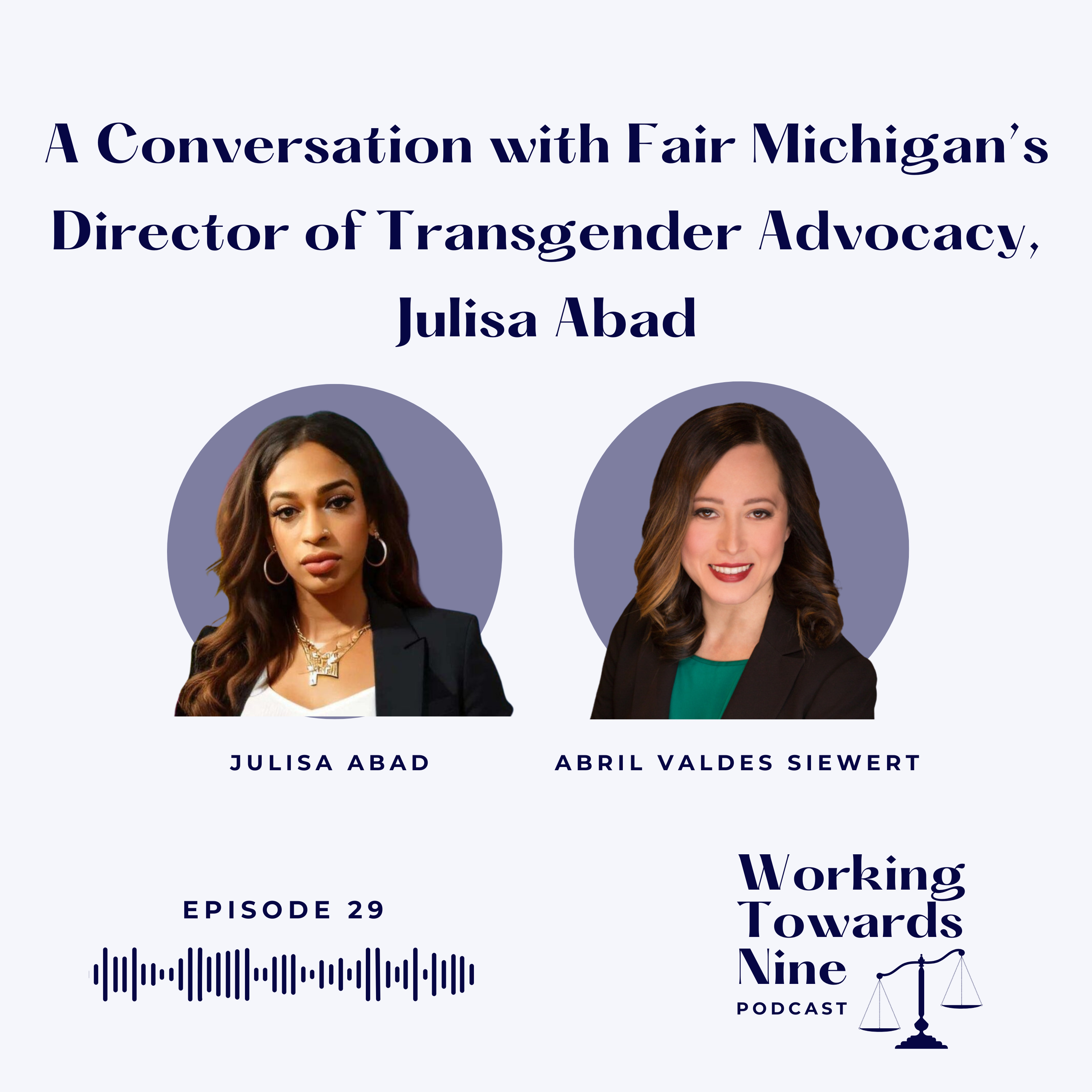
In this episode of the Working Towards Nine Podcast, WLAM President Kirsten Silwanowicz is joined by Beth Wilensky, Clinical Professor of Law at the University of Michigan Law School, for a thoughtful conversation about the power of storytelling—especially for women lawyers. Stories do more than entertain. They help us connect, persuade, remember, and make meaning of our experiences. Beth explains why our brains naturally respond to narrative and offers practical guidance for discovering, shaping, and sharing the stories that only we can tell. Together, Kirsten and Beth explore the habits lawyers may need to unlearn to become more effective storytellers. Legal training teaches attorneys to be comprehensive, precise, and emotionally detached—but a powerful personal story often requires strategic selection, vulnerability, and the courage to place ourselves back into the narrative. The conversation also examines why preserving women’s stories matters. When women share their experiences—including the difficult, overlooked, or historically excluded ones—they create connection, reclaim history, and make space for others to recognize the value of their own voices. Key Takeaways Listen to your inner voice. The story that continues to surface—or the experience you keep returning to—may be the one asking to be explored. Write before deciding whether to share. Crafting a story can reveal new meaning, even if the story ultimately remains private. Do not default to strict chronology. Consider beginning with the moment that creates the strongest curiosity, tension, or emotional connection. Choose details intentionally. The most specific details often make a story feel the most universal. Resist the lawyer’s instinct to include everything. Effective storytelling requires thoughtful selection, not exhaustive recitation. Put yourself back into your story. Lawyers are trained to create distance and focus on others. Personal storytelling asks us to acknowledge our own perspective, emotions, and transformation. Treat another person’s story with care. Telling someone else’s story is both a privilege and a responsibility—one that closely parallels the lawyer’s role in representing a client. Seek out the voices that history has overlooked. Preserving women’s stories requires active listening and a willingness to find stories across generations, backgrounds, and communities. Resources Mentioned • Nieman Storyboard: A terrific resource for learning the craft of narrative. • AIDS in the Heartland by Jacqui Banaszynski. • The more specific, the more universal: A Nieman Storyboard analysis of “AIDS in the Heartland” and the ladder of abstraction. • What Bobby McIlvaine Left Behind by Jennifer Senior in The Atlantic. • Tracking shards of grief for 20 years — and daring to love your story subjects: A Nieman Storyboard interview with Jennifer Senior about “What Bobby McIlvaine Left Behind.” • Inside the Box by Drew Boyd and Jacob Goldenberg. • A Swim in a Pond in the Rain by George Saunders. • The Moth: Stories, performances, and resources devoted to the art and craft of storytelling. Continue the Story WLAM will continue exploring the power of women’s stories through its Tell Her Story theme, including a Story Slam at the upcoming WLAM Leadership Retreat and future opportunities for members to share, preserve, and celebrate their experiences. Your story does not need to be dramatic, polished, or complete to matter. Begin by writing it down. Listen for the meaning beneath the events. Then, when you are ready, consider who may need to hear it. Learn more about Beth Wilensky here: https://michigan.law.umich.edu/faculty-and-scholarship/our-faculty/beth-h-wilensky To learn more about WLAM and upcoming programs, visit www.womenlawyers.org.