Artwork for Working Class Audio
Music

Working Class Audio

Working Class Audio

Peel back the glamour of the professional recording world. Guests from the world of audio for music, film, games, restoration, and more share their insights on how they made their journey, how they survive, their advice on the real things including wins, losses, working with other people, money, and career advice.
Hosted by audio engineer Matt Boudreau.
The Working Class Audio Podcast - Navigating the World of Recording with a working class perspective.

  • 20 episodes
  • Updated Tuesday
  • Explicit

Support the show

Goes straight to the publisher. podnod takes nothing.

Episodes20

  • Tuesday · 1 hr 7 min

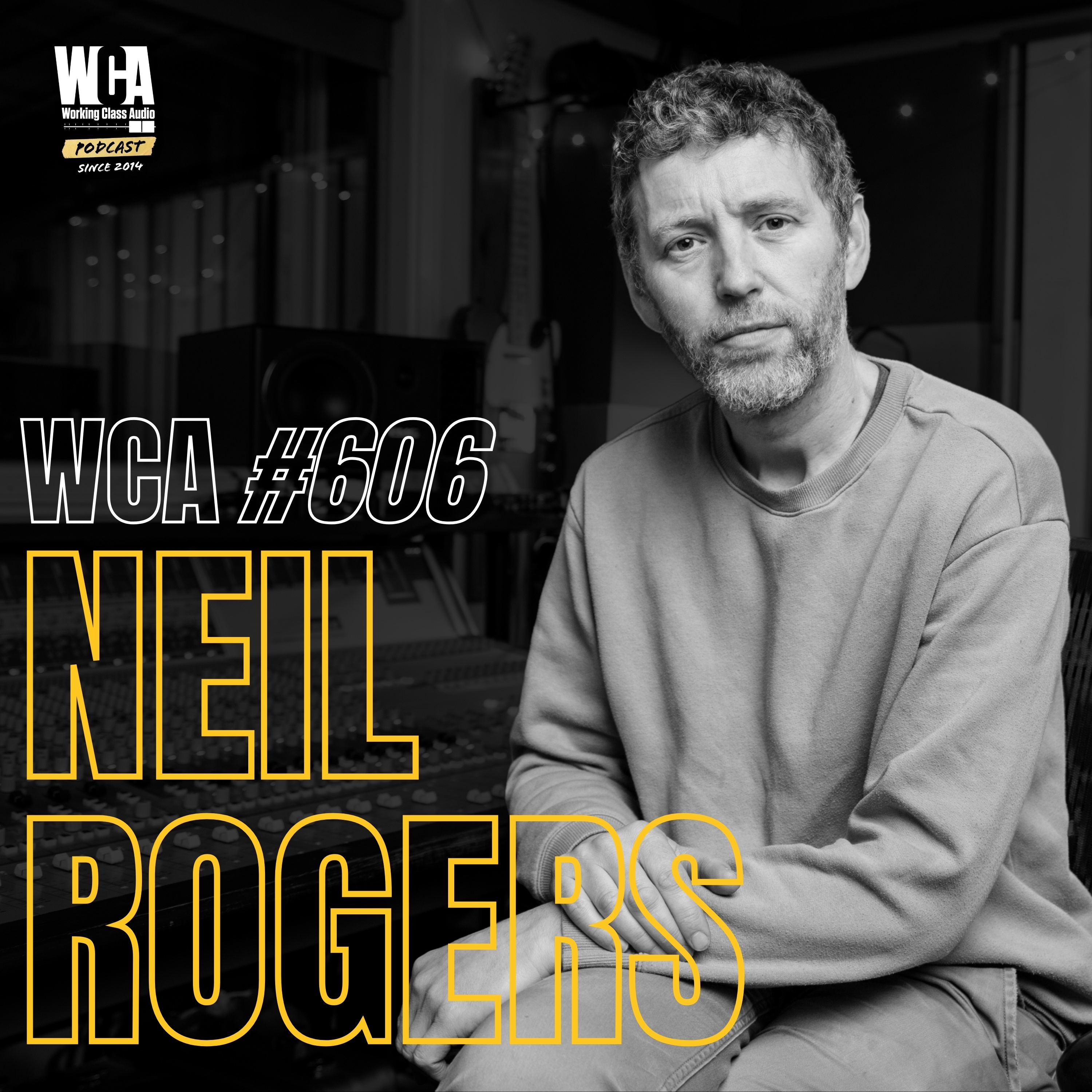
    WCA #606 with Neil Rogers – Eighteen Years of Half-ton Studios, Bootstrapping in Cambridge, and Writing for Sound on Sound

    For episode 606, Matt talks with Neil Rogers — recording engineer, owner of Half-ton Studios in Cambridge, and longtime reviewer for Sound on Sound. After a decade of gigging as a drummer with no payoff, Neil found a music tech degree at 26 that rebuilt his confidence, then answered a group email about a ramshackle unit next to a brewery and built a studio there on about £7,000 and favors. Eighteen years on, they talk about the accidental great-sounding drum room, rebuilding bigger during COVID, pricing, being honest with young people about studio careers, and the joy of recording bands live on the floor. In This Episode, We Discuss: Meeting Matt Over a Pint in Cambridge Eighteen Years of Half-ton Studios Writing for Sound on Sound Learning Drums When School Friends Started a Band Why So Many Engineers Are Drummers A Decade of Gigging Without a Payoff A Music Tech Degree at 26 Discovering He Could Write The Group Email and the Unit Next to a Brewery Starting With £7,000 and Favors The Accidental Great-Sounding Drum Room First Gear: a £700 Soundtracs Desk MySpace, Flyers, and Rehearsal Income Rebuilding Bigger During COVID Working With an Acoustician How the New Room Draws Bands From London Pricing and the Independent Band Rate Honest Advice for Young Engineers Workshops and Taster Sessions Why He Limits Mixing Work Recording Bands Live on the Floor Matt’s RANT!: CLUTTER! Links and Show Notes: Half-ton Studios Neil Rogers at Sound on Sound Half-ton recording & mixing workshops Credits: Guest: Neil Rogers Host/Engineer/Producer: Matt Boudreau WCA Theme Music: Cliff Truesdell The Voice: Chuck Smith

  • July 20 · 1 hr 3 min

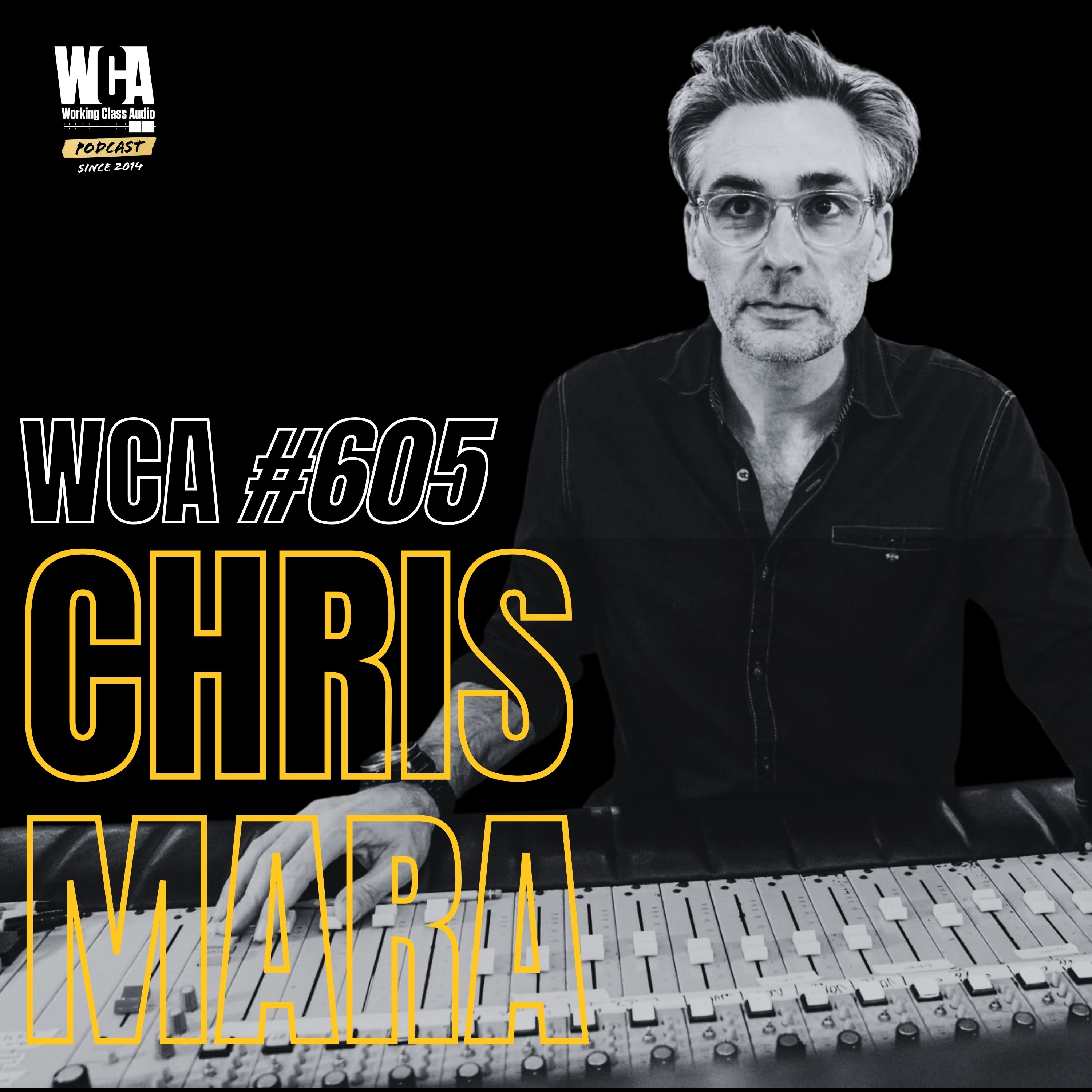
    WCA #605 with Chris Mara – Building Welcome to 1979, Restoring Tape Machines, and Saying Yes to Everything

    Chris Mara owns Welcome to 1979, one of the larger recording studios in Nashville, along with his wife Yoli. He joins Matt for episode 605 to talk about moving to Nashville at 20, building Mara Machines and a vinyl mastering department alongside the studio, and running it for 18 years with no partners and almost no borrowed money. In This Episode, We Discuss: Growing Up in an 800-Person Wisconsin Town With No Internet and No Roadmap Community College Recording and Moving to Nashville at 20 "I Am Working Class": No Safety Net, No Umbilical Cord The Unpaid Internship and the Downtown Bellman Job That Funded It Trading Every Favor to Pull Studio Shifts Keys and Alarm Codes to Ten Studios Seeing the Same Gear Used a Million Different Ways Working Across Every Format: 2-Inch, RADAR, DAT, and Early Pro Tools The Nashville Number System and Country-Session Efficiency Bringing in Rock Bands and Running Them Like Pro Country Dates Justifying Your Existence When the Guitarist Has Pro Tools at Home Coming Up With Welcome to 1979 (and the Runner-Up: "Simulated Wood Grain") Pitching a Studio to His Pregnant Wife for $1,100 a Month "You Can Break Even As Long As You Want" Yoli Quitting Her Job to Run the Business Side How Mara Machines Was Born From a Side Hustle Multiple Income Streams and Why They Carry the Weight Watching Your Overhead Before It Sinks You Is That Gear Going to Make You Money, or Just Sit There? Renting Rooms Instead of Buying Them Saying Yes to Everything and Learning on Someone Else's Dime 18 Years, No Partners, Almost No Borrowed Money, Still Married The Recording Summit, Tape Camps, and Vinyl Camps Matt's RANT!: A Brain Dump Links and Show Notes: Welcome to 1979: https://www.welcometo1979.com/ Mara Machines: https://www.maramachines.com/ Recording Summit: https://welcometo1979.com/events/#recordingsummit Tape Camp: https://welcometo1979.com/events/#tapecamp Vinyl Camp: https://welcometo1979.com/events/#vinylcamp Lij Shaw / Recording Studio Rockstars: https://recordingstudiorockstars.com/ Credits: Guest: Chris Mara Host/Engineer/Producer: Matt Boudreau WCA Theme Music: Cliff Truesdell The Voice: Chuck Smith

  • July 12 · 1 hr 4 min

    WCA #604 with Alec Ness – Mastering in Minneapolis, Resisting Homogenization, and Putting the Art First

    For episode 604, Matt talks with Alec Ness, a mastering engineer in Minneapolis and the owner of Ness Mastering. Alec joins to tell an unusual origin story: born with partially amputated fingers, he was steered from guitar to drums, caught the recording bug on Cakewalk in a Dakotas high school, and chased music through a now-defunct college (McNally Smith), the San Francisco and LA beat scenes as an Ableton Certified Trainer, and years touring as a producer and artist — before pivoting fully into mastering as the pandemic hit. He learned the craft by badgering his way into Greg Reierson's Rare Form Mastering and trading questions with Mandy Parnell, then sold his entire modular synth rig to buy the speakers for his own room. They get into the "Should everything sound the same?" note on his desk, resisting the loudness game, controlling your space, putting the art before the money, and the health toll of going too hard. In This Episode, We Discuss: - Growing Up in the Dakotas and “Flyover” Music Culture - A Coffee Shop, a Venue, and Touring Bands Passing Through - Born With Half His Fingers: From Guitar to Drums - Catching the Recording Bug on Cakewalk in High School - The Guitar Shop That Introduced Him to Ableton - McNally Smith, Composition, and Dropping Out - San Francisco, the LA Beat Scene, and Becoming an Ableton Certified Trainer - From Producer and Artist to Mixing and Mastering - A Studio in the Back of a South Dakota Guitar Shop - Old Tools, Limitations, and Learning Phase and Mics the Hard Way - The Dua Saleh Remix Album That Tipped Him Into Mastering - Backing Off Touring Right as the Pandemic Hit - Learning From Greg Reierson at Rare Form Mastering - Badgering Mandy Parnell for Lessons - "Should Everything Sound the Same?" Resisting Homogenization - Why He Won’t Master to the Loudness of a Reference - Controlling Your Space and Reducing Variables - Selling His Modular Synths to Buy His Speakers - Empathy, the Artist’s Vision, and Serving the Music - Art First, Money Second, and Time as the Real Currency - Health, Overwork, and Backing Off Before It Broke Him Links and Show Notes: Alec Ness / Ness Mastering Rare Form Mastering (Greg Reierson) WCA #599 with Alex Newport Mandy Parnell Michael Beinhorn on WCA Credits: - Guest: Alec Ness - Host/Engineer/Producer: Matt Boudreau - WCA Theme Music: Cliff Truesdell - The Voice: Chuck Smith

  • July 5 · 1 hr 1 min

    WCA #603 with Lorenzo Wolff – Building a Brooklyn Studio, Session Bass to Taylor Swift, and Working for Ms. Lauryn Hill

    For episode 603, Matt talks with Lorenzo Wolff — a Grammy-winning engineer, producer, musician, and owner of Restoration Sound in Brooklyn. Lorenzo joins on a Saturday from New York to trace a path from a hip-hop-obsessed kid in Nyack, chasing the basslines on Fugees and Wyclef records, to a session bassist, to interning under engineer Scott Lehrer at Second Story Sound, to building one of Brooklyn's most community-minded studios over eleven years. Along the way his string session with violinist Bobby Hawk turned out to be a Taylor Swift record, which led to Ye's Donda, which led to his ongoing work with Ms. Lauryn Hill. They get into the two tiers of gigs (community vs. famous), funding a studio build with a patron's retainer, why he treats generosity and conflict de-escalation as business strategy, and the honesty it takes to work with visionary artists. Enjoy! In This Episode, We Discuss: - Growing Up in Nyack, New York, in an Integrated Music Town - From Hip-Hop and Turntables to Hunting Down the Bass - The Fugees, Wyclef, Jerry Wonda, and Outkast as a Way In - Becoming a Session Bass Player to Live in Studios - Interning at Second Story Sound Under Scott Lehrer - Being Sent to the Library to Read the Dry Theory First - Why He Left to Start His Own Shops and Chase Creativity - Building a Brooklyn Studio Over Eleven Years - Winning Over Landlords: "Your Success Is Our Success" (and Cookies) - The Patron Who Funded a Studio by Commissioning a Musical - Survival Economics: Production Suites That Pay the Rent - Community as a Business Model - The Two Tiers of Gigs: Community vs. Famous - The Bobby Hawk String Session That Became a Taylor Swift Record - One Credit Leading to the Next: Folklore to Donda - Working for Ms. Lauryn Hill - Telling the Truth in the Room With Visionary Artists - What "He's Gonna Be Okay" Really Means at That Level - Why High-Profile Credits Do (and Don’t) Create More Work - Generosity and De-escalation as Studio Strategy - Why He Struggles With Interns Links and Show Notes: - Restoration Sound - Lorenzo Wolff (Instagram) Credits: - Guest: Lorenzo Wolff - Host/Engineer/Producer: Matt Boudreau - WCA Theme Music: Cliff Truesdell - The Voice: Chuck Smith

  • June 28 · 1 hr 4 min

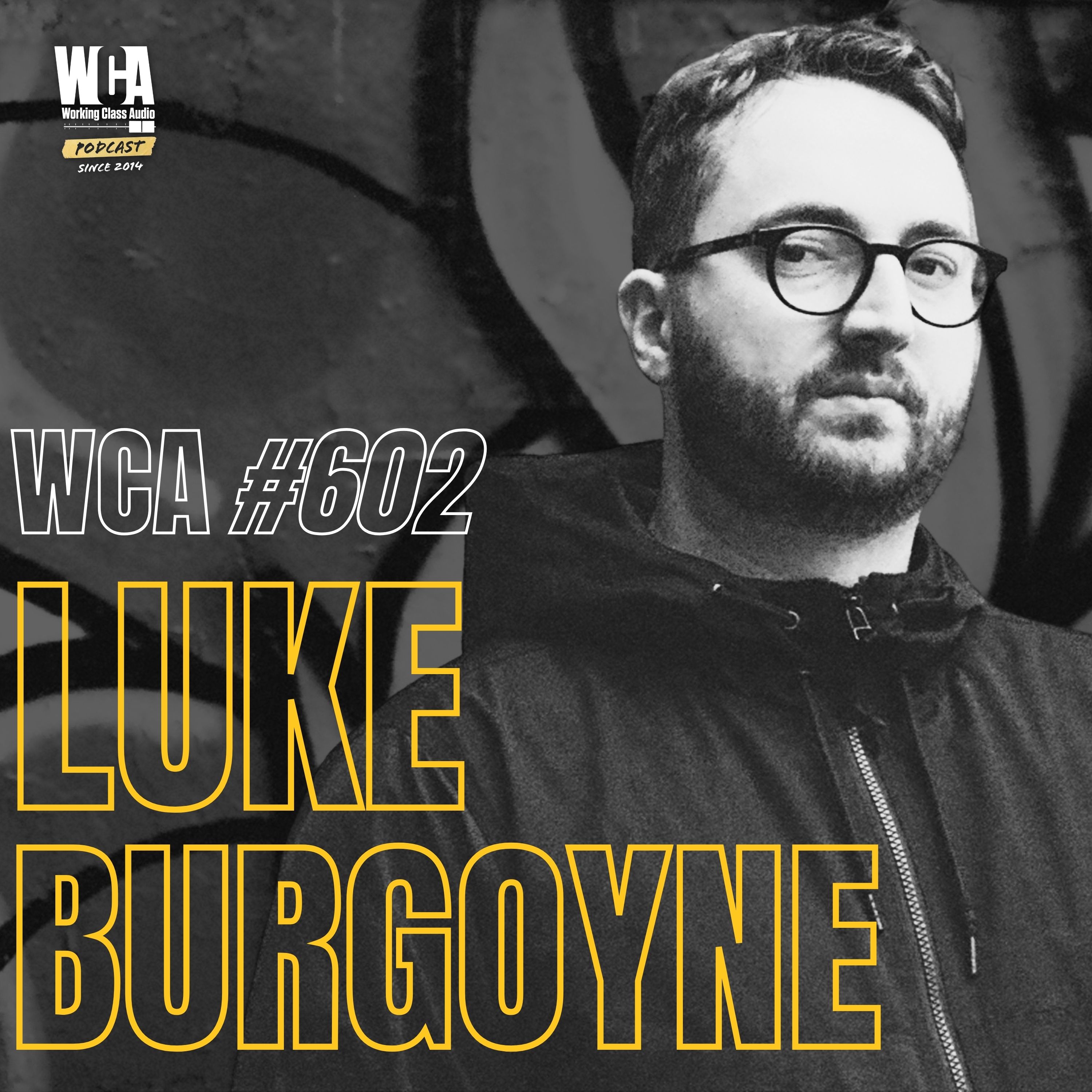
    WCA #602 with Luke Burgoyne – Seven Years Assisting a Top UK Mixer, Mix Prep, and Going Solo in London

    For episode 602, Matt talks with London mix engineer Luke Burgoyne, who joins from his room at Pony Studios in East London. Luke grew up in Winchester with two violinist parents, fell for the studio side of music at sixteen, and studied performance and recording at the University of West London before spending the last seven years assisting one of the UK's busiest mixers, Dan Grech-Marguerat (Lana Del Rey, The Killers, Liam Gallagher, George Ezra). Now he's transitioning into his own career as a mixer and producer. They get into the realities of high-level mix prep, what seven years of assisting actually teaches you, why UK managers tend to bring in work in a way American managers often don't, sharing expensive London rooms, his skeptical take on Atmos, and the differences between the UK and US recording ecosystems. In This Episode, We Discuss: Growing Up in Winchester With Two Violinist Parents From the Beatles and Guitar to the Pull of the Studio Why It Was Always About the Music, Not the Technology Studying Performance and Recording at the University of West London Realizing He'd Rather Record Great Players Than Compete With Them Cold-Emailing Abbey Road, RAK, and Getting No Replies Landing the Assistant Job With Dan Grech-Marguerat (on the Second Try) Seven Years Assisting One of the UK's Busiest Mixers The Soft Skills: Managing Clients, Files, and Spinning Plates Mixing in the Box: Pro Tools, Recall, and Multiple Machines Deep Mix Prep: Rebuilding Logic and Ableton Sessions in Pro Tools Learning a Mixer's Quirks So They Never Leave the Creative Space Transitioning From Assistant to Mixer and Producer Getting Management and Why UK Managers Bring in Work How UK and US Managers Differ Building a Network While Assisting Five or Six Days a Week Studio Identity: Staff Engineer vs. Independent Freelancer The London Studio Ecosystem: Abbey Road, AIR, RAK, and Metropolis Renting a Room at Pony Studios and Sharing Space in Expensive London Neumanns, Genelec 1031s, and Working on Headphones His Take on Atmos: Right for "Dark Side of the Moon," Wrong for AC/DC Camaraderie Over Competition in London Matt's RANT!: Technology Prices Links and Show Notes: Luke Burgoyne Dan Grech-Marguerat WCA #600 with Andrew Scheps WCA #102 with Frank McDonough Credits: Guest: Luke Burgoyne Host/Engineer/Producer: Matt Boudreau WCA Theme Music: Cliff Truesdell The Voice: Chuck Smith

  • June 21 · 1 hr 18 min

    WCA #601 with Gert Keunen – Immersive Audio, "Stereo Was a Nice Try," a Dozen Careers, and Brewing His Own Beer

    For episode 601, Matt sits down with Belgian musician, mastering engineer, and sociologist of music Gert Keunen — recommended to the show by past guest John Greenham. Gert has spent 35 years saying yes to nearly everything music: seven albums of his own, the nu-jazz project Briskey, a PhD in the sociology of music, four books on pop history, stints as a record-label staffer and newspaper critic, teaching at conservatories in Ghent, and most recently a deep dive into immersive audio that produced his book STEREO – Was a Nice Try. He joins from the Flemish countryside — where he also runs a 200-liter brewery and grows his own hops — to talk about how he manages time across all of it, why he learns best by teaching, how ADHD and dyslexia shaped an offline, notebook-driven discipline, and why he believes the future of immersive music is composing in 3D from the very first note rather than up mixing stereo. In This Episode, We Discuss: Living a Passion-Driven Life Across Music, Academia, and Beer Managing Time When You Do a Dozen Things (and Cycling to Clear the Mind) Growing Up in Flanders: Flute, Pink Floyd, and a Cracked Cubase on an Atari Why He'd Rather Create Music Than Perform It A PhD in the Sociology of Music and Four Books on Pop History Teaching Music History, Sociology, and Production in Ghent Going All-In on Mastering for a Year with Friedemann Tischmeyer and Ian Shepherd How ADHD and Dyslexia Shaped His Offline, Notebook-Driven Learning Why Teaching Is How He Actually Learns Discovering Immersive Audio Through Apple Spatial Audio on Earbuds Why a Good Immersive Mix Makes the Headphone Experience Better Writing STEREO – Was a Nice Try Because No Good Handbook Existed "13 Reasons Why Dolby Atmos Sucks" — and His Rebuttals Creating Immersive From the Ground Up vs. Upmixing Stereo A Format-Agnostic Workflow: Object, Channel, and Scene-Based, Then Choose Atmos or Auro-3D Later Teaching Immersive at a Conservatory With a Dolby Atmos Room Translating Student Tracks to a Live Immersive System at Ghent's Winter Circus Pricing Mastering, Student Discounts, and Treating Gear as the Real Payment Gear Acquisition, Buy-and-Return, and "a Hobby That Pays for Itself" Finding Community Online Through Chris Salim's MCC Running a 200-Liter Brewery, Growing His Own Hops, and Why Beer Is Like Making Music Matt's RANT!: Time Links and Show Notes: Gert Keunen STEREO – Was a Nice Try (book) Briskey Ian Shepherd on WCA Friedemann Tischmeyer / Mastering Academy Nuendo (Steinberg) Chris Selim on WCA Credits: Guest: Gert Keunen Host/Engineer/Producer: Matt Boudreau WCA Theme Music: Cliff Truesdell The Voice: Chuck Smith

  • June 14 · 1 hr 19 min

    WCA #600 with Andrew Scheps – Atmos, Imposter Syndrome, Coding Plugins with AI, Climbing Walls, and 600 Episodes

    Matt celebrates episode 600 of Working Class Audio with a guest who's been there since the beginning — mixer and producer Andrew Scheps, who first appeared back on episodes 009 300 & 477. Andrew joins from his home in rural England to talk about winning MPG Atmos Mixer of the Year for his work on Low Roar, how he approaches Dolby Atmos delivery and client approval, why he switched from Sony headphones to the Audeze LCD-MX4, and what he's learned about training your brain to externalize binaural audio. The conversation also covers writing his own plugins with Claude and the JUCE framework, why he quit drinking four years ago and found rock climbing instead, breaking his foot, the realities of working with a manager, what "retirement" even means when no one tells you you're done, and why — 600 episodes in — Working Class Audio still matters in a way that's different from everything else. In This Episode, We Discuss: 600 Episodes In — Andrew's Long History with the Show Winning MPG Atmos Mixer of the Year for the Low Roar Catalog The MPG vs. a US Equivalent: Advocacy, VAT, and Saving Studios Being an American Honored Inside a UK Organization Why the Low Roar "House in the Woods" Atmos Mix May Be His Best Work The Pressure of Paid Work vs. Unpaid Passion Projects Still Battling Imposter Syndrome After Decades at the Top Why He Hates Sending Mixes Out Atmos Delivery Workflow: Binaural, MP4, ADM, and the Two-Page PDF Training Your Brain to Externalize Binaural Audio Why He Starts Atmos Mixes in Headphones, Not Speakers Switching from Sony Headphones to the Audeze LCD-MX4 Steven Wilson and Staying True to the Music in Atmos Discovering Rock Climbing as Moving Meditation Breaking His Foot — and Five Weeks on the Sidelines Alex Honnold, Free Solo, and the Idea of Minimizing Risk Quitting Drinking Four Years Ago and Stepping Away from Pub Culture Is There a Calculation Behind a Career? Building Extra Income Streams The Retirement Question: "They'll Just Stop Hiring Us" Writing Plugins with Claude and the JUCE Framework Why You Need an Idea — Not Just AI — to Build a Plugin AI as a "Knowledgeable but Completely Blinkered Friend" AAX, PACE Code Signing, and the Nightmare of Plugin UI Board Games, Astronomy, and Life in Rural England Why He Can't Imagine Living in LA Anymore Working with Manager Frank McDonough — and What a Manager Actually Does The Reality of Getting Paid by Major Labels (180-Day Cycles) Matt's RANT!: 600 Episodes! Links and Show Notes: Andrew Scheps Low Roar WCA interview with manager Frank McDonough JUCE framework Audio Developer Conference Audeze LCD-MX4 Free Solo (Alex Honnold) Bounce Factory Credits: Guest: Andrew Scheps Host/Engineer/Producer: Matt Boudreau WCA Theme Music: Cliff Truesdell The Voice: Chuck Smith

  • June 8 · 1 hr 31 min

    WCA #599 with Alex Newport – Three Decades of Production, a Studio in the Desert, Engineering at Tiny Telephone, and Why Unique Always Beats Good

    Matt welcomes producer, engineer, and mixer Alex Newport for his first appearance on Working Class Audio. Alex grew up in the UK Midlands with few music resources, and found his way into production after his band got signed to a UK label with an upstream deal to Columbia, and ended up recording at Sawmills, a legendary residential studio on a tidal island at the tip of Cornwall. Working there with producer Colin Richardson changed everything. From there Alex spent decades moving between LA, San Francisco, and New York — engineering at Tiny Telephone, producing records for At the Drive-In, City and Colour, and many more — before eventually building his own residential studio in Joshua Tree, designed from the ground up to let bands show up and make records without distraction. The conversation covers production philosophy, surviving as a freelancer across three decades, why he intentionally avoids getting pigeonholed, and what really matters when designing a studio space. In This Episode, We Discuss: Growing Up in the UK Midlands With Few Music Resources The Band That Got Signed: Upstream Deal to Columbia Records Recording at Sawmills — The Tidal Island Studio in Cornwall Colin Richardson as a Life-Changing Producer The Difference Between a Producer Who Listens and One Who Doesn't Why Alex Was Initially Resistant to Having a Producer What Colin Taught Him That He Still Uses Today — and What He Hated The Shift From Being a Musician to Wanting to Be in the Studio Moving to the US: From Arizona to LA to San Francisco to New York First Impressions of LA — Where's the City Centre? The Culture Shock of Going From the UK to California Why Alex Prefers San Francisco Over LA Tiny Telephone and John Vanderslice — Engineering as Education Learning to Mic Instruments He'd Never Encountered Before The Moment Budgets Started Collapsing Around 2004 Building a Studio in LA, Then New York, Then Realising It Was Madness New York vs LA: Brutally Honest vs Relaxed and Open Surviving as a Freelance Producer: The Feast or Famine Reality Why He Intentionally Avoids Getting Pigeonholed as a Producer Moving to Joshua Tree and Building a Residential Studio From Scratch Designing the Studio From a Musician's Perspective, Not an Engineer's The Vintage Trailer as Accommodation: Glamping, Not a Holiday Inn High Ceilings That Cost an Extra $35,000 Good Coffee Is More Important Than the Gear in the Rack The Sawmills Influence on the Joshua Tree Studio Concept Philip Broussard, Daniel Lanois, and the Kingsway/Teatro Philosophy What Alex Brings to the Table as a Producer: Objectivity and People Skills The Sliding Scale Rate Philosophy: Money Follows Good Work On Relationships, Touring, and Finding a Partner Who Gets It Dual UK/US Citizenship and Thoughts on Moving Back to England Matt's RANT!: AI and Its Uses Links and Show Notes: Alex Newport Tiny Creatures Studio WCA with John Greenham WCA with Philip Broussard Credits: Guest: Alex Newport Host/Engineer/Producer: Matt Boudreau WCA Theme Music: Cliff Truesdell The Voice: Chuck Smith

  • June 2 · 1 hr 5 min

    WCA #598 with Dante Fumo – Harmonic Content, Independent Film Sound, DIY Publishing, and Making a Living on Your Own Terms

    In this return visit to Working Class Audio, Matt welcomes back Dante Fumo — freelance sound designer, writer, and the creator behind Harmonic Content, a screen-printed audio zine now in its seventh issue. Dante talks about building a sustainable freelance life that spans independent film post-production, writing for Vintage King and Pro Sound Effects, and self-publishing a physical zine inspired by the Tape Op compilations he read as a college writing tutor. The conversation covers the realities of DIY publishing — screen printing, saddle-stitching zines at home, and the economics of Patreon — alongside the craft of mixing short films in Dolby Atmos, delivery specs for the festival circuit, building a sound library, and why low cost of living might be the most underrated career decision a freelancer can make. In This Episode, We Discuss: The Origin of Harmonic Content Zine How Tape Op Inspired the Whole Thing The Economics of Self-Publishing a Physical Zine Screen Printing and DIY Production Workflow Why Ink Cartridges Are a Scam (and What Dante Uses Instead) Building a Sustainable Patreon as a Small Independent Creator Balancing Freelance Writing, Sound Design, and Publishing Writing for Vintage King and Pro Sound Effects How Dante Gets Independent Film Clients — All Word of Mouth The Life Cycle of an Indie Short Film: Festivals to YouTube Mixing Everything in Atmos Even for Non-Atmos Deliverables Netflix Home Entertainment Spec as a Loudness Baseline Loudness for Short Films vs. Feature Films vs. Music Calibrating Your Monitors With Pink Noise Overhead Fold-Down Settings When Bouncing Atmos to Stereo Sound Design vs. Mixing: What Dante Loves Most Field Recording for Ambiences vs. Buying Libraries SoundCue — A Free Sound Effects Organizing Tool from Pro Sound Effects GDC Free Sound Library and Other Ways to Build a Collection for Free George Vlad and Watson Wu — Field Recording Heroes Tonebenders Podcast as the WCA of Post-Production Sound Why Dante Stepped Back From Recording Everything Himself The Case for Not Having All Your Eggs in One Basket ADHD and Freelancing: Finding Work You Can Actually Stay Engaged With Low Cost of Living as a Freelance Strategy AES Nashville and the Press Pass Question What the Next Five Years Look Like Matt's RANT!: School Discount Codes: WCA25OFF — 25% off a zine at harmoniccontentzine.com Links and Show Notes: Harmonic Content Zine Dante Fumo — Supernatural Sound Design Harmonic Content on Patreon WCA #346 with Dante Fumo WCA #596 with Will Kennedy Tape Op Magazine Tonebenders Podcast Pro Sound Effects / SoundCue Credits: Guest: Dante Fumo Host/Engineer/Producer: Matt Boudreau WCA Theme Music: Cliff Truesdell The Voice: Chuck Smith

  • May 25 · 1 hr 48 min

    WCA #597 with Tchad Blake, Dr. Will Sedley, Jack Rubinacci & Hazel Goedhart – Tinnitus Quest: Breaking the Silence on the Music Industry's Most Common Occupational Condition

    In this episode of Working Class Audio, Matt welcomes a panel of four guests united by a common cause: Tinnitus Quest, a patient-driven nonprofit pushing to fund and accelerate tinnitus research. Tchad Blake — 7-time Grammy Award-winning producer, mixer, and engineer with credits including Paul Simon, Peter Gabriel, Paul McCartney, and Pearl Jam — opens up about living with tinnitus since age eight or nine, the result of childhood exposure to rifle fire, and how he has mixed some of the most acclaimed records of the past four decades with significant hearing loss in one ear. Neuroscientist and consultant neurologist Dr. Will Sedley of Newcastle University breaks down what the brain is actually doing when tinnitus occurs, from central gain theory to predictive coding, gating mechanisms, and why the brain's compensation strategies can misfire. Hazel Goedhart, co-founder and Executive Board Member at Tinnitus Quest, shares her own tinnitus journey and how it led her to leave a career in financial services and fundraise her own salary to work for the cause full-time. And Jack Rubinacci, musician, songwriter, and Head of PR at Tinnitus Quest, explains how the organization is working to change the narrative around tinnitus the same way the mental health conversation shifted over the past generation — because that narrative shift is what unlocks funding, and funding is what drives research. In This Episode, We Discuss: What Tinnitus Quest Is and Why It Was Founded The Scale of the Problem: 750 Million People, Almost No Research Funding Tchad's Tinnitus Since Age Eight or Nine: Childhood Rifle Fire Mixing Iconic Records With Significant Hearing Loss Tinnitus as a Potential Creative Superpower How the Brain Compensates for Hearing Loss and Generates Phantom Sound Central Gain Theory and Neural Noise Amplification Synchrony: How Neurons Fire Together and Make Tinnitus Louder Gating Mechanisms and Why Some People's Brains Filter Tinnitus Out The Predictive Coding Model: Why Tinnitus Embeds Itself in the Brain Hair Cell Damage vs. Synaptopathy: Two Different Types of Noise Trauma Recruitment: A Frequency-Specific Amplification Phenomenon Why Tinnitus and Hearing Loss Don't Always Correlate Why Some People With Hearing Loss Never Get Tinnitus Sudden Sensorineural Hearing Loss: A Medical Emergency Tinnitus Spikes: What Causes Them and What the Evidence Says About Steroids Tinnitus as a Canary in the Coal Mine for Stress and Overexposure Fleeting Tinnitus: The Brief Episodes Most People Experience Low-Frequency Tinnitus and "The Hum" Musical Tinnitus and Musical Hallucinations Who to See: ENT vs. Audiologist vs. Neurologist CBT, Acceptance and Commitment Therapy, and Mindfulness for Tinnitus Tchad's Personal Coping Strategies, Including Exposure Therapy and Harmonizing With the Ringing The Role of Psilocybin and Psychedelics in Potential Tinnitus Treatment Neural Plasticity, Synaptogenesis, and Why Psychedelics May Help Stem Cell and Cochlear Regeneration Research Is Tinnitus a Modern Problem? Pre- vs. Post-Industrial Noise Exposure The Stigma Around Tinnitus in the Music Industry How Bella Bathurst Connected Jack and Tchad TQ's First Oxford Research Grant: Transcranial Ultrasound Stimulation Why Patient-Driven Funding Moves Faster Than Institutional Funding The Catch-22 of "Learn to Live With It" and How It Suppresses Research Matt's RANT!: Hearing Protection Links and Show Notes: Tinnitus Quest WCA #334 with Jack Rubinacci WCA #200 with Tchad Blake Bella Bathurst – Sound: Stories of Hearing Lost and Found Newcastle University – Translational and Clinical Research Institute Credits: Guests: Tchad Blake, Dr. Will Sedley, Jack Rubinacci, Hazel Goedhart Host/Engineer/Producer: Matt Boudreau WCA Theme Music: Cliff Truesdell The Voice: Chuck Smith

  • May 18 · 1 hr 14 min

    WCA #596 with Will Kennedy – Dolby Atmos Focus, Selling Recording Gear, Hidden Coffee Shops, and Mixing Rock in Surround

    In this episode of Working Class Audio, Matt welcomes back producer, mixer, and engineer Will Kennedy. Will shares an update on his journey since his last appearance, focusing on his partnership with Matt Wallace and their deep dive into immersive and Dolby Atmos mixing from their Los Angeles studio. They discuss the strategic decision to sell off their traditional recording gear, the evolution of the immersive audio market, and the amusing discovery of a hidden Starbucks inside a Jaguar dealership. The conversation also explores the unique, ongoing challenges of adapting rock and roll production techniques for the Atmos format. In This Episode, We Discuss: Biking With Brad Wood Human Powered Vehicles Partnership With Matt Wallace Dolby Atmos Mixing Focus Los Angeles Studio Location Horseless Carriage Diner Jaguar Dealership Starbucks Selling Traditional Recording Gear Keeping Essential Overdub Setup Offloading Full Band Tracking Early Adopter Atmos Strategy Becoming Premium Immersive Mixers Dolby Atmos Market Correction Navigating Cheap Atmos Mixes Atmos In Modern Cars Mixing Rock In Surround Stereo Versus Immersive Techniques Developing New Tracking Methods Matt's RANT!: Think Bigger Links and Show Notes: WCA #388 with Will Kennedy Matt Wallace on WCA Brad Wood on WCA Credits: Guest: Will Kennedy Host/Engineer/Producer: Matt Boudreau WCA Theme Music: Cliff Truesdell The Voice: Chuck Smith Video Interview

  • May 11 · 58 min

    WCA #595 with Steve Kitch – Classical Roots, Sound On Sound, Supermarket Shifts, and Online Mastering Success

    In this episode, Matt welcomes mastering engineer Steve Kitch. Steve shares his journey from early music programming on home keyboards and classical piano training to building a worldwide mastering practice from his studio in Devon, UK. They discuss the transition from transferring DAT tapes to CDs, being an early adopter of online file delivery, and the evolution of a professional audio career through self-taught exploration and technical curiosity. In This Episode, We Discuss: Full Time Mastering Devon Studio Location Classical Piano Training Early Keyboard Sequencers HiFi Technical Upbringing Sound On Sound Self Taught Education DAT Tape Transfers Online Mastering Pioneer Google AdWords Strategies Supermarket Shift Work Website Design Software Global Client Reach Digital Audio Evolution Matt's RANT!: The Small Things Links and Show Notes: Steve Kitch’s Site: Audiomaster Related Episode: WCA #593 with Katie Marie Richards Credits: Guest: Steve Kitch Host/Engineer/Producer: Matt Boudreau WCA Theme Music: Cliff Truesdell The Voice: Chuck Smith

  • May 5 · 1 hr 13 min

    WCA #594 with Amar Lal – Experimental Roots, Corporate Transitions, Mastering Room Acoustics, and Macro Sound

    In this episode, Matt welcomes mastering engineer and artist Amar Lal of Oakland’s Macro Sound. Amar shares his journey from the New York DIY scene and touring with Big Ups to a corporate role at Sennheiser and his eventual return to independent studio ownership. They discuss the benefits of an all-digital mastering workflow, the "Active Listening Club" philosophy, and how Amar maintains career longevity through work-life balance and photography. In This Episode, We Discuss: Mastering Engineer Roles Oakland Studio Location Shared Building Benefits Early Childhood Canada Childhood Piano Lessons Experimental Music Scene Circuit Bending Gear High School Recording New York Education Touring Big Ups Facing Career Burnout Corporate Sennheiser Experience Launching Macro Sound Home Studio Logistics Oakland Artistic Community All Digital Mastering Active Listening Club Balancing Personal Life Passion For Photography Artistic Practice Philosophy Mastering Room Acoustics Local Community Ties Remote Working Models Studio Business Logistics Auditory Sensitivity Issues Links and Show Notes: Amar Lal’s Site: Macro Sound Band Reference: Big Ups Sennheiser Active Listening Club Matt's RANT: Doing Try Outs Credits: Guest: Amar Lal Host/Engineer/Producer: Matt Boudreau WCA Theme Music: Cliff Truesdell The Voice: Chuck Smith

  • April 28 · 1 hr 15 min

    WCA #593 with Katie Marie Richards – Self-taught Foundations, Four-track Experiments, Blue Rock, and The Human Experience

    In this episode of Working Class Audio, Matt welcomes producer, engineer, and multi-instrumentalist Katie Marie for a deep dive into her 30-year career journey, moving from a rural UK trailer to world-class studios. They discuss the transition from solo artistry to a supportive production role, the philosophy of professional growth, and maintaining a healthy mindset around the business of music. In This Episode, We Discuss: Producer And Multi-instrumentalist Background Leaving School At Fifteen Self-taught Musical Foundations Early Four-track Recording Experiments Transitioning From Solo Artist Managing Performance Anxiety Relocating From Devon To Austin Mentorship At Blue Rock Studio Sharing Process Via Live Streams Transitioning To North Carolina Morning And Afternoon Life Stages Growing Wider Rather Than Taller Collaborating With Christie Lenée Overcoming A Poverty Mindset Charging Based On Value Selling The Human Experience Prioritizing Songs Over Gear Adapting To New Environments Links and Show Notes: Katie Marie’s Site Blue Rock Studio Book Reference: You Are a Badass at Making Money by Jen Sincero Matt's Rant: What IS possible Credits: Guest: Katie Marie Richards Host/Engineer/Producer: Matt Boudreau WCA Theme Music: Cliff Truesdell The Voice: Chuck Smith

  • April 21 · 1 hr 13 min

    WCA #592 with Ronan Chris Murphy – Falling Trees, World Travel, Anchor Points, and Being a Respectful Human

    In this episode of Working Class Audio, Matt welcomes back producer, engineer, mixer Ronan Chris Murphy (King Crimson, Steve Morse, Terry Bozzio, Tony Levin) to talk about being a pro audio nomad, falling trees, and and anchor points. In This Episode, We Discuss: World Travel Falling Trees Language Being a Respectful Human Anchor POints Debt Links and Show Notes: Ronan's Site Matt's Rant: Passion for Audio Credits: Guest: Ronan Chris Murphy Host/Engineer/Producer: Matt Boudreau WCA Theme Music: Cliff Truesdell The Voice: Chuck Smith

  • April 13 · 1 hr 2 min

    WCA #591 with Tyrone "Cross Bone T" Harris – Curiosity and Learning, Building a Client Base, Health Challenges, Overcoming Obstacles, and The Importance of Small Wins

    In this episode of Working Class Audio, Matt welcomes mixing and mastering engineer Tyrone "Cross Bone T" Harris who shares his journey from a young music enthusiast in London to a professional mixing and mastering engineer. In This Episode, We Discuss: Musical Roots and Early Influences The Journey into Music Production Curiosity and Learning in Music Early Experiences with Technology First Steps in Radio and Education Navigating Challenges in Music Education Transitioning to Professional Environments Live Sound Experiences and Growth The Art of Live Sound Engineering Navigating the Music Industry as a Young Professional Health Challenges and Career Adaptation Transitioning to Home Studio Work Building a Client Base in a Niche Market Philosophy on Life and Overcoming Obstacles The Importance of Small Wins and Motivation Links and Show Notes: CBT's Site Matt's Rant: Sonic Citizens Credits: Guest: Tyrone "Cross Bone T" Harris Host/Engineer/Producer: Matt Boudreau WCA Theme Music: Cliff Truesdell The Voice: Chuck Smith

  • April 7 · 1 hr 18 min

    WCA #590 with Phillip Broussard –Gulf Coast, Kingsway, Teatro, Rick Rubin, and Prioritizing Vibe

    In this episode of Working Class Audio, Matt welcomes producer/engineer/mixer and archivist, Phillip Broussard who has worked with the Red Hot Chili Peppers, Slipknot, System of a Down, and many more In This Episode, We Discuss: Texas upbringing Jobs in Gulf Coast refineries First studio internships in Austin Houston and Austin Kingsway Studio in New Orleans Prioritizing vibe over gear Relocating to Los Angeles Managing Teatro in Oxnard Collaboration with Rick Rubin Handling limited recording budgets Skills in reading the room Balancing career and family life Negotiating rates and invoicing Audio archiving and session restoration Networking to find new music Links and Show Notes: Phillip's Site Trina Shoemaker on WCA Dave Schiffman on WCA Matt's Rant: Inspiration and Imagination Credits: Guest: Phillip Broussard Host/Engineer/Producer: Matt Boudreau WCA Theme Music: Cliff Truesdell The Voice: Chuck Smith

  • March 31 · 1 hr 22 min

    WCA #589 with Mitch Easter – R.E.M., Drive-In Studio, Don Dixon, North Carolina, and Fidelatorium Recordings

    In this episode of Working Class Audio, Matt welcome musician/songwriter/producer/engineer Mitch Easter known for his work on the early R.E.M. records as well as his work with the db's, Game Theory, and Marshal Crenshaw as well as his own band Let's Active. In This Episode, We Discuss: Background and Upbringing Early Interest in Recording Drive-In Studio Fidelatorium Recordings Balancing Multiple Roles Collaboration with Don Dixon The Music Industry and the Indie Ecosystem Influences and Inspirations Views on Retirement Links and Show Notes: YouTube version Mitch's Site Matt's Rant: Creating Opportunity Credits: Guest: Mitch Easter Host/Engineer/Producer: Matt Boudreau WCA Theme Music: Cliff Truesdell The Voice: Chuck Smith

  • March 23 · 1 hr 3 min

    WCA #588 with Joe Costa– Ordering Lunch with William Shatner, Berklee School of Music, Mixing from Home, and Reading the Room

    In this episode of Working Class Audio, Matt welcomes engineer/mixer Joe Costa who has worked with Ben Folds. Sara Bareilles, William Shatner and many more. In This Episode, We Discuss: Ordering Lunch with William (Bill) Shatner Working with Ben Folds Mixing from Home Moving to Nashville Berklee School of Music Reading the Room Links and Show Notes: Joe On Instagram @costa71 Watch the Interview on YouTube Matt's Rant: Know Your Value Credits: Guest: Joe Costa Host/Engineer/Producer: Matt Boudreau WCA Theme Music: Cliff Truesdell The Voice: Chuck Smith

  • March 17 · 1 hr 17 min

    WCA #587 with Willie Green – The Green House, Physical Media, Business Strategy, Daily Patterns, and Innovation

    Producer, engineer, artist, and professor Willie Green returns to WCA to chat with Matt about about his new studio adventure and much more! Willie has worked with renowned artists such as Armand Hammer, The Roots, The Alchemist, and Wiz Khalifa. In This Episode, We Discuss: The Green House Expands! Physical Media Marketing Strategies for Creative Spaces Daily Patterns and Balancing Responsibilities Adapting to Client Needs and Studio Management Business Strategy Innovation Links and Show Notes: Willie Green’s Website Matt's Rant: Which music industry do you work in? Credits: Guest: Willie Green Host/Engineer/Producer: Matt Boudreau WCA Theme Music: Cliff Truesdell The Voice: Chuck Smith