Skip to content
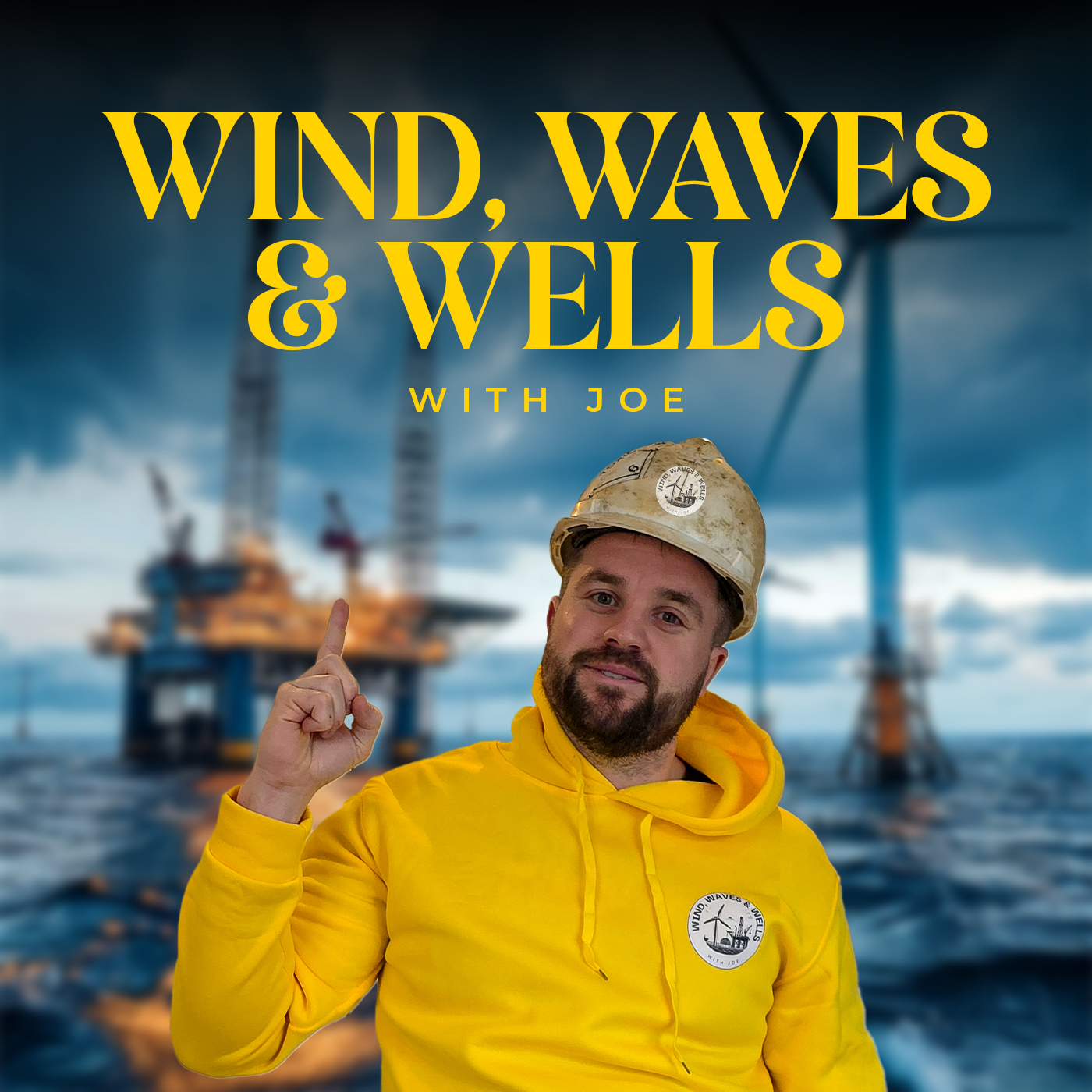
Artwork for Wind, Waves & Wells with Joe
BusinessEducationTechnology

Wind, Waves & Wells with Joe

joeleather92

Wind, Waves & Wells with Joe, offers an inside look at the dynamic energy industry, from the latest innovations in renewable power to the untold stories of those working in oil, gas, and beyond. Each episode dives into the real-world impact of energy on our daily lives, exploring how it shapes economies, communities, and the environment. Whether you’re an industry veteran or simply curious about the forces powering our world, join Joe for insightful conversations, personal stories, and fresh perspectives on the energy sector.

Play
  • 20 episodes
  • weekly
  • Avg 1 hr 1 min
  • English
  • #82
    Wednesday · 1 hr 2 min

    From the Rig Floor to the Courtroom: 45 Years in Drilling with Steve Devereux

    Steve Devereux has spent more than four decades working across the international oil and gas industry, and his career has taken him a long way from where it started. Steve began as an aeronautical engineer before joining Shell in 1979 and learning drilling from the ground up. After training in Holland, he headed to Brunei where he worked his way through the drilling ranks before eventually building a consulting career that has taken him to more than 40 countries. In this episode, I speak with Steve about how drilling careers were built back then, why getting genuine hands on experience mattered so much and whether some of that practical knowledge has been lost from the industry today. We get into his time in the North Sea, well control, major accident risk, the increasing amount of decision making being moved away from the rig and some brilliant stories from a career spent working around the world. Steve also explains his third career in dispute resolution, where he now works as an arbitrator and expert witness on complex industry disputes, and why decades of practical experience can become incredibly valuable when trying to establish what actually went wrong. We also look towards the future. Steve believes AI could represent a genuine step change for drilling, particularly through its ability to analyse huge amounts of data in real time, identify problems earlier and potentially improve well control and safety. But he also gives an important warning: we cannot allow people to blindly trust the technology without understanding the job themselves. Towards the end, Steve shares some excellent advice for anyone starting an offshore career today, including why you should build a financial “war chest”, get as much practical experience as possible and never assume you will only have one career. We finish with one of Steve’s proudest projects, an unusual well intervention offshore Tanzania that required a bit of engineering ingenuity and a very different approach to getting the job done. A fascinating conversation with someone who has watched the drilling industry change enormously over more than 45 years.

  • #81
    August 26 · 1 hr 6 min

    The Future of Energy Is Abundance - Mark LaCour

    Mark LaCour has spent more than 35 years around the oil and gas industry and is now Editor in Chief of the Oil and Gas Global Network, which has grown into a network of more than 30 industry podcasts. What I enjoyed about this conversation is that we covered an enormous amount of ground. Mark takes me back to how he accidentally found his way into oil and gas, what decades of working internationally have taught him about the culture of the industry and why he believes oil and gas has done such a poor job of telling its own story. We get into the extraordinary level of activity taking place in the Permian Basin, the growing importance of natural gas, LNG and what Mark means when he talks about the need for energy abundance. From there, the conversation moves into AI and data centres, renewables, offshore wind, nuclear power and why trying to apply the same energy solution everywhere simply does not work. We also discuss why selling technology into oil and gas is so different from almost every other industry, the importance of trust, the huge amounts of capital involved and why some genuinely useful technology never gets adopted because nobody knows how to sell it properly. Closer to home, I ask Mark about BP moving away from the North Sea, the impact of taxation and politics on investment and what he thinks the future could look like for places such as Aberdeen. We also talk podcasting, sponsorship, getting things wrong publicly and being willing to change your mind when the evidence changes. And towards the end, things go somewhere I definitely was not expecting. Space. Mark explains why he believes the skills, companies and technology developed by the oil and gas industry could eventually play a major role in commercial space travel and even mining the asteroid belt. A wide ranging conversation about energy, technology, business and where this industry could be heading next.

  • #80
    August 19 · 51 min

    “Purpose Never Retires” - Lewis Senior on Leadership, Safety and Life

    Lewis Senior returns to Wind, Waves & Wells almost a year after his first appearance. At 75, Lewis is still travelling, teaching, coaching and helping organisations understand the role personality plays in leadership, communication and safety. Early in our conversation he sums up exactly why he has absolutely no intention of slowing down: “Purpose never retires.” We talk about how Equilibria has developed over the past year, the growing use of E Colours, upcoming work with Step Change in Safety and why understanding personality can influence something as important as whether someone actually feels comfortable stopping a job. From there we get into leadership and culture offshore. Why can you sometimes walk onto a vessel or installation and almost immediately sense what the culture is like? What separates a genuinely good leader from a poor one? And has the energy industry lost some of the community and camaraderie it once had? We also get into human performance, the future role of HSE professionals and how AI could completely change a job that has traditionally involved huge amounts of paperwork. Then Lewis decides to turn the tables on me. He takes over the podcast and starts asking me the questions. Why did I start Wind, Waves & Wells? Where do I see my career going after nearly 15 years offshore? Why am I moving towards HSE? What role has my family played in everything I have done? And where do I want to be five years from now? It ended up being a very different conversation from the one I originally expected, but probably one of the most personal I have recorded. A wide ranging conversation about leadership, safety, culture, personality, purpose and ultimately the people behind the energy industry. Timestamps: 00:20 Lewis returns to Wind, Waves & Wells 00:47 What has changed at Equilibria over the last year? 02:21 A new leadership programme and the E Colours Playbook 03:39 Why are companies becoming more interested in personality and communication? 04:55 Lewis at 75 and why “purpose never retires” 06:31 Equilibria's role in the changing UK energy industry 07:44 Working with Step Change in Safety 09:16 Upcoming announcements and events 10:44 What would make this year a success for Lewis? 11:58 Keeping an open mind and having difficult conversations 12:26 I reflect on interviewing people I do not necessarily agree with 15:02 How attitudes towards different parts of the energy industry change 16:44 What does good leadership actually look like? 17:34 “If you think you're a leader and nobody is following you…” 18:21 Why an OIM and a head teacher have more in common than you might think 19:47 Leadership is 95 per cent about people 20:44 The difference between camaraderie and genuine community offshore 23:38 How job uncertainty can affect offshore culture 25:13 How personality can influence safety and risk 26:23 Are some personalities less likely to stop the job? 27:28 Why stop work authority does not come naturally to everyone 29:19 What companies misunderstand about human performance 30:50 Has the energy industry lost some of its pride and community? 31:21 Building culture before a rig even starts operating 34:32 My concerns about the growing human performance industry 37:47 Lewis takes over the podcast 38:16 Why I started Wind, Waves & Wells 39:57 Where do I see my career going? 41:40 How AI could completely change the role of HSE professionals 42:21 Why operational experience matters in HSE 43:29 The future of HSE could be far more about people than paperwork 45:05 Where do I want to be in five years? 46:35 Lewis asks why someone should take a chance on me 46:47 “If you don't risk anything, you risk everything” 47:42 Lewis reflects on my future 48:28 What does Lewis still want to achieve? 49:59 Why purpose keeps people going 50:37 Upcoming Step Change events and what's next 51:23 Closing thoughts

  • #79
    August 12 · 55 min

    The Offshore Lifeboat Problem We Aren't Talking About - Diccen Sargent

    The offshore 124 kg weight limit has generated plenty of debate. But Diccen Sargent believes there is a much bigger issue that has received almost no attention: offshore lifeboats. Diccen has spent decades working in technical and operational safety across the oil and gas industry, from FPSO projects and major accident risk to drilling, HAZOPs and offshore safety cases. For around ten years, he has also been involved in research looking at the changing size and weight of the offshore workforce. In this episode, Diccen explains why many lifeboats currently installed offshore were originally designed around much smaller personnel, why seat widths and seatbelt limits matter, and what could happen if those systems are ever required during a real emergency. We also discuss the incoming 124 kg offshore weight limit, how some operators are already modifying their lifeboats, the difference between occupational safety and major accident safety, managed pressure drilling and the wider pressures facing the North Sea. We finish by discussing energy security, the future of the UK energy industry and why Diccen believes the transition needs to balance environmental performance, affordability and security of supply. A fascinating conversation about an area of offshore safety that deserves far more attention.

  • #78
    August 5 · 59 min

    PTSD, ADHD and Walking Away From the North Sea - Steve Beedie

    Steve Beedie returns to Wind, Waves and Wells for one of the most open and unscripted conversations we have recorded. Steve speaks honestly about living with PTSD, his ongoing ADHD assessment, and why he has finally realised that helping everyone else cannot always come before helping himself. We also discuss the mental health programme he delivered offshore with Equinor, why genuine offshore experience matters when trying to connect with crews, and whether short mental health courses are really enough to prepare someone for that responsibility. The conversation then moves into the current state of the North Sea, the reality behind transferable skills, the lack of long term opportunities for offshore workers, and Steve’s decision to allow his offshore certificates to expire as he prepares for a new chapter in Australia and the mining industry. This is a conversation about mental health, identity, career uncertainty, personal reinvention, and accepting that oil and gas does not have to be the end of the story. No script. No polished corporate answers. Just an honest conversation between two people who have spent much of their lives offshore.

  • #77
    July 29 · 44 min

    Why Relationships Still Win in Oil & Gas - Finlay Johnston

    After almost twenty years in the energy industry, Finlay Johnston has seen the offshore sector from every angle. Starting his career in commercial banking before making the jump into oil and gas, Finlay went on to negotiate major drilling contracts, build businesses across the world and play a key role in bringing the Ocean Great White back to work in the UK. In this episode we discuss what really wins business in today's market, why relationships still matter more than emails, how the offshore drilling market is changing, and why mentoring the next generation is one of the most rewarding parts of his career. We also talk about leadership, stakeholder management, negotiating multi million dollar contracts, the future of the North Sea, and the lessons Finlay has learned from working across Africa, the Middle East and beyond. If you work in offshore energy, business development, drilling or leadership, there's plenty to take away from this conversation. Don't forget to subscribe for more conversations with the people shaping the energy industry.

  • #76
    July 22 · 47 min

    Energy Security, Rosebank & Net Zero - Tessa Khan

    The energy debate has become incredibly tribal. You're either pro oil and gas or pro renewables. But does it really have to be that way? In this episode, I sit down with Tessa Khan, Executive Director of Uplift, for an open discussion on the future of the UK's energy system. The conversation covers offshore jobs, domestic manufacturing, Rosebank, energy security, electricity prices, climate responsibility and whether Britain is trying to transition too quickly. While myself and Tessa don't agree on everything, this episode proves that respectful conversations between differing viewpoints are still possible and perhaps more important than ever. Whether you work in offshore oil and gas, offshore wind or simply care about where the UK's energy future is heading, this is a discussion worth listening to.

  • #75
    July 15 · 1 hr 6 min

    The Men Who Feed the North Sea - Kev Geddes & Stephen Henry

    Both started their careers as Army chefs before making the move offshore. Between them, they have spent more than two decades feeding crews across production platforms, drilling rigs and accommodation vessels. We spoke about what really goes on behind the scenes in an offshore galley. From feeding more than 550 people offshore, to dealing with food complaints, Christmas dinners away from home and the strange requests they receive on a daily basis, this was a brilliant conversation and one that highlights just how important catering is to morale offshore. Because if there is one thing every offshore worker looks forward to during the day, it is meal times. 00:00 Intro 00:20 Introduction to Kev and Stephen 01:32 How two Army chefs ended up offshore 04:21 What an offshore chef actually does 06:46 Feeding more than 550 people offshore 08:41 Why offshore workers eat so much 11:35 The biggest challenges of offshore catering 13:27 Delayed boats and running out of fresh food 15:43 Drilling rigs versus production platforms 19:42 Why food is so important for morale offshore 23:35 The funniest requests they've received offshore 25:01 When meals go badly wrong 29:55 Reusing leftovers and reducing waste 30:26 Dealing with complaints and negative feedback 36:35 The offshore workers who can never eat enough 38:26 Why offshore food costs more than people think 40:42 The new offshore weight policy 43:57 Healthy eating offshore and changing habits 49:43 The smoked mackerel curry story 52:08 Birthday cakes and special requests 54:06 Favourite meals to cook offshore 55:35 Christmas and New Year offshore 58:02 Their proudest offshore moments If you've worked offshore, I'd love to know: How important is food to morale on board? And what is the strangest meal combination you've ever seen someone put on a plate?

  • #73
    July 8 · 1 hr 17 min

    Piper Alpha 38. Through the Eyes of a Commercial Diver - Ed Punchard's Story

    On the night of 6 July 1988, commercial diver Ed Punchard was working beneath Piper Alpha. Within minutes, he found himself caught in the world's worst offshore oil disaster. Unlike many accounts of Piper Alpha, this conversation comes from someone working below the platform, coordinating dive operations before escaping as the explosions tore through the installation. Ed doesn't just describe what happened. He explains why it happened. From the culture offshore during the 1980s, to the failures that led to the disaster, the rescue efforts aboard the Silver Pit, and the lessons the industry must never forget, this is one of the most detailed first hand accounts you'll hear. Following Piper Alpha, Ed became heavily involved in improving offshore safety, worked alongside journalists and politicians to explain what had happened, wrote one of the earliest books on the disaster, and later built an award winning career as a filmmaker. As we mark another anniversary of Piper Alpha, conversations like this remain just as important today. If you work in offshore oil and gas, offshore wind, commercial diving, marine operations or simply want to understand one of the defining moments in industrial history, this episode is well worth your time. 00:00 Introduction 01:00 Becoming a commercial diver 02:01 The Byford Dolphin disaster 04:18 The accident that changed my career 05:38 Why I ended up on Piper Alpha 06:07 My job beneath the platform 07:15 What Piper Alpha was really like 08:37 How many trips I'd done before the disaster 09:05 My last shift before going home 09:59 The first moments of 6 July 1988 11:15 The first explosion 13:05 Finding the dive team 15:05 Racing to save a diver 17:34 No alarms. No escape route. 19:55 "We've got to get off." 21:55 Escaping beneath Piper Alpha 24:28 Watching the platform burn 27:22 The Tartan pipeline explodes 29:50 Watching the inferno from the Silver Pit 30:08 Why so many divers survived 32:13 Losing friends 33:35 What was going through my mind? 35:20 Turning chaos into action 37:18 Organising the rescue 39:09 Calling the rescue helicopters 41:11 The Claymore pipeline explodes 43:12 Hanging from the side of the Silver Pit 46:12 How Piper Alpha changed my life 48:13 Fighting for offshore safety 50:15 Writing one of the first books on Piper Alpha 52:45 Why I never went offshore again 01:06:40 Why podcasts matter 01:10:30 My proudest moment 01:15:20 Final thoughts

  • #74
    July 8 · 1 hr 37 min

    Piper Alpha Survivor Joe Meanen Tells His Story - 38 Years On

    On 6 July 1988, 167 men lost their lives in the Piper Alpha disaster. Joe Meanan was one of only 61 survivors. In this episode of Wind, Waves & Wells, Joe shares his first hand account of life offshore in the 1980s, working on Piper Alpha, the night of the disaster, escaping from the platform and the lasting impact it has had on his life. This conversation is not just about what happened on one night in the North Sea. It is about offshore culture, speaking up, safety, leadership, lessons learned and why Piper Alpha still matters nearly four decades later. As we mark 38 years since the disaster, this episode is being shared again as a reminder of the people behind the headlines, the families affected, and the lessons the industry must never forget. Joe speaks openly about the conditions on Piper Alpha, the lack of direction after the first explosion, the decision to leave the galley, the moment he jumped into the sea, being rescued, survivor guilt, accountability and why the offshore industry changed forever after Piper Alpha. If you work offshore, in oil and gas, renewables, marine operations, health and safety, or you simply want to understand one of the most important moments in North Sea history, this is a conversation worth hearing. 00:00 Introduction 02:08 Joe Meanen’s journey offshore 04:54 Offshore life in the 1980s 08:25 Working aboard Piper Alpha 09:37 Warning signs before the disaster 13:44 The day of 6 July 1988 16:10 Watching Caddyshack before the explosion 18:16 The first explosion 20:58 No alarms and no instructions 22:45 Realising something was badly wrong 24:28 Why people were afraid to speak up offshore 26:27 Was Piper Alpha heading for disaster? 31:32 Making it to the galley 35:21 The Mayday call 39:22 Leaving the safe area 41:14 The Tharos and the rescue attempt 43:20 The Tartan gas riser explodes 45:14 The decision to jump 47:37 Escaping into the North Sea 50:30 Being rescued 55:10 Getting back to Aberdeen 59:40 Living with survivor guilt 01:06:15 How Piper Alpha changed offshore safety 01:13:20 The inquiry and industry change 01:18:30 Why speaking up matters 01:23:15 What today’s offshore workers should remember 01:32:13 Did 167 lives save thousands more? 01:35:17 Life after Piper Alpha 01:37:20 Final thoughts

  • #72
    July 1 · 36 min

    Commercial Diving: The Risks, Near Misses and Reality of Offshore Life - Rob Hinton

    This week I'm joined by Rob Hinton. Rob is a former Royal Navy mine clearance diver, commercial diver, military diving instructor and founder of HoldFast Elite and the HoldFast Schools Mission. We discuss the realities of commercial diving, the risks that come with working underwater, near misses that still stay with him today, and why humour is often a vital coping mechanism in high risk industries. Rob also shares stories from the North Sea, Norway, West Africa and the Middle East, along with the lessons he learned during nearly 15 years as a commercial diver. We finish by discussing why he stepped away from offshore life and how he turned his diving experience into a mission focused on mental and physical resilience. Topics include: • Royal Navy diving • Commercial diving offshore • Near misses and diving incidents • Offshore culture and dark humour • Air diving vs saturation diving • The realities of life offshore • Mental health and resilience • HoldFast Elite • Building purpose after offshore life 0:00 Introduction 0:26 Who is Rob Hinton? 1:05 Learning to dive in South Africa 1:47 Why he joined the Royal Navy divers 2:31 Moving from military diving into offshore oil and gas 4:40 First impressions of offshore life 5:30 Why he left the North Sea to work worldwide 6:41 The reality of risk in commercial diving 7:45 Why dark humour is essential offshore 11:10 Near misses and dangerous situations offshore 12:54 The Norway incident that nearly became a fatality 14:57 Equipment failures and emergency situations underwater 16:54 The closest call of Rob's diving career 20:35 Air diving vs saturation diving 21:31 Why air diving can be riskier than people realise 22:20 What people misunderstand about commercial diving 23:33 The reality of life away from home 25:00 Burnout and the mental toll of offshore work 26:31 Why Rob stepped away from offshore diving 27:50 Creating HoldFast Elite 28:52 Using military training to improve mental resilience 31:13 Building the HoldFast Challenges 32:25 Looking back on life offshore 33:13 Advice for anyone considering commercial diving 34:35 Rob's proudest career achievement 35:39 Closing thoughts

  • #71
    June 24 · 51 min

    Energy Security: The Missing Piece of the Energy Transition - Erik de Haas

    This week I'm joined by Erik de Haas. Erik has worked across offshore oil and gas, renewables, subsea operations and major marine projects around the world. We discuss why offshore remains a "prove it, not potential" industry, whether the sector really has a skills shortage, and why valuable experience is often being overlooked. We also dive into the energy transition, the risks of an increasingly polarised debate, and why energy security may be the missing piece in conversations about affordability and sustainability. A thoughtful conversation on leadership, commercial decision making, offshore culture and the future of energy. Topics include: • Offshore hiring and skills shortages • Why experience still matters • Oil and gas vs renewables • The energy transition debate • Energy security and geopolitics • Offshore wind challenges • Leadership and decision making offshore • Learning from failure • Building high performing teams #energy #energysecurity #offshoreenergy #podcast 0:00 Introduction 0:20 Erik's background and journey into offshore energy 2:56 Moving from engineering into commercial leadership 5:18 Why offshore is a "prove it, not potential" industry 7:30 Is the industry protecting itself from new talent? 8:40 Offshore wind vs oil and gas on developing people 10:12 Why innovation struggles to gain traction offshore 12:34 Why offshore wind treats every project like a prototype 14:23 Where offshore projects lose the most value 16:22 Who really owns project interfaces? 17:31 What actually drives major offshore decisions? 18:51 Is there a disconnect between onshore and offshore? 25:15 Skills shortage or hiring problem? 27:50 Why experienced workers are being overlooked 30:18 Oil and gas, renewables and the energy transition 33:07 The missing pillar: energy security 35:35 Groningen, Aberdeen and domestic energy production 37:22 Energy transition vs energy addition 39:08 What happens when energy shortages become real? 40:59 Politics, taxes and difficult energy decisions 42:52 Why energy should not be a tribal debate 44:55 Learning from what doesn't work 47:24 Erik's proudest career moments 49:35 Advice for people struggling to find opportunities 50:05 The abundance mindset that shaped Erik's career 51:05 Closing thoughts

  • #70
    June 17 · 1 hr 35 min

    Ian Garden - Offshore Safety, False Positives & Speaking Up

    In this episode of Wind, Waves & Wells, I sit down with Ian Garden, Managing Director of RigDeluge and creator of the False Positives documentary. Ian discusses concerns he has raised over more than a decade regarding offshore firefighting systems, emergency response planning, rescue capability and what he describes as the growing gap between safety messaging and operational reality. We talk about HSE investigations, platform shutdowns, speaking up in the industry, leadership, accountability and why Ian believes the offshore sector needs to focus more on action and less on optics. Whether you agree with Ian or not, this is a conversation that raises important questions about safety, culture and the future of the UK energy industry. As always, the purpose of this podcast is to provide a platform for discussion and allow listeners to make up their own minds. Timestamps 00:00 Introduction 00:18 Who is Ian Garden? 01:10 Building RigDeluge and lessons from offshore 04:30 The origins of False Positives 07:12 Documenting concerns since 2013 08:11 Early firefighting system trials and resistance to change 11:20 Flare boom safety concerns 14:00 Taking concerns to regulators 15:10 Six firefighting systems that should have been condemned 18:00 Refusing to continue work on an unsafe asset 19:50 Escalating concerns to the HSE 22:20 Platform shutdowns and industry response 25:50 Being NRB'd and speaking up 28:10 Has offshore safety improved since Piper Alpha? 30:15 Safety culture versus safety performance 32:00 The gap between onshore messaging and offshore reality 33:20 Why False Positives was created 35:30 Industry reaction to the documentary 36:30 Why people are reluctant to speak up 40:00 The 124kg rescue capability debate 45:45 Government policy and the future of the North Sea 50:05 Ian's vision for the UK's energy future 52:00 Politics, energy policy and investment 57:10 What if a major incident had happened? 58:00 Firefighting systems and reliability concerns 01:00:15 Will there be a False Positives 2? 01:02:10 Why Ian continues to challenge the industry 01:11:00 The personal cost of speaking out 01:14:00 Proudest career moment 01:15:20 Leadership, accountability and integrity 01:18:30 Safety in numbers and collective action 01:20:30 Paperwork versus real safety 01:21:00 What happens next? 01:24:00 Final thoughts

  • #69
    June 10 · 56 min

    Keeley Bell - Five Years Sober, One Mission: Changing Offshore Culture

    What happens when an offshore driller hits rock bottom and decides to rebuild his life from the ground up? In this episode, I sit down with Keeley Bell, founder of Silverback GRIT, to discuss offshore life, addiction, mental health, leadership, fitness, and why the energy industry needs to start taking care of its people as seriously as it takes care of its equipment. Keeley shares his journey from the drilling rigs of the Gulf of Mexico to becoming a passionate advocate for mental resilience and personal transformation. From battling alcoholism and surviving a heart attack to building a company focused on improving the wellbeing of offshore workers, this is an honest conversation about the realities many people face but few talk about openly. The discussion covers offshore culture, isolation, leadership, fitness, sleep, nutrition, mental health, family life, and what companies can do to better support their workforce. Most importantly, it is a reminder that no matter how difficult things get, there is always another day to keep moving forward. 00:00 Introduction 00:48 Life as an offshore driller in the Gulf of Mexico 02:25 Offshore rotations and the drinking culture 05:30 The story behind Silverback GRIT 09:13 Bringing mental health conversations offshore 12:32 Hidden pressures of offshore life 13:52 Why being open about your struggles matters 17:03 Is there a mental health crisis in the industry? 18:36 Breaking the culture of bottling things up 21:01 Hydration, sleep and physical wellbeing offshore 23:53 Isolation and building support systems 29:06 Offshore vs onshore culture challenges 31:47 Is the industry finally changing? 34:03 Leadership, generations and culture shifts 37:02 Fitness, longevity and staying physically capable 39:16 Offshore weight limits and workforce health 43:56 Why people are the most important safety barrier 46:40 Advice for younger workers entering the industry 48:28 The future of Silverback GRIT 50:10 Advice for anyone currently struggling 53:10 Keeley's proudest moment 54:56 Final thoughts and closing remarks

  • #68
    June 3 · 1 hr 20 min

    John Underhill - Oil, Gas & Renewables: Why It’s Not Either Or

    This episode is one of the most balanced and honest conversations we’ve had on the podcast. John Underhill, Professor at the University of Aberdeen and Director for Energy Transition, joins me to break down what’s actually happening in the energy world right now. This isn’t about picking sides. It’s about understanding reality. We get into the North Sea, the role of oil and gas in the transition, the truth behind emissions reporting, and why energy has suddenly become such a political battleground. John brings decades of experience across academia and industry, and gives a perspective that cuts through a lot of the noise. We also talk about: • Why the UK has become more dependent on imports • The unintended consequences of how emissions are measured • The real challenges of transitioning from oil and gas to renewables • Why job losses in traditional energy are not being replaced like for like • Whether the North Sea still has a future • The idea of “energy addition” rather than just transition • Why energy has become so divided and politicised • And what a realistic energy future actually looks like If you want a proper, grounded view of where we are and where we’re heading, this is one worth listening to. 00:00 – Intro 00:24 – Introduction to John Underhill 01:27 – Working in the North Sea during its peak 02:49 – Academia vs industry experience 05:17 – What a day looks like in energy today 07:37 – Why energy has become centre stage 11:49 – The role of oil and gas in the transition 14:19 – The global reality of fossil fuel dependence 16:47 – Addition vs transition mindset 19:41 – The truth about emissions reporting 23:26 – Are we just shifting emissions elsewhere? 26:04 – Domestic vs imported energy and carbon footprint 29:45 – Global emissions and energy realities 32:00 – Impact on communities and jobs 37:10 – Can renewables replace oil and gas jobs? 40:23 – The reality of offshore wind jobs 42:41 – Skills gaps and retraining challenges 47:09 – How much is left in the North Sea? 49:41 – Tax policy and investment challenges 55:39 – Why energy has become so divided 58:16 – The real state of the energy transition 01:00:51 – Challenges with hydrogen and new technologies 01:03:14 – Public perception and community pushback 01:06:22 – Proudest career moment 01:08:54 – Independent thinking in energy 01:13:42 – Unique career experiences and insights 01:18:12 – Final thoughts

  • #67
    May 27 · 58 min

    Juan Cottier - Geology & Why the Oil Industry Is Eating Itself

    This one is a proper deep dive into the world behind the wells. Juan Cottier joins me to break down what geology actually is, how it fits into oil and gas, and why it’s one of the most misunderstood parts of the industry. We get into how oil is really found, the different stages from exploration through to production, and why geologists spend their careers making decisions with incomplete data. But this goes well beyond rocks. We talk about the disconnect between offshore and the office Why careers in oil and gas are becoming more unstable How the industry has changed over the last 30 years And one of the biggest points in this episode: Why the oil industry might actually be “eating itself” Juan also shares stories from working across the world, including West Africa during civil unrest, and gives a brutally honest view on where the industry is heading. This is one for anyone in energy who wants to understand what’s really going on beneath the surface. 00:20 Introduction 01:30 Career background 03:00 What is geology 05:30 Getting into oil and gas 07:30 Working with limited data 09:30 Oilfield lifecycle explained 11:30 Arrogance in geology 12:30 Development vs production work 14:30 Why he supports oil and gas 16:30 Global experience 18:30 Offshore life realities 20:30 Offshore vs office disconnect 22:30 Decision making on wells 24:30 Team collaboration 26:30 Career instability 29:00 Fewer young geologists 31:00 Career advice 33:00 Norway vs UK 36:00 Norway model explained 39:00 UK missed opportunity 40:30 Knowledge gap 42:00 Industry eating itself 44:00 Debt and private equity 47:00 Layoffs and cycles 49:00 Social media presence 51:00 Humour in industry 52:30 Career reflections 54:30 Family decisions 56:00 Biggest finds 57:10 End

  • #66
    May 20 · 52 min

    The Jim & Joe Show - Oil Chaos, OPEC Moves & Offshore F*ck Ups

    Another one from the Jim & Joe Show and this one goes everywhere. We start with what’s kicking off globally UAE, OPEC, the Strait of Hormuz, and where oil prices could be heading Then it turns into exactly what you’d expect Stories from offshore that probably shouldn’t be told Close calls Absolute chaos And a few moments where things could have gone very wrong From diesel spills to dropped gear, to nearly turning the North Sea fluorescent green… Yeah… it’s one of those episodes Bit of the usual speaking rubbish and putting the world to right. 00:20 – Catch up and what’s been happening 01:00 – UAE, OPEC and what it could mean 02:30 – Oil production limits and tensions in the Gulf 04:00 – Pipelines, supply routes and global oil flow 06:00 – Iran, fibre optic cables and global disruption risk 07:30 – Oil prices and potential 24 percent jump 08:30 – Tanker prices and market pressures 09:30 – Renewables overtaking coal and China’s role 10:30 – What’s happening in drilling right now 11:30 – New contracts and industry movement 12:30 – Global instability and long term outlook 14:00 – Politics, Trump and global positioning 16:00 – UK politics, Labour and energy influence 18:00 – Offshore segment begins – biggest regrets and f*ck ups 19:00 – Joe’s diesel spill story offshore 22:30 – Lessons learned and close calls 23:30 – Jim’s dropped collar incident 27:00 – How bad it could have been 29:00 – More offshore chaos and near misses 33:00 – Crude spill and trying to cover it up 36:00 – Cleaning it up without getting caught 38:00 – Jim’s fluorescein disaster story 42:00 – Turning the sea green and full panic mode 45:00 – Covering tracks and getting away with it 47:00 – Talking about OIM Chris and offshore leadership 49:00 – OEUK episode and industry reactions 51:00 – Closing thoughts Show Sponsors: https://elite360x.nl/vital-30-business-vitality/

  • #65
    May 13 · 53 min

    Stu Turley - Energy Reality, Global Power Shifts & Why Energy Security Is Everything

    This one goes stateside. Stu Turley, CEO of Sandstone Group and host of Energy Newsbeat, joins me to break down what’s really going on in the energy world right now. We get into the current situation in the US, why California is facing serious energy issues, and how global events like the Strait of Hormuz could have a much bigger impact than people realise. But this is not just headlines. We talk about: • Energy security and why it actually matters • The reality behind renewables vs oil and gas • Why the world isn’t in an energy transition, but an energy addition • The growing pressure from AI, data centres, and power demand • And where the biggest opportunities in energy really are Stu doesn’t hold back. Whether you agree with him or not, this is a proper look at how energy, politics, and global power all tie together. 00:20 – Introduction and who Stu Turley is 01:00 – From Intel to oil and gas 02:50 – Starting Energy Newsbeat 03:30 – What Sandstone Group does 04:00 – Current US energy situation and California 05:30 – Strait of Hormuz and global supply risk 07:00 – California imports, refinery closures and policy impact 08:30 – Oil reserves and shutdown of local production 10:00 – Global energy politics and shifting markets 12:00 – OPEC, UAE, and changing oil flows 14:00 – Oil pricing, demand, and global supply pressure 16:30 – Renewables vs oil and gas debate 18:30 – Why wind and solar struggle without subsidies 20:30 – Energy security and global dependence 22:00 – Jones Act, pipelines and US infrastructure issues 24:00 – What happens if supply tightens further 26:00 – Future global energy trading blocks 28:00 – UK and EU energy outlook 30:00 – Energy security becoming more visible 31:30 – Surveillance, control and energy links 33:00 – UK energy situation and preparedness 34:00 – Building resilience and backup systems 35:30 – Growth of Energy Newsbeat 37:00 – Censorship, big tech and control 38:30 – Energy transition vs energy addition 40:00 – Industry messaging and public perception 41:30 – Future of energy and global cooperation 42:30 – Ending energy poverty 43:30 – Opportunities in the energy sector 45:30 – AI, data centres and power demand 47:30 – Nuclear, coal and future baseload 49:30 – Infrastructure limitations and turbine supply 51:30 – Final thoughts and future outlook Show Sponsors: https://elite360x.nl/vital-30-busines...

  • #64
    May 6 · 58 min

    Omar Iqbal - Shadowy Sh*t. The Side of Offshore Life We Don’t Talk About

    This is one of the more honest conversations we’ve had on Wind, Waves & Wells. Omar joins me to talk through a journey that starts in Bradford and ends up offshore, travelling the world in oil and gas. But this one goes far deeper than job titles, projects, or locations. We get into what the industry is really like when you first step into it The egos, the pressure, and the identity that comes with the job And then we shift into something far more real Mental health Childhood trauma Attachment to career and status What happens when everything stops and you are left with yourself Omar opens up about experiences he carried for decades, the impact it had on his life, relationships, and career, and how he eventually faced it head on through therapy, self work, and writing his book. This is not a polished story It is a real one If you work offshore, in energy, or in any high pressure environment, there will be parts of this that hit home. 00:20 – Introduction and Omar’s background 01:10 – From Bradford to oil and gas 03:30 – First job and early industry exposure 06:00 – First offshore trip and Angola experience 09:10 – Realising the scale of the industry 11:10 – Offshore culture, egos, and identity struggles 12:20 – Attaching self worth to job titles 14:00 – Industry downturns and mental impact 16:20 – Advice for people going through downturns 18:10 – Moving into nuclear and career reflections 20:20 – Writing the book and personal growth 21:30 – Opening up about childhood trauma 24:30 – Mental health struggles and coping mechanisms 27:00 – Work as a coping mechanism 28:00 – Hitting breaking point and seeking help 31:00 – Therapy, self discovery, and identity 34:10 – Suicide attempts and darkest periods 35:40 – Returning offshore with a new mindset 36:50 – Real conversations offshore about mental health 38:20 – Relatability and breaking down barriers 39:00 – Psychedelics, healing, and perspective shifts 41:00 – Are people in the industry struggling? 42:20 – Being treated as a number offshore 42:50 – Raising awareness for mental health 44:00 – Is the industry changing? 45:20 – Advice for those struggling offshore 46:30 – Writing the book process and emotional toll 50:50 – Have you come out the other side? 52:20 – What younger Omar would think now 53:40 – Proudest moment 55:50 – Final thoughts and closing Show Sponsors: https://elite360x.nl/vital-30-busines...

  • #63
    April 29 · 52 min

    Graham Skinner OEUK - Too Heavy to Work Offshore? The 124kg Rule Explained

    A new offshore policy is coming… and it’s already dividing the industry. From November, any worker over 124kg won’t be allowed to travel offshore. Simple rule. Massive consequences. In this episode, I sit down with Graham Skinner from Offshore Energies UK to break it all down. Where did the number actually come from? Why now? And what happens to the people who can’t meet it? We get into everything: • The real reason behind the 124kg limit • Why rescue helicopters are at the centre of it • The challenges of evacuating larger casualties offshore • Why fitness doesn’t matter… only weight • Concerns around fairness, job security, and timing • Whether this could spread to wind and other industries • The reality behind “just upgrade the equipment” • And what support workers will actually get This isn’t a simple conversation. It’s safety vs livelihoods. Policy vs reality. And a decision that could impact thousands of offshore workers. You might not agree with it. You might not like it. But it’s coming. 00:24 Who is Graham Skinner and his offshore background 01:12 The 124kg rule explained 03:06 Why 124kg? The real reason behind the number 04:53 When the industry realised weight was a problem 06:18 Consultation with unions and operators 06:56 Industry reaction and worker response 08:22 Union concerns and fairness 09:07 Legal challenges and compliance 09:49 What about big, fit workers? 11:17 Why fitness doesn’t matter, only weight 12:46 Why not upgrade rescue equipment? 15:00 Limits of helicopters, stretchers and systems 16:06 Is the winch really the main issue? 18:22 Why oil and gas first and not wind or marine 20:33 How many workers will actually be affected 22:17 Job security concerns in a struggling industry 23:20 Is now the wrong time to introduce this policy? 25:35 Offshore food, fitness and weight loss challenges 28:35 What operators are doing to help 29:52 Is this really about money? 30:38 Why the industry didn’t act sooner 31:53 Why the rule only applies going offshore 33:36 Why not in Norway or other regions 34:35 Are there any exemptions? 34:54 Extreme scenarios and operational decisions 37:04 Weight loss drugs and new health risks 40:35 Is the offshore workforce unhealthy? 41:20 Impact on long term offshore workers 43:03 Will the rule change in the future? 43:45 Is the policy unfair? 44:31 Will it definitely go ahead? 45:24 What happens to workers who can’t meet it 46:59 Long term vision for the policy 48:14 Will operators be held accountable 49:04 Graham’s proudest career moment 50:27 Final thoughts and real industry concerns Show Sponsor https://elite360x.nl/vital-30-business-vitality/

Showing 1–20 of 20 episodes