
Skip to content
Artwork for Wikistrat Insider
BusinessManagementNewsNews Commentary

Wikistrat Insider

Wikistrat

Wikistrat Insider is a podcast series featuring in-depth discussions with members of our community, which spans over 5000 experts in a wide range of fields: from technology to geopolitics, health, and the future of work. We focus on the less-discussed angles of the most significant events happening around the world, to give you the insiders' scoop.

Play
  • 20 episodes
  • Avg 58 min
  • English
  • #57
    Wednesday · 1 hr

    The Houthis and the Saudi War in Yemen

    With Iran holding Hormuz and the Houthis now threatening Bab al-Mandab, both maritime chokepoints around the Arabian Peninsula are contested, and Yemen is back at the center of Saudi security planning. On September 23, Wikistrat hosted Gulf expert Dr. Cinzia Bianco to assess what reactivated the Houthi campaign against the kingdom, how it's affecting Saudi oil exports and domestic politics, and which military and diplomatic options Riyadh is weighing

  • #56
    September 17 · 56 min

    Will Putin Cross the NATO Line?

    On September 16, Wikistrat hosted Russia analyst Keir Giles to assess which of NATO's lines Moscow has actually approached, what conditions would have to hold before it crossed one, and where the alliance is least prepared to notice.

  • #55
    June 18 · 55 min

    The US-Iran Deal: What's Next?

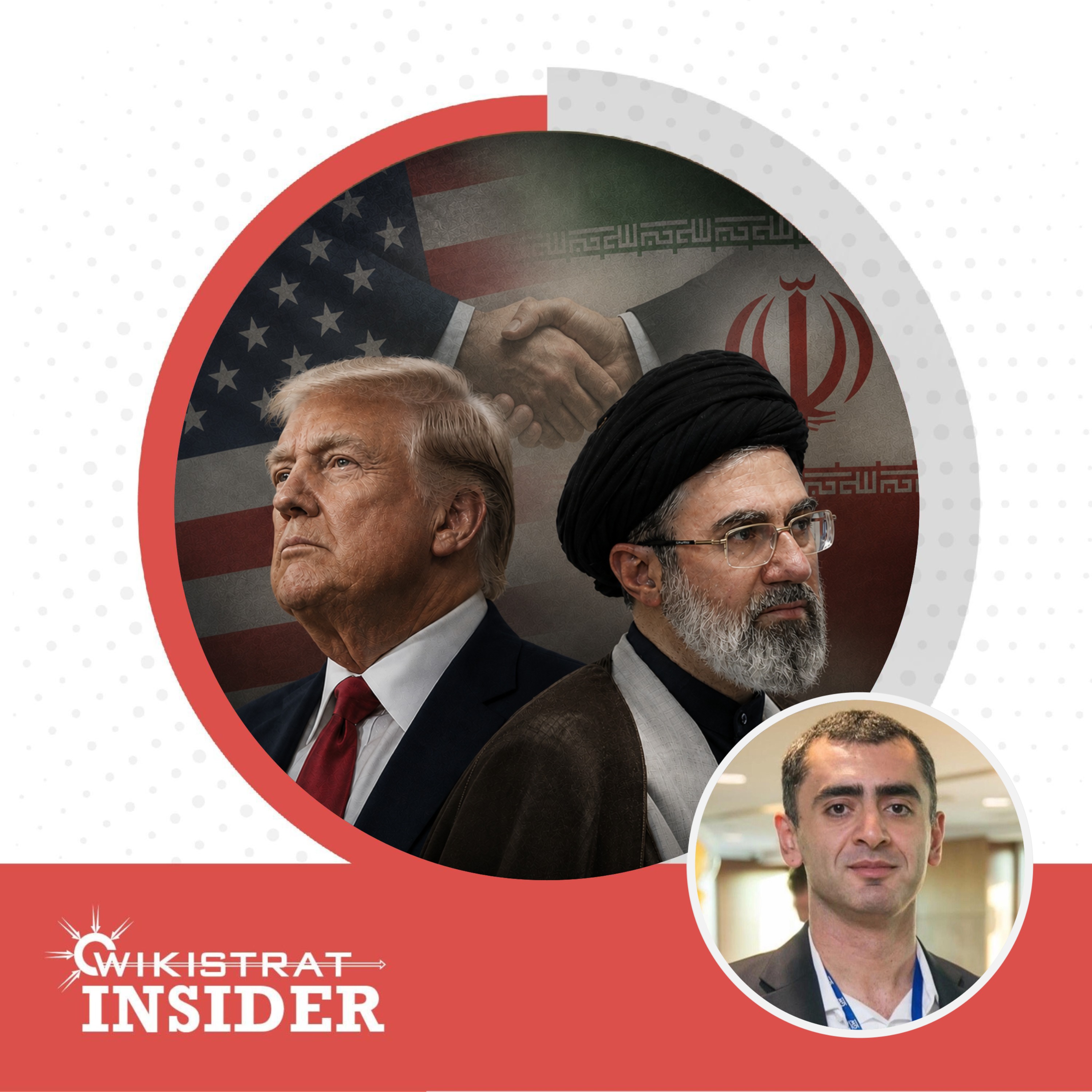
    A war launched to dismantle Iran's nuclear program has paused with Iran's enriched uranium stockpile intact, its grip on the Strait of Hormuz tighter than before, and a ceasefire document that has already triggered calls for Araghchi's head in Tehran and accusations of capitulation in Washington. On June 17, Wikistrat invited Dr. Sina Azodi, one of the leading voices on US-Iran relations, to assess what the MOU actually establishes, whether Iran will go nuclear, and why Iran emerges from the war more confident than before

  • #54
    June 18 · 58 min

    Operation Epic Fury: Implications for the Middle East

    Seventeen days into Operation Epic Fury, Iran controls the Strait of Hormuz, the U.S. has no credible exit strategy, and the Gulf States are trapped in a war they never wanted. On March 18, Wikistrat invited award-winning journalist Dr. James M. Dorsey to assess why escalation is more likely than resolution, what President Trump's shrinking options look like, and why the post-war Middle East will be shaped less by who wins than by what Iran looks like when the shooting stops

  • #53
    March 12 · 58 min

    The War in Iran and the Future of the Gulf

    For years, the Gulf States sold the world on stability, investment, and distance from the Middle East's wars. Two weeks of Iranian strikes have shattered that narrative, targeting population centers, energy infrastructure, and military installations across the Arabian Peninsula. On March 12, Wikistrat invited Gulf and Middle East geopolitics expert Dr. Neil Quilliam to examine how the GCC is absorbing the shock and what the post conflict landscape means for the region's security, economy, and diplomatic future

  • #52
    March 10 · 59 min

    Operation Epic Fury: Decoding Sentiment Inside Iranian Society

    The U.S.-Israeli air campaign has entered its second week, and Washington is looking to declare victory. But the Islamic Republic is intact, a successor is in place, and Iran's strategic calculus is already oriented toward reconstitution. On March 10, Wikistrat invited expert Ahmad Hashemi to assess the regime's wartime resilience, the hereditary succession, the failure of the opposition, and why no amount of bombing will produce the political transformation that Washington and Jerusalem expect

  • #51
    March 6 · 1 hr 2 min

    Iran at War: Survival, Succession, and What Comes Next

    Six days into the U.S.-Israeli air campaign against Iran, the strikes are producing battlefield results, but the strategy for what comes next remains undefined.. The Islamic Republic is battered, decapitated at the top, and under unprecedented pressure, but it is functioning, adapting, and drawing on a survival playbook decades in the making. On March 6, Wikistrat hosted Iran expert Dr. Sina Azodi for a webinar examining the regime’s wartime resilience, the looming question of leadership transition, and the strategic uncertainties surrounding Iran’s future

  • #50
    March 2 · 57 min

    Operation “Epic Fury”

    Three days into Operation “Epic Fury,” the reported death of Ali Khamenei has redirected attention from tactical developments to questions of succession and institutional durability in Tehran. On March 2, Wikistrat hosted renowned expert Alex Vatanka to decode who runs Iran now, whether regime change is strategy or wishful thinking, and why the silence in Tehran's streets may be the most important signal of all

  • #49
    March 1 · 59 min

    On the Brink of War: Iran, the US, and What Comes Next

    Iran's Supreme Leader faces what may be the defining decision of his tenure: capitulate to American demands and risk looking weak enough to invite future attacks, or absorb a U.S. military strike and bet that the regime survives it. According to Dr. Raz Zimmt, Khamenei has already made his choice. On February 27, Wikistrat hosted one of Israel's leading Iran experts, who laid out why a military strike is now more likely than an agreement, and what it could mean for the regime, the region, and the balance of power in the Middle East

  • #48
    January 26 · 1 hr

    Marking One Year of Trump 2.0

    Donald Trump's second presidency has reached the one-year mark without triggering the catastrophic outcomes many predicted, yet without resolving the fundamental tensions his approach creates. Alliances strained but held, tariffs disrupted trade flows without collapsing them, and military force was deployed in sharp bursts rather than prolonged campaigns. On January 26, Wikistrat hosted Dr. Richard Weitz to examine what this volatile first year reveals about Trump's foreign policy instincts, how the world has adapted to his methods, and what the remainder of his term is likely to look like

  • #47
    January 13 · 1 hr 8 min

    Iran's Social Unrest and the Future of the Regime

    Thousands dead, internet blackouts, and a currency in freefall. When merchants in Tehran's upscale Monet Street shopping center closed their stores on December 28, 2025, they triggered something the Islamic Republic hadn't faced in its 46-year history: sustained, nationwide protests met with unprecedented brutality. With over 2,000 casualties, a collapsing economy, and an 86-year-old Supreme Leader whose refusal to compromise has left the regime with no exit strategy, Iran finds itself at a crossroads. On January 13, Wikistrat convened Iran experts Dr. Sina Azodi, Ahmad Hashemi, and Alex Vatanka to assess whether this time is different and what comes next

  • #46
    Dec 11, 2025 · 33 min

    Is Taiwan the Next Ukraine? Scenarios for the Decade Ahead

    Taiwan is not on the brink of a 2027 invasion; the real danger is unfolding quietly in the gray zone. In this NYU Riskathon-exclusive webinar, Dr. Minxin Pei dismantles the widely accepted countdown narrative and argues that Beijing's most destabilizing tools are already in motion, from coercive military drills to pressure on undersea cables and commercial air routes. The flashpoint ahead is not the date everyone cites, but the political convergence of 2028, when elections in Taipei, Washington, and across the region collide with a Chinese leadership refining hybrid warfare options that stop short of war yet carry strategic shockwaves. Far from a distant scenario, Pei frames this as an imminent shift in the Taiwan Strait, concealed within procedural escalations that markets and policymakers are still treating as routine

  • #45
    Dec 4, 2025 · 59 min

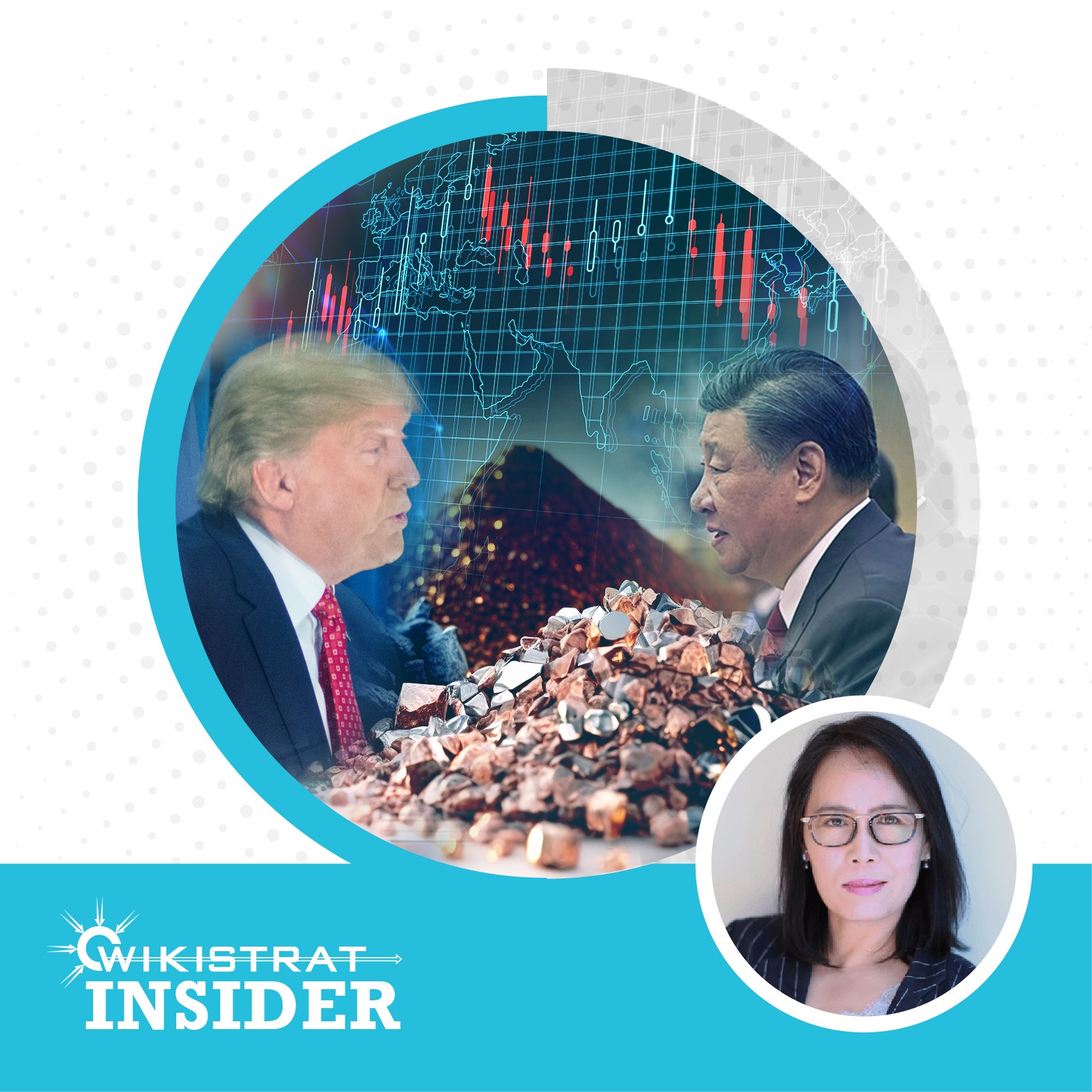
    Exploring the Geopolitics of Rare Earth Minerals

    Rare earth elements sit at the heart of the clean energy transition, digital infrastructure, and advanced weapons, yet public debate often treats them as mysterious and easily weaponized. China dominates the processing and magnet making stages that turn raw ore into strategic inputs, which fuels concern in Washington, Brussels, Tokyo, and elsewhere about overdependence on a single supplier. On December 4, Wikistrat hosted critical minerals expert Dr. Marina (Yue) Zhang to examine how China built this position, what it really means for energy security and defense, and how the rare earths market could evolve over the next years

  • #44
    Nov 26, 2025 · 1 hr 1 min

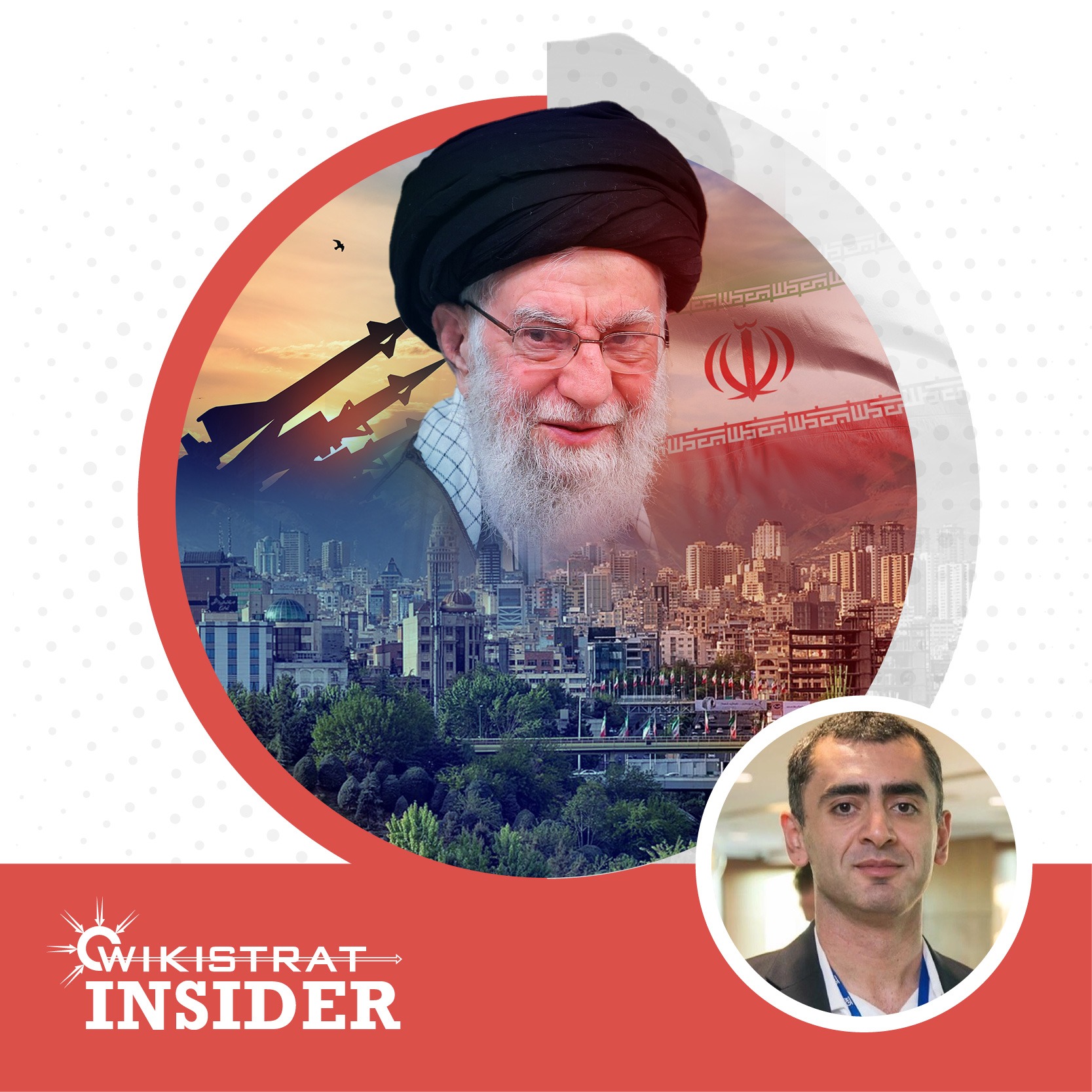
    Tehran at Crossroads: Where Is Iran’s Nuclear Strategy Heading?

    Iran’s nuclear program has reached a moment where every path carries risk. Advancing toward a weapon could ignite a larger war, stepping back from enrichment would look like capitulation, and holding the line preserves a status quo that is already eroding under sanctions, strikes, and regional setbacks. On November 26, Wikistrat hosted Iran expert Dr. Sina Azodi to examine why Tehran is stuck between these choices, how the leadership interprets pressure at home and abroad, and what the next phase of Iran’s nuclear strategy is likely to look like

  • #43
    Nov 5, 2025 · 1 hr 1 min

    Understanding Russia's Strategy

    Putin isn't losing the war in Ukraine, at least, not in his own mind. He believes time is on his side, that Russia can outlast Ukrainian resistance, and that the West's resolve will crack before his does. But is this confidence justified, or the product of an authoritarian system that can no longer tell him the truth? On November 5, Wikistrat hosted Mark Galeotti to examine the Kremlin's actual objectives, the forces shaping Russian decision-making, whether Moscow's strategy is working, and what might force Putin to change course

  • #42
    Sep 29, 2025 · 53 min

    Future-Proofing: How Can Companies Survive Through Times of Political Uncertainty?

    Leaders today face not one crisis at a time, but overlapping shocks that feed into each other, what scholars call a polycrisis, creating uncertainty that demands new ways of thinking. In the latest Wikistrat podcast episode, Prof. Benjamin Laker drew from cases of companies that rerouted supply chains to bypass sanctions and firms that leapfrogged competitors by hiring during recessions to present counterintuitive principles for navigating this uncertainty

  • #41
    Sep 9, 2025 · 59 min

    Information Warfare in the 21st Century

    Information warfare has evolved from leaflets and radio broadcasts to botnets, deepfakes, and AI-generated content. While the technologies have changed, the objective remains constant: shaping perceptions, sowing doubt, and undermining trust. On September 9, Wikistrat hosted information warfare and cyber operations expert Ari Ben Am to analyze one of the most pressing security challenges of our time

  • #40
    Sep 8, 2025 · 1 hr

    Lessons from Four-Day Workweek Experiments

    Is the four-day workweek a passing workplace perk, or the blueprint for how we will work in the future? As trials spread from startups to local governments, the question is no longer hypothetical. On September 8, Wikistrat hosted Professor Brendan Burchell, who led the UK’s groundbreaking 2022 trial, the world's largest four-day workweek experiment at the time, to share insights on what actually happens when organizations make this transition, from the psychological mechanisms that drive success to the implementation factors that determine whether companies thrive or struggle.

  • #39
    Jul 28, 2025 · 56 min

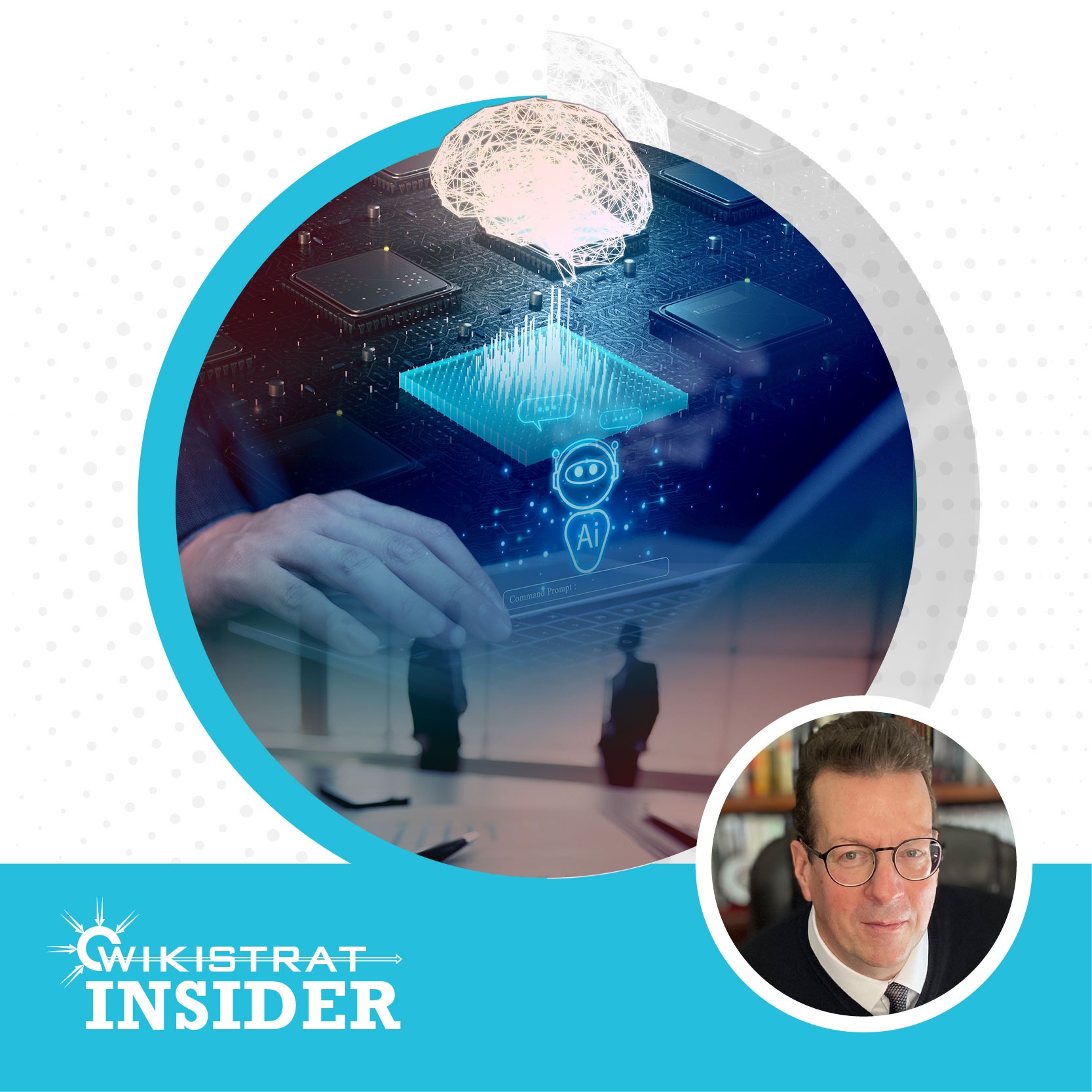
    Agentic AI & the Future of Work

    As agentic AI moves from research labs into real-world organizations, will it simply enhance how we work—or fundamentally rewrite what work means? On July 28, Wikistrat hosted Matthew Versaggi, White House Presidential Innovation Fellow in AI, to explore how cognitive agents, built on decades of neuroscience-inspired architecture, are reshaping leadership, strategy, and human relevance in the workplace. In a world where machines can reason, act, and collaborate, the line between tool and teammate is quickly blurring—and those who fail to adapt may be left behind. Matthew Versaggi is a White House Presidential Innovation Fellow in Artificial Intelligence (AI), and a patent‑holding specialist in cognitive technology and quantum computing. He has led Fortune‑5 healthcare AI initiatives, founded the "College of Artificial Intelligence," and has over 30 years of experience as an entrepreneur and technologist.

  • #38
    Jul 10, 2025 · 1 hr

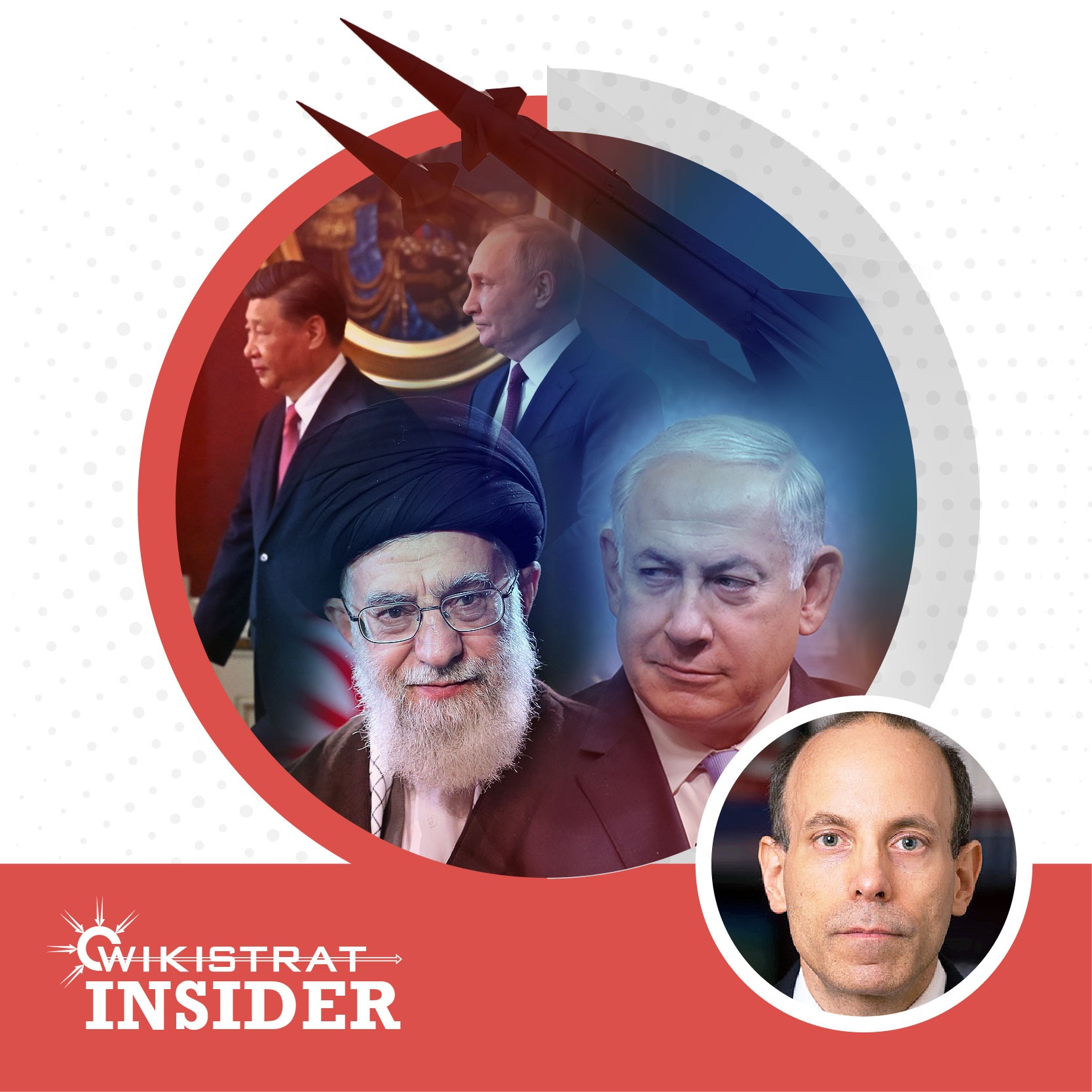
    China, Russia, and the Israel-Iran War: Cracks in the Axis?

    As Israel and Iran traded blows in a 12-day war, would Moscow and Beijing truly stand by Tehran if conflict escalated—or is the “Axis” narrative more myth than reality? On July 10, Wikistrat hosted Dr. Richard Weitz, Senior Fellow and Director of the Center for Political-Military Analysis at the Hudson Institute, to assess how China and Russia reacted, what they learned, and what this reveals about the limits of their partnership with Iran. In a world of shifting alliances, the future of this axis may shape the balance of power far beyond the Middle East.

Showing 1–20 of 20 episodes