Skip to content
Artwork for We Need to Talk About Oscar
TV & FilmSociety & CultureScienceSocial Sciences

We Need to Talk About Oscar

Áron Czapek

We Need to Talk About Oscar brings you inside the creative process with the artists behind modern film and television. Anchored by the awards conversation but passionate about indie cinema, each episode bridges technical filmmaking with rich, personal storytelling.

Play
  • 23 episodes
  • a few times a week
  • Avg 21 min
  • English
Counted on this page — what you have heard stays on this device, so it is not something the list can be paged by.
  • Today · 18 min

    Joe Swanberg on scaling up and looking back in 'The Sun Never Sets'

    Joe Swanberg sets his first feature in nearly a decade against the vast landscapes of Anchorage, Alaska, a marked departure from the cramped apartments and coffee shops that have long defined relationship dramas. Joe reflects on what it meant to trade those intimate confines for bush planes and sprawling terrain, and how directing on that scale changed his day to day approach behind the camera. Known for building loose, outline-driven scripts that let dialogue emerge in the room, Joe considers whether a larger crew and the added complexity of shooting in Anchorage forced him to tighten his structure, or whether his cast still found room to reshape scenes on the fly. He also touches on returning to 35mm for this production, and what that format brought to a story centered on people navigating their messy thirties from a more reflective, slightly older vantage point than his earlier work, without slipping into easy nostalgia. This marks Joe's fourth collaboration with Jake Johnson, and he weighs in on how their long partnership keeps evolving, particularly given how closely this story draws from his own life. Joe also opens up about directing Dakota Fanning and Cory Michael Smith, who had no prior films of his to measure this experience against, and what that dynamic looked like without any shared history to lean on. (Photo credit: Mitchell Hansen)

  • Tuesday · 17 min

    Orlando von Einsiedel on destiny and documentary form in 'The Cycle of Love'

    Orlando von Einsiedel, the Academy Award winning director behind 'The White Helmets' and 'Virunga,' turns to romance with 'The Cycle of Love,' recreating PK Mahanandia's 6,000 mile bicycle journey from Delhi to Sweden. A dedicated London cyclist himself, Orlando reveals whether he pedaled alongside actor Chirag Lobo during production, and considers which strict verité habits he had to let go of once staging unscripted, actor driven scenes became central to the process. Real strangers encountered along the route add another layer of unpredictability, and Orlando explains how he steered those spontaneous exchanges whenever they risked pulling too far from the emotional heart of PK's original trip. With little archival footage surviving from the actual 1977 journey, he leaned instead on a collection of handwritten letters and keepsakes, pointing to the single object that resisted translation to screen more than any other. He also weighs whether spending years immersed in a story anchored by a childhood prophecy altered his own outlook on fate versus coincidence. Having built a career largely around documenting conflict, Orlando discusses the different creative muscles needed to render pure joy on screen without tipping into sentimentality. We close on the film's handling of caste based discrimination, describing his work with Dalit advocacy groups and one piece of guidance from that partnership that changed either a moment on set or a choice made later in the edit.

  • August 25 · 28 min

    Jess Zeidman and Leo Gallagher find rhythm in fragments in 'Human Theories'

    Director Jess Zeidman previously wrote 'Tahara' for Olivia Peace to direct, and this time stepped behind the camera herself, working alongside cinematographer Leo Gallagher, who moved up from gaffer on that earlier project to DP here. Jess unpacks what shifted in her instincts now that every creative choice landed on her desk, while Leo identifies which lessons from his prior work translated most directly to this larger undertaking. Built from more than 40 interconnected vignettes and a cast of over 20 named characters, the film demanded a different kind of groundwork than anything shorter form requires. Jess and Leo describe negotiating how self-contained each segment should feel against the urge to thread them together, and how they mapped out a shoot this sprawling in setting and tone without boxing themselves in too rigidly. Filmed over roughly a year across real New York locations with a lean crew and actors dressed in their own wardrobes, the visual approach, including mounting the camera on a Lazy Susan, had to carry a lot of narrative weight, whether each vignette earns its own distinct look or the throughline comes from one unified way of observing all these different lives. Jess and Leo close by reflecting on how laughter, both from crew during production and later from audiences, became a kind of compass throughout the process, guiding what ultimately made the cut and confirming when a scene had found its truth.

  • August 21 · 24 min

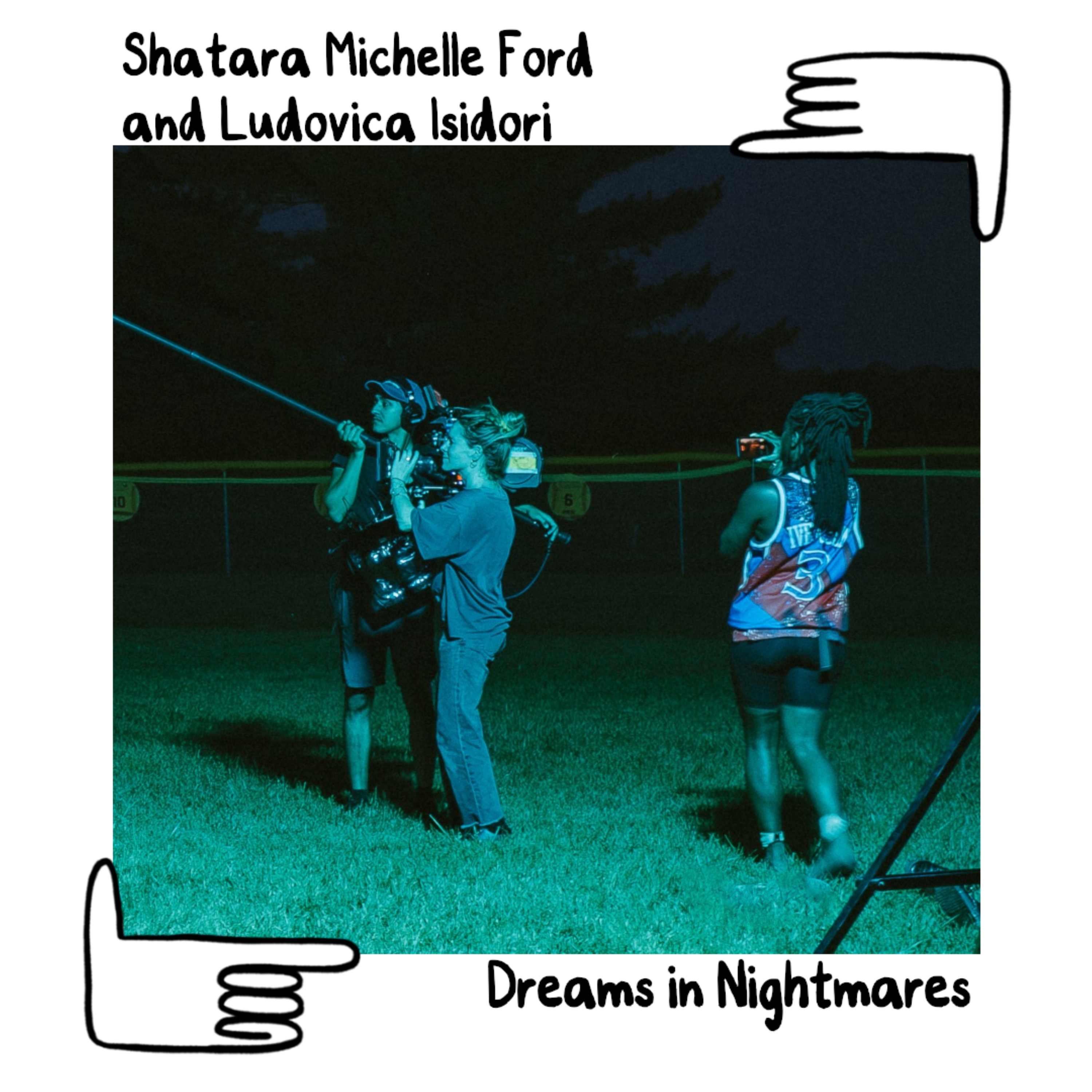
    Shatara Michelle Ford and Ludovica Isidori craft a gentler collision for 'Dreams in Nightmares'

    Writer-director Shatara Michelle Ford and cinematographer Ludovica Isidori reunite for their second feature together following 'Test Pattern,' this time following three queer Black femmes searching for a missing friend across the American Midwest. They reflect on how the shorthand built during their first collaboration carried over or had to be rebuilt entirely once the scale and ambition of this story demanded something new from their partnership. Our conversation turns to the film's opening moments, where a charged, layered score and archival footage give way abruptly to still, quiet images of nature. Shatara and Ludovica walk through the reasoning behind that jarring juxtaposition and what it establishes for the tone that follows. Shatara breaks down why providing broader context is essential for an audience to truly grasp their work, while Ludovica shares how much of that foundational world-building she needs to absorb before picking up the camera. The episode concludes with an intimate look at their reshaping of the road movie, a genre long associated with solitary men and open highways, into something rooted in closeness and romantic warmth instead.

  • August 14 · 19 min

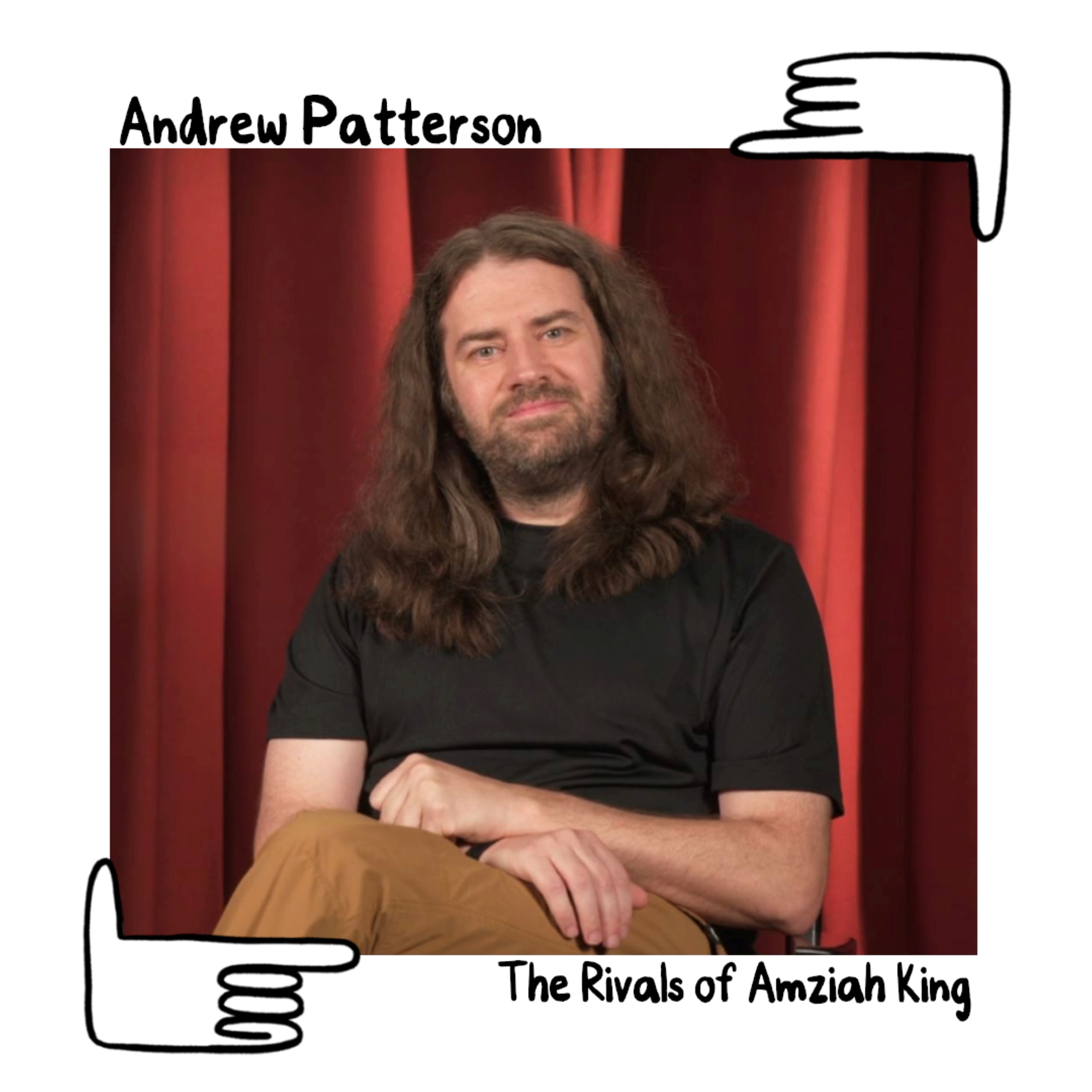
    Andrew Patterson on scaling up without selling out in 'The Rivals of Amziah King'

    Writer-director Andrew Patterson follows his lean, celebrated debut 'The Vast of Night' with a sophomore feature running well past two hours, a substantial jump from his first film's tight runtime. Andrew unpacks how that shift rippled through every stage of making 'The Rivals of Amziah King,' from page to production to post, and what it actually took to earn the budget and creative latitude this story needed rather than staying confined to the scrappy reputation his first film built for him. Shooting around live hives introduced real risks to both cast and crew, something Andrew and his team had to navigate carefully while still finding room for the camera and actors to move. Sound has become something of a signature across his work, from the crackling transmissions of his debut to the hum of bees layered against bluegrass here, and Andrew considers whether that audio identity forms on the page or emerges once he's standing in the location itself. He opens up about bringing Matthew McConaughey back to a leading role after several years away, and how freely he let himself picture a specific performer while still drafting the script. Andrew reflects on pairing McConaughey with newcomer Angelina LookingGlass, and the care it took to get a veteran actor and a first-timer operating on equal footing. We close by considering his recurring pull toward tightly bound, often overlooked American communities, and whether spotlighting these fading corners of the country carries any deliberate instinct toward preserving them.

  • August 11 · 27 min

    Adam Meeks and Stefan Weinberger on second chances in 'Union County'

    Writer-director Adam Meeks and cinematographer Stefan Weinberger expanded their 2020 short into 'Union County,' a feature starring Will Poulter and Noah Centineo as brothers Cody and Jack Parsons navigating a court-mandated recovery program in rural Ohio. Adam lays out his intention to counter standard opioid epidemic narratives by centering grace and community support instead, and what kept the film from tipping into romanticizing recovery or leaning on tragedy tropes. Stefan reflects on how his sense of camera placement in such personal, intricate scenes shifted between the short and the feature as the years passed, and what patience the longer format allowed that the short couldn't. Car rides often serve as transitional filler elsewhere, but here they become an essential place for Cody, the brotherhood he shares with Jack, and Adam and Stefan explain what drew them to the backseat as a primary staging ground for that dynamic. They also walk through the logistics of shooting across numerous practical locations throughout Ohio, on an independent production working with a mix of built and existing sets. The conversation closes on a broader note, as Adam and Stefan consider their own and the film's relationship to happy endings, in the context of a story built on the fragile, ongoing work of recovery.

  • August 7 · 20 min

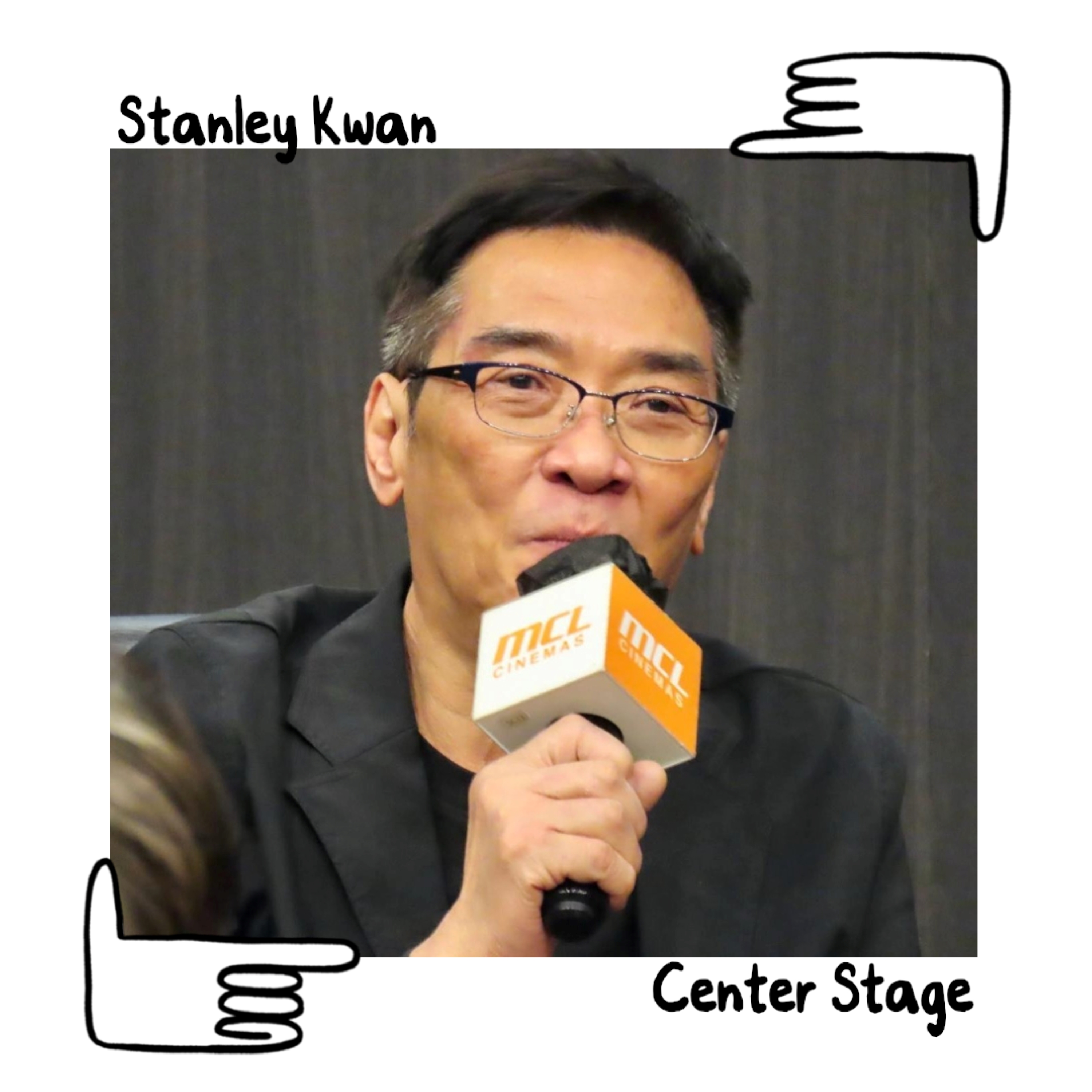
    Stanley Kwan on the ghosts that outlive us in 'Center Stage'

    Director Stanley Kwan's 1991 film 'Center Stage' returns in a 4K restoration marking its 35th anniversary, revisiting how experimental the biopic was for its time, arriving in Hong Kong as a commercial gamble rather than the awards bait the genre has since become. He recalls whether anyone pushed back against something this unconventional, and considers what it means to watch his younger self on screen, physically present within the film's meta structure, interviewing his own actors. Director Kwan walks through the delicate task of supervising the restoration's color correction, guarding the deliberate grain of the 16mm and archival footage from digital tools eager to treat texture as damage. The film's opening asks a young Maggie Cheung whether she wants to be remembered fifty years later, a question that lands differently now that she has become exactly that kind of enduring figure. He traces how Cheung's own relationship to fame in that room shaped his direction of her through the historical scenes, and names the qualities in cinematographer Poon Hang Sang, better known for action films, that earned him trust on something this intimate. Late in the film, the camera crew appears on screen beside Ruan Lingyu's body, breaking the illusion at the story's most tragic point. Director Kwan explains why that rupture felt necessary rather than distancing, and looks back across 50 years of Ruan's absence, and thirty-five since he made the film, to weigh how his own sense of her legacy has shifted with age. (Photo: Courtesy of Stanley Kwan)

  • August 4 · 21 min

    Kent Jones on generational friction and late arrivals in 'Late Fame'

    Director Kent Jones joins us to discuss his second narrative feature 'Late Fame,' working from a script by Samy Burch, who appeared on this show around the time of 'May December.' Kent reflects on collaborating with a writer defining a different generational moment in the industry, and what that pairing revealed about where their worldviews aligned or pushed against each other. We unpack the decision to open the film with archival footage of the New York art scene before shifting into the present day, and why establishing that historical anchor mattered for the visual rules of everything that follows. Drawing on decades spent as a critic and programmer looking at how audiences absorb culture, he compares that mindset to the intuitive, split-second decisions required on a live set. The conversation turns to the visual choices, from camerawork to staging to production design, that distinguish the film's wealthier dreamers from Ed and Gloria's more precarious reality. Kent closes by reflecting on how directing two features rooted in character and New York atmosphere has changed his relationship to reading a script and imagining, then realizing its visual possibilities. (Photo: Courtesy of Magnolia Pictures)

  • July 31 · 22 min

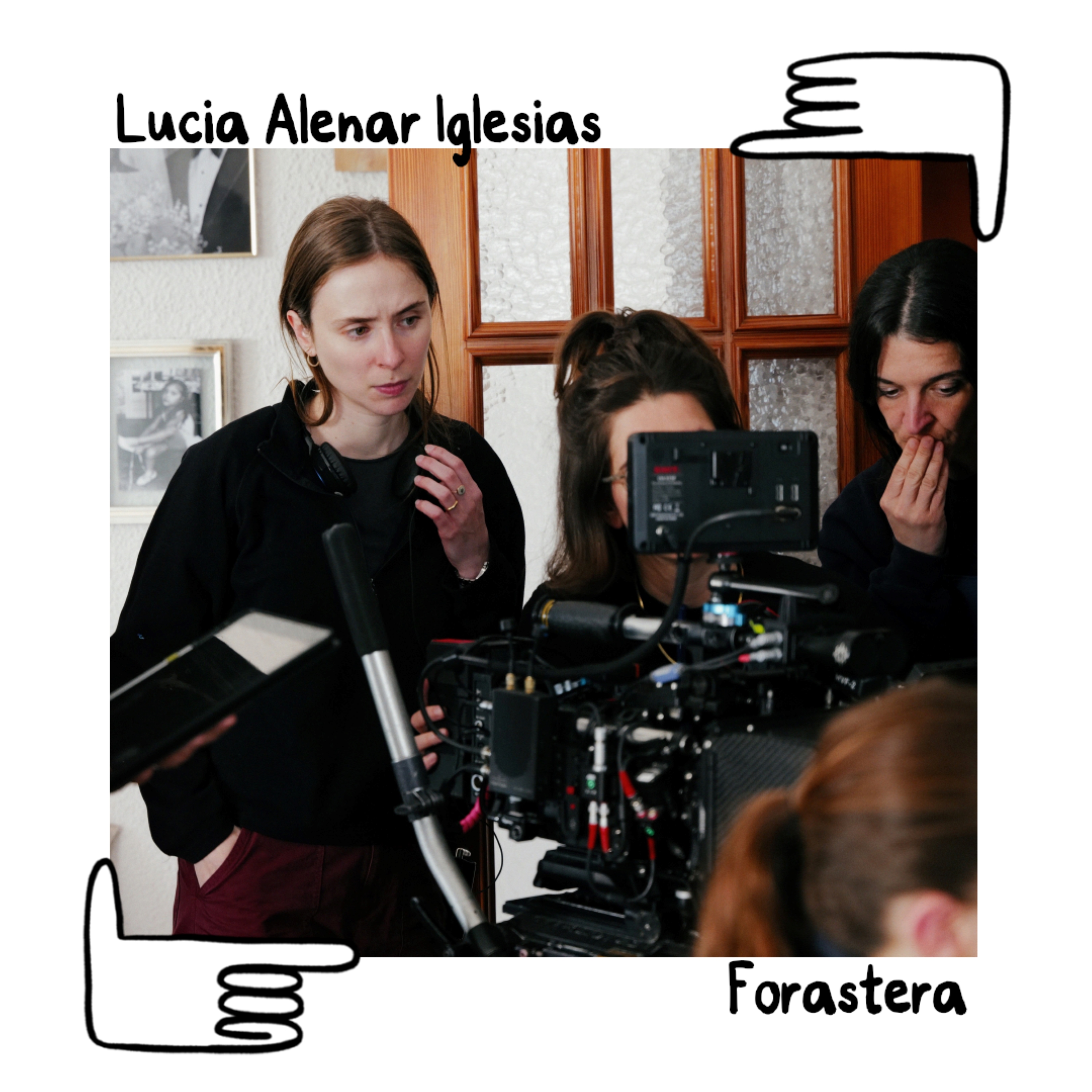
    Lucía Aleñar Iglesias on distance, memory, and imitation in 'Forastera'

    Writer-director Lucía Aleñar Iglesias made her feature debut with 'Forastera' in a place that belongs more to her past than her present, returning to Mallorca and the world of her father's family after years spent in States. Lucía considers whether that distance sharpened her perspective or left her questioning her authority to tell this story, and how English entered the mix alongside Catalan and Spanish in a film set entirely on the island. Our conversation turns to the polka dot romper Cata finds in her grandmother's closet, an object whose pattern eventually made its way onto the poster and shaped the film's visual language, and to Zoe Stein, Lucía's collaborator since the original short, and the particular challenge of directing grief expressed as imitation, as Cata absorbs her late grandmother's clothes, mannerisms, and eventually her voice. We then discuss where a character inhabiting someone else ends and an actor inhabiting that character begins, and reflects on how differently each family member processes the same loss, from participation to withdrawal, and how much of that came from life around her versus invention. We explore the film's relationship to Mallorca's overwhelming summer light, and the choice to locate unease inside brightness rather than shadow, anchored by a lamp that keeps flickering and malfunctioning throughout the house. Lucía closes by weighing in on the ghost story label so often attached to the film, and whether she considers it one herself or finds the term too narrow for what she was actually after. (Photo credit: Monica Lek)

  • May 5 · 15 min

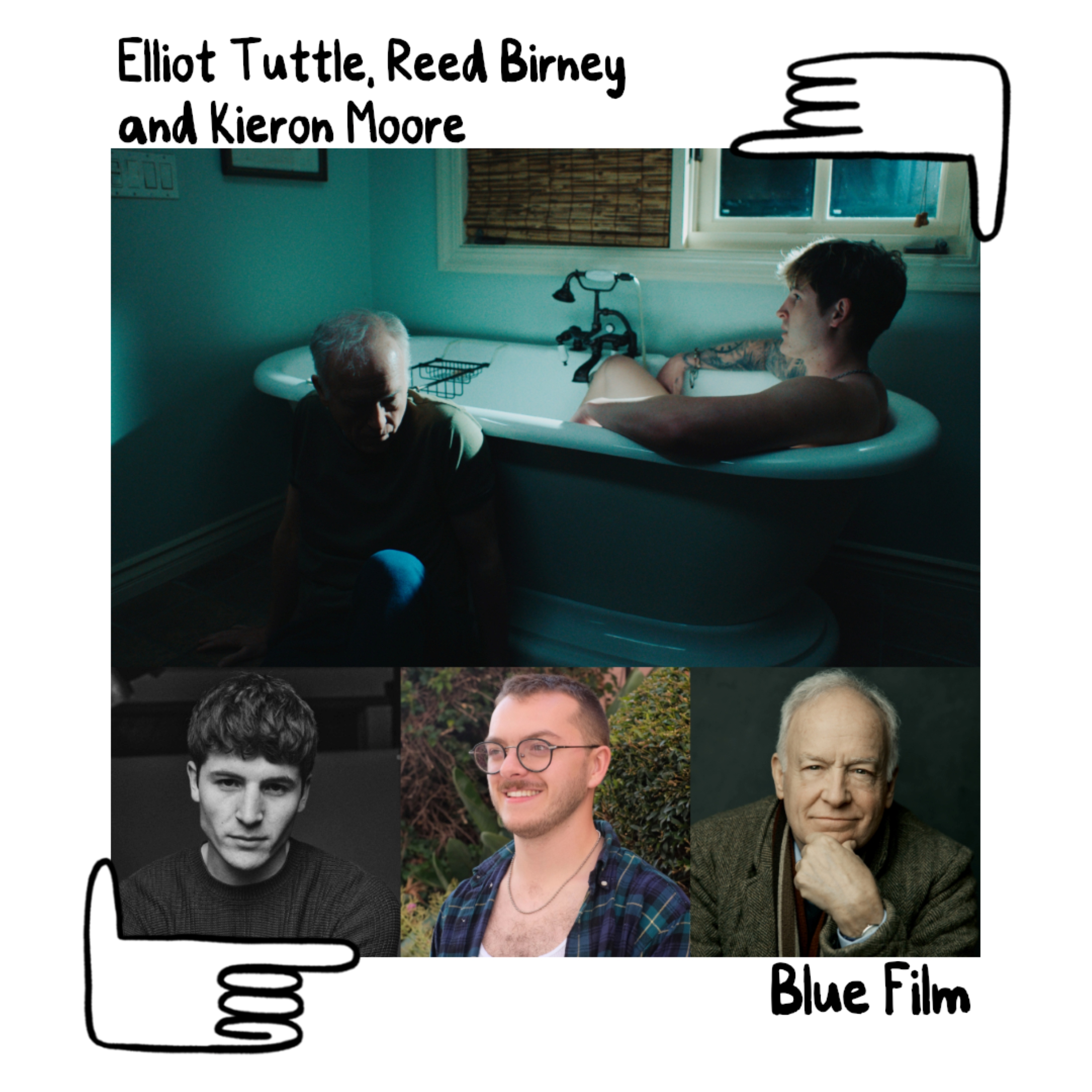
    Elliot Tuttle, Kieron Moore and Reed Birney on vulnerability and vision in 'Blue Film'

    We are joined by writer-director Elliot Tuttle and actors Reed Birney and Kieron Moore to discuss 'Blue Film,' a chamber drama that faced rejection from multiple festivals before finding distribution with Obscured Releasing. Elliot reflects on what kept him determined to make the film without compromising the story despite knowing most festivals wouldn't program it, while Reed and Kieron share whether they had reservations about the project seeing the light of day when they first read the script. We explore how a project this risky reads differently depending on where you are in your career, with one actor in the first half and another in the second half of their profession. Elliot and cinematographer Ryan Jackson-Healy made a bold visual choice implied by the title itself: relying heavily on one color to define the film's language. He discusses the potential pitfalls they identified in that decision and how they navigated them. Reed and Kieron each highlight what the other brought to help them reach the vulnerable place their roles demanded. The conversation turns to what it means to ask actors to bare themselves physically and emotionally on camera. Elliot examines how he moved from daring to make such requests to actually being able to ask for what the film required, and the trust that had to exist between director and performers for 'Blue Film' to work. (Photos: Courtesy of Obscured Releasing)

  • May 1 · 16 min

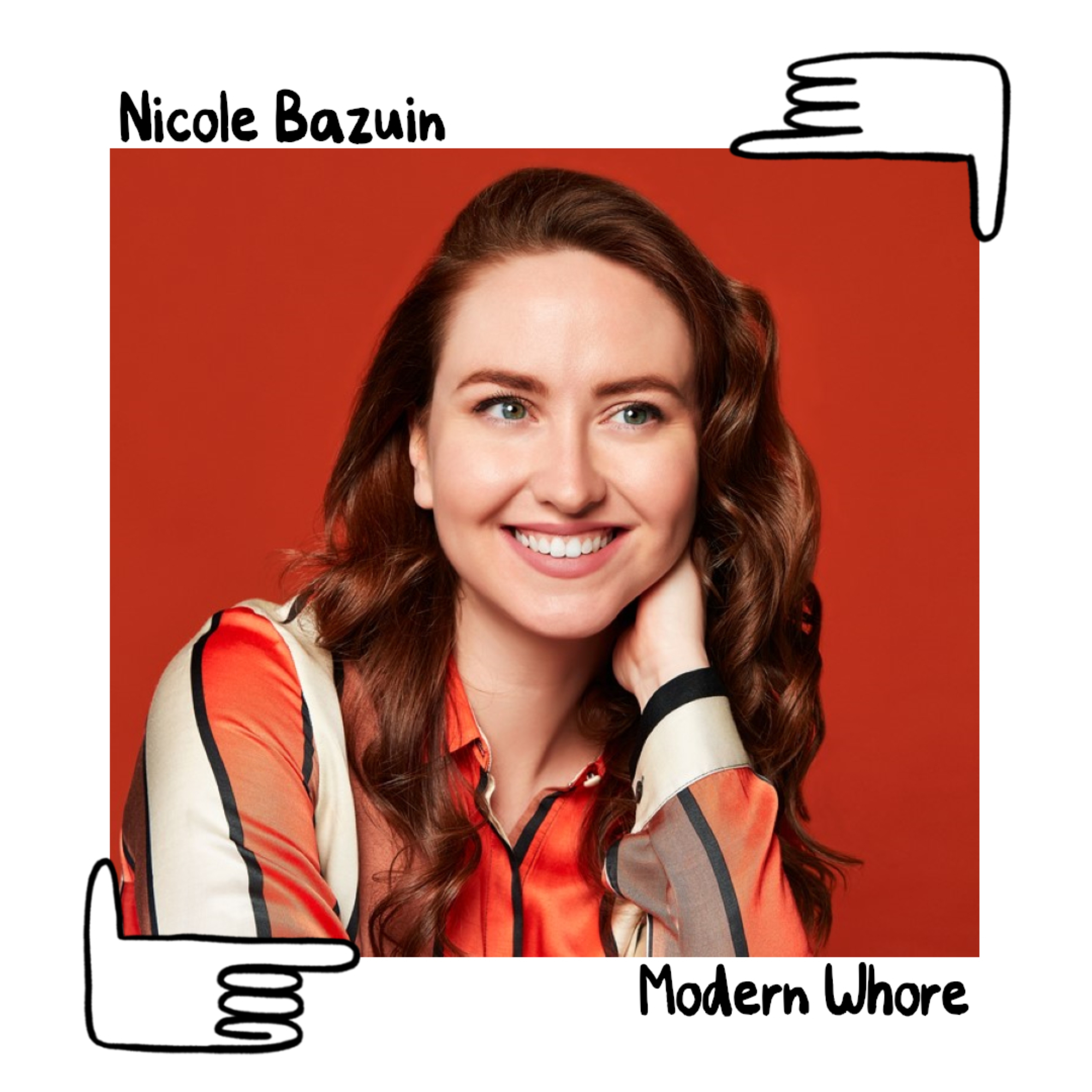
    Nicole Bazuin on claiming agency through form in 'Modern Whore'

    Director Nicole Bazuin's 'Modern Whore' began as a 2018 illustrated memoir collaboration with Andrea Werhun, evolved through multiple shorts including one that premiered at SXSW in 2020, and now arrives as a feature documentary that's traveled from TIFF to theatrical release. Nicole reflects on how over a decade of friendship and creative partnership shaped what the film ultimately became. The hybrid documentary mixes sit-down interviews, scripted reenactments with Andrea playing herself, unscripted conversations with her mother and partner, and animation. Nicole made the bold choice to shoot portions on a volume wall, bringing blockbuster LED technology into an indie documentary context, pushing back against conventional expectations of what a documentary about sex work should look like. Having worn every major creative hat on the film as director, writer, producer, and editor, Nicole built Virgin Twins with Andrea into a company whose first feature has won multiple documentary awards and secured both theatrical and digital distribution. She considers whether this feature represents the culmination of what they'd been building toward, or if it marks the beginning of something new rather than an ending.

  • April 28 · 20 min

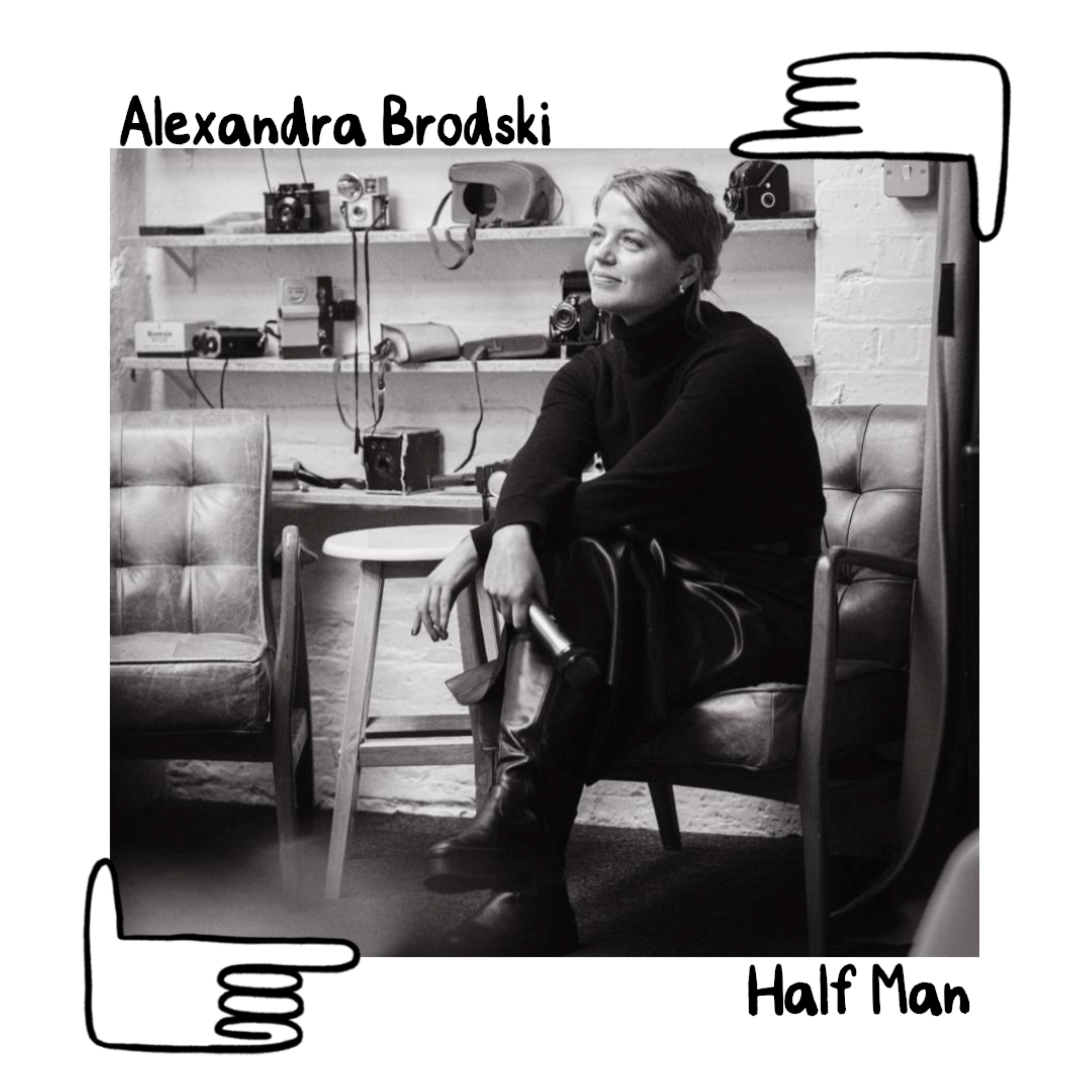
    We Need to Talk About Emmy #31: Alexandra Brodski shapes psychological grip in 'Half Man'

    Alexandra Brodski directs 'Half Man,' Richard Gadd's first fully fictional series following 'Baby Reindeer.' Alexandra reflects on how the project found her and at what point in reading the scripts she knew she wanted to be the one to direct it. For the first time in her television career, she was there from the beginning, building the tone rather than inheriting one from episodes she didn't shoot, marking a shift from her work on 'Somewhere Boy' and 'Rivals.' We explore the unusual creative gravity of having Richard Gadd write every word, executive produce, and star, with a specific wrinkle: the early episodes are largely carried by Stuart Campbell and Mitchell Robertson as teenage Ruben and Niall, while Gadd and Jamie Bell function as the framing device. Alexandra examines how she found her space in material this tightly authored, and whether directing something fictional versus autobiographical changed her approach. She addresses how to direct for a dynamic that must be visceral before it becomes legible, capturing Ruben's psychological grip over Niall in a way the audience feels well before they fully understand. On a technical level, Alexandra unpacks shooting a relationship defined by power and need constantly switching places. She shares her instincts about camera proximity, how close is too close, and how to find the right distance. We examine the recurring use of mirrors throughout the series and what that device opens up in a scene that a direct shot doesn't. With a feature in development, Alexandra considers whether directing something this heavy and claustrophobic affects what she wants to make next. (Photo credit: Omri Dagan)

  • April 21 · 19 min

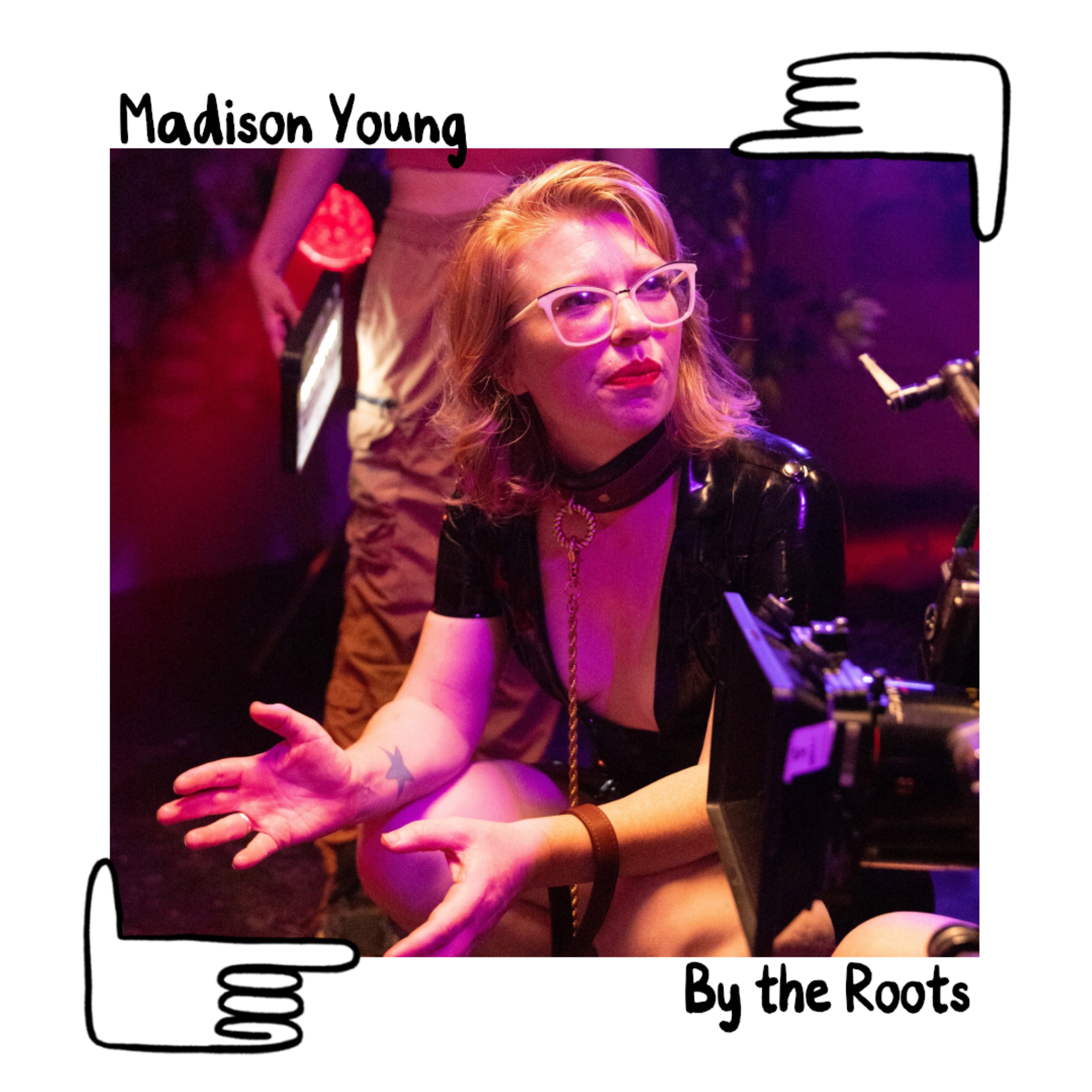
    Madison Young faces her younger selves in 'By the Roots'

    Writer-director Madison Young adapts her memoir 'Daddy' into 'By the Roots,' her feature directorial debut. Madison traces the adaptation process and the stages the script went through in transforming such deeply personal material into cinema. We explore the casting process, from how much Madison overthought who would play her to the challenge of putting different stages of her life on screen together. Madison opens up about casting both her kid and teenage selves, navigating the complexity of seeing multiple versions of yourself embodied by other actors, and how those different ages and perspectives fit together as one continuous story. Coming from over two decades in feminist porn as a director, performer, and advocate for ethical representation of sexuality on screen, Madison examines what intimacy coordinator Maya Herbsman brought to the table on a film where the physical is so central to the story. She considers how her background shaped her approach to depicting sexuality and intimacy, and what shifts when bringing those principles into narrative filmmaking about her own life. (Photo: Courtesy of Empress in Lavender Media)

  • April 17 · 22 min

    Chandler Levack on distance, exposure, and doubling down in 'Mile End Kicks' and 'Roommates'

    Canadian filmmaker Chandler Levack follows up her critically acclaimed debut 'I Like Movies,' with not one but two films releasing on the same day: 'Mile End Kicks,' her most personal work yet, and 'Roommates,' her first time directing someone else's script for Netflix. She reflects on whether there's a recognizable signature that shows up in both regardless of whose story she's telling or what the budget looks like. We explore the distance Chandler found through gender reversal in 'I Like Movies' versus the raw exposure of 'Mile End Kicks,' where Barbie Ferreira wears her actual SPIN Magazine T-shirts from her days as a music critic. She discusses navigating the casting process when the character is essentially herself, and whether there was a moment that felt too exposed. Having written the script a decade ago, she shares how making 'I Like Movies' first transformed what 'Mile End Kicks' ultimately became. Turning to 'Roommates,' Chandler explains what drew her to directing someone else's words for a studio after building a career on intensely personal films. She examines how directing without the full backstory of every line requires developing a different kind of ownership, and whether the leap from microbudget indie to Happy Madison Netflix production altered her approach in practical ways. With three feature films now in her filmography, she considers where her work might head next. (Photo: Courtesy of Jeremy Cox)

  • April 10 · 27 min

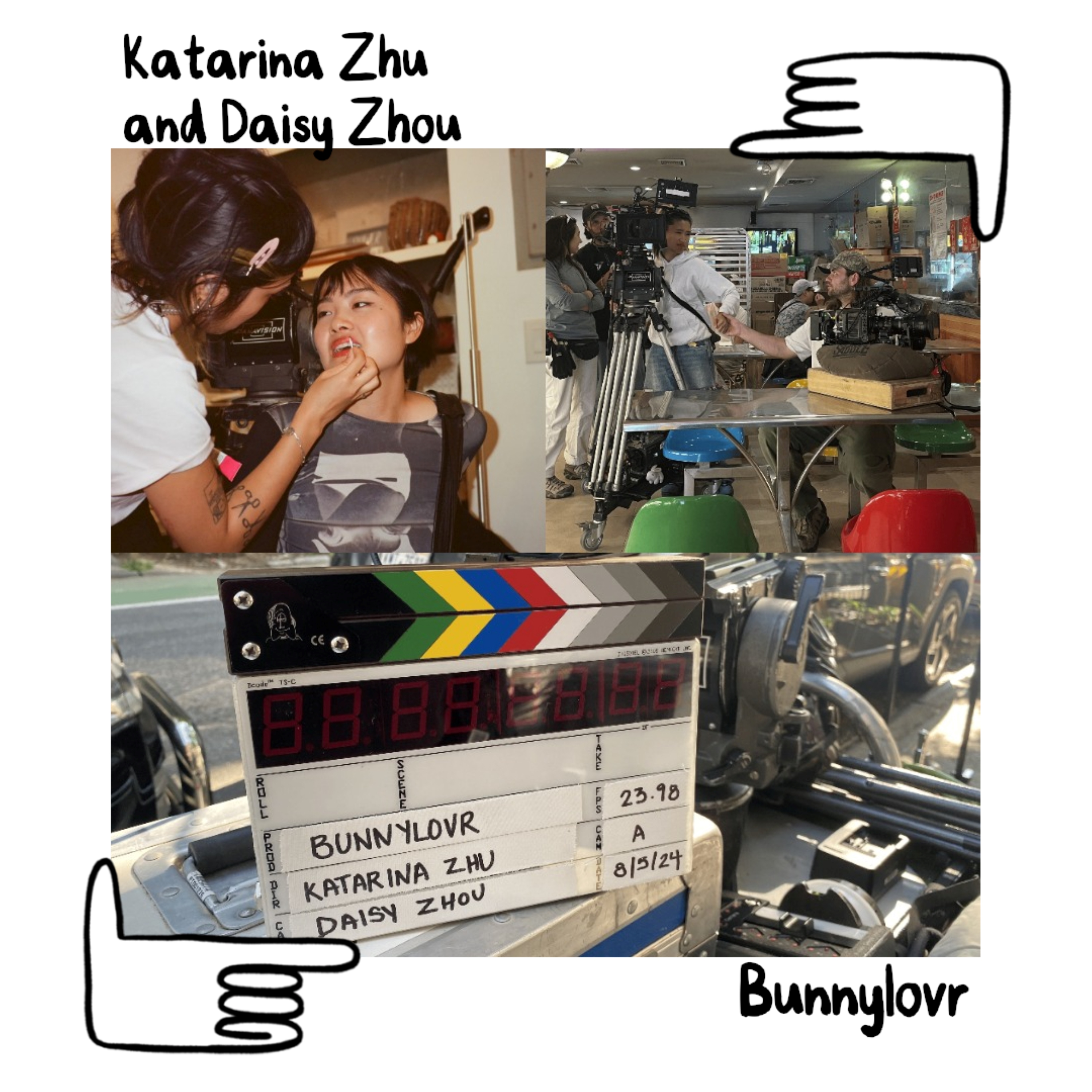
    Katarina Zhu and Daisy Zhou on seeing and being seen in ‘Bunnylovr’

    ‘Bunnylovr’ is out in theaters today. Premiering at Sundance in January 2025 as part of the US Dramatic Competition, writer-director-star Katarina Zhu’s debut feature follows Becca, a Chinese-American cam girl in New York navigating a toxic relationship with a mysterious client while quietly trying to reconnect with her estranged, dying father. This is our conversation with Katarina and her cinematographer Daisy Zhou, their first collaboration together. The admiration between them is palpable throughout, two people who clearly found something rare in each other on their first project. We open with how they connected and what drew each of them to the material, before getting into what it means to direct and perform simultaneously and how that shapes the set from both sides of the camera. From there the conversation moves into the heart of the film: how Katarina built Becca as a character who moves between very private digital spaces and the more grounded textures of everyday life without ever splitting into two different people, and how Daisy translated those shifts into a visual language where each space carries its own feeling while still belonging to the same film. (Photos: Courtesy of Katarina Zhu)

  • April 3 · 23 min

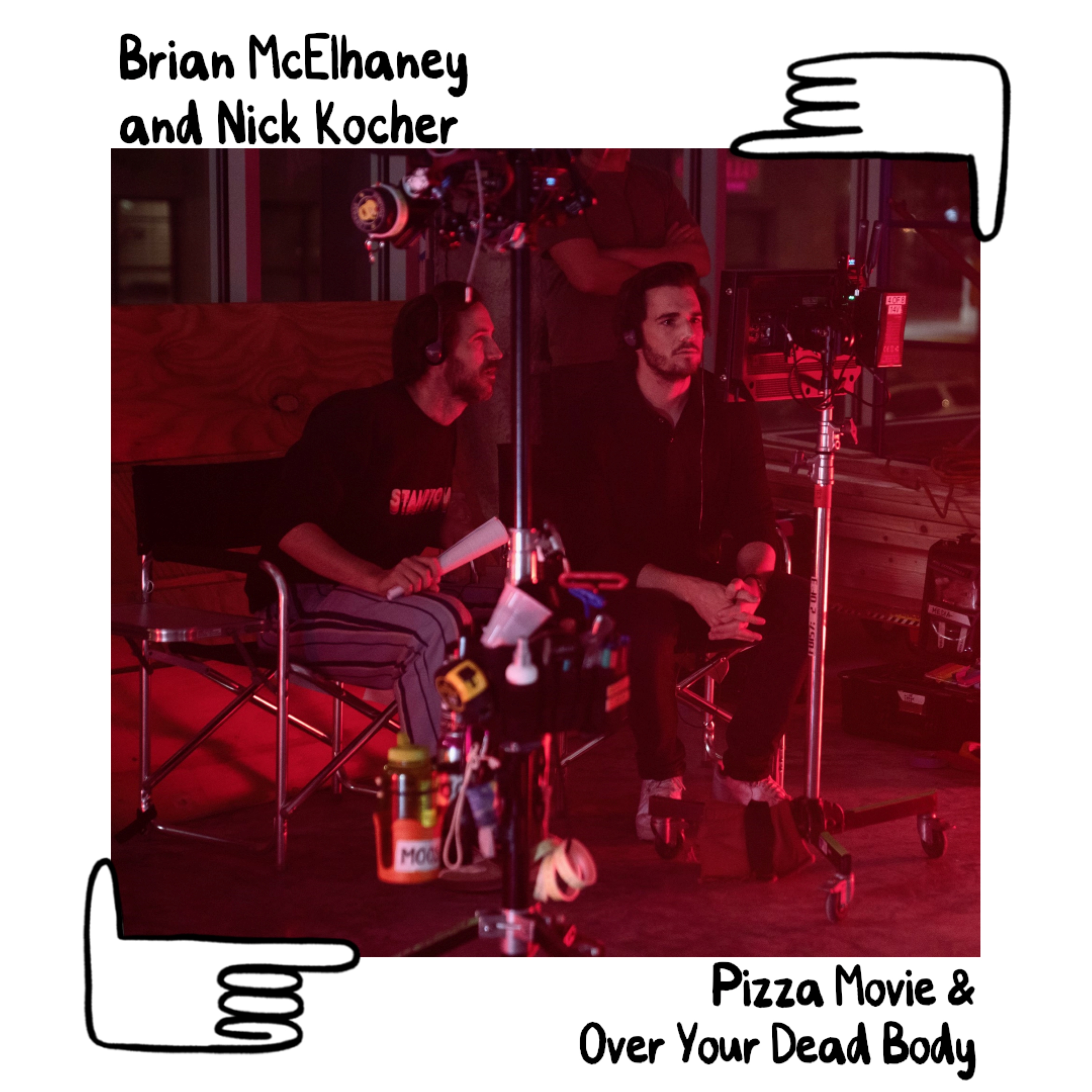
    BriTANicK is turning from sketches to features

    Brian McElhaney and Nick Kocher, the comedy duo known as BriTANicK, brought two feature films to SXSW 2026: 'Pizza Movie,' which they wrote and directed, and 'Over Your Dead Body,' which they adapted for Jorma Taccone to direct. They reflect on their sketch comedy roots and whether anything they'd done before approached narrative filmmaking, plus how they regard sketches within the broader realm of cinema. The pair also share how their festival weekend turned out, juggling two premieres and a live comedy show. Our conversation explores how their dynamic as performers translates behind the camera, and the mechanics of escalation in 'Pizza Movie,' a film that constantly heightens the stakes. They discuss whether that comes from instinct or structure, and how they think about audience experience now that it's heading to Hulu after theatrical screenings. We turn to 'Over Your Dead Body,' examining what writing for someone else to direct feels like versus helming their own work, and how they approached "Americanizing" a 2021 Norwegian film while navigating what to touch and what to leave alone. Having been candid about their creative differences over the years, they consider whether the partnerships depicted, roommates in one film and a married couple in the other, mirror anything about how they actually collaborate. (Photo: Courtesy of Disney and Brett Roedel)

  • March 27 · 19 min

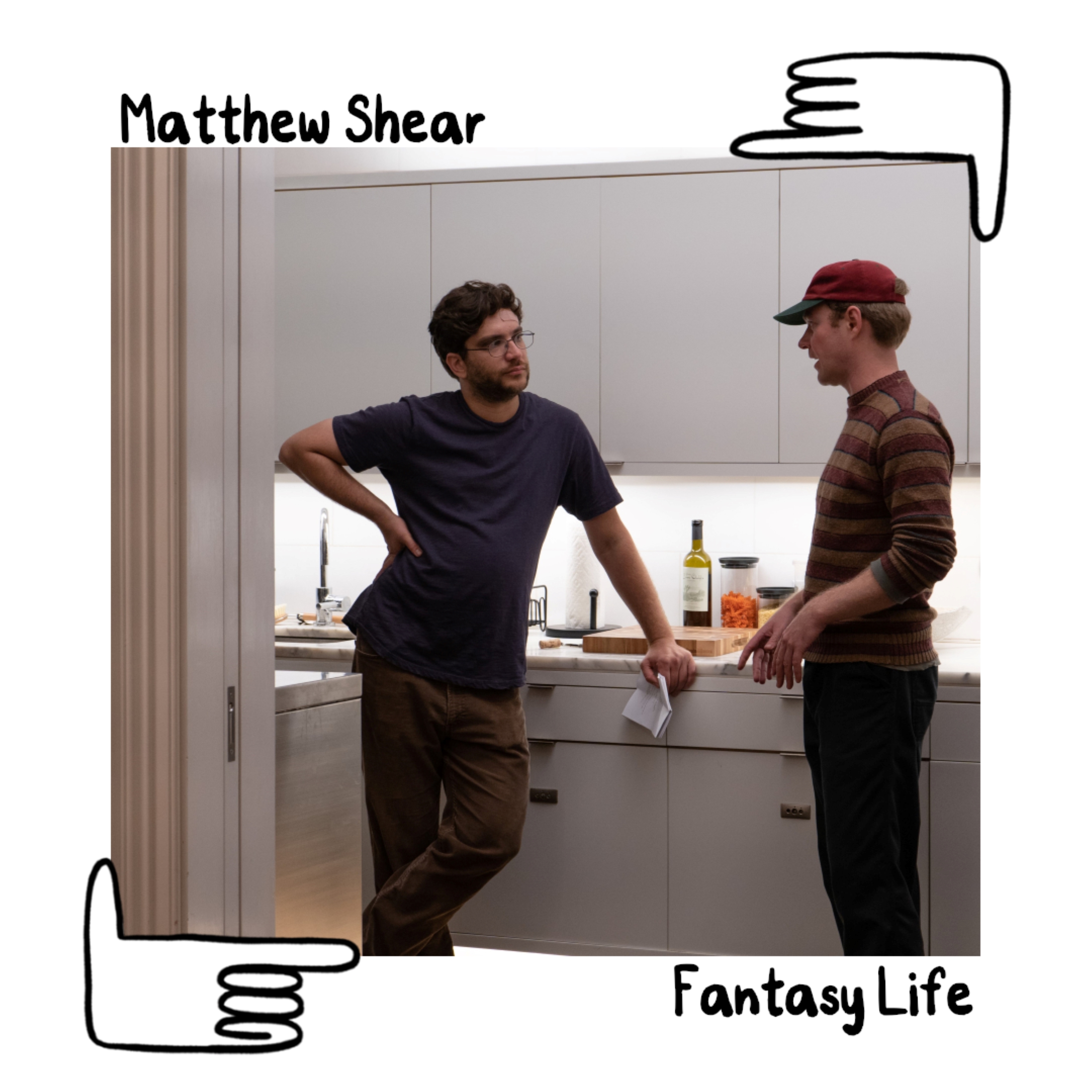
    Matthew Shear explores the personal and cultural in 'Fantasy Life'

    Writer-director-star Matthew Shear took home the SXSW Audience Award for 'Fantasy Life,' with Amanda Peet earning a Special Jury Award for her performance. Matthew reflects on what this double recognition means for a film drawn so directly from his own experience, and whether the script could have been directed by anyone else given how personal it is. Drawing on his acting background with directors like Noah Baumbach and M. Night Shyamalan, Matthew identifies where he consciously chose his own path versus where he unknowingly broke from what he'd learned. He tackles his frustration with mental health narratives that sensationalize crisis rather than depicting the reality of living with mental illness. Matthew shares his approach to working with an intergenerational cast of Jewish New Yorkers including Bob Balaban and Judd Hirsch, letting their natural rhythms and comic instincts surface. He also examines how the film explores a particular vision of Jewish American success and what he's learned about that ideal through making and sharing this deeply personal work. (Photo: Courtesy of Greenwich Entertainment)

  • March 20 · 23 min

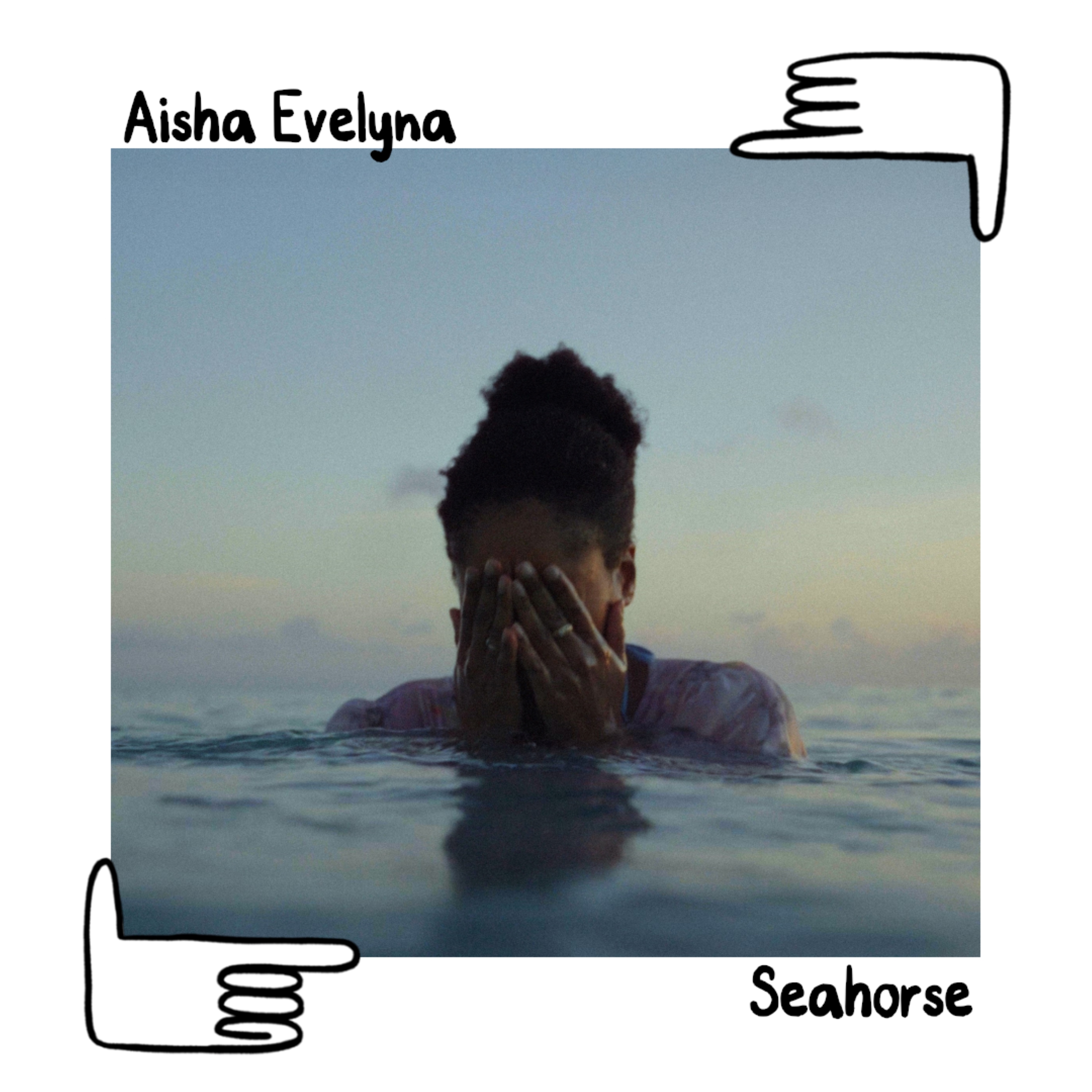
    Aisha Evelyna lives between roles in 'Seahorse'

    Writer-director-star Aisha Evelyna builds on her 2024 short 'Nola' with 'Seahorse,' expanding the story of the same titular character to feature length. Aisha reflects on the jump from short to feature and her evolving collaboration with Natalie Remplakowski, who co-directed the short and now produces the feature. She shares how they navigated dividing responsibilities as their partnership transformed. We explore the challenge of balancing roles in front of and behind the camera. Aisha discusses how she reconciles her presence as both director and star, and who makes the final call on whether a take works when those two roles might disagree. She addresses capturing authentic restaurant kitchen atmosphere on a low budget in an era when audiences have become familiar with that world through shows like 'The Bear,' and her deliberate approach to using flashbacks as a storytelling device. Aisha gets candid about how work-life balance functions when your life and feelings are embedded in the work itself, revealing the complex reality of transforming personal pain into cinema where the boundaries between artist and art dissolve entirely.

  • March 17 · 18 min

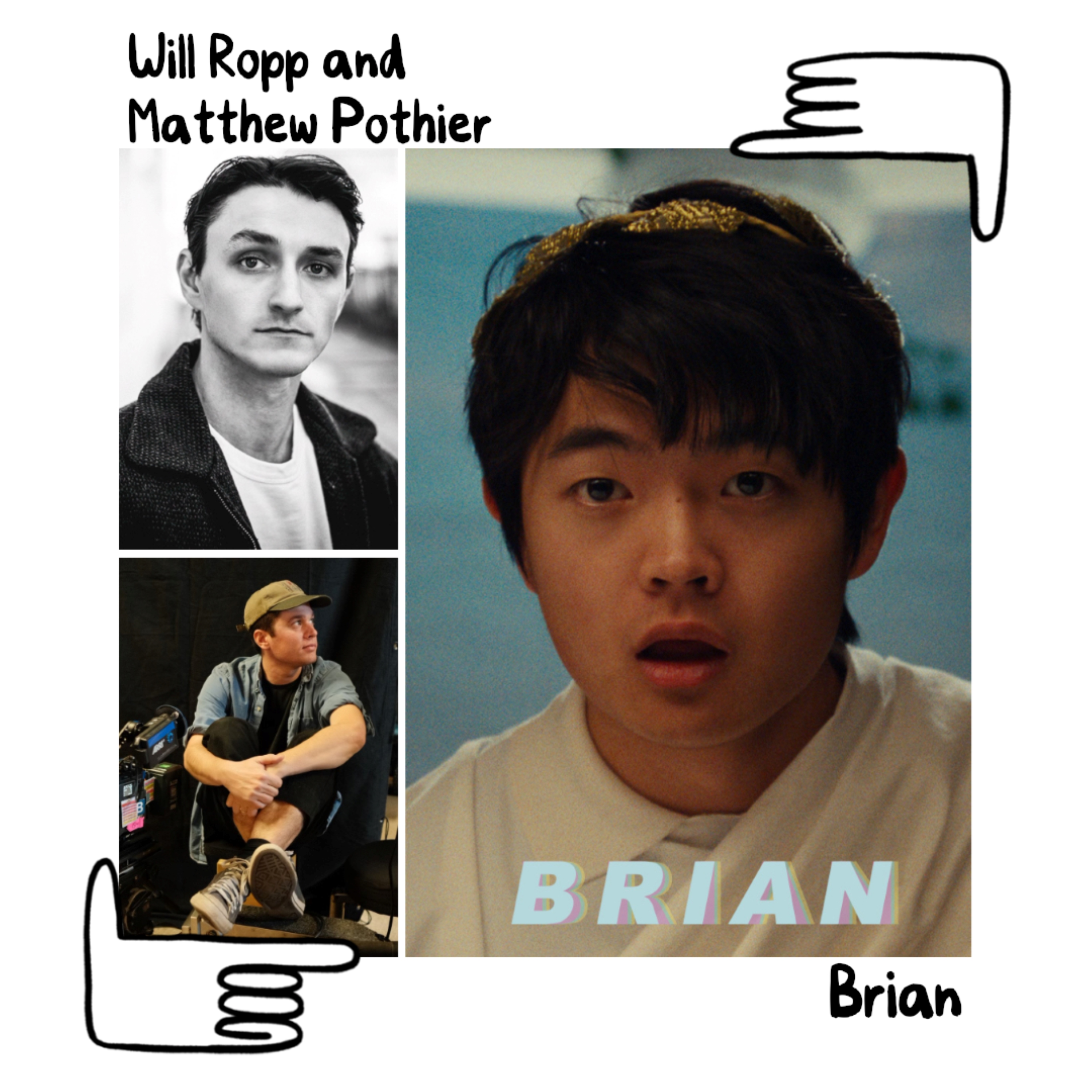
    Will Ropp and Matthew Pothier on anxiety, authenticity, and the harder path in 'Brian'

    Director Will Ropp and cinematographer Matthew Pothier stob by to talk about 'Brian,' a character-driven teen comedy with a dramatic edge that feels almost extinct in today's IP-driven landscape. Will opens up about recognizing his own high school anxiety in the script and what it means to make a film about a kid whose inner life operates at a volume the rest of the world can't hear. Our conversation explores how Will invited collaborators into such a personal world, and how Matthew entered that space constructively without overstepping. They discuss shooting in Oklahoma City, how location scouting informed Brian's journey, and the visual strategies Matt employed to translate teenage isolation through framing and composition. Will reflects on pushing comedy to the edge of discomfort, honoring the moments where humor and pain overlap. Matt also shares his experience working with first-time feature directors and what draws him to those collaborations. We close by examining what it means to make a film about someone who keeps choosing the harder path, and how that mirrors the choices they made as filmmakers. (Photo credit: Ryan Orange)

  • March 13 · 18 min

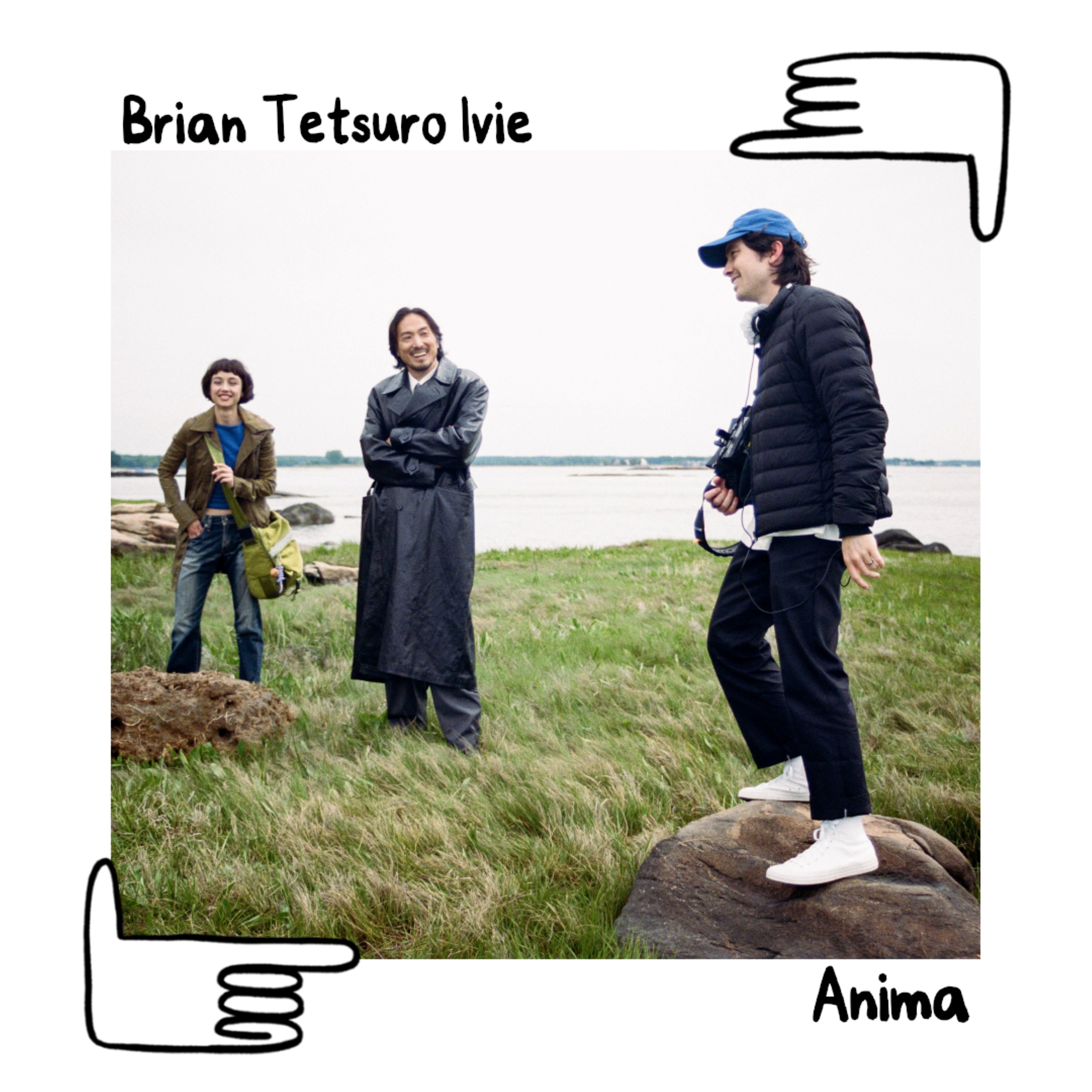
    Brian Tetsuro Ivie on faith, celluloid, and the leap into ‘Anima’

    ‘Anima,’ premiering at SXSW this week, is Brian Tetsuro Ivie’s narrative feature debut. An acclaimed documentarian, Brian now turns to a sci-fi road movie following an impulsive young woman and a reclusive older man on a cross-country trip to preserve his failing consciousness at an experimental facility. We open with what the leap from documentary to narrative actually feels like and what each form demands that the other doesn’t, before getting into the decision to shoot on film and why the logistical weight it carries is more than justified by what it gives back. From there Brian talks about working with Sydney Chandler and Takehiro Hira, and how their casting shaped not just the performances but the characters and the entire film around them. We also get into something that runs quietly through everything Brian makes: his faith, and how it finds its way into a story that on the surface seems to sit in direct tension with it. We close by looking at what making ‘Anima’ means for how he thinks about both forms of filmmaking going forward.

Showing 1–20 of 23 episodes