Skip to content
Artwork for Warehouse Safety Tips
BusinessManagementEducationHow ToMarketing

Warehouse Safety Tips

Wes Wyatt

Warehouse Safety Tips by Mighty Line is a podcast series produced by Wes Wyatt.

Podcasts will be weekly and highlight general industrial and workplace safety topics. View the blogs, videos and articles at https://mightylinetape.com/ Vodcasts, and videos of the podcasts can be viewed at https://vimeo.com/mightylinefloortape.
Get Free Samples of Mighty Line Floor Tape (https://mightylinetape.com/pages/product-request-form)
Learn about Mighty Line Floor Tape and Mighty Line Floor Signage (https://mightylinetape.com/pages/about-us-floor-tape)
View all our podcasts at https://mightylinetape.com/pages/safetytips

Safe operations are critical to every industry. It is essential that all employers maintain safe workplaces, and that all employees and visitors engage in behaviors that assure that all will return home safely. The Safety Stripes podcast will discuss important warehouse, industrial and commercial safety topics that management, safety managers and others with safety responsibilities can use to be more effective in protecting both employees and their operations. Wednesday Warehouse Safety Tips will do just that – provide everyday operational tips, tools and strategies that enable employees, supervisors, and managers to put safety into action in order to reduce workplace risk.Our goal is to improve health, safety and operational excellence at all worksites.

Safety Stripes Podcast topics include or may include:
General Workplace |Safety | Safety Training Programs| Hazard Identification | Personal Protective Equipment (PPE) | Occupational Safety and Health Administration |OSHA Compliance Guidelines |Six Sigma - 5s Methodology |OSHA Inspection Tips |NFPA (National Fire Protection Association) |Fire Safety Standards | NFPA Codes and Standards |EHS (Environment, Health, and Safety) | Environmental Compliance |Workplace Health Programs |Safety and Health Management Systems |Forklift Safety |Forklift Operation Training | Forklift Maintenance and Inspection |Forklift Accident Prevention | Racking Systems |Warehouse Racking Solutions |Pallet Rack Safety Standards | Racking Inspection and Maintenance|
You can learn more about our warehouse safety tips and watch videos and read articles (https://mightylinetape.com/a/blog/category/mighty-lines-safety-talk-and-toolbox-talk-topics)

This podcast is provided by Mighty Line floor tape (https://mightylinetape.com/collections/industrial-safety-floor-tape-solid) and Mighty Line floor signs (https://mightylinetape.com/collections/mighty-line-standard-floor-signs) - learn more at www.MightyLineTape.com (https://mightylinetape.com/)

Play
  • 20 episodes
  • weekly
  • Avg 4 min
  • English
  • S6 · E349
    Wednesday · 4 min· Video

    5S Sustain - Make The Habits Stick

    https://jo.my/efxuya 5S Sustain: Make the Habits Stick Take a look at this aisle. The yellow floor lines are scuffed and half gone near the dock door. A pallet jack sits parked just outside its spot. The shadow board has two empty outlines, and nobody's sure where those tools went. So what's wrong with this picture? Here's the answer. Nothing's broken. Everything's drifting. And drift is how a great 5S program dies. Not in one bad day, but in a hundred small ones nobody noticed. That's why Sustain is the fifth S, and the toughest. Sort, Set, Shine, and Standardize build the system. Sustain keeps it alive after the excitement wears off. It's about habits, not projects. Let's clear up a few myths that quietly kill 5S. - Myth: Once 5S is set up, it runs itself. Truth: Every standard fades without attention. A quick weekly walk with a simple scorecard keeps small slips from becoming big ones. - Myth: Sustain is the crew's job. Truth: Leaders go first. If a supervisor steps over clutter, everyone learns clutter is fine. Habits flow downhill. - Myth: Faded markings are just cosmetic. Truth: A line nobody can see is a line nobody follows. Replace worn labels and floor markings before they stop meaning anything. - Myth: Recognition is fluff. Truth: What gets noticed gets repeated. Catch people doing it right, and say it out loud. As always, these are potential tips. Please be sure to follow the rules and regulations of your specific facility. Toolbox Takeaway: 5S doesn't fail all at once. It fades a little every day, so check it a little every day. Sustain also means 5S is never really finished. Your facility changes. New products come in. New people join the crew. Your standards should grow with it. Revisit them, retrain new hires, and keep asking the people on the floor what's working. Think of Sustain like forklift maintenance. Skip it once, and nothing happens. Skip it every week, and something eventually will. Sustain is where 5S lives or dies. Keep it small. Keep it steady. Keep showing up. Thank you for being part of another episode of Warehouse Safety Tips. Until we meet next time - have a great week, STAY SAFE, and here's a word from our sponsor. #Safety #5S #5SMethodology #LeanManufacturing #SafetyCulture #StaySafe #SafetyFirst #SafetyTips #StayAlert #SafetyAwareness #FacilitySafety #WorkplaceSafety #WarehouseSafety #WarehouseSafetyTips #Shitsuke #ContinuousImprovement #Kaizen #SafetyLeadership #LeanThinking #VisualManagement #FloorMarking

    • Transcript
  • S6 · E348
    October 21 · 4 min· Video

    Standardize in 5S | Episode 348

    https://jo.my/bbim4l Everybody thinks 5S is about cleaning up. Wrong. Cleaning up is easy. Keeping it that way on every shift, with every crew, every single day? That's the hard part. And that's where Standardize comes in. You've already sorted. You've set everything in its place. You've made the floor shine. Now here's the question. Will second shift do it the same way first shift did? Will the new hire who started Monday know what "good" looks like? If the answer is "maybe," your hard work has an expiration date. Standardize is the third S, and it's the glue. It takes what you've built and makes it the normal way of doing business in your facility. No guessing. No "that's how I've always done it." One way. The right way. Everyone. Here's the one big tip that makes Standardize stick. Make it visual, so anyone can see the standard in three seconds. - Show what good looks like. Post a photo of each workstation set up the right way, right where the work happens. If a spot looks different from the photo, something's off. - Use one color code everywhere. Pick a floor marking color system and use it in every aisle, every zone, every building. When yellow means the same thing everywhere, people stop guessing and start seeing. - Build a quick check into every shift change. Five minutes. A simple checklist. Is everything where the standard says it should be? Fix it now, not next month. As always, these are potential tips. Please be sure to follow the rules and regulations of your specific facility. Toolbox Takeaway: If you can't see the standard in three seconds, it isn't a standard yet. Here's the thing about standards. They protect people. When everyone knows where the forklift lane ends and the walkway begins, fewer people get hurt. When every station looks the same, problems surface before they become incidents. And one more thing. Let your crew help write the standards. The people doing the work know the job best. When they build it, they own it. And when they own it, it lasts. Standardize turns a good day into every day. Make it visual. Make it simple. Make it the same for everyone. Thank you for being part of another episode of Warehouse Safety Tips. Until we meet next time - have a great week, STAY SAFE, and here's a word from our sponsor. HASHTAGS #Safety #5S #5SMethodology #LeanManufacturing #SafetyCulture #StaySafe #SafetyFirst #SafetyTips #StayAlert #SafetyAwareness #FacilitySafety #WorkplaceSafety #WarehouseSafety #WarehouseSafetyTips #VisualManagement #ContinuousImprovement #Kaizen #StandardWork #OperationalExcellence #FloorMarking #Seiketsu

  • S6 · E347
    October 14 · 5 min· Video

    5S Shine | Episode 347

    https://jo.my/odx2px 5S Shine A clean floor can hide a serious problem. That might sound strange, but think about it. If someone wipes up the same oil leak every morning without reporting it, is the facility really getting safer? No. The floor looks better, but the hazard remains. Welcome to Week Two of our 5S Methodology series. We’re focusing on the third S, Shine, also known as Seiso. Shine means more than sweeping floors and wiping down equipment. It means cleaning with a purpose. When employees inspect while they clean, they can spot trouble early and help prevent injuries, equipment failures, and costly downtime. Here are a few tips to assist you with implementing Shine in your facility: Clean to Inspect, Not Just to Impress: Don’t clean on autopilot. Look for leaking fluids, loose parts, worn equipment, and damaged surfaces. Watch for anything that looks, sounds, or feels unusual. Report warning signs before small problems become serious hazards. Eliminate Hazards at Their Source: Cleaning the same spill every day isn’t a solution. It’s a warning. Find out why the problem keeps returning. Whether it’s leaking equipment, damaged packaging, or overflowing waste containers, report the cause and make sure authorized personnel address it. Establish Daily Cleaning Responsibilities: Everyone should know what needs cleaning, who’s responsible, and when. Build short cleaning and inspection routines into daily operations. Shift changes provide a great opportunity to identify problems and communicate concerns. Pay Attention to Overlooked Areas: Don’t ignore areas beneath equipment, around charging stations, or near loading docks. These spots can hide debris, spills, and damaged materials. Inspect safely, and never reach into operating equipment or enter restricted areas without proper authorization. Make Shine a Continuous Safety Habit: Don’t wait for a major cleanup day. Address minor housekeeping concerns as they arise, as long as it’s safe. Report hazards that require special training or equipment. Small actions, repeated daily, create lasting improvements. As always, these are potential tips. Please follow the rules and regulations of your specific facility. Here’s something worth remembering. A clean facility isn’t necessarily a safe facility, but cleaning with a purpose can make it safer. Shine gives employees another opportunity to recognize hazards before someone gets hurt. The next time you pick up a broom, wipe down a workstation, or inspect your equipment, ask yourself one question: “What am I seeing that shouldn’t be here?” That simple question could prevent the next incident. Make cleaning count. Make inspection routine. And make safety everyone’s responsibility. Thank you for joining another episode of Warehouse Safety Tips. Until we meet next time — have a great week, STAY SAFE, and here’s a word from our sponsor. #Safety #5S #5S Methodology #Lean Manufacturing #SafetyCulture #StaySafe #SafetyFirst #SafetyTips #StayAlert #SafetyAwareness #FacilitySafety #WorkplaceSafety #Shine #Seiso

  • S6 · E346
    October 7 · 5 min· Video

    Sort and Set In Order | Episode 346

    https://jo.my/uaszb1 Sort and Set In Order Imagine your crew tearing apart three aisles looking for a wheel chock. Forty minutes. It was buried under stretch wrap, two feet from where it belonged. Clutter hides the things that keep people safe. Welcome to Warehouse Safety Tips. A Safety Culture isn't built in a meeting room. It's built on the floor. Nothing says more about a facility than how it handles the stuff nobody uses. This month, we're walking through the 5S method, one step per week. Sort. Set in Order. Shine. Standardize. Sustain. Today, we start with the first two: Sort and Set in Order. One quick flag. It's Fire Prevention Week, and this year's theme is safe charging. So while you're sorting, check your charging areas. Clear space around them. Nothing stacked on cords or chargers. And a quick thank you to our sponsor, Mighty Line. More from them at the end. Here's your Stat of the Week. Bureau of Labor Statistics data shows more than one in four injuries that keep folks off the job are slips, trips, or falls. Plenty of those trace back to clutter. A cord here. A pallet there. Here are a few tips to assist you with Sort and Set in Order: First, red-tag anything you're unsure about. If a tool, pallet, or drum hasn't moved in 30 days, ask why. Tag it. Move it out. Then decide. Second, give everything a home. Shadow boards for tools. Marked floor locations for pallets and equipment. If it doesn't have a spot, it ends up in your walkway. Third, mark your lanes. Bright floor tape and clear signage keep people, forklifts, and materials where they belong. Painted lines cost less than injuries. Fourth, run a five-minute reset. End every shift the same way. Tools back, aisles clear, area swept. Small habits beat big cleanups. Fifth, sort with your crew, not for them. The people on the floor know which items earn their space. Ask them first. As always, these are potential tips. Please be sure to follow the rules and regulations of your specific facility. Sort and Set in Order sounds simple. It is. Simple doesn't mean easy, though. It means making the same decision every time something lands where it doesn't belong. Do that for a month, and people move faster. Hazards shrink. New hires find things on day one. Next week, we take on the third S: Shine. Here's your One Thing. Before your shift ends today, find one thing that doesn't belong on your floor. Deal with it. Not tomorrow. Today. And a question for you. What piles up the most in your facility? Tell me in the comments. Your answer might become a future episode. Coming soon, I'll be sitting down with safety professionals for their top tips. Keep an ear out. Thank you for being part of another episode of Warehouse Safety Tips. Until we meet next time — have a great week, and STAY SAFE! And here's a word from our sponsor. Mighty Line brings you this episode. Their floor tape marks lanes, walkways, and storage spots, and it holds up to forklift traffic. Peel, stick, done. Learn more at mightyline.com. #Safety #5S #5S Methodology #SafetyCulture #StaySafe #SafetyFirst #SafetyTips #StayAlert #SafetyAwareness #FacilitySafety #WorkplaceSafety #Housekeeping #LeanManufacturing

  • S6 · E345
    September 30 · 4 min· Video

    Cold Weather Readiness | Episode 345

    https://jo.my/eylq5x Cold Weather Readiness Ice doesn't care about your production schedule. When freezing temperatures hit an unprepared loading dock, metal turns slick, equipment fails, and bones break. Safety culture is not paperwork on a bulletin board. It is the active choice to protect the person working beside you before things go wrong. Winter is coming fast. If you wait for the first hard freeze to test your gear, you have already lost the fight. Rushing to fix frozen pipes or hunting for traction grit during a blizzard creates panic. Panic leads to shortcuts. Shortcuts lead to the emergency room. Here are a few tips to assist you with winter readiness prep: 1 - Inspect heating units and dock seals now. Fire up overhead unit heaters before the cold snap arrives. Replace worn filters, test thermostats, and seal drafty cracks around high-traffic bay doors. Warm workers stay alert. 2 - Order salt, sand, and traction grit early. Supply lines tighten rapidly once winter storms hit regional roads. Stage full barrels of melting agent, scoops, and push spreaders right at every exterior dock door. As a side note, our sponsor, Mighty Line, has great Anti-Slip Tape for slippery areas. 3 - Service dock plates and mechanical levelers. Hydraulic fluid thickens in sub-zero weather. Clean out leaves and road debris from dock pits, lubricate moving hinges, and check rubber weatherstripping for gaps. 4 - Roll out cold stress training early. Teach your crew to spot early symptoms of frostbite and hypothermia. Encourage clean layer systems, dry boots, and warm gloves that still preserve hand grip. And last but not least, 5 - Map out clear pedestrian freeze zones. Mark exterior walkways, ramp slopes, and trailer aprons that freeze first. Keep ice melt on high-risk transition zones where forklift tires track slush directly inside. As always, these are potential tips. Please follow your facility's rules and regulations. Preparation gives your team control. When you take winter hazards off the table, folks can focus on their jobs without freezing or slipping on hidden black ice. Great facilities run smoothly because everyone looks out for everyone else. Look out for your team today. Simple fixes now prevent severe injuries later. Thank you for being part of another episode of Warehouse Safety Tips. Until we meet next time - have a great week, STAY SAFE, and here’s a word from our sponsor. #Safety #5S #5S Methodology #Lean Manufacturing #SafetyCulture #StaySafe #SafetyFirst #SafetyTips #StayAlert #SafetyAwareness #FacilitySafety #WorkplaceSafety #WinterSafety #ColdStress #DockSafety #FacilityManagement

  • S6 · E344
    September 23 · 4 min· Video

    First Aid and AED Readiness | Episode 344

    https://jo.my/qmonas First Aid and AED Readiness Picture this: a pallet slips. A teammate drops to the concrete floor. Blood is pooling, or maybe their chest stops moving entirely. Silence. Panic. Seconds turn into an eternity. In forty years on the floor, I have watched emergencies rip through a shift in an instant. Paper plans cannot save a life when the floor is cold, and someone is fighting for breath. Equipment and training do. Real safety means giving your people the exact tools to stand between a bad day and a funeral. It turns shock into automatic action. You build that readiness long before an alarm ever sounds. Here are a few tips to assist you with first aid and AED readiness: Audit kit dates every month. Ointments dry up into crust. Sterile packaging tears. Adhesive tapes lose their grip. A dried-out bandage is useless during a severe laceration. Swap expired gear immediately. Keep AED pads fresh and ready. Check the battery indicator light every single week. Green means ready. Yellow or flashing red means trouble. Replace expired pads immediately, as dried gel will not deliver a life-saving shock. Eliminate fear with Good Samaritan laws. Many workers freeze because they fear lawsuits. Explain the legal protections clearly. Good Samaritan laws shield your crew when they act in good faith to save a peer. Build overlapping shift coverage. Train multiple responders across every single shift, line, and area. Stagger their vacation days. A certification wall plaque means nothing if your only trained worker is home sick. As always, these are potential tips. Please follow the rules and regulations of your specific facility. Look around your floor today—notice who is working beside you. When an artery opens, or a heart stops, you cannot wait for an outside rescue crew. Emergency medics do their best. But the person standing ten feet away is the real first responder. Ready kits and sharp skills keep families whole. Build that reflex now, because out here, you will never get a second chance to react. Thank you for being part of another episode of Warehouse Safety Tips. Until we meet next time — have a great week, STAY SAFE, and here’s a word from our sponsor. #Safety #5S #5S Methodology #Lean Manufacturing #SafetyCulture #StaySafe #SafetyFirst #SafetyTips #StayAlert #SafetyAwareness #FacilitySafety #WorkplaceSafety #WarehouseSafety #FirstAid #AEDReadiness #EmergencyPreparedness

  • S6 · E343
    September 16 · 4 min· Video

    Hazmat Response and Chemical Spill Safety | Episode 343

    Hazmat Response and Chemical Spill Safety Liquids on concrete move fast. Fumes travel faster. When a drum cracks, the clock starts ticking immediately. Real preparedness is not about checking a box on a clipboard. It is about making sure every single person goes home with the same skin, lungs, and eyesight they clocked in with this morning. Rushing into a spill blind is how good people get hurt. Brave? Sure. Smart? Not even close. Before anyone grabs a broom, you need to know what you are standing next to. Respect the chemical. Trust your training. Here are a few tips to assist you with Hazardous Material Response: Locate the SDS instantly. Never guess what leaked. Pull the Safety Data Sheet right away from your binder or digital terminal. Check Section 8 for exposure controls and Section 6 for accidental release steps. Seconds count. Match the spill kit to the liquid. Universal kits work for basic leaks. Corrosive acids or flammable solvents demand specific neutralizing agents and specialized absorbents. The wrong pad can trigger a fire or toxic smoke. Gear up before you step in. We always advocate the proper use of PPE (Personal Protective Equipment), but it is paramount when handling hazardous materials. First-responder cleanup requires full-body protection. Put on chemical-rated nitrile gloves, splash goggles, and boots before you cross the threshold. If fumes are present, stop. Do not advance without approved respiratory gear. Contain the edges first. Stop the liquid from reaching floor drains or rolling under racking. Build a dam around the perimeter with absorbent socks. Work from the outside edge inward. Know your cutoff point. Small leaks are routine. Large, vapor-heavy spills are emergencies. If the volume exceeds your training level, pull the alarm and clear the area. As always, these are potential tips. Please follow your facility's rules and regulations. A genuine safety mindset shows up long before something hits the floor. It lives in your daily habits. Inspect your containment areas every shift. Know your evacuation routes cold. Talk to the new hires about chemical hazards, because experience is meant to be shared. Look out for the person working the aisle next to you. Double-check your gear today, so you are ready for whatever tomorrow brings. Thank you for being part of another episode of Warehouse Safety Tips. Until we meet next time - have a great week, STAY SAFE, and here’s a word from our sponsor. #Safety #5S #5S Methodology #Lean Manufacturing #SafetyCulture #StaySafe #SafetyFirst #SafetyTips #StayAlert #SafetyAwareness #FacilitySafety #WorkplaceSafety #HazmatResponse #SafetyDataSheets #SpillKits #ChemicalSafety

  • S6 · E342
    September 9 · 4 min· Video

    Fire Prevention Tips | Episode 342

    Fire Prevention Tips When you treat fire prep like routine clutter management, disaster strikes. Equipment burns. Buildings collapse. Lives shatter. That is why genuine accountability on the floor matters more than any binder on a shelf. Respect the gear that protects your life. Here are a few tips to assist you with fire prevention and suppression: Respect the 18-inch ceiling line. Sprinkler heads need clear room to spread water wide. Stacking pallets or boxes right up to the rafters blocks the spray pattern. Keep all storage at least 18 inches below every sprinkler head. Also, stress that lift truck operators always know where they are and stay as far away as possible. ALWAYS! Master the P.A.S.S. sequence. When grabbing an extinguisher, pull the pin first. Next, aim low at the base of the fire. Squeeze the handle firmly to release the agent. Finally, sweep the nozzle from side to side until the flame dies. Lock down aerosol cans. Aerosol cans act like small bombs in a heatwave. Never leave them sitting loose on workbenches or near charging bays. Store them inside grounded, dedicated yellow safety cabinets when your shift wraps up. Isolate flammable liquids immediately. Vapors travel silently across concrete floors looking for an ignition source. Seal every drum tight. Wipe up all leaks on the spot. Store every container only in approved, fire-rated areas. As always, these are potential tips. Please follow the rules and regulations of your specific facility. A true safety mindset never sleeps. Every clear aisle, closed chemical cabinet, and open sprinkler head serves as a safety measure for the crew. Take a hard look at your work area right now. Spot the hazard before the heat spots it for you. Build these habits until they become second nature. Talk with your coworkers about clear pathways and emergency exits. Watch out for each other. Thank you for being part of another episode of Warehouse Safety Tips. Until we meet next time - have a great week, STAY SAFE, and here’s a word from our sponsor. #Safety #5S #5S Methodology #Lean Manufacturing #SafetyCulture #StaySafe #SafetyFirst #SafetyTips #StayAlert #SafetyAwareness #FacilitySafety #WorkplaceSafety #FirePrevention #NationalPreparednessMonth

  • S6 · E341
    September 2 · 4 min· Video

    Building A Business Continuity Plan | Episode 341

    https://jo.my/8adk9k Building A Business Continuity Plan When the sky turns black and the sirens wail, theory flies right out the door. Mother Nature does not check your production schedule. A severe storm or sudden flood hits hard. It hits fast. That is why a real safety culture is built long before the disaster strikes. It is the invisible backbone that brings every single worker home to their family at the end of a shift. Planning keeps panic from running the floor. It means your people know where to stand, who to call, and what to shut down. Lives depend on clear actions, not guesswork. Here are a few tips to assist you with your business continuity plan during a natural disaster: Identify and Train Safety Wardens: Pick clear-headed workers across every shift. Train them to sweep the floor, account for every person, and quickly guide the crew to safe zones. Map Primary and Alternate Shelter Areas: Keep routes clear of pallets and debris. Mark internal shelter zones away from exterior walls, high-bay racking, and skylights. Set Up Communication Backups: Cell towers fail during storms. Keep battery-powered two-way radios and hand-crank emergency broadcast receivers tested and ready. Build Power Redundancy for Critical Systems: Maintain backup generators for emergency lighting, fire suppression pumps, and data backups. Run load tests every month. Audit the Action Plan Quarterly: Walk the floor with your crew. Run practical drills. Fix the bottlenecks before real wind and water test them. As always, these are potential tips. Please be sure to follow the rules and regulations of your specific facility. A continuity plan is not just ink on paper. It is a promise to your team. Equipment can be replaced. Inventory can be reordered. Pallets of stock mean nothing without the crew running the lifts. Treat your emergency plans like standard operating muscle memory. When you take care of your people first, the operation will always weather the storm. Thank you for being part of another episode of Warehouse Safety Tips. Until we meet next time - have a great week, STAY SAFE, and here’s a word from our sponsor. #Safety #5S #5S Methodology #Lean Manufacturing #SafetyCulture #StaySafe #SafetyFirst #SafetyTips #StayAlert #SafetyAwareness #FacilitySafety #WorkplaceSafety #NationalPreparednessMonth #WarehouseSafety #BusinessContinuity #FacilitySafety #EmergencyPreparedness #SafetyCulture

  • S6 · E340
    August 26 · 4 min· Video

    Ergonomics and Musculoskeletal Health | Episode 340

    https://jo.my/cnwidr Ergonomics and Musculoskeletal Health Walk through any warehouse at the end of the shift. You will see people rubbing their lower backs and rolling their tight shoulders. Pain. Fatigue. Slower paces. Your body is the most valuable piece of equipment in the facility. Treat it that way. A real safety mindset is about making sure everyone walks out the door as healthy as they walked in. Bad lifting habits do not just cause sore muscles. They cause career-ending injuries. It takes months to build a good habit and one wrong twist to tear a disc. We build clear systems, so you work smarter and protect your joints every single day. Here are a few tips to assist you with Ergonomics & Musculoskeletal Health: Work inside your "Power Zone": Keep heavy items between mid-thigh and chest height. Lift with your legs. Keep loads close to your torso. Never twist your spine while holding weight. Use anti-fatigue matting: Concrete floors destroy knees and lower backs. Step onto cushioned mats at packing tables to reduce joint pressure. Keep the mat edges flat to prevent trip hazards. Call for a team lift: Never tackle bulky, long, or heavy items alone. Size can fool you. Awkward shapes shift fast. Call a partner and communicate before you lift. Designate a lift leader: When moving items with a partner, pick one person to call the counts. Clear the travel path first. Walk in sync. Set the load down together on three. As always, these are potential tips. Please follow the rules and regulations of your specific facility. Take care of your spine and joints today so you can enjoy your life outside these walls tomorrow. Great operations run on consistency and mutual respect, so when you see a teammate struggling with an awkward tote, step in and help. Thank you for being part of another episode of Warehouse Safety Tips. Until we meet next time - have a great week, STAY SAFE, and here’s a word from our sponsor. #Safety #5S #5S Methodology #Lean Manufacturing #SafetyCulture #StaySafe #SafetyFirst #SafetyTips #StayAlert #SafetyAwareness #FacilitySafety #WorkplaceSafety #Ergonomics #MaterialHandling #SafeLifting #MusculoskeletalHealth

  • S6 · E339
    August 19 · 4 min· Video

    Root Cause Analysis | Episode 339

    https://jo.my/kjpxgx Root Cause Analysis When an accident happens on the floor, it's easy to point fingers: a pallet spills, a forklift hits a rack, a worker trips over a stray strap. It happens fast. It’s dangerous. And it can be painful or fatal. The quick reaction is to write up the worker and move on. Case closed, right? Wrong! Blaming the individual stops you from finding what really went wrong. Real protection comes from digging deep and fixing broken operational systems long before another injury happens. Stop labeling every mistake as human error. Look at your daily facility processes instead. If a tight floor layout forces a forklift operator to make blind turns every hour, the hazard is the floor layout. If rushed quotas force crew members to skip basic steps, the hazard is the schedule. Fixing the core problem protects every worker in your facility for years to come. Here are a few tips to assist you with Root Cause Analysis: * Use the Five Whys method. Ask why an event happened, then ask why four more times to reach the underlying failure. * Look past worker mistakes during an investigation. Focus on bad lighting, poor training, broken equipment, or flawed maintenance schedules instead. * Involve floor workers in every review. The crew knows how work gets done on the floor better than anyone in an office. * Turn near-miss events into practical training lessons. Share what failed openly so the entire team learns how to avoid the same trap. As always, these are potential tips. Please follow your facility's rules and regulations. Treating close calls and incidents as learning opportunities changes the whole mindset in your facility. It builds trust across every shift. Workers actively report hazards when they know management will fix broken gear rather than hand out punishment. Fix your core processes, and safe results follow naturally. Small adjustments in how you investigate incidents today prevent major injuries tomorrow. Make your facility a place where learning replaces blame, and where every crew member returns home safely every single night. Thank you for being part of another episode of Warehouse Safety Tips. Until we meet next time, have a great week, and STAY SAFE! #Safety #5S #5S Methodology #Lean Manufacturing #SafetyCulture #StaySafe #SafetyFirst #SafetyTips #StayAlert #SafetyAwareness #FacilitySafety #WorkplaceSafety #RootCauseAnalysis #IncidentInvestigation

    • Transcript
    • Chapters
  • S6 · E338
    August 12 · 5 min· Video

    Worker Participation and Voice | Episode 338

    Worker Participation and Voice https://jo.my/8xdsna A facility can have great procedures, clear signs, and solid training, but none of that matters if employees are afraid to speak up. The people doing the work often see hazards first. They notice the loose dock plate. They hear the strange sound from the conveyor. They see the shortcut that almost caused an injury. The real question is whether they feel safe enough to say something before a near miss becomes an ambulance call. Every staff member needs to know that their voices are heard. Doing so proves that management is listening and that their suggestions help build a strong safety culture. Here are a few tips to assist you with Worker Participation & Voice: Give employees a safe way to report near misses. Anonymous reporting can help employees share concerns without fear of blame or embarrassment. Keep the process simple. A QR code, drop box, online form, or dedicated hotline can work well. Most importantly, respond to what gets reported. Treat near misses as warnings, not failures. If someone reports that a pallet almost fell, please don’t start by asking who was responsible. Ask what allowed it to happen. Near misses are free lessons. Use them before the lesson comes with an injury. Recognize Safety Champions for their actions, not their numbers. Be careful with rewards based only on injury-free days. That can pressure people into hiding injuries or staying quiet. Instead, recognize employees who report hazards, improve procedures, help coworkers, or suggest safer ways to work. Give every employee Stop Work Authority. Employees should know they can stop a task when they believe something is unsafe. No title should be required. No staff members should need permission before preventing an injury. Stop. Check. Correct. Close the communication loop. Employees will stop reporting problems if nothing seems to happen. Tell them what was found, what changed, and why. When a suggestion isn’t used, explain the reason. As always, these are potential tips. Please be sure to follow the rules and regulations of your specific facility. Worker participation isn’t about handing out suggestion forms and checking a box. It’s about building trust. Employees need to know that speaking up won’t put a target on their backs. A facility becomes stronger when employees understand that their voices matter. Encourage reporting. Reward the right behavior. Support Stop Work Authority. Please use every applicable safety suggestion whenever possible. Thank you for being part of another episode of Warehouse Safety Tips. Until we meet next time—have a great week and STAY SAFE! #Safety #5S #5S Methodology #Lean Manufacturing #SafetyCulture #StaySafe #SafetyFirst #SafetyTips #WorkerParticipation #NearMissReporting #StopWorkAuthority #SafeAndSoundWeek #SafetyLeadership Takeaways: This episode emphasizes the need for a culture in which employees feel safe to voice concerns. Management must actively listen to employee feedback to foster a strong safety culture. Anonymous reporting mechanisms are crucial for encouraging employees to report safety issues. Recognizing safety champions is essential, but it should be based on actions rather than mere statistics. Every employee should possess the authority to halt unsafe work practices without fear of repercussions. Closing the communication loop is vital; employees need to see that their reports lead to tangible changes. Links referenced in this episode: mightylinetape.com warehousesafetytips.com Companies mentioned in this episode: Mighty Line

    • Transcript
    • Chapters
  • S6 · E337
    August 5 · 4 min· Video

    Building A High-Impact Safety Committee | Episode 337

    https://jo.my/qxb0k0 Building A High-Impact Safety Committee If you treat safety like a stack of Dusty binders on a shelf, your crew will do the same. Real protection does not come from a stack of rules created in a vacuum. It comes from the people on the floor who move the freight every single day. When you build a strong team dynamic around hazard awareness, you stop reacting to bad days and start preventing them entirely. Giving your workers a direct voice transforms the entire atmosphere on the floor. People care about things they help build. When floor staff and management sit at the same table, blind spots vanish instantly. That shared ownership is what turns a quiet shift into a secure shift. Here are a few tips to assist you with The Safety Committee Advantage: Draft a balanced team: Mix office managers with forklift operators and receivers. Different viewpoints spot different hazards. Diversity brings clarity. Ditch the boring lectures: Keep your monthly meetings quick, interactive, and focused on solutions. Serve decent coffee. Make it a space where people actually want to talk. Track the right numbers: Focus on leading indicators like completed inspections and near-miss reports. Lagging indicators like injury counts only tell you what already went wrong. Look forward. Act on feedback immediately: Fix the broken pallet jack or the flickering light right away. Quick wins build real trust with the crew. Action speaks louder than a policy update. As always, these are potential tips. Please be sure to follow the rules and regulations of your specific facility. A strong program is not built overnight. It requires daily effort, open communication, and genuine respect for the people doing the heavy lifting. When you give your team the power to speak up and make changes, safety becomes a habit instead of a chore. Take a hard look at your facility floor this week. Listen to the small concerns before they turn into major incidents. Protect your people, trust their feedback, and build a culture that brings everyone home whole at the end of every shift. Thank you for being part of another episode of Warehouse Safety Tips. Until we meet next time - have a great week, and STAY SAFE! #Safety #5S #5S Methodology ##SafetyCulture #StaySafe #SafetyFirst #SafetyTips #StayAlert #SafetyAwareness #FacilitySafety #WorkplaceSafety #LeadingIndicators #LogisticsSafety

  • S6 · E336
    July 29 · 5 min· Video

    Trailer Inspection and Dock Safety | Episode 336

    https://jo.my/fuzawh Trailer Inspection and Dock Safety A trailer can look solid from the dock and still hide a serious failure underneath. One weak floorboard, damaged support, or missed restraint can turn a normal loading task into a collapse. That’s why trailer inspection is more than a glance. It protects drivers, forklift operators, dock workers, equipment, and every person nearby. Be sure to slow the job down long enough to spot danger before the trailer moves, drops, shifts, or fails. Here are a few tips to assist you with trailer inspection and safety: Check the trailer floor before entry. Look for cracks, sagging boards, water damage, holes, loose panels, and signs of rot. Watch for soft spots near the rear doors and along forklift travel paths. If the floor flexes, feels weak, or looks damaged, stop. Keep people and equipment out until the trailer is cleared. Inspect the trailer structure. Check the walls, roof, frame, landing gear, and rear impact guard. Look for bent metal, broken welds, major rust, or damage from a previous impact. A trailer may hold its shape while empty but fail under a loaded forklift. Control nose-diving. A trailer can tip forward when too much weight moves into the nose without proper support. Confirm the tractor is connected or approved trailer stands are in place. Load weight evenly and follow the facility’s loading plan. Prevent tip-over and trailer movement. Verify the trailer is level, stable, and properly positioned at the dock. Check the dock plate or leveler before use. Never assume the trailer will stay still because it looks secure. Use wheel chocks with automatic restraints. Automatic restraints can fail, miss the rear impact guard, or be released by mistake. Wheel chocks add another layer of protection. Confirm they are placed correctly before loading begins. As always, these are potential tips. Please be sure to follow the rules and regulations of your specific facility. Trailer failures rarely give a polite warning. They happen fast. Loud. Violent. Preventable. The safest crews don’t trust appearances. They verify the floor. They verify the structure. They verify the restraint. Then they verify it again before the first forklift crosses the dock plate. That extra minute can prevent a crushed worker, a dropped forklift, a damaged load, or a trailer on its nose. Build the habit now. Make inspection part of every trailer, every dock, every shift. Thank you for being part of another episode of Warehouse Safety Tips. Until we meet next time - have a great week, and STAY SAFE! #Safety #SafetyCulture #StaySafe #SafetyFirst #SafetyTips #StayAlert #SafetyAwareness #FacilitySafety #DockSafety #TrailerInspection #ForkliftSafety #LoadingDockSafety

  • S6 · E335
    July 22 · 5 min· Video

    UV and Heat Stress Safety | Episode 335

    https://jo.my/txytfb UV and Heat Stress Safety The sun doesn’t need moving parts to hurt someone. Yard dog drivers, dock workers, and container crews may spend hours working under direct sunlight. UV exposure builds quietly. Heat stress can move much faster. Add glare from trailers, pavement, metal containers, and windshields, and a normal shift can become dangerous before anyone realizes what’s happening. A solid Safety Culture teaches people to spot these risks early. Crews should never treat sunburn, dizziness, headaches, or blurred vision as minor problems. These warning signs can affect judgment, reaction time, and balance. Around trailers, docks, and moving equipment, that combination can turn serious in seconds. Here are a few tips to assist you with UV and outdoor operations safety: Use UV protection every shift. Wear facility-approved clothing that covers exposed skin when possible. Apply broad-spectrum sunscreen to the face, neck, ears, arms, and other exposed areas. Reapply it based on the product directions, especially after heavy sweating. Plan breaks before workers feel sick. Use shaded or cooled areas for recovery. Encourage workers to drink water often instead of waiting until they feel thirsty. Supervisors should adjust workloads during extreme heat or high-humidity conditions. Watch for heat stress warning signs. Headaches, cramps, confusion, weakness, nausea, and heavy sweating require attention. Stop the task. Move the worker to a cooler area. Follow the facility’s emergency response procedure. Use tinted safety glasses for glare control. Facility-approved tinted lenses can reduce glare from pavement, trailers, windshields, and metal surfaces. The glasses must still provide the correct impact protection and allow workers to see hazards clearly. Rotate demanding outdoor tasks. Container unloading can trap heat and restrict airflow. Rotate workers when possible. Use ventilation equipment approved by the facility. Maintain communication with anyone working inside a container. As always, these are potential tips. Please be sure to follow the rules and regulations of your specific facility. Sun exposure rarely feels urgent at first. That’s what makes it easy to ignore. The damage may build slowly, while heat illness can strike with little warning. Protect the crew before discomfort becomes an emergency. Plan the work. Check the weather. Watch each other. Speak up early. Smart outdoor safety protects people today and helps them stay healthy for years to come. Thank you for being part of another episode of Warehouse Safety Tips. Until we meet next time - have a great week, and STAY SAFE! #Safety #SafetyCulture #StaySafe #SafetyFirst #SafetyTips #StayAlert #SafetyAwareness #FacilitySafety WarehouseSafety #UVSafety #HeatStressPrevention #DockSafety #OutdoorWorkerSafety

  • S6 · E334
    July 15 · 5 min· Video

    Loading Dock Safety | Warehouse Safety Tips | Episode 334

    https://jo.my/n4jlnq Loading Dock Safety Picture a four-foot drop. It does not look like much from the driver's seat. But to a worker on foot or a forklift operator, that edge is a cliff. One wrong step or a sudden slip can change a life in a split second. Gravity does not negotiate. It does not care about your schedule, your quotas, or your deadlines. Here’s a simple truth. We must look out for one another. Loading docks are the busiest, highest-risk areas we manage. Keeping them secure is all about positive overall safety, survival, and culture. Here are a few tips to assist you with Environmental Hazards & Dock Safety Week 3: Loading Dock Perimeter Safety: Paint the Danger: Apply high-visibility yellow tape or paint to the "Drop Zone" floor. This visual marker must extend at least three feet back from any open dock door. If the door is open, that zone is strictly off-limits unless a truck is fully locked in place. In some cases, paint may be the best option. However, if you're looking for another product to try, consider our sponsor, Mighty Line. Mighty Line offers THE best Safety Floor Tape and Signs on the market. Their patented beveled edge and thickness can't be beat! Mighty Line can be applied quickly and easily, leaving NO residue when removed. This results in a very short loss of production time - a benefit you won't get when applying and removing paint. And now, back to our list... Lock the Steel: Use interlocking dock levelers. These systems prevent the overhead door from opening and the leveler from deploying unless the vehicle restraint is fully engaged on the truck trailer. No lock, no entry. Deploy the Hooks: Always engage automatic vehicle restraints. Physical hook systems hold the trailer tight to the dock wall. This stops trailer creep and prevents premature departure. Watch the Lights: Trust the red and green communication lights. Green means go for the forklift, but red for the truck driver. Red means stop for the forklift, but green for the driver. Train your team to check these lights before every single load. Bar the Door: Install heavy-duty safety barriers or safety nets across open dock doors when no trailer is present. A simple chain is not enough to stop a runaway forklift or a distracted worker. As always, these are potential tips. Please be sure to follow the rules and regulations of your specific facility. Every close call is a warning sign we cannot afford to ignore. When we rush, we miss things. When we miss things, people get hurt. It is that simple. Safe facilities do not happen by accident. They are built by teams who refuse to cut corners, even when the pressure is on. Take a look at your dock doors today. Check the lights. Test the locks. Look out for the person working next to you. Your actions keep this place running, and your vigilance keeps this team whole. Thank you for being part of another episode of Warehouse Safety Tips. Until we meet next time - have a great week, and STAY SAFE! #Safety #SafetyCulture #StaySafe #SafetyFirst #SafetyTips #StayAlert #SafetyAwareness #DockSafety #FallPrevention #LogisticsSafety #WarehouseOperations

  • S6 · E333
    July 8 · 5 min· Video

    Battery Charging Station Safety | Warehouse Safety Tips | Episode 333

    https://jo.my/knjtny Battery Charging Station Safety This topic seems to come up a lot in our rotation. Why? It’s important to know, retain, and remind about! Battery charging stations can look quiet. That’s what makes them dangerous. You don’t always hear the hazard coming. You don’t always see it building. A battery charging area can create explosive gases, expose workers to acid, and turn a normal shift into an emergency in seconds. Fast. Serious. And something we’re trying to repeat as much as possible - it’s PREVENTABLE! When you’re being proactive in implementing and maintaining 5S methods, Safety Culture demands that you pay attention to quiet hazards. It teaches people to respect the areas that don’t flash, bang, or scream for attention until something has already gone wrong. Battery charging stations deserve that respect every single day. Here are a few tips to assist you with Battery Charging Station Safety: Keep the air moving. Lead-acid batteries can release hydrogen gas during charging. That gas can build up if the area lacks proper ventilation. Check that vents, fans, and airflow paths stay open and working. Keep sparks and flames away. Charging areas should stay free of smoking, open flames, hot work, and spark-producing tools unless approved safety steps are in place. Hydrogen gas and ignition sources don’t need a second invitation. Wear the right PPE. Workers who handle battery acid, cables, caps, and connectors should use the required face protection, eye protection, gloves, aprons, and other protective gear. Acid does not care how experienced you are. Inspect connectors before use. Damaged cables, cracked plugs, loose connections, and exposed conductors create risk. Report problems before charging begins. Don’t “make it work.” Make it safe. Keep eyewash access clear and ready. Emergency eyewash stations must stay easy to reach. No pallets. No carts. No stored equipment in the way. Test and maintain them in accordance with your facility’s safety guidelines. As always, these are potential tips. Please be sure to follow the rules and regulations of your specific facility. Battery charging safety isn’t about slowing the crew down. It’s about making sure everyone finishes the shift with their vision, hands, lungs, and life intact. The best facilities don’t wait for a burn, a blast, or a close call to take this area seriously. They build habits before the emergency. They train people before the panic. They check the equipment before the failure. That’s how safety becomes real. Thank you for being part of another episode of Warehouse Safety Tips. Until we meet next time - have a great week, and STAY SAFE! #Safety #SafetyCulture #StaySafe #SafetyFirst #SafetyTips #StayAlert #SafetyAwareness #5S #BatterySafety #DockSafety #FacilitySafety #PPE #EyewashStation #ElectricalSafety#WarehouseSafety #BatterySafety #DockSafety #FacilitySafety #PPE #EyewashStation #ElectricalSafety

  • S6 · E332
    July 1 · 4 min· Video

    Air Quality and Dock Ventilation | Warehouse Safety Tips | Episode 332

    https://jo.my/xly5b7 Air Quality and Dock Ventilation You spend eight to twelve hours a day inside these walls. The air you inhale determines whether you stay sharp or start slowing down by noon. Propane forklifts pump out carbon monoxide. It has no smell. It has no color. It just builds up until your headache becomes a real problem. Good ventilation isn't a comfort feature. It keeps your crew alive and your operation running. Here are a few tips to assist you with Air Quality and Ventilation: Install fixed CO monitors at breathing height near every propane engine. Calibrate them monthly. A dead sensor protects no one. Run your HVLS fans on low during cold months. They push warm ceiling air down without creating a wind chill. That keeps the thermostat honest and the air moving. Enforce a "dock doors open" policy during peak traffic. Cross-drafts flush exhaust faster than any single fan can. Blocked doors trap poison. Schedule propane equipment tune-ups quarterly. A rich-running engine pumps out ten times the carbon monoxide of a clean one. The math is simple. Train every operator to spot the early signs: headache, nausea, confusion. Teach them to shut down and step outside immediately. Pride kills faster than gas. As always, these are potential tips. Please be sure to follow the rules and regulations of your specific facility. Air quality is the silent partner on every shift. Ignore it, and you pay in sick days, close calls, and eventually a tragedy nobody forgets. Respect it, and the crew stays sharp, the product moves, and everyone goes home in the same shape they arrived in. That is the job. That is the only metric that matters. Thank you for being part of another episode of Warehouse Safety Tips. Until we meet next time - have a great week, and STAY SAFE! #Safety #SafetyCulture #StaySafe #SafetyFirst #SafetyTips #StayAlert #AirQuality #DockSafety #Ventilation #CarbonMonoxide #HVLSFans

  • S6 · E331
    June 24 · 4 min· Video

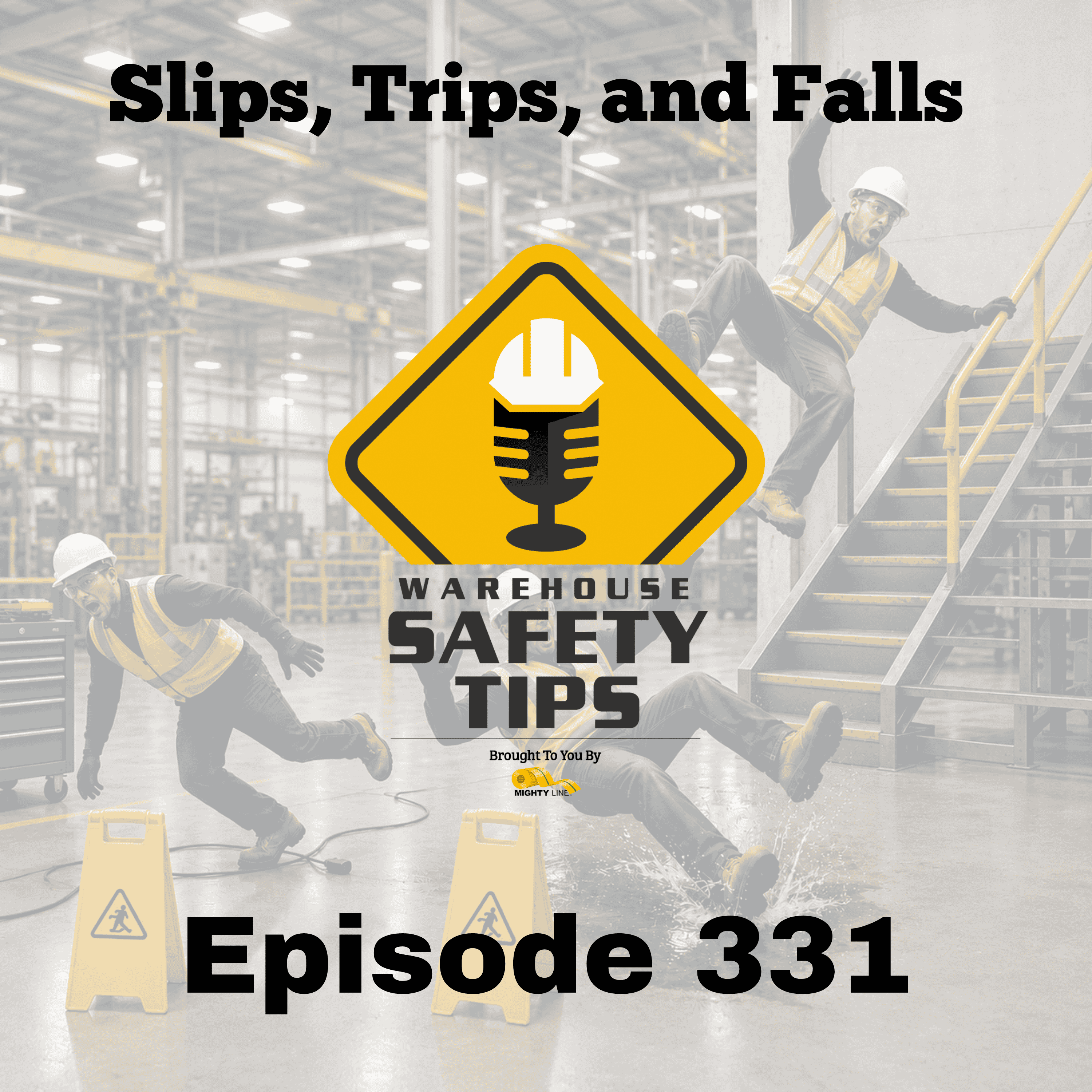
    Slips, Trips, and Falls | Warehouse Safety Tips | Episode 331

    https://jo.my/0m843f Slips, Trips, and Falls Gravity has no mercy. A stray pallet wrap or a spilled coffee might seem minor. They aren't. They are trip hazards waiting for a victim. Real safety culture isn't about binders on a shelf. It is about a fierce, personal refusal to let your crew get hurt on your watch. It means you see a hazard, you kill it, and you move on. No excuses. No waiting for someone else to fix it. We protect our people by owning every square inch of that facility floor, every single shift. We are wrapping up National Safety Month with the big stuff. Hazard recognition. Slips, trips, and falls. These incidents are fast. Dangerous. Preventable. Let's talk about how we keep each other upright and moving safely today. Here are a few tips to assist you with National Safety Month Week 4: Hazard Recognition & Slips/Trips/Falls: Own Your Zone with 5S: Sort and straighten your work area every single shift. Keep the facility floors clear of straps, debris, and plastic wrap. If it does not belong on the floor, move it immediately. Maintain Three Points of Contact: Ladders demand respect. Always keep two hands and one foot, or two feet and one hand, on the ladder. Do not carry tools in your hands while climbing. Use a tool belt. Attack Spills Fast: Liquid and powder spills are immediate hazards. Never walk past a spill. Block the area off right away. Clean it up using the proper absorbent materials for your facility. Report the Near Misses: Did you almost trip over an uneven floor joint? Speak up. Reporting a close call today prevents a broken bone tomorrow. As always, these are potential tips. Please be sure to follow the rules and regulations of your specific facility. Every choice you make on the floor ripples out. When you bypass a mess or skip a safety step, you gamble with someone else's well-being. Look out for the greenhorn who does not yet know the dangers. Remind the veteran who gets too comfortable. Keeping this facility safe takes every single one of us. It is about watching each other's backs when the floor gets hectic. Let's make this shift the safest one yet. Thank you for being part of another episode of Warehouse Safety Tips. Until we meet next time - have a great week, and STAY SAFE! #Safety #SafetyCulture #StaySafe #SafetyFirst #SafetyTips #StayAlert #SafetyAwareness #NationalSafetyMonth #HazardRecognition #FallPrevention #5S #5SMethodology

  • S6 · E330
    June 17 · 4 min· Video

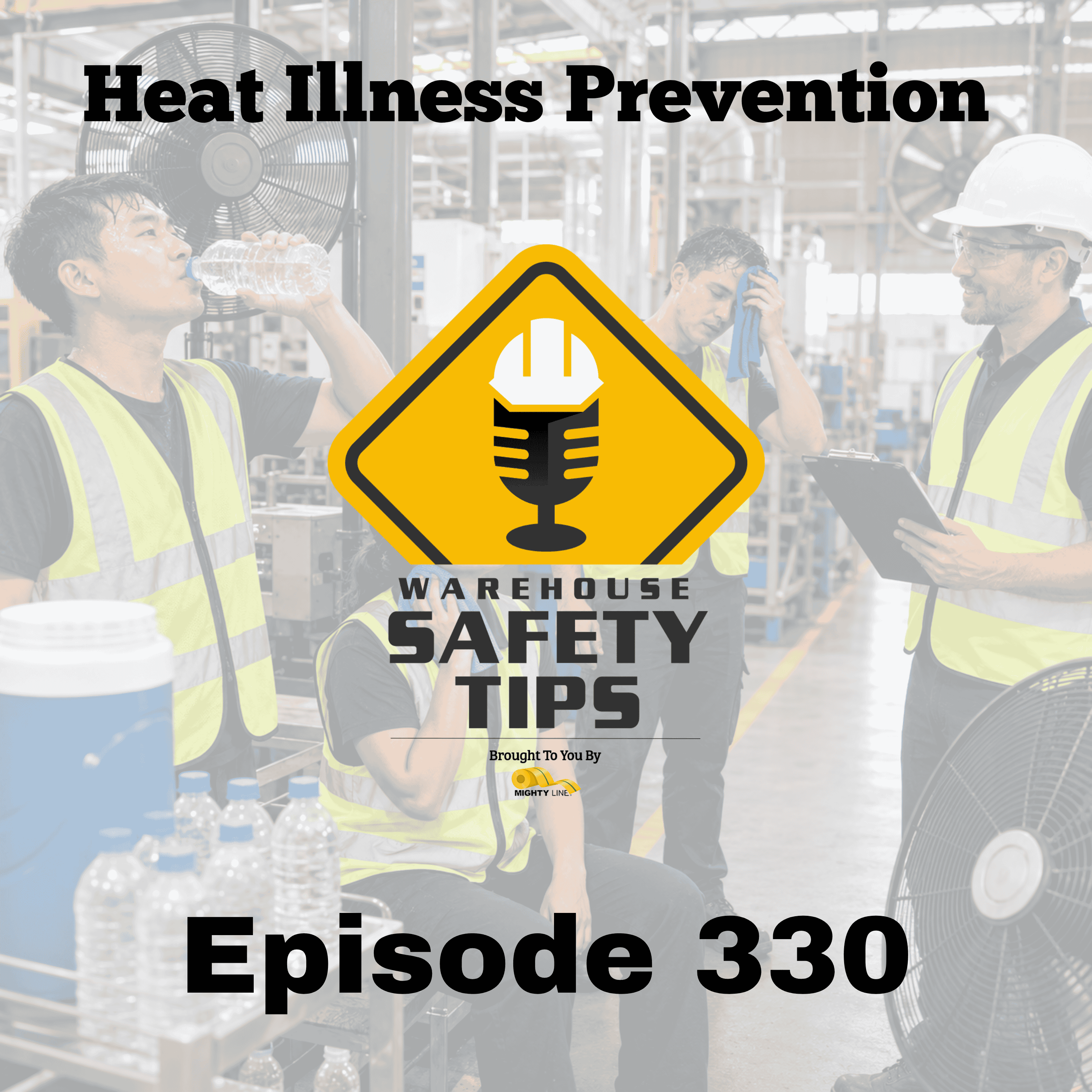
    Heat Illness Prevention | Warehouse Safety Tips | Episode 330

    https://jo.my/pfbmje Heat Illness Prevention Sweat isn't just a sign of hard work. Sometimes, it is a warning. When the summer sun hits a facility's roof, the indoor temperature skyrockets. I have seen strong, seasoned workers collapse because they ignored the thermometer. A true culture of care means we look out for the person standing next to us. We do not wait for someone to drop before we take action. Heat is an invisible hazard. Respect it. New hires are at the highest risk. Their bodies simply are not ready for the intense environment. Building tolerance takes time. If you rush the process, you invite disaster. It is about keeping people whole, so they go home to their families every single night. Here are a few tips to assist you with heat-related illness prevention: Ease them in: Use a five-day acclimation schedule for all new workers. Start them at 20% of their normal workload on day one. Increase the time by 20% each day. Drink up early: Do not wait until you are thirsty. Drink one cup of water every 15 to 20 minutes. Hydration is a proactive game. Enforce the triad: strictly implement the "Water, Rest, Shade" protocol. Provide mandatory rest breaks in designated cool areas. Know the red flags: Watch for heavy sweating, muscle cramps, and dizziness. These are early signs of heat exhaustion. Fast. Dangerous. Preventable. Spot the emergency: Look for confusion, fainting, and hot, dry skin. That is heat stroke. Call for emergency help immediately. Cool them down fast. As always, these are potential tips. Please be sure to follow the rules and regulations of your specific facility. Safety is not a checklist. It is a mindset you carry throughout your shift. When temperatures rise, our vigilance must rise too. Check on the new guy. Keep your water jug full. Take your breaks in the cool zones. We build a safe facility by making smart choices every single day. Let us take care of each other out there. Thank you for being part of another episode of Warehouse Safety Tips. Until we meet next time - have a great week, and STAY SAFE! #NationalSafetyMonth #Safety #SafetyCulture #StaySafe #SafetyFirst #SafetyTips #SafetyAwareness #WaterRestShade #HeatIllnessPrevention

Showing 1–20 of 20 episodes