Exploring the Magickal History of Coil (Part 2) w/ P6 from OMO, Desalvo, Stretchheads and Security
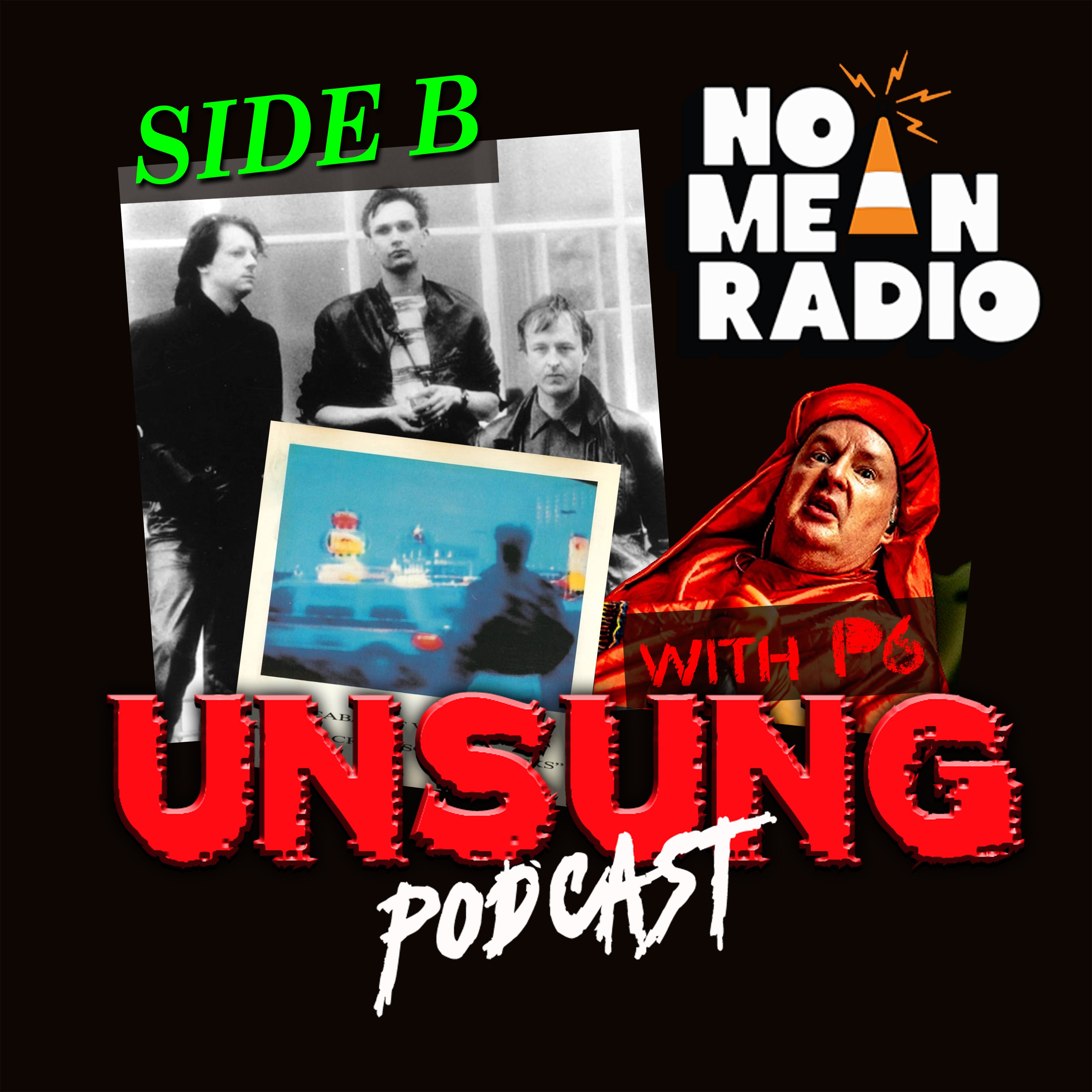
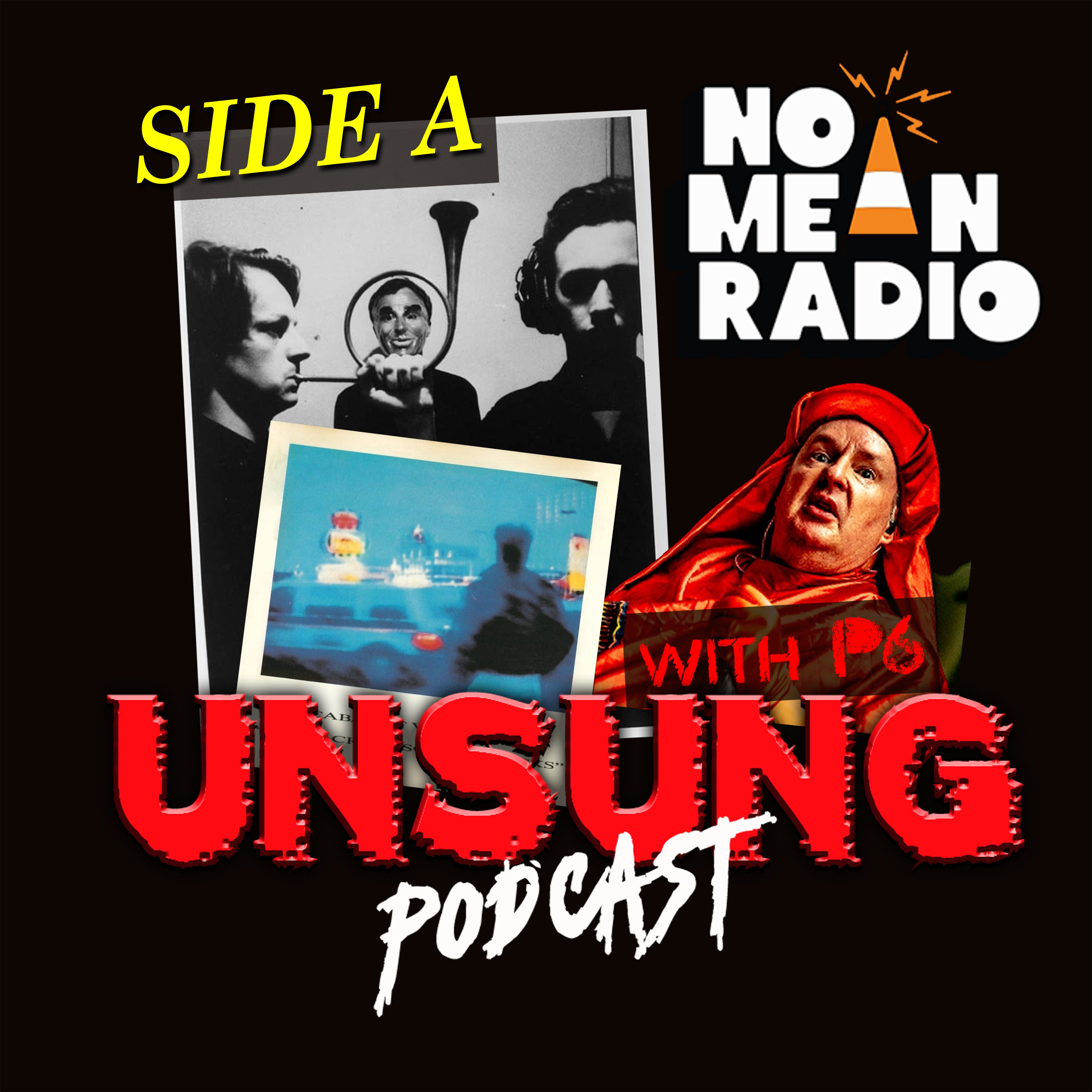
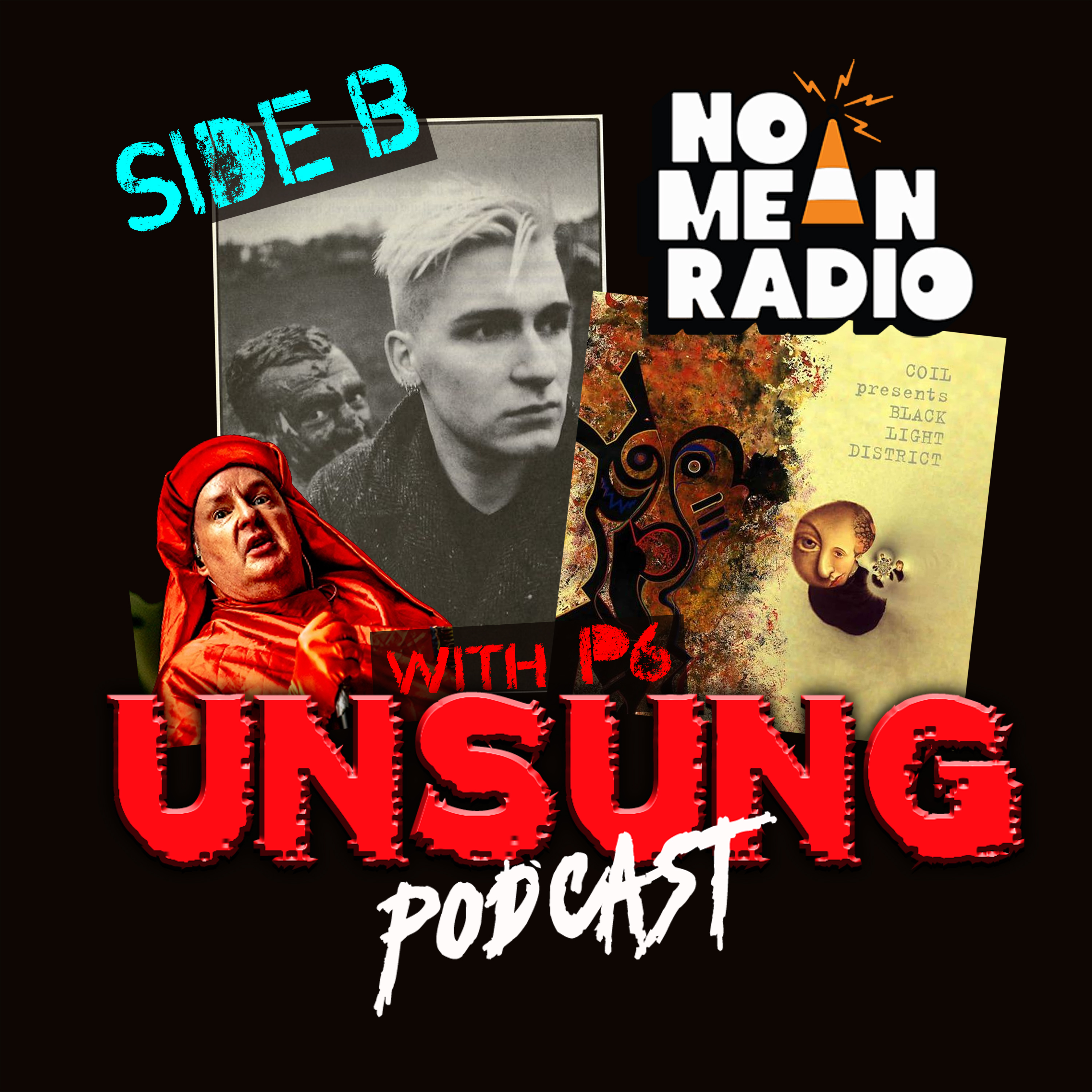
Last time we admitted defeat in our attempts try to summarise a fifty-plus album discography. This time our play P6 turns up with an actual diagram (which you can see right here) and we spend an hour and a half trying to work out whether that's a genuinely useful map or just a very elegant way of saying "it's complicated." We get into what actually meant when they called one period of their music “solar music” and the other “moon music”, both to themselves and to people writing about them afterwards. We begin with Scatology and then go into a long stretch on Coil as a queer band specifically: not queer-adjacent, not later reclaimed as queer, but a band who were writing directly out of the AIDS crisis while the gay mainstream press was too frightened to touch them. We talk about the rejected Hellraiser score, Clive Barker's actual bowels, and how a soundtrack too creepy for a horror franchise ended up as one of the most bootlegged, most fought-over corners of their catalogue. We get into Trent Reznor giving them free run of a New Orleans studio for their aborted album Backwards, the slow drift into drone and ritual with Time Machines, and the posthumous artefact economy that's grown up around the band. There's a lot of Coil in this episode that isn't really music in any conventional sense; arguably a lot of it is more like documentation. Documentation of a relationship, of a pandemic that was devastating their community, and of two people slowly working out what they were for. Whether that makes the later, harder-to-love records worth the effort is something we argue about without really resolving. We’d say give it a go anyway – you might find something you love. Chapters 00:00 – Welcome back, and the state of the venues in Glasgow 00:04 – Phil's solar/moon diagram, and the pivot point of Horse Rotorvator 00:07 – Scatology as manifesto: no personality cult, just "this is us" 00:12 – Defining solar vs moon in Coil's own terms 00:16 – "Kill a queer for Christ": the hostility Coil were writing against 00:20 – Coil as a queer band, not a queer-adjacent one 00:24 – The AIDS pandemic as the actual subject of the solar period 00:27 – Why Coil succeeded where Frankie Goes to Hollywood and the "gay icons" of the 80s didn't 00:31 – The Spanner case, outlaw community, and the limits of gay respectability 00:35 – The artefact economy begins: box sets, reissues, and "picking at the corpse of Coil" 00:36 – The rejected Hellraiser score and Clive Barker's bowels 00:44 – Love's Secret Domain, clubbing, and ecstasy as a response to the fear of touch 00:48 – Derek Jarman, the Sisters of Perpetual Indulgence, and Phil's own ordination 00:55 – Into moon music: The Angelic Conversation and the shift toward mysticism 00:57 – Trent Reznor, free studio time, and Nine Inch Nails' debt to Horse Rotorvator 01:02 – Membership shifts: Danny Hyde, Drew McDowell, and Thighpaulsandra 01:04 – Black Light District and the "dank, downbeat" transitional period 01:14 – Moving toward live performance and the birth of Coil's occult stage identity 01:19 – Balance's addiction, Funeral Music for Lady Diana, and the Foxtrot testimony 01:26 – Post-9/11 visuals, prisoners, and a return to transgression on stage 01:27 – Closing thought: boredom, labour, and what it cost to make this music