Skip to content
Artwork for Unfiltered Autistic with Amanda McGuinness

Unfiltered Autistic with Amanda McGuinness

Amanda Mc Guinness - Little Puddins

Hello and welcome to the unfiltered Autistic Podcast.
The Podcast that aims to give an unfiltered account of
Autistic lived experiences, created and hosted by me Amanda Mc Guinness, an
Autistic Autism and Visual Support Specialist and parent to 4 Neurodivergent
children.
Having spent a lifetime filtering my true self, to be the
person I felt others wanted me to be, I realised at the age of 39 I could no longer
be that person.
It was time to be my true unfiltered Autistic self.
I realised I deserved to have the same compassion and
thoughtfulness I put out into the world.
I deserved to be me.

Play
  • 25 episodes
  • Avg 34 min
  • English
Counted on this page — what you have heard stays on this device, so it is not something the list can be paged by.
  • S3 · E15
    Tuesday · 29 min

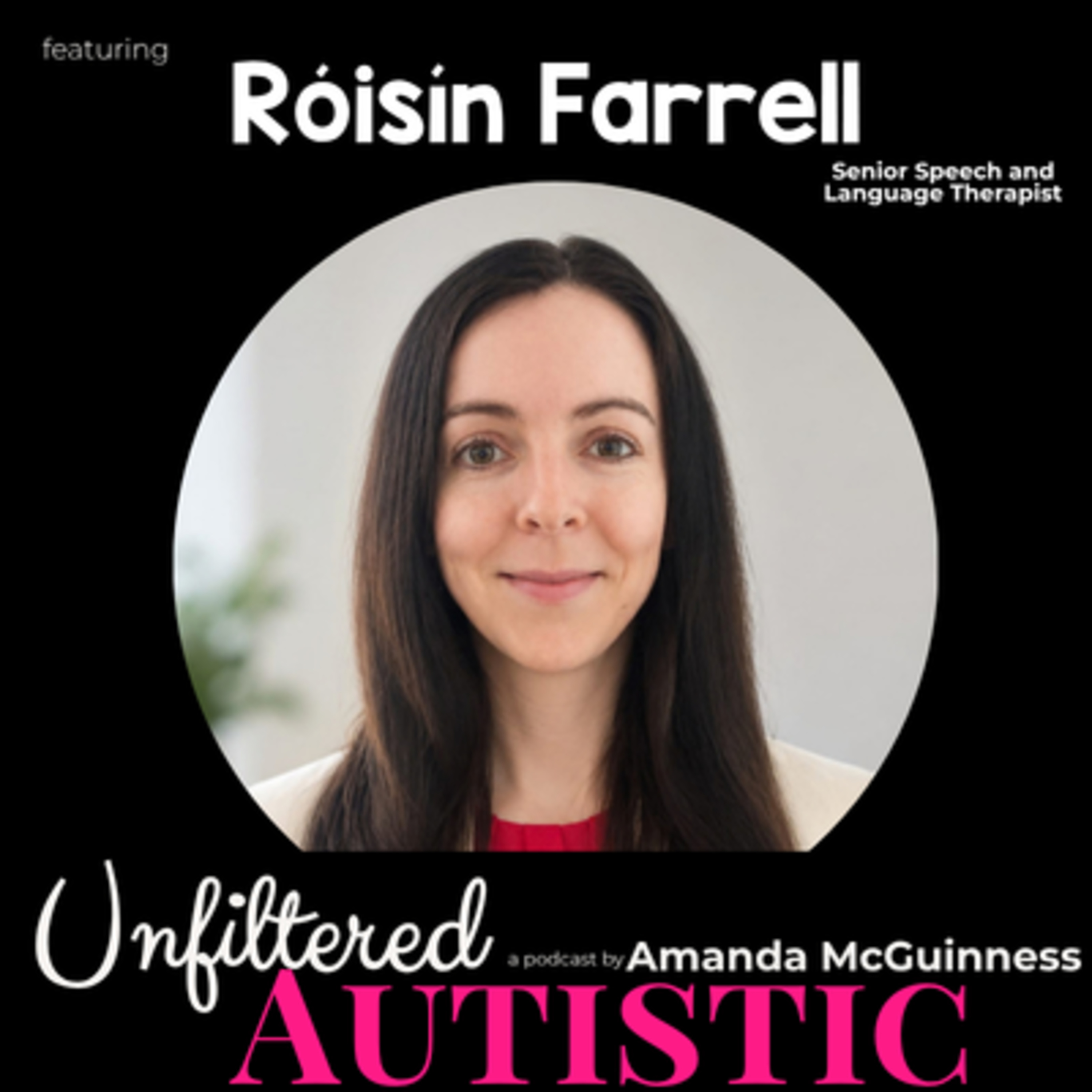
    AAC - Advice for Families and Educators with Roisin Farrell SLT

    Róisín is a Speech and Language Therapist with over a decade of experience supporting children and families across Ireland, the United Kingdom and Singapore. She currently works on a Children’s Disability Network Team and holds a Master’s degree in Augmentative and Alternative Communication (AAC). Róisín is passionate about AAC, communication access and supporting autistic people to communicate in ways that are meaningful and authentic to them. She is particularly passionate about advocating for greater visibility and celebration of AAC in Ireland, contributing to an inclusive culture where all ways of communicating are embraced and supported.

    • Transcript
  • S3 · E15
    Tuesday · 38 min

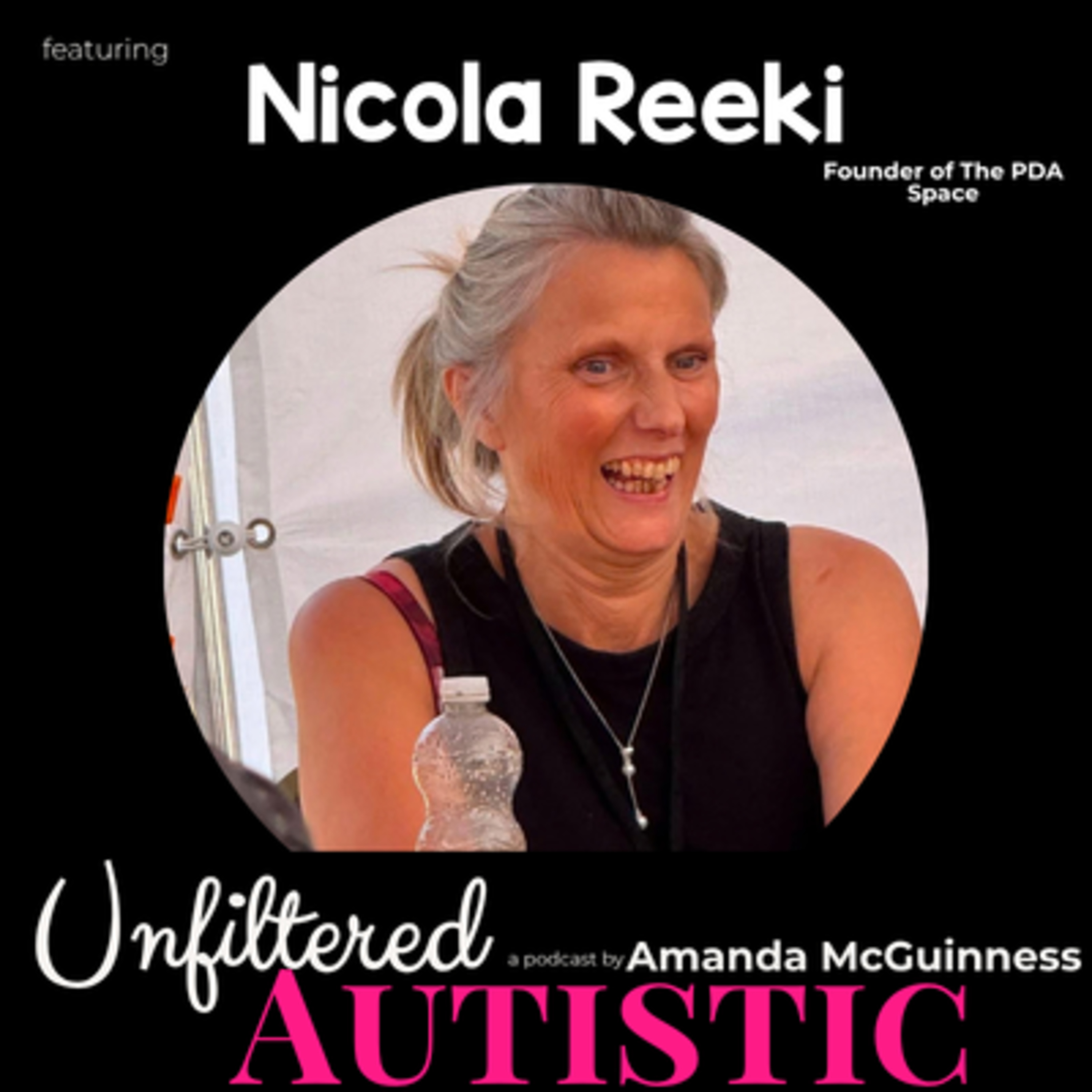
    The PDA Space with Nicola Reeki

    The PDA Space with Nicola Reeki In this episode of the Unfiltered Autistic Podcast, Amanda McGuinness speaks with Nicola Reekie, founder of The PDA Space, about PDA, Persistent Drive for Autonomy, the work of The PDA Space, and their upcoming PDA Summit.Nicola shares the story behind The PDA Space and its work supporting PDA people, families and professionals through greater understanding, connection, education and community.Amanda and Nicola talk about what PDA can look like in everyday life, why understanding the nervous system, autonomy, empathy, and felt safety matters, and the importance of moving beyond surface-level interpretations of behaviour to understand what may be happening for the person underneath.They also discuss the upcoming PDA Summit, what inspired it, what people can expect, and why bringing together lived experience, families and professionals is so important in developing more informed, compassionate and neuroaffirmative approaches to PDA.This conversation will be particularly relevant for Autistic and PDA people, parents and carers, educators, health professionals and anyone seeking to deepen their understanding of PDA through a neuroaffirmative lens.Topics discussed include:• PDA and Persistent Drive for Autonomy• The story behind The PDA Space• Supporting PDA people and families• Autonomy, pressure and felt safety• Understanding behaviour as communication• Lived experience and professional perspectives• The PDA Space Summit• Neuroaffirmative approaches to PDA• Supporting PDA children, young people and adultsHosted by Amanda McGuinness, Autistic advocate, Autism specialist and creator of Little Puddins.#PDA #PersistentDriveForAutonomy #Autism #Autistic #PDASpace #PDASummit #Neurodiversity #Neuroaffirmative #AutismPodcastLinks to PDA Space offers & resourceshttps://www.thepdaspace.com/summit_2026 - get your Summit ticketshttps://www.thepdaspace.com/2026-summit - Meet the Summit Speakershttps://www.canva.com/design/DAHQ4X1_kxg/66B2OGvGH1D0-vuMQU4y-w/view?utm_content=DAHQ4X1_kxg&utm_campaign=designshare&utm_medium=link2&utm_source=uniquelinks&utlId=hc575a42fa7 E-bookhttps://www.thepdaspace.com/workshops-and-webinars - Find out more about the Portal Membershiphttps://www.thepdaspace.com/offers/LYU9DKgK/checkout - sign up for your Portal Membershiphttps://www.thepdaspace.com/resourcehub - one off recordings you can buyhttps://www.thepdaspace.com/freebies_page - Free Resourceshttps://www.thepdaspace.com/wellbeinghub - Wellbeing Hub sign uphttps://us02web.zoom.us/j/81629280763 - Wellbeing Hub Zoom linkhttps://www.thepdaspace.com/e-books - Ebooks https://www.youtube.com/@thepdaspace - YouTube

  • S3 · E17
    August 30 · 35 min

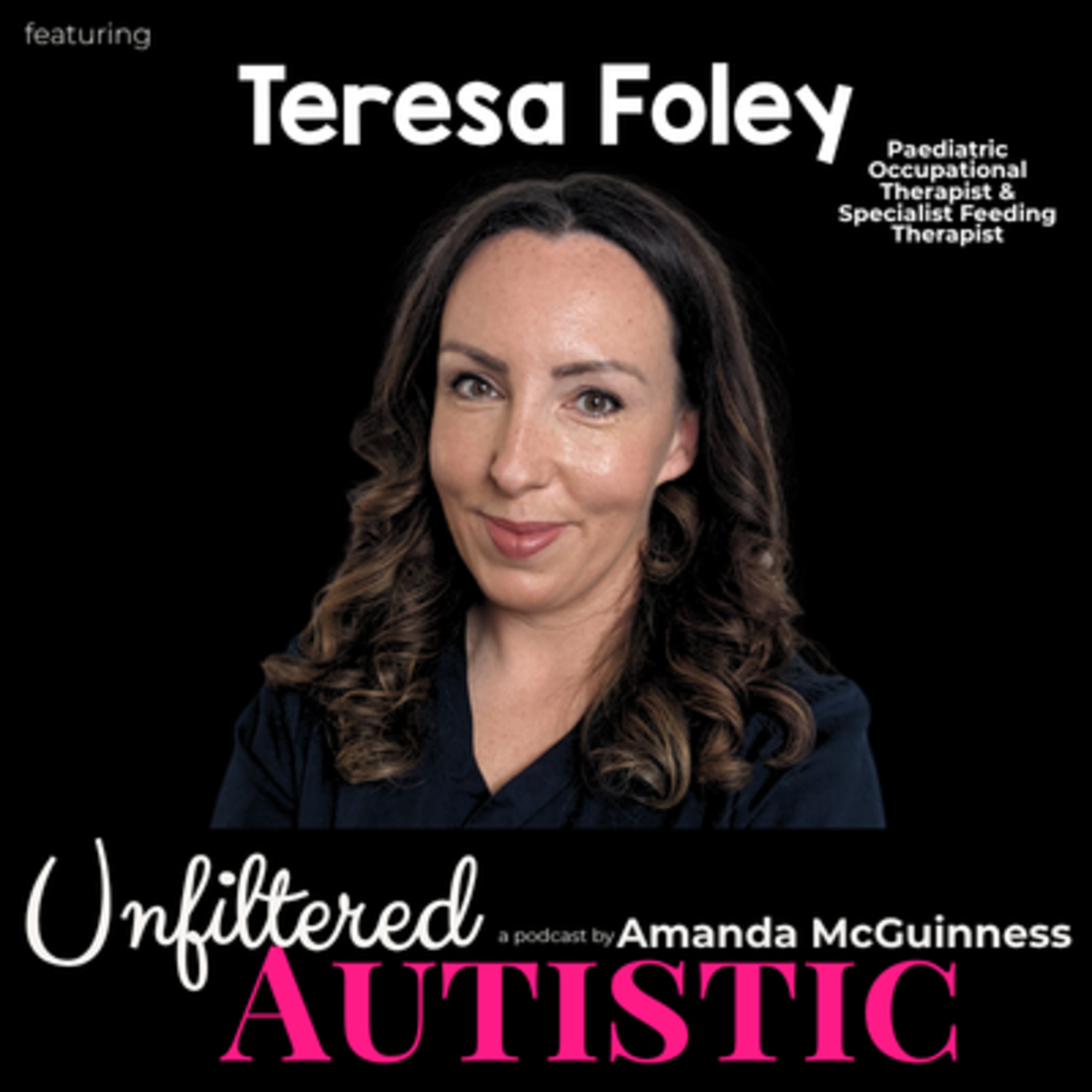
    Understanding ARFID with Teresa Foley OT and Specialist Feeding Therapist

    ARFID, Autism & Restricted Eating with Specialist Feeding Therapist Teresa Foley What is ARFID (Avoidant Restrictive Food Intake Disorder), and how is it different from the restricted eating and food differences commonly experienced by Autistic children? In this episode of the Unfiltered Autistic Podcast, Amanda McGuinness is joined once again by Teresa Foley, Paediatric Occupational Therapist and Specialist Feeding Therapist, for an insightful and practical conversation about ARFID, Autism, restricted eating, Paediatric Feeding Disorder and complex feeding challenges. Teresa explains why an Autistic child having a very restricted diet does not necessarily mean they have ARFID, and why understanding what is driving a child’s eating differences is so important. Together, Amanda and Teresa explore: • What ARFID is and how it can present • The difference between ARFID, Autistic eating differences and Paediatric Feeding Disorder • Sensory sensitivity to the smell, taste, texture, appearance and sound of food • Interoception and differences in recognising hunger and fullness • Low interest in food and eating • Fear of choking, vomiting, illness or other frightening experiences associated with food • Why some children may progressively lose previously accepted or safe foods • Why safety, trust and regulation are so important around eating • Why pressure to eat or “just try” a food can make eating more difficult • Why an Autistic child may eat at home but be unable to eat at school • The sensory impact of hot school meals, food smells and busy eating environments • Supporting children who struggle to eat during the school day • Why appropriately qualified specialist and multidisciplinary support matters Teresa also discusses something many parents will recognise: desperately wanting your child to eat more foods while also knowing that pressure, even when well intentioned, can increase anxiety around eating. Teresa Foley is a Paediatric Occupational Therapist and Specialist Feeding Therapist with extensive clinical experience supporting children and families experiencing feeding and eating differences. Teresa has worked in children’s hospitals and community settings in both Ireland and Australia. She previously worked at the National Specialist Feeding Service for Children at the Central Remedial Clinic, where she was part of the clinical team involved in establishing Ireland’s first services for children experiencing ARFID and other complex feeding challenges. Teresa is the owner of Shooting Stars Occupational Therapy in North Dublin, where she supports young children, including Autistic children and children with developmental differences. In 2024, Teresa established The Feeding Therapist, a specialist Occupational Therapy service dedicated to supporting children and families experiencing ARFID, Paediatric Feeding Disorder, restricted eating and other feeding challenges. Teresa brings extensive specialist clinical knowledge to this conversation while recognising the individuality of every child and family.

  • S3 · E16
    August 16 · 41 min

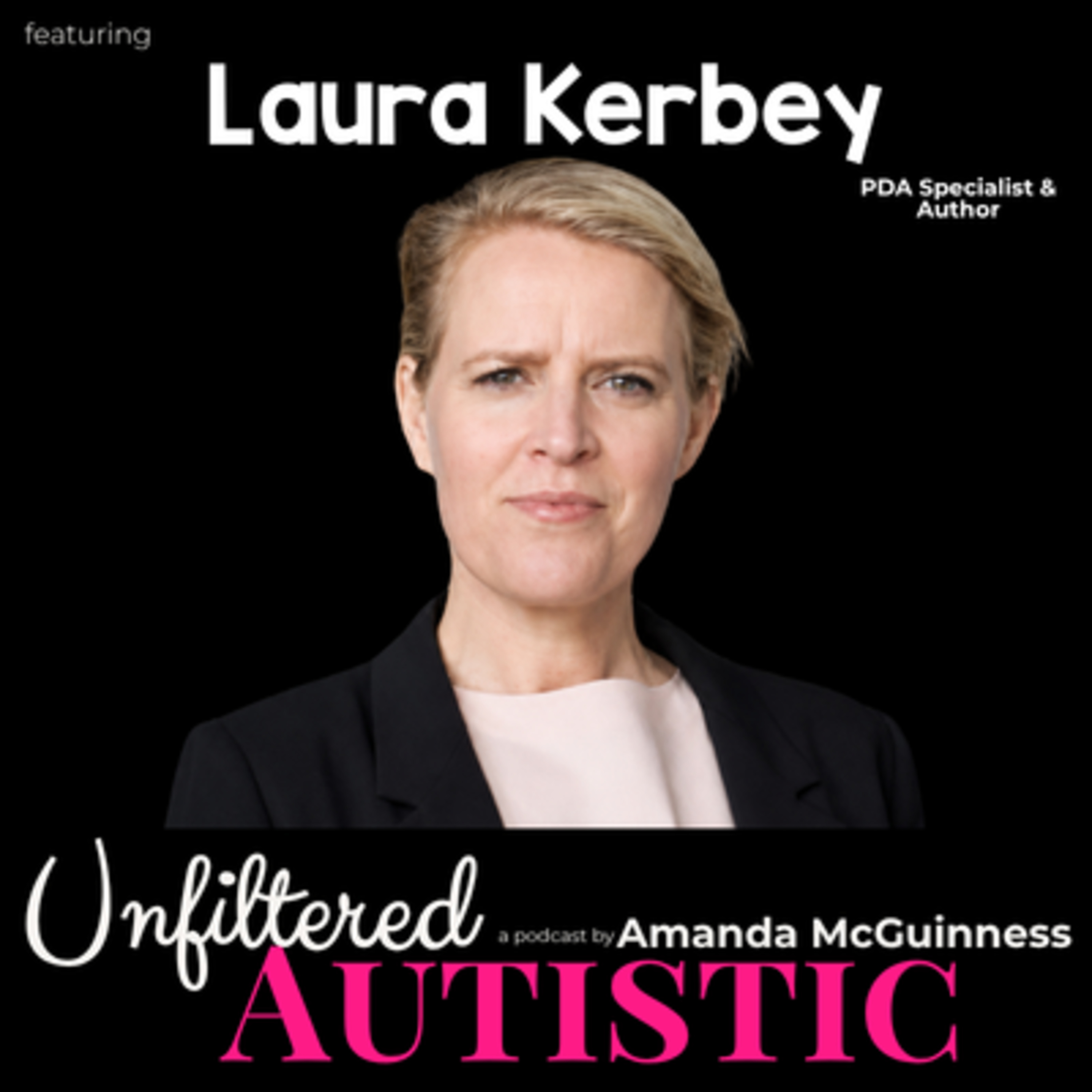
    PDA and Autism: How to Support PDA Children at Home and School | Laura Kerbey

    What does meaningful support for a child or young person with a PDA profile actually look like, particularly when conventional approaches to parenting, teaching and education are not working? In this episode of The Unfiltered Autistic Podcast, Amanda McGuinness is joined by Laura Kerbey, Autism and education consultant, author, trainer and specialist in supporting Autistic and PDA children and young people. With almost 25 years of experience in education, Laura brings an extensive understanding of Autism, PDA, education and alternative approaches to learning. She began her career in Supported Learning within Further Education before becoming an Autism Champion, assistant headteacher and later headteacher of a specialist school for Autistic children and young people. Laura is the founder of PAST, Positive Assessments Support and Training, and co-founder of Kite Therapeutic Learning, which provides individualised education for children and young people who are unable to access conventional school environments. Laura is also neurodivergent herself and speaks openly during the episode about being identified as ADHD in adulthood, the self-understanding that followed and the importance of recognising self-identification as valid. At the heart of this conversation is PDA, autonomy and the importance of understanding what may be happening beneath demand avoidance. Laura explores the movement away from conceptualising PDA simply as an anxiety-driven need for control towards recognising the central importance of autonomy. Using her memorable car analogy, Laura explains how attempts to direct, control or take over can feel like somebody reaching across and taking the steering wheel. Instead, she asks parents and professionals to consider how they can become the trusted passenger, supporting the individual while respecting their need for autonomy, agency and meaningful influence. Amanda and Laura discuss: • what PDA is and how our understanding of PDA continues to evolve • Persistent Drive for Autonomy and the importance of autonomy • why PDA is better understood as “can’t, not won’t” • why demands can affect things a PDA person genuinely wants to do • internal demands and expectations • nervous system sensitivity and anxiety • why trust and felt safety must come before learning • becoming a facilitator rather than directing the individual • building authentic, equal relationships with PDA children and young people • language, tone of voice and reducing unnecessary pressure • why PDA learners may need to understand the value and purpose of learning • interest-led and child-led approaches to education • perfectionism and the demand of having to finish work • why reward and punishment approaches can be particularly problematic • PDA and school distress or difficulty accessing education • the transition from primary to secondary education • alternative and individualised approaches to learning • supporting a PDA learner to reconnect with school • safe people and safe spaces • flexible timetables, soft starts and adapted school days • supporting autonomy while maintaining safety. For educators, one of the most important messages from this episode is deceptively simple: relationship comes first. Laura explains that a PDA learner needs to experience the adult as someone who is genuinely safe and trustworthy. Rather than positioning ourselves as the person controlling the journey, we can work alongside the young person, facilitate learning and demonstrate that we are on their team. The conversation also challenges the misconception that PDA children and young people simply do not want to learn. Laura describes PDA learners who are deeply curious and motivated to learn when learning feels meaningful, relevant and accessible to them.

  • S3 · E15
    August 16 · 28 min

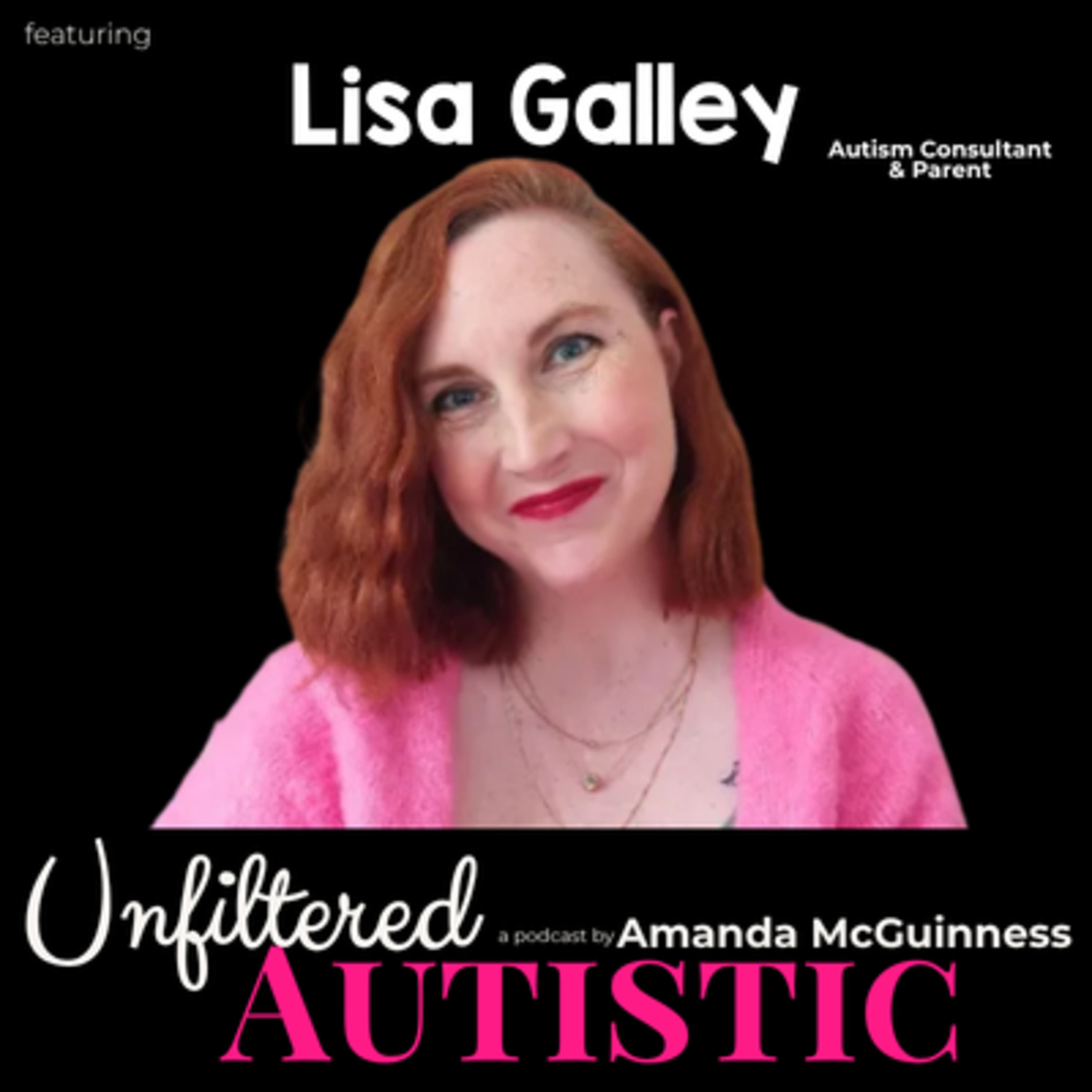
    Lisa Galley Parenting Your Autistic Child

    What happens when conventional parenting advice simply does not work for your Autistic child? In this episode of The Unfiltered Autistic Podcast, Amanda McGuinness is joined by Lisa Galley, Autism consultant, author, speaker, former Speech and Language Therapist and founder of the Autism Parenting Revolution community. Lisa is also the parent of three Autistic children, now adults, bringing together decades of parenting experience with her professional background supporting Autistic children and families. At the heart of this conversation is Lisa’s powerful Permission to Parent Differently approach and her new book, Parenting Your Autistic Child: Permission to Do It Differently. Amanda and Lisa explore what it can mean to raise an Autistic child in a world where much of the parenting advice families receive has been developed around neurotypical expectations. They discuss the pressure parents can experience to follow conventional approaches, even when their instincts and their child’s responses are telling them that something different is needed. The conversation explores: • parenting Autistic children differently from neurotypical expectations • nervous system regulation, connection and felt safety • trusting your instincts as a parent • matching expectations to an Autistic child’s capacity • letting go of parental guilt, shame and comparison • parental burnout and protecting your own nervous system • maintaining your identity while parenting an Autistic child • screen time, food and other areas where parents can experience judgement • PDA and parenting children with a PDA profile • changing communication and reducing unnecessary pressure • declarative language and recognising how tone can communicate expectation • parenting Autistic children into adolescence and adulthood • loneliness, isolation and the importance of finding an Autism parenting community. Lisa also speaks candidly about her own parenting journey, including recognising that approaches she encountered professionally did not always align with what her own Autistic children needed. A particularly important theme throughout the episode is the difference between lowering expectations and matching expectations to capacity. The conversation also explores PDA and Autism, with Lisa reflecting on what she has learned about parenting her PDA son and the importance of collaboration, communication, nervous system understanding and not interpreting protective responses as something personal. For parents who have felt judged because their child eats the same foods, needs more screen time, cannot manage particular expectations, struggles with school, experiences distress around demands or simply needs life to look different, this conversation offers another perspective. As Lisa describes her new book, it is a permission slip, a conversation and a toolkit, designed to help parents develop the confidence and courage to do things differently. This episode will be particularly valuable for parents and carers of Autistic children, teenagers and adults, as well as teachers, SNAs, Speech and Language Therapists, Occupational Therapists, educators and other professionals seeking a deeper understanding of neuroaffirmative Autism parenting and family life. About Lisa Galley Lisa Galley is an Autism consultant, speaker, author and former Speech and Language Therapist. She is the founder of the Autism Parenting Revolution community and combines her professional expertise with her lived experience of raising three Autistic children into adulthood. Her work supports families to understand Autism through nervous system regulation, connection and wellbeing, moving away from compliance-based approaches and helping parents develop greater confidence in parenting their Autistic child differently. Lisa’s debut book, Parenting Your Autistic Child: Permission to Do It Differently, is published by Penguin Random House.

  • S3 · E13
    August 11 · 29 min

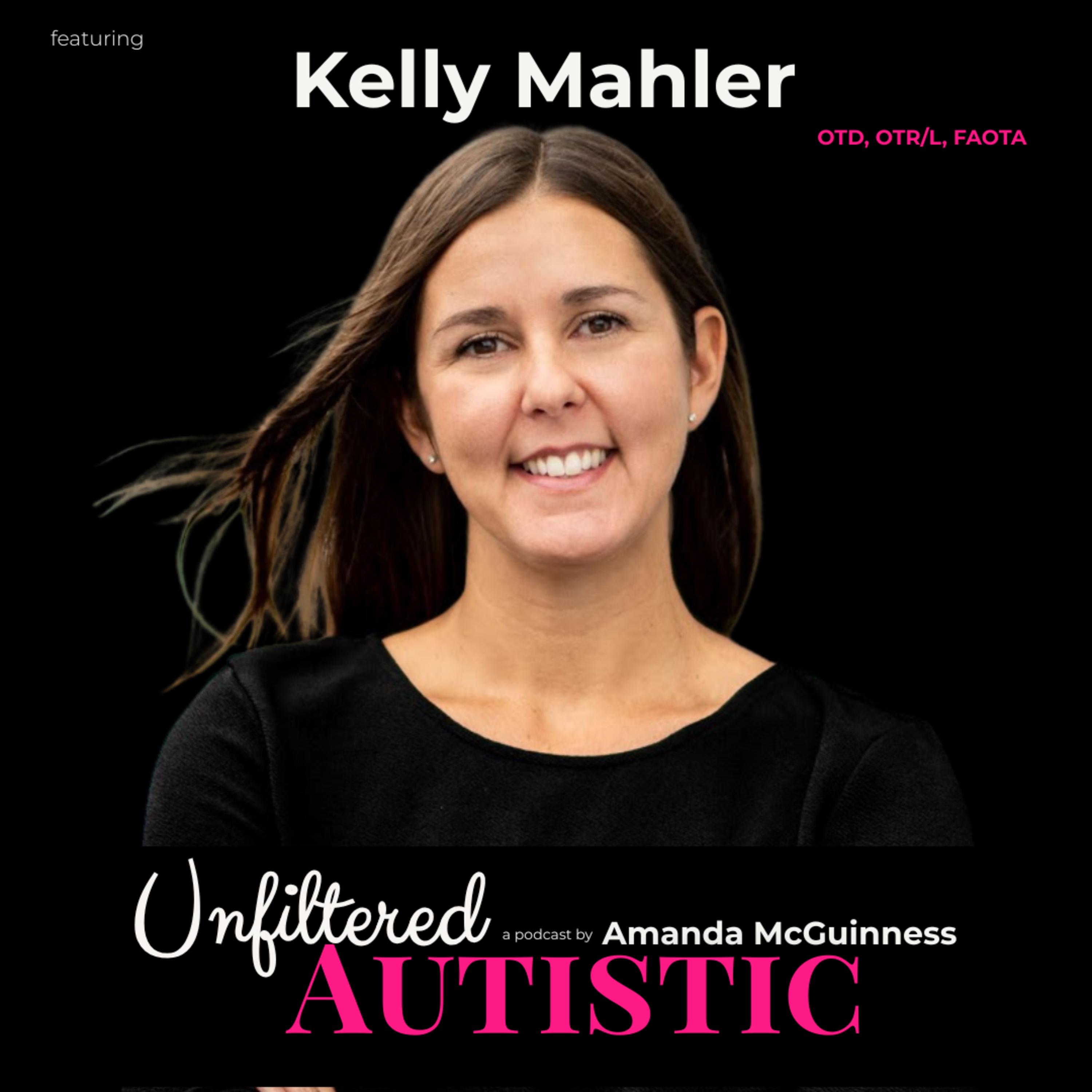
    Kelly Mahler Interoception Autism and Toileting

    In this episode of The Unfiltered Autistic Podcast, Amanda McGuinness is joined by internationally recognised occupational therapist, researcher and interoception specialist Kelly Mahler OTD, OTR/L, FAOTA for an important conversation about Autism, interoception, toilet learning, regulation, bodily autonomy and felt safety.Kelly challenges us to think differently about what is happening when an Autistic child or adult experiences difficulties with toileting. Rather than beginning with the toilet itself, Kelly explains why we need to consider the whole person, including their nervous system, internal body signals, sensory experiences, previous experiences of pain and whether their body feels safe.One of the central messages of this conversation is that toilet learning begins with felt safety. Kelly discusses how stress can affect our connection with internal body signals and why supporting regulation and safety within the body and bathroom environment may need to come before expectations around using the toilet.Amanda and Kelly also explore how previous experiences of constipation, painful pooing or other distressing experiences can continue to influence the body's response. As Kelly explains, sometimes a past experience can still be “living in the body”, requiring patience, safety and opportunities to develop new experiences rather than increased pressure or compliance.The conversation explores:What interoception is and why it mattersInteroception and AutismInteroception within toilet learningWhy felt safety and regulation are foundationalConstipation, painful elimination and the body's memory of previous experiencesMoving away from compliance-based approachesSupporting bodily autonomy and trusting what the body communicatesWhy saying “no” can itself represent listening to the bodyUnderstanding and believing individual internal experiencesInteroception and non-speaking Autistic peopleRecognising communication beyond spoken languageSupporting people to develop curiosity about their own body signalsWhy different people can experience the same sensation very differentlyKelly also introduces her new children's book, Noticing My Body Signals: A Science Lab Adventure, co-authored with Madeline Mahler. The book is the first in a three-part journey reflecting Kelly's Notice, Connect, Regulate interoception framework and supports children to explore their individual body signals through curiosity and experimentation.About Kelly MahlerKelly Mahler, OTD, OTR/L, FAOTA is an occupational therapist, researcher, author and international speaker with 20 years of experience supporting school-aged children and adults.Kelly earned her Doctorate in Occupational Therapy from Misericordia University and is an adjunct faculty member at Elizabethtown College and Misericordia University. She is co-principal investigator on several research projects exploring areas including interoception, self-regulation, trauma and Autism.Kelly has received multiple awards for her work, including the 2020 American Occupational Therapy Association Emerging and Innovative Practice Award, and has authored numerous resources advancing understanding of interoception and regulation.This episode offers an important reframing for parents, Autistic people, occupational therapists, educators, SNAs, early years professionals and anyone supporting Autistic children or adults with interoception or toilet learning.Find out more about Kelly Mahler and her interoception resources:Kelly Mahler's official website

  • S4 · E1
    August 3 · 1 min

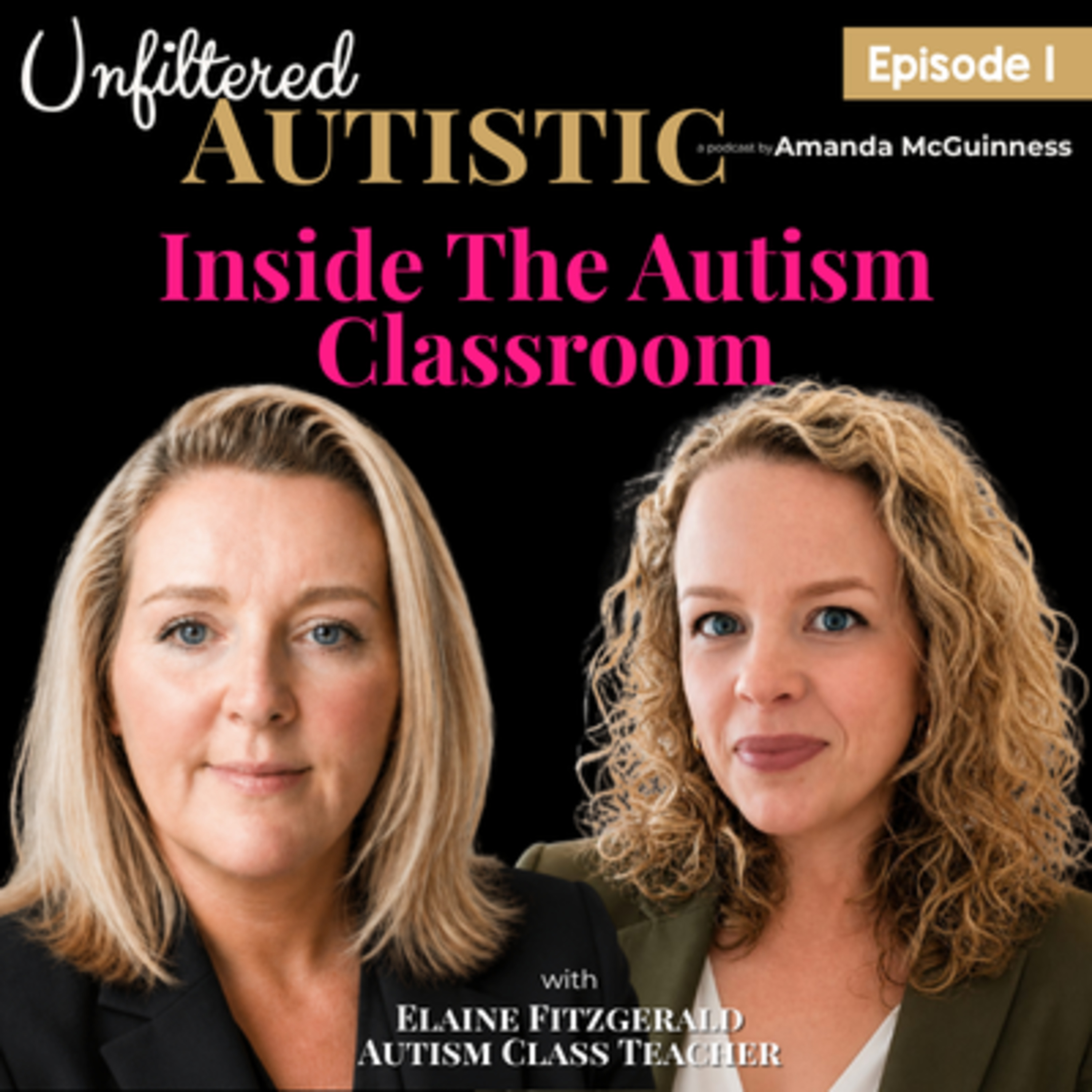
    Inside the Autism Classroom Introduction Elaine Fitzgerald and Amanda McGuinness

    ACCESS THE FREE AUTISM CLASS RESOURCE LIBRARY: https://www.flourishautismconsultancyandtraining.com/autism-class-support Welcome to Inside the Autism Classroom, a brand-new six-part podcast series on The Unfiltered Autistic Podcast, co-hosted by Amanda McGuinness, Autism & PDA Specialist, and Elaine Fitzgerald, experienced Autism Class teacher. Created specifically for Autism Class teachers, this is the first podcast series of its kind dedicated to supporting educators with the practical realities of teaching in an Autism Class through a neuroaffirmative, evidence-informed lens. Whether you're preparing to open your very first Autism Class or looking to strengthen your existing practice, this series combines professional expertise, lived experience, and practical classroom insight to support you every step of the way. Across six episodes, we explore: Planning your Autism Class Regulation & Co-regulation Working Together: Collaborating with Parents, SNAs and School Teams Target Setting & Teaching Approaches Training, Professional Learning & Resources Assessment Challenges & Adaptations Alongside the series, you'll gain access to our FREE Autism Class Resource Library, co-designed by Amanda and Elaine, featuring practical downloads, templates, classroom resources, and tools to support your teaching journey. The library forms part of Flourish Autism Consultancy & Training's commitment to providing evidence-informed, neuroaffirmative resources that strengthen inclusive educational practice. If you're an Autism Class teacher, Special Needs Assistant (SNA), school leader, student teacher, or education professional, we hope this series becomes a trusted resource that supports you in creating classrooms where Autistic pupils feel safe, understood, and able to flourish. Subscribe to The Unfiltered Autistic Podcast and join us for practical conversations that bridge research, lived experience, and everyday classroom practice.

  • S4 · E6
    August 2 · 16 min

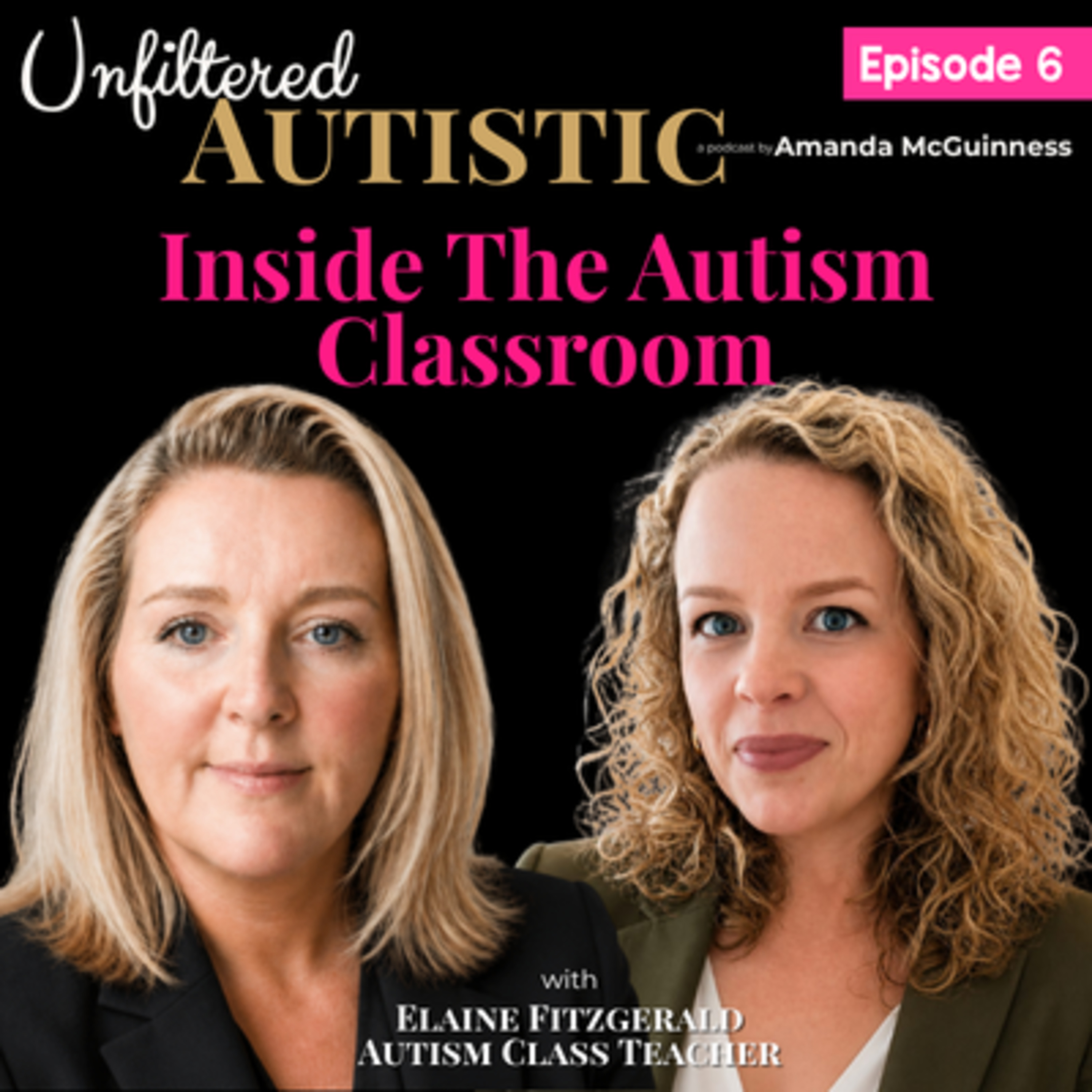
    Inside the Autism Classroom Assessment Challenges & Adaptations Amanda McGuinness Elaine Fitzgerald Episode 6

    ACCESS FREE AUTISM CLASS RESOURCE LIBRARY: https://www.flourishautismconsultancyandtraining.com/autism-class-supportEpisode 6: Assessment Challenges & Adaptations Every Autistic learner deserves assessment that recognises their strengths, honours their communication, and accurately reflects what they know and can do. In the final episode of Inside the Autism Classroom, Amanda McGuinness and experienced Autism Class teacher Elaine Fitzgerald explore one of the most challenging aspects of Autism Class teaching: assessment. Together, they examine the limitations of traditional assessment methods and discuss how teachers can adapt their practice to better recognise the strengths, abilities, and learning of Autistic pupils. Designed for Autism Class teachers, SNAs, and education professionals, this practical conversation explores the realities of assessing children whose communication, regulation, sensory processing, or learning profiles may not be accurately represented through conventional assessment tools. Amanda and Elaine discuss why meaningful assessment should move beyond compliance and performance, focusing instead on authentic participation, teacher observation, and understanding each child's unique profile. Elaine shares her experiences of using practical assessment approaches, including checklists, ongoing teacher observation, adapted literacy assessments, and creative ways to gather meaningful evidence of progress. The discussion also examines the need for more accessible, technology-based assessment tools that better reflect the strengths of many Autistic learners and reduce unnecessary barriers to participation. Throughout the episode, Amanda and Elaine encourage teachers to remain curious, reflective, and flexible, recognising that assessment should guide teaching rather than define a child's potential. They also discuss the importance of advocating for appropriate resources, collaborating with multidisciplinary professionals, and ensuring that assessment always supports learning, wellbeing, and meaningful educational planning. Whether you are new to an Autism Class or looking to strengthen your assessment practice, this episode offers practical ideas, honest reflections, and evidence-informed guidance to help you assess learning in ways that are strengths-based, neuroaffirmative, and truly centred on the individual Autistic learner. Key topics include: Assessment in Autism Classes Strengths-based assessment approaches Teacher observation and practical evidence gathering Adapting literacy and classroom assessments Checklists and meaningful progress monitoring Technology and accessible assessment tools Neuroaffirmative educational assessment Individualised planning for Autistic learners Working alongside multidisciplinary professionals Practical strategies for Autism Class teachers

  • S4 · E5
    August 2 · 15 min

    Inside the Autism Classroom - Training, Professional Learning & Resources Amanda McGuinness Elaine Fitzgerald Episode 5

    ACCESS FREE AUTISM CLASS RESOURCE LIBRARY: https://www.flourishautismconsultancyandtraining.com/autism-class-support Episode 5: Training, Professional Learning & Resources Great Autism Class teaching doesn't happen by chance. It is built through continuous learning, reflection, collaboration, and a commitment to evidence-informed, neuroaffirmative practice. In Episode 5 of Inside the Autism Classroom, Amanda McGuinness and experienced Autism Class teacher Elaine Fitzgerald explore the professional learning opportunities, training pathways, and practical resources that have shaped their own practice and continue to support Autism Class teachers throughout their careers. Designed for new and experienced Autism Class teachers, SNAs, and education professionals, this episode provides an honest discussion about where to begin your professional learning journey, from introductory Autism training to postgraduate study and ongoing professional development. Elaine shares her experience of completing a Postgraduate Diploma in Autism Studies, while discussing the value of NCSE courses, Middletown Centre for Autism, classroom observation, mentoring, and learning alongside experienced colleagues. Amanda and Elaine also reflect on the importance of seeking contemporary, neuroaffirmative training that is grounded in current Autism research, lived experience, and practical classroom application. Together they discuss why reflective practice, professional curiosity, and lifelong learning are essential for creating inclusive, strengths-based Autism Class environments. Alongside recommended training providers and professional networks, the conversation highlights practical classroom resources, evidence-informed books, and trusted organisations that can help teachers build confidence while developing a deeper understanding of communication, regulation, sensory differences, and responsive teaching approaches. Whether you are preparing to teach in your first Autism Class or looking to continue developing your professional practice, this episode offers practical recommendations, trusted resources, and evidence-informed guidance to support your journey as an Autism Class teacher. Key topics include: Autism training for new Autism Class teachers NCSE professional learning opportunities Middletown Centre for Autism resources Postgraduate study in Autism education Neuroaffirmative professional development Classroom observation and mentoring Recommended Autism books and classroom resources Reflective practice and lifelong professional learning Evidence-informed organisations and professional networks Practical guidance for continuing your Autism education journey

  • S4 · E4
    August 2 · 20 min

    Inside The Autism Classroom Target Setting & Teaching Approaches Amanda McGuinness Elaine Fitzgerald Episode 4

    ACCESS FREE AUTISM CLASS RESOURCE LIBRARY: https://www.flourishautismconsultancyandtraining.com/autism-class-support Episode 4: Target Setting & Teaching Approaches Meaningful learning begins by understanding the child, not by following a programme. In Episode 4 of Inside the Autism Classroom, Amanda McGuinness and experienced Autism Class teacher Elaine Fitzgerald explore how to create meaningful, individualised learning experiences through strengths-based target setting and neuroaffirmative teaching approaches. Designed for Autism Class teachers, SNAs, and education professionals, this practical conversation focuses on planning that is responsive to each child's unique profile, interests, communication, and regulation needs. Drawing on Elaine's classroom experience, the episode explores how thematic teaching can transform learning by using children's interests as the foundation for literacy, numeracy, communication, play, and wider curriculum experiences. Amanda and Elaine discuss why planning should remain flexible, relationship-centred, and regulation-first, while ensuring every learner can meaningfully access the curriculum. The conversation introduces Universal Design for Learning (UDL) as a practical framework for Autism Classes, exploring how offering multiple ways to engage, learn, communicate, and demonstrate understanding creates more accessible learning environments. Elaine also shares how she uses videos, music, movement, sensory experiences, creative activities, and technology, including AI, to develop engaging classroom themes and teaching ideas. Amanda and Elaine also examine how to develop meaningful Student Support Plans that move beyond deficit-based thinking. Together they discuss collaborating with parents to identify priorities, writing strengths-based targets that reflect each child's individuality, and recognising that life skills, communication, emotional wellbeing, autonomy, and participation are just as important as academic achievement. Throughout the episode, they encourage educators to use language that reflects possibility, dignity, and respect while building educational goals that genuinely matter to children and their families. Whether you are planning your first Autism Class or looking to strengthen your teaching practice, this episode provides practical ideas, evidence-informed guidance, and reflective discussion to help create learning experiences that are flexible, engaging, and truly centred on the individual Autistic learner. Key topics include: Individualised target setting for Autistic learners Thematic teaching and interest-based learning Universal Design for Learning (UDL) Strengths-based Student Support Plans Collaborating with parents on educational goals Neuroaffirmative teaching approaches Using videos, music, play, and sensory experiences to support learning Flexible curriculum planning Life skills, communication, and participation-focused teaching Practical strategies for Autism Class teachers

  • S4 · E3
    August 2 · 20 min

    Inside the Autism Classroom - Working Together Amanda McGuinness Elaine Fitzgerald Episode 3

    ACCESS FREE AUTISM CLASS RESOURCE LIBRARY: https://www.flourishautismconsultancyandtraining.com/autism-class-support Episode 3: Working Together Supporting Autistic pupils is never the responsibility of one person. It is built through collaboration, trust, and shared understanding. In Episode 3 of Inside the Autism Classroom, Amanda McGuinness and experienced Autism Class teacher Elaine Fitzgerald explore how strong partnerships between Autism Class teachers, Special Needs Assistants (SNAs), mainstream teachers, school leaders, parents, and multidisciplinary professionals create the conditions for Autistic learners to feel safe, understood, and able to participate meaningfully in school life. Designed for Autism Class teachers, SNAs, school leaders, and education professionals, this episode examines why successful Autism Classes are shaped by the culture of the whole school, not simply what happens inside one classroom. Amanda and Elaine discuss how leadership influences inclusion, why professional learning matters at every level of a school, and how a shared neuroaffirmative ethos strengthens outcomes for both pupils and staff. Drawing upon Elaine's classroom experience and Amanda's professional expertise and lived experience as an Autistic adult and parent, the conversation explores practical ways to build positive relationships with mainstream teachers, encourage meaningful inclusion opportunities, and create confidence among colleagues who may have little previous experience of supporting Autistic pupils. The episode also highlights the invaluable contribution of Special Needs Assistants, recognising that collaborative teamwork, shared reflection, and consistent communication create calmer, more predictable learning environments. Amanda and Elaine discuss how valuing every member of the classroom team strengthens co-regulation, improves consistency, and ultimately benefits every child. Listeners will also hear an honest discussion about working alongside families. Amanda and Elaine explore why parents should be recognised as equal partners in decision making, how strengths-based communication builds trust, and why listening to family expertise is essential when developing meaningful educational supports. They also examine the realities of working with multidisciplinary professionals, acknowledging the challenges many schools face while offering practical strategies for building productive relationships with therapists and external agencies. The conversation concludes by exploring the power of school culture, reverse inclusion, relationship-centred practice, and shared responsibility. Rather than viewing inclusion as the responsibility of one classroom, Amanda and Elaine demonstrate how whole-school collaboration creates environments where Autistic pupils experience genuine belonging, participation, and respect. Whether you are establishing a new Autism Class, leading an existing team, or looking to strengthen collaborative practice within your school, this episode offers practical advice, reflective discussion, and evidence-informed guidance for building partnerships that place Autistic pupils at the centre of every decision. Key topics include: Building collaborative Autism Class teams Working effectively with Special Needs Assistants (SNAs) Supporting mainstream teachers and inclusive school practice The role of school leaders and whole-school culture Building positive partnerships with parents Working alongside multidisciplinary professionals Meaningful mainstream inclusion and reverse inclusion Strengths-based communication and relationship-centred practice Creating consistency across home, school, and support services Practical neuroaffirmative approaches to collaborative working

  • S4 · E2
    August 2 · 37 min

    Inside the Autism Classroom - Regulation and Co Regulation Amanda McGuinness Elaine Fitzgerald

    ACCESS FREE AUTISM CLASS RESOURCE LIBRARY: https://www.flourishautismconsultancyandtraining.com/autism-class-supportEpisode 2: Regulation & Co-RegulationRegulation is not a reward for learning. It is the foundation that makes learning possible.In Episode 2 of Inside the Autism Classroom, Amanda McGuinness and experienced Autism Class teacher Elaine Fitzgerald explore one of the most important aspects of supporting Autistic learners: understanding regulation and the vital role of co-regulation within Autism Classes.Designed for Autism Class teachers, SNAs, school leaders, and education professionals, this practical conversation moves beyond behaviour-based approaches to examine the neuroscience of regulation, why every Autistic learner has a unique regulatory profile, and how classrooms can become environments where children experience safety, connection, and genuine readiness to learn.Drawing upon contemporary neuroaffirmative practice alongside real classroom experience, Amanda and Elaine discuss why regulation must come before academic expectations, how teachers can identify each child's individual regulation needs, and why observation, curiosity, and collaboration are more valuable than assumptions. Together they explore practical starting points for teachers entering an Autism Class for the first time, including creating sensory-supportive environments, using regulation checklists, and developing flexible classroom routines that respond to each child's needs rather than expecting every child to fit the same approach.The episode also highlights the importance of adult self-regulation, recognising that co-regulation begins with the nervous system of the adult. Amanda and Elaine discuss reflective practice, the emotional demands placed upon educators, and why regulated adults are better able to support regulated children.Listeners will discover practical strategies for supporting diverse sensory and communication profiles, including movement, sensory exploration, environmental adaptations, clothing considerations, and in-the-moment regulation supports. The conversation also explores the value of energy regulation frameworks, the importance of consistency across the classroom team, and why strong communication between teachers, SNAs, families, and multidisciplinary professionals creates safer, more predictable experiences for Autistic pupils.Amanda also shares contemporary evidence-informed resources, including the work of Autism Level Up, while Elaine reflects on the everyday realities of implementing neuroaffirmative practice within a busy Autism Class. Together they encourage teachers to seek collaboration with occupational therapists and other professionals while recognising that relationship-based practice remains at the heart of effective support.Whether you are preparing for your first Autism Class or looking to strengthen your understanding of regulation, this episode provides practical strategies, reflective discussion, and evidence-informed guidance to help create classrooms where Autistic learners feel safe, understood, and ready to participate.Key topics include:Understanding the neuroscience of regulationWhy regulation comes before learningCo-regulation strategies for Autism ClassesSupporting sensory and movement needsEnergy regulation and practical classroom toolsTeacher self-regulation and reflective practiceCreating regulation-supportive classroom environmentsConsistency across teachers and SNAsWorking alongside occupational therapists and multidisciplinary professionalsPractical neuroaffirmative strategies for supporting Autistic learners

  • S4 · E1
    August 2 · 37 min

    Inside the Autism Classroom - Planning Your Autism Classroom

    ACCESS FREE AUTISM CLASS RESOURCE LIBRARY: https://www.flourishautismconsultancyandtraining.com/autism-class-supportIn the first episode of Inside the Autism Classroom, Amanda McGuinness is joined by experienced Autism Class teacher Elaine Fitzgerald to explore the foundations of creating a successful, neuroaffirmative Autism Class. Drawing on both professional expertise and lived experience, this practical conversation offers reassurance and realistic guidance for teachers preparing to open or join an Autism Class for the very first time.Rather than focusing on paperwork or rigid timetables, Amanda and Elaine discuss why meaningful relationships should always come first. Together they explore how to gather rich information from parents, previous educators, and early years settings, why reports only tell part of the story, and how understanding each child's unique communication, regulation, sensory profile, and interests creates the foundation for effective teaching.The episode examines how to thoughtfully prepare the physical classroom environment, create flexible visual schedules, establish predictable routines, and balance structure with responsiveness. Elaine shares practical advice on planning one day at a time, rather than becoming overwhelmed by designing the perfect timetable before children even walk through the classroom door.Listeners will also discover why co-regulation begins with the adults, how to build collaborative relationships with Special Needs Assistants (SNAs), and why creating a positive classroom culture among staff directly influences children's sense of safety and regulation. The discussion highlights the importance of valuing every member of the classroom team and recognising that collaborative practice leads to better outcomes for everyone.Amanda and Elaine also explore what authentic relationship building actually looks like in practice. From following a child's interests and respecting communication differences, to joining in play, embracing silence, and stepping into a child's world rather than expecting them to step into ours, this episode reframes the first weeks of school as an opportunity to build trust before introducing expectations.The conversation concludes with an honest discussion about meaningful mainstream inclusion, emphasising that inclusion should never become an end goal in itself. Instead, Amanda and Elaine discuss how decisions should always be guided by each child's wellbeing, regulation, participation, and genuine sense of belonging. The episode finishes by exploring compassionate partnerships with parents, recognising that families often arrive carrying years of advocacy, uncertainty, and hope, making respectful collaboration one of the most important aspects of an Autism Class teacher's role.Whether you're preparing to teach in your very first Autism Class, moving into specialist education, or looking to strengthen your neuroaffirmative classroom practice, this episode provides practical advice, reflective discussion, and evidence-informed guidance to help you start the school year with confidence. Access your FREE Downloads here: https://www.flourishautismconsultancyandtraining.com/autism-classes/inside-the-autism-classroom-podcast Key topics include:Preparing for your first Autism ClassGathering meaningful information from families and previous educatorsCreating low arousal, regulation-supportive classroom environmentsVisual schedules, routines, and flexible planningBuilding collaborative relationships with SNAsRelationship-first teaching approachesSupporting non-speaking and AAC usersMeaningful mainstream inclusionPartnering with parents through trust, communication, and collaborationPractical advice for new Autism Class teachers

  • S3 · E12
    August 2 · 42 min

    Diverse Pathways for Early Childhood with Kerry Murphy Early Years Education Specialist

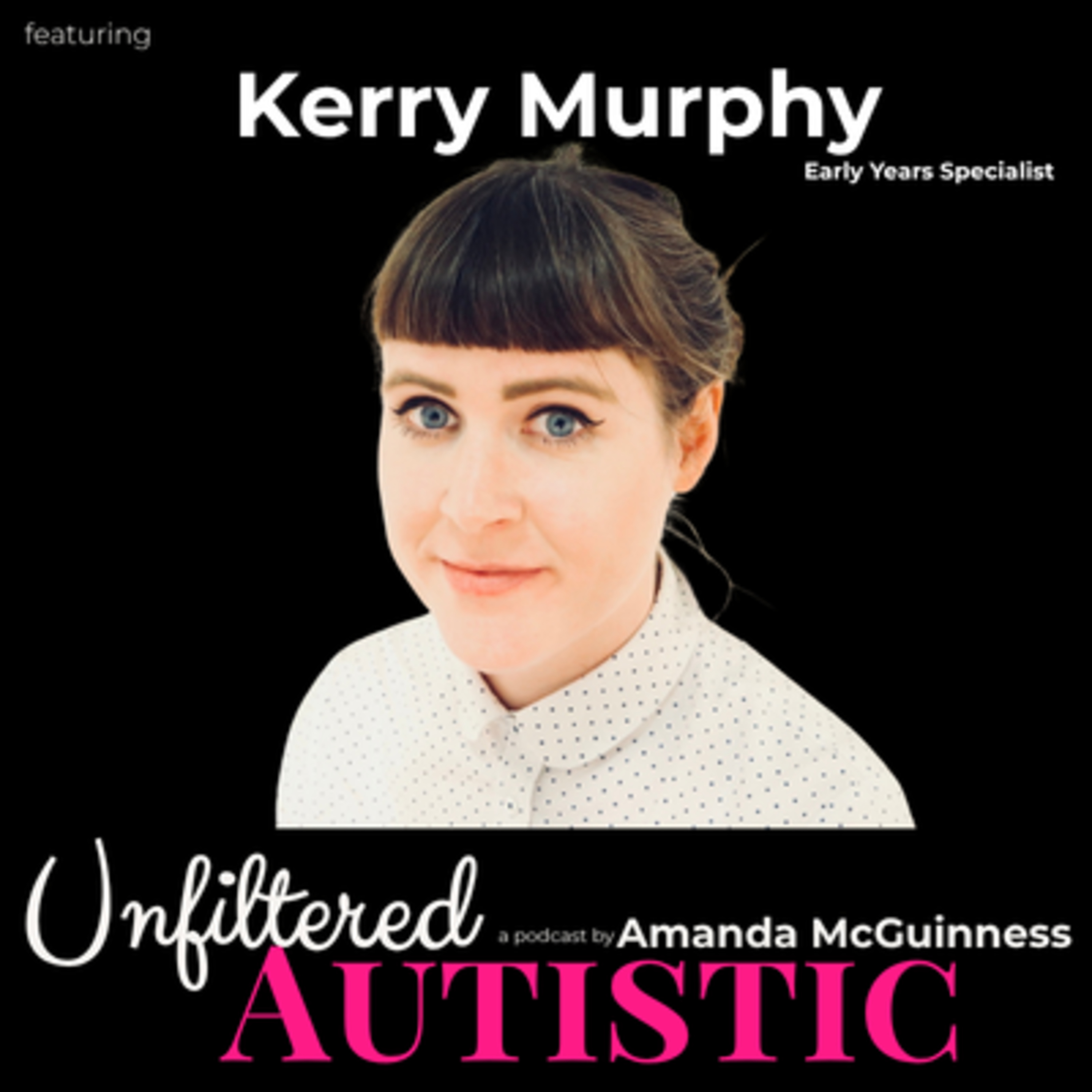
    In this episode of The Unfiltered Autistic Podcast, Amanda McGuinness is joined by Kerry Murphy, early childhood education specialist, lecturer, author and founder of Diverse Pathways for Early Childhood, for a thought-provoking conversation about what it truly means to create neurodiversity-affirming practice in the early years. Drawing on more than two decades of experience, Kerry explores why early childhood is such a critical period for shaping identity, belonging and lifelong wellbeing. Together, Amanda and Kerry examine how traditional developmental frameworks, deficit-based thinking and compliance-driven practices continue to influence early years education, often at the expense of Autistic and otherwise neurodivergent children. The conversation explores the importance of moving beyond labels and checklists towards understanding each child as an individual with their own unique constellation of strengths, needs, interests and ways of engaging with the world. Kerry shares practical insights into creating inclusive environments that protect autonomy, honour communication in all its forms, reframe behaviour through a neuroaffirmative lens, and challenge ableist assumptions that have become embedded within education systems. Amanda and Kerry also discuss play, relationships, regulation, professional curiosity, ethical practice and the role of educators in driving meaningful systemic change. Throughout the episode, they highlight how neurodiversity-affirming practice benefits not only neurodivergent children but every child, creating environments where diversity is understood, valued and celebrated. Whether you are an early years educator, teacher, school leader, therapist, student, policymaker or parent, this episode offers evidence-informed, reflective and practical insights that will encourage you to think differently about childhood, inclusion and what it means to truly support neurodivergent children. If you're passionate about Autism, neurodiversity, inclusive education, early childhood practice, SEND, play-based learning and creating environments where every child belongs, this is an episode you won't want to miss. Learn More from Kerry Murphy If this conversation resonates with you and you're passionate about creating truly neurodiversity-affirming early childhood environments, be sure to explore Diverse Pathways for Early Childhood, Kerry Murphy's platform dedicated to reimagining child development, play, communication, behaviour and regulation through an affirming, anti-ableist lens. Grounded in research, lived experience and practice, Diverse Pathways supports educators, leaders, specialists and families to create environments where neurodivergent children are understood, valued and able to thrive. Join the Early Childhood Neurodiversity-Affirming Summit Kerry is also the founder of the Early Childhood Neurodiversity-Affirming Summit, an online professional learning event bringing together leading voices in early childhood, Autism, disability, inclusion and neurodiversity. Designed for early years educators, teachers, therapists, school leaders, students and families, the summit explores evidence-informed, neurodiversity-affirming approaches to play, communication, development, regulation and inclusive practice. Learn more and book your place: https://diversepathways.thinkific.com/products/courses/summitpass Connect with Kerry 🌐 Website: https://diversepathways.org/ 📸 Instagram: https://www.instagram.com/diversepathways_earlyyears/ Through her website and social media, Kerry regularly shares practical resources, research insights, reflections on neurodiversity-affirming practice, and updates on training, publications and new projects, making them essential resources for anyone working with or supporting neurodivergent children.

  • S3 · E11
    August 1 · 44 min

    Autism & Constipation | Understanding Childhood Constipation, Toilet Learning & Bowel Health with Ann Costigan

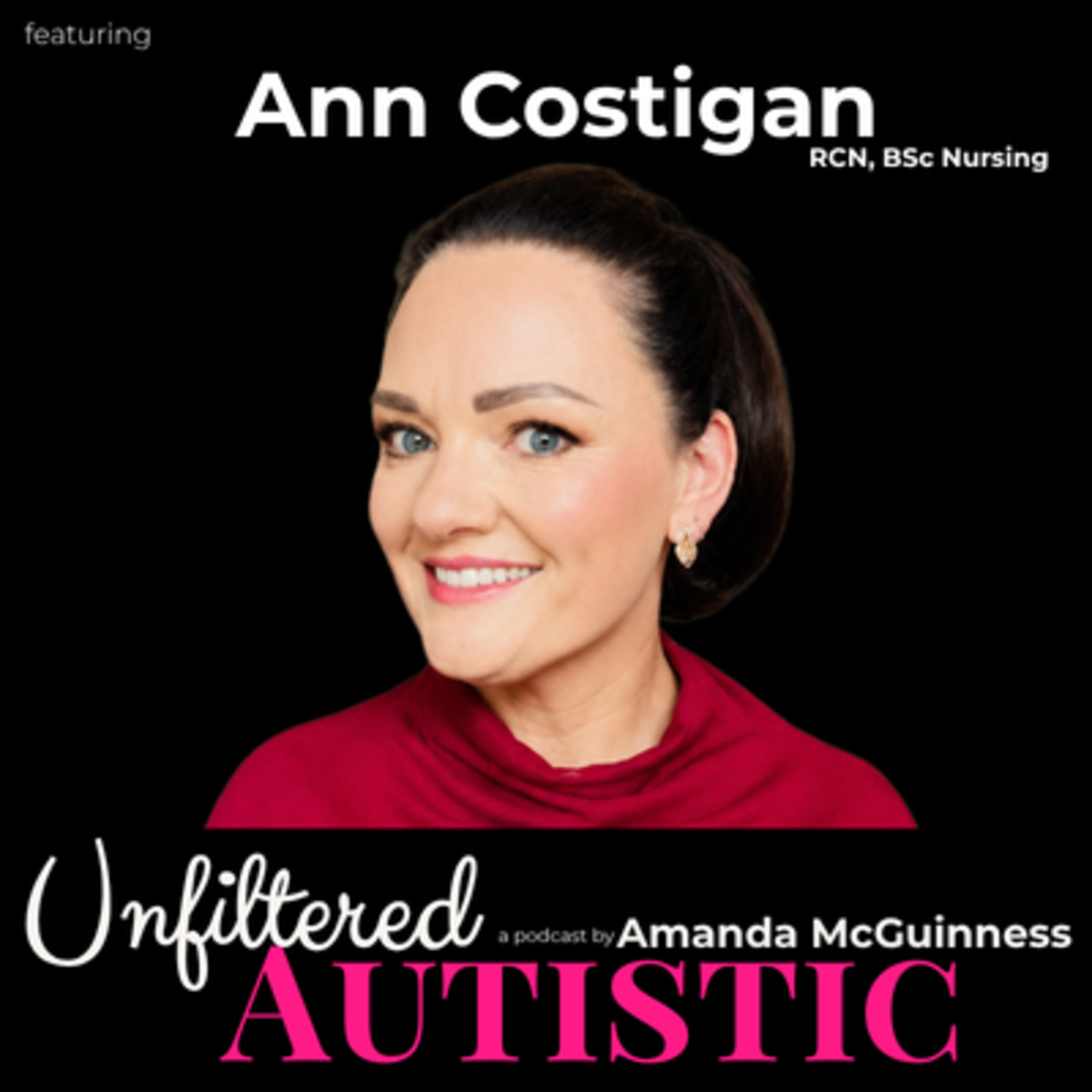
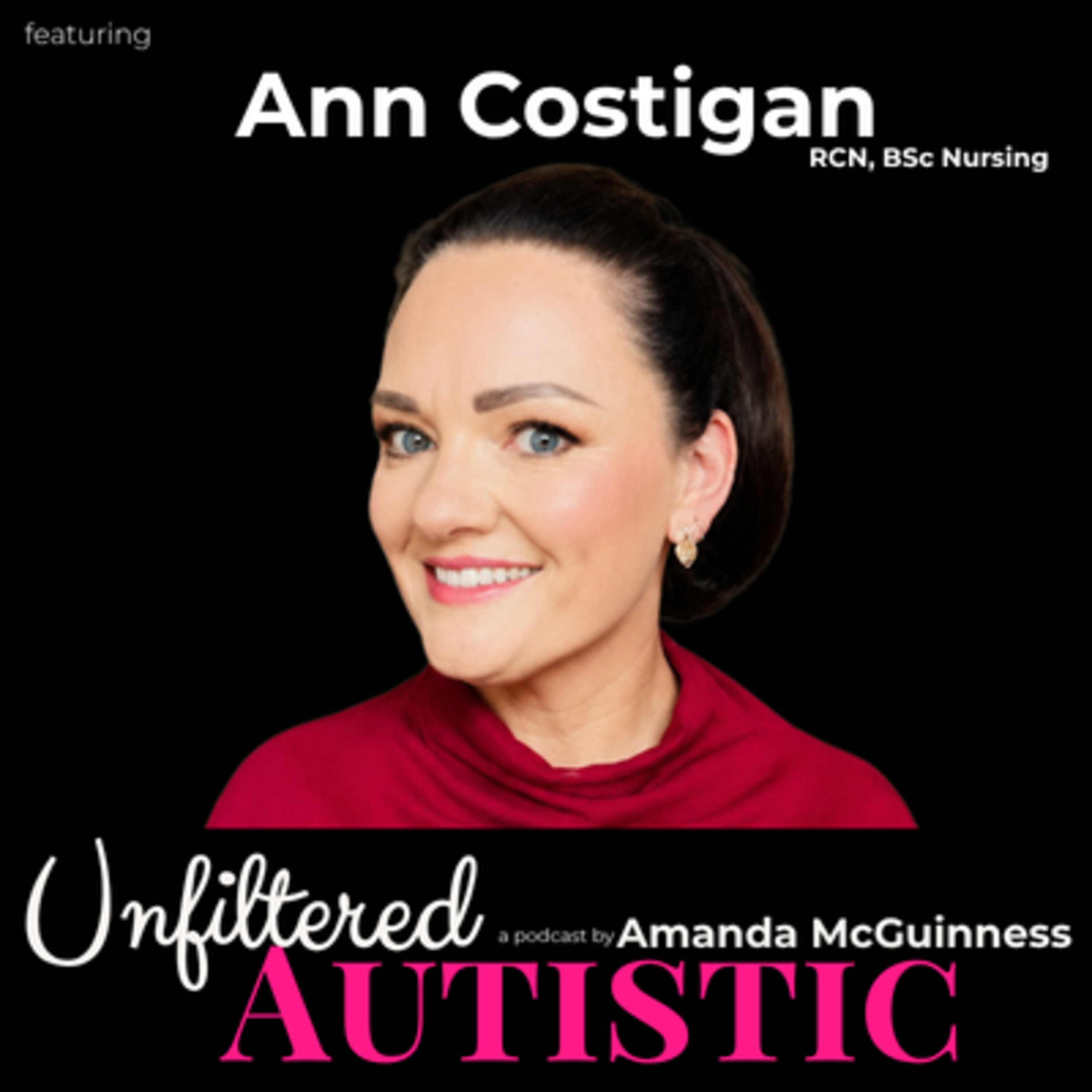
    Constipation is one of the most common childhood health conditions, yet it is also one of the most misunderstood, particularly for Autistic and neurodivergent children. Many families don't realise that constipation can develop gradually, present with subtle signs, and have a significant impact on a child's comfort, behaviour, bladder function and toilet learning. In this episode of The Unfiltered Autistic Podcast, Amanda McGuinness is joined by Ann Costigan, founder of @pooandtheloo, for the first of a two-part series exploring childhood bowel health. Ann is also the Co-founder and Chair of Children's Continence Ireland, bringing together healthcare professionals working in paediatric continence to improve education, collaboration and services for children and families. Together, Amanda and Ann unpack what constipation really looks like in children, why it is so frequently missed, and how recognising the early signs can prevent longer-term bowel and bladder difficulties. They also discuss why constipation and toilet learning are so closely connected, particularly for Autistic children and those with additional developmental needs. • What childhood constipation actually is and why it is often overlooked. • The subtle signs of constipation that many parents and professionals miss. • How constipation can affect bladder function, wetting, behaviour and emotional wellbeing. • Why constipation is so common during infancy, toilet learning and periods of transition. • The relationship between constipation and successful toilet learning. • How bowel habits, diet, hydration and routines influence bowel health. • Understanding macrogol medications, disimpaction and current evidence-based treatment approaches. • Why tracking bowel movements can provide valuable information for families and healthcare professionals. • Practical strategies to support bowel health while reducing stress for children and families. • When to seek support from your GP and other healthcare professionals. This is Part One of a two-part series with Ann Costigan. In Part Two, Amanda and Ann explore poo withholding, toilet learning after previous unsuccessful attempts, and practical strategies for supporting children to develop confidence around using the toilet. Helpful books, resources and supports for families.⁠https://tr.ee/saUPdQihi6⁠A practical checklist designed to help parents recognise the often subtle signs of constipation and identify when further assessment or support may be needed.⁠https://tr.ee/-Tgj5sK_Nc⁠A helpful guide to support conversations with your GP, outlining the information that may assist in assessing constipation, stool withholding, toileting difficulties, and bowel health.⁠https://tr.ee/KeJhYU0E7T⁠A parent-friendly resource explaining macrogol medications, how they work, and their role in treating childhood constipation.⁠https://tr.ee/9oZSlhZdSe⁠Information to help parents understand the disimpaction process, why it may be needed, and what to expect during treatment.⁠https://tr.ee/fQ_k5qvGr0⁠A beautifully illustrated children's book that can help normalise conversations about poo, reduce anxiety around toileting, and support children experiencing stool withholding or fear of poo.⁠https://www.amazon.ie/princess-who-wa...Kids Physiotherapy Waterford⁠https://kidsphysiotherapywaterford.ie/⁠Leah Bryans Physiotherapy⁠https://leahbryansphysiotherapy.com/⁠Anatomy Physiotherapy⁠https://anatomyphysiotherapy.ie/⁠National Institute for Health and Care Excellence (NICE)Constipation in Children and Young People: Diagnosis and Management (CG99)⁠https://www.nice.org.uk/guidance/cg99⁠🌐 Website: ⁠https://www.littlepuddins.ie⁠

  • S3 · E10
    August 1 · 25 min

    Autism Poo Withholding and Toileting with Ann Costigan

    Autism, Poo Withholding & Toilet Learning | Why Autistic Children Withhold Poo & How to Help | Ann Costigan Why do some Autistic children refuse to poo in the toilet? Why does stool withholding happen? How can parents support toilet learning without creating additional stress? In this episode of The Unfiltered Autistic Podcast, Amanda McGuinness is joined by Ann Costigan, founder of @pooandtheloo, to explore one of the most common, yet least discussed, challenges affecting Autistic and neurodivergent children: poo withholding and toilet learning. With over 13 years of experience as a Paediatric Colorectal and Stoma Clinical Nurse Specialist, Ann has supported hundreds of children and families experiencing constipation, stool withholding and toileting difficulties. She has a particular clinical interest in Idiopathic Constipation (constipation with no underlying medical cause) and toilet learning. Ann created @pooandtheloo to provide clear, evidence-based education and practical advice for parents, with the aim of normalising conversations about poo, toileting, and bowel health. Her approach is supportive, non-judgemental, and always centred around the child and family. Through @pooandtheloo, she offers a wide range of free parent resources on Instagram, group Zoom sessions focusing on toilet learning and constipation, and one-to-one consultations tailored to each child's individual needs. Ann is also the Co-founder and Chair of Children's Continence Ireland, bringing together healthcare professionals working in paediatric continence to improve education, collaboration and services for children and families. Together, Amanda and Ann discuss why withholding develops, how constipation and the nervous system influence toileting, and why traditional toilet training approaches can often make things harder rather than easier. • Why children withhold poo and how it often begins after a painful bowel movement. • The connection between constipation, bladder difficulties and toilet learning. • How the nervous system influences stool withholding. • Why pressure, rewards and rushing toilet learning are often ineffective. • Practical strategies to reduce anxiety around poo. • How to restart toilet learning after previous unsuccessful attempts. • The importance of meeting children where they are. • When to seek support from your GP and other healthcare professionals. • Helpful books, resources and supports for families. https://tr.ee/saUPdQihi6 A practical checklist designed to help parents recognise the often subtle signs of constipation and identify when further assessment or support may be needed. https://tr.ee/-Tgj5sK_Nc A helpful guide to support conversations with your GP, outlining the information that may assist in assessing constipation, stool withholding, toileting difficulties, and bowel health. https://tr.ee/KeJhYU0E7T A parent-friendly resource explaining macrogol medications, how they work, and their role in treating childhood constipation. https://tr.ee/9oZSlhZdSe Information to help parents understand the disimpaction process, why it may be needed, and what to expect during treatment. https://tr.ee/fQ_k5qvGr0 A beautifully illustrated children's book that can help normalise conversations about poo, reduce anxiety around toileting, and support children experiencing stool withholding or fear of poo. https://www.amazon.ie/princess-who-was-afraid-poop/dp/B0FNMCQJ9Y Kids Physiotherapy Waterford https://kidsphysiotherapywaterford.ie/ Leah Bryans Physiotherapy https://leahbryansphysiotherapy.com/ Anatomy Physiotherapy https://anatomyphysiotherapy.ie/ National Institute for Health and Care Excellence (NICE) Constipation in Children and Young People: Diagnosis and Management (CG99) https://www.nice.org.uk/guidance/cg99 🌐 Website: https://www.littlepuddins.ie

  • S3 · E8
    July 23 · 34 min

    PDA Parenting with Danielle Jata-Hall

    In this episode of The Unfiltered Autistic Podcast, Amanda McGuinness is joined by Danielle Jata-Hall of PDA Parenting to explore the realities of parenting and supporting children with Pathological Demand Avoidance (PDA). Drawing on both lived experience and professional insight, Danielle shares her family's journey, the challenges of navigating a world that often misunderstands PDA, and the importance of creating environments that prioritise safety, trust, autonomy, and connection. Together, Amanda and Danielle discuss the emotional impact of parental shame and judgement, the challenges of advocating for PDA children within educational systems, and the importance of moving beyond traditional behaviour-based approaches. The conversation explores emotional school avoidance, nervous system safety, family well-being, and practical ways to support children whose demand avoidance is rooted in anxiety and overwhelm. This episode offers valuable insights for parents, caregivers, educators, therapists, and professionals seeking a deeper understanding of PDA and neurodivergent experiences. Topics discussed include: • What is Pathological Demand Avoidance (PDA)? • Danielle Jata-Hall's lived experience of PDA parenting • Understanding demand avoidance through a neurobiological lens • Parental shame, guilt, and judgement • Emotional school avoidance and educational advocacy • Supporting neurodivergent children at home and school • Creating low-pressure, trust-based environments • PDA resources, community support, and family well-being • Autism, anxiety, autonomy, and nervous system safety If you are parenting, teaching, or supporting a child with PDA, this conversation provides compassionate insight, practical guidance, and reassurance that you are not alone. Danielle's incredible website: www.pdaparenting.com #PDA #PDAParenting #PathologicalDemandAvoidance #Autism #Neurodiversity #NeurodivergentChildren #DemandAvoidance #SchoolAvoidance #AutisticChildren #Parenting #ParentAdvocacy #AutismSupport #PDAAwareness #Neuroaffirmative #DanielleJataHall #AmandaMcGuinness #TheUnfilteredAutisticPodcast

  • S3 · E9
    July 12 · 49 min

    Adam Harris on Leadership, Legacy and Leaving AsIAm

    Adam Harris is one of Ireland's most recognised Autistic advocates and the CEO and founder of AsIAm - Ireland's Autism Charity . In this deeply personal episode of The Unfiltered Autistic Podcast, Amanda McGuinness sits down with Adam as he prepares to step down as CEO of AsIAm and begin a new chapter as CEO of Social Entrepreneurs Ireland. Rather than focusing on policy or organisational achievements alone, this conversation explores the person behind the public role. Adam reflects on growing up as an Autistic child in Ireland, the unwavering support of his parents, the experiences that shaped his confidence and identity, and the journey that led him to establish AsIAm while still a teenager. Together, Amanda and Adam discuss: Adam Harris' Autism journey and growing up in Ireland The role his parents played in building confidence, self-belief and belonging Why inclusion, relationships and high expectations matter for Autistic children The story behind founding AsIAm What it takes to build lasting social change Leadership, advocacy and creating opportunities for future Autistic voices Autistic identity, burnout, vulnerability and self-acceptance Why Adam believes it is time to pass the torch to the next generation of leaders His move to Social Entrepreneurs Ireland and his hopes for Ireland's future Throughout the conversation, Adam shares honest reflections on Autism, advocacy, leadership, family, education and creating a society where Autistic people are accepted, valued and respected. Whether you are an Autistic adult, parent, educator, therapist, professional, researcher or someone passionate about disability rights and inclusion, this episode offers powerful insights into authentic leadership, community change and the importance of believing in people's potential. This episode explores themes including: • Autism • Autistic Leadership • Adam Harris's early life and his parents unwavering belief in him • AsIAm - Ireland's Autism Charity • Autistic Advocacy • Neuroaffirmative Practice • Disability Rights • Inclusive Education • Autism Acceptance • Parenting Autistic Children • Autistic Identity • Autistic Burnout • Social Entrepreneurship • Inclusion • Community Leadership If you enjoyed this conversation, please subscribe, leave a review, and share the episode to help more people discover neuroaffirmative conversations about Autism and authentic lived experience. Follow Amanda McGuinness and Little Puddins for more evidence-informed Autism resources, professional learning, podcasts and practical supports for families, schools and professionals. #Autism #Autistic #AdamHarris #AsIAm #AutismIreland #Neuroaffirmative #AutisticLeadership #DisabilityRights #Inclusion #Parenting #AutisticAdults #TheUnfilteredAutisticPodcast #LittlePuddins

  • S3 · E9
    June 28 · 45 min

    Window of Capacity and The Waves of Regulation with Nikki Smit OT

    Understanding the Waves of Regulation with Nikki Smit OT | Co-Regulation, Nervous Systems & Neurodivergent Well-Being In this episode of The Unfiltered Autistic Podcast, Amanda McGuinness is joined by Nikki Smit, a neurodivergent Occupational Therapist, speaker, educator, and creator of the Waves of Regulation framework. Together, they explore a compassionate understanding of regulation, moving beyond the idea that regulation simply means being calm. Nikki explains how regulation is about feeling safe and connected to our experience while managing the energy in our bodies and brains. Drawing on neuroscience, sensory health, trauma-sensitive practice, and lived experience, she shares practical insights for parents, educators, therapists, and support professionals supporting neurodivergent children, young people, and adults. The conversation explores co-regulation, nervous system attunement, emotional capacity, resilience, sensory health, and the importance of authentic connection. Nikki also introduces her powerful Waves of Regulation resource, which supports adults to understand regulation through a more compassionate and reflective lens. Topics discussed include: • Understanding regulation beyond calmness • The Waves of Regulation framework and practical application • Co-regulation and the science of human connection • Nervous system regulation and neuroception • The Window of Capacity and emotional flexibility • Match, Mirror, Move and authentic attunement • Mirror neurons and nervous system tracking • Stress stacking and cumulative overwhelm • Repair, resilience, and relational safety • Supporting neurodivergent children at home and in school • Sensory health, wellbeing, and emotional regulation • The role of parents, educators, therapists, and other helping professionals Key Quotes: "Regulation is about feeling safe and connected." "Feelings go up, peak, and come down." "Use your body to mirror and validate feelings." Nikki Smit - Instagram Nikki Smit is a neurodivergent occupational therapist, speaker, and educator with over fifteen years of clinical experience. Based in Singapore and working globally, her work sits at the intersection of nervous system regulation, sensory health, neurodiversity-affirming practice, and trauma-sensitive care. She is interested in the capacity to stay present as experiences rise and fall, and in wellbeing as something dynamic and relational, grounded in dignity and curiosity rather than calm or compliance. Her work is shaped as much by her own lived experience as by relational neuroscience and sensory health, and she helps people make sense of why they respond the way they do, and what genuinely supports them. Nikki works with children, adults, and families, as well as the practitioners who support them, and speaks, writes, and mentors internationally. Her mentoring work extends beyond occupational therapy and clinical practice, supporting professionals across a wide range of helping professions who are seeking deeper understanding of themselves, their work, and the relational aspects of supporting others. To learn more about Nikki's work, explore her Waves of Regulation resource, follow her on Instagram @nikkismittherapy, and subscribe to her free newsletter. Whether you are a parent, educator, therapist, helping professional, autistic adult, or someone interested in understanding regulation more deeply, this episode offers practical strategies and powerful insights that can transform how you think about wellbeing, connection, and support. Keywords: Nikki Smit, Waves of Regulation, regulation, co-regulation, neurodivergent, neurodiversity, Autism, Autistic, sensory processing, sensory health, nervous system regulation, neuroception, trauma-sensitive practice, occupational therapy, emotional regulation, wellbeing, parenting neurodivergent children

  • S3 · E5
    June 28 · 29 min

    Autism Classes Deserve Respect with Teacher Angela Cummins

    In this episode Amanda McGuinness speaks with Angela Cummins, a dedicated teacher and PhD candidate, sharing her extensive experience and research on creating inclusive schools. She discusses the respect Autism Classes deserved and the practical strategies for supporting children with additional needs, building strong teacher-SNA relationships, and fostering an inclusive school culture.Angela Cummins is a primary school teacher, mam of four, and educator working in a DEIS Band 1 school in Dublin,Ireland. She is passionate about inclusive education and supporting schools to create environments where every child can thrive. Angela holds a Master’s in Education from Maynooth University, a Master’s in Autism from Dublin City University, and a Graduate Diploma in Educational Leadership from Maynooth University. She is currently undertaking doctoral studies in DCU. Through her teaching, webinars, speaking engagements, and online platforms, Angela supports teachers, SNAs, parents, and school communities with practical, compassionate, and evidence-informed approaches. www.angelacummins.ie

    • Transcript
Showing 1–20 of 25 episodes