Skip to content
Artwork for Thriving Kids
Kids & FamilyParentingHealth & FitnessMental Health

Thriving Kids

The Child Mind Institute

Parenting can feel overwhelming when kids struggle with anxiety, behavior, school, or big emotions. Thriving Kids is a podcast for parents and caregivers who want clear, honest answers about child and adolescent mental health.

Hosted by Dr. Dave Anderson, a clinical psychologist at the Child Mind Institute, each episode focuses on a common parenting challenge — from tantrums to school struggles — with practical strategies grounded in science.

You’ll hear direct, expert guidance from clinicians who work with kids and families every day.

New episodes every week, with companion newsletters for easy reference.

Play
  • 36 episodes
  • weekly
  • Avg 37 min
  • English
Counted on this page — what you have heard stays on this device, so it is not something the list can be paged by.
  • #58
    July 16 · 43 min

    An Expert Perspective at the Intersection of Journalism and Mental Health

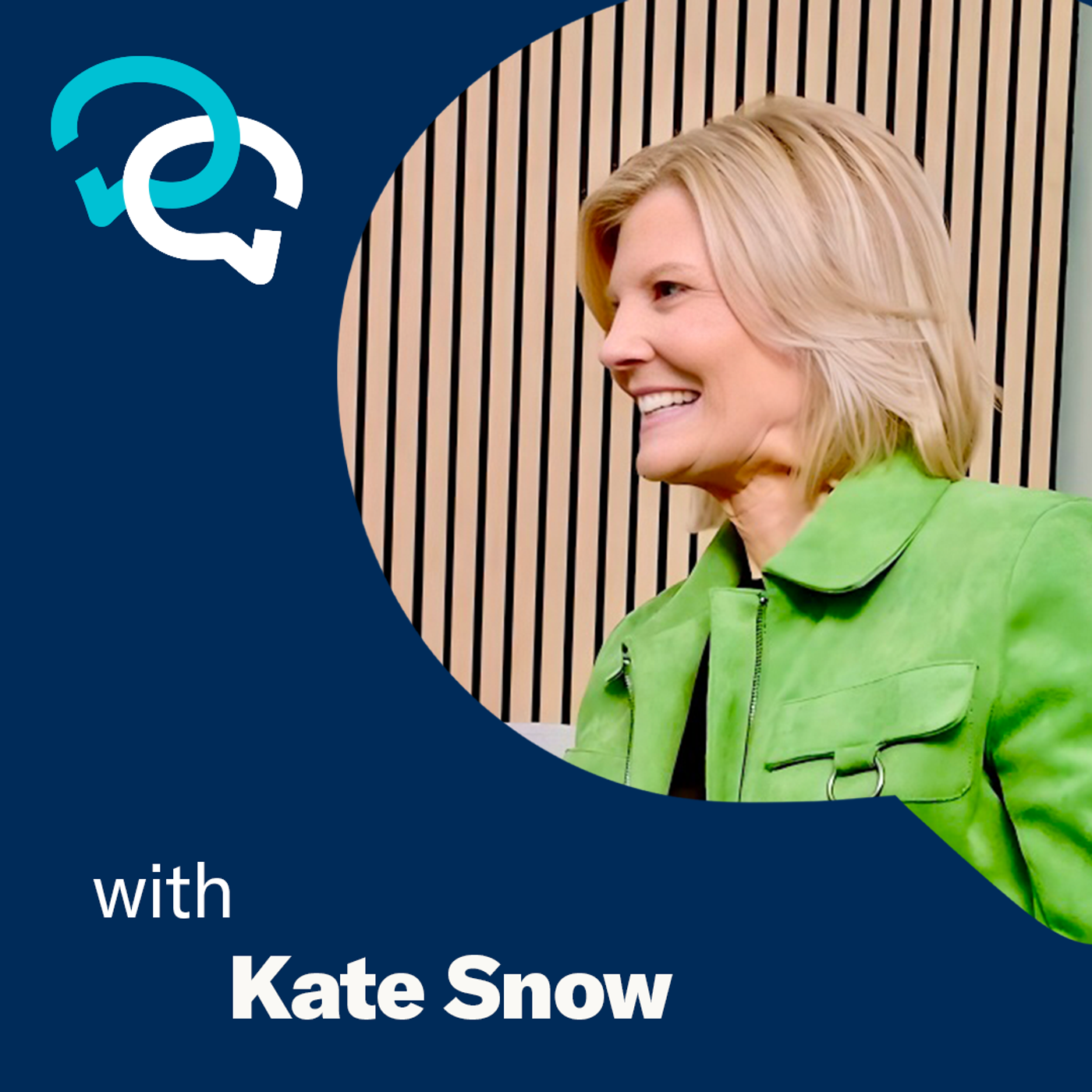
    In this episode of Thriving Kids, Dr. Dave Anderson is joined by NBC News anchor and Senior National Correspondent Kate Snow for a conversation about journalism, mental health, and the power of telling stories that can reduce stigma. Kate discusses how personal loss shaped her reporting on mental health, as well as suicide prevention, substance use, access to care, and the systems that families often have to navigate during moments of crisis. In this episode, they cover: • Why journalists can play an important role in reducing stigma • What Kate has learned from reporting on teen mental health, substance use, and access to care • Why transitions or experiencing a loss of purpose can be mental health risk factors • How young people are broadening conversations about mental health Key takeaways • Sharing personal stories about mental health can help people feel less alone and make it easier for them to seek support. • Suicide loss can be traumatic for an entire family, and talking about it thoughtfully may help reduce shame and stigma. • Young people may be more open to conversations about mental health than previous generations, but they still need trusted adults and systems that can respond when they ask for help. Further reading (and viewing) NBC’s Kate Snow Shares Impact of Her Father-in-Law’s Suicide on Her Family, Today Show The Link Between Smartphones and Kids' Mental Health, NBC Nightly News Opioid Crisis: Historic Cape Cod Town Experiencing Staggering Toll, NBC Nightly News Allegations of Abuse at Home for At-Risk Kids, NBC News Further reading from the Child Mind Institute What to Do if You’re Worried About Suicide

    • Transcript
  • #57
    July 9 · 39 min

    Q&A: Talking to Kids About Mental Health, Processing Current Events, and More

    In this Q&A episode of Thriving Kids, Dr. Dave Anderson answers listener questions inspired by last week’s conversation with actress and author Busy Philipps about parenting, mental health, technology, and staying actively involved in kids’ lives. Dr. Dave discusses how parents can stay connected to what kids are seeing on the internet, including how to help them think critically about influencers and what to do when they start wondering if they have ADHD, depression, or another diagnosis based on mental health content they see online. He also explores how ADHD can be missed in girls and high-achieving kids, how to talk with children about scary news and current events, and why building a parent “village” can help families better understand what’s happening socially, online, and at school. This episode offers practical guidance for staying curious, setting limits, building trust, and helping kids develop the critical thinking skills they need as they grow more independent. In this episode, Dr. Dave covers: • How to stay involved in kids’ online lives without becoming “Big Brother” • Why screen independence should grow through an “I do, we do, you do” model • How to help kids think critically about influencers and online algorithms • What to do when kids self-diagnose after seeing mental health content online • How AI and social media can be useful tools without replacing real support • Why ADHD is often missed in girls, women, and high-achieving kids • How to talk with kids about politics, school safety, traumatic upsetting news, and current events Further Reading Social Media and Self-Doubt Does Social Media Use Cause Depression? Not All Attention Problems Are ADHD Big Talks Don’t forget, you can now watch Thriving Kids on Apple Podcasts and our Thriving Kids YouTube channel!

    • Transcript
  • #56
    July 2 · 36 min

    The Challenges of Modern Parenting with Busy Philipps

    Dr. Dave Anderson sits down with best-selling author, actor, and activist Busy Philipps to discuss the challenges of modern parenting. Busy talks about her adult ADHD diagnosis, helping kids navigate mental health TikTok, and how to broach tricky conversations about the “manosphere” and politics with honesty and love. They also cover: • Active parenting in the digital age. Busy shares why watching YouTubers and learning Roblox alongside her kids was more effective than setting blanket screen-time rules. • TikTok, self-diagnosis, and critical thinking. Mental health TikTok can empower kids to seek earlier diagnoses, but it can also lead impressionable teens to misidentify normal traits as disorders. Dr. Dave and Busy emphasize teaching kids to think critically about online health content and come to trusted adults with questions. • Talking to kids about politics. A recent survey found that kids want open civic discourse. Dismissing children's political views is psychologically harmful, while honest, values-driven conversations — grounded in love and critical thinking — help them thrive. Further Reading Teen Self-Diagnosis and How to Respond, Child Mind Institute When Parent and Child Both Have ADHD, Child Mind Institute

  • #55
    June 25 · 32 min

    Q&A: Setting Healthy Screen Limits and Supporting Kids’ Well-Being Offline

    In this Q&A episode of Thriving Kids, Dr. Dave Anderson answers listener questions inspired by last week’s conversation with Dr. Candice Odgers about kids, social media, and what the research really says about screens and youth mental health. Dr. Dave discusses how parents can set healthy limits around phone use without reacting out of fear, why screens are often part of a much bigger picture, and how families can focus on the core drivers of kids’ well-being — including sleep, school, friendships, family connection, offline activities, and caregiver mental health. He also explains how to respond when kids see something upsetting online, how to manage parent anxiety around tech headlines, and how to model healthier screen habits at home. This episode offers practical guidance for helping kids use technology more intentionally, while keeping the focus on connection, communication, and the everyday habits that help children thrive. In this episode, Dr. Dave covers: How to tell the difference between healthy phone limits and fear-based reactions Why screens should be considered in the context of a child’s whole life What to focus on first when you’re worried about a child’s mental health How to respond when kids see something upsetting online Why parents should avoid passing tech anxiety on to kids Why caregiver mental health is a major driver of child well-being How to approach online risk when a child is already struggling offline Further Reading How to Set Limits on Screen Time Media Guidelines for Kids of All Ages How Phones Ruin Concentration Common Sense Media American Association of Pediatrics

  • #54
    June 18 · 36 min

    What the Research Really Says About Kids, Phones, and Mental Health

    In this episode of Thriving Kids, Dr. Dave Anderson is joined by Dr. Candice Odgers, a professor of psychology at the University of California, Irvine, whose research focuses on adolescent mental health and the role of smartphones and social media in kids’ daily lives. Together, they discuss what the evidence does — and does not — show about technology and youth mental health, and why the most popular explanations are not always the most accurate. In this episode, they cover: • What current research can tell us about the relationship between smartphones and social media and adolescent mental health — and why correlation does not necessarily prove causation • How adult anxiety about technology can shape the way we talk about kids • Why family conflict, school stress, and peer relationships are still central factors affecting youth mental health Key takeaways • The research on social media and youth mental health is more complicated than many headlines suggest. • Many studies show associations between screen use and mental health symptoms, but that does not mean screens are the primary cause. • Family conflict, pressure to succeed at school, peer stress, and caregiver mental health are major factors that affect young people’s well-being. • Tech companies should be held accountable, but blaming social media alone can distract from other urgent supports kids and families need. • Parents can help kids more effectively by investing in relationships, routines, school support, and open conversations rather than focusing only on restrictions. Further reading What We're Getting Wrong About Teens and Tech Screen Time & Technology Does Social Media Use Cause Depression? How Using Social Media Affects Teenagers Media Guidelines for Kids of All Ages How Much Should You Monitor Your Teen’s Social Media?

  • #53
    June 11 · 29 min

    Q&A: Your Questions about Your & Your Child's Mental Health

    In this Q&A episode of Thriving Kids, Dr. Dave Anderson answers listener questions inspired by last week’s conversation with Dr. Alfiee about youth mental health, community care, and what it really means to help young people thrive. Dr. Dave discusses how parents can talk with kids about mental health without making them feel like something is “wrong” with them, how to help children process stressful news and current events, and how families can think about social media in a balanced way. He also explores the mental health needs of marginalized kids, how to reduce stigma around therapy — especially for boys and young men — and why community support can make parenting feel less isolating. In this episode, Dr. Dave covers: What to do when kids are stressed by politics, current events, or frightening news How to balance concerns about social media with the belonging some kids find online What parents should understand about the mental health needs of marginalized kids How to reduce stigma around therapy, anxiety, depression, and asking for help Why boys and young men may need extra support talking about emotions Realistic ways to build community around parenting and caregiving What parents can do while waiting for therapy or additional support Further Reading Helping Children Cope After a Traumatic Event Helping Children Cope With Frightening News Mental Health Challenges of LGBTQ+ Kids Mental Health Support for Black Families Meeting the Mental Health Needs of Black Adolescent Boys What to Do (and Not Do) When Children Are Anxious Video Library Family Resource Center

  • #52
    June 4 · 36 min

    Supporting Your Child's Mental Health and Your Own With Dr. Alfiee

    In this episode of Thriving Kids, Dr. Dave Anderson is joined by Dr. Alfiee Breland-Noble — better known as Dr. Alfiee — psychologist, founder of The AAKOMA Project, and author of Rise and Thrive: An intentional guide to caring for your mental health. Together, they discuss youth mental health, the importance of community-based care, and how parents, caregivers, and mental health professionals can better support young people as they navigate stress, stigma, social media, and the challenges of growing up today. In this episode, they cover: How political news, social media, and stigma affect young people’s emotional well-being Why social media can be both risky and meaningful for marginalized kids How community-based organizations can help make mental health care more accessible Why representation, empathy, and cultural understanding matter in mental health support Key takeaways · Young people are managing a wide range of stressors, including anxiety, depression, political unrest, and the lingering effects of the pandemic. · Social media can pose real risks for kids and teens, but it can also provide connection, community, and support — especially for young people who may feel isolated offline. · Stigma remains a major barrier to mental health care, even as conversations about mental health become more common in popular culture. · Community-based organizations can play a powerful role in helping families access mental health support from people they already know and trust. · Representation matters, but so does what Dr. Alfiee calls an “empathy match” — the feeling that someone understands your experience and can meet you with compassion. Further reading Does Social Media Use Cause Depression? – Child Mind Institute Quick Guide to Anxiety in Children – Child Mind Institute Dr. Alfiee – Dr. Alfiee’s website with research, interviews, and more Rise and Thrive by Dr. Alfiee Couched in Color – A podcast with Dr. Alfiee The AAKOMA Project

  • #51
    May 28 · 32 min

    Q&A: How to Help Kids Face Fear and Build Resilience

    In this Q&A episode of Thriving Kids, Dr. Dave Anderson answers parents’ questions inspired by last week’s conversation with Dr. Brian Hoeflinger, a neurosurgeon who talked about how the death of his son led him to face his panic attacks over public speaking. In this episode, he covers: What parents can learn from doctors about staying calm in a crisis Why anxiety can run in families — and what parents can do about it How parents can help kids face their fears How to encourage to kids to take risks while still keeping them safe How to talk to kids about grief and loss Key takeaways · To try and figure out if your child’s anxiety is problematic, consider the frequency, intensity, duration, and level of impairment. · Facing your fears is about being able to ride the discomfort. It doesn’t necessarily mean you feel comfortable. · Encouraging your child to try something scary by taking a small step can help them push themselves to try hard things. · If you're experiencing loss and you're sad, it’s important to label that and let your kid know it's okay for them to feel those emotions. Further reading Healthy Minds, Thriving Kids Why Childhood Anxiety Often Goes Undetected Treating Anxiety in Kids by Working With Parents Panic Attacks and How to Treat Them

  • #50
    May 21 · 50 min

    Anxiety and the Brain

    In this episode of Thriving Kids, Dr. Dave Anderson talks with Dr. Brian Hoeflinger, a neurosurgeon whoseprofession and personal story gives him a rare perspective on mental health. Dr. Hoeflinger shares how his brother’s traumatic brain injury first inspired him to pursue neurosurgery, howchronic panic attacks shaped his adolescence and early professional life, and how the loss of his son changed the way he speaks publicly about grief, purpose, and prevention. They also discuss what parents should understand about panic, head injuries, and the everyday choices that support a healthier brain. This conversation is both practical and deeply human — a reminder that the brain is powerful, fragile, resilient, and still full of mystery. In this episode, they cover: How childhood panic attacks affected Dr. Hoeflinger’s life and career Why anxiety can be treated more effectively when kids get support early What neurosurgery can teach us about staying calm during crisis Why sleep, movement, and overall wellness matter for brain health How grief can reshape a person’s purpose, perspective, and voice Further information on these topics from the Child Mind Institute: Why Childhood Anxiety Often Goes Undetected Panic Attacks and How to Treat Them Behavioral Treatment for Kids With Anxiety

  • #49
    May 14 · 36 min

    Q&A: Parental Stress

    In this Q&A episode of Thriving Kids, Dr. Dave Anderson answers parents’ questions about the intense stress that can come with raising young children. Inspired by his recent conversation with pediatrician Dr. Lauren Hughes, this episode focuses on the early years of parenting: feeding decisions, sleepless nights, emotional overload, relationship strain, and the pressure many parents feel to do everything “right.” Dr. Dave also explains how parents can recognize when stress is affecting their mood, relationships, or ability to function — and why asking for extra support is not a failure. He covers: • Supporting moms and birthing parents around breastfeeding, formula, and feeding pressure • Creating emotional safety at home • Navigating sleepless nights and early infant care • Avoiding comparison around developmental milestones • Knowing when to seek early intervention or professional guidance • Staying connected as a family during the early years of parenting • Practical self-care habits for overwhelmed parents Key takeaways • A parent’s mental health matters, especially during the early years when stress and sleep deprivation can be intense. • Supporting a partner often starts with asking what would actually help, not making them carry the burden of explaining everything. • Developmental milestones matter, but children grow at different rates, and variation is normal. • Self-care does not have to be expensive or time-consuming; small changes in sleep, hydration, movement, relationships, or screen use can help parents feel more grounded. Further reading • 8 Self-Care Tips for Parents • [Video] How can I take care of myself to be the best parent I can be? • Mindful Parenting

  • #48
    May 7 · 40 min

    How to Deal With Parenting Stress

    In this episode of Thriving Kids, Dr. Dave Anderson talks with Dr. Lauren Hughes, a board-certified pediatrician, mother of three, and trusted voice for realistic, evidence-based parenting guidance. Together, they explore the stress and pressure parents can face in the first years of raising a child, from navigating developmental milestones to feeding choices and methods for sleep training. Dr. Hughes also offers practical tips on how to support your child’s well-being without neglecting your own. This conversation can help parents separate common worries from real concerns learn to prioritize connection over perfection. In this episode, they cover: Why “weird but normal” child behaviors are often part of healthy development When to seek an evaluation or early intervention if something feels off Why feeding choices — breastfeeding, formula, or supplementation — should support both you and your child How to approach sleep training without one-size-fits-all pressure And why repair, connection, and physical and emotional safety are key to raising thriving kids Further reading Complete Guide to Developmental Milestones Choosing a Sleep Training Program That Works for Your Family The Public Hughesletter

  • #45
    April 30 · 28 min

    Q&A: Dyslexia Myths, Learning Differences, and How to Help Your Child Thrive

    In this Q&A episode of Thriving Kids, Dr. Dave Anderson answers parent questions sparked by the Orlando Bloom conversation, focusing on dyslexia myths, practical at-home learning strategies, self-esteem, movement and focus, AI tools, and the emotional impact of learning differences. He explains what dyslexia actually is, why evaluation and targeted support matter, and how parents can help kids understand a learning disorder in a way that feels honest, empowering, and grounded in their full identity — not just their struggle. Show Notes · What dyslexia really is — and why letter reversals are not required for a diagnosis. · How schools and neuropsychological testing can identify reading, writing, or math-related learning disorders. · At-home strategies that may help kids learn, including writing things out by hand, trying creative workarounds, and measuring what actually improves retention or task completion. · How to protect a child’s self-esteem when they feel “stupid” or defeated by school. · Why movement breaks can help with focus, and how to talk with teachers about using them thoughtfully and effectively. · Where the line is between AI as a helpful learning tool and AI as a crutch. · Whether learning differences can be linked to strengths like creativity, resilience, or big-picture thinking — and what the research can and can’t say yet. · Signs that a learning disability may be affecting a child’s anxiety, mood, identity, or school engagement beyond academics. · How parents can talk about a learning disorder in a way that is truthful, supportive, and empowering. Relevant Links from the Child Mind Institute · Understanding Dyslexia: Signs of Dyslexia in Kids · Inside an Evaluation for Learning Disorders · How to Help Kids Talk About Learning Disabilities

  • #46
    April 23 · 42 min

    Orlando Bloom on Growing Up With Dyslexia

    This week on Thriving Kids, I’m joined by actor Orlando Bloom. He talks about growing up with dyslexia, including the challenges he faced paying attention and concentrating in school, and how he developed his own workarounds before many of today’s evidence-based supports existed. We also discuss how movement, mindfulness, good nutrition, and sleep can help kids (and adults) manage attention and learning challenges — and why every child should discover their area of excellence. In this episode, we cover: • Orlando Bloom’s experience growing up with dyslexia • How learning disabilities can affect confidence and school performance • Why diagnosis and support matter • Practical strategies for reading, memorization, and focus • The role of movement, mindfulness, and routine in mental health • How parents can help children build resilience and self-belief • Why neurodiversity includes both challenges and strengths Further reading from the Child Mind Institute: • Understanding Dyslexia - https://childmind.org/article/understanding-dyslexia/ • ADHD and Exercise - https://childmind.org/article/adhd-and-exercise/ • The Power of Mindfulness - https://childmind.org/article/the-power-of-mindfulness/

  • #44
    April 16 · 30 min

    Q&A: Your Questions About Learning Disabilities

    In this Thriving Kids Q&A, Dr. Dave Anderson explains how parents can recognize early signs of dyslexia, ADHD, and learning disabilities, advocate for school support, and protect their child’s self-esteem while they struggle academically. This episode offers practical guidance on evaluations, IEPs and 504 plans, reading intervention, ADHD treatment, and why early support can change a child’s trajectory. In this episode, we cover: · Early signs of dyslexia and learning disabilities · ADHD in kids and why it’s not just about trying harder · When to ask for a school evaluation · IEPs, 504 plans, and school accommodations · The emotional impact of academic struggles · How early intervention supports confidence and long-term success · What parents can do when teachers say a child will “grow out of it” Podcast Links · Understanding Dyslexia · Getting Support From Your Child’s School · Inside an Evaluation for Learning Disorders

  • #43
    April 9 · 40 min

    What Every Parent (and Non-Parent) Should Know About Learning Disabilities

    What happens when systems built to support kids with learning disabilities change? In this episode, Dr. Dave Anderson sits down with Dr. Jacqueline Rodriguez, CEO of the National Center for Learning Disabilities, to discuss the state of learning disability support across the country, from early screening and phonics-based reading instruction to IEP protections and the real concerns parents are raising right now about changes at the Department of Education. Whether you're a parent, educator, or someone who cares about public education, this conversation is for you. Mentioned in this episode: National Center for Learning Disabilities (NCLD) — https://ncld.org/ IDEA (Individuals with Disabilities Education Act) — https://ncld.org/join-the-movement/understand-the-issues/learn-the-law/ Further reading: · How Kids Learn to Read – Child Mind Institute · Learning Disabilities and Self-Advocacy – Child Mind Institute · Quick Guide to Specific Learning Disorder – Child Mind Institute

  • #42
    April 2 · 34 min

    Q&A: How to Maintain a Positive Relationship with Your Child

    In this Q&A follow-up to our conversation with Dr. Rubén Parra-Cardona, Dr. Dave answers eight listener questions about building and maintaining warm, positive relationships with your children, from toddlerhood through the teen years. He covers questions, including: - How do I stay present during child-led play when I'm bored out of my mind? - Can I build a positive bond with a child whose personality clashes with mine? - How do I stop my "inner drill sergeant" from taking over? - How do I keep the relationship going when my teen won't talk to me? 0Key takeaways • Being together is the most important thing. You don't have to be endlessly delighted during child-led play — just showing up can fill their emotional cup. • It's okay to talk about your differences. When personalities clash, explicitly telling your child "I'm devoted to building our unique relationship" goes further than you might think. • You can be warm without losing structure. Ditching your “inner drill sergeant” doesn't mean abandoning your values — it's a "yes, and" approach: maintain expectations while opening space for connection. • Instead of questions, try descriptions. With a silent teen, use behavior descriptions, reflections, and praise instead of peppering them with questions — it resets their expectations and opens the door for genuine conversation. • Positive Parenting Thriving Kids Curriculum • Family Resource Center

Showing 21–36 of 36 episodes