Skip to content
Artwork for Threshold
Society & CultureDocumentaryScienceNature

Threshold

Auricle Productions

Threshold is a Peabody Award-winning documentary podcast about our place in the natural world. Each season, we take listeners on a journey into the heart of a complex environmental story, asking how we got here and where we might be headed.

Threshold is nonprofit, listener-supported, and independently produced.

Play
  • 20 episodes
  • weekly
  • Avg 32 min
  • English

Support the show

Goes straight to the publisher. podnod takes nothing.

  • August 18 · 16 min

    Arctic Dispatch | Trimble Gilbert

    Right now, the Trump Administration is pushing hard to drill for oil and gas in places that were previously off-limits. One of those places is the Arctic National Wildlife Refuge, and in June, the administration took another step forward in the process of opening this enormous protected area for drilling. Season 3 of Threshold is actually all about this controversy: it’s called The Refuge, and today, we’re sharing a bit more from one of the most memorable people we spoke to back then. His name is Trimble Gilbert, and he’s a traditional chief and a deeply knowledgeable elder from the Gwich’in community of Arctic Village, just over the Refuge’s southern boundary. Threshold is nonprofit, listener-supported, and independently produced. You can support Threshold by donating today. To stay connected, sign up for our newsletter. Credits: This extra was produced by Sam Moore, with music by Todd Sickafoose and Travis Yost. Amy Martin is our host and executive producer. Resources and Links: Amy’s Substack, Letters to Earthlings A profile of Trimble Gilbert from the Tanana Chiefs Conference Harvard Law School’s effort to track the political football over the Refuge across the past four administrations Trump’s Executive Order: Unleashing Alaska’s Extraordinary Resource Potential More about the Gwich’in, from the Gwich’in Tribal Council Dept of Heritage in Canada (Check out their “elder of the month” feature). Recent related stories from the Alaska Beacon about the Trump administration canceling its support for the Arctic Report Card and relaxing rules for offshore drilling in Alaska.

  • July 14 · 23 min

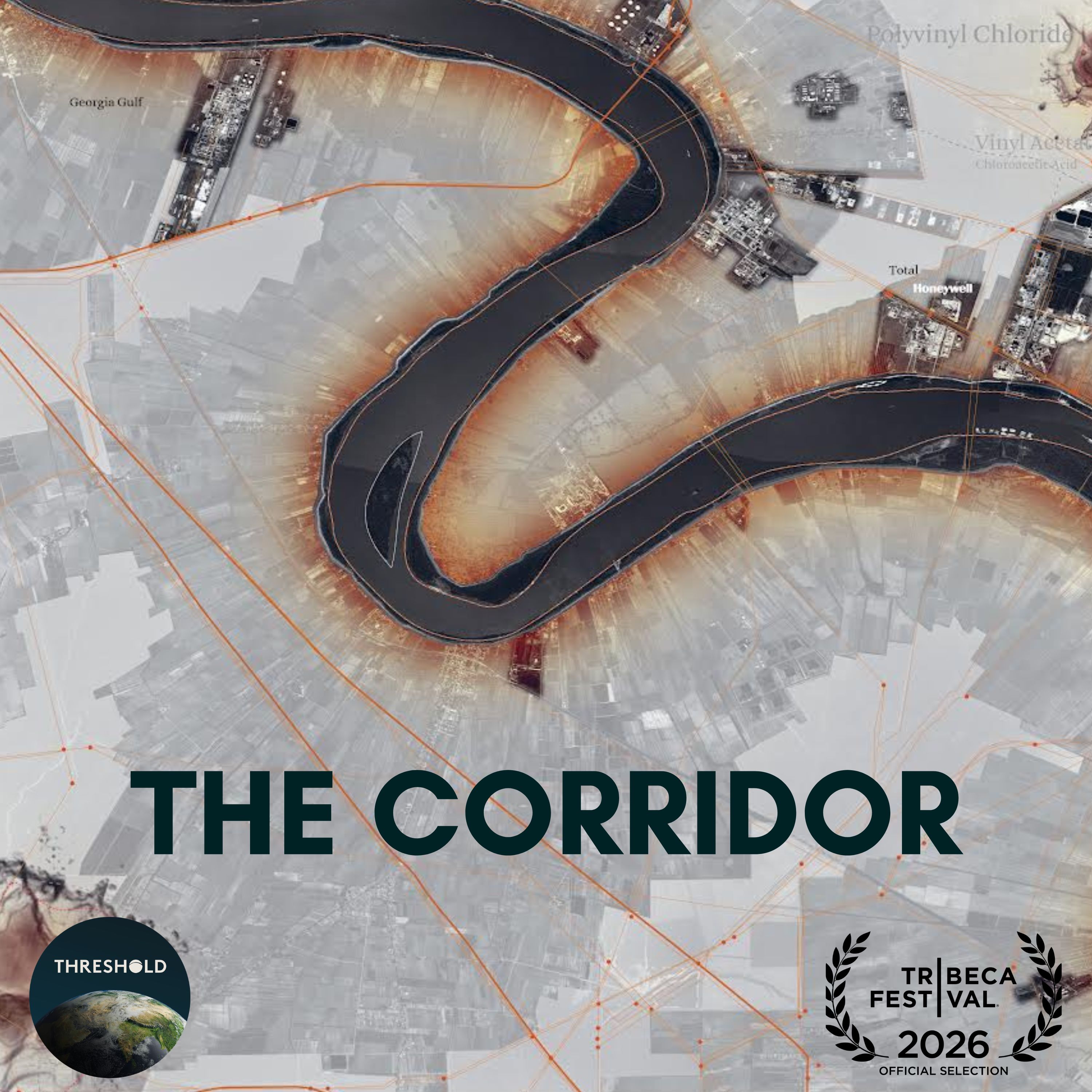
    The Corridor | 7 | The Future

    We’ve been telling the story of the petrochemical industry in Louisiana, but this isn’t just a Louisiana issue, or even just an American one - petrochemicals are a global industry with a global impact. In this episode, we think about our collective future, and how we might begin to navigate living with all this plastic. Threshold is nonprofit, listener-supported, and independently produced. You can support Threshold by donating today. To stay connected, sign up for our newsletter.

  • July 7 · 44 min

    The Corridor | 6 | Justice Denied

    For decades, the residents of St. John the Baptist Parish breathed in toxic chemicals from a massive complex that makes neoprene - a synthetic rubber. But while residents suspected something was wrong, they were still shocked when the EPA told them they had the highest risk of cancer in the nation. Why were they just now being warned? And what was the government going to do about it? In this episode, we follow one community’s search for justice. Threshold is nonprofit, listener-supported, and independently produced. You can support Threshold by donating today. To stay connected, sign up for our newsletter.

  • June 30 · 47 min

    The Corridor | 5 | You’ve Got To Fight

    People have objected to the toxic side effects of industry in Louisiana and across the country for a long time. A swell of activism in the 70s and 80s connected civil rights with environmental issues and public health, so that by the 1990s, it seemed like the nation was entering an environmental justice renaissance. And yet, low income and minority communities have remained at risk. In this episode, we follow the history of environmental justice activism and how the corridor became a poster child for unevenly distributed pollution. Threshold is nonprofit, listener-supported, and independently produced. You can support Threshold by donating today. To stay connected, sign up for our newsletter.

  • June 23 · 41 min

    The Corridor | 4 | What Can Be Measured Can Be Changed

    We know that many of the chemicals being released by plants in the corridor can cause cancer. We also know that the cancer risk along this stretch of the Mississippi is unusually high. But how do we know for sure that these things are connected? In this episode, we explore what we know about pollution and disease. Threshold is nonprofit, listener-supported, and independently produced. You can support Threshold by donating today. To stay connected, sign up for our newsletter.

  • June 16 · 45 min

    The Corridor | 3 | The Smoke of Progress

    At the beginning of the 20th century, the corridor began a transition from one deadly industry to another—from sugar to petrochemicals. This transition wasn’t a coincidence. The history of industry intersects with the history of race in Louisiana all the way up to the present day. In this episode, we look at how and why petrochemicals came to the corridor. Threshold is nonprofit, listener-supported, and independently produced. You can support Threshold by donating today. To stay connected, sign up for our newsletter.

  • June 9 · 40 min

    The Corridor | 2 | Sugar Is Made with Blood

    Before gas, oil, and benzene, there was sugar. This is the story of the first industry that exploited people in the Corridor, an industry that brought the ancestors of today’s residents to the area and laid the foundations for the modern petrochemical industry. Threshold is nonprofit, listener-supported, and independently produced. You can support Threshold by donating today. To stay connected, sign up for our newsletter.

  • June 2 · 36 min

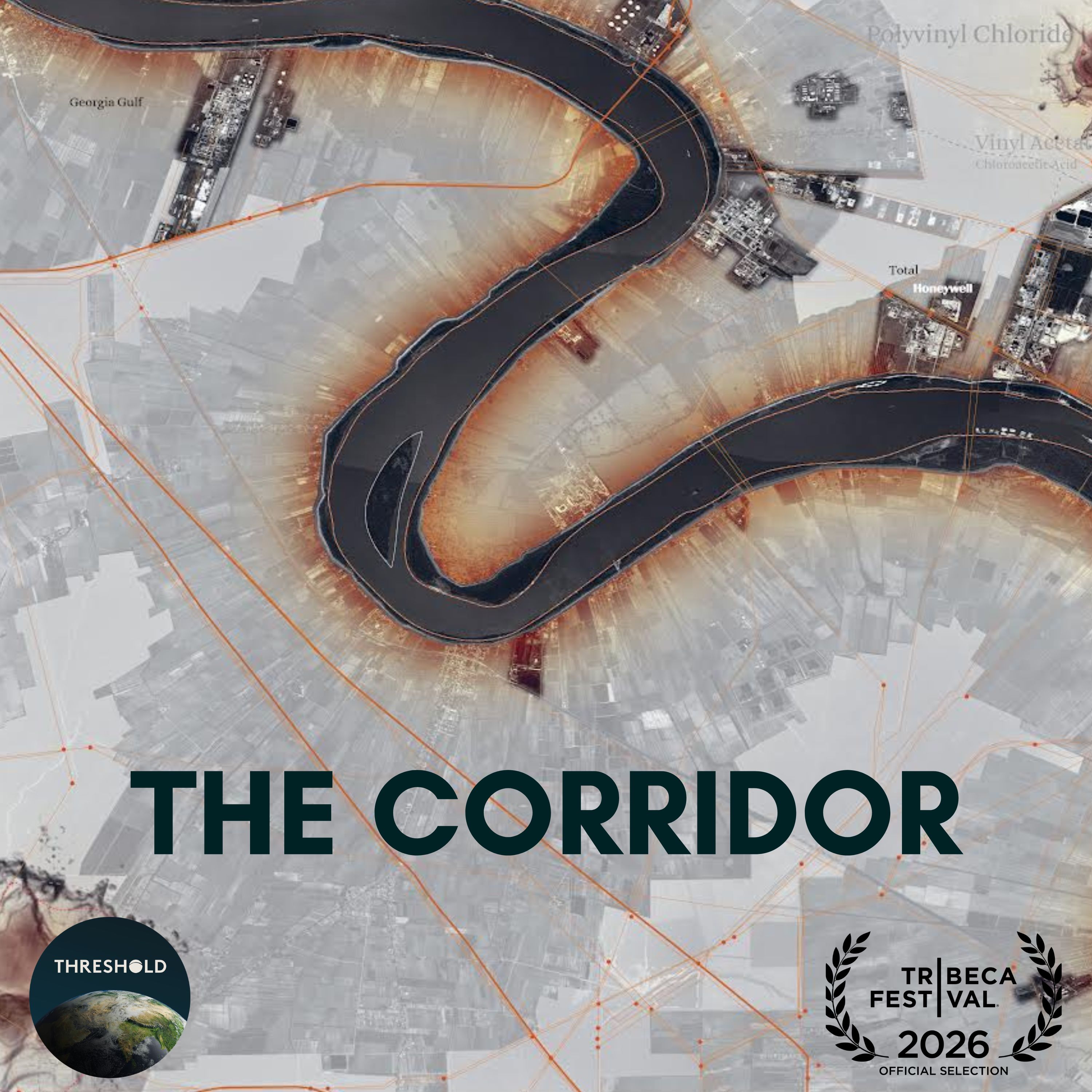
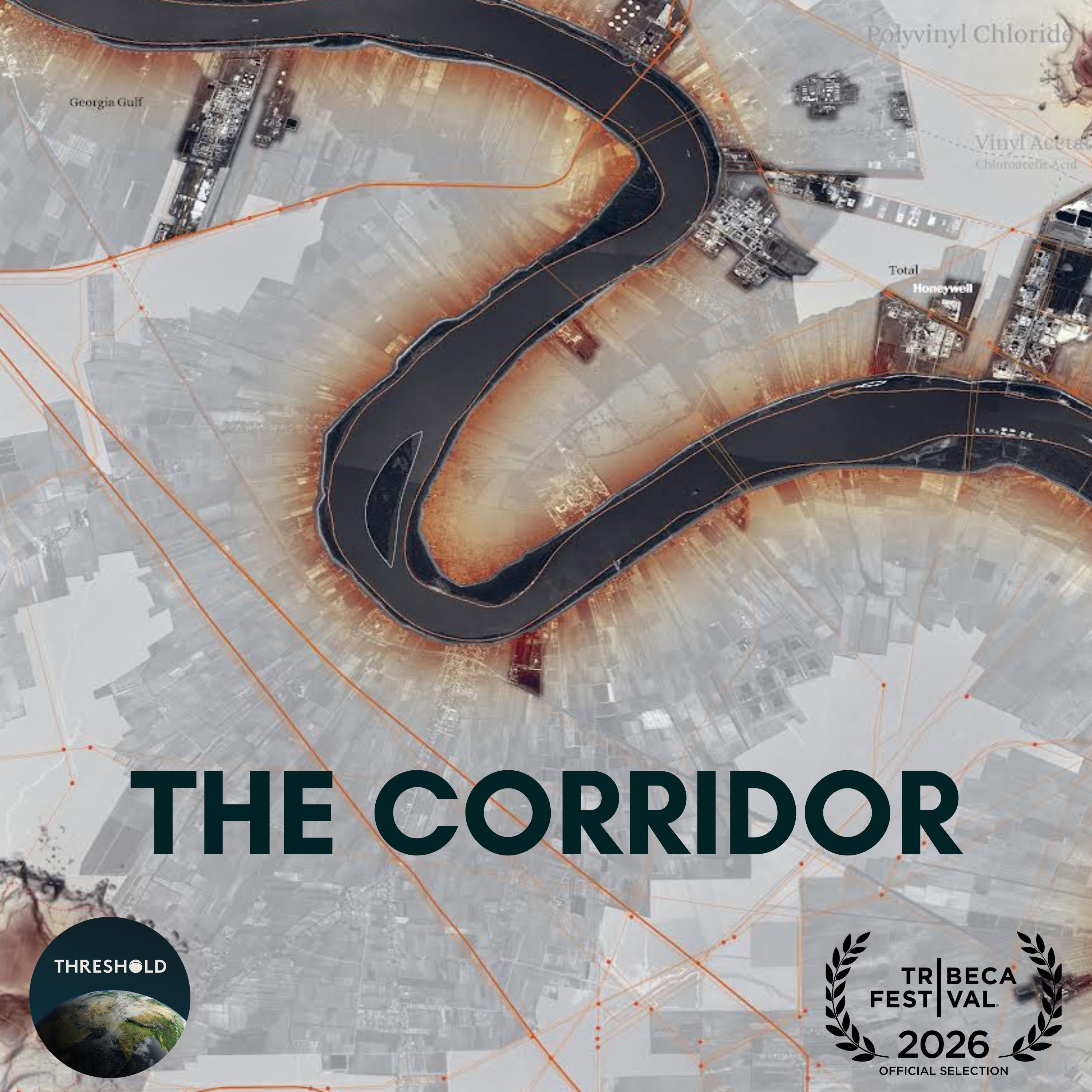
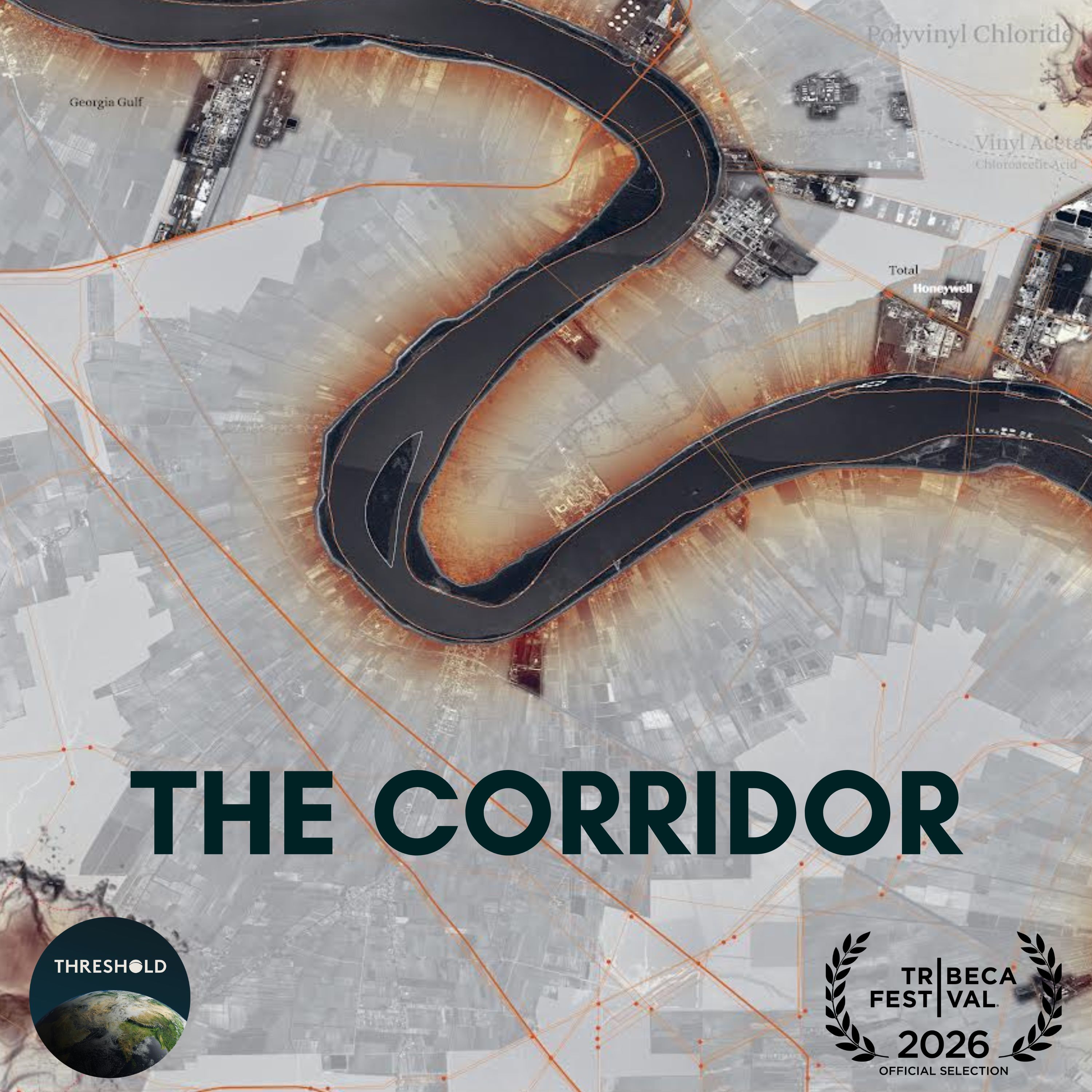
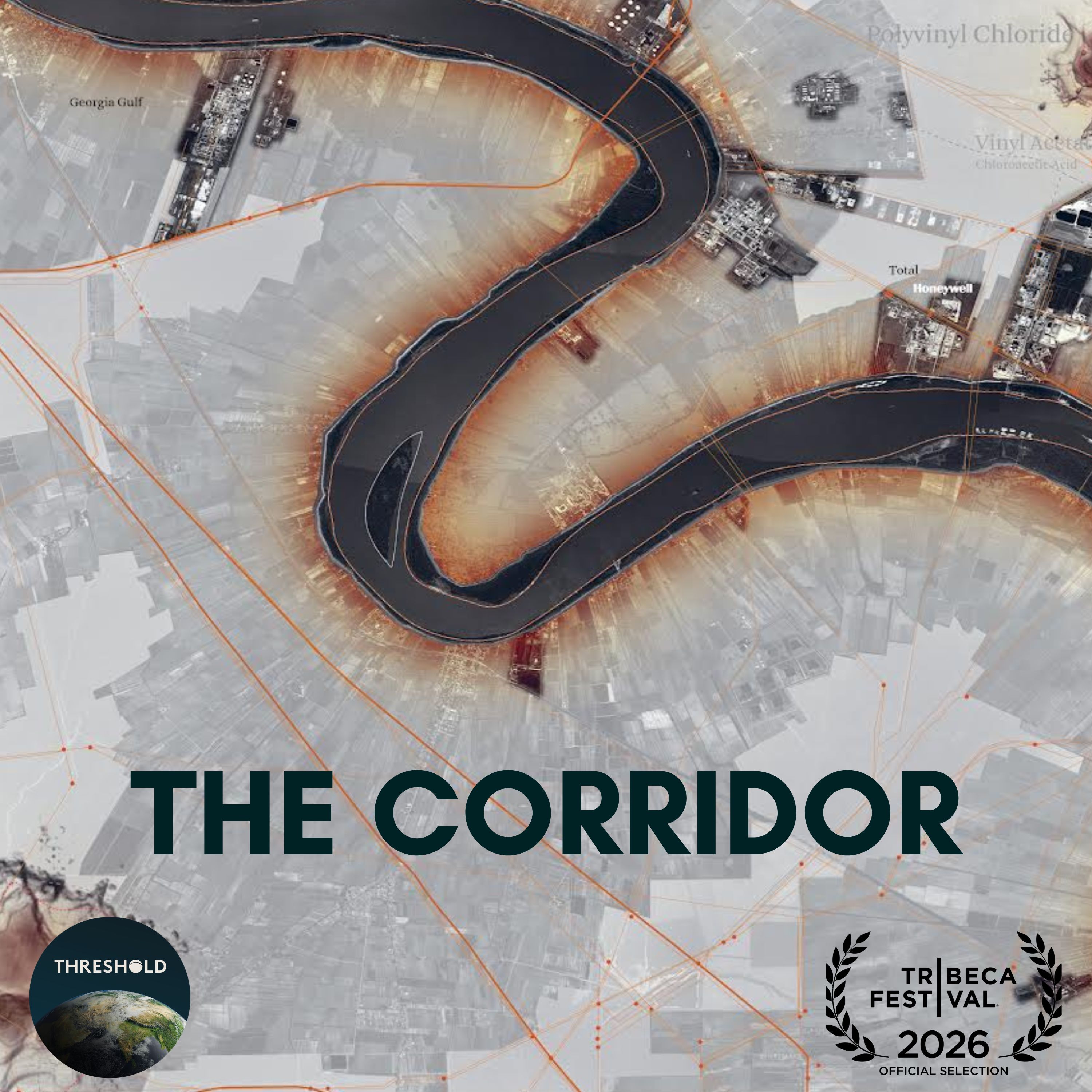
    The Corridor | 1 | River Road

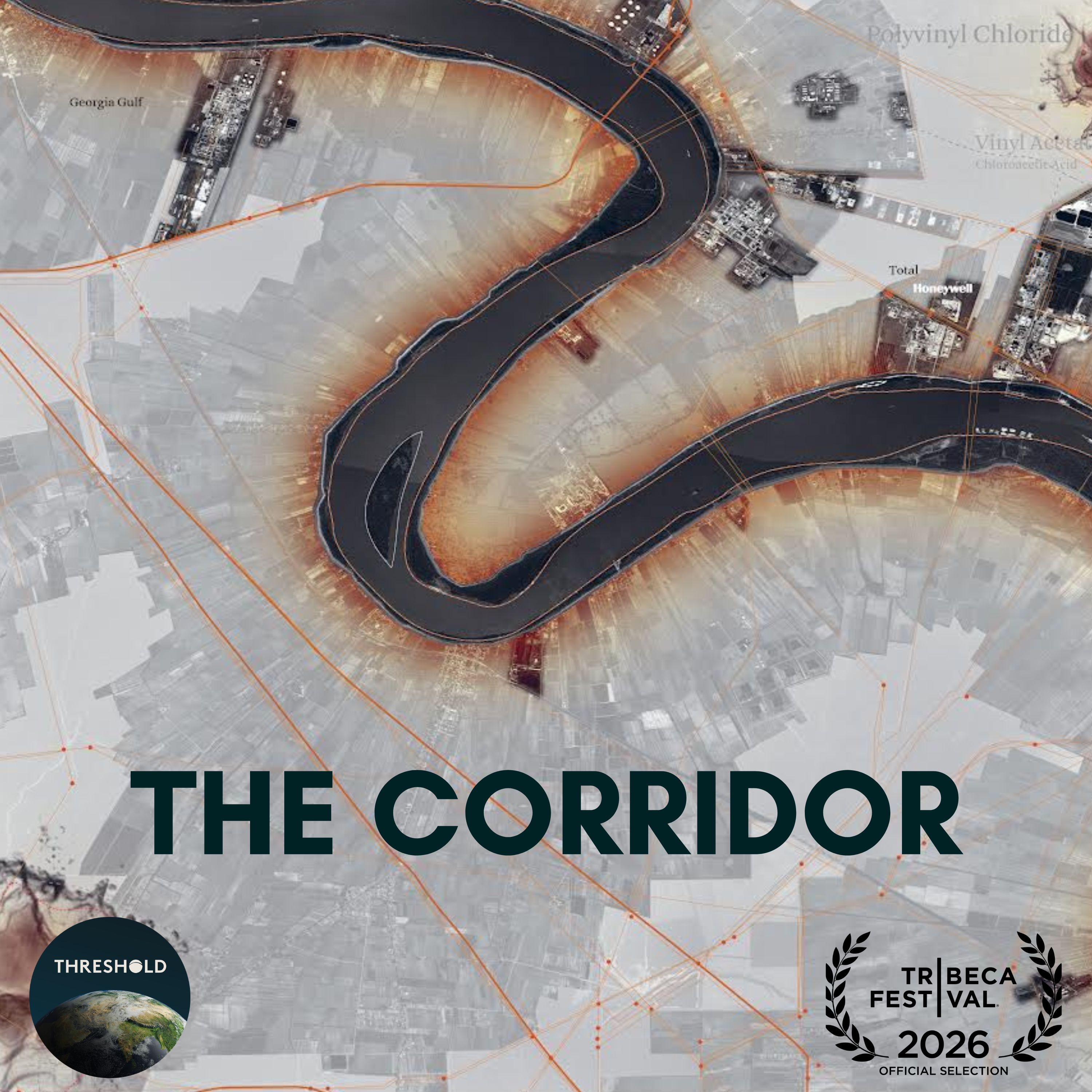
    One of the largest concentrations of petrochemical plants in the country lies along the Mississippi River between Baton Rouge and New Orleans. Petrochemicals are made from fossil fuels. We use them to make a huge range of synthetic materials that are found in almost every part of our daily lives — but petrochemicals are made where people live. Here, amidst houses, schools, and churches, more than 150 plants release toxic pollution into communities that are often poor and black. In this episode, we meet residents and explore what it’s like to live - and love - a place at the center of our modern consumer culture. Threshold is nonprofit, listener-supported, and independently produced. You can support Threshold by donating today. To stay connected, sign up for our newsletter.

  • May 26 · 4 min

    The Corridor | Preview

    Coming Tuesday, June 2nd: A podcast about history, pollution, and resistance on the frontlines of America’s petrochemical industry. Over seven episodes, The Corridor examines how Louisiana became a center of industry and an epicenter of disease, with some communities facing cancer risks among the highest in the nation. Everything that’s happening in the industrial corridor today has been shaped by history - from slavery and segregation to huge technological breakthroughs and environmental change. Across the series, we explore how residents have pushed back - against the destruction of their past, the construction of more plants, the lax enforcement of environmental regulations, and further harm to people’s health as they seek to claim their right to a prosperous and healthy future. Threshold is nonprofit, listener-supported, and independently produced. You can support Threshold by donating today. To stay connected, sign up for our newsletter.

  • May 19 · 23 min

    Threshold Conversations | Water and War with Kaveh Madani

    Like many countries, Iran has struggled with major water scarcity in recent years. Last summer its capital, Tehran, came very close to “day zero,” the day when the whole city runs out of drinking water. Now, with the United States at war with Iran, President Donald Trump has further threatened the country’s civilian water infrastructure, including dams, water treatment plants, and the electrical grid. Dr. Kaveh Madani is a water scientist and the former Deputy Head of the Department of Environment in Iran. He now leads the United Nations University Institute for Water, Environment and Health. He joins us to talk about his work on the concept of ‘water bankruptcy,’ his experience working on environmental issues in Iran, and the links between water and conflict. Threshold is nonprofit, listener-supported, and independently produced. You can support Threshold by donating today. To stay connected, sign up for our newsletter. Credits: Threshold Conversations is produced by Sam Moore. Our music is by Todd Sickafoose. Amy Martin is our host and executive producer. Resources and Links: Kaveh’s major new report on water bankruptcy The United Nations University Institute for Water, Environment and Health

  • April 21 · 22 min

    Threshold Conversations | Coyotes in the City with Christopher Schell

    As surprising as it may be to encounter a coyote in the big city, these wild carnivores aren’t passing through—they’re right at home. Whether it’s a quiet grassland or a downtown Quiznos, they’re adapting to their environment, and to us. Dr. Christopher Schell is an ecologist who studies city-dwelling carnivores at UC Berkeley, and he joins us to think about how wild animals live in the built environment, how human social dynamics shape the behavior of our nonhuman neighbors, and what lessons we can take from these resilient creatures. Threshold is nonprofit, listener-supported, and independently produced. You can support Threshold by donating today. To stay connected, sign up for our newsletter. Credits: Threshold Conversations is produced by Sam Moore. Our music is by Todd Sickafoose. Amy Martin is our host and executive producer. Resources and Links: The Schell Lab One of Chris’s papers: The ecological and evolutionary consequences of systemic racism in urban environments Chris’s upcoming events in Seattle Mapping Inequality, an interactive history of Redlining in America

  • March 17 · 17 min

    Threshold Conversations | Walking Like a Curlew with Matthew Trevelyan

    All around the Northern Hemisphere, the evocative call of a curlew is a telltale sign of spring. With their tall, skinny legs and long, curved bills, this group of migratory shorebirds has earned a reputation in many different cultures—but now they’re facing serious threats, and one species is already extinct. Last spring, one man became so concerned about the plight of these iconic birds that he walked for two days across the English countryside inside a giant curlew costume. His name is Matthew Trevelyan, and in his day job he works to protect the pastoral grasslands of Nidderdale, a landscape in Northern England where Eurasian Curlews love to nest. Matthew joins us to talk about his long walk, the challenges facing curlews in the UK and worldwide, and why so many of us find the song of this slender bird to be so moving. Threshold is nonprofit, listener-supported, and independently produced. You can support Threshold by donating today. To stay connected, sign up for our newsletter. Credits: Threshold Conversations is produced by Sam Moore. Our music is by Todd Sickafoose. Amy Martin is our host and executive producer. Resources and Links: Matthew in the BBC in his giant curlew costume Matthew’s new plan to climb the Yorkshire Peaks in the curlew costume The Nidderdale National Landscape where Matthew works to conserve curlews Curlew conservation and news at curlewaction.org Curlew Moon by Mary Colwell

  • February 17 · 32 min

    Threshold Conversations | Feminism in the Wild with Ambika Kamath and Melina Packer

    How much of what we know about animals is actually just an assumption? From dominant males and passive females to stigmas around same-sex sexual behavior, ideas from our human world influence our understanding of the nonhuman one. Ambika Kamath is a behavioral ecologist and evolutionary biologist, and Melina Packer is a scholar of race, gender and sexuality. Together they wrote the book Feminism in the Wild: How Human Biases Shape Our Understanding of Animal Behavior. They join us to unpack some long-held ideas in biology, explain why these ideas are so powerful, and imagine how we might open our eyes to animal behavior that defies our expectations. Threshold is nonprofit, listener-supported, and independently produced. You can support Threshold by donating today. To stay connected, sign up for our newsletter. Credits: Threshold Conversations is produced by Sam Moore. Our music is by Todd Sickafoose. Amy Martin is our host and executive producer. Resources and Links: Episode transcript Feminism in the Wild from MIT Press The paper on female birdsong by Michelle Hall and colleagues Amy’s Substack, Letters to Earthlings

  • January 13 · 31 min

    Threshold Conversations | Climate Negotiations with Lina Yassin

    Thirty-four years ago, the United Nations Framework Convention on Climate Change (UNFCCC) established the annual “conferences of the parties,” known as COPs, where almost every nation on earth comes together to negotiate a solution to climate change. But this past November, for the first time ever, the United States did not send a delegation to COP, and this month, the Trump Administration announced its intention to withdraw from the UNFCCC entirely. Lina Yassin has been to nine COPs, including the most recent, COP30, in Brazil. Originally from Sudan, Lina provides support for some of the world's poorest and most climate-vulnerable nations at these negotiations. She joins Amy to talk about what happened at this year’s conference, and why, despite the U.S. withdrawal, she believes it’s essential to keep this multilateral process alive. Threshold is nonprofit, listener-supported, and independently produced. You can support Threshold by donating today. To stay connected, sign up for our newsletter. Credits: Threshold Conversations is produced by Sam Moore. Our music is by Todd Sickafoose. Amy Martin is our host and executive producer. Resources and Links: Lina’s work at the International Institute for Environment and Development Key outcomes of COP30 from Carbon Brief Amy will be writing more about recent developments in climate diplomacy at her Substack, Letters to Earthlings

  • Dec 9, 2025 · 22 min

    Threshold Conversations | Climate Emotions with Audrey Martin

    All over the world, small groups of complete strangers are getting together to share their feelings about climate. These gatherings are called Climate Cafes, and they’re carving out space for some big emotions we might prefer to avoid. But what if talking about our feelings can also help us address the climate crisis? Audrey Martin is a Bay Area psychotherapist and one of the leaders of the Climate Psychology Alliance of North America. She also happens to be Amy Martin’s sister. Audrey joins us to unpack some of our complicated, scary emotions around climate, and to make the case for why this kind of self-reflection isn’t just comforting—it’s crucial. Threshold is nonprofit, listener-supported, and independently produced. You can support Threshold by donating today. To stay connected, sign up for our newsletter. Credits: Threshold Conversations is produced by Sam Moore. Our music is by Todd Sickafoose. Amy Martin is our host and executive producer. Resources and Links: Climate Psychology Alliance of North America

  • Nov 18, 2025 · 26 min

    Threshold Conversations | The Roadless Rule with Ben Goldfarb

    Last June, the U.S. the Secretary of Agriculture announced that the Trump administration intends to repeal something called the “Roadless Rule”—a policy implemented in 2001, which protected some of the Forest Service’s wildest lands from logging, mining, and road-building. Author Ben Goldfarb examined the impacts of road and roadless areas in his 2023 book, Crossings: How Road Ecology is Shaping the Future of Our Planet. We talk with Ben about why our Forest Service lands already have so many roads, and what building more would actually mean for wildlife and for people. Threshold is nonprofit, listener-supported, and independently produced. You can support Threshold by donating today. To stay connected, sign up for our newsletter. Credits: Threshold Conversations is produced by Sam Moore. Our music is by Todd Sickafoose. Amy Martin is our host and executive producer. Resources and Links: Ben’s book, “Crossings: How Road Ecology Is Shaping the Future of Our Planet” at W.W. Norton To read more of Ben Goldfarb’s ecological writing, go to his website, bengoldfarb.com A map of Forest Service Roadless Areas in the United States The Forest Service website about Roadless Areas and the new rule 40 Years a Forester by Elers Koch

  • Nov 11, 2025 · 2 min

    Something New Coming Next Week

    Something new is coming to your feed next week. Threshold is made possible by our listeners. To keep making our show, we need to raise $75,000 by the end of the year — and we’re already 15% of the way there! Support real journalism, powered by real listeners. Make a donation today and your gift up to $1,000 will be doubled. DONATE NOW

  • Nov 4, 2025 · 1 hr 3 min

    Hark | 16 | Country is Speaking

    In this final episode of Hark, we think about listening with Indigenous storytellers on three different continents—and we have one more encounter with those magical Shark Bay dolphins. Threshold is nonprofit, listener-supported, and independently produced. You can support Threshold by donating today. To stay connected, sign up for our newsletter.

  • Oct 7, 2025 · 48 min

    Hark | 15 | Whynotamus

    New technologies like artificial intelligence have helped to accelerate and open up the entire world of bioacoustics, launching us into a new era of communication with the more-than-human world. In this episode, we explore the promise and perils of using AI in bioacoustics. Threshold is nonprofit, listener-supported, and independently produced. You can support Threshold by donating today. To stay connected, sign up for our newsletter.

  • Sep 2, 2025 · 53 min

    Hark | 14 | Disquieting

    Humans have filled the world with so much noise that the only sounds many of us often hear on a daily basis are our own. But all this sound isn’t great for our planet mates and it isn’t great for us either. In this episode, we look at how human-made sound makes it hard for other creatures to listen and communicate. Threshold is nonprofit, listener-supported, and independently produced. You can support Threshold by donating today. To stay connected, sign up for our newsletter. Special thanks to: Glacier Bay National Park & Preserve Discovery of Sound in the Sea Scripps Whale Acoustics Lab Ships, Whales & Acoustics in Gitga’at Territory These sounds were recorded in Gitga’at Territory and sourced from the Ships, Whales & Acoustics in Gitga'at Territory Project, a collaborative initiative of the Gitga’at Nation, North Coast Cetacean Society (BC Whales) and WWF-Canada. Brian Miller, Australian Antarctic Division NOAA Lofoten-Vesterålen Ocean Observatory Thank you to everyone who submitted frog sounds for this episode: Andrew Cronin, Aaron Jonah Lewis, Adrienne van Eeden-Wharton, Alan Burger, Barry Truax, Bess Samuel, Cliff Bahlinger, Craig Hemsath, Curt Newton, Dan Carreno, Diogo Matias, Dr. Paola Moscoso, Edward Ruchalski, Henry Koch, Indraneil Das/UNIMAS, Jenny Skopliak, Joel Watters, Judith Smit, Karthic SS, Klaartje Van Loy, Kriistina Ovaska, Lindsey Nielsen, Mara Altman, Nancy Pick, Natalie Smith, Pablo “Rana” Diserens, Paul Williams, Ren Fergusen, Tony Wobeter, Tracy Leung, Vincent Chanter, and group shoutout to everyone on the Acoustic Ecology listserve

Showing 1–20 of 20 episodes