Skip to content
Artwork for This Medical Life
Health & FitnessMedicineScienceLife Sciences

This Medical Life

Auscast Network

Welcome to the This Medical Life podcast. Our mission is to share stories about the triumphs and tragedies of diseases and illnesses from ancient times up until what we know today. It is about those scientific and medical minds who came before us and how, every single day, we stand on the shoulders of giants. This is a podcast about the stories of medicine. Hosted by Dr. Travis Brown and Steve Davis, our target audience is General Practitioners, medical students, and other health professionals. We hope to educate, inspire and celebrate those who choose to care for others in their profession. From experience, we know that our audience extends beyond these fields and would like to welcome anyone to listen. The stories of those who came before us are nothing short of remarkable and we hope you enjoy them as much as we do. Production by Steve Davis

Play
  • 21 episodes
  • fortnightly
  • Avg 57 min
  • English
Counted on this page — what you have heard stays on this device, so it is not something the list can be paged by.
  • S7 · E108
    Monday · 1 hr 6 min

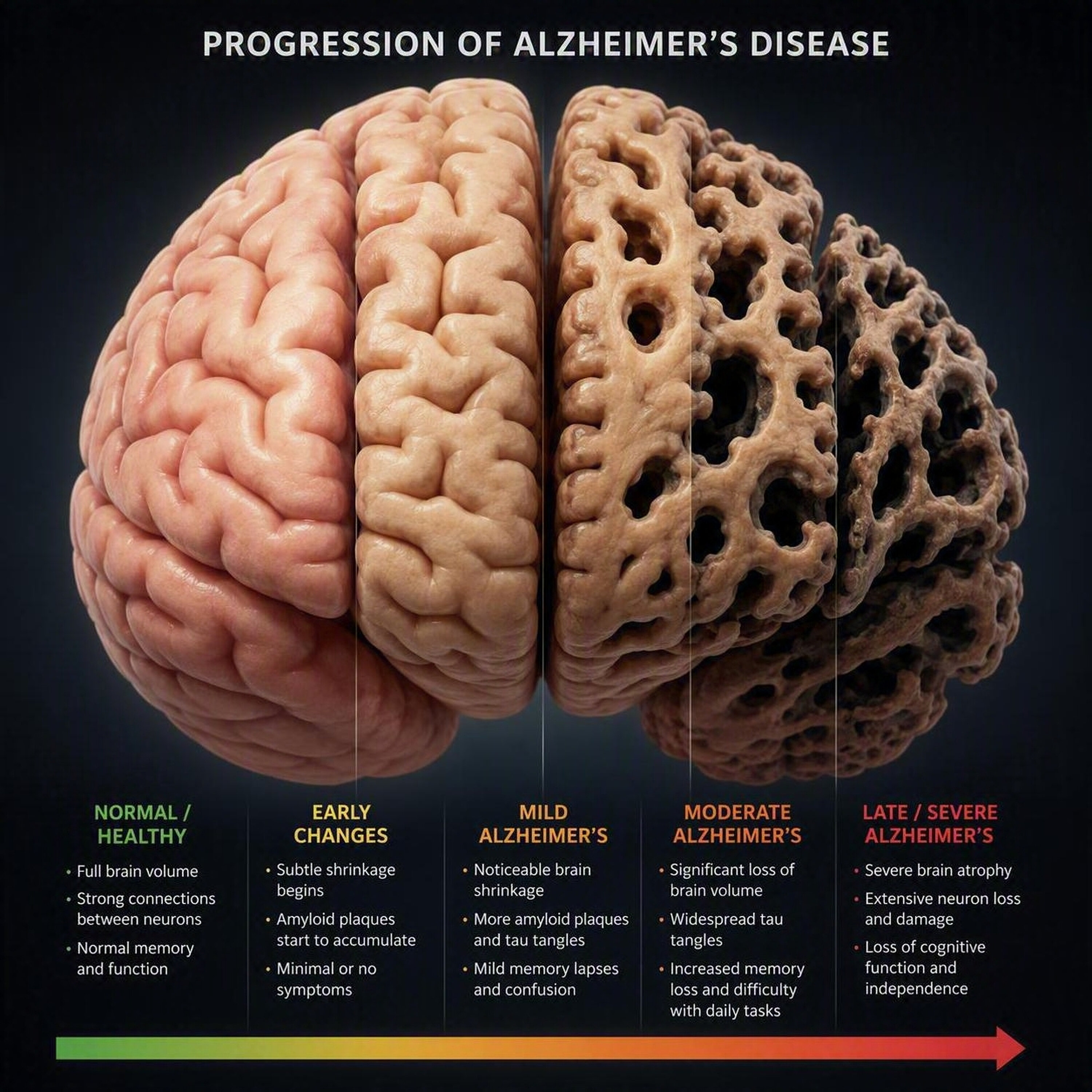
    Episode 108: Alzheimer’s Disease | Auguste Deter’s Decline

    One doctor’s case from 1901 changed how we understand memory loss. Auguste Deter was 51 when her husband Carl brought her to see Dr Alois Alzheimer in Frankfurt, worried by memory lapses that had turned into paranoia and confusion. When Auguste died five years later, Alzheimer examined her brain and found two things under the microscope: amyloid plaques between nerve cells and neurofibrillary tangles within them. His 1906 presentation to a room of psychiatrists drew no questions at all. It was not until 1910, when Emil Kraepelin included the case in his Handbook of Psychiatry, that the term Alzheimer’s disease appeared in print for the first time. Dr Liam Mulcahy, physician trainee and author of Beyond the White Coat, traces that discovery in detail, then Dr Travis Brown turns to two guests for where the disease stands in 2026. Dr Daniel Clarke, consultant neurologist at Sir Charles Gairdner Hospital and director of clinical trials at Alzheimer’s Research Australia, covers how Alzheimer’s actually presents (often nothing like the stereotype), why history remains the most important diagnostic tool, and why non-pharmacological measures such as exercise and vascular risk control come before medication. He also explains why family history is often overrated, and why he does not recommend routine APOE4 gene testing. Dr Gemma Daley, consultant chemical pathologist at Sullivan Nicolaides Pathology, explains what the new p-tau181 and p-tau217 blood tests can and cannot tell a GP, who should and should not be referred for them, and why they are adjunctive tests rather than standalone diagnostic tools. What to listen for: the presenting features that separate Alzheimer’s from ordinary age-related forgetfulness, and what a negative or positive p-tau result actually means for a patient in front of you. This is the story of Alzheimer’s disease. Useful links: Dementia Australia: https://www.dementia.org.au/ Alzheimer’s Research Australia: https://alzheimersresearch.org.au/ Our Special Guests: Dr Liam Mulcahy is a physician trainee with an interest in neurology and author of Beyond the White Coat Dr Daniel Clarke is a consultant neurologist and director of clinical trials at Alzheimer’s Research Australia Dr Gemma Daley is a consultant chemical pathologist at Sullivan Nicolaides Pathology Listen: This Medical Life podcast is available on all podcasting services, Apple Podcasts, YouTube, and Spotify. Members of the RACGP are able to log the hours as CPD (Education) that they listen to the episodes under self record via Quick log. We invite you to help support us on our donation page. See omnystudio.com/listener for privacy information.
  • S7 · E107
    August 17 · 50 min

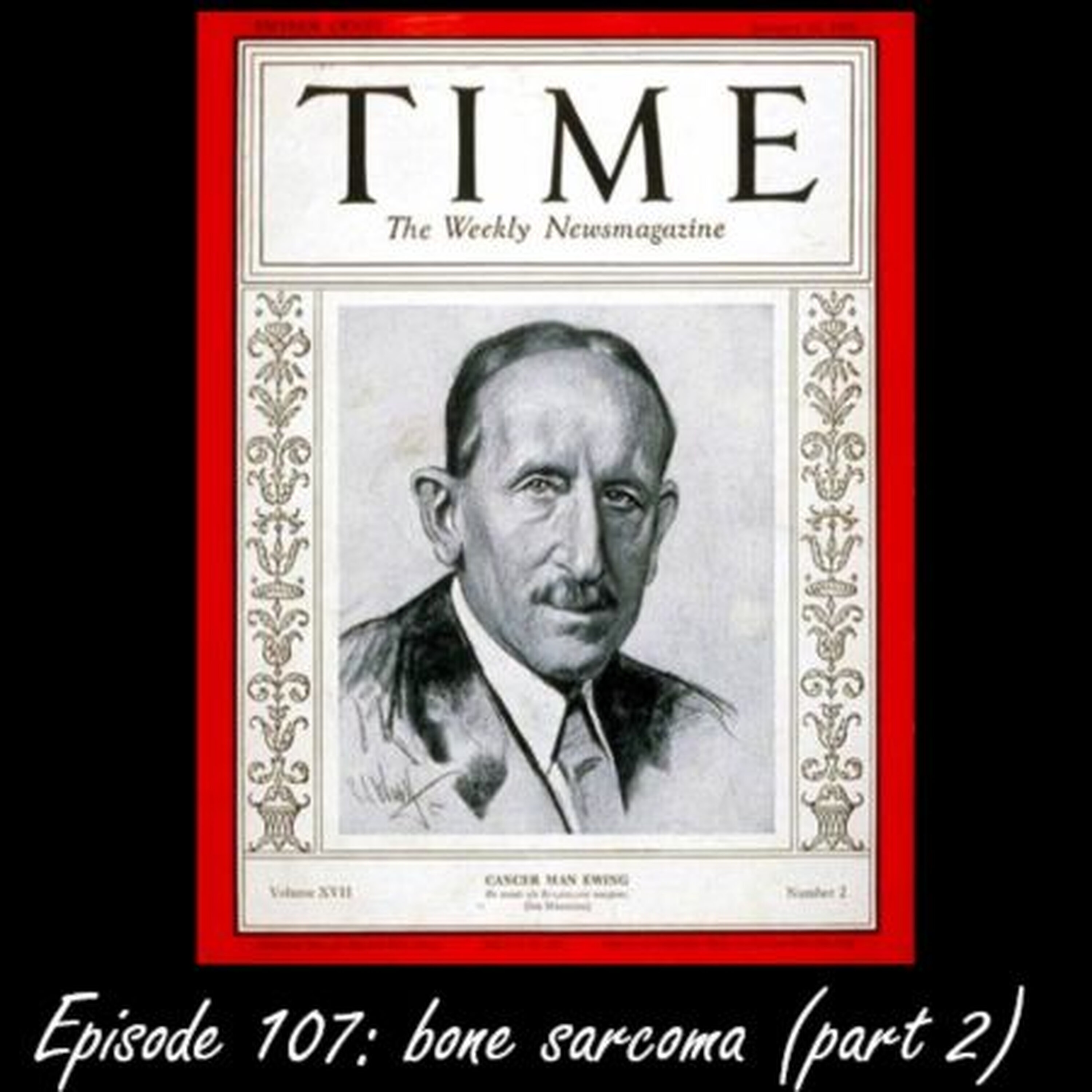
    Episode 107: Bone Sarcomas Part 2 | Ewing And Coley’s Legacy

    Two teenage patients, thirty years apart, changed how bone sarcomas are treated. In 1890, seventeen-year-old Bessie Dashiell saw New York surgeon William Coley with a painful hand. Despite an amputation, she died of metastatic cancer ten weeks later. Coley’s search for a better answer led him to Coley’s toxin, a bacterial treatment now recognised as an early form of immunotherapy. In 1921, pathologist James Ewing treated a fourteen-year-old girl with a wrist tumour he believed was osteosarcoma. Coley’s toxin failed. Radiotherapy, tried next, worked, even though osteosarcoma is classically radiotherapy-resistant. The tumour turned out to be a different disease entirely, now known as Ewing sarcoma, accounting for around 15 percent of bone sarcomas. Dr Travis Brown traces both stories in detail, then turns to two guests for the clinical picture in 2026. Dr Liz Connolly, medical oncologist at Peter MacCallum Cancer Centre and oncology research fellow at ProCan Children’s Medical Research Institute, covers staging (localised versus advanced), chemotherapy regimens for osteosarcoma and Ewing sarcoma, targeted therapies, and why immunotherapy has so far shown limited benefit in these cancers. She also discusses five-year survival, which sits around 70 percent for localised osteosarcoma or Ewing sarcoma, and why chondrosarcoma remains difficult to treat with drugs. Professor Angela Hong, clinical professor at the University of Sydney and radiation oncologist at Royal Prince Alfred Hospital, explains why Ewing sarcoma responds so well to radiotherapy while osteosarcoma and chondrosarcoma do not, how multidisciplinary teams decide between surgery and radiotherapy, current dosing and an active Australian phase III trial, and why early referral to a sarcoma centre matters regardless of where a patient lives. What to listen for: the diagnostic overlap between early bone sarcoma symptoms and everyday musculoskeletal complaints, and what that means for when to consider imaging and referral. This is the story of Bone Sarcoma Part 2. Find Part 1 here. Useful links: Australia and New Zealand Sarcoma Association: https://sarcoma.org.au/ Find a sarcoma specialist: https://sarcoma.org.au/pages/about-sarcoma/find-a-sarcoma-specialist Sarcoma guidelines: https://sarcoma.org.au/pages/sarcoma-guidelines Seeking a second opinion: https://sarcoma.org.au/pages/about-sarcoma/seeking-second-opinion Useful patient information: https://sarcoma.org.au/pages/about-sarcoma/patient-and-carer-sarcoma-information Our Special Guests: Dr Liz Connolly is a medical oncologist who specialises in treating and researching sarcomas Professor Angela Hong is a radiation oncologist and clinical professor at the University of Sydney Listen: This Medical Life podcast is available on all podcasting services, Apple Podcasts, YouTube, and Spotify. Members of the RACGP are able to log the hours as CPD (Education) that they listen to the episodes under self record via Quick log. We invite you to help support us on our donation page. See omnystudio.com/listener for privacy information.
  • S7 · E106
    August 3 · 57 min

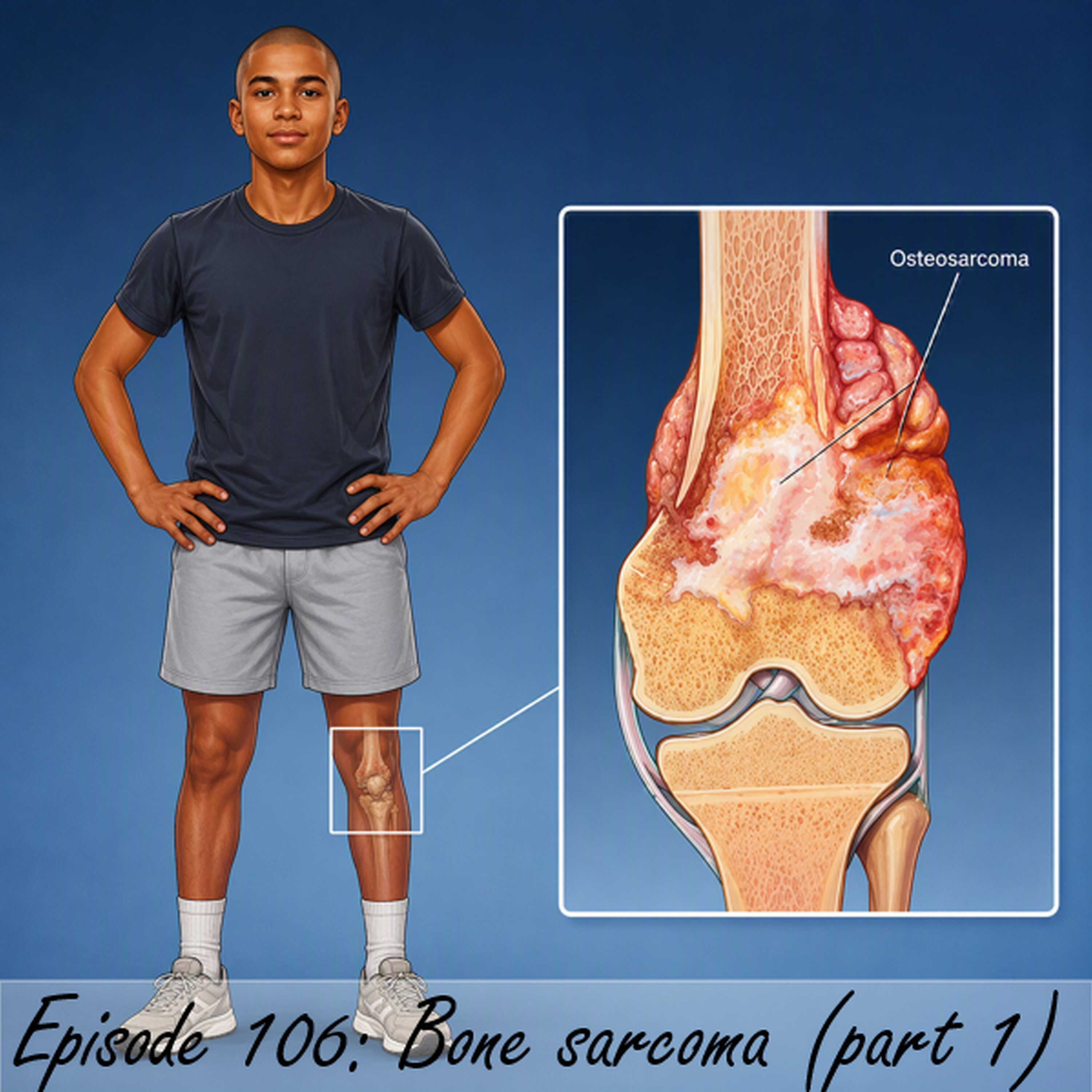
    Episode 106: Bone Sarcoma Part 1 | Osteosarcoma, Chondrosaroma & Ewing Sarcoma

    Bone sarcomas are rare, accounting for 0.2% of all cancer diagnoses, with around 200 cases diagnosed in Australia each year. The three main types differ by age and site: osteosarcoma (around 30 to 35% of cases, often in the arms, legs and pelvis, with peaks in adolescence and again in the seventies and eighties), chondrosarcoma (around 30% of cases, typically in adults over 40), and Ewing sarcoma (around 15% of cases, most common in children). Professor Fiona Maclean, an anatomical pathologist, describes bone sarcoma diagnosis as a pattern-recognition challenge made harder by rarity, noting that tumour type and stage are the two most useful pieces of information for a GP reading a pathology report. A/Professor Richard Boyle, an orthopaedic oncological surgeon, outlines the red flags, including unexplained deep bone pain and night pain, and the diagnostic pathway from X-ray through biopsy to multidisciplinary review. This is the story of Bone Sarcoma Part 1. Useful links: Australia and New Zealand Sarcoma Association: https://sarcoma.org.au/ Find a sarcoma specialist: https://sarcoma.org.au/pages/about-sarcoma/find-a-sarcoma-specialist Sarcoma guidelines: https://sarcoma.org.au/pages/sarcoma-guidelines Seeking a second opinion: https://sarcoma.org.au/pages/about-sarcoma/seeking-second-opinion Useful patient information: https://sarcoma.org.au/pages/about-sarcoma/patient-and-carer-sarcoma-information Our Special Guests: A/Professor Richard Boyle who is a Sydney-based orthopaedic oncological surgeon and head of the NSW Sarcoma unit. Professor Fiona Maclean who is an anatomical pathologist and professor from Macquarie University. Listen: This Medical Life podcast is available on all podcasting services and Spotify. Members of the RACGP are able to log the hours as CPD (Education) that they listen to the episodes under self record via Quick log. We invite you to help support us on our donation page. See omnystudio.com/listener for privacy information.
  • S7 · E105
    July 20 · 1 hr

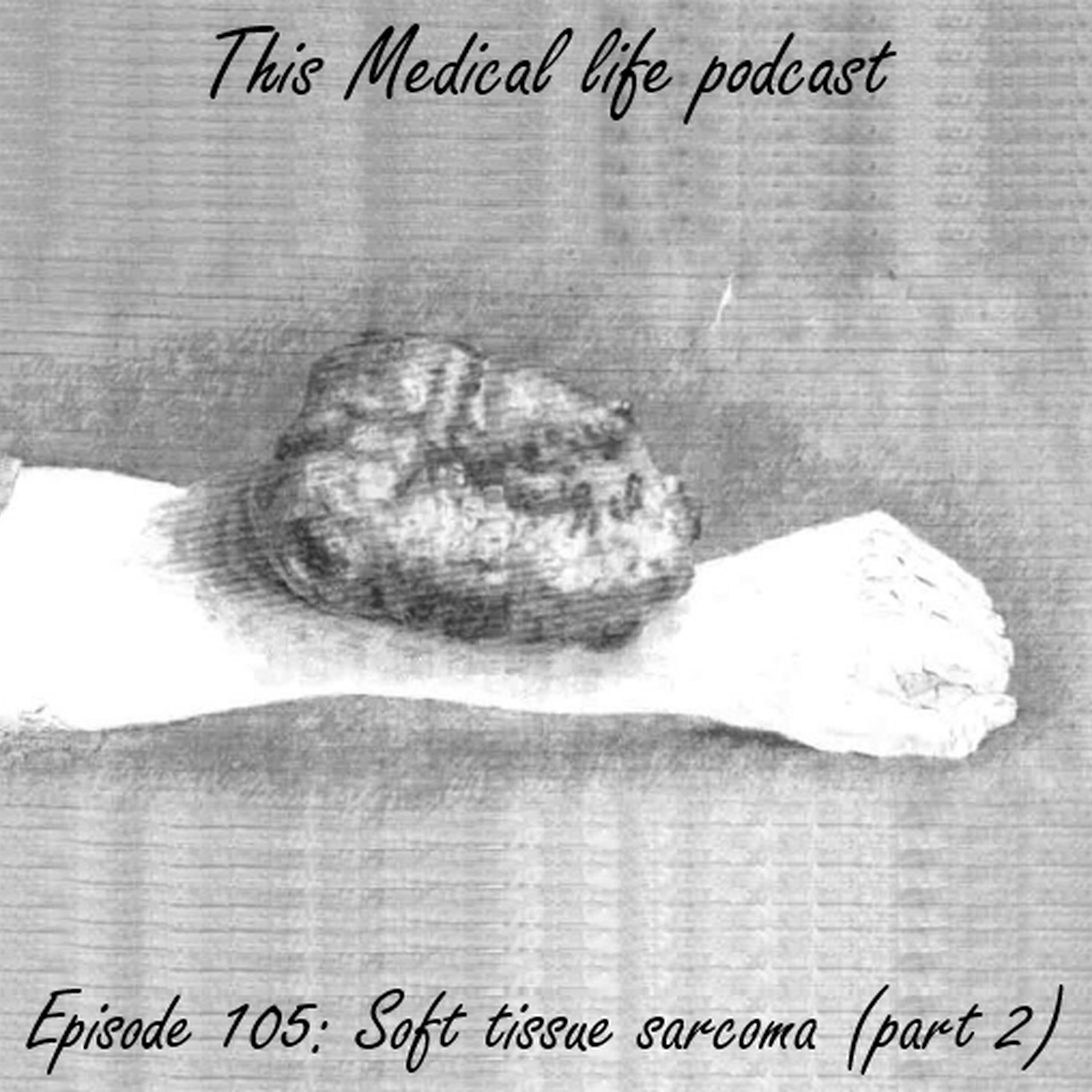
    Episode 105: Soft Tissue Sarcoma Part 2 | Adjuvant Therapies

    The treatment of soft tissue sarcomas is a highly specialised area. The first effective chemotherapy agent against sarcomas was only identified in the 1960s and benefits of adjuvant radiotherapy treatment began in the 1970s. We continue to learn as new agents become available and tailor treatments to each patient. This is the story of Soft Tissue Sarcoma (Part 2). Here is the link to Part 1. Useful links: Australia and New Zealand Sarcoma Association: https://sarcoma.org.au/ Find a sarcoma specialist: https://sarcoma.org.au/pages/about-sarcoma/find-a-sarcoma-specialist Sarcoma guidelines: https://sarcoma.org.au/pages/sarcoma-guidelines Seeking a second opinion: https://sarcoma.org.au/pages/about-sarcoma/seeking-second-opinion Useful patient information: https://sarcoma.org.au/pages/about-sarcoma/patient-and-carer-sarcoma-information Article from the RCPA about reviewing soft tissue tumours and obtaining second opinions: https://pubmed.ncbi.nlm.nih.gov/41390329/ Our Special Guests: Professor Peter Grimison who is a medical oncologist at Chris O’Brien Lifehouse and clinical professor at University of Sydney Associate Professor Stephen Thompson is a radiation oncologist at Prince of Wales hospital and conjoint associate professor at the University of New South Wales The treatment of soft tissue sarcomas is a highly specialised area. The first effective chemotherapy agent against sarcomas was only identified in the 1960s and benefits of adjuvant radiotherapy treatment began in the 1970s. We continue to learn as new agents become available and tailor treatments to each patient. This is the story of Soft Tissue Sarcoma (Part 2). Here is the link to Part 1. Useful links: Australia and New Zealand Sarcoma Association: https://sarcoma.org.au/ Find a sarcoma specialist: https://sarcoma.org.au/pages/about-sarcoma/find-a-sarcoma-specialist Sarcoma guidelines: https://sarcoma.org.au/pages/sarcoma-guidelines Seeking a second opinion: https://sarcoma.org.au/pages/about-sarcoma/seeking-second-opinion Useful patient information: https://sarcoma.org.au/pages/about-sarcoma/patient-and-carer-sarcoma-information Article from the RCPA about reviewing soft tissue tumours and obtaining second opinions: https://pubmed.ncbi.nlm.nih.gov/41390329/ Our Special Guests: Professor Peter Grimison who is a medical oncologist at Chris O’Brien Lifehouse and clinical professor at University of Sydney Associate Professor Stephen Thompson is a radiation oncologist at Prince of Wales hospital and conjoint associate professor at the University of New South Wales Listen: This Medical Life podcast is available on all podcasting services and Spotify. Members of the RACGP are able to log the hours as CPD (Education) that they listen to the episodes under self record via Quick log. We invite you to help support us on our donation page. See omnystudio.com/listener for privacy information.
  • S7 · E104
    July 6 · 1 hr 21 min

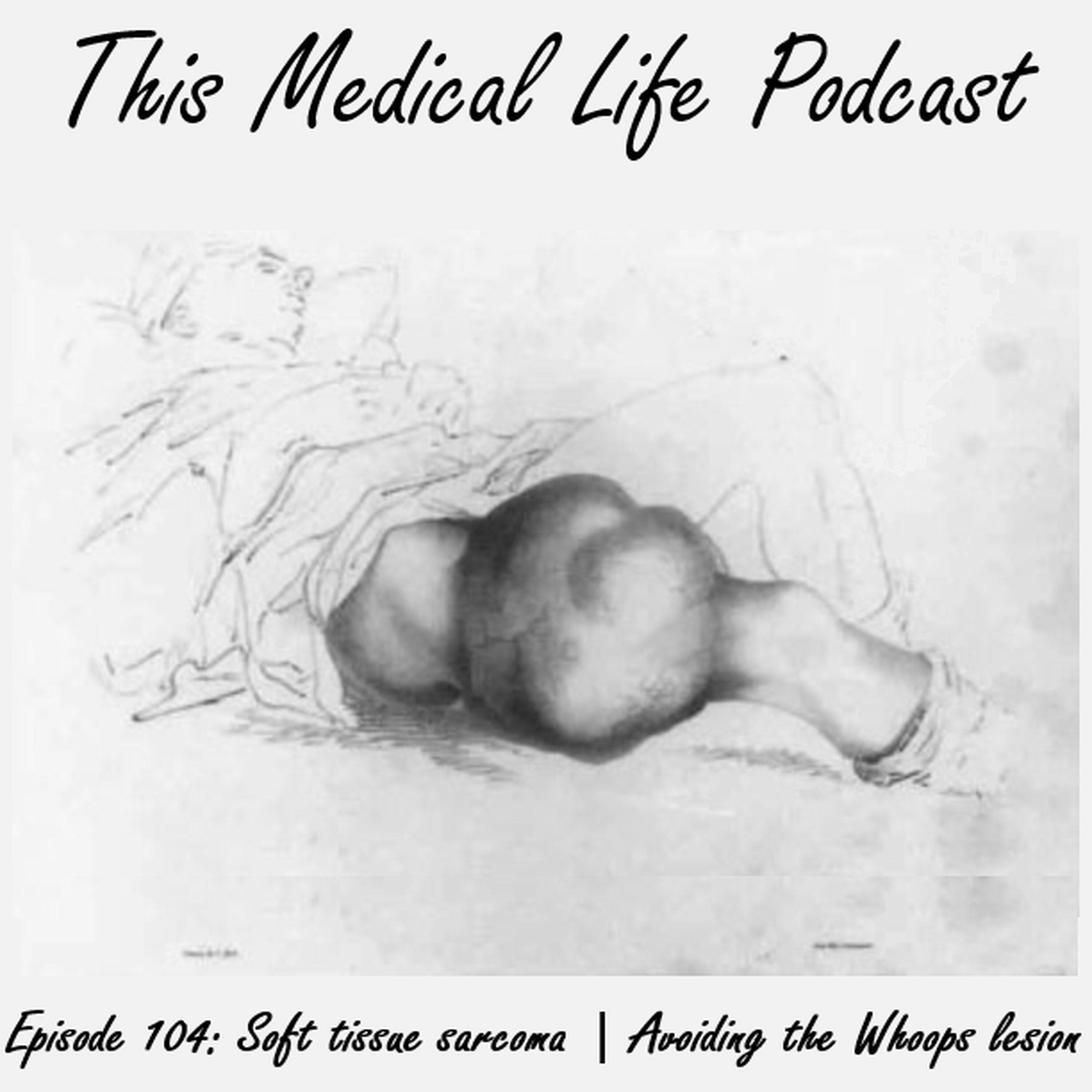
    Episode 104: Soft Tissue Sarcoma Part 1 | Avoiding The Whoops Lesion

    Soft tissue sarcomas are tumours that arise from connective tissue, fat, muscle, and blood vessels. They are distinct from epithelial malignancies (carcinomas) in both morphology and behaviour. Unfortunately, due to their rare occurrence, these tumours can be mistaken clinically and pathologically which affects patients management and prognosis. As part of sarcoma awareness month, we are doing a series on soft tissue sarcomas as well as bone sarcoma in conjunction with the Australian & New Zealand Sarcoma Association to raise awareness and help provide education about these diagnoses. This is the story of soft tissue sarcoma (part 1). Useful links: Australia and New Zealand Sarcoma Association: https://sarcoma.org.au/ Find a sarcoma specialist: https://sarcoma.org.au/pages/about-sarcoma/find-a-sarcoma-specialist Sarcoma guidelines: https://sarcoma.org.au/pages/sarcoma-guidelines Seeking a second opinion: https://sarcoma.org.au/pages/about-sarcoma/seeking-second-opinion Useful patient information: https://sarcoma.org.au/pages/about-sarcoma/patient-and-carer-sarcoma-information Article from the RCPA about reviewing soft tissue tumours and obtaining second opinions: https://pubmed.ncbi.nlm.nih.gov/41390329/ Our Special Guests: Associate Professor Richard Boyle who is an orthopaedic oncologist and surgeon who specialises in the bone and soft tissue sarcoma. Professor Fiona Maclean is an anatomical pathologist who specialises in soft tissue pathology and clinical professor at Macquarie University. Listen: This Medical Life podcast is available on all podcasting services and Spotify. Members of the RACGP are able to log the hours as CPD (Education) that they listen to the episodes under self record via Quick log. We invite you to help support us on our donation page. See omnystudio.com/listener for privacy information.
  • S7 · E103
    June 29 · 45 min

    Episode 103: Clinical ethics | Eternal conundrums

    Ethics, codes of conduct, and challenging decisions are universal constants in medicine. Difficult situations and trying to do the right thing are not always obvious particularly when these decisions involve lots of emotions, family members, and have life and death implications. Ethics, and ethics committees, can help to provide a clear and consensus path for clinicians, patients, and family members. We discuss the role ethics and ethics committees have in modern medicine with our special guest. This is the story of clinical ethics. Useful links: Free critical thinking course through UQ school of philosophy Clinical Ethics Society of Australasia – Great organisation focusing on clinical ethics, with affordable membership and lots of access to resources. They run an excellent ‘ethics intensive’ and yearly symposium as well as other masterclasses throughout the year. Australasian Association of Bioethics and Health Law – Major organisation for ethics and health law. Excellent conference each year. Links to Dr Melanie Jansen’s poetry Instragram: @drmelaniejansen_poetry Dr Melanie Jansen’s debut poetry collection, All That Could Be Lost, is available online from 5 Islands Press and at independent bookstores. Our Special Guest: Dr Melanie Jansen who is a clinical ethicist and paediatric intensive care consultant Listen: This Medical Life podcast is available on all podcasting services and Spotify. Members of the RACGP are able to log the hours as CPD (Education) that they listen to the episodes under self record via Quick log. We invite you to help support us on our donation page. See omnystudio.com/listener for privacy information.
  • S7 · E102
    June 8 · 38 min

    Episode 102: Lipoprotein (a) | Genetic Cholesterol

    Lipoprotein (a) (Lp(a)) was discovered in 1963 by a Norwegian geneticist by the name of Kåre Berg who studied particles that carried cholesterol in the blood. He found some patients had an additional protein on the low-density lipoprotein. Studies found that patients with elevated Lp(a) had increased risks of cardiovascular disease. However, the levels were not affected by diet, environmental factors, or medications. The result is that this test was largely ignored for the last few decades. Recent dyslipidaemia guidelines released by the United States and Europe have returned a focus back on to Lp(a). They recommend that patients should have Lp(a) tested once throughout their life to assess their cardiovascular disease risk. The result can help identify which patients are at a higher risk of cardiovascular morbidity and mortality and who will benefit from lifestyle modification and early intervention. This resource is referenced during the discussion: https://www.lpaclinicalguidance.com/ This is the story of lipoprotein (a). Our Special Guests: Dr Michael Page is a chemical pathologist at Clinipath in Perth, senior lecturer at the UWA Medical School, and immediate past President of the AMA (WA). Listen: This Medical Life podcast is available on all podcasting services and Spotify. Members of the RACGP are able to log the hours as CPD (Education) that they listen to the episodes under self record via Quick log. We invite you to help support us on our donation page. See omnystudio.com/listener for privacy information.

  • S7 · E101
    May 18 · 1 hr 8 min

    Episode 101: Psoriasis | Skin, Immunity, And The Marks We Carry

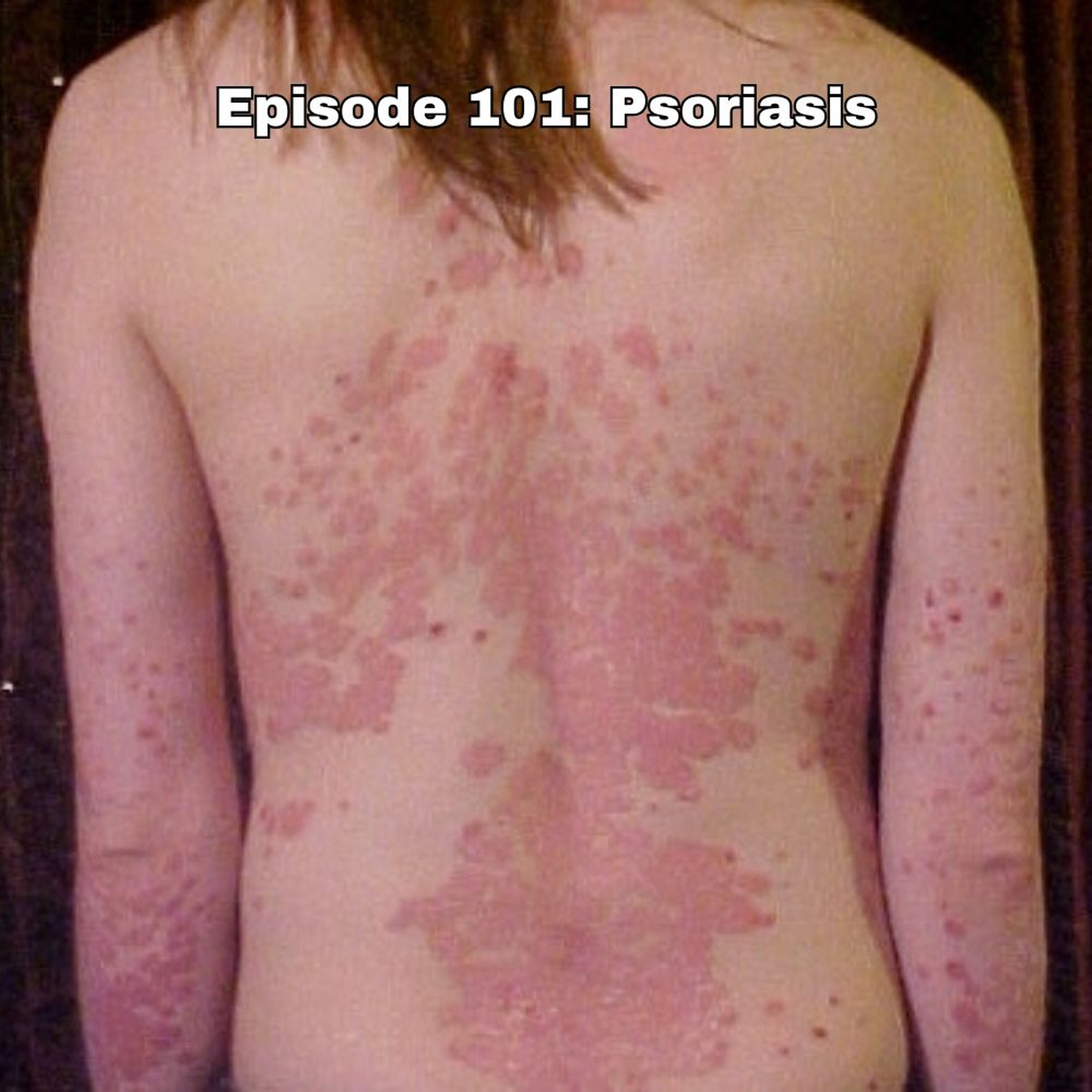
    Skin has always told stories. For thousands of years, those whose skin behaved differently — scaling, thickening, inflaming — were feared, isolated, and misunderstood. Psoriasis was long lumped together with leprosy, its sufferers cast out rather than cared for. It would take centuries before medicine began to separate these conditions, and longer still before we understood what was really happening beneath the surface. Psoriasis is not an infection, not a curse, not a failure of hygiene. It is the immune system turning on itself, a complex, chronic inflammatory disease that affects not just skin but joints, confidence, and quality of life. It touches roughly 2-3% of the population, and for many it is a lifelong companion. Today we have a clinical dermatologist and a dermatopathologist to help us understand what psoriasis looks like to the clinician, what it reveals under the microscope, and how our understanding of its immunological roots has transformed the way we treat it. This is the story of psoriasis. Our Special Guests: Associate Professor Laura Scardamaglia, a Consultant Dermatologist, a Fellow of the Australasian College of Dermatology, and Clinical Associate Professor at the University of Melbourne. Dr Grace Liu is an Anatomical Pathologist with Histopath in Sydney, Australia. Listen: This Medical Life podcast is available on all podcasting services and Spotify. Help support us on our donation page. See omnystudio.com/listener for privacy information.
  • S7 · E100
    May 4 · 1 hr 6 min

    Episode 100: The Artful Dodger | James McNamara

    The Artful Dodger is a television series on Disney+ that is a historical medical drama set in 1850s Australia with Jack Dawkins, the Artful Dodger from the world of Oliver Twist. Jack is a former pick pocket now surgeon who is reacquainted with old partner in crime, Fagin, who is keen for Jack to resume old habits. The Artful Dodger takes pride in being one of the most historically accurate depictions of nineteenth century medicine and surgery. The hospital, surgical tools, and treatments are accurate portrayals of what we knew back then. We organised a discussion with its creator to take a deep dive into this entertaining show that both myself and Steve thoroughly enjoyed. This is the story of The Artful Dodger Our Special Guest: James McNamara who is the creator, showrunner, head writer, and executive producer of The Artful Dodger available on Disney+. Listen: This Medical Life podcast is available on all podcasting services and Spotify. Help support us on our donation page. See omnystudio.com/listener for privacy information.
  • S7 · E99
    April 20 · 1 hr 7 min

    Episode 99: Graves’ Disease | Hyperthyroidism & Thyrotoxicosis

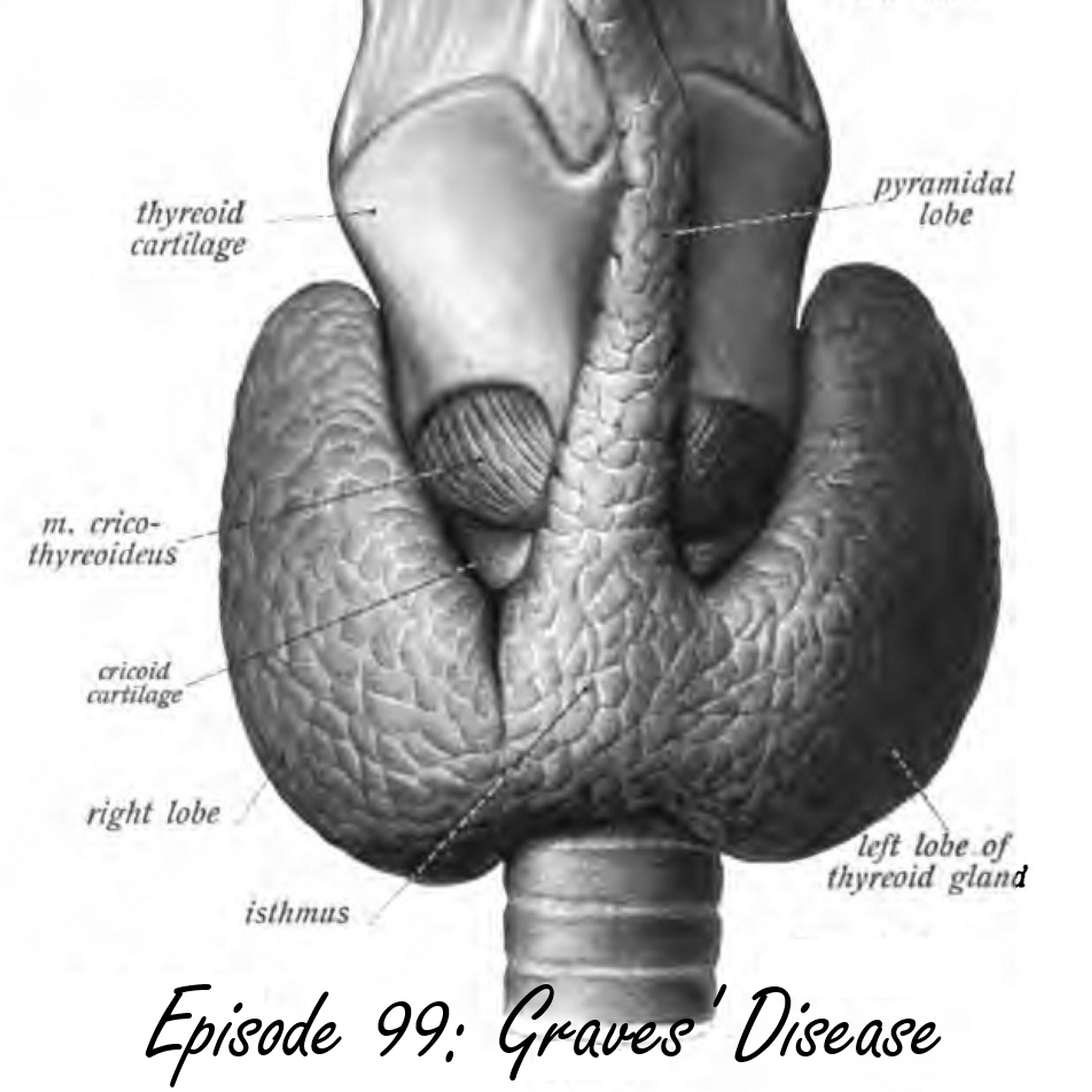
    The complex symptomatology of hormonal diseases only started to be recognised in the 19th century as we learned about anatomy and physiology. When Doctor Robert Graves began piecing the hyperthyroid puzzle together when he saw patients with similar symptoms such as anxiousness, nervousness, aggitation, bulging eyes, and rapid/irregular heart rate. He realised this was a previously unknown condition to the medical field. It would not be until the mid-20th century before we had a full understanding of the thyroid and thyroid diseases. Today, we have tests to diagnose and medications to manage. Graves’ disease accounts for 70-80% of all cases of hyperthyroidism. This is the story of Graves’ Disease. Our Guests: Dr Liam Mulcahy who is studying physicians training with a strong interest in neurology. He was written a book called Beyond the White Coat: The Faces Behind Medical Eponyms. Professor Duncan Topliss who is a senior endocrinologist at Alfred Hospital in Melbourne and Professor of Medicine in the Department of Medicine, Monash University. Listen: This Medical Life podcast is available on all podcasting services and Spotify. Help support us on our donation page. See omnystudio.com/listener for privacy information.
  • S7 · E98
    April 6 · 31 min

    Episode 98: Statin Dosage | Finding The Sweet Spot

    It has been well established in studies and articles that cholesterol lowering medications have significant heart morbidity and mortality benefits. However, high dosage trials did not show additional survival benefits but had increasing side-effects for patients. Therefore, the maximum dose for statins is not necessarily the best dose for patients. This is the story of statin dosing. Guest: Professor Simon Dimmitt is a Consultant Physician working in General and Cardiovascular Medicine. He is Clinical Professor of Medicine at the University of Western Australia and Adjunct Professor, School of Medicine & Public Health at the University of Newcastle. His website contains Dose Tables and reviews for a modest subscription: Correct Dosing. Listen: This Medical Life podcast is available on all podcasting services and Spotify. Help support us on our donation page. See omnystudio.com/listener for privacy information.
  • S7 · E97
    April 2 · 38 min

    Episode 97: Crucifixion | Ancient Rome & State Sanctioned Execution

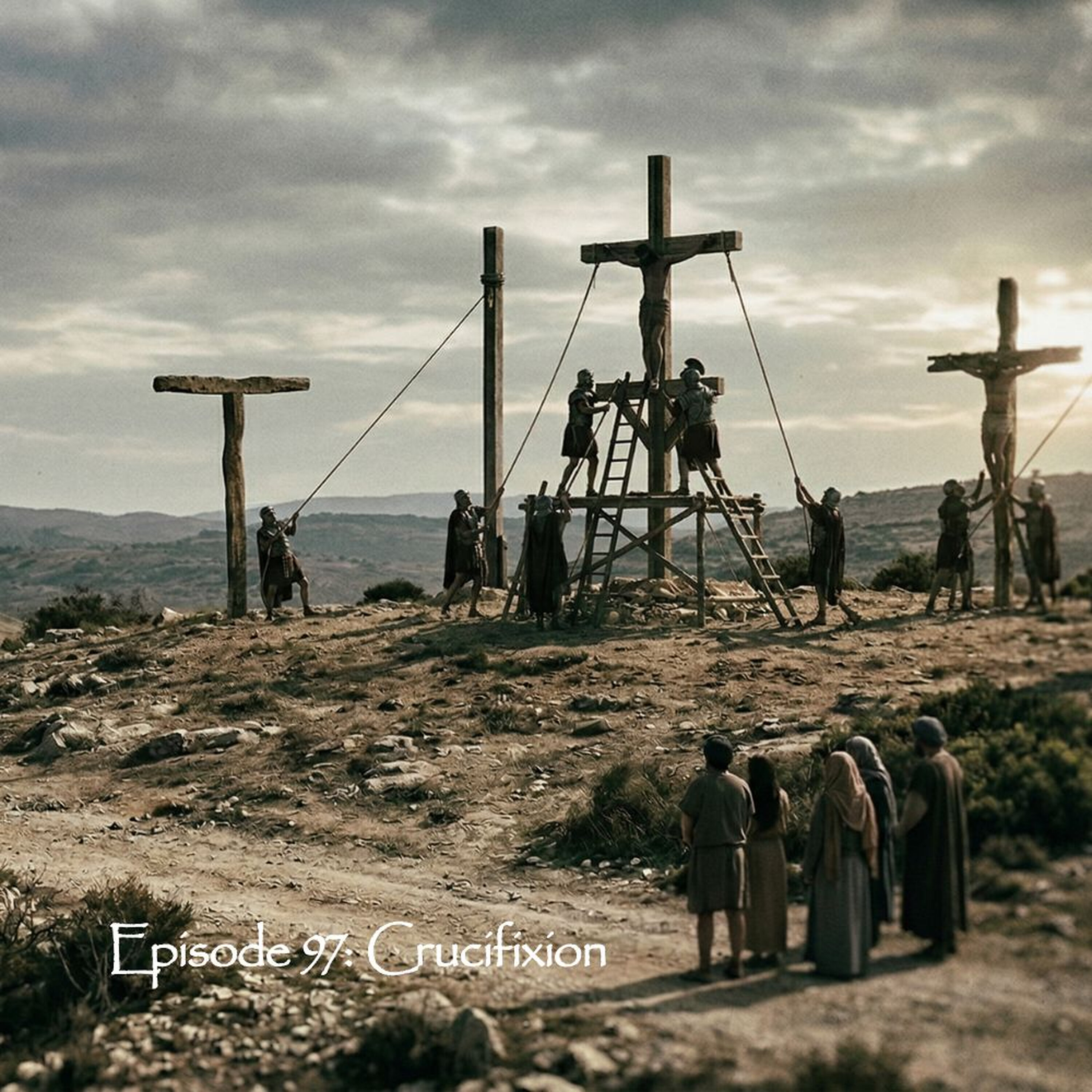
    Crucifixion was a form of punishment, humiliation, and execution. Adopted by the Ancient Romans, crucifixion was used on the State’s worst criminals on lower classes and slaves. As common as it was though, we know very little about how people died on the cross. In this episode, we take a closer look at crucifixion through a medical lens. This image is not historically accurate. It was crafted within the guidelines of Gemini as a stereotypical rendering of crucifixion but our episode gets into the, sadly more brutal, truth. This is the story of crucifixion. Listen: This Medical Life podcast is available on all podcasting services and Spotify. Help support us on our donation page. See omnystudio.com/listener for privacy information.
  • S7 · E96
    March 23 · 1 hr 49 min

    Episode 96: Steroids & Testosterone (Part 2) | Anabolic Steroids

    Recreational use of steroids and testosterone to enhance image and performance is on the rise. Over the last 70 years, testosterone and testosterone-like substances have been used extensively to enhance performance particularly in elite sports. Nowadays, the use is more widespread and occurs in the general community with far more drugs available to people via the internet. Unfortunately, the evidence users base their drug regimes on range from anecdotal and scant to wrong and dangerous. We discuss the use of testosterone (and other substances) to learn more, identify how we can look after patients who use anabolic steroids, and what risk factors we need to consider. This is the story of anabolic steroids. You can listen to Part One of this series here. Our special guests: Dr Tim Piatkowski is a senior research fellow at the University of Queensland on image and performance enhancing drugs. Dr Mair Underwood is a senior lecturer in the School of Social Sciences at the University of Queensland and is an anthropologist of the body. Professor Ken Sikaris is a chemical pathologist and Director of chemical pathology at Dorevitch pathology. Listen: This Medical Life podcast is available on all podcasting services and Spotify. Help support us on our donation page. See omnystudio.com/listener for privacy information.
  • S7 · E95
    March 10 · 54 min

    Episode 95: Steroids & Testosterone (Part 1) | Male Hypogonadism

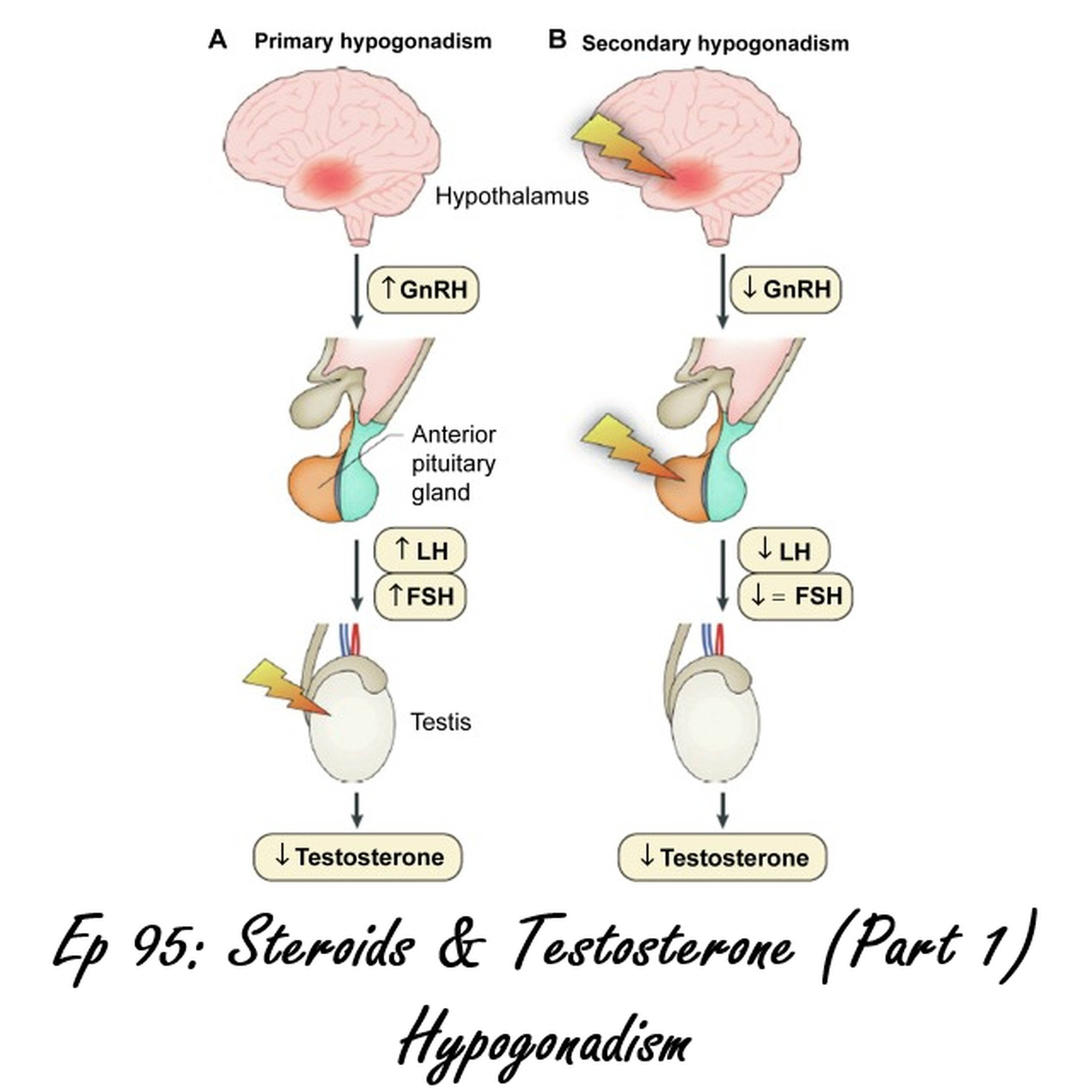
    Hypogonadism is a medical condition where the body does not produce enough testosterone. This can be primary (testicular failure) or secondary (pituitary or other condition). There are a number of conditions that doctors need to be aware of that can cause hypogonadism. This is the story of hypogonadism. Image ref: https://www.sciencedirect.com/topics/agricultural-and-biological-sciences/hypogonadotropic-hypogonadism Our special guests: Professor Duncan Topliss is a senior endocrinologist and Professor of Medicine at Monash University. Professor Ken Sikaris is a chemical pathologist and Director of chemical pathology at Dorevitch pathology. Listen: This Medical Life podcast is available on all podcasting services and Spotify. Help support us on our donation page. See omnystudio.com/listener for privacy information.
  • S7 · E94
    February 23 · 1 hr 18 min

    Episode 94: Testicular Cancer | Check Deez Nuts

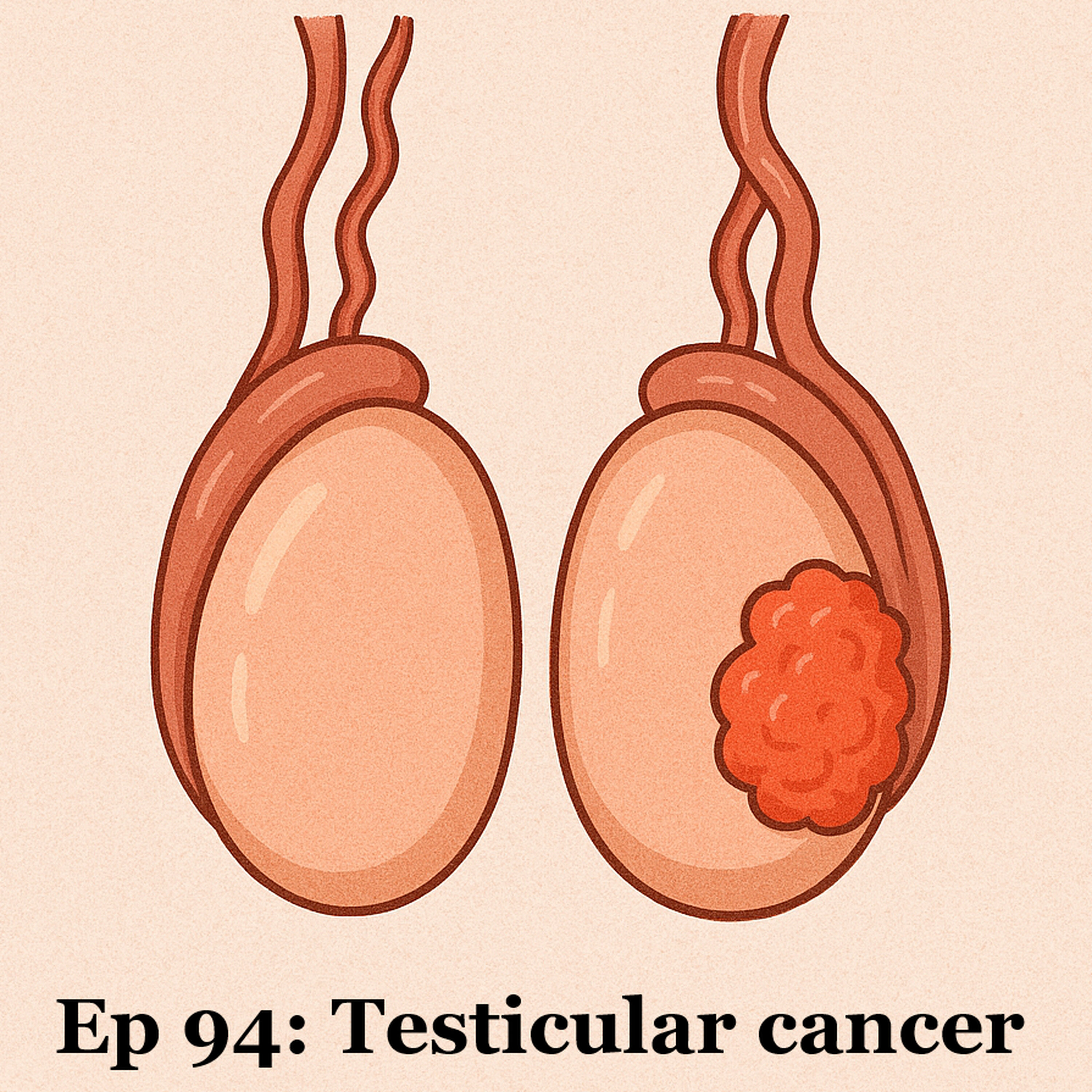
    While testicular cancer is rare, it is the most common cancer in young men aged between 15 and 39 years. Like with every cancer, early detection is the key. Self-examination is important along with seeking medical attention if there are any concerns. Fortunately, overall survival is around 95%. This is the story of testicular cancer. Our special guests: Dr Nari Ahmadi who is a Urologist and coordinator of the Urological Oncology Cancer research at Chris O’Brien Lifehouse. Professor Peter Grimison who is a Medical Oncologist at the Chris O’Brien Lifehouse, VMO at the Royal Prince Alfred Hospital, and Clinical Professor at the University of Sydney. Professor Fiona Maclean who an Anatomical Pathologist, Clinical Professor at Macquarie University, and previous President of the Australasian Division of the International Academy of Pathology (IAP). Listen: This Medical Life podcast is available on all podcasting services and Spotify. Help support us on our donation page. See omnystudio.com/listener for privacy information.
  • S7 · E93
    February 9 · 15 min

    Episode 93: Return of TML | Diseased

    And we’re back – for another year – with more stories, more expert guests, more topics to discuss. Episodes released fortnightly. And we’ve also released an ebook with audio narrated by the masterful voice of Steve Davis for a general audience sharing some of the amazing stories of medicine. Chapter J provided in this episode. Our special guest: In this episode, our special guest is the audiobook itself: Diseased: The A to Z of illnesses, medicine, and important people through history. Link to kindle version: Diseased: The A to Z of illnesses, medicine, and important people through history Link to audiobook: Coming soon. Listen: This Medical Life podcast is available on all podcasting services and Spotify. Help support us on our donation page. See omnystudio.com/listener for privacy information.
  • S6 · E91
    Oct 13, 2025 · 1 hr 11 min

    Episode 91: Sleep Apnoea | Pickwickian Syndrome

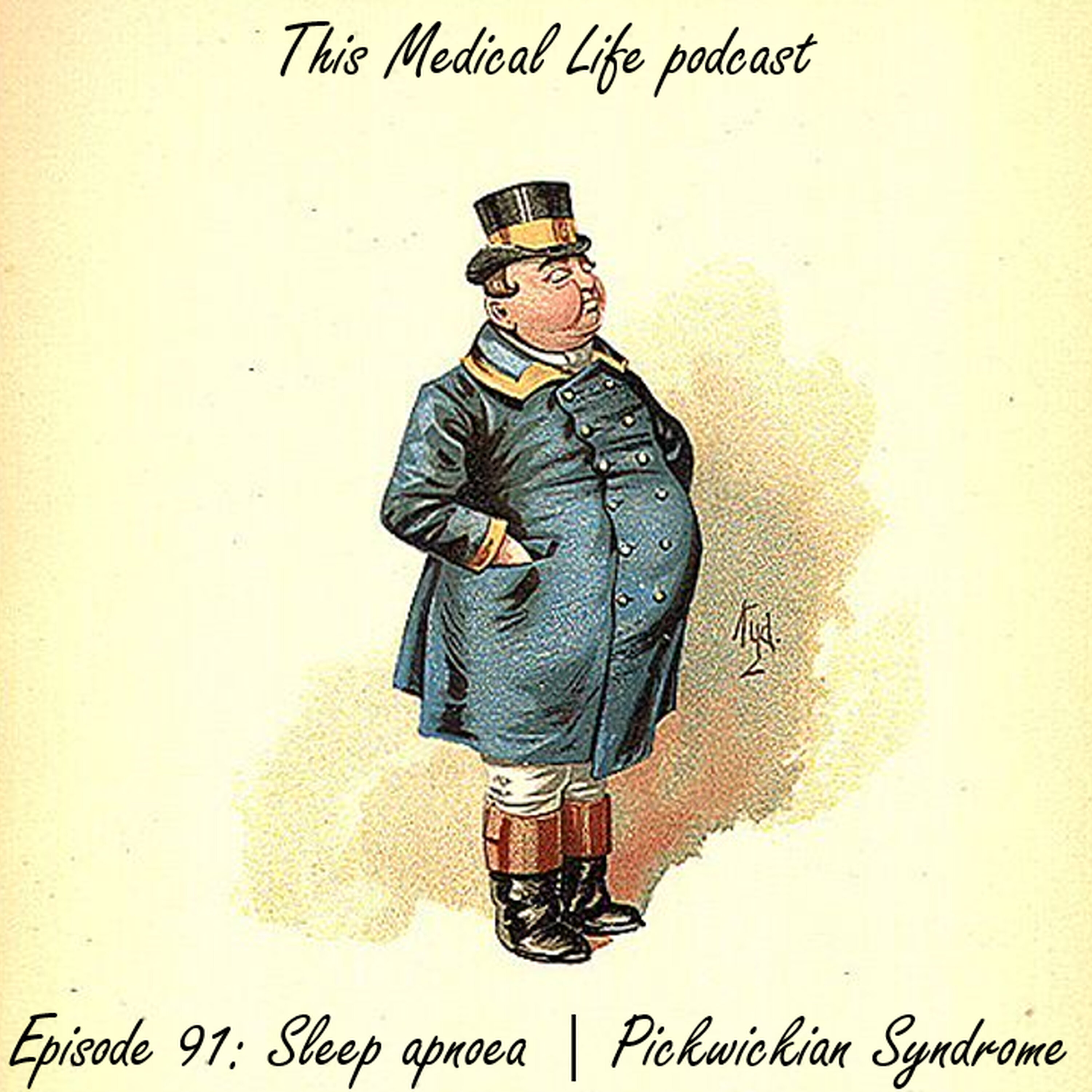
    Charles Dicken’s first novel has an adolescent boy named Joe who was overweight and always sleepy. He could fall asleep at any time, even during meals. The novel is known as the Pickwick Papers. Decades later, doctors began to recognise patients with the same symptoms. They called it Pickwickian syndrome. Obstructive sleep apnoea is a common condition in the general community. Risk factors include being overweight, male, and over the age of 50. The difficulty for patients is they may not be aware they suffer from this condition unless a partner tells them they stop breathing during sleep. Fortunately, we have a number of treatment options available for patients who suffer from sleep apnoea. This is the story of sleep apnoea. Our special guests: Dr Saul Gilbert is the managing director of a sleep clinic called The Oasis in Adelaide with 25 years research and clinical experience in sleep psychophysiology. Dr Anuk Kruavit is a respiratory, sleep and general medicine physician with an interest in obstructive sleep apnoea and complex respiratory sleep disorders. Listen: This Medical Life podcast is available on all podcasting services and Spotify. Help support us on our donation page. See omnystudio.com/listener for privacy information.

  • S6 · E90
    Sep 29, 2025 · 33 min

    Episode 90: Chronic Kidney Disease (Part 2) | Diabetes, Hypertension & Avoiding The Rotating Drum Kidney

    Willem J Kolff was an intern when he saw a 22 year old man die of kidney failure. He realised that the patient’s life could have been saved if his blood could have been detoxified. Willem set to work and developed the first ever dialysis machine (initially the ‘rotating drum kidney’). While dialysis is a lifesaving treatment, it is one that we hope to avoid for patients. In this episode, we discuss two topics that are the largest contributors to chronic kidney disease: Diabetes, and Hypertension. This is the story of Chronic Kidney Disease (Part 2). Our special guest: Dr Richard Phoon who is the Senior Medical Advisor at Westmead Hospital and has worked full-time as a Nephrologist at Westmead and Blacktown Hospitals since 2007. Useful links: CKD Management in Primary Care handbook (KHA) Link: https://kidney.org.au/health-professionals/ckd-management-handbook Kidney Health 4 Life: Kidney Health 4 Life – Better kidney health, for life Health professional webinar here: Kidney Health 4 Life Healthcare Professional Webinar – YouTube For health professionals looking for printed posters and brochures for their clinic or unit: Kidney Health 4 Life Print Materials Or contact the Kidney Health Australia Helpline on 1800 454 363 See omnystudio.com/listener for privacy information.

  • S6 · E89
    Sep 15, 2025 · 57 min

    Episode 89: Chronic Kidney Disease (Part 1) | The Bright Side Of Urine

    One in 10 Australians over the age of 18 years are living with signs of Chronic Kidney Disease (CKD) with the number of patients needing treatment for kidney failure has doubled in the last 20 years. Early detection and intervention can slow the progression of CKD by up to 15 years or longer. Our understanding of kidney disease can be traced back to Dr Richard Bright, one of the founding fathers of nephrology. He noted that heating a patient’s urine with kidney disease could form a precipitate – nowadays we’d call this albuminuria (albumin in the urine) and it is a marker of kidney damage. Today, there are a range of conditions that can reduce kidney function, cause kidney damage, and can cause significant morbidity and early mortality in patients. By screening patients, we can reduce the progression of CKD and significantly affect the health of patients in the long term. This is the story of Chronic Kidney Disease (Part 1). Our special guests: Maddie Williams who is a Registered Nurse with Kidney Health Australia who was diagnosed with kidney disease at the age of 17 requiring haemodialysis, peritoneal dialysis, and received a renal transplant. Dr Richard Phoon who is the Senior Medical Advisor at Westmead Hospital and has worked full-time as a Nephrologist at Westmead and Blacktown Hospitals since 2007. Useful links: CKD Management in Primary Care handbook (KHA) Link: https://kidney.org.au/health-professionals/ckd-management-handbook Kidney Health 4 Life: Kidney Health 4 Life – Better kidney health, for life Health professional webinar here: Kidney Health 4 Life Healthcare Professional Webinar – YouTube For health professionals looking for printed posters and brochures for their clinic or unit: Kidney Health 4 Life Print Materials Or contact the Kidney Health Australia Helpline on 1800 454 363 Listen: This Medical Life podcast is available on all podcasting services and Spotify. Help support us on our donation page. See omnystudio.com/listener for privacy information.

Showing 1–20 of 21 episodes