Skip to content
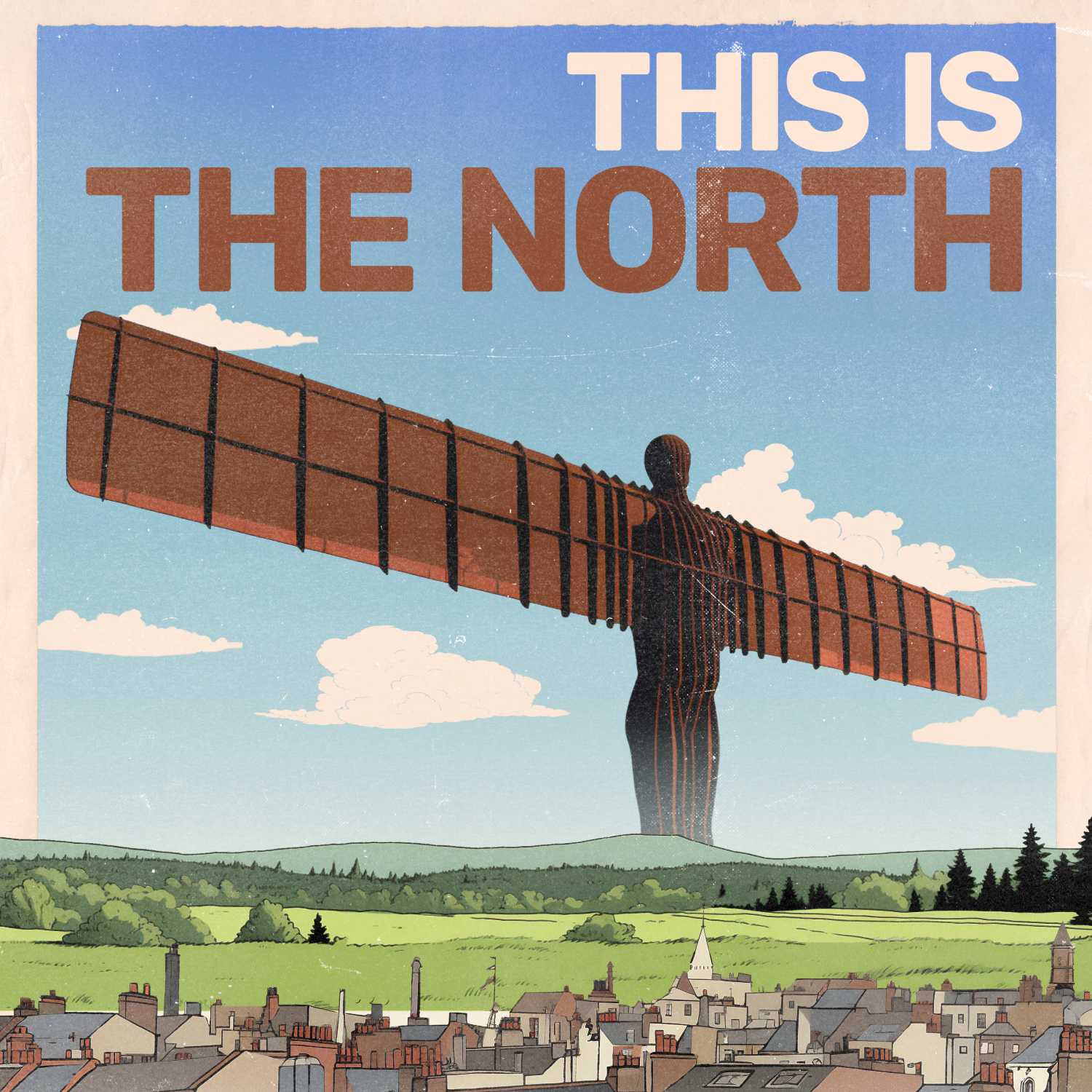
Artwork for This Is The North
BusinessNon-ProfitNewsPoliticsGovernment

This Is The North

Alison Dunn

The North has a rich history of world-changing industry, invention and social progress. It is also home to persistent inequalities in opportunity, wealth and health.


So what happened? What can we learn from the past, what is changing now, and what would it take to build a stronger future for the North?


This Is The North explores the evidence behind those questions. Hosted by Alison Dunn MBE, charity chief executive and social justice advocate, the podcast brings together academics, business leaders, community voices and charity leaders to understand the forces shaping the region and the choices available to us.


We explore the North’s green energy and industrial transition, housing and affordability, jobs and skills, and the people, industries and ideas that can help shape its future. We ask what the evidence tells us, who is affected, what is already working, and what needs to change.


This Is The North comes from the North, is about the North, and believes the region should help define its own future.


This Is The North: Evidence and ideas for a stronger North.


Connect with Alison: https://www.linkedin.com/in/alisondunncag/


Hosted on Acast. See acast.com/privacy for more information.

Play
  • 20 episodes
  • monthly
  • Avg 36 min
  • English
  • #50
    June 1 · 37 min

    Ep. 50 The Stories That Keep Us Smoking

    A Conversation with Ailsa Rutter OBE on the myths the tobacco industry built, the inequality they exploit, and how the North East ends smoking by 2040.

  • #41
    Dec 8, 2025 · 40 min

    Ep 41. Childcare: What Happens When the System Designed to Support Families Works Against Them?

    Welcome to 'This Is The North' Podcast, your source of transformative conversations. An intentional challenge to the systems holding back the North of England. Hosted by Alison Dunn, an award-winning charity chief executive and former solicitor. This podcast is supported by the Society Matters Foundation and is dedicated to curating and sharing knowledge, powering the change we need for a more equal and inclusive society. 109 children are pulled into poverty every single day by the two-child benefit cap. That's three primary school classes. Daily. In November's Autumn Budget, that policy was scrapped, lifting 350,000 children out of poverty, including 70,000 in the Northeast. But scrapping the cap doesn't fix the childcare infrastructure that's still broken. In this episode, Alison sits down with Amanda Bailey of the Northeast Child Poverty Commission, Ang Broadbridge of Ways to Wellness, and Dr. Steph Scott from Newcastle University to discuss their new research on childcare in the Northeast. What they found reveals a system that traps families: you need to be employed to access childcare, but you need childcare to be employed. For families on low incomes, there's no way out. The research captures stories that policy discussions often miss. A mother who gave up work, relying on her own mum for childcare, describing her mum "moaning all the time", not about inconvenience, but about a relationship fraying when something is both a favour and a financial necessity. Parents who feel "punished for wanting to work," guilty no matter which choice they make. Childcare providers running food banks for their own staff. As one participant put it: "We pay people more to care for our coffee than we do to care for our children." Alison and her guests explore what happens when childcare doesn't exist for children with complex medical needs, why holiday provision creates impossible choices for working parents, and how informal childcare arrangements (grandparents, family members), hold the system together while fraying under the weight. They discuss the mental health toll on parents, the workforce crisis facing childcare providers, and why this isn't just about the early years but extends through school age. The conversation examines what regional leadership can do, why current support schemes feel impossibly complicated to navigate, and what it means to view childcare as essential infrastructure, not a luxury, but a foundation for family incomes, children's development, and economic stability. Child poverty costs this country £39bn annually. The cap cost £3bn to scrap. The question isn't whether we can afford to invest in children and families. It's whether we can afford not to. Timestamps: 00:00 Introduction 01:00 The Impact and Challenges in Childcare 12:56 Complexities of the Childcare System 26:56 Policy Implications and Recommendations Host: Alison Dunn Guests: Amanda Bailey, Ang Broadbridge, Dr. Steph Scott Read the full research report here. This podcast is produced by Purpose Made. Hosted on Acast. See acast.com/privacy for more information.

Showing 1–20 of 20 episodes