Artwork for The VHS Strikes Back
TV & Film

The VHS Strikes Back

Whatever Entertainment

Nostalgic movie review show hosted by Whatever Entertainment team, Dave and Chris. The guys go back in time to review some wonderful and truly awful movies from the days before streaming and even DVD's and had to go to the video store to pick up the latest entertainment.

If you want to email the show please contact us on:

thevhsstrikesback@gmail.com

  • 376 episodes
  • Updated Wednesday
  • Explicit

Episodes376

  • March 11 · 55 min

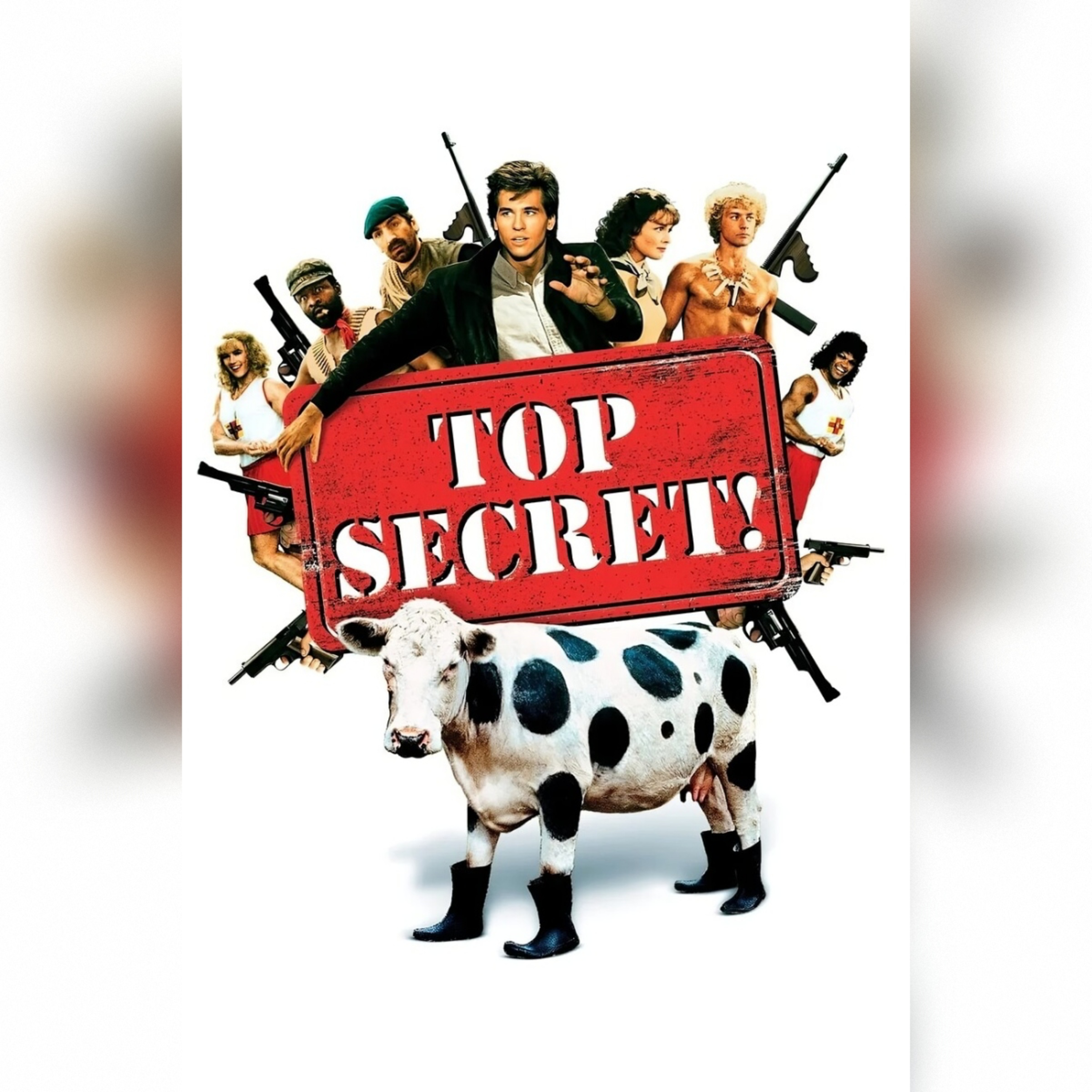
    Top Secret! (1984) | Zucker-Abrahams-Zucker Spy Comedy Chaos | VHSSB

    Top Secret! (1984) was chosen by Dave, and it arrived during a golden era for absurdist American comedy. Directed by the Zucker-Abrahams-Zucker team — Jim Abrahams, David Zucker, and Jerry Zucker — the film followed the massive success of Airplane! (1980) as the trio continued refining their signature style of rapid-fire sight gags, visual jokes, and deadpan delivery. Rather than parodying a single film, the production blended elements of Cold War spy thrillers with the glossy style of Elvis-era musical films, creating a deliberately ridiculous mash-up that leaned fully into the trio’s love of relentless, layered comedy. The film also marked the first starring role for Val Kilmer, who was cast largely because of his musical ability as well as his comedic timing. Production took place primarily in the United Kingdom, with elaborate sets and carefully staged visual gags that often required precise choreography and multiple takes. The filmmakers invested heavily in practical effects and cleverly staged illusions to achieve some of the movie’s more elaborate jokes. While Top Secret! performed modestly at the box office compared to the team’s earlier success, it gradually developed a strong cult following, and today it’s widely regarded as one of the most densely packed gag comedies of the 1980s. TRAILER GUY PLOT SYNOPSIS From the creators of some of the most outrageous comedies ever made… comes a mission so ridiculous, it might actually work. When an all-American rock star suddenly finds himself caught in a world of secret agents, suspicious governments, and impossible missions, the result is chaos on an international scale. With danger around every corner and nonsense at every turn, nothing is quite what it seems. Top Secret! — the spy movie where the jokes come faster than the bullets. FUN FACTS Top Secret! was Val Kilmer’s film debut, launching the career of the future star of Top Gun and The Doors. Kilmer performed all of the singing himself, recording several full musical numbers for the film. The filmmakers created one famous scene by building an entire set backwards and having actors perform actions in reverse. The movie contains one of the highest joke-per-minute rates of any comedy film, packed with background gags and blink-and-you-miss-it jokes. Many of the film’s jokes parody 1950s Elvis Presley musicals, including the musical performances. The filmmakers encouraged audiences to watch the movie multiple times, knowing many jokes would be missed on a first viewing. Several gags in the film rely on carefully timed visual illusions, which required extensive rehearsal during production. The movie has become a cult favorite among comedy fans, often ranked alongside Airplane! and The Naked Gun. A number of jokes were edited differently in international versions of the film. The film’s layered humor means fans still discover new background jokes decades after its release. Support the Show If you enjoy the show and would like to support us, we have a Patreon ⁠⁠⁠here⁠⁠⁠. If you’re listening on Apple Podcasts or Spotify, leaving us a 5-star review (and a short comment) really helps more people discover the show. It’s quick, free, and makes a huge difference. Referral links also help out the show if you were going to sign up: ⁠⁠⁠NordVPN⁠⁠⁠ ⁠⁠⁠NordPass⁠⁠⁠ ⁠⁠⁠⁠⁠⁠⁠⁠⁠⁠⁠⁠⁠⁠⁠⁠⁠⁠⁠⁠⁠⁠⁠⁠⁠⁠⁠⁠⁠⁠⁠⁠⁠⁠⁠⁠⁠⁠⁠⁠⁠⁠⁠⁠⁠⁠⁠⁠⁠⁠⁠⁠⁠⁠⁠⁠⁠⁠⁠⁠⁠⁠⁠⁠⁠⁠⁠⁠⁠⁠⁠⁠⁠⁠⁠⁠⁠⁠⁠⁠⁠⁠⁠⁠⁠⁠⁠⁠⁠⁠⁠⁠⁠⁠⁠⁠⁠⁠⁠⁠⁠⁠⁠⁠⁠⁠⁠⁠⁠⁠⁠⁠thevhsstrikesback@gmail.com⁠⁠⁠⁠⁠⁠⁠⁠⁠⁠⁠⁠⁠⁠⁠⁠⁠⁠⁠⁠⁠⁠⁠⁠⁠⁠⁠⁠⁠⁠⁠⁠⁠⁠⁠⁠⁠⁠⁠⁠⁠⁠⁠⁠⁠⁠⁠⁠⁠⁠⁠⁠⁠⁠⁠⁠⁠⁠⁠⁠⁠⁠⁠⁠⁠⁠⁠⁠⁠⁠⁠⁠⁠⁠⁠⁠⁠⁠⁠⁠⁠⁠⁠⁠⁠⁠⁠⁠⁠⁠⁠⁠⁠⁠⁠⁠⁠⁠⁠⁠⁠⁠⁠⁠⁠⁠⁠⁠⁠⁠⁠⁠ ⁠⁠⁠⁠⁠⁠⁠⁠⁠⁠⁠⁠⁠⁠⁠⁠⁠⁠⁠⁠⁠⁠⁠⁠⁠⁠⁠⁠⁠⁠⁠⁠⁠⁠⁠⁠⁠⁠⁠⁠⁠⁠⁠⁠⁠⁠⁠⁠⁠⁠⁠⁠⁠⁠⁠⁠⁠⁠⁠⁠⁠⁠⁠⁠⁠⁠⁠⁠⁠⁠⁠⁠⁠⁠⁠⁠⁠⁠⁠⁠⁠⁠⁠⁠⁠⁠⁠⁠⁠⁠⁠⁠⁠⁠⁠⁠⁠⁠⁠⁠⁠⁠⁠⁠⁠⁠⁠⁠⁠⁠⁠⁠⁠⁠⁠⁠⁠⁠⁠⁠⁠⁠⁠⁠⁠⁠https://linktr.ee/vhsstrikesback⁠⁠⁠⁠⁠⁠⁠⁠⁠

  • March 4 · 1 hr 4 min

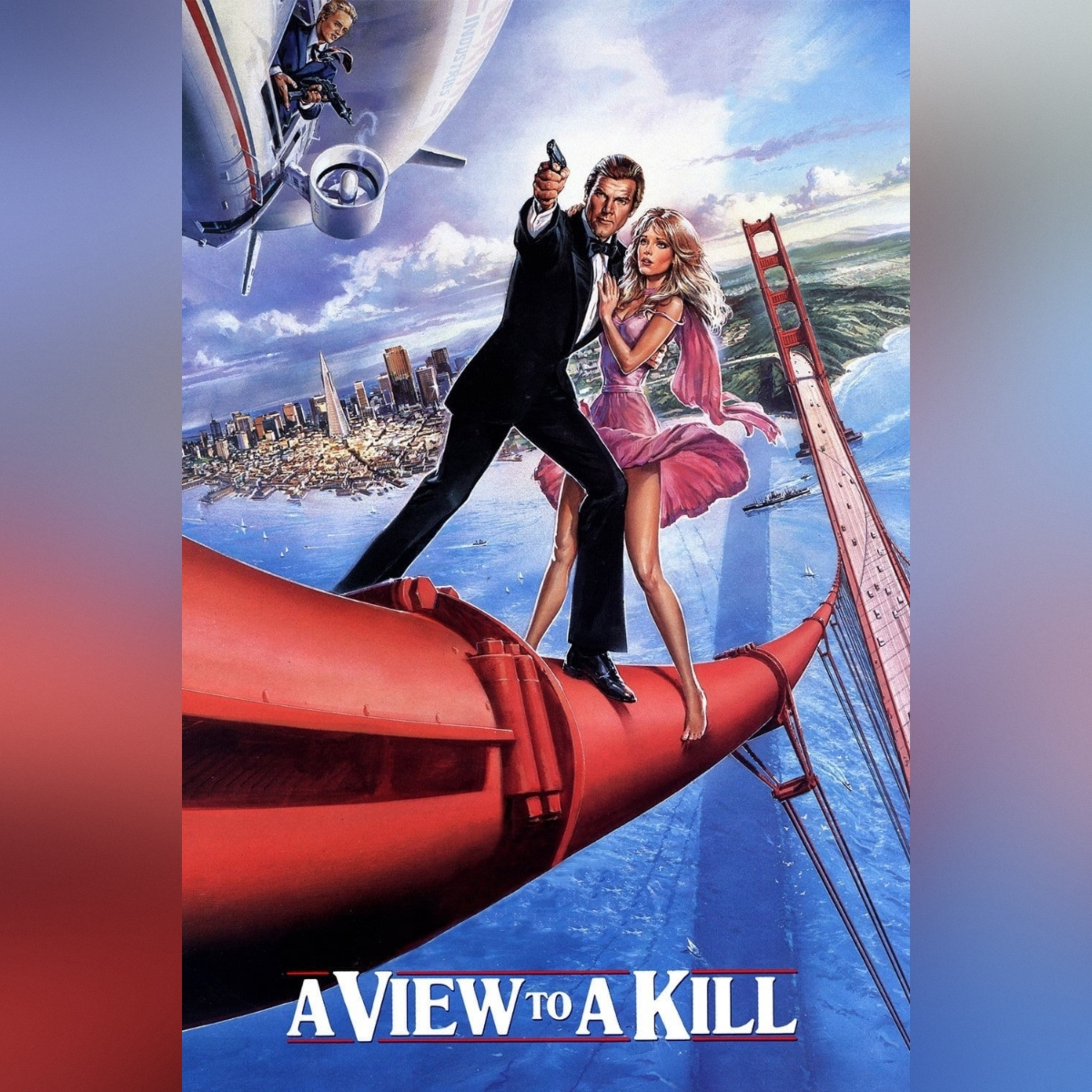
    A View to a Kill (1985) | Roger Moore’s Final 007 Mission | VHSSB

    A View to a Kill (1985) was chosen by Chris, and it marked a significant transitional moment for the long-running James Bond franchise. Produced by Albert R. Broccoli and Michael G. Wilson and directed by John Glen, the film was developed during a period when the series was balancing its established formula with the shifting tone of mid-1980s blockbuster cinema. With a reported budget of around $30 million, the production aimed to deliver classic Bond spectacle while maintaining the polished globe-trotting style audiences expected. Notably, the film became Roger Moore’s seventh and final appearance as 007, closing out the longest tenure of any Bond actor at the time. Principal photography took place across multiple international locations including France, the United Kingdom, and the United States, reflecting the franchise’s continued commitment to large-scale, location-driven filmmaking. The production also leaned heavily into contemporary 1980s culture, most famously through its theme song performed by Duran Duran, which became one of the most commercially successful Bond themes ever released. Upon release, the film performed strongly at the global box office despite mixed critical reception. In the decades since, A View to a Kill has remained a notable entry in the Bond canon, often discussed both for its place at the end of the Roger Moore era and for its distinctly mid-80s tone and style. TRAILER GUY PLOT SYNOPSIS One agent. One mission. And a threat that could change the balance of power forever. When a ruthless new enemy emerges with ambitions that stretch far beyond ordinary crime, Britain’s most dangerous operative is called back into action. From high-stakes chases to globe-spanning danger, the mission will push him to the limit like never before. A View to a Kill — the name’s Bond… and the clock is ticking. FUN FACTS A View to a Kill features the only James Bond theme song to reach No. 1 on the US Billboard Hot 100, thanks to Duran Duran. At age 57 during filming, Roger Moore was the oldest actor to portray James Bond in an official Eon production. The film includes scenes shot at the Eiffel Tower, marking one of Bond’s most memorable European set pieces. Christopher Walken became the first Academy Award winner to play a Bond villain in the official series. The movie was one of the highest-grossing films of 1985 worldwide, despite divided critical reviews. Grace Jones performed many of her own physical stunts, reinforcing her formidable on-screen presence. The title comes from an Ian Fleming short story, though the film’s plot is largely original. This was the final Bond film produced entirely during the Cold War era, before the franchise shifted tone in later entries. The movie’s San Francisco material has become particularly iconic among Bond location fans. Despite mixed reviews, the film maintains a strong nostalgia following among 1980s Bond audiences. Support the Show If you enjoy the show and would like to support us, we have a Patreon ⁠⁠⁠here⁠⁠⁠. If you’re listening on Apple Podcasts or Spotify, leaving us a 5-star review (and a short comment) really helps more people discover the show. It’s quick, free, and makes a huge difference. Referral links also help out the show if you were going to sign up: ⁠⁠⁠NordVPN⁠⁠⁠ ⁠⁠⁠NordPass⁠⁠⁠ ⁠⁠⁠⁠⁠⁠⁠⁠⁠⁠⁠⁠⁠⁠⁠⁠⁠⁠⁠⁠⁠⁠⁠⁠⁠⁠⁠⁠⁠⁠⁠⁠⁠⁠⁠⁠⁠⁠⁠⁠⁠⁠⁠⁠⁠⁠⁠⁠⁠⁠⁠⁠⁠⁠⁠⁠⁠⁠⁠⁠⁠⁠⁠⁠⁠⁠⁠⁠⁠⁠⁠⁠⁠⁠⁠⁠⁠⁠⁠⁠⁠⁠⁠⁠⁠⁠⁠⁠⁠⁠⁠⁠⁠⁠⁠⁠⁠⁠⁠⁠⁠⁠⁠⁠⁠⁠⁠⁠⁠⁠⁠⁠thevhsstrikesback@gmail.com⁠⁠⁠⁠⁠⁠⁠⁠⁠⁠⁠⁠⁠⁠⁠⁠⁠⁠⁠⁠⁠⁠⁠⁠⁠⁠⁠⁠⁠⁠⁠⁠⁠⁠⁠⁠⁠⁠⁠⁠⁠⁠⁠⁠⁠⁠⁠⁠⁠⁠⁠⁠⁠⁠⁠⁠⁠⁠⁠⁠⁠⁠⁠⁠⁠⁠⁠⁠⁠⁠⁠⁠⁠⁠⁠⁠⁠⁠⁠⁠⁠⁠⁠⁠⁠⁠⁠⁠⁠⁠⁠⁠⁠⁠⁠⁠⁠⁠⁠⁠⁠⁠⁠⁠⁠⁠⁠⁠⁠⁠⁠⁠ ⁠⁠⁠⁠⁠⁠⁠⁠⁠⁠⁠⁠⁠⁠⁠⁠⁠⁠⁠⁠⁠⁠⁠⁠⁠⁠⁠⁠⁠⁠⁠⁠⁠⁠⁠⁠⁠⁠⁠⁠⁠⁠⁠⁠⁠⁠⁠⁠⁠⁠⁠⁠⁠⁠⁠⁠⁠⁠⁠⁠⁠⁠⁠⁠⁠⁠⁠⁠⁠⁠⁠⁠⁠⁠⁠⁠⁠⁠⁠⁠⁠⁠⁠⁠⁠⁠⁠⁠⁠⁠⁠⁠⁠⁠⁠⁠⁠⁠⁠⁠⁠⁠⁠⁠⁠⁠⁠⁠⁠⁠⁠⁠⁠⁠⁠⁠⁠⁠⁠⁠⁠⁠⁠⁠⁠⁠https://linktr.ee/vhsstrikesback⁠⁠⁠⁠⁠⁠⁠⁠⁠

  • February 25 · 1 hr 3 min

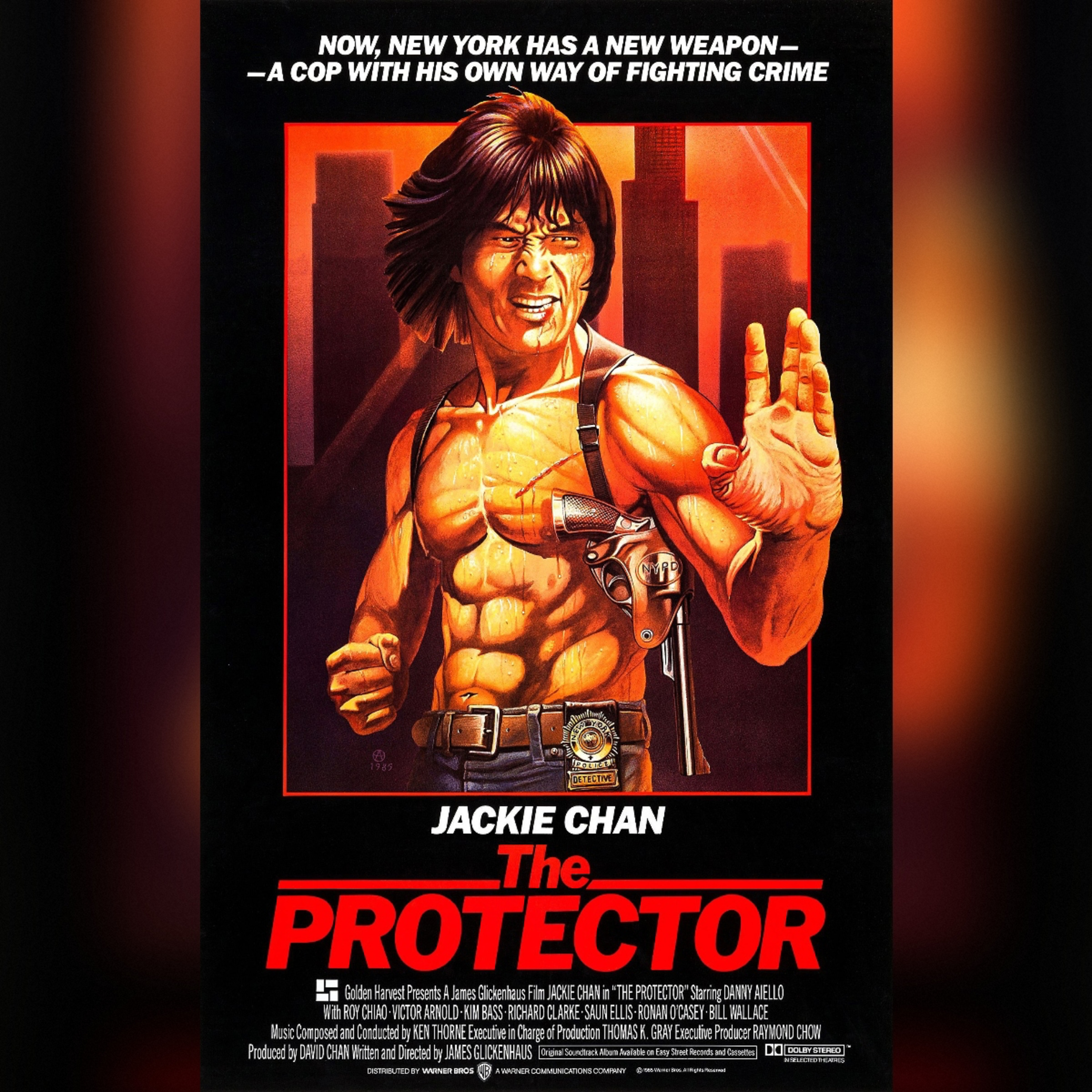
    The Protector (1985) | Jackie Chan’s Gritty US Action Experiment | VHSSB

    The Protector (1985) was chosen by Greig, and it stands as one of the more unusual entries in Jackie Chan’s filmography — an attempt to firmly break him into the American action market during the mid-1980s. Directed by James Glickenhaus and produced by Golden Harvest in collaboration with U.S. partners, the film was conceived as a tougher, more hard-edged vehicle than Chan’s Hong Kong output. The production reflected a clear effort to reshape Chan’s screen persona for Western audiences, emphasizing a grittier tone and more conventional cop-movie structure compared to the acrobatic, comedy-infused style that had made him famous in Asia. Filming took place across New York City and Hong Kong, giving the movie an international scope that was relatively ambitious for the time. However, creative differences emerged between Chan and the production team, particularly regarding tone and action style. Chan was reportedly unhappy with the film’s direction and later took control of certain fight sequences for the Hong Kong release. Upon its theatrical debut, The Protector performed modestly but failed to fully launch Chan in the U.S. market as intended. In retrospect, the film is often viewed as an important transitional project — a fascinating snapshot of Hollywood’s early attempts to package Jackie Chan for Western audiences before his eventual global breakthrough in the 1990s. TRAILER GUY PLOT SYNOPSIS One city on the edge… one cop pushed too far… and one case that’s about to explode across continents. When a routine investigation spirals into something far more dangerous, a hard-hitting detective finds himself pulled into a deadly world of crime, corruption, and international danger. Outgunned and outnumbered, he’ll have to rely on his instincts, his fists, and sheer determination to finish the job. The Protector — justice doesn’t ask nicely. FUN FACTS The Protector was Jackie Chan’s second major attempt to break into the U.S. film market during the 1980s. The film exists in multiple cuts, including a Hong Kong version that differs noticeably from the U.S. theatrical release. Jackie Chan later cited the movie as a learning experience that influenced how he approached future Hollywood projects. The movie features some of Chan’s earliest English-language leading-role work in a U.S.-focused production. Many fans consider The Protector a curious hybrid between Hong Kong action cinema and 80s American cop thrillers. The film was released during a period when Hollywood was actively trying to import Hong Kong martial arts stars for Western audiences. Jackie Chan would not achieve major U.S. box office success until Rush Hour (1998) more than a decade later. The movie has developed a cult following among Jackie Chan completists, despite its mixed reception. Some action scenes were reworked for international versions, reflecting different market expectations. Today, The Protector is often discussed as an important stepping stone in Chan’s long road to Hollywood stardom. Support the Show If you enjoy the show and would like to support us, we have a Patreon ⁠⁠⁠here⁠⁠⁠. If you’re listening on Apple Podcasts or Spotify, leaving us a 5-star review (and a short comment) really helps more people discover the show. It’s quick, free, and makes a huge difference. Referral links also help out the show if you were going to sign up: ⁠⁠⁠NordVPN⁠⁠⁠ ⁠⁠⁠NordPass⁠⁠⁠ ⁠⁠⁠⁠⁠⁠⁠⁠⁠⁠⁠⁠⁠⁠⁠⁠⁠⁠⁠⁠⁠⁠⁠⁠⁠⁠⁠⁠⁠⁠⁠⁠⁠⁠⁠⁠⁠⁠⁠⁠⁠⁠⁠⁠⁠⁠⁠⁠⁠⁠⁠⁠⁠⁠⁠⁠⁠⁠⁠⁠⁠⁠⁠⁠⁠⁠⁠⁠⁠⁠⁠⁠⁠⁠⁠⁠⁠⁠⁠⁠⁠⁠⁠⁠⁠⁠⁠⁠⁠⁠⁠⁠⁠⁠⁠⁠⁠⁠⁠⁠⁠⁠⁠⁠⁠⁠⁠⁠⁠⁠⁠⁠thevhsstrikesback@gmail.com⁠⁠⁠⁠⁠⁠⁠⁠⁠⁠⁠⁠⁠⁠⁠⁠⁠⁠⁠⁠⁠⁠⁠⁠⁠⁠⁠⁠⁠⁠⁠⁠⁠⁠⁠⁠⁠⁠⁠⁠⁠⁠⁠⁠⁠⁠⁠⁠⁠⁠⁠⁠⁠⁠⁠⁠⁠⁠⁠⁠⁠⁠⁠⁠⁠⁠⁠⁠⁠⁠⁠⁠⁠⁠⁠⁠⁠⁠⁠⁠⁠⁠⁠⁠⁠⁠⁠⁠⁠⁠⁠⁠⁠⁠⁠⁠⁠⁠⁠⁠⁠⁠⁠⁠⁠⁠⁠⁠⁠⁠⁠⁠ ⁠⁠⁠⁠⁠⁠⁠⁠⁠⁠⁠⁠⁠⁠⁠⁠⁠⁠⁠⁠⁠⁠⁠⁠⁠⁠⁠⁠⁠⁠⁠⁠⁠⁠⁠⁠⁠⁠⁠⁠⁠⁠⁠⁠⁠⁠⁠⁠⁠⁠⁠⁠⁠⁠⁠⁠⁠⁠⁠⁠⁠⁠⁠⁠⁠⁠⁠⁠⁠⁠⁠⁠⁠⁠⁠⁠⁠⁠⁠⁠⁠⁠⁠⁠⁠⁠⁠⁠⁠⁠⁠⁠⁠⁠⁠⁠⁠⁠⁠⁠⁠⁠⁠⁠⁠⁠⁠⁠⁠⁠⁠⁠⁠⁠⁠⁠⁠⁠⁠⁠⁠⁠⁠⁠⁠⁠https://linktr.ee/vhsstrikesback⁠⁠⁠⁠⁠⁠⁠⁠⁠

  • February 18 · 54 min

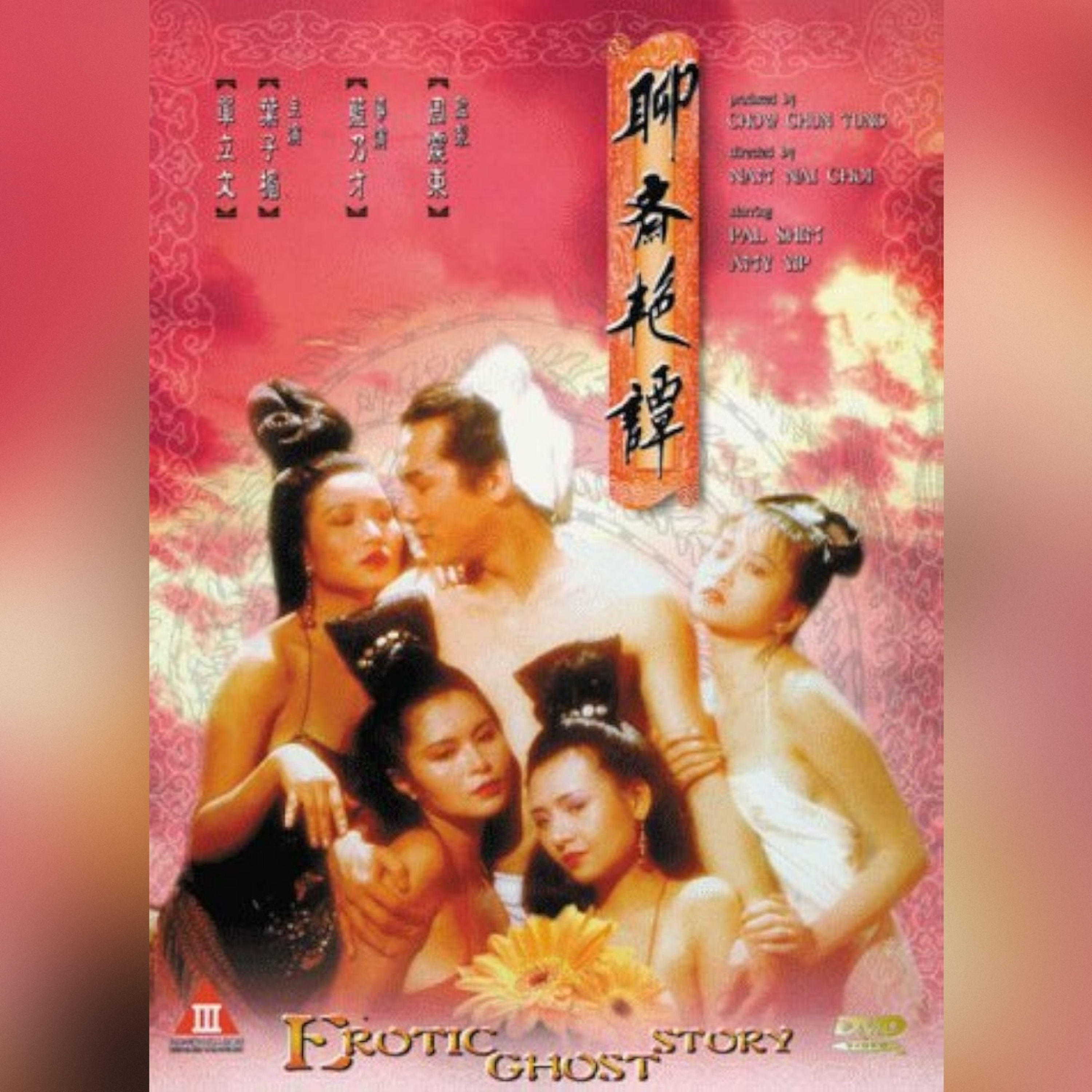
    Erotic Ghost Story (1990) | Hong Kong Fantasy, Ghosts & Late-Night VHS Energy | VHSSB

    This week on The VHS Strikes Back, we dive into Erotic Ghost Story (1990), chosen by friend of the show John Hammond — a man clearly unafraid of wandering into the “back shelf” section of the video rental store. Directed by Lam Ngai Kai during the golden age of Hong Kong Category III cinema, this supernatural fantasy blends martial arts, folklore, horror and soft-focus seduction into one uniquely 90s experience. Released at a time when Hong Kong cinema was pushing boundaries with stylised ghost stories and adult-themed genre hybrids, Erotic Ghost Story arrived as part of a wave inspired by the success of films like A Chinese Ghost Story. With elaborate costumes, theatrical lighting, wire-work action and unapologetic late-night cable energy, this is exactly the kind of film you’d discover at 11:47pm with the volume turned suspiciously low. It’s mystical. It’s chaotic. It’s extremely 1990. Trailer Guy Plot Summary In a world… where fox spirits walk among us… Three beautiful spirits descend from the mountains with one mission: to experience mortal life. But when a power-hungry sorcerer discovers their presence, desire turns to danger… and temptation awakens forces beyond control. Magic will clash. Loyalties will be tested. Floorboards will creak ominously. This summer… seduction has a supernatural side. Erotic Ghost Story. You were watching it for the kung fu. Fun Facts Erotic Ghost Story was released in 1990 during the boom of Hong Kong Category III cinema, the local rating equivalent of adults-only material. The film blends Chinese folklore about fox spirits (huli jing) with martial arts choreography and supernatural horror. Director Lam Ngai Kai became known for stylised fantasy films that leaned heavily into theatrical lighting and elaborate costume design. The movie was part of a wave of sensual supernatural films following the commercial success of romantic fantasy ghost stories in late-80s Hong Kong cinema. Practical wire-work and in-camera effects were used for levitation and fight sequences — no CGI safety net here. The English export title was intentionally provocative to help the film stand out in international VHS markets. Category III films often relied on strong box office from late-night screenings and overseas rental sales. The combination of eroticism and traditional mythology made the film controversial but commercially viable at the time. The film developed a cult following among collectors of 90s Hong Kong fantasy cinema. Its blend of supernatural themes and martial arts action makes it a frequent inclusion in “so-bad-it’s-fascinating” VHS-era discussions. Support the Show If you enjoy the show and would like to support us, we have a Patreon ⁠⁠⁠here⁠⁠⁠. If you’re listening on Apple Podcasts or Spotify, leaving us a 5-star review (and a short comment) really helps more people discover the show. It’s quick, free, and makes a huge difference. Referral links also help out the show if you were going to sign up: ⁠⁠⁠NordVPN⁠⁠⁠ ⁠⁠⁠NordPass⁠⁠⁠ ⁠⁠⁠⁠⁠⁠⁠⁠⁠⁠⁠⁠⁠⁠⁠⁠⁠⁠⁠⁠⁠⁠⁠⁠⁠⁠⁠⁠⁠⁠⁠⁠⁠⁠⁠⁠⁠⁠⁠⁠⁠⁠⁠⁠⁠⁠⁠⁠⁠⁠⁠⁠⁠⁠⁠⁠⁠⁠⁠⁠⁠⁠⁠⁠⁠⁠⁠⁠⁠⁠⁠⁠⁠⁠⁠⁠⁠⁠⁠⁠⁠⁠⁠⁠⁠⁠⁠⁠⁠⁠⁠⁠⁠⁠⁠⁠⁠⁠⁠⁠⁠⁠⁠⁠⁠⁠⁠⁠⁠⁠⁠⁠thevhsstrikesback@gmail.com⁠⁠⁠⁠⁠⁠⁠⁠⁠⁠⁠⁠⁠⁠⁠⁠⁠⁠⁠⁠⁠⁠⁠⁠⁠⁠⁠⁠⁠⁠⁠⁠⁠⁠⁠⁠⁠⁠⁠⁠⁠⁠⁠⁠⁠⁠⁠⁠⁠⁠⁠⁠⁠⁠⁠⁠⁠⁠⁠⁠⁠⁠⁠⁠⁠⁠⁠⁠⁠⁠⁠⁠⁠⁠⁠⁠⁠⁠⁠⁠⁠⁠⁠⁠⁠⁠⁠⁠⁠⁠⁠⁠⁠⁠⁠⁠⁠⁠⁠⁠⁠⁠⁠⁠⁠⁠⁠⁠⁠⁠⁠⁠ ⁠⁠⁠⁠⁠⁠⁠⁠⁠⁠⁠⁠⁠⁠⁠⁠⁠⁠⁠⁠⁠⁠⁠⁠⁠⁠⁠⁠⁠⁠⁠⁠⁠⁠⁠⁠⁠⁠⁠⁠⁠⁠⁠⁠⁠⁠⁠⁠⁠⁠⁠⁠⁠⁠⁠⁠⁠⁠⁠⁠⁠⁠⁠⁠⁠⁠⁠⁠⁠⁠⁠⁠⁠⁠⁠⁠⁠⁠⁠⁠⁠⁠⁠⁠⁠⁠⁠⁠⁠⁠⁠⁠⁠⁠⁠⁠⁠⁠⁠⁠⁠⁠⁠⁠⁠⁠⁠⁠⁠⁠⁠⁠⁠⁠⁠⁠⁠⁠⁠⁠⁠⁠⁠⁠⁠⁠https://linktr.ee/vhsstrikesback⁠⁠⁠⁠⁠⁠⁠⁠⁠

  • February 11 · 55 min

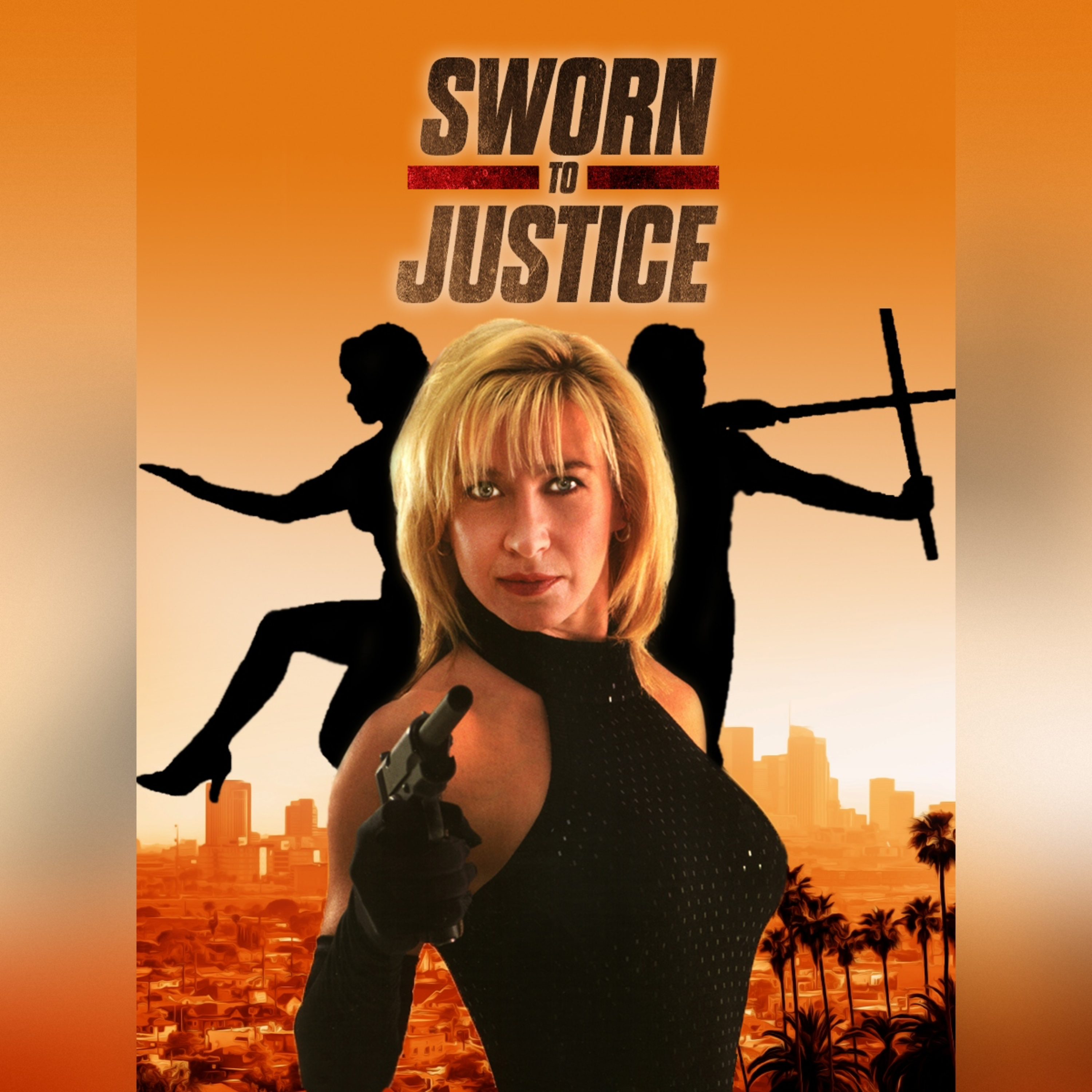
    Sworn to Justice (1996) | Cynthia Rothrock’s 90s Martial Arts Vigilante Thriller | VHSSB

    Sworn to Justice (1996) was chosen by friend of the show and Patreon supporter Leigh, and is a prime example of mid-90s direct-to-video action thrillers built around martial arts credentials and late-night cable appeal. Produced by PM Entertainment — a studio known for churning out low-budget, high-concept action films — the movie was designed specifically for the booming VHS rental market rather than theatrical release. Director Paul Maslak leaned into the studio’s house style: fast-paced action, neon-lit cityscapes, and a blend of crime, thriller, and exploitation elements. The film was shot quickly and economically, typical of PM’s efficient production model, which prioritized practical stunts and tight schedules over polish or prestige. The production’s biggest selling point was its lead, Cynthia Rothrock, already a well-established martial arts star with multiple Hong Kong and American action credits. Her real-life fighting background allowed the filmmakers to stage fight scenes with minimal doubles, keeping the choreography grounded and physical. Filming took place largely around Los Angeles, using recognizable streets and interiors to stretch the budget while maintaining a contemporary urban feel. Like many PM Entertainment titles, Sworn to Justice found its audience through home video, cable rotation, and word of mouth, eventually earning cult status among fans of 90s action cinema and martial arts B-movies. Today, it’s remembered as a quintessential slice of direct-to-video action filmmaking — scrappy, stylish, and unapologetically of its era. Checkout Leigh on The Movie Vent. If you enjoy the show and would like to support us, we have a Patreon ⁠⁠⁠here⁠⁠⁠. Referral links also help out the show if you were going to sign up: ⁠⁠⁠NordVPN⁠⁠⁠ ⁠⁠⁠NordPass⁠⁠⁠ Trailer Guy Plot Summary A city drowning in crime… a system that’s failed… and one woman who’s had enough. When the law can’t protect the innocent, justice goes underground. Trained to fight, driven by vengeance, and armed with nothing but her fists and her will, one relentless warrior takes the streets by storm — tearing through criminals, conspiracies, and anyone foolish enough to stand in her way. *Sworn to Justice* — no badge… no backup… no mercy. Fun Facts Sworn to Justice is often categorized as an “erotic thriller meets martial arts action” hybrid, a niche genre that was surprisingly popular in the mid-1990s video market. The film was released during the peak VHS rental era, when action titles like this regularly outperformed small theatrical releases in video stores. Cynthia Rothrock performs nearly all of her own fight choreography, showcasing authentic Tang Soo Do and karate techniques rather than stylized wire work. The movie blends martial arts with noir-style detective elements, giving it a darker tone compared to Rothrock’s earlier Hong Kong films. Several supporting cast members were real stunt performers, which helped make the fight scenes feel more physical and less choreographed. The film developed a late-night cable TV following on networks like USA Network and HBO Zone throughout the late 1990s and early 2000s. Rothrock fans often rank this among her most “adult-oriented” American roles, marking a tonal shift from her earlier PG-13 action vehicles. The movie features a synth-heavy 90s action score, typical of direct-to-video thrillers of the era. Collectors consider original VHS and DVD releases of the film minor cult items within martial arts movie circles. ⁠⁠⁠⁠⁠⁠⁠⁠⁠⁠⁠⁠⁠⁠⁠⁠⁠⁠⁠⁠⁠⁠⁠⁠⁠⁠⁠⁠⁠⁠⁠⁠⁠⁠⁠⁠⁠⁠⁠⁠⁠⁠⁠⁠⁠⁠⁠⁠⁠⁠⁠⁠⁠⁠⁠⁠⁠⁠⁠⁠⁠⁠⁠⁠⁠⁠⁠⁠⁠⁠⁠⁠⁠⁠⁠⁠⁠⁠⁠⁠⁠⁠⁠⁠⁠⁠⁠⁠⁠⁠⁠⁠⁠⁠⁠⁠⁠⁠⁠⁠⁠⁠⁠⁠⁠⁠⁠⁠⁠⁠⁠⁠thevhsstrikesback@gmail.com⁠⁠⁠⁠⁠⁠⁠⁠⁠⁠⁠⁠⁠⁠⁠⁠⁠⁠⁠⁠⁠⁠⁠⁠⁠⁠⁠⁠⁠⁠⁠⁠⁠⁠⁠⁠⁠⁠⁠⁠⁠⁠⁠⁠⁠⁠⁠⁠⁠⁠⁠⁠⁠⁠⁠⁠⁠⁠⁠⁠⁠⁠⁠⁠⁠⁠⁠⁠⁠⁠⁠⁠⁠⁠⁠⁠⁠⁠⁠⁠⁠⁠⁠⁠⁠⁠⁠⁠⁠⁠⁠⁠⁠⁠⁠⁠⁠⁠⁠⁠⁠⁠⁠⁠⁠⁠⁠⁠⁠⁠⁠⁠ ⁠⁠⁠⁠⁠⁠⁠⁠⁠⁠⁠⁠⁠⁠⁠⁠⁠⁠⁠⁠⁠⁠⁠⁠⁠⁠⁠⁠⁠⁠⁠⁠⁠⁠⁠⁠⁠⁠⁠⁠⁠⁠⁠⁠⁠⁠⁠⁠⁠⁠⁠⁠⁠⁠⁠⁠⁠⁠⁠⁠⁠⁠⁠⁠⁠⁠⁠⁠⁠⁠⁠⁠⁠⁠⁠⁠⁠⁠⁠⁠⁠⁠⁠⁠⁠⁠⁠⁠⁠⁠⁠⁠⁠⁠⁠⁠⁠⁠⁠⁠⁠⁠⁠⁠⁠⁠⁠⁠⁠⁠⁠⁠⁠⁠⁠⁠⁠⁠⁠⁠⁠⁠⁠⁠⁠⁠https://linktr.ee/vhsstrikesback⁠⁠⁠⁠⁠⁠⁠⁠⁠

  • February 4 · 1 hr 1 min

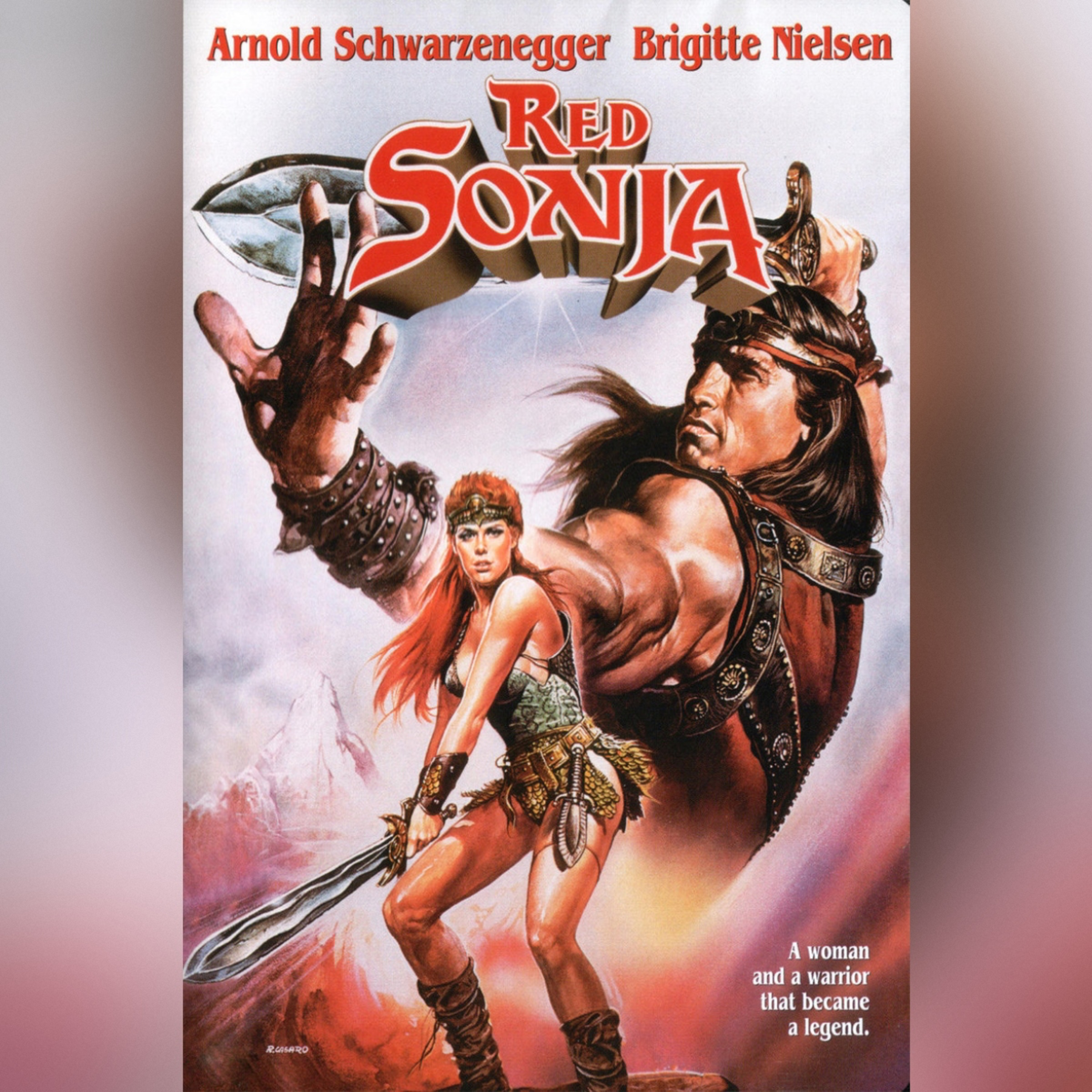
    Red Sonja (1985) | 80s Sword & Sorcery Fantasy Cult Classic | VHSSB

    Red Sonja (1985) was chosen by Dave, and it represents one of the most high-profile attempts to expand the sword-and-sorcery boom that followed the success of the early 1980s fantasy epics. Produced by Dino De Laurentiis and directed by Richard Fleischer, the film was developed as a companion piece to the popularity of Conan-style fantasy cinema, drawing inspiration from the Marvel Comics version of the character rather than directly adapting Robert E. Howard’s original prose stories. The production was mounted as an international co-production, with a sizeable budget for the genre and a clear goal of building a new fantasy franchise centered around a female action lead — something still relatively rare in big-budget fantasy filmmaking at the time. Filming took place primarily in Italy, using large-scale practical sets, location shooting, and practical effects typical of mid-1980s fantasy productions. The movie featured a mix of established stars and European genre actors, and leaned heavily on physical stunt work and elaborate costume design rather than visual effects, which were still limited for fantasy filmmaking at the time. Despite heavy promotion and strong name recognition tied to the wider sword-and-sorcery trend, the film struggled critically and commercially on release. However, over time, Red Sonja has developed a cult following, particularly among fans of 1980s fantasy cinema, and is often discussed as part of the era’s broader push toward larger-scale, effects-driven fantasy storytelling. If you enjoy the show and would like to support us, we have a Patreon ⁠⁠⁠here⁠⁠⁠. Referral links also help out the show if you were going to sign up: ⁠⁠⁠NordVPN⁠⁠⁠ ⁠⁠⁠NordPass⁠⁠⁠ Trailer Guy Plot Summary In an age of dark magic… one warrior will rise to defy it. Forged by tragedy and driven by vengeance, a lone fighter sets out across a brutal fantasy world where tyrants rule and power is taken by force. With steel in her hand and fire in her heart, she will face impossible odds, deadly warriors, and ancient forces that threaten to consume everything. Red Sonja — where legends are born… and only the strongest survive. Fun Facts Red Sonja was Brigitte Nielsen’s film debut, launching her short but memorable 1980s action-fantasy career. Arnold Schwarzenegger appears in the film as Lord Kalidor, rather than Conan, due to character licensing and rights issues. The movie is based primarily on the Marvel Comics version of Red Sonja, not directly on Robert E. Howard’s original literary character. The film’s fantasy score was composed by Ennio Morricone, one of the most famous film composers of all time. Arnold Schwarzenegger later joked in interviews that he used Red Sonja as a way to punish his children — by making them watch it. The film has become a cult favorite among 80s fantasy fans, despite its mixed reputation on release. Several weapons and props from the film were reused in other European fantasy productions during the mid-1980s. The movie was heavily marketed through fantasy magazines and comic-book advertising, targeting existing genre fans. Red Sonja is often grouped with films like Krull, Beastmaster, and Ladyhawke as part of the mid-80s fantasy boom. The character of Red Sonja has continued to appear in comics, reboots, and reboot discussions for decades, keeping the film culturally relevant. ⁠⁠⁠⁠⁠⁠⁠⁠⁠⁠⁠⁠⁠⁠⁠⁠⁠⁠⁠⁠⁠⁠⁠⁠⁠⁠⁠⁠⁠⁠⁠⁠⁠⁠⁠⁠⁠⁠⁠⁠⁠⁠⁠⁠⁠⁠⁠⁠⁠⁠⁠⁠⁠⁠⁠⁠⁠⁠⁠⁠⁠⁠⁠⁠⁠⁠⁠⁠⁠⁠⁠⁠⁠⁠⁠⁠⁠⁠⁠⁠⁠⁠⁠⁠⁠⁠⁠⁠⁠⁠⁠⁠⁠⁠⁠⁠⁠⁠⁠⁠⁠⁠⁠⁠⁠⁠⁠⁠⁠⁠⁠⁠thevhsstrikesback@gmail.com⁠⁠⁠⁠⁠⁠⁠⁠⁠⁠⁠⁠⁠⁠⁠⁠⁠⁠⁠⁠⁠⁠⁠⁠⁠⁠⁠⁠⁠⁠⁠⁠⁠⁠⁠⁠⁠⁠⁠⁠⁠⁠⁠⁠⁠⁠⁠⁠⁠⁠⁠⁠⁠⁠⁠⁠⁠⁠⁠⁠⁠⁠⁠⁠⁠⁠⁠⁠⁠⁠⁠⁠⁠⁠⁠⁠⁠⁠⁠⁠⁠⁠⁠⁠⁠⁠⁠⁠⁠⁠⁠⁠⁠⁠⁠⁠⁠⁠⁠⁠⁠⁠⁠⁠⁠⁠⁠⁠⁠⁠⁠⁠ ⁠⁠⁠⁠⁠⁠⁠⁠⁠⁠⁠⁠⁠⁠⁠⁠⁠⁠⁠⁠⁠⁠⁠⁠⁠⁠⁠⁠⁠⁠⁠⁠⁠⁠⁠⁠⁠⁠⁠⁠⁠⁠⁠⁠⁠⁠⁠⁠⁠⁠⁠⁠⁠⁠⁠⁠⁠⁠⁠⁠⁠⁠⁠⁠⁠⁠⁠⁠⁠⁠⁠⁠⁠⁠⁠⁠⁠⁠⁠⁠⁠⁠⁠⁠⁠⁠⁠⁠⁠⁠⁠⁠⁠⁠⁠⁠⁠⁠⁠⁠⁠⁠⁠⁠⁠⁠⁠⁠⁠⁠⁠⁠⁠⁠⁠⁠⁠⁠⁠⁠⁠⁠⁠⁠⁠⁠https://linktr.ee/vhsstrikesback⁠⁠⁠⁠⁠⁠⁠⁠⁠

  • January 28 · 1 hr 26 min

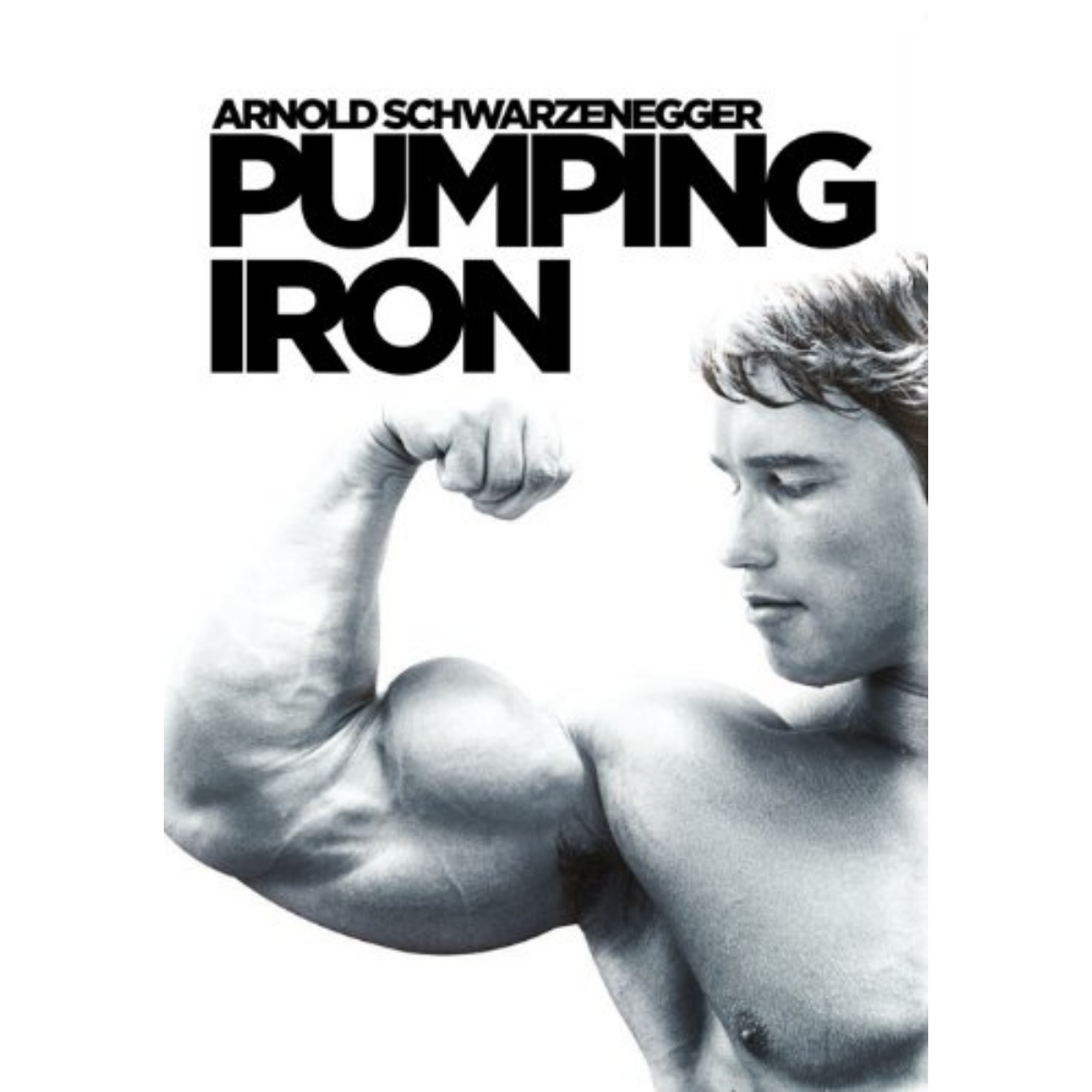
    Pumping Iron (1977) | Muscles, Ego & the Birth of Gym Culture | VHSSB

    George Butler and Robert Fiore, the film was conceived at a time when bodybuilding was still a niche subculture, largely unknown to mainstream audiences. The production followed key figures in the bodybuilding world in the lead-up to the 1975 Mr. Olympia and Mr. Universe competitions, with the filmmakers aiming to humanise the athletes and demystify the sport. Shot on a relatively small budget, the documentary combined cinéma vérité techniques with carefully staged interviews, helping to create a more dramatic and accessible presentation than traditional sports films of the era. The production became particularly notable for how it shaped public perception of bodybuilding, largely through its editing and character-focused storytelling. Pumping Iron played a significant role in launching Arnold Schwarzenegger into mainstream celebrity, positioning him as a charismatic and media-savvy figure beyond competitive bodybuilding. Upon release, the film found unexpected success in arthouse cinemas and on college campuses, eventually crossing over into wider pop culture. Its long-term impact is difficult to overstate: Pumping Iron helped popularise fitness culture in the late 1970s and 1980s and is frequently cited as a foundational text for modern bodybuilding, gym culture, and sports documentaries alike. If you enjoy the show and would like to support us, we have a Patreon ⁠⁠⁠here⁠⁠⁠. Referral links also help out the show if you were going to sign up: ⁠⁠⁠NordVPN⁠⁠⁠ ⁠⁠⁠NordPass⁠⁠⁠ Trailer Guy Plot Summary From a world few people understood… came a film that changed how strength was seen forever. Inside the gyms, under the lights, and behind the poses, a group of elite competitors prepare their bodies and their minds for the ultimate test. It’s a journey of discipline, ego, rivalry, and obsession — where confidence is as important as muscle, and winning is a state of mind. Pumping Iron — where legends are forged, limits are tested… and the body becomes the battlefield Fun Facts Pumping Iron (1977) is widely credited with bringing bodybuilding into mainstream pop culture for the first time. The film helped turn Arnold Schwarzenegger into a global celebrity, paving the way for his Hollywood acting career. Pumping Iron is frequently listed among the greatest sports documentaries ever made by outlets like ESPN and Rolling Stone. The movie popularised now-iconic gym phrases and bodybuilding terminology that are still referenced today. Many modern fitness influencers and bodybuilders cite Pumping Iron as their first exposure to competitive bodybuilding. The documentary blends real competition footage with stylised interviews, a format that influenced later sports films. Pumping Iron performed unexpectedly well in arthouse cinemas, an unusual achievement for a niche sports documentary. The film played a major role in the 1970s fitness boom, contributing to the rise of commercial gyms worldwide. Several scenes from Pumping Iron are still used in motivational workout videos and gym culture montages. Nearly five decades later, Pumping Iron remains a cultural touchstone for bodybuilding, fitness, and sports cinema. ⁠⁠⁠⁠⁠⁠⁠⁠⁠⁠⁠⁠⁠⁠⁠⁠⁠⁠⁠⁠⁠⁠⁠⁠⁠⁠⁠⁠⁠⁠⁠⁠⁠⁠⁠⁠⁠⁠⁠⁠⁠⁠⁠⁠⁠⁠⁠⁠⁠⁠⁠⁠⁠⁠⁠⁠⁠⁠⁠⁠⁠⁠⁠⁠⁠⁠⁠⁠⁠⁠⁠⁠⁠⁠⁠⁠⁠⁠⁠⁠⁠⁠⁠⁠⁠⁠⁠⁠⁠⁠⁠⁠⁠⁠⁠⁠⁠⁠⁠⁠⁠⁠⁠⁠⁠⁠⁠⁠⁠⁠⁠⁠thevhsstrikesback@gmail.com⁠⁠⁠⁠⁠⁠⁠⁠⁠⁠⁠⁠⁠⁠⁠⁠⁠⁠⁠⁠⁠⁠⁠⁠⁠⁠⁠⁠⁠⁠⁠⁠⁠⁠⁠⁠⁠⁠⁠⁠⁠⁠⁠⁠⁠⁠⁠⁠⁠⁠⁠⁠⁠⁠⁠⁠⁠⁠⁠⁠⁠⁠⁠⁠⁠⁠⁠⁠⁠⁠⁠⁠⁠⁠⁠⁠⁠⁠⁠⁠⁠⁠⁠⁠⁠⁠⁠⁠⁠⁠⁠⁠⁠⁠⁠⁠⁠⁠⁠⁠⁠⁠⁠⁠⁠⁠⁠⁠⁠⁠⁠⁠ ⁠⁠⁠⁠⁠⁠⁠⁠⁠⁠⁠⁠⁠⁠⁠⁠⁠⁠⁠⁠⁠⁠⁠⁠⁠⁠⁠⁠⁠⁠⁠⁠⁠⁠⁠⁠⁠⁠⁠⁠⁠⁠⁠⁠⁠⁠⁠⁠⁠⁠⁠⁠⁠⁠⁠⁠⁠⁠⁠⁠⁠⁠⁠⁠⁠⁠⁠⁠⁠⁠⁠⁠⁠⁠⁠⁠⁠⁠⁠⁠⁠⁠⁠⁠⁠⁠⁠⁠⁠⁠⁠⁠⁠⁠⁠⁠⁠⁠⁠⁠⁠⁠⁠⁠⁠⁠⁠⁠⁠⁠⁠⁠⁠⁠⁠⁠⁠⁠⁠⁠⁠⁠⁠⁠⁠⁠https://linktr.ee/vhsstrikesback⁠⁠⁠⁠⁠⁠⁠⁠⁠

  • January 21 · 1 hr 6 min

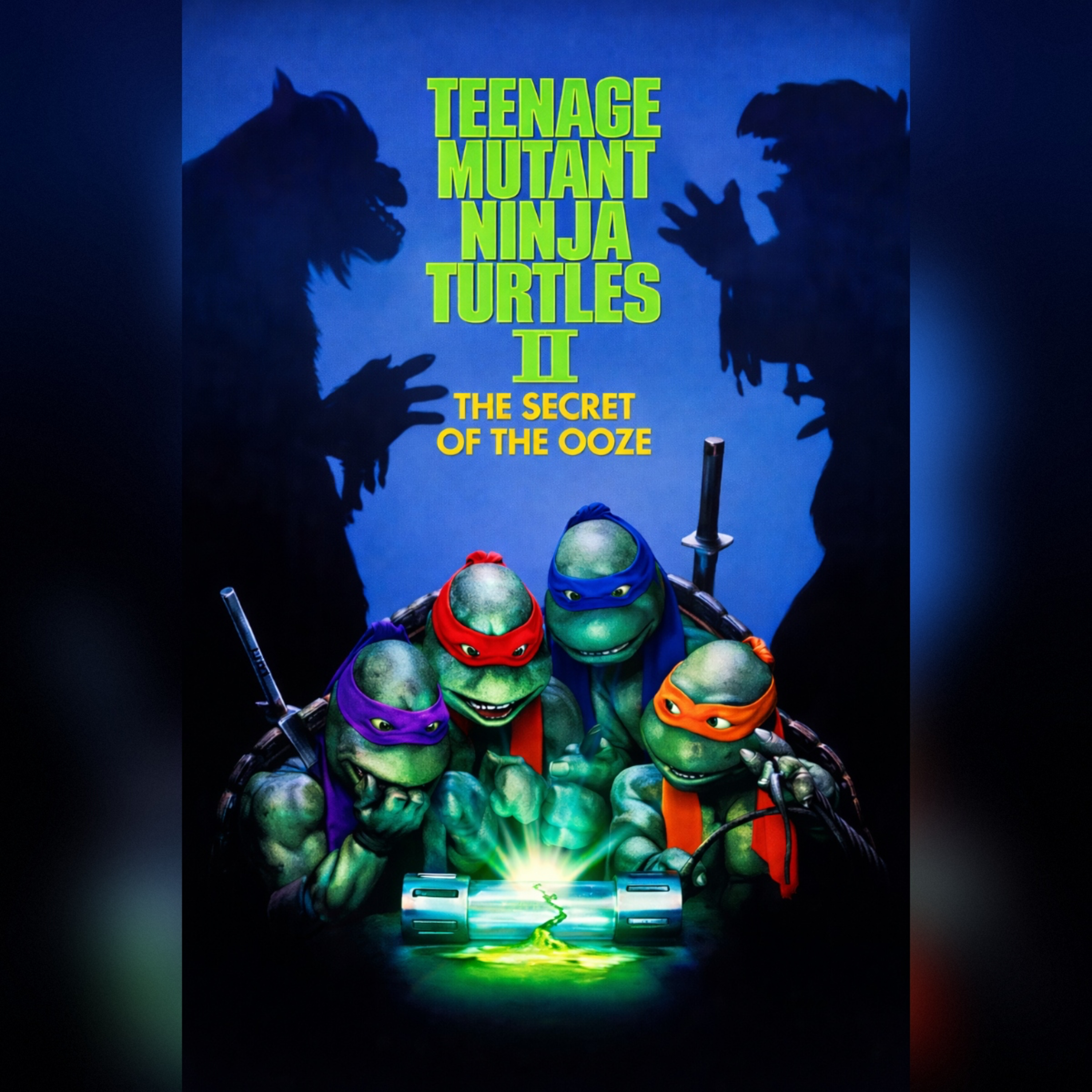
    Teenage Mutant Ninja Turtles II: The Secret of the Ooze (1991) | Peak TMNT Mania & 90s Nostalgia | VHSSB

    Teenage Mutant Ninja Turtles II: The Secret of the Ooze (1991) was chosen by Patreon supporter Gareth, and it represents a very deliberate shift in tone and approach from the original 1990 film. Following the massive commercial success of the first movie, New Line Cinema moved quickly to produce a sequel that would appeal more directly to younger audiences. This resulted in a noticeably lighter, more comedic production, with strict limitations placed on violence and darker elements after parental groups raised concerns about the original film’s intensity. Director Michael Pressman replaced Steve Barron, and the creative mandate was clear: brighter visuals, broader humor, and a more Saturday-morning-cartoon-friendly feel. The production once again relied on Jim Henson’s Creature Shop to bring the Turtles to life, though the suits were redesigned to allow for improved mobility and clearer facial expressions. Filming took place primarily in North Carolina, with large soundstage work used to accommodate more elaborate set pieces and controlled environments. The movie also leaned heavily into merchandising synergy, closely aligning its release with toy lines, tie-in products, and promotional partnerships. While critically divisive upon release, The Secret of the Ooze was a significant box-office success and stands as a textbook example of early-90s franchise filmmaking — where commercial considerations, brand management, and audience accessibility increasingly shaped creative decisions. If you enjoy the show and would like to support us, we have a Patreon ⁠⁠⁠here⁠⁠⁠. Referral links also help out the show if you were going to sign up: ⁠⁠⁠NordVPN⁠⁠⁠ ⁠⁠⁠NordPass⁠⁠⁠ Trailer Guy Plot Summary Heroes in a half-shell… are back — and this time, things are about to get oozy. The Teenage Mutant Ninja Turtles return with bigger laughs, louder villains, and a mysterious new substance that could change everything. As old enemies resurface and new threats rise, the Turtles must band together, sharpen their skills, and fight to protect the city they call home. *Teenage Mutant Ninja Turtles II: The Secret of the Ooze* — powered up, totally radical, and ready to kick shell. Fun Facts Teenage Mutant Ninja Turtles II was released at the peak of TMNT mania, when the franchise dominated cartoons, toys, comics, and fast-food promotions worldwide. The film introduced new Turtle allies and villains that were created specifically to expand the movie universe rather than directly adapt comic storylines. Vanilla Ice’s song “Ninja Rap” was written exclusively for the movie and became a pop-culture time capsule of early-90s hip-hop crossover marketing. The movie was one of the highest-grossing independent films of 1991, despite receiving mixed critical reviews. Many of the film’s stunt performers were professional martial artists, including members of the Hong Kong stunt community. The Turtles’ signature weapons appear far less frequently than fans expected, becoming a frequent talking point among viewers. The Secret of the Ooze was heavily promoted through pizza-brand tie-ins, reinforcing the Turtles’ long-standing connection to pizza culture. Over time, the film has become a nostalgia favorite for fans who grew up during the early 1990s TMNT boom, often remembered as the “most quotable” entry in the original trilogy. ⁠⁠⁠⁠⁠⁠⁠⁠⁠⁠⁠⁠⁠⁠⁠⁠⁠⁠⁠⁠⁠⁠⁠⁠⁠⁠⁠⁠⁠⁠⁠⁠⁠⁠⁠⁠⁠⁠⁠⁠⁠⁠⁠⁠⁠⁠⁠⁠⁠⁠⁠⁠⁠⁠⁠⁠⁠⁠⁠⁠⁠⁠⁠⁠⁠⁠⁠⁠⁠⁠⁠⁠⁠⁠⁠⁠⁠⁠⁠⁠⁠⁠⁠⁠⁠⁠⁠⁠⁠⁠⁠⁠⁠⁠⁠⁠⁠⁠⁠⁠⁠⁠⁠⁠⁠⁠⁠⁠⁠⁠⁠⁠thevhsstrikesback@gmail.com⁠⁠⁠⁠⁠⁠⁠⁠⁠⁠⁠⁠⁠⁠⁠⁠⁠⁠⁠⁠⁠⁠⁠⁠⁠⁠⁠⁠⁠⁠⁠⁠⁠⁠⁠⁠⁠⁠⁠⁠⁠⁠⁠⁠⁠⁠⁠⁠⁠⁠⁠⁠⁠⁠⁠⁠⁠⁠⁠⁠⁠⁠⁠⁠⁠⁠⁠⁠⁠⁠⁠⁠⁠⁠⁠⁠⁠⁠⁠⁠⁠⁠⁠⁠⁠⁠⁠⁠⁠⁠⁠⁠⁠⁠⁠⁠⁠⁠⁠⁠⁠⁠⁠⁠⁠⁠⁠⁠⁠⁠⁠⁠ ⁠⁠⁠⁠⁠⁠⁠⁠⁠⁠⁠⁠⁠⁠⁠⁠⁠⁠⁠⁠⁠⁠⁠⁠⁠⁠⁠⁠⁠⁠⁠⁠⁠⁠⁠⁠⁠⁠⁠⁠⁠⁠⁠⁠⁠⁠⁠⁠⁠⁠⁠⁠⁠⁠⁠⁠⁠⁠⁠⁠⁠⁠⁠⁠⁠⁠⁠⁠⁠⁠⁠⁠⁠⁠⁠⁠⁠⁠⁠⁠⁠⁠⁠⁠⁠⁠⁠⁠⁠⁠⁠⁠⁠⁠⁠⁠⁠⁠⁠⁠⁠⁠⁠⁠⁠⁠⁠⁠⁠⁠⁠⁠⁠⁠⁠⁠⁠⁠⁠⁠⁠⁠⁠⁠⁠⁠https://linktr.ee/vhsstrikesback⁠⁠⁠⁠⁠⁠⁠⁠⁠

  • January 14 · 1 hr 7 min

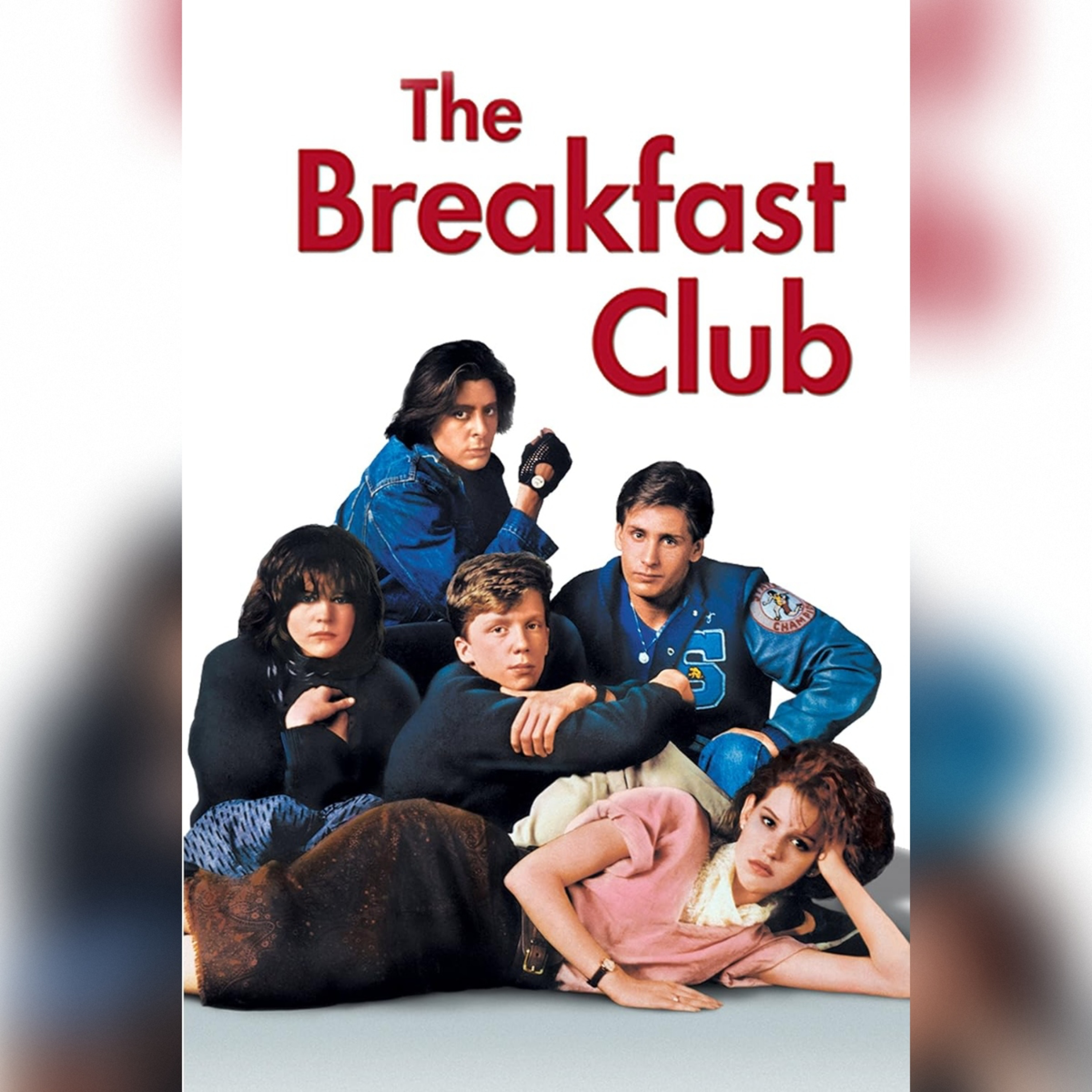
    The Breakfast Club (1985) | 80s Teen Classic That Defined a Generation | VHSSB

    The Breakfast Club (1985) was chosen by Patreon supporter Lucky LouLou Green, and it stands as one of the defining films of 1980s American cinema. Written, produced, and directed by John Hughes, the movie was made during an incredibly prolific period for the filmmaker, as he reshaped teen movies with a more honest, character-driven approach. Shot on a modest budget of around $1 million, the film was produced quickly, with Hughes deliberately stripping away flashy set pieces to focus on dialogue, performance, and atmosphere. Principal photography took place at Maine North High School in Des Plaines, Illinois — a real, unused school that Hughes would return to multiple times throughout his career. The production schedule was famously short — just 28 days — and Hughes encouraged collaboration, allowing the young cast to contribute ideas and personal experiences to their roles. Several moments of dialogue were improvised or rewritten on set, helping give the film its natural, conversational feel that set it apart from other teen movies of the era. Composer Keith Forsey provided the now-iconic soundtrack, perfectly capturing the mood of mid-80s youth culture. Upon release, The Breakfast Club became both a commercial and cultural success, cementing Hughes’ reputation and turning its cast into defining faces of a generation. Today, the film is widely regarded as a landmark of 1980s filmmaking — proof that a small budget, a single location, and strong creative confidence can produce something timeless. 🎙️ Trailer Guy Plot Summary Five students. One Saturday. And nothing in common… except everything. From writer and director John Hughes comes a generation-defining film that locks a group of teenagers inside a school — and lets the walls come down. As the hours tick by, labels are challenged, barriers break, and voices finally get heard. The Breakfast Club — where growing up means speaking up… and detention becomes unforgettable. 🎒 Fun Facts The Breakfast Club was the first John Hughes film to focus entirely on teenagers, without adults driving the story. The movie’s iconic final song, “Don’t You (Forget About Me)” by Simple Minds, was written specifically for the film and became a global hit. Molly Ringwald later said she was initially unsure about the film, not realizing it would become culturally iconic. The movie helped define the concept of the “Brat Pack,” a media label applied to its young cast and their contemporaries throughout the 1980s. Emilio Estevez was originally considered for a different role before being cast as Andrew Clark. John Hughes reportedly wrote the screenplay in just two days. The film is frequently ranked among the greatest teen movies of all time by outlets such as Rolling Stone, Empire, and the American Film Institute. In 2016, the main cast reunited publicly for the first time in over 30 years, cementing the movie’s lasting cultural impact. ❤️ Support the Show If you enjoy the show and would like to support us, we have a Patreon here — every bit of support helps keep The VHS Strikes Back rolling. If you’re listening on Apple Podcasts or Spotify, leaving us a 5-star review (and a short comment) really helps more people discover the show. It’s quick, free, and makes a huge difference. Referral links also help out the podcast if you were already planning to sign up: NordVPN NordPass 📧 thevhsstrikesback@gmail.com 🔗 https://linktr.ee/vhsstrikesback
  • January 7 · 55 min

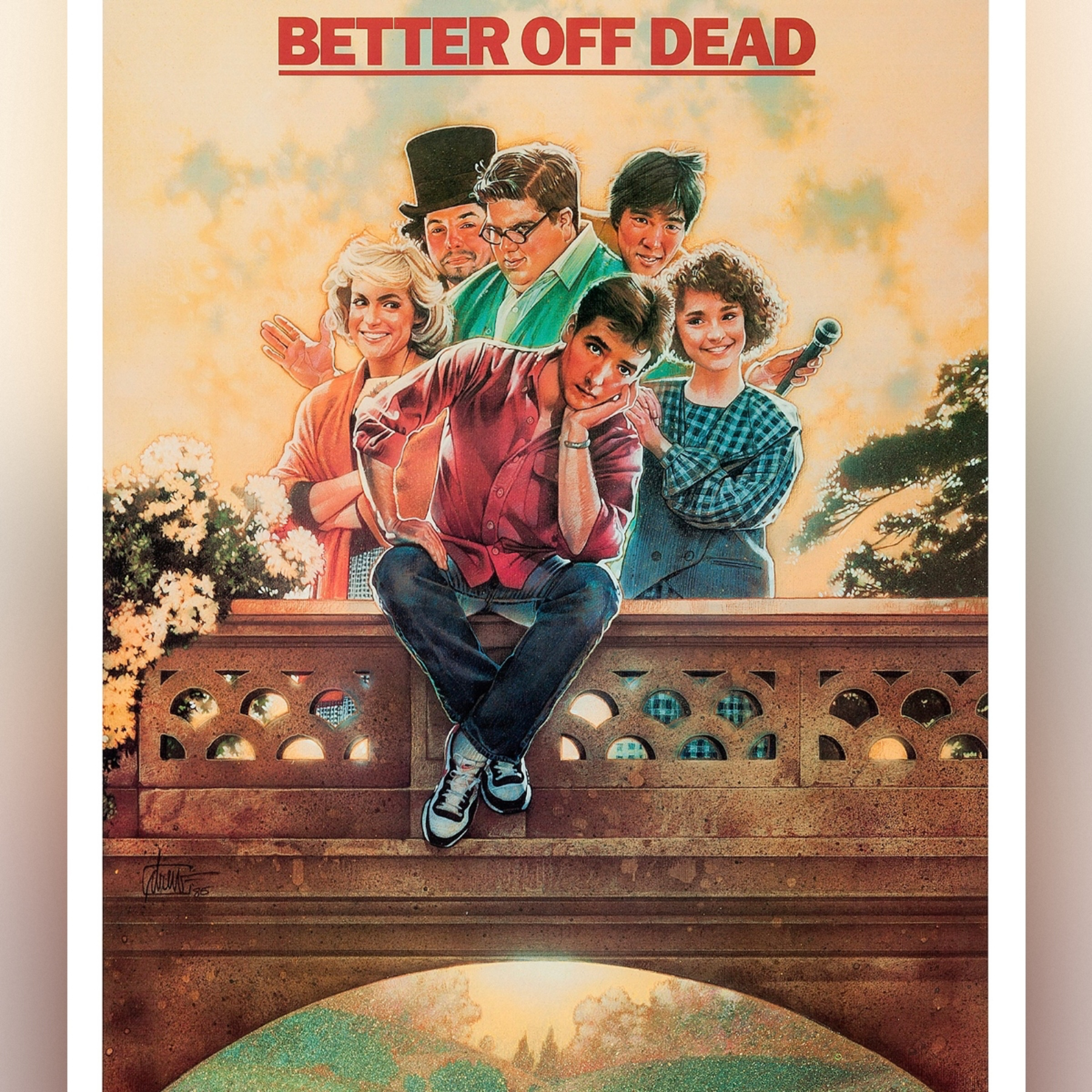
    Better Off Dead (1985) | Surreal Cult Teen Comedy, Maximum 80s Energy | VHSSB

    Better Off Dead (1985) was chosen by supporter Susan, and it’s one of the most distinctive teen comedies to come out of the mid-1980s. Written and directed by Savage Steve Holland, the film was conceived as a deliberately off-kilter alternative to the more conventional John Hughes–style comedies dominating the era. Holland drew heavily on surreal humor, cartoon logic, and exaggerated visual gags, aiming to make a live-action movie that felt closer to a Looney Tunes short than a traditional teen film. Produced by Warner Bros. on a modest budget, the movie was shot primarily in California and embraced a heightened, artificial look that matched its absurd tone. The production itself was famously contentious. Studio executives reportedly struggled to understand Holland’s surreal approach, and star John Cusack later distanced himself from the film, feeling the final cut leaned too far into absurdity. Despite this, the filmmakers were given enough freedom to fully commit to the bizarre visual style, rapid-fire jokes, and unconventional editing choices. While Better Off Dead underperformed theatrically and received mixed reviews on release, it found a second life on VHS and cable television, where audiences embraced its oddball humor. Over time, the film has become a cult classic, celebrated for its unapologetic weirdness and its refusal to play by the rules of standard 1980s teen comedies. Checkout Susan’s podcast Geek Girl Soup here. If you enjoy the show and would like to support us, we have a Patreon ⁠⁠⁠here⁠⁠⁠. Referral links also help out the show if you were going to sign up: ⁠⁠⁠NordVPN⁠⁠⁠ ⁠⁠⁠NordPass⁠⁠⁠ Trailer Guy Plot Summary This winter… high school gets weird. From the twisted mind of Savage Steve Holland comes a teen comedy where nothing behaves like reality, logic takes a holiday, and every problem is dialed up to cartoon levels of insanity. When heartbreak hits and humiliation follows, one teenager spirals into a snow-covered nightmare filled with bizarre neighbors, aggressive paperboys, and challenges that demand absolute commitment. Better Off Dead — where teenage angst meets surreal chaos… and giving up is not an option. Fun Facts Better Off Dead features several stop-motion and animated sequences, including the famous dancing hamburgers scene, created to mimic cartoon physics in live action. The aggressive paperboy character was played by Demian Slade, whose brief but intense performance became one of the most quoted elements of the film. Actress Kim Darby, who played the protagonist’s mother, was already famous for her role in True Grit (1969), making her casting an unexpected generational crossover. Curtis Armstrong (later known for Revenge of the Nerds and Risky Business) appears in one of his early comedy roles, adding to the film’s cult appeal. The movie’s synth-heavy soundtrack, composed by Rupert Hine, became a cult favorite and was later released as a standalone album. The fictional foreign exchange student characters were deliberately written with exaggerated stereotypes to heighten the film’s absurdist tone. Many of the film’s jokes are delivered entirely visually, with minimal dialogue, reinforcing its reputation as a comedy that rewards repeat viewings. Better Off Dead is frequently cited by comedians and filmmakers as a precursor to modern surreal comedies, influencing later offbeat humor in film and TV. ⁠⁠⁠⁠⁠⁠⁠⁠⁠⁠⁠⁠⁠⁠⁠⁠⁠⁠⁠⁠⁠⁠⁠⁠⁠⁠⁠⁠⁠⁠⁠⁠⁠⁠⁠⁠⁠⁠⁠⁠⁠⁠⁠⁠⁠⁠⁠⁠⁠⁠⁠⁠⁠⁠⁠⁠⁠⁠⁠⁠⁠⁠⁠⁠⁠⁠⁠⁠⁠⁠⁠⁠⁠⁠⁠⁠⁠⁠⁠⁠⁠⁠⁠⁠⁠⁠⁠⁠⁠⁠⁠⁠⁠⁠⁠⁠⁠⁠⁠⁠⁠⁠⁠⁠⁠⁠⁠⁠⁠⁠⁠⁠thevhsstrikesback@gmail.com⁠⁠⁠⁠⁠⁠⁠⁠⁠⁠⁠⁠⁠⁠⁠⁠⁠⁠⁠⁠⁠⁠⁠⁠⁠⁠⁠⁠⁠⁠⁠⁠⁠⁠⁠⁠⁠⁠⁠⁠⁠⁠⁠⁠⁠⁠⁠⁠⁠⁠⁠⁠⁠⁠⁠⁠⁠⁠⁠⁠⁠⁠⁠⁠⁠⁠⁠⁠⁠⁠⁠⁠⁠⁠⁠⁠⁠⁠⁠⁠⁠⁠⁠⁠⁠⁠⁠⁠⁠⁠⁠⁠⁠⁠⁠⁠⁠⁠⁠⁠⁠⁠⁠⁠⁠⁠⁠⁠⁠⁠⁠⁠ ⁠⁠⁠⁠⁠⁠⁠⁠⁠⁠⁠⁠⁠⁠⁠⁠⁠⁠⁠⁠⁠⁠⁠⁠⁠⁠⁠⁠⁠⁠⁠⁠⁠⁠⁠⁠⁠⁠⁠⁠⁠⁠⁠⁠⁠⁠⁠⁠⁠⁠⁠⁠⁠⁠⁠⁠⁠⁠⁠⁠⁠⁠⁠⁠⁠⁠⁠⁠⁠⁠⁠⁠⁠⁠⁠⁠⁠⁠⁠⁠⁠⁠⁠⁠⁠⁠⁠⁠⁠⁠⁠⁠⁠⁠⁠⁠⁠⁠⁠⁠⁠⁠⁠⁠⁠⁠⁠⁠⁠⁠⁠⁠⁠⁠⁠⁠⁠⁠⁠⁠⁠⁠⁠⁠⁠⁠https://linktr.ee/vhsstrikesback⁠⁠⁠⁠⁠⁠⁠⁠⁠

  • Dec 31, 2025 · 55 min

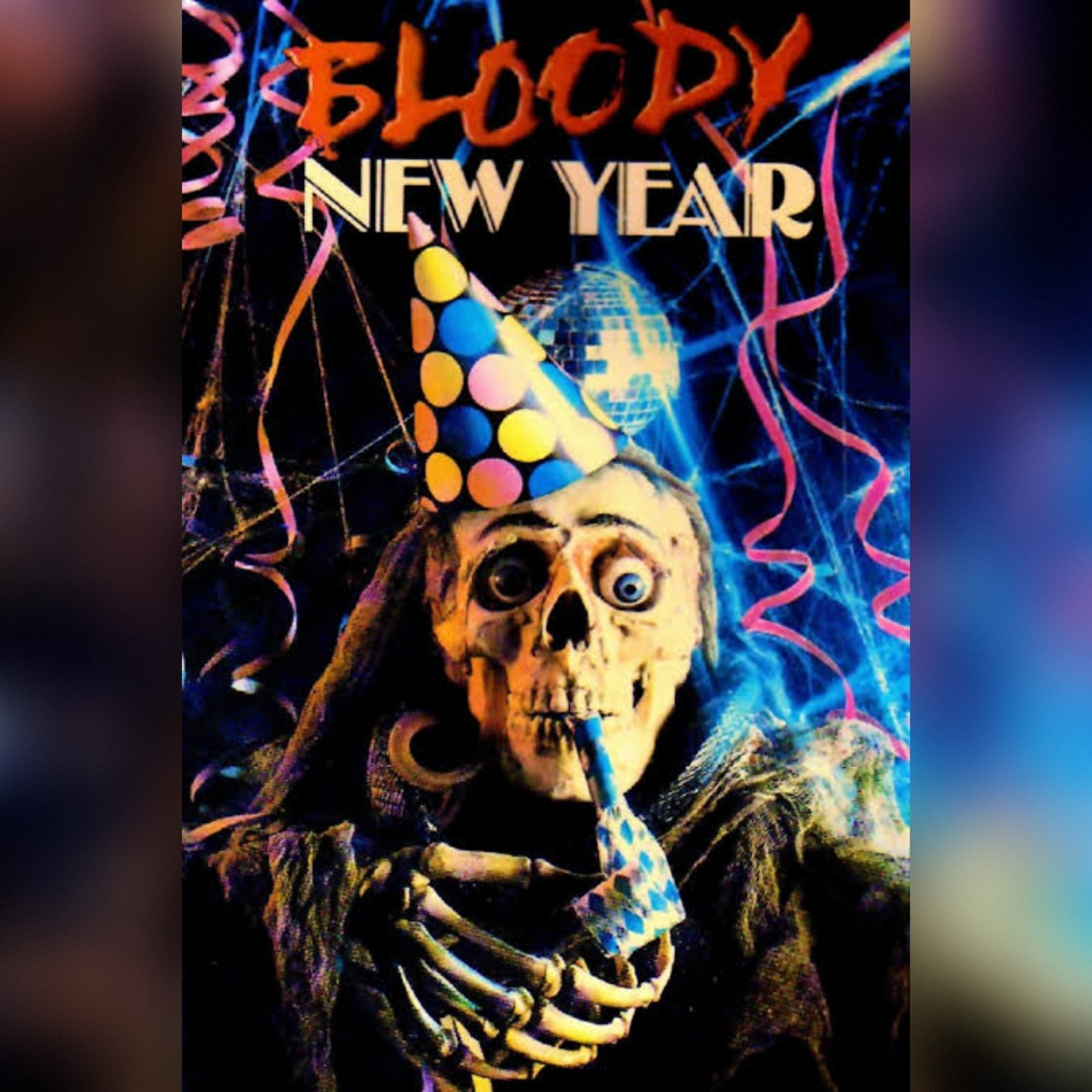
    Bloody New Year (1987) | Low-Budget 80s Horror That Time Forgot | VHSSB

    Bloody New Year (1987) was chosen by co-host Dave as the final movie pick in the Year of the Stitch-Up, and what a note to end on. The film was directed by Norman J. Warren, a cult British filmmaker best known for low-budget horror and exploitation fare like Satan’s Slave and Inseminoid. By the late 1980s, Warren was working with extremely limited resources, and Bloody New Year was produced on a modest budget aimed squarely at the VHS and late-night rental market. The production leaned heavily on atmosphere, strange concepts, and practical effects rather than polish, embracing the scrappy DIY ethos of British horror in the post-slasher boom era. Shot largely on location along the Welsh coast, the film made creative use of abandoned buildings and seaside settings to create an eerie, off-kilter mood without the expense of large sets. Like many British genre films of the time, it struggled with distribution, receiving little theatrical exposure before finding its audience on home video. While largely ignored on release, Bloody New Year has since gained a cult reputation among horror fans who enjoy obscure, unconventional oddities from the VHS era. As the closing chapter of the Year of the Stitch-Up, it’s an appropriately strange, divisive, and deeply VHS-coded selection — the kind of movie that feels discovered rather than released. If you enjoy the show and would like to support us, we have a Patreon ⁠⁠⁠here⁠⁠⁠. Referral links also help out the show if you were going to sign up: ⁠⁠⁠NordVPN⁠⁠⁠ ⁠⁠⁠NordPass⁠⁠⁠ Trailer Guy Plot Summary From a quiet coastal town… to an island where time itself has gone horribly wrong. A group of unsuspecting teenagers arrive at a deserted hotel expecting nothing more than a getaway — but what they find is something far more twisted. As reality fractures, clocks stop making sense, and unseen forces close in, the line between past, present, and pure nightmare begins to dissolve. Bloody New Year — where the party never ends… and time is out to get you. Fun Facts Bloody New Year was also released in some territories under the alternate title “Time Bomb”, which caused confusion among VHS collectors. The film became far more well-known on home video than in cinemas, thriving during the late-80s VHS horror boom. Many fans mistakenly associate the movie with the “Video Nasties” era, even though it narrowly missed official banning in the UK. The eerie fairground setting was created using abandoned seaside attractions, adding an unintentional layer of decay to the visuals. Several special effects were achieved using camera tricks and editing rather than gore, due to budget limitations. The movie’s synth-heavy soundtrack is frequently cited by fans as one of its most memorable elements. Bloody New Year gained renewed attention in the 2000s thanks to cult horror forums and late-night TV screenings. Today, the film is often discussed alongside other late-80s British horror oddities like Uncle Sam and The Outing as a cult curiosity. ⁠⁠⁠⁠⁠⁠⁠⁠⁠⁠⁠⁠⁠⁠⁠⁠⁠⁠⁠⁠⁠⁠⁠⁠⁠⁠⁠⁠⁠⁠⁠⁠⁠⁠⁠⁠⁠⁠⁠⁠⁠⁠⁠⁠⁠⁠⁠⁠⁠⁠⁠⁠⁠⁠⁠⁠⁠⁠⁠⁠⁠⁠⁠⁠⁠⁠⁠⁠⁠⁠⁠⁠⁠⁠⁠⁠⁠⁠⁠⁠⁠⁠⁠⁠⁠⁠⁠⁠⁠⁠⁠⁠⁠⁠⁠⁠⁠⁠⁠⁠⁠⁠⁠⁠⁠⁠⁠⁠⁠⁠⁠⁠thevhsstrikesback@gmail.com⁠⁠⁠⁠⁠⁠⁠⁠⁠⁠⁠⁠⁠⁠⁠⁠⁠⁠⁠⁠⁠⁠⁠⁠⁠⁠⁠⁠⁠⁠⁠⁠⁠⁠⁠⁠⁠⁠⁠⁠⁠⁠⁠⁠⁠⁠⁠⁠⁠⁠⁠⁠⁠⁠⁠⁠⁠⁠⁠⁠⁠⁠⁠⁠⁠⁠⁠⁠⁠⁠⁠⁠⁠⁠⁠⁠⁠⁠⁠⁠⁠⁠⁠⁠⁠⁠⁠⁠⁠⁠⁠⁠⁠⁠⁠⁠⁠⁠⁠⁠⁠⁠⁠⁠⁠⁠⁠⁠⁠⁠⁠⁠ ⁠⁠⁠⁠⁠⁠⁠⁠⁠⁠⁠⁠⁠⁠⁠⁠⁠⁠⁠⁠⁠⁠⁠⁠⁠⁠⁠⁠⁠⁠⁠⁠⁠⁠⁠⁠⁠⁠⁠⁠⁠⁠⁠⁠⁠⁠⁠⁠⁠⁠⁠⁠⁠⁠⁠⁠⁠⁠⁠⁠⁠⁠⁠⁠⁠⁠⁠⁠⁠⁠⁠⁠⁠⁠⁠⁠⁠⁠⁠⁠⁠⁠⁠⁠⁠⁠⁠⁠⁠⁠⁠⁠⁠⁠⁠⁠⁠⁠⁠⁠⁠⁠⁠⁠⁠⁠⁠⁠⁠⁠⁠⁠⁠⁠⁠⁠⁠⁠⁠⁠⁠⁠⁠⁠⁠⁠https://linktr.ee/vhsstrikesback⁠⁠⁠⁠⁠⁠⁠⁠⁠

  • Dec 24, 2025 · 46 min

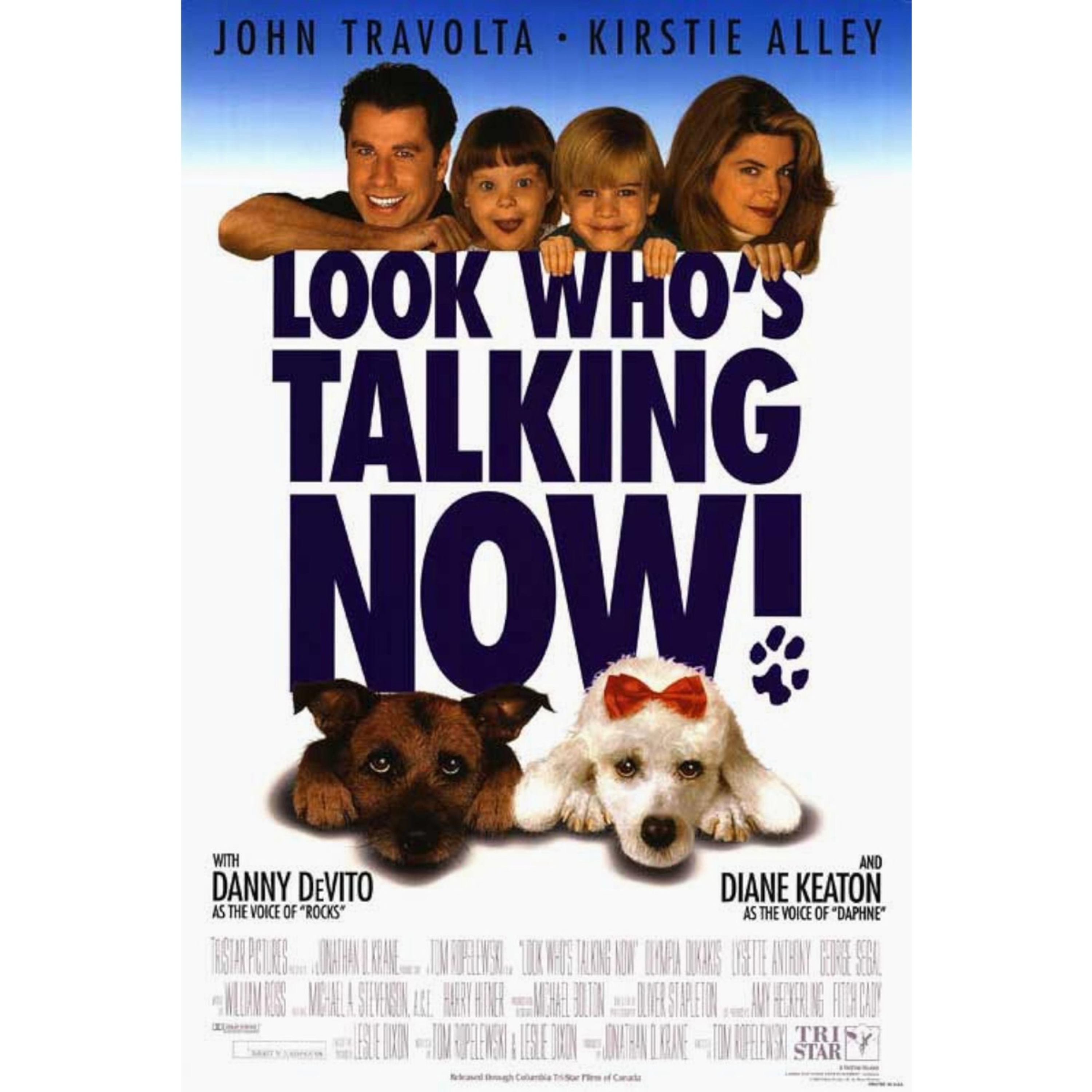
    Look Who’s Talking Now! (1993) | 90s Family Comedy Goes to the Dogs | VHSSB

    Look Who’s Talking Now! (1993) was chosen by Chris, rounding out the unlikely trilogy that began as a surprise hit in 1989. By the early ’90s, the Look Who’s Talking franchise had already proven its commercial appeal, and TriStar Pictures was keen to keep the momentum going. This third entry shifted focus behind the scenes, with original director Amy Heckerling stepping away and Tom Ropelewski taking over directorial duties. John Travolta and Kirstie Alley returned following the success of Look Who’s Talking Too, while the production leaned heavily on the established brand recognition rather than reinventing the formula. The film was produced during a transitional period for Hollywood family comedies, as studios increasingly relied on sequels, celebrity voice work, and broad humor to attract audiences. A major production emphasis was placed on the voice performances, enlisting high-profile actors to give personality and comedic timing to the animal characters through extensive ADR sessions. Despite a solid budget and the continued involvement of its star leads, Look Who’s Talking Now! faced franchise fatigue upon release and struggled to recapture the box-office success of its predecessors. Today, it’s remembered as a curious example of early-’90s sequel culture — a film driven more by brand familiarity than creative necessity, and a reminder of how quickly novelty concepts can wear thin. If you enjoy the show and would like to support us, we have a Patreon ⁠⁠⁠here⁠⁠⁠. Referral links also help out the show if you were going to sign up: ⁠⁠⁠NordVPN⁠⁠⁠ ⁠⁠⁠NordPass⁠⁠⁠ Trailer Guy Plot Summary From the creators of a blockbuster comedy franchise… comes the one where the pets finally take over. The family is back, the chaos is louder, and this time the dogs have something to say. With celebrity voices, slapstick mayhem, and 90s family-friendly insanity turned up to eleven, Look Who’s Talking Now! lets the animals loose — commenting on love, loyalty, and household madness like only talking pets can. Look Who’s Talking Now! — when the fur flies, the truth comes out. Fun Facts Look Who’s Talking Now! was the final film in the Look Who’s Talking trilogy, bringing the franchise to an end after three movies in five years. The movie marked one of the rare times Danny DeVito and Diane Keaton voiced animated characters together, even though neither appears on screen. The dogs’ mouth movements were created using subtle animatronics and careful editing, rather than full CGI, which was still limited in the early 1990s. Despite mixed reviews, the film performed strongly on VHS and rental charts, continuing the franchise’s popularity in the home-video market. The movie received several Golden Raspberry Award nominations, including Worst Screenplay and Worst Supporting Actress, reflecting its critical reception. Look Who’s Talking Now! was released during a wave of early-90s “talking animal” movies, alongside films like Homeward Bound and Bingo. This installment shifted the franchise’s focus more toward family-friendly animal comedy, a move that divided fans of the earlier films. The film has since gained a nostalgic cult following, particularly among viewers who grew up watching it repeatedly on VHS and cable television. ⁠⁠⁠⁠⁠⁠⁠⁠⁠⁠⁠⁠⁠⁠⁠⁠⁠⁠⁠⁠⁠⁠⁠⁠⁠⁠⁠⁠⁠⁠⁠⁠⁠⁠⁠⁠⁠⁠⁠⁠⁠⁠⁠⁠⁠⁠⁠⁠⁠⁠⁠⁠⁠⁠⁠⁠⁠⁠⁠⁠⁠⁠⁠⁠⁠⁠⁠⁠⁠⁠⁠⁠⁠⁠⁠⁠⁠⁠⁠⁠⁠⁠⁠⁠⁠⁠⁠⁠⁠⁠⁠⁠⁠⁠⁠⁠⁠⁠⁠⁠⁠⁠⁠⁠⁠⁠⁠⁠⁠⁠⁠⁠thevhsstrikesback@gmail.com⁠⁠⁠⁠⁠⁠⁠⁠⁠⁠⁠⁠⁠⁠⁠⁠⁠⁠⁠⁠⁠⁠⁠⁠⁠⁠⁠⁠⁠⁠⁠⁠⁠⁠⁠⁠⁠⁠⁠⁠⁠⁠⁠⁠⁠⁠⁠⁠⁠⁠⁠⁠⁠⁠⁠⁠⁠⁠⁠⁠⁠⁠⁠⁠⁠⁠⁠⁠⁠⁠⁠⁠⁠⁠⁠⁠⁠⁠⁠⁠⁠⁠⁠⁠⁠⁠⁠⁠⁠⁠⁠⁠⁠⁠⁠⁠⁠⁠⁠⁠⁠⁠⁠⁠⁠⁠⁠⁠⁠⁠⁠⁠ ⁠⁠⁠⁠⁠⁠⁠⁠⁠⁠⁠⁠⁠⁠⁠⁠⁠⁠⁠⁠⁠⁠⁠⁠⁠⁠⁠⁠⁠⁠⁠⁠⁠⁠⁠⁠⁠⁠⁠⁠⁠⁠⁠⁠⁠⁠⁠⁠⁠⁠⁠⁠⁠⁠⁠⁠⁠⁠⁠⁠⁠⁠⁠⁠⁠⁠⁠⁠⁠⁠⁠⁠⁠⁠⁠⁠⁠⁠⁠⁠⁠⁠⁠⁠⁠⁠⁠⁠⁠⁠⁠⁠⁠⁠⁠⁠⁠⁠⁠⁠⁠⁠⁠⁠⁠⁠⁠⁠⁠⁠⁠⁠⁠⁠⁠⁠⁠⁠⁠⁠⁠⁠⁠⁠⁠⁠https://linktr.ee/vhsstrikesback⁠⁠⁠⁠⁠⁠⁠⁠⁠

  • Dec 17, 2025 · 56 min

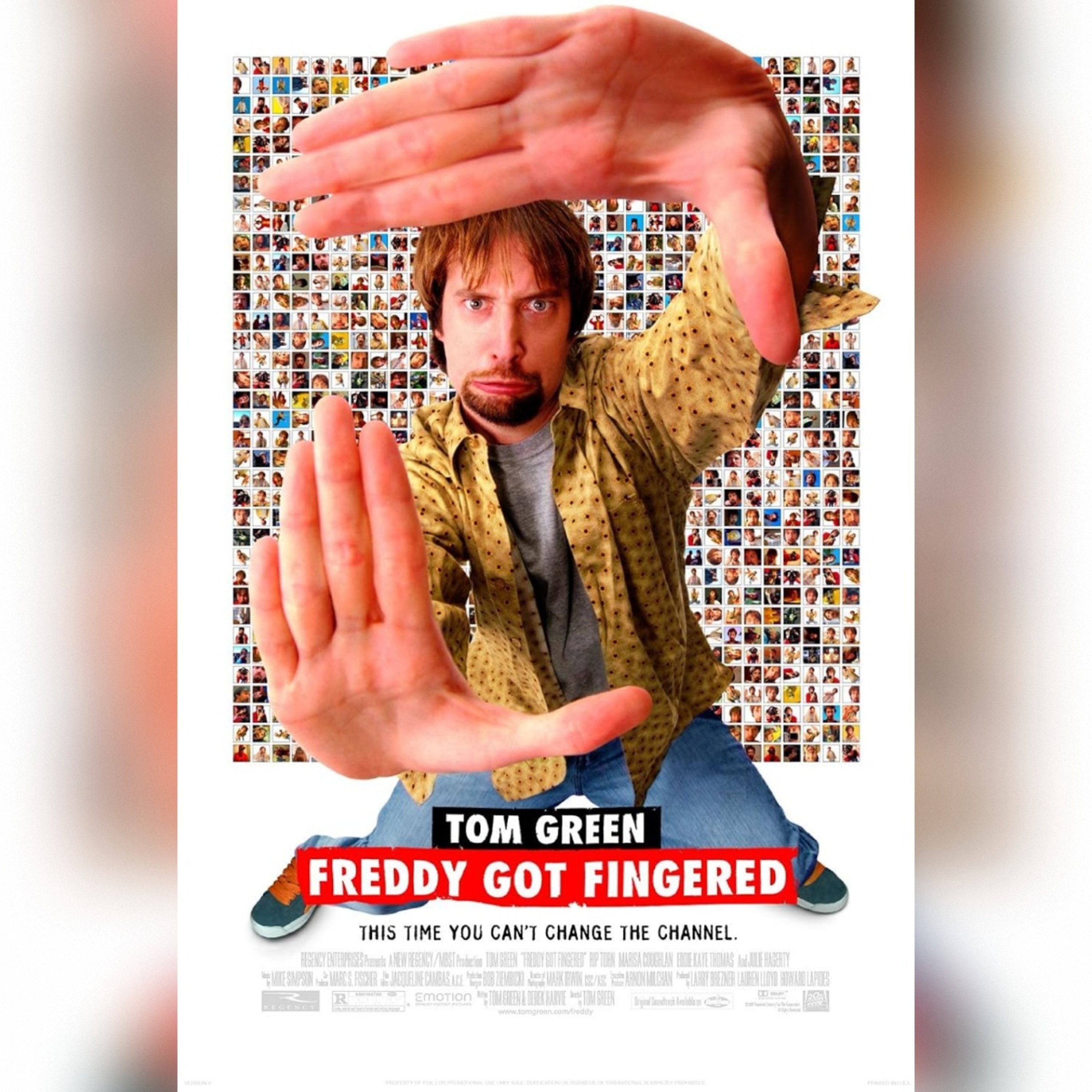
    Freddy Got Fingered (2001) | Surreal Gross-Out Mayhem & Madness | VHSSB Podcast

    Freddy Got Fingered (2001) was chosen by Supporter and friend of the show Blake, and it stands as one of the most infamous, chaotic, and downright bewildering productions ever funded by a major Hollywood studio. Directed by and starring Tom Green at the height of his MTV shock-comedy fame, the film was conceived as a vehicle to capture — and escalate — his unpredictable, confrontational brand of humor. Fox initially expected a quirky, outrageous teen comedy, but Green pushed the project into a surreal, boundary-smashing experiment, gleefully testing how far studio executives were willing to go. With a budget of around $14 million, he was given surprising creative freedom, shooting scenes that baffled executives but perfectly embodied his anti-comedy sensibilities. Behind the scenes, the production became something of a Hollywood legend. Tom Green committed fully to every bizarre creative impulse, often rewriting or improvising scenes on the day of shooting, much to the confusion of cast and crew. Actors like Rip Torn and Julie Hagerty were brought into the madness, delivering straight-faced performances amid escalating absurdity. Studio executives, increasingly horrified by what they were seeing, considered interfering but ultimately allowed Green to finish the film exactly as he envisioned it. Upon release, Freddy Got Fingered was critically savaged and won multiple Razzie Awards — including Worst Picture — but over the years it has gained a cult following, celebrated by some as a piece of surrealist outsider art wrapped in the guise of a studio comedy. If you enjoy the show and would like to support us, we have a Patreon ⁠⁠⁠here⁠⁠⁠. Referral links also help out the show if you were going to sign up: ⁠⁠⁠NordVPN⁠⁠⁠ ⁠⁠⁠NordPass⁠⁠⁠ Trailer Guy Plot Summary Prepare yourself… for a comedy that went too far, then kept going. When Gord Brody, a wannabe animator with a vivid imagination and zero impulse control, leaves home to chase his dreams, chaos follows in every direction. From catastrophic career moves to catastrophic family moments, Gord’s journey spirals into a whirlwind of wild gags, screaming matches, and deeply questionable decisions — all delivered with the enthusiasm of a man who has absolutely nothing to lose. Freddy Got Fingered — a film so outrageous, so unhinged, and so defiantly stupid… you’ll wonder how it ever got made. Fun Facts Tom Green personally promoted the film in extreme ways, including arriving at the Razzies to accept his awards in person - and playing harmonica on stage until producers dragged him off. The film’s infamous “Daddy, would you like some sausage?” scene has become one of the most quoted and memed moments in early-2000s comedy. Freddy Got Fingered was Tom Green’s feature directorial debut, following the success of The Tom Green Show on MTV. Rip Torn agreed to the role because he admired Green’s fearlessness, even though Torn described some days on set as “completely insane.” Several of the movie’s props and costumes, including the sausage-pulley rig, were built by Green himself. Despite being critically panned, the movie later became a favourite of filmmakers like Tim Heidecker and Eric Wareheim, who praised its “anti-comedy genius.” The initial test screenings reportedly caused walkouts, but studio executives decided to keep most scenes intact because Green insisted the discomfort was the point. The film includes several cameos from MTV personalities of the era, tying it directly to early-2000s pop culture. ⁠⁠⁠⁠⁠⁠⁠⁠⁠⁠⁠⁠⁠⁠⁠⁠⁠⁠⁠⁠⁠⁠⁠⁠⁠⁠⁠⁠⁠⁠⁠⁠⁠⁠⁠⁠⁠⁠⁠⁠⁠⁠⁠⁠⁠⁠⁠⁠⁠⁠⁠⁠⁠⁠⁠⁠⁠⁠⁠⁠⁠⁠⁠⁠⁠⁠⁠⁠⁠⁠⁠⁠⁠⁠⁠⁠⁠⁠⁠⁠⁠⁠⁠⁠⁠⁠⁠⁠⁠⁠⁠⁠⁠⁠⁠⁠⁠⁠⁠⁠⁠⁠⁠⁠⁠⁠⁠⁠⁠⁠⁠⁠thevhsstrikesback@gmail.com⁠⁠⁠⁠⁠⁠⁠⁠⁠⁠⁠⁠⁠⁠⁠⁠⁠⁠⁠⁠⁠⁠⁠⁠⁠⁠⁠⁠⁠⁠⁠⁠⁠⁠⁠⁠⁠⁠⁠⁠⁠⁠⁠⁠⁠⁠⁠⁠⁠⁠⁠⁠⁠⁠⁠⁠⁠⁠⁠⁠⁠⁠⁠⁠⁠⁠⁠⁠⁠⁠⁠⁠⁠⁠⁠⁠⁠⁠⁠⁠⁠⁠⁠⁠⁠⁠⁠⁠⁠⁠⁠⁠⁠⁠⁠⁠⁠⁠⁠⁠⁠⁠⁠⁠⁠⁠⁠⁠⁠⁠⁠⁠ ⁠⁠⁠⁠⁠⁠⁠⁠⁠⁠⁠⁠⁠⁠⁠⁠⁠⁠⁠⁠⁠⁠⁠⁠⁠⁠⁠⁠⁠⁠⁠⁠⁠⁠⁠⁠⁠⁠⁠⁠⁠⁠⁠⁠⁠⁠⁠⁠⁠⁠⁠⁠⁠⁠⁠⁠⁠⁠⁠⁠⁠⁠⁠⁠⁠⁠⁠⁠⁠⁠⁠⁠⁠⁠⁠⁠⁠⁠⁠⁠⁠⁠⁠⁠⁠⁠⁠⁠⁠⁠⁠⁠⁠⁠⁠⁠⁠⁠⁠⁠⁠⁠⁠⁠⁠⁠⁠⁠⁠⁠⁠⁠⁠⁠⁠⁠⁠⁠⁠⁠⁠⁠⁠⁠⁠⁠https://linktr.ee/vhsstrikesback⁠⁠⁠⁠⁠⁠⁠⁠⁠

  • Dec 10, 2025 · 52 min

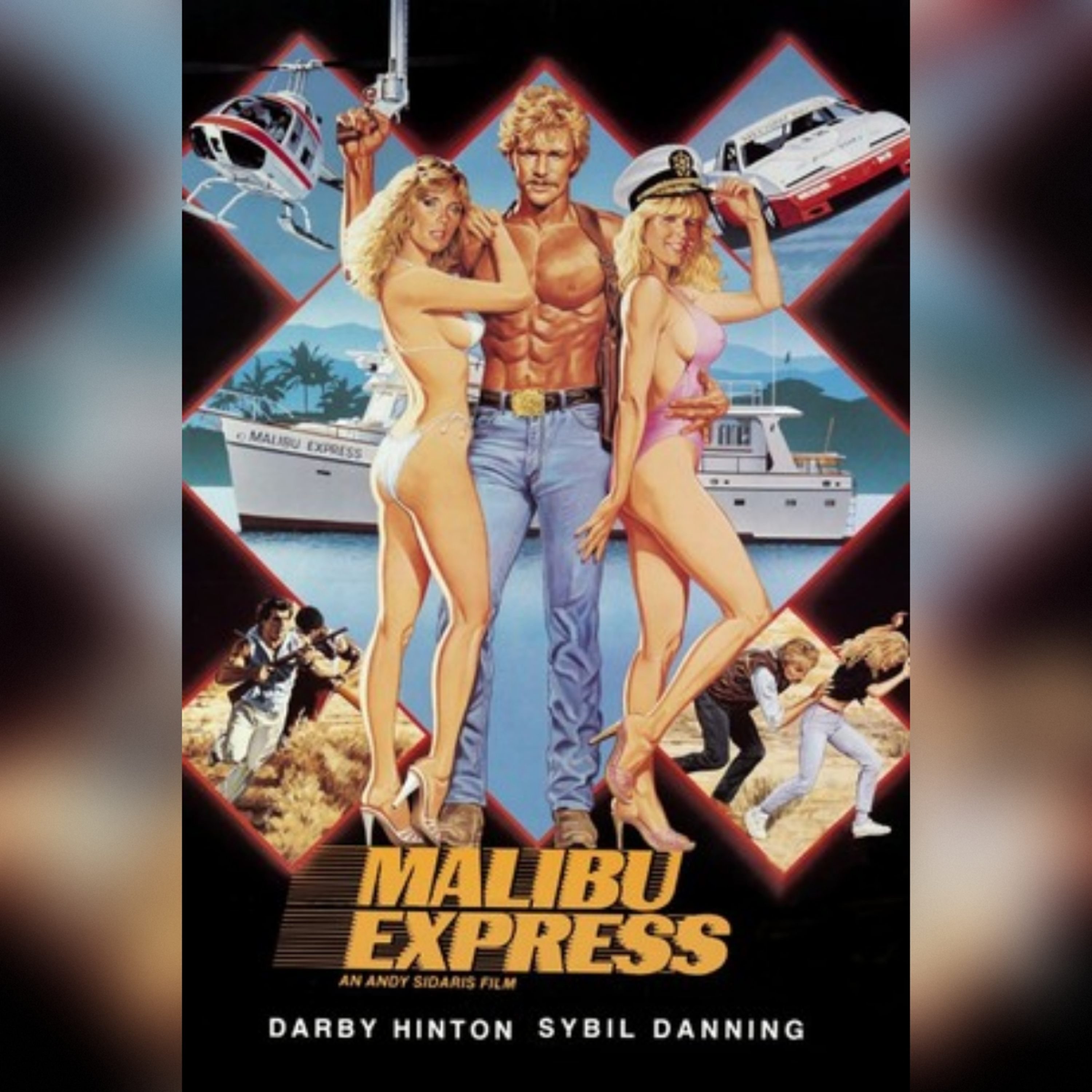
    Malibu Express (1985) | Action, Bikinis, Bombshells & 80s Beach-Side Cheese | VHSSB Podcast

    Malibu Express (1985) was chosen by Patreon supporter Herb, who has mastered the art of selecting premium-grade, sun-bleached 80s glamour for the show. Written and directed by Andy Sidaris, the film was part of his long-running “Bullets, Bombs and Babes” cycle — a collection of action-comedies known for fast cars, glamorous models, and plots that take a distant back seat to the spectacle. Produced on a modest budget, the movie was shot largely around Malibu and Los Angeles, using Sidaris’s signature mix of real locations, Playboy Playmates, and outrageous action beats. Sidaris, a former sports TV director, carried over his love of dynamic camera movement, helicopter shots, and glossy production values, giving the film a surprisingly polished look despite its low-budget roots. Behind the scenes, Malibu Express was a family operation. Andy Sidaris worked closely with his wife, Arlene Sidaris, who produced many of his films and helped build the distinctive “L.E.T.H.A.L. Ladies” brand that would later define his work. The cast was a mix of rising models, stunt performers, and cult character actors — all encouraged to keep the tone light, playful, and unapologetically over-the-top. The movie embraced the early-80s explosion of VHS demand, engineered specifically to appeal to video-store thrillseekers looking for bikinis, guns, fast boats, and pure escapist nonsense. While critics dismissed it, Malibu Express became a staple of late-night cable and home video, paving the way for Sidaris’s even more outrageous follow-ups like Hard Ticket to Hawaii. If you enjoy the show, we have a Patreon, so become a supporter ⁠⁠⁠here⁠⁠⁠. Referral links also help out the show if you were going to sign up: ⁠⁠⁠NordVPN⁠⁠⁠ ⁠⁠⁠NordPass⁠⁠⁠ Trailer Guy Plot Summary Buckle up… because the sun’s out, the boats are fast, and the shirts are nowhere to be found. Meet Cody Abilene — part detective, part playboy, and full-time trouble magnet. When a simple job turns into a whirlwind of bullets, bikinis, and beachside chaos, Cody cruises into danger with nothing but his wits, his charm, and a cowboy hat that refuses to quit. Malibu Express — where the action is hot, the engines are loud, and the mystery is mostly an excuse for more explosions. Fun Facts Malibu Express was the first film in Andy Sidaris’s “Triple B” series, which later included cult favorites like Hard Ticket to Hawaii, Picasso Trigger, and Savage Beach. Lead actor Darby Hinton was best known at the time for playing Israel Boone on the classic TV series Daniel Boone before reinventing himself as an 80s action-comedy star. The iconic red DeLorean-style sports car Cody drives in the film is a Sterling Kit Car, built on a Volkswagen chassis to give the illusion of a futuristic supercar on a budget. Although set in Malibu, many interior scenes were filmed in Sidaris’s own home, a common cost-saving tactic he used throughout his career. The movie features early appearances by Sybil Danning and Kymberly Paige, who later became regulars in Sidaris’s L.E.T.H.A.L. Ladies universe. Malibu Express was a major VHS hit, with video rental stores frequently placing it in their “top 10 rentals” thanks to its eye-catching artwork and 80s sex-comedy-energy. Sidaris employed a small but consistent stunt team, meaning some action performers appeared in nearly every film he made throughout the decade. The mansion used for exterior shots belonged to a real Malibu millionaire, who allowed filming in exchange for a small role and a producer credit. ⁠⁠⁠⁠⁠⁠⁠⁠⁠⁠⁠⁠⁠⁠⁠⁠⁠⁠⁠⁠⁠⁠⁠⁠⁠⁠⁠⁠⁠⁠⁠⁠⁠⁠⁠⁠⁠⁠⁠⁠⁠⁠⁠⁠⁠⁠⁠⁠⁠⁠⁠⁠⁠⁠⁠⁠⁠⁠⁠⁠⁠⁠⁠⁠⁠⁠⁠⁠⁠⁠⁠⁠⁠⁠⁠⁠⁠⁠⁠⁠⁠⁠⁠⁠⁠⁠⁠⁠⁠⁠⁠⁠⁠⁠⁠⁠⁠⁠⁠⁠⁠⁠⁠⁠⁠⁠⁠⁠⁠⁠⁠⁠thevhsstrikesback@gmail.com⁠⁠⁠⁠⁠⁠⁠⁠⁠⁠⁠⁠⁠⁠⁠⁠⁠⁠⁠⁠⁠⁠⁠⁠⁠⁠⁠⁠⁠⁠⁠⁠⁠⁠⁠⁠⁠⁠⁠⁠⁠⁠⁠⁠⁠⁠⁠⁠⁠⁠⁠⁠⁠⁠⁠⁠⁠⁠⁠⁠⁠⁠⁠⁠⁠⁠⁠⁠⁠⁠⁠⁠⁠⁠⁠⁠⁠⁠⁠⁠⁠⁠⁠⁠⁠⁠⁠⁠⁠⁠⁠⁠⁠⁠⁠⁠⁠⁠⁠⁠⁠⁠⁠⁠⁠⁠⁠⁠⁠⁠⁠⁠ ⁠⁠⁠⁠⁠⁠⁠⁠⁠⁠⁠⁠⁠⁠⁠⁠⁠⁠⁠⁠⁠⁠⁠⁠⁠⁠⁠⁠⁠⁠⁠⁠⁠⁠⁠⁠⁠⁠⁠⁠⁠⁠⁠⁠⁠⁠⁠⁠⁠⁠⁠⁠⁠⁠⁠⁠⁠⁠⁠⁠⁠⁠⁠⁠⁠⁠⁠⁠⁠⁠⁠⁠⁠⁠⁠⁠⁠⁠⁠⁠⁠⁠⁠⁠⁠⁠⁠⁠⁠⁠⁠⁠⁠⁠⁠⁠⁠⁠⁠⁠⁠⁠⁠⁠⁠⁠⁠⁠⁠⁠⁠⁠⁠⁠⁠⁠⁠⁠⁠⁠⁠⁠⁠⁠⁠⁠https://linktr.ee/vhsstrikesback⁠⁠⁠⁠⁠⁠⁠⁠⁠

  • Dec 3, 2025 · 1 hr

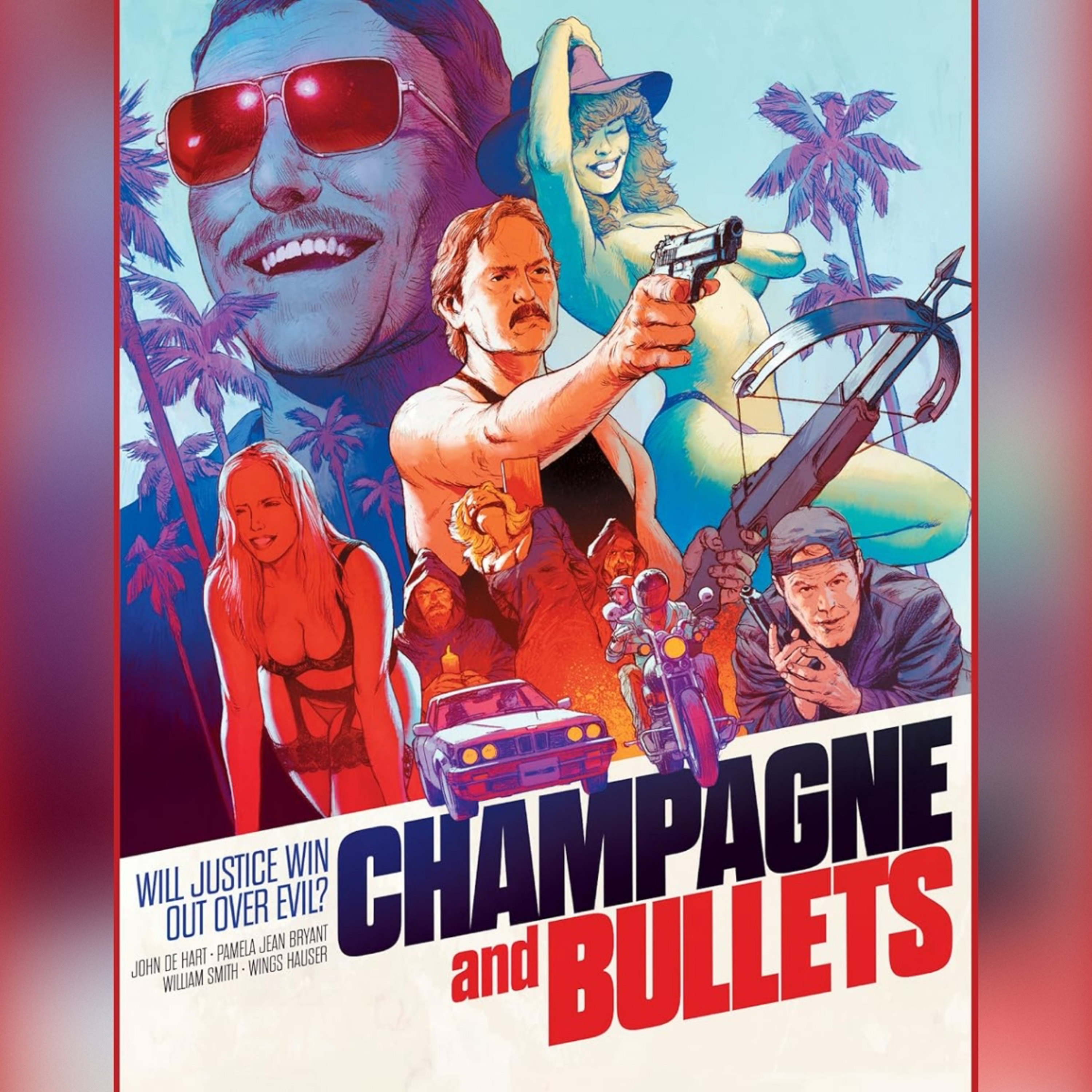
    Champagne and Bullets (1993) | GetEven, Road to Revenge So-Bad-It’s-Good Action | VHSSB Podcast

    Champagne and Bullets (1993) was chosen by JAC, who has a real talent for uncovering the most outrageous, bewildering, and unintentionally hilarious films ever committed to VHS. Written, directed, produced, and starring John De Hart, the movie is one of the most unique vanity projects of the early ’90s - a full-throttle explosion of action, romance, country music, and courtroom drama held together by sheer force of ego. De Hart, a California trial lawyer with big Hollywood ambitions, financed the film himself and assembled a cast that included Wings Hauser and William Smith, two cult icons of low-budget action cinema. Shooting took place around Los Angeles on a shoestring budget, with much of the film’s tone shaped by De Hart’s insistence on performing his own music, writing his own poetry, and choreographing his own dance numbers. The production quickly became infamous behind the scenes for its chaotic mix of genres, improvised sequences, and the cast’s varying levels of investment. Wings Hauser, in particular, was reportedly encouraged to “just go for it,” resulting in some of the film’s most legendary moments — including his drunken, half-ad-libbed musical performance that has since become a cult highlight. The movie went through several edits and re-releases, most notably the 2013 version titled Road to Revenge, before the original cut was restored and championed by boutique labels and cult film festivals. Today, Champagne and Bullets stands as a gleefully bizarre testament to what happens when one man attempts to make the ultimate action movie entirely on his own terms - a glorious disaster that’s now celebrated as a cult gem for all the wrong (and therefore absolutely right) reasons. If you enjoy the show, we have a Patreon, so become a supporter ⁠⁠⁠here⁠⁠⁠. Referral links also help out the show if you were going to sign up: ⁠⁠⁠NordVPN⁠⁠⁠ ⁠⁠⁠NordPass⁠⁠⁠ Trailer Guy Plot Summary Get ready for justice… John De Hart style. When corruption runs wild and the system breaks down, one man steps forward - armed with a badge, a guitar, and absolutely no self-awareness. In a world of betrayal, bullets, and baffling dance numbers, he’ll fight for truth, love, and the right to perform his own country ballads… no matter how long it takes. Champagne and Bullets - where the action is loud, the romance is awkward, and the hero is whoever John De Hart says he is. Fun Facts Champagne and Bullets was originally released in 1993, but due to rights issues and re-editing by John De Hart, it was later reissued under two different titles: Road to Revenge and GetEven. The film gained cult status largely thanks to Internet rediscovery in the 2000s. Actor Wings Hauser improvised much of his performance, including the infamous barroom musical number, which has since become a viral cult-movie highlight. John De Hart wrote and performed all the original songs in the movie, including “Shimmy Slide,” which has achieved meme-level notoriety online. The “Shimmy Slide” dance sequence was filmed in a real Sherman Oaks bar, using actual patrons as background extras. Cult actor William Smith shot his scenes in just a few days due to scheduling constraints. John De Hart’s background as a trial lawyer inspired several scenes meant to showcase his courtroom skills, which fans now consider unintentionally comedic. Boutique label Vinegar Syndrome restored and re-released the film in 2020, using a new 2K scan that finally preserved De Hart’s original wild vision. ⁠⁠⁠⁠⁠⁠⁠⁠⁠⁠⁠⁠⁠⁠⁠⁠⁠⁠⁠⁠⁠⁠⁠⁠⁠⁠⁠⁠⁠⁠⁠⁠⁠⁠⁠⁠⁠⁠⁠⁠⁠⁠⁠⁠⁠⁠⁠⁠⁠⁠⁠⁠⁠⁠⁠⁠⁠⁠⁠⁠⁠⁠⁠⁠⁠⁠⁠⁠⁠⁠⁠⁠⁠⁠⁠⁠⁠⁠⁠⁠⁠⁠⁠⁠⁠⁠⁠⁠⁠⁠⁠⁠⁠⁠⁠⁠⁠⁠⁠⁠⁠⁠⁠⁠⁠⁠⁠⁠⁠⁠⁠⁠thevhsstrikesback@gmail.com⁠⁠⁠⁠⁠⁠⁠⁠⁠⁠⁠⁠⁠⁠⁠⁠⁠⁠⁠⁠⁠⁠⁠⁠⁠⁠⁠⁠⁠⁠⁠⁠⁠⁠⁠⁠⁠⁠⁠⁠⁠⁠⁠⁠⁠⁠⁠⁠⁠⁠⁠⁠⁠⁠⁠⁠⁠⁠⁠⁠⁠⁠⁠⁠⁠⁠⁠⁠⁠⁠⁠⁠⁠⁠⁠⁠⁠⁠⁠⁠⁠⁠⁠⁠⁠⁠⁠⁠⁠⁠⁠⁠⁠⁠⁠⁠⁠⁠⁠⁠⁠⁠⁠⁠⁠⁠⁠⁠⁠⁠⁠⁠ ⁠⁠⁠⁠⁠⁠⁠⁠⁠⁠⁠⁠⁠⁠⁠⁠⁠⁠⁠⁠⁠⁠⁠⁠⁠⁠⁠⁠⁠⁠⁠⁠⁠⁠⁠⁠⁠⁠⁠⁠⁠⁠⁠⁠⁠⁠⁠⁠⁠⁠⁠⁠⁠⁠⁠⁠⁠⁠⁠⁠⁠⁠⁠⁠⁠⁠⁠⁠⁠⁠⁠⁠⁠⁠⁠⁠⁠⁠⁠⁠⁠⁠⁠⁠⁠⁠⁠⁠⁠⁠⁠⁠⁠⁠⁠⁠⁠⁠⁠⁠⁠⁠⁠⁠⁠⁠⁠⁠⁠⁠⁠⁠⁠⁠⁠⁠⁠⁠⁠⁠⁠⁠⁠⁠⁠⁠https://linktr.ee/vhsstrikesback⁠⁠⁠⁠⁠⁠⁠⁠⁠

  • Nov 26, 2025 · 53 min

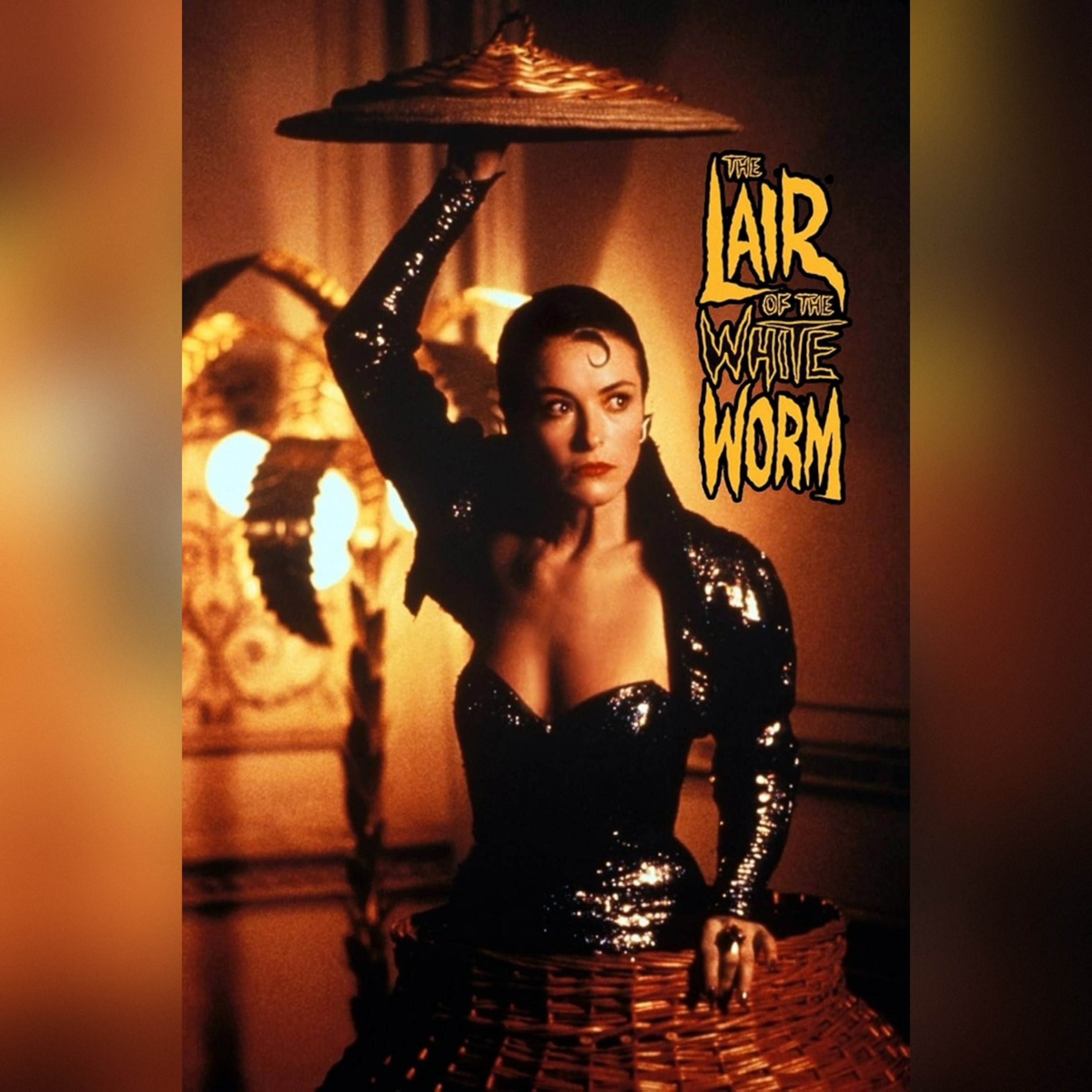
    Lair of the White Worm (1988) | Ken Russell’s Bonkers Snake Cult Classic | The VHS Strikes Back Podcast

    Lair of the White Worm (1988) is picked by Dave this week, and it’s one of those wonderfully unhinged British horror films that could only have come out of the’80s. Written and directed by Ken Russell, the movie was loosely based on Bram Stoker’s 1911 novel of the same name - though in true Russell fashion, it quickly veered far from the source material and into surreal, erotic, and darkly comic territory. Produced by Vestron Pictures, the same studio behind Dirty Dancing and Return of the Living Dead, the film was made on a modest budget of around $2 million. Despite its low cost, Russell filled it with his signature visual flamboyance, blending Gothic horror, mythological imagery, and satirical British eccentricity into something uniquely chaotic. Filming took place in Derbyshire, England, using local countryside locations to give the film its haunting yet distinctly English atmosphere. The cast included a mix of rising and established talent - notably a young Hugh Grant, years before his rom-com fame, and Peter Capaldi, long before becoming Doctor Who. The movie was shot in just six weeks, with Russell working fast and loose, improvising many of the more bizarre scenes on set. Upon release, it divided critics: some praised its camp energy and gleeful weirdness, while others dismissed it as absurd. Over the years, though, Lair of the White Worm has achieved cult status - celebrated for its blend of folk horror, sensuality, and sheer outrageousness that only Ken Russell could deliver. If you enjoy the show, we have a Patreon, so become a supporter ⁠⁠⁠here⁠⁠⁠. Referral links also help out the show if you were going to sign up: ⁠⁠⁠NordVPN⁠⁠⁠ ⁠⁠⁠NordPass⁠⁠⁠ Trailer Guy Plot Summary In the quiet English countryside, something ancient… something hungry… has awakened. When a strange discovery uncovers a dark legend, a group of unsuspecting locals is pulled into a world of hypnotic seduction, slithering evil, and serpentine terror. As ancient forces rise and modern reason crumbles, the line between myth and nightmare disappears - and no one is safe from the creature that has waited centuries to strike. Lair of the White Worm — brace yourself… this is one bite you won’t walk away from. Fun Facts Lair of the White Worm was one of Vestron Pictures’ final horror productions before the company collapsed in the late 1980s. The film is very loosely based on Bram Stoker’s novel of the same name — many critics note that only names and the central “worm” concept survive Ken Russell’s adaptation. Amanda Donohoe, who plays the seductive Lady Sylvia Marsh, won the role after Russell saw her on stage in London and loved her bold, fearless screen presence. The movie contains several surreal hallucination sequences inspired by Ken Russell’s own Catholic school upbringing, which he frequently mocked in his work. Hugh Grant has said that working with Russell early in his career taught him to embrace creative risks, even when the material was utterly bizarre. The white worm effects were achieved using hand-built animatronics and puppetry, combined with old-school editing tricks to hide limited movement. Costume designer Vicki Carroll created Lady Sylvia’s iconic snake-themed outfits, including her famous white body paint and fanged headpiece. The film’s soundtrack includes original music composed by Stanley Myers, who is also known for scoring The Deer Hunter. The movie was released unrated in the United States because the producers felt an MPAA rating would be impossible without severe cuts. ⁠⁠⁠⁠⁠⁠⁠⁠⁠⁠⁠⁠⁠⁠⁠⁠⁠⁠⁠⁠⁠⁠⁠⁠⁠⁠⁠⁠⁠⁠⁠⁠⁠⁠⁠⁠⁠⁠⁠⁠⁠⁠⁠⁠⁠⁠⁠⁠⁠⁠⁠⁠⁠⁠⁠⁠⁠⁠⁠⁠⁠⁠⁠⁠⁠⁠⁠⁠⁠⁠⁠⁠⁠⁠⁠⁠⁠⁠⁠⁠⁠⁠⁠⁠⁠⁠⁠⁠⁠⁠⁠⁠⁠⁠⁠⁠⁠⁠⁠⁠⁠⁠⁠⁠⁠⁠⁠⁠⁠⁠⁠⁠thevhsstrikesback@gmail.com⁠⁠⁠⁠⁠⁠⁠⁠⁠⁠⁠⁠⁠⁠⁠⁠⁠⁠⁠⁠⁠⁠⁠⁠⁠⁠⁠⁠⁠⁠⁠⁠⁠⁠⁠⁠⁠⁠⁠⁠⁠⁠⁠⁠⁠⁠⁠⁠⁠⁠⁠⁠⁠⁠⁠⁠⁠⁠⁠⁠⁠⁠⁠⁠⁠⁠⁠⁠⁠⁠⁠⁠⁠⁠⁠⁠⁠⁠⁠⁠⁠⁠⁠⁠⁠⁠⁠⁠⁠⁠⁠⁠⁠⁠⁠⁠⁠⁠⁠⁠⁠⁠⁠⁠⁠⁠⁠⁠⁠⁠⁠⁠ ⁠⁠⁠⁠⁠⁠⁠⁠⁠⁠⁠⁠⁠⁠⁠⁠⁠⁠⁠⁠⁠⁠⁠⁠⁠⁠⁠⁠⁠⁠⁠⁠⁠⁠⁠⁠⁠⁠⁠⁠⁠⁠⁠⁠⁠⁠⁠⁠⁠⁠⁠⁠⁠⁠⁠⁠⁠⁠⁠⁠⁠⁠⁠⁠⁠⁠⁠⁠⁠⁠⁠⁠⁠⁠⁠⁠⁠⁠⁠⁠⁠⁠⁠⁠⁠⁠⁠⁠⁠⁠⁠⁠⁠⁠⁠⁠⁠⁠⁠⁠⁠⁠⁠⁠⁠⁠⁠⁠⁠⁠⁠⁠⁠⁠⁠⁠⁠⁠⁠⁠⁠⁠⁠⁠⁠⁠https://linktr.ee/vhsstrikesback⁠⁠⁠⁠⁠⁠⁠⁠⁠

  • Nov 19, 2025 · 45 min

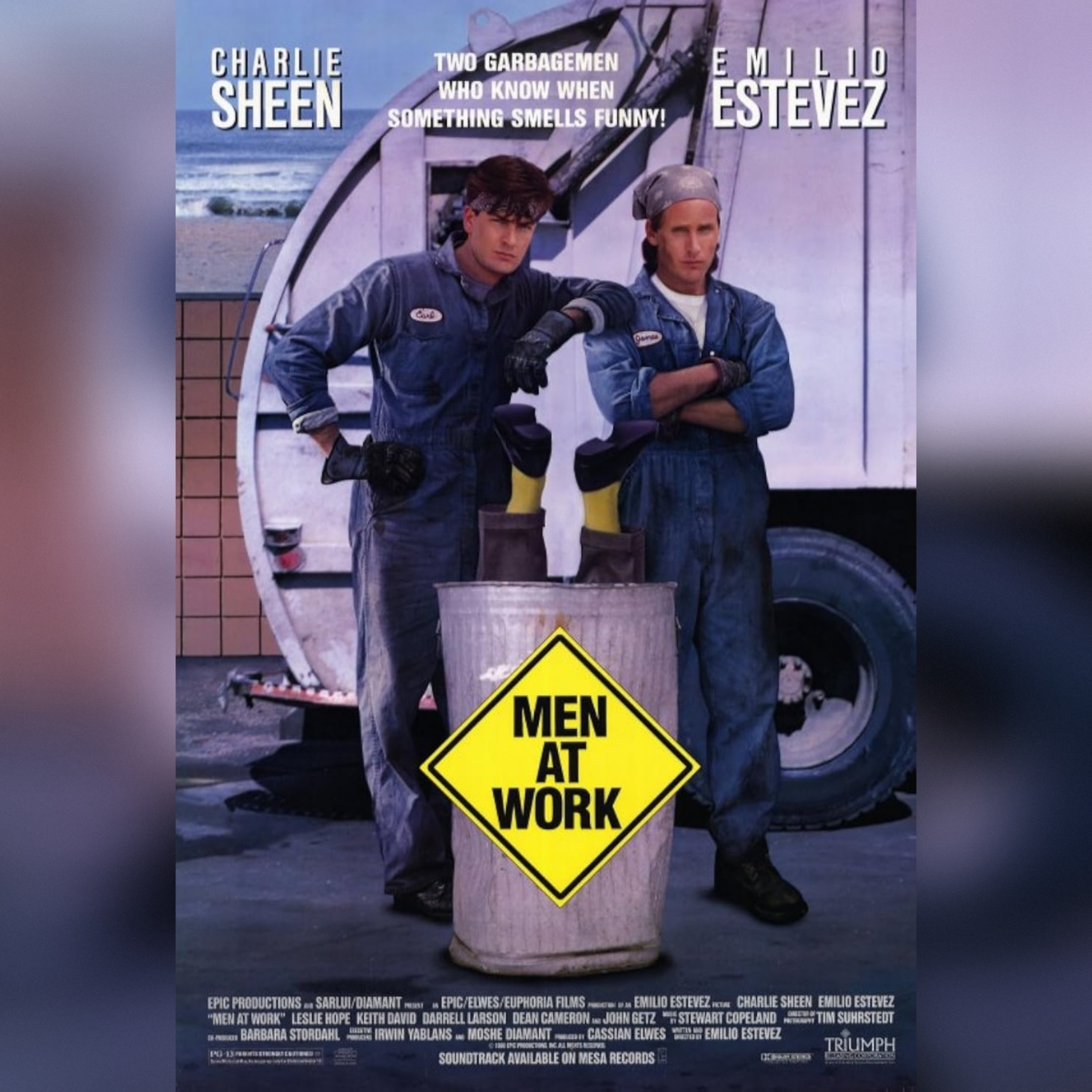
    Men at Work (1990) | Charlie Sheen & Emilio Estevez Buddy Comedy Review | The VHS Strikes Back Podcast

    Men at Work (1990) was chosen by co-host Chris, and it’s a perfect fit for his love of oddball comedies from the VHS era. Written and directed by Emilio Estevez, the film was a true family affair — with Estevez not only helming the project but also starring alongside his real-life brother, Charlie Sheen. Coming off the back of their late-’80s fame from Young Guns and Wall Street, the pair teamed up for a buddy comedy that blended slapstick humor, blue-collar chaos, and a dash of political satire. Produced by Epic Productions and distributed by Triumph Releasing (a Columbia Pictures subsidiary), Men at Work was Estevez’s second outing as a writer-director, following his 1986 drama Wisdom. The project gave him the freedom to craft a film that played directly to the chemistry he shared with his brother — the same mix of bravado and goofiness that made it a cult favorite among fans of early-’90s video store comedies. Filmed primarily around Hermosa Beach and Redondo Beach, California, Men at Work embraced the laid-back coastal vibe of Southern California. The shoot was relatively quick and low-budget by Hollywood standards, with much of the film’s tone shaped through improvisation between Estevez and Sheen. The movie’s soundtrack captured the spirit of the late ’80s and early ’90s, featuring a mix of surf rock, funk, and classic rock tracks. While it didn’t make waves critically, Men at Work found a second life on VHS and cable television, where its offbeat humor and brotherly banter turned it into a nostalgic favorite. Today, it stands as a snapshot of a more carefree era in comedy filmmaking — a time when movies about two guys, a truck, and a ridiculous situation could carry an entire Friday night rental. If you enjoy the show, we have a Patreon, so become a supporter ⁠⁠⁠here⁠⁠⁠. Referral links also help out the show if you were going to sign up: ⁠⁠⁠NordVPN⁠⁠⁠ ⁠⁠⁠NordPass⁠⁠⁠ Trailer Guy Plot Summary They’re brothers. They’re garbage men. And they’ve just picked up more than they bargained for. Charlie Sheen and Emilio Estevez star in the ultimate blue-collar buddy comedy — where trash day turns into doomsday. Between the laughs, the chases, and the chaos, these two underdogs are about to clean up the streets… one bad guy at a time. Men at Work — crime, comedy, and complete rubbish. Fun Facts Men at Work was originally written as a dark political thriller, but Emilio Estevez reworked it into a comedy after deciding it would work better as a light-hearted buddy film. Estevez reportedly wrote the first draft of the script in the mid-1980s, years before the film was made, while he was still working on The Breakfast Club (1985). The movie’s tagline — "Garbage men by day. Detectives by night." — was coined late in production as a tongue-in-cheek nod to 1980s action clichés. Estevez cast real-life surfer and character actor Keith David as Louis Fedders, the paranoid war veteran, after seeing his intense performance in John Carpenter’s They Live (1988). The garbage truck used in the movie became something of a collector’s item among fans and was later used in several low-budget TV shows filmed in California. Charlie Sheen’s character’s surfboard was custom-made by a local Hermosa Beach surf shop, and Estevez let Sheen keep it after filming. The film’s theme song, “I’m Gonna Use What I Got,” was performed by The Rude Boys, adding to the film’s distinctive late-’80s funk-rock vibe. Estevez and Sheen performed many of their own stunts, including the beach chase sequences, to save on the production budget. ⁠⁠⁠⁠⁠⁠⁠⁠⁠⁠⁠⁠⁠⁠⁠⁠⁠⁠⁠⁠⁠⁠⁠⁠⁠⁠⁠⁠⁠⁠⁠⁠⁠⁠⁠⁠⁠⁠⁠⁠⁠⁠⁠⁠⁠⁠⁠⁠⁠⁠⁠⁠⁠⁠⁠⁠⁠⁠⁠⁠⁠⁠⁠⁠⁠⁠⁠⁠⁠⁠⁠⁠⁠⁠⁠⁠⁠⁠⁠⁠⁠⁠⁠⁠⁠⁠⁠⁠⁠⁠⁠⁠⁠⁠⁠⁠⁠⁠⁠⁠⁠⁠⁠⁠⁠⁠⁠⁠⁠⁠⁠⁠thevhsstrikesback@gmail.com⁠⁠⁠⁠⁠⁠⁠⁠⁠⁠⁠⁠⁠⁠⁠⁠⁠⁠⁠⁠⁠⁠⁠⁠⁠⁠⁠⁠⁠⁠⁠⁠⁠⁠⁠⁠⁠⁠⁠⁠⁠⁠⁠⁠⁠⁠⁠⁠⁠⁠⁠⁠⁠⁠⁠⁠⁠⁠⁠⁠⁠⁠⁠⁠⁠⁠⁠⁠⁠⁠⁠⁠⁠⁠⁠⁠⁠⁠⁠⁠⁠⁠⁠⁠⁠⁠⁠⁠⁠⁠⁠⁠⁠⁠⁠⁠⁠⁠⁠⁠⁠⁠⁠⁠⁠⁠⁠⁠⁠⁠⁠⁠ ⁠⁠⁠⁠⁠⁠⁠⁠⁠⁠⁠⁠⁠⁠⁠⁠⁠⁠⁠⁠⁠⁠⁠⁠⁠⁠⁠⁠⁠⁠⁠⁠⁠⁠⁠⁠⁠⁠⁠⁠⁠⁠⁠⁠⁠⁠⁠⁠⁠⁠⁠⁠⁠⁠⁠⁠⁠⁠⁠⁠⁠⁠⁠⁠⁠⁠⁠⁠⁠⁠⁠⁠⁠⁠⁠⁠⁠⁠⁠⁠⁠⁠⁠⁠⁠⁠⁠⁠⁠⁠⁠⁠⁠⁠⁠⁠⁠⁠⁠⁠⁠⁠⁠⁠⁠⁠⁠⁠⁠⁠⁠⁠⁠⁠⁠⁠⁠⁠⁠⁠⁠⁠⁠⁠⁠⁠https://linktr.ee/vhsstrikesback⁠⁠⁠⁠⁠⁠⁠⁠⁠

  • Nov 12, 2025 · 56 min

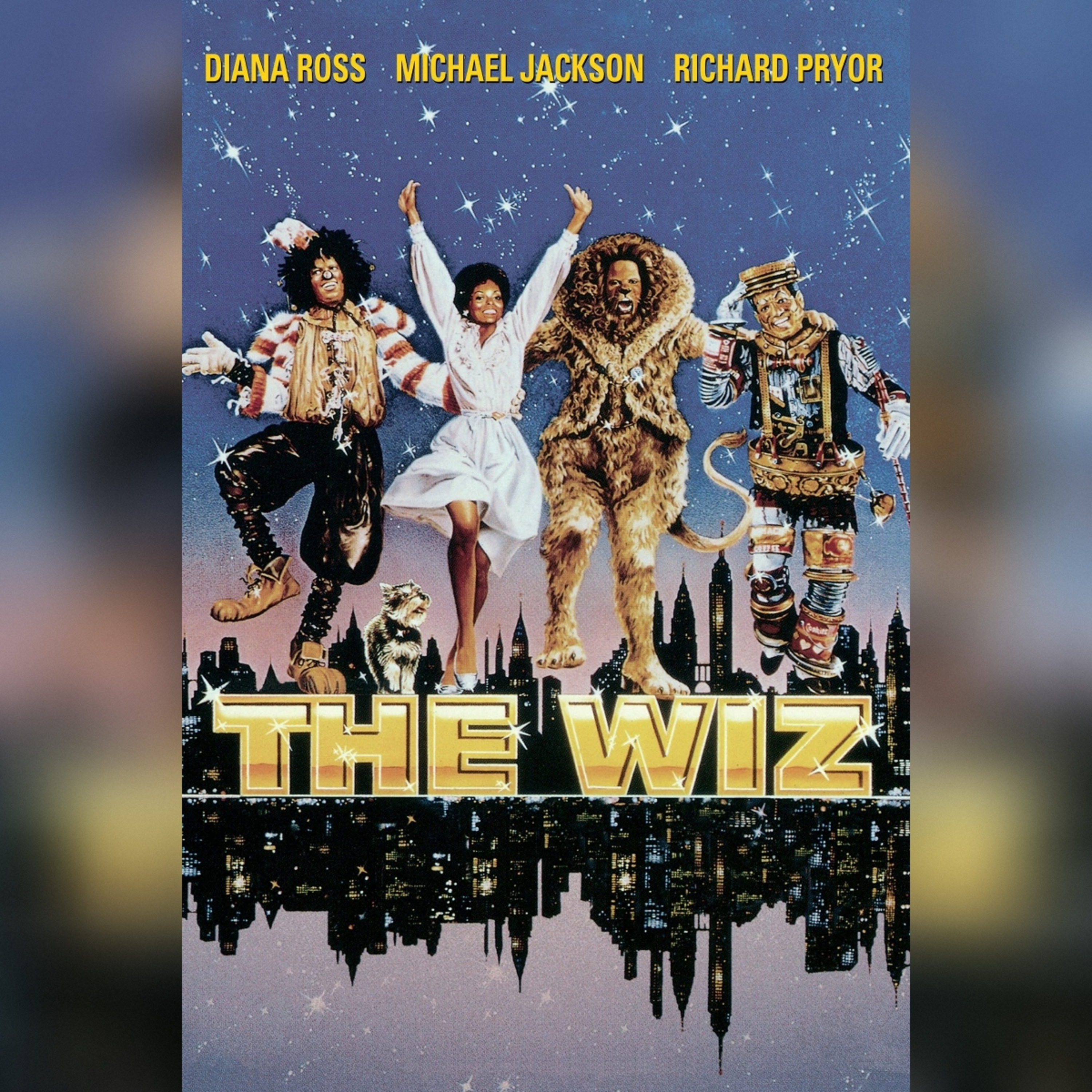
    The Wiz (1978)

    The Wiz (1978) was chosen by show supporter Maff, who’s got a talent for picking bold, imaginative movies that really stand out from the pack. This time, he’s gone for one of the most ambitious musical productions ever made. The Wiz was Universal’s lavish reimagining of The Wizard of Oz, retold through the lens of African American culture and late-1970s New York style. Directed by Sidney Lumet — more famous for his gritty urban dramas like Serpico and Dog Day Afternoon — the film brought together an all-star cast including Diana Ross, Michael Jackson, Nipsey Russell, Lena Horne, and Richard Pryor. With a staggering $24 million budget, it was one of the most expensive musicals of its era, aiming to blend Broadway magic with the spectacle of big-screen fantasy. The production was a monumental undertaking. Filming took place across New York City landmarks like the World Trade Center, the New York State Pavilion, and the Cyclone rollercoaster in Coney Island, all transformed into surreal fantasy settings. Legendary producer Quincy Jones oversaw the music, infusing the original Broadway score with disco, funk, and gospel influences. Despite its breathtaking ambition, The Wiz was plagued by production challenges, critical skepticism, and financial losses on release. However, in the years since, it has earned cult classic status — celebrated for its stunning visuals, imaginative choreography, and Michael Jackson’s breakout film performance. It may not have conquered the box office, but The Wiz remains a vibrant, soulful experiment that dared to take Oz somewhere entirely new. If you enjoy the show, we have a Patreon, so become a supporter ⁠⁠⁠here⁠⁠⁠. Referral links also help out the show if you were going to sign up: ⁠⁠⁠NordVPN⁠⁠⁠ ⁠⁠⁠NordPass⁠⁠⁠ Trailer Guy Plot Summary She wanted something more… but she never imagined this. When a storm sweeps a shy Harlem schoolteacher into a world unlike anything she’s ever known, she must follow the road, face her fears, and find her way home — with the help of some unforgettable friends. Starring Diana Ross, Michael Jackson, and Richard Pryor — from the streets of New York to the land of Oz, it’s a journey of music, magic, and pure 1970s soul. *The Wiz* — ease on down the road to where dreams, disco, and destiny collide. Fun Facts The Wiz began as a Broadway musical in 1975, which won seven Tony Awards, including Best Musical — long before the movie version was made. Motown Productions co-financed the film, marking one of the first major studio partnerships between Hollywood and a Black-owned entertainment company. Michael Jackson was only 19 years old when he starred as the Scarecrow — and the experience led to his lifelong creative partnership with Quincy Jones. The film’s costume designer, Tony Walton, created over 300 costumes, many of which were made from recycled materials to give the movie’s world a gritty, urban feel. Sidney Lumet’s wife, Gail Jones, the daughter of Lena Horne, helped convince Lumet to take on the project despite his lack of musical experience. The movie’s version of “Ease on Down the Road” became a chart-topping hit for Diana Ross and Michael Jackson, reaching #41 on the Billboard Hot 100. The yellow brick road was constructed from real vinyl flooring, giving it that glossy, otherworldly shine seen in the film. The production used over 650 dancers for the film’s large-scale musical sequences — one of the biggest ensembles ever assembled for a musical at the time. ⁠⁠⁠⁠⁠⁠⁠⁠⁠⁠⁠⁠⁠⁠⁠⁠⁠⁠⁠⁠⁠⁠⁠⁠⁠⁠⁠⁠⁠⁠⁠⁠⁠⁠⁠⁠⁠⁠⁠⁠⁠⁠⁠⁠⁠⁠⁠⁠⁠⁠⁠⁠⁠⁠⁠⁠⁠⁠⁠⁠⁠⁠⁠⁠⁠⁠⁠⁠⁠⁠⁠⁠⁠⁠⁠⁠⁠⁠⁠⁠⁠⁠⁠⁠⁠⁠⁠⁠⁠⁠⁠⁠⁠⁠⁠⁠⁠⁠⁠⁠⁠⁠⁠⁠⁠⁠⁠⁠⁠⁠⁠⁠thevhsstrikesback@gmail.com⁠⁠⁠⁠⁠⁠⁠⁠⁠⁠⁠⁠⁠⁠⁠⁠⁠⁠⁠⁠⁠⁠⁠⁠⁠⁠⁠⁠⁠⁠⁠⁠⁠⁠⁠⁠⁠⁠⁠⁠⁠⁠⁠⁠⁠⁠⁠⁠⁠⁠⁠⁠⁠⁠⁠⁠⁠⁠⁠⁠⁠⁠⁠⁠⁠⁠⁠⁠⁠⁠⁠⁠⁠⁠⁠⁠⁠⁠⁠⁠⁠⁠⁠⁠⁠⁠⁠⁠⁠⁠⁠⁠⁠⁠⁠⁠⁠⁠⁠⁠⁠⁠⁠⁠⁠⁠⁠⁠⁠⁠⁠⁠ ⁠⁠⁠⁠⁠⁠⁠⁠⁠⁠⁠⁠⁠⁠⁠⁠⁠⁠⁠⁠⁠⁠⁠⁠⁠⁠⁠⁠⁠⁠⁠⁠⁠⁠⁠⁠⁠⁠⁠⁠⁠⁠⁠⁠⁠⁠⁠⁠⁠⁠⁠⁠⁠⁠⁠⁠⁠⁠⁠⁠⁠⁠⁠⁠⁠⁠⁠⁠⁠⁠⁠⁠⁠⁠⁠⁠⁠⁠⁠⁠⁠⁠⁠⁠⁠⁠⁠⁠⁠⁠⁠⁠⁠⁠⁠⁠⁠⁠⁠⁠⁠⁠⁠⁠⁠⁠⁠⁠⁠⁠⁠⁠⁠⁠⁠⁠⁠⁠⁠⁠⁠⁠⁠⁠⁠⁠https://linktr.ee/vhsstrikesback⁠⁠⁠⁠⁠⁠⁠⁠⁠

  • Nov 5, 2025 · 51 min

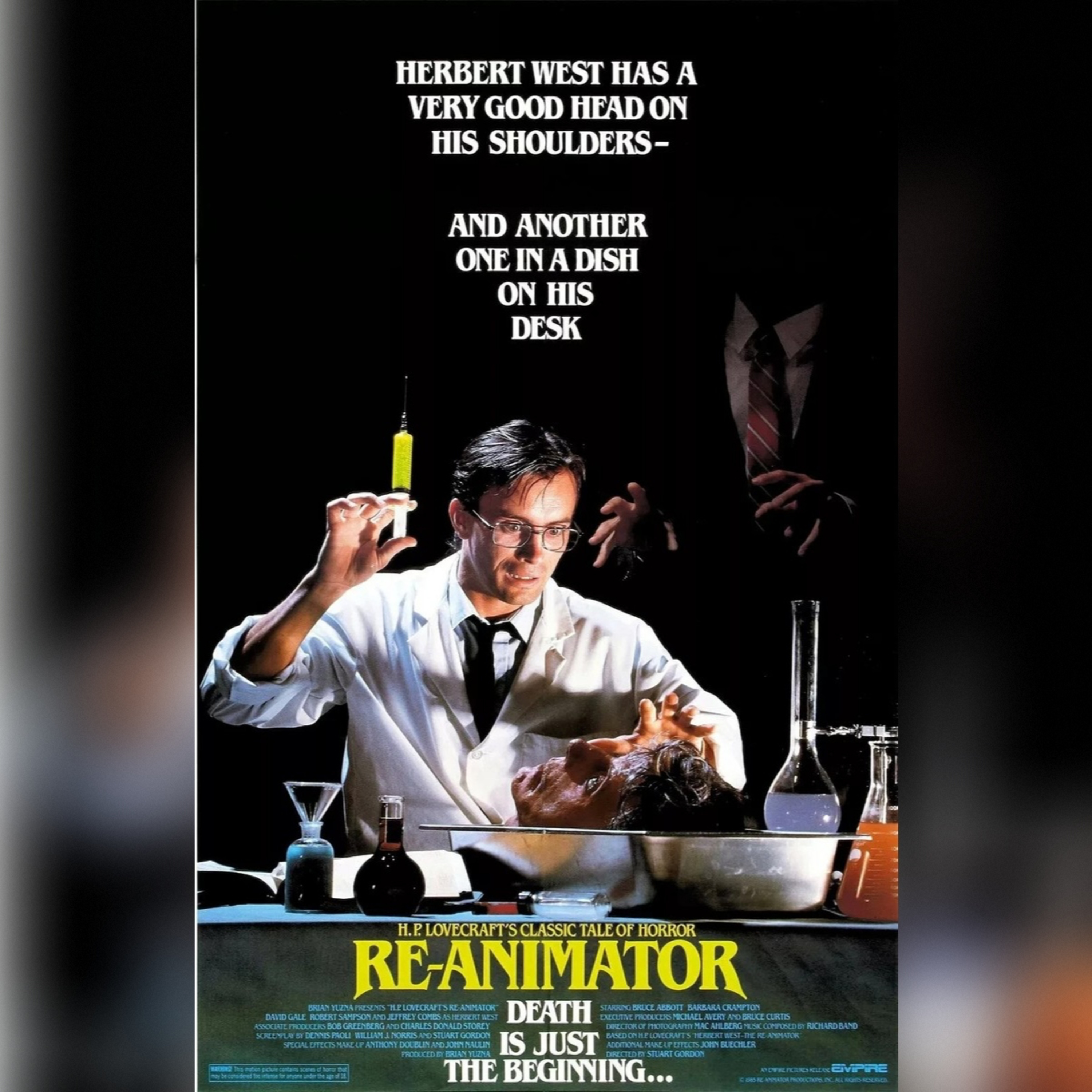
    Re-Animator (1985)

    Re-Animator (1985) was chosen by new show supporter Rhys — and what a debut pick it is. Directed by Stuart Gordon in his feature film debut, the movie became one of the defining cult horror films of the 1980s. Based loosely on H.P. Lovecraft’s serialized story Herbert West–Reanimator, Gordon initially envisioned it as a stage play and later as a television series before realizing it would work best as a feature film. Shot on a modest budget of around $900,000, the production was backed by Charles Band’s Empire Pictures, a studio known for embracing the stranger side of horror and science fiction. The creative team leaned into excess and black comedy, pushing the boundaries of gore and taste in a way that both shocked and delighted audiences. Filming took place over 18 days in Los Angeles, with Gordon assembling a cast of relatively unknown actors — including Jeffrey Combs, Bruce Abbott, and Barbara Crampton — who would go on to become icons of cult horror cinema. The movie’s practical effects team, led by John Naulin, worked wonders with limited resources, creating gruesome yet inventive visuals that defined the film’s enduring reputation. Upon release, Re-Animator was met with controversy and acclaim in equal measure, with critics alternately praising its audacity and condemning its extremity. Despite its low budget and NC-17-level violence, the film became a sleeper hit and helped launch a wave of splatter comedies that blended horror, humor, and outrageous imagination — ensuring Re-Animator a permanent place in cult movie history. If you enjoy the show, we have a Patreon, so become a supporter ⁠⁠⁠here⁠⁠⁠. Referral links also help out the show if you were going to sign up: ⁠⁠⁠NordVPN⁠⁠⁠ ⁠⁠⁠NordPass⁠⁠⁠ Trailer Guy Plot Summary . Fun Facts The green reagent serum used in the movie was made from fluorescent green glow stick liquid mixed with food coloring, giving it that unforgettable neon look. Director Stuart Gordon claimed he was inspired to make the film after watching Frankenstein with his wife and wondering what a modern, more extreme version would look like. Jeffrey Combs’ portrayal of Herbert West became so iconic that he went on to play the character again in two sequels — Bride of Re-Animator (1989) and Beyond Re-Animator (2003). The film’s most infamous scene was so shocking that it caused walkouts at its first festival screening — and immediate cult status among those who stayed. To achieve the movie’s outrageous gore effects, the production used over 24 gallons of fake blood, much of it homemade from corn syrup and food dye. Barbara Crampton later revealed that she was hesitant to take on her role due to the film’s extreme content, but she has since embraced its legacy in horror history. The film’s composer, Richard Band, intentionally modeled the score after Bernard Herrmann’s music for Alfred Hitchcock’s Psycho (1960) — a choice that added a darkly playful tone. The severed head effects were created using a combination of latex prosthetics and reverse photography, which gave the film’s shocking visuals their uncanny realism. Re-Animator was banned or heavily censored in several countries, including Germany, Singapore, and Australia, due to its extreme violence and sexual content. The movie’s success helped revive interest in H.P. Lovecraft adaptations, paving the way for later films like From Beyond (1986), The Resurrected (1991), and Dagon (2001). ⁠⁠⁠⁠⁠⁠⁠⁠⁠⁠⁠⁠⁠⁠⁠⁠⁠⁠⁠⁠⁠⁠⁠⁠⁠⁠⁠⁠⁠⁠⁠⁠⁠⁠⁠⁠⁠⁠⁠⁠⁠⁠⁠⁠⁠⁠⁠⁠⁠⁠⁠⁠⁠⁠⁠⁠⁠⁠⁠⁠⁠⁠⁠⁠⁠⁠⁠⁠⁠⁠⁠⁠⁠⁠⁠⁠⁠⁠⁠⁠⁠⁠⁠⁠⁠⁠⁠⁠⁠⁠⁠⁠⁠⁠⁠⁠⁠⁠⁠⁠⁠⁠⁠⁠⁠⁠⁠⁠⁠⁠⁠⁠thevhsstrikesback@gmail.com⁠⁠⁠⁠⁠⁠⁠⁠⁠⁠⁠⁠⁠⁠⁠⁠⁠⁠⁠⁠⁠⁠⁠⁠⁠⁠⁠⁠⁠⁠⁠⁠⁠⁠⁠⁠⁠⁠⁠⁠⁠⁠⁠⁠⁠⁠⁠⁠⁠⁠⁠⁠⁠⁠⁠⁠⁠⁠⁠⁠⁠⁠⁠⁠⁠⁠⁠⁠⁠⁠⁠⁠⁠⁠⁠⁠⁠⁠⁠⁠⁠⁠⁠⁠⁠⁠⁠⁠⁠⁠⁠⁠⁠⁠⁠⁠⁠⁠⁠⁠⁠⁠⁠⁠⁠⁠⁠⁠⁠⁠⁠⁠ ⁠⁠⁠⁠⁠⁠⁠⁠⁠⁠⁠⁠⁠⁠⁠⁠⁠⁠⁠⁠⁠⁠⁠⁠⁠⁠⁠⁠⁠⁠⁠⁠⁠⁠⁠⁠⁠⁠⁠⁠⁠⁠⁠⁠⁠⁠⁠⁠⁠⁠⁠⁠⁠⁠⁠⁠⁠⁠⁠⁠⁠⁠⁠⁠⁠⁠⁠⁠⁠⁠⁠⁠⁠⁠⁠⁠⁠⁠⁠⁠⁠⁠⁠⁠⁠⁠⁠⁠⁠⁠⁠⁠⁠⁠⁠⁠⁠⁠⁠⁠⁠⁠⁠⁠⁠⁠⁠⁠⁠⁠⁠⁠⁠⁠⁠⁠⁠⁠⁠⁠⁠⁠⁠⁠⁠⁠https://linktr.ee/vhsstrikesback⁠⁠⁠⁠⁠⁠⁠⁠⁠

  • Oct 29, 2025 · 1 hr

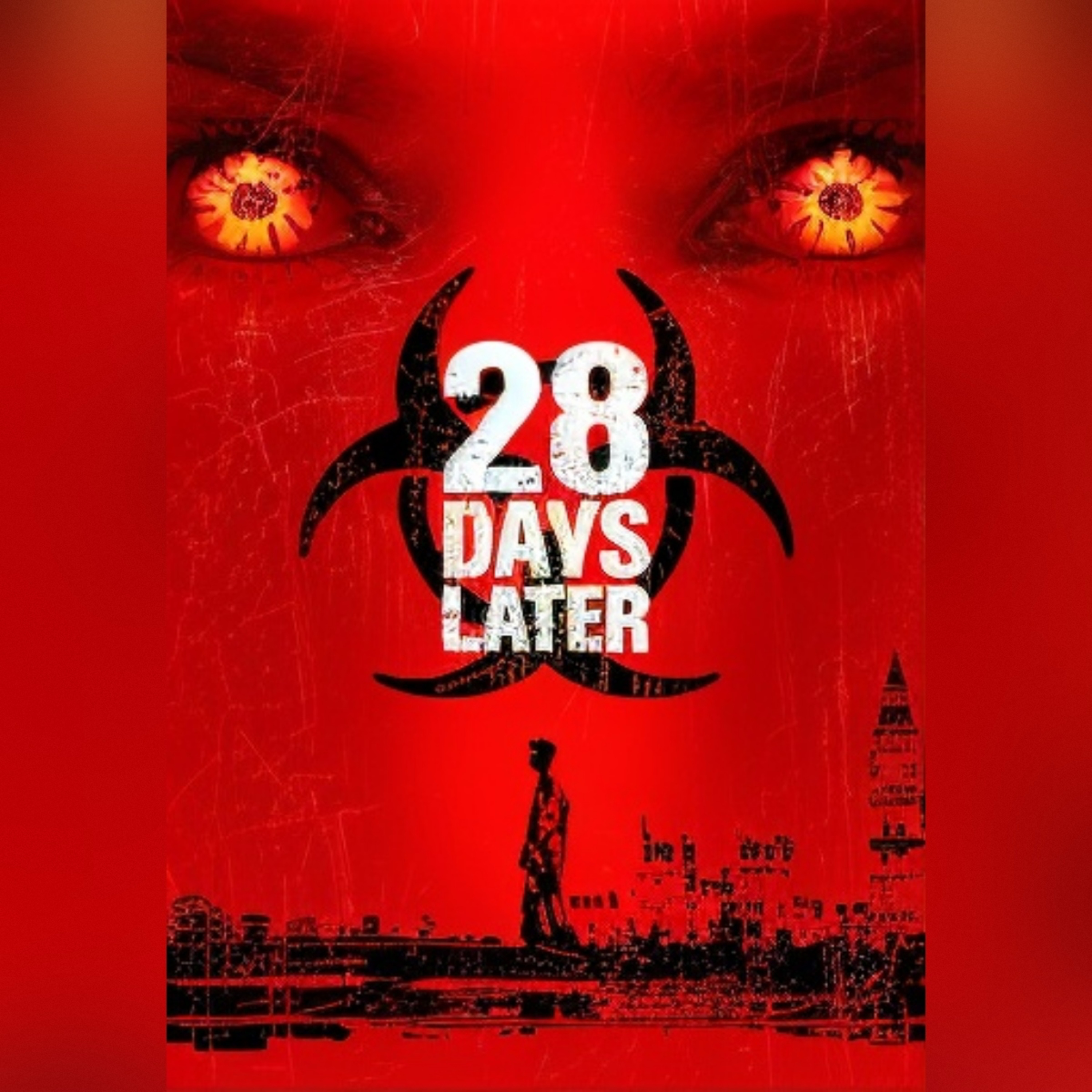
    28 Days Later (2002)

    28 Days Later was chosen by show supporter Dylan — and it’s one of the most defining British horror films of the 21st century. Directed by Danny Boyle and written by Alex Garland, the film was a bold reinvention of the zombie genre, injecting it with raw energy, political undertones, and a sense of realism rarely seen in horror at the time. Shot primarily on digital video using Canon XL1 cameras, Boyle and cinematographer Anthony Dod Mantle created a gritty, almost documentary-style aesthetic that captured a hauntingly desolate London. The small budget of around $8 million forced the team to rely on guerrilla-style filmmaking, often closing off sections of central London for only minutes at a time during early mornings to achieve its eerily empty cityscapes. Production began in 2001 and was marked by a collaborative, experimental spirit. Boyle and Garland drew inspiration from a mix of sources — from George A. Romero’s Dead series to British social realism and viral outbreak fears of the late 1990s. The cast, led by relative unknowns at the time, brought grounded performances that added emotional weight to the film’s chaotic energy. With its pulsing soundtrack, handheld visuals, and visceral tone, 28 Days Later became both a critical and commercial success, revitalizing interest in the zombie genre and influencing a decade of horror and apocalyptic cinema that followed. If you enjoy the show, we have a Patreon, so become a supporter ⁠⁠⁠here⁠⁠⁠. Referral links also help out the show if you were going to sign up: ⁠⁠⁠NordVPN⁠⁠⁠ ⁠⁠⁠NordPass⁠⁠⁠ Trailer Guy Plot Summary A deadly virus. A deserted city. And a handful of survivors left to face the unthinkable. From director Danny Boyle comes a new vision of terror — raw, relentless, and shockingly real. When the world collapses overnight, one man wakes up to find that civilization is gone… and something unspeakable has taken its place. 28 Days Later — from the ashes of humanity, fear runs faster than ever. Fun Facts The opening hospital scenes with Cillian Murphy were filmed in the empty Day Ward of a real London hospital that was being decommissioned. The haunting shot of abandoned Piccadilly Circus required the crew to block traffic for only 10 minutes at sunrise, with police assistance to keep curious drivers away. Christopher Eccleston joined the film fresh off his acclaimed role in The Second Coming and brought a darker, militaristic edge to his performance. The movie’s terrifying “infected” movement was achieved by casting trained dancers and athletes to create unnervingly fast and fluid motion. Composer John Murphy created the now-iconic track In the House – In a Heartbeat, which went on to be used in Kick-Ass and The Last of Us trailers. Danny Boyle avoided traditional zombie makeup — instead, red contact lenses and digital blood splatter were used to keep the infected design grounded and cheap. The Rage Virus was spread through monkey blood in the film, but the opening sequence with real chimpanzees was filmed under strict animal welfare supervision. 28 Days Later was the first horror movie to film inside the UK’s M1 motorway tunnels, normally off-limits to filmmakers. The movie was banned in several Asian countries for its extreme violence and realistic depiction of viral infection. The success of the film led to a comic book spin-off titled 28 Days Later: The Aftermath, which bridged the story to the 2007 sequel 28 Weeks Later. ⁠⁠⁠⁠⁠⁠⁠⁠⁠⁠⁠⁠⁠⁠⁠⁠⁠⁠⁠⁠⁠⁠⁠⁠⁠⁠⁠⁠⁠⁠⁠⁠⁠⁠⁠⁠⁠⁠⁠⁠⁠⁠⁠⁠⁠⁠⁠⁠⁠⁠⁠⁠⁠⁠⁠⁠⁠⁠⁠⁠⁠⁠⁠⁠⁠⁠⁠⁠⁠⁠⁠⁠⁠⁠⁠⁠⁠⁠⁠⁠⁠⁠⁠⁠⁠⁠⁠⁠⁠⁠⁠⁠⁠⁠⁠⁠⁠⁠⁠⁠⁠⁠⁠⁠⁠⁠⁠⁠⁠⁠⁠⁠thevhsstrikesback@gmail.com⁠⁠⁠⁠⁠⁠⁠⁠⁠⁠⁠⁠⁠⁠⁠⁠⁠⁠⁠⁠⁠⁠⁠⁠⁠⁠⁠⁠⁠⁠⁠⁠⁠⁠⁠⁠⁠⁠⁠⁠⁠⁠⁠⁠⁠⁠⁠⁠⁠⁠⁠⁠⁠⁠⁠⁠⁠⁠⁠⁠⁠⁠⁠⁠⁠⁠⁠⁠⁠⁠⁠⁠⁠⁠⁠⁠⁠⁠⁠⁠⁠⁠⁠⁠⁠⁠⁠⁠⁠⁠⁠⁠⁠⁠⁠⁠⁠⁠⁠⁠⁠⁠⁠⁠⁠⁠⁠⁠⁠⁠⁠⁠ ⁠⁠⁠⁠⁠⁠⁠⁠⁠⁠⁠⁠⁠⁠⁠⁠⁠⁠⁠⁠⁠⁠⁠⁠⁠⁠⁠⁠⁠⁠⁠⁠⁠⁠⁠⁠⁠⁠⁠⁠⁠⁠⁠⁠⁠⁠⁠⁠⁠⁠⁠⁠⁠⁠⁠⁠⁠⁠⁠⁠⁠⁠⁠⁠⁠⁠⁠⁠⁠⁠⁠⁠⁠⁠⁠⁠⁠⁠⁠⁠⁠⁠⁠⁠⁠⁠⁠⁠⁠⁠⁠⁠⁠⁠⁠⁠⁠⁠⁠⁠⁠⁠⁠⁠⁠⁠⁠⁠⁠⁠⁠⁠⁠⁠⁠⁠⁠⁠⁠⁠⁠⁠⁠⁠⁠⁠https://linktr.ee/vhsstrikesback⁠⁠⁠⁠⁠⁠⁠⁠⁠