

Skip to content
Artwork for The Usual Place
NewsNews CommentaryPolitics

The Usual Place

The Straits Times

Synopsis: Join host and correspondent Natasha Ann Zachariah every Thursday, as she unpacks the latest current affairs with guests. 

Podcaster: Natasha Ann Zachariah

Executive producer: Danson Cheong

A podcast by The Straits Times, SPH Media

Play
  • 22 episodes
  • weekly
  • Avg 42 min
  • English
Counted on this page — what you have heard stays on this device, so it is not something the list can be paged by.
  • S1 · E111
    Thursday · 37 min

    S1E111: True Fitness closure: Why most members will get $0 back

    If you’re a customer with a pre-paid package with a business and it closes, will you ever get your money back? True Fitness and True Yoga customers and employees were left in the lurch last week after the businesses shuttered. Many have unused memberships, packages and services, and members have reported losses of more than $609,000. And it’s not just gyms. Prepayment packages are common at nail salons, spas, interior design and renovation firms, and bridal studios. When these businesses close, what happens to consumers’ money, and are there ways consumers can be better protected? In this episode of The Usual Place, Natasha chats with: • Jeremy Ko, a fitness entrepreneur who has opened 25 fitness gyms and three climbing gyms, and had to close three of them, and • Debby Lim, a senior partner in Dentons Rodyk’s Litigation and Dispute Resolution Group. She was also affected by the recent closure of True Fitness, having been a member since June 2025. Highlights (click/tap above): 2:08 What’s happening with the fitness industry? 6:44 Red flags that customers could possibly look out for 10:17 Is this the end of the “mega-gym” concept? 14:11 Why are True Fitness and True Yoga under “provisional liquidation”? 18:25 Why Jeremy’s gyms don’t offer prepayment packages 21:15 The hard-selling vs just saying no 26:08 Law reform needed to “save us from ourselves”? 30:10 Why aren’t more businesses signing up for CaseTrust accreditation? 34:39 Is consumer protection anti-business? Host: Natasha Ann Zachariah (natashaz@sph.com.sg) Read Natasha’s articles: https://str.sg/iSXm Follow The Usual Place podcast on IG: https://str.sg/8KNT Follow Natasha on LinkedIn: https://str.sg/v6DN Filmed by: Studio+65 Edited by: Eden Soh & Hadyu Rahim Executive producer: Danson Cheong Producers: Natasha Ann Zachariah, Elizabeth Law & Zachary Lim Follow The Usual Place Podcast and get notified for new episode drops every Thursday: Channel: https://str.sg/5nfm Apple Podcasts: https://str.sg/9ijX Spotify: https://str.sg/cd2P YouTube: https://str.sg/theusualplacepodcast Feedback to: podcast@sph.com.sg --- Follow more ST podcast channels: All-in-one ST Podcasts channel: https://str.sg/wvz7 Get more updates: http://str.sg/stpodcasts --- Get The Straits Times app, which has a dedicated podcast player section: The App Store: https://str.sg/icyB Google Play: https://str.sg/icyX -- #tup #tuptrf See omnystudio.com/listener for privacy information.

  • S1 · E110
    September 11 · 51 min

    S1E110: Singapore ministerial pay debate: Paying top talent competitive salaries is in the ‘soul of the PAP’

    Will the increase in ministerial salaries cost the People’s Action Party (PAP) votes at the next General Election? On Sept 8, Prime Minister Lawrence Wong announced that political office-holders will get a one-off pay increase of up to 9 per cent. This will take effect from Oct 15 - an entry-level grade MR4 minister getting the full adjustment will see his annual pay rise from $1.1 million to $1.2 million. The changes to salaries come after the Government accepted the recommendations of a committee convened to review political salaries. One of its recommendations is that the MR4 benchmark will also be updated from $1.1 million to $1.8 million. Existing ministers’ salaries will continue to be adjusted based on performance, and PM Wong expects most MR4 ministers to earn about $1.35 million – the lower end of the new salary range – by the end of this term of government. In this episode of The Usual Place, Natasha speaks with Straits Times’ senior columnist Bhavan Jaipragas, and Rebecca Grace Tan, a senior lecturer in Political Science at the National University of Singapore. We discuss whether there is the “right” formula to calculating ministers’ salaries, and whether alternative performance reviews of ministers’ and MPs work is now necessary to account to the public for the pay raises. Highlights (click/tap above): 1:24 How did PM Wong fare in explaining the salary increases? 5:38 Was the debate “subdued” as compared to 2012? 8:44 Have S’poreans come to accept the million-dollar salaries? 13:45 Why didn’t the Workers’ Party oppose more strongly? 18:00 Growing divide between political elites and the rest of us? 21:09 Is the top 1,000 earners benchmark still fair? 26:20 Money, motive and minimising opportunity costs 32:15 How can we assess ministers’ performance? 41:44 Has public office become unattractive? 47:22 Is S’pore just another corporation? Host: Natasha Ann Zachariah (natashaz@sph.com.sg) Read Natasha’s articles: https://str.sg/iSXm Follow The Usual Place podcast on IG: https://str.sg/8KNT Follow Natasha on LinkedIn: https://str.sg/v6DN Filmed by: Studio+65 Edited by: Eden Soh, Hadyu Rahim & Teo Tong Kai Executive producer: Danson Cheong Producers: Natasha Ann Zachariah, Elizabeth Law & Zachary Lim Follow The Usual Place Podcast and get notified for new episode drops every Thursday: Channel: https://str.sg/5nfm Apple Podcasts: https://str.sg/9ijX Spotify: https://str.sg/cd2P YouTube: https://str.sg/theusualplacepodcast Feedback to: podcast@sph.com.sg --- Follow more ST podcast channels: All-in-one ST Podcasts channel: https://str.sg/wvz7 Get more updates: http://str.sg/stpodcasts --- Get The Straits Times app, which has a dedicated podcast player section: The App Store: https://str.sg/icyB Google Play: https://str.sg/icyX -- #tup #tuptrf See omnystudio.com/listener for privacy information.

  • S1 · E109
    September 3 · 50 min

    S1E109: Lifting of wait out period for private home owners could flood HDB market with cash-rich buyers

    If you own a private condominium unit and are looking to downgrade, or a family considering buying a BTO flat, the two recent housing policy changes would have brought some relief. In July, the 15-month wait-out period for private residential property owners who want to buy a non-subsidised HDB resale flat was lifted. In his National Day Rally speech, Prime Minister Lawrence Wong announced that the income ceiling for BTO flats and new executive condominiums will be raised, and more ballot chances for first-timers with children. How will these moves affect housing prices, and will there be more million-dollar flats as demand goes up? Also, with more people qualifying for a BTO, will it be harder to get a flat? Chief researcher and strategist at Realion (Orange Tee & ETC) Group Christine Sun, and chief research officer at Mogul.sg Nicholas Mak, share their views on what moves we could possibly see in the property market. Highlights (click/tap above): 1:55 Three groups who will benefit 6:40 Will BTO application rates surge? 9:00 Why million-dollar flats still sell 12:55 Did the income ceiling for ECs need to be raised? 17:14 Should the Govt claw back EC subsidies? 25:48 Will BTOs get more expensive? 30:35 Why Nicholas doesn’t see the singles eligibility age dropping 37:36 Will there be an oversupply in ‘ulu’ areas? 41:32 Why so many 2-room flats? 44:53 No 3-room flats is ‘a bit too extreme’: Nicholas Host: Natasha Ann Zachariah (natashaz@sph.com.sg) Read Natasha’s articles: https://str.sg/iSXm Follow The Usual Place podcast on IG: https://str.sg/8KNT Follow Natasha on LinkedIn: https://str.sg/v6DN Filmed by: Studio+65 Edited by: Eden Soh Executive producer: Danson Cheong Producers: Natasha Ann Zachariah, Elizabeth Law & Zachary Lim Follow The Usual Place Podcast and get notified for new episode drops every Thursday: Channel: https://str.sg/5nfm Apple Podcasts: https://str.sg/9ijX Spotify: https://str.sg/cd2P YouTube: https://str.sg/theusualplacepodcast Feedback to: podcast@sph.com.sg --- Follow more ST podcast channels: All-in-one ST Podcasts channel: https://str.sg/wvz7 Get more updates: http://str.sg/stpodcasts --- Get The Straits Times app, which has a dedicated podcast player section: The App Store: https://str.sg/icyB Google Play: https://str.sg/icyX -- #tup #tuptrf See omnystudio.com/listener for privacy information.

  • S1 · E108
    August 24 · 46 min

    S1E108: Can cash, childcare leave and BTO priority get Singaporeans to have kids? | National Day Rally 2026

    If you’ve been thinking about having kids, last night’s National Day Rally might have given you something to rally about. Parents - and those who are considering having children - were the focus of PM Wong’s address on August 23. In a nutshell, parents will get more help: more childcare leave and financial support, along with lower pre-school fees and more ballot chances when buying their first BTO flat. But will this move the needle on our Total Fertility Rate, which now stands at 0.87? Natasha asks Senior Parliamentary Secretary Goh Hanyan from the Ministry of Culture, Community and Youth why the Government shifted its stance to consider every child equally. Dr Reuben Ng, associate professor at the Lee Kuan Yew School of Public Policy and a father of four, shared his thoughts on when the Government needs to roll out more measures for this reset to count. Highlights (click/tap above): 2:17 Were the parenthood measures good enough? 6:56 Why tackle the cost concerns first? 12:15 Should mothers get medals for having more kids? 17:24 Why not taking leave is sometimes seen as a “badge of honour” 20:41 Hanyan’s experience juggling political office and being a mother-of-three 25:14 What about colleagues who cover parents on leave? 28:20 Are singles getting the short end of the stick? 33:41 Politically risky to invest so much public funds into parenting? 38:21 How fast does the Government need to roll out the measures? Host: Natasha Ann Zachariah (natashaz@sph.com.sg) Read Natasha’s articles: https://str.sg/iSXm Follow The Usual Place podcast on IG: https://str.sg/8KNT Follow Natasha on LinkedIn: https://str.sg/v6DN Filmed by: Studio+65 Edited by: Eden Soh & Natasha Liew Executive producer: Danson Cheong Producers: Natasha Ann Zachariah, Elizabeth Law & Zachary Lim Follow The Usual Place Podcast and get notified for new episode drops every Thursday: Channel: https://str.sg/5nfm Apple Podcasts: https://str.sg/9ijX Spotify: https://str.sg/cd2P YouTube: https://str.sg/theusualplacepodcast Feedback to: podcast@sph.com.sg --- Follow more ST podcast channels: All-in-one ST Podcasts channel: https://str.sg/wvz7 Get more updates: http://str.sg/stpodcasts --- Get The Straits Times app, which has a dedicated podcast player section: The App Store: https://str.sg/icyB Google Play: https://str.sg/icyX -- #tup #tuptrf See omnystudio.com/listener for privacy information.

  • S1 · E107
    August 20 · 42 min

    S1E107: What the Maju Forest and Gillman Barracks debate showed about policy making and consultation

    What kind of involvement do Singaporeans want in policymaking? The Maju Forest-Gillman Barracks issue has seen Singaporeans making their voices heard, offering counter-proposals, and demanding more transparency from the Government. This isn’t the first time Singaporeans have made their views known - remember issues including the Dear You bilingual policy debate, the SimplyGo roll out, and the scrapped NTUC Income-Allianz deal. Are we in a new era of civic participation, and does the way the Government engages Singaporeans need to change? Also, would too much consultation hamper policymaking? In this episode of The Usual Place, I speak with: Assistant Professor of Sociology George Wong, who researches grassroots organisations in urban governance and politics in Asia at Singapore Management University, and Jonathan Ng, an independent consultant with more than 20 years of experience in policy advocacy and regulation, and a former civil servant. He also creates social media content about how government and businesses work. Highlights (click/tap above): 2:17 Reactions to S’poreans speaking up about Maju Forest 6:33 Has the Government responded well? 9:38 Citizens must trust that their voices matter: Jonathan 11:00 S’poreans want to “see how the sausage is being made”: George 13:54 Should policies satisfy every stakeholder? 16:18 Presenting trade-offs without being defensive 18:54 No more “Trust me bro!” 24:09 How does the Government choose whom to listen to? 28:18 Is active citizenry fuelled by social media? 31:43 Do name-calling, political labels hurt engagement? 34:34 Can S’poreans disagree agreeably? 36:19 Is another iteration of Our Singapore Conversation needed? 39:46 Why you shouldn’t scream to be heard Host: Natasha Ann Zachariah (natashaz@sph.com.sg) Read Natasha’s articles: https://str.sg/iSXm Follow The Usual Place podcast on IG: https://str.sg/8KNT Follow Natasha on LinkedIn: https://str.sg/v6DN Filmed by: Studio+65 Edited by: Eden Soh & Natasha Liew Executive producer: Danson Cheong Producers: Natasha Ann Zachariah, Elizabeth Law & Zachary Lim Follow The Usual Place Podcast and get notified for new episode drops every Thursday: Channel: https://str.sg/5nfm Apple Podcasts: https://str.sg/9ijX Spotify: https://str.sg/cd2P YouTube: https://str.sg/theusualplacepodcast Feedback to: podcast@sph.com.sg --- Follow more ST podcast channels: All-in-one ST Podcasts channel: https://str.sg/wvz7 Get more updates: http://str.sg/stpodcasts --- Get The Straits Times app, which has a dedicated podcast player section: The App Store: https://str.sg/icyB Google Play: https://str.sg/icyX -- #tup #tuptrf See omnystudio.com/listener for privacy information.

  • S1 · E106
    August 13 · 38 min

    S1E106: Will the new National Library Board campaign get more people to read books?

    Would you read regularly if you were paid to do so? The National Library Board (NLB) is hoping that people will develop a consistent reading habit by giving readers virtual coins that can eventually be exchanged for cash. They need to spend at least 15 minutes on the activity each day. But why does the library have to incentivise us to read for fun? What do we lose when we no longer read, especially if we’re choosing to doomscroll instead? In this episode of The Usual Place, I speak with: Associate Professor Loh Chin Ee from the National Institute of Education, who researches people’s reading habits, and Chris Koh, the programme director of the National Reading Movement Highlights (click/tap above): 1:47 How was ReadSG conceptualised 3:41 Why do we have to be paid to read? 7:41 Is reading for 15 mins actually realistic? 10:45 Does reading daily create a habit? 19:16 Why we should stop calling kids “non-readers” 21:10 Will book clubs get people reading? 27:39 What do we lose when we don’t read? 32:19 S’pore’s most borrowed library book? 33:34 Book recommendations from Chris, Chin Ee and Natasha Books recommended in this episode: Maybe You Should Talk to Someone: A Therapist, Her Therapist, and Our Lives Revealed by Lori Gottlieb The Complete Chronicles of Narnia by C.S. Lewis Bang My Car by Ann Ang Ministry of Moral Panic by Amanda Lee Koe Taiwan Travelogue by Yang Shuang-zi Host: Natasha Ann Zachariah (natashaz@sph.com.sg) Read Natasha’s articles: https://str.sg/iSXm Follow The Usual Place podcast on IG: https://str.sg/8KNT Follow Natasha on LinkedIn: https://str.sg/v6DN Filmed by: Studio+65 Edited by: Teo Tong Kai & Hadyu Rahim Executive producer: Danson Cheong Producers: Natasha Ann Zachariah, Elizabeth Law & Zachary Lim Follow The Usual Place Podcast and get notified for new episode drops every Thursday: Channel: https://str.sg/5nfm Apple Podcasts: https://str.sg/9ijX Spotify: https://str.sg/cd2P YouTube: https://str.sg/theusualplacepodcast Feedback to: podcast@sph.com.sg --- Follow more ST podcast channels: All-in-one ST Podcasts channel: https://str.sg/wvz7 Get more updates: http://str.sg/stpodcasts --- Get The Straits Times app, which has a dedicated podcast player section: The App Store: https://str.sg/icyB Google Play: https://str.sg/icyX -- #tup #tuptrf See omnystudio.com/listener for privacy information.
  • S1 · E105
    August 6 · 43 min

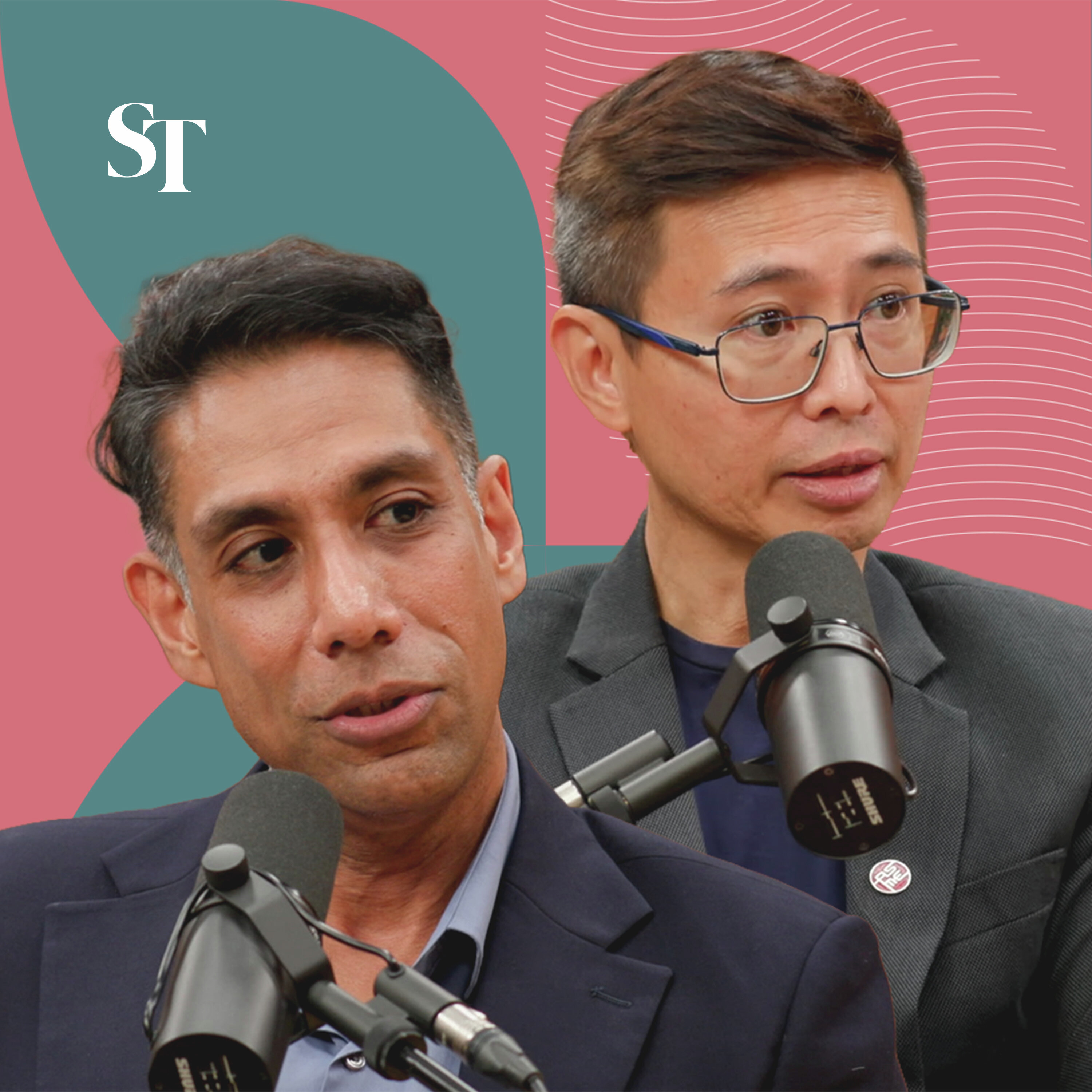
    S1E105: 2 out of 3 suicide deaths are men, a psychiatrist explains why

    Millennials are the generation that changed the conversation around mental health. They normalised mental health talk, encouraged self-care and made going to therapy less taboo. So what caused the 50 per cent jump in suicide deaths among adults in their 30s in 2024? Recently released data from the annual report on registration of births and deaths by the Immigration and Checkpoints Authority showed there were 441 suicide deaths in Singapore in 2024. Suicide among adults aged between 30 and 39 increased from 66 cases in 2023 to 99 in 2024. In this episode, Natasha speaks with Dr Jared Ng, a psychiatrist and medical director at Connections MindHealth, and Anthea Ong, co-lead for a white paper for national suicide prevention strategy Project Hayat, about what’s affecting this group. We also talk about why men are still reluctant to seek help, and whether AI chatbots are valid sources of mental health support. Watch the previous TUP episode on how to help someone having suicidal thoughts: https://str.sg/3KHRV Highlights (click/tap above): 2:28 Why did millennial suicide deaths spike by 50 per cent in a year? 6:14 “I failed at something.” vs “I’m a failure.” 11:08 The challenges of living in a pressure-cooker society 13:23 The “treatment gap” problem 16:48 Do you feel safe in your workplace? 20:38 Why staff don’t trust Employee Assistance Programmes 25:13 The gender paradox about suicide 29:53 Why do men stay suicidal 34:32 Where AI chatbots can help, and where they don’t 39:57 Struggling isn’t the same as being suicidal 41:30 Not all helpline callers are in distress Helplines Mental well-being: National Mindline: 1771 (24 hours) / 6669-1771 (via WhatsApp) Samaritans of Singapore: 1-767 (24 hours) / 9151-1767 (24 hours CareText via WhatsApp) Singapore Association for Mental Health: 1800-283-7019 Silver Ribbon Singapore: 6386-1928 Chat, Centre of Excellence for Youth Mental Health: 6493-6500/1 Women’s Helpline (Aware): 1800-777-5555 (weekdays, 10am to 6pm) The Seniors Helpline: 1800-555-5555 (weekdays, 9am to 5pm) Tinkle Friend (for primary school-age children): 1800-2744-788 Mindfull Community HQ (for caregivers, families and persons in recovery): 6460-4400 (weekdays, 9am to 5pm) Counselling: Touchline (Counselling): 1800-377-2252 Touch Care Line (for caregivers): 6804-6555 Counselling and Care Centre: 6536-6366 We Care Community Services: 3165-8017 Shan You Counselling Centre: 6741-9293 Clarity Singapore: 6757-7990 Care Corner Counselling Centre: 6353-1180 Online resources: mindline.sg/fsmh eC2.sg chat.mentalhealth.sg carey.carecorner.org.sg (for those aged 13 to 25) limitless.sg/talk (for those aged 12 to 25) Host: Natasha Ann Zachariah (natashaz@sph.com.sg) Read Natasha’s articles: https://str.sg/iSXm Follow The Usual Place podcast on IG: https://str.sg/8KNT Follow Natasha on LinkedIn: https://str.sg/v6DN Filmed by: Studio+65 Edited by: Eden Soh & Natasha Liew Executive producer: Danson Cheong Producers: Natasha Ann Zachariah, Elizabeth Law & Zachary Lim Follow The Usual Place Podcast and get notified for new episode drops every Thursday: Channel: https://str.sg/5nfm Apple Podcasts: https://str.sg/9ijX Spotify: https://str.sg/cd2P YouTube: https://str.sg/theusualplacepodcast Feedback to: podcast@sph.com.sg --- Follow more ST podcast channels: All-in-one ST Podcasts channel: https://str.sg/wvz7 Get more updates: http://str.sg/stpodcasts --- Get The Straits Times app, which has a dedicated podcast player section: The App Store: https://str.sg/icyB Google Play: https://str.sg/icyX -- #tup #tuptrf See omnystudio.com/listener for privacy information.

  • S1 · E104
    July 30 · 44 min

    S1E104: JB-Singapore RTS Link: Singaporeans will spend $1bn more in JB

    Will the Johor Bahru-Singapore Rapid Transit System (RTS) Link sound the death knell for smaller, home-grown businesses when it opens in a few months? A new study, which was released on July 16, highlighted how Singaporeans are slated to spend $1.05 billion more across the Causeway in 2027. But visitors from the other side aren’t expected to send as much business our way. JB visitors are projected to spend about $756 million more. The Singapore Business Federation (SBF), the Restaurant Association of Singapore and the Singapore Retailers Association jointly commissioned the study to look at how the RTS Link could reshape consumer spending, tourism flows and business competitiveness in Singapore’s retail and food and beverage sectors. Can local retail and F&B businesses, which are already struggling with rent and manpower costs, cope with the added pressure? In this episode, I speak with: • Musa Fazal, the chief policy and operating officer at the SBF, and • Ang Yuit, president of the Association of Small and Medium Enterprises, who moved to JB 18 months ago. We discuss whether expanding the eligibility and amount of the CDC Vouchers Scheme is just a Band-Aid, and if the Government will step in to control rents. Highlights (click/tap above): 2:35 Are SG businesses excited about the RTS Link? 6:28 How will S’pore’s consumer spending change? 10:34 Is it too late for retail, F&B? 17:24 You can’t risk making a mistake here: Yuit 19:42 CDC vouchers: A band-aid but still useful 23:15 Topline statistics might not give us the actual picture 27:05 Can we move events to the heartlands? 28:41 Why hasn’t the west built its own Katong? 32:43 Why we need spaces for businesses to try - and fail cheaply 39:53 Why S’pore needs a “nighttime mayor” Host: Natasha Ann Zachariah (natashaz@sph.com.sg) Read Natasha’s articles: https://str.sg/iSXm Follow The Usual Place podcast on IG: https://str.sg/8KNT Follow Natasha on LinkedIn: https://str.sg/v6DN Filmed by: Studio+65 Edited by: Eden Soh & Natasha Liew Executive producer: Danson Cheong Producers: Natasha Ann Zachariah, Elizabeth Law & Zachary Lim Follow The Usual Place Podcast and get notified for new episode drops every Thursday: Channel: https://str.sg/5nfm Apple Podcasts: https://str.sg/9ijX Spotify: https://str.sg/cd2P YouTube: https://str.sg/theusualplacepodcast Feedback to: podcast@sph.com.sg --- Follow more ST podcast channels: All-in-one ST Podcasts channel: https://str.sg/wvz7 Get more updates: http://str.sg/stpodcasts --- Get The Straits Times app, which has a dedicated podcast player section: The App Store: https://str.sg/icyB Google Play: https://str.sg/icyX -- #tup #tuptrf See omnystudio.com/listener for privacy information.

  • S1 · E103
    July 23 · 48 min

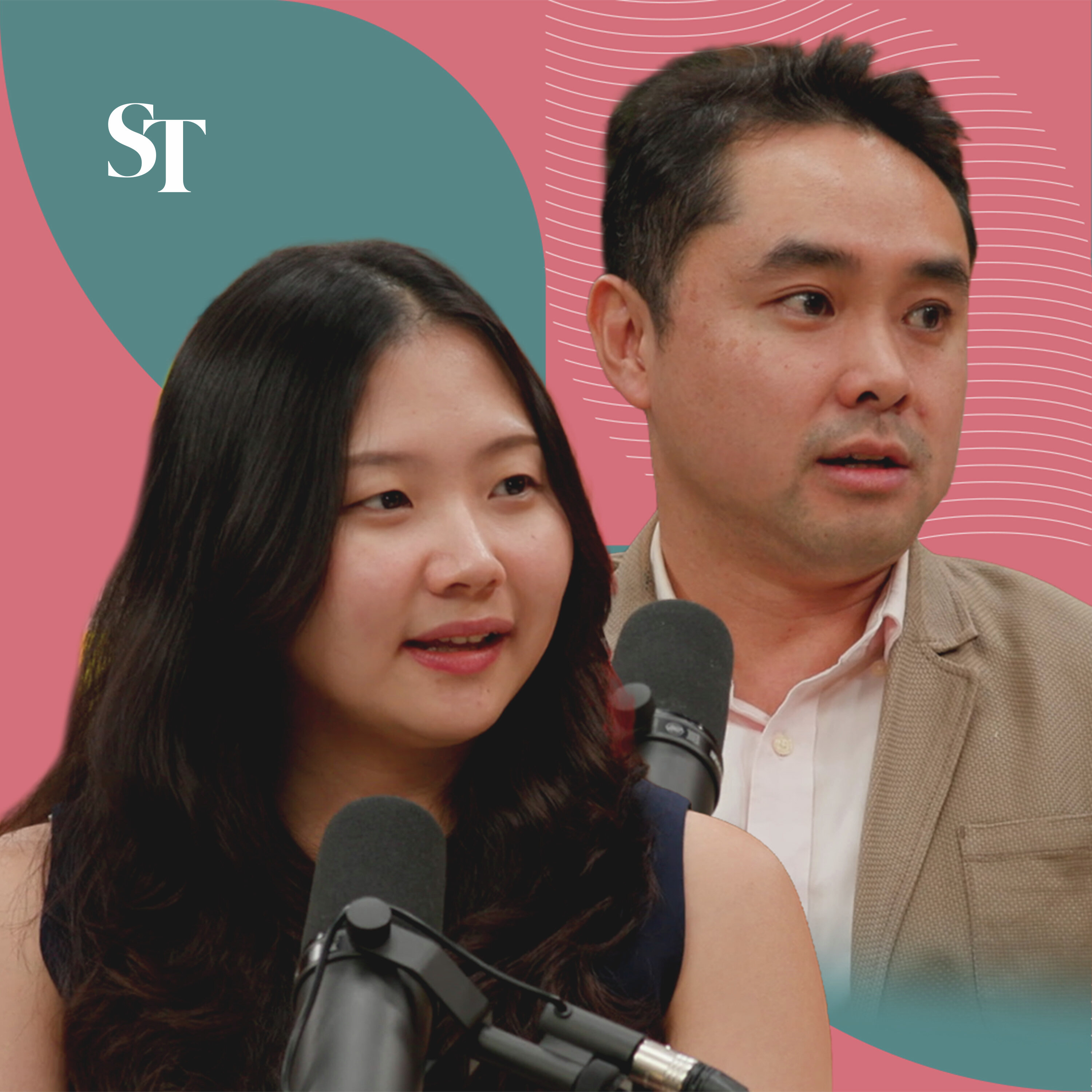
    S1E103: Faishal Ibrahim’s exit: Are the PAP’s moral standards turning people away from politics?

    It has been quite a week in Singapore politics, with adjustments to the Cabinet line-up and the surprise resignation of Acting Minister-in-charge of Muslim Affairs Faishal Ibrahim. In this episode, Natasha takes a deep dive into the implications of blooding younger politicians such as Jasmin Lau into the Cabinet and junior ministerial roles now, and if the PAP’s high moral standards will cost them future talent. Singapore Management University law professor Eugene Tan and independent political observer Dr Felix Tan weigh in on the diversity of the new Cabinet and why politics is not priesthood. Highlights (click/tap above): 1:26 Was the new Cabinet line-up surprising? 5:45 Newbie politician Jasmin Lau’s fast rise 9:00 Is the 5G leadership team taking shape? 13:05 Does politics need politicians with private-sector experience? 16:38 Know how to communicate ideas, says Felix 19:16 Is Ng Chee Meng out of the “political wilderness”? 23:39 What’s the public “obsession” over Ng Chee Meng? 28:25 Who will eventually succeed Shanmugam at MHA? 32:30 Does having different generations in the Cabinet matter? 35:26 Should the Government reveal more about Faishal Ibrahim’s exit? 39:37 Why do conduct breaches keep happening despite the code? 45:47 “Politics is not priesthood.”: Eugene Host: Natasha Ann Zachariah (natashaz@sph.com.sg) Read Natasha’s articles: https://str.sg/iSXm Follow The Usual Place podcast on IG: https://str.sg/8KNT Follow Natasha on LinkedIn: https://str.sg/v6DN Filmed by: Studio+65 Edited by: Eden Soh & Natasha Liew Executive producer: Danson Cheong Producers: Natasha Ann Zachariah, Elizabeth Law & Zachary Lim Follow The Usual Place Podcast and get notified for new episode drops every Thursday: Channel: https://str.sg/5nfm Apple Podcasts: https://str.sg/9ijX Spotify: https://str.sg/cd2P YouTube: https://str.sg/theusualplacepodcast Feedback to: podcast@sph.com.sg --- Follow more ST podcast channels: All-in-one ST Podcasts channel: https://str.sg/wvz7 Get more updates: http://str.sg/stpodcasts --- Get The Straits Times app, which has a dedicated podcast player section: The App Store: https://str.sg/icyB Google Play: https://str.sg/icyX -- #tup #tuptrf See omnystudio.com/listener for privacy information.
  • S1 · E102
    July 16 · 40 min

    S1E102: 1 in 3 employers are hiring contract workers. Are contract jobs the new norm for Singapore grads?

    Should young job seekers start their careers with contract roles? With stiff competition for full-time roles, a tight job market and employers being more selective about new permanent hires, perhaps contract roles shouldn’t be off the table. In Singapore, such roles have become more common over the past few years. What can young people do to build their careers? Also, is contract work truly the ‘lesser cousin’ of permanent work? In this episode, I speak with: • Francois Lancon, the regional president of Asia Pacific and Middle East for ManpowerGroup, a global expert on labour market and employment trends, • Tyrina Toh, a contract content creator for businesses, who left a full time position to work only contract and freelance jobs •Seth Ng, a fresh university graduate who is currently looking for a job. Highlights (click/tap above): 2:34 Should the GovTech retrenchments be a cause for concern? 3:43 Why the surge in contract roles? 6:42 Tyrina’s first contract role at 16 10:26 Is contract work financially feasible? 12:01 Contract work a “launchpad” to full-time role: Seth 15:56 Do contract roles make you look like a job hopper? 19:10 Taking charge of your professional growth 23:26 Is contract work exploitative? 29:01 What happens when a contract role gets cut unexpectedly? 33:12 Should you do many internships to land a permanent role? Host: Natasha Ann Zachariah (natashaz@sph.com.sg) Read Natasha’s articles: https://str.sg/iSXm Follow The Usual Place podcast on IG: https://str.sg/8KNT Follow Natasha on LinkedIn: https://str.sg/v6DN Filmed by: Studio+65 Edited by: Eden Soh & Natasha Liew Executive producer: Danson Cheong Producers: Natasha Ann Zachariah, Elizabeth Law & Zachary Lim Follow The Usual Place Podcast and get notified for new episode drops every Thursday: Channel: https://str.sg/5nfm Apple Podcasts: https://str.sg/9ijX Spotify: https://str.sg/cd2P YouTube: https://str.sg/theusualplacepodcast Feedback to: podcast@sph.com.sg --- Follow more ST podcast channels: All-in-one ST Podcasts channel: https://str.sg/wvz7 Get more updates: http://str.sg/stpodcasts --- Get The Straits Times app, which has a dedicated podcast player section: The App Store: https://str.sg/icyB Google Play: https://str.sg/icyX -- #tup #tuptrf See omnystudio.com/listener for privacy information.
  • S1 · E101
    July 9 · 45 min

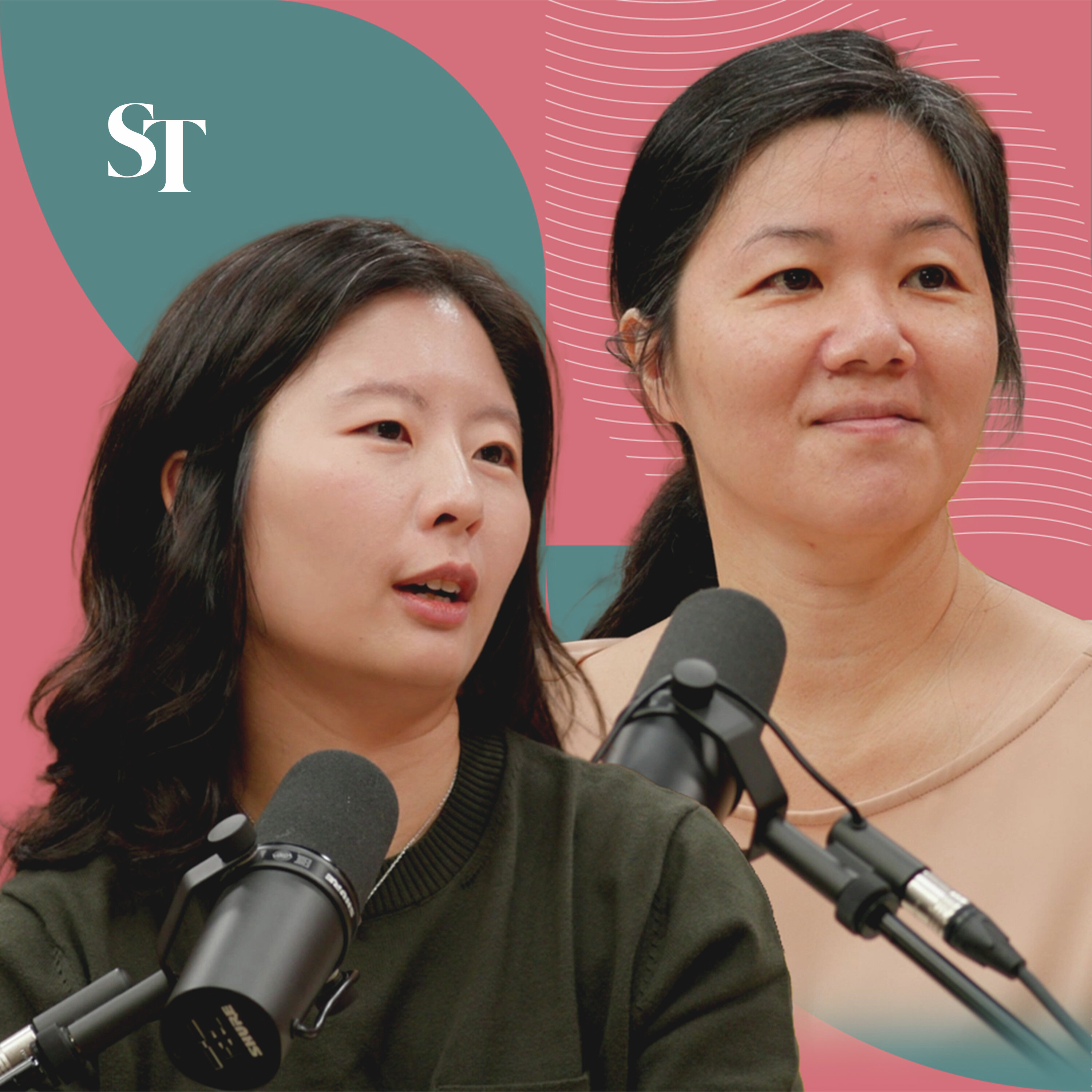
    S1E101: Singapore lawyers are facing bullying and burnout, why hasn’t anything changed in 30 years?

    Are Singapore’s lawyers doing ok? The Legal Profession Sustainability Study, which was released on June 23, suggests that lawyers were leaving the profession because of toxic bosses, inflexible court timelines, punishing deadlines and the constant need to be available 24/7. These are just some of the grievances aired in the study, which had 31 in-depth interviews with former judges, legal academics and lawyers from diverse types of firms. There was also a survey done with 855 practising and former lawyers. What is the cost of becoming a lawyer in Singapore, and is it worth it any more? If these issues have been raised for more than 30 years, will this study change anything? In this episode, I speak with: • Zhang Yu Fu, a junior lawyer at Dentons Rodyk, who was called to the bar in April 2026 and took part in the study, and • Wong Yi, the General Counsel for construction company Lum Chang Holdings, and previously worked for one of Singapore’s Big Four law firms. He was also the chairman of the Young Lawyers Committee for The Law Society of Singapore from 2014 to 2019. Highlights (click/tap above): 2:23 A decades-old problem that hasn’t changed 4:50 “What’s so wrong with being a strawberry?”: Yu Fu 10:28 Trained through “sheer obedience” 15:08 How young lawyers navigate bad bosses 17:06 Any incentive for senior lawyers to change? 21:13 Generational gap between older and younger lawyers 28:34 Judge wants lawyers to drink from a straw 32:55 “Role models” for working through childbirth 34:44 No real consequences for workplace bullying 37:18 Why lawyers leaving the profession matters 40:40 “Why can’t we do better?”: Yu Fu Host: Natasha Ann Zachariah (natashaz@sph.com.sg) Read Natasha’s articles: https://str.sg/iSXm Follow The Usual Place podcast on IG: https://str.sg/8KNT Follow Natasha on LinkedIn: https://str.sg/v6DN Filmed by: Studio+65 Edited by: Eden Soh & Natasha Liew Executive producer: Danson Cheong Producers: Natasha Ann Zachariah, Elizabeth Law & Zachary Lim Follow The Usual Place Podcast and get notified for new episode drops every Thursday: Channel: https://str.sg/5nfm Apple Podcasts: https://str.sg/9ijX Spotify: https://str.sg/cd2P YouTube: https://str.sg/theusualplacepodcast Feedback to: podcast@sph.com.sg --- Follow more ST podcast channels: All-in-one ST Podcasts channel: https://str.sg/wvz7 Get more updates: http://str.sg/stpodcasts --- Get The Straits Times app, which has a dedicated podcast player section: The App Store: https://str.sg/icyB Google Play: https://str.sg/icyX -- #tup #tuptrf See omnystudio.com/listener for privacy information.
  • S1 · E100
    June 30 · 25 min

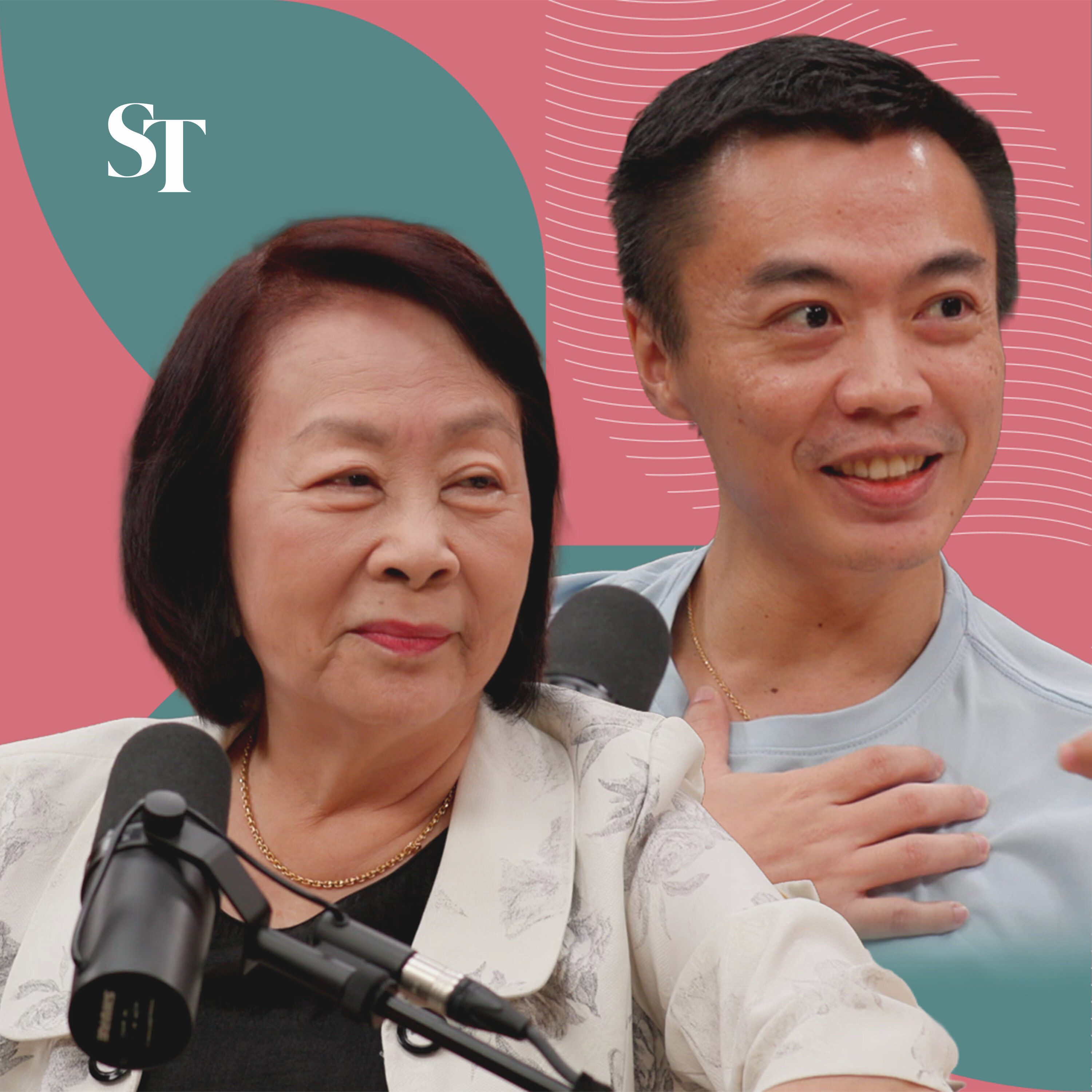
    S1E100: Were unhappy WP veterans behind the challenge to Pritam Singh?

    Workers’ Party chief Pritam Singh fobbed off talk that he would face a challenge to his position at the party’s proceedings on June 28. The results from the party’s internal meetings showed that most party members are still very much behind him. What does this mean for the WP, and has the party turned the page on the saga involving Raeesah Khan? In this episode, I chat with Tham Yuen-C, senior political correspondent at The Straits Times who has covered WP for about a decade, and Dr Teo Kay Key, a senior research fellow at IPS Social Lab at the Institute of Policy Studies, who studies public opinion, and political and social attitudes. Highlights (click/tap above): 1:54 Is Pritam Singh invincible? 5:50 Who are the unhappy cadres? 8:27 What the “supermajority” vote says 10:46 Cult of personality around Pritam Singh? 16:10 Party stability comes first 20:15 “Pretty much business as usual.” 23:57 End of Raeesah-gate? Host: Natasha Ann Zachariah (natashaz@sph.com.sg) Read Natasha’s articles: https://str.sg/iSXm Follow The Usual Place podcast on IG: https://str.sg/8KNT Follow Natasha on LinkedIn: https://str.sg/v6DN Filmed by: Studio+65 Edited by: Eden Soh & Natasha Liew Executive producer: Danson Cheong Producers: Natasha Ann Zachariah, Elizabeth Law & Zachary Lim Follow The Usual Place Podcast and get notified for new episode drops every Thursday: Channel: https://str.sg/5nfm Apple Podcasts: https://str.sg/9ijX Spotify: https://str.sg/cd2P YouTube: https://str.sg/theusualplacepodcast Feedback to: podcast@sph.com.sg --- Follow more ST podcast channels: All-in-one ST Podcasts channel: https://str.sg/wvz7 Get more updates: http://str.sg/stpodcasts --- Get The Straits Times app, which has a dedicated podcast player section: The App Store: https://str.sg/icyB Google Play: https://str.sg/icyX -- #tup #tuptrf See omnystudio.com/listener for privacy information.

  • S1 · E99
    June 25 · 44 min

    S1E99: Dear You debate: Is it time to relook rules on Chinese dialects?

    The Chinese film Dear You, shot almost entirely in Teochew, is not only a box office hit - it has ignited intense debate among Chinese Singaporeans. From film-makers to politicians, many people have weighed in on the authorities’ decision to limit screenings of the Teochew version, and instead have a wider general release for the Mandarin-dubbed version. The Infocomm Media Development Authority (IMDA) said that this move supports the bilingual policy which aims to promote Mandarin as the main language among Chinese Singaporeans. But the strict policing of dialects, when other foreign language films have been allowed to be screened, has the local audience asking: is it time to relook how we treat dialects? Highlights (click/tap above): 2:08 Why strong reaction to limited Teochew screenings? 6:22 Is it a film that touches only Teochews? 9:27 What's lost in dubbed movies? 13:11 Is the outrage fair? 15:27 Time to relook policy on dialects in film? 20:40 Has the Speak Mandarin Campaign been too successful? 23:48 Can Chinese dialects and Mandarin coexist? 29:08 “We’re not comparing like for like.” 31:34 Are dialects less valuable than Mandarin? 35:45 Who’s learning dialects now? 38:17 Beyond the uproar, what happens next? Host: Natasha Ann Zachariah (natashaz@sph.com.sg) Read Natasha’s articles: https://str.sg/iSXm Follow The Usual Place podcast on IG: https://str.sg/8KNT Follow Natasha on LinkedIn: https://str.sg/v6DN Filmed by: Studio+65 Edited by: Eden Soh & Natasha Liew Executive producer: Danson Cheong Producers: Natasha Ann Zachariah, Elizabeth Law & Zachary Lim Follow The Usual Place Podcast and get notified for new episode drops every Thursday: Channel: https://str.sg/5nfm Apple Podcasts: https://str.sg/9ijX Spotify: https://str.sg/cd2P YouTube: https://str.sg/theusualplacepodcast Feedback to: podcast@sph.com.sg --- Follow more ST podcast channels: All-in-one ST Podcasts channel: https://str.sg/wvz7 Get more updates: http://str.sg/stpodcasts --- Get The Straits Times app, which has a dedicated podcast player section: The App Store: https://str.sg/icyB Google Play: https://str.sg/icyX -- #tup #tuptrf See omnystudio.com/listener for privacy information.

  • S1 · E98
    June 18 · 28 min

    S1E98: Lure of traffic drives millions of Chinese content creators to target Singapore

    Independent content creators in China are making online posts disparaging Singapore, its politicians and minorities. The latter, in particular, has made the authorities here concerned enough to block access to 14 online posts earlier in June, which targeted the Indian community and contained inflammatory narratives about Singapore’s cultural diversity. If the content isn’t state-sanctioned, what’s driving Chinese content creators to make such posts, and why did it find an audience here? In this episode, I chat with: Benjamin Ang, the head of the Centre of Excellence for National Security, Future Issues and Technology at the S. Rajaratnam School of International Studies. He researches cybersecurity, digital security and disinformation, and Straits Times senior columnist Tan Dawn Wei, who writes about China and its relations with the rest of the world. She was in Beijing for seven years from 2018 as ST’s China bureau chief, covering all aspects of the country, from its domestic politics to its economy. Highlights (click/tap above): 1:58 Difference between state-directed vs organic disinformation 3:56 Clicks for “outrageous” content 9:05 All about the clicks 10:23 "We just happen to be a hot topic.” 13:06 Why did the content focus on race? 18:05 Does the racist content reflect how some Singaporeans think? 21:21 How polarisation can happen 26:10 Why doesn’t the Chinese government take down such content? Host: Natasha Ann Zachariah (natashaz@sph.com.sg) Read Natasha’s articles: https://str.sg/iSXm Follow The Usual Place podcast on IG: https://str.sg/8KNT Follow Natasha on LinkedIn: https://str.sg/v6DN Filmed by: Studio+65 Edited by: Eden Soh & Natasha Liew Executive producer: Danson Cheong Producers: Natasha Ann Zachariah, Elizabeth Law & Zachary Lim Follow The Usual Place Podcast and get notified for new episode drops every Thursday: Channel: https://str.sg/5nfm Apple Podcasts: https://str.sg/9ijX Spotify: https://str.sg/cd2P YouTube: https://str.sg/theusualplacepodcast Feedback to: podcast@sph.com.sg --- Follow more ST podcast channels: All-in-one ST Podcasts channel: https://str.sg/wvz7 Get more updates: http://str.sg/stpodcasts --- Get The Straits Times app, which has a dedicated podcast player section: The App Store: https://str.sg/icyB Google Play: https://str.sg/icyX -- #tup #tuptrf See omnystudio.com/listener for privacy information.

  • S1 · E97
    June 4 · 47 min

    S1E97: Is modern dating in Singapore broken?

    A recent Straits Times survey of 1,000 unmarried people explained why the dating scene is so bleak: it’s hard to meet new people, dating can be expensive and there are unrealistic expectations of love and relationships. In this episode, Natasha chats with: • Liu Zhiqun, co-founder of Kopi Date, a dating platform that curates one-on-one coffee dates, and • Dr Kenneth Tan, an assistant professor of psychology at Singapore Management University, who studies relationships from end-to-end - that is from singlehood to why relationships end. Highlights (click/tap above): 1:53 Has dating become harder? 5:29 21 years old, no dating experience 10:10 The ‘perfect partner’ problem 11:33 Has social media warped our idea of romance 14:21 Dating 101: teaching rejection in schools? 18:29 Why people don’t bring their best self on dates 21:46 “Why do I have to work for love as well?” 27:15 Is school the best place to look for love? 31:20 Fear of being alone leads to settling 32:34 Red flags, icks: are they just excuses? 36:25 Old-school gender rules in a modern dating world 41:52 Can the Government fix our love lives? Host: Natasha Ann Zachariah (natashaz@sph.com.sg) Read Natasha’s articles: https://str.sg/iSXm Follow The Usual Place podcast on IG: https://str.sg/8KNT Follow Natasha on LinkedIn: https://str.sg/v6DN Filmed by: Studio+65 Edited by: Eden Soh & Natasha Liew Executive producer: Danson Cheong Producers: Natasha Ann Zachariah and Elizabeth Law Follow The Usual Place Podcast and get notified for new episode drops every Thursday: Channel: https://str.sg/5nfm Apple Podcasts: https://str.sg/9ijX Spotify: https://str.sg/cd2P YouTube: https://str.sg/theusualplacepodcast Feedback to: podcast@sph.com.sg --- Follow more ST podcast channels: All-in-one ST Podcasts channel: https://str.sg/wvz7 Get more updates: http://str.sg/stpodcasts --- Get The Straits Times app, which has a dedicated podcast player section: The App Store: https://str.sg/icyB Google Play: https://str.sg/icyX -- #tup #tuptrf See omnystudio.com/listener for privacy information.
  • S1 · E97
    May 28 · 43 min

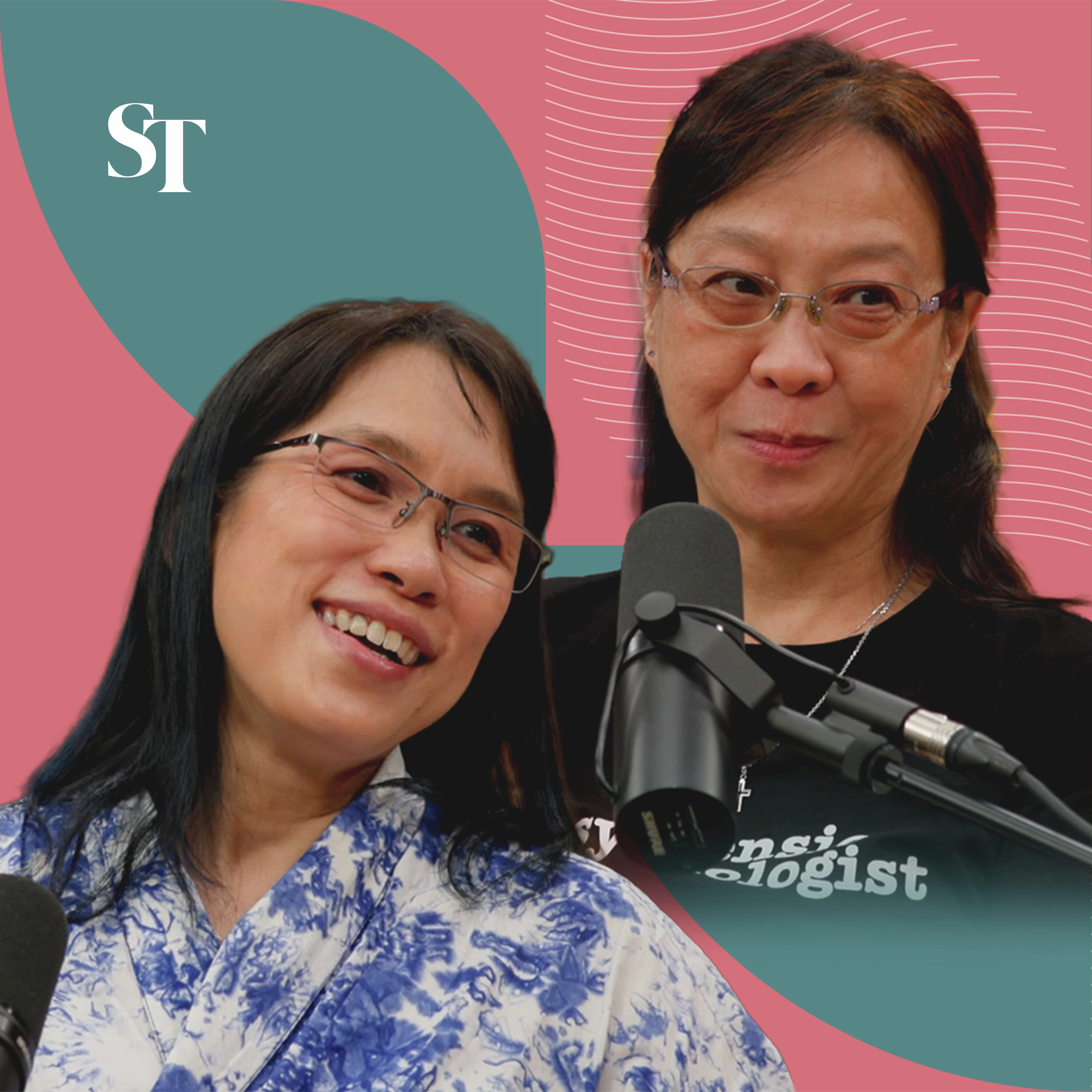
    S1E97: Hands-on dads look great because the bar is low: Singapore father on unfair parenting expectations

    Do fathers in Singapore get a bad reputation for being hands-off? Minister in the Prime Minister’s Office Indranee Rajah, who chairs the new Marriage and Parenthood Reset Workgroup, drew some flak for speaking about career “detours” as something that should be normalised for mothers - with little mention of a fathers’ role in the parenting journey. Why do we frame the parenting experience as mainly a woman’s role? In this episode of the podcast, I put that question to two fathers: new stay-at-home dad Jeggan Rajendram and Kevin Goh, the Group Head of engagement and programmes at the Centre for Fathering. We discuss who dads benchmark themselves to and whether mothers are preventing fathers from being more hands on. Highlights (click/tap above): 2:05 Are fathers missing from the parenting conversation? 3:30 “Regret minimisation”: Jeggan’s decision to be a stay-at-home dad 7:10 “People still look at me like I was crazy.” 11:27 Mums get a ‘head start’ on parenting 15:08 What’s holding fathers back from being more hands-on? 17:20 Mums, please involve dads, and let go 21:20 Whose standard is the right one? 24:05 The loss of identity as a stay-at-home parent 30:30 Being the stay-at-home parent doesn’t have to be forever 33:27 Encouraging dads to be more active parents 37:11 When dad’s your personal hairstylist 40:08 Will we have more babies if dads and mums are equals? Host: Natasha Ann Zachariah (natashaz@sph.com.sg) Read Natasha’s articles: https://str.sg/iSXm Follow The Usual Place podcast on IG: https://str.sg/8KNT Follow Natasha on LinkedIn: https://str.sg/v6DN Filmed by: Studio+65 Edited by: Eden Soh & Hadyu Rahim Executive producer: Danson Cheong Producers: Natasha Ann Zachariah and Elizabeth Law Assistant producer: Stacey Ngiam Follow The Usual Place Podcast and get notified for new episode drops every Thursday: Channel: https://str.sg/5nfm Apple Podcasts: https://str.sg/9ijX Spotify: https://str.sg/cd2P YouTube: https://str.sg/theusualplacepodcast Feedback to: podcast@sph.com.sg --- Follow more ST podcast channels: All-in-one ST Podcasts channel: https://str.sg/wvz7 Get more updates: http://str.sg/stpodcasts --- Get The Straits Times app, which has a dedicated podcast player section: The App Store: https://str.sg/icyB Google Play: https://str.sg/icyX -- #tup #tuptrf See omnystudio.com/listener for privacy information.
  • S1 · E96
    May 21 · 33 min

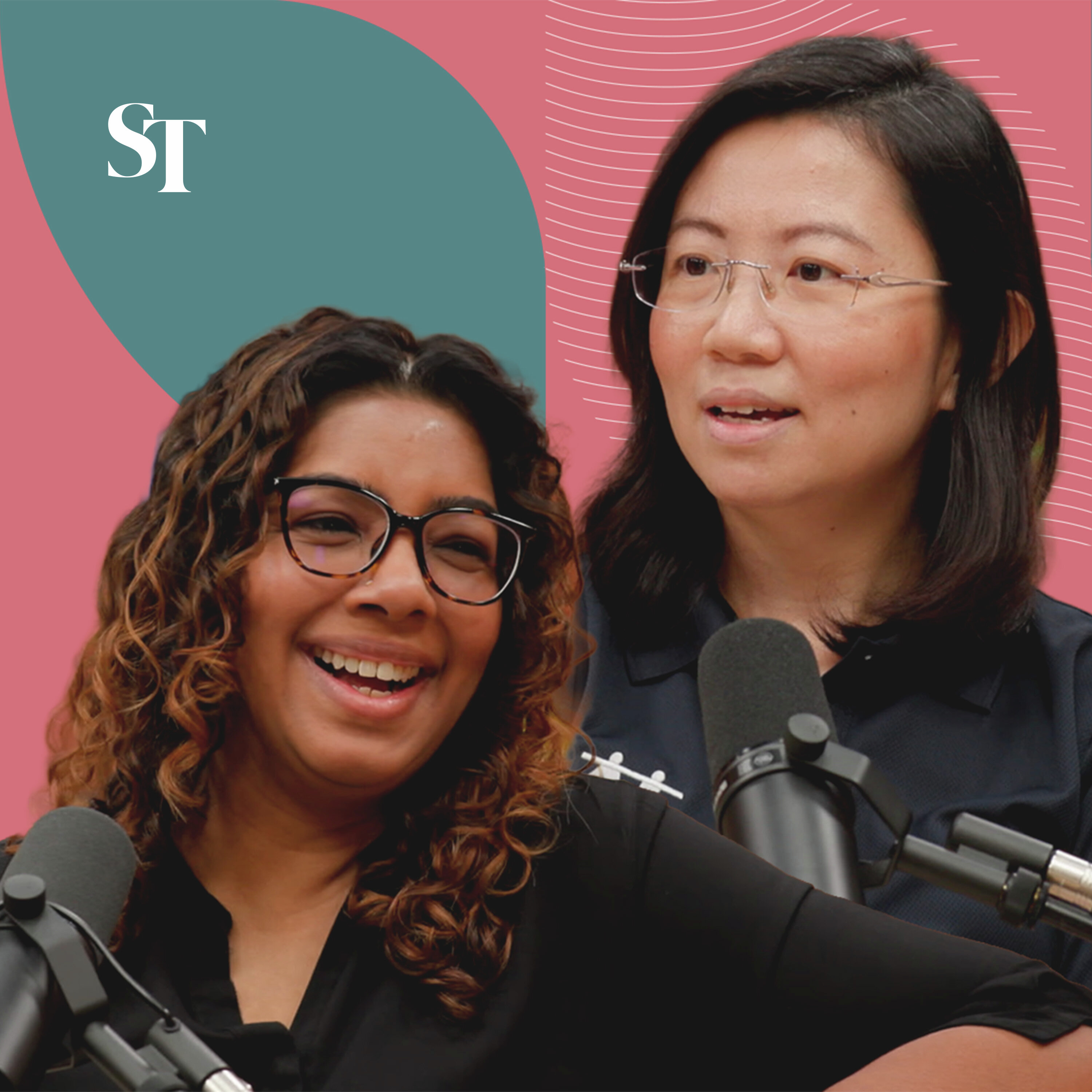
    S1E96: Singapore forensic psychologist explains why voyeurs and molesters commit crimes

    Will a new bystander campaign by the police get more people to speak up for victims for molest and voyeurism? In this episode of The Usual Place, I chat with Ms Lim Shoon Yin, the executive director of Singapore women’s rights group Aware, about what holds bystanders back and what they can do. Also on the podcast is Dr Julia Lam, a forensic psychologist, who assesses people who have committed offences like sexual crimes. She studies impulse control disorder and behavioural addiction, among other areas. She explains why perpetrators cross the line and act on urges, despite knowing it’s a crime. Highlights (click/tap above): 1:51 Are more people reporting sexual assault? 4:20 Why do bystanders freeze? 6:01 Could you become a molester or voyeur? 9:15 Why perpetrators choose to cross the line 10:36 Why take the risk of getting caught in public? 13:42 How bystanders can safely intervene, if unsure 17:33 Perpetrators not deterred by warning announcements, posters 20:22 Do conservative societal attitudes contribute to such behaviour? 26:02 What victims need when they report harassment Host: Natasha Ann Zachariah (natashaz@sph.com.sg) Read Natasha’s articles: https://str.sg/iSXm Follow The Usual Place podcast on IG: https://str.sg/8KNT Follow Natasha on LinkedIn: https://str.sg/v6DN Filmed by: Studio+65 Edited by: Eden Soh, Hadyu Rahim & Amirul Karim Executive producer: Danson Cheong Producers: Natasha Ann Zachariah and Elizabeth Law Assistant producer: Stacey Ngiam Follow The Usual Place Podcast and get notified for new episode drops every Thursday: Channel: https://str.sg/5nfm Apple Podcasts: https://str.sg/9ijX Spotify: https://str.sg/cd2P YouTube: https://str.sg/theusualplacepodcast Feedback to: podcast@sph.com.sg --- Follow more ST podcast channels: All-in-one ST Podcasts channel: https://str.sg/wvz7 Get more updates: http://str.sg/stpodcasts --- Get The Straits Times app, which has a dedicated podcast player section: The App Store: https://str.sg/icyB Google Play: https://str.sg/icyX -- #tup #tuptrf See omnystudio.com/listener for privacy information.
  • S1 · E95
    May 14 · 34 min

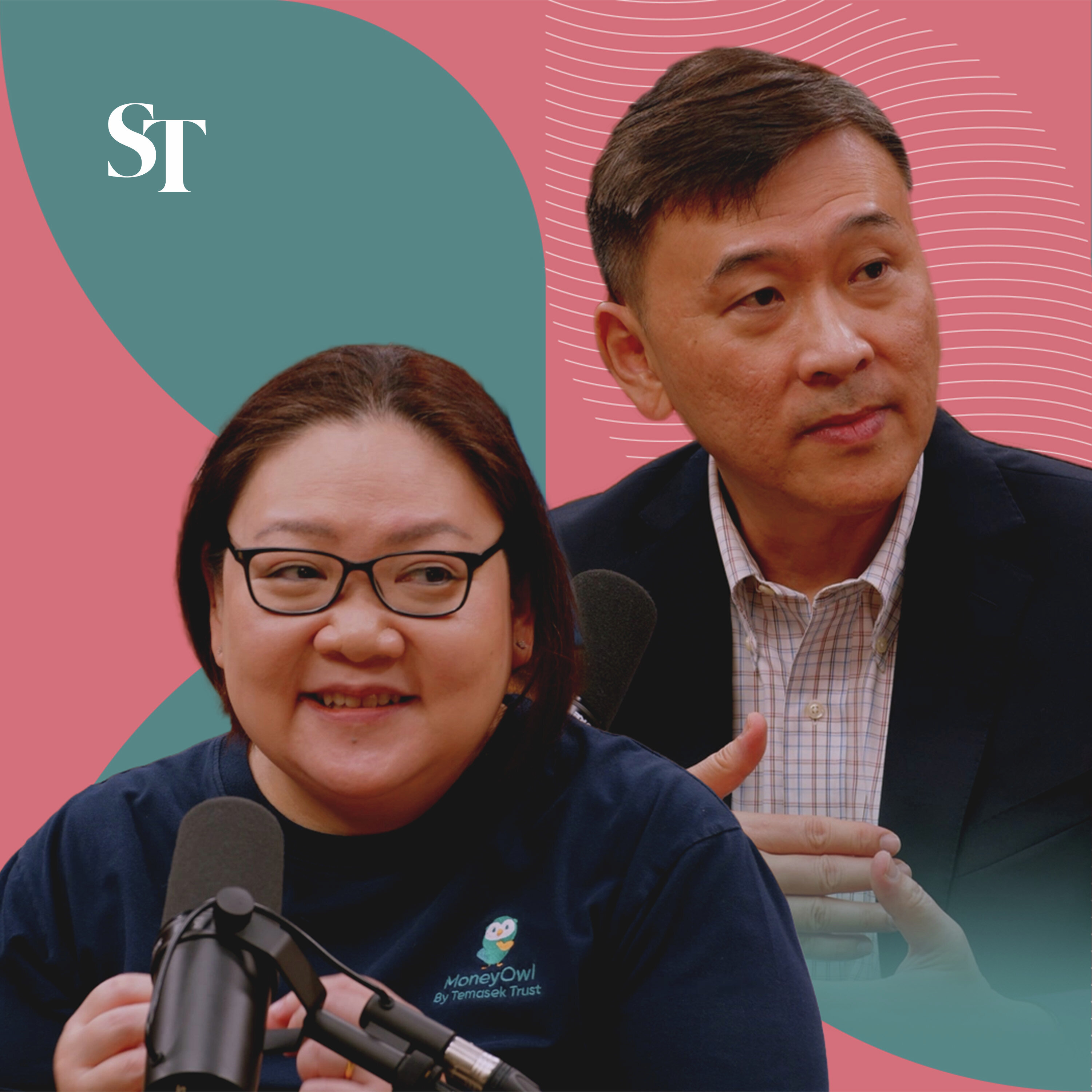
    S1E95: Is caning an appropriate way to discipline school bullies?

    By 2027, every school will have to follow standard disciplinary measures such as detention and conduct grade adjustment for different types of misbehaviour. But the measure that divided parents, teachers and parliamentarians was that bullies can get up to three strokes of the cane. Caning in schools is not new, so why were so many people upset that school bullies will be caned? In this episode of The Usual Place, I speak with ST education correspondent and former secondary school teacher Elisha Tushara, and chief executive officer of the Singapore Children’s Society Ang Boon Min, about what caused the scrutiny over caning for bullies. At a time when bullying cases are increasing - albeit by a small number - will caning change behaviour among recalcitrant students? Also, if parents step in to take on their child’s bullies, will it make things worse? Highlights (click/tap above): 1:35 Does caning students work? 4:55 Do children learn from being caned? 8:22 Creative ways students try to escape caning 11:20 How do children become bullies? 13:34 Reframe the language around bullying 16:35 Most children don’t want their bully punished 19:11 Natural for parents to “feel an ache” 20:42 What is restorative justice? 22:35 Will teachers be stretched further? 26:45 How to help bullied children feel safe? 29:35 Parents involvement can be “unproductive” Host: Natasha Ann Zachariah (natashaz@sph.com.sg) Read Natasha’s articles: https://str.sg/iSXm Follow The Usual Place podcast on IG: https://str.sg/8KNT Follow Natasha on LinkedIn: https://str.sg/v6DN Filmed by: Studio+65 Edited by: Eden Soh & Natasha Liew Executive producer: Danson Cheong Producers: Natasha Ann Zachariah and Elizabeth Law Assistant producer: Stacey Ngiam Follow The Usual Place Podcast and get notified for new episode drops every Thursday: Channel: https://str.sg/5nfm Apple Podcasts: https://str.sg/9ijX Spotify: https://str.sg/cd2P YouTube: https://str.sg/theusualplacepodcast Feedback to: podcast@sph.com.sg --- Follow more ST podcast channels: All-in-one ST Podcasts channel: https://str.sg/wvz7 Get more updates: http://str.sg/stpodcasts --- Get The Straits Times app, which has a dedicated podcast player section: The App Store: https://str.sg/icyB Google Play: https://str.sg/icyX -- #tup #tuptrf See omnystudio.com/listener for privacy information.
  • S1 · E94
    May 7 · 55 min

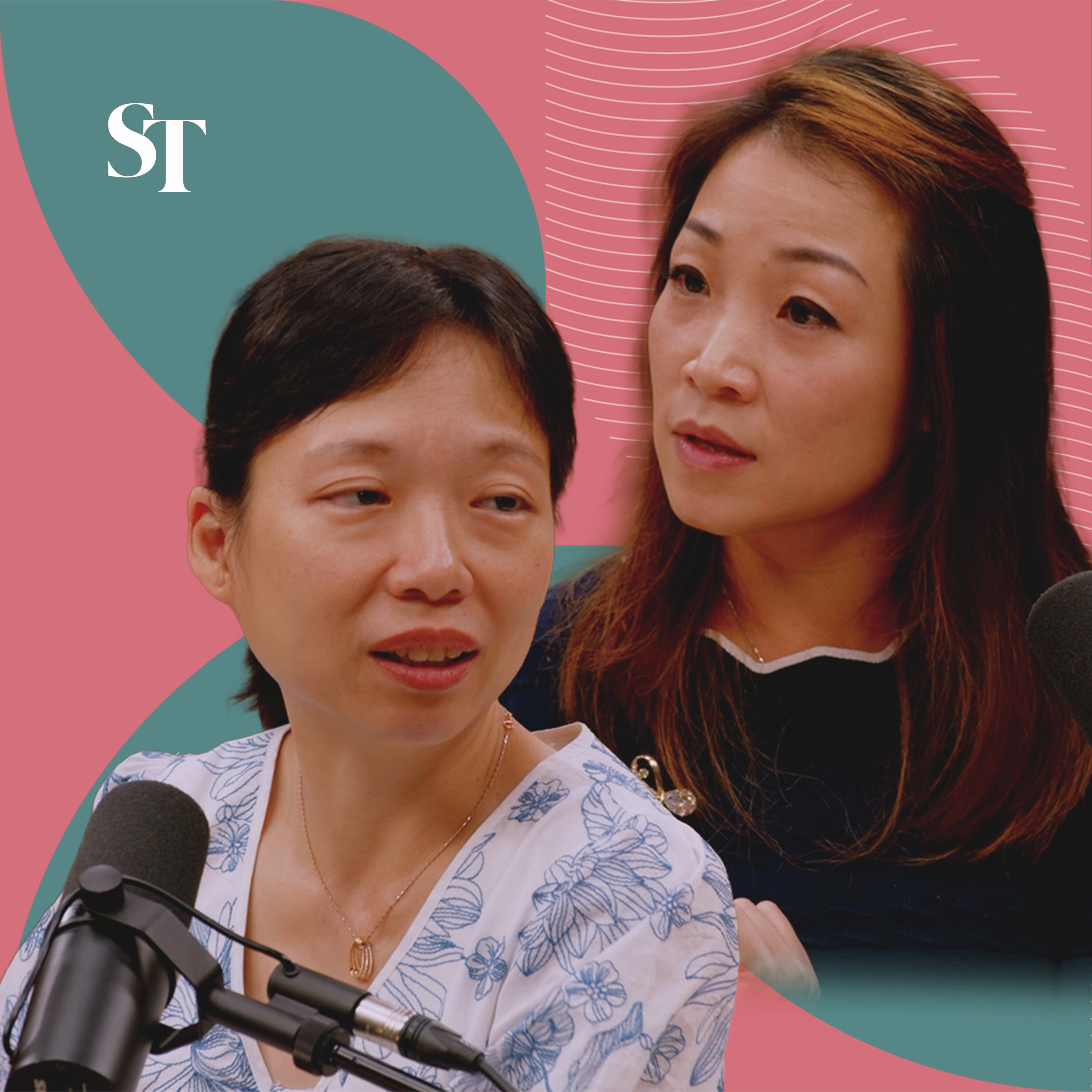
    S1E94: Sky high condo prices: are sales being funded by parents' retirement savings?

    Never mind that it’s way out west - Tengah’s first private condominium development sold out almost all its units over its launch weekend at the end of April. At an average price of $2,120 per sq ft and a location that’s under the Outside Central Region (OCR) classification, the affordable suburban condominium is starting to feel more expensive. But despite all our complaints about high property prices and the uncertain global outlook, these sales show that Singaporeans are still willing to fork out serious money for new, unsubsidised private residential properties. Is this the new normal buyers have to get used to? In this episode of The Usual Place, Natasha speaks with veteran property analyst and chief research officer at MOGUL.sg Nicholas Mak, and CEO and Chief Investment Officer at financial advisory firm MoneyOwl Chuin Ting Weber. We chat about who are the buyers driving the sales of these properties, and what’s driving these record new launch condo prices? Highlights (click/tap above): 1:20 What's driving up condo prices? 4:55 FOMO in buyers driven by agents 7:25 HDB upgraders not main condo buyers 9:56 Who's renting if everyone's buying? 15:28 The myth of constantly rising prices 19:28 Making compromises to make mortgage 31:40 Good debt and what you can afford 37:22 Parents digging into retirement funds for kids 48:00 Why isn't the government stepping in more? 51:36 The similarities between healthcare and property Host: Natasha Ann Zachariah (natashaz@sph.com.sg) Read Natasha’s articles: https://str.sg/iSXm Follow The Usual Place podcast on IG: https://str.sg/8KNT Follow Natasha on LinkedIn: https://str.sg/v6DN Filmed by: Studio+65 Edited by: Eden Soh, Fa’izah Sani & Natasha Liew Executive producer: Danson Cheong Producers: Natasha Ann Zachariah and Elizabeth Law Follow The Usual Place Podcast and get notified for new episode drops every Thursday: Channel: https://str.sg/5nfm Apple Podcasts: https://str.sg/9ijX Spotify: https://str.sg/cd2P YouTube: https://str.sg/theusualplacepodcast Feedback to: podcast@sph.com.sg --- Follow more ST podcast channels: All-in-one ST Podcasts channel: https://str.sg/wvz7 Get more updates: http://str.sg/stpodcasts --- Get The Straits Times app, which has a dedicated podcast player section: The App Store: https://str.sg/icyB Google Play: https://str.sg/icyX -- #tup #tuptrf See omnystudio.com/listener for privacy information.

  • S1 · E93
    April 30 · 55 min

    S1E93: Are people not having children because of PSLE stress and the education arms race?

    Would changes to Singapore’s education system fix our low fertility rate? A new work group, comprising political office holders from various ministries, has been set up to encourage Singaporeans to marry and have children, with broader support from society. In this podcast episode, I chat with Minister of State for Education Jasmin Lau and stay-at-home mother Vivien Lim, who has three children. We discuss the “education arms race” and whether the Primary School Leaving Examination really needs to be a such high-stakes exam for 12-year-olds. With the big question looming - whether we can get the total fertility rate back up - Jasmin and Vivien talk about steering children on the best pathways, the pressures of juggling careers and motherhood, and finding joy in parenting. Highlights (click/tap above): 1:53 Will this new work group change anything? 5:45 Jasmin on the education arms race 9:04 Preschool: the “honeymoon’ years 14:33 Stressful education system or anxious parents? 17:53 “This is not something to look forward to.” 23:12 PSLE reflects on everyone from children to teachers 27:02 What’s the point of the PSLE if it doesn’t test real-world skills? 34:05 The PSLE parent: why some women leave their jobs 36:10 Jasmin would leave her role if her kids aren’t doing well 43:07 Are we raising kids for the future? 47:40 Will changing the education system encourage couples to have kids? 50:46 What’s stopping couples from having kids? Host: Natasha Ann Zachariah (natashaz@sph.com.sg) Read Natasha’s articles: https://str.sg/iSXm Follow The Usual Place podcast on IG: https://str.sg/8KNT Follow Natasha on LinkedIn: https://str.sg/v6DN Filmed by: Studio+65 Edited by: Eden Soh Executive producer: Danson Cheong Producers: Natasha Ann Zachariah and Elizabeth Law Follow The Usual Place Podcast and get notified for new episode drops every Thursday: Channel: https://str.sg/5nfm Apple Podcasts: https://str.sg/9ijX Spotify: https://str.sg/cd2P YouTube: https://str.sg/theusualplacepodcast Feedback to: podcast@sph.com.sg --- Follow more ST podcast channels: All-in-one ST Podcasts channel: https://str.sg/wvz7 Get more updates: http://str.sg/stpodcasts --- Get The Straits Times app, which has a dedicated podcast player section: The App Store: https://str.sg/icyB Google Play: https://str.sg/icyX -- #tup #tuptrf See omnystudio.com/listener for privacy information.

Showing 1–20 of 22 episodes