Skip to content
Artwork for The Tyler Woodward Project
Society & CulturePersonal JournalsTechnologyExplicit

The Tyler Woodward Project

Tyler Woodward

A broadcast engineer's podcast about the tech that owns you, the radio industry that shaped him, and the childhood junk drawer that started it all.

Play
  • 21 episodes
  • weekly
  • Avg 19 min
  • English

Support the show

Goes straight to the publisher. podnod takes nothing.

Counted on this page — what you have heard stays on this device, so it is not something the list can be paged by.
  • #44
    Tuesday · 16 min

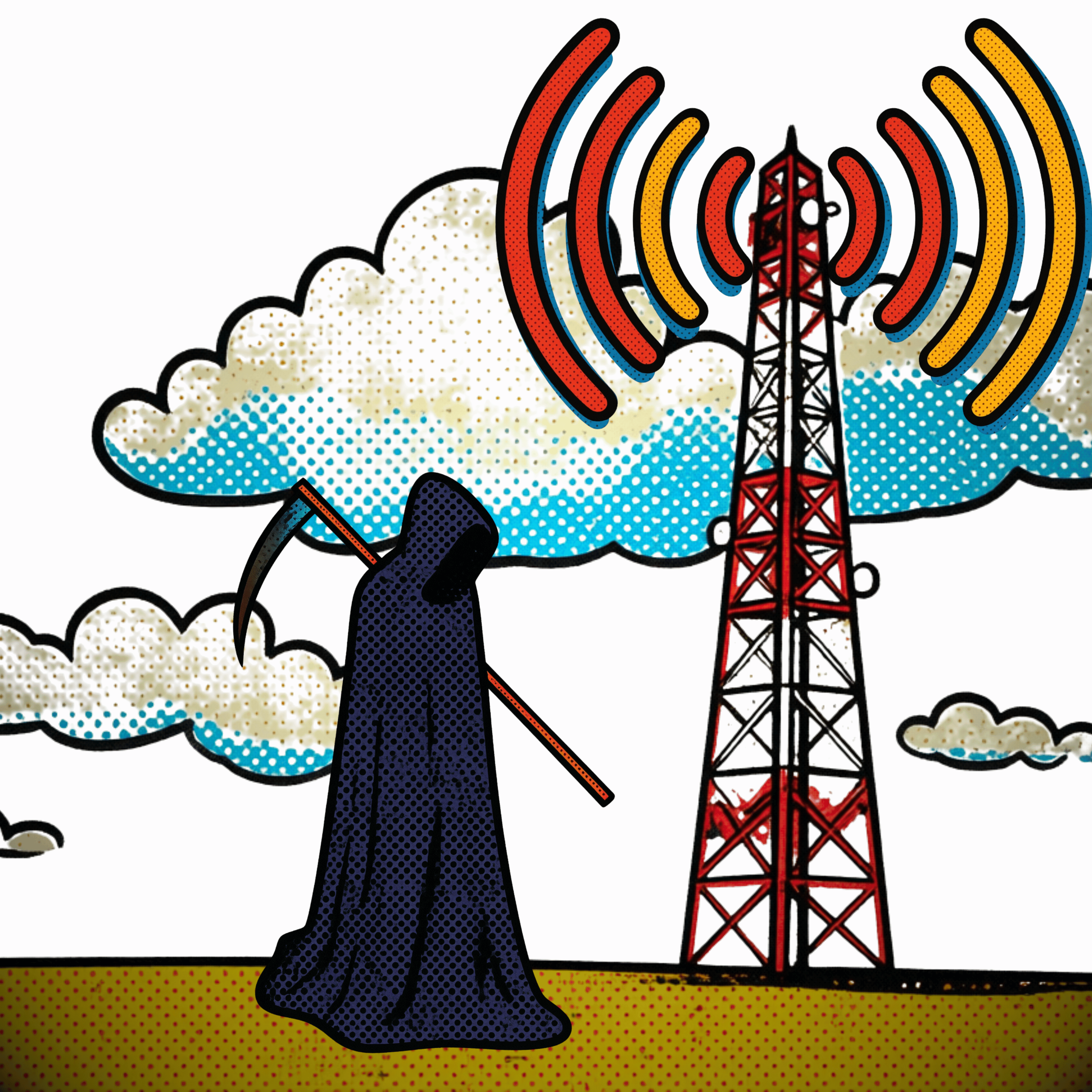
    Stop selling radio like a fire extinguisher

    Radio loves patting itself on the back for showing up during hurricanes and tornadoes. I grew up in Florida watching cones of uncertainty aim at my house, so I get why that story feels good. But building your entire pitch around being useful only when everything else breaks is a terrible way to run an industry, and it's exactly what radio has been doing for years. In this episode I get into why the disaster narrative is true but incomplete, what Pew's 2025 local news numbers actually reveal about how few people choose radio over just encountering it, and why a station like WELY in Ely, Minnesota proves the model that actually works. Spoiler: it's not more emergency messaging, it's showing up on a random Tuesday when nothing's wrong so people already trust you when something is. If you've ever wondered why radio keeps losing ground despite being technically essential during emergencies, this is the conversation about what happens when an entire medium forgets to earn its relevance the other 364 days a year. This is digital ownership and tech accountability applied to broadcast, and it's a hard look at what local actually means. Send a voicemail to the show!

    • Transcript
    • Chapters
  • September 24 · 17 min

    Diesel prices don't just hit truckers, they hit your cell and radio signals

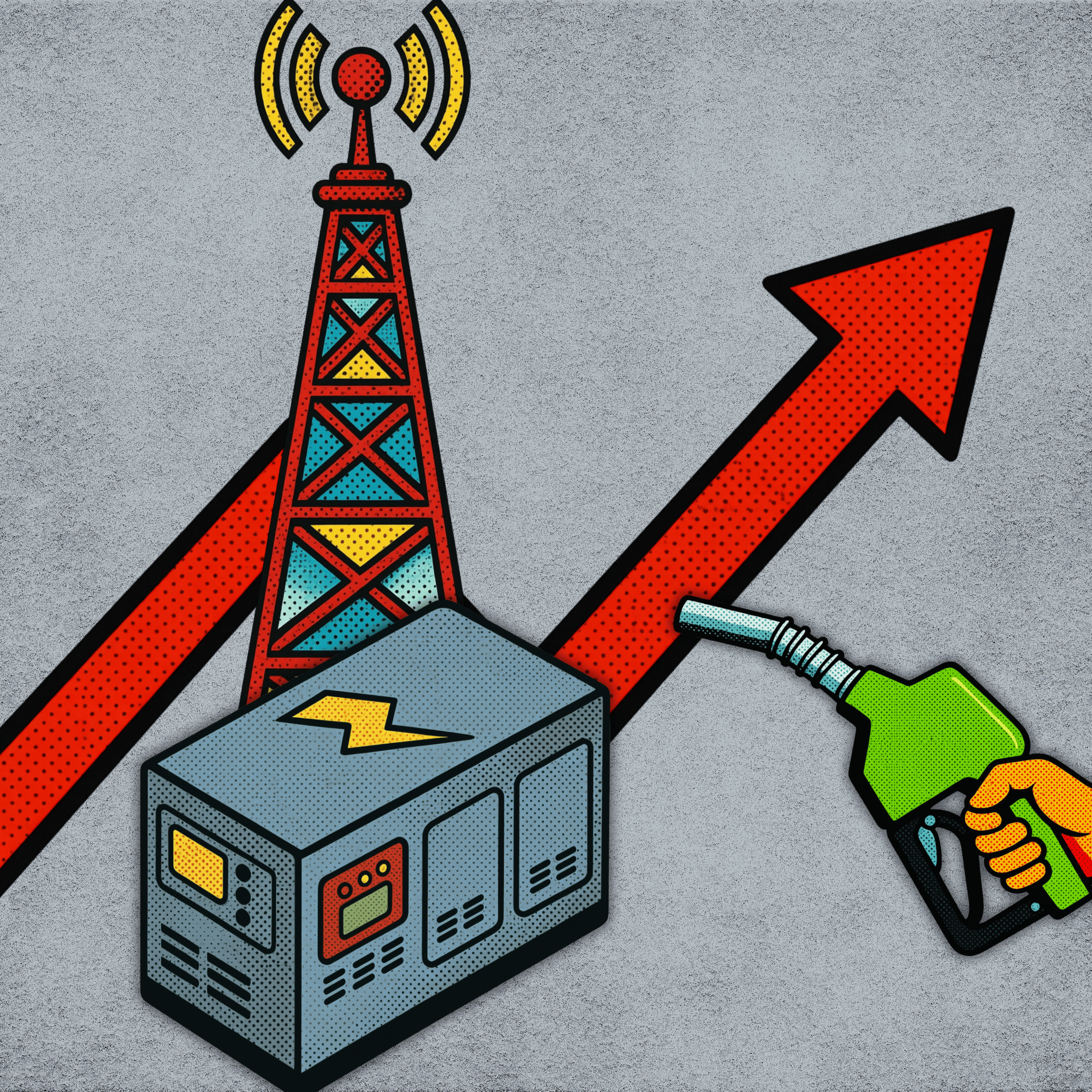
    Diesel prices are all over the news right now, but everyone's talking about it like it's just a trucking story. It's not. I'm a broadcast engineer, and I'm here to tell you diesel is the thing keeping radio transmitters and cell sites alive when the power goes out, and right now that backup power is getting brutally expensive. I break down what diesel actually costs to run a generator at a radio site or cell tower right now compared to a year ago, and the numbers are ugly. I run the math on different generator sizes, look at what happened at WMIT in North Carolina after Hurricane Helene, and talk about the FCC's numbers on how long cell sites actually run on batteries and backup fuel before someone has to physically drive more diesel out there. Spoiler: it's not as long as you'd hope. Everyone treats backup power like a checkbox: station has a generator, cool, done. But a generator without fuel, fuel trucks, and people who can actually get to the site is just an expensive lawn ornament. If you care about what keeps communication infrastructure running when everything else fails, and who actually pays for that, this one's for you. Send a voicemail to the show!

    • Transcript
    • Chapters
  • #43
    September 22 · 10 min

    Why the whole country is about to hear that emergency alert tone at once

    On November 17th, every radio and TV station in the country is going to interrupt whatever you're doing with that awful screeching tone. I'm breaking down what that nationwide Emergency Alert System test actually is, how a warning message travels from a federal agency all the way to your car radio, and why the FCC and FEMA bother running this drill every few years instead of just hoping the system works when it counts. I walk through the whole chain: who issues the alert, how it gets distributed, how your local station receives it and puts it to air, and what happens after the test when stations report back on what worked and what didn't. I also get into why this broadcast based system isn't the same as the wireless alerts on your phone, and why that's actually a good thing. Redundancy matters. You don't want a tornado warning depending on one app, one carrier, or one piece of tech working perfectly. This one's short, but it matters if you've ever wondered why that annoying tone exists or why it's supposed to be annoying. A boring Tuesday afternoon test is exactly how you find the broken piece in the system before you actually need it during a real emergency, and that's the whole point of testing anything that's supposed to keep people safe. Send a voicemail to the show!

    • Transcript
    • Chapters
  • #42
    September 15 · 23 min

    Radio can't out-Spotify Spotify, so stop trying

    Radio keeps trying to beat Spotify at being Spotify, and it's losing, because that was never a fight it could win. I lay out why the actual advantage terrestrial radio has always had isn't the music or the transmitter, it's the human relationship, and why chasing efficiency has quietly stripped that out of most stations. I get into the research backing this up, including a Jacoby Media tech survey showing core radio listeners actually rank the DJ or host above their favorite songs as the reason they tune in, plus a local feel that they say they don't get from any other kind of audio. I talk about what real local means beyond just saying a city name between songs, why automation and voice tracking aren't the enemy but became the whole philosophy for too many stations, and I point to a couple of stations, WFMU and KEXP, that still treat their air staff like people instead of interchangeable boxes on a log. If you've ever wondered why radio feels hollowed out even when the music is fine, or you care about what happens when an industry optimizes itself into irrelevance, this one's for you. It's about radio, but it's really about what happens when companies mistake efficiency for value and forget what actually made people loyal in the first place. Send a voicemail to the show!

    • Transcript
    • Chapters
  • #41
    September 8 · 38 min

    Fiber powered is a lie: how ISPs sell you coax and call it glass

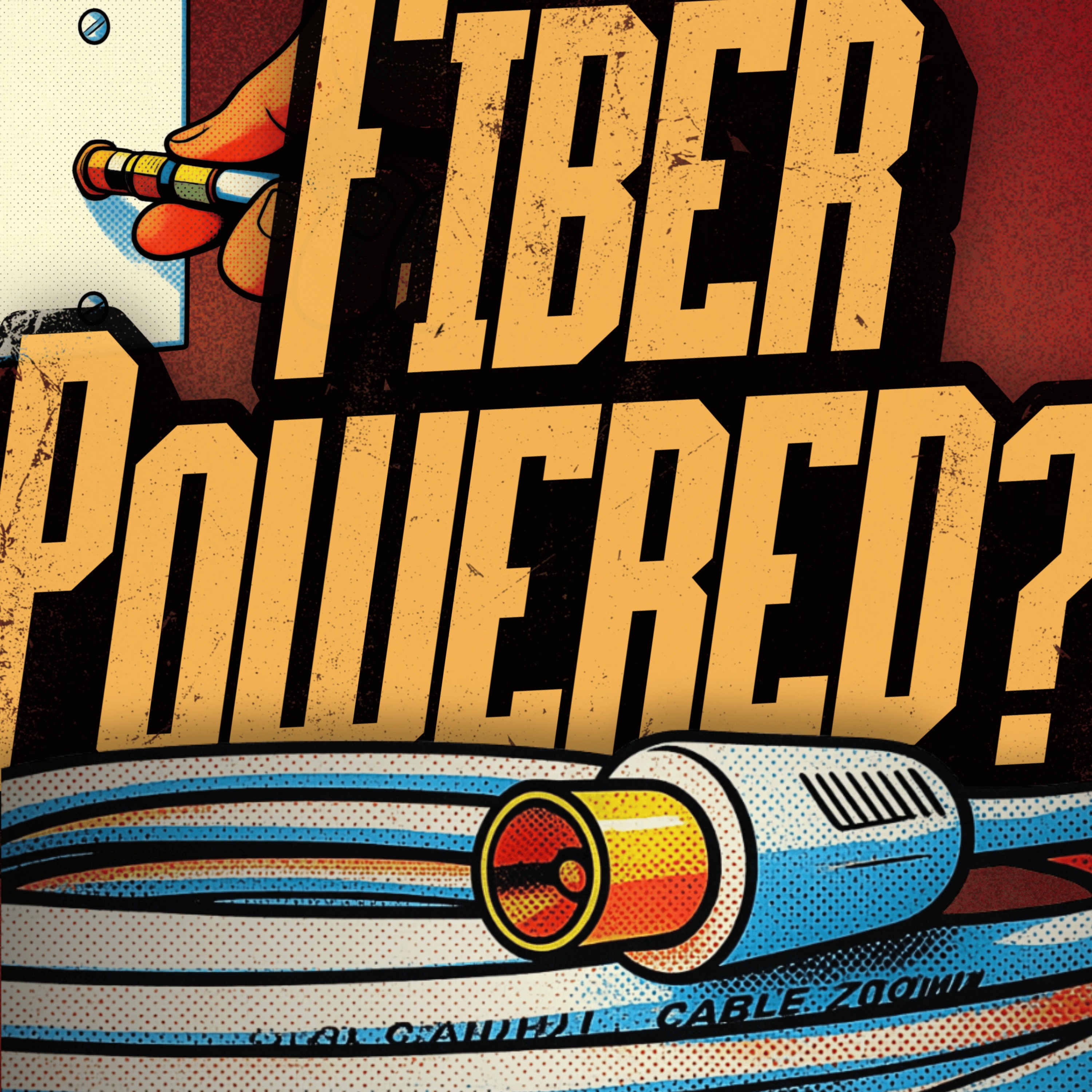
    There's a box on my basement wall where light turns into internet, and most people paying for "fiber" don't have anything close to it. I break down the term "fiber powered," why Spectrum is selling coax as if it's the real thing, and how the FTTH, FTTN, FTTC alphabet soup exists to hide exactly where your fiber connection actually stops. I also get into the AT&T versus Spectrum lawsuit, because AT&T is suing Charter over the fiber powered branding and they're not wrong. But AT&T pulled the same trick with fake 5G labels on 4G phones a few years back, so nobody in this fight is innocent. I explain what HFC networks are, why your upload speed gets choked on shared coax, and what the fine print is actually admitting when you read it closely. This is a consumer rights problem dressed up as a tech story. If you're paying for internet every month, you deserve to know what wire is actually running to your house. Send a voicemail to the show!

    • Transcript
    • Chapters
  • #40
    September 1 · 34 min

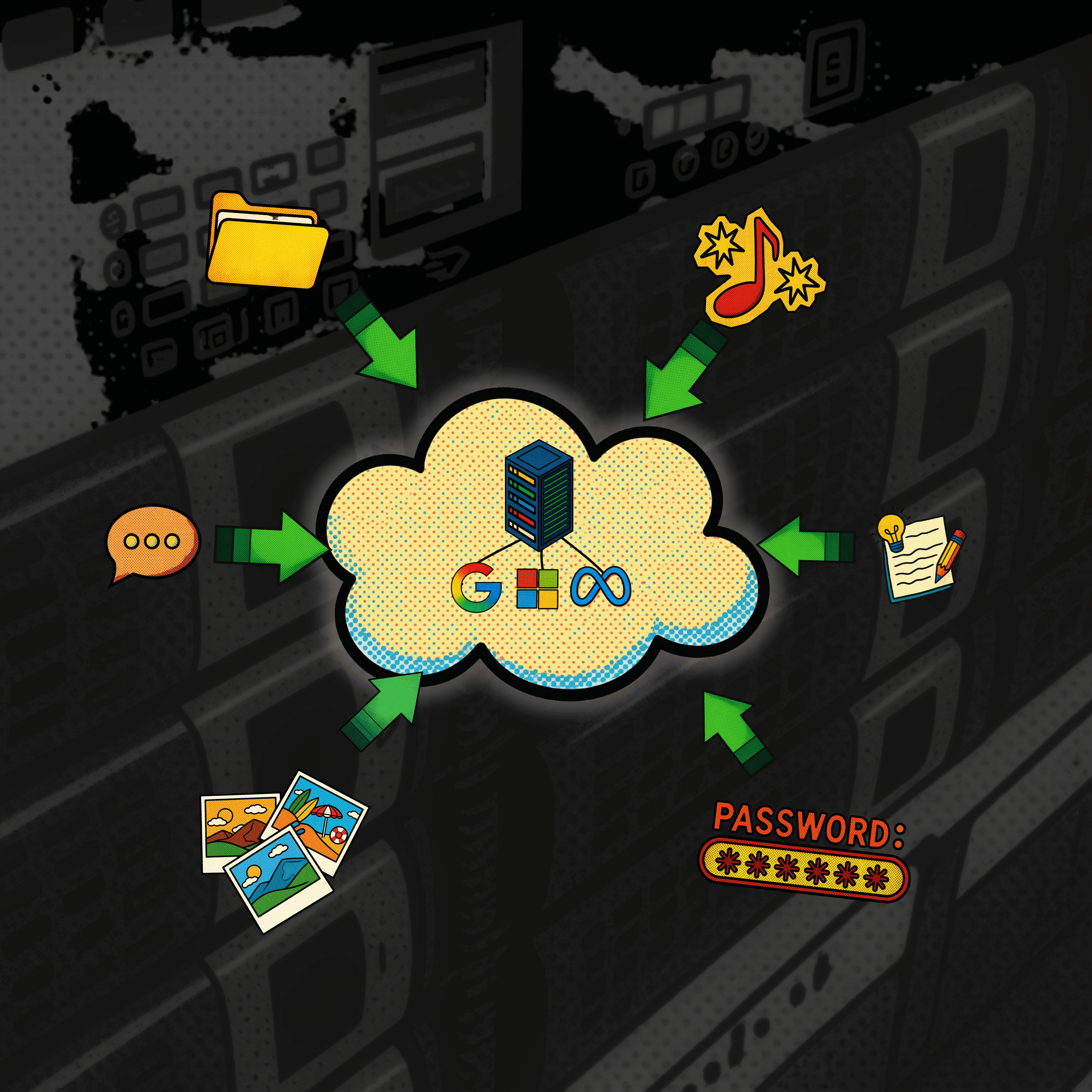
    Stop renting your own life back from Google, Apple, and Meta

    Everyone repeats the line that the cloud is just someone else's computer, and then keeps handing over their whole life to it anyway. I get into what that actually means once you stop laughing at it: they write the rules, they change them whenever they want, and they can lock you out of your own photos and emails without warning. I walk through what Google, Microsoft, Meta, and Apple actually do with your data versus what people assume, then break down the 2022 LastPass breach as the clearest example of what happens when everyone's information gets piled into one company's server. From there I get into what self hosting actually looks like now, from a box on a shelf in your house to a rented VPS, plus tools like Vaultwarden and Immich ("Image") that let you run your own passwords and photos without handing them over to a corporation. This isn't a burn it all down pitch. I still use iCloud myself and I say so. It's a real look at how much control you're giving away by default and what it would actually take to get some of it back, which is exactly what digital ownership and tech accountability are supposed to be about. Send a voicemail to the show!

    • Transcript
    • Chapters
  • #39
    August 25 · 21 min

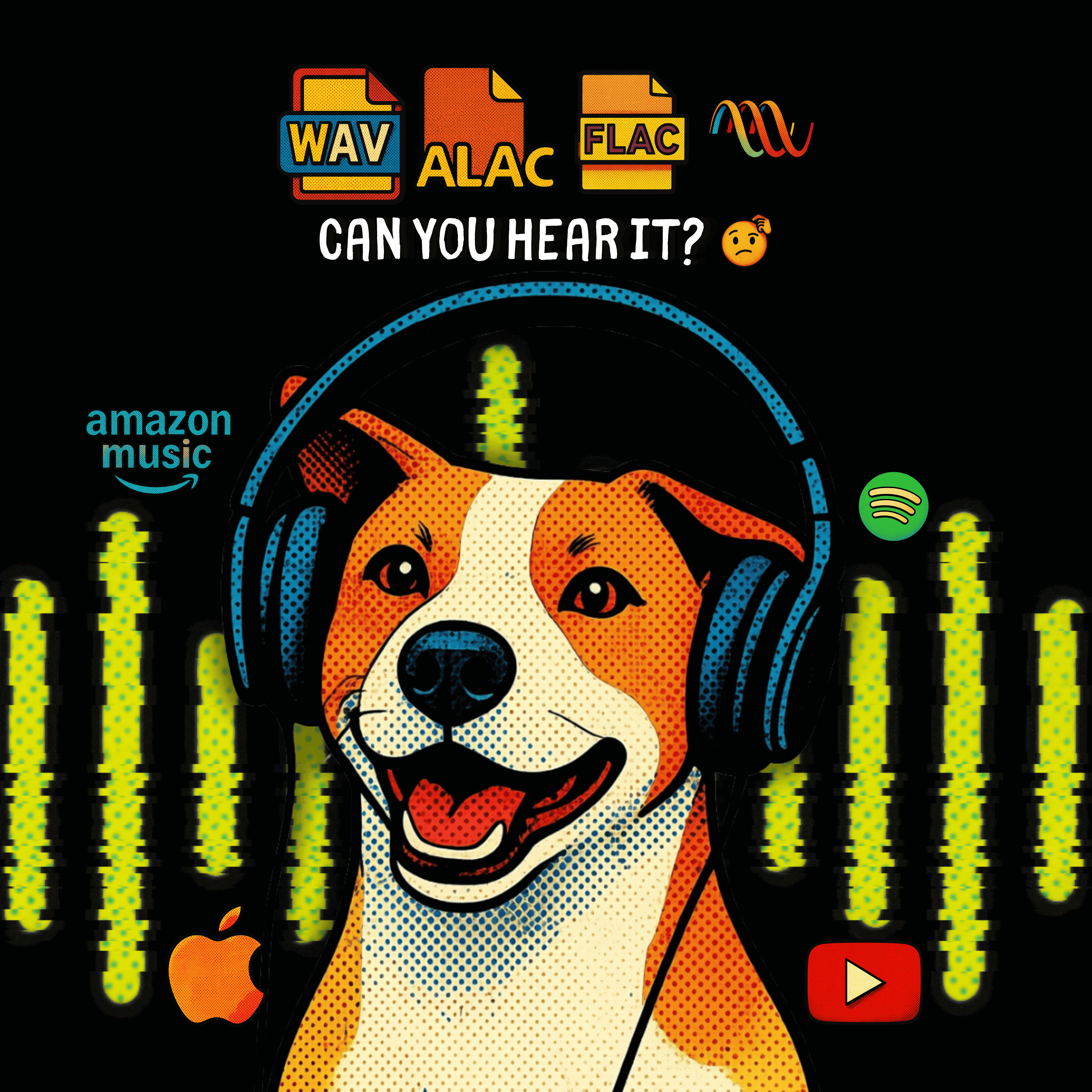
    Nobody can actually hear lossless audio, including you

    That lossless badge on your music app feels like a promise, until you realize it's probably not reaching your ears at all. I break down what lossless, lossy, and high res audio actually mean, why almost every pair of Bluetooth headphones including AirPods can't deliver a true lossless stream no matter what tier you're paying for, and how a format called MQA got exposed for basically faking the thing it claimed to guarantee. I also get into the actual science on whether any of this is audible in the first place, including a widely cited blind test where trained listeners barely beat a coin flip, and why the streaming service with zero lossless options is somehow crushing everyone else in growth. If you've ever felt smug seeing that little badge pop up on your phone, this one's going to mess with you a bit. This ties straight back into the bigger issue I keep coming back to on this show: companies selling you a feature that sounds great in the app copy but quietly stops being true the second it leaves their servers. Send a voicemail to the show!

    • Transcript
    • Chapters
  • #38
    August 18 · 24 min

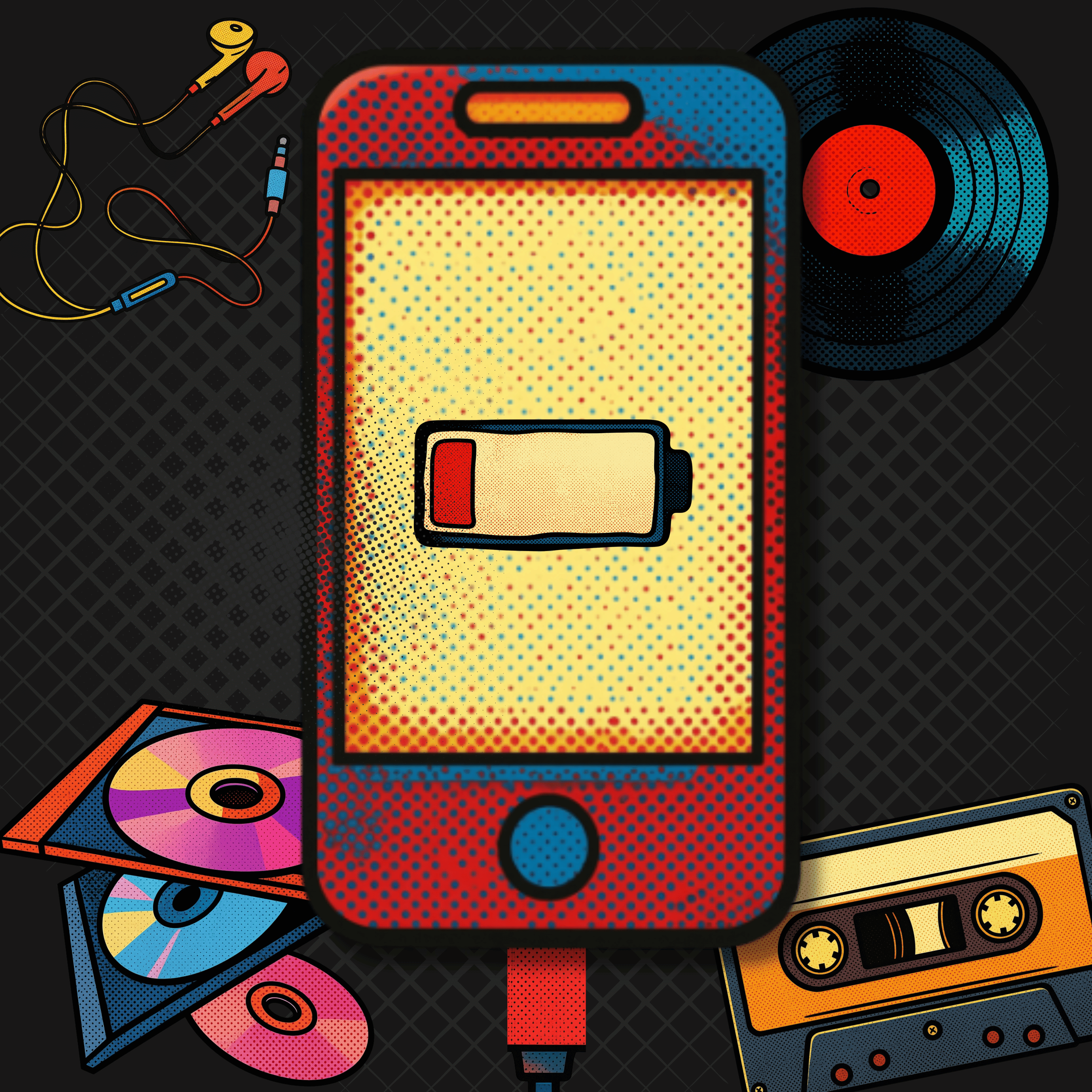
    You don't own your movies, your games, or your music

    Tyler digs into why phones, earbuds, and even video games are suddenly going backward, dumb phones, wired earbuds, and vinyl are all trending up while smartphones and streaming keep getting more bloated and expensive. He walks through the polling data on Gen Z and millennials wanting simpler tech, then connects it to something bigger: the licensing traps hiding underneath your music, movies, and games, where companies like Sony and Apple have straight up pulled purchased content from people's libraries. It's a personal, sometimes self deprecating look at why owning something physical might be the only real way to actually own it anymore. Send a voicemail to the show!

    • Transcript
    • Chapters
  • #37
    August 11 · 17 min

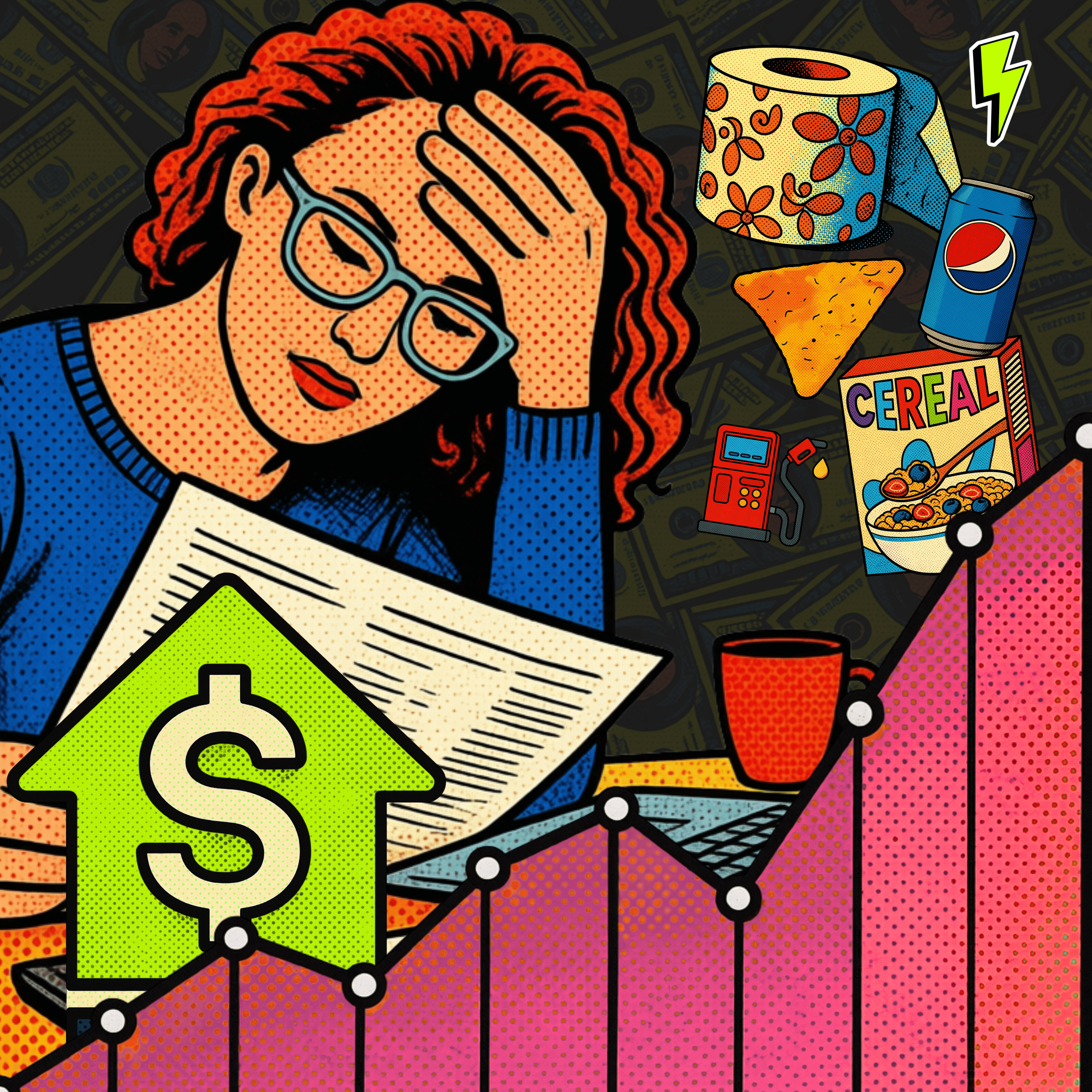
    Shrinkflation is a lie: how companies used inflation as cover

    Ever notice your chip bag feels lighter but somehow still costs the same? Tyler's had it with companies calling that inflation when it's really just shrinking the product, keeping the price, and quietly banking record profits. This episode walks through real examples from Doritos to Gatorade to General Mills, breaks down corporate profit margins and the growing gap between CEO pay and everyone else's paycheck, and looks at the bills in Congress that could have addressed it and died without so much as a hearing. It's less a tidy explainer and more an argument for calling shrinkflation and greedflation what they actually are, and a reminder that your gut feeling about that lighter bag isn't you being petty. It's a straight shot to the heart of consumer rights and who actually gets a say in what you pay for. Send a voicemail to the show!

    • Transcript
    • Chapters
  • #36
    August 4 · 26 min

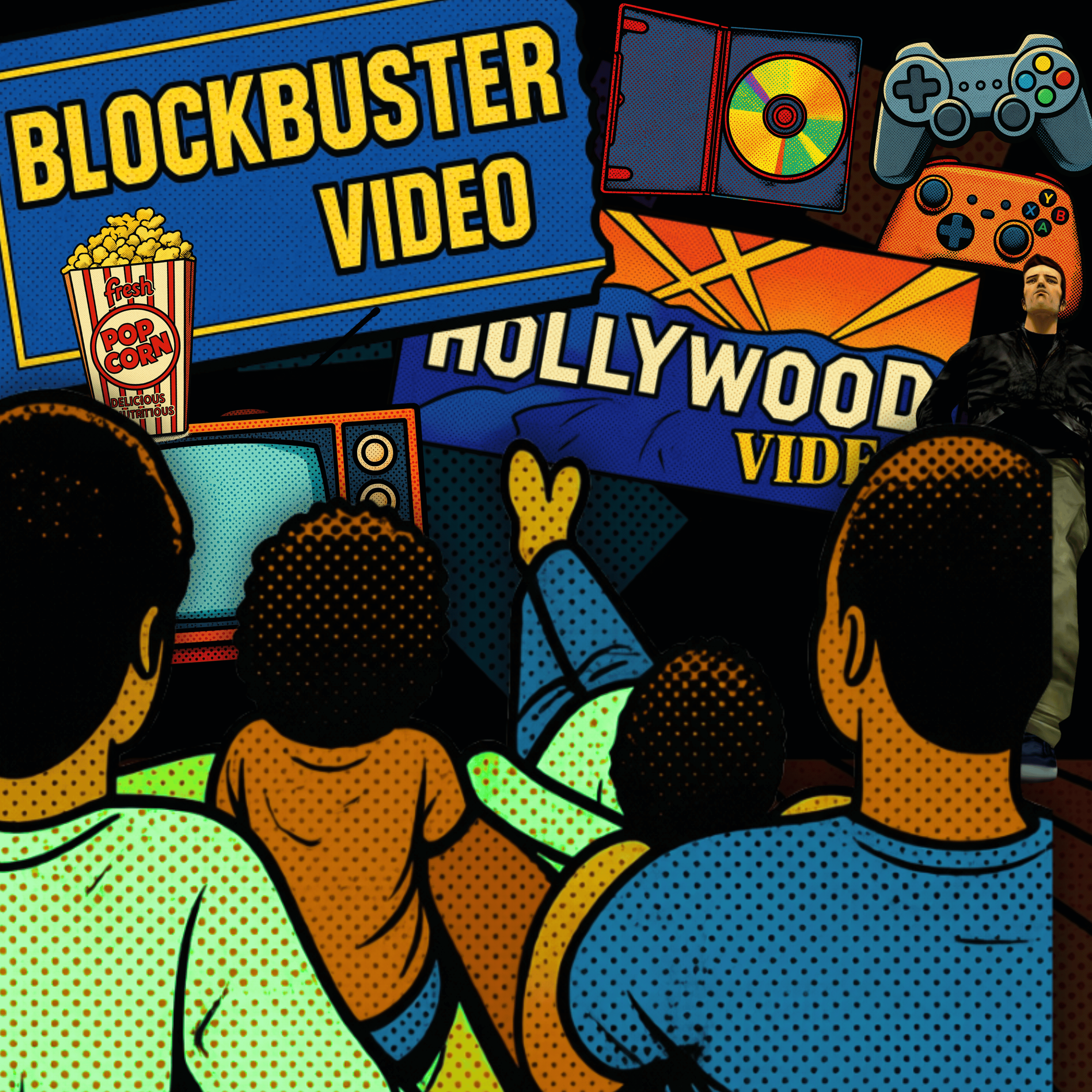
    What actually killed Blockbuster (it wasn't Netflix)

    Tyler takes a trip down memory lane through video rental stores, sparked by a random Nova Scotia reunion and his kid watching a video store simulator game on YouTube. He walks through the whole Friday night rental ritual, the smell, the ps2 sleepovers, the late fee arguments, and then breaks down what actually killed Blockbuster, and it's not what most people think. Turns out the most hated part of the business, those late fees, was quietly propping up a huge chunk of the company's revenue, and pulling that thread unravels a story about corporate infighting, a failed mail order gamble, and a rival chain most people forget existed. If you care about how companies handle customer relationships and what happens when short term decisions wreck something people actually loved, this one's for you. Shout out to Friends Who Pretend, the actual play podcast from Nick and James: https://podcasts.apple.com/us/podcast/friends-who-pretend/id1743693947 Send a voicemail to the show!

    • Transcript
    • Chapters
  • #35
    July 28 · 18 min

    Why internet radio got too expensive for regular people

    Tyler breaks down why running a small internet radio station went from a fun hobbyist project in 2009 to a legal and financial minefield today. He walks through what changed after the small webcaster provisions expired, why licensing now means dealing with multiple performance rights groups plus SoundExchange, and how the math stopped working for anyone who isn't a billion dollar streaming company. It's a plain look at how a rule meant to make sure artists get paid ended up locking out the little guy while giants like Pandora barely feel it, tying right back into the bigger fight over digital ownership and who actually gets to participate in tech. Send a voicemail to the show!

    • Transcript
    • Chapters
  • #34
    July 21 · 19 min

    The MySpace bug that taught a generation web design

    Tyler digs into the one MySpace bug that accidentally taught a whole generation how to code: that infamous About Me box that let you paste raw HTML and CSS to completely override your profile. He walks through how millions of teenagers turned copy-pasted glitter code and stolen snippets into a real (if chaotic) education in web design, and how that kind of hands-on customization quietly disappeared as platforms shifted toward clean, algorithm-friendly templates. It's part nostalgia trip, part case study in how convenience and control replaced ownership, and it ties right back into the bigger question of who actually gets to shape the platforms we use every day. Send a voicemail to the show!

    • Transcript
    • Chapters
  • #33
    July 14 · 14 min

    My hobby became my job, so I'm blowing up the format

    Tyler hits pause on the usual format to explain why he's blowing up the show again. He walks through the moment he realized his supposedly personal podcast had quietly turned into a second shift of his day job, and what that means for where the Tyler Woodward Project goes from here. Send a voicemail to the show!

    • Transcript
    • Chapters
  • #32
    July 7 · 19 min

    STL Redundancy: Radio's Forgotten Infrastructure Crisis

    The STL, or studio to transmitter link, is the unglamorous connection that keeps a radio station on the air, and when it fails everything goes dead silent even if every other piece of gear is working perfectly. This episode covers why most stations never built backup STL systems, how broadcast consolidation pulled out the engineers who used to catch these failures fast, and what real redundancy looks like using fiber, cellular bonding, and gear like Comrex and Peplink. It's a case study in how cost cutting quietly makes critical infrastructure more fragile, which is basically the whole tech accountability story in miniature. Send a voicemail to the show!

    • Transcript
    • Chapters
  • #31
    June 30 · 15 min

    Plex vs Jellyfin: The Real Cost of Self-Hosting Media

    Plex just tripled its lifetime pass price and put remote streaming of your own files behind a paywall, so this episode digs into what it actually takes to switch to something like Jellyfin instead. Tyler walks through the real headaches of self-hosting, from CG-NAT and Tailscale to Synology's drive lock-in and QNAP's ransomware history. It's a grounded look at what owning your media really costs in time, money, and know-how, and why that matters for digital ownership in general. Send a voicemail to the show!

    • Transcript
    • Chapters
  • June 26 · 15 min

    iHeartMedia layoffs: how private equity gutted local radio

    iHeartMedia just laid off hundreds of on air staff this week, wiping out local radio in markets like Springfield, Erie, and Spokane. Tyler traces how the 1996 Telecommunications Act opened the door for private equity to buy up stations, load them with debt, and strip out the people who actually made radio local. It's a case study in regulatory capture and what happens when infrastructure gets consolidated into a handful of hands, a warning for anyone who cares about digital ownership and consumer rights. Send a voicemail to the show!

    • Transcript
    • Chapters
  • #30
    June 23 · 18 min

    HD Radio Hijacking: When Big Stations Steal Your Frequency

    HD radio hijacking happens when a distant station's digital signal takes over a local frequency the moment that local station's own HD signal goes dark. Tyler breaks down how this happened to him on his commute, why small and low power FM stations have zero regulatory protection against it, and how outdated FCC rules let bigger broadcasters with more transmitter power dominate the dial. It's a case study in how spectrum rules built for analog radio quietly favor consolidation over local, independent stations. Send a voicemail to the show!

    • Transcript
  • #29
    June 16 · 24 min

    HD Radio: How Media Consolidation Killed It

    HD radio was pitched as the FM upgrade that would save terrestrial radio from satellite and streaming, but two decades later most listeners have never heard of it. Broadcast engineer Tyler Woodward traces the FCC's 2002 approval, iBiquity's royalty driven business model, and how media consolidation left stations with no incentive to actually use their HD2 and HD3 channels. It is a story about broadcasting infrastructure and what happens when corporations stop investing in the tech they were handed. Send a voicemail to the show!

    • Transcript
    • Chapters
  • #28
    June 8 · 13 min

    Spotify Grades Its Own Homework: Streaming Royalty Math

    Spotify decides what counts as a stream and there is no outside auditor checking the number that decides how artists get paid, unlike broadcast radio which uses Nielsen ratings and portable people meters. This episode breaks down how a 30 second play counts as a full stream, how one guy ran a years long AI bot fraud scheme that pulled in millions, and how Spotify quietly reclassified its subscription bundle in a way that shrank royalty payouts to songwriters. It is a plain look at what happens when a platform counts its own numbers and grades its own homework, another gap in tech accountability. Send a voicemail to the show!

    • Transcript
    • Chapters
  • #27
    June 1 · 14 min

    How A UK Radio Broadcast Controls Household Heating

    For over 40 years, a radio signal in the UK has been quietly switching household heating systems on and off. It's called the Radio Teleswitch Service, and it's one of the best examples of hidden data riding on broadcast signals that most people have never heard of. I explain how RTS works, how the UK approach compares to what we do in the US, and what it means that the whole thing is finally shutting down after four decades of just working. Send a voicemail to the show!

    • Transcript
Showing 1–20 of 21 episodes