Skip to content
Artwork for The Tools at Hand with Harrison Gardner

The Tools at Hand with Harrison Gardner

harrisongardner

We live in a complex world. And navigating it as the complex, hopeful, emotional, ambitious human beings that we are takes a very real set of tools. The Tools at Hand is a podcast about people who have done the work of finding and developing those tools. People who saw a problem, or felt one, and instead of waiting for someone else to fix it, started figuring it out for themselves. In their community, their discipline, their craft, or their own inner life. Each episode in conversation with one guest who gives an honest account of what it actually took to build something real. The question underneath every conversation is: what did you have to learn to build this?


The Tools at Hand podcast is brought to you by Bord Gáis Energy. 


New episodes drop every Thursday.


Hosted on Acast. See acast.com/privacy for more information.

Play
  • 15 episodes
  • weekly
  • Avg 52 min
  • English
  • S2 · E4
    Thursday · 56 min

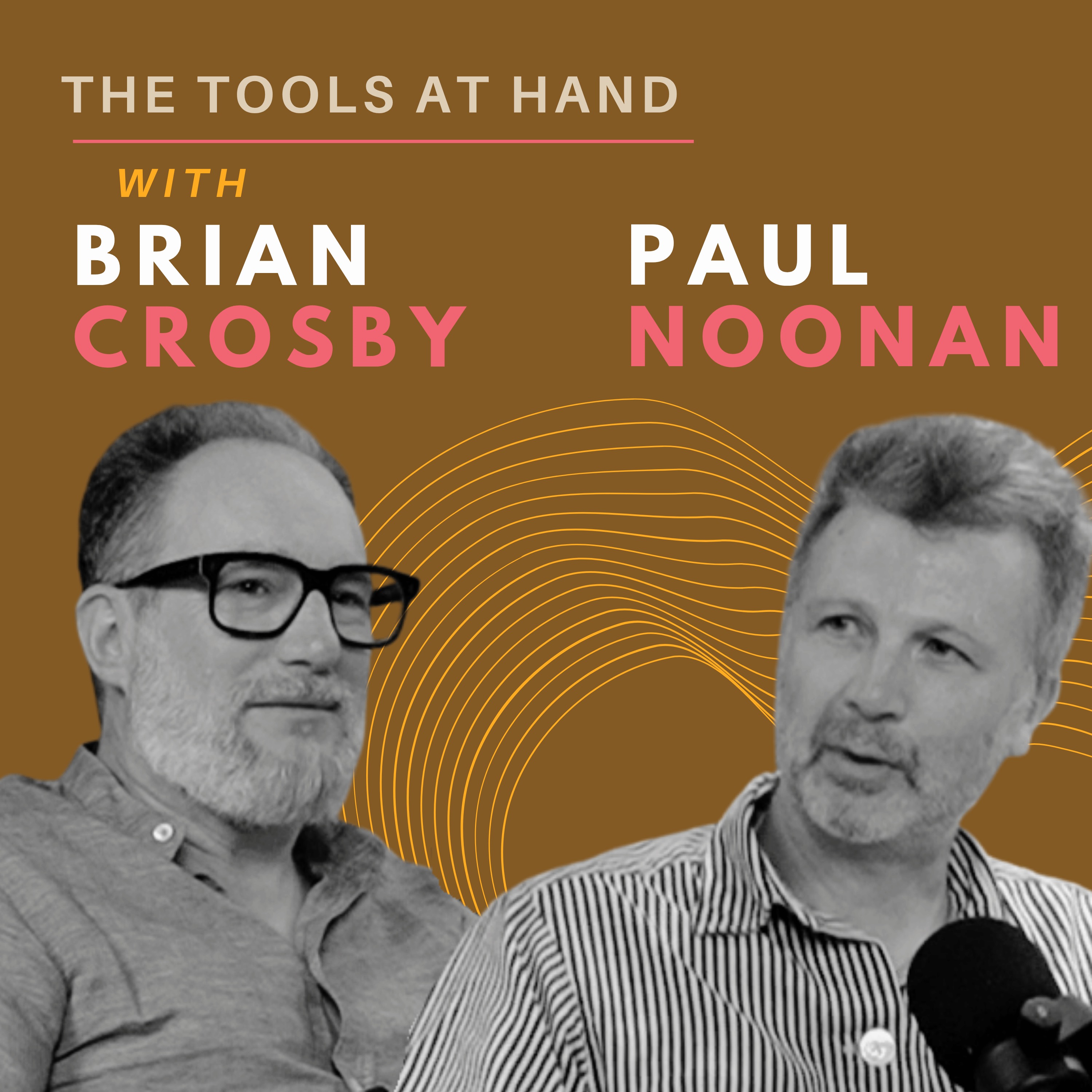
    Paul Noonan & Brian Crosby: From Bell X1 to Pilgrims, Music Therapy & Breathwork

    Paul Noonan and Brian Crosby have been making music together, in one form or another, for decades. From Juniper and Bell X1, through 16 years of separate creative journeys, they eventually found their way back into a room together. What started with Brian’s solo piano record Imbrium and a voice note from Paul during COVID became Pilgrims — a new project built from everything they had learned and experienced in the years apart. In this conversation, we talk about what it means to return to a creative partnership after so much time, the vulnerability of making something new with someone you have a long history with, and how Pilgrims grew from remote recordings into a live project. We also get into the very different paths they took along the way. Brian talks about leaving Bell X1, moving to Berlin, composing for film, building recording studios from scratch, and training in holotropic breathwork. Paul talks about his work as a music therapist, working with people with dementia, brain injuries and children, and what music can make possible in those settings. And underneath all of it is a bigger question about creativity: what happens when we stop trying to be perfect, become willing to be vulnerable, and allow other people to change what we're making? This is a conversation about music, collaboration, fear, connection, and finding your way back to making things. Support the podcast on Patreon: https://www.patreon.com/cw/HarrisonGardner Connect with Harrison: Instagram: https://www.instagram.com/_harrisongardner Website: https://www.harrisongardner.net/ Books: https://www.harrisongardner.net/bookstore-1 Pre-order my new book HEAT-SHELTER-WATER-FOOD https://www.harrisongardner.net/heat-shelter-water-food Explore Pilgrims and their music: https://www.pilgrims.music/ Chapters 00:00 – Teaser 00:51 – Intro: Creating Something People Are Ready to Receive 03:50 – From Bell X1 to Pilgrims 05:42 – The Voice Note That Sparked Pilgrims 07:31 – Finding a New Musical Voice 08:17 – Two Very Different Journeys 09:17 – Why Brian Left Bell X1 16:40 – Building a Creative Scene in Berlin 19:28 – What Is Holotropic Breathwork? 23:45 – Fear, Self-Doubt & Creativity 30:55 – Paul Noonan on Music Therapy 32:00 – Music & Brain Injury 32:45 – Creating a Safe Space 34:20 – From Performer to Facilitator 40:55 – Building the Wicklow Studio 45:00 – Why Small Venues Matter 52:34 – What's Next for Pilgrims? 55:37 – Outro Hosted on Acast. See acast.com/privacy for more information.
  • S2 · E3
    August 27 · 1 hr 8 min

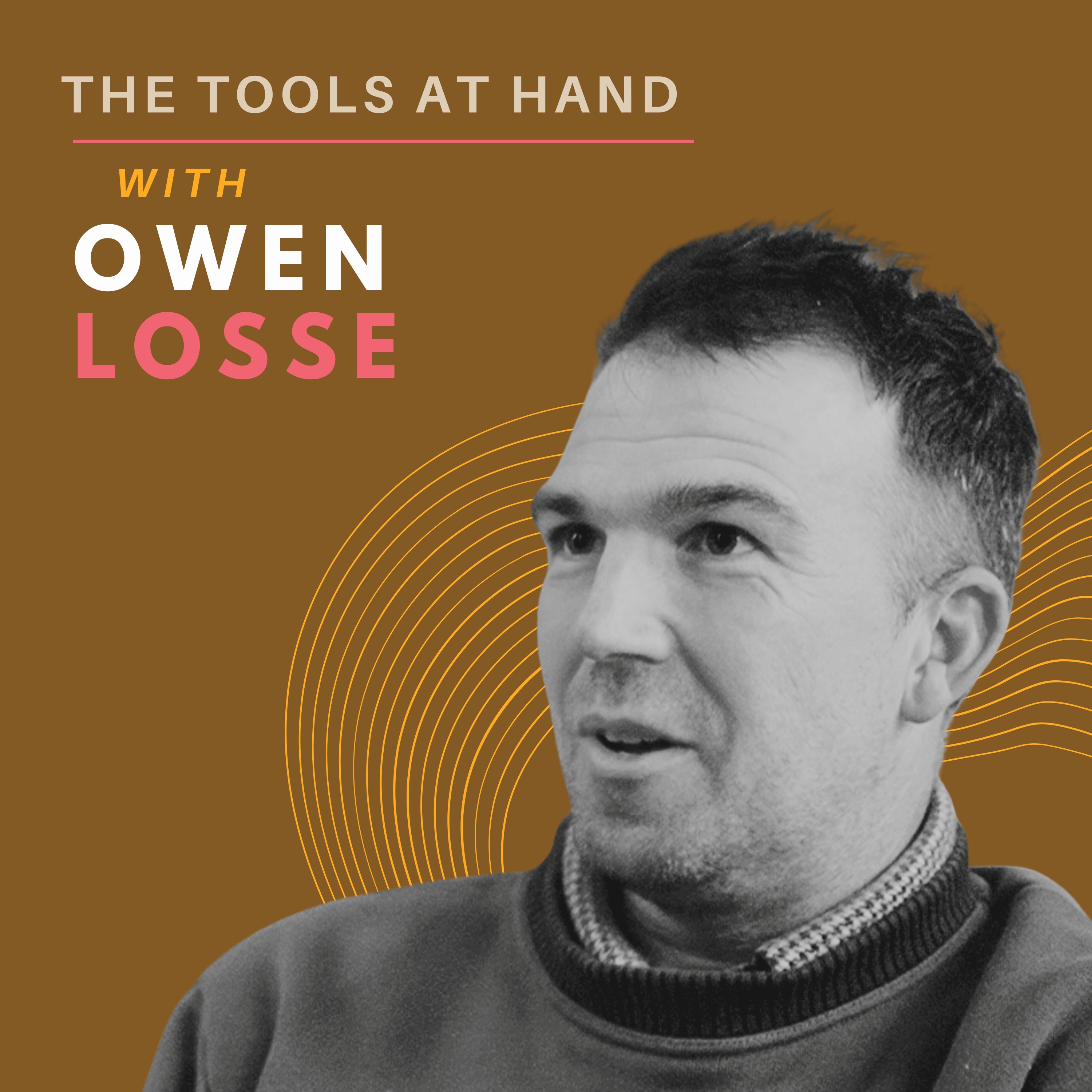
    Why Education Keeps Preparing Kids for the Wrong Future | Owen Losse

    What if we're preparing young people for a future that will never exist? After more than 15 years working across education systems and helping schools improve outcomes for students, Owen Losse has reached a surprising conclusion: we spend too much time trying to predict the future, and not enough time understanding how people actually learn. In this conversation, Owen draws on his experience as an education leader to explore one of the biggest questions facing education today: How do we prepare people for a future we can't predict? From AI and the surprising history of the chalkboard to confidence, practical skills, and why learning has to be hard, this conversation challenges many of our assumptions about education, technology, and what it really means to prepare people for an unknowable future. Whether you're an educator, parent, leader, builder, or lifelong learner, you'll walk away with a different perspective on learning—and why the most important skills may be the ones that never go out of date. Support the podcast on Patreon: https://www.patreon.com/cw/HarrisonGardner Connect with Harrison: Instagram: https://www.instagram.com/_harrisongardner Website: https://www.harrisongardner.net/ Books: https://www.harrisongardner.net/bookstore-1 Pre-order my new book HEAT-SHELTER-WATER-FOOD https://www.harrisongardner.net/heat-shelter-water-food Connect with Owen: https://www.linkedin.com/in/owenlosse/ Chapters 00:00 Learning Has to Be Hard 02:45 Owen's Journey Through Education 09:06 Why Education Doesn't Work the Same Everywhere 12:20 What Should Schools Actually Teach? 15:45 Why Schools Keep Chasing the Future 24:50 Why Schools Are Always Behind 27:33 The AI Education Debate Happened 100 Years Ago 34:35 How Build School Teaches People to Learn 39:30 How Schools Can Stop Chasing Society 50:15 What 15-Year-Olds Really Think About Home 58:00 Is Confidence a Skill? 59:20 What Cooking 100 Chickens Teaches Us About Learning 01:03:20 Learning From Failure 01:05:05 What a Good Learning Environment Looks Like Hosted on Acast. See acast.com/privacy for more information.
  • S2 · E2
    August 20 · 52 min

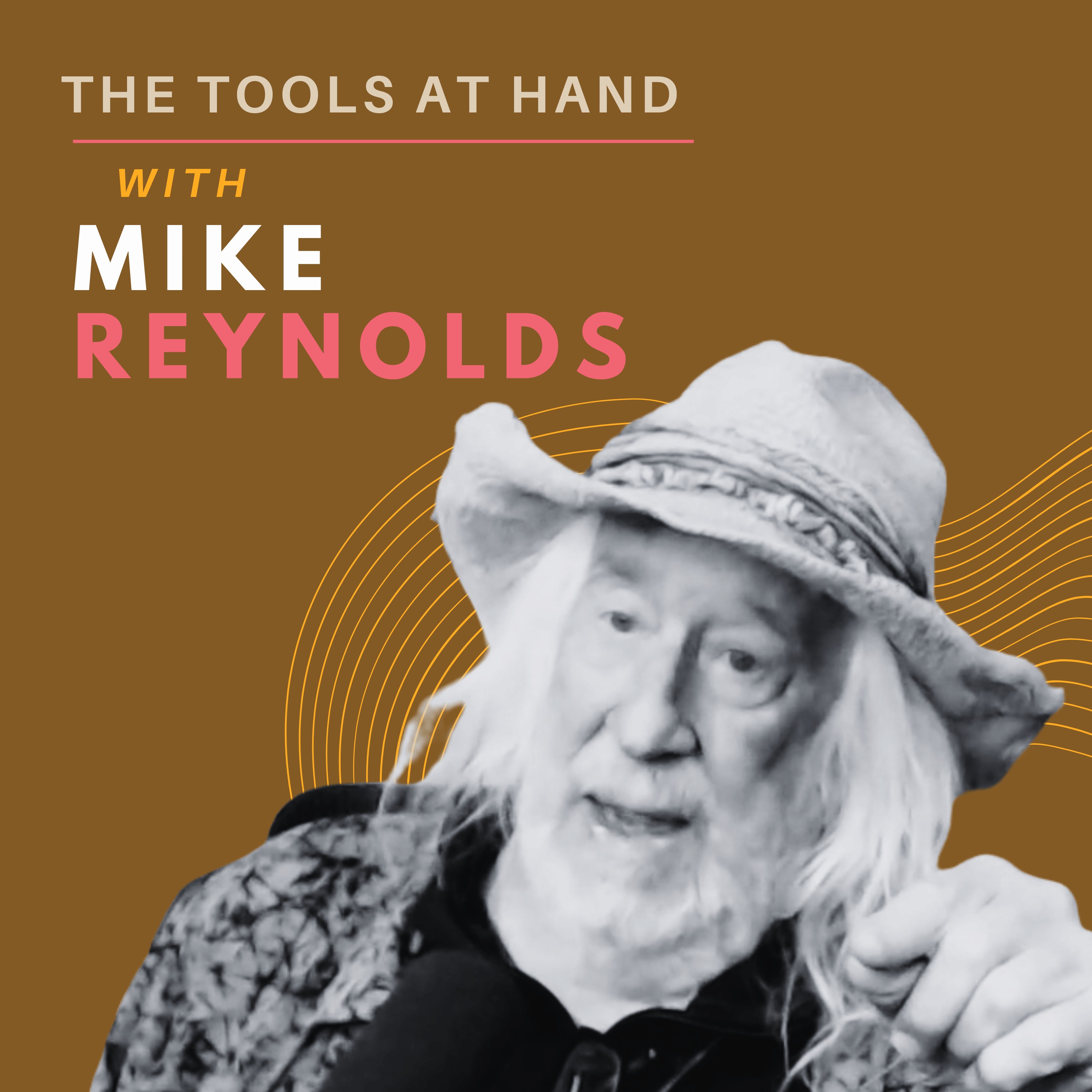
    Earthships: Houses From Cans and Tires Without Utility Bills | Mike Reynolds

    What if your home could produce its own water, energy, food, and comfort? For more than 50 years, Michael Reynolds has challenged conventional architecture by building off-grid, self-sustaining homes from materials most people consider trash. As the creator of the Earthship movement, he believes our homes should take care of us, not the other way around. But this conversation isn't really about architecture. It's about independence. It's about questioning the systems we've come to depend on and asking a simple question: What if the resources we need are already all around us? In this episode, Mike shares why he built homes from tires, beer cans, and bottles and why he believes autonomous off-grid housing is the future. We explore Earthships, off-grid living, self-reliance, and sustainable architecture, while asking whether waste could become one of our most valuable resources. Whether you're interested in alternative building or simply learning to think differently, this conversation will challenge the way you think about home, freedom, and resilience. Support the podcast on Patreon: https://www.patreon.com/cw/HarrisonGardner CONNECT WITH ME Instagram: https://www.instagram.com/_harrisongardner Website: https://www.harrisongardner.net/ Bookstore: https://www.harrisongardner.net/bookstore-1 Pre-order my new book HEAT-SHELTER-WATER-FOOD https://www.harrisongardner.net/heat-shelter-water-food Earthship Biotecture: https://earthship.com/ Earthship Academy & Training: https://earthship.com/learn 00:00 Building a House From Beer Cans 01:04 The Colombia Story 03:40 Why Mike Started Building Earthships 08:10 The 60-Year Fight Against the System 12:00 Why Autonomous Off-Grid Housing Matters 14:09 Ad Break: Supporting The Tools at Hand 15:57 Unbuilding the Way We Think About Homes 20:30 The Six Things Every Human Needs 25:30 Why Everything Has Become an Industry 29:05 The Knowledge Mike Wants to Spread 38:03 What COVID Taught Mike About Self-Reliance 43:21 Why a House Should Be a Machine 48:25 How Earthships Changed Harrison's Life 49:45 The Garbage Warrior & Harrison's New Book Hosted on Acast. See acast.com/privacy for more information.
  • S2 · E1
    August 13 · 57 min

    The Question I've Been Trying to Answer for 20 Years

    When I was 19, I went to Kenya because I wanted to make myself useful in the world. Instead, I found myself caught in the middle of the 2007–08 post-election violence and came home with a feeling of helplessness and a question that has stayed with me for almost 20 years: why do some people keep believing their actions matter while others eventually stop trying? Years later, I went back to the journal I kept during that time and started looking at the experience differently. In this episode, I explore Martin Seligman’s famous dog experiment and the psychology of learned helplessness, and how our sense of agency is shaped by repeated experience. I also look at where I see the same pattern today, from Irish farmers dealing with wool that has almost no economic value to a generation growing up with every global crisis in their pockets. And I ask what it might take to unlearn helplessness and start finding the levers that still work. Pre-order my new book HEAT-SHELTER-WATER-FOOD https://www.harrisongardner.net/heat-shelter-water-food Support the podcast on Patreon: https://www.patreon.com/cw/HarrisonGardner CONNECT WITH ME Instagram: https://www.instagram.com/_harrisongardner Website: https://www.harrisongardner.net/ Chapters 00:00 Intro: Kenya and Helplessness 01:03 Welcome Back 01:40 Why I Went to Kenya 04:10 Kenya's 2007 Election Crisis 13:03 Reading My Diary From Kenya 24:04 Martin Seligman's Dog Experiment 26:30 Learned Helplessness and Agency 28:00 Why I Thought I Could Change the World 31:20 Finding the Same Pattern Everywhere 33:42 The Irish Wool Problem 38:10 What Today's Generation Is Learning 42:30 What Really Happened in Kenya? 48:20 The Work That Actually Matters 52:50 Looking Back Twenty Years Later 55:40 Finding the Levers Around Us 56:50 My New Book: Heat, Shelter, Water, Food 57:35 Credits Hosted on Acast. See acast.com/privacy for more information.
  • S1 · E10
    June 17 · 52 min

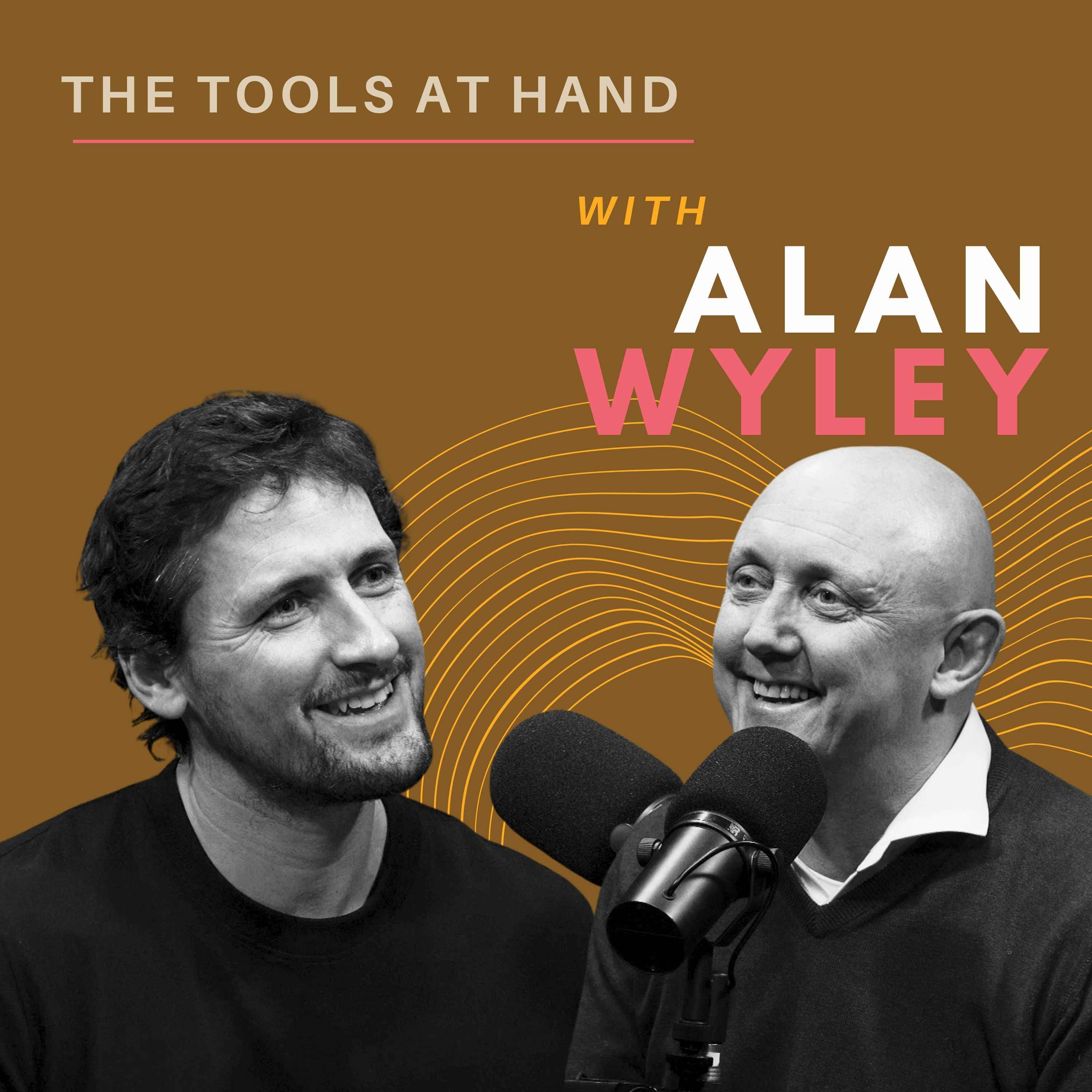
    Alan Wyley: The Answer Was Already There

    Ireland wastes over a million euro of renewable energy every day while over half a million households can't afford to heat their homes. Alan Wyley is the CEO of Energycloud and has a €500 device that connects those two factors. He and Harrison talk about elegant solutions, stubborn optimism, and what it takes to bring an end to energy poverty. Brought to you by Bord Gáis Energy. Hosted on Acast. See acast.com/privacy for more information.
  • S1 · E9
    June 10 · 45 min

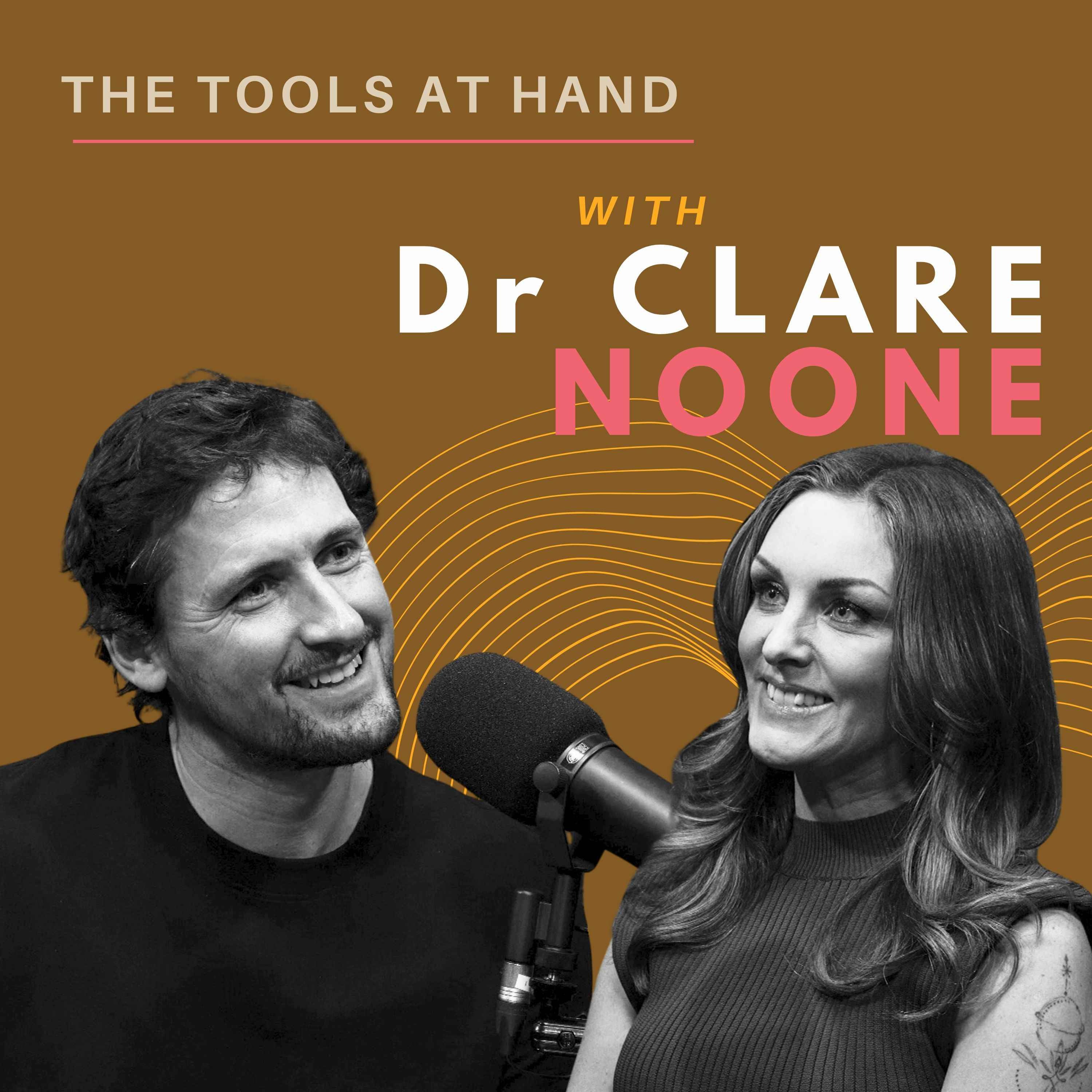
    Clare Noone: Understanding the System We're In

    Dr Clare Noone has sat in the rooms where the world tries to agree on its future. As a climate scientist who attended the most recent COP summit in Brazil, she has seen up close the gap between what the science says and what actually gets decided. She and Harrison talk about turning research into action, what it costs to keep communicating clearly when the stakes are this high, and what the rest of us can actually do with that information. Contains strong language. Brought to you by Bord Gáis Energy. Hosted on Acast. See acast.com/privacy for more information.
  • S1 · E8
    June 3 · 1 hr 7 min

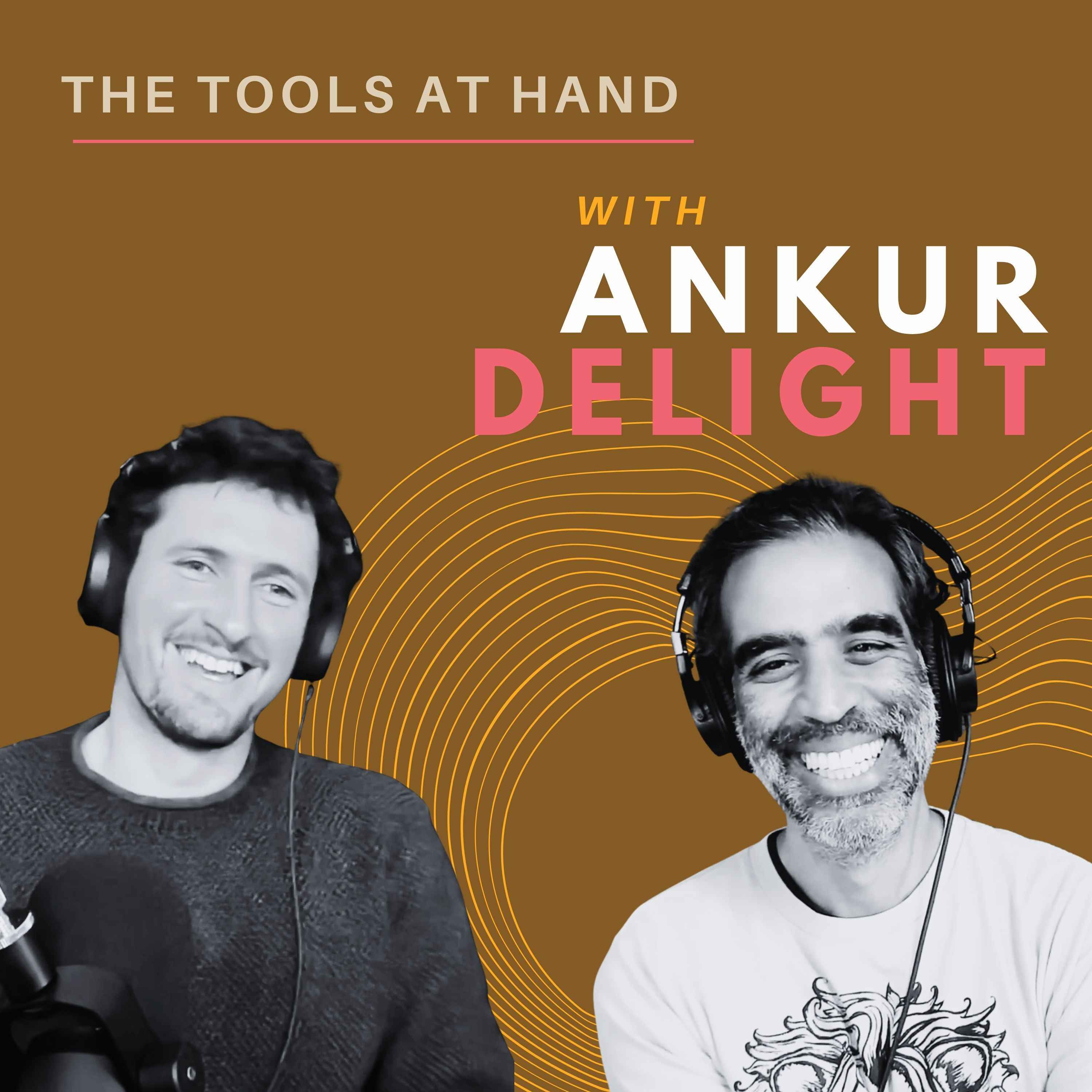
    Ankur Delight: Conflict as a Place to Build From

    Ankur Delight is a conflict mediator, farmer, mathematician, and one of Harrison's oldest friends. They met at the Gandhi Ashram and in this conversation they explore why conflict might actually be a gift, what really happens in a mediation room, and what it means to build community and connection in a world that keeps pulling itself apart. Contains strong language. Brought to you by Bord Gáis Energy. Hosted on Acast. See acast.com/privacy for more information.
  • S1 · E7
    May 27 · 57 min

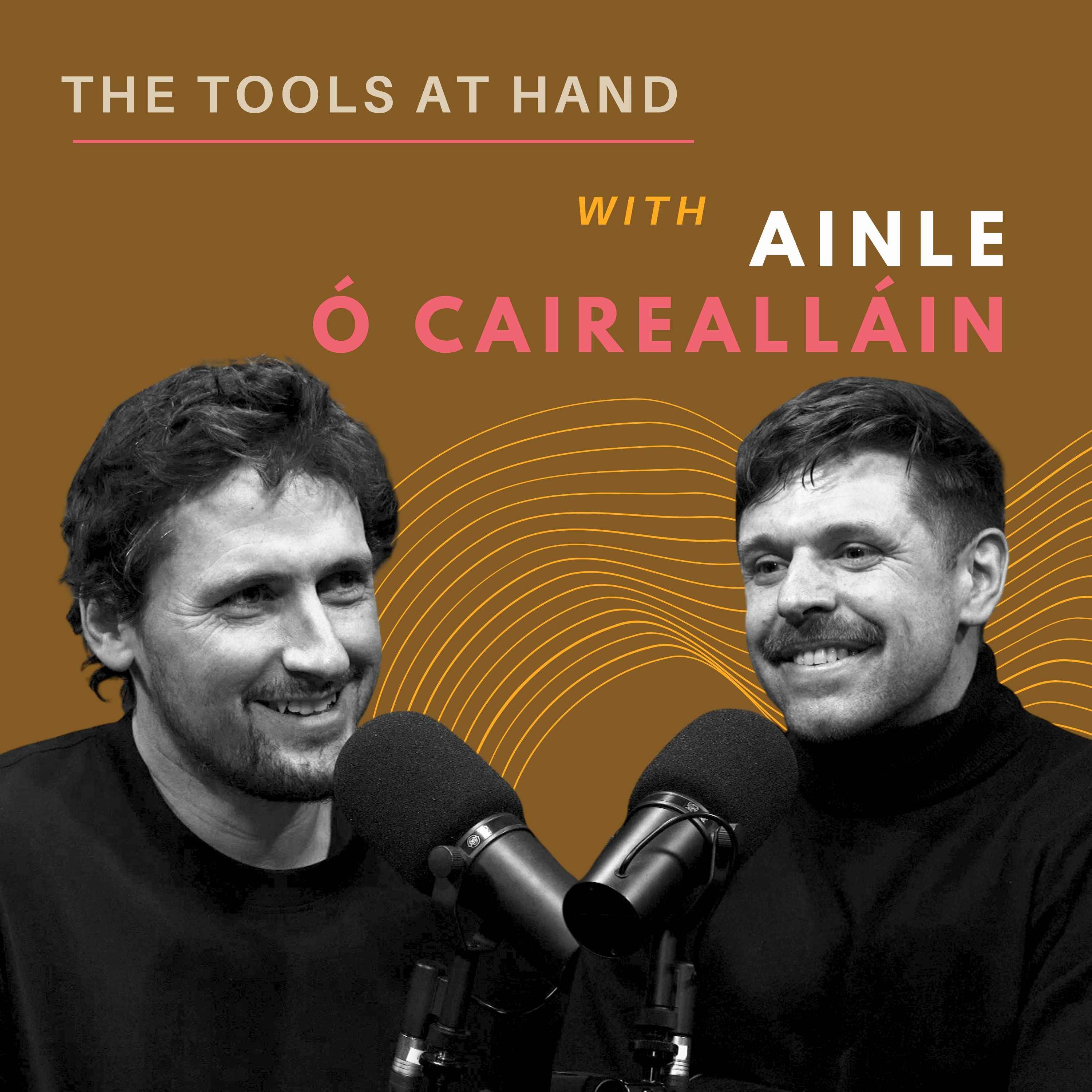
    Ainle Ó Cairealláin: Language as Infrastructure

    Ainle Ó Cairealláin has just returned from Cuba, where he travelled as part of the Nuestra América Convoy's humanitarian mission. He's also one of the most compelling voices in Ireland on the relationship between language, community, and identity. He and Harrison talk about language as a form of infrastructure, what it means to hold a culture together from the inside out, and why the communities with the least are often the ones who know most about resilience. Brought to you by Bord Gáis Energy. Hosted on Acast. See acast.com/privacy for more information.
  • S1 · E6
    May 20 · 59 min

    Clare Dunne: Making the Thing You Need

    IFTA award winning actor and writer Clare Dunne joins Harrison in the studio. Clare's performance as Amanda Kinsella in Kin has made her a household name, but what Harrison really wanted to talk about was Herself, Clare's film about a woman who builds her own home when the system fails her. She and Harrison talk about craft, identity, and the courage it takes to make the thing you need when nobody else will make it for you. Contains strong language. Brought to you by Bord Gáis Energy. Hosted on Acast. See acast.com/privacy for more information.
  • S1 · E5
    May 13 · 55 min

    Matt Smith: Planting for the Long Game

    After years on the ocean, and then years growing vegetables, Matt Smith co-founded the charity Hometree to restore native woodland across Ireland. He and Harrison talk about ecological restoration, long-term thinking, and what it takes to build something with results you may never see. Contains strong language. Brought to you by Bord Gáis Energy. Hosted on Acast. See acast.com/privacy for more information.
  • S1 · E4
    May 6 · 48 min

    Aoife Dunne: Building a Life That Makes You Laugh

    Aoife Dunne is repeatedly selling out her hit comedy show GOOD GRIEF across Ireland and lucky for us, she found a moment in the middle of it all, to join us in the studio. In this episode, she and Harrison talk about what it actually takes to build a creative life, trust your own voice, and use comedy to process the harder parts of being alive with some honesty. Contains strong language. Brought to you by Bord Gáis Energy. Hosted on Acast. See acast.com/privacy for more information.
  • S1 · E3
    April 29 · 56 min

    Seán McCabe: Owning the Future Together

    Most climate action starts with a government or a corporation. Seán McCabe started with a community football club. As the Head of Climate Justice & Sustainability at the Bohemian Climate Cooperative, he and his community are using cooperative ownership to fund renewable energy and retrofit homes from the ground up. He and Harrison talk about what it really means to give people a stake in something, and why that changes everything. Brought to you by Bord Gáis Energy. Hosted on Acast. See acast.com/privacy for more information.

  • S1 · E2
    April 22 · 48 min

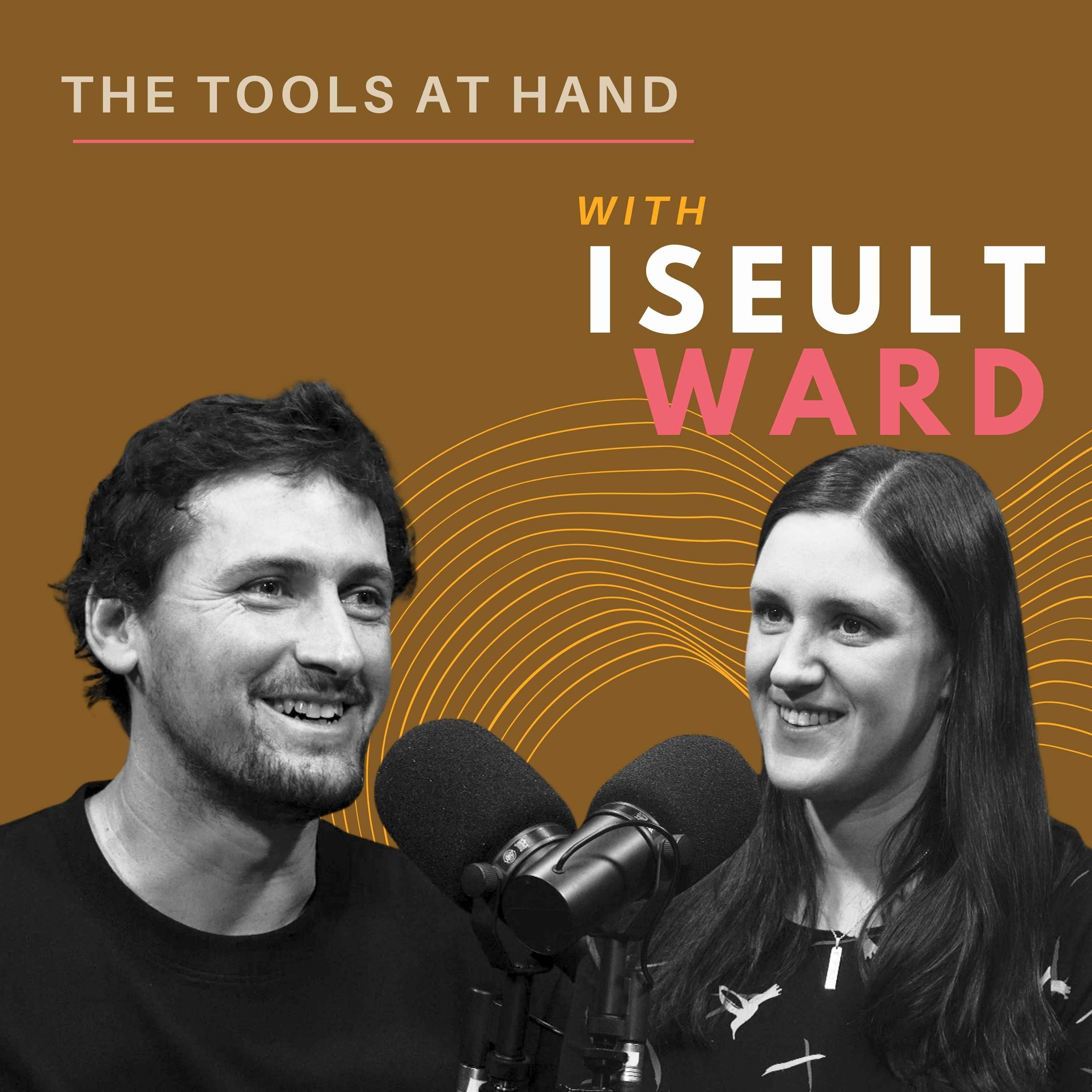
    Iseult Ward: Rescuing Food, Building Systems

    Every day in Ireland, good food is thrown away while families go without. Iseult Ward co-founded FoodCloud to close that gap and has built one of Europe's most effective food redistribution systems. She and Harrison talk about what it takes to turn a good idea into real infrastructure, and why food is rarely just about food. Brought to you by Bord Gáis Energy. Hosted on Acast. See acast.com/privacy for more information.

  • S1 · E1
    April 15 · 1 hr 4 min

    Using What You Have to Create What You Need

    Before the guests arrive, Harrison sets out the idea at the heart of this podcast. From a slum in Ahmedabad to Gandhi's salt march, a piece of American legislation that affected everyone… but that nobody read, and a damp stone cottage on the west coast of Ireland, this is the episode that explains why the show exists and what it is for. Brought to you by Bord Gáis Energy. Hosted on Acast. See acast.com/privacy for more information.

  • April 14 · 1 min

    The Tools at Hand Podcast

    Ten conversations. Ten people who stopped waiting and started building. The Tools at Hand podcast. First episode drops this Thursday, and then every Thursday after that. Brought to you by Bord Gáis Energy. Hosted on Acast. See acast.com/privacy for more information.

Showing 1–15 of 15 episodes