Skip to content
Artwork for The Shift
EducationSelf-ImprovementBusinessManagementSociety & Culture

The Shift

Trisha Carter

In a series of interviews with authors and experts from around the world, The Shift unpacks how to increase awareness of ourselves, and others and to shift our perspectives to see things differently. Join Trisha Carter, an Organisational Psychologist and explorer of Cultural Intelligence as she dives into cultural meta-cognition and learns more about how to experience those Shifts.

Play
  • 20 episodes
  • fortnightly
  • Avg 27 min
  • English
  • S1 · E87
    August 21 · 52 min

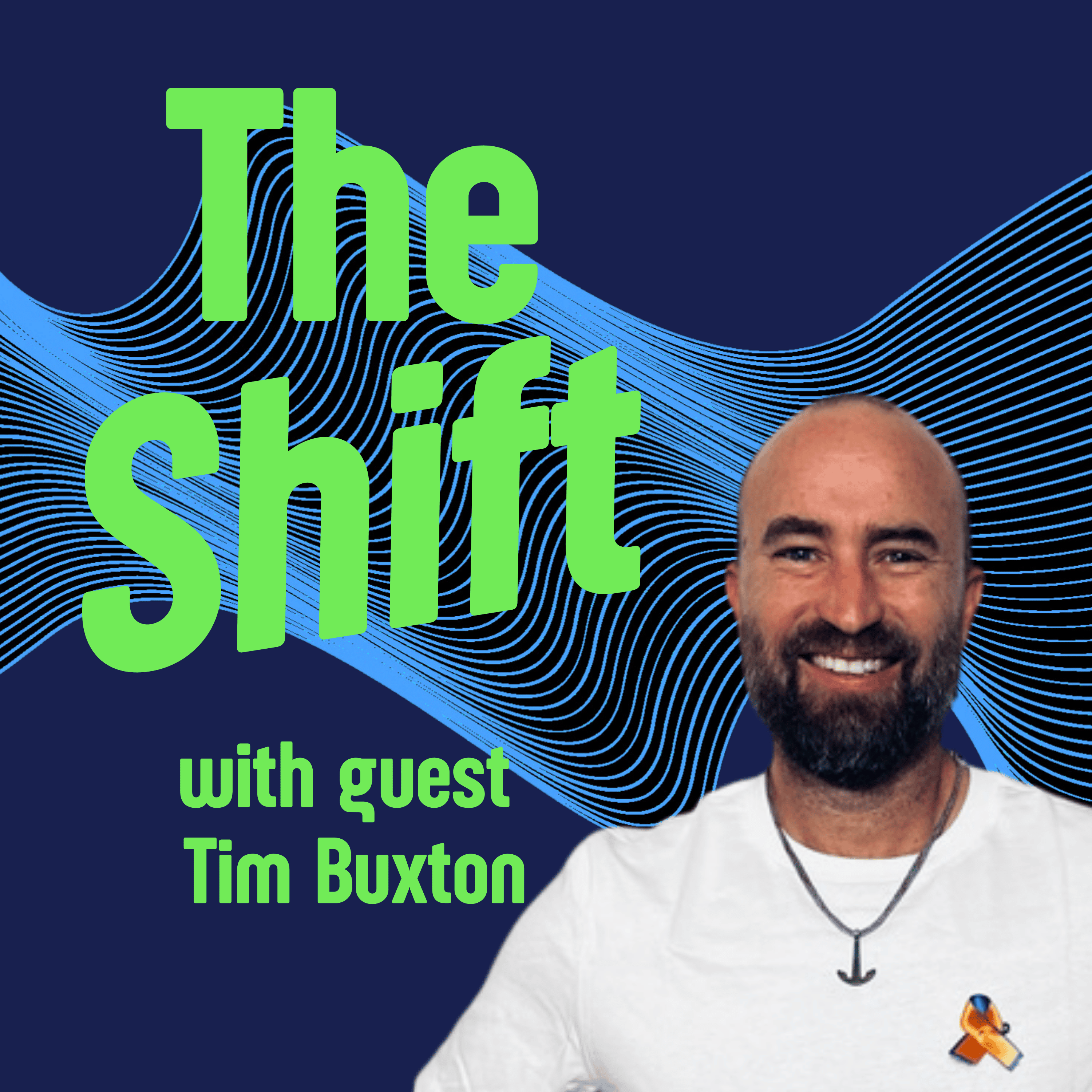
    Tim Buxton - The Miles Between Losing Home and Finding It

    In this episode, Trisha interviews Tim Buxton, founder of You Belong and a CQ Fellow who ran 100 miles across Iraqi Kurdistan, retracing a route that many of the refugee families he'd lived alongside once fled. What happens in the body and mind when someone is pushed past everything they trained for? Tim takes Trisha inside the moment out on the course when his careful preparation stopped being enough, and the shift that let him keep moving anyway. And what does it actually feel like to reach a goal you've chased for years? Along the way, they explore the difference between cognitive and somatic memory, why our "why" needs recalibrating, and the small habits Tim calls his "one percenters" - the kind that build our capacity to connect across difference. It's a conversation about what belonging costs, what it takes to keep going, and what's still there once you arrive. Connect with Tim Buxton on LinkedIn and Instagram @timothykbuxton timothybuxton.com You Belong Australia Instagram/Facebook/LinkedIn: @youbelongorg Ultra Odyssey The One Percenters Performance Podcast Juste Podcast with Tim Buxton Make sure you join Trisha in this journey of growth and discovery throughout the year via Substack or LinkedIn. Referenced in this episode: Episode 86 - Can Sport Build Bridges - Or Burn Them? Episode 84 - Music Is Universal, Music Is Particular

    • Transcript
  • S1 · E86
    August 8 · 23 min

    Can Sport Build Bridges - Or Burn Them?

    In this solo episode, Trisha opens a new series on sport, and how it can both build bridges and burn them. Every sporting event has three kinds of people: those playing, those watching, and those running it. Are they all having the same experience of connection — or is being near someone quietly different from being with them? Using Gordon Allport's contact hypothesis, Trisha tests a Saturday morning at the local park against a World Cup, asking who might be getting more out of it than we assume. If a sporting moment has ever shifted you, or told you that you didn't belong, Trisha wants to hear it in your voice. Make sure you join Trisha in this journey of growth and discovery throughout the year via Substack or LinkedIn. Resources mentioned: "The Nature of Prejudice" by Gordon Allport Parkrun Referenced in this episode: Episode 70 - Ned Legaspi, on storytelling and the Bamboo Framework Episode 75 - Chika Miyamori, on building bridges across differences Episode 76 - Dr. David Livermore, on Beyond CQ Episode 77 - Dr. David Livermore, on Prism and leadership Episode 82 - Mike Newton, on music and perspective Episode 84 - Music Is Universal, Music Is Particular.

    • Transcript
  • S1 · E85
    July 24 · 15 min

    Same Circle, Different Song

    In this solo episode, Trisha examines a shadow she left out of three episodes on music and connection: the same doors music opens for connection can just as easily be used to draw a line around who belongs. What happens when the belonging a crowd creates turns on you mid-song? And what do you actually do when you're standing inside a circle that starts singing something you can't join? Trisha also revisits a decision to launch a series on sport, after the World Cup made clear that sport carries the same two faces as music, working through the same mechanisms. Trisha wants your voice for the new series. Send her a voice note telling her about a sporting moment that shifted you, or a moment sport told you that you didn't belong. Either one. Both, if you've got them. Referenced in this episode: Episode 84: Music Is Universal, Music Is Particular - the Listener Voices episode that prompted this reflection. Make sure you join Trisha in this journey of growth and discovery throughout the year via Substack or LinkedIn.

    • Transcript
  • S1 · E84
    July 11 · 37 min

    Music Is Universal, Music Is Particular

    In this episode, Trisha hands the microphone to her listeners. After last week's confession about the skip button, voice notes arrived from around the world - Scotland, South Africa, the USA, Guatemala, Aotearoa New Zealand, and Australia - sharing the songs that shifted them, the music that carries their pride, and how they use music deliberately in their work across cultures. Is music a universal language, or thousands of particular ones? A newly published piece of research gives a name to the answer that runs through every one of these voices - and it may reshape how you think about similarity and difference across cultures. Trisha also discovers which doorway is the hardest to catch yourself walking through, and finds an unexpected homecoming in a song she almost skipped. With thanks to the voices in this episode: Shirley Moana Duff - Coaching Psychologist Hanlie van Wyk - CQ Fellow and Social Scientist - (Episode 54) Greg Dearsley - CQ Fellow, Workplace Health and Safety - (Episode 14) Lucy Butters - Author of "Cultural Intelligence in Practice" - (Episode 24 and Episode 67) Lisa Liang - Intercultural Storyteller, Actor and Performer Dr Angel S. Longino - Career Design and Cultural Intelligence, Higher Education Resources mentioned include: "Universal Pluralism: Appreciating and Exploring Both Similarity and Difference Across People and Cultures" by Dr Tim Lomas Dr Tim Lomas' LinkedIn post "Luna de Xelaju" duet by Oscar Isaac and Gaby Moreno (YouTube) "Matariki Hunga Nui (Calling Me Home)" by Rob Ruha, Troy Kingi, and Kaylee Bell with Professor Rangi Matamua (YouTube) Listen along on Spotify - the songs our voices shared, followed by bonus picks spanning jazz, gospel, reggaeton, and more: The Great Equaliser - Music from The Shift Podcast Referenced in this episode: Moon Joy and Cultural Intelligence Cultural Blindness - When Fairness Isn't Fair The Cost of Sameness - Voices from Three Continents What My Skip Button Taught Me About Bias Make sure you join Trisha in this journey of growth and discovery throughout the year via Substack or LinkedIn.

    • Transcript
  • S1 · E83
    July 4 · 20 min

    What My Skip Button Taught Me About Bias

    In this solo episode, Trisha turns the CQ lens on herself, examining a habit she caught in her own listening since her conversation with Mike Newton in Episode 82. What is your thumb actually doing when a song comes on? Trisha unpacks four different doors music uses to move us — the beat, being moved, surprise, and story — and realises she's only ever really been opening one of them. What does it mean when the same song that feels like home to one person tells another they don't belong? And what might be waiting in the very songs your thumb reaches to skip? Trisha closes with an invitation: choose one song from a genre you usually skip, and use the PAUSE process to stay with it all the way through. Resources mentioned in this episode: 🎵 Listen to the episode playlist on Spotify: The Beat Beneath The Bridge - Music for The Shift Podcast Episode 82 The PAUSE Process — first introduced in Episode 53, "Responding to Moments of Shift with PAUSE" Listen to Episode 82 — Mike Newton, on music, culture, and perspective Trisha would love to hear from you — share a piece of music from another culture that shifted something in you, or tell her how you've used music deliberately in your own CQ practice, on LinkedIn. Join Trisha in this journey of growth and discovery throughout the year via Substack or LinkedIn.

    • Transcript
  • S1 · E82
    June 19 · 47 min

    Mike Newton - When Music Shifts Your Perspective

    In this episode, Trisha interviews Mike Newton, CQ Fellow, certified CQ Facilitator, and Director of Organisational Health and Belonging at Young Life. Music reaches us in ways that argument and logic simply can't — but what happens when that same power is used intentionally to shift how we see each other? Could a song be the beat beneath the bridge that connects people across cultural differences? Mike has spent over 25 years building culturally intelligent communities, and when he's not doing that, he's behind the decks. This conversation explores how music works across all four dimensions of Cultural Intelligence (CQ) — from sparking motivation and curiosity, to deepening knowledge of cultures not our own, to shifting perspective in ways that stay with us for decades. Connect with Mike Newton on LinkedIn or on Instagram at mrnewton210 🎵 Listen to the episode playlist on Spotify: The Beat Beneath The Bridge - Music for The Shift Podcast Episode 82 Join Trisha in this journey of growth and discovery throughout the year via Substack or LinkedIn.

    • Transcript
  • S1 · E81
    May 30 · 4 min

    The Shift Recommends

    This week, Trisha steps back from a full episode to point you towards two conversations worth your time. She recently appeared as a guest on Victoria Rennoldson's Culture Cuppa podcast — and being on the other side of the microphone had her reflecting in ways she didn't quite expect. The episode, Leading Across Difference, is a candid conversation between two Cultural Intelligence (CQ) practitioners about the future of CQ and where hope lives within it. Trisha also invites you to revisit Episode 28 with Sharon Gray — a Kamilaroi and Scottish woman whose wisdom is woven into the episode's very title. With National Reconciliation Week unfolding in Australia, there's no better moment to listen, or listen again. Both links are in the show notes below. Culture Cuppa — Leading Across Difference with Trisha Carter: https://culturecuppa.com/podcasts/leading-across-difference-with-trisha-carter/ Episode 28 — Winanga Guru: Listen Deeply, Go Slowly and Respect Everything with Sharon Gray: https://the-shift-with-trisha-carter.captivate.fm/episode/sharon-gray-winangar-guru-listen-deeply-go-slowly-and-respect-everything/ Join Trisha in this journey of growth and discovery throughout the year via Substack or LinkedIn.

    • Transcript
  • S1 · E80
    May 23 · 23 min

    The Cost of Sameness - Voices from Three Continents

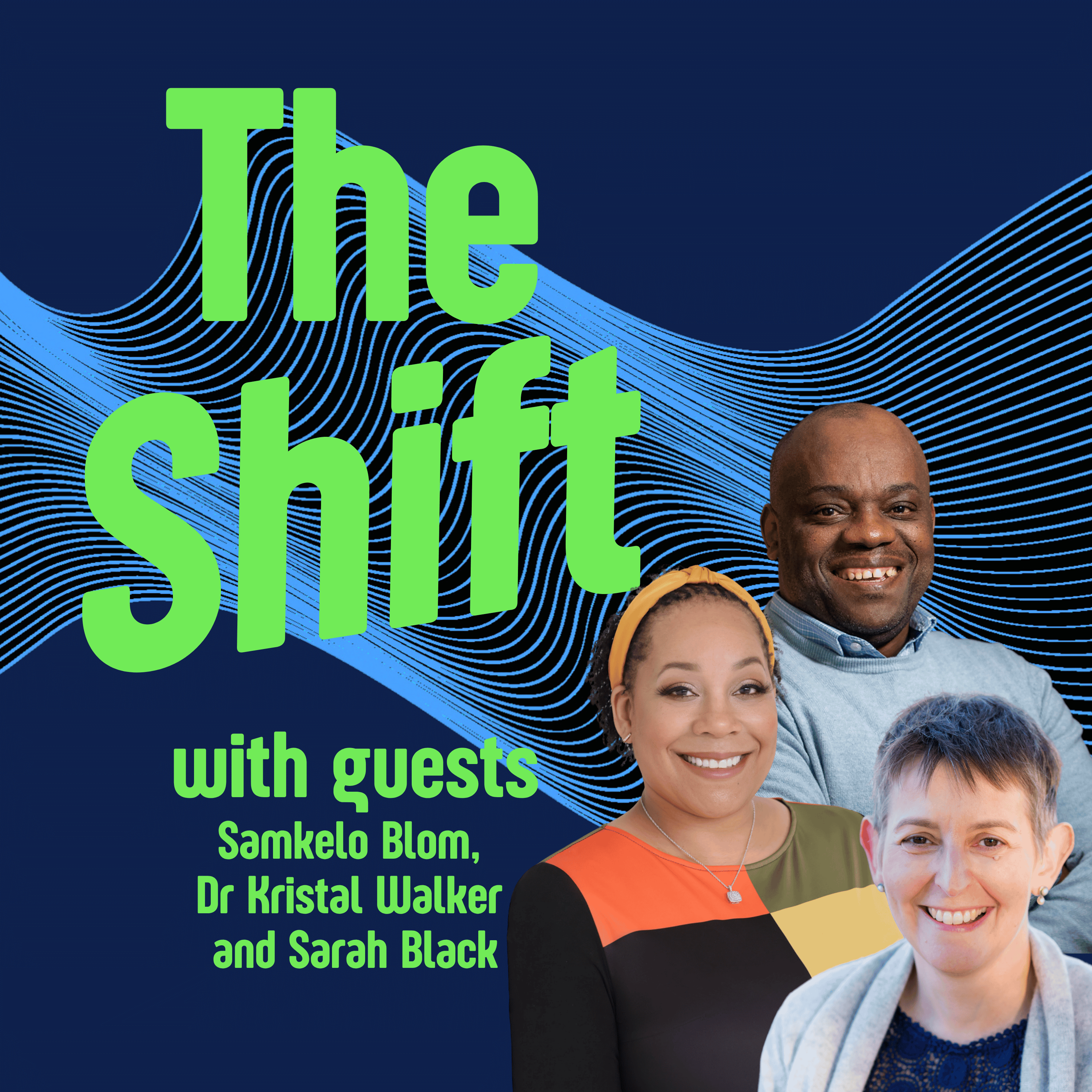
    In this special episode, Trisha steps back and hands the mic to three voices from three continents — each responding to the same question: what does it feel like when someone says, "We're all the same"? What emerges is something that Cultural Intelligence (CQ) frameworks can name but can't fully capture on their own — the lived experience of cultural blindness. From South Africa, the United States, and Northern Ireland, these three perspectives share a quiet, consistent thread: the weight of being asked to make yourself smaller in the name of fairness. This episode is both a companion to Episode 79 and a milestone — Episode 80 — and it marks the occasion the only way that feels right: by listening. Join Trisha in this journey of growth and discovery throughout the year via Substack or LinkedIn. Voices in this episode: Samkelo Blom (Episode 37) You can learn more about Samkelo and the work of his organisation here and connect with him on Linked In here. Dr. Kristal Walker (Episode 58) Connect with Dr Kristal Walker on LinkedIn. Sarah Black (Episode 9 and Episode 48) Check out Sarah Black on LinkedIn and sign up for her Newsletter.

    • Transcript
  • S1 · E79
    May 8 · 22 min

    Cultural Blindness- When Fairness isn’t Fair

    In this solo episode, Trisha unpacks a concept that often masquerades as unity but can quietly erase the experiences of those it claims to include. What happens when "treating everyone the same" actually means treating everyone as if they share your starting point? How do well-intentioned statements like "I just see you as a person" land on someone whose difference has shaped their entire life? Drawing on insights from her conversation with Chika Miyamori about the Intercultural Development Continuum, Trisha explores the minimization stage, where we focus on what we share while downplaying the significance of difference. She contrasts this with the overview effect experienced by the Artemis II crew, showing how one mindset expands our capacity to see while the other diminishes it. For cultural trainers, coaches, and facilitators, she offers a practical three-question reflection sequence to move groups from minimization toward genuine co-creation. Resources mentioned include Episode 78 (Moon Joy and the Overview Effect) and Episode 75 with Chika Miyamori (Intercultural Development Continuum and the IDI). Join Trisha in this journey of growth and discovery throughout the year via Substack or LinkedIn.

    • Transcript
  • S1 · E78
    April 26 · 15 min

    Moon Joy and Cultural Intelligence

    In this solo episode, Trisha explores what happens when astronauts return from space transformed by what they've seen — and whether Cultural Intelligence (CQ) might help us experience something similar without leaving Earth. What can the Artemis II crew's awe and perspective shifts teach us about seeing ourselves as one crew on a fragile lifeboat? How does the overview effect connect to figure-ground shifts in cultural intelligence work? And if we're wired to see each other as "us" and "them," can CQ help us cultivate a different way of seeing — one where our shared humanity becomes the figure against the vast ground of space? Trisha reflects on concepts introduced by CQ researchers Kok-Yee Ng and Thomas Rockstuhl, connecting astronaut insights to practical CQ applications. She leaves listeners with a question to sit with until next week's continuation of this thread. Resources mentioned: Ng, K. Y., Ang, S., & Rockstuhl, T. (2022). Cultural intelligence: From intelligence in context and across cultures to intercultural contexts. In R. J. Sternberg & D. D. Preiss (Eds.), Intelligence in context: The cultural and historical foundations of human intelligence (pp. 177–200). Palgrave Macmillan. https://doi.org/10.1007/978-3-030-92798-1_8 White, F. (2014). The Overview Effect: Space Exploration and Human Evolution. AIAA. NASA photo library: https://images.nasa.gov/ Referenced in this episode: Episodes 76 and 77: Dr. David Livermore on the Prism framework Episode 8: Dr. Mark Williams - Shifts and the Brain Join Trisha in this journey of growth and discovery throughout the year via Substack or LinkedIn.

    • Transcript
  • S1 · E77
    April 4 · 26 min

    Dr. David Livermore - Beyond CQ - Part Two; Expanding Your Leadership Archetype

    In this episode, Trisha interviews Dr. David Livermore, researcher, author, and one of the world's leading voices on Cultural Intelligence (CQ), in Part 2 of their conversation on the Prism framework for global leadership. What does it actually take for a leader to see their own archetype clearly — and what gets in the way? This conversation explores how Prism and CQ work together, challenges the assumption that great leadership means doubling down on your strengths, and asks what becomes possible when leaders are willing to try on something unfamiliar — even just 10%. Learn more about David Livermore's work at davidlivermore.com and globalteamlead.com. Connect with David on LinkedIn Join Trisha in this journey of growth and discovery throughout the year via Substack or LinkedIn. Resources mentioned davidlivermore.com globalteamlead.com Leading with Cultural Intelligence by Dr. David Livermore Global Team Lead Master Certification Virtual certification programme for coaches and trainers to become accredited to use the Prism tool and deliver the Global Team Lead curriculum. Next intake: 15–16 April 2026. Details and registration at globalteamlead.com.

    • Transcript
  • S1 · E76
    March 27 · 30 min

    Dr. David Livermore — Beyond CQ; What 3,700 Global Voices Told Us

    In this episode, Trisha interviews Dr. David Livermore, renowned social scientist, professor at Boston University, founder of the Cultural Intelligence Center, and author of the bestselling Leading with Cultural Intelligence, now in its third edition. After more than two decades of CQ research, what happens when the framework itself needs to grow and shift? Dr. Livermore shares the research journey behind Prism — a new leadership framework built on over 3,700 interviews across 27 countries — and explores why the pain points keeping global leaders awake at night demanded something genuinely new. Learn more about David Livermore's work at davidlivermore.com and globalteamlead.com. Connect with David on LinkedIn Join Trisha in this journey of growth and discovery throughout the year via Substack or LinkedIn. Resources mentioned davidlivermore.com globalteamlead.com Leading with Cultural Intelligence by Dr. David Livermore Global Team Lead Master Certification Virtual certification programme for coaches and trainers to become accredited to use the Prism tool and deliver the Global Team Lead curriculum. Next intake: 15–16 April 2026. Details and registration at globalteamlead.com.

    • Transcript
  • S1 · E75
    March 20 · 41 min

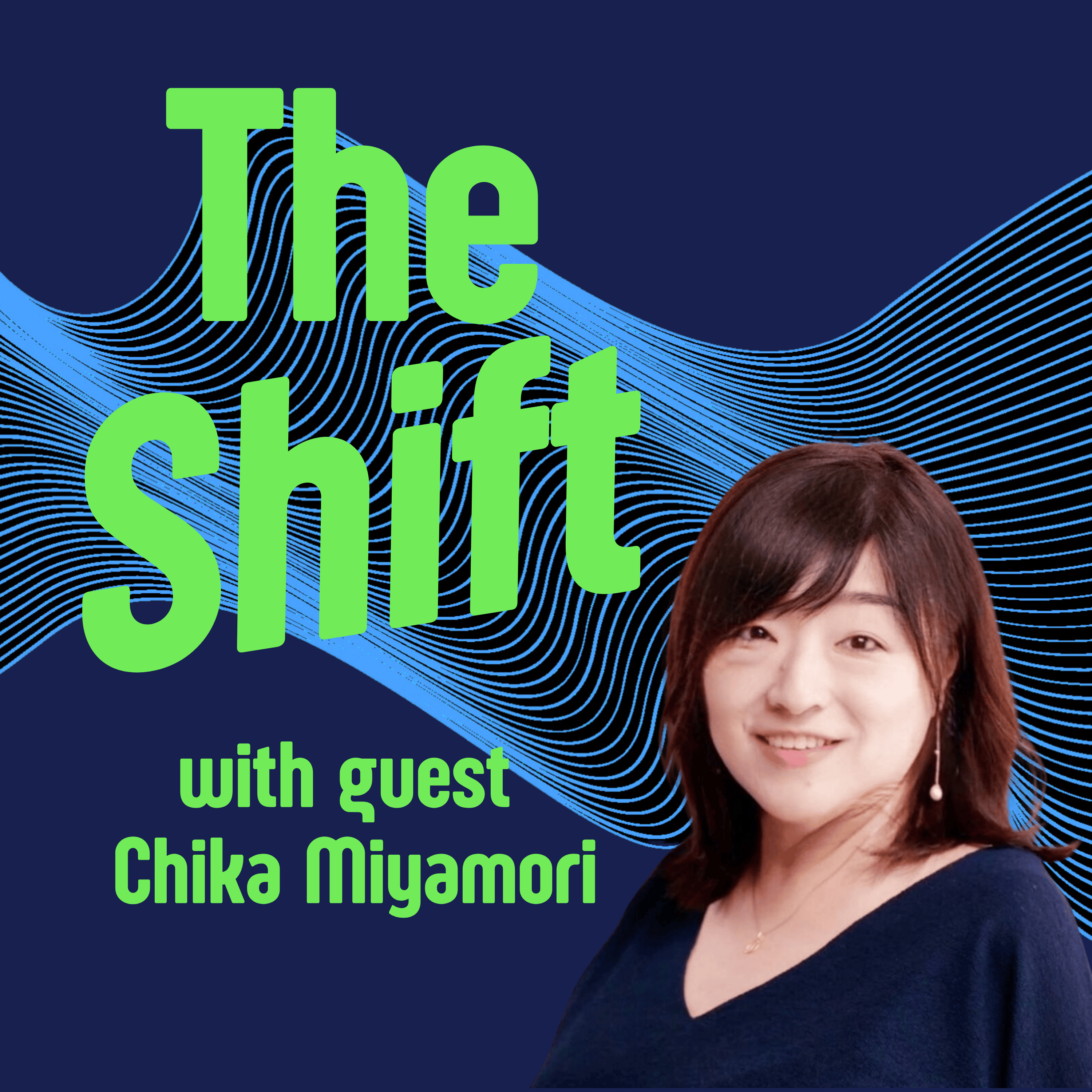
    Chika Miyamori - Building Bridges Across Differences

    In this episode, Trisha interviews Chika Miyamori, Chief Culture Officer at Ideal Leaders and founder of CQ Lab in Japan, whose lifelong mission is building bridges across differences and turning them into power. What happens when a strong organisational culture becomes its own blind spot? Chika draws on her corporate career spanning Suntory, HP, and GE across more than 50 nationalities, weaving together CQ, the Hofstede cultural dimensions, and the Intercultural Development Inventory (IDI) into a powerful integrated approach — and explores what it truly takes for organisations to move from merely managing differences to thriving with them. Show Notes Connect with Chika Miyamori on LinkedIn. Resources mentioned in this episode: Thriving on Differences: How CQ Shapes Strong Organizational Cultures by Chika Miyamori (currently available in Japanese — an English version is in the works!) Hofstede Insights: hofstede-insights.com — including the Cultural Workplace Questionnaire (CWQ) The Intercultural Development Inventory (IDI): idiinventory.com Join Trisha in this journey of growth and discovery throughout the year via Substack or LinkedIn.

    • Transcript
  • S1 · E74
    March 13 · 11 min

    Not Just a Bit of Fun - Jokes and the Pyramid of Hate

    In this solo episode, Trisha unpacks what happens in the split second after a racist joke lands — and what Cultural Intelligence (CQ) has to do with it. What does it mean when your gut reacts before your thinking can catch up? How do biased jokes connect to something far more serious — and what does it take to decide, in real time, who you want to be? This episode explores the ADL Pyramid of Hate and where so-called "harmless" humour sits within it, alongside the very human challenge of maintaining CQ Drive when the world is contracting with fear and uncertainty. Trisha also invites you to join a free virtual gathering for anyone using, learning, or simply curious about cultural intelligence. Resources mentioned in this episode: The ADL Pyramid of Hate — Anti-Defamation League: adl.org Register for Trisha's free virtual CQ gathering (Friday 20 March, 10:00 AM Sydney time): Register here Referenced: Episode 53 — The PAUSE Framework Join Trisha in this journey of growth and discovery throughout the year via Substack or LinkedIn.

    • Transcript
  • S1 · E73
    March 10 · 37 min

    CQ at the Movies - Ned Legaspi and "The Drover's Wife: The Legend of Molly Johnson."

    In this episode, Trisha is joined by returning guest Ned Legaspi, CQ Fellow, cultural intelligence consultant, and author of Culturally Intelligent Storytelling for Southeast Asian Creators, for the third instalment of CQ at the Movies. Together they turn Ned's Bamboo Framework on the Australian film The Drover's Wife: The Legend of Molly Johnson — a powerful retelling of a colonial-era story rewritten and directed by Indigenous Australian Leah Purcell. What does a story rooted in settler-colonial history reveal when seen through a CQ lens? How does a film's meaning shift when it travels beyond its cultural origin? And what can storytellers learn about the gap between intention and interpretation? Trisha has a copy of Ned's book to give away! To enter, share this episode on LinkedIn or Facebook, tag Ned or Trisha, and tell us about a movie or story that shifted your perspective. Trisha will reach out to the winner directly. Connect with Ned at nedlegaspi.com and on LinkedIn. His book, Culturally Intelligent Storytelling for Southeast Asian Creators, is available globally on Amazon, Apple Books, and Google Books. Join Trisha in this journey of growth and discovery throughout the year via Substack or LinkedIn. Show Notes: Greg Durley's podcast: The Culturally Intelligent Safety Professional Join Trisha's virtual gathering — Friday 20 March, 10:00 AM Sydney time: Register here

    • Transcript
  • S1 · E72
    February 21 · 37 min

    CQ at the Movies - Ned Legaspi and "How to Make Millions Before Grandma Dies"

    In this special episode, Trisha and returning guest Ned Legaspi — cultural intelligence consultant, CQ Fellow, and author of Culturally Intelligent Storytelling for Southeast Asian Creators — put the Bamboo Framework to work by analyzing a film together. The movie? The Thai sensation How to Make Millions Before Grandma Dies. What makes a story travel across borders without losing its cultural soul? Why did a quietly paced, deeply collectivist Thai film move audiences to tears from the Philippines to Indonesia — while barely registering in the US? Trisha and Ned unpack the cultural dimensions woven through the film — from collectivism and power distance to indirect communication and the Thai concept of Bun Khun — exploring why emotional truth is universal, but its expression is always culturally specific. Connect with Ned at nedlegaspi.com and on LinkedIn. His book, Culturally Intelligent Storytelling for Southeast Asian Creators, is available globally on Amazon, Apple Books, and Google Books. Join Trisha in this journey of growth and discovery throughout the year via Substack or LinkedIn. Trisha is running a webinar with the Australian Psychological Society on Cultural Intelligence and Social Cohesion — open to psychologists, therapists, and coaches. Link: psychology.org.au/event/25795 Referenced in This Episode: Global Dexterity by Andy Molinsky (recommended by David Livermore) Episode 70 — Ned Legaspi and the Bamboo Framework (Part 1) Episode 71 — Trisha reflects on culturally intelligent storytelling

    • Transcript
  • S1 · E71
    February 15 · 22 min

    Stories That Shift - Overstories and Cultural Change

    In this solo episode, Trisha unpacks a powerful question: What if the most important cultural intelligence work isn't happening in training rooms at all? Drawing on Malcolm Gladwell's concept of the "overstory"—the shared narratives hovering above us that shape what we consider normal—Trisha explores how stories themselves shift these invisible cultural frameworks. From a 1978 TV drama that gave America permission to talk about the Holocaust, to Bad Bunny's history-making Super Bowl performance that had 135 million people experiencing Puerto Rican culture through their bodies, this episode examines the ecosystem of cultural change. How do storytellers, experience creators, and CQ facilitators work together to help people see beyond the narratives they're living under? Trisha previews upcoming conversations with Ned Legaspi applying his CIS Bamboo Framework to specific films, starting with "How to Make Millions Before Grandma Dies." Resources mentioned include "Revenge of the Tipping Point" by Malcolm Gladwell and Ned Legaspi's "Culturally Intelligent Storytelling" framework. Join Trisha in this journey of growth and discovery throughout the year via Substack or LinkedIn.

    • Transcript
  • S1 · E70
    February 6 · 53 min

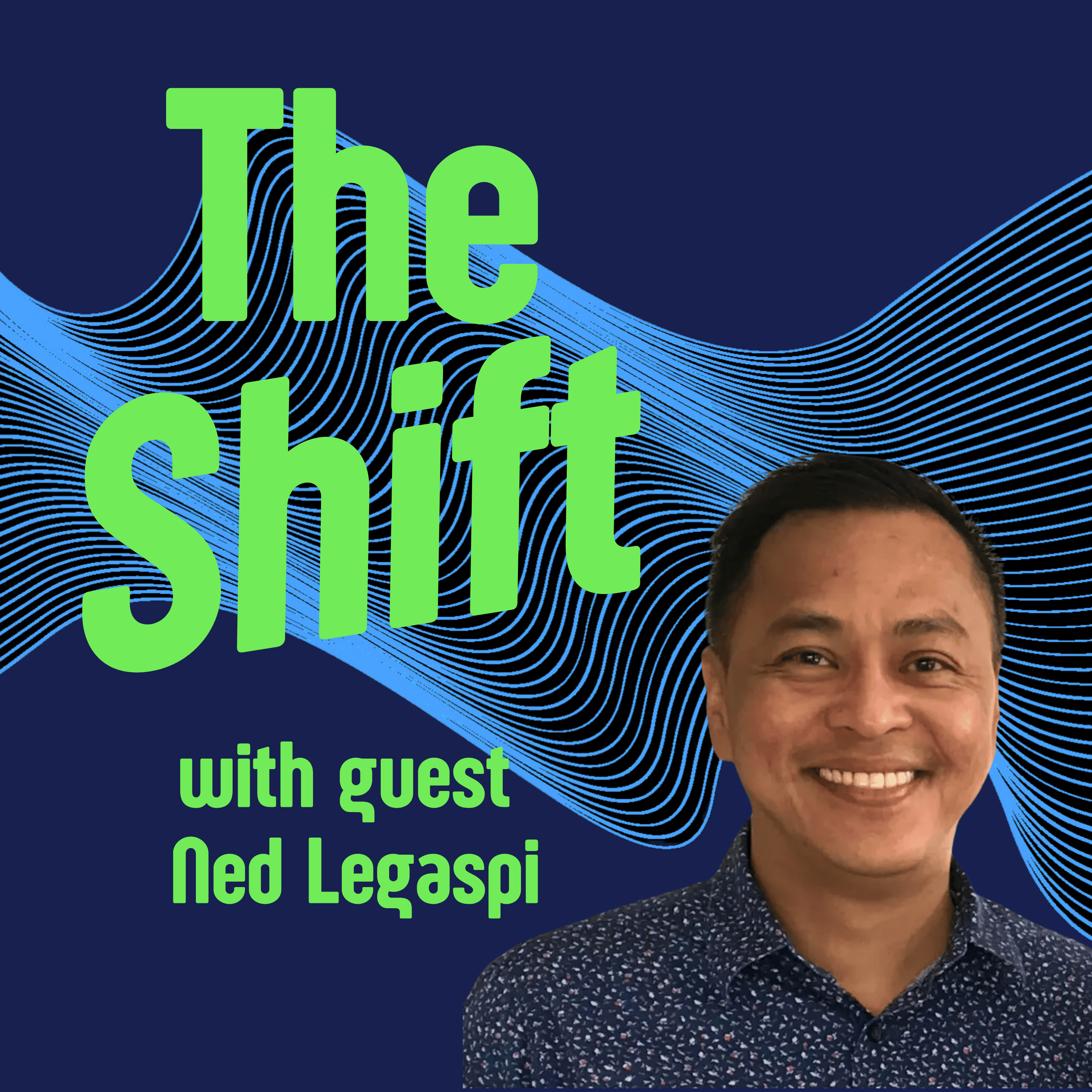
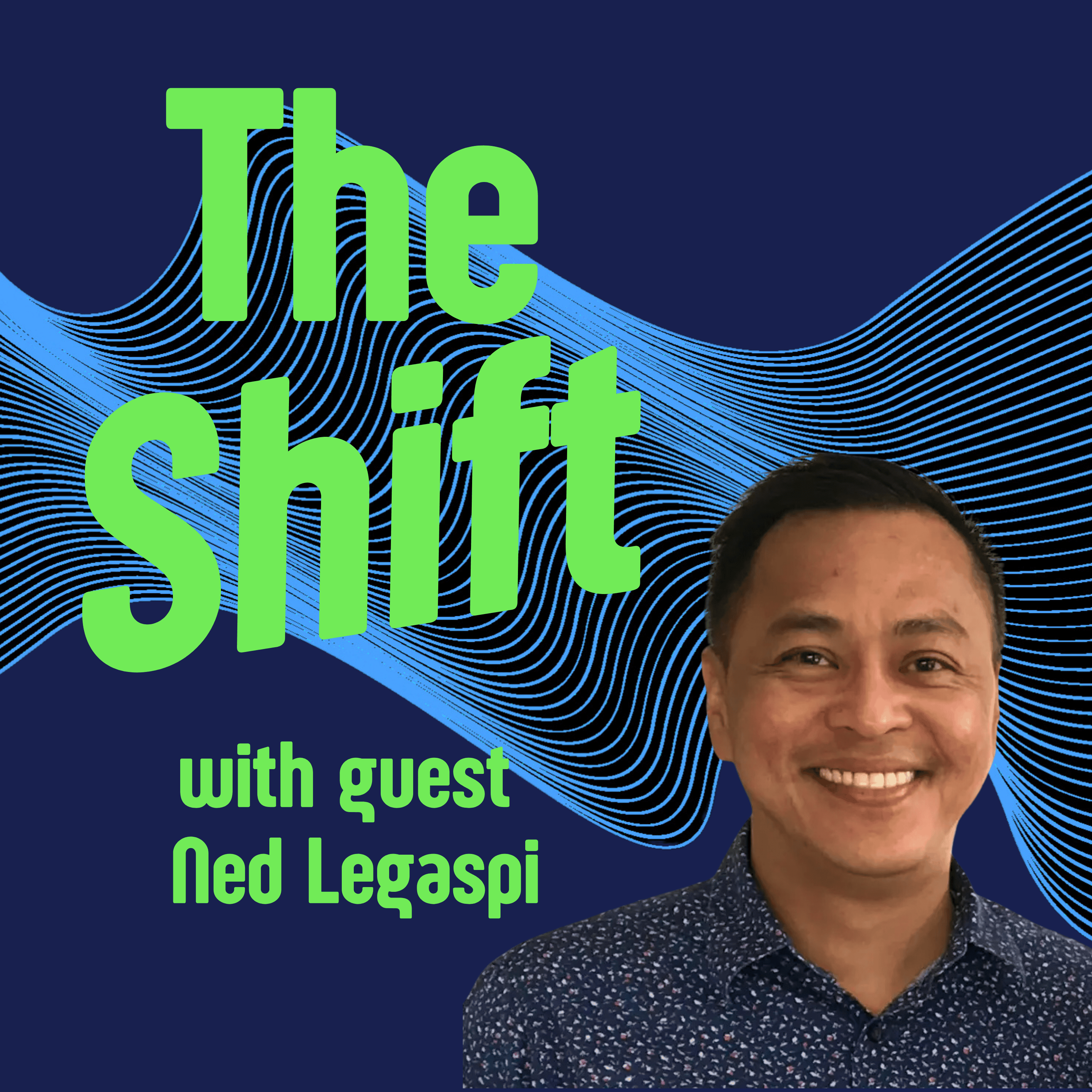
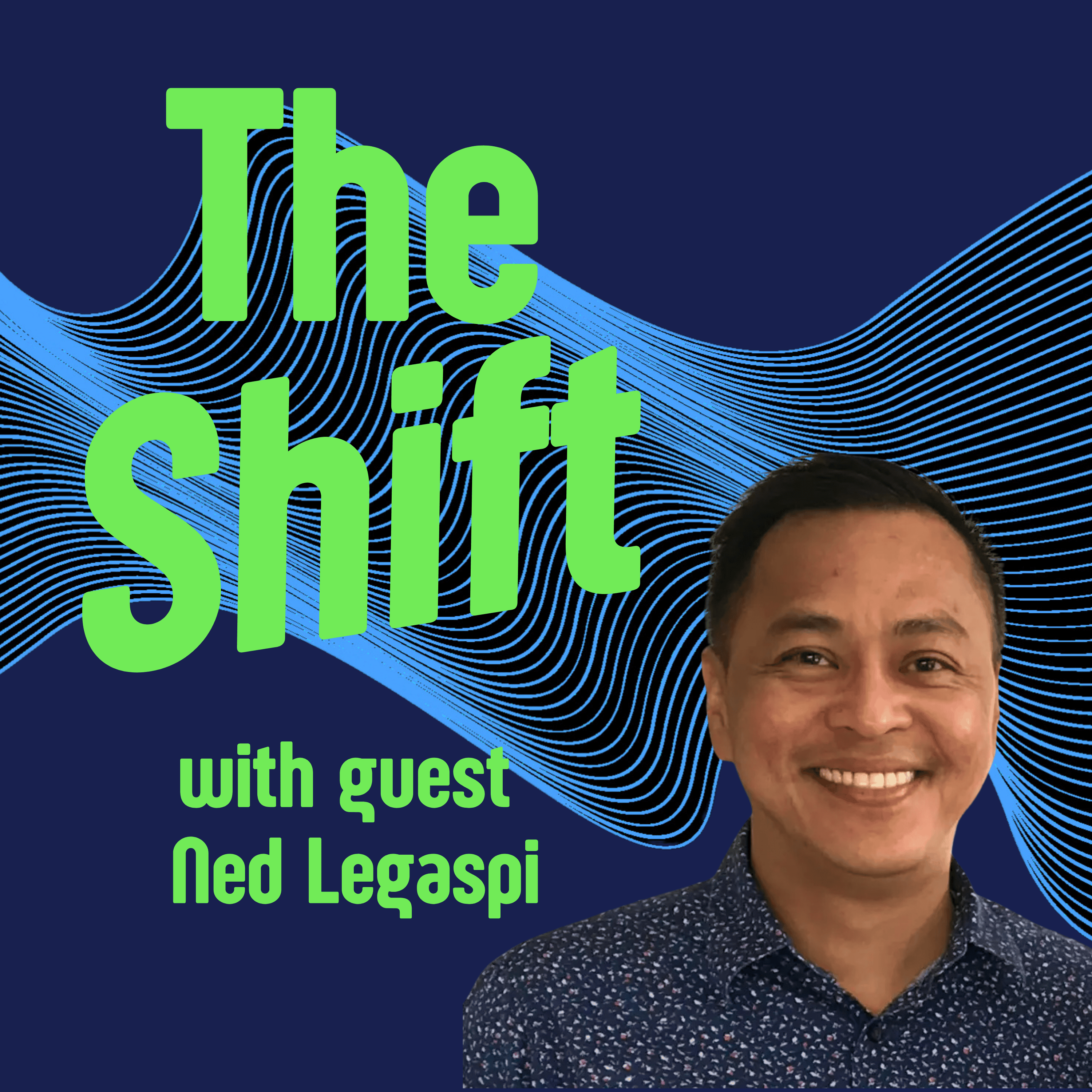
    Ned Legaspi - Culturally Intelligent Storytelling and the Bamboo Framework

    In this episode, Trisha interviews Ned Legaspi, a CQ Fellow and cultural intelligence consultant who spent three decades pioneering diaspora storytelling with ABS-CBN Global, the Philippines' leading media conglomerate. Why do some stories resonate across continents while others remain culturally bound? What if the key to global storytelling isn't neutralizing culture, but deepening it? Ned introduces the CIS Bamboo Framework—a groundbreaking approach that asks not "what happens next?" but "what matters here?" Drawing from films like Parasite and How to Make Millions Before Grandma Dies, he reveals how stories rooted in specific cultural logic can bend without breaking, traveling authentically across cultural clusters. Discover why bamboo's interconnected roots mirror the way meaning moves through storytelling, and how cultural intelligence transforms the way creators approach narrative craft. Stay tuned for an upcoming episode where Ned and Trisha will apply this framework to analyze two powerful films: The Drover's Wife and How to Make Millions Before Grandma Dies. Connect with Ned at nedlegaspi.com and on LinkedIn. His book, Culturally Intelligent Storytelling for Southeast Asian Creators, is available globally on Amazon, Apple Books, and Google Books. Join Trisha in this journey of growth and discovery throughout the year via Substack or LinkedIn. Resources Mentioned: Book: Culturally Intelligent Storytelling for Southeast Asian Creators by Ned Legaspi Available globally on Amazon, Apple Books, Google Books, Barnes & Noble, and Kobo Available in the Philippines on Shopee, Lazada, and TikTok Shop Book: Leading With Cultural Intelligence by Dr. David Livermore Films Discussed: Parasite (South Korea) Squid Game (South Korea) Money Heist / La Casa de Papel (Spain) Dark (Germany) How to Make Millions Before Grandma Dies (Thailand) Coming Soon: Stay tuned for upcoming episodes where Ned and Trisha analyze specific films using the CIS Bamboo Framework: The Drover's Wife: The Legend of Molly Johnson (Australia) by Leah Purcell How to Make Millions Before Grandma Dies (Thailand)

    • Transcript
  • S1 · E69
    January 21 · 15 min

    CQ Plus - Kindness and Connection in 2026

    intelligence combined with kindness and connection. What happens when we face global tensions, political uncertainties, and fractured communities? How can we move beyond understanding to action that truly builds bridges? Discover why cultural intelligence alone isn't enough and how adding kindness and meaningful connections transforms the way we navigate differences. Trisha previews conversations ahead with practitioners working in cross-cultural storytelling, music, Japanese multinationals, and social cohesion, while responding to recent events that have tested our collective compassion. The episode closes with a concrete CQ action: participating in the National Day of Mourning for Bondi through acts of mitzvah—simple, everyday kindness that creates waves of goodwill. This is cultural intelligence in practice: not just knowing, but doing. Join Trisha in this journey of growth and discovery throughout the year via Substack or LinkedIn. National Day of Mourning for the victims of the Bondi Beach terrorist attack​

    • Transcript
  • S1 · E68
    Dec 23, 2025 · 14 min

    Standing Together - Cultural Intelligence in Times of Terror

    Content note: This episode addresses recent acts of terror and may be difficult for some listeners. In this solo episode, Trisha responds to the recent Bondi Beach shooting with a gentle but powerful reminder: cultural intelligence isn't just for crossing borders—it can be lifesaving in times of crisis. What happens when fear spikes and communities fracture? How do we stay motivated to understand rather than retreat into tribalism? Trisha explores how CQ's four capabilities—Drive, Knowledge, Strategy, and Action—offer a framework for navigating tragedy, trauma, and rising tensions. She honours the diverse heroes who ran toward danger, from Ahmed Al Ahmed to Jessica Rosen, showing how humanity transcends cultural boundaries in moments that matter most. This episode asks: Who are we standing with? Who are we standing for? And what does it mean to stand together when the world tries to pull us apart? Trisha offers practical guidance on processing trauma while maintaining the curiosity and connection that CQ requires, even—especially—when it's hardest. If you're struggling, help is available 24/7: For Australian listeners: NSW Mental Health Line: 1800 011 511 Lifeline: 13 11 14, text 0477 13 11 14 or chat online Kids Helpline: 1800 55 1800 or chat online Beyond Blue: 1300 22 4636 or chat online 1800RESPECT: 1800 737 732, text 0458 737 732 or chat online 13 Yarn: 13 92 76 MensLine Australia: 1300 78 99 78 Emergency: 000. International listeners can find support at https://findahelpline.com/ Join Trisha in this journey of growth and discovery throughout the year via Substack or LinkedIn.

    • Transcript
Showing 1–20 of 20 episodes