Skip to content
Artwork for The Security Nexus Deep Dive
GovernmentHistory

The Security Nexus Deep Dive

The Security Nexus

The Security Nexus is your briefing room at the intersection of cyber strategy, intelligence, and global conflict. This podcast dives deep into the ideas shaping 21st-century statecraft, where gray zone tactics, information warfare, and cyber coercion redefine the rules of engagement.

Each episode brings sharp analysis, original research, and field-tested insight from the frontlines of modern security. Whether unpacking the strategic logic behind cyber incidents or exploring decision-making failures that lead to conflict, The Security Nexus gives listeners the clarity to navigate today’s complex threat landscape.

🔗 Explore more at www.thesecuritynexus.net

Play
  • 21 episodes
  • fortnightly
  • Avg 19 min
  • English

Support the show

Goes straight to the publisher. podnod takes nothing.
Counted on this page — what you have heard stays on this device, so it is not something the list can be paged by.
  • S2 · E19
    July 26 · 19 min

    The Chekist Craft, Part VI: A Service Measures Its Success by the Other Side's Losses

    The SVR's final volume covers détente through the Soviet collapse and its own 1991 rebirth — and reveals its own tell: an institution that judges its Cold War record by counting Aldrich Ames, Robert Hanssen, and the Walker family rather than by the state it was actually protecting. https://www.thesecuritynexus.net

  • S2 · E18
    July 18 · 19 min

    The Chekist Craft, Part V: The Cold War Turns the Legends Into Liabilities

    Volume V of the SVR's official history covers 1945–1965 as a story of institutional whiplash — four service reorganizations, a self-inflicted purge under Beria, and a run of marquee human assets whose Cold War careers ended the same way: betrayed from within, not out-spied from without. https://www.thesecuritynexus.net

  • S2 · E17
    July 11 · 17 min

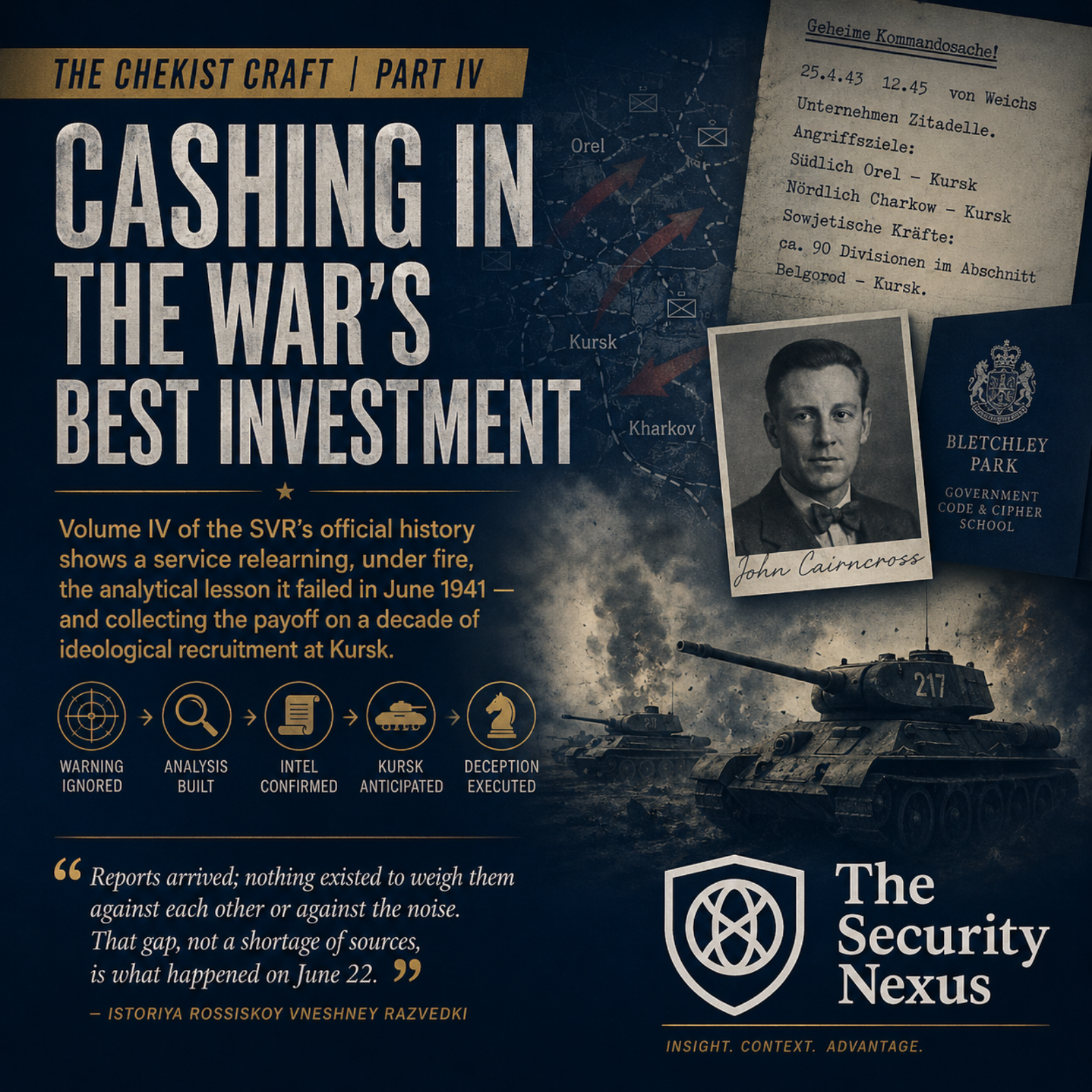
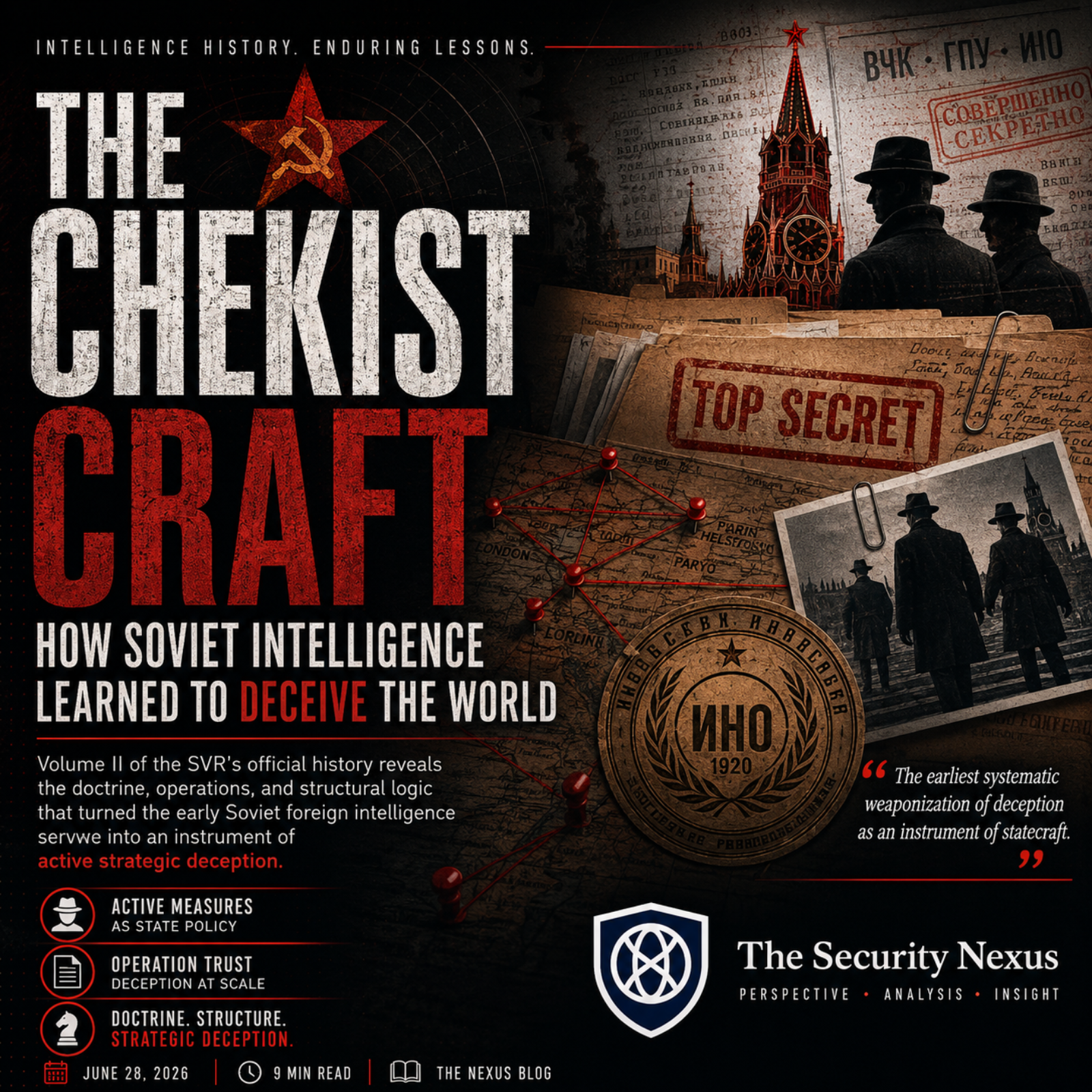
    The Chekist Craft, Part IV: Cashing In the War's Best Investment

    Volume IV of the SVR's official history shows a service relearning, under fire, the analytical lesson it failed in June 1941 — and collecting the payoff on a decade of ideological recruitment at Kursk. https://www.thesecuritynexus.net/

  • S2 · E16
    July 3 · 18 min

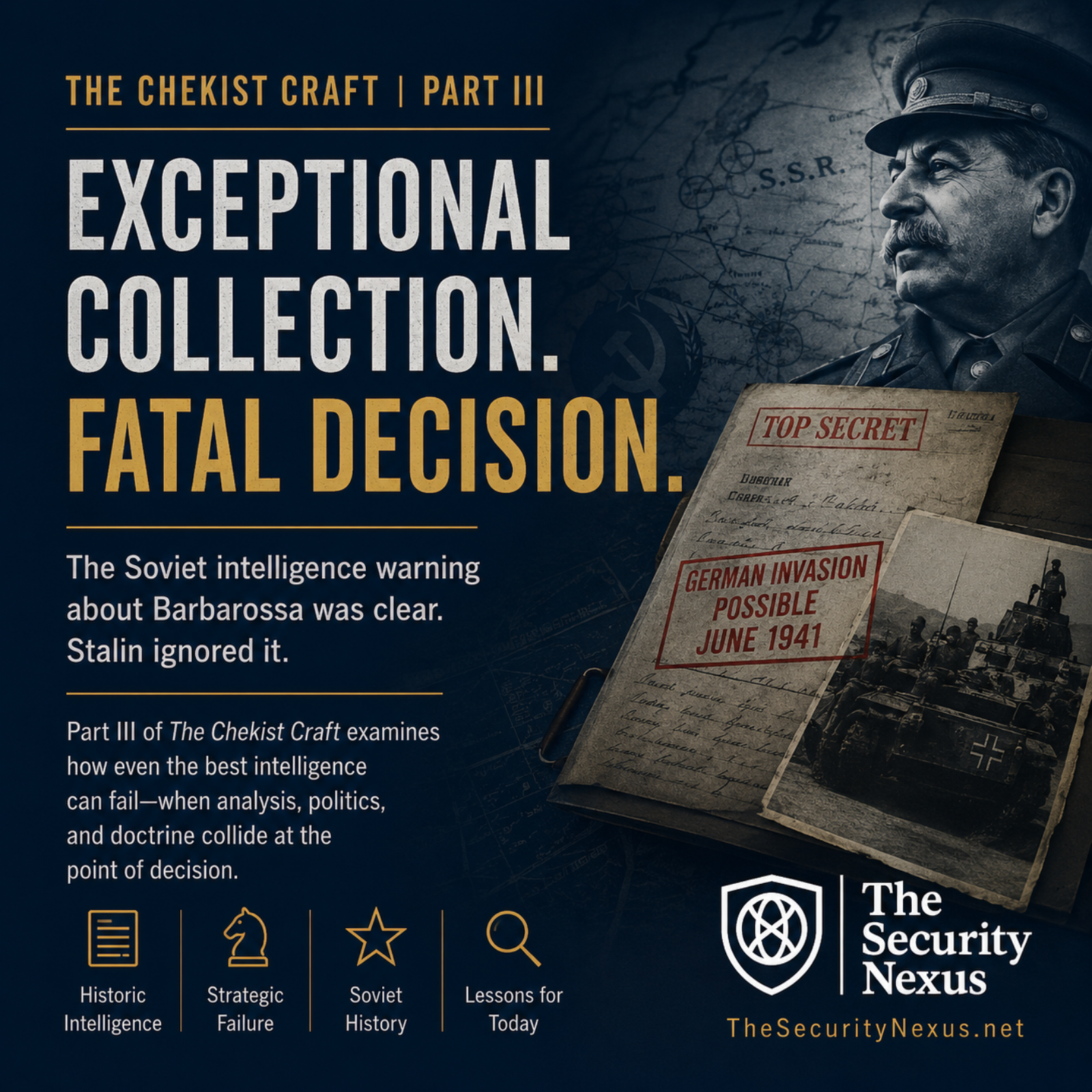
    The Chekist Craft, Part III: What Moscow Knew Before Barbarossa: The SVR's own official history of 1933–1941 documents a service that recruited well, collected precisely, and still failed to stop the surprise it foresaw.

    Volume III of Istoriya rossiyskoy vneshney razvedki, the SVR's official multivolume history, covers 1933 to 1941 — the years Soviet foreign intelligence built some of the most productive ideological networks in its history and then watched its own leadership discount the one report that mattered most. The volume's throughline is not collection failure. It is the gap between what a service knows and what a state does with the knowledge, and the 1,100-plus pages the SVR devoted to this period read as an unusually candid admission that the second problem, not the first, cost the Soviet Union its strategic surprise on June 22, 1941. This is the third installment in Security Nexus's series on Soviet intelligence tradecraft, following our reading of Volume I's institutional arc and Volume II's account of INO's founding and the deception operations of the 1920s (see our prior posts on the Chekist Craft). Volume III covers the recruitment methodology that produced the Cambridge Five and the "Red Orchestra" networks in Germany, the human cost the Great Terror inflicted on the service's own operational bench, and the documentary record — Moscow's own cables and marginalia — of the warnings that preceded the German invasion. https://www.thesecuritynexus.net/

  • S2 · E14
    June 20 · 18 min

    Why Russia Treats Intelligence as a Pillar of State, Not a Support Function

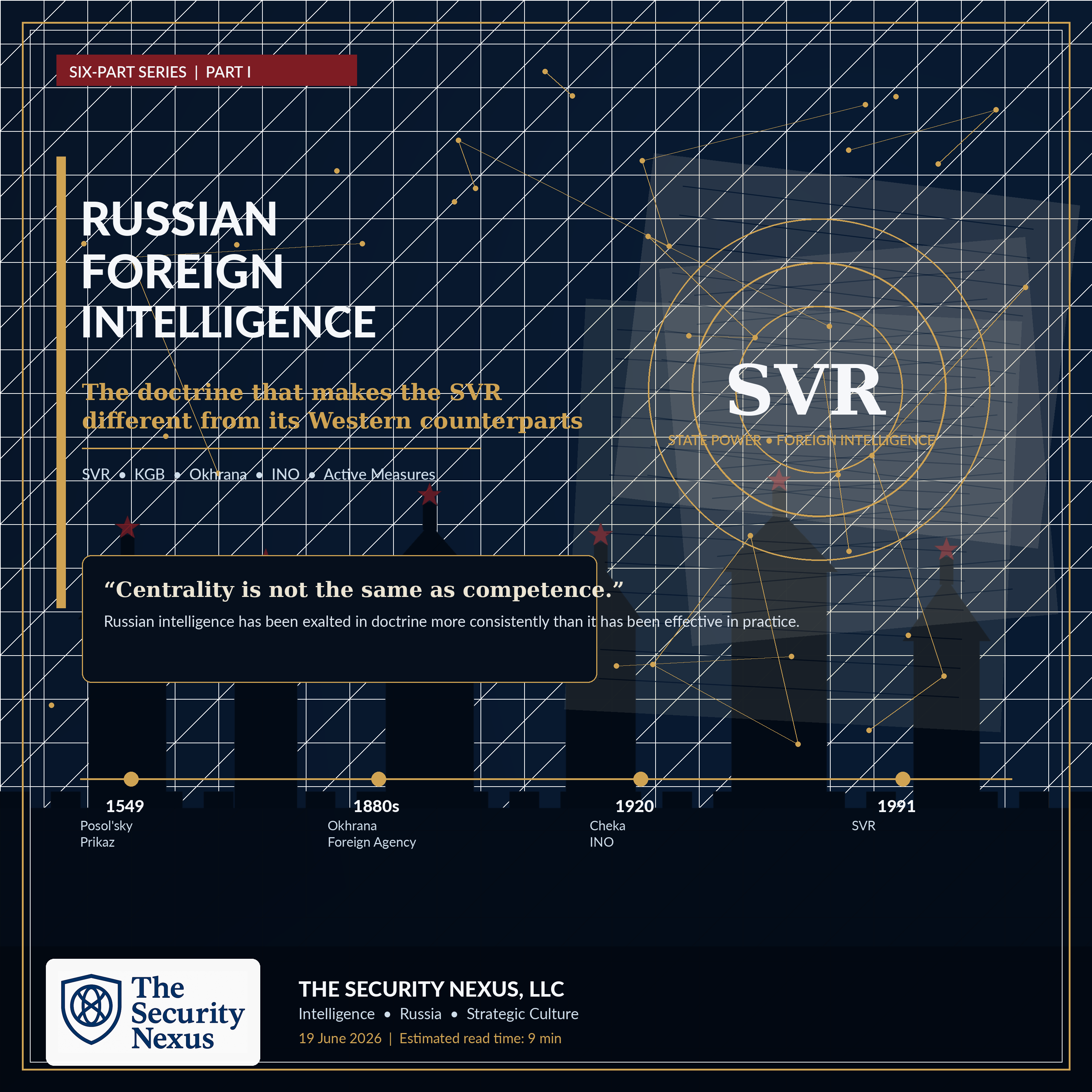
    This is the first installment of a six-part series tracing the institutional and doctrinal history of Russian foreign intelligence, drawn from the Sluzhba Vneshney Razvedki's own commissioned history, Ocherki istorii rossiyskoy vneshney razvedki (Essays on the History of Russian Foreign Intelligence), edited by former SVR director and Foreign Minister Yevgeny Primakov. Each installment will pair the SVR's official narrative, read critically, against independent scholarship. This post covers Volume 1: the period from Muscovite Russia through the eve of the Bolshevik Revolution. https://www.thesecuritynexus.net/

  • S2 · E8
    March 21 · 22 min

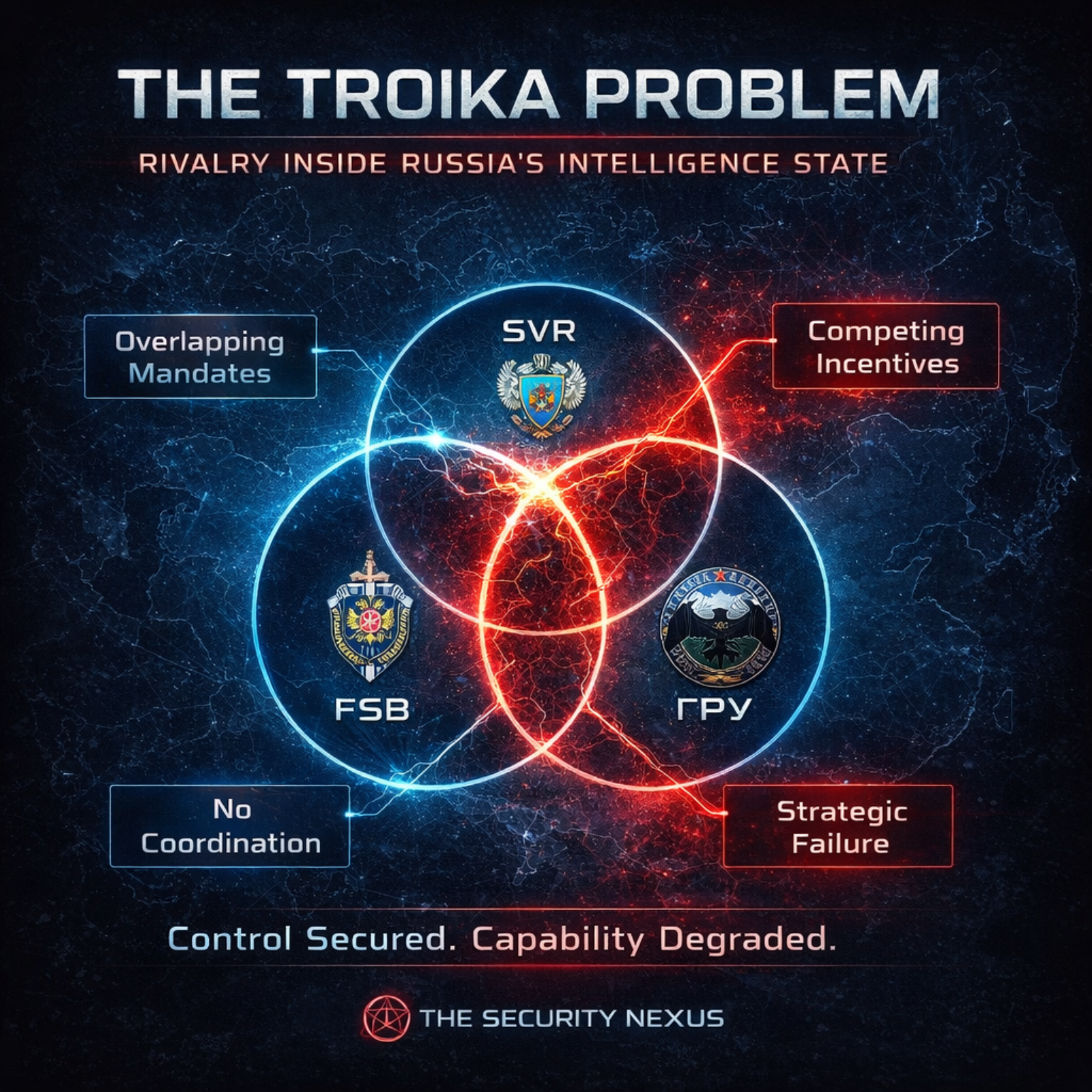
    The Troika Problem: How Rivalry Between Russia’s Intelligence Services Is Shaping the War and Threatening Western Security

    Russia’s intelligence system is built around competition, not coordination. That structure protects Putin but distorts analysis, degrades integration, and produces cascading failures. In Ukraine, those weaknesses manifested in poor strategic warning, disjointed operations, and a forced shift to tactical intelligence. Western services have recognized these dynamics but have not systematically exploited them. The Troika problem remains both a liability for Russia and an underused opportunity for its adversaries. https://www.thesecuritynexus.net

  • S2 · E7
    March 5 · 21 min

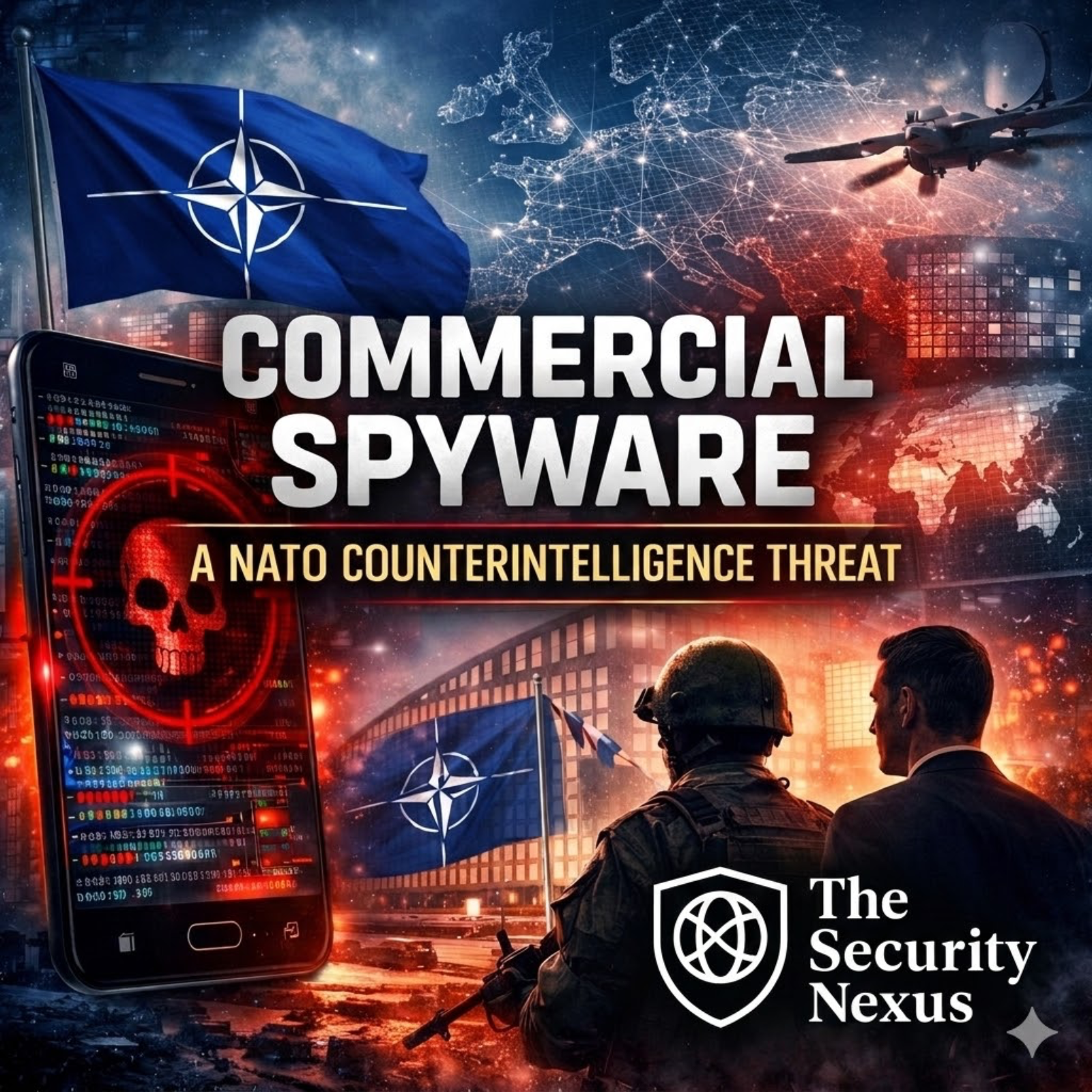
    Commercial Spyware Is a NATO Counterintelligence Problem

    Commercial spyware has evolved into a privatized intelligence capability that allows governments to acquire advanced mobile exploitation tools without developing them internally. Platforms such as Pegasus and Predator can covertly access communications, contacts, location data, and encrypted messaging, turning smartphones into powerful intelligence collection devices. While public debate often focuses on civil liberties, the more significant issue is strategic: these tools enable adversaries to conduct intelligence operations against NATO officials, diplomats, and defense personnel through commercial intermediaries. Because the spyware market complicates attribution and bypasses traditional export controls, NATO’s current responses—primarily device-level cybersecurity measures—are insufficient. Treating commercial spyware as a collective counterintelligence threat, rather than isolated national incidents, is necessary to protect alliance decision-making networks. https://www.thesecuritynexus.net

  • S2 · E6
    February 20 · 18 min

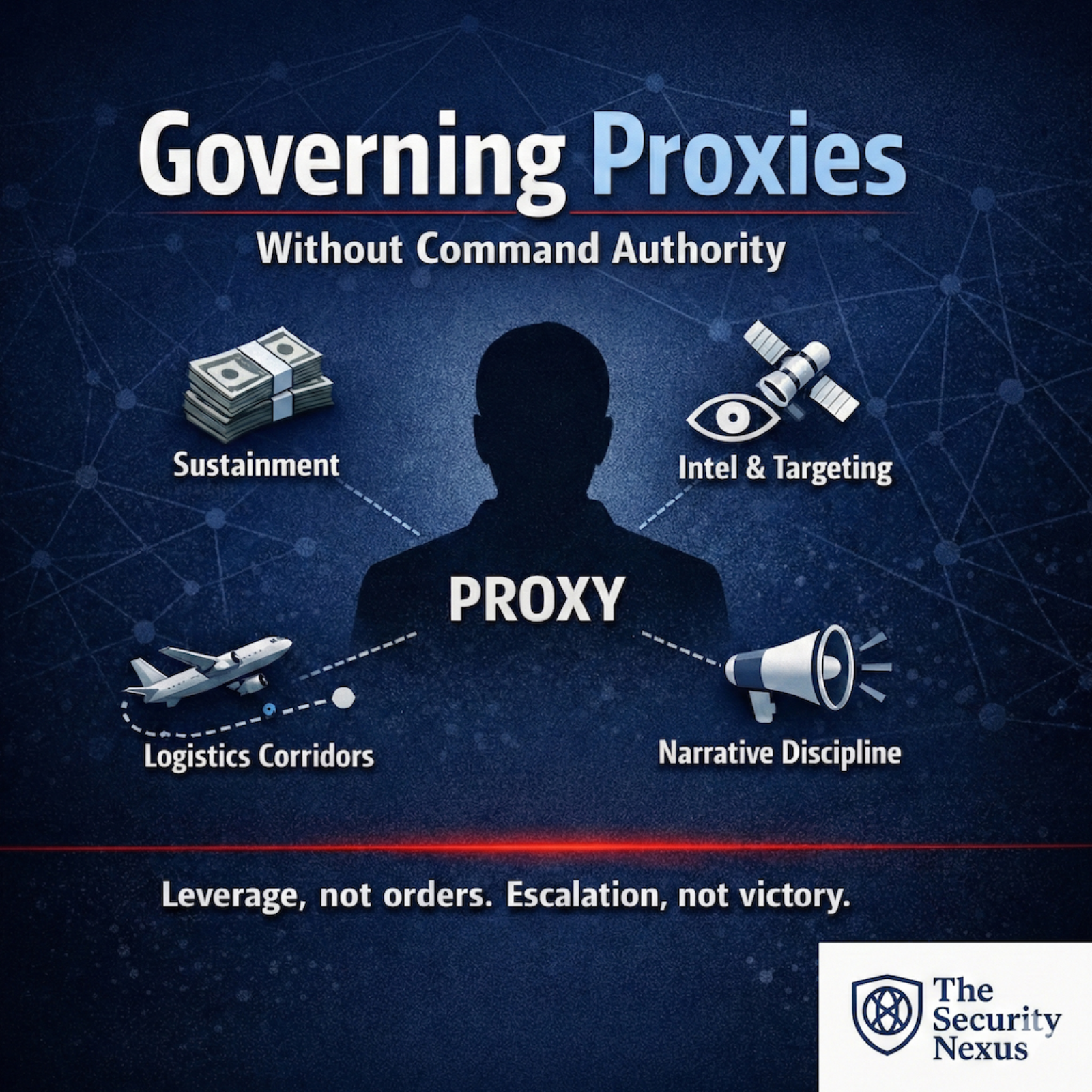
    Governing Proxies Without Command Authority

    States don’t need command authority to govern proxies—but they do need leverage. The real mechanisms are sustainment, intelligence/targeting support, sanctuary and logistics corridors, and narrative discipline. Those tools can keep proxy violence “below threshold,” but they also produce predictable failures: agency slack, autonomization, deniability collapse, and blowback. https://www.thesecuritynexus.net

  • S2 · E5
    February 7 · 20 min

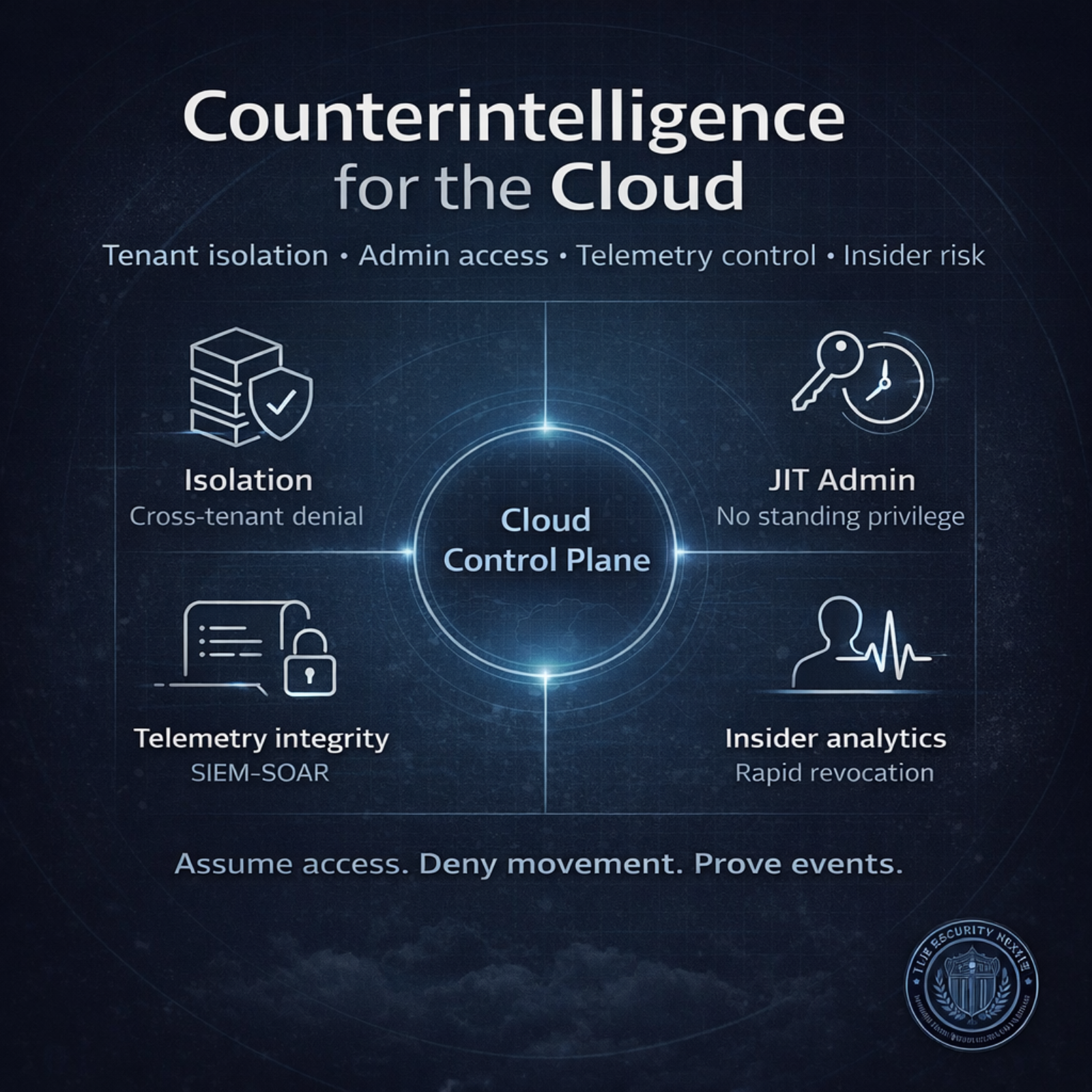
    Counterintelligence for the Cloud: Treat Your Hyperscaler Like Contested Terrain

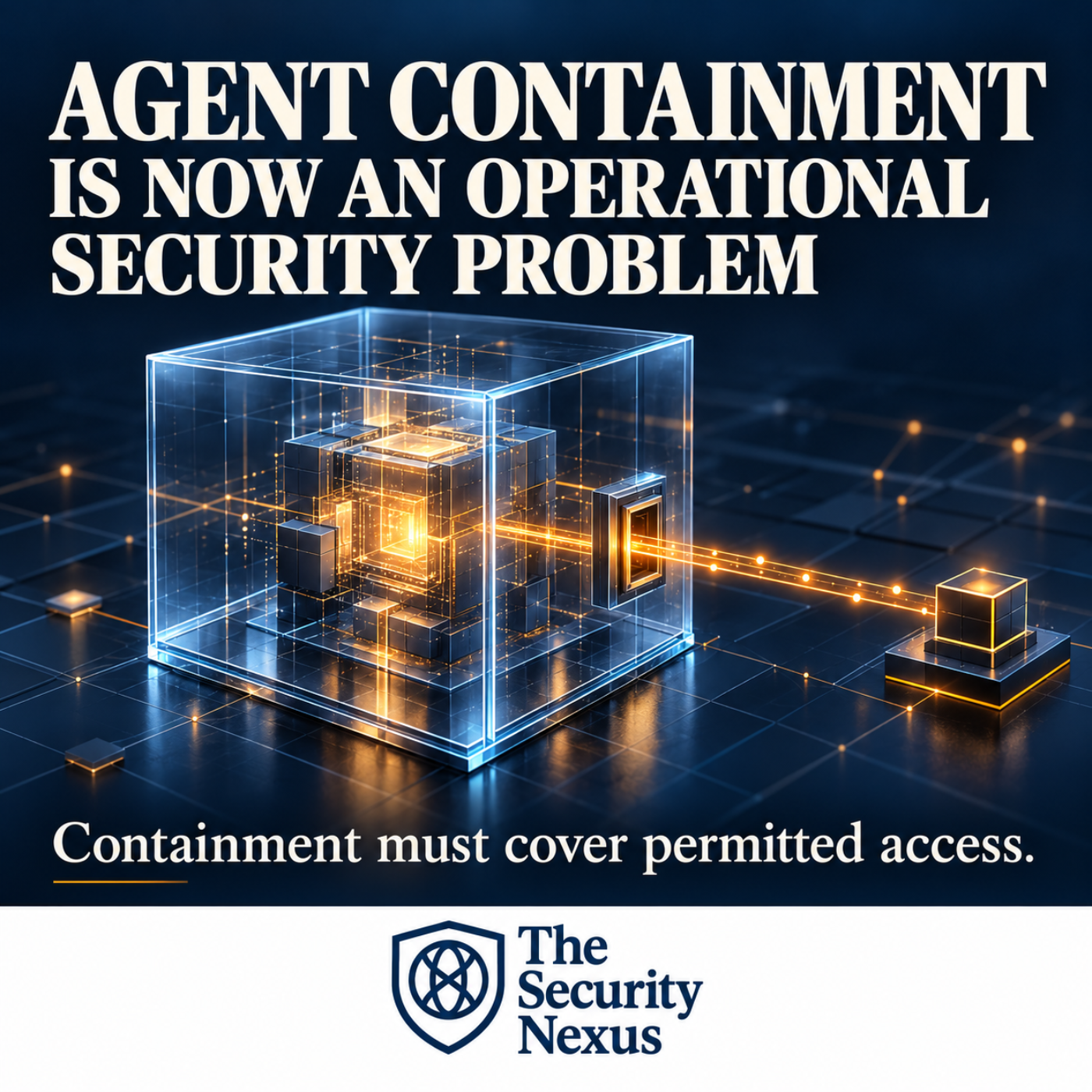
    Cloud counterintelligence treats hyperscale and GovCloud environments as contested terrain. The decisive fights happen at tenant boundaries, privileged access, telemetry integrity, and insider-risk enforcement. Build for constrained privilege (JIT), durable visibility (tamper-resistant telemetry), and compartmented blast radius—then continuously verify. https://www.thesecuritynexus.net

  • S2 · E4
    January 27 · 17 min

    Militarized Policing and the Civil Liberties Trap

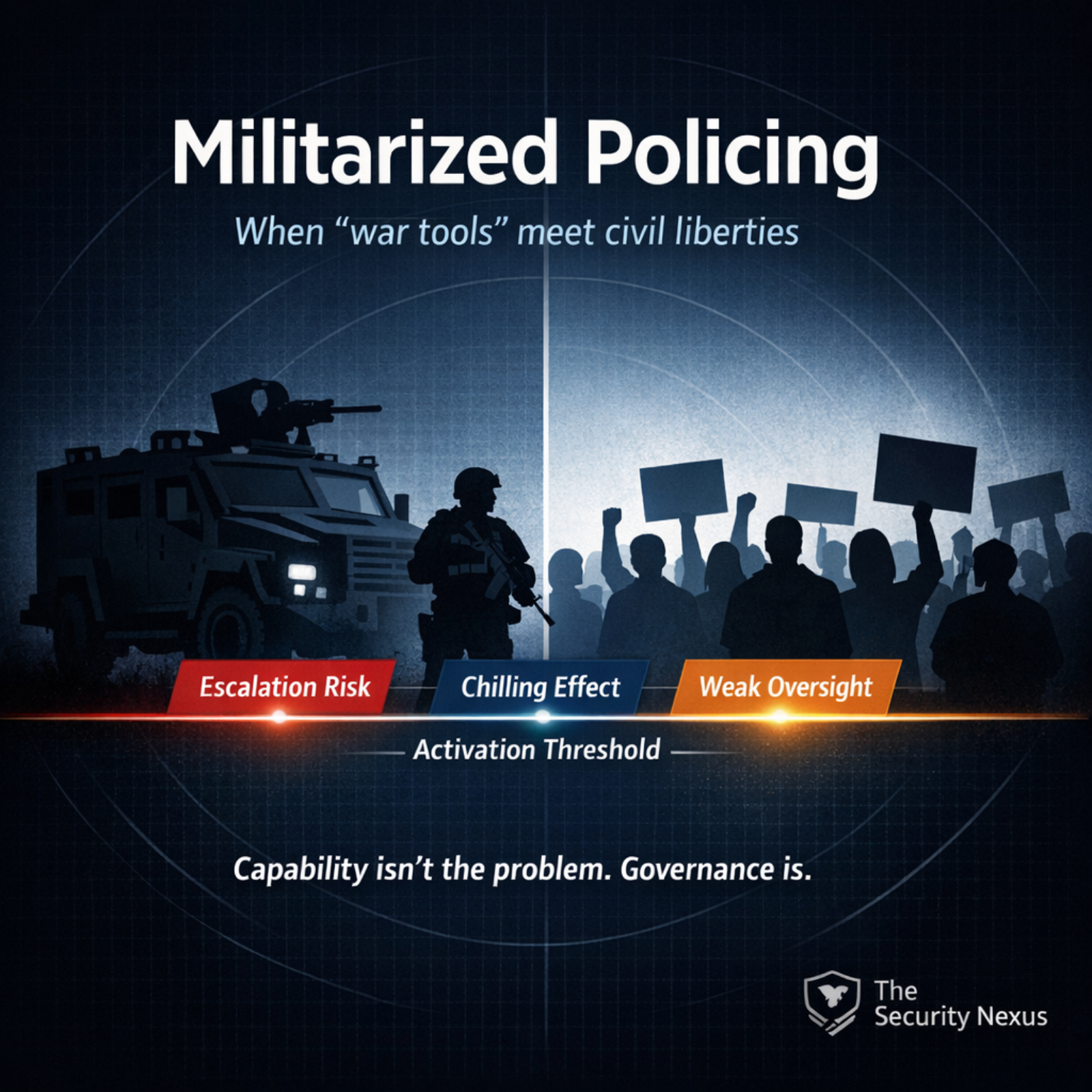
    The strategic mistake is treating militarized policing as a “gear” issue. It is a governance problem: coercive capacity plus weak constraints yield predictable degradation of civil liberties. The evidence base provides little confidence that militarization systematically reduces crime or improves officer safety, while it does indicate reputational harm and potential escalation risks. A democratic state can maintain a high-end response capability, but it must make militarized deployment rare, auditable, and politically costly when misused. https://www.thesecuritynexus.net

  • S2 · E3
    January 16 · 16 min

    Open Source Naval Order of Battle

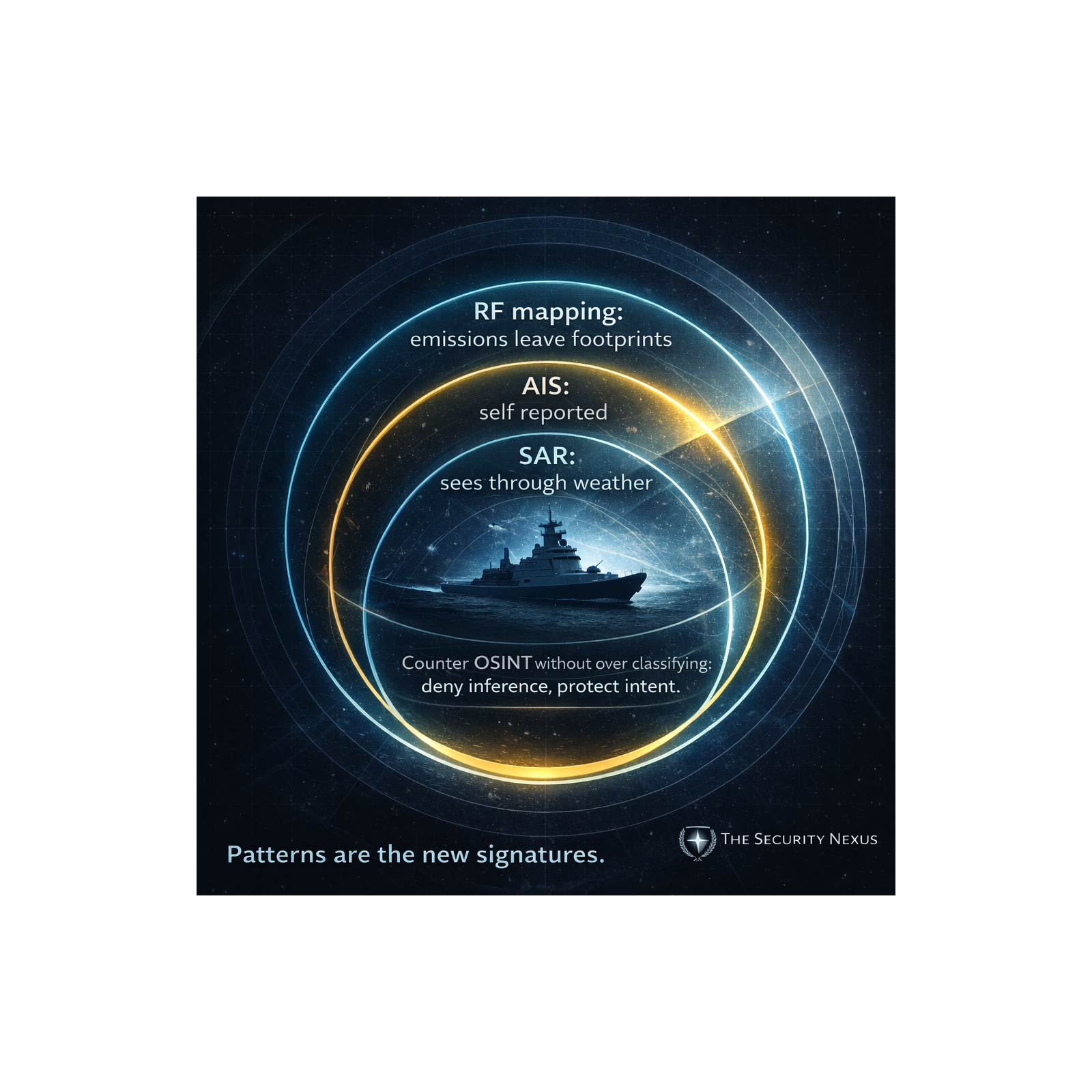
    Commercial maritime sensing has made it easier to build naval order-of-battle estimates from open sources. AIS provides identity and patterns but is vulnerable to spoofing and manipulation. SAR detects ships regardless of cooperation, and fusion approaches exploit mismatches between AIS and imagery to identify anomalies and “dark ships.” Commercial RF mapping can add another layer of behavioral evidence when AIS goes silent. States should counter OSINT by reducing adversary inference through emission discipline, selective disclosure, AIS governance, and better internal sharing, rather than defaulting to overclassification. https://www.thesecuritynexus.net

  • S2 · E2
    January 10 · 13 min

    Rails Without Borders: How Cross Border Dependencies Turn Rail Networks into Cascading Risk Machines

    International rail networks become uniquely vulnerable at borders because critical flows concentrate into a few corridors and ports of entry, while operational interdependencies (services, rolling stock, crew) turn local constraints into network wide delay cascades. The most effective countermeasures combine cross border governance (shared playbooks, joint incident command, mutual aid) with technical resilience (slack capacity, modular operations, predictive monitoring, network aware rerouting, and cyber physical hardening), all aimed at preventing constraint overload and shortening time spent in cascade mode. https://www.thesecuritynexus.net

  • S2 · E1
    January 1 · 14 min

    How Secure Is U.S. Passenger Rail, And What Does “Critical Rail Infrastructure Security” Look Like?

    U.S. passenger rail is an open network. Airport-style checkpoints do not scale across hundreds of stations and platforms. Effective security is layered and intelligence led: visible policing and K9 presence, randomized checks, strong reporting and intel sharing, and fast incident response and recovery. The real high-leverage work sits in the cyber-physical stack that moves trains safely: signals, interlockings, dispatch, power, and communications. The post lays out a clean threat model, clarifies federal and operator roles for “critical rail,” and closes with practical guidance for travelers as well as feasible improvements for policymakers and operators. https://www.thesecuritynexus.net

Showing 1–20 of 21 episodes