Skip to content
Artwork for The Reading Symphony
Kids & FamilyParenting

The Reading Symphony

Katie Megrian

Hosted by Katie Megrian - literacy leader, former principal, and mom of two young readers - The Reading Symphony brings the science of reading to life for parents, teachers, and school leaders who want clarity, not confusion. Each episode blends research-based insight with real-world strategies for helping children thrive in reading, writing, and comprehension.

From phonemic awareness and decoding to fluency, vocabulary, and background knowledge, Katie demystifies what great instruction looks like and how families can support it at home. You’ll hear from expert guests in literacy education, cognitive science, and classroom practice - along with relatable stories from parents navigating the journey right beside their kids.

Whether you’re an educator implementing the Science of Reading, a school leader designing literacy PD, or a parent decoding report cards and assessments, this podcast is your roadmap to evidence-based reading success.

Topics include:

  • How children learn to read and why some struggle

  • What to look for in a strong school literacy program

  • The truth about reading assessments and progress reports

  • Strategies to build fluency, vocabulary, and comprehension

  • The role of knowledge building and background knowledge

  • Advocacy tips for parents and educators

  • Inspiring stories from classrooms and homes that got reading right

Play
  • 20 episodes
  • Avg 38 min
  • English
  • #27
    Wednesday · 50 min

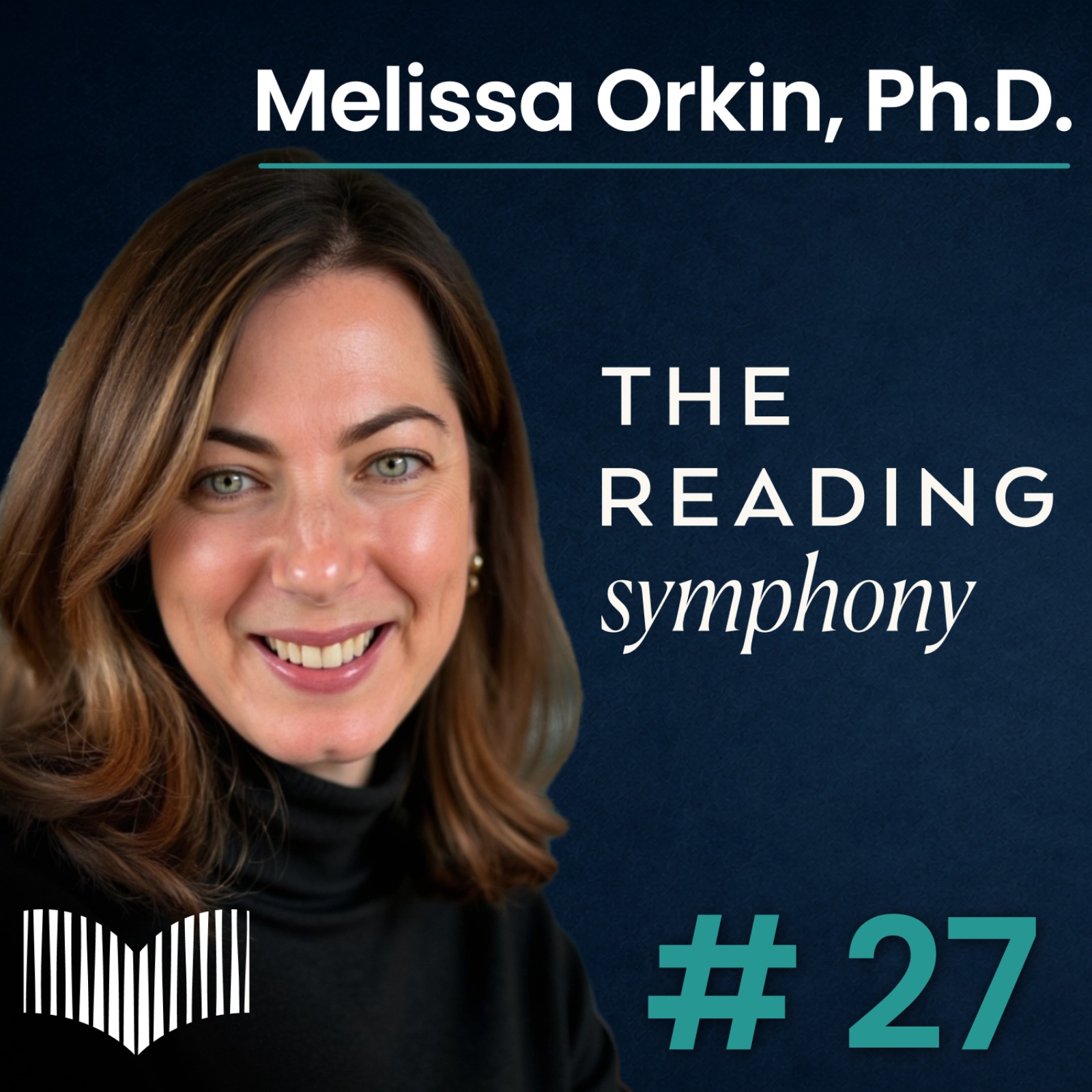
    Crafting Reading Minds with Dr. Melissa Orkin

    Katie talks with Dr. Melissa Orkin, educator and developmental psychologist, about dyslexia, structured literacy, reading fluency, and why the emotional side of learning matters. Melissa explains how motivation, confidence, and a child’s willingness to make mistakes can affect reading development. They discuss intrinsic motivation, the RAVE-O approach, the Science of Reading, and practical ways parents and teachers can support struggling readers. They also explore dyslexia screening, effective reading intervention, and how progress monitoring can help families understand whether instruction is actually working. About Dr. Melissa Orkin Dr. Melissa Orkin is an educator and developmental psychologist specializing in literacy achievement. She is Director of Crafting Minds Group, has taught at Tufts University and Harvard University, and is co-author of The Structured Literacy Playbook. Dr. Orkin's Links RAVE-O Curriculum: https://www.craftingmindsgroup.com/site/rave-o Crafting Minds Group: https://www.craftingmindsgroup.com/ Beyond Gold Stars: https://drive.google.com/file/d/1nke-VZYlAssz1mVUyoDC77_hdEySfkeo/view?usp=sharing LinkedIn: https://www.linkedin.com/in/melissa-orkin-ph-d-1876311/ The Structured Literacy Playbook: https://www.amazon.com/Structured-Literacy-Playbook-Preplanned-Playbooks/dp/0593970942 Chapters 00:00 – Dyslexia, Motivation and the Emotional Side of Reading 00:52 – Meet Dr. Melissa Orkin 01:41 – From Structured Literacy to Dyslexia Research 03:50 – Why Schools Were Afraid to Say Dyslexia 05:27 – Reading Fluency, Motivation and Student Confidence 11:12 – Rewards vs. Intrinsic Motivation 14:40 – Teaching Children That Mistakes Are Part of Learning 18:16 – Why Learning Is Emotional and Social 18:44 – Why Are Schools Afraid to Say Dyslexia? 21:11 – How the Reading Brain Learns to Read 22:39 – Phonology, Orthography and Structured Literacy 23:44 – Building Vocabulary and Word Knowledge 25:57 – Syntax and Reading Comprehension 29:44 – How RAVE-O Reading Intervention Works 35:34 – RAVE-O for Struggling Readers 39:08 – Gaps in the Science of Reading 39:52 – Why Progress Monitoring Matters 46:10 – Hope for the Future of Reading Instruction 48:41 – Advice for Parents of Struggling Readers #Dyslexia #StructuredLiteracy #ScienceOfReading #ReadingInstruction #ReadingFluency
  • #26
    September 14 · 45 min

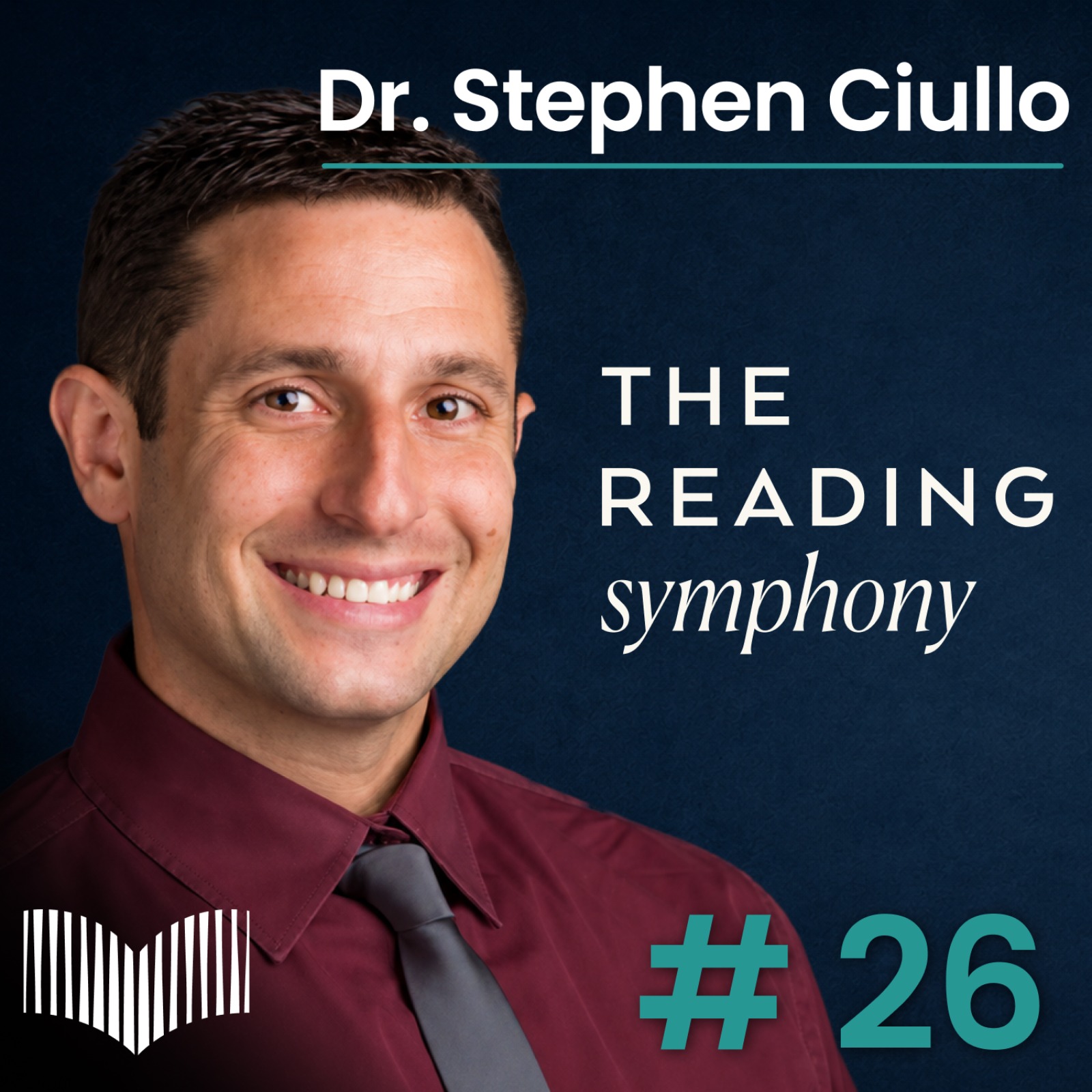
    Why Writing Instruction Is Essential

    In this episode of The Reading Symphony Podcast, Katie talks with Dr. Stephen Ciullo, Professor of Education, about why writing instruction can get left behind and what effective writing instruction actually looks like. They discuss why more writing practice isn't always enough, the importance of explicit instruction and modeling, and why teachers need more support in teaching writing. Dr. Ciullo also shares practical advice for parents of struggling writers, including questions to ask at school, how reading comprehension can affect writing, and how to develop more useful IEP writing goals. About Dr. Stephen Ciullo Dr. Stephen Ciullo is a Professor of Education whose research focuses on writing instruction, students with learning disabilities, and helping teachers use evidence-based writing practices in the classroom. Dr. Ciullo's Links Email: ciullo@txstate.edu Bio: https://faculty.txst.edu/profile/1921294 Chapters 00:00 - Why Teachers Aren't Taught How to Teach Writing 01:00 - Meet Dr. Stephen Ciullo 03:21 - Why Writing Instruction Needs More Attention 05:57 - How Students Become Skilled Writers 07:24 - Skills Students Need to Become Better Writers 08:19 - Cognitive Load and Writing Strategy Overload 11:57 - What Research Says About Teaching Writing 12:18 - Why Writing Skills Don't Transfer Across Genres 14:13 - Teaching Text Structure and Purpose 15:10 - How Parents Can Support Writing Through Reading 17:11 - The Connection Between Reading and Writing 17:51 - Writing Problem or Comprehension Problem? 21:02 - Why Teachers Need More Writing Training 25:42 - What Effective Writing Instruction Looks Like 30:41 - Explicit vs. Incidental Writing Instruction 33:56 - Writing Support for Students With IEPs 34:36 - How to Write Better IEP Goals for Writing 37:37 - What Parents Should Ask About Writing Instruction 41:41 - When Your Child Struggles With Writing

  • #25
    September 3 · 39 min

    Why Background Knowledge Is Essential for Reading Comprehension

    📩 Join My Email List Get practical literacy tips, evidence-based reading resources, podcast updates, and exclusive insights delivered straight to your inbox. Join here: Join Katie's Email List Why do some students understand what they read more easily than others? Background knowledge may be a much bigger part of reading comprehension than we realize. Katie talks with longtime history educator and education consultant Lauren Brown about why building knowledge through science, history, and social studies can help children become stronger readers. They explore how background knowledge supports reading comprehension, why struggling readers benefit from knowledge-rich instruction, when memorization can be useful, and simple ways parents can build their child's knowledge at home. About Lauren Brown Lauren taught U.S. history for more than 20 years and spent another eight years working with future social studies teachers. Today, she works as an education consultant and writes about teaching, learning, and social studies. Lauren's Links LinkedIn Teach Stuff That Matters MiddleWeb Writing & Consulting Services Chapters 00:00 Why Background Knowledge Matters 00:45 Meet Lauren Brown 04:19 Why Science and Social Studies Matter 08:12 What Parents Should Ask Schools 10:02 Helping Struggling Readers 13:02 Should Kids Memorize Facts? 20:17 How Knowledge Makes Learning Easier 28:16 Building Knowledge at Home 35:22 Connecting School and the Real World 37:32 Where to Find Lauren

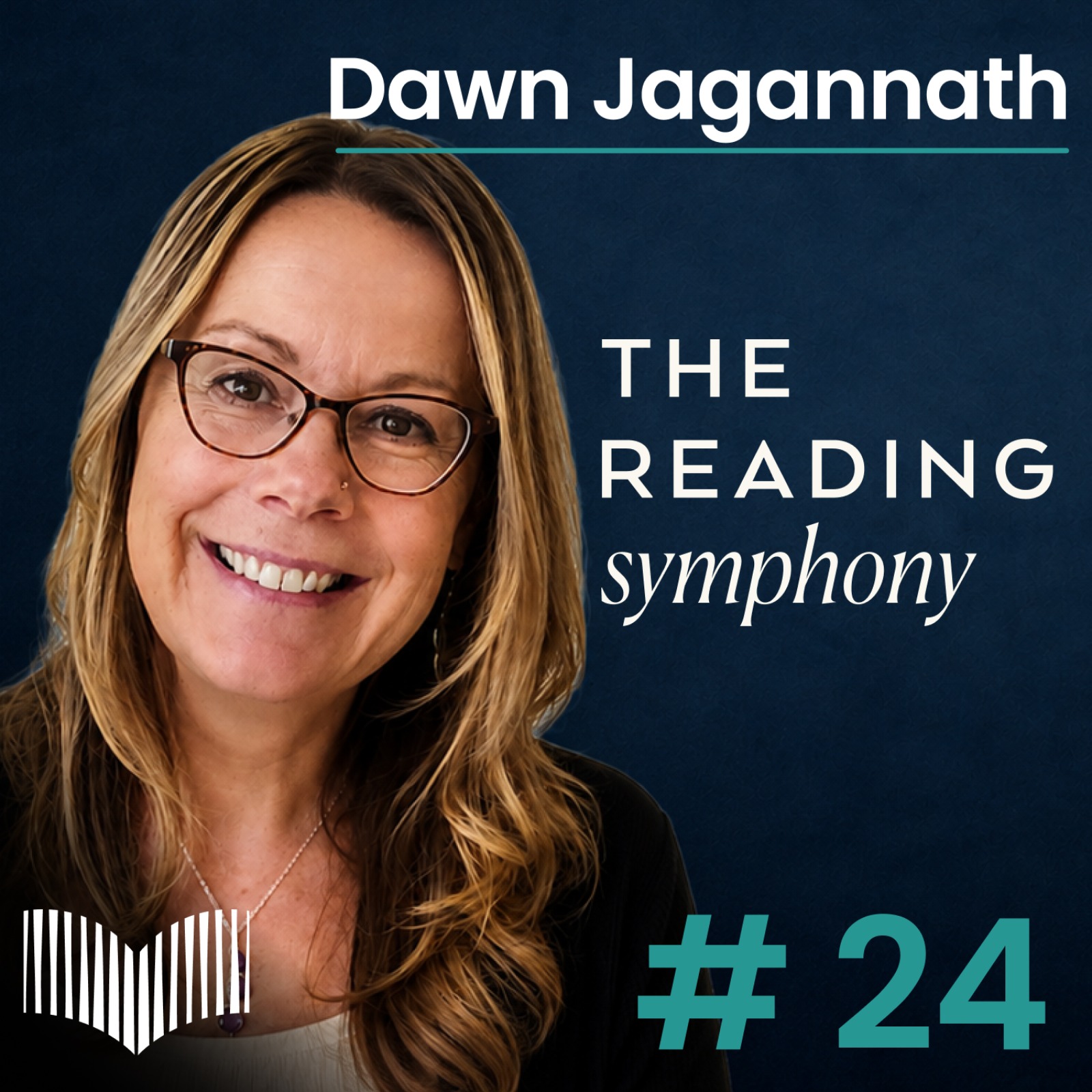
  • #24
    August 24 · 42 min

    What Do I Do When My Child Isn't Responding To Traditional Reading Interventions?

    📩 JOIN MY EMAIL LIST Get practical literacy tips, resources, and podcast updates delivered straight to your inbox. Join here: https://link.fgfunnels.com/widget/form/M03vMOX9hAn6YOt6J7HN IN THIS EPISODE Katie talks with reading specialist Dawn Jagannath about what happens when struggling readers aren't responding to traditional reading interventions. They explore structured linguistic phonics, speech-to-print instruction, why older striving readers need meaningful "catch-up growth," and how parents can tell whether an intervention is actually working. Dawn also shares practical ways families can support struggling readers at home without turning home into another intervention session. ABOUT DAWN Dawn Jagannath is a reading specialist with more than 20 years of experience as a special educator, classroom teacher, and literacy specialist. She is an EBLI Certified Educator and is currently pursuing her Ed.D. in the Science of Learning at Gordon College. DAWN'S LINKS Website: https://www.jagannathliteracy.com/ LinkedIn: https://www.linkedin.com/in/dawn-jagannath-88a225426/ Evidence-Based Literacy Instruction (EBLI): https://eblireads.com/ Reading Simplified: https://readingsimplified.com/ CHAPTERS 00:00 Why Some Struggling Readers Need a Different Approach 00:40 Meet Dawn Jagannath 02:33 From Special Education to Reading Specialist 04:45 Learning the Science of Reading After Graduate School 06:12 What Struggling Looks Like for Older Readers 07:45 Why "Catch-Up Growth" Matters 10:47 What Is Structured Linguistic Phonics? 13:04 How Dawn Discovered Speech-to-Print Instruction 14:34 When More Intervention Isn't the Answer 16:04 Changing How Students See Themselves as Readers 18:24 Why Speech-to-Print Can Be More Efficient 19:18 How the Brain Finds Patterns in Words 24:15 Helping Students Reach "Escape Velocity" 25:11 Moving From Decodable to Authentic Text 28:16 Questions Parents Should Ask Schools 31:10 Helping Older Striving Readers Catch Up 33:21 What Parents Can Do at Home 35:04 Protecting a Child's Identity as a Learner 36:20 Another Tool for Educators and Parents 38:12 Dawn's Future Research Into Linguistic Phonics 40:09 Where to Find Dawn

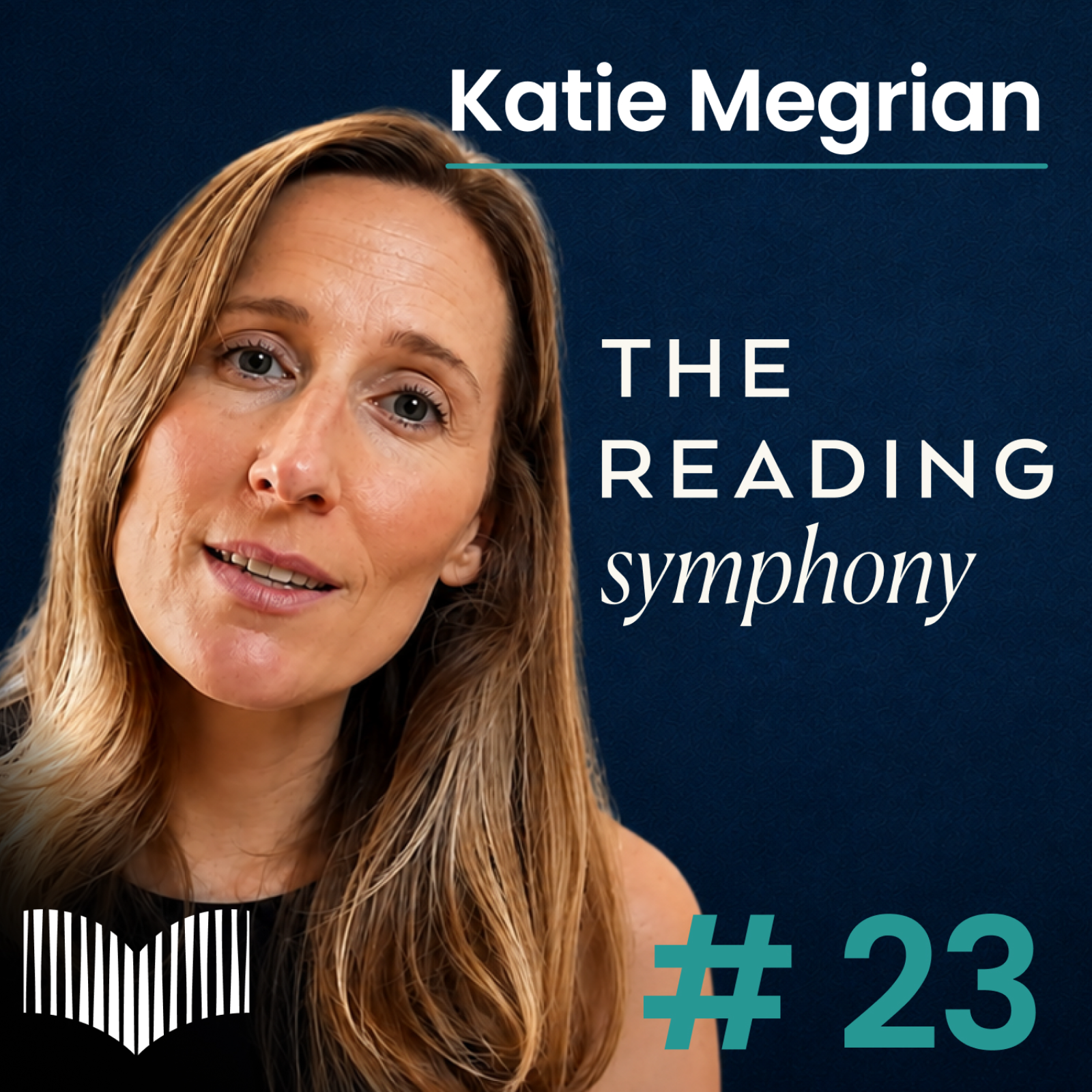
  • #23
    August 3 · 16 min

    Don't Accept "They're doing fine" | Reading Assessments Every Parent Should Understand

    📩 Join My Email List Get practical literacy tips, evidence-based reading resources, podcast updates, and exclusive insights delivered straight to your inbox. Join here: https://link.fgfunnels.com/widget/form/M03vMOX9hAn6YOt6J7HN Have you ever been told, "They're doing fine," even though you know your child is struggling to read? In this solo episode of The Reading Symphony Podcast, Katie Megrian explains how to understand your child's reading assessments, why vague reassurance isn't enough, and the questions every parent should ask before accepting that answer. Drawing on more than 20 years of experience as a teacher, principal, district literacy leader, and parent advocate, Katie shares four real stories from families whose instincts were right - and explains how understanding assessment data can completely change conversations with your child's school. You'll learn: • The difference between Screeners, Diagnostic Assessments, and Progress Monitoring Assessments • When it may be appropriate to request a formal evaluation • Which reading assessments are backed by research • What parents can do before the school year begins • The three questions every parent should ask when discussing their child's reading progress Whether you're concerned about dyslexia, reading intervention, or simply want to better understand your child's progress, this episode will help you become a more informed and confident advocate. Resources Mentioned: 📖 How to Decode Your Child's Reading Assessments 📄 Quick Phonics Screener 📄 CORE Phonics Survey 📚 Reading Assessment Done Right By Dr. Stephanie Stollar & Kate Winn Chapters: 00:00 Welcome & Why Reading Assessments Matter 01:02 Four Stories That Changed Everything 05:16 The Four Types of Reading Assessments 05:51 1. Screeners 07:01 2. Diagnostic Assessments 08:28 3. Progress Monitoring Assessments 10:30 When Should You Request an Evaluation? 12:22 Which Reading Assessments Can You Trust? 13:08 What Parents Should Do Before School Starts 15:05 The Three Questions Every Parent Should Ask

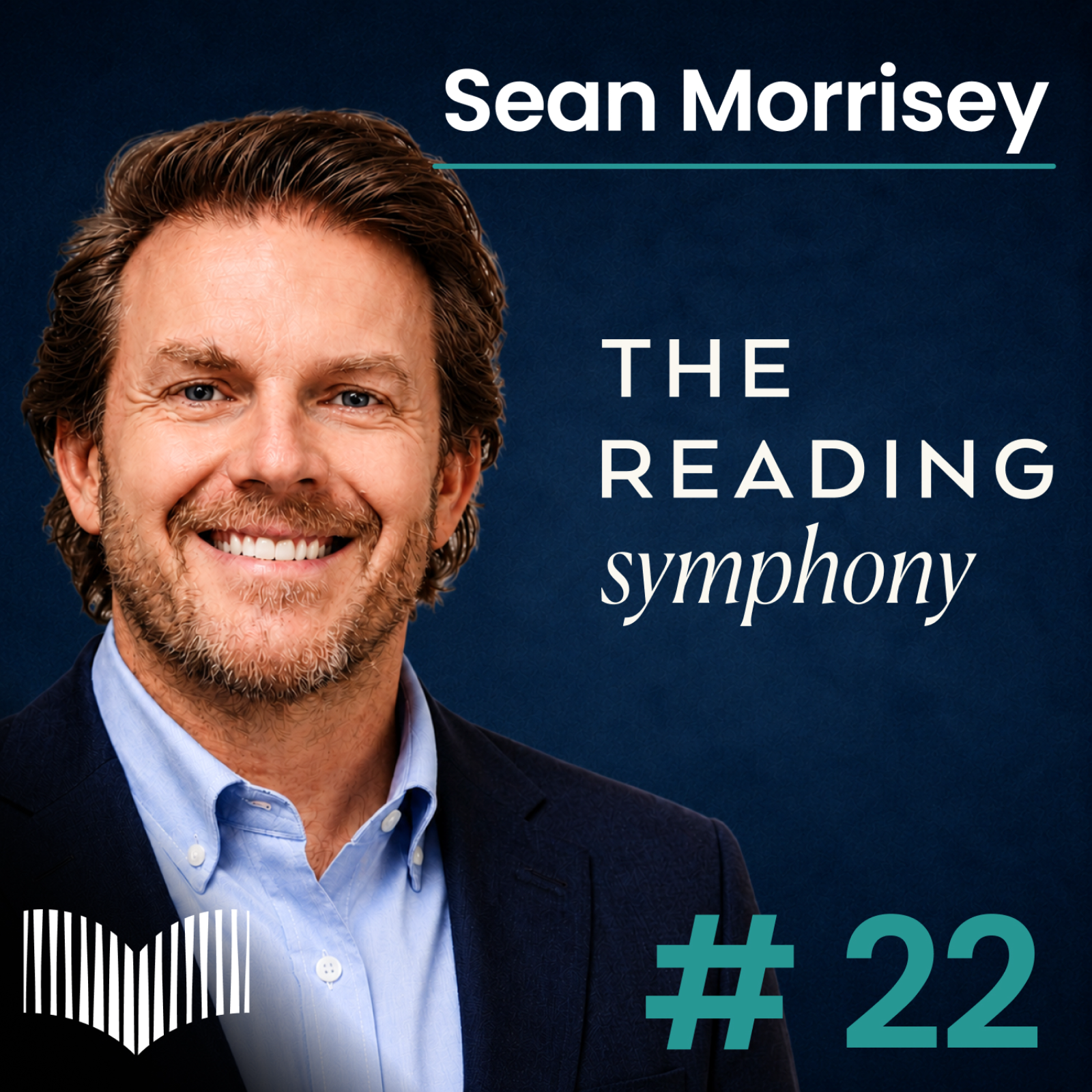
  • #22
    July 4 · 34 min

    How to Build "Word Wealth" with Sean Morrisey

    📩 Join My Email List Katie welcomes Sean Morrisey, creator of the Word Mapping Project, for an engaging conversation about vocabulary instruction, morphology, the Science of Reading, and why building "word wealth" is essential for every child's literacy development. Drawing on his experience as both a former school psychologist and a fifth-grade teacher, Sean explains why vocabulary should be taught explicitly, how spelling strengthens long-term word learning, and why students can learn far more sophisticated language than we often expect. Together, Katie and Sean explore orthographic mapping, morphology, structured literacy, dyslexia, developmental language disorder, reading fluency, and practical strategies that parents and teachers can use immediately to help children become confident readers and writers. They also discuss why vocabulary instruction shouldn't stop after the primary grades, how to create meaningful conversations around words, and why connecting sound, spelling, and meaning helps words become permanently stored in memory. This episode is for parents, educators, literacy specialists, reading interventionists, school leaders, homeschool families, and anyone interested in the Science of Reading, the Science of Learning, vocabulary development, and evidence-based literacy instruction. About Sean Morrisey Sean Morrisey is a fifth-grade teacher at Pinehurst Elementary School in the Frontier Central School District near Buffalo, New York. A former school psychologist, Sean is the creator of the Word Mapping Project, a morphology-rich curriculum grounded in the Science of Reading and the Science of Learning. His work helps educators teach vocabulary, spelling, morphology, and word study through practical, evidence-based instructional strategies that improve long-term literacy outcomes. Sean's Links Website Sean's Substack Word Mapping Project Webinar X (Twitter) Chapters 00:00 – Kids Can Learn Bigger Words Than We Think 00:49 – Meet Sean Morrisey 02:00 – From School Psychologist to Classroom Teacher 05:00 – Why Spelling Still Matters 06:10 – The Birth of the Word Mapping Project 09:00 – Teaching Big Words to Little Kids 13:00 – Bringing Vocabulary to Life 16:00 – Dyslexia, DLD, and Reading Difficulties 20:00 – What Is the Word Mapping Project? 21:00 – Sound, Spelling, Meaning & Morphology 24:00 – Supporting Struggling Readers 27:00 – Building Your Own Word Knowledge 28:00 – Teaching with Synonyms and Antonyms 29:30 – Practical Advice for Parents

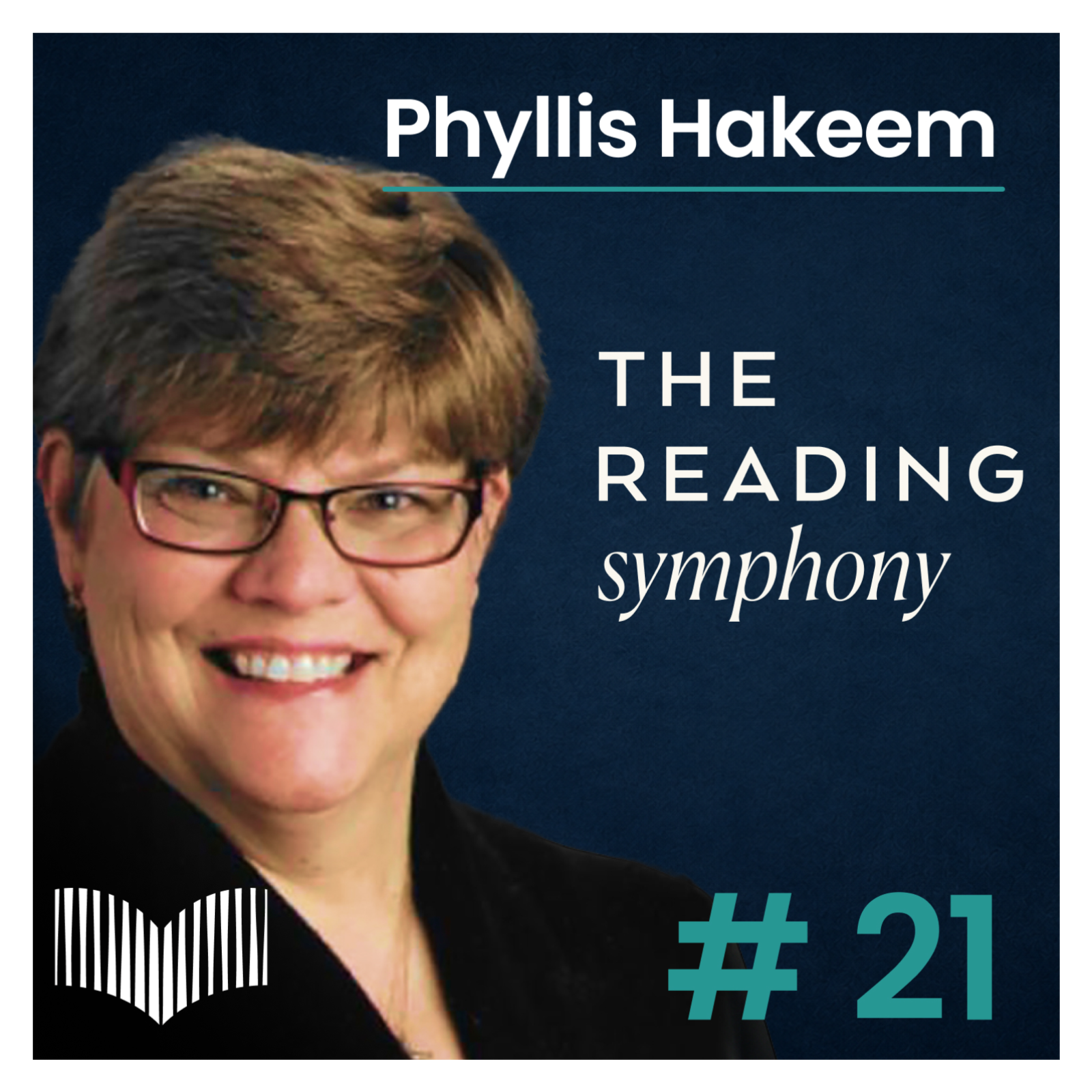
  • #21
    June 5 · 39 min

    "Do No Harm" with Phyllis Hakeem

    📩 Join My Email List Katie hosts Phyllis Hakeem, Professor of Education at Bay Path University, for a thought-provoking conversation about the science of reading, neuroscience, structured literacy, and why educators must embrace the principle of "do no harm" when teaching children to read. PHYLISS'S LINKS LinkedIn: https://www.linkedin.com/in/phyllis-hakeem-a92b4838 Email:phakeem@baypath.edu Bay Path University: https://www.baypath.edu/ Faculty Profile: https://www.baypath.edu/academics/faculty-directory/biography/phyllis-hakeem/ Reading & Literacy Programs: https://www.baypath.edu/academics/graduate-programs/reading-literacy-instruction-msed-eds/ CHAPTERS 00:00 – Do No Harm: Why Reading Instruction Matters 01:43 – Meet Phyllis Hakeem 05:18 – From Neuroscience to Literacy Education 08:38 – Finding Joy in Literacy Work 11:03 – Why Phyllis Says "Do No Harm" 12:54 – Practice Makes Permanent in the Brain 15:13 – Understanding Reading Assessment and DIBELS Data 17:24 – Fluency Is More Than Reading Speed 19:18 – Marketed Misconceptions in Education 19:37 – Science of Reading and Marketing Claims 20:09 – Research-Based vs Evidence-Based 21:40 – How to Evaluate Literacy Research 24:18 – When Curriculum Isn't Enough 25:00 – Intellectual Humility and Lifelong Learning 25:25 – You'll Never Know It All 26:03 – Prior Knowledge vs Background Knowledge 27:33 – Building Better Literacy Systems 28:18 – Bay Path University's Literacy Program 31:00 – Preparing the Next Generation of Reading Teachers

  • #20
    May 30 · 47 min

    Rethinking Adolescent Literacy with Kate Crist

    📩 Join My Email List Katie hosts Kate Crist, founder of Education 4500 and literacy consultant, to discuss one of the biggest challenges facing schools today: why so many students reach middle school and high school without being able to read grade-level texts fluently. Kate's Links: Website: https://www.education4500.com/ LinkedIn: https://www.linkedin.com/in/katecrist/ CHAPTERS 00:00 – Why So Many Students Still Can't Read 00:46 – Meet Kate Crist & Education 4500 03:25 – The Goal: Every Student Graduates Literate 05:00 – Literacy Outcomes Are Designed, Not Accidental 07:40 – Why High School Literacy Needs a Different Approach 09:00 – It's Not the Child's Fault 11:00 – The Role of Teachers vs. The Role of Systems 13:20 – Why Leadership Matters for Literacy Success 14:20 – The Type 10 Fluency Protocol Explained 16:00 – Why Students Need More Eyes on Text 18:00 – Fluency and Reading Comprehension: The Missing Link 19:00 – Why Grade-Level Fluency Matters 21:00 – What Happens When Students Struggle to Read 22:00 – Practical Fluency Routines for Older Readers 25:30 – How Schools Can Build Literacy at Scale 28:00 – What Gives Kate Hope About the Future of Literacy #scienceofreading #adolescentliteracy #readingcomprehension #structuredliteracy #strugglingreaders #literacyinstruction #education #middleschool #highschoolliteracy #readingintervention

  • #19
    May 24 · 31 min

    The Importance of Teachers Supporting Teachers with Jaenine Cortazar Rodriguez

    📩 Join My Email List Katie welcomes Jaenine Cortazar Rodriguez, literacy consultant, educator, and co-founder of Boston Literacy Ladies, for a conversation about teacher coaching, literacy instruction, educator burnout, and the support teachers need to help students thrive. Jaenine shares how she and her business partner built Boston Literacy Ladies to provide personalized coaching and practical support for educators navigating curriculum changes, literacy instruction, classroom management, scheduling, intervention planning, and professional growth. Together, Katie and Jaenine discuss the science of reading, teacher efficacy, family-school partnerships, professional development, dyslexia screening, instructional coaching, and why supporting teachers is one of the most effective ways to improve outcomes for students. This episode is for educators, school leaders, literacy coaches, parents, and anyone interested in strengthening literacy instruction and supporting teachers. Jaenine's Links: Website: https://www.bostonliteracyladies.com Instagram: https://www.instagram.com/bostonliteracyladies/ Facebook: https://www.facebook.com/bostonliteracyladies TikTok:https://www.tiktok.com/@boston.literacy.ladies Chapters 00:00 – Introduction to Jaenine Cortazar Rodriguez 00:45 – Stop the Summer Slide Workshop Announcement 02:00 – Why Boston Literacy Ladies Was Created 04:20 – The Isolation Many Teachers Experience 05:15 – The Biggest Challenges Teachers Face Today 06:50 – Coaching Teachers Across Grade Levels 08:10 – Family Partnerships & Building Trust 10:00 – Why Parent Workshops Often Struggle 11:45 – Reaching Families Who Need Support Most 13:00 – Helping Families Understand Reading Data 15:40 – Dyslexia Screening & Early Intervention 19:00 – What Effective Teacher Support Looks Like 20:15 – Teacher Burnout & Low Teacher Efficacy 21:45 – Curriculum Overload & Initiative Fatigue 23:30 – Why Teachers Shouldn't Have to Write Curriculum 24:45 – Supporting Teachers Through Change 27:00 – Improving Family Communication 28:00 – What Gives Jaenine Hope About Literacy Education

  • #18
    May 16 · 33 min

    Setting The Record Straight On How We Learn with Holly Korbey

    📩 Join My Email List Katie hosts education journalist and author Holly Korbey to discuss the science of learning and what parents and educators should understand about how children actually learn. Holly explains concepts like cognitive load, explicit instruction, retrieval practice, background knowledge, and why step-by-step teaching matters more than many people realize. Katie and Holly discuss study habits, flashcards, the science of reading, writing instruction, and how evidence-based teaching practices can help more students succeed. Holly Korbey writes The Bell Ringer newsletter focused on the science of learning. Holly’s links: Newsletter: https://thebellringer.substack.com/ Website: https://hollykorbey.com/ X/Twitter: https://x.com/hollykorbey LinkedIn: https://www.linkedin.com/in/holly-korbey-21617331/ Chapters: 00:00 – Why the Public Needs to Understand How Learning Works 00:43 – Meet Holly Korbey: Education Journalist & Author 05:00 – Why Holly Asked to Speak on Podcasts About Education 06:00 – “We Need to Understand How Humans Learn” 07:20 – Science of Reading vs. Science of Learning 10:40 – What Cognitive Load Theory Actually Means 15:00 – Homework, Apps & Cognitive Overload 17:00 – Why Explicit Instruction Matters 19:30 – Creative Thinking Is the Goal, Not the Starting Point 21:00 – Sports, Music & How the Brain Learns Skills 24:00 – Why Flashcards Are a Miracle for Learning 26:00 – Effective Study Habits & Spaced Retrieval 28:00 – What Gives Holly Hope About Education

  • #17
    May 9 · 1 hr 11 min

    Trust Your Gut and Raise Your Voice with Missy Purcell

    📩 Join My Email List Katie Megrian hosts Missy Purcell, a literacy and inclusion advocate, educator, and parent, to discuss what parents can do when they know something is wrong but the school data says their child is “fine.” Missy shares how advocating for her dyslexic son’s right to read led her into parent advocacy, structured literacy work, and state-level dyslexia reform. She explains why grades can hide serious reading struggles, how dyslexic children often compensate, and why parents should trust their gut when reading, spelling, writing, or school avoidance feels off. Katie and Missy discuss dyslexia, reading intervention, evidence-based instruction, Orton-Gillingham style support, IEP meetings, school pushback, dyslexia screening, and how to support children after a long, exhausting school day. This episode is for parents of struggling readers, educators, and advocates who want to better understand dyslexia, the science of reading, structured literacy, and how to support children who learn differently. Missy is the co-founder of Gwinnett Advocates for Dyslexia and serves as Education Chair with Decoding Dyslexia Georgia. Missy’s links: Website: https://misspurcell.com/ Instagram: @misspurcelladvocates Facebook: https://www.facebook.com/misspurcelladvocates/ X / Twitter: @MissyPurcell LinkedIn: https://www.linkedin.com/in/missy-purcell-84061b143/ 📩 Join My Email List Get practical literacy tips, resources, podcast updates, and insights to help every child become a confident reader. Join here: https://link.fgfunnels.com/widget/form/M03vMOX9hAn6YOt6J7HN Chapters: 00:00 – Opening: “I Shouldn’t Be the Most Knowledgeable Person in the Room” 01:18 – Meet Missy Purcell: Dyslexia Advocate & Educator 03:10 – Fighting the School System to Get Her Son Help 09:40 – When Good Grades Hide Reading Struggles 15:20 – How Parents Can Spot Dyslexia Early and Push for Support 33:59 – What Effective Reading Intervention Looks Like 36:20 – Why Dyslexia Laws Need Real Accountability 43:50 – How Parents Can Advocate With School Boards 50:20 – Being Brave When Your Child Is Being Failed 01:03:00 – Helping Dyslexic Kids Decompress After School #dyslexia #scienceofreading #structuredliteracy #strugglingreaders #parentadvocacy

  • #16
    May 7 · 53 min

    From Confusion to Confidence. Navigating Dyslexia & Empowering Parents with Michelle Henderson

    Katie Megrian hosts Michelle Henderson, a literacy and dyslexia specialist and creator of the Parent Blueprint, to discuss how reading develops and how parents can advocate for struggling readers. Michelle shares that her son’s reading struggles led her to study the science of reading and focus on equipping parents, noting many children fall through cracks due to gaps in training, not lack of care. They explain why “just read more at home” is insufficient, contrasting structured literacy (explicit, systematic, evidence-based) with balanced literacy, and connect NAEP results to the need for better instruction. Michelle outlines early dyslexia signs, stresses early action, and describes her $47 Parent Blueprint course and free parent-teacher conference guide at michellehendersonliteracy.com. They address older students whose grades mask deficits, the value of OG-style individualized intervention, graphic novels and movies for access and motivation, continuing read-alouds, and supporting children’s self-esteem and self-advocacy. 00:00 Podcast Welcome 00:30 Meet Michelle Henderson 01:15 Why Advocacy Matters 03:13 Reading Symphony Analogy 04:43 Read Aloud Is Not Enough 07:46 Basics of Reading Skills 08:52 Structured Literacy Training 10:09 Balanced Literacy Debate 14:08 Why Dyslexia Name Matters 19:19 Kindergarten Wake Up Call 24:34 Early Signs of Dyslexia 27:17 Parent Blueprint Course 29:20 Tools Modules And PDFs 32:16 Pricing Giveaway And Free Guide 33:40 Teen Dyslexia Hidden Struggles 37:43 Orton Gillingham For Older Readers 43:20 Movies Graphic Novels And Joy 46:51 Read Alouds And Audio Access 49:55 Handling Discouragement And Hope 51:29 Final Thanks And Podcast Outro Michelle's Website Michelle's course

  • #15
    April 1 · 29 min

    From Struggling to Successful: Teaching Reading with Linda Farrell and Michael Hunter

    Linda Farrell and Michael Hunter are founding partners at Readsters in Alexandria, VA. They work in schools all over the country to help educators provide assessment and instruction that ensures all students learn to read. Teachers tell Linda and Michael that they appreciate the practicality of their consulting and their presentations. The reason they can provide practical solutions for helping struggling readers is that they have taught struggling readers from ages 4½ to 81 to read. They also learn from the hundreds of teachers they have worked with in the classroom who work their magic every day with students. Linda and Michael have presented workshops about effective instruction for beginning and struggling readers for more than 20 years. They participated in reviewing required early reading courses in all colleges and universities in two states. They have coauthored curricula for struggling readers and diagnostic assessments to pinpoint decoding difficulties. Linda is the instructor in Looking at Reading Interventions on the Reading Rockets website. Michael is featured in videos used to demonstrate effective teaching techniques in LETRS modules. Episode Summary Katie sits down with two titans of literacy intervention — Michael Hunter and Linda Farrell — whose unconventional paths from investment banking and concrete construction led them to become nationally recognized reading specialists. Together, they unpack the most common reasons children struggle to read, how to identify exactly where a student is stuck, and the powerful (and often overlooked) practice strategies that make the difference between a child who can read and a child who reads fluently and automatically. https://www.readsters.com/ https://www.decodingdyslexia.net/

  • #14
    March 24 · 24 min

    Babies, Books, and Brilliance with Salley King Edwards

    🎧 Episode Summary In this episode of the Reading Symphony Podcast, I sit down with early childhood educator Salley King Edwards, whose 25+ year career spans classrooms, coaching, and national literacy work through Cox Campus. We explore how language, knowledge, and everyday interactions lay the foundation for reading long before formal instruction begins. Salley shares her personal journey as both an educator and a parent navigating reading challenges, including the early signs she noticed, what she missed, and what she wishes more families understood. This conversation is both deeply practical and incredibly reassuring: reading development doesn’t start in kindergarten—it starts from birth. And there is so much families can do, in simple and meaningful ways, to support it. 🔗 Resources Mentioned Cox Campus (free courses for families and educators) Brilliance of Babies (Salley’s book series and resources) "How Knowledge Helps" (Willingham)

  • #13
    March 18 · 28 min

    Books, Bonds, and Beyond with Kindred Obas

    In this special live episode of The Reading Symphony Podcast, Katie sits down with colleague and friend Kindred Obas for a conversation about joyful reading culture, complex texts, identity, and the kinds of classroom experiences that help children see themselves as readers. Together, Katie and Kindred discuss: how to build a classroom culture where reading feels joyful, social, and meaningful why classroom libraries should include both mirrors and windows what Kindred learned from watching students move from books like Dog Man to much more complex texts over time how her sixth grade Jane Austen book club is helping students grow as readers, thinkers, and community members why exposure to complex text, paired with support and belonging, can strengthen comprehension and confidence how families can talk with children about harder histories with honesty, empathy, and care why it matters to offer books about children of color that are not only rooted in struggle, but also in joy, curiosity, and possibility Kindred’s next chapter at Stanford, where she will study curriculum, teaching, race, language, and healing-centered approaches to teaching hard history This episode is a beautiful reminder that reading growth is not just about skill. It is also about identity, access, belonging, and the communities we build around books. Katie Megrian | 10:15 AM (0 minutes ago) | | to me Fundraiser by Kindred Obas : Fund Our Journey to Jane Austen's England https://www.gofundme.com/f/fund-our-journey-to-jane-austens-england https://www.gofundme.com/f/fund-our-journey-to-jane-austens-england?attribution_id=sl:e9fcfcf6-52f6-4666-8406-5c5cc968e35a&lang=en_US&ts=1773612248&utm_campaign=man_sharesheet_dash&utm_content=amp17_tb-amp20_t2&utm_medium=customer&utm_source=copy_link Books and Texts Kindred Discusses Kindred by Octavia Butler Emma by Jane Austen A Wind in the Door by Madeleine L’Engle A Wrinkle in Time by Madeleine L’Engle Persuasion by Jane Austen Northanger Abbey by Jane Austen One Crazy Summer by Rita Williams-Garcia Ada Twist, Scientist by Andrea Beaty The Youngest Marcher by Cynthia Levinson and Vanessa Brantley-Newton Love Is by Diane Adams The Great Cake Mystery by Alexander McCall Smith The Breakfast Club Adventures series by Marcus Rashford The Joy Luck Club by Amy Tan Millicent Min, Girl Genius by Lisa Yee Stanford Wong Flunks Big-Time by Lisa Yee

  • #12
    March 7 · 30 min

    Balancing Trust and Urgency in Early Reading with John Bennetts

    Episode Show Notes In this episode of The Reading Symphony Podcast, Katie sits down with national literacy consultant John Bennetts to discuss what reading development actually looks like in real classrooms and real families. John shares how an unexpected start in education led him to work alongside renowned literacy expert Linda Farrell early in his career, shaping his approach to evidence-based reading instruction. Together, Katie and John explore a question many parents quietly carry: How do we know if a child is progressing normally in reading? Their conversation unpacks the difference between healthy developmental variation and signs that a child may need additional support. They also discuss how screening data should be used by schools, how parents can ask better follow-up questions, and why strong literacy systems depend on coherence across instruction and intervention. The episode also highlights the powerful early literacy work of Reach Out and Read, a national program that partners with pediatricians to help families build read-aloud routines from birth. Whether you're a parent trying to understand reading benchmarks or an educator working to build stronger systems, this conversation offers clarity, compassion, and practical guidance. Resources Mentioned Reach Out and Read Research on phases of reading development (Linnea Ehri) Stephanie Stollar’s work on MTSS

  • #11
    March 4 · 26 min

    Decodables, Advocacy, and Supporting Teachers with Elise Lovejoy

    Episode Summary In this episode, Katie sits down with literacy advocate and author Elise Lovejoy, creator of Express Readers and founder of The Teacher’s Table. Elise shares her journey into the science of reading, explains the critical difference between leveled readers and decodable books, and offers practical guidance for parents supporting early readers at home. She also discusses the importance of research-aligned instruction in schools and how The Teacher’s Table is helping teachers access credible, evidence-based resources. In This Episode, We Discuss: How Elise began writing decodable books to make early reading both effective and joyful The difference between leveled readers and decodable texts — and why it matters Why guessing words from pictures can undermine long-term reading development What makes a strong decodable book A simple, low-stress routine parents can use when decodables come home The importance of repeated practice and building automaticity How parents can advocate for science-aligned reading instruction Signs that a school is moving toward (or away from) evidence-based literacy practices Why ongoing teacher professional learning is essential The mission behind The Teacher’s Table and how it supports teachers with research-backed resources Key Takeaways for Parents Decodable books align directly with the phonics skills children have been taught. It’s okay to help with tricky words — reading practice should feel supportive, not stressful. Re-reading builds fluency and confidence. Asking thoughtful questions is one of the most powerful advocacy tools parents have. Supporting teachers ultimately supports all children. Resources Mentioned Express Readers – Decodable book series👉 expressreaders.org The Teacher’s Table – Research-aligned literacy membership for educators👉 theteacherstable.org To set up a gift subscription to The Teacher’s Table, email contact@theteacherstable.org!

  • #10
    February 24 · 32 min

    Insights on Literacy and Policy with Chad Aldeman

    Katie Megrian speaks with education policy expert Chad Aldeman, founder of Aldeman Education LLC and creator of ReadNotGuess.com, about early reading development, intervention, and broader K–12 trends. Chad shares that his son’s kindergarten experience during COVID revealed that his son had not been taught to decode and was guessing words. That realization led him to create Read Not Guess, a free, sequential, parent-facing resource with Levels 1–3, a “daily-ish decodable” program, and an optional app to support sound practice at home. They discuss declines in national achievement that began around 2013–2015, with the largest drops among lower-performing students. Chad explores possible contributors, including shifts in accountability policy, increased screen time, declining independent reading, and reduced emphasis on foundational skills. The conversation also highlights systems such as Mississippi, Louisiana, DoDEA schools, and England that have emphasized phonics and knowledge-rich instruction. Chad explains why rising per-pupil spending has not translated into comparable teacher salary growth, citing increased benefit costs and staffing shifts, and discusses alternative staffing and compensation models. The episode closes with guidance for families: look for high standards paired with high support, seek objective indicators of progress, and do not wait to intervene when a child is struggling. Resources:ReadNotGuess.comchadaldeman.com https://www.chadaldeman.com/p/do-not-wait https://www.the74million.org/article/these-schools-are-beating-the-odds-in-teaching-kids-to-read/

  • #9
    February 20 · 49 min

    Escape Velocity: Helping Kids Crack the Reading Code Faster with Dr. Marnie Ginsberg

    Episode Summary In this episode, Katie talks with Dr. Marnie Ginsberg about what helps kids learn to read and why so many teachers were never given the tools to fix word-reading problems. Dr. Ginsberg shares the story that launched her career: sixth-grade students reading years below grade level and a breakthrough approach that helped them make dramatic gains in a single spring. Together they unpack the research-to-practice gap (and why effective interventions still “sit on a shelf”), and then get very practical: Marnie explains how Reading Simplified teaches phonics without over-relying on rules, using the brain’s pattern detection (statistical learning) plus carefully designed contrast (sit/sat, mat/map/mop) to accelerate decoding. You’ll also hear a clear explanation of phonemic awareness vs. phonics, why separating them often creates inefficiency, and how Marnie integrates them through simple routines like Build It and Switch It—activities that feel like games but powerfully build the alphabetic principle. Finally, Marnie and Katie talk state curriculum lists, why implementation details matter, and what parents can advocate for during literacy reform—plus Marnie’s direct call to limit screens and protect attention. Key Takeaways Many struggling readers don’t need “more exposure”—they need explicit instruction that helps them attend to the inside parts of words. The research-to-practice gap isn’t only about evidence. It’s also about incentives, funding streams, and the skillset of dissemination. “Good phonics” doesn’t have to mean a heavy diet of rules. Pattern-based learning can be explicit and still leverage kids’ natural ability to detect patterns. Keeping kids in “short-vowel land” too long can starve them of the data they need to reach reading “escape velocity.” Integrating phonemic awareness and phonics—rather than teaching them in separate lanes—can unlock the alphabetic principle faster. Parents should push for early identification and support (including dyslexia screening and services) and for true expertise in curriculum decision-making. Reading grows in a home environment that protects attention: limit screens, read aloud longer than you think, and listen to kids read longer than you think. Topics We Cover Marnie’s path from sixth-grade teacher → tutor → researcher → founder of Reading Simplified Why whole language/balanced literacy didn’t solve decoding struggles What TRI is and how it connects to Reading Simplified The “17-year research-to-practice gap” and why it persists Linguistic phonics / speech-to-print and organizing the code by sound Statistical learning, contrast, and “set for variability” (without turning into guessing) Why context is part of reading—but print must be primary for beginners Phonemic awareness vs phonics: what they are, why both matter Try This at Home / In the Classroom Switch It (5 minutes, feels like a game): Use letter tiles/cards to build a simple word (mop). Then “switch” one sound at a time to make a new word (mop → map → sap → sip). The magic is in the contrast and the attention to each sound position. Free resources and demo videos: readingsimplified.com/switch-it Connect with Dr. Marnie Ginsberg Website: ReadingSimplified.com Free Switch It resources: ReadingSimplified.com/switch-it Instagram: @readingsimplified Connect with Katie / The Reading Symphony Substack: katiemegrian.substack.com Instagram: @thereadingsymphony

  • #8
    February 11 · 40 min

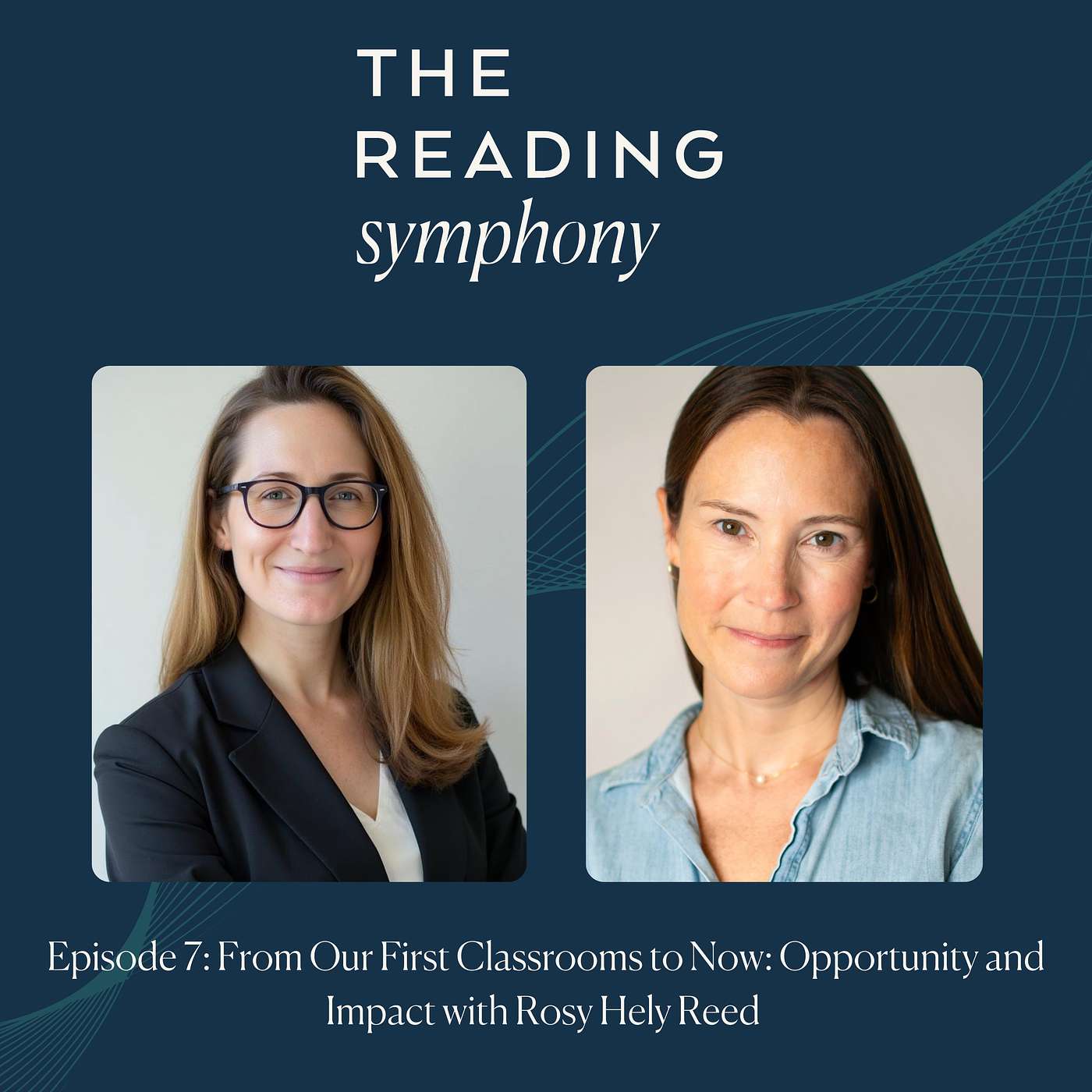
    From Our First Classrooms to Now: Opportunity and Impact with Rosy Hely Reed

    Rosy Hely Reed. Rosy is a Director, Academics at TNTP - a non-profit organization that brings research, policy, and consulting together to reimagine America's K-12 public education system. She has been at TNTP since 2016, and currently leads the execution of academic reviews in schools and districts across the country, providing data and insights on students' and teachers' access to the resources that matter most. Prior to TNTP, Rosy was a literacy teacher and instructional coach in New York City and Washington, D.C., public schools, and then oversaw district-wide teacher-leader and instructional-coaching programs for Pittsburgh Public Schools. She loves driving change-making work within (usually messy) school systems at all levels. About This Episode In this conversation, Katie sits down with one of her closest friends and longtime education thought partner, Rosy Reed, a Director of Academics at TNTP. We trace our shared beginnings as brand-new teachers in the South Bronx and explore how those early classroom experiences shaped our understanding of curriculum, instruction, and equity. Rosie shares what she has learned through her work at TNTP about the conditions that most powerfully drive student achievement, drawing on insights from The Opportunity Myth and the Opportunity Makers research. We also talk candidly about dyslexia, advocacy, and how parents can partner with schools to build coherent, research-aligned reading instruction. This episode is both a deep dive into literacy and a personal conversation about teaching, friendship, and the long arc of learning. In This Episode We Discuss TNTP’s research: What actually drives student achievement Rosy explains the findings from TNTP’s landmark research, based on 4,000+ students across diverse schools and districts. Four key resources that dramatically impact achievement: Grade-appropriate assignments Strong instruction Deep student engagement High teacher expectations We also discuss: Three core practices of “trajectory-changing” schools: A strong culture of belonging Consistent access to grade-level instruction A coherent instructional program We explore: Alignment across grades, classrooms, and interventions The importance of knowledge-building curriculum Why teacher planning time and professional learning matter How schools can better align instruction between general education and intervention

Showing 1–20 of 20 episodes