
Skip to content
Artwork for The Reading Instruction Show
EducationCoursesKids & FamilyEducation for Kids

The Reading Instruction Show

Dr. Andy Johnson

The Reading Instruction Show is a podcast about reading instruction (and other things) with a little bit of attitude. There is plenty here to inform and entertain all. And, by the way, I'm not trying to sell any books. I don't have any curriculum or programs to market. I don't accept speaking fees. And, I don't ever want to be a consultant.

Play
  • 20 episodes
  • Avg 15 min
  • English
  • S27 · E15
    Yesterday · 14 min

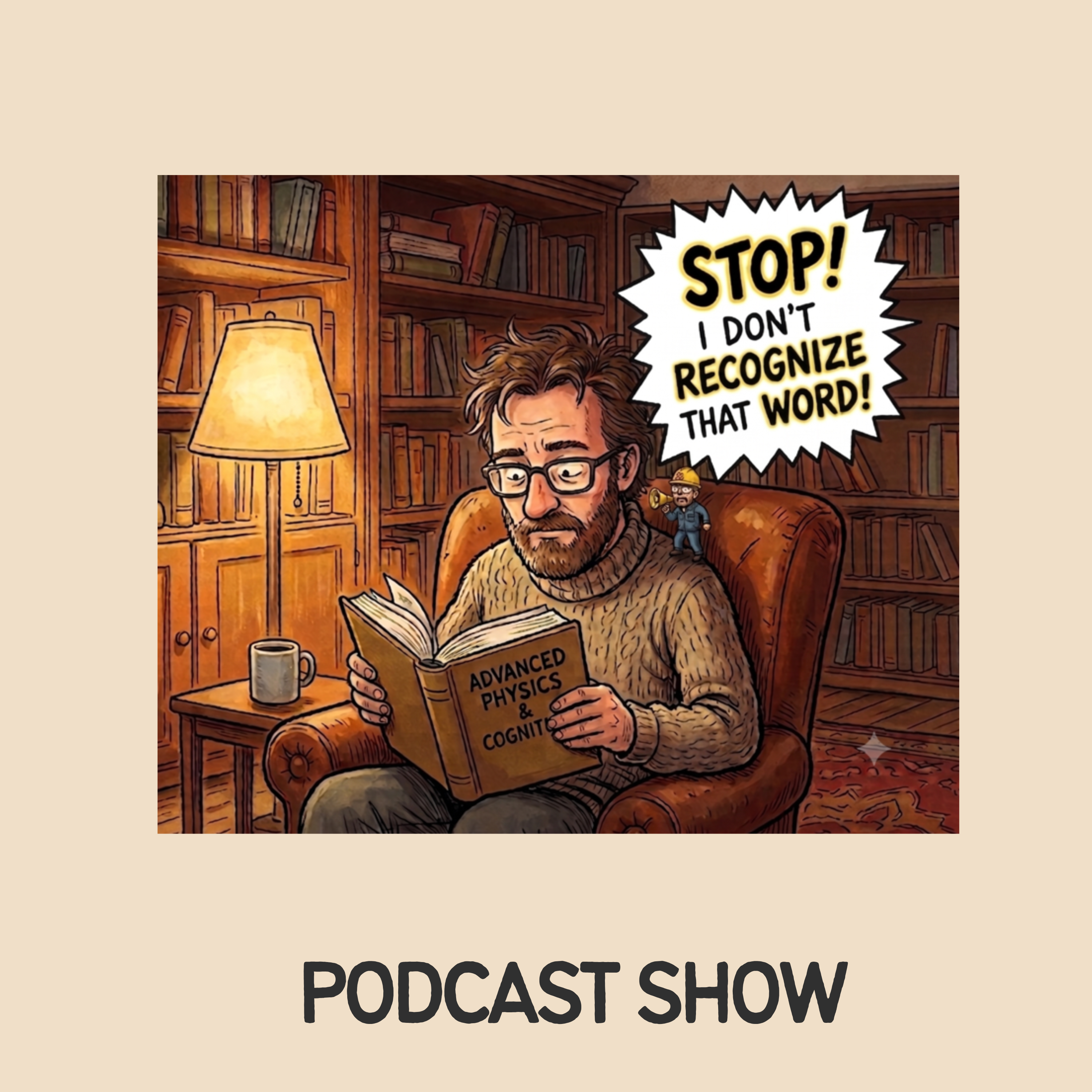
    Reading Instruction, Word Confirmation, and Confirmation Bias

    Purpose statement: The reader will become more effective in evaluating online sources related to reading instruction. Behavioral objective: Readers will be able to identify instances in which confirmation bias results in an over-use of quotations and a misrepresentation of authors’ original ideas. Important Terms • Word recognition – encountering a word in print and instantly knowing what it is. • Word identification – encountering a word in print that is not recognized and using a strategy to figure out what it is. • Decoding – identifying a word using letters and letter patterns. • Strategy - a cognitive process that one consciously applies to a task. • Skill - a cognitive process that has become automated. • Penguin - a bird living in the Antarctic that is thought to be the cause of most reading problems. • Confirmation bias – starting with a belief and selection only information that supports that predetermined belief. • Academic discourse – sharing and evaluating ideas using reason and research. • Context – something that matters.

  • S27 · E14
    August 14 · 11 min

    Quiet, Piggy: A Trumpian Response to Science of Reading Critics

    If you’re looking for accessible, research-based information that slices through the endless loads of overly worded baloney, I would encourage you to subscribe to my free Substack, The Reading Instruction Show. Substack: The Reading Instruction Show https://thereadinginstructionshow.substack.com/

  • S27 · E13
    July 31 · 13 min

    Recognizing Words, the Three-Cueing System, and Identifying Words

    • Purpose: Readers will understand how the three cueing system is used to recognize words. • Behavioral objective: After reading this chapter, the reader will throw a pie in the face of any clown who suggests that the three-cueing system (a) is a strategy, (b) is an approach to reading instruction, or (c) that it teaches students to guess at words.

  • S27 · E12
    July 17 · 6 min

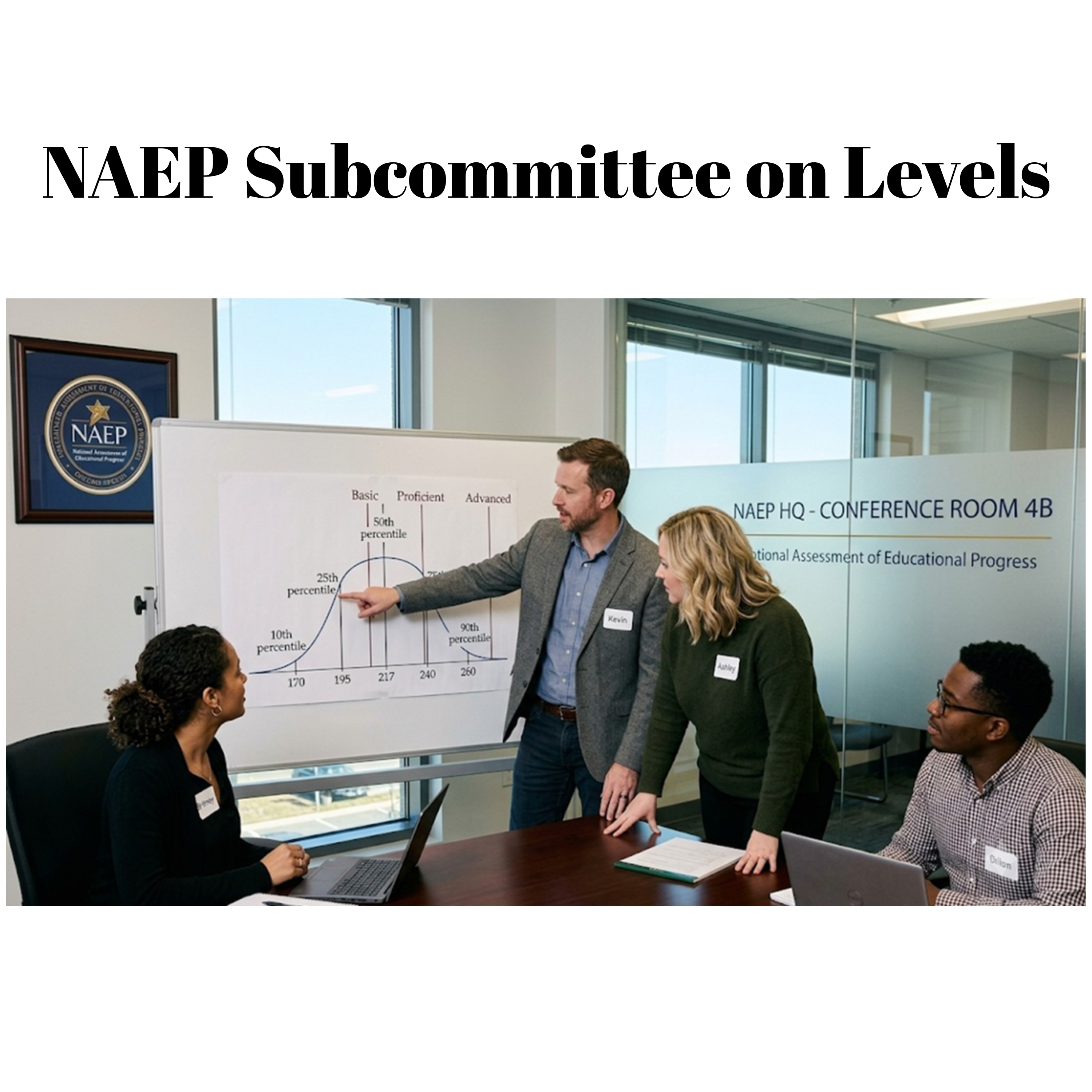
    How NAEP Created a Perpetual Reading Crisis

    The NAEP proficiency levels were arbitrarily defined (Bracey, 2008; Ravitch, 2012; Reinking, Hruby, & Risko, 2023). These levels should be interpreted with extreme caution (Vaulton, 2025). The National Center for Education Statistics website provides three reasons for this (NCES, 2025): 1. Proficiency levels are based on desired expectations. Meaning that these levels are aspirational not mathematical. 2. These proficiency levels are currently being used on a trial basis. 3. Further evidence is needed to determine if these proficiency levels are “reasonable, valid, and informative”. If you’re looking for accessible, research-based information that slices through the endless loads of overly worded baloney, I would encourage you to subscribe to my free Substack, The Reading Instruction Show. Substack: The Reading Instruction Show https://thereadinginstructionshow.substack.com/

  • S27 · E11
    July 7 · 16 min

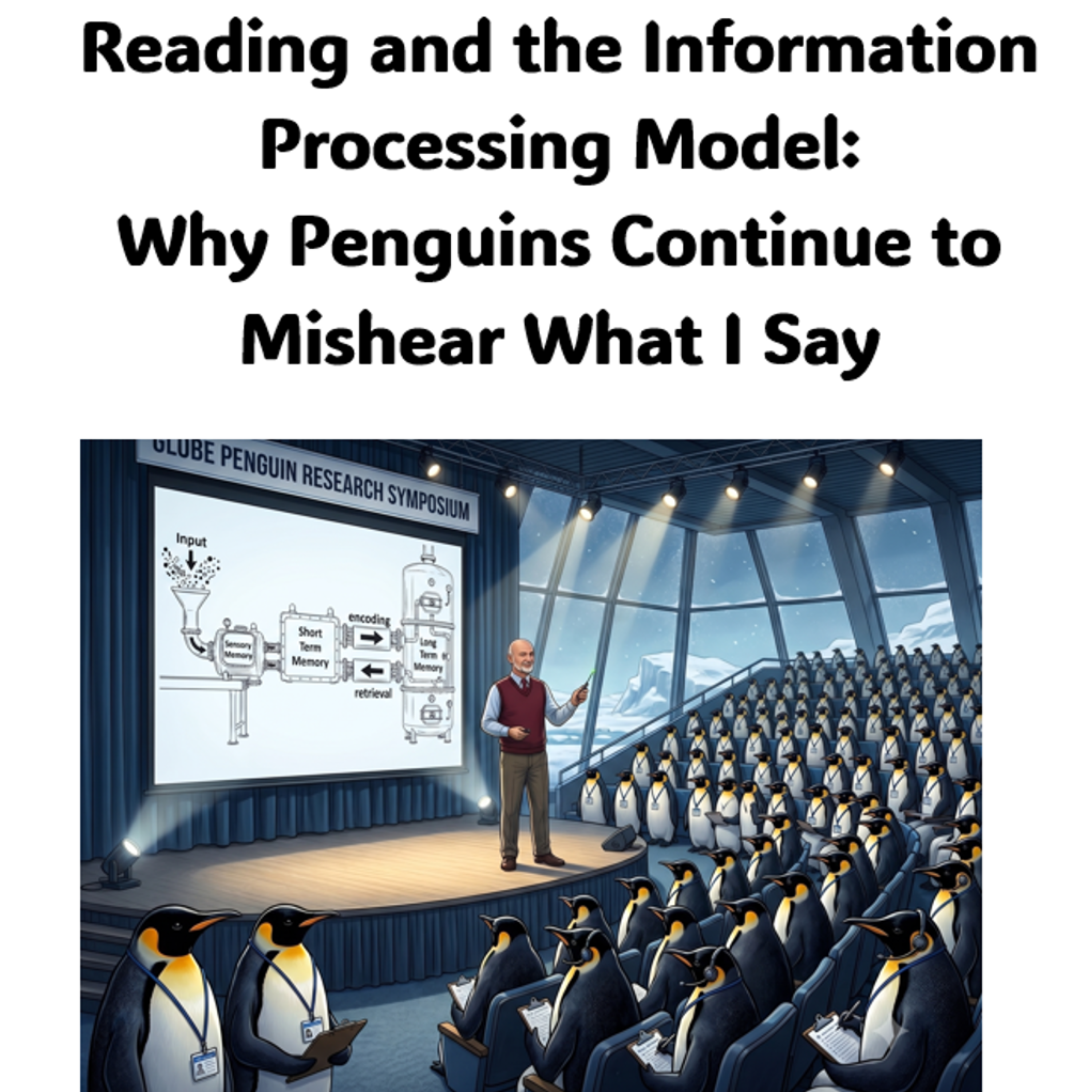
    Reading and the Information Processing Model: Why Penguins Continue to Mishear What I Say

    Reading is a thinking process, not a responding-to-stimuli process or a sounding-out-words process. And since cognitive psychology studies human thinking; it makes good sense to examine the reading process from a cognitive or thinking perspective using the information processing model. • Purpose statement: The reader will develop a basic understanding of reading from a cognitive perspective. • Behavioral objective: After reading this chapter, the reader will be able to explain why penguins continue to insist the Dr. Johnson doesn’t believe in direct and explicit phonics instruction. https://thereadinginstructionshow.substack.com/p/reading-and-the-information-processing

  • S27 · E10
    July 3 · 18 min

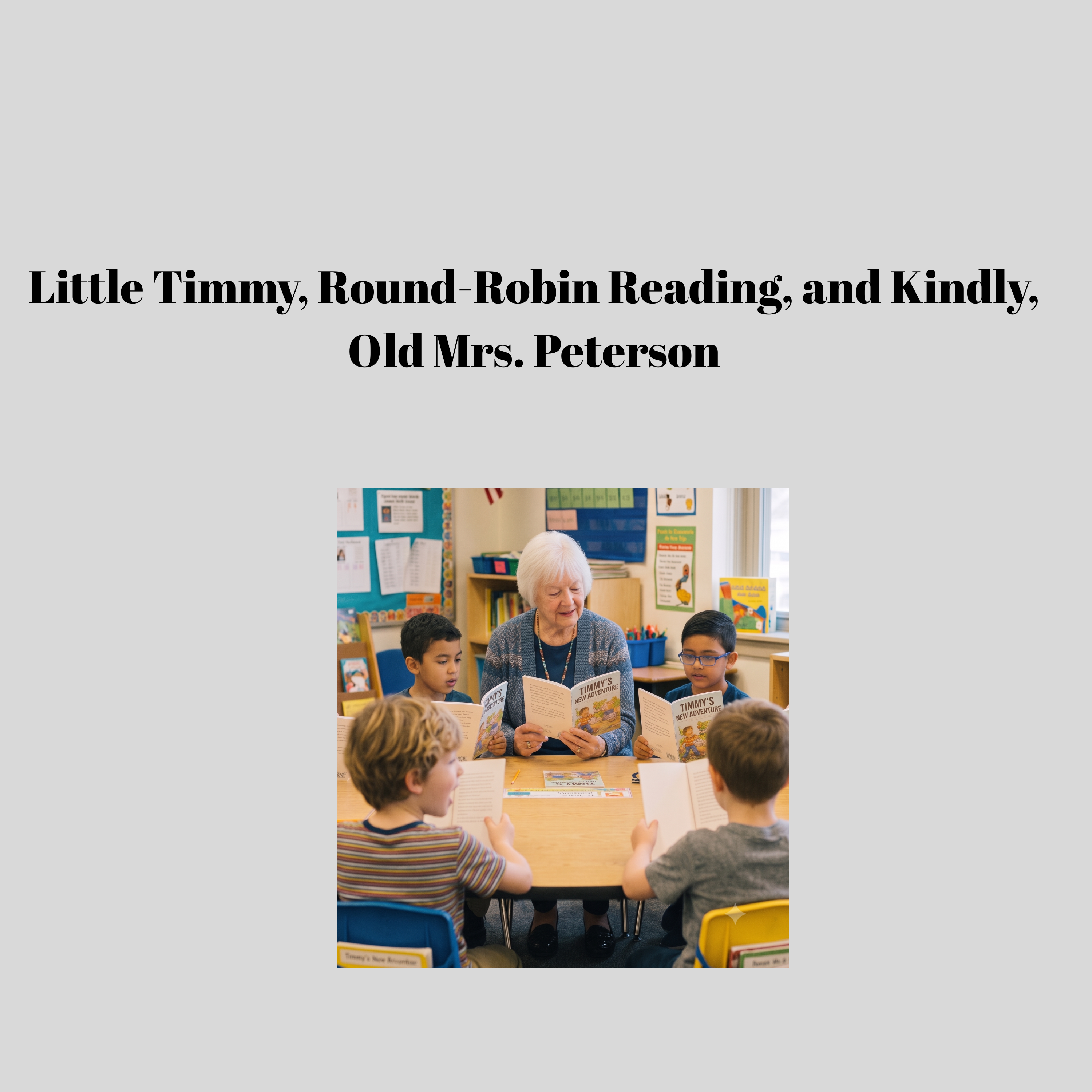
    Little Timmy, Round-Robin Reading, and Kindly, Old Mrs. Peterson

    Important Terms • Round-robin reading – going around the table or around the room and having each student in turn read a section of text out loud. This is a teaching strategy that should very rarely (if ever) be used. • Popcorn reading – a form of round-robin reading except that the teacher randomly selects students to read a section of text out loud. This is designed to keep all students paying attention and on their toes. This is a teaching strategy that should very rarely (if ever) be used. • Metacognition – thinking about thinking. In the context of reading, it means to pause and check for understanding. Does it make sense? Does it fit in the paragraph? • Word recognition – you see a word in print an instantly know what it is. • Word identification – you see and word in print that you don’t recognize. You must consciously employ some strategy to recognize it. • Clown – a humorous circus performer. In the context of reading, it’s the term used to denote one who thinks they know a great deal about something when in fact, they know very little. • Penguin or phonics penguin - one who thinks that heavy phonics and decoding should be the primary focus of early reading instruction. Every reading problem becomes a phonics problem and every solution becomes a phonics solution because that’s all they know. • Lexicon – the dictionary in your head. These are all the words in your vocabulary. These words are known at various levels.

  • S27 · E9
    June 27 · 15 min

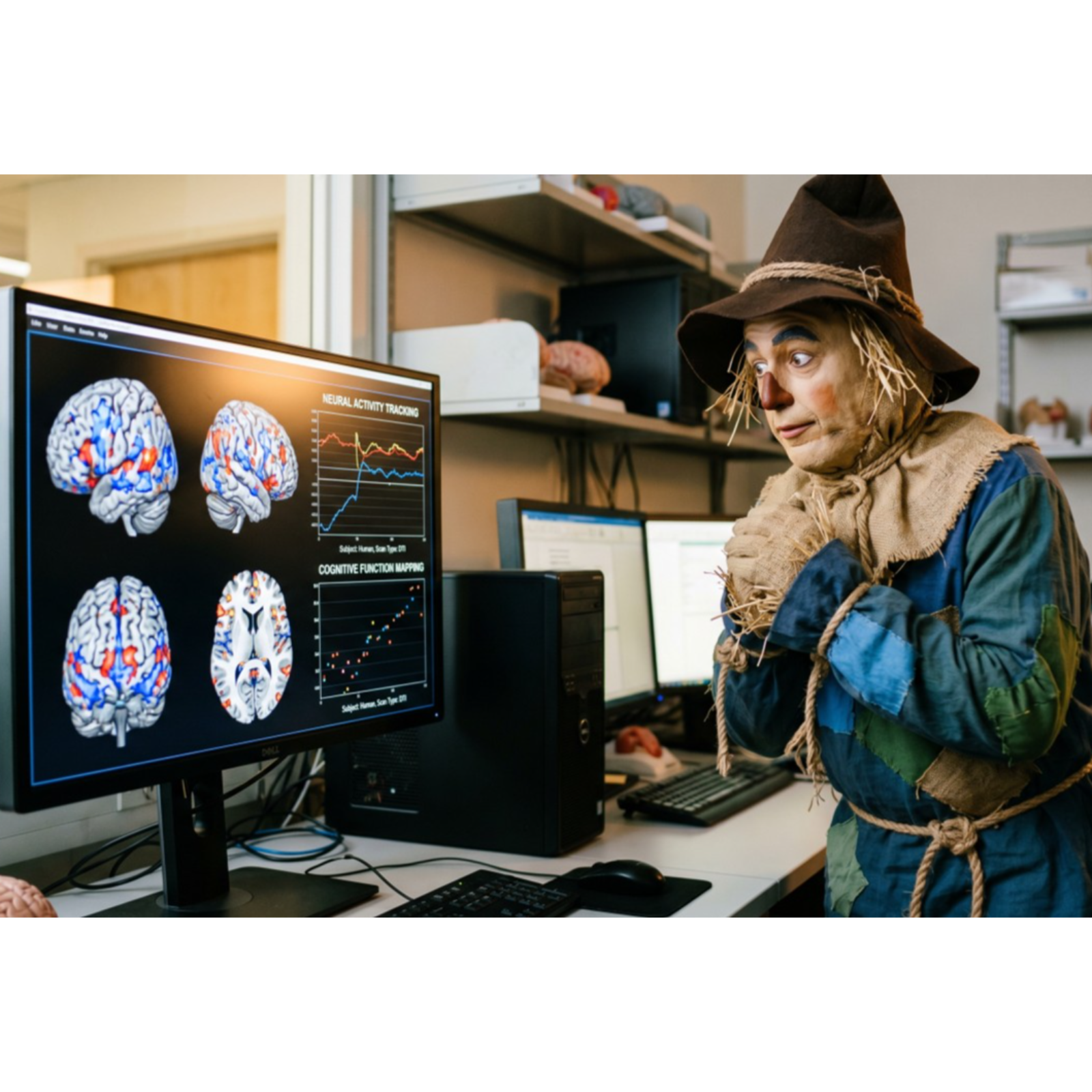
    Understanding Reading from a Neurological Perspective: The Basics

    If you’re looking for accessible, research-based information that slices through the endless loads of overly worded baloney, I would encourage you to subscribe to my free Substack, The Reading Instruction Show. Substack: The Reading Instruction Show https://thereadinginstructionshow.substack.com/

  • S27 · E8
    June 21 · 14 min

    The Latest NCTQ Technical Report Does Not Meet Basic Academic Standards

    The National Council on Teacher Quality (NCTQ) recently put out another technical report. This technical report graded 700 teacher preparation programs across the country (Ellis, et al., 2026). However, a critical evaluation shows why this report can’t be taken seriously. It contains an abundance of misinformation, disinformation, and convenient inaccuracies. It’s not known if these were intentional on the part of the writers or a result of a lack of knowledge. If you’re looking for accessible, research-based information that slices through the endless loads of overly worded baloney, I would encourage you to subscribe to my free Substack, The Reading Instruction Show. Substack: The Reading Instruction Show https://thereadinginstructionshow.substack.com/

    • Transcript
  • S27 · E7
    June 19 · 7 min

    My MAGA Friends Tell Me Not to Judge Them

    Matthew 7: 1-2. “Judge not, that you be not judged. For with the judgment you pronounce you will be judged, and with the measure you use it will be measured to you.” My MAGA Christian friends tell me I’m not supposed to judge them. They quote Matthew 7: 1-2 as if it’s a get-out-of-jail card, then they do whatever the hell they want to do. https://dr731.substack.com/p/my-maga-friends-tell-me-not-to-judge

    • Transcript
  • S27 · E6
    June 18 · 14 min

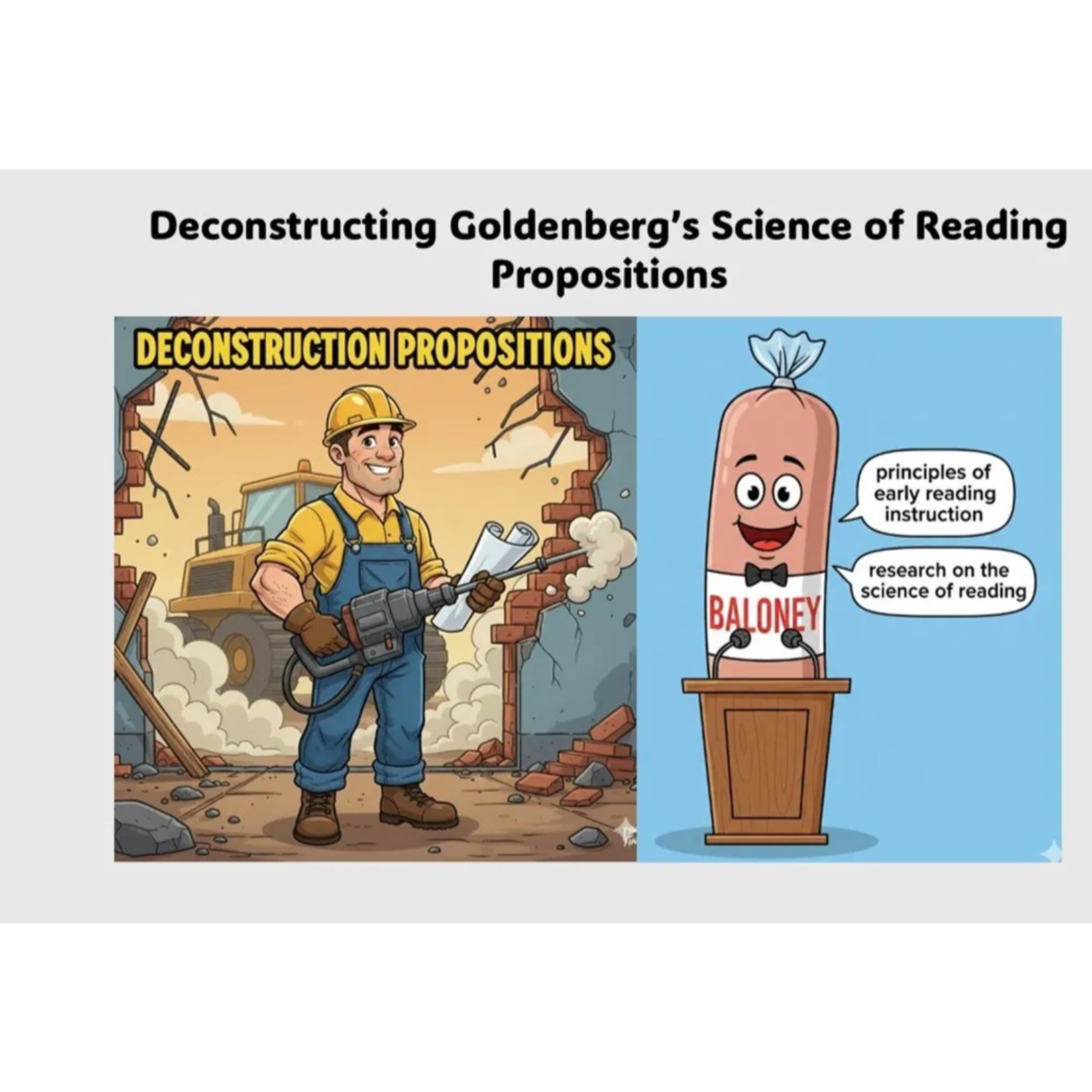
    Deconstructing Goldenberg's Science of Reading Propositions

    If you’re looking for accessible, research-based information that slices through the endless loads of overly worded baloney, I would encourage you to subscribe to my free Substack, The Reading Instruction Show. Substack: The Reading Instruction Show https://thereadinginstructionshow.substack.com/

    • Transcript
  • June 17 · 9 min

    National Reading Panel - Fluency

    ntroduction to Reading Fluency This session focuses on fluency, one of the five core areas of reading defined by the National Reading Panel (following previous sessions on phonemic awareness and phonics/word work). Definition: Reading fluency is the ability to process text quickly. Target Audience: Fluency activities should strictly be used for students who actually need them—those who actively struggle with fluency. The Music Analogy: Fluency practice is very much like practicing musical scales. You practice scales so you don't have to read a piece of music note-by-note. While it is essential, practicing scales is only one small part of your overall practice time. Similarly, fluency instruction should only take up three to eight minutes a day of a student's total reading time. Clarifying Key Terms Prosody: This is when oral reading naturally sounds like speaking, featuring correct pauses and inflections. You do not explicitly teach prosody; prosody is an effect of achieving fluency. Expression: Reading with expression is really only necessary for theater or dramatic readings. Like prosody, natural expression is an effect of fluency rather than something we teach directly.

    • Transcript
  • S27 · E5
    June 16 · 17 min

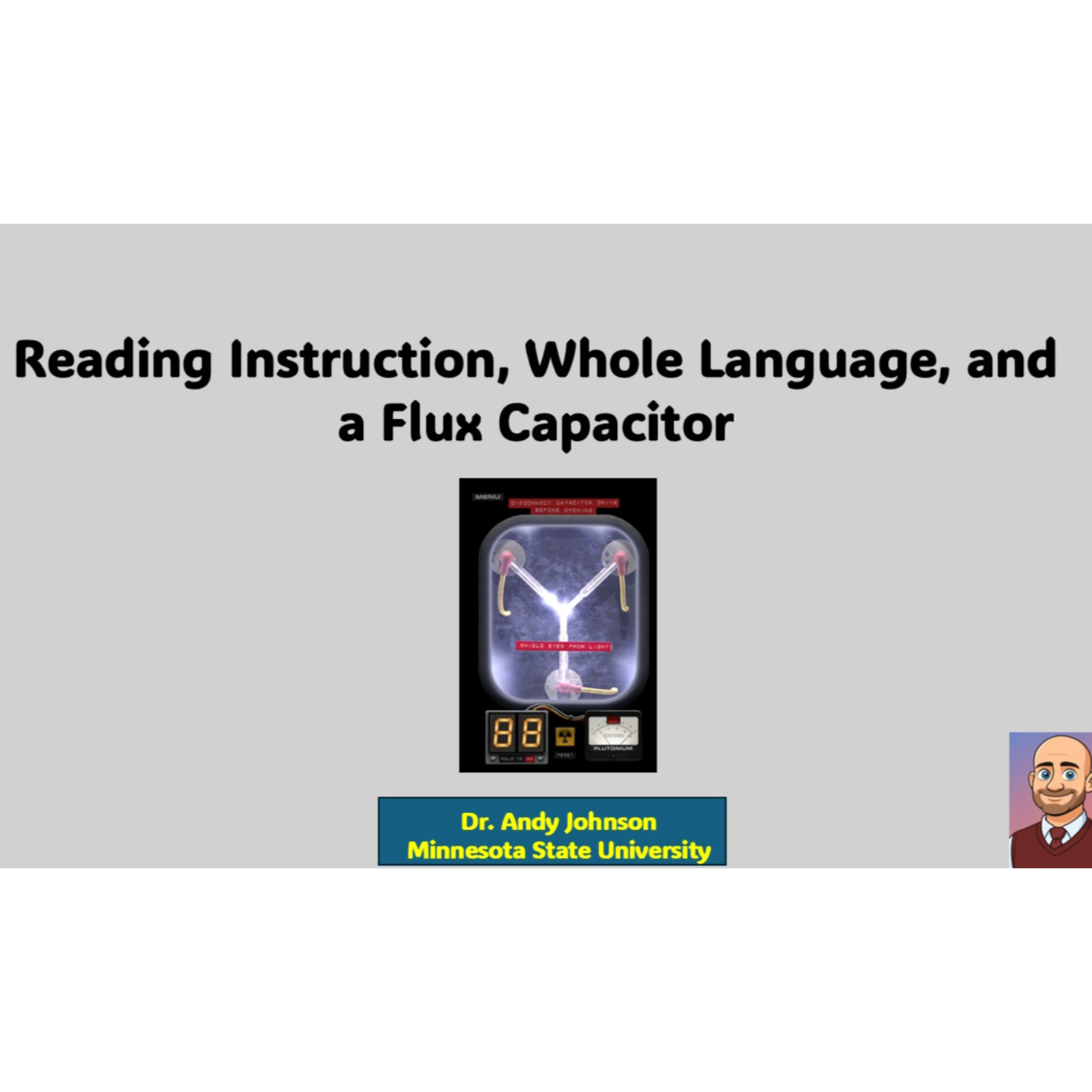
    Reading Instruction, Whole Language, and a Flux Capacitor

    In 2026, the Minnesota Department of Education requires teachers to be toadies who follow approved teachers’ manuals with fidelity. All the love of reading has been stomped out of students. Reading, writing, listening, thinking, and critically evaluating information has been replaced by remembering, responding, regurgitating, and filling in bubbles on standardized tests. This story ends where it began, in 1981. The Read Act Minnesota is the flux capacitor that has brought us screaming forward to the past (see Figure 4.4). We’ve been transported back to 1981 but it’s much worse this time around.

    • Transcript
  • S27 · E4
    June 10 · 12 min

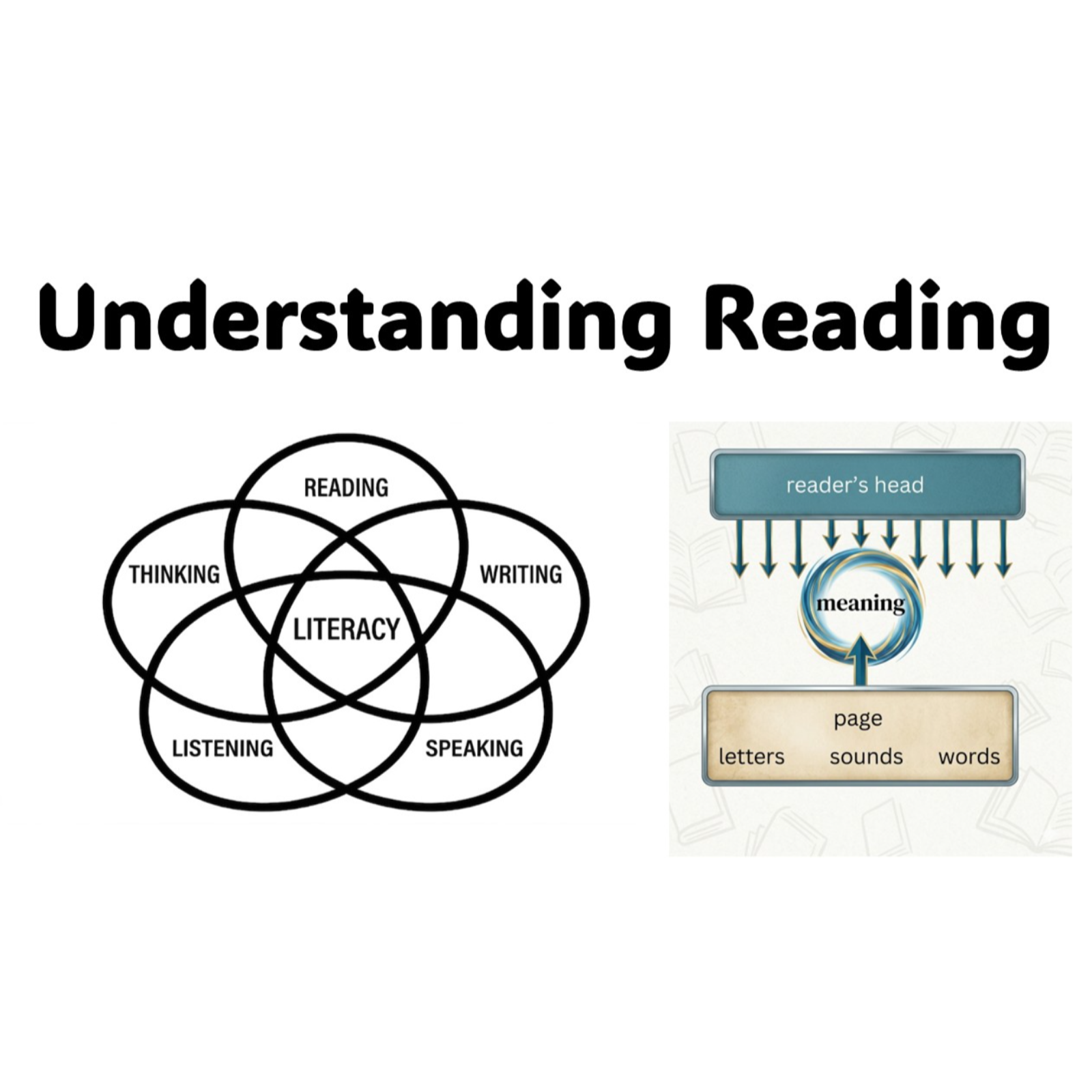
    Understanding Reading

    If you’re looking for accessible, research-based information that slices through the endless loads of overly worded baloney, I would encourage you to subscribe to my free Substack, The Reading Instruction Show. Substack: The Reading Instruction Show https://thereadinginstructionshow.substack.com/

    • Transcript
  • S27 · E3
    June 6 · 11 min

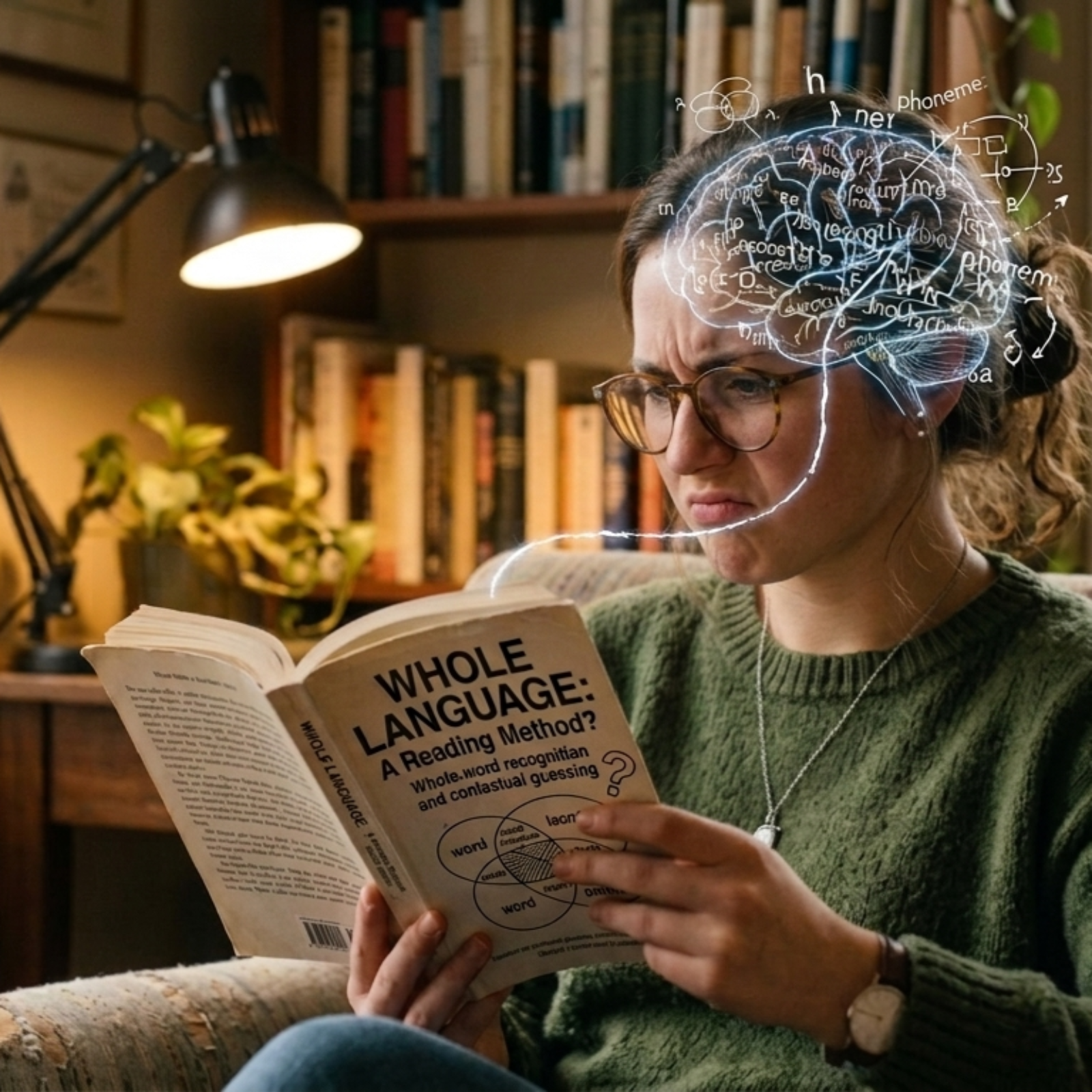
    Limitations of Brain Imaging Research for Reading Instruction

    Just because a book, article, or presentation includes pictures of a brain or uses a whole bunch of big brain words, does not mean the information presented is always accurate or scientific. We must be responsible consumers of all information, and this includes brain imaging research for reading instruction.

    • Transcript
  • S27 · E2
    May 25 · 10 min

    The Story of the International Literacy Educators Coalition (ILEC)

    By Dr. Andy Johnson, Executive Director, ILEC Push back against top-down SoR mandates that disempower teachers. Get involved with the International Literacy Educators Coalition (ILEC). It’s free. https://docs.google.com/forms/d/e/1FAIpQLSd-nZ_vlQu1b-TfDLj3Ryk01lVfJuRWTTMeuyIaEdAKKMiWBQ/viewform?usp=sharing&ouid=104234491744726588097

    • Transcript
  • S26 · E20
    May 8 · 10 min

    Dr. Johnson is Not Very Smart

    Push back against top-down SoR mandates that disempower teacher. Get involved with ILEC. Sign up at this link: https://docs.google.com/forms/d/e/1FAIpQLSd-nZ_vlQu1b-TfDLj3Ryk01lVfJuRWTTMeuyIaEdAKKMiWBQ/viewform?usp=sharing&ouid=104234491744726588097

    • Transcript
  • S26 · E19
    April 10 · 1 hr 23 min

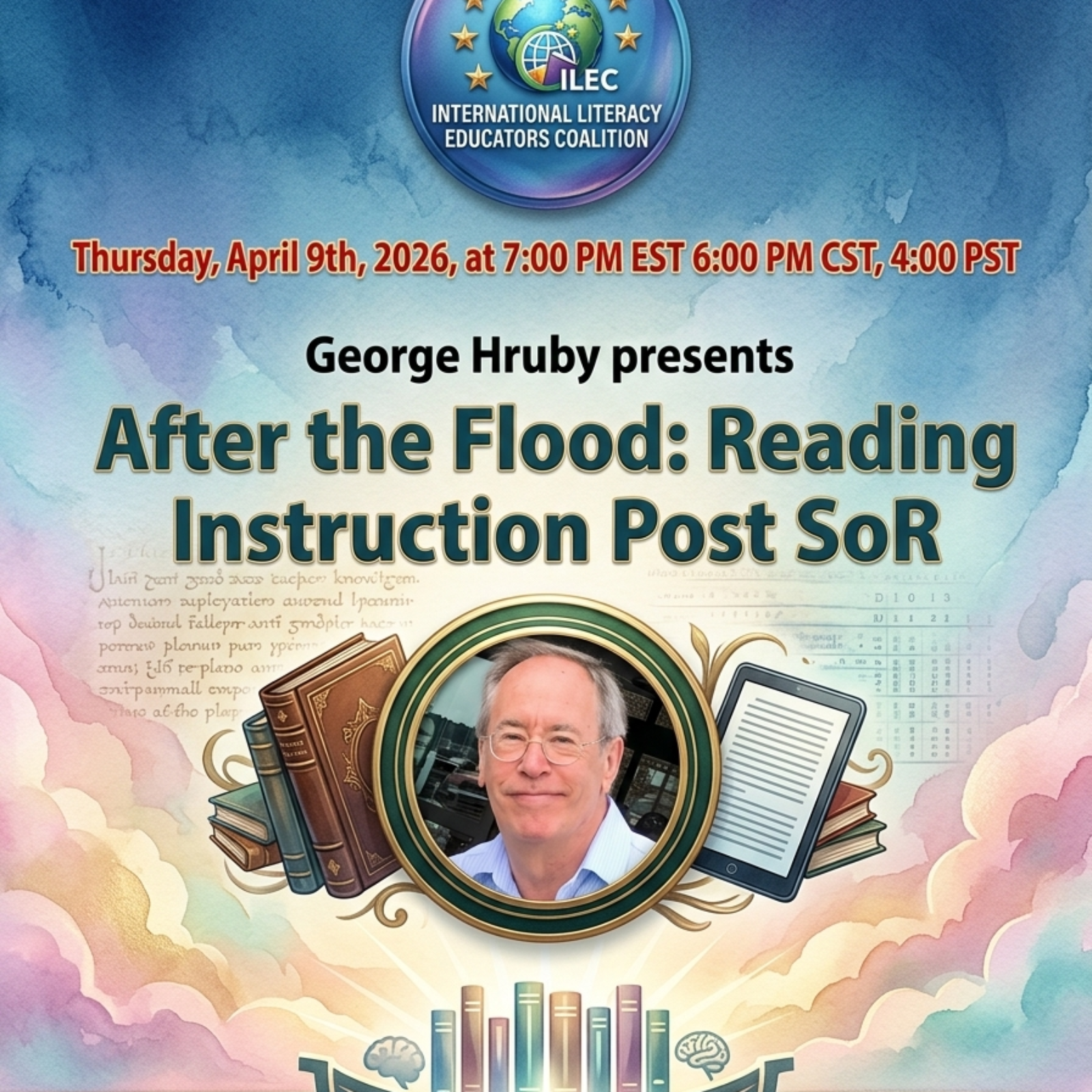
    George Hruby presents After the Flood: Reading Instruction Post SoR

    Feeling deluged by SOR media, materials, and mandates? Science of Reading’s murky waters have crested, says Dr. Hruby. Our classrooms are ours to reclaim if we strategize now. Join Dr. Hruby in a conversation about why SOR may be on the outs, the backstories behind it, and how we can take back control of our teaching and students’ learning.

    • Transcript
  • S26 · E18
    March 11 · 6 min

    Minnesota, Reading Legislation, and Tarot Cards

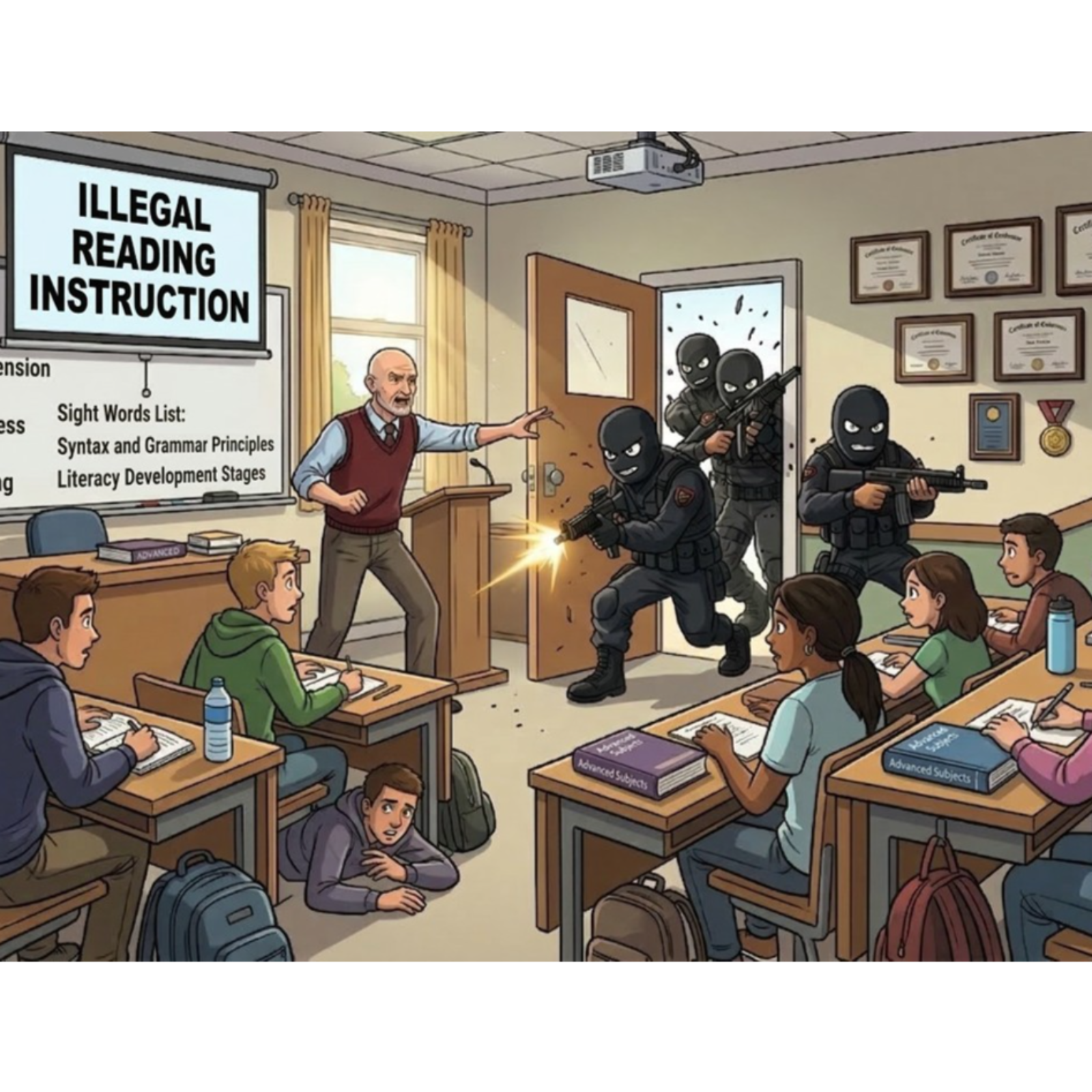
    In Minnesota our special reading law called The Read Act. The Read Act makes certain kinds of reading instruction mandatory and other kinds illegal. I will confess that during the last two years at Minnesota State University, Mankato, I’ve been teaching illegal reading instruction. Every day I expect masked READ agents to kick down my door, handcuff me, and drag me off to a LETRS training facility somewhere in Wyoming or Texas.

    • Transcript
  • S26 · E17
    March 4 · 7 min

    Living Your Values, MAGA, and Christianity

    Prince of Peace. How’s that working out for you? How’s that peace thing going? I have to be honest, I don’t see a lot of peace coming out of my Jesus-loving MAGA friends. I see anger, hatred, retribution, violence, and lies. Peace on earth, goodwill toward men (and women and children and animal life and our planet). How’s that goodwill working out for you? Are you feeling it? Is your will good? Or is it selfish? Did I misread Luke? Did the angel say, “Selfish will to all”? I don’t see a lot of goodwill emanating from the Jesus-loving MAGA folks. I see greed, selfishness, violence, indifference, entitlement. I’m sorry. That’s what I’m seeing. And now I see war. And I see killing. And I see people being beat up and locked up. The Christian bible has policies about these sorts of things.

    • Transcript
Showing 1–20 of 20 episodes