Skip to content
Artwork for The Physical Cut
TV & FilmLeisureExplicit

The Physical Cut

Krloz Ruben | The Physical Cut

The Physical Cut is a podcast about physical media, movie collecting, and the culture behind Blu-ray, 4K Blu-ray, and boutique labels like Criterion Collection, Arrow Video, and more. Hosted by Krloz Ruben, each episode explores film preservation, collector culture, limited editions, restorations, and the stories behind the movies we choose to own in a streaming-first world.

From deep dives into boutique Blu-ray releases to conversations about physical media collecting, film preservation, horror, and home video history, The Physical Cut celebrates the collectors, creators, and community keeping physical media alive.

Play
  • 24 episodes
  • weekly
  • Avg 48 min
  • English

Support the show

Goes straight to the publisher. podnod takes nothing.

Counted on this page — what you have heard stays on this device, so it is not something the list can be paged by.
  • #23
    Wednesday · 42 min

    BFI vs. Criterion: Which Boutique Label Is Better?

    Are you enjoying The Physical Cut? Send a voicemail! Tell me about your favorite films, you might hear yourself on the next episode! Is BFI better than Criterion? Let's take a closer look. In this episode of The Physical Cut, I'm stepping over to my BFI collection and looking at what makes the British Film Institute such an interesting name in physical media. While Criterion gets plenty of attention in the US, BFI has become one of my favorite labels to explore, especially when it comes to finding great editions at more affordable prices. From beautiful packaging and substantial booklets to restorations, special features, and overall value, BFI has given me plenty of reasons to choose its releases over some Criterion editions. I'll walk through titles from my collection, discuss a couple of direct comparisons, and explain why BFI deserves more attention from physical media collectors. This isn't about dismissing Criterion. I have a much larger Criterion collection, and both labels have a lot to offer. But BFI brings something special to the table; not only through its home-video releases, but also through its work in film preservation, education, and cinema. In this episode: Why I've been collecting more BFI releases BFI and Criterion: packaging, booklets, and special features The appeal of BFI's more affordable releases and UK sales Comparing editions of The Rules of the Game and Eyes Without a Face A look at releases including Seven Samurai, Throne of Blood, The 400 Blows, Maurice, Deep End, and more BFI's role in film preservation, education, and cinema culture Which label gets my vote? Are you Team BFI or Team Criterion? Do you collect both? Let me know which editions you prefer, which covers you like better, and whether you've found a BFI release that deserves more attention. If you enjoy conversations about physical media collecting, boutique Blu-ray and 4K releases, film preservation, and movie culture, follow The Physical Cut, leave a review, and share the episode with a fellow collector. Website: https://krpodlab.com Instagram: https://www.instagram.com/thephysicalcutpod/ Check the video version out on YouTube! Documenting the people, stories, and culture behind physical media.

    • Transcript
  • #22
    November 4 · 19 min

    Noirvember: 5 Criterion Collection Films for Film Noir Fans | Bonus Cut

    Are you enjoying The Physical Cut? Send a voicemail! Tell me about your favorite films, you might hear yourself on the next episode! Film noir is more than shadows, detectives, and femme fatales. It's about flawed characters, questionable decisions, obsession, betrayal, and the consequences that follow. For Noirvember, Krloz brings five films from his collection to the conversation, exploring different sides of noir and crime cinema. From the foundations of classic Hollywood noir to Jean-Pierre Melville's distinctive French crime films, this selection offers a look at how filmmakers approach crime, morality, and human nature. These aren't necessarily the five definitive noir films. They're five personal recommendations and, in some cases, stepping stones into a genre worth exploring further. The five films featured: Double Indemnity (1944) – Billy Wilder's classic tale of greed, manipulation, and terrible decisions, featuring an unforgettable performance by Barbara Stanwyck. In a Lonely Place (1950) – Nicholas Ray's psychological character study starring Humphrey Bogart, exploring anger, isolation, and the darkness beneath the surface. The Killing (1956) – Stanley Kubrick's meticulously constructed crime thriller, where an elaborate racetrack robbery encounters the unpredictability of human nature. Le Samouraï (1967) – Jean-Pierre Melville's atmospheric French crime film starring Alain Delon as a contract killer governed by his own personal code. Le Cercle Rouge (1970) – Melville returns to the criminal underworld with a carefully constructed story of loyalty, discipline, and an unforgettable jewel heist. Along the way, we discuss what makes these films work, the performances and filmmaking that stood out, and how noir evolves from classic Hollywood to French crime cinema. A few questions from this Noirvember conversation: What makes Double Indemnity such an enduring blueprint for film noir? Can we separate Dixon Steele's creative brilliance from the damage he inflicts on others? Is The Killing ultimately about a robbery or the unpredictability of human behavior? How much of Jef Costello's identity comes from his profession and personal code? Does loyalty and integrity exist even in a world built around crime? Follow The Physical Cut Instagram: @thephysicalcutpod Website: KR PodLab – https://krpodlab.com The Physical Cut | Films | Physical Media | Culture

    • Transcript
  • #21
    October 31 · 20 min

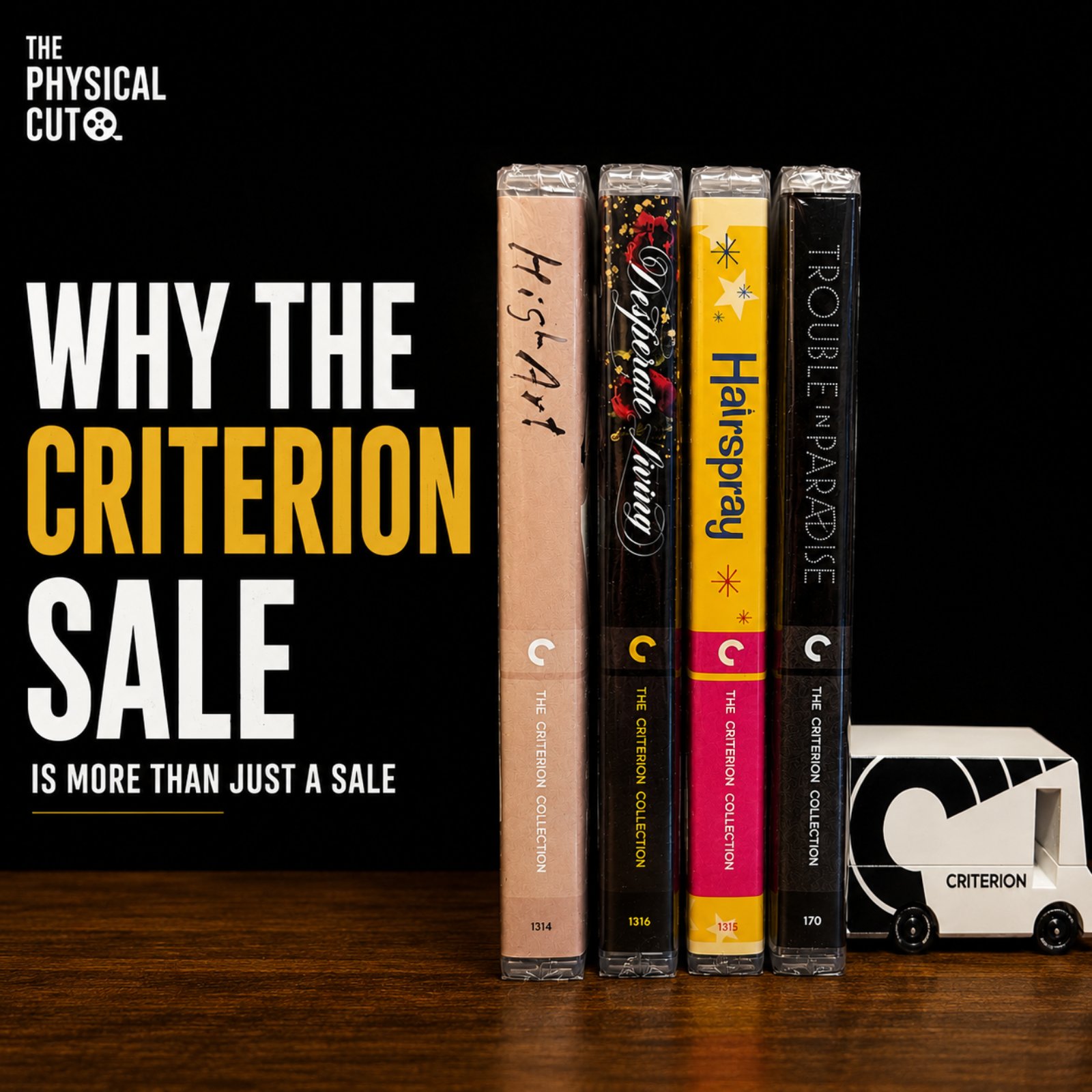
    10 Criterion Films Worth Buying During the November Barnes & Noble Sale | Bonus Cut

    Are you enjoying The Physical Cut? Send a voicemail! Tell me about your favorite films, you might hear yourself on the next episode! The November Barnes & Noble Criterion Collection sale is here, and I've got 10 more films I'd recommend adding to your physical media collection. This time, I'm going beyond the usual Criterion essentials to highlight some personal favorites, overlooked gems, international cinema, classic Hollywood, and films that deserve a little more attention from collectors. From Douglas Sirk's breathtaking melodrama All That Heaven Allows to John Waters' outrageous Hairspray, these are films I genuinely love and believe are worth owning. We'll revisit the brilliance of Ernst Lubitsch with three recommendations: Trouble in Paradise, Design for Living, and To Be or Not to Be. We'll also explore the dark holiday atmosphere of Blast of Silence for Noirvember, the timeless relevance of Louis Malle's Au Revoir les Enfants, and the hypnotic worlds of Luis Buñuel's Belle de Jour and Michelangelo Antonioni's Blow-Up. And, of course, we can't leave out René Clément's Purple Noon, featuring an unforgettable Alain Delon performance. In this episode, we're discussing: All That Heaven Allows (1955) – Douglas Sirk Hairspray (1988) – John Waters Blast of Silence (1961) – Allen Baron Au Revoir les Enfants (1987) – Louis Malle Belle de Jour (1967) – Luis Buñuel Purple Noon (1960) – René Clément Blow-Up (1966) – Michelangelo Antonioni Design for Living (1933) – Ernst Lubitsch Trouble in Paradise (1932) – Ernst Lubitsch To Be or Not to Be (1942) – Ernst Lubitsch Plus, a bonus conversation about The Complete Stanley Kubrick box set and whether it's worth the investment for collectors. Whether you're a longtime Criterion collector or just starting to build your Blu-ray and 4K library, hopefully you'll find something new to add to your November wishlist. What are you picking up during the Barnes & Noble Criterion sale? Let me know which of these films you own, which ones you're considering, and whether you agree with my recommendations. Follow The Physical Cut on Instagram: @thephysicalcutpod Visit KRPodLab.com and leave a voicemail or share your thoughts on the episode.

    • Transcript
  • #20
    October 23 · 1 hr 22 min

    Horror Monsters, VHS Nostalgia & the Movies That Stuck With Us | with Face the Movies

    Are you enjoying The Physical Cut? Send a voicemail! Tell me about your favorite films, you might hear yourself on the next episode! What makes a great horror monster? From classic Universal creatures to the practical effects and unforgettable designs of '70s, '80s, and '90s horror, we're getting into the monsters that made us fall in love with the genre. This week on The Physical Cut, Krloz is joined by GC from Face the Movies, host of Friday Night FRIGHT Night Podcast and creator of KeptCase, a collection-tracking app for physical media lovers. Together, they explore what separates a monster from a villain, the artistry of practical creature effects, and why horror classics like The Thing, The Fly, Pumpkinhead, Candyman, and The Blob continue to stand out. From childhood memories of renting horror movies on VHS to the nostalgia of revisiting these films on physical media, this conversation celebrates the creatures, craftsmanship, and moviegoing experiences that keep horror fans coming back. In this episode: Classic Universal monsters and their influence on horror cinema The best horror monsters of the '70s, '80s, and '90s Practical effects, creature design, and body horror Alien, The Thing, The Fly, Pumpkinhead, Candyman, and more Monster vs. villain: what separates the two? VHS nostalgia and the experience of discovering horror movies Physical media editions and the horror collections we'd love to see Halloween movie recommendations CONNECT WITH GC & FACE THE MOVIES Face the Movies — YouTube and Instagram: @FaceTheMovies KeptCase — Track your physical media collection: https://keptcase.app KeptCase on Instagram: @KeptCase Friday Night FRIGHT Night Podcast — Available on Spotify and Apple Podcasts SUPPORT THE PHYSICAL CUT! Follow The Physical Cut on Instagram: @the_physical_cut_pod Visit https://krpotlab.com for more about the show, leave a review, and send a voicemail. If you enjoy conversations about horror movies, film culture, physical media collecting, boutique Blu-ray labels, VHS, DVD, and 4K releases, subscribe to The Physical Cut and share this episode with a fellow horror fan.

    • Transcript
  • #19
    October 16 · 49 min

    The Sequence: Inside the Making of an Horror Short Film with Joe Bandelli | & Hell House LLC 10th Anniversary

    Are you enjoying The Physical Cut? Send a voicemail! Tell me about your favorite films, you might hear yourself on the next episode! What makes a horror film genuinely unsettling? Sometimes, it’s not the monster or the jump scare, but the fear of what might happen next. On this episode of The Physical Cut, I’m joined by filmmaker Joe Bandelli, director of the upcoming horror short The Sequence, to talk about creating tension, psychological horror, and the filmmaking choices that make a story stick with you. We get into the film’s unnerving atmosphere, its use of sound design, color, camera movement, and pacing, and how a short film can pack so much emotion into just 14 minutes. We also talk about Joe’s journey through independent filmmaking, from producing and stepping into the clown suit for Hell House LLC to directing his own stories, collaborating with writers, and learning when less is more. Plus, we discuss the enduring cult following of Hell House LLC, its upcoming theatrical release, and why experiencing horror on the big screen still matters. In this episode: The origins of The Sequence and bringing a vivid nightmare to life Psychological horror, family, grief, and the importance of communication Building tension through sound design, cinematography, color, and editing The challenges of directing a tightly paced independent short film Joe Bandelli’s work on Hell House LLC and the franchise’s lasting legacy The future of The Sequence and its potential feature-length expansion Advice for independent filmmakers: trust your instincts and tell the stories you want to see Connect with Joe Bandelli: Instagram: @thechosenjoey Watch The Sequence: The short film is scheduled for release on YouTube through Red End Productions on October 22. Follow us on Instagram at @thephysicalcutpod And visit krpodlab.com for more from the show, including ways to support the podcast through the TPC Support subscription. If you enjoy this episode, follow and share The Physical Cut, leave a review, and send the show to a fellow horror fan or physical media collector.

    • Transcript
  • #18
    October 10 · 1 hr 10 min

    Spanish Horror, Women in Horror & Neurodivergence | Jenny from the Crypt

    Are you enjoying The Physical Cut? Send a voicemail! Tell me about your favorite films, you might hear yourself on the next episode! For this Halloween episode of The Physical Cut, I’m joined by Jenny from the Crypt for a conversation about growing up with horror in Spain, discovering Spanish horror cinema, and finding community through a genre that has always made room for the weird and misunderstood. We talk about women’s perspectives in horror, neurodivergence and the characters who challenge expectations, the difference between mainstream horror and the films that stay with us, and why supporting women in the horror community matters. Jenny also shares some of her favorite Spanish horror discoveries, from [REC] to Who Can Kill a Child? and The Wait, alongside the personal memories that shaped her love of the genre. Plus, we discuss Halloween favorites, underrated horror gems, the movies that genuinely scare us, and what Scream means to horror fans who grew up outside the United States as we celebrate its 30th anniversary. In this episode: Growing up with horror in Spain and discovering Spanish horror cinema Women in horror, representation, and challenging genre stereotypes How horror connects with neurodivergence and feeling like an outsider Spanish horror recommendations, from [REC] to Who Can Kill a Child? Collecting horror and the personal memories attached to physical media Halloween favorites, underrated films, and the movies that still scare us Celebrating 30 years of Scream and its impact on horror fandom Follow Jenny on Instagram: @jennyfromthecrypt Listen to her podcasts, Terror con Déficit de Atención and El Pequeño Podcast de los Horrores, on Spotify and YouTube. Follow The Physical Cut on Instagram at @thephysicalcutpod and visit KRPodLab.com for more from the network. If you enjoyed the conversation, share the episode with a fellow horror fan, and let us know which Spanish horror film we should watch next.

    • Transcript
  • #17
    October 2 · 28 min

    The Movie Room Fallout: Unfulfilled Orders, Customer Trust & the Future of Small Retailers

    Are you enjoying The Physical Cut? Send a voicemail! Tell me about your favorite films, you might hear yourself on the next episode! The Movie Room controversy has raised difficult questions for physical media collectors: What happens when a trusted movie retailer falls behind on orders, and what responsibility does a small business have to its customers? In this episode of The Physical Cut, Krloz examines the unfulfilled orders, customer concerns, and wider implications for independent physical media retailers. A closer look at the situation following Jake from Steelbook Obsessed’s interview with Deborah from The Movie Room. We talk about the outstanding orders, the company’s explanation for the delays, the impact of health and family circumstances, the decision to continue operating the website, and why the issue has become such a major conversation within the collecting community. But this isn't simply about piling on a small business. It's also about the relationship between collectors and the independent retailers that help keep physical media alive. How much sympathy should we have for a struggling small business, and at what point does a customer's responsibility end and the retailer's begin? And with The Movie Room potentially selling off its remaining inventory, what does this situation mean for the future of small physical media retailers, and the trust collectors place in them? Check out our website KRPodLab.com and learn how you can support our show by buying us a coffee. Follow us on Instagram: @thephysicalcutpod

    • Transcript
  • #16
    September 27 · 53 min

    Resident Evil (2026): What Worked, What Didn’t & Zach Cregger’s Vision

    Are you enjoying The Physical Cut? Send a voicemail! Tell me about your favorite films, you might hear yourself on the next episode! What works—and what doesn’t—in Zach Cregger’s Resident Evil (2026)? Krloz and Rick from Frightology Degree discuss the horror film’s scares, pacing, mix of horror and comedy, and connection to the Resident Evil video games. They also debate whether the film needs to stay faithful to the games, what could have worked better, and whether it’s a movie worth owning on physical media. We talk about Cregger's approach to the material, the success of Obsession and what it says about the current appetite for horror, the movie's atmosphere and scares, its shift in tone once the story reaches Raccoon City, the supporting characters, and that divisive final stretch. Rick also shares his perspective as a longtime Resident Evil video-game fan, while Krloz comes at the movie more as a casual viewer — making for a conversation about whether the film needs to be faithful to the games to work. We cover: Resident Evil (2026) first reactions Zach Cregger's direction and horror style The balance between horror and comedy What works in the film's first half The shift in tone and pacing Raccoon City, the hospital and lab sequences Favorite scares and moments What could have been done differently Whether Cregger should make a sequel Would we see it again — and would we own it on physical media? Plus, Rick talks about his horror writing, his Substack, and Frightology Degree Podcast, where he's taking his friend Tom deeper into the world of horror. Follow Rick: 📚 Horror writing: rickshorrorflicks.substack.com 🎙️ Frightology Degree Podcast 📸 @ricks_horror_flicks Follow The Physical Cut for more conversations about movies, physical media, filmmakers, collectors, and the culture around film. Check out our website and find out how you can support our show by buying us a coffee.

    • Transcript
  • #15
    September 21 · 44 min

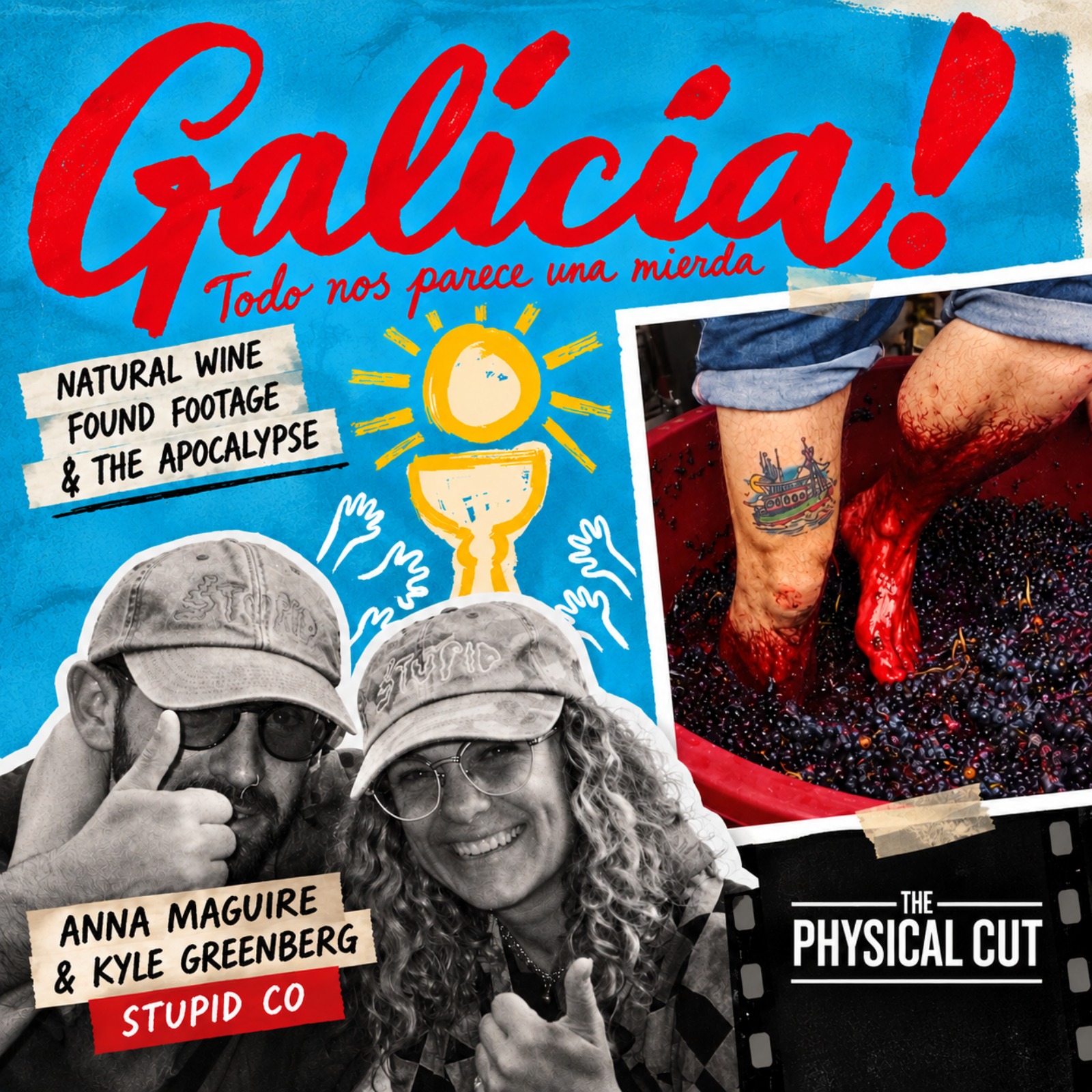
    GALICIA!: Found Footage, Natural Wine & the Apocalypse with STUPID CO

    Are you enjoying The Physical Cut? Send a voicemail! Tell me about your favorite films, you might hear yourself on the next episode! What happens when a holiday in Galicia, natural wine, friendship, and the end of the world become one film? On this episode of The Physical Cut, Krloz sits down with Kyle Greenberg and Anna Maguire of STUPID CO to talk about their new hybrid documentary GALICIA!, a found-footage film that began with a simple idea: visit friends in Spain, experience their wine harvest, and imagine what would happen if the apocalypse arrived while you were there. We start with the story behind STUPID CO, from its beginnings as a playful creative label to the filmmaking company it has become. Kyle and Anna talk about making films together, wearing nearly every hat on their productions, and why keeping their work independent allows them to experiment. We get into GALICIA! and the unusual way it was made. The film combines travel, dark humor, friendship, natural wine, and an increasingly unsettling sense that something has gone very wrong. Kyle and Anna explain how much of the film was planned, what happened organically during their trip, the real-life nightmare of lost luggage, and why the film deliberately moves between comedy, anxiety, documentary, and horror. We also talk about Purrela Wines, the Galician winemakers at the center of the film's harvest, how wine became part of the story from the beginning, the culture and landscapes they encountered while traveling through Galicia. GALICIA! premieres in New York on October 13 at the Roxy Cinema as part of the Downtown Festival, with additional U.S. festival dates to be announced. In this episode: The origins of STUPID CO Making independent films outside the traditional system GALICIA! and its found-footage approach Natural wine and Purrela Wines Traveling through Galicia and capturing local culture Balancing comedy, anxiety, horror, and documentary Making a film about the apocalypse in the real world Politics and contemporary reality in independent filmmaking Building an experience around a film and its wine The future of GALICIA! and its physical release Follow STUPID CO: stupidco.biz / @stupidcobiz Follow The Physical Cut on Instagram: @thephysicalcutpod Check our website krpodlab.com You can support our indie shows by buying us a coffee.

    • Transcript
  • #14
    September 14 · 54 min

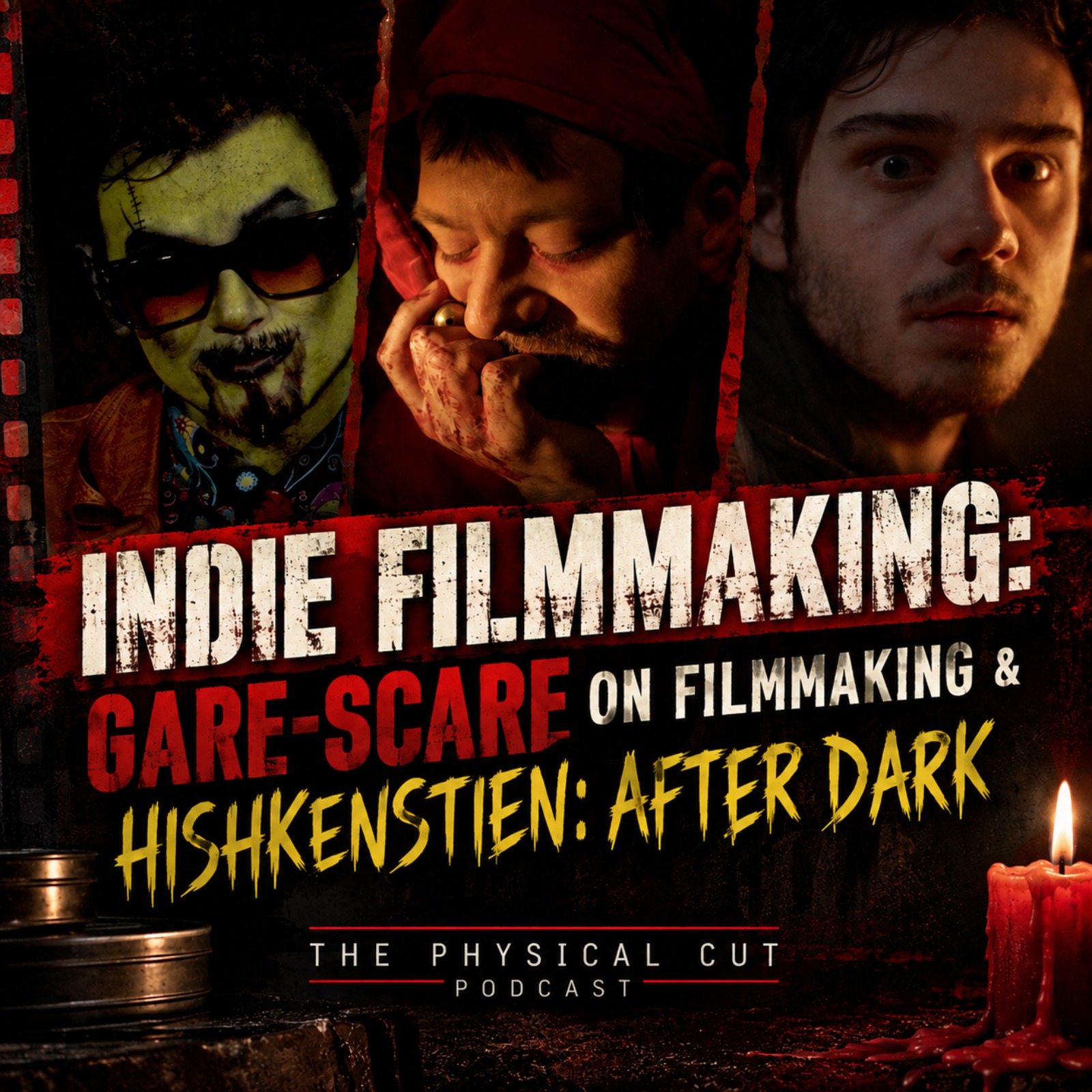
    Inside Independent Horror: Gare-Scare on Filmmaking & Hishkenstien: After Dark

    Are you enjoying The Physical Cut? Send a voicemail! Tell me about your favorite films, you might hear yourself on the next episode! What does it take to make an independent horror film, and what happens when you start looking at movies differently because you're the one making them? On this episode of The Physical Cut, I sit down with filmmaker Gare-Scare to talk about the movies, influences, and experiences that shaped his approach to filmmaking. We get into what makes a movie stick with you, the elements of filmmaking audiences don't always notice, and the realities of making independent films when budget, time, locations, and equipment aren't always on your side. We also take a Scene Break into Fortunato's Descent, with Gare-Scare walking us through one scene from the film—from the original idea and visual approach to what was happening behind the scenes and whether the finished scene matched what he originally envisioned. And because this is The Physical Cut, we close by talking about Hishkenstien: After Dark, which is getting both a streaming release and a Blu-ray release through CoffinMaker Video. We discuss what it means for an independent film to become a physical release and get a second life with an audience that can actually own it. In this episode: Gare-Scare's path into filmmaking The movies that influenced his approach to film What makes a movie stay with you The overlooked elements of filmmaking The realities of independent horror filmmaking Working within creative and production limitations Scene Break: Inside Fortunato's Descent Getting independent films in front of audiences Festivals and the challenges of finding an audience Hishkenstien: After Dark and its upcoming streaming release The film's upcoming Blu-ray release from CoffinMaker Video The future of Hishkenstien, including a potential sequel/experimental art project Why independent filmmakers continue making movies Follow Gare Scare on Instagram, Youtube and visit Wicker Sticks Entertainment. Follow The Physical Cut, subscribe, and share the episode with someone who loves independent horror and physical media. Visit our website KRPodLab.com to supoort our show by buying us a coffee.

    • Transcript
  • #13
    September 5 · 1 hr 18 min

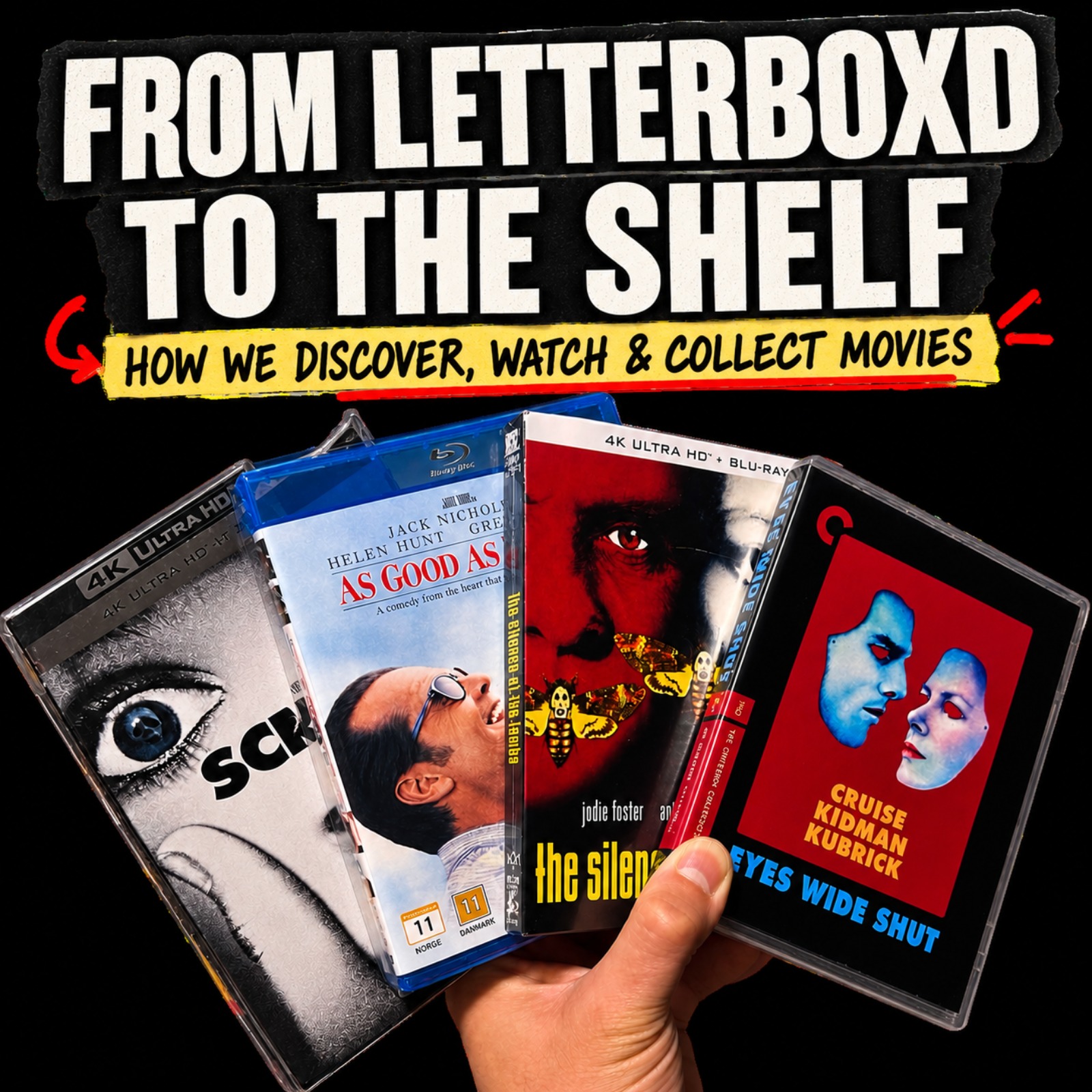
    From Letterboxd to the Shelf: Movie Discovery, Ratings & Film Culture with Chris Higgins

    Are you enjoying The Physical Cut? Send a voicemail! Tell me about your favorite films, you might hear yourself on the next episode! When does watching a movie become something we feel like we have to document? Krloz sits down with Chris Higgins, AKA Bearded Film Guy, for a conversation about Letterboxd, movie discovery, ratings, film culture, and the increasingly complicated relationship between watching movies and creating content about them. We start with Chris's podcast Beyond the Blood, a show built around using physical-media audio commentaries as the starting point for deeper conversations about genre films. From there, the conversation moves into Letterboxd and the pressure that can come with logging, rating, reviewing, and comparing your movie-watching habits to everyone else's. Chris talks about why he had to rethink the way he uses Letterboxd, how ratings can affect the way we actually experience a movie, and why having a different opinion from the crowd shouldn't turn into a fight. We also dig into “contentification” — the idea that movies can become content to be consumed, ranked, reviewed, posted, and monetized rather than simply experienced. Where does genuine film discussion end and content creation begin? And what happens when social media incentives start influencing how we talk about movies? Physical media naturally enters the conversation through movie discovery, ownership, bonus features, and the idea that learning more about a film can completely change how you see it. In this episode: Chris Higgins and the origins of Beyond the Blood Why audio commentaries can change how you experience a movie Letterboxd and the pressure to constantly log and rate When movie watching starts feeling like a competition Rating movies vs. simply enjoying them The pressure to agree with popular opinion Film criticism, disagreement, and having your own perspective The “contentification” of movies Social media, movie influencers, and authenticity When physical media can lead to deeper movie discovery Why bonus features and film history matter Chris's Letterboxd Top Four and the movies he owns physically SCREAM AT 30: Scream, Letterboxd, ratings, reputation, and the horror canon Follow Chris: @beardedfilmguy Listen to Beyond the Blood. Listen to the episode "Short Night of Glass Dolls'' Follow Steve: @afterhoursvideo Follow or subscribe to The Physical Cut. Check out KRPodLab.com and support our little show by buying us a coffee.

    • Transcript
  • #12
    September 4 · 45 min

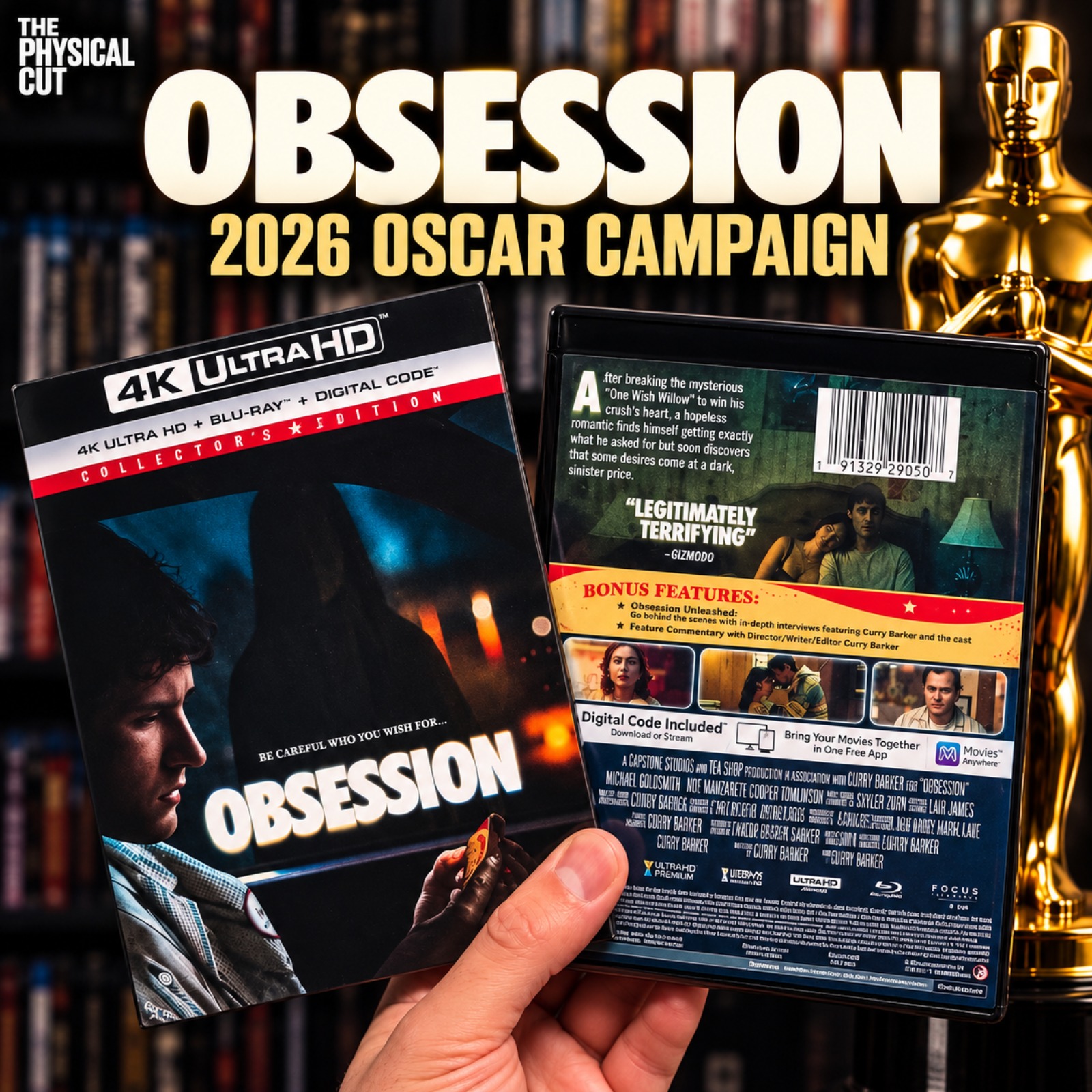
    Bonus Cut: Obsession’s Oscars Campaign: Which Categories Can It Actually Win?

    Are you enjoying The Physical Cut? Send a voicemail! Tell me about your favorite films, you might hear yourself on the next episode! Obsession is going to the Oscars; or at least Focus Features is going all in on an Oscar campaign. With the studio submitting Curry Barker’s Obsession in a long list of categories, the question isn't simply whether the movie deserves to be nominated. How does it actually stack up against the competition? In this special episode of The Physical Cut, I go category by category through Obsession’s Oscar campaign, comparing its chances against movies that have already arrived and some of the biggest contenders still coming later this year. From makeup and cinematography to acting, screenplay, directing and eventually Best Picture, we're looking at where Obsession has a legitimate path, and where the campaign might be stretching a little too far. And yes, there are some categories where I think Focus Features should absolutely be putting its money. There are others where I'm wondering what the hell they're doing. In this episode: Obsession’s Oscar campaign and the 15 submitted categories Makeup & Hairstyling Sound and the horror advantage Original Score Costume Design Production Design vs. Project Hail Mary Cinematography and why this might be Obsession’s strongest craft category Casting and the importance of Inde Navarrette to the campaign Supporting Actor: Cooper Tomlinson and Andy Richter Why Michael Johnston may have a better chance in Supporting Actor Film Editing and the Curry Barker/Sean Baker comparison Original Screenplay vs. The Invite, Mother Mary and other contenders Best Actor Inde Navarrette and the Best Actress race Curry Barker vs. Christopher Nolan and the Javis for La Bola Negra The crowded Best Picture race My final Obsession Oscar scorecard The Oscar race is still developing, and plenty of major 2026 releases haven't even arrived yet. So this isn't about pretending we know exactly what will happen on Oscar night. It's about where Obsession stands right now. Find us on Instagram: @thephysicalcutpod More from the network: KR PodLab Support the show by buying us a coffee!

    • Transcript
  • #11
    August 26 · 1 hr 9 min

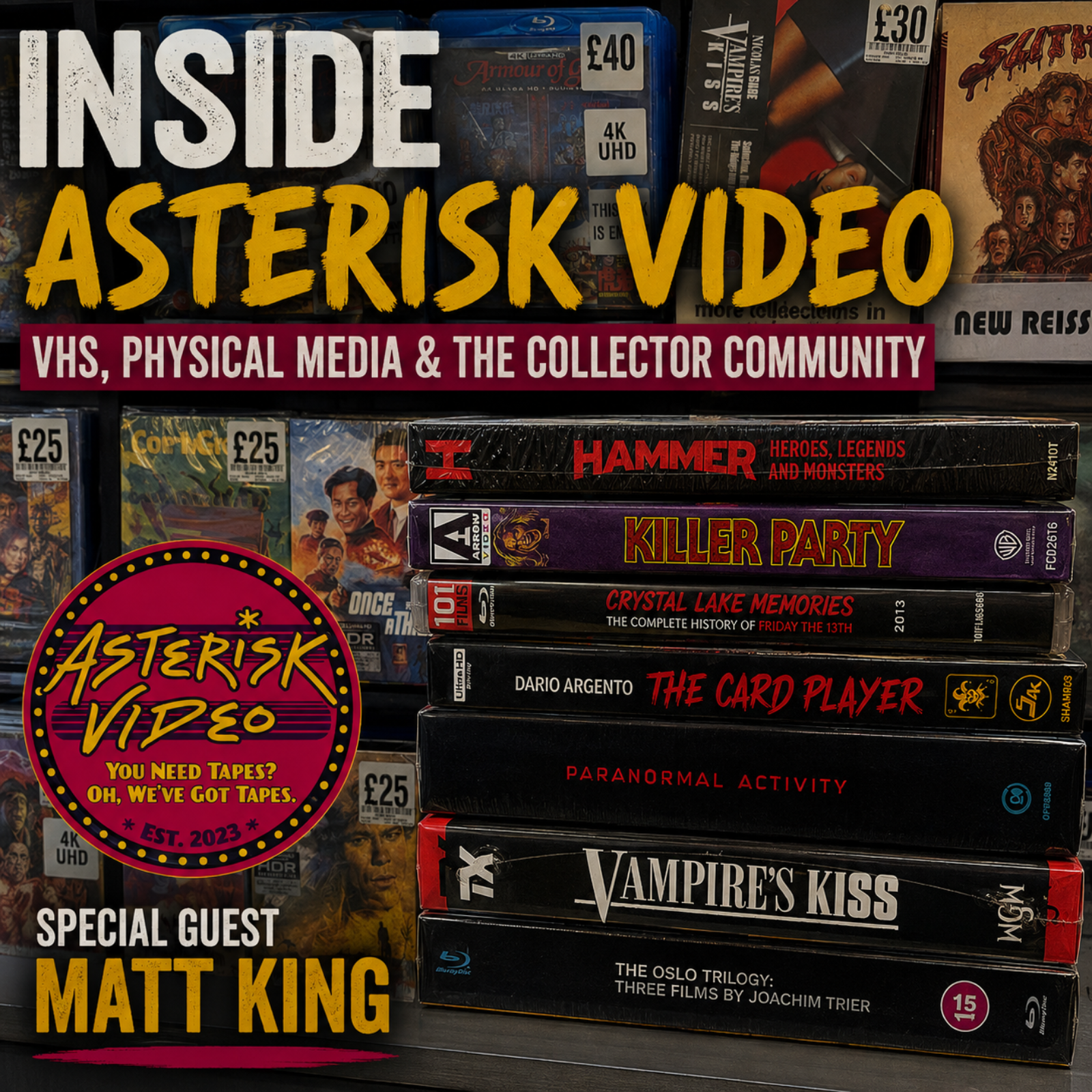
    Asterisk Video: VHS Collecting, Physical Media & the Collector Community

    Are you enjoying The Physical Cut? Send a voicemail! Tell me about your favorite films, you might hear yourself on the next episode! On this episode of The Physical Cut, Krloz sits down with Matt from Asterisk Video, a small physical media business based in West Virginia that grew out of Matt and his wife's own collecting habits. What started with trying to downsize duplicate VHS tapes eventually became a business built around hunting, restoring, cleaning, testing and selling physical media at events across the country. Matt talks about what it actually takes to source vintage VHS tapes and other physical media, and why the work behind the table is often much more complicated than collectors realize. The conversation also dives into the current state of VHS collecting, the rise of younger collectors discovering the format, collecting for nostalgia versus aesthetics, horror's relationship with physical media, boutique labels and artwork, and where Matt thinks the physical media market is heading. And because no episode with a VHS collector would be complete without it, Matt shares the story of the time his rental copy of Scream broke at the worst possible moment. In This Episode How Asterisk Video grew from downsizing a personal collection into a physical media business Building a business around VHS, DVDs, Blu-rays, 4Ks and other physical media Hunting for inventory through flea markets, yard sales, thrift stores and collections The work involved in cleaning, repairing, testing and restoring VHS tapes Why horror collectors have become such a major part of the physical media community The new generation of VHS collectors and the appeal of the format Nostalgia vs. collecting for aesthetics Why movie artwork can be just as important as the movie itself Original artwork, boutique labels and the debate over new cover designs What collectors often misunderstand about the physical media community The emotional stories and memories behind people's collections Rewind Rolodex and resources for VHS collectors Where Matt sees the future of physical media heading Advice for anyone starting a physical media collection Scream at 30: Matt's unforgettable story about renting Scream on VHS Follow Asterisk Video on Instagram and Facebook to keep up with their inventory, upcoming events and latest finds. Follow The Physical Cut on Instagram and visit KRPodLab.com to learn how to support our show by buying us a coffee.

    • Transcript
    • Chapters
  • #10
    August 26 · 1 hr 7 min

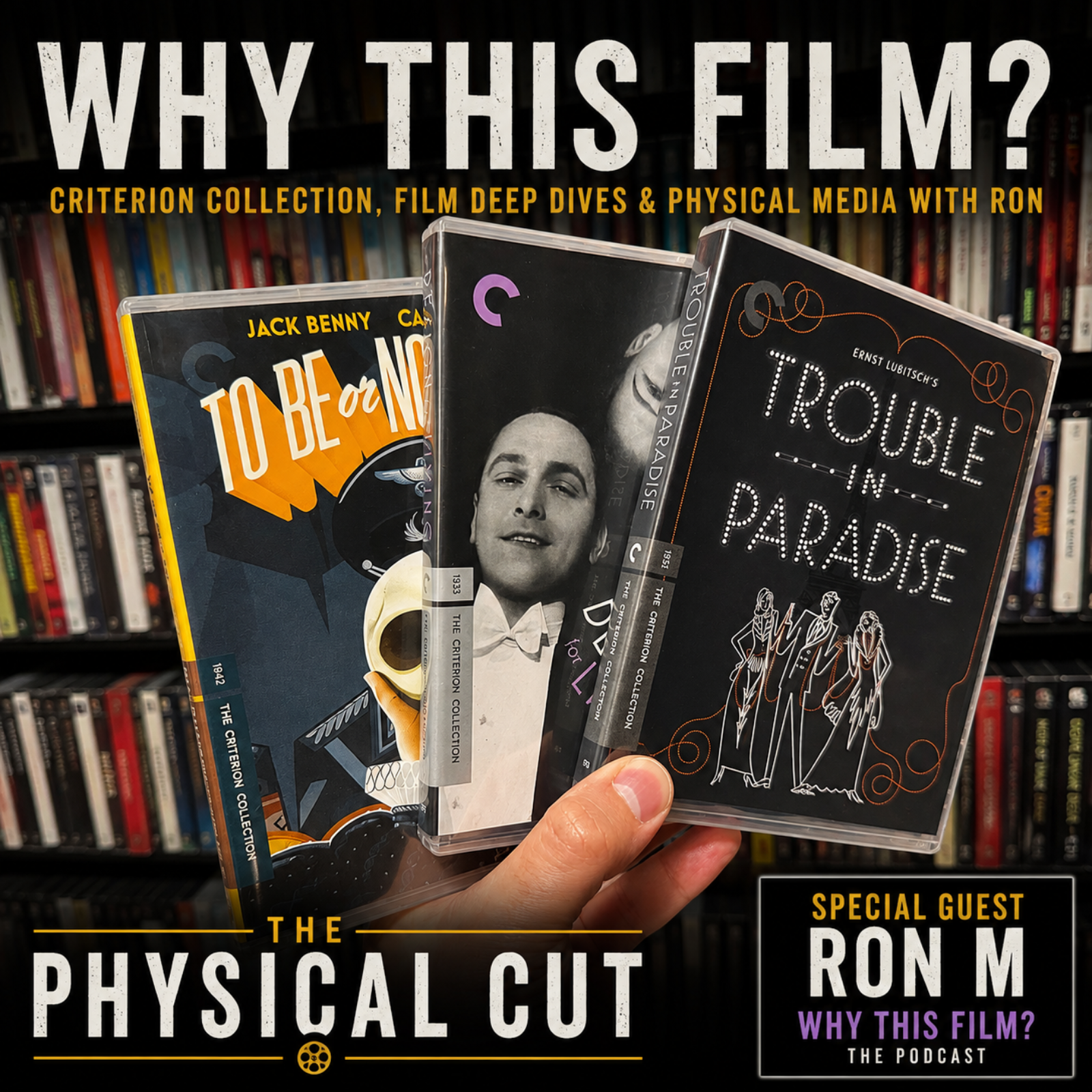
    Criterion Collection, Film Deep Dives & Physical Media with Ron (Why This Film?)

    Are you enjoying The Physical Cut? Send a voicemail! Tell me about your favorite films, you might hear yourself on the next episode! What makes a film worthy of the Criterion Collection? Krloz sits down with Ron from Why This Film? to talk about Criterion, physical media collecting, and the idea behind his podcast: exploring the collection one spine at a time. Ron shares how his curiosity about Criterion led him to start Why This Film?, where conversations with critics, historians, writers, professors, and filmmakers go beyond simply asking whether a movie is good or bad. We talk about how those conversations have changed the way he watches films, the importance of Criterion's supplements and essays, and the experience of discovering films outside the mainstream. We also get into Criterion collecting, blind buys, Letterboxd, underrated releases, and what makes a film worth revisiting. Plus, Ron takes on a quick Criterion rapid-fire round. In this episode: Why Ron created Why This Film? Criterion Collection and physical media collecting Film deep dives, criticism, and the value of supplements How conversations can change the way you watch movies Discovering lesser-known and international filmmakers Criterion blind buys, underrated releases, and collecting regrets Films Ron would love to see join the Criterion Collection Find Why This Film? Website: whythisfilm.com Instagram: @whythIsfilmpod If you enjoy the episode, follow, subscribe, and share The Physical Cut wherever you listen to podcasts. You can also follow us on Instagram for more physical media, collecting, and movie culture. Visit KRPodLab.com and support us by buying us a coffee.

    • Transcript
    • Chapters
  • #9
    July 23 · 49 min

    Why the Criterion Collection Matters: Film Discovery, Physical Media & the Barnes & Noble Criterion Sale

    Are you enjoying The Physical Cut? Send a voicemail! Tell me about your favorite films, you might hear yourself on the next episode! Every movie collector remembers their first Criterion. In this episode of The Physical Cut, Krloz sits down with Derick McDuff, host of the Underrated Movie Podcast, longtime Barnes & Noble bookseller, and WatchMojo contributor, to explore why the Criterion Collection has become one of the most respected names in physical media. From working the legendary Barnes & Noble Criterion Sale to recommending hidden cinematic gems every day, Derick shares what it's really like helping collectors build their libraries, introducing newcomers to classic cinema, and discovering films that deserve far more attention. Together, they discuss how physical media creates deeper connections with movies than streaming ever can, why film recommendations matter, and how Criterion continues to preserve cinema through outstanding restorations, special features, and collector editions. Whether you're buying your very first Criterion release or have hundreds on your shelf, this conversation celebrates the joy of film discovery and the culture behind collecting. In this episode: Why the Criterion Collection is so important Inside the Barnes & Noble Criterion Sale How to start collecting Criterion the right way Film recommendations for first-time Criterion buyers How social media influences movie collecting Physical media vs. streaming The value of special features and film preservation Why collectors still love browsing physical stores Underrated movies every film fan should discover Why owning movies still matters in the streaming era We also dive into conversations about John Waters, David Lynch, Godzilla, The Red Shoes, The Princess Bride, Scream, Scream 2, Scream 3, The Elephant Man, and many more films that continue to shape film culture. 🎙 Guest: Derick McDuff – Host of the Underrated Movie Podcast Follow Derick: Website: underratedmoviepodcast.com Instagram: @underratedmoviepodcast Follow The Physical Cut Instagram: @thephysicalcutpod Website: KRPodLab.com If you enjoy conversations about physical media, boutique labels, film preservation, Criterion Collection releases, movie collecting, Blu-rays, 4K UHD, horror, cinema history, and collector culture, be sure to subscribe and leave a review.

    • Transcript
    • Chapters
  • #8
    July 11 · 1 hr 16 min

    Obsession (2026): How an Indie Horror Film Became a Horror Phenomenon

    Are you enjoying The Physical Cut? Send a voicemail! Tell me about your favorite films, you might hear yourself on the next episode! Why did Obsession (2026) become one of the biggest horror success stories of the year? In this episode of The Physical Cut, Krloz is joined by special guest John (Spky_Szn95) to break down the unexpected rise of Cory Barker's breakout indie horror film and why audiences can't stop talking about it. Together, they explore how a film made for under $1 million became a box office phenomenon through word of mouth, social media, and passionate horror fans. Is Obsession simply the most talked-about horror movie of 2026, or has it already earned cult classic status? The conversation covers the film's psychological horror, atmosphere, cinematography, performances, marketing strategy, collector appeal, and the growing importance of original independent horror in a franchise-driven industry. They also discuss physical media, the upcoming 4K release, and why movies like Obsession prove collectors and horror fans can help shape a film's legacy. The episode concludes with a special transition into The Physical Cut's year-long celebration of the 30th anniversary of Scream, where Krloz and John reflect on what Wes Craven's classic means to horror fans and collectors nearly three decades later. In This Episode Why Obsession (2026) became a surprise horror phenomenon Can word of mouth outperform million-dollar marketing campaigns? Psychological horror vs. modern franchise horror Cory Barker's breakout success The performances of Indy Navarrette and Michael Johnston Horror collecting and the upcoming Obsession 4K release Why physical media still matters Is Obsession the next cult classic? Celebrating 30 Years of Scream Favorite Ghostface killers and the legacy of Wes Craven Support the show by following us on Instagram and sharing the episode with your friends! Visit KRPodLab for all episodes and to leave us voicemails, we would love to feature you in the show!

    • Transcript
    • Chapters
  • #7
    July 9 · 46 min

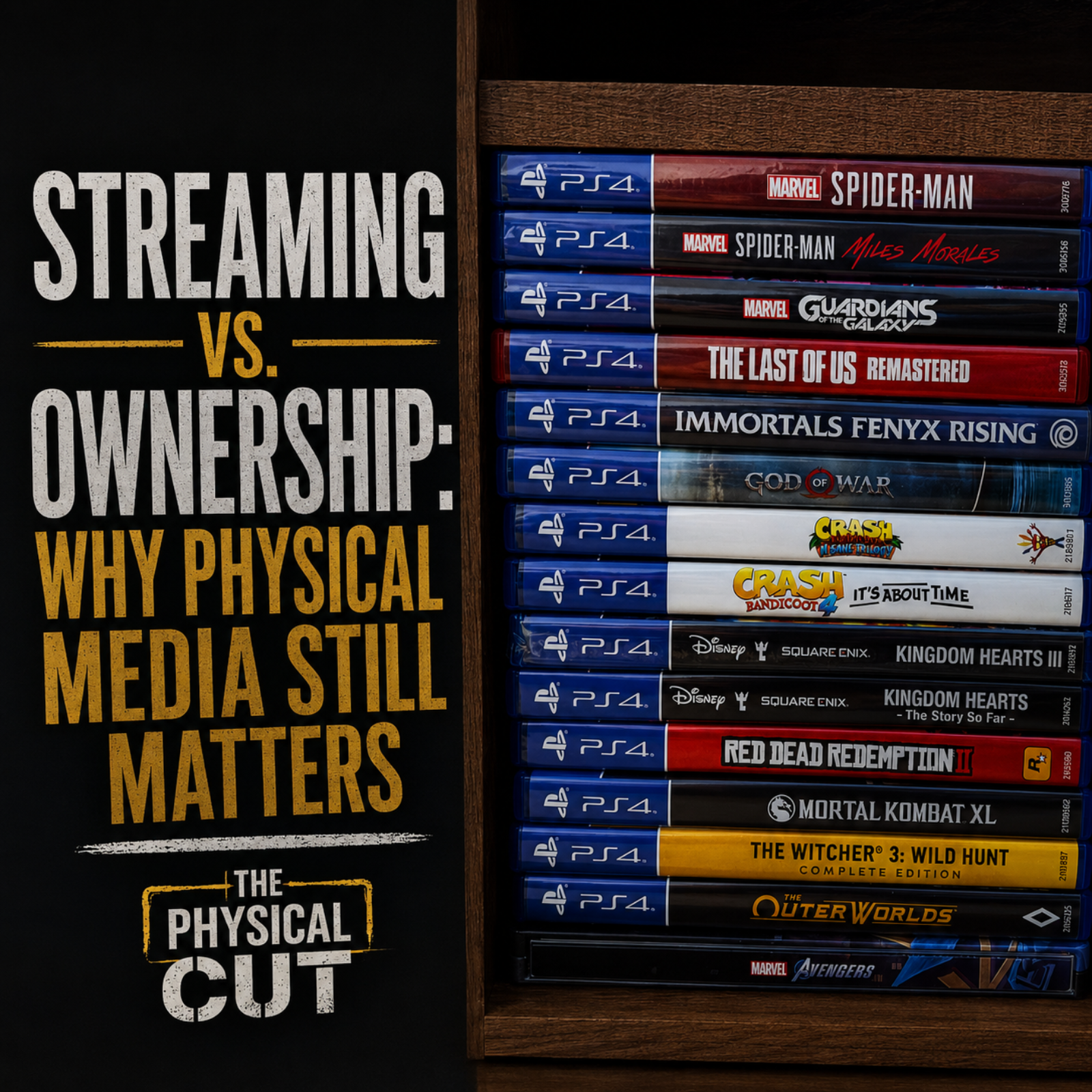
    Do You Really Own Your Digital Movies & Games? Why Physical Media Still Matters

    Are you enjoying The Physical Cut? Send a voicemail! Tell me about your favorite films, you might hear yourself on the next episode! The future of physical media has never been more uncertain. As streaming services grow and digital purchases become the norm, an important question remains: Do we actually own the movies and games we buy? In this special crossover episode, The Physical Cut joins Super Wall Jump to explore one of the biggest debates in entertainment today. We discuss the differences between physical media and digital ownership, why movies and games continue disappearing from online storefronts, and what that means for collectors, gamers, and film lovers alike. From licensing agreements that can revoke access to purchased digital content, to the importance of preserving alternate cuts, bonus features, and forgotten films, this conversation goes beyond nostalgia. We also discuss the role collectors play in protecting film history, the value of boutique labels like Criterion, discovering international cinema through physical media, and why convenience shouldn't come at the cost of ownership. Whether you're a Blu-ray collector, a gamer, or someone who simply loves movies, this episode explores why physical media remains an essential part of preserving culture for future generations. Topics Covered Physical media vs. streaming Do you really own digital movies? Why lost media matters Film preservation and collecting Physical games vs. digital downloads The future of Blu-ray, DVD, and physical media Criterion Collection and boutique labels Discovering international cinema Why collectors help preserve film history Follow us on Instgram and check out our website for all episodes. You can also find us on YouTube!

    • Transcript
    • Chapters
  • #6
    June 30 · 27 min

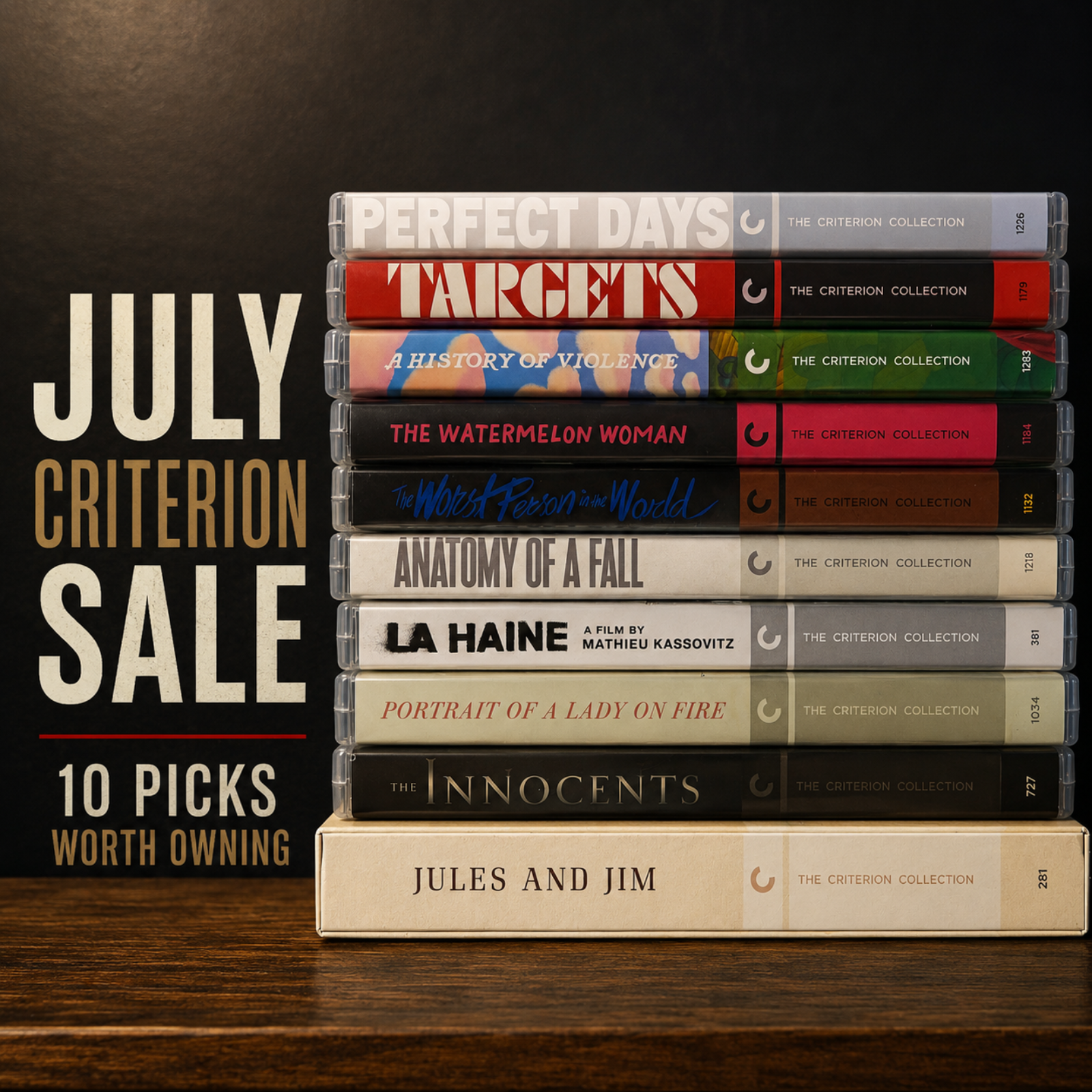
    Bonus Cut: 10 Criterion Collection Releases I’d Buy Before the Sale Ends | Barnes and Noble

    Are you enjoying The Physical Cut? Send a voicemail! Tell me about your favorite films, you might hear yourself on the next episode! The Criterion Collection July Sale is one of the best times of the year to add new films to your shelf, and in this episode I’m sharing ten releases I think are absolutely worth picking up. These aren’t ranked, and they aren’t necessarily the “greatest” films in the collection. They’re simply ten editions I return to, recommend often, and believe offer something special. Whether it’s the film itself, the restoration, the supplements, or the overall package. From overlooked horror classics and unforgettable international cinema to modern masterpieces and a few hidden gems, these are the Criterion releases I’d point collectors toward during this year’s sale. I also wrap up the episode by sharing the Criterion titles I picked up during the sale and the releases I’m still considering before the month ends. Featured Films: The Innocents Portrait of a Lady on Fire La Haine Anatomy of a Fall The Worst Person in the World The Watermelon Woman A History of Violence Jules and Jim Targets Perfect Days What are you picking up during the July Criterion Sale? Let me know on Instagram—I always enjoy hearing your recommendations. Follow The Physical Cut podcast Personal: @krlozruben2.0 Visit our site for all episode KRPodLab.com

    • Transcript
  • #5
    June 27 · 1 hr 5 min

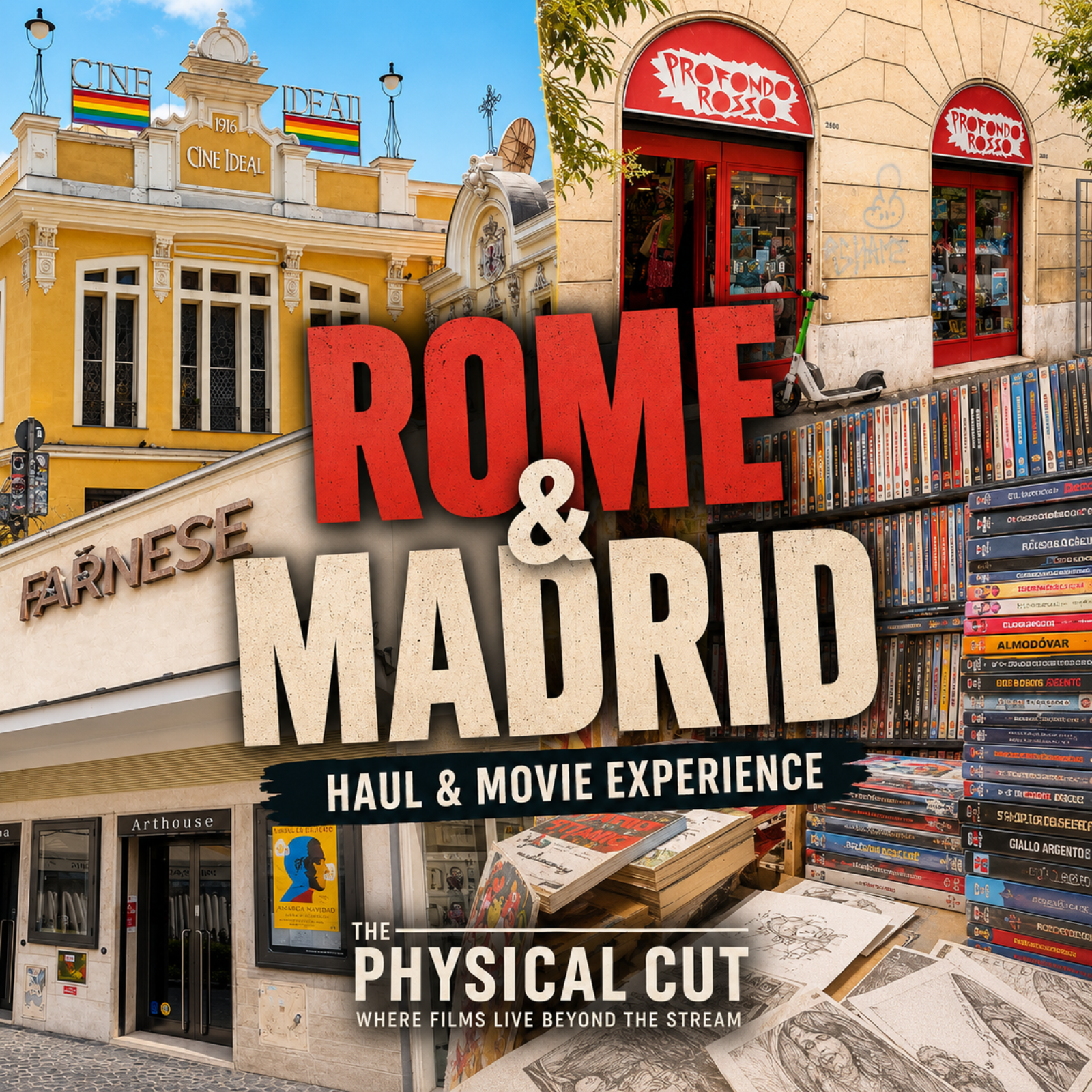
    Physical Media Hunting in Rome and Madrid... Only One Won

    Are you enjoying The Physical Cut? Send a voicemail! Tell me about your favorite films, you might hear yourself on the next episode! What happens when you stop traveling like a tourist and start traveling like a movie collector? In this episode of The Physical Cut, Krloz Ruben compares Rome and Madrid through the lens of physical media collecting. Which city offers the better experience for Blu-ray collectors, movie lovers, and fans of boutique labels? From hidden movie shops tucked away in Rome's historic streets to Madrid's massive physical media stores, this episode explores Blu-ray hunting, collector culture, movie theaters, pricing, boutique releases, and the experience of searching for movies while traveling abroad. Along the way, Krloz visits independent cinemas, watches films in both countries, explores horror landmarks, and shares why building a physical media collection through travel creates memories that streaming never can. Whether you're planning a movie-themed vacation, searching for Blu-rays overseas, or simply love hearing stories about physical media collecting around the world, this episode is packed with travel tips, collector insights, and recommendations for fellow movie lovers. In This Episode Why Rome and Madrid offer completely different experiences for movie lovers Visiting independent movie theaters in Italy and Spain Comparing the moviegoing experience in both countries The best physical media stores in Rome Why Madrid remains one of Europe's best cities for collectors Shopping at Hollywood, Profondo Rosso, FNAC, CeX, and Ziggy's Horror collecting in Italy versus Spain DVD, Blu-ray, and 4K collecting in Europe Why DVDs are still thriving overseas The surprising differences between American and European collector culture Boutique labels, steelbooks, and exclusive editions Which city has the better prices, selection, and overall collector experience Krloz' final rankings and recommendations for fellow collectors Featured Locations & Stores Hollywood (Rome) Profondo Rosso Farnese Arthouse Cinema Fnac Madrid CeX Madrid Ziggy's Campo de' Fiori Rome, Italy Madrid, Spain If You Enjoy Physical media collecting Blu-ray collecting 4K collecting Boutique labels Horror movies International cinema European movie stores Film travel Collector culture ...this episode is for you. Follow The Physical Cut Instagram: @thephysicalcutpod Personal Instagram: @krlozruben2.0 Visit KRPodLab.com for all episodes and more. Check out the haul video on YouTube! LG regional free bluray player. If you enjoyed this episode, consider following The Physical Cut and leaving a rating or review. It helps more physical media collectors discover the show and keeps the conversation about preserving movies alive.

    • Transcript
    • Chapters
  • #4
    June 3 · 30 min

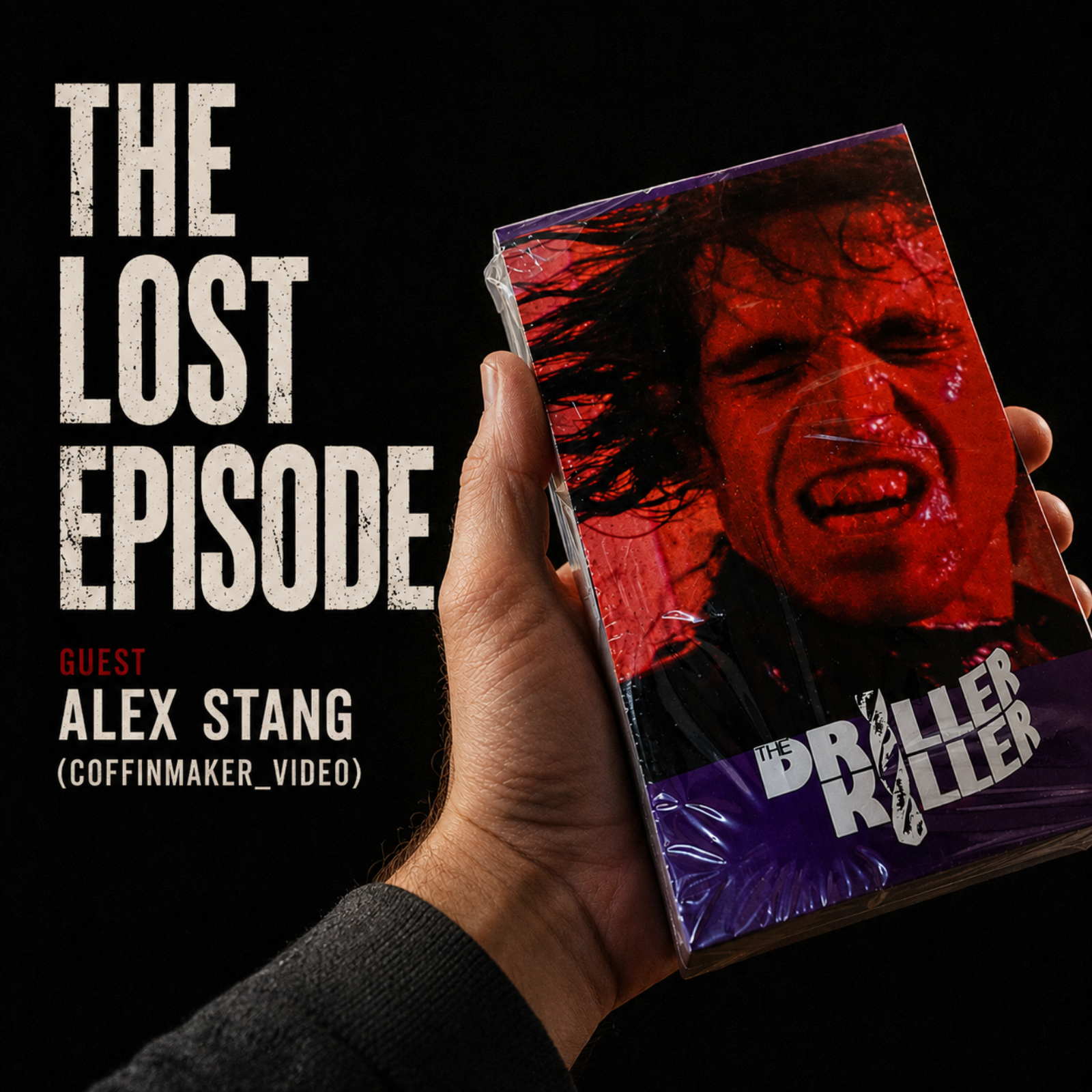
    The Podcast Episode You Were Never Supposed to Hear

    Are you enjoying The Physical Cut? Send a voicemail! Tell me about your favorite films, you might hear yourself on the next episode! What happens when a conversation about preservation isn't preserved? In this unique episode of The Physical Cut, Krloz sits down with Alex Stang of CoffinMaker Video to discuss physical media preservation, VHS collecting, boutique labels, forgotten films, and the small businesses working to keep film history alive. But after recording for more than an hour, a technical failure erased Alex's side of the conversation. Rather than bury the episode, Krloz reconstructs the discussion from the surviving recording and revisits the ideas that made it worth saving. Together, they explore why physical media still matters in the streaming era, the importance of supporting independent businesses, the joy of discovering forgotten films, VHS culture, film preservation, and the collectors who continue to keep physical media alive. The episode also highlights Alex Stang's work through CoffinMaker Video, including the preservation and release of cult and lesser-known genre films such as Driller Killer. Topics discussed include: • Physical media preservation • VHS collecting and VHS culture • Boutique Blu-ray labels • Forgotten and overlooked films • Film restoration and preservation • Supporting small businesses • Horror films and cult cinema • Movie collecting in the streaming age • CoffinMaker Video and independent film preservation Whether you're a VHS collector, Blu-ray enthusiast, boutique label supporter, or simply someone who believes movies deserve to be owned and preserved, this episode is a reminder that film history is bigger than algorithms and streaming libraries. Follow Alex Stang and CoffinMaker Video on Instagram @coffinmaker_video Visit CoffinMaker Video store at coffinmakervideo.base44.app Follow The Physical Cut: Instagram: @ThePhysicalCutPod Website: KRPodLab.com

    • Transcript
Showing 1–20 of 24 episodes