Artwork for The Outdoor Gibbon
Sports

The Outdoor Gibbon

The Outdoor Gibbon

Join me on my journey through stories and interviews talking to like-minded individuals. It doesn’t matter who you are this podcast will hopefully educate and guide you through the world deerstalking, shooting and the outdoor world. 


The information in these podcasts is for you to enjoy and develop you own opinions, if you take everyday as a school day you will see the bigger picture.


Thanks for listening and sharing in the journey 

  • 20 episodes
  • Updated July 22

Support the show

Goes straight to the publisher. podnod takes nothing.

Episodes20

  • July 22 · 1 hr 9 min

    80 Prescribed Burning Gives Fire Crews A Fighting Chance

    Wildfire doesn’t need Hollywood flames to become a crisis, it just needs the right fuel load, a dry spell, and one careless spark. We sit down with Richard Bailey of the Peak District Moorland Group and Callum Kippen, a Highland grouse keeper and co-owner of Bright Spark training, to talk about what’s really driving wildfire risk across UK moorland and peatland, from the Scottish Highlands to the Peak District National Park. We get into the on-the-ground reality of the Carrbridge Dava fire, including why peat fires can be so hard to extinguish and how tactics like technical backburns can stop a blaze from going landscape scale. We also unpack the controversy around prescribed burning and muirburn: what it’s for, how it creates an uneven-age vegetation mosaic that slows fire spread, and why a little planned smoke can prevent far worse smoke pollution and PM2.5 exposure during an uncontrolled wildfire. Along the way, we talk equipment and capability, from fogging units and leaf blowers to the quiet but critical role estates and keepers often play in wildfire response. The conversation also turns to the bigger forces that shape risk: land use change, rewetting debates, shrinking training opportunities, and the surge in wild camping and disposable barbecues near high-traffic landscapes. If you care about moorland management, peatland restoration, public safety, and the future of wildfire prevention in the UK, this one will give you practical context and a lot to think about. Subscribe for more field-tested conversations, share this with someone who loves the hills, and leave a review to help more listeners find the show. What do you think actually reduces wildfire risk: stricter bans, better education, or smarter land management? Support the show Instagram https://www.instagram.com/the_outdoor_gibbon/

  • July 1 · 1 hr 7 min

    79 We Can Disagree About Meat And Still Talk with Marc Burrows

    Vegan. Hunter. Mostly vegetarian. If you think those words can’t sit in the same room without a fight, this conversation will surprise you. We’re joined by Mark, an author and stand-up comedian who once went fully vegan, then slid back toward an 80% vegetarian life, and he’s candid about why: ethics, habit, comfort, lockdown, travel, and the simple fact that food is never just food. We talk about the part of veganism that rarely gets airtime the quieter middle, where people genuinely care about animal welfare and sustainable eating but still live inside an industrial food system built for scale, speed, and low prices. Mark breaks down what pushed him toward a plant-based diet, why realistic meat substitutes exist (and why that’s not hypocrisy), and why cheese and milk can be surprisingly emotional and physical turning points. From our side, we bring a field-to-plate view of ethical meat, hunting, deer management, and what traceability looks like when you can account for the whole animal. Then we zoom out to the biggest scandal almost everyone ignores: food waste. We get into freeganism, supermarket throwaways, recipe boxes, and the uncomfortable truth that the most unethical meal might be the one that never gets eaten at all. We also keep it grounded in reality: not everyone can afford “perfect” food, and any honest conversation about climate impact and food standards has to include cost, access, and time. If this gave you a new angle, subscribe, share it with someone who’d normally disagree, and leave a review so more people can find the show. What does “responsible eating” mean to you? Support the show Instagram https://www.instagram.com/the_outdoor_gibbon/

  • May 14 · 42 min

    78 A Scotland Stalking Weekend With Hunter Gatherer Cooking

    Two months of silence can look like a content gap from the outside, but sometimes it’s just life hitting hard. I open with a personal update on why the Outdoor Giving Podcast went quiet, then pivot back to what we do best: honest conversations from the field that show the reality of hunting, deer management, and countryside work without the polished fantasy. From a kitchen table in Aberdeenshire, I’m joined by Alex from Hunter Gatherer Cooking to unpack his Scotland trip and the bigger “why” behind the Estates Collective films. We talk about coming into deer stalking as a novice, the shock of that first real moment, and why responsible hunters don’t chase the kill, they chase a clean, ethical outcome and a freezer full of food. If you’ve ever wondered what mentorship really looks like, or why experienced stalkers still treat every decision with caution, you’ll feel seen here. We also get practical on education and progression, including PDS1 versus DSC1, learning styles, and why structured training early can save years of confusion. Then we head into modern night shooting in Scotland: thermal imaging, night licenses, target identification, and the uncomfortable truth that tech can increase the room for error if you don’t practice with discipline. Add in a bit of range work, mink trapping, and pheasant checks, and you’ve got a proper snapshot of real-world field sports. Subscribe for more grounded hunting and conservation stories, share this with a mate who’s curious about deer stalking, and leave a review so more listeners can find the show. What part of this conversation do you want us to go deeper on next? Support the show Instagram https://www.instagram.com/the_outdoor_gibbon/

  • February 21 · 57 min

    77 From Stalking Deer To Spotting Deceit: Emma’s Eight-Year Ordeal And The Power Of Speaking Up

    The weather was brutal this year—snowed in for days, then floods that turned fields into lakes—but the hardest storm we unpack is personal. We sit down with Emma, a countryside stalwart and lifelong field sports devotee, to trace how a charming “pest controller” built an entire false identity, from forged stalking certificates to a decorated military persona that never existed. What starts as an engaging story about pest control, deer management, and rural life becomes a raw exploration of coercive control: driving “for safety,” opening her mail “to help,” saturating the house with cameras “to protect.” Bit by bit, concern became a cage. As Emma shares, the red flags multiply—grandiose claims about distillery culls, a carousel of rifles that didn’t fit the job, uniforms and medals pulled out for public effect, and a Thailand detour that revealed infidelity and suspected drugging. Then came the violence: a punch rebranded as a fall, a headbutt dismissed as drunkenness. The turning point arrived when evidence and outside expertise cracked the myth. Veterans and the Walter Mitty community dissected the fake credentials; friends helped Emma secure firearms storage, pause her license responsibly, and rebuild her skills the right way. This conversation is for anyone who loves the outdoors, values ethical shooting, and believes reputation should be earned, not performed. We talk practicals—how to verify qualifications, why to question unlikely permissions, what genuine kit choices look like—and we underline the deeper lesson: coercive control hides behind competence and confidence. Emma’s recovery is powered by community, verified truth, and the quiet courage to start again. If her story sparks a memory or a worry, lean on trusted networks and professional support. Subscribe, share this episode with someone who needs it, and leave a review to help others find it. Your voice could be the one that helps someone break free. Support the show Instagram https://www.instagram.com/the_outdoor_gibbon/

  • January 14 · 1 hr 2 min

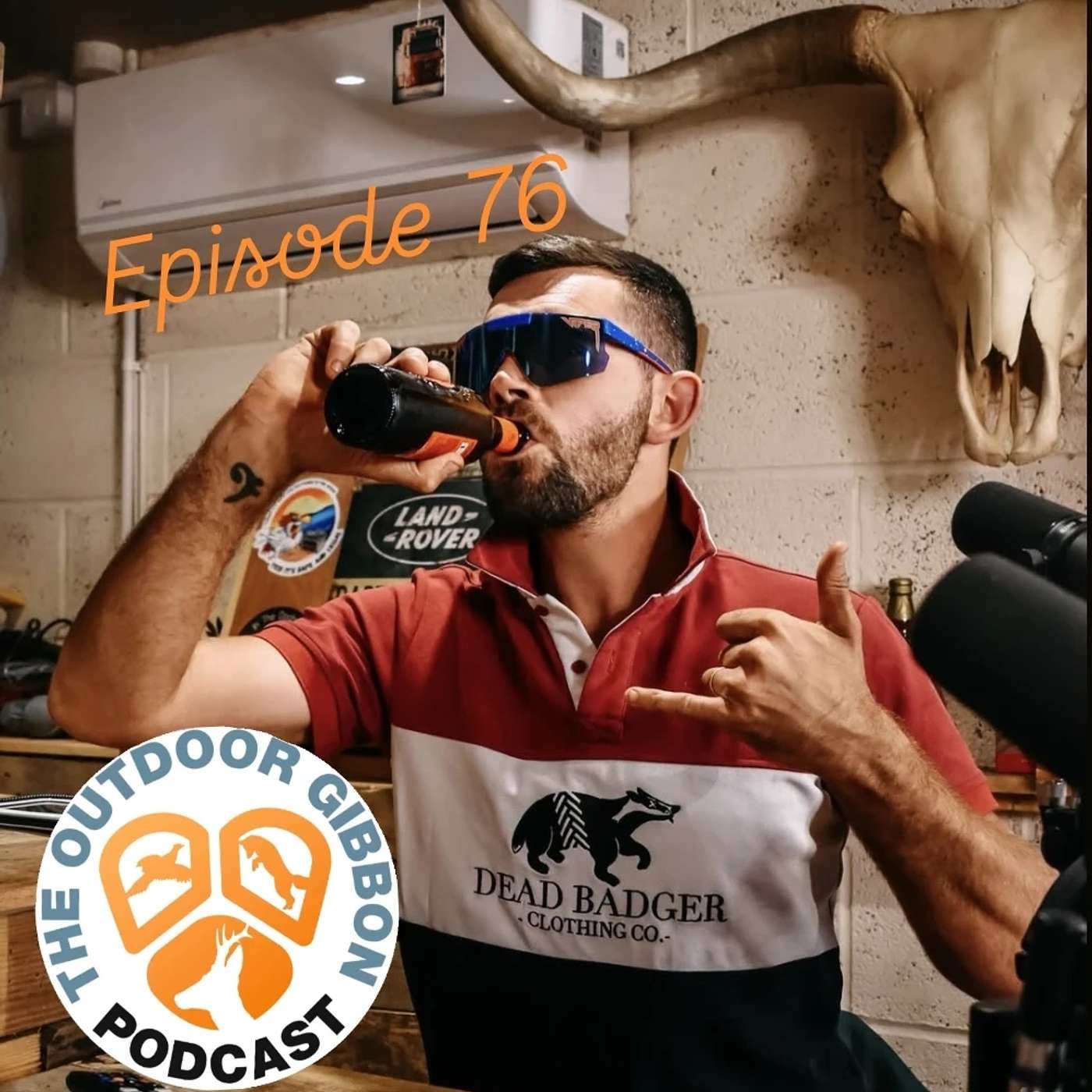
    76 From Farm To Fashion: Dead Badger’s Wild Rise

    A whiteout January in Aberdeenshire set the stakes: eight days of deep snow, hungry birds and deer, and a stark reminder that when weather hits hard, the countryside relies on people who live with the land. From there we shift gears into a wild origin story: how a beef farmer and his podcast partner turned a cheeky sweatshirt run into Dead Badger Clothing, a rural brand that refuses to take itself too seriously—and that’s exactly why it works. We dig into the scrappy path from a garage bar to stacked shipping containers, fueled by a community that spans field sports, farming, and the outdoor scene. Friends and influencers wore the gear not for a fee but because they got the joke and knew the audience. The marketing is unfiltered, fast, and undeniably rural: think proper pub-table banter rather than glossy corporate slogans. That approach raises real questions about expression online, platform rules that quietly suppress responsible firearms content, and how algorithms can both protect and punish niche communities. Beyond the laughs, we go deep on the realities shaping the countryside. Rewilding headlines celebrate new trees while local keepers, shops, and schools disappear. Estates get fenced, deer culled at edges, and grants questioned when plantings fail. We talk calibers and context—308 and 270 for hill reds, rimfire for pest control under a hundred yards, section one shotguns for flocking birds—because the ethic behind the trigger matters more than the trend. On the product side, we unpack how to hit fair prices without fluff: manufacture abroad to meet the market, keep printing and embroidery in the UK, and build simple, durable pieces that survive the Land Rover floor and still look sharp at shows. If you care about the land, love straight talk, and want to see how humor and hard graft can build a real rural business, this one’s for you. Listen, share with a friend who lives for the countryside, and drop a review to help more people find the show. Support the show Instagram https://www.instagram.com/the_outdoor_gibbon/

  • Dec 29, 2025 · 2 hr 9 min

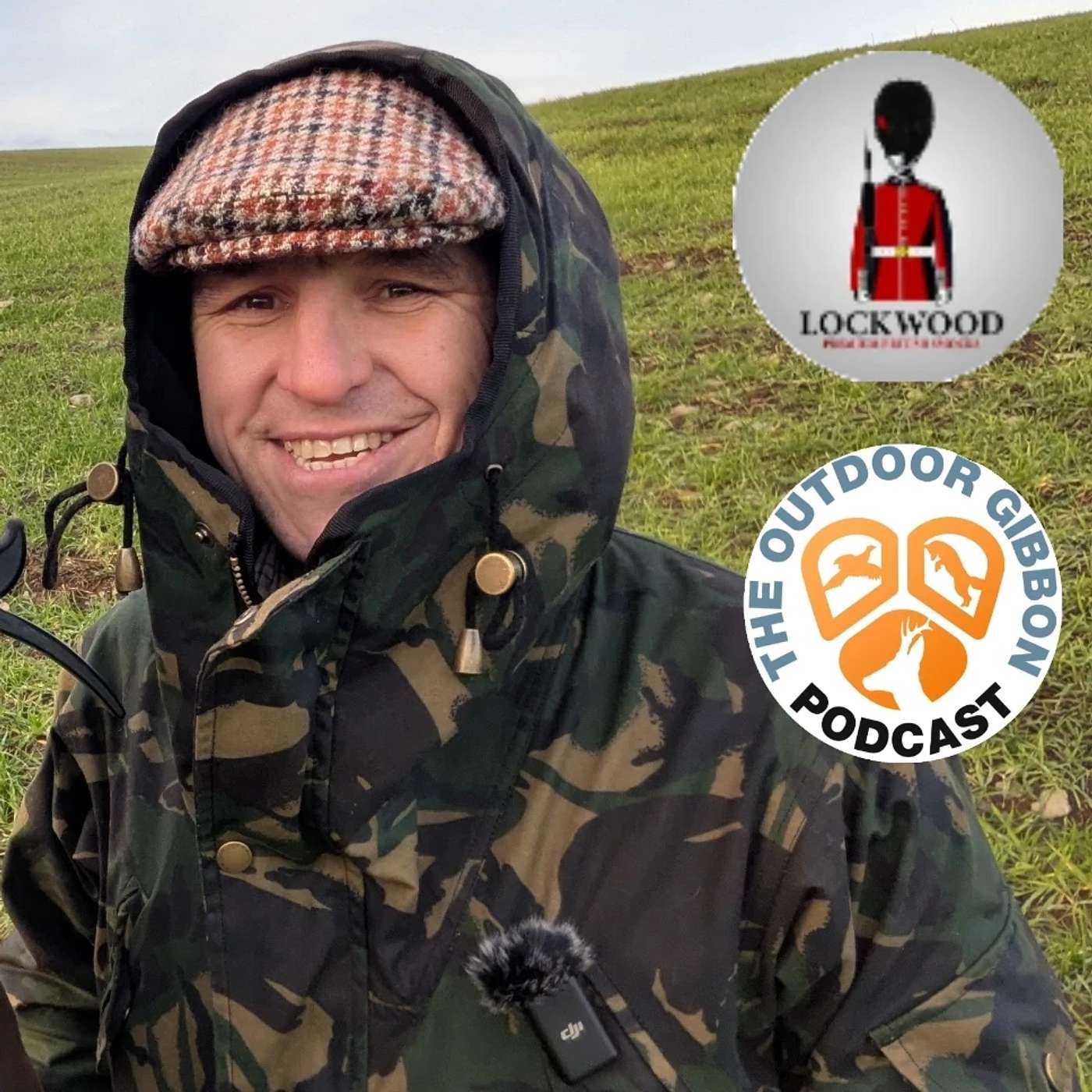
    75 A Veteran Tries Deer Stalking For The First Time And Discovers Why The Woods Quiet The Mind

    A fire, a spaniel, and a late‑December reset set the tone for a day that turned into a lesson in patience, ethics, and focus. We brought Jacob from Lockwood Smocks out for his first civilian deer stalk and used the whole journey—range to hillside—to unpack how a clean, humane shot is built long before a trigger breaks. On the range, we compare military ball ammo with hunting rounds, why polymer tips matter, and what tolerances do to consistency. Jacob meets a new trigger, a moderated .308, and quad sticks, learning how breathing becomes the only motion left. From there, we step into the field with a plan: read the wind, move slow, and scan dense gorse with thermal without leaning on it as a crutch. We talk tech versus tradition, including why thermal stays in the truck on classic hill days, and what dawn/dusk “thermal crossover” means for sight pictures. The heart of the story happens under copper leaves. We set an ambush, wait out the ruminants, and line up a shot that doesn’t land. It’s a clean miss—no sign of strike, no blood—followed by a disciplined check and a bigger takeaway: the surge of adrenaline, the humility of a living target, and the moment Jacob realizes forty‑five minutes have passed without a single thought of his phone. That silence is the secret many stalkers know—fieldcraft as relief and respect. We also test gear the honest way. Jacob’s British‑made wax and cordura designs face twigs, thorns, and weather, showing how waterproofing, quiet fabrics, poppers, and low‑shine finishes earn their keep. We explore why keeping manufacturing in the UK supports local jobs and trust in the kit you stake your day on. Along the way we cover deer management, forestry regeneration, broadside shot placement, and the field‑to‑fork ethic that makes wild venison more than a meal. If you value real‑world skills, ethical hunting, and kit that works when it counts, this one’s for you. Subscribe, share with a friend who needs a quiet mind and a good walk, and leave a review to help more curious listeners find us. Support the show Instagram https://www.instagram.com/the_outdoor_gibbon/

  • Nov 28, 2025 · 1 hr 6 min

    74 Why Ethical Hunting Can Save Wildlife And Land In Southern Africa with Sarah Ripley Forsyth

    A crackling fire, three spaniels at our feet, and a conversation that takes us from frosty Scottish mornings to the heat and dust of the South African veld. We sit down with professional hunter and outfitter Sarah Ripley Forsyth to talk about what conservation really looks like when you’re paying the bills, protecting herds, and living with predators. Sarah runs a historic lodge and game farm on land once owned by Paul Kruger, where history, habitat, and hard choices intersect every single day. We dig into how South Africa’s professional hunter system works, what it takes to guide international clients across multiple provinces, and why dangerous game requires far more than a short course. Sarah opens her books on breeding programs for sable, eland, wildebeest, impala, and blessbuck, and she doesn’t shy away from the messy bits: predator losses, poaching with dogs, and fences that never stop everything. If you think zebra are harmless, brace yourself. Then we follow the money. Leopard permits have been frozen since 2021 even as encounters rise. Rhinos demand 24/7 security that few can afford without legal horn revenue. Elephant overpopulation in certain reserves is flattening trees, stripping browse, and pushing grazers to the brink—one park saw a reported hundred elephants starve in a year. Sarah argues for ethical, regulated hunting as the only model that consistently funds habitat, enforcement, and long-term wildlife recovery on private land. It’s not the easy story, but it’s the one that keeps animals on the landscape. We round things out with practical guidance: how to book a safari, travel with firearms, set a realistic species list, and match terrain to your fitness and goals. Whether you hunt 1,400 acres or 18,000 hectares, the bush decides; a good outfitter adapts with you. Come for the animals and the history, stay for the truth about conservation that glossy campaigns won’t tell you. If this conversation challenged you—or clarified things—share it with a friend, subscribe for more field-first stories, and leave a review with the one insight that changed your mind. You can find Sarah on Instagram at this link https://www.instagram.com/sarahripleyforsyth/?hl=en The Kedar Heritage Lodge at this link https://kedar.co.za/ Support the show Instagram https://www.instagram.com/the_outdoor_gibbon/

  • Nov 19, 2025 · 55 min

    73 From Field To Stage With Farmer-Comedian Jim Smith

    The frost finally arrived, and with it a frank look at what winter really means for working countryside life. We open with frozen offices, hungry pheasants, and a social media landscape that keeps shifting under the boots of anyone who mentions fieldsports. Then we settle in at a Perthshire kitchen table with farmer and comedian Jim Smith to talk roots, resilience, and why a good laugh sometimes saves the day. Jim’s story starts with bales, tatties, and Young Farmers’ stage nights, then leaps to five nerve-shredding minutes at The Stand and the improvisational chaos of Scott Squad. He explains how sketches turned into tours, how he retooled the farm to handle gigs, and why diversified work only sticks if it respects the seasons. We compare the soggy springs and scorched summers that define modern arable, the quiet power of long northern daylight, and the culture shift as estates consolidate, tenancies shrink, and small farms fight to keep a foothold. We also go where Instagram rarely does: the money and the mind. Sheep margins, beef prices, supermarket strategies, and the hard math behind expensive kit get stripped back to the basics. Jim shares a plain-spoken take on mental health, spotlighting RSABI, Farm Strong, and the slow-burn stress of a job you can’t switch off. Along the way, we dig into provenance and food miles, the role of venison and game in everyday kitchens, and why teaching simple butchery skills can stop pheasants becoming landfill. By the end, you’ll hear why farm humor travels—across borders and accents—because the truths are universal: weather swings, stubborn yows, and bills that don’t wait. If you care about real farming, rural culture, and stories that stick, this one’s for you. Listen, share with a friend who needs a warm, honest laugh, and leave a review to help more folks find the show. Support the show Instagram https://www.instagram.com/the_outdoor_gibbon/

  • Oct 23, 2025 · 1 hr 1 min

    72 German Hunter Nick Explains How Tradition, Data, And Thermal Tech Can Save Wildlife

    A sweltering rut, empty glens, and stalks that end at dusk set the scene for a conversation that goes far beyond weather woes. After a season where deer hid high and hill walkers crowded car parks at first light, we pivot to what really drives outcomes: honest numbers, smart tools, and hunters willing to share what they see. That’s where Nick comes in—a German hunter from a family nearly a century deep—bringing a grounded view on management, tradition, and why public trust depends on what we do when we’re not pulling the trigger. We travel from Scotland’s hills to southern Germany’s crop edges and up to Austria’s 2,500-meter ridgelines, where tree stands are built by hand and 100-kilo stags take a team to get home. Nick explains how foxes, farming intensity, and hedgerows reshape small game; how fawn rescue won press and public support; and why roe in the Alps behave like restless sentries, not field grazers. In Africa, he breaks down the economics too few headlines cover: trophy fees funding anti-poaching, mandated meat for local communities, and quotas that turn wildlife from a poaching target into a renewable asset with real value. Technology plays the quiet hero. From legal gray zones in Germany to full adoption in Austria, thermal optics reinvent night hunting. One-handed focus and improved rangefinding cut through fog and guesswork, letting us identify sounders cleanly and avoid orphaning piglets. The result isn’t just cleaner shots—it’s measurable change. Boar numbers fell so sharply after thermal adoption that Nick’s group scaled back pressure in forests to keep the population healthy, focusing only on field raiders. Along the way, venison demand rises among young buyers who want traceable food without industrial baggage, and a new wave of hunters enters—some seasoned by mentors, some needing them more than they realize. The throughline is simple and urgent: better data, better choices. Whether it’s challenging “a million deer” narratives with hill counts and lowland reports, protesting policies that erase wildlife in the name of trees, or training dogs to recover what we start, this is hunting as stewardship—lived, measured, and shared. If that resonates, tap follow, share this with a friend who debates conservation, and leave a review with the one insight that changed your mind. Your feedback keeps thoughtful hunting stories in the spotlight. Support the show Instagram https://www.instagram.com/the_outdoor_gibbon/

  • Sep 3, 2025 · 1 hr 25 min

    71 Finding Your Lost Deer: A Comprehensive Guide to Tracking Wounded Game with UKDTR's Al Haynes

    Every ethical hunter's worst nightmare is taking a shot that doesn't result in a clean kill. What happens next can make all the difference between a successful recovery and a deer lost forever. In this candid conversation with Al Haynes of the UK Deer Tracking Recovery (UKDTR), we dive deep into the realities of what to do when things don't go according to plan. Al shares invaluable insights drawn from years of tracking experience, revealing why immediate pursuit of a wounded deer is often the worst action you can take. Learn how to properly assess the shot site, interpret deer reactions, and set up conditions that maximize recovery chances. His specially-trained tracking dog can follow trails 24 hours old with minimal blood sign, demonstrating capabilities far beyond what most stalking dogs possess. The discussion challenges common misconceptions about using technology like thermal imaging for recovery, explaining why even the most sophisticated drones can't match a dog's nose when it comes to finding wounded game in thick cover. We explore the controversial topics of head and neck shots, copper versus lead ammunition, and why there's still such stigma around admitting when things go wrong in the field. Whether you're new to deer stalking or a seasoned professional, this episode offers practical wisdom that could prove essential the next time you face uncertainty after a shot. The UKDTR's non-judgmental approach to tracking provides not just assistance in finding animals but also peace of mind for the ethical hunter who wants to do right by the quarry they pursue. Ready to improve your tracking knowledge and ethical hunting practices? Listen now and be prepared for that moment we all hope never comes, but should always be ready for. Support the show Instagram https://www.instagram.com/the_outdoor_gibbon/

  • Aug 22, 2025 · 1 hr 2 min

    70 Beyond Shadow Bans: Building a Rural Social Platform

    Frustrated by the constant shadow bans and content restrictions on mainstream social media? You're not alone. In this eye-opening conversation, Rachel Draper reveals the journey behind creating Stile Country, a revolutionary social media platform built specifically for those who love field sports and countryside pursuits. Growing up on a Warwickshire smallholding and later working in the shooting industry, Rachel witnessed firsthand how major platforms increasingly censored legitimate outdoor activities. The turning point came when she and her gunmaker partner found themselves constantly battling arbitrary community guidelines that failed to understand the nuances of rural life. Rather than simply complaining, they took action – creating a digital space where hunters, shooters, and countryside enthusiasts could share without fear of censorship. Unlike the dopamine-driven algorithms of mainstream platforms, Stile prioritizes quality connections over endless scrolling. The app's innovative features include location filtering to help users connect with like-minded people nearby, interest categories to customize content feeds, and a philosophy that encourages putting your phone down to actually enjoy the outdoors. Most refreshingly, Stile hides follower counts from public view, combating the harmful comparison culture that plagues conventional social media. The platform has already attracted 1,500 users since its December launch, with support from organizations like the British Deer Society and a surprisingly balanced gender ratio approaching 50/50. While still in its early stages with plans to add video capabilities and other enhancements, Stile represents something increasingly rare in the digital landscape – a community-driven space that reflects the values of those who use it. Whether you're tired of having your hunting photos removed, frustrated by arbitrary restrictions on firearm content, or simply seeking more meaningful connections with fellow countryside enthusiasts, Stile offers a refreshing alternative to the mainstream. Download the app today and join a growing community that celebrates rather than censors your outdoor lifestyle. Support the show Instagram https://www.instagram.com/the_outdoor_gibbon/

  • Jul 30, 2025 · 58 min

    69 Hunting with Light: Magnus's Wildlife Photography Journey

    How do you capture the perfect image of a white bird against a snowy landscape when you can barely see them with your own eyes? For Magnus, a wildlife photographer living at the edge of the Arctic Circle in northern Sweden, the answer lies in embracing both cutting-edge technology and ancient survival techniques. Magnus's story begins with burnout. After devoting over a decade to his mining industry business, working 12-16 hour days, he reached a breaking point. "I realized I'm not growing as a person anymore," he shares with disarming honesty. A forced business setback became the catalyst for rediscovering his passion for photography and the natural world. What began as personal rehabilitation transformed into a thriving business offering guided photo tours through pristine wilderness areas virtually unknown to outsiders. Unlike heavily promoted destinations in neighboring countries, northern Sweden's vast national parks—collectively larger than Belgium—remain largely undiscovered by international photographers. This offers Magnus and his clients the increasingly rare opportunity to capture truly unique images of untouched landscapes. "Everyone's searching for something that hasn't been taken yet," he explains, describing the photographer's ultimate quest. The conversation takes a fascinating turn when Magnus reveals how thermal imaging technology has revolutionized wildlife photography. Originally developed for industrial applications and later adopted by hunters, thermal devices allow photographers to locate and approach animals without disturbance. In the challenging Arctic environment, where traditional optics fail against the blinding white landscape, thermal vision reveals hidden wildlife through their body heat. "With the thermals, you can look for hours if you want. You don't get tired in the eyes, and you have so much more easy to find the birds," Magnus explains. Perhaps most thought-provoking is Magnus's nuanced perspective on using traditional fur gloves and clothing in extreme Arctic conditions. Facing criticism online, he thoughtfully explains how these materials come from sustainably hunted local animals used primarily for food. "The skin is a leftover product. We try to use everything from that animal," he notes, challenging simplistic views on this complex topic. Ready to experience the Arctic through a different lens? Follow Magnus's photography journey and discover how he captures extraordinary images in one of the world's most extreme environments. Whether you're a dedicated photographer or simply fascinated by human adaptation and natural beauty, this conversation will transform how you see the wilderness. https://www.winbjork.com/ _____________________________________________________________________________________ Thinking about doing the PDS1 or PDS2 use the link below. https://www.shootingandhuntingacademy.co.uk/link/6f1QuV Using this link above you will get a Free PDS1 Shooting assessment with myself in scotland Support the show Instagram https://www.instagram.com/the_outdoor_gibbon/

  • Jul 16, 2025 · 40 min

    68 From Kitchen Table Crafting to House of Bruar: How Spent Shells Transformed the Shooting Industry

    A refreshing conversation from the tailgate of a pickup truck at the Scottish Game Fair reveals both the challenges and triumphs shaping rural Scotland today. Fresh off remastering the entire podcast back catalog for better listening quality, Peter shares concerning news about devastating wildfires that recently swept across moorlands, burning over 10,000 acres of land. Most striking is the story of dedicated gamekeepers who spent 72 continuous hours battling these blazes, yet received virtually no recognition in media reports. Even when local fire crews openly acknowledged they couldn't have managed without the gamekeepers' crucial expertise, national parks and official bodies initially failed to mention them in public thanks. This erasure highlights the ongoing struggle for recognition faced by those working in traditional land management roles, despite their irreplaceable knowledge becoming increasingly vital as climate change intensifies fire risks. The episode's centerpiece is an energetic conversation with Sarah from Spent Shells, whose sustainable crafting business transforms shooting byproducts into beautiful, handcrafted items. What began as a creative project with her young daughter has evolved into a thriving enterprise now featured in the prestigious House of Bruar. Sarah's philosophy—"kill it, cook it, eat it and use as much as you can"—extends beyond her crafting business to encompass an eco-farm, butchery, and caravan site all operating in perfect symbiosis. With infectious enthusiasm, she describes creating over 1,000 handcrafted baubles annually, each containing 70 individually cut feathers, and her pride in building strong community connections within the rural business circuit. Whether you're interested in sustainable rural enterprise, the challenges facing land management in changing times, or simply enjoy stories of passion-driven small businesses, this episode offers rich insights into how traditional rural activities are adapting to contemporary challenges while maintaining their authentic character and community spirit. Support the show Instagram https://www.instagram.com/the_outdoor_gibbon/

  • Jul 2, 2025 · 1 hr

    67 The Big Venison Delusion: Can wild Venison ever go mainstream? Stalkingshow 2025 BDS panel day two

    Why does venison remain a niche product despite its impeccable ethical and environmental credentials? The Stalking Show 2025 brought together a diverse panel of experts to tackle this persistent market paradox and explore solutions to bring wild venison into mainstream consumption. From the opening moments, it becomes clear that the venison market faces multifaceted challenges. Game dealers like Tristan Kirk explain how logistical complexities and processing costs create pricing pressures that ripple through the supply chain. Unlike cattle operations where transport and processing achieve economies of scale, venison collection involves numerous small pickups from chillers across the country, dramatically increasing operational costs per kilogram. Quality standards emerge as the critical factor for mainstream market acceptance. David Hooten presents the British Quality Wild Venison scheme, designed to address buyer concerns about traceability and handling between the field and processing. Simon Gibson, representing major hospitality buyers, confirms these concerns are legitimate – chefs worry about what happens before the carcass reaches approved handlers, creating hesitation about featuring venison on mainstream menus. Education plays a pivotal role in expanding venison's market reach. José Suto shares his groundbreaking work at Westminster Kingsway College, where he's integrated comprehensive venison education throughout the culinary curriculum, even establishing the UK's only deer larder in a catering college. His approach positions venison as the "fourth meat" alongside beef, chicken, and lamb, with graduates taking this knowledge into professional kitchens nationwide. The Open Food Network offers a promising distribution solution, creating a free registration service that maps venison sellers and connects them directly with buyers. This platform particularly benefits smaller producers and helps solve distribution challenges for smaller deer species that don't fit well in traditional game dealer supply chains. Perhaps most compelling is venison's environmental advantage. When major hospitality venues like Celtic Manor discover that beef consumption represents their largest carbon footprint contributor – exceeding even energy usage – substituting venison becomes an attractive sustainability strategy. Whether you're a stalker, chef, retailer, or simply a curious consumer, this discussion illuminates the path forward for this underappreciated, sustainable protein. Join us in exploring how coordinated improvements in quality, distribution, and awareness could finally help venison realize its mainstream potential. Subscribe to hear more perspectives on sustainable food systems and wildlife management that benefit both ecosystems and communities alike. Support the show Instagram https://www.instagram.com/the_outdoor_gibbon/

  • Jun 29, 2025 · 1 hr 5 min

    66 Deer Management: Are we getting it right? Are the Standards Good Enough? Stalking Show 2025 BDS panel Day one

    The question of effective deer management has never been more pressing across the UK landscape. In this special panel discussion recorded at the Stalking Show 2025 for the British Deer Society, we bring together an extraordinary group of experts to tackle the contentious question: are our current deer management strategies fit for purpose, and do our training standards meet modern demands? Our diverse panel offers fascinating perspectives from different regions and approaches. From the Netherlands, Floris Lassie shares insights from a highly regulated system where training is mandatory and culling permits are government-issued. Louise Farmer from NatureScot discusses Scotland's increasingly aggressive biodiversity-focused approach, contrasting with England's more fragmented, landowner-led system. Meanwhile, Sandy Williams reveals the success of collaborative landscape-scale management through coordination between neighboring estates. The conversation delves into critical tensions within modern deer management: the balance between voluntary and mandatory training, the economics of culling versus venison prices, and the challenge of maintaining high welfare standards while meeting growing pressure for population control. With fallow deer populations showing a 75% female bias in some areas and "sanctuary" properties complicating management efforts, the panel explores practical solutions like WhatsApp coordination groups and partnerships with food poverty organizations. Perhaps most compelling is the debate about whether England should adopt a centralized deer management strategy similar to Scotland's. The panel weighs the benefits of coordinated approaches against concerns about one-size-fits-all regulation and the risk of ignoring regional differences in deer populations and their impacts. Whether you're a professional stalker, landowner, conservationist, or simply interested in wildlife management, this episode offers crucial insights into the complex challenges of maintaining healthy landscapes while ensuring ethical treatment of deer populations. Join us for this thought-provoking discussion that raises as many questions as it answers about the future of deer management in the UK. Support the show Instagram https://www.instagram.com/the_outdoor_gibbon/

  • Jun 6, 2025 · 51 min

    65 British Wool: The Forgotten Fiber Making a Comeback

    A humble fleece from a sheep's back holds the key to a more sustainable clothing industry—if only we'd reconnect with this remarkable fiber. In this episode, we journey deep into the world of wool processing with Fiona, founder of The Shire Mill, a small independent operation breathing new life into British wool. The disconnect between sheep farmers and the true value of their wool tells a troubling story. What once provided a farmer's annual rent now fetches less than the cost of shearing, pushing many to discard fleeces rather than sell them. Yet as synthetic fabrics fill our landfills, the natural performance benefits of wool—breathability, water resistance, warmth even when wet, and complete biodegradability—remain unmatched by modern alternatives. Following a fleece's transformation reveals the craftsmanship behind quality wool products. From the initial "skirting" to remove debris, through washing, fiber separating, carding, drawing, spinning, and plying—each step demands skill and patience. The process preserves each fleece's unique character, whether from soft Bluefaced Leicester sheep or hardy Herdwick breeds whose wool excels in carpets and outerwear. Most fascinating is Fiona's personalized approach, processing individual sheep's fleeces separately to return "Dave yarn" or "Steve yarn" to farmers with named animals. This connection between animal, processor, and end product represents what's been lost in our fast-fashion world, where a 75p synthetic beanie becomes garbage while a £75 wool hat could serve for decades before harmlessly returning to the soil. Have you considered the origin story of your clothing? Join us in celebrating this remarkable renewable resource and the skilled artisans working to preserve traditional wool processing in Britain. Follow us across social platforms to continue the conversation about sustainable natural materials and share this episode with anyone interested in reconnecting with the authentic materials that clothed humanity for centuries. The mill can be found at https://www.shiremill.co.uk/ _____________________________________________________________________________________ Thinking about doing the PDS1 or PDS2 use the link below. https://www.shootingandhuntingacademy.co.uk/link/6f1QuV Using this link above you will get a Free PDS1 Shooting assessment with myself in scotland Support the show Instagram https://www.instagram.com/the_outdoor_gibbon/

  • May 30, 2025 · 1 hr 17 min

    64 Training Tips from Kirkbourne Spaniels: Mastering the Art of Canine Companionship

    Darren from Kirkbourne Spaniels, a two-time UK Gun Dog Trainer of the Year winner, shares his journey from farming background to professional dog trainer, revealing practical techniques and philosophy for effective dog handling and training. • Building a career from a lifelong passion for working dogs and field sports • Matching dog breeds to specific purposes and activities • Understanding "imprinting" - how handlers transfer their energy to their dogs • Common training mistakes like overusing verbal commands • The impact of COVID on dog breeding and training • Essential training techniques for recall and retrieving • The importance of well-timed, measured discipline • Supporting new generations in field sports and dog work • Preserving field sports traditions through community support If you want to learn more about Darren's training methods or join his gundog club, visit his website or find him on social media. https://www.kirkbournespaniels.co.uk/ _____________________________________________________________________________________ Thinking about doing the PDS1 or PDS2 use the link below. https://www.shootingandhuntingacademy.co.uk/link/6f1QuV Using this link above you will get a Free PDS1 Shooting assessment with myself in scotland Support the show Instagram https://www.instagram.com/the_outdoor_gibbon/

  • May 17, 2025 · 54 min

    63 Exploring Croatia's Wilderness: A Conversation with Dean the Sporting Agent

    In this episode I talk to Dean who is a sporting agent and hunter in Croatia we look at the types of hunting he offer and the things you will need to get yourself out there to hunt. His website can be found here https://www.dean-outdoors.hr/ It's certainly worth a look if you are looking for a diffrent kind of hunting experiance _____________________________________________________________________________________ Thinking about doing the PDS1 or PDS2 use the link below. https://www.shootingandhuntingacademy.co.uk/link/6f1QuV Using this link above you will get a Free PDS1 Shooting assessment with myself in scotland Support the show Instagram https://www.instagram.com/the_outdoor_gibbon/

  • Apr 10, 2025 · 59 min

    62 Stalking Success: Ben's New Product Reveal at Deer Central

    In this episode I engages in a comprehensive discussion with Ben from Deer Central. We delve into Ben's latest product launch, exploring its features, development process, and anticipated impact on the deerstalking community. Additionally, Ben shares his experiences and key takeaways for the Stalking Show, offering listeners valuable insights into current trends and advancements in the field. This episode provides an in-depth look at innovations in deerstalking equipment and the evolving landscape of outdoor pursuits. _____________________________________________________________________________________ Thinking about doing the PDS1 or PDS2 use the link below. https://www.shootingandhuntingacademy.co.uk/link/6f1QuV Using this link above you will get a Free PDS1 Shooting assessment with myself in scotland Support the show Instagram https://www.instagram.com/the_outdoor_gibbon/

  • Mar 31, 2025 · 59 min

    61 Fortis Clothing: The New Standard in Shooting Gear

    Who are Fortis? I chat with Oliver Massey Birch the owner of the company and we look back at how it started and where it is today. Requirements for shooting clothing have become more demanding and people want for more for the money these days. Oliver tells us what sort of service you will expect if you step on to a stand at a show. Is Fortis the new front runner in outdoor and shooting clothing? Thats up to you to decided but have a listen and then visit them at one of the many shows around the UK this year. https://fortisclothing.co.uk/ _____________________________________________________________________________________ Thinking about doing the PDS1 or PDS2 use the link below. https://www.shootingandhuntingacademy.co.uk/link/6f1QuV Using this link above you will get a Free PDS1 Shooting assessment with myself in scotland Support the show Instagram https://www.instagram.com/the_outdoor_gibbon/