Skip to content
Artwork for The Napoleonic Quarterly

The Napoleonic Quarterly

Quartermaster Productions

Taking the epic conflicts of the French Revolutionary and Napoleonic Wars three months at a time. Each episode features interviews with leading historians of the period - covering the campaigns, diplomacy and political dramas of an extraordinary 24 years.

Play
  • 22 episodes
  • weekly
  • Avg 49 min
  • English
Counted on this page — what you have heard stays on this device, so it is not something the list can be paged by.
  • S7 · E192
    August 29 · 1 hr 20 min

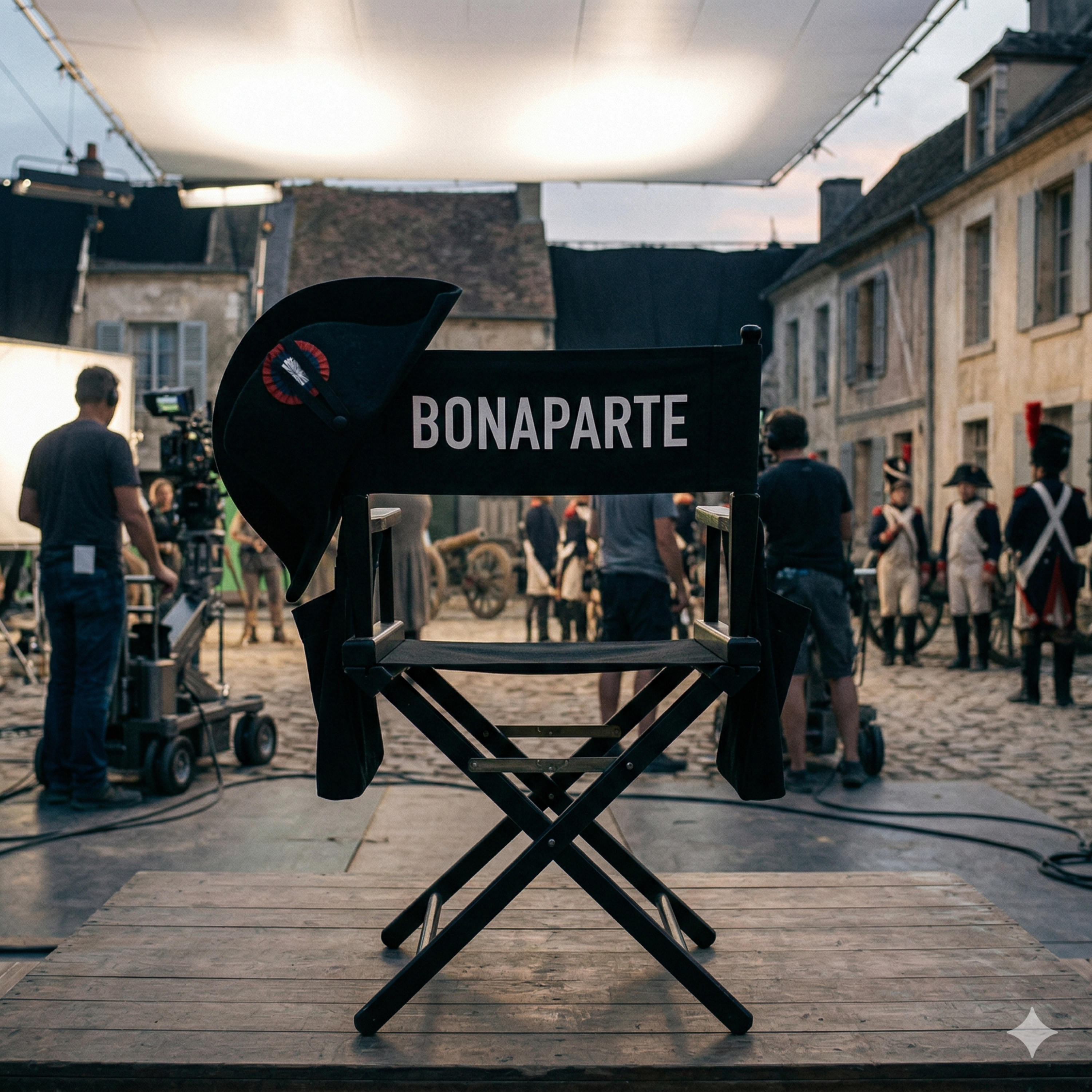
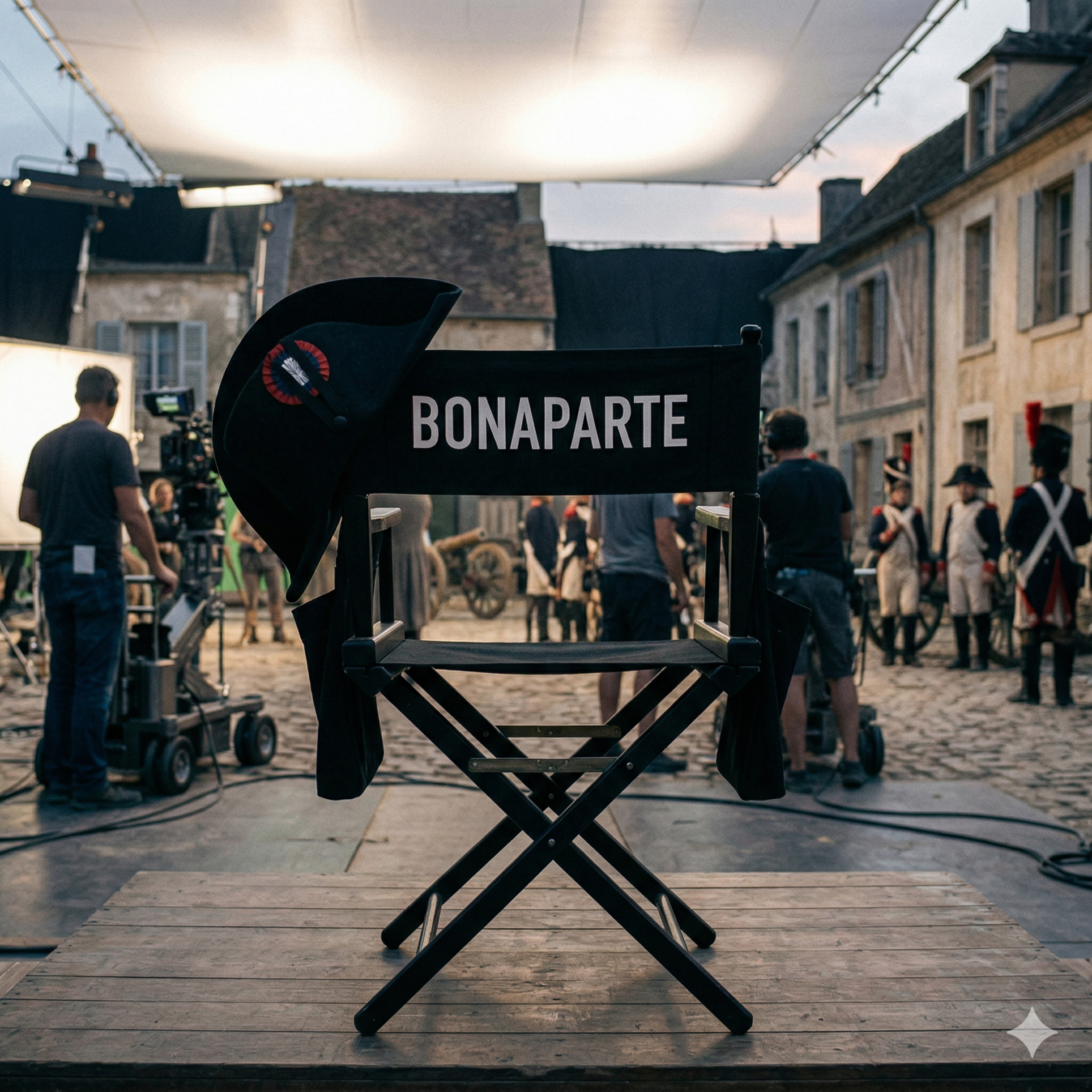
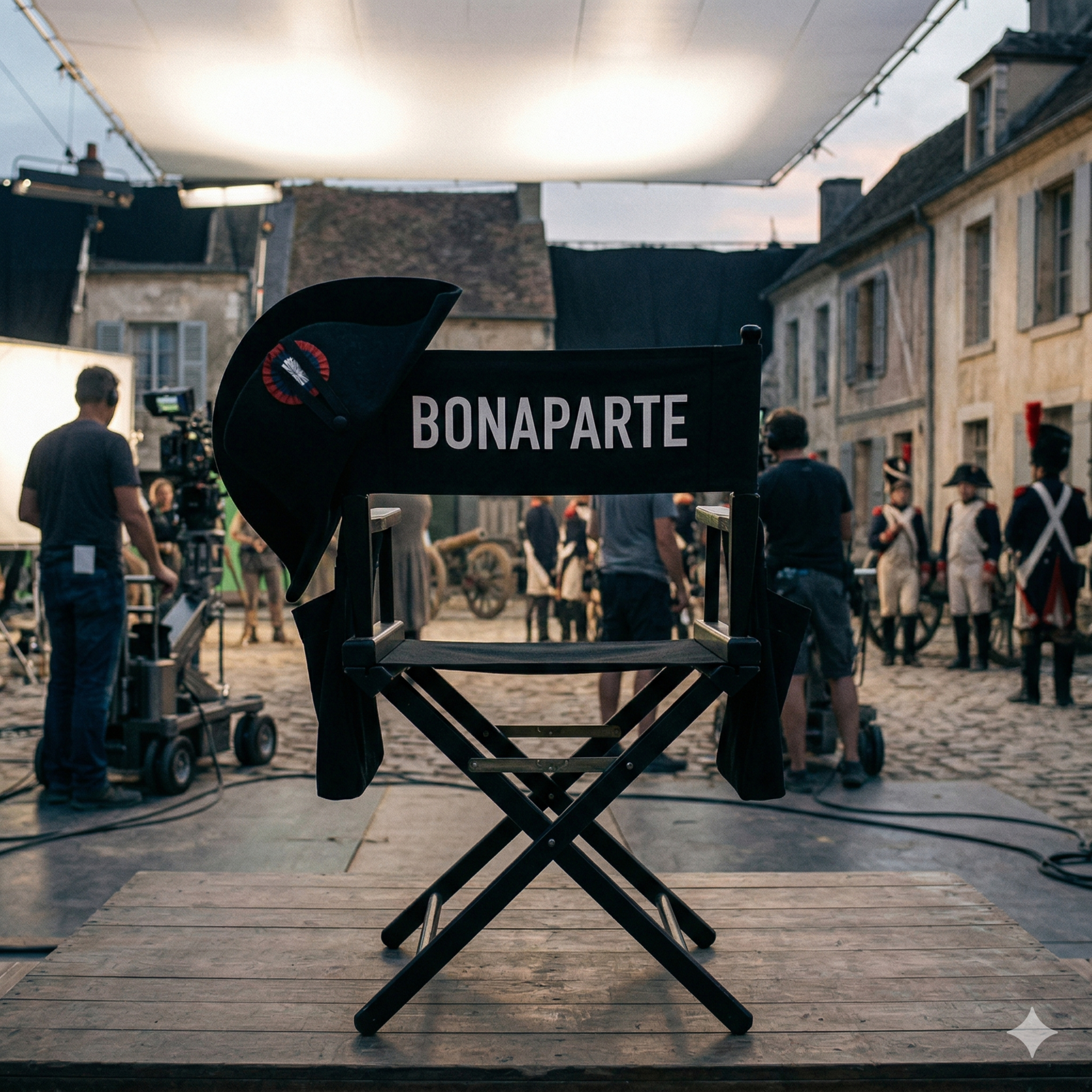
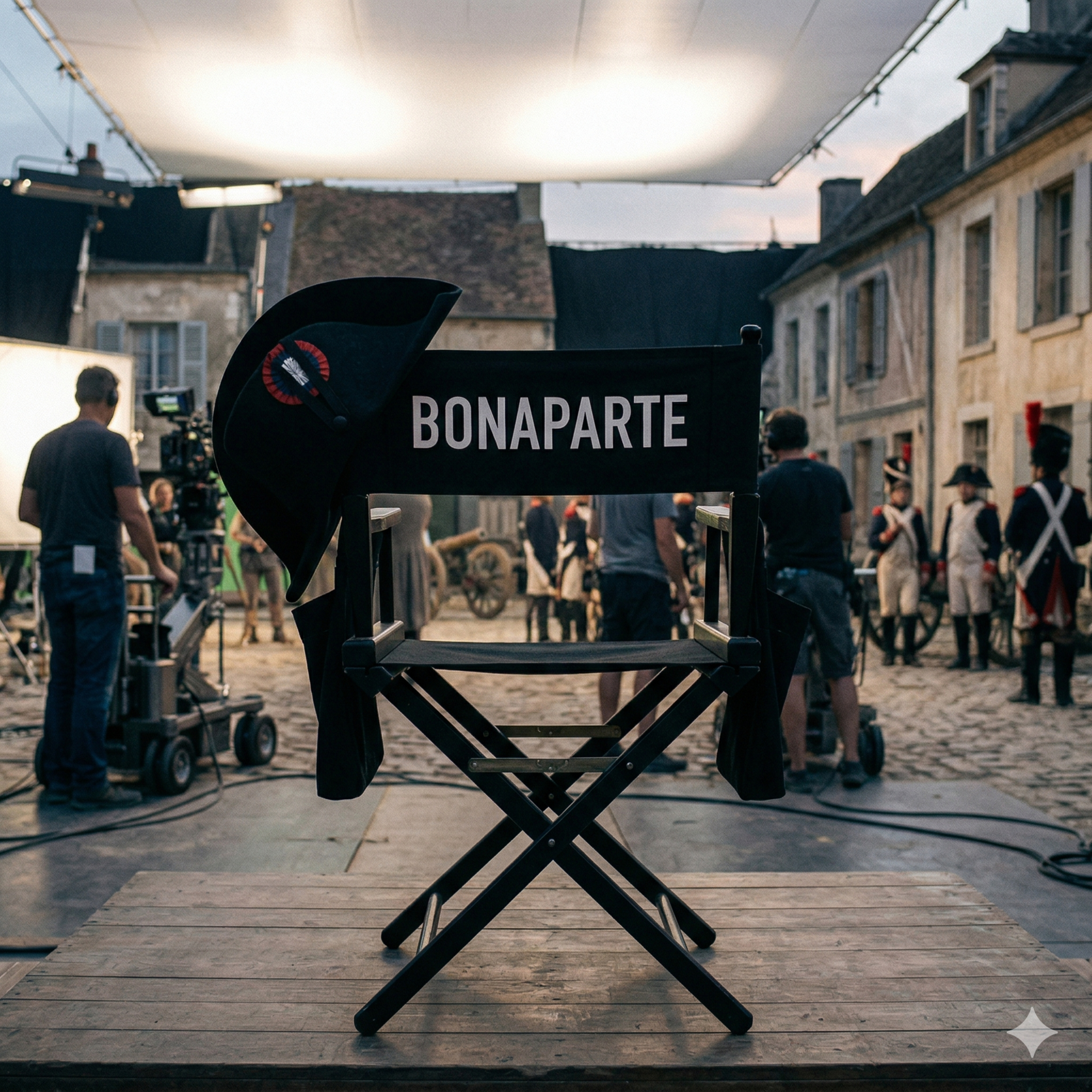
    Scenes from a Napoleon movie (screenplay wrap-up, pt2/2)

    It is with a mixture of great embarrassment at my own over-acting and guilt at such outrageous self-indulgence that I, Alex Stevenson, presenter of the Napoleonic Quarterly, provide you, the poor suffering listeners, with an outpouring of thespian histrionics: the concluding episode of our screenplay-concocting relaunch side-project, the Napoleon Movie Quarter-Hourly. In this episode Ben Deery, who thankfully knows a thing or two about acting, works his way alongside my own miserable efforts through the most excitable scenes from the pen of James Topham, who knows a thing or two about screenwriting. Napoleon: One Last Job may never actually get made, but at least you get to hear a grown man pretend to be both Napoleon and Josephine in the same scene. Or, perhaps more wisely, there is the opportunity to listen to the whole screenplay read by a surprisingly effective AI American lady on Patreon... Please send through any comments or questions to the usual places - the hope is that we will be able to do a listener feedback episode, as well as putting this to the professors for their verdict. Help us produce more episodes by supporting the Napoleonic Quarterly on Patreon: patreon.com/napoleonicquarterly

  • S7 · E191
    August 22 · 14 min

    We wrote a Napoleon movie! (screenplay wrap-up pt1/2)

    This mini-episode unveils the end product from our Napoleon movie discussions: an actual first draft of a screenplay which tells the story of Bonaparte's rise to power. It's now available on Patreon, for the consideration of our esteemed Quartermasters. In the meantime, first James Topham and then Alex Stevenson offer their own versions of what the treatment actually looks like. With Ben Deery doing French accents in the background. Help us produce more episodes by joining the Napoleonic Quarterly community on Patreon: patreon.com/napoleonicquarterly

  • S7 · E190
    August 12 · 53 min

    1803 recap: Against the odds

    Our recap episodes, which offer a synthesis of our 1792-1804 coverage one year at a time, have reached 1803 - a year in which peace between France and Britain collapses, and the cause of Haitian independence is finally realised. Chris Sloan talks presenter Alex Stevenson through specific key clips he's picked out from our old episodes grouped around four themes which, we argue, help frame the period and shape our understanding of it in a whole new way. We hope this will provide a helpful refresh for longstanding listeners - whilst at the same time offering an 'entry ramp' to the podcast for those who want to get up to speed relatively easily before we crash full-speed into the intensity of the Napoleonic Wars. This episode covers a 12-month period in which, despite attack dogs and the death of Toussaint Louverture, the French are defeated on Saint-Domingue and Dessalines emerges as the leader to achieve independence for Haiti. This is the year which sees the Louisiana Purchase, an astonishing moment which turns the United States into a continental power overnight. And in Europe Britain declares war once again on France, setting up endless debates about whose fault the demise of the Peace of Amiens really was. Meanwhile the Swiss Confederation is created thanks to the signature of Napoleon Bonaparte - and in India an up and coming general called Arthur Wellesley achieves a striking victory at the Battle of Assaye which effectively ends the Second Anglo-Maratha War. Help us produce more episodes by supporting the Napoleonic Quarterly on Patreon: patreon.com/napoleonicquarterly

  • S7 · E189
    August 6 · 59 min

    1802 recap: Haiti's fight for freedom

    Our recap episodes, which offer a synthesis of our 1792-1804 coverage one year at a time, have reached 1802 - a year in which the French mission to recapture Saint-Domingue combines deception and brutality as the stakes grow ever higher. Chris Sloan talks presenter Alex Stevenson through specific key clips he's picked out from our old episodes grouped around four themes which, we argue, help frame the period and shape our understanding of it in a whole new way. We hope this will provide a helpful refresh for longstanding listeners - whilst at the same time offering an 'entry ramp' to the podcast for those who want to get up to speed relatively easily before we crash full-speed into the intensity of the Napoleonic Wars. This episode covers a 12-month period in which, whilst the main action takes place in the Caribbean, there is plenty of activity in Europe too. From the annexation of Piedmont to the invasion of Switzerland and the redrawing of the political map in Germany, the French are calling the shots across the continent. Napoleon Bonaparte takes another step towards empire by being made First Consul for life. And whilst the British are forcing the Marathas to abandon their independence hopes in India and the Peace of Amiens ends the war between France and Britain, the reality is this is not a world where anything is going to stay settled for very long. Help us produce more episodes by supporting the Napoleonic Quarterly on Patreon: patreon.com/napoleonicquarterly

  • S7 · E188
    July 30 · 48 min

    1801 recap: Making war and making peace

    Our recap episodes, which offer a synthesis of our 1792-1804 coverage one year at a time, have reached 1801 - a year in which Britain and France make peace, despite a widening canvas of war spreading across from Europe across the globe. Chris Sloan talks presenter Alex Stevenson through specific key clips he's picked out from our old episodes grouped around four themes which, we argue, help frame the period and shape our understanding of it in a whole new way. We hope this will provide a helpful refresh for longstanding listeners - whilst at the same time offering an 'entry ramp' to the podcast for those who want to get up to speed relatively easily before we crash full-speed into the intensity of the Napoleonic Wars. This episode covers a 12-month period in which Napoleon Bonaparte, having secured a Concordat with the Catholic Church, sends troops to recapture Saint-Domingue and gets himself elected president in Italy. Russia's League of Armed Neutrality is thwarted by Horatio Nelson at the Battle of Copenhagen before Tsar Paul's assassination prompts a change of course in St Petersburg. The British are on the offensive in Egypt and in India, but William Pitt resigns as Prime Minister. Thomas Jefferson is finally elected President and the US is fighting the first Barbary war... and there's the War of the Oranges between Spain and Portugal as well. Is this a winding-down year? No - it's one of the most dramatic of them all. Help us produce more episodes by supporting the Napoleonic Quarterly on Patreon: patreon.com/napoleonicquarterly

  • S7 · E187
    July 22 · 1 hr 1 min

    Power without dignity: Napoleon's Brumaire sacrifice (screenplay plotting, mins 105-120)

    In the eighth and final 15 minutes of our screenplay treatment, Napoleon really is trying to get this one last job done by completing the Brumaire coup. But his bid for his ultimate goal requires an unexpected sacrifice and is dependent on an essential contribution from his now thoroughly beloved Josephine. With a new framing device underlining the crucial role of Paul Barras in this story as the antagonist, we're sprinting for a finish line - and a certain comfy chair for our leading man. Yes, it's episode nine of our screenwriting escapade, in which we complete our mission of crafting a top-notch screenplay treatment about the life of Napoleon Bonaparte. Alex Stevenson is joined by James Topham (who knows a thing or two about screenwriting) and Ben Deery (who knows a thing or two about acting) to put the movie world to rights. Having analysed the pitfalls and frustrations of Ridley Scott's Napoleon 2023 in the first season the Napoleon Movie Quarter-Hourly, this time round the team have tried their uppermost to come up with the magic themselves. As our resident artificial aide-de-camp NAIpoleon Bot-aparte puts it: [02:27] The Recap of the "Rotten Pear": James catches us up on Act Three so far, featuring Napoleon’s desertion from Egypt, a "titanic" row with Josephine, and a dinner with Barras that changes everything. [12:12] History is a Farce: Alex reads from Zamoyski’s biography, revealing the hilarious historical reality of the coup: a bucking horse, a stress-induced facial rash, and a very "undone" Napoleon. [17:03] Dramatic Masterstroke or "Sh*tshow"?: The team debates whether Napoleon’s historical bungling of the coup is a screenwriting disaster or an ironic opportunity for a "stunning performance." [19:13] The Ultimate Sacrifice: Alex pitches a thematic climax where Napoleon trades his "Great Man" dignity and romantic ideals for the grubbiness of actual power. [21:45] The Novella as a Blunt Instrument: Ben suggests a high-action alternative involving Napoleon beating a man unconscious with his own rolled-up novella manuscript. [28:35] The Framing Device Rabbit Hole: A deep dive into the art of the framing device, featuring references to The Princess Bride, Amadeus, and the "triangle" used in the World Snooker Championship. [33:10] Perspectives on a Dinner: The hosts pitch a circular narrative structure that uses a dinner with Barras to show how the "urbane puppet master" became the man who "owes Napoleon everything." [43:03] Marinara in the Sticks: Exploring the "fitting end" for Barras—sidelined to a provincial town like Ray Liotta at the end of Goodfellas with nothing but bad pasta sauce for company. [45:28] The Bonaparte Whisperer: Josephine finally gets an active role in the heist, proving she is a master survivor who knows exactly how to handle smitten Directory presidents and resignation letters. [52:36] The Dictator’s Comfy Chair: The team lands on a final image involving a circular seating arrangement, an enigmatic grin, and the most crucial question of the production: "Who is going to play the pug?" Help us produce more episodes by supporting the Napoleonic Quarterly on Patreon: patreon.com/napoleonicquarterly

  • S7 · E186
    July 18 · 38 min

    1800 recap: From Marengo to Moreau

    Our recap episodes, which offer a synthesis of our 1792-1804 coverage one year at a time, have reached 1800 - a year in which Napoleon Bonaparte achieves one of his greatest victories to consolidate his new position of power in France. Chris Sloan talks presenter Alex Stevenson through specific key clips he's picked out from our old episodes grouped around four themes which, we argue, help frame the period and shape our understanding of it in a whole new way. We hope this will provide a helpful refresh for longstanding listeners - whilst at the same time offering an 'entry ramp' to the podcast for those who want to get up to speed relatively easily before we crash full-speed into the intensity of the Napoleonic Wars. This episode covers a 12-month period in which Bonaparte's victory at Marengo ensures success in the Italian campaign - but it's Moreau's big result at Hohenlinden later in the year which arguably proves more decisive. Ultimately 1800 is a year in which there are lots of developments bubbling up all over the place: the US election, the British busy against the French in Egypt, the Act of Union between Britain and Ireland, the Septinsular Republic formed in the Ionian Islands, Tsar Paul forming the League of Armed Neutrality... and a proto-car bomb very nearly ending Bonaparte's life to round things off. Everything, everywhere, all at once. Help us produce more episodes by supporting the Napoleonic Quarterly on Patreon: patreon.com/napoleonicquarterly

  • S7 · E185
    July 8 · 58 min

    The Fresh Prince of Brumaire (screenplay plotting, mins 90-105)

    In the seventh and penultimate 15 minutes of our screenplay treatment, Napoleon is back in France to go for the top prize - power. But his bid for his ultimate goal is not going to be straightforward and he has to accept that in order to achieve this, he'll have to put aside romantic dreams and do what matters to get this one last job done. That means a new approach to his unfaithful wife Josephine; a reckoning with our antagonist Paul Barras; and a new kind of battlefield - the Council of Five Hundred. Yes, it's episode eight of our screenwriting escapade, in which we continue to forge ahead in our mission of crafting a top-notch screenplay treatment about the life of Napoleon Bonaparte. Alex Stevenson is joined by James Topham (who knows a thing or two about screenwriting) and Ben Deery (who knows a thing or two about acting) to put the movie world to rights. Having analysed the pitfalls and frustrations of Ridley Scott's Napoleon 2023 in the first season the Napoleon Movie Quarter-Hourly, this time round the team have to come up with the magic themselves. As our resident artificial aide-de-camp NAIpoleon Bot-aparte puts it: Alex Stevenson introduces the climax phase of the Napoleon screenplay project and acknowledges the contributions of James Topham and Ben Deery 00:00. Ben Deery revisits an underappreciated Sphinx joke from previous episodes, sparking playful banter about comedic appreciation 00:01:16. James Topham recaps the emotional and psychological journey of Napoleon in Act 2, culminating in a brutal turning point during the Egyptian campaign 00:03:01. Introduction and breakdown of Act 3 structure: the internal-external conflict resolution, new plans, and the heightened sense of sacrifice Napoleon must undergo 00:10:03. Deep dive into the historical coup of Brumaire, exploring how Napoleon’s ambiguous resolve and political struggles can be mapped onto the screenplay’s climax 00:13:01. Discussion of antagonist dynamics: Paul Barras must return as a strong opposition for the final act, including possible narrative liberties to heighten his role 00:24:28. Insight into the B story: Napoleon and Josephine’s tumultuous reunion, tying personal and political stakes together in a pivotal emotional scene 00:34:05. Reference to classic films and psychological theories (e.g., High Society, Taxi Driver, Madonna-Whore complex) to illustrate character developments and narrative arcs 00:39:34. Strategizing the depiction of the coup’s high-stakes drama—physical peril, the threat of the guillotine, and how to visually and emotionally convey Napoleon’s critical risk 00:52:13. Closing with an explanation of the filmic denouement: what “new normal” the world and characters face after Napoleon’s victory, and teaser for the next episode’s focus on wrapping up the screenplay 00:54:54. Help us produce more episodes by supporting the Napoleonic Quarterly on Patreon: patreon.com/napoleonicquarterly

  • S7 · E184
    July 4 · 43 min

    1799 recap: The French go backwards

    Our recap episodes, which offer a synthesis of our 1792-1804 coverage one year at a time, have reached 1799 - a year in which Napoleon Bonaparte achieves an astonishing turnaround in fortunes which ends with him in power. Chris Sloan talks presenter Alex Stevenson through specific key clips he's picked out from our old episodes grouped around four themes which, we argue, help frame the period and shape our understanding of it in a whole new way. We hope this will provide a helpful refresh for longstanding listeners - whilst at the same time offering an 'entry ramp' to the podcast for those who want to get up to speed relatively easily before we crash full-speed into the intensity of the Napoleonic Wars. This episode covers a 12-month period in which Bonaparte's failed Syrian campaign leads him to attempt the desperate gamble of a return to France - which dramatically pays off when, somehow, he emerges as the country's ruler after the coup of Brumaire. That is the culmination of a remarkable year of fighting in Italy and Switzerland, with Russian heroics under the leadership of Suvorov and gritty French defence led by Massena. There really is so much going on - from the Anglo-Russian invasion of Holland to the fall of Naples, from the siege of Malta to the diplomacy of the Second Coalition - what a year 1799 truly is. Help us produce more episodes by supporting the Napoleonic Quarterly on Patreon: patreon.com/napoleonicquarterly

  • S7 · E183
    June 24 · 1 hr 3 min

    Napoleon's dark night of the soul (screenplay plotting, mins 75-90)

    In the sixth 15-minute section of our screenplay, Napoleon plunges into his darkest hour. Reeling from betrayal and defeat, he confronts the plague-ridden horrors of his campaign in the Levant and faces the brutal consequences of war, both on the battlefield and within himself. The myth of his invincibility shatters as failed sieges and the massacre at Jaffa weigh on his conscience. Josephine’s infidelity and his own disillusionment reach a crisis, forcing Napoleon towards a reckoning with his ambitions, relationships, and the cost of power. As despair and self-doubt threaten to overwhelm him, the stage is set for the transformation that will propel him towards his final bid for greatness. Yes, it's episode seven of our screenwriting escapade, in which we continue to forge ahead in our mission of crafting a top-notch screenplay treatment about the life of Napoleon Bonaparte. Alex Stevenson is joined by James Topham (who knows a thing or two about screenwriting) and Ben Deery (who knows a thing or two about acting) to put the movie world to rights. Having analysed the pitfalls and frustrations of Ridley Scott's Napoleon 2023 in the first season the Napoleon Movie Quarter-Hourly, this time round the team have to come up with the magic themselves. As our resident artificial aide-de-camp NAIpoleon Bot-aparte puts it: Alex Stevenson opens the episode by reflecting on its many possible names, likening it to the Beatles' White Album, and notes listener feedback they’ve received for discussion 00:00:10. 01:03 - All three speakers share significant personal updates in rapid-fire, overlapping fashion to create comedic confusion for the audience 04:01 - James Topham reveals the existence of a secret WhatsApp chat with Benjamin Deery (excluding Alex Stevenson), mirroring earlier feelings of exclusion 05:52 - James Topham debuts a homemade Napoleon movie trailer, involving Benjamin Deery performing in different voices, to energize the creative process 12:04 - James Topham recaps the previous episode: Napoleon is exiled to Egypt under the guise of glory, his fleet is destroyed, and he discovers Josephine’s infidelity, marking his lowest point 20:24 - A historical debate occurs: Alex Stevenson clarifies that Napoleon was enthusiastic about Egypt rather than simply exiled, and discusses how both his ambitions and the political machinations of others shaped his choices 29:38 - The group discusses the "dark night of the soul" as a structural turning point, emphasizing Napoleon’s internal reckoning after a series of personal and military setbacks, rather than a literal period of inaction 33:30 - Alex Stevenson details three major events for Napoleon’s crisis: the plague hospital at Jaffa, a war crime (massacre of prisoners), and the failed siege of Acre—all contributing to his psychological breaking point 41:29 - The B story (Josephine’s infidelity) is revealed to have a psychological turning point for both characters, paralleling Napoleon’s emotional hardening and the collapse of romantic idealism 51:01 - The hosts reveal a major twist: this project is envisioned as a trilogy, meaning there’s much more story (and podcasting) ahead than Benjamin Deery anticipated, much to his mock dismay Help us produce more episodes by supporting the Napoleonic Quarterly on Patreon: patreon.com/napoleonicquarterly

  • S7 · E182
    June 21 · 18 min

    Waterloo teaser: The myth of Hougoumont

    Charles Esdaile has a lot to get off his chest when it comes to the Battle of Waterloo - which is why he surprised me recently by asking to do what turned into a three-hour mythbusting session working through what he thinks everyone's getting wrong about the ultimate Napoleonic encounter. As this podcast won't be making it to Waterloo for years and years - we're talking the 2030s here, people - I'm not going to stick it up on the main feed right now. On the other hand, it's too good to just be left sitting on the shelf. So this week it's been made available to our esteemed Quartermasters on Patreon, some of whom have already been very kind about it - and leaving lots of comments of their own. The support this podcast receives through Patreon is essential to the continuing success and sustainability of the project. If you're not signed up already but listen regularly, we'd all be grateful if you gave it some consideration.

  • S7 · E181
    June 11 · 51 min

    1798 recap: Egyptian adventure

    Our recap episodes, which offer a synthesis of our 1792-1804 coverage one year at a time, have reached 1798 - a year in which Napoleon Bonaparte leads an astonishingly bold expedition to capture Egypt for France, which is going astonishingly badly by the end of the year. Chris Sloan talks presenter Alex Stevenson through specific key clips he's picked out from our old episodes grouped around four themes which, we argue, help frame the period and shape our understanding of it in a whole new way. We hope this will provide a helpful refresh for longstanding listeners - whilst at the same time offering an 'entry ramp' to the podcast for those who want to get up to speed relatively easily before we crash full-speed into the intensity of the Napoleonic Wars. This episode covers a 12-month period simply dominated by the Egyptian gambit. Dreams of becoming another Alexander the Great seem to be turning into a mirage as elusive as that seen in the dust of the Egyotian desert, with Horatio Nelson destroying the French fleet at the Battle of the Nile and unrest and disquiet in Cairo to deal with in the Upper Nile. This year also sees more developments across all our ongoing storylines. France continues to bully Italian politics; the Revolution continues to sort-of grind on with the Coup of Floreal; there is a major intervention against the Swiss; and, above all, the Irish attempt to secure indepedence from the British is dealt with in a grimly decisive fashion. This is a year in which Napoleon grabs all the headlines - but let's not forget just how important 1798 was for Ireland, too. Help us produce more episodes by supporting the Napoleonic Quarterly on Patreon: patreon.com/napoleonicquarterly

  • S7 · E180
    June 4 · 52 min

    Napoleon's pear-shaped ambitions (Screenplay plotting, 60-75mins)

    In the fifth 15-minute section of our screenplay, Napoleon’s journey takes a sharp, downward turn. Success is replaced by mounting setbacks as our hero heads to Egypt - an ambiguous mission that isolates him from power and allies. The Directory’s antagonism grows ever more apparent, Josephine’s betrayals come to light, and disaster strikes in the form of Nelson’s fleet. As loyalty in his own ranks falters, Napoleon faces not only external foes but the erosion of his own myth, setting the stage for the looming low point of his story. In episode six of our screenwriting escapade we continue to forge ahead in our mission of crafting a top-notch screenplay treatment about the life of Napoleon Bonaparte. Alex Stevenson is joined by James Topham (who knows a thing or two about screenwriting) and Ben Deery (who knows a thing or two about acting) to put the movie world to rights. Having analysed the pitfalls and frustrations of Ridley Scott's Napoleon 2023 in the first season the Napoleon Movie Quarter-Hourly, this time round the team have to come up with the magic themselves. This episode features a bonus contribution from our own Prof Alexander Mikaberidze from 35:40 - explaining the precise nature of the incontrovertible evidence of Josephine's infidelity which Junot is supposed to have presented to Bonaparte... As our resident bot NAIpoleon Bot-aparte puts it: A Playful Opening and Format Mash-Up The episode begins with a tongue-in-cheek parody intro as “Cavalry Matters,” poking fun at historical drama tropes and AI-generated content, before moving into the “Napoleon movie” project focus 00:00:09. Introduction of the Team and Their Roles Alex Stevenson introduces the project collaborators: Benjamin Deery (acting expertise) and James Topham (screenwriting expertise). The trio set out to reimagine Napoleon’s story for the screen 00:01:26. Recap and Structure So Far James Topham recaps their progress, summarizing the story up to scene 20—the film’s midpoint. He details five key scenes depicting Napoleon’s transition from general to budding ruler and the dynamic with Josephine 00:03:14. Dramatic and Character Developments The team walk through significant scenes involving military victories, shifting romantic dynamics (including Napoleon’s changing feelings for Josephine), negotiations, and turning points, such as Josephine’s infidelity and the metaphorical “unripe pear” scene 00:04:34. Debate over Historical Events and Narrative Choices There’s an in-depth discussion about the authenticity and dramatic effectiveness of sending Napoleon to England vs. Egypt, with concerns about narrative payoff and dramatic logic for audiences 00:12:22. Motivations Behind the Egyptian Campaign Alex Stevenson provides historical context for Napoleon’s Egyptian adventure, discussing the Directory’s motives, the project’s ties to myth-making, prestige, and the origins of Egyptology (including the Rosetta Stone) 00:16:16. Identifying the "Bad Guys Close In" Phase The team frame the next segment of their narrative as the “bad guys close in” phase, per Blake Snyder’s structure. This act will feature setbacks for Napoleon, the Directory as antagonists, and cracks forming within Napoleon’s “gang” 00:22:02. Setbacks in Egypt and Antagonist Dynamics A list of major setbacks is outlined: confirmed betrayal by Josephine, isolation after Nelson destroys the French fleet, Ottoman intervention orchestrated by the Directory, and discussions on how to visually and narratively stack these blows for dramatic effect 00:27:32. Reintegrating and Redefining the "Gang" They debate how to portray dissension among Napoleon’s loyalists. 00:43:22. Looking Ahead: Approaching the Low Point The episode closes with a preview of the next section: Napoleon’s imminent “all is lost” moment, a stretch defined as the dark night of the soul, where all seems lost before act three begins. 00:51:07.

  • S7 · E179
    May 28 · 48 min

    1797 recap: The frenzy of victory

    Our recap episodes, which offer a synthesis of our 1792-1804 coverage one year at a time, have reached 1797 - a year in which Napoleon Bonaparte continues to confound western Europe amidst the continuing churning turmoil of French revolutionary politics. Chris Sloan talks presenter Alex Stevenson through specific key clips he's picked out from our old episodes grouped around four themes which, we argue, help frame the period and shape our understanding of it in a whole new way. We hope this will provide a helpful refresh for longstanding listeners - whilst at the same time offering an 'entry ramp' to the podcast for those who want to get up to speed relatively easily before we crash full-speed into the intensity of the Napoleonic Wars. This episode covers an extraordinary 12 months, in which the young Bonaparte helps wrap up victory against the Austrians before continuing his victories on the green felt battlefields of the negotiating table. He's getting a taste for power - but what will the Directory back home make of this? The politics of Paris have moved on to a mounting crisis in which a swing to the right prompts a coup by those in power, crucially backed by the army. Meanwhile there are seismic changes in north Italy, with the end of the 1,000-year republic of Venice and a humiliation for the Pope. And there are two massive victories for the British at sea, against the Spanish at Cape St Vincent and the Dutch at Camperdown... Another staggering year. Help us produce more episodes by supporting the Napoleonic Quarterly on Patreon: patreon.com/napoleonicquarterly

  • S7 · E178
    May 21 · 39 min

    Towards the midpoint: Love triangles and military montages (Screenplay plotting, 45-60mins)

    In the fourth 15-minute section of our movie screenplay we move towards the midpoint, the critical moment where accumulating consequences for our hero Napoleon Bonaparte make him realise his military successes represent a false hope. He's going to have to rethink - and we need to set out in this section of the film why that's the case. In episode four of our screenwriting escapade we continue to forge ahead in our mission of crafting a top-notch screenplay treatment about the life of Napoleon Bonaparte. Alex Stevenson is joined by James Topham (who knows a thing or two about screenwriting) and Ben Deery (who knows a thing or two about acting) to put the movie world to rights. Having analysed the pitfalls and frustrations of Ridley Scott's Napoleon 2023 in the first season the Napoleon Movie Quarter-Hourly, this time round the team have to come up with the magic themselves. As our resident bot NAIpoleon Bot-aparte puts it: Introduction and Project Title Discussion Alex Stevenson reflects on the complexities of both the project's title and their ongoing efforts to tackle the Napoleon movie's midpoint (00:00:09). Screenwriting Structure and the "Midpoint" James Topham explains the significance of the midpoint in screenwriting, emphasizing the protagonist’s realization that their initial insight was a false hope, necessitating a new approach (00:02:16). Napoleon’s Myth and Power Ben and Alex Stevenson discuss how Napoleon leaned into myth-making for power, and debate when in his real-life story this strategy likely fails or must be re-evaluated (00:03:47). Limits of Power and Frustration Alex Stevenson suggests that Napoleon’s frustration comes from being undermined by political rivals (the Directory, especially Barras), despite his military successes (00:04:37). Internal vs. External Conflict James Topham highlights the internal conflict between Napoleon’s public myth and his private insecurities, amplified by his relationship with Josephine (00:05:39). Humorous Interlude: The Pug Incident The hosts share an anecdote from a Napoleon biography about Josephine’s pug being killed, debating its potential inclusion in the screenplay for dramatic or comedic effect (00:08:47). Montage of Military Success and Growing Ambition A recap of part of the screenplay treatment: Napoleon’s rapid victories in Italy, the spread of his legend, and his increasing enjoyment of administrative power (00:10:25). Love Triangle and Character Complexity The group discusses Josephine’s ambiguous love life, including her affair with Lieutenant Charles. They recognize its importance for the evolving love triangle and consider how this complexity impacts Napoleon’s character and the script (00:21:06). The Real Midpoint: Power Struggles and Setbacks Alex Stevenson proposes that the midpoint pivots on Napoleon’s frustration with being constrained by the Directory, underscored by a potential “resignation scene” where he realizes his myth is not sufficient for true power (00:27:03). Foreshadowing Future Conflict and Direction The episode ends with the group teasing Napoleon’s next move, possibly the Egyptian campaign, and reiterating the need to heighten personal and political conflict—while ending on a comedic note debating pears and apples (00:39:23).

  • S7 · E177
    May 13 · 47 min

    1796 recap: The rockstar general

    Our recap episodes, which offer a synthesis of our 1792-1804 coverage one year at a time, has reached 1796 - a year in which the rockstar general Napoleon Bonaparte writes his own script. Chris Sloan talks presenter Alex Stevenson through specific key clips he's picked out from our old episodes grouped around four themes which, we argue, help frame the period and shape our understanding of it in a whole new way. We hope this will provide a helpful refresh for longstanding listeners - whilst at the same time offering an 'entry ramp' to the podcast for those who want to get up to speed relatively easily before we crash full-speed into the intensity of the Napoleonic Wars. This episode covers 12 months in which the course of the French Revolutionary Wars is altered by the achievements of a 20-something. Bonaparte somehow manages to turn a secondary theatre into the main event through an astonishingly dynamic approach to campaigning. The consequences are momentous for the weak, dependent Directory government in Paris; for the Papal States' political control of central Italy, not to mention the end of the Republic of Venice. And at the same time we see movement in Ireland where the French have one or two ideas, more revolt in the Vendee and the end of Catherine the Great, leaving us asking the question - what next for Russia...

  • S7 · E176
    May 6 · 50 min

    What every Napoleon movie needs: The promise of the premise (Screenplay plotting, minutes 30-45)

    In the first 15 minutes of Act 2 of our putative Napoleon movie, we get into "the promise of the premise"—delivering the kind of content audiences expect from a Napoleon film: military campaigns, political maneuveures, personal intrigue... as well as some further development of the love story with Josephine and Napoleon's antagonist Paul Barras; and, above all, the idea of mythmaking as a key theme. In episode four of our screenwriting escapade we continue to forge ahead in our mission of crafting a top-notch screenplay treatment about the life of Napoleon Bonaparte. Alex Stevenson is joined by James Topham (who knows a thing or two about screenwriting) and Ben Deery (who knows a thing or two about acting) to put the movie world to rights. Having analysed the pitfalls and frustrations of Ridley Scott's Napoleon 2023 in the first season the Napoleon Movie Quarter-Hourly, this time round the team have to come up with the magic themselves. As our resident AI bot N-AI-poleon Bot-aparte puts it: 1. Three-Act Structure and Threshold Crossing The end of Act 1 is discussed as a pivotal moment when the protagonist, Napoleon, consciously begins constructing his own myth (00:19:41), a literal and figurative threshold crossing (00:19:55). Detailed walk-through of Act 1 scenes, including: Substituting Josephine for Desiree in the narrative (00:02:39). Key action sequences at Vendemiare and the bridges of Lodi/Arcola (00:03:39, 00:15:14), with discussion on historical accuracy versus dramatic conflation (00:16:10, 00:17:43). Introduction of supporting characters and ensemble around Napoleon (00:06:01), focusing on ambitious opportunists rather than loyalists. Exploration of the dynamics between Napoleon, Josephine, and Barras, including scenes blending political manipulation and sexual intrigue (00:08:24, 00:09:31). The concept that "the story and reality are separate things" is thematically highlighted (00:05:05), with the motif of Napoleon recognizing and starting to orchestrate his public image (00:19:01, 00:19:51). Visual iconography is suggested (e.g., Napoleon with the bicorne hat, the famous bridge painting) to support the myth-making theme (00:19:50, 00:20:24). James Topham and Alex Stevenson discuss "the promise of the premise"—delivering the kind of content audiences expect from a Napoleon film: campaigns, political maneuvers, personal intrigue (00:22:44), reminiscent of "fun and games" sections seen in classic screenplay structures. Suggestions about Act 2 include focusing on: Napoleon’s rapid military successes in Italy (00:25:30), His dual role as both general and proto-ruler, highlighting the confluence of military, political, and personal exploits (00:26:32), The beginnings of conflict between Napoleon and the Directory/Barras, including themes of looting, propaganda, and evolving power (00:28:11, 00:29:38). The love triangle between Napoleon, Josephine, and Barras is positioned as a B-story, serving both as counterpoint and commentary on Napoleon's personal limitations and vulnerabilities despite public success (00:34:12, 00:35:25). James Topham notes this B-story should provide the "kernel of a realization" that the main character’s myth-making may not resolve deeper internal needs (00:35:00). Strong emphasis on the importance of an active antagonist. Barras is not simply reactive but is shown making tactical moves to rein in Napoleon through proxies and political maneuvers (00:42:09, 00:44:00). Barras’s motivations are clarified: survival, controlling or harnessing Napoleon’s force, and concern for the stability of the Directory (00:39:09, 00:45:08). Discussion of tonal variation, humor, and the inclusion of sex and farce elements (e.g., the pug scene) to balance dramatic and comedic moments (00:10:26, 00:12:17). Plan for the next episode focuses on Act 2's midpoint—the major reversal where Napoleon must confront the limitations of his current approach (00:49:14).

  • S7 · E175
    May 1 · 40 min

    1795 recap: Revolutionary reverberations

    This is the fourth in our series of recap episodes, offering a synthesis of our 1792-1804 coverage one year at a time. Chris Sloan talks presenter Alex Stevenson through specific key clips he's picked out from our old episodes grouped around four themes which, we argue, help frame the period and shape our understanding of it in a whole new way. We hope this will provide a helpful refresh for longstanding listeners - whilst at the same time offering an 'entry ramp' to the podcast for those who want to get up to speed relatively easily before we crash full-speed into the intensity of the Napoleonic Wars. This episode covers 1795, a year in which French politics is just as full of turmoil as ever before - but that isn't stopping French military success across the continent. It's quite the contrast: purges, insurrections and uprisings in Paris, at the same time as French forces cross the Rhine, taking war deeper into Austrian-controlled territory, and the Prussians, Spanish and others drop out of the fight altogether. British efforts around the edges feel just that, marginal; an ill-fated expedition to stir up revolt in Brittany, the seizure of Cape Town and on Sri Lanka of Trincomalee. And empire-building continues in eastern Europe too, with the final partition of Poland. What a 12 months - and it's all laying the groundwork for an even more remarkable year next time round...

  • S7 · E174
    April 22 · 1 hr 13 min

    Crossing the Lodi threshold (screenplay plotting - minutes 15-30)

    In minutes 15-30 of our screenplay treatment our protagonist Bonaparte has his refusal of the call moment, the love story gets going, the gang gets together, and then it all builds to the end of Act 1 when Napoleon crosses the threshold - and the bridge of Lodi - at the same time. This is really the episode when this project properly gets going - and our hero begins to narrow the gap between his star-following destiny-bound self-perception and his somewhat awkward reality. Here's those secret movie voice notes in full, as recorded between episodes 2 and 3: https://www.patreon.com/posts/those-secret-in-155837568 Yes, it's episode three of this odd project. Taking up the challenge of crafting a top-notch screenplay treatment about the life of Napoleon Bonaparte, Alex Stevenson is joined by James Topham (who knows a thing or two about screenwriting) and Ben Deery (who knows a thing or two about acting) to put the movie world to rights. Having analysed the pitfalls and frustrations of Ridley Scott's Napoleon 2023 in the first season the Napoleon Movie Quarter-Hourly, this time round the team have to come up with the magic themselves. As our resident AI bot N-AI-poleon Bot-aparte puts it: The team reviews and refines the first 15 pages of the Napoleon screenplay, breaking down five key scenes that chart Napoleon’s journey from imprisonment in 1794 to his emergence as a political and military player. There’s an in-depth discussion on revising historical details and narrative structure, including the role of the antagonist (shifting focus from Talleyrand to Barras) and centering Josephine as the driving love interest—replacing Desiree in earlier scenes for thematic cohesion. The episode explores the depiction of Napoleon’s character during this formative period, emphasizing his internal ambiguity, uncertainty, and the tension between his self-image versus his reality—touching on his social awkwardness, aspirations, and motivations. The hosts map out the next 15 minutes of the screenplay, focusing on classic screenwriting beats such as the refusal of the call, assembling Napoleon’s ‘gang’ of key figures, and leading up to a major “crossing the threshold” moment in Italy, with a proposed set piece at the Battle of Lodi bridge. There’s a debate about how to balance historical accuracy with cinematic storytelling, such as condensing events for emotional impact, portraying Napoleon’s myth-building, and weaving Josephine and Barras into the heart of the story’s momentum.

  • S7 · E173
    April 18 · 45 min

    1794 recap: Robespierre's Terror trap

    This is the third in our series of recap episodes, offering a synthesis of our 1792-1804 coverage one year at a time. Chris Sloan talks presenter Alex Stevenson through specific key clips he's picked out from our old episodes grouped around four themes which, we argue, help frame the period and shape our understanding of it in a whole new way. We hope this will provide a helpful refresh for longstanding listeners - whilst at the same time offering an 'entry ramp' to the podcast for those who want to get up to speed relatively easily before we crash full-speed into the intensity of the Napoleonic Wars. This episode covers 1794, a year of revolution, turmoil, and transformative conflict across Europe and beyond. Once again we're recapping an extraordinary year featuring pivotal moments in the French Revolution, including Robespierre's dramatic fall; the surprising tos and fros of the war in Europe; some grimly familiar shocking events in Eastern Europe; all whilst continuing to explore the global repercussions of revolutionary ideals. Or, in other words: The height and collapse of the Terror in Revolutionary France, culminating in the Thermidorian Reaction Key military innovations and battles, including the strategic leadership of Carnot and the Battle of Fleurus The dramatic final chapter of the Polish–Lithuanian Commonwealth and the failed Kociuszko Uprising The abolition of slavery in French colonies and the far-reaching impact on Haiti and the Caribbean Crucial global developments, from the Glorious First of June naval battle to transformative events in the United States and beyond Explore the interconnected stories of 1794 and discover how this pivotal year shaped the course of the Napoleonic era and world history.

Showing 1–20 of 22 episodes