Skip to content
Artwork for The Micromobility Podcast
BusinessTechnology

The Micromobility Podcast

Micromobility Industries

Welcome to Micromobility, a podcast exploring the disruption that comes from new lightweight utility vehicles. Using the history of computing as a framework, we unpack what business models and impacts we’re likely to see in transport in cities.

Play
  • 22 episodes
  • Avg 55 min
  • English
Counted on this page — what you have heard stays on this device, so it is not something the list can be paged by.
  • #264
    Today · 1 hr 12 min

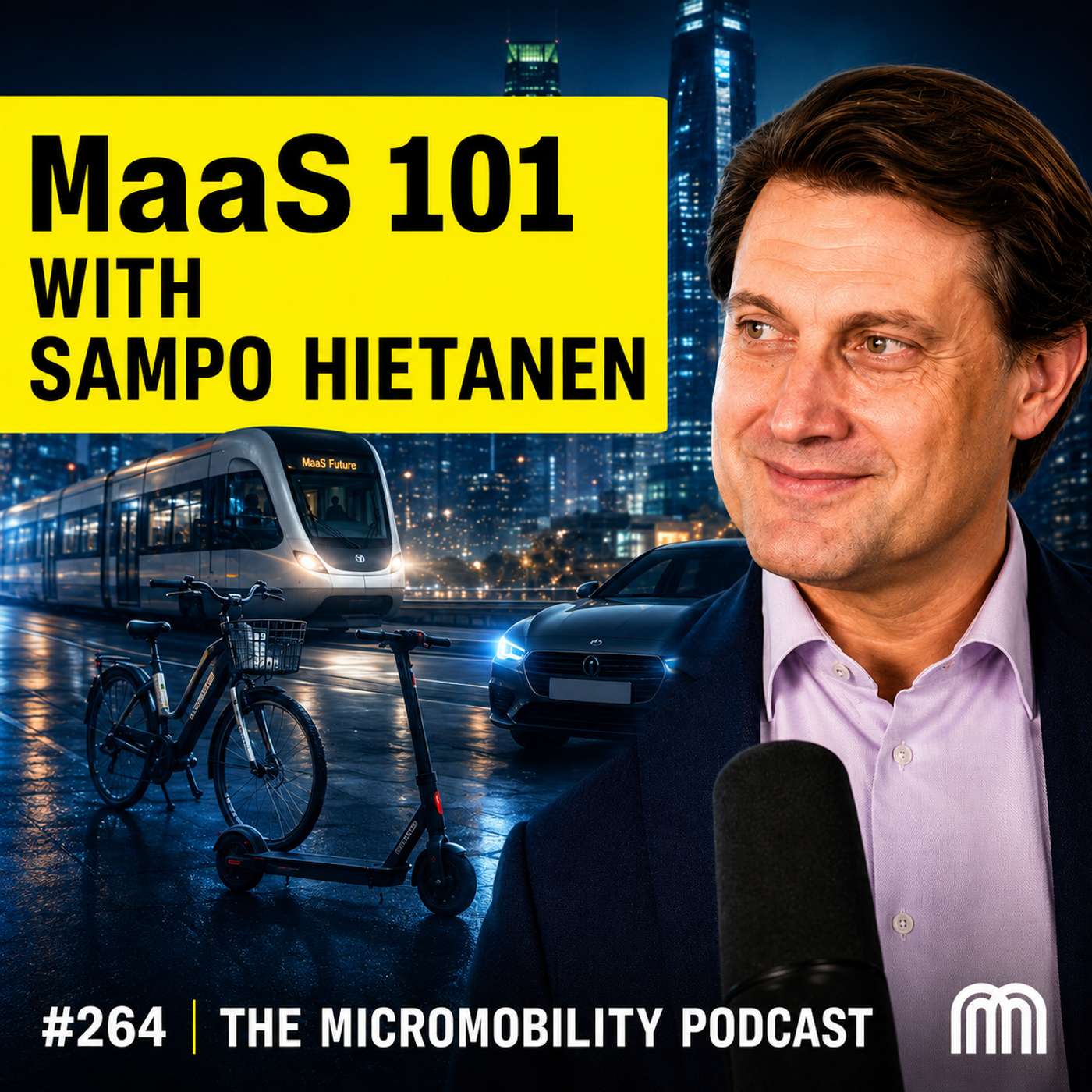
    MaaS 101 with Sampo Hietanen

    What is Mobility as a Service, and can it really replace the convenience of owning a car? On this episode of the Micromobility Podcast, hosted by Prabin Joel Jones, CEO of Micromobility Industries, Sampo Hietanen, widely credited with coining the term Mobility as a Service (MaaS), takes us through nearly two decades of thinking, building, experimenting and learning about the future of mobility. From developing the original MaaS concept in 2006 to founding MaaS Global and launching Whim, Hietanen has seen both the promise and challenges of creating a seamless alternative to car ownership. In this conversation, he shares what MaaS was originally designed to solve, why the car is the real competitor, and what building Whim taught him about convenience, subscriptions and user experience. The conversation also explores how AI could change the way people interact with mobility, moving us beyond apps and toward services that simply understand where we need to go and how we prefer to get there. Today, through his work at Swavia, Hietanen is also exploring another evolution of the idea — Mobility as a Feature, where mobility becomes part of products and services such as real estate and retail rather than a standalone product. In this episode Why the real competitor to MaaS is car ownership How the original MaaS concept started in 2006 What Mobility as a Service actually means The lessons from building Whim Why subscriptions could unlock the potential of MaaS Why convenience matters more than mobility ideology How AI agents could transform the mobility experience Why mobility could become a feature of real estate and other products What the future of car ownership could look like
  • #263
    August 24 · 52 min

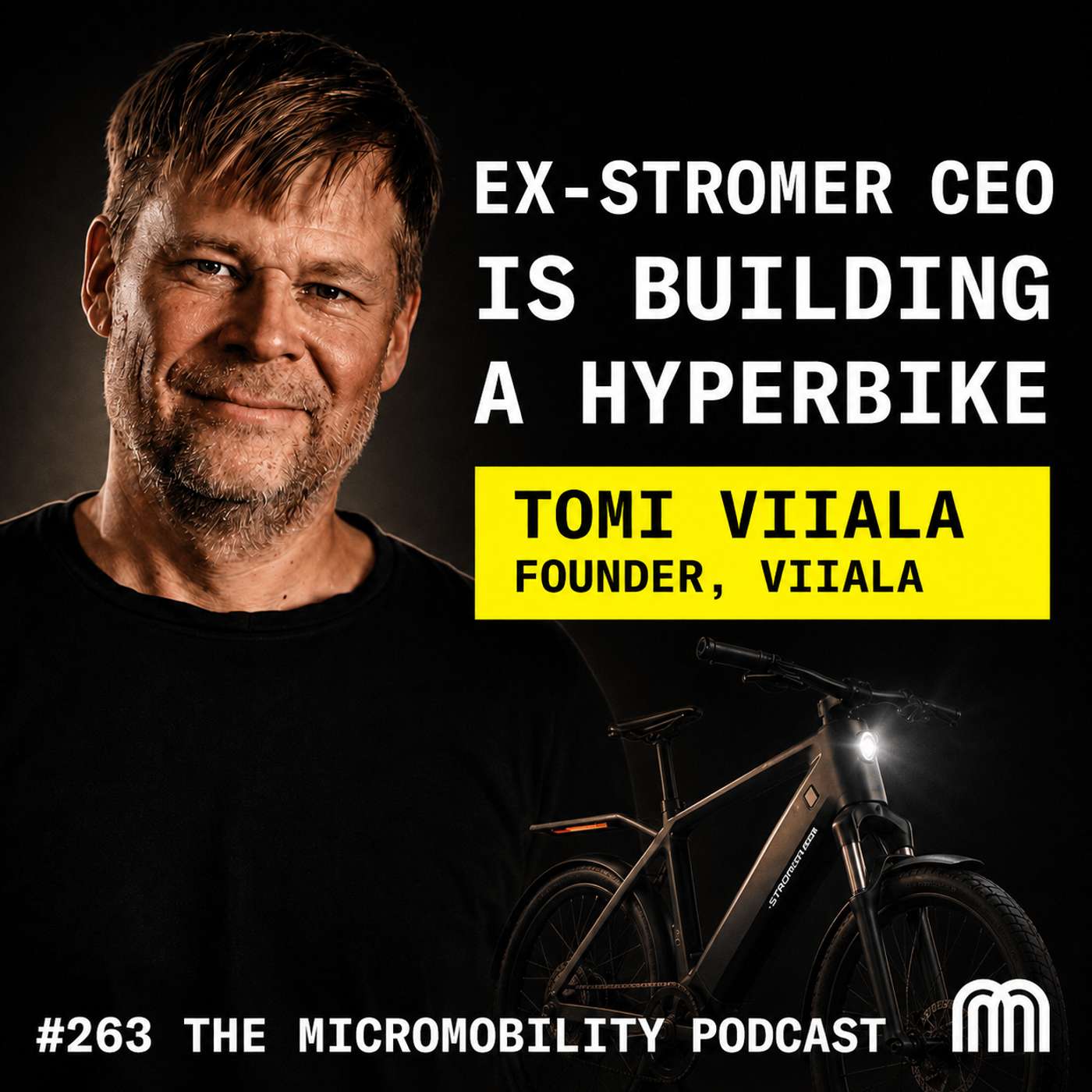
    Ex-Stromer CEO is building a Hyperbike - Tomi Viiala, Founder Viiala

    In this episode of the Micromobility Podcast, Prabin Joel Jones sits down with Tomi Viiala, former CEO of Stromer, to talk about building one of the most distinctive premium e-bike brands in the world and his next, far more ambitious project: Viiala. Tomi spent more than a decade at Stromer, helping take the Swiss speed-pedelec company from startup to an international brand operating across 25 countries. During that journey, Stromer pushed e-bike pricing from around €5,000 into the €10,000+ range, pioneered connected bikes, and built an unusually loyal community around the riding experience rather than individual components. We discuss why Stromer succeeded in creating a premium category, why Belgium became one of the world's strongest markets for speed pedelecs, why Germany has struggled to achieve the same adoption, and what Tomi learned about brand, pricing, distribution, product quality and protecting resale value. Then we get into what comes next. Together with former Audemars Piguet CEO François-Henry Bennahmias, Tomi is building Viiala, a new company developing what it calls a hyperbike. The first bike is expected to start at around €30,000, with a new motor system, battery technology, advanced electronics, V2X connectivity, integrated safety systems and a connected helmet ecosystem. Rather than designing a bike to hit a predetermined price point, the team is taking the opposite approach: engineer the system they want first and determine the price afterwards. Viiala also plans to source around 90% of its components from Europe, manufacture its carbon frames in Slovakia, assemble the bikes in Europe and initially produce only around 300–500 units of its first hyperbike. We talk about: • How Stromer created a cult following around speed pedelecs • Why getting customers on a test ride was more important than talking about price • Building a brand instead of selling Shimano, Bosch or other component specifications • Why Stromer avoided model years and heavy discounting • How premium pricing helped protect second-hand values • Why Belgium became such a successful speed-pedelec market • The regulatory barriers holding speed pedelecs back in Germany • Tomi's biggest lessons from more than a decade at Stromer • Why Viiala is building the brand before revealing the bike • The thinking behind a €30,000 hyperbike • Developing a proprietary motor, battery and technology platform • Bringing automotive-style safety technology to two wheels • Why Viiala wants to manufacture and assemble in Europe • Whether ultra-luxury bicycles can become a category like luxury cars and watches • Viiala's plans for more accessible commuter and urban models • The roadmap toward the first customer deliveries

  • #262
    August 10 · 54 min

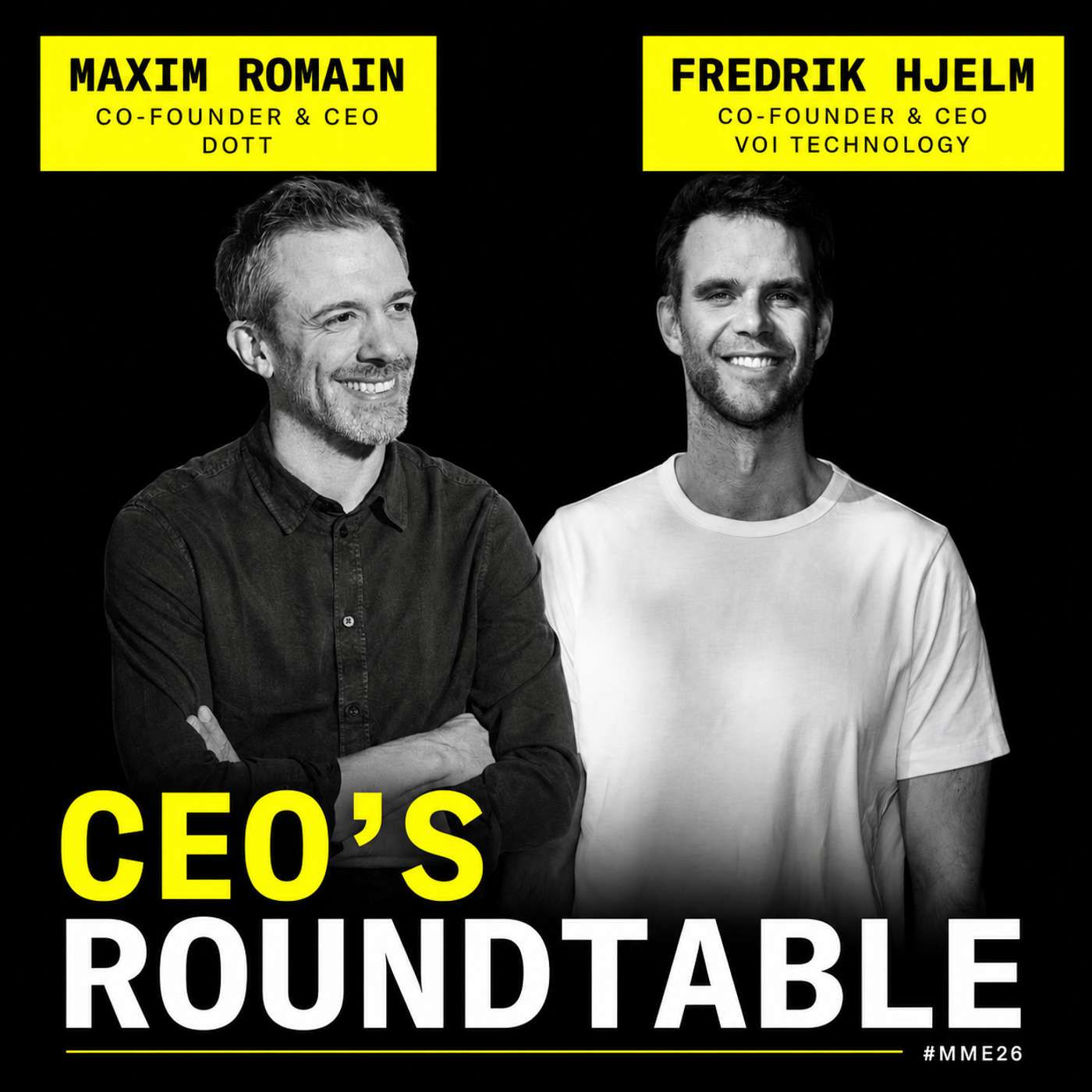
    Shared Micromobility CEO's Roundtable at Micromobility Europe 2026

    At Micromobility Europe 2026, Philippe Crist is joined by Fredrik Hjelm, CEO of Voi Technology, and Maxim Romain, CEO of Dott, for a discussion on how Europe's leading operators are navigating the industry's next chapter. After years of rapid growth, market consolidation, and changing investor sentiment, both companies are now profitable and focused on long-term growth. The discussion covers: • How Voi and Dott reached profitability • Why cities are offering longer-term licences • The evolution from scooters to multimodal fleets • Better infrastructure and parking • Shared micromobility as part of public transport • Why subscriptions and better hardware are driving growth • Lime's IPO and renewed investor confidence • The future of European shared mobility Speakers Maxim Romain – Co-Founder & CEO, Dott Fredrik Hjelm – Co-Founder & CEO, Voi Technology Moderator Philippe Crist - Mobility Expert 📍 Recorded live at Micromobility Europe 2026 in Berlin.

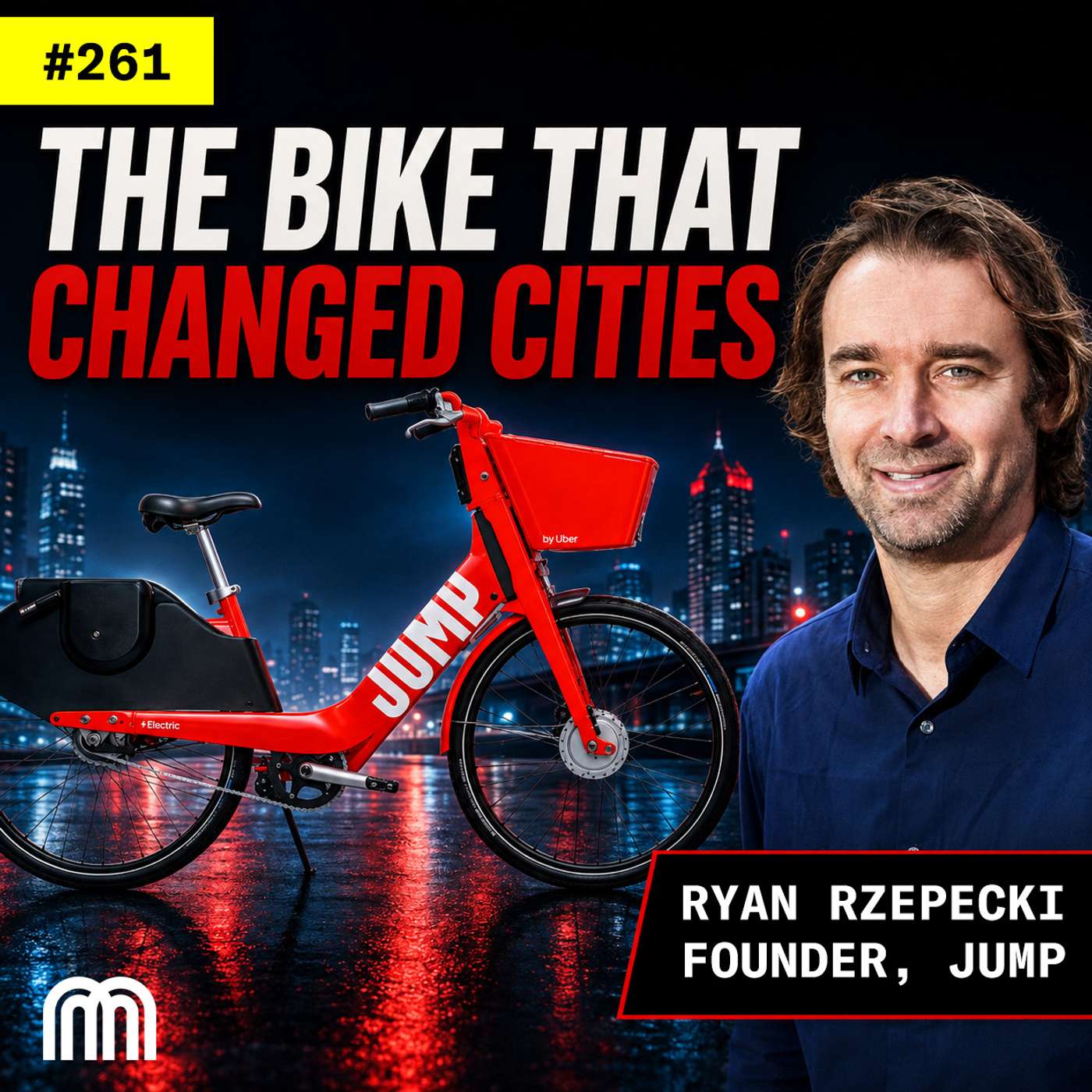
  • #261
    August 3 · 1 hr 20 min

    How JUMP Built the Gold Standard for Shared E-Bikes

    Long before dockless bikes and scooters became a global industry, Ryan Rzepecki was building connected bicycles. In this episode of the Micromobility Podcast, Ryan tells the remarkable story of Social Bicycles, its transformation into JUMP Bikes, and the decade-long journey that ultimately led to its acquisition by Uber. Ryan explains how his team built connected bikes before IoT technology became mainstream, survived for years with less than six months of runway, and created an e-bike experience that many still consider the gold standard for shared micromobility. We discuss: • How an urban planner without a hardware or software background started JUMP • Building connected bikes before smartphones and IoT became mainstream • Bootstrapping the company to $10 million in revenue • Why 2017 was the hardest year of Ryan’s professional life • The rebrand from Social Bicycles to JUMP • How the team perfected JUMP’s iconic red bike and natural motor assistance • How the Stripe founders discovered JUMP and helped with fundraising • Why Uber acquired the company • What changed when JUMP went from a capital-constrained startup to operating inside Uber • How JUMP’s technology and industrial design shaped Lime’s current bike fleet • Why nobody has managed to build a clearly better shared e-bike • The biggest mistakes founders make when building hardware startups • Why hardware companies need recurring software or service revenue • Ryan’s new augmented-reality company, MeshMap, and its first immersive experience in New York City Ryan also shares his view on the future of micromobility, autonomous vehicles, battery swapping, local operations and why micromobility companies could eventually become broader transportation operators. This is the story of one of the most influential companies in modern shared mobility and the founder whose work can still be seen on the streets of cities around the world. Subscribe to the Micromobility Podcast for more conversations with the founders and leaders shaping the future of transportation.

  • #260
    July 20 · 30 min

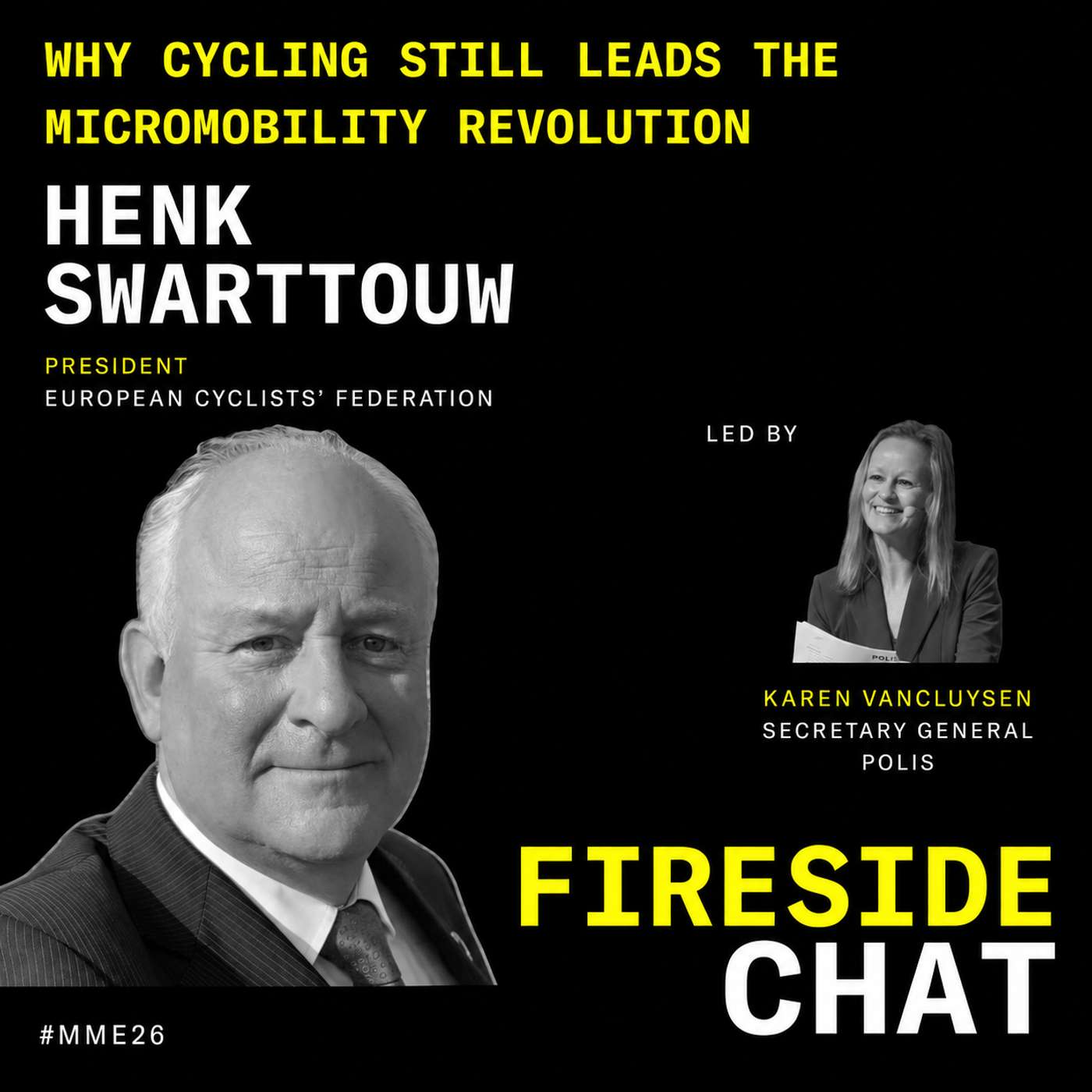
    Why Cycling Still Leads the Micromobility Revolution - Henk Swarttouw

    Why does cycling continue to lead the micromobility revolution? At Micromobility Europe 2026 in Berlin, Henk Swarttouw, President of the European Cyclists' Federation (ECF), joins Karen Vancluysen, Secretary General of POLIS, to discuss why cycling remains the backbone of sustainable urban mobility. They explore how cities should rethink street space, the rise of autonomous vehicles, the impact of e-bikes, integrating cycling with public transport, the future of bike infrastructure, and the European policies shaping active mobility. Topics covered: Why cycling is still at the centre of micromobility Reclaiming street space from cars Autonomous vehicles and urban mobility E-bikes and the next wave of cycling growth Shared bikes vs. e-scooters Bike lanes, cargo bikes and infrastructure challenges Cycling and public transport integration Supercycle highways and commuter cycling EuroVelo and cycling tourism European cycling policy and funding Safe routes to school and getting more children on bikes Speakers Henk Swarttouw – President, European Cyclists' Federation (ECF) Karen Vancluysen – Secretary General, Polis 📍 Recorded live at Micromobility Europe 2026 in Berlin. 🌐 https://micromobility.io

  • #259
    July 6 · 30 min

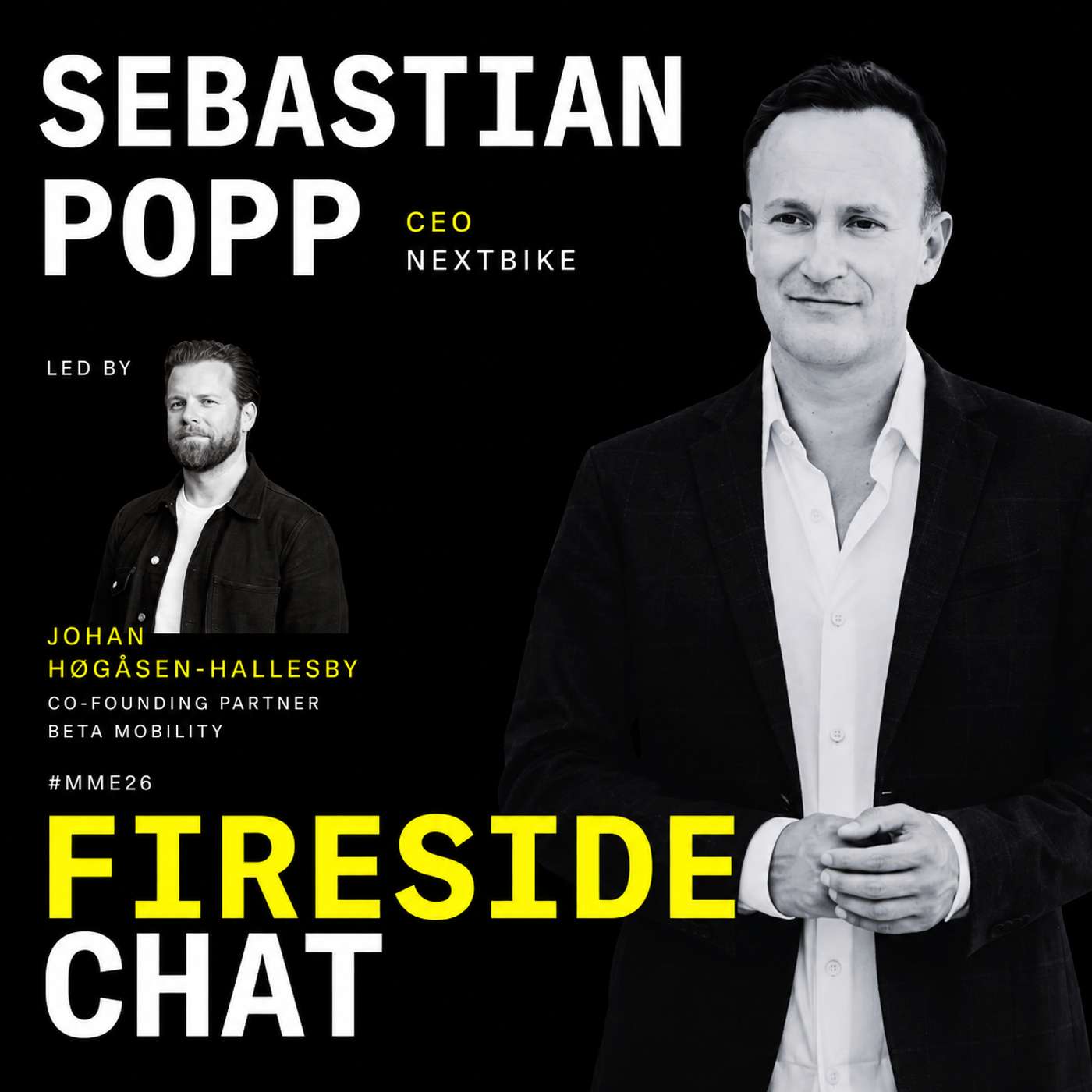
    Fireside Chat with Sebastian Popp, CEO of Nextbike

    What does it take to build one of Europe's largest bike-sharing operators over 22 years? At Micromobility Europe 2026 in Berlin, Johan Høgåsen-Hallesby sits down with Sebastian Popp to explore the evolution of bike sharing—from manually unlocking bikes via a hotline in 2004 to operating integrated mobility networks across more than 400 cities today. Sebastian shares the story of Nextbike's early years, surviving on limited resources, winning city tenders across Europe, securing its first investment after a decade of bootstrapping, and navigating its acquisition by Tier before becoming independent again. The conversation also examines how bike sharing is evolving, the growing convergence of B2G and B2C mobility models, public transport integration, regional mobility networks, fleet customization, European manufacturing, and why subsidized bike-sharing systems remain critical for cities looking to reduce car dependency. Topics covered: • The founding story of Nextbike and Europe's early bike-sharing market • Scaling to tens of thousands of bikes through city tenders • Lessons from the Tier acquisition • How Nextbike transformed into a rider-focused organization • Public transport integration and regional mobility networks • The future of bike sharing, micromobility, and city partnerships • Why cities should continue investing in shared mobility infrastructure Speakers: • Sebastian Popp, CEO, Nextbike • Johan Høgåsen-Hallesby, Co-founding Partner, Beta Mobility Recorded live at Micromobility Europe 2026 in Berlin. Subscribe for more conversations with the leaders shaping the future of urban mobility.

  • #258
    June 22 · 51 min

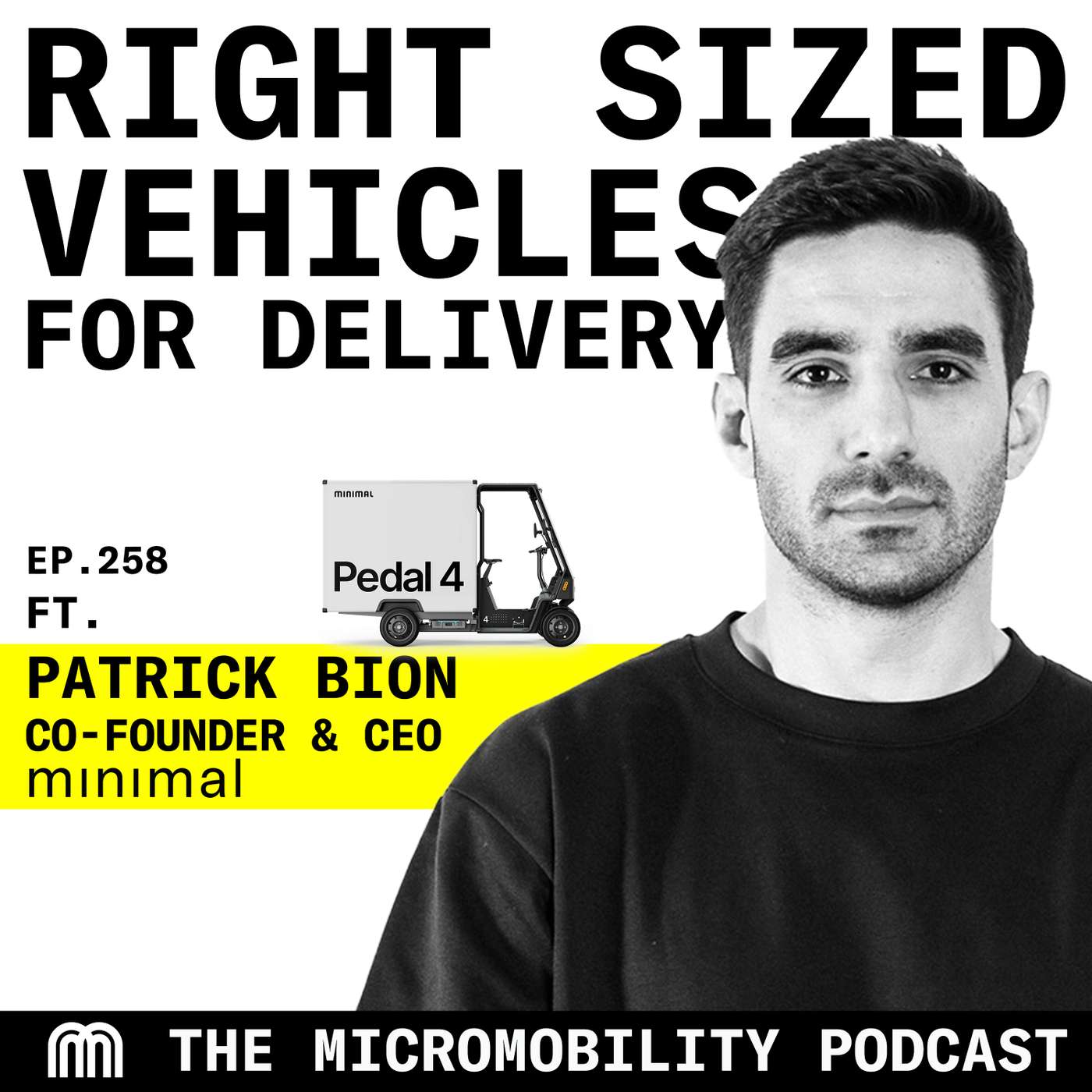
    How Minimal Is Rethinking Urban Delivery - Patrick Bion, Co-Founder & CEO

    Patrick Bion, Co-Founder and CEO of Minimal, joins Prabin Joel Jones on the Micromobility Podcast to talk about the future of last-mile delivery, right-sized vehicles, and why cities need a new generation of commercial vehicles. Patrick has spent more than a decade building electric vehicles, starting at Tesla in the early days of Model S, Model X and Model 3, before moving to Arrival, where he worked on commercial EVs for major customers including Amazon and UPS. Now, with Minimal, he is taking a different approach: smaller, smarter, more efficient vehicles designed specifically for dense urban logistics. In this conversation, Patrick explains why simply electrifying vans is not enough, how Minimal’s Pedal Four vehicle can replace van routes in dense city centres, and why the company is building a full stack of right-sized delivery vehicles, from pedal-assist cargo vehicles to microvans and eventually autonomous delivery platforms. They also discuss Minimal’s microfactory strategy, Fleet OS software platform, battery and charging model, regulation around cargo vehicles in bike lanes, the economics of parcel delivery, and why the future of urban logistics may depend on moving more with less.

  • #257
    June 15 · 1 hr 15 min

    Driven by Purpose: Maxim Romain, Co-founder & CEO of Dott

    Brussels has announced plans to ban shared e-scooters from January 2027, sending shockwaves through the micromobility industry. In this episode of the Micromobility Podcast, Prabin Joel Jones sits down with Dott Co-Founder and CEO Maxim Romain for a candid, in-person conversation at Dott's headquarters in Amsterdam. Maxim shares his reaction to the Brussels decision, why he believes the reasons given by the city do not reflect the reality of shared micromobility today, and what this could mean for operators, cities, and riders across Europe. The conversation also explores the broader state of the industry, including Dott's journey from startup to one of the world's largest micromobility operators, the path to profitability following the Tier-Dott merger, Lime's upcoming IPO, industry consolidation, and the future of shared transportation. Topics covered: • Brussels' shared e-scooter ban • Safety, parking and crime concerns surrounding scooters • Why cities continue to embrace micromobility • Dott's path to profitability • The Tier-Dott merger • Lime's IPO and industry valuations • Consolidation in shared mobility • The future of e-bikes, e-scooters and new vehicle types • Building resilient companies during difficult times • Founder mindset, purpose and long-term thinking Maxim is one of the few founders still leading a major micromobility company after more than eight years in the industry. This conversation offers a unique perspective on where shared mobility has been and where it is heading next. 🎙 Guest: Maxim Romain, Co-Founder & CEO, Dott 🎙 Host: Prabin Joel Jones, CEO, Micromobility Industries

  • #256
    May 25 · 51 min

    The Business of Shared Micromobility Is Finally Working - Tobias W. Balchen, CEO of RYDE

    Shared micromobility is no longer just a startup experiment. It’s becoming real urban infrastructure. In this episode of the Micromobility Podcast, Prabin Joel Jones sits down with Tobias Balchen, CEO of Ryde, one of the most profitable shared micromobility operators in Europe. Ryde grew revenue from $28.4M in 2023 to $75.5M in 2025 while maintaining industry-leading profitability. Tobias breaks down how Ryde achieved this while much of the industry struggled with losses, restructuring and funding challenges. We also dive deep into the future of the micromobility industry, Lime’s IPO, e-bikes, public transit integration, infrastructure, consolidation and what comes next for the sector. What we covered: - How Ryde became one of the most profitable operators in micromobility - Why customer experience is the foundation of profitability - Why Oslo’s shared scooter network is approaching public transit scale - The future of shared e-bikes and scooters - Why bikes are becoming a major growth driver - Lime’s S-1 filing and what it means for the industry - Why valuations are still low despite explosive ridership growth - The shift from VC funding to debt and bond markets - Why cycling infrastructure directly impacts ridership - Whether micromobility is becoming urban infrastructure - The future of consolidation in the industry - Why Europe remains the biggest opportunity for operators - New mobility formats and what comes after scooters and bikes - Advice for startups building in micromobility

  • #255
    May 18 · 54 min

    How LYFT Built One of the World’s Largest Bikeshare Networks - Caroline Samponaro, VP Lyft

    In this episode of the Micromobility Podcast, Prabin Joel Jones speaks with Caroline Samponaro, VP of External Affairs at Lyft Urban Solutions, about building and scaling some of the most successful public bike share programs in the world, and why she believes the station-based model is the future of urban micromobility. Caroline shares her journey from bicycle activist and community organiser in New York City, through a brief stint at dockless pioneer Ofo, to helping Lyft build its infrastructure-first approach to bike share. She breaks down what makes programs like Citi Bike, Divvy, and Capital Bikeshare work, why free-floating was a distraction, and what the next decade of public micromobility looks like. Topics covered: • From anthropology student to bike advocate: Caroline's path into micromobility • What Lyft Urban Solutions actually is and the scale it operates at • Why Lyft doubled down on station-based bike share while Uber walked away • The Citi Bike story: 36k bikes, 47m trips, and a single-day record of 206k rides • Why free-floating costs 26% more per ride than station-based over a contract lifecycle • The new Pillar station: independent bollards, latch docking, and in-dock charging • How Chicago's Divvy program combines e-bikes, e-scooters, and hybrid parking • What makes a bike share city: network density, political will, and long-term thinking • Protected bike lanes and why infrastructure and tools must go together • Advice for city officials designing or procuring a micro-mobility program

  • #254
    May 11 · 1 hr 2 min

    Swiss Inventor Behind Today’s Scooter Boom Is Doing It Again With Microcars

    In this episode of the Micromobility Podcast, Prabin Joel Jones speaks with Wim Ouboter, Founder & CEO of Micro Mobility Systems and the inventor of the modern kick scooter, about building one of the most iconic micro vehicles in history and then betting everything on the microcar. Wim shares the story behind the Micro scooter's creation, how it scaled to 80,000 units a day, and what happened when the market collapsed under a wave of copies. He then takes us through the journey of building the Microlino, the regulatory battles facing microcars today, and why he believes the pod car is the next major shift in urban mobility. Topics covered: • The bratwurst run that inspired the micro scooter • Scaling to 80,000 units a day and the collapse that followed • Why Wim pivoted from scooters to microcars • The story behind the Microlino and the BMW Isetta • L6 vs L7 and the regulatory challenges facing microcars • The lawsuit against the Swiss government over CO2 credits • Manufacturing in Italy vs China and what changes next • Advice for founders building hardware in mobility today

  • #253
    May 4 · 1 hr

    Talking Everything Micromobility with Kevin Talbot - Managing Partner, Relay Ventures

    In this episode of the Micromobility Podcast, Prabin Joel Jones speaks with Kevin Talbot, Managing Partner at Relay Ventures and one of the earliest investors in Bird, about the rise, challenges, and future of shared micromobility. Kevin shares the inside story behind Relay Ventures’ investment in Bird, the creation of Bird Canada, and how the franchisee eventually took over the global company. The conversation explores what Bird got right, where the industry struggled, and why consolidation is far from over. They also discuss profitability, regulation, swappable batteries, the future of microcars, and why Kevin believes micromobility will eventually become a two-player global market. Topics covered: • How Relay Ventures invested in Bird • The story behind Bird Canada • What Bird got right and wrong • Why swappable batteries matter • Regulation and city partnerships • Profitability challenges in micromobility • The future of industry consolidation • Why microcars could transform urban mobility • Advice for founders building in mobility today

  • #252
    April 27 · 1 hr 1 min

    What’s Driving Shared Micromobility Growth in Chicago? with David Powe, Asst. Commissioner - CDOT

    In this episode of the Micromobility Podcast, Prabin Joel Jones speaks with David Powe, Assistant Commissioner at the Chicago Department of Transportation, about how Chicago is scaling micromobility across the city. They explore the rapid growth in ridership, the expansion of Divvy bike share, and the rise of scooter use led by Lime. The conversation covers how infrastructure, pricing, and public-private partnerships are shaping adoption, along with the balance between station-based and free-floating systems. David also shares insights on safety, affordability, and programs like Bike Chicago that are expanding access. Topics covered: • Chicago’s micromobility growth story • Divvy bike share and system expansion • Rise of e-bikes and scooters • Infrastructure and pricing strategies • Station-based vs free-floating models • Safety challenges and solutions • Expanding access through Bike Chicago • What other cities can learn

  • #251
    April 20 · 56 min

    Understanding Micromobility Insurance with Brandon Schuh, Senior VP & Head of Specialty Insurance, Christensen Group Insurance

    In this episode of the Micromobility Podcast, Prabin Joel Jones speaks with Brandon Schuh, Senior VP & Head of Specialty Insurance at Christensen Group, about the evolving role of insurance in the micromobility industry and why it has become a critical piece of the ecosystem. Brandon shares his perspective from working closely with operators across the space, breaking down how insurance has shifted from a barrier to a strategic enabler for micromobility companies. The conversation explores the early challenges insurers faced in understanding the category, and how data, improved vehicle durability, and operational maturity have helped reshape risk models. They discuss how insurance impacts unit economics, why claims data is one of the most valuable assets operators have, and how better alignment between cities, operators, and insurers can unlock more sustainable growth. The episode also dives into common misconceptions around risk, how insurers evaluate different vehicle types, and what operators can do to reduce costs while improving safety outcomes. Topics covered: • Why insurance is critical to the growth of micromobility • Early challenges insurers faced with e scooters and new mobility models • How data has improved underwriting and risk assessment • The relationship between safety, operations, and insurance costs • Why durability and vehicle design matter more than ever • Common misconceptions about micromobility risk • How claims data shapes pricing and coverage decisions • The role of insurers in working with cities and regulators • Differences in insuring scooters, bikes, and emerging vehicle types • How operators can lower premiums through better practices • The link between insurance and long term profitability • What the future of micromobility insurance could look like

  • #250
    April 13 · 1 hr 6 min

    Why Some Cities Win at Micromobility with Karen Vancluysen, Secretary General of POLIS

    In this episode of the Micromobility Podcast, Prabin Joel Jones speaks with Karen Vancluysen, Secretary General of Polis Network, about how cities across Europe are navigating the rise of micromobility and what separates those that succeed from those that struggle. Karen shares insights from over 30 years in urban mobility and more than 20 years at Polis, offering a behind the scenes look at how cities think about regulation, infrastructure, and innovation. The conversation explores why many of today’s mobility challenges have remained unchanged for decades, and how micromobility is forcing cities to finally act. They discuss the evolution of e scooters since 2018, the role of e bikes in extending trips beyond 5 km, and why infrastructure and space reallocation are more important than any new technology. The episode also dives into what cities got wrong in the early days, how regulation is evolving, and why partnerships between cities and operators are key to long term success. Topics covered: • Why urban mobility challenges have remained the same for over 30 years • The role of Polis Network and how cities collaborate • The arrival of micromobility and lessons since 2018 • Why infrastructure is the biggest factor in success or failure • Moving from free floating chaos to structured hybrid systems • The importance of data driven decision making • Why micromobility is still expensive and where subsidies make sense • Real world examples from cities like Antwerp, Oslo, and Rome • Expanding micromobility beyond city centers into regional areas • New vehicle types and the challenges they bring • Why space reallocation matters more than technology • What the next 10 years could look like for cities

  • #249
    April 6 · 44 min

    Charging As A Service with Marcus Adolfsson, CEO of Standab

    In this episode of the Micromobility Podcast, Prabin Joel Jones speaks with Marcus Adolfsson, CEO of Standab, about one of the most overlooked yet critical parts of shared micromobility: charging infrastructure. Marcus shares how Standab evolved from solving scooter parking challenges in Stockholm to building a data-driven charging network now operating across multiple European cities. The conversation explores why charging is a major cost driver and how rethinking infrastructure can improve efficiency and reduce costs. They also discuss Standab’s approach to working with cities, rapid fleet deployment, and its usage-based model that removes upfront risk while improving fleet performance and influencing user behavior. Topics covered:Charging Infrastructure • Why charging is one of the biggest cost centers in micromobility • The evolution of charging from manual operations to scalable infrastructure • Building a system that works for users, cities, and operators • How Standab uses data to determine where charging should be deployed • Retrofitting existing fleets in minutes • A usage-based business model that removes upfront investment • Real-world impact and cost reductions for operators • How infrastructure can influence better parking and behavior • Standab’s expansion across Europe and what comes next

  • #248
    March 30 · 49 min

    How Veo Built a Profitable Shared Micromobility Company with Candice Xie, Co-founder and CEO of Veo

    In this episode of the Micromobility Podcast, Prabin Joel Jones sits down with Candice Xie, Co-founder and CEO of Veo, to explore how a company that raised just $16 million built one of the only genuinely EBIT-positive shared micromobility businesses in the United States. Candice walks through Veo's journey from a garage in Chicago to over $50 million in revenue, covering the decision to build their own hardware, why starting on university campuses was the right call, and what operational discipline actually looks like in a business this hard to make profitable. The conversation also covers Veo's expanding vehicle lineup, the thinking behind keeping field operations in-house, and how they won the largest exclusive micromobility contract in the United States with Denver this year. Topics covered: • Raising less and building more • Hardware, accessibility and the case for a broader vehicle lineup • The campus-first market entry strategy • How Veo reached EBIT profitability • Why in-house operations matter more than most operators admit • The Denver exclusive contract and long-term city partnerships • What comes next for Veo in North America and beyond

  • #247
    March 25 · 51 min

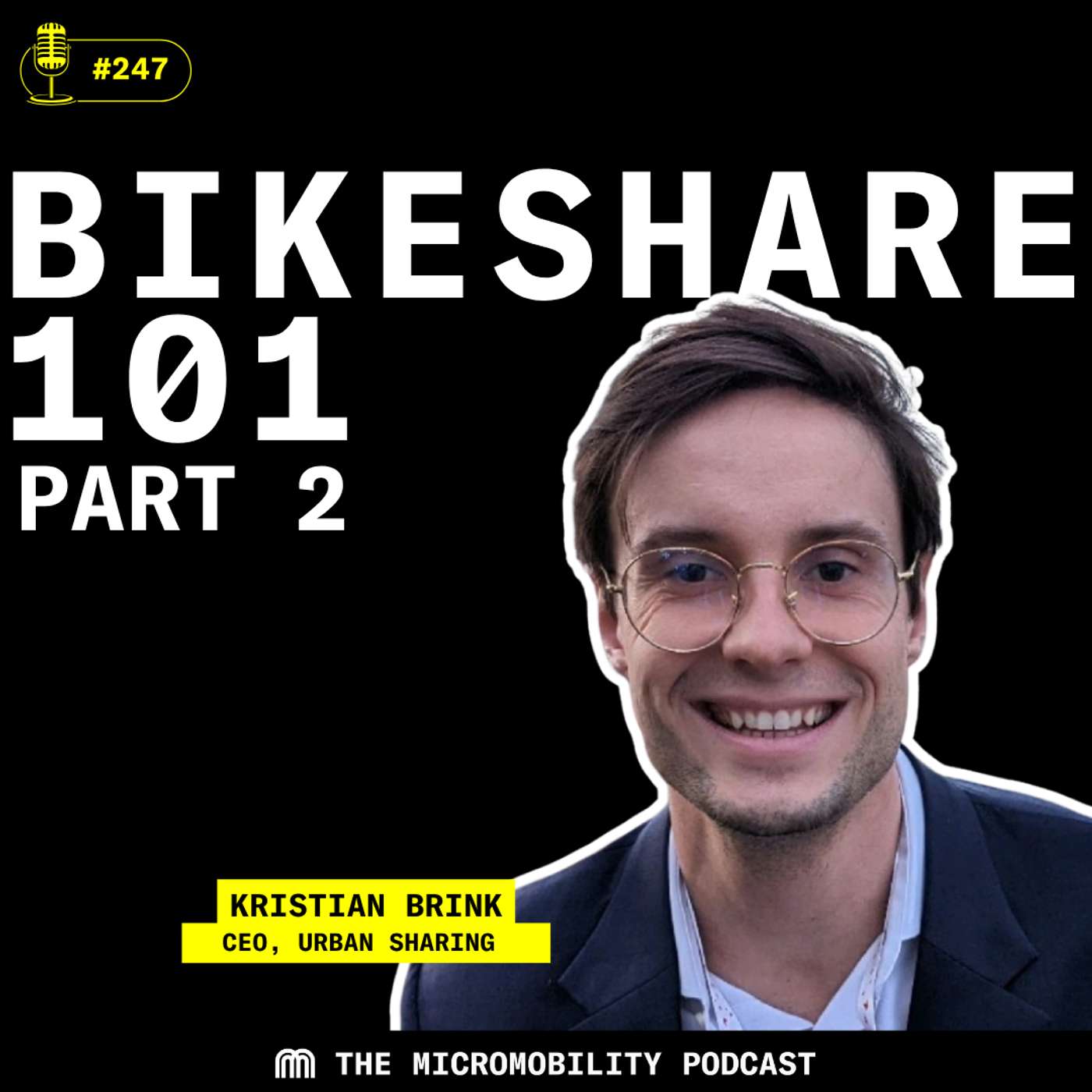
    Bikeshare 101 with Kristian Brink, CEO of Urban Sharing - Part 2

    In this episode of the Micromobility Podcast, Prabin Joel Jones speaks with Kristian Brink, CEO of Urban Sharing about how bike share is evolving from rapid expansion to smarter, more sustainable operations. From rebuilding Urban Sharing after COVID to unpacking global trends across Europe and Latin America, this conversation explores what is actually driving the next phase of micromobility. In this episode: Why software is becoming the backbone of bike share The shift from growth to operational efficiency Madrid vs Berlin and what policy means for operators Where global bike share is really growing How AI and better tools will shape the future Why hardware innovation still lags Listen now for a clear view of where the industry is headed.

  • #246
    March 16 · 59 min

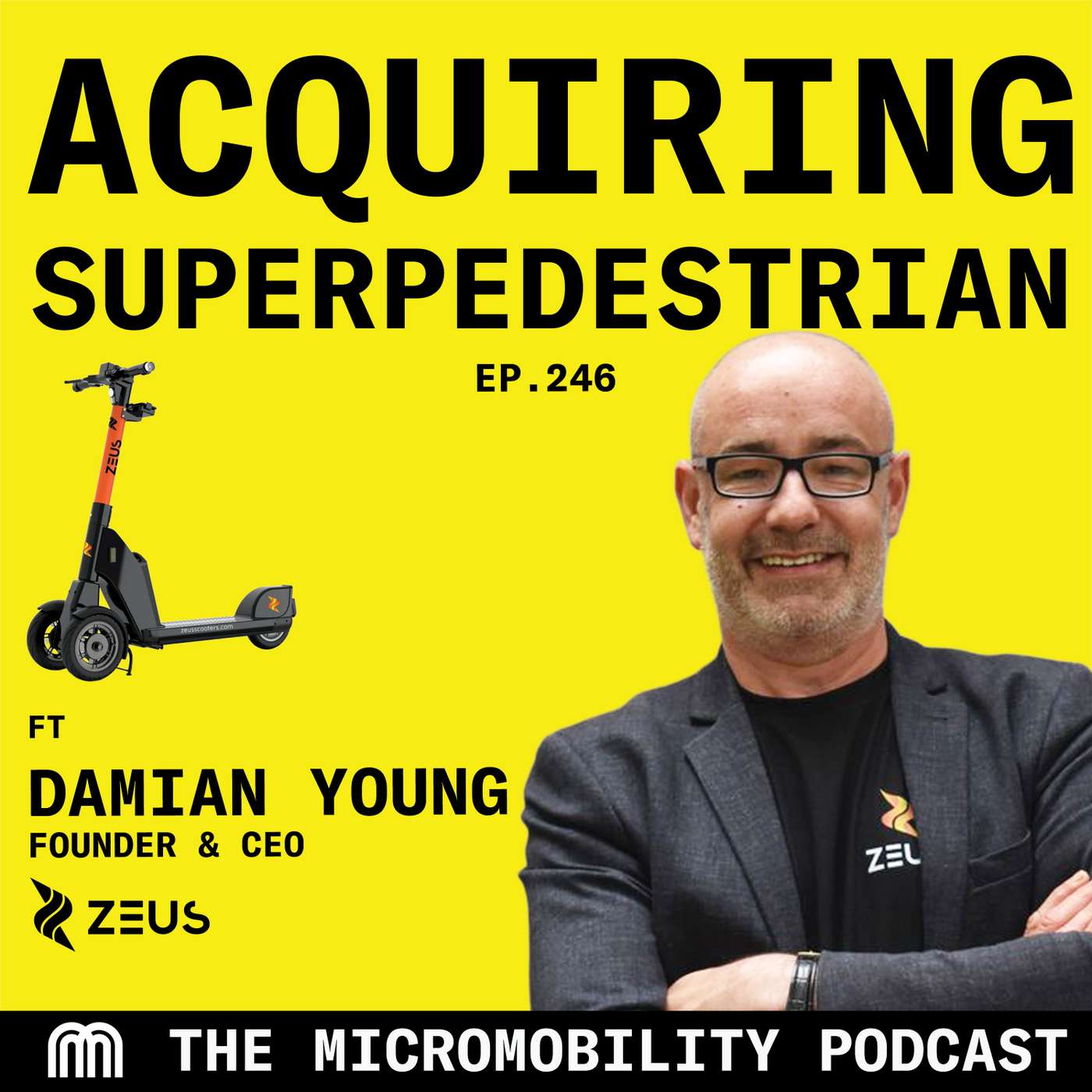
    Building Zeus Scooters and Acquiring Superpedestrian with Damian Young, Founder & CEO

    In this episode of the Micromobility Podcast, Damian Young, Founder and CEO of Zeus Scooters, joins the show to discuss the company’s journey from launching in smaller European cities to acquiring the assets of Superpedestrian. Zeus took a different path from many micromobility operators. Instead of chasing mega-cities and raising massive venture rounds, the company focused on smaller markets, built its own three-wheel scooter design, and maintained strict financial discipline. Now, with the acquisition of Superpedestrian’s assets, Zeus is entering a new phase of scale. The conversation covers the strategic thinking behind operating in tier-2 and tier-3 cities, how unit economics actually work in micromobility, why “rides per day” can be a misleading metric, and what the future of consolidation in the industry might look like. Damian also shares lessons from building through one of the toughest cycles the micromobility industry has seen. Topics covered • The founding story of Zeus Scooters • Why Zeus focused on smaller cities instead of mega markets • The strategy behind three-wheel shared scooters • Unit economics and price optimization in micromobility • EBITDA vs EBIT and profitability in the sector • Why many micromobility companies failed • The hidden impact of insurance costs • Acquiring Swings, Zipp, and Superpedestrian assets • What the next phase of consolidation could look like

  • #245
    March 9 · 52 min

    ALSO - Rivian's Big Bet on Micromobility with Chris Yu, Co-founder & President of ALSO

    On this week’s Micromobility Podcast, Prabin Joel Jones sits down with Chris Yu, Co-Founder and President of ALSO, the Rivian spin-off bringing a fresh wave of ambition into micromobility. Chris explains why ALSO was created, why Rivian saw an opportunity beyond cars, and why the company believes smaller electric vehicles will play a central role in the future of transportation. They dive into ALSO’s new products, including the TMB e-bike and TMQ pedal quad, and unpack the thinking behind the company’s vertically integrated, software-defined approach. The conversation covers DreamRide pedal-by-wire technology, custom motors, battery safety, modular design, predictive maintenance, distribution strategy, and why Chris believes micromobility is far from a saturated market. They also discuss urban transformation, mode shift, quick commerce, and why Chris sees a massive global opportunity across both consumer and commercial vehicles. Topics covered: Why Rivian launched ALSO The meaning behind the ALSO name Why “small is inevitable” The TMB e-bike and TMQ pedal quad DreamRide pedal-by-wire technology Why ALSO built its own motors, battery system, display, and software stack Predictive maintenance and EV-style diagnostics Direct-to-consumer vs retail distribution Europe vs US market opportunity A message for founders still building in micromobility

Showing 1–20 of 22 episodes