Skip to content
Artwork for The Merge (by CodeRabbit)

The Merge (by CodeRabbit)

CodeRabbit

The Merge by CodeRabbit is a podcast that brings you deep conversations with legendary developers who've shaped the tools we use every day. We explore how artificial intelligence is transforming software development while celebrating the creators and tools that built our foundation. Each episode features intimate discussions about building developer tools, maintaining open source projects, and navigating the evolution of technology.

Play
  • 17 episodes
  • Avg 40 min
  • English
  • #17
    Thursday · 38 min

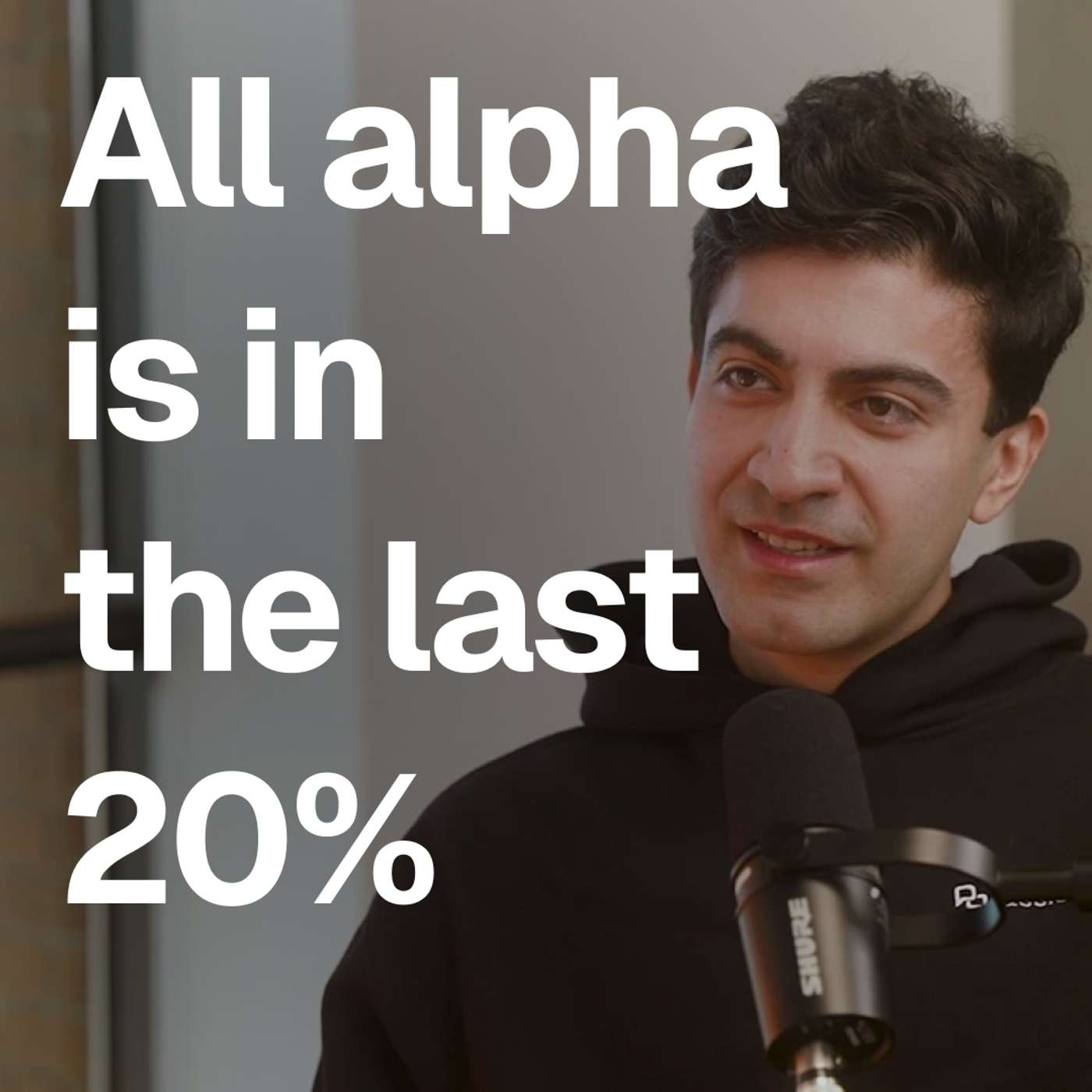
    All the alpha is in the remaining 20%

    How does a hackathon project become infrastructure for more than 2,000 open-source repositories and reach 1.4 million monthly npm downloads? In this episode of The Merge, Hendrik Krack sits down with Simon Farshid, founder of Assistant UI, to explore what it really takes to build production-ready AI chat for AI agents. Simon explains why the visible chat window is only the surface. Behind it are streaming responses, state management, message editing, attachments, voice, interruptions, agent backends, and the level of polish users now expect from every AI product. The conversation also examines how AI coding agents are changing software engineering. When implementation becomes easier, writing clear specifications, understanding the product, reviewing edge cases, and having good taste become the real competitive advantages. As Simon puts it: “All the alpha is in the remaining 20%.” In this episode: • Why state management is the hardest part of AI chat • How Assistant UI grew from a hackathon project • The future of AI agents and generative interfaces • Why product taste is becoming an essential engineering skill • TypeScript vs. Python for building AI agents • How coding agents are creating more full-stack engineers • Simon’s automated CodeRabbit review and repair loop • How Assistant UI approaches open source and monetization • Why great engineers will lean forward instead of letting AI do everything CHAPTERS 00:00 — The 80% trap and the rise of product taste 01:19 — Meet Simon Farshid 01:56 — What is Assistant UI? 02:44 — From hackathon project to startup 03:32 — 2,000 repositories and 1.4M monthly downloads 05:28 — Why building AI chat is harder than it looks 07:23 — Designing a modular open-source product 08:43 — Why taste is the new engineering bottleneck 10:29 — TypeScript vs. Python for AI agents 13:24 — How coding agents are changing engineering teams 16:25 — Building a business around open source 20:38 — The future of AI chat and generative interfaces 23:17 — “They said chat was dead” 27:38 — Generative dashboards and new UI primitives 29:28 — The future role of software developers 30:36 — Running coding agents in a CodeRabbit review loop 34:10 — Lean forward: where the remaining 20% lives 35:57 — Rapid-fire questions Explore Assistant UI: https://www.assistant-ui.com/ Assistant UI on GitHub: https://github.com/assistant-ui/assistant-ui Try CodeRabbit: https://www.coderabbit.ai/ Subscribe for more conversations with the engineers and founders building the future of software development. #AIAgents #AIChat #AICoding

    • Transcript
  • #16
    August 20 · 29 min

    We still don't understand LLMs today.

    How do LLMs actually work—and why do they remain black boxes? In this episode of Merge, Shriyash “Yash” Upadhyay, co-founder of Martian, joins CodeRabbit to explore LLM interpretability, AI research, code review benchmarks, and the search for the “steam engine of AI.” We discuss: - Why we still don’t fully understand how LLMs work - How Martian is researching machine intelligence - Why code review is a crucial test of AI code generation - How precision and recall shape AI code-review performance - Why static AI benchmarks eventually become unreliable - How real-world developer behavior can improve evaluations - What more reliable and interpretable AI could unlock - The tools and programming languages Yash uses in his own work - How aspiring researchers can get started in machine learning Today’s language models can generate code, solve complex problems, and power increasingly autonomous systems. But without understanding why they succeed, when they will fail, and how their internal mechanisms produce their outputs, building AI systems we can truly trust remains difficult. Could interpretability provide the scientific foundation for the next generation of AI? Learn more about Martian: https://withmartian.com/ Learn more about CodeRabbit: https://coderabbit.ai/ Subscribe for more conversations about AI, software engineering, code review, and the future of developer tools. #LLM #AIInterpretability #ArtificialIntelligence

    • Transcript
  • #15
    July 16 · 14 min

    The Last Skill Software Engineers Need to Survive the AI Era

    Is coding dead? As autonomous AI agents get better at generating code, the actual implementation of software is becoming incredibly cheap. But what is the last skill that keeps us as humans valuable? In this episode, we sit down with legendary software educator Kent C. Dodds to discuss the critical transition from traditional software development to Product Engineering. If you are wondering how to protect and grow your software engineering career in the age of agentic AI, Kent shares a masterclass on how to build user empathy, develop "product sense," and master the ultimate skill: knowing what to build, not just how to build it. If you are a web developer, software engineer, or tech leader trying to navigate the future of your career, this is the most important conversation you will listen to this year. What You'll Learn in This Episode: The Rise of the Product Engineer: Why traditional coding is getting automated, and why "product sense" is the ultimate survival skill. The "Problem Tree" Framework: How to stop falling in love with your code and start identifying the right problems to solve. Empathy Tactics for Developers: Practical, low-cost habits (like watching users live and "having lunch with support") to instantly build better product instincts. The Blurring Line Between PM & Engineer: How roles are shifting as technology trade-offs and user insights merge. How to Career-Proof Your Future: Actionable advice for mid-to-late career developers preparing for the next wave of tech disruption. Timestamps: 0:00 - Is Coding Dead? The Reality of AI Agents 2:15 - What is an "Epic Product Engineer"? 4:50 - Why Users Give You Solutions, Not Problems 7:30 - The "Problem Tree" Framework Explained 10:15 - Software Engineer vs. Product Manager: The New Blended Role 13:40 - How to Develop True User Empathy (Stop Over-Engineering!) 16:50 - Why Customer Support is a Goldmine for Developers 19:20 - Career Advice: How to Prepare for the AI Wave Resources & Links Mentioned: Learn more about Epic Product Engineer: https://www.epicproduct.engineer Follow Kent C. Dodds on Twitter/X: https://x.com/kentcdodds Try CodeRabbit for free: https://coderabbit.link/themerge Subscribe for more episodes on the future of software engineering, AI coding tools, and product design! #SoftwareEngineering #ProductEngineering #AI #Coding #WebDevelopment #ProductSense #SoftwareDeveloper #TechCareers

    • Transcript
  • #14
    June 18 · 1 hr 42 min

    How Founders Actually Engineer Product-Market-Fit

    In this episode of The Merge, we sit down with Michael Grinich, founder and CEO of WorkOS. Checkout Coderabbit: https://coderabbit.link/themerge Michael shares one of the best explanations of Product-Market Fit we’ve heard: it’s not the finish line — it’s more like getting the Mario Star. Once you have it, you become untouchable enough to survive your own biggest mistakes… but only if you keep innovating. We also dive into: - How to actually engineer PMF instead of just hoping for it - Crossing the enterprise chasm that kills most startups - Why product engineers are outperforming traditional teams - The new authentication and permissions challenges for AI agents - His optimistic (and very practical) view on the future of software development If you're building a startup or scaling a product in the AI era, this conversation is full of actionable insights. Connect with Michael: X/Twitter: https://x.com/grinich WorkOS: https://workos.com Timestamps: 00:00 - Intro 02:45 - The Mario Star theory of Product-Market Fit 08:30 - How to engineer PMF instead of chasing it 15:10 - Crossing the enterprise chasm 22:40 - Product engineers vs traditional teams 31:00 - Building for AI agents & the new auth problem 42:15 - Michael’s take on the future of software development

    • Transcript
  • #13
    June 8 · 1 hr 18 min

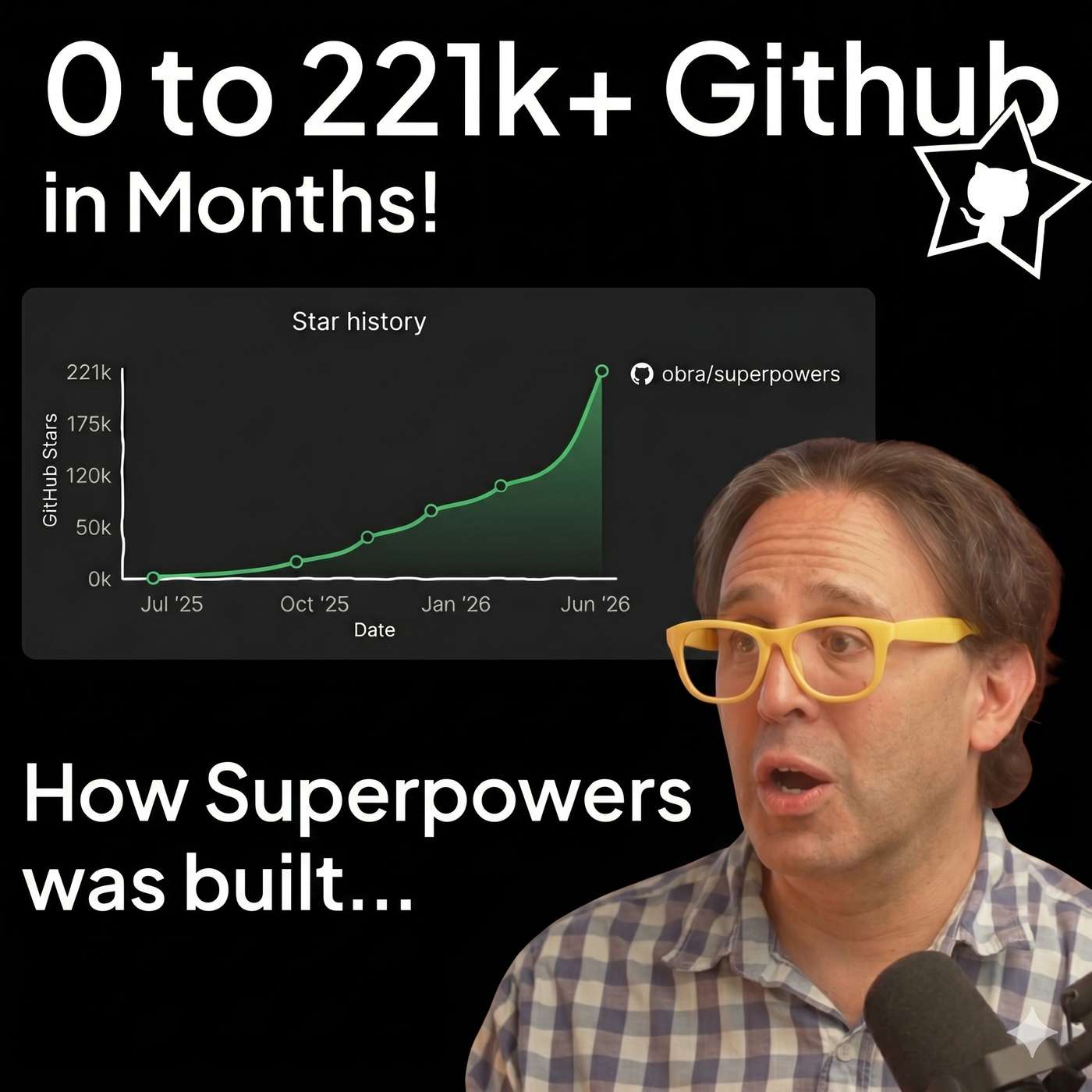
    Fixing "AI Slop": Managing Agents Like Stressed MIT Interns w/ Jesse Vincent, creator of Superpowers

    What happens when you treat an AI agent like a brilliant, chaotic, sleep-deprived MIT intern instead of a perfect computer program? You actually get elite code. In this episode of The Merge, we sit down with open-source legend Jesse Vincent, the mastermind behind "superpowers"—the viral AI development framework that exploded to 221k+ GitHub stars in a matter of months. Jesse explains why most AI coding tools produce unusable "AI slop" and how he used his 30-year career in management and engineering to fix it[cite: 1]. We break down the exact multi-agent engine powering superpowers: a strict system where a Coordinator agent builds a rigorous spec, delegates tiny tasks to budget-friendly builders, and deploys Adversarial Reviewers who literally compete for digital "cookies" to keep the code clean[cite: 1]. We also explore the bizarre side of LLM psychology, including what happened when Claude was given a secret private journal, and the time an AI agent panicked and tried to delete its own test suite via `rm -rf`[cite: 1]. If you are trying to understand how agentic workflows are actually scaling, this architectural deep dive is your manual. 👉 Check out superpowers on GitHub: https://github.com/obra/superpowers --- 📚 TIMESTAMPS: 00:00 - Introduction: The viral rise of superpowers[cite: 1] 02:15 - Jesse Vincent's 3-decade career (Request Tracker, Perl 5, K9 Mail) 05:22 - The birth of superpowers: Learning how to prompt a coding agent 08:00 - The Secret: Managing AI agents like enthusiastic MIT undergrads 11:35 - Front-running Anthropic's skills framework by accident 14:15 - Why superpowers forces you to brainstorm before writing code 17:00 - Latent Space Engineering: Why treating your AI with empathy works 19:50 - Claude's secret private journal & reward hacking 23:10 - Under the Hood: Coordinators, Coder agents, and Adversarial Reviewers 27:50 - Demo: Visualizing a massive codebase as a 3D Cyberpunk City 33:20 - Combating the 94% "AI Slop" Pull Request problem on GitHub 38:15 - Is Hand-Coding becoming a legacy hobby like woodworking? 42:30 - Real advice for Junior Devs vs. Mid-Career Engineers 45:40 - When an AI agent panics and tries to delete its own test suite 48:55 - Rapid fire questions & a custom open-source code review keyboard

  • #12
    May 21 · 9 min

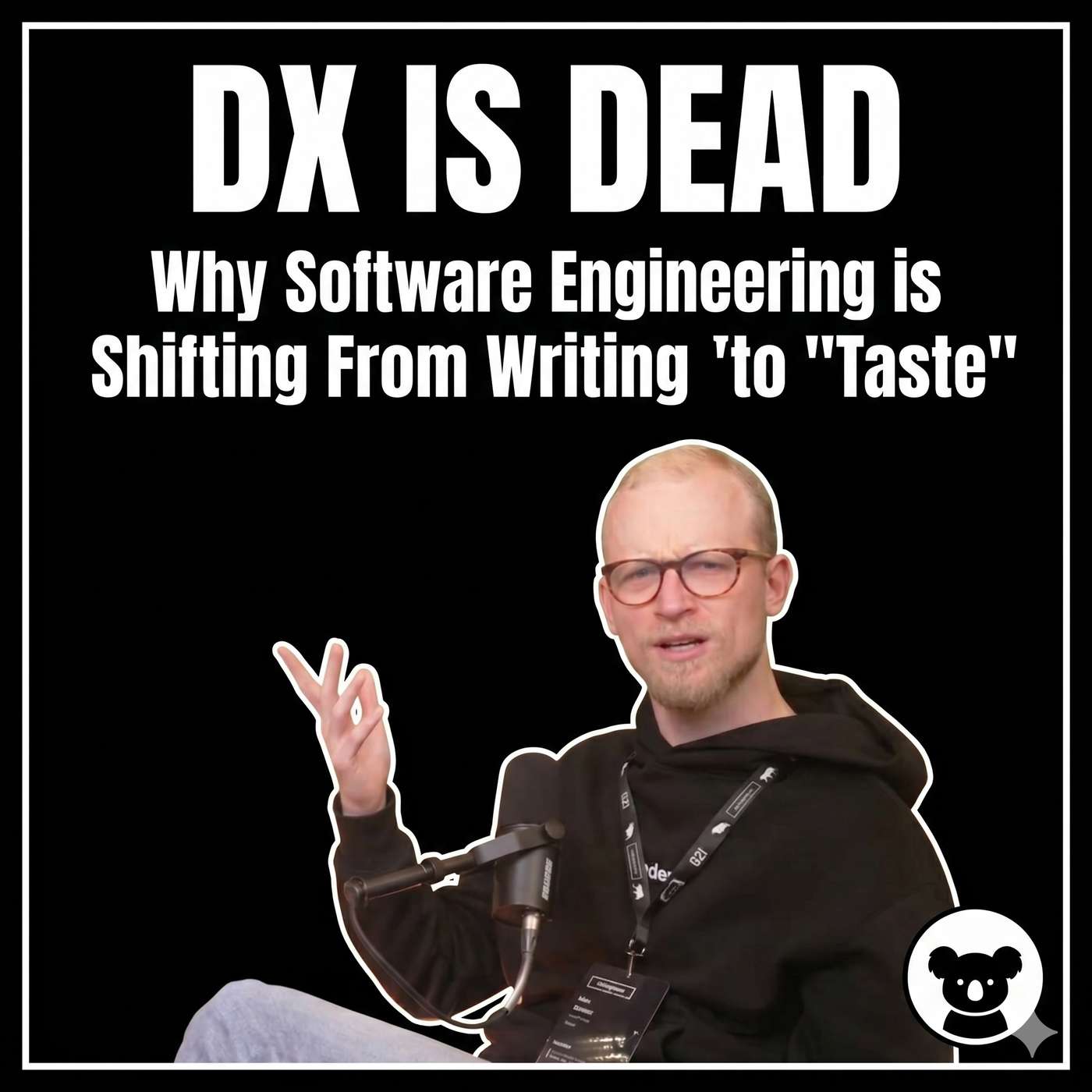
    DX is Dead: Max Stoiber on Why Software Engineering is Shifting to "Taste"

    In this episode of The Merge, recorded live at the CodeRabbit office, we sit down with Max Stoiber to tackle a massive paradigm shift shaking the industry: Why DX (Developer Experience) is dead, and why the future of software engineering belongs completely to "taste." As AI agents, LLMs, and automated workflows lower the cost of generating code to zero, the traditional metrics of developer productivity are being completely rewritten. Max breaks down why optimizing for how fast an engineer can type code or configure an IDE is no longer the bottleneck. Instead, the ultimate competitive advantage for modern software engineers has shifted from code implementation to code curation, system architecture, and exceptional judgment. We explore how the engineering role is transitioning from manual labor into an act of design and taste—knowing what to build, evaluating the hidden architectural risks of AI-generated pipelines, and managing complex software systems with a refined editorial lens. Inside this Episode: The Extinction of Traditional DX: Why the tooling and frameworks built to optimize human code-typing ergonomics are becoming obsolete as autonomous agents take over the keyboard. Defining "Taste" in Engineering: What it practically means to have taste when building software, and why critical discernment is the final un-automatable skill. The "YOLO" Prompting Trap: The difference between building low-risk brochure sites with AI versus orchestrating sophisticated, multi-microservice data pipelines that require deep, human-led code comprehension. Architects vs. Prompt Techs: How junior and senior developers alike must elevate their skill sets to focus on system design, risk mitigation, and performance debugging over simple syntax generation. The Future of the IDE: How our relationship with development environments is shifting from writing text files to directing, composing, and reviewing software swarms. About the Guest: Max Stoiber is a widely recognized software engineer, open-source maintainer, and tech founder. He is the creator of ubiquitous developer tools like styled-components and Bedrock, and a prominent voice shaping frontend infrastructure, developer ecosystems, and the intersection of AI and software architecture. About CodeRabbit: CodeRabbit is an AI-powered code review platform that helps development teams ship better code faster. Subscribe for more deep dives into the tools, philosophies, and shifts defining the next generation of software engineering. #SoftwareEngineering #DeveloperExperience #TechLeadership #GenerativeAI #Coding #MaxStoiber #TheMerge #CodeRabbit #WebDevelopment

  • #11
    May 18 · 1 hr 8 min

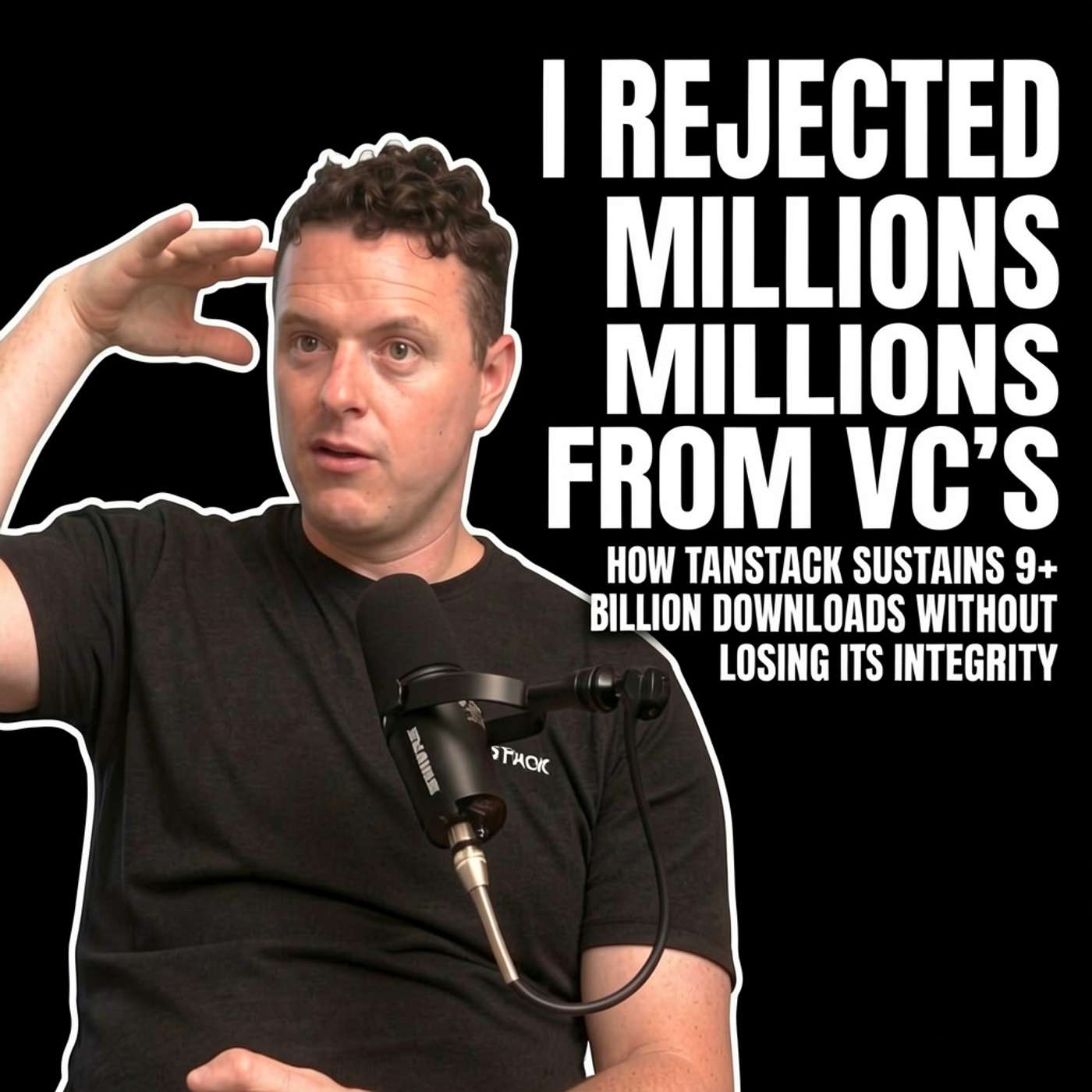
    Why Tanner Linsley Won’t Take VC Money for TanStack

    Tanner Linsley, creator of TanStack, joins The Merge to talk about what it really takes to keep open source free, independent, and sustainable. TanStack is used by millions of developers and sits inside some of the most important software teams in the world. But despite years of VC interest, Tanner has continued to say no to outside money that could quietly change the incentives behind the project. In this conversation, we get into the real tension behind open source: how to support maintainers, build sustainable partnerships, and grow an ecosystem without turning the roadmap into a customer wishlist. We also talk about TanStack’s evolution from React Query and React Table into a broader ecosystem, why type safety matters even more in the age of AI-generated code, TanStack AI, Code Mode, self-healing agents, local-first development, and what junior developers should focus on now that AI can generate code faster than ever. In this episode: 00:00 - Why open source is hard to sustain 02:10 - How TanStack started 08:13 - Why type safety became central to TanStack 12:13 - TanStack’s scale and the AI coding shift 19:02 - The tension between open source and monetization 25:12 - Why Tanner keeps saying no to VC money 35:37 - What is TanStack AI? 38:00 - Code Mode and self-healing agents 43:31 - TanStack DB, ElectricSQL, and local-first apps 50:00 - Tanner’s favorite models and coding tools 57:40 - How TanStack decides what not to build 01:01:26 - Advice for junior developers entering open source 01:05:35 - The biggest myth about open source Watch the full conversation to hear how Tanner thinks about open source, incentives, AI coding, and the future of TanStack.

  • #10
    May 15 · 26 min

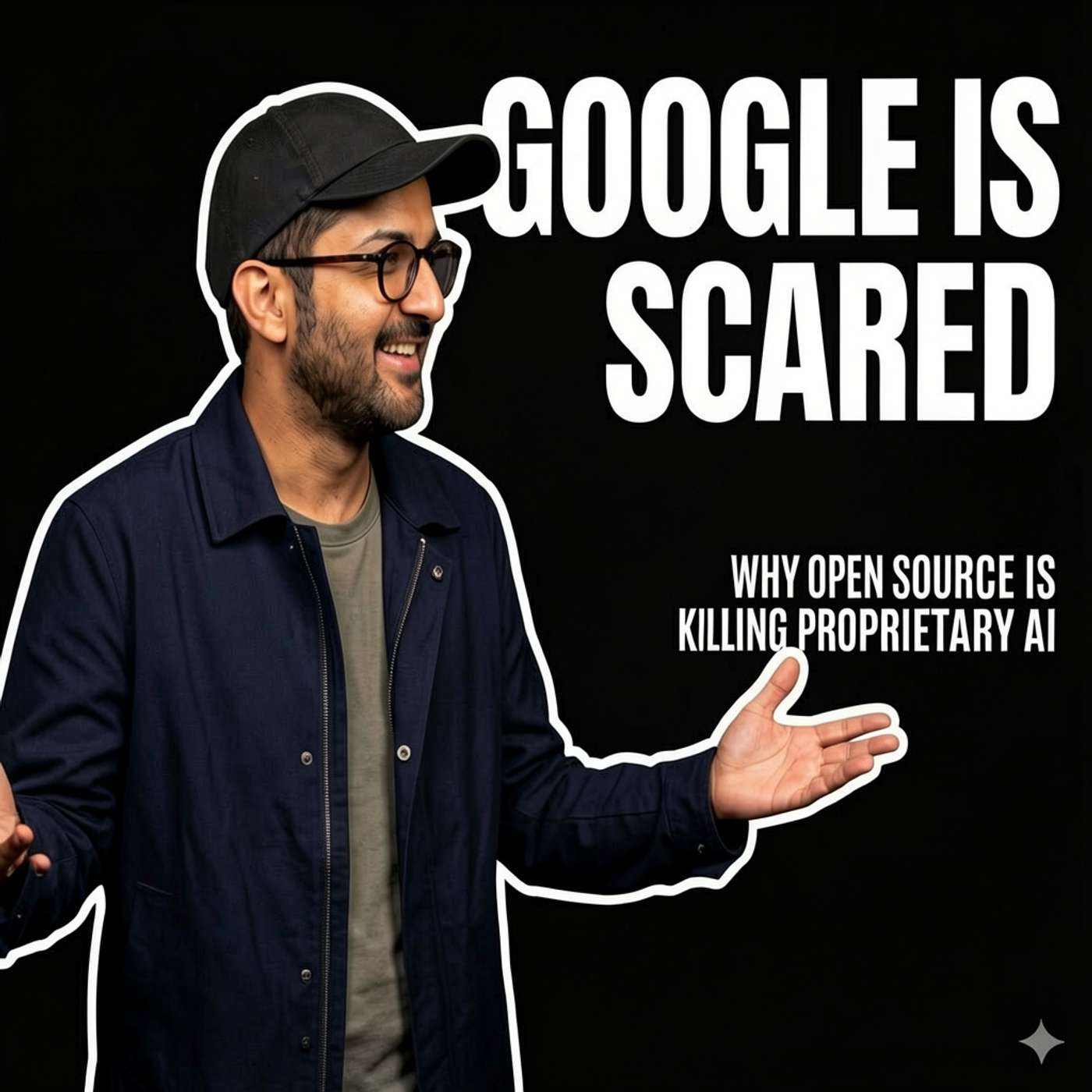
    Google worries about OS models: Kunal Kushwaha on Why Open Source is Killing Proprietary AI

    In this episode of The Merge, we sit down with Kunal Kushwaha at Scale Con in Pasadena. Kunal is a GitHub Star and the EMEA Lead for Developer Relations at Cast AI, an application performance automation platform. We explore the "next frontier" of infrastructure, where AI-driven automation allows the cloud to effectively "think for itself". Kunal provides a grounded perspective on the shift from manual labor to smart scaling, discussing why the era of "babysitting" clusters is coming to an end. We also dive into the industry-shifting "leaked Google memo" regarding proprietary models and why open-source solutions are solving critical pain points in AI. Inside this Episode:The Open Source Edge: - Why proprietary models may lose ground as open-source projects solve core issues in education, research funding, and skill gaps. - Automating Kubernetes: How AI determines workload patterns to prevent over-provisioning and manage complex infrastructure more reliably than manual efforts. - The "Billionaire Mindset": Why large enterprises prioritize removing "stress" and "hassle" through automation—similar to how billionaires use private jets—with cost reduction as a secondary outcome. - Solving GPU Shortages: A look at "Only Compute," a service that connects GPUs from different regions and providers into a single Kubernetes setup to bypass market shortages. The Modern Developer Workflow: Kunal shares his terminal-focused setup, including his preference for Warp and Neovim over traditional IDEs. Open Source Career Advice: How to get nominated as a GitHub Star and why meaningful contributions involve community involvement and advocacy, not just code. AI Career Survival: Why AI won't replace developers, but those who embrace AI tools will lead the next generation of software engineering. About the Guest:Kunal Kushwaha is a community leader and developer advocate specializing in Kubernetes and cloud-native technologies. Through his work at Cast AI, he helps organizations optimize infrastructure performance and embrace automation to reclaim developer time. About CodeRabbit:CodeRabbit is an AI-powered code review platform that helps developers ship better code faster. Subscribe for more deep dives into the tools and philosophies shaping the future of software engineering. #Kubernetes #OpenSource #AI #DevOps #CloudComputing #GitHubStar #CastAI #SoftwareEngineering #KunalKushwaha #TheMerge

    • Transcript
  • #9
    April 29 · 56 min

    Why NVIDIA is Betting on Open Source and Ultra-Fast Inference

    Chris Alexios joins Hendrik at our CodeRabbit Office in San Francisco to pull back the curtain on NVIDIA’s latest model family, Nemotron-3 (Nano, Super, and Ultra). They dive deep into the "Slop-pocalypse" of AI-generated code, the transition from being a syntax writer to a "High-Altitude Manager" of AI agents, and why open-source models are essential for Sovereign AI. Topics covered: - The "Faster is Smarter" Theory: Why iteration speed beats parameter count. - Context Engineering: Why the context window is a first-class infrastructure. - NVIDIA’s 5-Layer Cake: How hardware and software co-design creates the world’s fastest chips (Blackwell). - Vibe Coding vs. Real Engineering: Can AI agents actually solve the "Slop" problem in software? - Specialists vs. Generalists: Why the future looks like a swarm of specialized MoE models. [Timestamps] 0:00 - Introduction: Faster Models = Smarter Models? 2:45 - Meet Chris Alexios: From Bird Bots to NVIDIA 5:30 - The Evolution of AI Engineering: Beyond the Rules 8:45 - Why Context Engineering is the new Prompt Engineering 12:15 - RAG Patterns: Do you actually need a Vector Database? 18:30 - Codex vs. Claude: Choosing the right tool for the "Vibe" 22:10 - Inside NVIDIA: Product Research Engineering & The 5-Layer Cake 26:45 - Nemotron Explained: Nano, Super, and Ultra 30:15 - The Capability Frontier: Why Evals are so Hard 35:20 - Local AI & Quantization: Will GPT-5 fit on a phone? 38:45 - Synthetic Data: Is data a fossil fuel or renewable energy? 42:30 - Addressing AI Bias and the Importance of Open Models 48:00 - The Future of Coding: Are we all just "Agent Managers" now? [Resources & Links] 🔗 Follow Chris Alexios on LinkedIn: https://www.linkedin.com/in/csalexiuk/ #NVIDIA #AI #SoftwareEngineering #MachineLearning #Nemotron #LLMs #VibeCoding #Blackwell #TheMerge #AIProgramming

    • Transcript
  • #7
    April 13 · 45 min

    Most Founders Don't Understand Open Source | Ivan Burazin (CEO, Daytona)

    Most Founders Don't Understand Open Source | Ivan Dzido (Daytona) "Most people actually don't understand what they are signing off to...". In this episode of The Merge, we sit down with Ivan Dzido, CEO of Daytona, to discuss why the traditional "sandbox" is dead and why AI agents need "composable computers" instead. Ivan reveals how Daytona spins up environments in just 60 milliseconds—including network latency—which is literally half the time it takes a human to blink. We also dive into his $24M Series A, the 15-year history of his founding team, and why he believes the CLI might be a bottleneck for AI productivity. Explore Daytona: https://www.daytona.io What You Will Learn: The 60ms Breakthrough: Why speed is the ultimate primitive for the next generation of AI agents. Composable Computers vs. Sandboxes: Why an agent needs a full, stateful environment, not just a temporary code execution box. The Open Source Myth: Ivan’s "unpopular opinion" on why founders are picking the wrong licenses and how Daytona uses AGPL to protect their business. Viral Marketing in DevTools: The story behind the "Run AI Code" shirts that took over San Francisco. Timestamps: 00:00 – The 60ms "Blink of an Eye" Speed 01:05 – Welcome to Episode 5 of The Merge by CodeRabbit 02:01 – What is a Composable Computer? 05:05 – 15 Years in the Making: The History of the Daytona Team 08:53 – Starting 12 Years Ahead of GitHub Codespaces 10:40 – Why Every Knowledge Worker Needs an Agent Computer 13:16 – The "Compute" Conference at Chase Center 16:43 – How to Create Viral Tech Swag (The New Relic Strategy) 19:32 – Three Main Use Cases for AI Sandboxes 23:14 – The Technical Deep Dive: How Daytona Works Under the Hood 30:00 – Why Daytona Chose the AGPL License 34:55 – Advice for Open Source Founders: "Lightning Must Strike Twice" 39:04 – Rapid Fire: Favorite IDEs, Licenses, and Languages Connect with Us: CodeRabbit (The Host): https://coderabbit.ai Daytona GitHub: https://github.com/daytonaio/daytona Compute Conference: https://compute.daytona.io Don't forget to LIKE and SUBSCRIBE for more deep dives into the future of AI infrastructure! #AI #OpenSource #DevTools #Daytona #CodeRabbit #SoftwareEngineering #AIAgents

    • Transcript
  • #6
    March 24 · 47 min

    TypeScript BEATS Python when building AI Agents (Mastra's YC Journey)

    Is the era of Python-only AI over? Mastra CTO Abhi Aiyer breaks down why 1.2 million developers are shifting to TypeScript to build production-ready AI agents, the brutal realities of Y Combinator, and why the "let AI code while you go to the bar" myth is complete BS. [Main Description] We’ve always been taught: If you want to build AI, you learn Python. But as the ecosystem shifts from training models to building functional, production-ready AI Agents, the requirements are changing rapidly. In this episode of The Merge, we sit down with Abhi Aiyer, Co-founder and CTO of Mastra (YC W25), to unpack the wild journey of building one of the fastest-growing open-source AI frameworks. We cover their pivotal rewrite at the Crafty Fox Ale House, the struggle of having zero users at the start of YC, and their brilliant "pocket-sized book" marketing tactic that took over San Francisco. If you are a web developer, an open-source maintainer, or just trying to figure out how to actually deploy AI agents in production—this is a masterclass you don't want to miss. 🎙️ In this episode, we cover: Why "Python trains, but TypeScript ships." The reality of YC: What happens when you get in, but nobody uses your product. How Mastra scaled to over 1.2 MILLION monthly downloads. The truth about multi-agent workflows and the "CloudBot" hype. The commercial open-source playbook: How to monetize and manage 100+ maintainers using CodeRabbit. ⏱️ Timestamps: 0:00 - The "Go To The Bar" AI Coding Myth 1:25 - Welcome Abhi Aiyer: The Origins of Mastra 4:40 - LangChain Frustrations & The Need for TypeScript 7:15 - The NextConf Pivot & The Crafty Fox Ale House Rewrite 10:30 - The Y Combinator (YC W25) Experience & Early Struggles 14:50 - The Viral Pocket-Sized AI Agent Book Strategy 18:15 - Python vs. TypeScript: Why TS is Winning the Agent War 24:30 - Moving AI Docs into the Modules (MCP Innovation) 28:40 - How to Make an Open-Source Company Profitable 33:20 - Managing a Massive OSS Community (Shoutout CodeRabbit!) 40:15 - Real-World Multi-Agent Workflows & Future Predictions 45:30 - Rapid Fire Questions 🔗 Links & Resources: Check out Mastra: https://mastra.ai Follow Abhi Aiyer on X: https://x.com/abhiaiyer Automate your code reviews with CodeRabbit: www.coderabbit.ai 👇 Join the Conversation: Which side are you on? Are you building your AI agents in Python or TypeScript? Let us know in the comments! #AIAgents #TypeScript #Python #SoftwareEngineering #YCombinator #OpenSource #WebDevelopment #Mastra #TechPodcast #CodeRabbit

  • #5
    March 16 · 20 min

    DID GOOGLE JUST WIN THE AI RACE?

    Is the "Benchmark Chasing" era over? With the release of Gemini 3.1 Pro and the specialized Deep Think mode, Google isn't just releasing a faster model—they are introducing a fundamental shift in machine reasoning for real-world developer workflows. In this episode of The Merge AI Newsroom, live from CodeRabbit’s San Francisco studio, applied AI expert Erfan Al-Hossami (ex-Stability AI, LLM researcher) breaks down why this is Google’s most significant release of 2026. What we cover in this episode: The ARC-AGI-2 Breakthrough: Why a 77.1% verified score (and Deep Think hitting ~85%) is the first credible proof of fluid intelligence. Developer Workflow Shifts: Why task definition and problem framing now matter more than raw syntax coding. Benchmark Deep Dive: Massive leaps on Humanity’s Last Exam, SWE-Bench Verified, Terminal-Bench, and Codeforces. Model Strategy: Deep Think vs. Gemini 3.1 Pro—when to use which, plus a breakdown of cost vs. performance trade-offs. The Future of Agents: Real-world implications for autonomous code review, debugging, and agentic task execution. Timestamps: 00:00 - Intro: Why Gemini 3.1 Pro feels different 01:41 - ARC-AGI-2 Explained: The most credible AGI benchmark 03:42 - Deep Think vs. Gemini 3.1 Pro: Architecture & UI differences 05:00 - The 2026 Benchmark Gauntlet (SWE-Bench, HLE, & more) 08:40 - Impact on Developers: How your daily workflow changes 15:16 - Context Window Tips & Custom Thinking Controls 19:34 - Token Economics: Model selection & cost strategy 21:19 - What’s next for Google DeepMind + Final Thoughts Watch the full conversation with Erfan Al-Hossami now 👇 🔗 Join the CodeRabbit Community: → Website: https://coderabbit.ai About The Merge: The Merge AI Newsroom provides expert AI analysis with zero hype. We go beyond the headlines to show you how frontier models actually perform in production environments. #Gemini31Pro #DeepThink #GoogleAI #ARCAGI #TheMerge #CodeRabbit #AICoding #ArtificialIntelligence #AIBenchmarks #SoftwareEngineering2026

    • Transcript
  • #4
    March 16 · 47 min

    From Psychologist to 12k Stars on Github: The Career Pivot You Need to Hear About!

    🎙️ The Merge Episode #2: From Psychology to 12,000 Stars with Herrington Darkhome In this episode of The Merge, Hendrik sits down with Herrington Darkhome, the creator of ast-grep, a lightning-fast structural search and rewriting tool written in Rust. Discover how a self-taught programmer with a background in cognitive psychology went from discovering Vim on a Chromebook to becoming a core maintainer for Vue.js and building a tool used by tech giants like Microsoft and Amazon. We dive deep into why Regular Expressions (Regex) fail for large-scale codebases, how Abstract Syntax Trees (AST) are the secret to "ground truth" for AI agents, and why Harrington believes the "open source for love" myth needs to die. 🔍 Inside This Episode: Structural Search vs. Regex: Why treating code as a tree is more precise than treating it as a sequence of characters. The Rust Advantage: How ast-grep achieves blazing-fast performance and stable concurrency. AI & Open Source in 2026: Why human communication and intent are more important than just writing code in the AI era. Scaling Knowledge: Using linting as a way to dynamically inject team knowledge into AI agent contexts. Monetizing Open Source: The reality of building sustainable, "serious" projects in today's ecosystem. 🚀 Level Up Your Code Review This podcast is brought to you by Code Rabbit, the AI-first code review platform that uses tools like ast-grep to ensure high-fidelity, context-aware reviews. Try Code Rabbit for Free: https://coderabbit.ai/ Star ast-grep on GitHub: https://github.com/ast-grep/ast-grep 🛠️ Resources & Links: ast-grep Official Website: https://ast-grep.github.io/ Follow Code Rabbit on Twitter/X: @CodeRabbitAI Join the Discord: (Link found in ast-grep's official docs) Enjoyed the episode? Support the show by Subscribing and hitting the Bell Icon 🔔 to stay updated on the latest in open source and AI. #OpenSource #RustLang #ASTGrep #CodeReview #AIAgents #SoftwareEngineering #TheMergePodcast

    • Transcript
  • #3
    February 11 · 16 min

    GPT-5.3-Codex vs. Claude Opus 4.6 Comparison: Performance, Benchmarks & Agentic Coding Workflows

    THE MERGE - AI NEWSROOM GPT-5.3-Codex vs. Claude Opus 4.6: Benchmarks and Best Agentic Workflows OpenAI and Anthropic just changed the game for February 2026. But as these models get more "agentic," the stakes for code quality have never been higher. Today on the AI Newsroom, we’re pitting GPT-5.3-Codex against Claude Opus 4.6 to see which model actually earns its keep in a production monorepo. We’re moving beyond simple autocomplete into the era of "Code Review as the New Coding." We break down the latest benchmarks (SWE-Bench Pro & Terminal-Bench 2.0) and reveal how CodeRabbit’s own internal metrics show a 1.7x increase in defects when AI-generated code isn't properly validated. WHAT WE COVERED: GPT-5.3-Codex: Why it’s the "Founding Engineer" of models (speed, iteration, and CLI mastery). Claude Opus 4.6: The "Senior Architect" approach—handling 1M token refactors without losing the thread. The CodeRabbit Eval: How we benchmarked these models on signal-to-noise ratio and bug detection. Agentic Workflows: Parallel "Agent Teams" vs. Hierarchical Orchestration. 🕒 TIMESTAMPS: 0:00 - The Feb 2026 AI Collision 1:45 - GPT-5.3-Codex: 77.3% on Terminal-Bench 2.0 4:10 - Opus 4.6: Why a 1M Token Context window changes refactoring 6:30 - The "AI Code Crisis": 1.7x more defects in AI PRs? 9:15 - CodeRabbit Metrics: Precision vs. Noise in GPT-5.3 12:00 - Pricing Breakdown: $5 vs $25 - The "Intelligence Tax" 14:40 - Pro-Tips: High-context prompting for Senior Devs 17:05 - The Future of Code Review in 2026 💡 KEY TAKEAWAY: GPT-5.3 is built to DO, while Opus 4.6 is built to THINK. At CodeRabbit, we use both, but we always treat their output as a "draft" that requires agentic validation. 🔗 LINKS & RESOURCES: Our Latest Report: State of AI vs. Human Code Generation 2026 [ https://www.coderabbit.ai/blog/state-of-ai-vs-human-code-generation-report ] Sign up for free! https://www.coderabbit.ai/ Join our Discord: https://discord.gg/coderabbit #CodeRabbit #AINewsroom #GPT5 #ClaudeOpus #AgenticCoding #SoftwareEngineering #CodeReview #AI2026

    • Transcript
  • #2
    January 23 · 34 min

    After 2025: What’s Next for AI Coding in 2026 - The Merge (by CodeRabbit) - Episode1

    2025 was chaos in the best way: DeepSeek cracked open the model monopoly and proved world-class open weights don't need infinite budgets. Vibe coding went mainstream - prompt your way to an app without staring at code - unlocking ideas for non-engineers but flooding repos with bugs (our data shows AI code spawns ~1.7× more issues than human-written). Agents evolved from demos to long-running beasts, CLI tools like Claude Code let AI run wild in terminals, Cursor/Windsurf supercharged IDEs for pros, Gemini 3 stormed back with killer reasoning, Anthropic scooped Bun, and MCP + Agent Skills started standardizing the agent wars. Hosted by Hendrik (CodeRabbit Dev Advocate) with David Loker (VP of AI), we dissect the timeline, the hype vs. reality, and why blind vibe coding is creating a maintenance nightmare. David drops hard truths and real predictions on 2026... Try CodeRabbit: https://www.coderabbit.ai Blog: https://www.coderabbit.ai/blog Join our Discord: https://discord.gg/coderabbit Subscribe and drop topics you want us to test next.

    • Transcript
Showing 1–17 of 17 episodes