Skip to content
Artwork for The Media Copilot
NewsBusiness NewsTechnology

The Media Copilot

The Media Copilot

Hosted by journalist Pete Pachal, The Media Copilot is a weekly conversation with smart people on how AI is changing media, journalism, and the news.

Play
  • 21 episodes
  • fortnightly
  • Avg 43 min
  • English
Counted on this page — what you have heard stays on this device, so it is not something the list can be paged by.
  • S4 · E22
    Thursday · 37 min

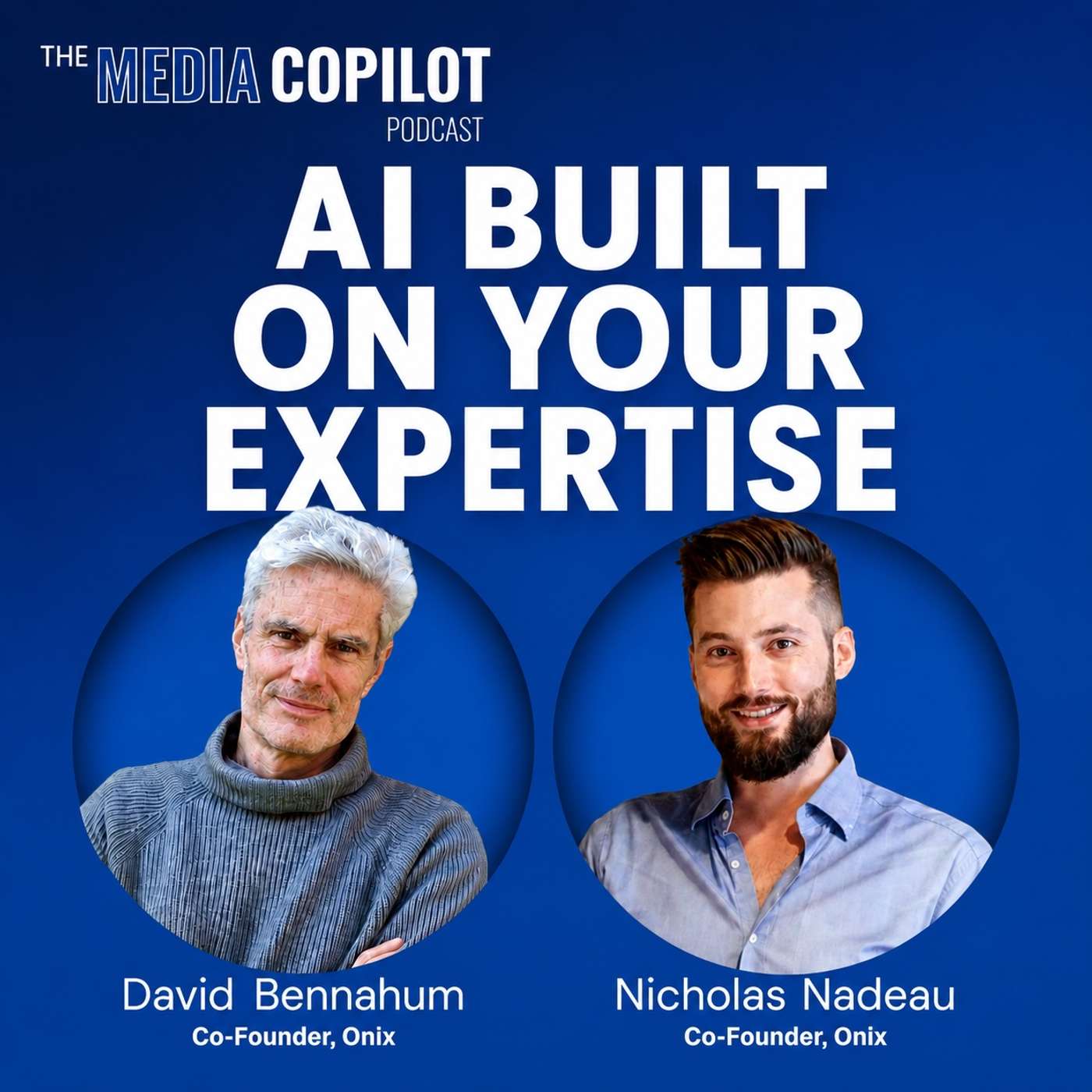
    Who Owns Your Expertise in the Age of AI? Onix Wants to Give It Back to You

    On this episode of The Media Copilot, Pete Pachal sits down with Onix co-founders David Bennahum and Nicholas Nadeau to explore a very different model for AI: one where experts own specialized AI systems built around their knowledge, voice, judgment and point of view. They discuss why smaller, domain-specific models may sometimes outperform general-purpose AI, how Onix incorporates knowledge that has never appeared online, and why authorship, privacy and data sovereignty could become increasingly important as AI evolves. The conversation also tackles the business side of expert-owned AI: Can creators turn their expertise into an AI product? Can journalists do it? What happens when an AI becomes an authorized extension of a person’s knowledge? And can experts actually participate economically in the value AI creates? Plus, Pete challenges the Onix founders on hallucinations, model accuracy, scalability and what happens when expert-owned AI moves beyond health and wellness. Key topics include: AI and intellectual property Expert-owned AI Small language models vs. frontier models Data privacy and sovereignty AI hallucinations Creator monetization The future of journalism and knowledge work The emerging “author economy” Try Onix: Onix.life | Media Copilot early-access code: COPILOT 🔗 About the 👤 Guests David S. Bennahum | Co-Founder & CEO, Onix. | https://www.linkedin.com/in/dbennahum Nicholas Nadeau, Ph.D., P.Eng. | Co-Founder & CTO, Onix.| https://ca.linkedin.com/in/engnadeau _____ About the show: To explore more conversations like this and see what’s new, visit the Media Copilot website at mediacopilot.ai. You’ll find new episodes, expanded resources, and tools designed for journalists, communicators, and media leaders navigating the fast-changing world of AI. It’s the home base for everything Media Copilot and it’s just getting started. Enjoyed this episode? Subscribe to The Media Copilot on Substack, Apple Podcasts, Spotify, or your favorite app. On YouTube? Tap the Like button and Subscribe to the YouTube channel. For more AI tools and resources built for media professionals, visit mediacopilot.ai. Produced by Pete Pachal and Executive Producer Michele Musso Edited by the Musso Media Team Music: “Favorite” by Alexander Nakarada, licensed under CC BY 4.0 All rights reserved. © AnyWho Media 2026

  • S4 · E21
    August 13 · 45 min

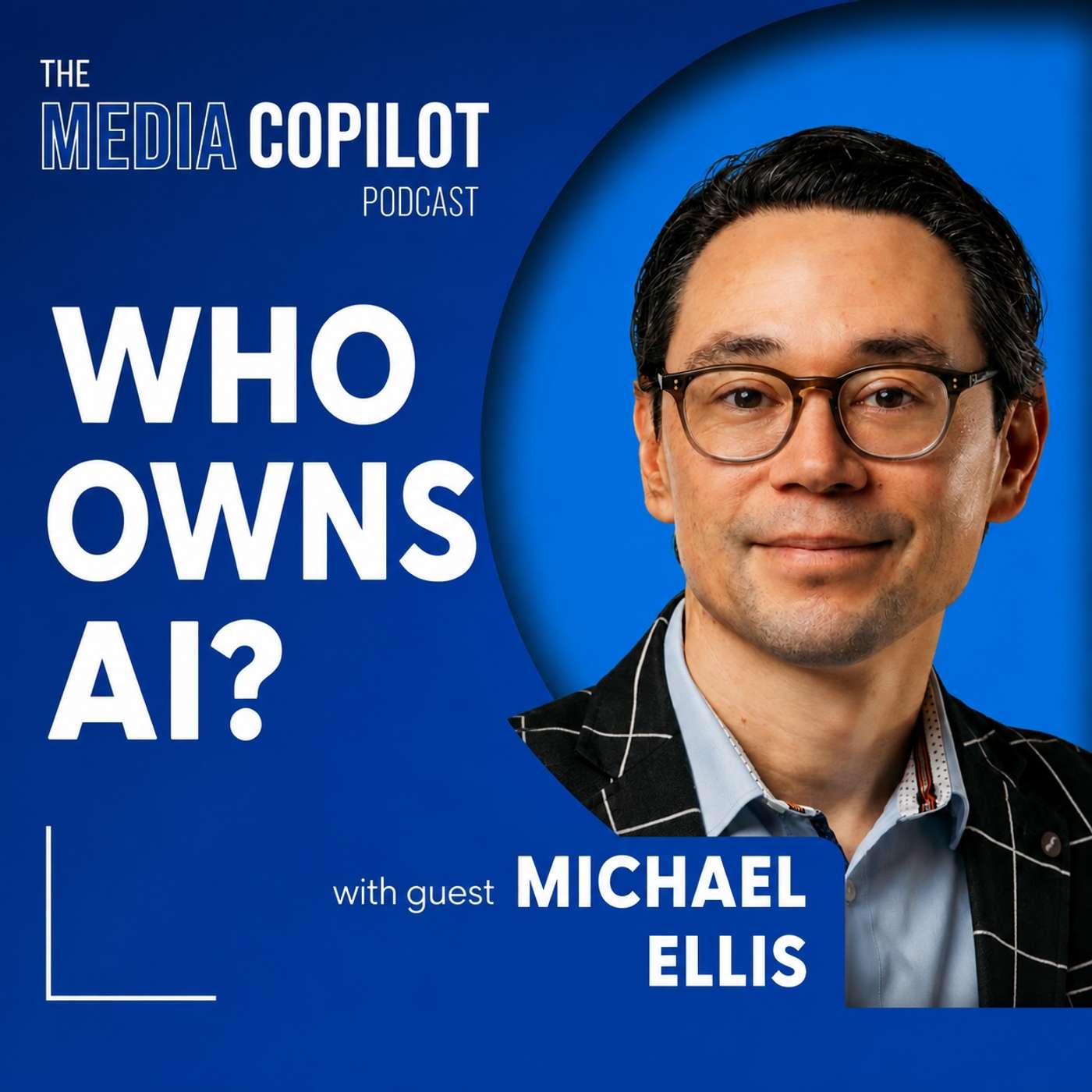
    The future of AI content licensing, featuring Michael Ellis

    As AI reshapes the internet, the future of journalism may depend on how publishers license, distribute, and protect their content. On this episode of The Media Copilot, host Pete Pachal sits down with Michael Ellis, President of Newstex, to explore one of the most important and least understood battlegrounds in artificial intelligence: content licensing. As AI companies race to build smarter models and answer engines, publishers are grappling with a fundamental question: How should their work be used, and how should they be compensated? For more than two decades, Newstex has helped publishers distribute licensed content to research platforms, financial information services, and now AI-powered products. Ellis explains why licensing is no longer simply about granting access to content. Instead, it's about defining purpose, preserving context, and ensuring publishers retain both value and visibility in an AI-driven ecosystem. The conversation explores why high-quality, licensed content is becoming increasingly valuable as AI systems struggle with misinformation and low-quality "AI slop." Ellis discusses the growing importance of attribution, provenance, machine-readable metadata, and usage-based compensation models that reward publishers based on how their content is actually used. Pete and Michael also examine how smaller and independent publishers can compete in a marketplace increasingly dominated by large technology companies, why collective licensing models may offer a path forward, and how platforms like ProRata and AskNews are building new approaches to attribution and publisher compensation. Finally, Ellis shares both his optimism and his concerns for the future of journalism in the AI era, explaining why the industry must move quickly to build sustainable business models before the economics of publishing are permanently reshaped. Why This Matters The battle over AI and journalism isn't just about copyright. It's about who gets rewarded for creating trusted information. As AI becomes the primary interface for discovering knowledge, publishers face a defining moment. This conversation explores how licensing, attribution, and new business models could determine whether quality journalism thrives or struggles in the age of generative AI. Key Topics Why AI content licensing is about purpose, not simply permission How Newstex connects publishers with AI platforms and research services Why provenance and context matter as much as content itself The economics of usage-based compensation for publishers How smaller publishers can compete in an AI-first information economy The role of metadata, attribution, and machine-readable content AI-generated content versus trusted editorial content The future of paywalls and premium journalism How companies like ProRata and AskNews are changing content licensing What publishers must do now to prepare for an AI-mediated future 🔗 About the 👤 Guest Michael Ellis - President, Newstex 🌐 Author Page: https://www.newstex.com/author/michael-ellis 💼 LinkedIn: https://www.linkedin.com/in/msellis/ About the show: To explore more conversations like this and see what’s new, visit the Media Copilot website at mediacopilot.ai. You’ll find new episodes, expanded resources, and tools designed for journalists, communicators, and media leaders navigating the fast-changing world of AI. It’s the home base for everything Media Copilot and it’s just getting started. Enjoyed this episode? Subscribe to The Media Copilot on Substack, Apple Podcasts, Spotify, or your favorite app. On YouTube? Tap the Like button and Subscribe to the YouTube channel. For more AI tools and resources built for media professionals, visit mediacopilot.ai. Produced by Pete Pachal and Executive Producer Michele Musso Edited by the Musso Media Team Music: “Favorite” by Alexander Nakarada, licensed under CC BY 4.0 All rights reserved. © AnyWho Media 2026

  • S4 · E20
    August 8 · 40 min

    AI won't replace Creators. It will replace the work they hate.

    What if the future of AI in media isn't replacing storytellers, but giving them better tools to tell better stories? This episode is sponsored by Descript.com In this episode of The Media Copilot, host Pete Pachal sits down with Laura Burkhauser, CEO of Descript, to explore how artificial intelligence is reshaping media production without sacrificing creativity, editorial judgment, or human storytelling. Laura explains why Descript's vision has never been about replacing editors, but about eliminating the repetitive, time consuming tasks that slow production. From text based video editing and AI assisted collaboration to intelligent clipping and personalized workflows, she shares how AI is becoming a creative partner rather than an automated replacement. The conversation also examines why memory, personalization, and collaboration may become AI's greatest strengths, how media organizations are adapting to an increasingly creator driven landscape, and why the next generation of production tools will focus less on software features and more on helping teams create great content. Finally, Laura offers a refreshing perspective on the future of AI, arguing that the industry has spent too much time selling fear instead of showing creators how these tools can unlock more original storytelling, more creative freedom, and entirely new ways of producing media. The conversation explores: Why AI should replace repetitive labor, not human creativity How Descript evolved from a text based editor into an AI powered production platform Why collaboration remains the most valuable feature in modern media workflows How AI memory is creating more personalized creative assistants Why editorial judgment, taste, and storytelling still belong to humans How newsrooms and media companies are producing more content with smaller teams Why the future of media production is conversational, collaborative, and AI assisted How creators can use AI to spend less time on tools and more time telling better stories Why this matters Artificial intelligence is transforming every stage of media production, but the biggest opportunity isn't replacing creative professionals. It's removing the friction that keeps them from creating. As newsrooms, marketing teams, and independent creators face growing pressure to produce more content across more platforms, AI has the potential to become an intelligent collaborator that accelerates production while preserving human judgment, creativity, and authenticity. This conversation offers valuable insight for journalists, marketers, content creators, media executives, and anyone navigating the future of AI powered storytelling. 🔗 About the 👤 Guest Laura Burkhauser is the CEO of Descript, the AI powered audio and video editing platform used by creators, media organizations, podcasters, and enterprise teams around the world. Under her leadership, Descript continues to pioneer AI assisted media production, helping storytellers simplify complex workflows while keeping human creativity at the center of the creative process. LinkedIn: https://www.linkedin.com/in/burkhauser/ Descript: https://www.descript.com This episode is brought to you by Descript. Descript makes editing podcasts and video as easy as editing a document. Record, transcribe, clean up audio, remove filler words, create clips, and more with powerful AI tools built right into your workflow. Spend less time editing and more time creating with Descript. Visit Descript to learn more. — About the show: To explore more conversations like this and see what’s new, visit the Media Copilot website at mediacopilot.ai. You’ll find new episodes, expanded resources, and tools designed for journalists, communicators, and media leaders navigating the fast-changing world of AI. It’s the home base for everything Media Copilot and it’s just getting started. Enjoyed this episode? Subscribe to The Media Copilot on Substack, Apple Podcasts, Spotify, or your favorite app. On YouTube? Tap the Like button and Subscribe to the YouTube channel. For more AI tools and resources built for media professionals, visit mediacopilot.ai. Produced by Pete Pachal and Executive Producer Michele Musso Edited by the Musso Media Team Music: “Favorite” by Alexander Nakarada, licensed under CC BY 4.0 All rights reserved. © AnyWho Media 2026
  • S4 · E19
    July 23 · 45 min

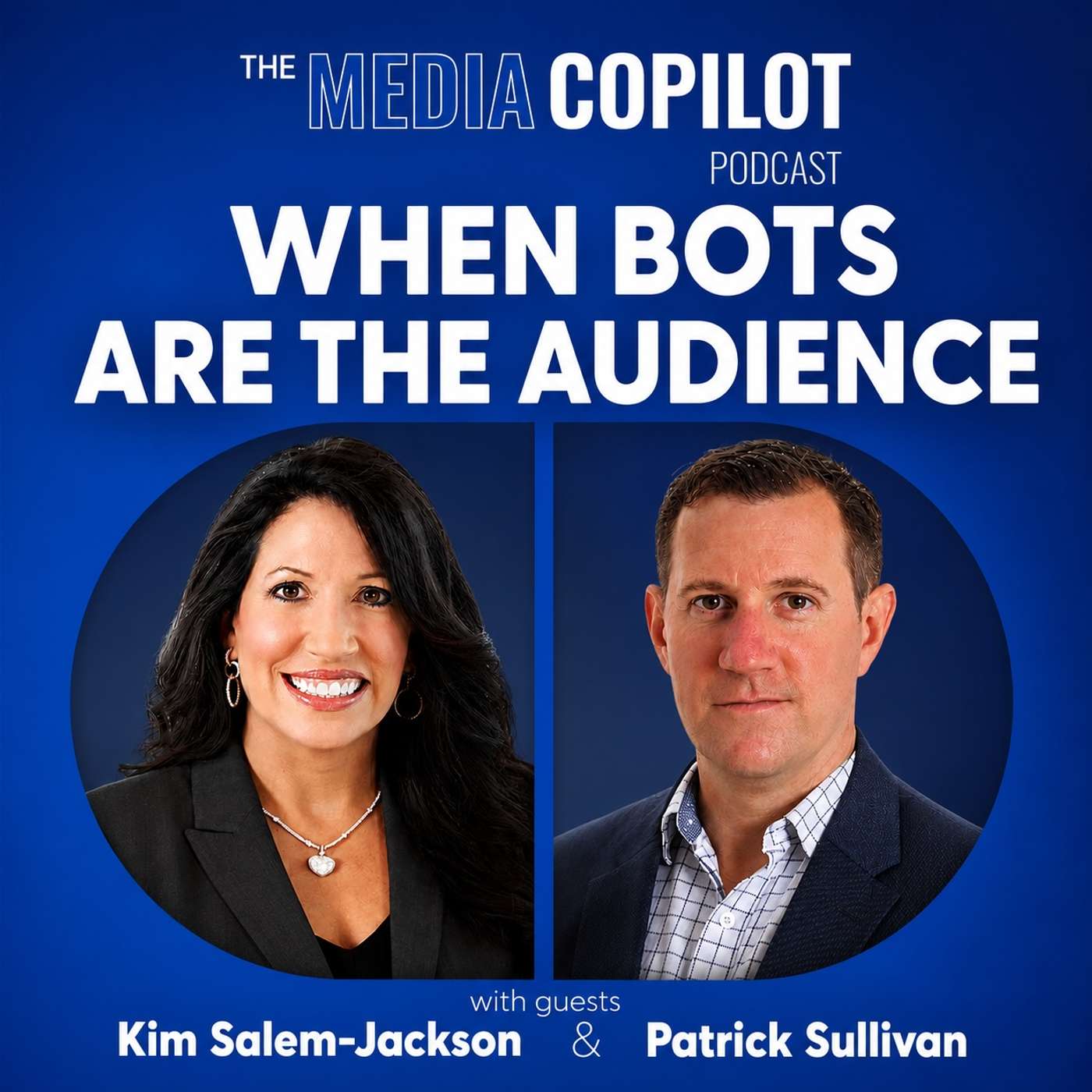
    When bots become the audience

    Bots now make up about half of all web traffic. Are they a threat to block or an audience to win? For most of the web's history, the deal was simple. Search engines pointed people to websites, and those visits paid for the content through advertising and subscriptions. AI is rewriting that arrangement, and the clearest place to see it is in who, or what, is showing up at the door. Akamai says it now handles more than 150 billion bot requests a day, with AI bot traffic climbing more than 300% year over year. Bots account for roughly half of all internet traffic. On this episode of The Media Copilot podcast, Pete Pachal talks with two Akamai executives who sit on opposite sides of that shift: Kim Salem-Jackson, the company's chief marketing officer, and Patrick Sullivan, its CTO of security strategy. Their jobs once had little to do with each other. Now they are working the same problem from two directions. For Sullivan, bots have been a security headache for more than a decade. What changed is that the most valuable visitor to a site is now also a bot: the retrieval and training crawlers that feed large language models. "The VIP visitor to the website are the various bots that really make LLMs go," he says. Detection and blocking are no longer the point. Akamai keeps dozens of categories of bots and a menu of responses for each. For Salem-Jackson, the reframe is sharper. She treats LLMs as a new audience, each with its own personality, the way a marketer treats different buyers. "The bots are my new customer," she says. She monitors bot volume by the hour, rolls out a welcome mat, and watches whether her team's work on AI visibility pulls more crawlers in. The catch is that the same bot looks like an opportunity to one business and a threat to another. A training crawler can compress a publisher's entire site, hand it to a model, and never send a reader back. Sullivan puts the ratio of training visits to human visits at tens of thousands to one. For a company like Akamai that wants to show up in AI answers, that crawler gets cookies and milk. For a publisher whose business runs on traffic, the same crawler is something to block or charge for. That’s where the conversation gets useful for media people. Akamai offers pay-per-click tools, but Sullivan is candid that those models are early and that content licensing deals remain more common. The technology is the easy part. The hard part is the business and legal call about what to allow, and who can enforce it. Unlike Cloudflare, which has taken a loud public stance on publisher control, Akamai casts itself as "Switzerland," a technology enabler that leaves the decision to the publisher. Then there’s the part every publisher can act on now. Salem-Jackson says an average webpage runs about 200,000 tokens, but a model reads only around 10,000. Roughly 1% of your site actually gets consumed. Anything important that sits below that budget is invisible. Her fix was a separate "bot site" that serves crawlers stripped-down, high-value content, which she credits for an 85% lift in citations. Great content is not enough if the machine cannot read it. Key Takeaways • AI bot traffic is up more than 300% a year, and bots now make up about half of all web traffic • For some sites, the most valuable visitor may now a bot, not a person • The difference between training bots, retrieval bots, and malicious bots • Marketers are starting to treat LLMs as an audience to court, each with its own personality • The same crawler can be an asset or a threat depending on whether your business runs on visibility or on traffic • Pay-per-click for bots exists, but licensing deals are still the more common path, and enforcement rests with publishers rather than the CDN • A model reads only about 1% of a webpage, so anything below the token budget is invisible to AI • A separate bot-optimized site can raise AI citations sharply, which Akamai puts at 85% • Wikipedia, LinkedIn, YouTube and Reddit carry outsized weight in what LLMs cite 🔗 About the 👤 Guests Kim Salem Jackson LinkedIn: https://www.linkedin.com/in/kimsalemjackson/ Patrick Sullivan LinkedIn: https://www.linkedin.com/in/patricksully Akamai Technologies https://www.akamai.com About the show: To explore more conversations like this and see what’s new, visit the Media Copilot website at mediacopilot.ai. You’ll find new episodes, expanded resources, and tools designed for journalists, communicators, and media leaders navigating the fast-changing world of AI. It’s the home base for everything Media Copilot and it’s just getting started. Enjoyed this episode? Subscribe to The Media Copilot on Substack, Apple Podcasts, Spotify, or your favorite app. On YouTube? Tap the Like button and Subscribe to the YouTube channel. For more AI tools and resources built for media professionals, visit mediacopilot.ai. Produced by Pete Pachal and Executive Producer Michele Musso Edited by the Musso Media Team Music: “Favorite” by Alexander Nakarada, licensed under CC BY 4.0 All rights reserved. © AnyWho Media 2026
  • S4 · E18
    July 9 · 41 min

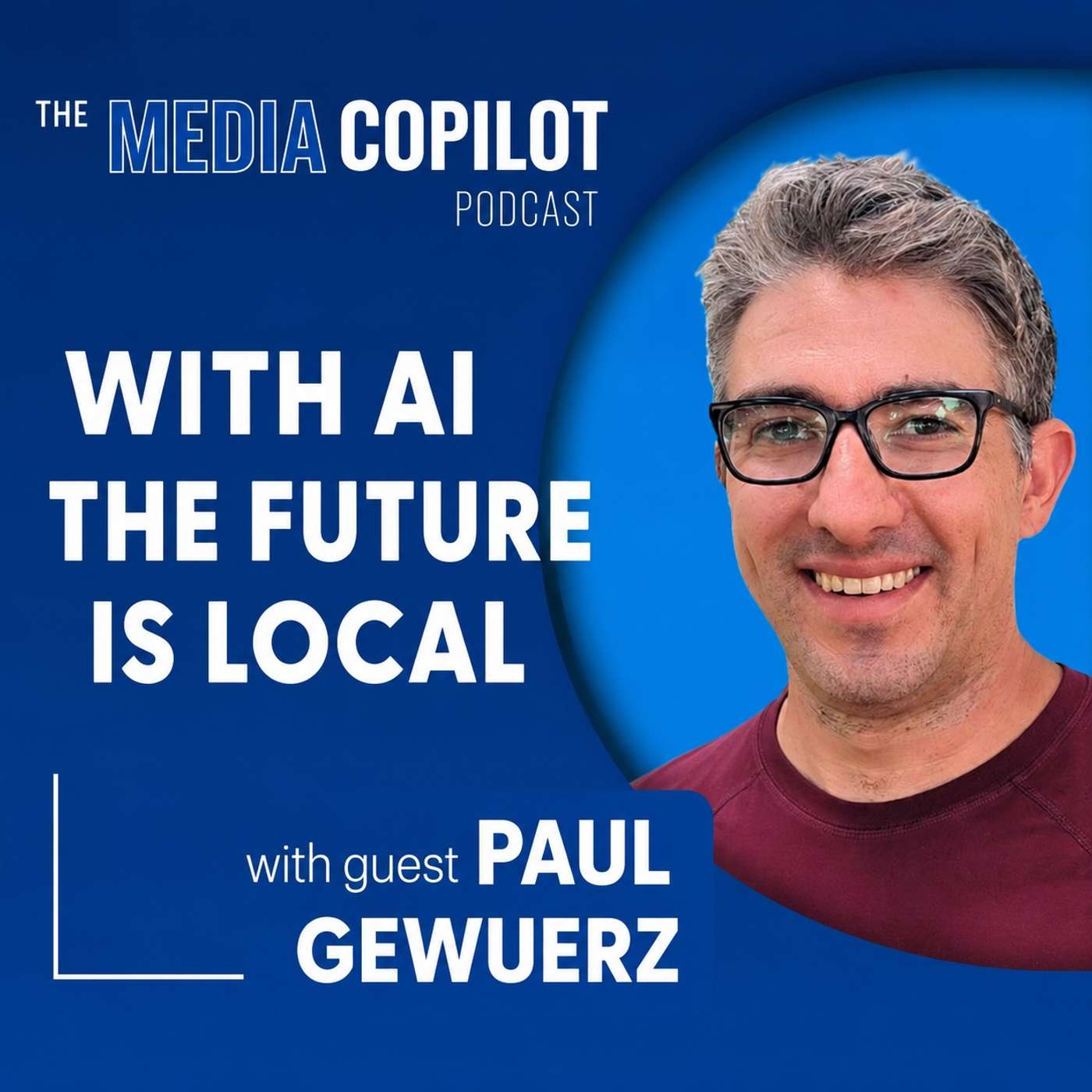
    AI didn’t kill Local News. Could it actually save it?

    Local journalism has spent the last two decades fighting for survival. First came the internet. Then Craigslist. Then Google and social media. Advertising disappeared, newsrooms shrank, and communities across the country became news deserts. Now comes AI. For many journalists and publishers, artificial intelligence feels like the next existential threat...a technology capable of flooding the internet with cheap content, eroding trust, disrupting search, and making it even harder for real journalism to survive. But what if AI could also be part of the solution? On this episode of The Media Copilot, host Pete Pachal sits down with Paul Gewuerz, host of Small Press, Big Ideas and founder of LocalPod, to explore what is actually happening on the front lines of local media. After more than 120 conversations with publishers, editors, entrepreneurs, and local news operators, Paul has seen firsthand how deeply challenged the industry remains. But he has also discovered something that rarely makes the headlines: new ideas are taking root. From local newspapers transforming themselves into cafés and community gathering spaces to publishers building new revenue streams, launching podcasts, embracing events, and using AI to accomplish work that once required entire teams, local journalism is being reinvented in unexpected ways. Pete and Paul discuss why trust may become even more valuable in an internet overwhelmed by AI-generated content, how small newsrooms are already using tools like ChatGPT and Otter.ai, and why AI could give independent publishers the ability to launch products and businesses that simply weren't possible before. They also confront the darker side of this transformation, including AI slop, fake local news sites, politically funded "pink slime" operations, and the growing challenge of knowing what information...and which sources...can actually be trusted. In this episode: Why local journalism remains vital to healthy communities and democracy How innovative publishers are reinventing the local news business model Why trust could become journalism's greatest advantage in the age of AI How small newsrooms are actually using AI today The opportunities AI creates for new products, revenue streams, and branded content Why AI-generated local news and "pink slime" sites pose a growing threat How podcasts can help local publishers grow audiences and deepen community relationships Why Paul believes AI represents a new industrial revolution The uncomfortable reality of building with AI: if you can create something faster, so can everyone else Why This Matters For Paul, the promise of AI is personal. After spending more than two years building a software platform with limited progress, he used AI-assisted coding tools to complete it in just two months. “I’ve been working on a software platform for my company for two and a half years, had about 10% done. I have finished it in the last two months. It is operational. People are on the platform.” His experience raises one of the biggest questions facing media today: What happens when suddenly anyone can build almost anything? About the 👤 Guest Paul Gewuerz on LinkedIn: Paul Gewuerz LinkedIn profile LocalPod website: LocalPod.co Small Press, Big Ideas on LinkedIn: Small Press, Big Ideas LinkedIn page About the show: To explore more conversations like this and see what’s new, visit the Media Copilot website at mediacopilot.ai. You’ll find new episodes, expanded resources, and tools designed for journalists, communicators, and media leaders navigating the fast-changing world of AI. It’s the home base for everything Media Copilot and it’s just getting started. Enjoyed this episode? Subscribe to The Media Copilot on Substack, Apple Podcasts, Spotify, or your favorite app. On YouTube? Tap the Like button and Subscribe to the YouTube channel. For more AI tools and resources built for media professionals, visit mediacopilot.ai. Produced by Pete Pachal and Executive Producer Michele Musso Edited by the Musso Media Team Music: “Favorite” by Alexander Nakarada, licensed under CC BY 4.0 All rights reserved. © AnyWho Media 2026

  • S4 · E17
    June 25 · 42 min

    The future of journalism is personal: How The Journal is building AI for readers, not robots

    As AI transforms the way news is created and consumed, The Wall Street Journal is reimagining storytelling around trust, personalization, and audience experience. This episode is sponsored by: Adobe Acrobat This week on The Media Copilot, Pete Pachal sits down with Taneth Evans, Head of Digital at The Wall Street Journal, to explore how one of the world's leading news organizations is navigating the AI revolution. Rather than chasing every new AI trend, Evans shares how the Journal evaluates emerging technology through a simple lens: Does it genuinely help journalists do better work or help readers better understand the world? From AI-powered investigative tools and newsroom workflows to personalized storytelling and adaptive content, Evans offers a thoughtful look at how AI can strengthen journalism without compromising trust. "So many times in the past few years, I've said to people, what would you do with a building full of journalists at your disposal? No newsroom feels like it has enough resources... How can we use AI to help us get closer to the answers to that question?" — Taneth Evans The conversation explores why journalism is evolving beyond a single article format into flexible experiences tailored to how each reader prefers to consume information, while keeping facts, reporting, and editorial standards at the center. Sponsor: The new Adobe productivity agent orchestrates tools and models to generate images, text and rich content like presentations, podcasts and social posts, while also powering conversational PDF editing in Acrobat. With new PDF Spaces capabilities, users can combine files, links and notes into interactive, shareable spaces for research, collaboration and content creation. VICE News, Kid Cudi and celebrity event planner Mindy Weiss are already using these tools to build trust and deeper engagement with their audiences. Link: Do that with Acrobat: AI-Powered PDF workspaces | Adobe Acrobat What we cover • How The Wall Street Journal evaluates new AI technologies • Why audience needs come before AI innovation • The rise of personalized and adaptive journalism • AI tools transforming investigations and newsroom workflows • How AI can create entirely new reader experiences • Why trust, attribution, and media literacy matter more than ever • The future of publisher owned experiences in an AI driven world • Why great reporting becomes even more valuable in the age of AI As AI changes how information is distributed, the challenge isn't simply adopting new technology. It's preserving trust while creating better ways for people to engage with journalism. Evans argues that the future belongs to news organizations that use AI to deepen their relationship with readers, not replace it. Why This Matters News consumption is changing rapidly. Readers increasingly expect personalized, accessible experiences while publishers face growing competition from AI powered search, chatbots, and automated summaries. The organizations that succeed will be those that combine trusted reporting with innovative experiences that make journalism more useful, more engaging, and more relevant. This conversation offers an inside look at how one of the world's leading newsrooms is preparing for that future. About the 👤 Guest Taneth Evans Head of Digital, The Wall Street Journal LinkedIn: https://www.linkedin.com/in/taneth-evans-b35877162 The Wall Street Journal:https://www.wsj.com About the show: To explore more conversations like this and see what’s new, visit the Media Copilot website at mediacopilot.ai. You’ll find new episodes, expanded resources, and tools designed for journalists, communicators, and media leaders navigating the fast-changing world of AI. It’s the home base for everything Media Copilot and it’s just getting started. Enjoyed this episode? Subscribe to The Media Copilot on Substack, Apple Podcasts, Spotify, or your favorite app. On YouTube? Tap the Like button and Subscribe to the YouTube channel. For more AI tools and resources built for media professionals, visit mediacopilot.ai. Produced by Pete Pachal and Executive Producer Michele Musso Edited by the Musso Media Team Music: “Favorite” by Alexander Nakarada, licensed under CC BY 4.0 All rights reserved. © AnyWho Media 2026
  • S4 · E16
    June 18 · 46 min

    AI's reality check: Why Sharon Goldman is looking beyond the hype

    This episode is sponsored by: Adobe Acrobat This week on The Media Copilot, Pete Pachal sits down with veteran AI journalist and former Fortune reporter Sharon Goldman to discuss the growing disconnect between AI's promise and public perception. As Sharon launches her new Substack, Ground Level AI, she shares why she's shifting her focus away from model releases and Silicon Valley headlines to examine how AI is impacting communities, businesses, governments, and everyday people. "To say you're covering AI today is like boiling the ocean." — Sharon Goldman From AI data centers and cybersecurity risks to job displacement fears, media disruption, and public trust, Sharon offers a grounded perspective on where the AI conversation is headed next. What we cover • Why AI companies are struggling to win public trust • The growing backlash against AI and what's driving it • How data centers, infrastructure, and policy are becoming major AI stories • Whether AI's impact on jobs is being overstated • The future of journalism in an AI-powered information ecosystem • Why independent voices matter more than ever in technology reporting • How Sharon uses AI as a reporting partner, editor, and research assistant • The biggest AI stories to watch heading into 2027 If AI is reshaping society, who gets to tell that story? Sharon Goldman believes the most important AI stories are not found in the latest model release or product announcement. They are happening in communities, workplaces, governments, and everyday life, where technology is creating real-world impact. Sponsor: The new Adobe productivity agent orchestrates tools and models to generate images, text and rich content like presentations, podcasts and social posts, while also powering conversational PDF editing in Acrobat. With new PDF Spaces capabilities, users can combine files, links and notes into interactive, shareable spaces for research, collaboration and content creation. VICE News, Kid Cudi and celebrity event planner Mindy Weiss are already using these tools to build trust and deeper engagement with their audiences. Link: Do that with Acrobat: AI-Powered PDF workspaces | Adobe Acrobat Why This Matters AI is no longer just a technology story. It is influencing how businesses operate, how information is distributed, how governments make decisions, and how communities adapt to rapid change. Understanding AI's real-world impact is becoming just as important as understanding the technology itself. As adoption accelerates and public skepticism grows, the conversation is shifting from what AI can do to how it affects people, jobs, infrastructure, and society as a whole. About the 👤 Guest Sharon Goldman on LinkedIn Ground Level AI About the show: To explore more conversations like this and see what’s new, visit the Media Copilot website at mediacopilot.ai. You’ll find new episodes, expanded resources, and tools designed for journalists, communicators, and media leaders navigating the fast-changing world of AI. It’s the home base for everything Media Copilot and it’s just getting started. Enjoyed this episode? Subscribe to The Media Copilot on Substack, Apple Podcasts, Spotify, or your favorite app. On YouTube? Tap the Like button and Subscribe to the YouTube channel. For more AI tools and resources built for media professionals, visit mediacopilot.ai. Produced by Pete Pachal and Executive Producer Michele Musso Edited by the Musso Media Team Music: “Favorite” by Alexander Nakarada, licensed under CC BY 4.0 All rights reserved. © AnyWho Media 2026
  • S4 · E15
    June 12 · 37 min

    Tech companies are becoming Media companies. What happens next?

    As AI transforms how people discover information, the relationship between technology, media, and audience trust is evolving rapidly. This episode is sponsored by: Adobe Acrobat What happens when technology companies stop advertising in media and start owning it? In this episode of The Media Copilot podcast, host Pete Pachal speaks with Jonathan Hunt, VP of Media & Content at HubSpot and Head of The Hustle, about the growing convergence of technology, media, and audience ownership. As AI transforms how people discover information, search for answers, and build trust online, companies are rethinking their relationship with media. HubSpot has quietly assembled one of the most ambitious media portfolios in business, spanning newsletters, podcasts, YouTube channels, creator partnerships, and acquisitions including The Hustle, Mindstream, Starter Story, and Futurepedia. Their conversation explores why audience ownership has become increasingly valuable in an AI-driven world, how brands are adapting to changing discovery patterns, and why trusted human voices may be more important than ever as generative AI floods the internet with content. Sponsor: The new Adobe productivity agent orchestrates tools and models to generate images, text and rich content like presentations, podcasts and social posts, while also powering conversational PDF editing in Acrobat. With new PDF Spaces capabilities, users can combine files, links and notes into interactive, shareable spaces for research, collaboration and content creation. VICE News, Kid Cudi and celebrity event planner Mindy Weiss are already using these tools to build trust and deeper engagement with their audiences. Link: Do that with Acrobat: AI-Powered PDF workspaces | Adobe Acrobat Why this matters The rise of AI is changing how audiences find information. Traditional search is giving way to AI-powered discovery, and companies are increasingly looking beyond advertising to build direct relationships with audiences. As content becomes easier to produce, trust becomes more valuable. Organizations that own audiences, cultivate expertise, and build authentic relationships may be better positioned to compete in an environment where AI-generated content is abundant but human credibility remains scarce. The discussion highlights a broader shift taking place across media and marketing: the growing realization that audience ownership may be just as important as product ownership. What we cover • Why AI may increase the value of human-created content rather than diminish it • How HubSpot built a media network through acquisitions, launches, and creator partnerships • The strategic thinking behind acquiring brands like The Hustle, Mindstream, and Starter Story • Why audience ownership matters more than ever in a fragmented media environment • How AI-powered discovery is changing traffic, engagement, and customer acquisition • What Answer Engine Optimization (AEO) means for publishers and marketers • Why visitors arriving from ChatGPT and other AI tools often convert at higher rates • The growing influence of YouTube, LinkedIn, Reddit, and creator-driven media on AI search results • OpenAI's acquisition of TBPN and what it could signal about the future of technology-owned media • How HubSpot balances editorial independence with corporate ownership • The role of AI in content creation, production workflows, and operational efficiency • Whether concerns about a "SaaS apocalypse" are reality or industry hype • Why authentic creator partnerships outperform traditional influencer marketing About the 👤 Guest LinkedIn: https://www.linkedin.com/in/jonathanwhunt HubSpot Author Profile: https://blog.hubspot.com/marketing/author/jonathan-hunt About the show: To explore more conversations like this and see what’s new, visit the Media Copilot website at mediacopilot.ai. You’ll find new episodes, expanded resources, and tools designed for journalists, communicators, and media leaders navigating the fast-changing world of AI. It’s the home base for everything Media Copilot and it’s just getting started. Enjoyed this episode? Subscribe to The Media Copilot on Substack, Apple Podcasts, Spotify, or your favorite app. On YouTube? Tap the Like button and Subscribe to the YouTube channel. For more AI tools and resources built for media professionals, visit mediacopilot.ai. Produced by Pete Pachal and Executive Producer Michele Musso Edited by the Musso Media Team Music: “Favorite” by Alexander Nakarada, licensed under CC BY 4.0 All rights reserved. © AnyWho Media 2026

  • S4 · E14
    June 4 · 37 min

    Local news, AI, and the fight for accountability

    How veteran editor Rick Hirsch sees AI helping journalists do more with less, while protecting the trust that investigative reporting depends on. This episode is sponsored by: Adobe Acrobat What happens when artificial intelligence meets one of journalism's most important missions: holding power accountable? In this episode of The Media Copilot podcast, host Pete Pachal speaks with Rick Hirsch, director of the Collier Prize for State Government Accountability at the University of Florida and former Managing Editor of the Miami Herald. After more than four decades in journalism, Hirsch has witnessed nearly every major transformation in the media industry, from the rise of the internet and social media to today's AI revolution. Their conversation explores how AI is changing investigative and accountability journalism, not as a replacement for reporters, but as a powerful tool for uncovering stories, analyzing massive datasets, and helping newsrooms stretch increasingly limited resources. "I think that's what motivates most people who do this work. We have the ability to highlight wrongs and give people the information to try to right them." — Rick Hirsch Hirsch shares insights from a recent survey of journalists, discusses emerging AI-driven accountability tools being used by organizations like CalMatters, and explains why local government reporting may be one of the areas where AI can make the biggest positive impact. At the same time, the conversation tackles difficult questions about trust, misinformation, newsroom economics, audience fragmentation, and whether journalism can sustain itself in an AI-mediated information ecosystem. Why this matters While much of the AI conversation in media focuses on content generation, traffic disruption, and business models, accountability journalism presents a different challenge. Investigative reporting relies on verification, judgment, sourcing, and public trust. AI can accelerate research and surface patterns that humans might miss, but it cannot replace the reporting instincts, ethical decision-making, and community engagement that make journalism valuable. As local newsrooms continue to shrink and public trust remains under pressure, the future of accountability reporting may depend on how effectively journalists learn to use AI without sacrificing the standards that define their work. Sponsor: The new Adobe productivity agent orchestrates tools and models to generate images, text and rich content like presentations, podcasts and social posts, while also powering conversational PDF editing in Acrobat. With new PDF Spaces capabilities, users can combine files, links and notes into interactive, shareable spaces for research, collaboration and content creation. VICE News, Kid Cudi and celebrity event planner Mindy Weiss are already using these tools to build trust and deeper engagement with their audiences. Link: Do that with Acrobat: AI-Powered PDF workspaces | Adobe Acrobat Key takeaways AI is a reporting assistant, not a replacement For accountability journalism, AI's greatest value lies in helping reporters process information faster, identify patterns, and uncover potential leads. Human verification and editorial judgment remain essential. Local journalism may benefit the most As newsroom resources continue to decline, AI tools can help journalists monitor government meetings, legislative activity, and public records that would otherwise go uncovered. Trust remains journalism's biggest challenge Technology alone cannot solve declining public trust. Transparency, documentation, and showing audiences how reporting is done may become even more important in the AI era. The business model remains uncertain The industry continues to grapple with how journalism will be funded as AI increasingly becomes an intermediary between audiences and information. Accountability reporting still matters Despite economic pressures and technological disruption, journalists remain motivated by the ability to expose wrongdoing, inform communities, and create meaningful change through their reporting. About the 👤 Guest Rick Hirsch is Director of the Collier Prize for State Government Accountability at the University of Florida and former Managing Editor of the Miami Herald, where he spent more than four decades as a reporter, editor, and newsroom leader. LinkedIn https://www.linkedin.com/in/rick-hirsch-miami/ University of Florida Profile https://www.jou.ufl.edu/staff/rick-hirsch/ Collier Prize for State Government Accountability https://www.collierprize.org/ About the show: To explore more conversations like this and see what’s new, visit the Media Copilot website at mediacopilot.ai. You’ll find new episodes, expanded resources, and tools designed for journalists, communicators, and media leaders navigating the fast-changing world of AI. It’s the home base for everything Media Copilot and it’s just getting started. Enjoyed this episode? Subscribe to The Media Copilot on Substack, Apple Podcasts, Spotify, or your favorite app. On YouTube? Tap the Like button and Subscribe to the YouTube channel. For more AI tools and resources built for media professionals, visit mediacopilot.ai. Produced by Pete Pachal and Executive Producer Michele Musso Edited by the Musso Media Team Music: “Favorite” by Alexander Nakarada, licensed under CC BY 4.0 All rights reserved. © AnyWho Media 2026

  • S4 · E13
    May 28 · 43 min

    The Scraper Economy is already here. Publishers just aren’t getting paid.

    As AI systems increasingly rely on publisher content to answer questions, a new marketplace for information has quietly emerged. The problem? Publishers are barely part of it. This episode is sponsored by: Adobe Acrobat On this episode of The Media Copilot podcast, host Pete Pachal sits down with Jonathan Woahn to zero in on a part of the AI content ecosystem that’s just out of sight. The conversation explores the fast-growing “scraper economy,” where data brokers, indexing companies, and AI infrastructure providers are quietly monetizing access to the web at massive scale while traditional publishers struggle to establish sustainable licensing models. With this gray market of internet data growing, how can publishers both protect their content and take advantage of the now billion-dollar demand for it? Pete and Jonathan also explore: • Why the social contract between Google and publishers has fundamentally changed • The rise of ethically sourced data and whether AI companies will eventually care where content comes from • Why inference markets may become far more valuable than model training • How publishers should think about MCPs, AI infrastructure, and product strategy • Whether a legitimate marketplace for AI content licensing can actually emerge before scraper economics dominate the ecosystem Along the way, Jonathan shares how his company, Cashmere, is helping publishers structure, license, and deploy content for AI systems while quietly brokering relationships between content owners and companies looking for legal, high quality access to trusted information. Why this matters: As generative AI continues reshaping how audiences consume information, the future of publishing may depend on whether media companies can establish sustainable economic models around their content before gray-market scraping ecosystems become the default infrastructure layer of the internet. This conversation goes beyond AI hype and digs into the economics, legal gray areas, and technical realities quietly redefining the relationship between publishers, platforms, and information itself. About the 👤 Guest Linkedin: https://www.linkedin.com/in/jonathanwoahn/ Website: https://cashmere.io/ Company Linkedin: https://www.linkedin.com/company/cashmereio Manifesto: https://cashmere.io/manifesto Sponsor: The new Adobe productivity agent orchestrates tools and models to generate images, text and rich content like presentations, podcasts and social posts, while also powering conversational PDF editing in Acrobat. With new PDF Spaces capabilities, users can combine files, links and notes into interactive, shareable spaces for research, collaboration and content creation. VICE News, Kid Cudi and celebrity event planner Mindy Weiss are already using these tools to build trust and deeper engagement with their audiences. Link: Do that with Acrobat: AI-Powered PDF workspaces | Adobe Acrobat About the show: To explore more conversations like this and see what’s new, visit the Media Copilot website at mediacopilot.ai. You’ll find new episodes, expanded resources, and tools designed for journalists, communicators, and media leaders navigating the fast-changing world of AI. It’s the home base for everything Media Copilot and it’s just getting started. Enjoyed this episode? Subscribe to The Media Copilot on Substack, Apple Podcasts, Spotify, or your favorite app. On YouTube? Tap the Like button and Subscribe to the YouTube channel. For more AI tools and resources built for media professionals, visit mediacopilot.ai. Produced by Pete Pachal and Executive Producer Michele Musso Edited by the Musso Media Team Music: “Favorite” by Alexander Nakarada, licensed under CC BY 4.0 All rights reserved. © AnyWho Media 2026

  • S4 · E12
    May 14 · 46 min

    AI won’t save Local News. But it might reinvent it.

    Local journalism is collapsing under old business models. The next version may be more dependent on AI than most newsrooms are ready to admit. By The Copilot Can AI help rebuild local journalism before the economics of the industry completely break? Axios does. On this episode of The Media Copilot podcast, Pete Pachal speaks to Allison Murphy, COO of Axios, to explore how Axios Local is experimenting with AI-driven newsroom operations, “hyperlocal” expansion, and lean reporting teams designed to scale across hundreds of communities. The needle to thread: how to produce high-quality local journalism without sacrificing editorial standards. From AI-assisted social publishing and newsroom training to experimental tools like the “Axiomizer” and “Localizer,” the conversation goes beyond vague AI hype and into the real mechanics of how modern media organizations are adapting in real time. Murphy also explores newsroom trust, AI transparency, audience skepticism, regional expansion strategy, and the growing financial pressure forcing publishers to rethink how journalism can remain sustainable in the modern media economy. “The fundamental challenge with local journalism now is a financial one. We are looking at how we can bring the cost of delivering really high quality, originally reported journalism and news and information to many, many communities.” Murphy argues that the future of local news depends on finding the right balance between human expertise and technological efficiency before the economics of the industry become impossible to sustain. What We Cover: • Why Axios sees AI as essential to saving local journalism economics • How one reporter and “half reporter” cities are changing newsroom models • The role of AI in reporting workflows, editing, planning, and social distribution • Why Axios believes human reporters remain core to its journalism • The rise of AI-enabled newsroom operations and internal employee training • What media companies still misunderstand about AI adoption • Reader trust, transparency, and AI disclosure experiments • The future of audience growth and media discovery in an AI ecosystem • Why local journalism may become more scalable than ever before Why this matters: Most conversations about AI in the media stay theoretical. This one gets operational. Axios is actively testing what an AI-enabled newsroom looks like at scale—not in a lab, but across real communities with real reporters and real business pressures. As local journalism continues to shrink nationwide, the stakes are bigger than newsroom efficiency. They’re about whether sustainable local reporting can exist at all in the next decade. For anyone working in journalism, media strategy, publishing, audience growth, or AI product development, this episode offers one of the clearest looks yet at how a modern newsroom is trying to adapt before the industry’s financial realities force even harder choices. About the 👤 Guest • LinkedIn: https://www.linkedin.com/in/allisonmmurphy • Axios official site: https://www.axios.com About the show: To explore more conversations like this and see what’s new, visit the Media Copilot website at mediacopilot.ai. You’ll find new episodes, expanded resources, and tools designed for journalists, communicators, and media leaders navigating the fast-changing world of AI. It’s the home base for everything Media Copilot and it’s just getting started. Enjoyed this episode? Subscribe to The Media Copilot on Substack, Apple Podcasts, Spotify, or your favorite app. On YouTube? Tap the Like button and Subscribe to the YouTube channel. For more AI tools and resources built for media professionals, visit mediacopilot.ai. Produced by Pete Pachal and Executive Producer Michele Musso Edited by the Musso Media Team Music: “Favorite” by Alexander Nakarada, licensed under CC BY 4.0 All rights reserved. © AnyWho Media 2026

  • S4 · E11
    April 24 · 33 min

    How AI is changing B2B media

    In a world of fewer clicks and higher stakes, B2B media is being rebuilt around outcomes, not impressions. The media industry has spent years optimizing for clicks, traffic, and scale. But in B2B, the stakes are different. A single decision can involve millions of dollars and require input from 5 to 15 stakeholders. That changes everything about how content is created, distributed, and measured. At the same time, AI is reshaping how audiences discover information. Fewer clicks. More summaries. More intermediaries. Which means fewer chances to capture attention, but higher stakes when you do. That’s the shift happening in media that’s beneath the surface of headlines about lawsuits and AI slop. In this episode of The Media Copilot podcast, host Pete Pachal talks with Keith Turco, CEO of Madison Logic, to unpack the shift to better understand how AI is changing not just media, but B2B publishers. The result is a fundamental shift: Quality over quantity. Precision over reach. Outcomes over impressions. For publishers, marketers, and media operators, this is not just a trend. It is a structural change in how value is created. What we cover Why B2B media is moving from impressions to performance-driven outcomes The rise of buying groups and how they reshape content strategy What “geek chic” means and why measurement is now the differentiator How AI acts as a “refiner,” not a replacement, in marketing workflows The shift from one-to-many messaging to one-to-one and one-to-few targeting Why podcasts and audio are becoming critical in the B2B media mix How the “at-work state of mind” blurs personal and professional media consumption What publishers are still getting wrong about ROI and measurement Why niche, high-intent audiences are more valuable than ever The growing role of multi-channel strategies across CTV, social, and audio About the 👤 Guest https://www.linkedin.com/in/keithturco/ Learn more about Madison Logic: 🌐 https://www.madisonlogic.com/ 🔗 https://www.linkedin.com/company/madison-logic/ 🐦 https://twitter.com/MadisonLogic About the show: To explore more conversations like this and see what’s new, visit the freshly updated Media Copilot website at mediacopilot.ai. You’ll find new episodes, expanded resources, and tools designed for journalists, communicators, and media leaders navigating the fast-changing world of AI. It’s the home base for everything Media Copilot and it’s just getting started. Enjoyed this episode? Subscribe to The Media Copilot on Substack, Apple Podcasts, Spotify, or your favorite app. On YouTube? Tap the Like button and Subscribe to the YouTube channel. For more AI tools and resources built for media professionals, visit MediaCopilot.ai. Produced by Pete Pachal and Executive Producer Michele Musso Edited by the Musso Media Team Music: “Favorite” by Alexander Nakarada, licensed under CC BY 4.0 All rights reserved. © AnyWho Media 2026

  • S4 · E10
    April 8 · 36 min

    The Real Battle in AI Isn’t Capability. It’s Trust.

    Why the future of generative media may hinge on who owns the data and who gets paid for it. Generative AI can now create high-quality images and videos in seconds. But as the technology accelerates, a more fundamental question is emerging: Can AI-generated media ever be trusted at scale? In this episode of The Media Copilot, Pete Pachal speaks with Dr. Yair Adato, founder and CEO of Bria, about a growing divide in the AI ecosystem. On one side are models trained on vast, scraped datasets. On the other are systems built around licensed data, attribution, and control. At stake is not just quality, but ownership, accountability, and the future economics of creativity. Why This Matters The generative AI boom has largely focused on what these models can do. Less attention has been paid to how they are built and who benefits. As brands, media companies, and enterprises begin to integrate AI into real workflows, concerns around copyright, likeness rights, deepfakes, and data ownership are no longer theoretical. They are operational risks. This conversation reframes the debate: The future of AI may depend less on better models and more on building systems that businesses can actually trust. What We Cover • Why “brand-safe” AI is becoming a business requirement, not a feature • The case for licensed data and a new attribution-driven data economy • How generative AI could reshape ownership and compensation for creators • Why visual AI presents higher stakes than text models • The limits of current models and the push toward greater control and transparency • How enterprises are integrating AI into real production workflows • The tension between automation and creativity in media and storytelling • Why AI will handle the “average” and humans will still define what is exceptional Notable Insight “This is by far the most advanced technology humanity has created,” says Dr. Adato. “…and it took six years, not fifty.” About the 👤 Guest LinkedIn: linkedin.com/in/yair-adato-4936b236 Americans for Ben-Gurion University feature https://americansforbgu.org/generative-ai/ Bria (official site) https://bria.ai Bria AI LinkedIn: https://www.linkedin.com/company/briaai Bria AI Instagram: https://www.instagram.com/bria.ai Bria AI Facebook: https://www.facebook.com/BriaAI About the show: To explore more conversations like this and see what’s new, visit the freshly updated Media Copilot website at mediacopilot.ai. You’ll find new episodes, expanded resources, and tools designed for journalists, communicators, and media leaders navigating the fast-changing world of AI. It’s the home base for everything Media Copilot and it’s just getting started. Enjoyed this episode? Subscribe to The Media Copilot on Substack, Apple Podcasts, Spotify, or your favorite app. On YouTube? Tap the Like button and Subscribe to the YouTube channel. For more AI tools and resources built for media professionals, visit MediaCopilot.ai. Produced by Pete Pachal and Executive Producer Michele Musso Edited by the Musso Media Team Music: “Favorite” by Alexander Nakarada, licensed under CC BY 4.0 All rights reserved. © AnyWho Media 2026

  • S4 · E9
    March 26 · 46 min

    Can You Certify Good AI use? This Organization Thinks So

    As AI reshapes journalism and media, Richard Murphy of the Alliance for Audited Media explains why the industry needs actual standards. AI is no longer experimental in media. It is operational. From drafting articles to generating images to influencing distribution, artificial intelligence is now embedded across the entire content pipeline in many organizations. But as adoption accelerates, trust is breaking down just as fast. In this episode of The Media Copilot, Pete Pachal talks with Richard Murphy, CEO of the Alliance for Audited Media, to unpack a growing industry response: ethical AI certification. Murphy explains how publishers, advertisers, and audiences are all asking the same question in different ways: How do we know what is real, who created it, and whether we can trust it? The answer, at least in part, may lie in standards. Drawing from AAM’s newly developed framework, Murphy walks through the pillars of responsible AI use, from transparency and disclosure to human oversight and data protection. The goal is not to slow innovation, but to create guardrails that keep media credible in an era where AI can generate anything. Why This Matters Media has always relied on trust as its currency. AI is testing that foundation. When audiences cannot tell whether content is human-created, AI-assisted, or fully synthetic, credibility becomes fragile. At the same time, advertisers and partners are demanding proof that what they are funding or distributing meets ethical standards. This is where certification enters the picture. Ethical AI frameworks are quickly becoming more than best practice. They are positioning themselves as a competitive advantage, a compliance strategy, and potentially a defense against future regulation. The bigger shift is this: AI is not just changing how content is created. It is redefining what accountability looks like in media. What we cover What “ethical AI certification” actually means in practice The 8 pillars of responsible AI use in media organizations Why disclosure is moving from optional to essential The difference between AI-assisted vs fully AI-generated content Where most trust failures are happening today Why self-regulation may be the industry’s best shot before government intervention How AI is impacting not just content creation, but distribution and business models The growing role of advertisers, partners, and audiences in demanding transparency About the 👤 Guest LinkedIn (Personal Profile): https://www.linkedin.com/in/rmurphy01 AAM Leadership Bio: https://auditedmedia.com/about/leadership Alliance for Audited Media): https://auditedmedia.com Digital Content Next (Articles): https://digitalcontentnext.org/blog/author/richmurphy/ About the show: To explore more conversations like this and see what’s new, visit the freshly updated Media Copilot website at mediacopilot.ai. You’ll find new episodes, expanded resources, and tools designed for journalists, communicators, and media leaders navigating the fast-changing world of AI. It’s the home base for everything Media Copilot and it’s just getting started. Enjoyed this episode? Subscribe to The Media Copilot on Substack, Apple Podcasts, Spotify, or your favorite app. On YouTube? Tap the Like button and Subscribe to the YouTube channel. For more AI tools and resources built for media professionals, visit MediaCopilot.ai. Produced by Pete Pachal and Executive Producer Michele Musso Edited by the Musso Media Team . Music: “Favorite” by Alexander Nakarada, licensed under CC BY 4.0 All rights reserved. © AnyWho Media 2026

  • S4 · E8
    March 19 · 49 min

    When AI changes discovery, who still gets paid?

    AI is reshaping how people search, shop, and consume information and that shift is starting to challenge the business models that have supported media for decades. In this episode of The Media Copilot, host Pete Pachal sits down with Colin Jeavons, Founder and Chairman of Nomix Group, to explore what happens when AI becomes the middle layer between publishers and their audiences. From the collapse of traditional ad economics to the rising value of trust, this conversation breaks down how discovery is evolving, why some publishers may struggle to adapt, and where new opportunities are emerging across commerce, subscriptions, and AI-driven experiences. What we cover • How AI is changing search, discovery, and media economics • Why CPM-based advertising is under pressure • The growing importance of trust in content • The future of subscriptions and micropayments • How commerce and AI shopping may evolve • What publishers need to rethink right now Takeaways The old web rewarded volume. The next era may reward credibility. In Jeavons’ view, AI is speeding up a market correction that was already underway. Publishers built around commodity content and low value ad impressions face increasing risk. But organizations that create trusted reporting, specialized expertise, or high intent commerce content may still have a path forward. The future, he suggests, will not be defined by whether AI destroys publishing. It will be defined by which publishers learn how to operate in a world where attention is filtered through intelligent systems, trust carries a premium, and audiences are willing to pay for what feels indispensable. About the 👤 Guest 🔗 Colin Jeavons LinkedIn: https://www.linkedin.com/in/colinjeavons/ 🔗 Nomix Group Website: https://nomix.group LinkedIn: https://www.linkedin.com/company/nomix-group/ About the show: To explore more conversations like this and see what’s new, visit the freshly updated Media Copilot website at mediacopilot.ai. You’ll find new episodes, expanded resources, and tools designed for journalists, communicators, and media leaders navigating the fast-changing world of AI. It’s the home base for everything Media Copilot and it’s just getting started. Enjoyed this episode? Subscribe to The Media Copilot on Substack, Apple Podcasts, Spotify, or your favorite app. On YouTube? Tap the Like button and Subscribe to the YouTube channel. For more AI tools and resources built for media professionals, visit MediaCopilot.ai. Produced by Pete Pachal and Executive Producer Michele Musso Edited by the Musso Media Team Music: “Favorite” by Alexander Nakarada, licensed under CC BY 4.0 All rights reserved. © AnyWho Media 2026

  • S4 · E7
    March 12 · 46 min

    Search is Changing Fast. Is Your Brand Ready for the Answer Engine Era?

    Search is changing fast, and AI is at the center of it. Search is no longer just about blue links and ranking on Google. More and more, people are getting their answers directly from AI tools like ChatGPT, Google AI Overviews, and other answer engines that summarize information, pull citations, and decide what gets surfaced in real time. That means visibility is changing, and so is the value of content. In this episode of The Media Copilot, Pete Pachal speaks with Josh Blyskal, who leads answer engine optimization research at Profound, a company focused on tracking how brands appear inside AI generated answers. Their conversation explores what answer engine optimization really means, how it differs from traditional SEO, and why specificity, utility, and structure now matter more than ever. What We Cover • The shift from traditional search results to AI generated answers • What answer engine optimization (AEO) actually means • How AI tools break prompts into “fan out” searches • Why specificity and structured content matter more than ever • The role of citations and consensus in AI responses • How platforms like ChatGPT and Google AI Overviews choose sources • Why Reddit and user generated content still influence AI answers • The growing tension between AI discovery and publisher business models • Opportunities and risks for media organizations in the AI search era About the 👤 Guest Josh Blyskal • Website: https://www.joshblyskal.com • LinkedIn: https://www.linkedin.com/in/joshua-blyskal • X: https://twitter.com/joshblyskal • Speaker Deck: https://speakerdeck.com/joshbly Learn More About Profound • https://www.tryprofound.com About the show: To explore more conversations like this and see what’s new, visit the freshly updated Media Copilot website at mediacopilot.ai. You’ll find new episodes, expanded resources, and tools designed for journalists, communicators, and media leaders navigating the fast-changing world of AI. It’s the home base for everything Media Copilot and it’s just getting started. Enjoyed this episode? Subscribe to The Media Copilot on Substack, Apple Podcasts, Spotify, or your favorite app. On YouTube? Tap the Like button and Subscribe to the YouTube channel. For more AI tools and resources built for media professionals, visit MediaCopilot.ai. Produced by Pete Pachal and Executive Producer Michele Musso Edited by the Musso Media Team Music: “Favorite” by Alexander Nakarada, licensed under CC BY 4.0 All rights reserved. © AnyWho Media 2026

  • S4 · E6
    March 5 · 50 min

    Building the Newsroom AI Playbook Without Turning Journalism into Slop

    AI is rapidly becoming part of how news is produced, distributed, and discovered. But what does that actually look like inside a newsroom? In this episode of The Media Copilot, host Pete Pachal speaks with Gina Chua, Executive Editor at Large at Semafor and Executive Director of the Tow-Knight Center for Journalism Futures at the CUNY Graduate School of Journalism. Chua shares how Semafor is experimenting with practical AI tools that support journalists in everyday workflows. These include tools for copy editing and proofreading, systems that suggest relevant datasets for charts while a reporter is writing, and tools that help surface related reporting across different outlets and languages. The conversation also explores how newsrooms can organize large volumes of information. At Semafor, interview transcripts from events and panels are integrated into internal systems so reporters can quickly search conversations, locate quotes, and review context directly. Chua emphasizes that these tools are designed to assist newsroom work rather than replace editorial judgment. She also offers a useful way to think about large language models: they are built to work with language, not to verify facts. When used carefully with known text sources, they can help summarize, organize, and analyze information. Beyond newsroom workflows, the discussion turns to the broader shift happening in how people access information. AI tools, chatbots, and automated summaries are increasingly becoming a gateway to news, which raises important questions about trust, verification, and the future role of journalism. This episode looks at how reporters, editors, and media organizations are adapting as AI becomes part of the information ecosystem. What we cover • How Semafor is experimenting with AI tools inside the newsroom • Using transcripts and Slack to search interviews and discussions • Why language models are useful for handling text but not verifying facts • The role of human review in newsroom publishing decisions • How AI interfaces are changing the way audiences find news TIMESTAMPS: 00:00 – Intro: Journalism in the AI Era 02:15 – Gina’s Background & Semafor’s Model 06:00 – How Newsrooms Are Using AI Today 10:00 – Trust in a Synthetic World 14:00 – Transparency & Disclosure 18:30 – AI Tools Inside Reporting 23:00 – The Risk of Information Overload 27:30 – Reinventing the News Business 32:00 – Where AI Helps Most 36:30 – The Future of Journalism About the 👤 Guest GINA CHUA LinkedIn 👉 https://www.linkedin.com/in/ginachua X (Twitter) 👉 https://x.com/GinaSKChua Instagram 👉 https://www.instagram.com/gina_chua_nyc Personal Website / Writing 👉 https://ginachua.me Author Page (Semafor) 👉 https://www.semafor.com/author/gina-chua —- About the show: To explore more conversations like this and see what’s new, visit the freshly updated Media Copilot website at mediacopilot.ai. You’ll find new episodes, expanded resources, and tools designed for journalists, communicators, and media leaders navigating the fast-changing world of AI. It’s the home base for everything Media Copilot and it’s just getting started. Produced by Pete Pachal and Executive Producer Michele Musso Edited by the Musso Media Team Music: “Favorite” by Alexander Nakarada, licensed under CC BY 4.0 All rights reserved. © AnyWho Media 2026

  • S4 · E5
    February 26 · 43 min

    She’s Building the AI Agent That Could Replace Your News Feed

    What if instead of scrolling headlines, you had a personal intelligence agent that understood what matters to you and delivered only signal, not noise? In this episode of The Media Copilot, Pete Pachal talks with Eva Cicinyte, co-founder and CEO of Gnomi, an AI-powered real-time news agent designed to synthesize global information into actionable insight. The goal isn’t summaries or more feeds. It’s context. Eva explains how her experience in political data analytics shaped her mission to make high quality understanding accessible to everyone, not just institutions with research teams. Gnomi pulls from global sources, social platforms, video, audio, and financial data to deliver personalized intelligence in real time. The platform’s new Finance Mode can even analyze live earnings calls as they happen, potentially surfacing market signals before headlines move prices. 🔍 In this conversation • Why Gnomi is built as an “intelligence layer,” not a news app • How AI agents could replace search and traditional feeds • The danger of engagement driven AI systems • Multilingual analysis and global perspective gaps • Using social and video data to detect emerging signals • Real time market insights from live earnings calls • The future of journalism in an AI first world • Ads, subscriptions, and the economics of AI tools If you care about the future of news, AI, finance, or how people will stay informed in the coming decade, this episode is a must watch. 00:00 – Intro: Why AI Agents Matter Now Big-picture framing of the agent shift. 02:10 – Eva’s Background & Building Gnomi How she entered the agent space and what problem they’re solving. 05:40 – What Actually Is an AI Agent? Clear distinction between chatbots and agents. 09:15 – From Answers to Action How agents move from generating text to executing workflows. 13:50 – Designing Guardrails & Trust Why autonomy requires control and reliability. 18:20 – Real-World Use Cases Where agents are already creating leverage. 22:45 – AI in the Workflow Stack Replacing apps and orchestrating tools. 27:30 – Human + AI Collaboration Why agents amplify people instead of replacing them. 32:10 – Infrastructure: Memory, Context & Systems What makes agents actually autonomous. 37:00 – Competitive Advantage in the Agent Era How companies should think about adoption. 41:30 – The Future of the Agent Economy Where this is all headed next. About the 👤 Guest LinkedIn 👉 https://www.linkedin.com/in/eva-cicinyte-1447161b2 Instagram (Personal) 👉 https://www.instagram.com/evapariscicinyte Official Website 👉 https://www.gnomi.com LinkedIn (Company Page) 👉 https://www.linkedin.com/company/gnomi Instagram (Company) 👉 https://www.instagram.com/gnomi.app About the show: To explore more conversations like this and see what’s new, visit the freshly updated Media Copilot website at mediacopilot.ai. You’ll find new episodes, expanded resources, and tools designed for journalists, communicators, and media leaders navigating the fast-changing world of AI. It’s the home base for everything Media Copilot and it’s just getting started. Enjoyed this episode? Subscribe to The Media Copilot on Substack, Apple Podcasts, Spotify, or your favorite app. On YouTube? Tap the Like button and Subscribe to the YouTube channel. For more AI tools and resources built for media professionals, visit MediaCopilot.ai.Produced by Pete Pachal and Executive Producer Michele Musso Edited by the Musso Media Team Music: “Favorite” by Alexander Nakarada, licensed under CC BY 4.0All rights reserved. © AnyWho Media 2026

  • S4 · E4
    February 19 · 51 min

    Fake News at Machine Speed: Inside AI’s Impact on Media Trust

    Poynter’s Alex Mahadevan explains how newsrooms can use AI without losing the fundamentals of verification, context, and accountability. By The Copilot AI is already embedded in how people discover and consume news, from search to chat interfaces to automated summaries. So the question is no longer whether journalism will be shaped by AI. It’s how newsrooms maintain trust while experimenting responsibly. In this episode of The Media Copilot podcast, Pete Pachal sits down with Alex Mahadevan, Director of MediaWise and a faculty member at Poynter, to unpack what media literacy looks like now that anyone can generate convincing content at scale. Alex shares how his background in data and local journalism shaped his approach to tools, why public-facing AI ethics policies matter, and what it will take for news organizations to bring audiences along for the next phase of the information ecosystem. Why this matters Trust is the core product. AI can either widen the trust gap with errors and low-quality content, or help rebuild credibility through transparency, better products, and clearer communication about how journalism is made. This conversation gets practical about what responsible AI use looks like, where disclosures help and where they can unintentionally slow innovation, and why the newsroom AI divide is becoming a real competitive advantage for organizations that adapt. What we cover • Alex’s journey into journalism and the global mission of MediaWise • How AI is reshaping misinformation, trust, and newsroom transparency • Practical uses of chatbots, coding agents, and AI workflows • The widening divide between AI enthusiasts and skeptics in newsrooms • Ethics, job concerns, and gray areas around AI-assisted writing • What the future of news may look like beyond traditional articles About the 👤 Guest 🔗Alex Mahadevan 🔗Poynter / MediaWise 🔗MediaWise About the show: To explore more conversations like this and see what’s new, visit the freshly updated Media Copilot website at mediacopilot.ai. You’ll find new episodes, expanded resources, and tools designed for journalists, communicators, and media leaders navigating the fast-changing world of AI. It’s the home base for everything Media Copilot and it’s just getting started. Enjoyed this episode? Subscribe to The Media Copilot on Substack, Apple Podcasts, Spotify, or your favorite app. On YouTube? Tap the Like button and Subscribe to the YouTube channel. For more AI tools and resources built for media professionals, visit MediaCopilot.ai. Produced by Pete Pachal and Executive Producer Michele Musso Edited by the Musso Media Team Music: “Favorite” by Alexander Nakarada, licensed under CC BY 4.0 All rights reserved. © AnyWho Media 2026

  • S4 · E3
    February 5 · 50 min

    AI, and copyright: How media can decide between litigation or negotiation

    Lawsuits set public rules; contracts set private ones. A media attorney on how leverage, timing, and context decide the path. In this episode, Pete Pachal sits down with corporate and transactional attorney Jason Henderson, a streaming and licensing specialist who also happens to be a creative with real skin in the game. Jason breaks down why the popular “AI learns like humans” analogy only goes so far, how fair use really works in court, and why the future will be shaped less by courtroom theory and more by deal structures. The key parts of those deals that are often overlooked: indemnification and who actually bears the risk when things go sideways. From The New York Times and Perplexity headlines to the practical mechanics of licensing training data, this conversation gets grounded fast. Jason explains what matters most to media companies, what smaller publishers should watch, and why agentic browsing and attribution are shaping up to be the next pressure point. Why this matters: Media is facing a new kind of competition. Not always a stolen article, but a substituted experience. When AI tools summarize, synthesize, and answer in real time, the legal question is not only “Was it copied?” It is also “Does it replace the market for the original?” Jason outlines how courts evaluate that, why “transformative” is both the key term and the messiest one, and why the industry is drifting toward partnerships and licensing frameworks even as litigation continues. At the same time, the next wave is not just training bots or search bots. It is agents that behave like users and may be harder to block or even detect. The more AI becomes the interface to the web, the more urgent it becomes for publishers to understand the business and legal stakes. Key Takeaways Fair use is not a blanket shield. Courts look at purpose, transformation, and market impact, and the facts matter. Legitimate acquisition matters. Even if a use might be transformative, piracy can change the legal posture dramatically. Media’s biggest fear is substitution. Summaries and AI answers can erode subscriptions, traffic, and trust, even without verbatim copying. Deals are becoming more specific. Expect narrower permissions and more constraints on how data can be used for training or product features. Risk is moving through contracts. Indemnification is common, but it is only as strong as the indemnifier’s balance sheet and insurance. Attribution is the missing bridge. A clear “this came from” pathway could reduce conflict and rebuild value for original publishers. Agentic browsing will raise the temperature. When AI acts as a user proxy, blocking and enforcement become harder, and the business questions get sharper. 👤 Guest 🔗Jason Henderson 🔗Senior Attorney, JWL International 🔗Founder, Castle Bridge Media 🔗Co-host, Castle of Horror podcast (horror movie coverage) About the show: To explore more conversations like this and see what’s new, visit the freshly updated Media Copilot website at mediacopilot.ai. You’ll find new episodes, expanded resources, and tools designed for journalists, communicators, and media leaders navigating the fast-changing world of AI. It’s the home base for everything Media Copilot and it’s just getting started. Enjoyed this episode? Subscribe to The Media Copilot on Substack, Apple Podcasts, Spotify, or your favorite app. On YouTube? Tap the Like button and Subscribe to the channel. For more AI tools and resources built for media professionals, visit MediaCopilot.ai. Produced by Pete Pachal and Executive Producer Michele Musso Edited by the Musso Media Team Music: “Favorite” by Alexander Nakarada, licensed under CC BY 4.0 All rights reserved. © AnyWho Media 2026

Showing 1–20 of 21 episodes