Skip to content
Artwork for The Med-Tech Talent Lab
BusinessCareersScienceLife Sciences

The Med-Tech Talent Lab

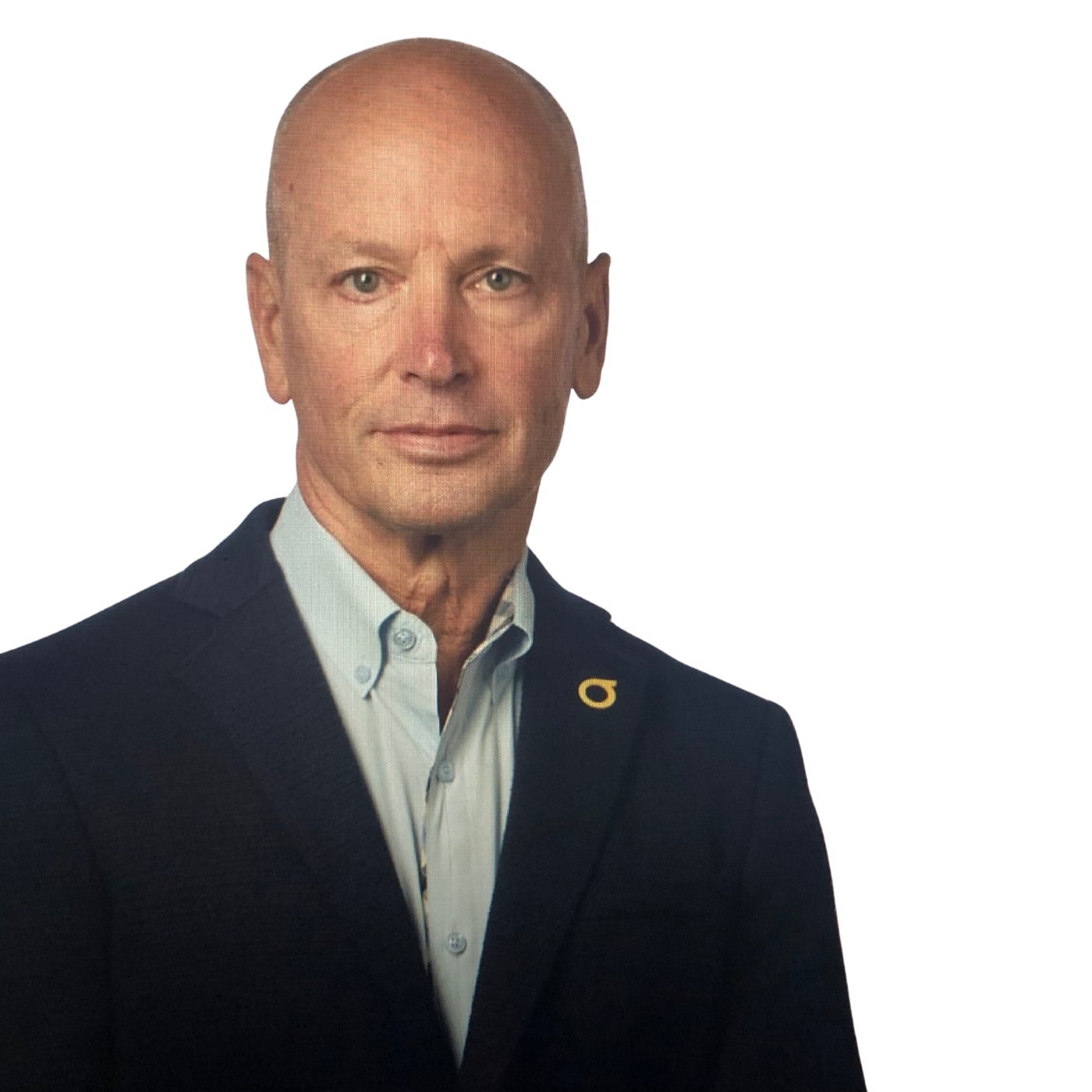
Mitch Robbins

Welcome to the Med-Tech Talent Lab the #1 catalyst for advancing careers and building high performing teams. Sponsored by The Anthony Michael Group…helping companies secure in demand talent in Regulatory Affairs, Quality, Clinical, Engineering, R&D and Commercial areas for Medical Device, Digital Health, Diagnostics and other organizations across the US Life Sciences sector.

Play
  • 21 episodes
  • Avg 41 min
  • English
Counted on this page — what you have heard stays on this device, so it is not something the list can be paged by.
  • S5 · E145
    Thursday · 41 min

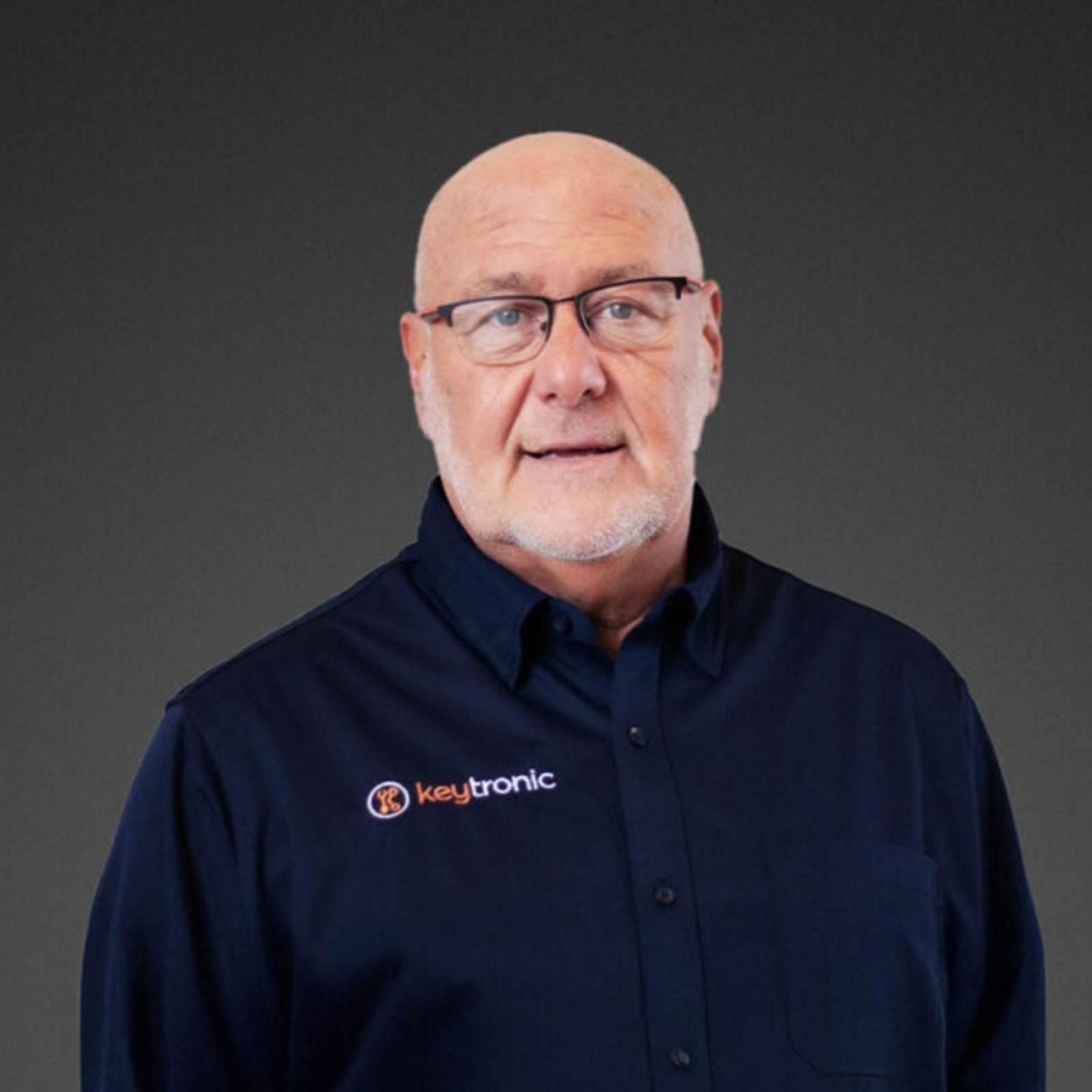
    A Career Decision, Not a Purchase Order w/ Craig Green, SVP of Business Development-Keytronic

    In this episode of The Med-Tech Talent Lab, Mitch Robbins sits down with Craig Green, Senior Vice President of Business Development at Keytronic, to explore what three decades in contract manufacturing have taught him about winning business and building the teams that deliver it. Craig spent the first twelve years of his career in the electric utility industry. Then the owner of a contract manufacturer came to his house for dinner, and forty-five minutes later Craig had agreed to run marketing for a metal stamping operation he knew nothing about, in a building that didn't yet own a press. He traces the path from there through the CEO seat at OEM Worldwide, where he inherited a company that had just lost forty percent of its revenue and grew it from eleven million to nearly seventy through the Great Recession. The conversation also explores why reshoring is pulling a surge of work back to North America, why awarding a manufacturing contract is a career decision for the person signing it, the question Craig asks early in every sales interview that makes up his mind, and what breaks inside a company at each new level of revenue. Whether you're in business development, running a manufacturing business, or building a commercial team, this episode offers practical insights on what actually wins programs, what you can teach a salesperson and what you can't, and where contract manufacturing is headed next. In this episode, you'll learn: Why reshoring is pulling manufacturing back from China and the Pacific Rim What has not changed about contract manufacturing in forty years Why awarding a contract is a career decision for the person signing it The interview question Craig asks that decides it in the first five minutes What you can teach a business development hire, and what you can't How he grew a company from $11M to nearly $70M through the Great Recession Why the wheels come off at every new revenue milestone, and how to plan for it Why he built a company-wide bonus program while still losing money Where vertical integration and one-stop capability are heading ...and so much more! Craig Green on LinkedIn: https://www.linkedin.com/in/craig-green-172a337/ Keytronic on the web: www.keytronic.com

  • S5 · E144
    September 23 · 47 min

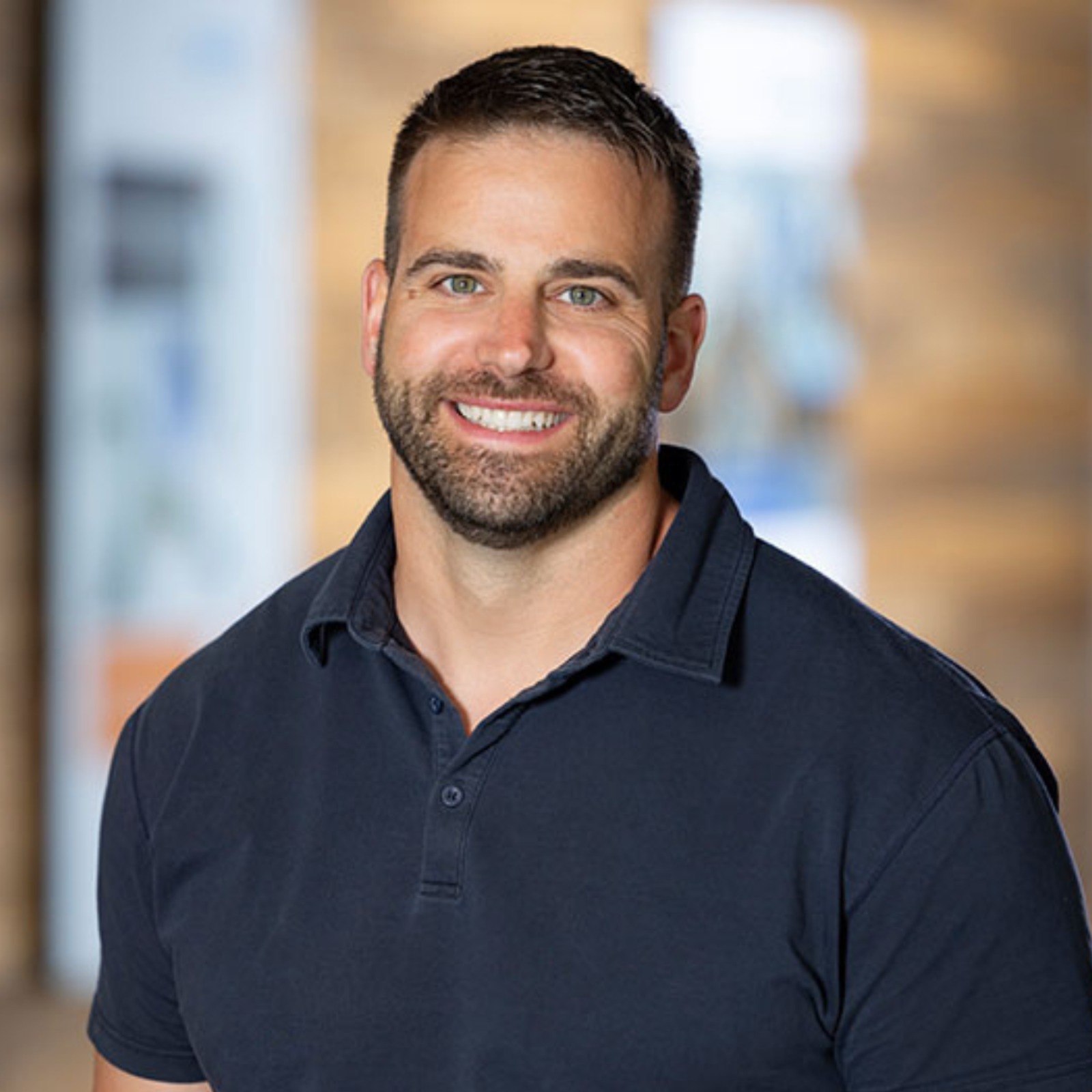
    Hiring People, Not Resumes w/ Jim Miller, Global Leader of Talent Acquisition-Rochester Electronics

    In this episode of The Med-Tech Talent Lab, Mitch Robbins sits down with Jim Miller, Global Leader of Talent Acquisition at Rochester Electronics, to explore what three decades in recruiting have taught him about hiring people instead of resumes. Jim answered a blind ad in the Sunday Boston Globe and made his first placement, a technical writer at Digital Equipment Corporation, before building a career that ran through Fidelity during the Y2K build-out and talent leadership roles at GE, Raytheon, WEX and L3Harris. He explains why understanding the business matters more than recruiting technique, why he only hires relationship recruiters, and why your reputation follows you far longer than your resume ever will. The conversation also explores why hourly hiring has quietly become the hardest job in recruiting, the high school co-op program feeding Rochester's manufacturing floor, how the TN visa opened a talent pool most companies overlook, the hiring mistake he watches companies repeat, and his blunt take on where AI actually helps a talent team and where it simply doesn't. Whether you lead talent acquisition, hire into manufacturing, or are building a career in recruiting, this episode offers practical insights on sourcing when every tool returns the same names, building trust across a team, and why the person responsible for your culture probably belongs closer to the CEO. In this episode, you'll learn: Why understanding the business beats recruiting technique every time What made hourly hiring the hardest job in recruiting after 2021 How a high school co-op program became a reliable manufacturing pipeline Why the TN visa opened a talent pool most companies overlook The hiring mistake companies repeat: recruiting to basic qualifications Where AI genuinely helps a TA team, and where Jim says it falls short Why relying on technology leaves recruiters waiting instead of working The trust test a mentor ran on Jim, and what it taught him about leading Why recruiting is sales, and why it rarely reports where it should ...and so much more! Jim Miller on LinkedIn: https://www.linkedin.com/in/jimmiller64/ Rochester Electronics on the web: www.rocelec.com

  • S5 · E143
    September 14 · 47 min

    The Football Mindset Behind Winning in MedTech w/ Joe Semanoff, VP of Business Development-Switchback Medical

    In this episode of The Med-Tech Talent Lab, Mitch Robbins sits down with Joe Semanoff, Vice President of Business Development at Switchback Medical, to explore how the mindset he developed playing Division I football has shaped the way he approaches sales, business development, and leadership in Medtech. Joe grew up in a small town in northern Pennsylvania and walked on at BYU, where he played running back and fullback, earned a scholarship, and was voted a captain his senior year. He was on his way to physical therapy school when someone took a chance on him with no device background and no sales experience. Joe shares how the competitiveness, preparation, and grind of college football carried into his career, from prospecting and mastering his craft to leading a team. The conversation also explores what OEMs actually want from a manufacturing partner beyond price, why transfer business can become a race to the bottom, how pushing back on a customer's design can build trust, and the honest struggle of stepping back from the work you were great at so your team can do it themselves. Whether you're in sales, business development, or leading a commercial team, this episode offers practical insights on prospecting in a noisy market, building relationships that survive difficult conversations, developing as a leader, and where AI is genuinely helping sales teams show up prepared. In this episode, you'll learn: How the football mindset translates into Medtech sales and leadership Why competitiveness, preparation, and consistency matter in prospecting What OEMs look for in a manufacturing partner beyond price Why transfer business can become a race to the bottom, and what to pursue instead How pushing back can build trust with customers What separates a trusted advisor from a rep trying to close a deal The hardest part of moving from top performer to sales leader How a college position coach taught Joe to lead different people differently Where AI is actually helping commercial teams prepare for meetings ...and so much more! Joe Semanoff on LinkedIn: https://www.linkedin.com/in/joe-semanoff-221a7739/ Switchback Medical on the web: www.switchbackmedical.com

  • S5 · E142
    September 7 · 52 min

    Aligning Your Personal and Professional Mission w/ Joel Greengrass, Chief People Officer-Precision Neuroscience

    In this episode of The Med-Tech Talent Lab, Mitch Robbins sits down with Joel Greengrass, Chief People Officer at Precision Neuroscience, to explore what it looks like when the mission you work for is also the one you live with. Precision is building a minimally invasive brain computer interface designed to restore communication and movement for people with severe neurological conditions. Joel lost his grandmother to ALS, his closest friend from college is fighting the same disease now, and he has lived with MS for 20 years. He explains why he told a recruiter to stop mid-pitch and not call anyone else, and how three decades spanning Accenture, Equinox, BuzzFeed, FanDuel, and Yieldstreet led him to a role he describes as his ikigai. The conversation also explores the difference between leading HR and leading people, the CEO who hired him by saying he didn't want an HR person, why he tracks how many one on ones he does every month, the honest feedback he gave a CEO that ultimately cost him a job, and the answer he gives in every interview that stops executives cold: you don't fire enough people. Whether you're a people leader, a founder, or an executive scaling a team, this episode offers practical insights on turning the people function into a competitive advantage, earning a real seat at the table, and building the kind of authenticity people can actually feel. In this episode, you'll learn: Why leading people is a growth function and leading HR is a foundation How to build credibility with a CEO who has never seen a strategic people function Why Joel tracks his one on ones, and what meeting 35% of the company buys The interview answer he gives every company: you don't fire enough people Why a seat at the table is a privilege, and when to give the seat up What CEOs most often get wrong about people problems How an MS diagnosis reshaped his definition of success and his leadership Why the culture you built today is not the culture you'll have tomorrow ...and so much more! Joel Greengrass on LinkedIn: https://www.linkedin.com/in/joelgreengrass/ Precision Neuroscience on the web: www.precisionneuro.io

  • S5 · E141
    August 31 · 45 min

    Inside the Hottest Job in MedTech w/ John Pietrantoni, VP of Corporate Accounts-Terumo

    In this episode of The Med-Tech Talent Lab, Mitch Robbins sits down with John Pietrantoni, Vice President of Corporate Accounts at Terumo, to explore how corporate accounts became one of the most important and least understood roles in medical device. With more than 30 years in sales and commercial leadership, including two decades at Getinge, John traces a path that began at Coca-Cola and ran through HealthSouth before a leader took a chance on him with zero device experience in 2002. He explains the triangle that governs how products get into hospitals today, the local rep earning clinical endorsement, the corporate accounts team working supply chain, and the value analysis committee above both, and why a gap in any corner usually means your product doesn't get used. The conversation also explores the four months he spent only observing after joining Terumo, the work stream model he uses to stretch talent and why he has never assigned one, how a team member's passion for AI became a new role, why he leads through vulnerability rather than authority, and why the word maybe replaced the word no in his team's negotiations. Whether you're in sales, commercial leadership, supply chain, or the executive seat, this episode offers practical insights on building teams that move fast because they trust you, and understanding how buying decisions really get made in 2026. In this episode, you'll learn: What corporate accounts really is, and why it became one of MedTech's hottest roles Why clinical endorsement alone no longer gets your product into the hospital The profile that succeeds in corporate accounts, and why the talent pool is narrow Why John observes for months before changing anything on a team he inherits The work stream model that grows leaders without ever assigning them the work How one team member's interest in AI turned into a full-time role Why trust built through vulnerability is what creates speed The leadership lesson John learned the hard way about losing talent ...and so much more! John Pietrantoni on LinkedIn: https://www.linkedin.com/in/john-pietrantoni-10209b25/ Terumo on the web: www.terumo.com

  • S5 · E140
    August 24 · 34 min

    From Innovation to Commercialization w/ Tom Ross, Founder-The Device Dr.

    In this episode of The Med-Tech Talent Lab, Mitch Robbins sits down with Tom Ross, founder of The Device Doctor and fractional COO at OUI Medical, to explore what separates medical device startups that reach the market from the ones that stall. With nearly four decades in medical technology, Tom has raised capital, built sales organizations, launched products, and guided companies through acquisitions involving Medtronic, Smith & Nephew, and Orthofix. Drawing on a career spent almost entirely inside startups, sometimes as employee number two, he shares the warning signs he looks for in a young company, why unrealistic projections made during fundraising cause damage long after the round closes, and why founders building what he calls real devices, products that enter the body and do something, face a far harder capital market than their software and AI counterparts. The conversation also explores the difference between what a CEO does and what an operator does, when a founder should bring in a COO, and why Tom argues the O should stand for outcomes rather than operations. He walks through the case of a surgeon who got his technology back with FDA clearance in hand but no company capable of building or selling it, and he's candid about the evolution of his own consulting practice, including why the message "I can help with anything" never sold. Whether you're a founder, an investor, a commercial or operations leader, or an experienced professional weighing a move into consulting, this episode offers practical insights on building companies that can actually execute, positioning yourself around a specific problem, and what the next two years may hold for MedTech. In this episode, you'll learn: The first warning signs that a medical device startup is headed for trouble Why projections made to attract investors create problems that surface years later Why hardware device companies face tougher fundraising than AI and digital health startups What founders underestimate about supply chain, on both the build side and the customer side The right time to bring in a COO, and why chief outcomes officer is the better title Why an FDA-cleared product is not the same thing as having a company What clinical founders consistently misjudge about what it takes to commercialize How to evolve a consulting message from "I can do anything" to something that actually sells ...and so much more! Tom Ross on LinkedIn: https://www.linkedin.com/in/thomaswross/ The Device Doctor on the web: www.thedevicedr.com

  • S5 · E139
    August 14 · 38 min

    Building Culture that Survives Growth w/ Sarah Neal, VP HR-UFP Technologies

    In this episode of The Med-Tech Talent Lab, Mitch Robbins sits down with Sarah Neal, Vice President of Human Resources at UFP Technologies, to explore what it takes to build and protect culture inside a fast-growing medical device CDMO. With more than two decades of HR and talent leadership across healthcare, software, and technology, Sarah shares how people leaders can move beyond process ownership to become genuine drivers of business strategy. Drawing on her experience at PTC, Takeda, Shire, Epsilon, and now UFP where the company has completed four acquisitions in the past year alone while transitioning to a new CEO. She discusses how to keep culture intact through rapid M&A, how to define values in language people actually use, and why UFP's acquisition strategy starts with cultural fit long before the deal does. The conversation also explores what really changes on the move from Director to VP, how to lead functions you've never owned before, the policy overhaul at Epsilon that lifted engagement scores 10% in a single year by putting decisions back in managers' hands, the hiring realities facing contract manufacturers in 2026, and where AI is genuinely helping HR teams today along with the one part of the process UFP has deliberately kept it out of. Whether you're an HR, Talent, Operations, or executive leader, this episode offers practical insights on scaling culture through acquisition, developing leaders who are ready before they feel ready, and building a hiring process that holds up in an AI-saturated market. In this episode, you'll learn: Why culture is defined by behaviors and values in practice, not statements on a wall How to protect and scale culture across multiple acquisitions in a single year What actually changes when you step from Director to Vice President How to lead functions you've never owned before without losing credibility Why giving decision-making authority back to managers can transform engagement The hiring challenges facing medical device contract manufacturers in 2026 Why one hiring team abandoned virtual-only interviews after a single candidate experience Where AI is adding real value in HR and where it deliberately isn't being used ...and so much more! Sarah Neal on LinkedIn: https://www.linkedin.com/in/sarah-j-neal/ UFP Technologies on the web: www.ufpt.com

  • S5 · E138
    July 31 · 40 min

    Quality as a Competitive Advantage | Paul Arrandell, Chief Quality & Regulatory Officer, Jabil

    In this episode of The Med-Tech Talent Lab, Mitch Robbins sits down with Paul Arrandell, Chief Quality and Regulatory Officer at Jabil, to explore what it takes to build a quality organization that goes far beyond compliance. With more than 30 years of leadership experience across medical devices, diagnostics, aerospace, and automotive, Paul shares how quality leaders can become true strategic business partners by driving trust, improving business performance, and creating a culture that scales across complex global organizations. Drawing on his experience leading quality and regulatory across more than 90 sites worldwide, he discusses the challenges of standardizing quality systems, integrating acquired businesses, developing future leaders, and building a culture where accountability and continuous improvement become part of everyday operations. The conversation also explores why quality should be viewed as a competitive advantage instead of a cost center, how organizations can identify and develop high-potential talent, and where artificial intelligence has the potential to transform quality systems, regulatory intelligence, and operational decision making. Whether you're a Quality, Regulatory, Operations, or executive leader, this episode offers practical insights on building resilient organizations, developing strong teams, and positioning quality as a driver of business success. In this episode, you'll learn: • Why quality should be viewed as a strategic business function, not just a compliance requirement • How to build and sustain a quality culture across global manufacturing sites • The leadership principles behind developing high-performing teams and future leaders • Why trust is one of the most valuable outcomes of an effective quality organization • Common mistakes companies make when trying to standardize quality systems • How to use metrics and data to improve business performance instead of simply reporting compliance • Where AI can help quality organizations become more proactive, efficient, and data-driven • Why experienced professionals will remain essential even as AI transforms the future of quality ...and so much more! Paul Arrandell on LinkedIn: https://www.linkedin.com/in/paul-arrendell/ Jabil on the web: www.jabil.com

  • S5 · E137
    July 24 · 43 min

    Why Great MedTech Products Fail Without a Market Access Strategy | Spencer Bailey, VP of Market Access, SetPoint Medical

    In this episode of The Med-Tech Talent Lab, Mitch Robbins sits down with Spencer Bailey, Vice President of Market Access and Reimbursement at SetPoint Medical, to discuss one of the most critical yet often overlooked aspects of MedTech commercialization: market access. Spencer has built his career at the intersection of healthcare finance, reimbursement, and MedTech innovation. After beginning on the provider side of healthcare and later advising organizations as a healthcare consultant, he transitioned into the medical device industry, where he has helped companies develop reimbursement strategies that support successful commercialization. Today, he leads Market Access and Reimbursement at SetPoint Medical and recently helped secure CMS Transitional Pass-Through Payment for the company's breakthrough technology. SetPoint Medical is pioneering a new approach to treating rheumatoid arthritis with an FDA-approved implantable neuromodulation system that stimulates the vagus nerve to activate the body's natural anti-inflammatory pathways. The therapy represents the first approved neuroimmune modulation treatment for adults with rheumatoid arthritis who have not responded adequately to certain advanced drug therapies. During the conversation, Spencer explains why reimbursement should be viewed as a core business competency instead of an afterthought. He shares how companies can improve their chances of commercial success by bringing market access into the conversation early, often before clinical trials begin. Drawing on his experience across provider organizations, consulting, and MedTech, he offers practical insights on reimbursement strategy, hiring exceptional market access talent, building high-performing teams, and translating complex reimbursement challenges into business strategy. Whether you're a MedTech executive, founder, investor, commercial leader, or reimbursement professional, this episode offers actionable insights on bringing innovative therapies to patients while building a commercialization strategy that lasts. In this episode, you'll learn: • Why market access should be part of product development from day one • When MedTech companies should hire their first market access leader • The biggest misconceptions about reimbursement and commercialization • What separates exceptional market access professionals from the rest • How to build reimbursement teams that create strategic value • Lessons from commercializing a first-of-its-kind medical technology • Where AI will, and will not, change the future of market access Spencer Bailey on LinkedIn: https://www.linkedin.com/in/spencer-bailey-11ab1410/ SetPoint Medical on the web: setpointmedical.com

  • S5 · E136
    July 10 · 54 min

    Operational Excellence, Leadership & Building High-Performing Teams w/ George Murray-COO-Minnesota Wire

    Manufacturing excellence isn't just about processes and metrics. It's about leadership, culture, and building teams that can perform under pressure. In this episode of The Med-Tech Talent Lab, Mitch Robbins sits down with George Murray, Chief Operating Officer of Minnesota Wire, to discuss what separates great manufacturing organizations from average ones, how leaders successfully navigate operational challenges, and why people, not processes, ultimately determine long-term success. Drawing on more than 30 years of leadership experience across medical devices, aerospace and defense, electronics manufacturing, semiconductors, and industrial automation, George shares practical lessons on operational execution, hiring, leadership development, military influence, and preparing manufacturing organizations for the future. Whether you're an operations executive, manufacturing leader, CEO, or aspiring leader, this conversation is packed with practical insights that extend far beyond the factory floor. In this episode, you'll learn: The first three areas George evaluates when assessing an underperforming manufacturing operation Why operational excellence starts with people, processes, and meaningful metrics The difference between managing people and leading people How military leadership principles translate into business success What separates strategic manufacturing partners from commodity suppliers How to build teams that thrive under pressure and embrace accountability The hiring philosophy George uses to identify high-performing talent Why "will" often matters more than skill when building exceptional teams How AI is reshaping manufacturing and why leaders should embrace the technology Lessons from leading global manufacturing organizations through periods of rapid change and adversity Connect with George Murray: LinkedIn: https://www.linkedin.com/in/georgecmurray/ Learn more about Minnesota Wire: https://www.mnwire.com

  • S5 · E135
    July 8 · 42 min

    Building a career in Market Access w/ Kimberly Konopa-VP & Consultant

    Building a Career in Market Access: Kimberly Konopa Market access has evolved into one of the most strategic functions in MedTech—and the most successful companies are bringing it into the commercialization process earlier than ever before. In this episode of The Med-Tech Talent Lab, Mitch Robbins sits down with market access executive Kimberly Konopa to discuss how the function has changed over the past three decades, why reimbursement strategy should begin long before product launch, and what separates high-performing market access leaders from the rest. Kimberly also shares her personal leadership journey from pharmaceutical sales to executive leadership, the lessons she learned managing large teams, and practical advice for professionals looking to build a successful career in market access. In this episode, you'll learn: Why market access should be involved early in product development The reimbursement and commercialization challenges MedTech companies are facing today How executive teams should think about coding, coverage, payment, and evidence generation What differentiates VP-level leaders from director-level professionals Leadership lessons Kimberly learned throughout her 30-year career The skills companies look for when hiring top market access talent Advice for professionals interested in transitioning into market access Why mentorship, continuous learning, and curiosity accelerate career growth Connect with Kimberly Konopa: https://www.linkedin.com/in/kimberly-konopa

  • S5 · E134
    April 24 · 34 min

    How Karrington Chaney (AD Talent Acquisition) & RxSight are using Content to Win Talent

    In this episode of The MedTech Talent Lab, Mitch sits down with Karrington Chaney, who leads talent acquisition for RxSight, the company behind the Light Adjustable Lens, the first and only lens that can be customized after cataract surgery. Karrington shares his career journey from working at Best Buy, to the agency recruiting world, to building an internal talent acquisition function inside a growing medical device company. The bigger focus of this conversation is where hiring is headed next. Karrington breaks down how he is helping modernize recruiting by blending talent acquisition, employer branding, internal communications, and content creation to attract candidates before jobs even open. Instead of relying on stale career pages and generic job posts, he explains why companies need to start telling real stories about leaders, employees, growth opportunities, and culture. Topics covered include: Why “people trust people, not titles” The shift from traditional employer branding to authentic storytelling How content can build talent pipelines before a requisition opens Using podcasts, video, LinkedIn, and YouTube to attract niche candidates Why candidates now research employers like buyers research products How internal communication and recruiting can work together Lessons learned launching a content-driven hiring strategy inside a regulated public company Why the future of recruiting is part talent acquisition, part marketing, and part trust-building If you're an Executive, hiring manager, or you lead hiring talent acquisition, HR, or recruiting in MedTech, this episode offers a real look at how forward-thinking companies will separate themselves in the years ahead. Karrington Chaney on LinkedIn: https://www.linkedin.com/in/karrington-chaney/ RxSight on the web: https://rxsight.com/

  • S5 · E133
    January 26 · 42 min

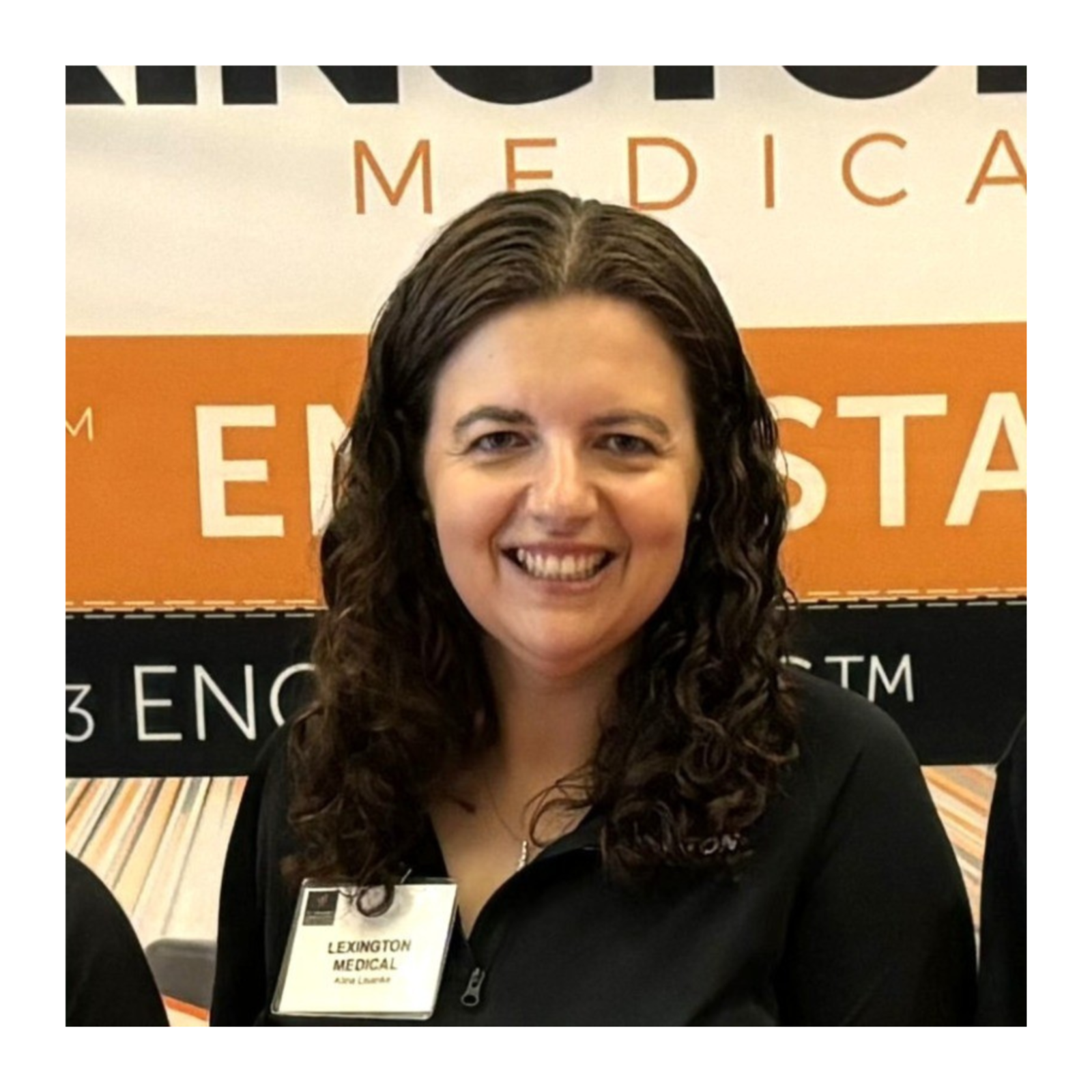
    Navigating Career Transitions in a Tough Market w/ Alina Lisanke-Director of Talent Acquisition-Lexington Medical

    In this episode of The Med-Tech Talent Lab, host Mitch Robbins sits down with Alina Lisanke, Director of Talent Acquisition at Lexington Medical, for an honest conversation about leadership, career transitions, and navigating a challenging hiring market. Alina shares her journey from agency recruiting to leading talent acquisition functions in MedTech, along with the pivotal moments that shaped her career. Most notably, she opens up about her time in transition during a difficult market when senior TA roles were limited, competition was intense, and finding the right next step required patience, resilience, and intention. Rather than rushing into the wrong role, Alina talks about taking contract and individual contributor work to stay sharp, leaning on community for support, and using the time to reassess what kind of role and environment truly fit her strengths. That clarity ultimately led her to Lexington Medical, where she is now building and scaling the TA function during a period of growth. The conversation also explores: The shift of talent acquisition from order-taking to strategic partnership What changes when recruiters move into people leadership roles How to balance trust, delegation, and accountability as a TA leader Where AI adds real value in hiring, and where human judgment still matters most Why strong systems and process create freedom, not friction This episode is especially relevant for talent acquisition leaders who are navigating career uncertainty, considering a transition, or feeling stuck in today’s market. Alina’s story is a reminder that career detours are not setbacks, but filters that can lead to the right opportunity.

  • S5 · E132
    January 16 · 40 min

    The Uncomfortable Moves That Create MedTech Executives w/ Jahnavi Lokre, COO-Diality

    In this episode of The Med-Tech Talent Lab, host Mitch Robbins sits down with Jahnavi Lokre, Chief Operating Officer at Diality, a Series B medical device company focused on transforming kidney care. Jahnavi shares her 25+ year journey from growing up in India in a science-driven household to building a career across software engineering, regulated industries, and executive leadership in MedTech. With experience spanning transportation systems, contract manufacturing, and product ownership at both large organizations and startups, she offers a rare, cross-industry perspective on what it truly takes to build and scale high-performing teams. Listeners will gain practical insight into: How transferable skills from highly regulated industries can unlock MedTech leadership opportunities Why stepping up before you feel “ready” is often the catalyst for executive growth The mindset shifts required to move from engineering into senior leadership Hiring lessons learned the hard way, including when to act quickly on a mis-hire How strong leaders balance trust, accountability, and execution Why bold thinking, persistence, and values-driven leadership matter in fast-moving startups Jahnavi also discusses Diality’s mission to improve outcomes and reduce costs in dialysis care, the realities of innovating in an under-evolved market, and what excites her most about the future of kidney disease treatment. This episode is packed with candid leadership lessons, career-defining insights, and actionable advice for engineers, operators, and aspiring executives looking to grow their impact in MedTech and beyond.

  • S4 · E131
    Nov 21, 2025 · 17 min

    Inside the “Made Here” Orthopedic Manufacturing Ecosystem w/ Travis Christman-Priority Medical

    In this episode, Mitch sits down with Travis Christman, a respected operations, regulatory, and quality leader in the orthopedic manufacturing world. Travis has spent his career across Zimmer, Medartis, Nextremity, and now Priority Medical, an end-to-end engineering services organization operating from the orthopedic capital of the world — Warsaw, Indiana. Travis shares details on a major industry event launching December 18th: The “Made Here” Manufacturing Showcase — a first-of-its-kind, hands-on demonstration of the full orthopedic supply chain ecosystem that exists in northern Indiana. You'll hear: Why Warsaw remains the global epicenter of orthopedic innovation What OEMs don’t see — but need to know — about today’s supply chain pressures How contract manufacturers can accelerate lead times, nearshoring, and production readiness Where the biggest growth trends are emerging (AI, robotics, navigation, additive, pre-op planning, and more) How Priority Medical is serving as a connector across surgeons, OEMs, contract manufacturers, and local talent This is a must-listen if you’re involved in: orthopedic product development, contract manufacturing, supply chain, engineering services, regulatory/quality, or OEM commercialization planning. Guest Bio — Who is Travis Christman? Operations & Quality Leader at Priority Medical Former leader at Zimmer, Medartis, and Nextremity Solutions U.S. Army National Guard Captain (10+ years of service) Board member at KEDCO (Kosciusko Economic Development Corporation) Deep expertise in engineering services, supply chain partnerships, regulatory/quality systems, and commercialization for orthopedic products What We Cover The vision behind the Made Here Manufacturing Showcase Why OEMs are struggling with today’s longer lead times How Warsaw’s supply chain ecosystem drives speed, cost, and quality Nearshoring trends and why U.S. manufacturing is surging The rise of robotics, navigation, pre-op planning, and AI in orthopedics What contract manufacturers must do to stay competitive The new economy emerging around CDMOs and orthopedic innovation hubs How Priority Medical is helping OEMs innovate faster and more efficiently

  • S4 · E130
    Sep 10, 2025 · 42 min

    From Faxed Resumes to AI-How Recruiting Really Works w/ Jim Belmonte-Sr Talent Acquisition Manager-Cirtec Medical

    In this episode of The Med-Tech Talent Lab, host Mitch Robbins sits down with Jim Belmonte, Senior Talent Acquisition Manager at Cirtec Medical, who brings more than 25 years of experience in recruiting and TA leadership. Jim shares his journey from agency recruiter to leading internal talent acquisition teams at organizations like Cardiovascular Systems (later acquired by Abbott) and now in the fast-paced world of contract manufacturing. Together, Mitch and Jim explore: ✅ How chance encounters and curiosity can launch lifelong careers in recruiting ✅ The evolution of talent acquisition from faxed resumes to AI-driven tools—and why the fundamentals haven’t changed ✅ The impact (and pitfalls) of candidates relying too heavily on AI for resumes, cover letters, and even interviews ✅ Why authentic human connection and probing conversations still set great recruiters apart ✅ The importance of intake meetings, setting expectations with hiring managers, and creating safe space for recruiters to push back ✅ What junior recruiters should develop if they aspire to lead TA teams ✅ How talent acquisition shapes company culture more than most realize Jim also gives an inside look at why he’s energized by the contract manufacturing space and the exciting opportunities at Cirtec Medical, where innovation and growth are constant. Whether you’re a recruiter, TA leader, hiring manager, or candidate navigating today’s job market, this conversation offers sharp insights into the realities, challenges, and opportunities shaping the future of talent acquisition. Jim Belmonte on LinkedIn: https://www.linkedin.com/in/jimbelmonte/ Cirtec Medical on the web: https://www.cirtecmed.com/

  • S4 · E129
    Jul 22, 2025 · 47 min

    Building w/ Heart-Caleb Polley, Founder & CEO-Cubby Beds

    In this episode of The Med-Tech Talent Lab, I sat down with Caleb Polley, founder & CEO of Cubby Beds, to talk about how he's bringing empathy and engineering together to create safer, smarter sleep solutions for kids with special needs. We covered: The personal journey that sparked the Cubby Beds mission How to build products that truly serve underrepresented populations Balancing speed, scale, and regulatory rigor as a MedTech startup What it means to lead with empathy and how it shapes hiring and culture Key lessons for any founder building mission-first, market-ready solutions If you're a founder, product leader, or operator in MedTech (or beyond) looking for perspective on how to build with both precision and purpose Caleb delivers the blueprint. Caleb Polley on LinkedIn: https://www.linkedin.com/in/calebpolley/ Cubby Beds on the web: https://cubbybeds.com/

  • S4 · E128
    Jul 15, 2025 · 26 min

    The AI Tool Making Med-Tech Audit Ready 24/7 w/ Adam Foresman, CEO Ryden.ai

    In this episode we sit down with Adam Foresman, co-founder and CEO of Ryden.ai, a groundbreaking startup that’s redefining how MedTech companies approach compliance. After nearly two decades in quality and regulatory leadership—including roles at Dentsply, Midmark, and Vidya Health—Adam saw firsthand how overwhelming it had become to stay audit-ready across constantly shifting global regulations. So he built the tool he wished he had. Ryden.ai leverages AI to continuously scan a company’s QMS, identify compliance gaps, and recommend updates based on global regulatory standards (FDA, ISO, EUMDR, Health Canada, and more). And it doesn’t stop there—it’s expanding to assess records, not just procedures, ensuring companies can demonstrate execution, not just intention. In this conversation, Adam shares: Why AI won’t replace quality pros—but will make their jobs a lot easier The biggest concerns companies have about using AI in GxP environments (and how Ryden addresses them) What the FDA’s own shift to AI tools means for regulatory strategy How both startups and enterprise MedTech teams are using Ryden to stay ahead A real-world win preparing a company for Health Canada with zero major findings Whether you're a startup with limited resources or an enterprise with global sites to manage, Adam makes a compelling case: AI won’t take your job—but it might save your sanity. Adam Foresman on LinkedIn: https://www.linkedin.com/in/adamforesman/ Ryden.ai on the web: ryden.ai

  • S4 · E127
    Jul 14, 2025 · 46 min

    From Engineer to Operations Executive with Eric Steuben-SVP Ops-Calyxo

    In this episode of The Med-Tech Talent Lab, we sit down with Eric Steuben, Senior Vice President of Operations at Calyxo, a fast-growing company disrupting the treatment of kidney stones with its proprietary C-VAC system. Eric brings over 30 years of experience in MedTech, having held leadership roles at Varian, Align Technology, Procept BioRobotics, and more. He shares his journey from early career rotations in engineering to scaling operations from 13 employees to over 1,500 across five countries. Together, Mitch and Eric dive into: How a strong foundation in people and culture shaped Eric’s leadership approach The leap from individual contributor to first-time manager—and how to get it right Lessons from scaling Align Technology during its hypergrowth phase Why he believes no one should stay in a role longer than 3–4 years How to hire for where you’re going, not just what you need today The critical role of mentorship and choosing the right people to follow What makes Calyxo’s stone removal technology a potential game-changer in urology Whether you're building a team, scaling a startup, or aiming for executive leadership, Eric’s wisdom and experience offer valuable insights for professionals across the MedTech ecosystem. Eric Steuben on LinkedIn: https://www.linkedin.com/in/esteuben/ Calyxo on the web: calyxoinc.com

  • S4 · E126
    Jul 8, 2025 · 41 min

    From Aerospace to Oncology: Building Teams, Products, and Purpose w/Gary Thomas-SVP Manufacturing Onkos Surgical

    In this episode, we sit down with Gary Thomas, Senior Vice President of Manufacturing and Product Development at Onkos Surgical, a company delivering breakthrough innovations for musculoskeletal oncology. With over 30 years of experience in MedTech—much of it in the ortho-spine space—Gary shares his remarkable leadership journey, beginning in aerospace and culminating in the fight against cancer-related infections. We cover: How discipline, fitness, and early morning rituals drive high performance His transition from aerospace into MedTech—and why he still recruits from that world Lessons from launching high-stakes products under pressure The moment his career accelerated and the mindset that got him there The key differences between directors and VPs—and why some don’t make the leap How he evaluates leadership potential in technical professionals Why culture isn’t just a buzzword—and how high-performing teams self-correct What makes Onkos Surgical’s NanoSap™ technology a game-changer for infection prevention Gary’s practical insights on leadership, talent development, and execution make this a can’t-miss episode for anyone aspiring to lead at the highest levels in MedTech. Gary on LinkedIn: https://www.linkedin.com/in/gary-thomas-00a8a533/ Onkos Surgical on the web: https://onkossurgical.com/

Showing 1–20 of 21 episodes